Official website of the State of California
翻訳

SACRAMENTO — The Department of Health Care Services (DHCS), under the direction of Governor Gavin Newsom, this month applied to the Center for Medicaid and Medicaid Innovation (CMMI) at the Centers for Medicare & Medicaid Services (CMS) to participate in the groundbreaking Cell and Gene Therapy (CGT) Access Model. If approved, this multi-year initiative will expand Medi-Cal members’ access to lifesaving gene therapies for sickle cell disease (SCD), a severe genetic blood disorder that disproportionately affects people of African descent.
“California’s application to participate in this federal model reflects our commitment to expanding access to groundbreaking treatments for Medi-Cal members with sickle cell disease,” said State Medicaid Director Tyler Sadwith. “These therapies have the potential to transform lives, and this initiative helps ensure that cost is not a barrier for Californians who need them most.”
WHY THIS MATTERS: More than 50 percent of individuals with SCD are covered by Medicaid in the United States. By participating in the CGT Access Model, California will:
“By expanding access to these transformative therapies, California is leading the way in addressing health inequities, improving life expectancy, and ensuring that Medi-Cal members with sickle cell disease receive the best possible care,” said Sadwith.
ABOUT THE CGT ACCESS MODEL: Gene therapy represents a groundbreaking approach to SCD. It modifies a patient’s own hematopoietic stem cells to help the body produce healthy red blood cells. This one-time treatment has been shown to reduce severe pain episodes and has the potential to prevent complications and improve the quality of life for individuals with SCD.
However, these therapies come with extraordinary costs, making access difficult for patients and Medicaid programs, including Medi-Cal. The CGT Access Model addresses this challenge by using a negotiated rebate system that ties payments for these treatments to patient outcomes. If the therapy does not meet expected health improvements, drug manufacturers will provide rebates to Medicaid programs, helping ensure financial sustainability while expanding access to care.
Initially, the model will focus on gene therapies for SCD, a condition affecting more than 100,000 individuals nationwide, including more than 8,000 Medi-Cal/Children’s Health Insurance Program (CHIP) members in California.
If California is approved, eligible Medi-Cal members will have access to gene therapy treatment, case management, travel assistance, behavioral health support, and fertility preservation services, as the treatment process involves chemotherapy, which can impact fertility. CMS anticipates testing the model over an 11-year performance period, beginning on January 1, 2025.
BIGGER PICTURE: In addition to applying for the CGT Access Model, California was selected earlier this year for the Transforming Maternal Health (TMaH) Model, which aims to improve maternal health outcomes and reduce costs, and is transforming Medi-Cal through its California Advancing and Innovating Medi-Cal (CalAIM) waiver, which focuses on whole-person care, care management, and addressing social drivers of health—strengthening efforts to create a more inclusive and effective health system.
###
コミュニケーションオフィス
(916) 440-7660
DHCSPress@dhcs.ca.gov
年間約2,000人の参加者が見込まれるプロジェクト
SACRAMENTO — The Department of Health Care Services (DHCS) and Mentis are expanding outpatient services for people with mental health needs in Napa County. Just eight months ago, DHCS and Mentis broke ground on the Napa Valley Youth Wellness Campus, supported by Behavioral Health Continuum Infrastructure Program funding totaling more than $4.7 million.
On March 5, DHCS and Mentis celebrated the ribbon cutting of the new outpatient community mental health clinic and community wellness/youth prevention center, which opened for services and includes 121 new treatment slots and will serve nearly 2,000 people annually.
“DHCS is committed to working with partners like Mentis to rapidly expand mental health and substance use disorder treatment services for California youth,” said DHCS Director Michelle Baass. “BHCIP continues to address historic gaps in the behavioral health care system to meet the growing demand for services and supports throughout the lifespan of people in need.”
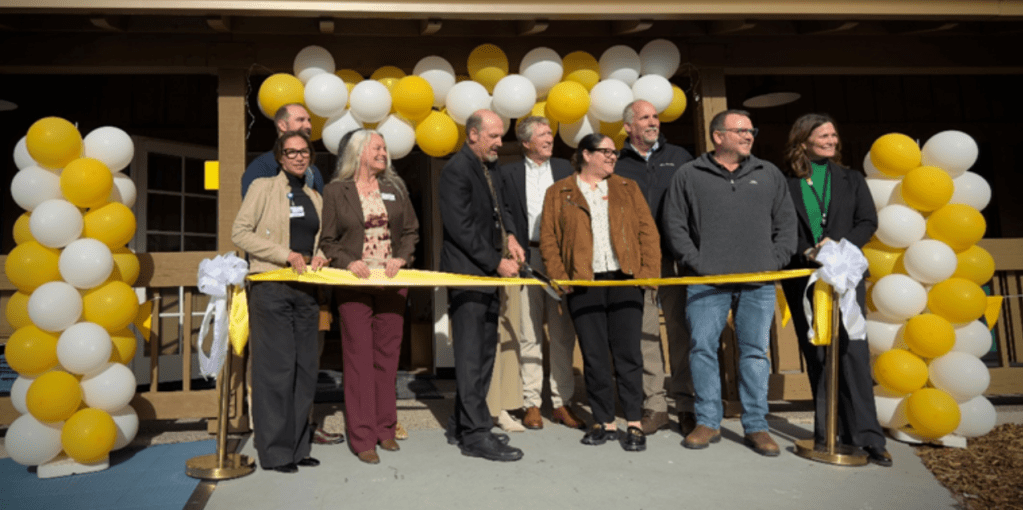
ナパバレーユースウェルネスキャンパスプロジェクトのためのテープカット
NAPA VALLEY YOUTH WELLNESS CAMPUS: This project will serve the behavioral, mental, and emotional needs of children and youth in Napa Valley and their families. The project involves rehabilitating an existing private middle school campus building to incorporate a supportive art studio, community space, and therapy rooms. Services include children and youth wellness prevention activities, mental health treatment, group therapy and/or family activities, and individual therapy sessions. Programs are offered in English and Spanish and are free and accessible for all. Located within walking distance of three high schools, the campus’ continuum of care is intended to attract a diverse youth population, including youth of color and LGBTQIA+ and justice-involved youth.
“Our community clinic and youth wellness campus will provide much-needed support to youth who continue to struggle with life’s stresses,” said Mentis Executive Director Rob Weiss. “We are eager to expand our continuum of care to serve children and youth with a wide spectrum of needs, and we are grateful to DHCS for making this vision possible.”
WHY THIS IS IMPORTANT: BHCIP is part of California’s ongoing commitment to expand behavioral health services for all Californians. With the passage of Proposition 1, even more behavioral health treatment facilities will be funded and built in 2025 and 2026. Through BHCIP, DHCS awards eligible entities funding to construct, acquire, and expand properties and invest in mobile crisis infrastructure to further expand the range of community-based behavioral health treatment options for people with co-occurring mental health treatment needs and substance use disorders.
DHCS has awarded $1.7 billion in BHCIP competitive grants. In addition, DHCS will distribute up to $4.4 billion in competitive Bond BHCIP funding, including $3.3 billion for Round 1: Launch Ready grants as part of Behavioral Health Transformation, DHCS’ work to implement Proposition 1. DHCS holds regular public listening sessions on this effort. Updates and recordings of the sessions are available on the online.
ABOUT BHCIP ROUND 4: CHILDREN AND YOUTH:BHCIP Round 4 focused on Californians ages 25 and younger, including pregnant and postpartum women and their children and youth ages 16-25, along with their families. Through funding made possible by California’s Children and Youth Behavioral Health Initiative, the 52 awards totaling $480.5 million allowed for new construction and expansion of multiple outpatient and residential facility types, including children’s crisis residential programs, perinatal residential substance use disorder facilities, community wellness/youth prevention centers, and outpatient treatment for substance use disorders. Please see the BHCIP website for more information about grant recipients and additional details about all BHCIP funding rounds.
###
コミュニケーションオフィス
(916) 440-7660
DHCSPress@dhcs.ca.gov
プロジェクトには、37の新しい急性精神科病院の入院病床が含まれます
SACRAMENTO — On February 19, 2025, the Department of Health Care Services (DHCS) and Gateways Hospital and Mental Health Center broke ground on Gateways’ youth expansion project in Los Angeles County. The project, funded by Round 4 of DHCS’ Behavioral Health Continuum Infrastructure Program (BHCIP), will focus on youth with serious emotional or behavioral problems experiencing an acute psychiatric emergency.
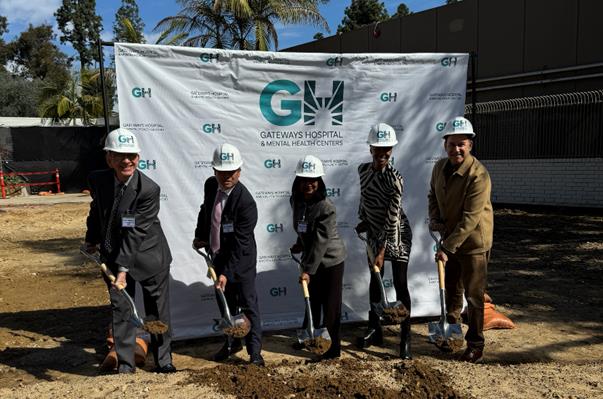
DHCS awarded Gateways more than $19 million through BHCIP, which is part of California’s ongoing commitment to expand behavioral health services for all Californians. With the passage of Proposition 1, even more behavioral health treatment facilities will be funded and built in 2025 and 2026.
“This groundbreaking is a significant step forward in our commitment to provide specialized care to youth facing acute mental health challenges,” said DHCS Director Michelle Baass. “By expanding access to comprehensive care, we are fostering an environment where all young people can receive the care and support they deserve to thrive.”
GATEWAYS YOUTH EXPANSION PROJECT: Most of the youth to be served by the project have experienced traumatic events or adverse childhood experiences or are involved with child welfare services. Gateways is adding 37 inpatient beds for adolescents to the acute psychiatric hospital’s existing 55 inpatient beds serving adults and adolescents.
“There is an urgent need to provide support for youth facing mental health crises,” said Gateways Hospital CEO Dr. Phil Wong. “We commend California for prioritizing these funds to focus on youth mental health by expanding infrastructure capacity to help shift the tide. Our team is pleased to break ground on our expansion so we can start serving youth in need of these vital services.”
In addition to traditional health care, the expanded facility will allow youth to receive multiple therapeutic services and participate in activities designed to build autonomy and help them transition to outpatient services. These services will include individual and group therapies, such as cognitive-behavioral therapy, psychoanalytic therapy, mentalization-based therapy, eye movement desensitization and reprocessing, and biofeedback. Youth housed in the unit will receive multiple therapeutic services, including family therapy and medical counseling.
Finally, youth presenting with eating disorders, such as anorexia nervosa and bulimia, and youth with co-occurring alcohol and drug disorders will receive nutritional counseling, have their physical health closely monitored, and receive medication management.
WHY THIS IS IMPORTANT: Through BHCIP, DHCS awards eligible entities funding to construct, acquire, and expand properties and invest in mobile crisis infrastructure to further expand the range of community-based behavioral health treatment options for people with co-occurring mental health treatment needs and substance use disorders. BHCIP is addressing historic gaps in the behavioral health care system to meet the growing demand for services and supports throughout the lifespan of people in need.
DHCS awarded $1.7 billion in BHCIP competitive grants. In addition, DHCS will distribute up to $4.4 billion in competitive Bond BHCIP funding, including $3.3 billion for Round 1: Launch Ready grants as part of Behavioral Health Transformation, DHCS’ work to implement Proposition 1. DHCS holds regular public listening sessions on this effort. Updates and recordings of the sessions are available on the Behavioral Health Transformation webpage.
ABOUT BHCIP ROUND 4: CHILDREN AND YOUTH: BHCIP Round 4, through funding made possible by California’s Children and Youth Behavioral Health Initiative, focuses on Californians ages 25 and younger, including pregnant and postpartum women and their children and transition-age youth ages 18-25, along with their families. The 52 awards totaling $480.5 million allow for new construction and expansion of multiple outpatient and residential facility types, including children’s crisis residential programs, perinatal residential substance use disorder facilities, community wellness/youth prevention centers, and outpatient treatment for substance use disorder. For more information, please visit the BHCIP website.
###
コミュニケーションオフィス
(916) 440-7660
DHCSPress@dhcs.ca.gov
新しい危機管理ハブは、年間2,500人以上の個人にサービスを提供すると予測されています
SACRAMENTO — On February 7, 2025, the Department of Health Care Services (DHCS) and CRI-Help announced the grand opening of the Substance Use Disorder (SUD) Crisis Management Hub: A Fully Integrated Behavioral Health Campus project in Los Angeles County. The site includes an adult residential SUD treatment facility, an intensive outpatient treatment SUD facility, and a sobering center. These combined facilities are projected to serve more than 2,500 individuals annually.
The SUD Crisis Management Hub project was funded by Round 5 of DHCS’ Behavioral Health Continuum Infrastructure Program (BHCIP). DHCS awarded CRI-Help more than $21 million through BHCIP, which is part of California’s ongoing commitment to expand behavioral health services for all Californians. With the passage of Proposition 1, even more behavioral health treatment facilities will be funded and built in 2025 and 2026.
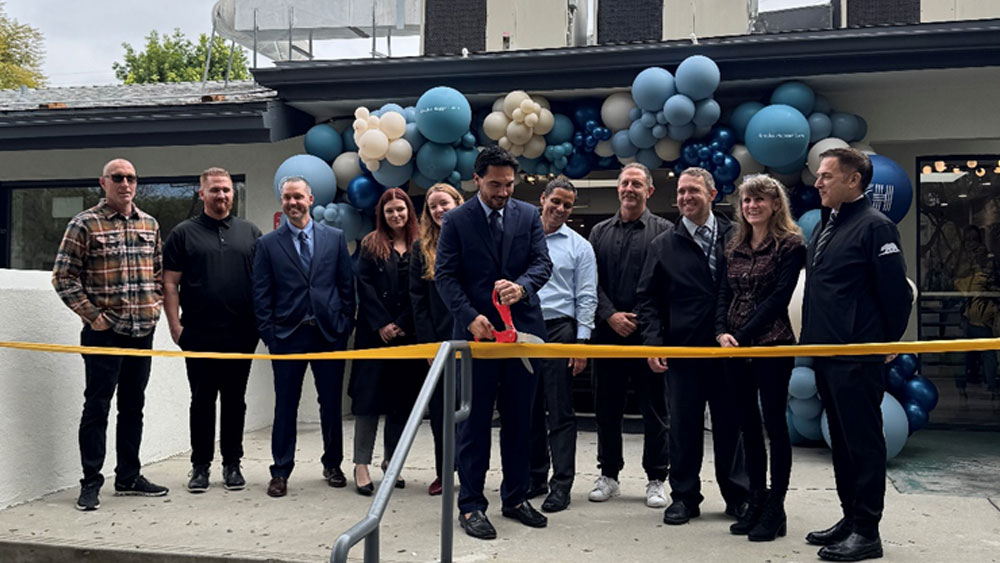
“Facilities like these that are part of the SUD Crisis Management Hub treat not only the crises, but also the core concerns of people seeking help with their SUDs, so they can pursue continuous recovery,” said DHCS Director Michelle Baass. “DHCS is pleased to partner with CRI-Help to make this facility a reality and to bring high-quality behavioral health care to this community.”
CRI-HELP: CRI-Help’s SUD Crisis Management Hub project immediately increases the availability of outpatient and residential crisis services for low-income adults in the downtown and east Los Angeles areas. This project includes three programs:
Together, these facilities will provide screenings, group counseling, patient education, family therapy group sessions, motivational interviewing, recovery efforts, and warm handoffs to other levels of care.
“With the addition of a sobering center funded by BHCIP that provides comprehensive recovery services, we are redefining what accessible, compassionate care looks like in the Los Angeles area,” said CRI-Help President and CEO Brandon Fernandez. “This campus stands as a beacon of innovation and inclusivity for people seeking a second chance in life.”
WHY THIS IS IMPORTANT: Through BHCIP, DHCS awards eligible entities funding to construct, acquire, and expand properties and invest in mobile crisis infrastructure to further expand the range of community-based behavioral health treatment options for people with co-occurring mental health treatment needs and SUDs. BHCIP is addressing historic gaps in the behavioral health care system to meet the growing demand for services and supports throughout the lifespan of people in need.
DHCS has awarded $1.7 billion in BHCIP competitive grants. In addition, DHCS will distribute up to $4.4 billion in competitive Bond BHCIP funding, including $3.3 billion for Round 1: Launch Ready grants as part of Behavioral Health Transformation, DHCS’ work to implement Proposition 1. DHCS holds regular public listening sessions on this effort. Updates and recordings of the sessions are available on the Behavioral Health Transformation webpage.
ABOUT BHCIP ROUND 5: CRISIS AND BEHAVIORAL HEALTH CONTINUUM: BHCIP Round 5 was developed, in part, through a statewide needs assessment that identified significant gaps in available crisis services. This assessment showed the need for a better crisis care system to reduce emergency department visits, hospitalizations, and incarceration. The 33 awards, totaling $430 million, are being used to build and expand crisis care and behavioral health facilities statewide and will serve vulnerable Californians of all ages, including Medi-Cal members.
###
コミュニケーションオフィス
(916) 440-7660
DHCSPress@dhcs.ca.gov
年間900人以上の個人にサービスを提供すると予想されるプロジェクト
SACRAMENTO — The Department of Health Care Services (DHCS) is expanding residential services for individuals with substance use disorders and co-occurring mental health needs at two locations in Los Angeles County.
The Whole Child—Mental Health and Housing Services celebrated the grand opening of a new community wellness center (below). On February 1, the center began providing trauma-informed, culturally sensitive mental health, family housing, parent enrichment, and nutrition education services. The center supports families in southeast Los Angeles who face barriers to accessing care, including youth and families experiencing homelessness.
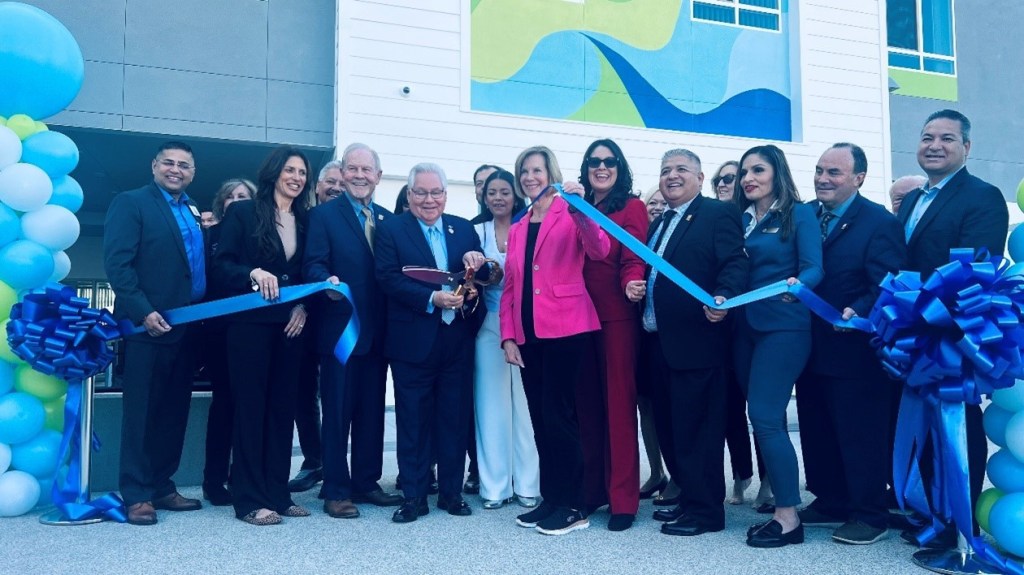
Also, St. Anne’s Family Services hosted a groundbreaking (below) for a new short-term residential therapeutic program (STRTP) called STRTP FOR ONE, which annually provides high-quality supportive housing programs, early childhood education, mental health, and family-based services to thousands of young women, children, and families in Los Angeles County.
Both projects were funded by Round 5 of DHCS’ Behavioral Health Continuum Infrastructure Program (BHCIP). DHCS awarded The Whole Child—Mental Health and Housing Services more than $6 million and St. Anne’s Family Services more than $2 million through BHCIP, which is part of California’s ongoing commitment to expand behavioral health services for all Californians. With the passage of Proposition 1, even more behavioral health treatment facilities will be funded and built in 2025 and 2026.
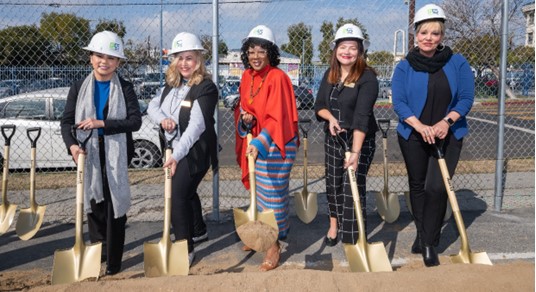
“Expanding community-based behavioral health care services is a top priority for DHCS,” said DHCS Director Michelle Baass. “Residential facilities like these are a vital component of California’s efforts to bring high-quality, trauma-informed care to individuals and families who need it most.”
THE WHOLE CHILD—MENTAL HEALTH AND HOUSING SERVICES: The Trauma Healing and Wellness Center for Homeless Families and the Community project provides trauma-informed, culturally sensitive services to children, youth, and families experiencing homelessness in the Los Angeles area. In addition to outpatient counseling services, the center supports vocational, mental health, housing navigation, parent, and nutrition education. The center’s comprehensive suite of mental health services includes individual, family, and group psychotherapy, medication management, psychological testing, psychiatric services, case management, crisis intervention services, school-linked services to provide assessment and therapy to students onsite in schools, multidisciplinary assessment teams, and specialized foster care. Evidence-based practices include trauma focused-cognitive behavioral therapy, individual cognitive behavioral therapy, a Triple P-Positive Parenting Program, managing and adopting practice, child parent psychotherapy, Incredible Years, aggression replacement therapy, and interpersonal psychotherapy.
“As a regional leader in children’s mental health and wellness, we know firsthand how childhood trauma and pain can follow children into adulthood,” said The Whole Child CEO Constanza Pachon. “However, we also know that treatment at an early age can have an enormously positive effect, providing children and teens with the tools and coping skills they need to begin their healing journey. This center, built with BHCIP funding, will be a beacon of hope for our community.”
STRTP FOR ONE: St Anne’s Family Services designed STRTP FOR ONE with one bed that offers highly individualized, comprehensive care to young mothers ages 13-17 who are at risk of multiple placements, homelessness, and incarceration due to their complex mental or behavioral health needs. The program is staffed by a team of highly coordinated and trauma-informed clinical professionals to provide strength-based, client-centered interventions within a home-like environment. The program aims to equip these youth with tools to address their complex trauma, foster independent living skills, and develop real-time parenting skills with natural support.
“We are thrilled to collaborate with DHCS to address the critical mental health needs of young families in our community,” said Lorna Little, MSW, President and CEO of St. Anne’s Family Services. “We are uniquely positioned to provide specialized services to young women in crisis—women who are pregnant or parenting, seeking to reunite with family members, and learning to stabilize within our programs to make a successful transition.”
WHY BHCIP IS IMPORTANT: Through BHCIP, DHCS awards eligible entities funding to construct, acquire, and expand properties and invest in mobile crisis infrastructure to further expand the range of community-based behavioral health treatment options for people with co-occurring mental health treatment needs and substance use disorders. BHCIP is addressing historic gaps in the behavioral health care system to meet the growing demand for services and supports throughout the lifespan of people in need.
DHCS has awarded $1.7 billion in BHCIP competitive grants. In addition, DHCS will distribute up to $4.4 billion in competitive Bond BHCIP funding, including $3.3 billion for Round 1: Launch Ready grants as part of Behavioral Health Transformation, DHCS’ work to implement Proposition 1. DHCS holds regular public listening sessions on this effort. Updates and recordings of the sessions are available on the Behavioral Health Transformation webpage.
BHCIPラウンド5について:危機と行動の健康の連続体: BHCIP Round 5 was developed, in part, through a statewide needs assessment that identified significant gaps in available crisis services. This assessment showed the need for a better crisis care system to reduce emergency department visits, hospitalizations, and incarceration. The 33 awards, totaling $430 million, are being used to build and expand crisis care and behavioral health facilities statewide and will serve vulnerable Californians of all ages, including Medi-Cal members.
###
コミュニケーションオフィス
(916) 440-7660
DHCSPress@dhcs.ca.gov
新しいロードマップは、妊娠中および産後のMedi-Calメンバーにとって、より公平で患者中心のシステムを作成するための戦略を概説しています
SACRAMENTO – The Department of Health Care Services (DHCS) today released the Birthing Care Pathway report, a comprehensive plan to improve maternity care for Medi-Cal members. This roadmap covers the journey of all pregnant and postpartum Medi-Cal members from conception through 12 months postpartum, aiming to make care accessible, equitable, and patient-centered.
“The Birthing Care Pathway represents a critical step forward in California’s commitment to improving maternal health,” said DHCS Director Michelle Baass. “By centering member experiences, aligning policies with actionable recommendations, and strengthening partnerships across sectors, we aim to ensure every Medi-Cal member has access to safe, equitable, and comprehensive maternity care.”
KEY OBJECTIVES: The Birthing Care Pathway report details policies DHCS has implemented or is in the process of implementing to support all pregnant and postpartum members enrolled in Medi-Cal. Additionally, the report identifies opportunities for future exploration.
The Birthing Care Pathway prioritizes:
The Birthing Care Pathway will work to achieve these objectives by transforming Medi-Cal’s maternity policy to create a member-centered approach to prenatal and postpartum care that meets members where they are and provides whole-person care that addresses behavioral health and social needs in addition to medical needs. DHCS will revise and modernize existing Medi-Cal policies to provide members with increased choice of types of maternity providers and supports, like doulas, community health workers, and others, and creating critical linkages between health care and other programs across the state to make it easier for members to get the full range of needed services.
Additionally, DHCS will address the needs of special populations who are pregnant/postpartum, including people involved with the justice system, individuals with severe mental health and substance use needs, LGBTQI+ individuals, and Black, American Indian/Alaska Native, and Pacific Islander individuals.
DHCS will continue working with state departments, including the California Department of Public Health (CDPH) and Office of the California Surgeon General (OSG), maternity care and social services providers, state and local leaders, Medi-Cal managed care plans (MCP), birth equity advocates, and other partners to implement the Birthing Care Pathway policies outlined in the report. Continuing to engage a diverse set of partners to implement and further develop the Birthing Care Pathway will be vital to align the numerous maternity initiatives occurring so they are not siloed.
“Through a comprehensive, whole-person approach, California is not just enhancing perinatal health, but we are setting a bold new standard for care that delivers better outcomes for families statewide,” said California Surgeon General Dr. Diana Ramos. “The Birthing Care Pathway is a vital addition to the state’s efforts that advance perinatal health, building on the innovative, collaborative work already underway.”
“Having served rural communities throughout my career, I know that providing access to services from conception through one year postpartum has always been a challenge,” said Dr. Robert Moore, Chief Medical Officer at Partnership HealthPlan of California. “Collaborations like the DHCS Birthing Care Pathway are vital in bringing together multiple partners and stakeholders to find solutions. The entire community must engage on this issue to make lasting progress.”
WHY THIS MATTERS: Nearly one in eight U.S. births occur in California, and 40 percent of those births are covered by Medi-Cal. While California currently has the lowest maternal mortality rate in the nation, Medi-Cal members have a higher rate of maternal mortality than individuals with commercial insurance.
While the Birthing Care Pathway lays out a long-term strategy for transforming maternity care in Medi-Cal, many services and supports are already available to pregnant and postpartum members. Medi-Cal members can access comprehensive maternity care, including prenatal and postpartum visits, doula services, behavioral health care, and lactation support, through their health plan and provider network. DHCS remains committed to improving and expanding these services as part of the ongoing work to implement the Birthing Care Pathway.
ABOUT THE BIRTHING CARE PATHWAY: The Birthing Care Pathway includes policy recommendations that address the physical, behavioral, and health-related social needs of pregnant and postpartum members. Opportunities include improving access to providers, strengthening clinical care and care coordination, providing whole-person care, and modernizing how Medi-Cal pays for maternity care.
The Birthing Care Pathway is part of a multi-year commitment to transforming maternal health in California, and maternal health reform is already underway. DHCS is implementing the federal ten-year Transforming Maternal Health (TMaH) Model in five Central Valley counties: Kern, Fresno, Kings, Tulare, and Madera. TMaH is a delivery and payment model designed to test whether effective implementation of evidence-informed interventions, sustained by a value-based payment model, can improve maternal outcomes and reduce Medi-Cal program expenditures.
COLLABORATIVE PROCESS: The Birthing Care Pathway reflects a collaborative effort of pregnant and postpartum Medi-Cal members, state partners and a range of health care and social services providers, community-based organizations (CBO), and advocates, ensuring a community-informed policy approach to the future of birthing and maternal health care in California. Additionally, the California Health Care Foundation and the David & Lucile Packard Foundation provided funding to support engagement and report development. Key insights from Medi-Cal members highlighted critical needs, such as respect for birth preferences, access to racially concordant and culturally centered care, improved behavioral health support, and better care coordination. Member experiences directly shaped the pathway’s policy recommendations. For more information, please visit the Birthing Care Pathway webpage.
“Learning about the Birthing Care Pathway gave me a sense of relief and hope because it meant I could take care of my and my baby’s health without adding additional stress,” said M. Thao, mother of an 11-month-old baby. “Every time I called for help to navigate resources and to sign up for the program, I received clear guidance from Medi-Cal. That feeling of knowing you’ll be OK is one I hope every birthing parent in California can count on.”
A BROADER VISION FOR MATERNAL HEALTH: DHCS will work with MCPs, providers, CBOs, and other stakeholders to implement TMaH Model elements, which are aligned with and complementary to the Birthing Care Pathway. Additionally, DHCS is working with the California Maternal Quality Care Collaborative, CDPH, and OSG to develop a Maternal Health Strategic Plan by September 2025 to improve maternal health throughout California.
###
コミュニケーションオフィス
(916) 440-7660
DHCSPress@dhcs.ca.gov
年間4,800人に拡大する行動医療サービス
SACRAMENTO — On January 23, 2025, the Department of Health Care Services (DHCS) and Sierra Vista Child & Family Services celebrated the opening of a new facility in Stanislaus County to close gaps in mental health and substance use disorder (SUD) treatment. The Community Wellness and Youth Prevention Center will provide vital behavioral health services, including restorative justice practices for youth, mental health counseling, pregnant and postpartum services, family and parent support services, and other integrated services.
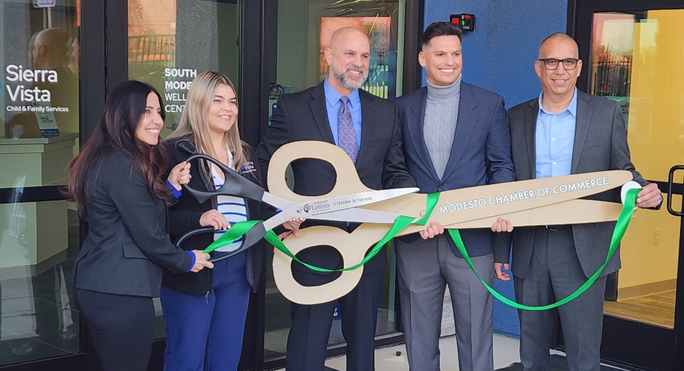
DHCS awarded Sierra Vista Child & Family Services more than $4.6 million through the Behavioral Health Continuum Infrastructure Program (BHCIP), which works to ensure comprehensive behavioral health care for California’s most vulnerable individuals. The facility is expected to serve 4,800 individuals annually. With approved Proposition 1 bonds, in 2025 and 2026, even more behavioral health treatment facilities will be funded and built.
“The Community Wellness and Youth Prevention Center is an important part of California’s efforts to bring high-quality, holistic health care to rural and underserved communities,” said DHCS Director Michelle Baass. “The opening of this center is a game-changer for people seeking dignified and holistic behavioral health services in Stanislaus County.”
“It is our mission to strengthen families and communities,” said Andrew Timbie, Chief Executive Officer for Sierra Vista Child & Family Services. “We believe our strategic initiatives to embody that mission are played out effectively in investment and further development of our Community Wellness and Youth Prevention Center in the heart of Stanislaus County, a vulnerable and struggling neighborhood.”
SIERRA VISTA CHILD & FAMILY SERVICES: Sierra Vista Child & Family Services offers a diverse array of services, including Enhanced Care Management, mentoring, short-term residential therapeutic programs for foster youth, and perinatal substance use disorder treatment programs.
The new Community Wellness and Youth Prevention Center was built using BHCIP funds to create lasting change in the lives of children, families, and the entire Stanislaus community. The center serves children and youth under age 25 from underserved, at-risk populations, including people who are involved in the juvenile justice system with low criminal offenses, as well as their family members. Services include strength-based assessments, comprehensive case management services, links to local community resources, family and caregiver education and well-being support, mental health screenings, and pregnant and postpartum services.
WHY BHCIP IS IMPORTANT: Through BHCIP, DHCS awards eligible entities funding to construct, acquire, and expand properties and invest in mobile crisis infrastructure to further expand the range of community-based behavioral health treatment options for people with mental health and substance use disorders. BHCIP is addressing historic gaps in the behavioral health care system to meet the growing demand for services and support throughout the lifespan of people in need. Sierra Vista Child & Family Services received BHCIP Round 4: Children and Youth grant funding.
DHCS has awarded $1.7 billion in BHCIP competitive grants. In addition, DHCS will distribute up to $4.4 billion in competitive Bond BHCIP funding, including $3.3 billion for Round 1: Launch Ready grants as part of Behavioral Health Transformation, DHCS’ work to implement Proposition 1. DHCS holds regular public listening sessions on this effort. Updates and recordings of the sessions are available on the Behavioral Health Transformation webpage.
BHCIPラウンド4について:子供と若者: BHCIP Round 4 focused on Californians ages 25 and younger, including pregnant and postpartum women and their children and transitional-age youth ages 18-25, along with their families. Through funding made possible by California’s Children and Youth Behavioral Health Initiative, the 52 awards totaling $480.5 million allowed for new construction and expansion of multiple outpatient and residential facility types, including children’s crisis residential programs, perinatal residential substance use disorder facilities, community wellness/youth prevention centers, and outpatient treatment for substance use disorders. Please see the BHCIP website for more information about grant recipients and additional details about all BHCIP funding rounds.
###
コミュニケーションオフィス
(916) 440-7660
DHCSPress@dhcs.ca.gov
サクラメント発 ― カリフォルニア州保健医療サービス局(DHCS)は、過剰摂取の蔓延と闘うことを目的とした州全体の定評ある学習ネットワークであるカリフォルニア過剰摂取防止ネットワーク( COPN )を通じて、 15の地域連合 に270万ドルを授与した。この資金は、地域社会内のつながりを強化し、実践を改善し、持続的な変化を生み出すための知識、研修、リソースへのアクセスを提供するというCOPNの使命を支援する連合体に対し、継続的な支援を提供するものです。
「従来、オピオイド使用障害の治療は、医療提供者と他の組織との連携が限られており、ケアにギャップが生じていました」と、 DHCS局長のミシェル・バース氏は述べた。「この資金は、カリフォルニア州における薬物過剰摂取の蔓延に最前線で取り組む連合体、組織、個人間の連携を支援し、地域特有のニーズを優先的に考慮し、人命を救う実績のある解決策を実施するためのCOPNの取り組みを支えるものです。」
変化をもたらす:助成金を受けた15の連合は、1月1 、 2025から8月30 、 2027までの間にこの資金を使用して、過剰摂取の予防、治療、回復に取り組む戦略を実行します。これらの取り組みには、ナロキソンの配布、救命資源へのアクセス拡大、地域社会への啓発活動などが含まれ、いずれも州全体で過剰摂取による死亡を減らし、長期的な回復を促進することを目的としている。
これが重要な理由: 2022年には、7,000人以上のカリフォルニア州民がオピオイドの過剰摂取で死亡した。全米では年間8万3000人以上がオピオイド関連の過剰摂取で死亡しており、その90%はフェンタニルが関与している。
助成金の影響: 「この資金提供により、私たちの連合は、オピオイドの使用を減らし、過剰摂取の予防の機会を増やすための地域社会への教育と啓発活動を継続していきます」と、サンルイスオビスポオピオイド安全連合の連合コーディネーターであるジェン・ローズは述べています。「郡全体で治療や害軽減サービスの利用可能性
高めるため
医療提供者へのアクセスも改善します。」「この資金援助により、我々の連合の現在の取り組みが強化され、より多くの人々に支援を届けるための活動が拡大されるだろう」と、ドラッグ・セーフ・ソラノの連合コーディネーターであるアーサー・カマルゴ氏は述べた。「具体的には、これらの資金によって、害軽減サービス、ナロキソンの研修と配布、地域社会向けの教育イベントや研修を拡大することができます。」この資金は、オピオイドやブプレノルフィンのより安全な処方に関する処方者向けの資料を更新・普及させる当連合の取り組みを支援するとともに、データ資源を活用して地域のオピオイド訴訟和解金の最適な活用を提唱する活動にも役立てられます。」
By strengthening connections and providing vital resources, COPN’s network and training give coalitions the tools and support they need to tackle the overdose epidemic effectively.
より広い視点:このプロジェクトは、薬物乱用・精神保健サービス局から授与された州オピオイド対策IV助成金によって資金提供されています。このプロジェクトは、DHCS(カリフォルニア州保健医療サービス局)が薬物乱用障害に対処するために行っている広範な取り組みの一環であり、総称して「カリフォルニア・オピオイド対策プロジェクト」と呼ばれています。このプロジェクトは、予防、治療、回復活動を提供することで、MOUD(オピオイド使用障害治療薬)へのアクセスを向上させ、満たされていない治療ニーズを減らし、オピオイド過剰摂取による死亡を減らすことを目的としています。詳細については、DHCSのウェブサイトをご覧ください。
カリフォルニア州は、予防と治療に関する情報や、この危機においてカリフォルニア州が大手製薬会社や麻薬密売業者に責任を負わせるためにどのように取り組んでいるかについての情報を求めるカリフォルニア州民のためのワンストップツールであるopioids.ca.govを開設した。
対象となる団体は、DHCSの ナロキソン配布プロジェクト を通じて、 CalRx ブランドの市販(OTC)4mgナロキソン点鼻スプレーを無料で入手できる場合があります。CalRxは、個人がCalRxの市販ナロキソン点鼻スプレーを直接購入できるオプションの開発に取り組んでいます。
###
コミュニケーションオフィス
(916) 440-7660
DHCSPress@dhcs.ca.gov
サクラメント発― カリフォルニア州医療サービス局(DHCS)は、州全体でオピオイド使用障害(MOUD)治療薬へのアクセスを向上させるために設計された実績のあるモデルであるカリフォルニア・ハブ・アンド・スポーク・システムを強化するため、91の組織に約6540万ドルを交付した。この資金提供により、州全体の予防、治療、回復支援サービスが強化され、オピオイド危機との闘いが前進し、人命が救われることになるでしょう。
「オピオイド危機を克服するには、公衆衛生システムのあらゆる部門が協力して回復に向けて取り組む必要がある」と、 DHCS(保健医療サービス局)局長のミシェル・バース氏は述べた。「ハブ・アンド・スポーク・システムは、州全体のコミュニティにおけるサービスとリソースを改善することにより、カリフォルニア州の予防、危害軽減、治療、回復支援を提供するネットワークを強化します。」
The Hub and Spoke System consists of a network of Narcotic Treatment Programs (known as Hubs) licensed to dispense methadone and other MOUDs. These Hubs are connected to other MOUD prescribers (known as Spokes), which primarily provide various formulations of buprenorphine—a medication that reduces opioid cravings and withdrawal symptoms—and ongoing opioid use disorder (OUD) and substance use disorder (SUD) care and treatment.
これが重要な理由: 2022年には、7,000人以上のカリフォルニア州民がオピオイドの過剰摂取で死亡した。全米では年間8万3000人以上がオピオイド関連の過剰摂取で死亡しており、その90%以上がフェンタニルによるものである。ハブ・アンド・スポーク方式は、州全体、特に過剰摂取率が最も高い郡において、薬物療法支援(MAT)サービスへのアクセスを向上させる。このプログラムは、治療インフラがほとんど整備されていない地方州において、薬物療法へのアクセスを向上させることに成功したバーモント州のハブ・アンド・スポーク・システムをモデルとしている。このプロジェクトは
ブプレノルフィンを処方する医師、医師助手、看護師の総数を増やすことにより
オピオイド使用障害患者に対する薬物療法(MAT)の利用可能性を高めた。ハブ・アンド・スポーク・システムは、薬物乱用障害(SUD)およびオピオイド乱用障害(OUD)の患者に対する教育、アウトリーチ活動、治療を継続的に改善しており、特に脆弱な立場にある人々への支援と、薬物乱用治療(MOUD)サービスの拡充に重点を置いています。このシステムは以下の目的で設計されています。
これはどういう意味かというと、 91の組織が、1月1 、 2025から9月29 、 2027まで、ハブアンドスポークシステムを導入するためのMOUDサービスを提供するために助成金を受け取るということです。助成金の受給対象には、麻薬治療プログラム、連邦政府認定医療センター、地方医療クリニック、地域クリニック、非営利団体、および部族団体が含まれます。
助成金の影響: 「この資金により、ベニス・ファミリー・クリニックは、保険加入状況に関わらず、薬物乱用障害(SUD)を抱える人々に命を救う支援を提供できるようになります」と、ベニス・ファミリー・クリニックのプログラム管理ディレクターであるアリエル・ピーターソンは述べています。「これには、オピオイド使用障害の治療薬、カウンセリング、ケースマネジメント、解毒施設や居住型ケア施設への送迎などが含まれます。」
「このたび、オピオイド使用障害(OUD)に対する薬物療法(MAT)プログラムを支援するための助成金をいただけたことを光栄に思います。これにより、リスクの高いネイティブアメリカンの患者に対し、重要なアウトリーチ活動や医療サービスを提供し続けることができます」と、キマウ医療センターのMATプログラムマネージャーであるジュディス・サーバー氏は述べています。「MATプログラムは、当医療センターおよび私たちがサービスを提供する地域社会にとって不可欠な部分であり続けています。」この資金は、私たちのプログラムを拡大し、偏見を減らし、農村部の部族コミュニティにおけるオピオイド過剰摂取による死亡率を低下させるのに役立ちます。体系的な診療環境を整備することで、患者が人生を立て直し、社会の生産的な一員として貢献し、家族や地域社会を支えられるよう支援することを目指しています。
「ハブ・アンド・スポーク・システムの資金援助により、当施設の外来、入院、オピオイド治療プログラムは、命を救うMOUDに関する地域社会へのより広範なアウトリーチ活動を実施し、無保険および低保険の患者にMATへの平等なアクセスを提供できるようになります」と、Clare|Matrixの評価ディレクターであるアンドレア・ニーは述べています。「ハブ・アンド・スポーク・システムへの資金提供は、当施設の医療ディレクター、カウンセラー、看護スタッフが、オピオイド使用障害や覚醒剤使用障害を抱えるより多くの患者に最高品質の治療を提供できるよう支援する上で不可欠です。」包括的な患者教育と患者参加サービスを通じて、MATの利点と影響に関する知識と認識を高め、偏見をさらに軽減することができるでしょう。」
より広い視点:カリフォルニア州は、予防と治療に関する情報や、この危機においてカリフォルニア州が大手製薬会社や麻薬密売業者に責任を負わせるためにどのように取り組んでいるかについての情報を求めるカリフォルニア州民のためのワンストップツールであるopioids.ca.govを開設しました。
ハブ・アンド・スポーク・システムは、薬物乱用・精神保健サービス局から授与された州オピオイド対策IV助成金によって資金提供されています。このプロジェクトは、DHCSが薬物乱用障害(SUD)に対処するために行っている広範な取り組みの一環であり、総称して「カリフォルニア・オピオイド対策」と呼ばれています。これは、MOUD(オピオイド治療薬)へのアクセスを向上させ、満たされていない治療ニーズを減らし、予防、治療、回復の取り組みを通じてオピオイド過剰摂取による死亡を減らすことを目的としています。詳細については、カリフォルニア州保健医療サービス局(DHCS)のオピオイド対策概要ウェブサイトをご覧ください。
###
コミュニケーションオフィス
(916) 440-7660
DHCSPress@dhcs.ca.gov
SACRAMENTO — In response to the Southern California wildfires, the Department of Health Care Services (DHCS) requested and received federal approval from the Biden-Harris administration of several dozen flexibilities to prevent disruptions in health care delivery so Medi-Cal members can continue to receive needed care. 1135 waivers allow the U.S. Department of Health and Human Services (HHS) to waive various administrative requirements to increase access to medical services during a time of national emergency. 1135 waiver approvals remain in effect throughout the duration of the public health emergency declared by former HHS Secretary Xavier Becerra, which is 90 days.
「DHCSは、この壊滅的な危機の間、そして地域社会が復興に向かう中で、カリフォルニア州民が必要な医療を受けられるよう支援することに尽力しています」と、州メディケイド局長のタイラー・サドウィス氏は述べた。「連邦政府のパートナー機関から付与された免除措置により、医療提供者はメディカル加入者の差し迫ったニーズに対応するために必要な柔軟性を得ることができます。」代替施設での診療サービスへの継続的なアクセスを確保すること、在宅および地域ベースのサービスに対する的を絞った柔軟な対応を提供すること、あるいは医療提供者の登録手続きを効率化することなど、これらの措置は、医療への障壁を取り除き、この緊急事態の間、そして回復過程全体を通して、患者と最前線の医療提供者の両方を支援することを目的としています。
Key flexibilities include:
柔軟性について:メディケア・メディケイドサービスセンター(CMS)は、1135条に基づく免除措置により、医療提供者や医療施設が緊急事態や災害に対応できるよう、メディケア、メディケイド、児童健康保険プログラムの特定の要件を一時的に緩和します。付録Kの承認は、在宅および地域密着型サービスプログラムに特化した追加的な柔軟性を提供する。これらの措置は、重要な時期に管理上の負担を軽減し、医療提供の柔軟性を高めることを目的としています。
今すぐ支援を受けましょう:カリフォルニア州民は、州、地方、連邦政府からの情報とリソースのハブであるCA.gov/LAfires にアクセスできます。
カリフォルニア州の医療保険制度「Covered California」は先日、ロサンゼルス郡とベンチュラ郡の住民を対象とした特別加入期間を発表した。この特別登録期間は3月8 、 2025まで続きます。ロサンゼルス郡およびカリフォルニア州を通じて、各種リソースが利用可能です。カリフォルニア州の医療保険制度「Covered California」を通じて補助金を受ける資格がある、またはメディカル(Medi-Cal)の対象となる資格がある無保険のカリフォルニア州民130万人のうち、35万6000人が南カリフォルニアに居住している。
California developed resources to help guide people through disasters and provide information about the different types of federal, state, and local services available in California:
Through the BenefitsCal portal, Californians can get and manage benefits online. This includes food assistance (CalFresh, formerly food stamps), cash aid (CalWORKs, General Assistance, Cash Assistance Program for Immigrants), and affordable health insurance (Medi-Cal).
Individuals and business owners who sustained losses from the Southern California wildfires can apply for disaster assistance:
ビデオ中継サービス、字幕付き電話サービスなどの中継サービスをご利用の場合は、FEMA
そのサービスの番号
お知らせください。背景:山火事とギャビン・ニューサム知事が1月7 、 2025に発令した非常事態宣言および行政命令を受けて、DHCSは州内の被災地域のメディカル加入者を保護するために重要な行政上の柔軟性を迅速に実施しました。
DHCSは、カリフォルニア州版メディケイドであるメディカルを運営しており、約1500万人に医療保障を提供している。その中には、ロサンゼルス郡の約400万人、ベンチュラ郡の25万人以上の加入者が含まれる。メディカル加入者が支援を必要とする場合は、医療提供者または加入している医療保険プランに連絡してください。
###
コミュニケーションオフィス
(916) 440-7660
DHCSPress@dhcs.ca.gov