
캘리포니아 및 존 웨슬리 카운티 병원, 스키드 로우 약물 사용 장애 치료 시설 착공

뉴스 릴리스

캘리포니아 및 존 웨슬리 카운티 병원, 스키드 로우 약물 사용 장애 치료 시설 착공
매년 3,258명의 개인에게 행동 건강 치료를 제공하게 될 프로젝트
새크라멘토 — 캘리포니아주 보건의료서비스국(DHCS)과 존 웨슬리 카운티 병원(JWCH 연구소)은 오늘 로스앤젤레스 스키드 로우 지역에 성인 약물 사용 장애(SUD) 치료 시설 및 웰니스 센터 건립을 위한 착공식을 가졌습니다. 이 새로운 캠퍼스는 약물 사용 장애(SUD)를 겪는 노숙 성인과 정신 건강 문제를 경험하는 사람들에게 필수적인 정신 건강 및 SUD 치료 서비스를 제공할 것입니다.
이 프로젝트에는 정신 건강 치료 전용 2층 건물이 포함될 예정입니다. 1층에는 외래 환자 진료를 통해 매년 3,258명의 주민에게 서비스를 제공하는 지역 사회 건강 센터가 추가될 예정입니다. 2층에는 성인 약물 남용 치료 시설이 들어서게 되며, 이를 통해 다양한 치료 서비스를 제공하는 통합 의료 캠퍼스 내 수용 능력이 38개 병상 규모로 확장될 것입니다. 38개 병상 중 10개는 약물 남용 장애 치료 전용으로 사용될 예정이며, 의료 서비스는 부대적으로 제공됩니다.
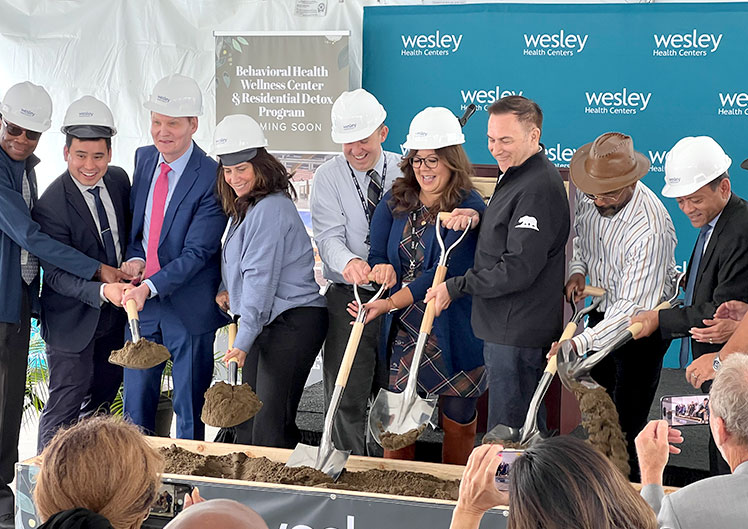
JWCH 연구소 SUD 치료 시설 착공
DHCS는 도움이 필요한 캘리포니아 주민들에게 서비스를 제공하기 위해 행동 건강 시설 인프라를 확충하는 ‘행동 건강 연속성 인프라 프로그램 (BHCIP)’을 통해 JWCH에 1,450만 달러 이상을 지원했습니다. 최근 승인된 제1호 법안(Proposition 1)에 따른 채권 발행으로, 2025년과 2026년에는 더 많은 행동 건강 치료 시설에 자금이 지원되고 건립될 것입니다.
"JWCH 연구소는 가장 도움이 필요한 사람들에게 안전하고 따뜻한 보살핌을 제공함으로써 응급실과 거리 사이를 오가는 악순환을 막기 위해 필요한 조치를 취하고 있습니다."라고 DHCS 국장 미셸 바스가 말했습니다. "로스앤젤레스 카운티의 중환자 치료 확대를 위해 그들과 협력하게 되어 기쁩니다."
웨슬리 헬스 센터 및 JWCH 연구소의 사장 겸 최고경영자인 알 발레스테로스 는 "스키드 로우 지역에는 약물 남용 장애 환자를 위한 주거 치료 서비스가 부족하며, JWCH는 현재 존재하는 위기 대응 체계의 공백을 메울 수 있을 것입니다."라고 말했습니다.
JWCH 연구소: JWCH 연구소는 로스앤젤레스 지역에서 의료 서비스 접근에 어려움을 겪는 사람들의 건강과 복지를 향상시키기 위해 의료 서비스, 교육, 연구 등을 직접 제공하거나 조정하는 데 전념하고 있습니다. JWCH는 새로운 웨슬리 행동 건강 및 웰니스 센터(BCHIP 3차: Launch Ready 보조금 지원)와 크로커 스트리트 확장(BCHIP 5차: 위기 및 행동 건강 연속체 지원)을 통해 접근성이 용이한 위기 개입 및 안정화, 평가 및 치료 서비스를 제공할 예정입니다. JWCH는 또한 일반 및 집중 외래 치료와 회복 치료/입원 재활 치료 프로그램을 포함한 모든 범위의 약물 남용 장애 서비스를 제공할 예정입니다.
이 조치가 중요한 이유: DHCS는 BHCIP를 통해 자격을 갖춘 기관에 자금을 지원하여 부동산을 신축, 매입 및 확장하고 이동형 위기 대응 인프라에 투자함으로써, 정신 건강 및 약물 사용 장애(SUDs)를 겪는 사람들을 위한 지역사회 기반 행동 건강 치료 옵션의 범위를 더욱 확대하고 있습니다. BHCIP는 도움이 필요한 사람들의 전 생애에 걸쳐 증가하는 서비스 및 지원 수요를 충족하기 위해, 행동 건강 관리 시스템에 존재해 온 오랜 격차를 해소하고 있습니다.
DHCS는 BHCIP 경쟁 보조금으로 17억 달러를 지원했습니다. 또한, DHCS는 경쟁 방식의 BHCIP 채권 발행을 통해 최대 44억 달러의 자금을 배분할 예정이며, 이 중 33억 달러는 1차 사업인 '출시 준비' 보조금으로 사용될 것입니다. 행동 건강 혁신 은 DHCS가 주민투표 1호를 이행하기 위한 사업입니다. DHCS는 정기적으로 주민 의견 수렴 회의를 개최합니다. 회의 업데이트 및 녹화 영상은 행동 건강 혁신 웹페이지 에서 확인하실 수 있습니다. 캘리포니아주는 모든 주민에게 더 나은 행동 건강 관리를 제공하기 위해 정신 건강 및 약물 남용 장애 치료 시스템 전체를 혁신하고 있습니다. 정신건강.ca.gov에서 더 알아보세요.
BHCIP 3차 사업 소개: 출시 준비 완료: BHCIP 3차 사업은 주 전역에 걸쳐 행동 건강 인프라를 확보하고 확충하기 위한 계획 수립 준비 활동을 지원했습니다. 총 5억 1,850만 달러 규모의 45개 시설을 통해 부동산 자산의 신축, 매입 및 개보수를 진행함으로써 행동 건강 치료 및 서비스 자원의 연속성을 확대할 수 있게 되었습니다. BHCIP 지원자들은 메디칼(Medi-Cal) 가입자에게 서비스를 제공하는 기관 내에서 행동 건강 치료 및 서비스의 연속성을 바탕으로 한 사업 확장을 입증해야 했으며, 사업 실행 준비를 완료하기 위한 유효한 계획 절차를 갖추어야 했습니다.
BHCIP 5라운드 정보: 위기 및 행동 건강 연속체: BHCIP 5차 사업은 부분적으로는 주 전체의 요구 평가를 통해 개발되었으며, 이 평가에서는 이용 가능한 위기 서비스에 상당한 격차가 있는 것으로 나타났습니다. 이번 평가에서는 응급실 방문, 입원 및 수감 건수를 줄이기 위해 더 나은 위기 관리 시스템이 필요하다는 점이 드러났습니다. 총 4억 3천만 달러에 달하는 이번 33건의 지원금은 주 전역에 걸쳐 위기 관리 및 정신 건강 시설을 건설하고 확장하는 데 사용될 예정이며, 메디칼(Medi-Cal) 회원을 포함한 모든 연령대의 취약 계층 캘리포니아 주민들에게 서비스를 제공할 것입니다.
보조금 수혜자 및 모든 BHCIP 지원 사업에 대한 자세한 내용은 BHCIP 웹사이트를 참조하십시오.
###