
DHCS, 위기 치료 센터를 위한 리본 커팅 기념식 개최

뉴스 릴리스

DHCS, 위기 치료 센터를 위한 리본 커팅 기념식 개최
로스앤젤레스와 소노마 카운티의 프로젝트가 지역 사회의 행동 건강 치료 및 회복 옵션을 확대하기 위해 총 1,500만 달러의 보조금을 받았습니다.
SACRAMENTO — The Department of Health Care Services (DHCS) celebrated the addition of two new facilities that will provide lifesaving treatment for Californians with mental health and substance use disorders (SUD). This week saw two ribbon-cutting ceremonies that are bringing new prevention, treatment, and recovery facilities to Los Angeles and Sonoma counties, adding new capacity for much-needed drug and alcohol treatment programs, mental health wellness services, and recovery support. These are the first of many community treatment sites that are under construction now in 49 counties, and even more sites will be funded and built, thanks to recently approved Proposition 1 bonds, in 2025 and 2026.
"캘리포니아 주민들은 우리 주의 정신 건강 시스템과 관련하여 시급한 조치와 실질적인 결과를 원하며, 오늘 우리는 바로 그러한 모습을 보고 있습니다."라고 개빈 뉴섬 주지사가 말했습니다. "캘리포니아 주민들의 지원 덕분에 새로운 자금 지원을 통해 향후 몇 년 동안 주 전역에 이와 같은 치료 센터가 계속해서 문을 열 수 있게 되었습니다." 사람들이 필요한 치료, 지원 및 보살핌을 받을 수 있도록 하기 위해 앞으로 해야 할 일이 많지만, 오늘은 책임과 결과를 중시하는 새로운 시스템을 향해 또 한 걸음 나아간 날입니다.”
캘리포니아 보건복지부(DHCS) 국장 미셸 바스는 "캘리포니아 주민들이 가장 필요로 할 때 필요한 치료를 받을 수 있도록 캘리포니아주는 위기 대응 역량을 확대하기 위해 투자하고 있다"고 밝혔습니다. "정신 건강 및 약물 남용 장애 치료의 가장 큰 장벽은 도움이 필요한 사람들에게 접근하는 것이라는 말을 우리는 끊임없이 듣습니다." 우리는 사람들이 있는 곳, 즉 그들의 집에서, 거리에서, 그리고 그들이 속한 지역사회에서 그들을 만나는 데 전념하고 있습니다. 우리는 지역사회가 아닌 지역사회로 의료 서비스가 제공되는 미래를 꿈꿉니다.
로스앤젤레스 카운티의 Paving the Way Foundation 과 소노마 카운티의 Center Point Drug Abuse Alternatives Center는 지역 사회에서 행동 건강 치료 및 회복 옵션을 확대하고 있습니다.
PAVING THE WAY 재단:

PTW(Paving the Way) 재단의 설립자이자 전무이사인 Janie Hodge(왼쪽에서 세 번째)가 PTW COO Christina Lara(Janie의 오른쪽)와 시 및 주 입법부 대표들과 함께하고 있습니다.
페이빙 더 웨이 재단은 4월 25일 로스앤젤레스 카운티의 커뮤니티 웰니스 센터에서 리본 커팅식을 개최했습니다. 이 센터에는 예방 서비스, 선별 검사, 진단, 정신 건강 및 SUD의 치료/관리를 포함한 포괄적인 외래 정신 건강 서비스 프로그램이 포함되어 있습니다. 정신건강 및 약물 사용 장애(SUD)가 동반된 성인, 사법 관련자, 노숙을 경험하거나 노숙의 위험에 처한 사람들을 지원합니다.
"제가 30여 년 전 중독에서 벗어나 고향으로 돌아왔을 때, 사회에서 소외되고 잊혀진 사람들에게 치유와 보살핌, 지원을 제공하는 공간을 마련하는 것이 제 꿈이자 비전이었습니다."라고 앤텔롭 밸리 주민들의 사회 복귀 및 회복을 지원하는 비영리 단체 인 페이빙 더 웨이 재단(Paving the Way Foundation)의 설립자 겸 이사인 제이니 호지는 회상합니다. "제가 20년 전 'Paving the Way'를 시작했을 때, 우리 지역 사회 구성원들이 생계를 유지하고 가족을 부양할 수 있는 직업 훈련을 받을 수 있도록 돕고 싶었습니다. 또한, 고향으로 돌아오는 사람들에게 희망을 주고, 지역 사회와 가족에 재통합하는 과정을 순조롭게 밟아나갈 수 있도록 도와줄 사람들이 있다는 것을 알려주고 싶었습니다."라고 호지 씨는 말했습니다. 그는 500개 이상의 재입국 서비스 제공자와 옹호자로 구성된 카운티 전역 네트워크인 로스앤젤레스 지역 재입국 파트너십 운영 위원회 위원으로도 활동하고 있습니다.
센터 포인트 약물 남용 대안 센터:
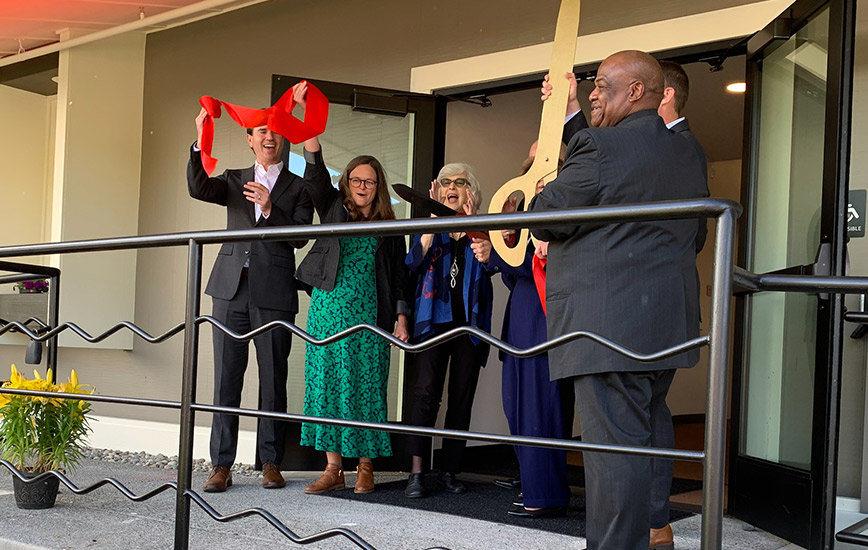
Maurice Lee, Chief Executive Officer of Center Point, Inc., holding scissors, leads Center Point
DAAC’s ribbon cutting
센터 포인트 약물 남용 대체 센터(DAAC)는 4월 26일 약물 사용 장애(SUD)로 어려움을 겪는 사람들의 치료와 회복을 위해 설립된 획기적인 신규 시설인 수슈마 D. 테일러 박사 회복 센터의 개관식 및 헌정식을 개최했습니다. 이 센터는 독특한 서비스를 제공하는 곳으로, 소노마 카운티에서 저소득/무소득 남성을 위한 유일한 50병상 규모의 약물 남용 치료 시설이며, 북부 캘리포니아에서 Partnership HealthPlan of California 회원들에게 의학적 지원이 제공되는 금단 증상 관리 서비스를 제공하는 유일한 기관입니다.
"센터 포인트 이사회와 DAAC 이사회는 약물 사용 장애를 겪는 사람들의 치료와 회복을 돕기 위한 수슈마 D. 테일러 박사 회복 센터의 개소식 및 헌정식을 개최하게 되어 매우 기쁩니다." 이 재활센터의 개소는 중독으로 고통받는 사람들에게 희망의 등불이 될 것입니다. 센터 포인트(Center Point, Inc.)의 최고경영자 모리스 리는 "이 센터는 주 정부와 지역 사회 구성원들의 협력적인 노력으로 탄생한 BHCIP 덕분에 문을 열게 되었으며, 이는 중요한 공중 보건 문제를 해결하는 데 있어 단결의 힘을 보여주는 좋은 사례입니다."라고 말했습니다.
이것이 중요한 이유 DHCS는 행동
건강 연속체 인프라 프로그램(BHCIP)을 정신 건강 및 약물 사용 장애가 있는 사람, 형사 사법 제도에 연루된 사람, 노숙을 경험하고 있거나 노숙 위험에 처한 사람들을 위한 지역 사회 기반 행동 건강 치료 옵션의 범위를 확대하기 위해 건물을 건설, 구매 또는 개보수하거나 필요한 이동식 위기 인프라에 투자합니다.
BHCIP는 행동 건강 관리 시스템의 오랜 공백을 해소하고 도움이 필요한 사람들의 생애 주기 전반에 걸쳐 증가하는 서비스 및 지원 수요를 충족하는 것을 목표로 합니다. DHCS는 2021년 법률에 따라 BHCIP 경쟁 보조금으로 22억 달러를 지급할 권한을 부여받았습니다. 또한, DHCS는 주민투표 1호 채권 기금을 통해 약 40억 달러 규모의 BHCIP 보조금을 배분할 예정입니다. 제1안은 2024년 행동 건강 서비스법과 행동 건강 인프라 채권법을 포함합니다. 행동 건강 혁신(BHT)은 캘리포니아 보건복지부(DHCS)가 주민투표 1호를 이행하기 위한 사업입니다. DHCS는 매달 BHT 관련 주민 의견 수렴 회의를 개최할 예정입니다. 회의 업데이트 및 녹화 영상은 BHT 웹페이지 에서 확인하실 수 있습니다.
BHCIP 3차 출시 준비 완료 안내:
BHCIP Round 3 Launch Ready awarded grants to counties, cities, tribal entities, nonprofit organizations, for-profit organizations, and other private organizations, including private real estate developers, to expand community capacity for serving the behavioral health (mental health and SUD) population. Awardees must make a commitment to serve Medi-Cal members. For more information, please visit the BHCIP website.
###