
청소년과 성인에게 중요한 행동 건강 관리 서비스를 제공하기 위한 새로운 사이트 오픈

뉴스 릴리스

청소년과 성인에게 중요한 행동 건강 관리 서비스를 제공하기 위한 새로운 사이트 오픈
행동 건강 시설은 약물 사용 장애 및 동반되는 정신 건강 치료 서비스를위한 28 개의 새로운 병상을 제공 할 것입니다.
새크라멘토 — 캘리포니아주 보건의료서비스국(DHCS)은 약물 남용 장애 및 동반되는 정신 건강 문제를 치료하기 위한 주거 서비스를 캘리포니아 전역의 두 곳으로 확대합니다. 프렌즈 오브 더 미션(Friends of the Mission)은 욜로 카운티 성인을 위한 약물 남용 장애 치료 시설인 월터스 하우스 II(Walter’s House II)의 개관식을 주최했습니다. 아스피라넷은 15세에서 19세 사이의 청소년을 위한 단기 거주 치료 프로그램과 약물 사용 장애 외래 치료 시설을 제공하는 센트럴 밸리 전환기 청소년(TAY) 자립 프로그램의 착공식을 개최했습니다.
DHCS awarded Friends of the Mission $12.4 million and Aspiranet $8.7 million through the Behavioral Health Continuum Infrastructure Program (BHCIP), which is part of California’s ongoing commitment to expand behavioral health services for all Californians. With the passage of Proposition 1, even more behavioral health treatment facilities will be funded and built in 2025 and 2026.
"DHCS는 지역사회 파트너들과 협력하여 탄탄한 지역사회 기반 정신 건강 서비스를 확대하게 되어 기쁩니다."라고 DHCS 국장 미셸 바스가 말했습니다. "이러한 시설은 캘리포니아 주가 농촌 및 의료 서비스 소외 지역 사회에 양질의 포괄적인 정신 건강 및 약물 남용 장애 치료를 제공하려는 노력에 필수적인 요소입니다."
월터스 하우스 II 프로젝트: 프렌즈 오브 더 미션의 월터스 하우스 II는 지역 사회 통합, 선택권 및 자율성을 지원하고 노숙자 수를 줄이기 위해 가장 적절하고 제한이 적은 환경에서 돌봄 서비스를 제공합니다. 월터스 하우스 II는 현재 욜로 카운티에 거주하는 성인 약물 사용 장애 환자를 위한 44개의 입소 병상을 보유하고 있습니다. 이 프로젝트를 통해 16개의 병상이 추가되어 총 병상 수는 60개가 될 것입니다. 해당 시설은 자격을 갖춘 직원과 임상의들이 상주하며 24시간 연중무휴로 운영될 예정입니다. 이 프로그램은 정신 질환을 동반한 환자를 포함하여 저강도 및 고강도 임상 서비스에 대해 Medi-Cal 승인을 받았습니다. 새로운 시설은 금단 증상 관리 서비스와 약물 보조 치료를 지원하도록 설계되었습니다.
월터스 하우스 II의 더그 제크 상임이사는 “월터스 하우스 II는 모든 개인이 두 번째 기회를 받을 자격이 있다고 믿습니다.”라고 말했습니다. "새로운 거주형 약물 남용 장애 치료 시설 개관을 통해, 우리는 치유의 공간을 제공하고 지지와 희망의 공동체를 만들어가고 있습니다." 우리는 함께라면 삶에 힘을 불어넣고 미래를 바꿀 수 있습니다.
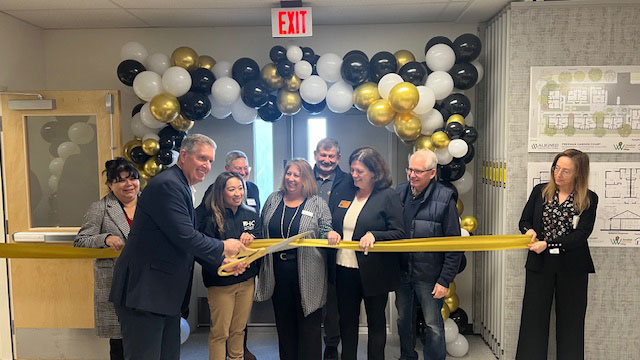

Ribbon Cutting for Walter’s House II
ASPIRANET의 센트럴 밸리 테이 자립 프로그램: 센트럴 밸리 테이 자립 프로그램은 15세에서 19세 사이의 사법 시스템에 연루된 청소년을 지원하기 위해 특별히 고안된 청소년 중심적이고, 트라우마에 대한 이해를 바탕으로 하며, 개별 맞춤형의 결과 지향적인 프로젝트입니다. 이 프로젝트에는 12개의 새로운 병상을 갖춘 단기 거주 치료 프로그램과 연간 60명의 추가 환자를 수용할 것으로 예상되는 새로운 약물 남용 장애 외래 치료 시설이 포함될 예정입니다. 외래 정신 건강 및 약물 사용 장애 서비스에는 전통적인 개인 치료와 더불어 조건부 강화 요법, 종합 서비스 파트너십, 멘토링, 자립 생활 기술 프로그램 및 기타 건강 증진 자원과 같은 혁신적인 지원 및 서비스가 포함됩니다.
“Aspiranet’s vision is to utilize BHCIP funding to re-purpose and expand a facility that will provide much-needed residential and behavioral health services and supports to the region’s most vulnerable youth,” said Vernon Brown, Chief Executive Officer of Aspiranet.

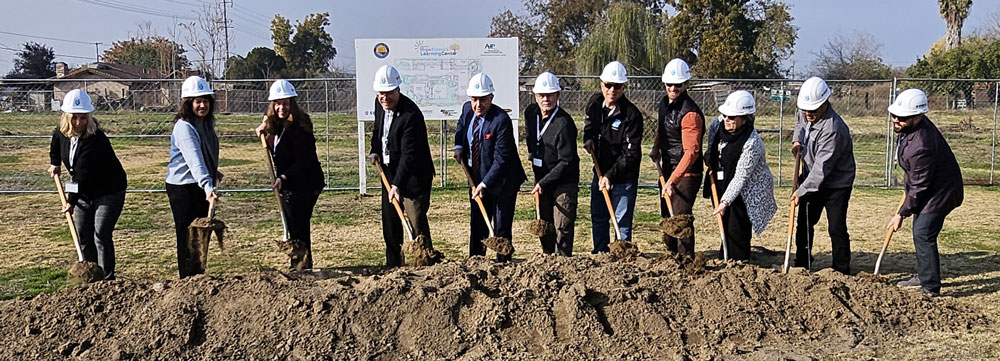
센트럴 밸리 TAY 독립 프로그램 착공
이 조치가 중요한 이유: DHCS는 BHCIP를 통해 자격을 갖춘 기관에 자금을 지원하여, 정신 건강 치료와 약물 사용 장애가 동시에 필요한 사람들을 위한 지역사회 기반 행동 건강 치료 옵션을 더욱 확대하기 위해 시설을 신축, 매입 및 확장하고 이동형 위기 대응 인프라에 투자할 수 있도록 합니다. BHCIP는 도움이 필요한 사람들의 전 생애에 걸쳐 증가하는 서비스 및 지원 수요를 충족하기 위해, 행동 건강 관리 시스템에 존재해 온 오랜 격차를 해소하고 있습니다.
DHCS has awarded $1.7 billion in BHCIP competitive grants. In addition, DHCS will distribute up to $4.4 billion in competitive Bond BHCIP funding, including $3.3 billion for Round 1: Launch Ready grants as part of Behavioral Health Transformation, DHCS’ work to implement Proposition 1. DHCS holds regular public listening sessions on this effort. Updates and recordings of the sessions are available on the Behavioral Health Transformation webpage.
BHCIP 3차 사업 소개: 출시 준비 완료: BHCIP Round 3 supported preparation activities to plan for the acquisition and expansion of behavioral health infrastructure throughout the state. The 45 facilities were funded a total of $518.5 million to construct, acquire, and rehabilitate real estate assets to expand the behavioral health continuum of treatment and service resources. BHCIP applicants were required to demonstrate service expansion for Medi-Cal members and have a valid planning process to ensure projects are ready for implementation.
BHCIP 4라운드 정보: 어린이와 청소년: BHCIP 4차 사업은 아동 및 청소년뿐만 아니라 임산부와 산후 여성 및 그 자녀, 그리고 16~25세 청소년 및 그 가족을 포함한 25세 이하의 모든 캘리포니아 주민을 대상으로 했습니다. 캘리포니아 아동 및 청소년 행동 건강 이니셔티브 의 지원을 받아 총 4억 8,050만 달러에 달하는 52건의 사업이 선정되었으며, 이를 통해 아동 위기 주거 프로그램, 산전후 약물 사용 장애 주거 시설, 지역 사회 건강/청소년 예방 센터, 약물 사용 장애 외래 치료 시설 등 다양한 유형의 외래 및 주거 시설의 신축 및 확장이 가능해졌습니다. 더 자세한 정보를 원하시면 BHCIP 웹사이트를 방문하세요.
더 큰 그림: 개빈 뉴섬 캘리포니아 주지사 체제 하에서 캘리포니아는 책임성을 강화하고 투명성을 높이며 캘리포니아 주민들을 위한 정신 건강 관리 시설의 역량을 확대하기 위해 정신 건강 서비스 제공 시스템을 현대화하고 있습니다. 2024년 5월 유권자들의 승인을 받은 제1안은 치료 시설 및 서비스가 제공되는 주택을 위한 64억 달러 규모의 행동 건강 채권 발행과, 가장 심각한 질병, 약물 사용 장애 및 주거 지원이 필요한 사람들에게 초점을 맞추도록 행동 건강 서비스법을 역사적으로 개혁하는 내용을 포함하고 있습니다. 캘리포니아 주 전체의 정신 건강 및 약물 남용 장애 시스템 개편에 대한 자세한 정보는 mentalhealth.ca.gov 에서 확인할 수 있습니다.
###