
Los nuevos sitios brindan servicios vitales de atención de salud conductual a adolescentes y adultos en el condado de Los Ángeles
14de febrero de 2025
Se espera que los proyectos atiendan a más de 900 personas anualmente
Sacramento — El Department of Health Care Services (DHCS)) está ampliando los servicios residenciales para personas con trastornos por consumo de sustancias y necesidades de salud mental concurrentes en dos ubicaciones del condado de Los Angeles .
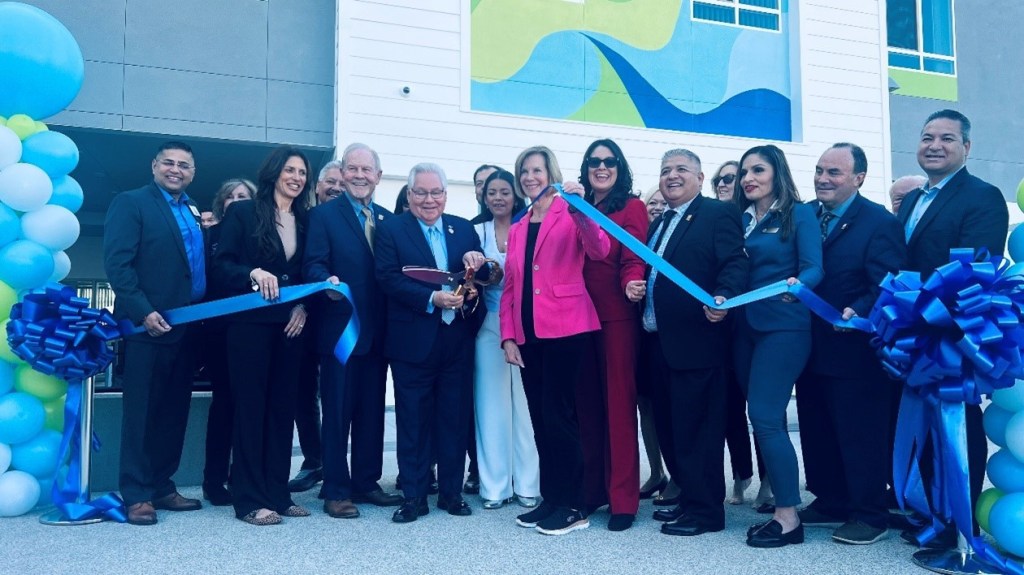
Los Servicios de Salud Mental y Vivienda de Whole Child—celebraron la gran inauguración de un nuevo centro comunitario de bienestar (más abajo). El 1 de febrero, el centro comenzó a ofrecer servicios de salud mental sensibles y culturalmente sensibles al trauma, alojamiento familiar, enriquecimiento parental y educación nutricional. El centro brinda apoyo a familias del sudeste Los Angeles que enfrentan obstáculos para acceder a la atención médica, incluyendo a jóvenes y familias sin hogar.
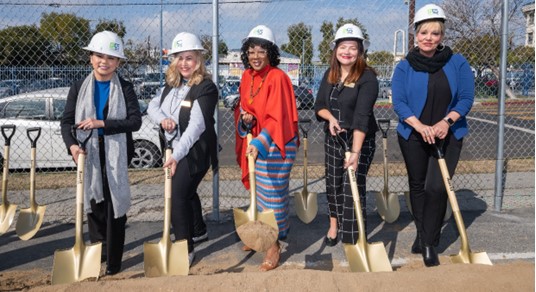
Además, St. Anne's Family Services organizó la colocación de la primera piedra (ver abajo) de un nuevo Program terapéutico residencial a corto plazo (STRTP, por sus siglas en inglés) llamado STRTP FOR ONE, que anualmente ofrece Program de vivienda de apoyo de alta calidad, educación infantil temprana, salud mental y servicios familiares a miles de mujeres jóvenes, niños y familias en el condado Los Angeles .
Ambos proyectos fueron financiados por la Ronda 5 del Programde Infraestructura para el Continuo de la Salud Conductual (BHCIP) DHCS . El Departamento de Servicios de Atención Médica y Comunitaria (DHCS) otorgó a The Whole Child—Mental Health and Housing Services más de 6 millones de dólares y a St. Anne’s Family Services más de 2 millones de dólares a través del BHCIP, que forma parte del compromiso continuo de California para ampliar los servicios de salud conductual para todos los californianos. Con la aprobación de la Proposición 1, se financiarán y construirán aún más centros de tratamiento de salud conductual en 2025 y 2026.
“Ampliar los servicios de atención de salud mental comunitarios es una prioridad absoluta para el DHCS”, declaró Michelle Baass, directora del DHCS. “Las residencias como estas son un componente vital de los esfuerzos de California para brindar atención de alta calidad y con enfoque en el trauma a las personas y familias que más la necesitan.”
EL NIÑO EN SU TOTALIDAD: SERVICIOS DE SALUD MENTAL Y VIVIENDA: El proyecto del Centro de Sanación y Bienestar para Familias sin Hogar y la Comunidad ofrece servicios adaptados a las necesidades de los niños, jóvenes y familias sin hogar en el área Los Angeles , con un enfoque en el trauma y la sensibilidad cultural. Además de los servicios de asesoramiento ambulatorio, el centro apoya educación vocacional, de salud mental, gestión de vivienda, educación para padres y nutrición. El conjunto completo de servicios de salud mental del centro incluye psicoterapia individual, familiar y grupal, gestión de medicación, pruebas psicológicas, servicios psiquiátricos, gestión de casos, servicios de intervención en crisis, servicios vinculados a la escuela para proporcionar evaluación y terapia a estudiantes en las escuelas, equipos multidisciplinares de evaluación y acogida especializada. Las prácticas basadas en la evidencia incluyen la terapia cognitivo-conductual centrada en el trauma, la terapia cognitivo-conductual individual, el Program Triple P de crianza positiva, la gestión y adopción de prácticas, la psicoterapia para padres e hijos, el programa Incredible Years, la terapia de sustitución de la agresión y la psicoterapia interpersonal.
"Como líder regional en salud mental y bienestar infantil, sabemos de primera mano cómo el trauma y el dolor infantil pueden acompañar a los niños hasta la edad adulta", dijo la CEO de The Whole Child, Constanza Pachon. "Sin embargo, también sabemos que el tratamiento a una edad temprana puede tener un efecto enormemente positivo, proporcionando a niños y adolescentes las herramientas y habilidades de afrontamiento que necesitan para comenzar su proceso de sanación. Este centro, construido con fondos de BHCIP, será un faro de esperanza para nuestra comunidad."
STRTP PARA UNO: St Anne's Family Services diseñó STRTP PARA UNA con una sola cama, que ofrece una atención altamente individualizada y completa a madres jóvenes de 13 a 17 años que están en riesgo de múltiples acogidas, quedar sin hogar y encarcelar debido a sus complejas necesidades de salud mental o conductual. El Program cuenta con un equipo de profesionales clínicos altamente coordinados y con formación en trauma, que brindan intervenciones centradas en el cliente y basadas en sus fortalezas, dentro de un entorno hogareño. El Program tiene como objetivo dotar a estos jóvenes de herramientas para abordar sus traumas complejos, fomentar habilidades para la vida independiente y desarrollar habilidades parentales en tiempo real con apoyo natural.
“Estamos encantados de colaborar con DHCS para abordar las necesidades críticas de salud mental de las familias jóvenes de nuestra comunidad”, dijo Lorna Little, MSW, presidenta y directora ejecutiva de St. Anne's Family Services. “Estamos en una posición privilegiada para brindar servicios especializados a mujeres jóvenes en crisis: mujeres embarazadas o con hijos, que buscan reunir con sus familiares y aprender a estabilizar dentro de nuestro Program para lograr una transición exitosa.”
POR QUÉ EL BHCIP ES IMPORTANTE: A través de BHCIP, el DHCS otorga a las entidades elegibles fondos para construir, adquirir y expandir propiedades e invertir en infraestructura móvil de crisis para ampliar aún más la gama de opciones de tratamiento de salud conductual basadas en la comunidad para personas con necesidades de tratamiento de salud mental concurrentes y trastornos por uso de sustancias. BHCIP está abordando las brechas históricas en el sistema de atención de la salud conductual para satisfacer la creciente demanda de servicios y apoyos a lo largo de la vida de las personas necesitadas.
DHCS has awarded $1.7 billion in BHCIP competitive grants. In addition, DHCS will distribute up to $4.4 billion in competitive Bond BHCIP funding, including $3.3 billion for Round 1: Launch Ready grants as part of Behavioral Health Transformation, DHCS’ work to implement Proposition 1. DHCS holds regular public listening sessions on this effort. Updates and recordings of the sessions are available on the Behavioral Health Transformation webpage.
ACERCA DE LA RONDA 5 DE BHCIP: CRISIS Y SALUD CONDUCTUAL CONTINUUM: La Ronda 5 de la BHCIP se desarrolló, en parte, a través de una evaluación estatal de necesidades que identificó carencias significativas en los servicios de crisis disponibles. Esta evaluación mostró la necesidad de un mejor sistema de atención en crisis para reducir las visitas a urgencias, hospitalizaciones y encarcelamientos. Los 33 premios, que suman un total de 430 millones de dólares, se están empleando para construir y ampliar centros de atención de crisis y de salud mental en todo el estado, y beneficiarán a los californianos vulnerables de todas las edades, incluidos los afiliados a Medi-Cal.
###
Oficina de Comunicaciones
(916) 440-7660
DHCSPress@dhcs.ca.gov