
SE ABREN NUEVOS SITIOS PARA BRINDAR SERVICIOS VITALES DE ATENCIÓN DE SALUD CONDUCTUAL A ADOLESCENTES Y ADULTOS

COMUNICADO DE PRENSA

SE ABREN NUEVOS SITIOS PARA BRINDAR SERVICIOS VITALES DE ATENCIÓN DE SALUD CONDUCTUAL A ADOLESCENTES Y ADULTOS
Los centros de salud conductual proporcionarán 28 camas nuevas para el trastorno por uso de sustancias y los servicios de tratamiento de salud mental concurrentes
Sacramento — El Department of Health Care Services (DHCS)) está ampliando los servicios residenciales para tratar los trastornos por consumo de sustancias y las necesidades de salud mental concurrentes en dos centros de California. La asociación Amigos de la Misión organizó una ceremonia de inauguración para Walter’s House II, que proporcionará tratamiento para el trastorno por consumo de sustancias a adultos en el condado de Yolo. Aspiranet organizó la ceremonia de colocación de la primera piedra Program de Independencia para Jóvenes en Transición (TAY, por sus siglas en inglés) del Valle Central, que ofrecerá un Program terapéutico residencial a corto plazo y un centro de tratamiento ambulatorio para trastornos por consumo de sustancias para jóvenes de entre 15 y 19 años.
DHCS awarded Friends of the Mission $12.4 million and Aspiranet $8.7 million through the Behavioral Health Continuum Infrastructure Program (BHCIP), which is part of California’s ongoing commitment to expand behavioral health services for all Californians. With the passage of Proposition 1, even more behavioral health treatment facilities will be funded and built in 2025 and 2026.
“En DHCS nos complace trabajar con nuestros socios comunitarios para ampliar los servicios de salud conductual estables y basados en la comunidad”, dijo la directora de DHCS, Michelle Baass. “Instalaciones como estas son un componente vital de los esfuerzos de California para brindar atención integral y de alta calidad en salud mental y trastornos por consumo de sustancias a las comunidades rurales y desatendidas.”
PROYECTO WALTER'S HOUSE II: Walter's House II de Friends of the Mission ofrece atención en los entornos más apropiados y menos restrictivos para apoyar la integración comunitaria, la elección y la autonomía, al tiempo que reduce la falta de vivienda. Actualmente, Walter’s House II cuenta con 44 camas residenciales para el tratamiento de trastornos por consumo de sustancias para adultos en el condado de Yolo. El proyecto proporcionará 16 camas nuevas adicionales, para un total de 60 camas. El centro funcionará las 24 horas del día, los siete días de la semana, con personal y clínicos cualificados. El Program está aprobado por Drug Medi-Cal para servicios clínicos de baja y alta intensidad, incluyendo a personas con trastornos de salud mental concurrentes. La nueva instalación también está diseñada para apoyar servicios de gestión de la abstinencia y tratamiento asistido con medicación.
“At Walter’s House II, we believe that every individual deserves a second chance,” said Doug Zeck, Executive Director of Walter’s House II. “With the opening of our new residential substance use disorder treatment facility, we are providing a place to heal and creating a community of support and hope. Together, we can empower lives and transform futures.”
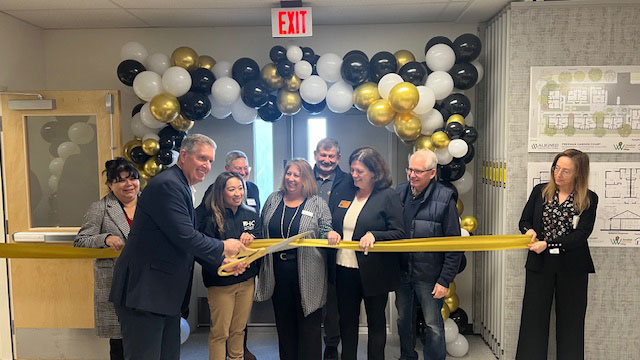

Ribbon Cutting for Walter’s House II
Program de Independencia para Jóvenes del Valle Central de ASPIRANET: Program de Independencia para Jóvenes del Valle Central será un proyecto centrado en la juventud, con enfoque en el trauma, individualizado y orientado a resultados, diseñado específicamente para ayudar a jóvenes involucrados con el sistema, de entre 15 y 19 años. El proyecto incluirá un Program terapéutico residencial de corta duración con 12 camas nuevas y un nuevo centro de tratamiento ambulatorio para trastornos por consumo de sustancias que se espera atienda a otras 60 personas anualmente. Los servicios ambulatorios de salud mental y trastornos por consumo de sustancias incluirán terapia individual tradicional y apoyos y servicios innovadores, como gestión de contingencias, Alianzas de Servicio Completo, mentoría, programas de habilidades para la vida independiente y otros recursos de bienestar.
“Aspiranet’s vision is to utilize BHCIP funding to re-purpose and expand a facility that will provide much-needed residential and behavioral health services and supports to the region’s most vulnerable youth,” said Vernon Brown, Chief Executive Officer of Aspiranet.

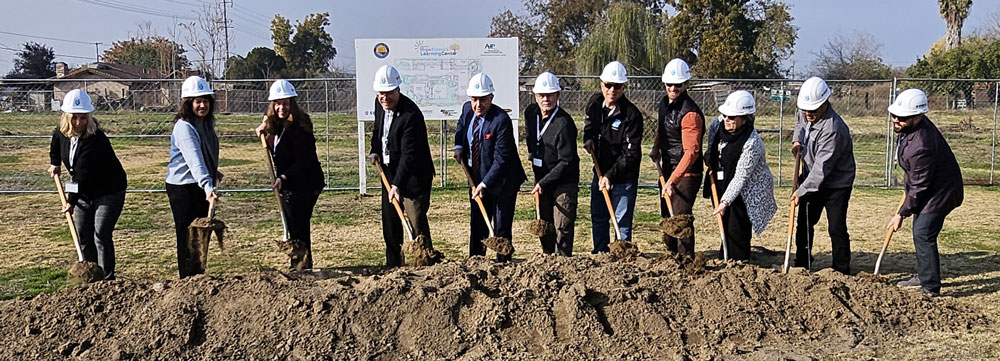
Colocación de la primera piedra para el Programa de Independencia TAY del Valle Central
POR QUÉ ES IMPORTANTE: A través de BHCIP, el DHCS otorga fondos a entidades elegibles para construir, adquirir y ampliar propiedades e invertir en infraestructura móvil de crisis para ampliar aún más la gama de opciones de tratamiento de salud conductual comunitaria para personas con necesidades concurrentes de tratamiento de salud mental y trastornos por consumo de sustancias. BHCIP está abordando las carencias históricas en el sistema de atención de salud conductual para satisfacer la creciente demanda de servicios y apoyos a lo largo de toda la vida de las personas necesitadas.
DHCS has awarded $1.7 billion in BHCIP competitive grants. In addition, DHCS will distribute up to $4.4 billion in competitive Bond BHCIP funding, including $3.3 billion for Round 1: Launch Ready grants as part of Behavioral Health Transformation, DHCS’ work to implement Proposition 1. DHCS holds regular public listening sessions on this effort. Updates and recordings of the sessions are available on the Behavioral Health Transformation webpage.
ABOUT BHCIP ROUND 3: LAUNCH READY: BHCIP Round 3 supported preparation activities to plan for the acquisition and expansion of behavioral health infrastructure throughout the state. The 45 facilities were funded a total of $518.5 million to construct, acquire, and rehabilitate real estate assets to expand the behavioral health continuum of treatment and service resources. BHCIP applicants were required to demonstrate service expansion for Medi-Cal members and have a valid planning process to ensure projects are ready for implementation.
ACERCA DE BHCIP RONDA 4: NIÑOS Y JÓVENES: La cuarta ronda de la BHCIP se centró en niños y jóvenes, así como en todos los californianos de 25 años o menos, incluidas mujeres embarazadas y posparto y sus hijos, y TAY de entre 16 y 25 años, junto con sus familias. Gracias a la financiación posibilitada por la Iniciativa de Salud Conductual para Niños y Jóvenes de California , las 52 subvenciones, que suman un total de 480,5 millones de dólares, permiten la construcción de nuevos centros y la ampliación de diversos tipos de instalaciones ambulatorias y residenciales, incluidos Program residenciales para niños en situación de crisis, centros residenciales perinatales para trastornos por consumo de sustancias, centros comunitarios de bienestar/prevención juvenil y tratamiento ambulatorio para trastornos por consumo de sustancias. Para más información, por favor visite la sitio web de BHCIP.
PANORAMA GENERAL: Bajo el mandato del gobernador Gavin Newsom, California está modernizando el sistema de capacidad de servicios de salud mental para mejorar la rendición de cuentas, aumentar la transparencia y ampliar la capacidad de los centros de atención de salud mental para los californianos. La Proposición 1, aprobada por los votantes en mayo de 2024, incluye un Bono de Salud Conductual de 6.400 millones de dólares para centros de tratamiento y vivienda con servicios, así como una reforma histórica de la Ley de Servicios de Salud Conductual para centrar en las personas con las enfermedades más graves, trastornos por consumo de sustancias y necesidades de vivienda. Puede encontrar más información sobre la transformación que experimentó California en todo su sistema de salud mental y trastornos por consumo de sustancias en mentalhealth.ca.gov.
###