캘리포니아 주 공식 웹사이트
번역

SACRAMENTO — The California Department of Health Care Services (DHCS) today released the 2024 quality ratings for Medi-Cal managed care plans (MCP) and county behavioral health plans (BHP), highlighting measurable improvements in care quality, expanded oversight, and a deepening commitment to health equity across the state’s Medi-Cal delivery system.
This is the fourth year of MCP ratings and the third for BHPs. The ratings are based on performance against the Managed Care Accountability Set and Behavioral Health Accountability Set measures for services delivered from January to December 2024. These measures evaluate how well plans deliver high-quality, equitable care across key domains, such as preventive services, behavioral health, maternal health, and chronic disease management. They also inform DHCS’ oversight of managed care and county behavioral health systems, supporting enforcement actions, such as monetary sanctions and Corrective Action Plans (CAP), when performance standards are not met. Among the key findings:
BHPs are being held accountable through CAPs, with 10 of 56 Mental Health Plans and 29 of 38 Drug Medi-Cal Organized Delivery System plans receiving CAPs based on performance calculated using Medi-Cal Connect, DHCS’ statewide data analytics platform.
“These results reflect our shared commitment to advancing quality and equity across the Medi-Cal delivery system,” said DHCS Director Michelle Baass. “We are seeing real progress in areas like children’s preventive care, dental services, and behavioral health performance. We know there’s more work to do, and we’re holding ourselves and our partners accountable every step of the way.”
DHCS is transitioning to performance-based oversight with a strong emphasis on equity and data-driven progress. For example, in 2025, the Behavioral Health Community-Based Organized Networks of Equitable Care and Treatment (BH-CONNECT) Access, Reform and Outcomes Incentive Program began offering payments to BHPs that demonstrate progress on key behavioral health measures.
“This isn’t just about numbers; it’s about making real, positive changes in the way care is delivered,” said Dr. Palav Babaria, Chief Quality and Medical Officer and Deputy Director of Quality and Population Health Management. “We’re doing it in partnership with our MCP and BHP partners, and I’m incredibly proud of the progress we’ve made so far. Every step we take is about building a Medi-Cal health care delivery system that works for all members.”
Dr. Babaria added, “By leveraging data, aligning incentives, and listening to the voices of Medi-Cal members, we’re creating a system that not only measures performance, but also supports continuous learning and improvement. Our goal is to ensure that every Californian, regardless of geography or background, has access to high-quality, coordinated care.”
Updated fact sheets, enforcement reports, and sanction letters are available on the Medi-Cal Managed Care Monitoring page.
###
커뮤니케이션실
(916) 440-7660
DHCSPress@dhcs.ca.gov
SACRAMENTO — The Department of Health Care Services (DHCS) today awarded nearly $47 million in grants to 57 community-based and Tribal organizations throughout California to help prevent substance use among youth. These grants support programs that focus on mentoring, peer support, and civic engagement for young people in communities that have historically faced barriers to accessing these services.
“This funding empowers youth to lead change in their communities,” said DHCS Director Michelle Baass. “By supporting culturally responsive, peer-led programs, we’re investing in the resilience and long-term wellness of California’s young people.”
Each organization will receive up to $1 million in total over a three-year period, from January 1, 2026, through December 31, 2028, to implement the Elevate Youth California (EYC) program. EYC is designed to help youth ages 12 to 26 build leadership skills, connect with mentors, and access culturally responsive support services.
WHY THIS MATTERS :This funding is part of a larger effort by DHCS to strengthen California’s substance use disorder prevention programs. EYC helps youth-serving organizations use evidence-based and community-driven approaches to support young people. Programs funded through EYC are healing-centered, trauma-informed, and culturally and linguistically responsive. EYC prioritizes substance use prevention and public health strategies that build resilience.
This investment also supports Governor Gavin Newsom’s Path & Purpose executive order, which calls on state agencies to support young men and boys in service and leadership and provide meaningful and caring adult relationships for young people living in the highest need communities. All awarded organizations welcome young men and boys. While EYC requires that funded initiatives focus on underserved communities, all genders may participate. DHCS’ 2024 Annual Report shows that 37 percent of the population served by EYC programs are boys.
WHAT THEY ARE SAYING : “Elevate Youth California funding has been more than just support, but transformative in our practices as a program,” said Ilien Tolteca, Youth Coordinator for the Mixteco Indigena Community Organizing Project. “This funding has allowed us to create and enhance our satellite sites across our city, serving and fostering community with 60 to 100 Indigenous youth from the Mixteco, Zapotec, and many other Diasporic communities throughout the Central Coast. It has strengthened autonomous youth leadership, cultural knowledge, and accessibility to higher education resources/tools for our youth.”
“The EYC grant has allowed us to provide vital prevention services to foster youth, youth on probation, and others in our community,” said Anthony Hughey, Executive Director of The Young People’s Foundation, Inc. “We’ve built long-term relationships with youth from underserved Black and brown communities and developed peer leaders who are driving change.”
EYC 소개: EYC는 2019년 출범 이후 DHCS(뉴욕주 아동 및 가족 서비스부)에서 517건의 보조금을 통해 3억 7천만 달러 이상을 지원했습니다. EYC는 2016년 11월 유권자들이 통과시킨 주민발의안 64호에 따라 자금을 지원받습니다. 이 발의안은 캘리포니아에서 성인의 비의료용 마리화나 사용을 합법화하고 대마초 판매를 규제하는 세금 제도를 마련했습니다. 해당 세금 수입의 일부는 DHCS를 통해 EYC를 지원하며, 주 전역의 청소년 중심 예방 및 리더십 프로그램에 자금을 지원합니다. 이 보조금은 캘리포니아주 58개 카운티 중 56개 카운티에서 청소년 개발, 시민 참여 및 또래 주도 지원을 지원합니다.
PATH AND PURPOSE: In July, Governor Gavin Newsom issued an executive order to address a growing issue — the alarming rise in suicides and disconnection among California’s young men and boys. The order directs a coordinated statewide response to improve mental health outcomes, reduce stigma, and expand access to meaningful education, work, and mentorship opportunities. The full executive order can be found here. The executive order helps address this crisis, directing state agencies to create a new focus on this issue and developing new pathways to help reconnect men and boys with the support, assistance, and help they need.
To see the full list of EYC grant recipients and learn more about EYC, visit www.elevateyouthca.org.
###
커뮤니케이션실
(916) 440-7660
DHCSPress@dhcs.ca.gov
SACRAMENTO — The California Department of Health Care Services (DHCS) today announced $145.5 million in awards to 153 organizations across all 58 counties to strengthen services for Medi-Cal members. Enhanced Care Management (ECM) and Community Supports are core components of California Advancing and Innovating Medi-Cal (CalAIM), DHCS’ broad transformation of Medi-Cal to create a more coordinated, person-centered, and equitable health system that works for all Californians. They offer tailored, community-based services, including in-person care coordination, housing support, and other vital resources for Medi-Cal members with complex needs. The awards are part of the Providing Access and Transforming Health (PATH) Capacity and Infrastructure, Transition, Expansion, and Development (CITED) initiative, which helps local providers grow their ability to deliver whole-person, community-based care.
ECM 및 커뮤니티 지원의 확대를 지원하기 위해 DHCS는 CITED, 공동 계획 및 실행, 기술 지원 마켓플레이스를 포함한 PATH 이니셔티브를 통해 2,200개 이상의 조직에 16억 6,000만 달러 이상을 지원했습니다. 이러한 노력으로 이미 373,000명 이상의 ECM 등록자를 확보하고, 100만 건 이상의 커뮤니티 지원 서비스를 제공했으며, 2025년 초에만 전년 대비 120% 증가한 어린이와 청소년의 접근성을 크게 확대했습니다.
“PATH CITED represents a vital investment in the future of Medi-Cal and the health of California,” said DHCS Director Michelle Baass. “By empowering local providers, many of whom serve historically under-resourced communities, we are strengthening the foundation of a more equitable, person-centered delivery system. Together, we’re creating lasting change that connects Medi-Cal members to the care and support they need to live healthier, more fulfilling lives. I’m proud of the progress we’ve made and the partnerships that made it possible.”
Recent data show that investments like these are resulting in long-term savings for California’s Medi-Cal program. Community Supports have been proven cost-effective, reducing avoidable emergency department visits, hospitalizations, and long-term care use. By investing now, DHCS is helping ensure a more sustainable, efficient, and equitable health care system for the future.
아래의 짧은 동영상을 통해 과거 수상자들이 PATH CITED 기금을 통해 서비스를 확장하고 직원을 고용하고 지역사회와 더 강력한 관계를 구축하는 데 어떻게 도움이 되었는지 직접 들어보세요.
WHY THIS IS IMPORTANT: ECM and Community Supports offer tailored, community-based services, including in-person care coordination, housing support, and other vital resources for Medi-Cal members with complex needs. PATH CITED is helping ECM and Community Supports providers transition, expand, and develop their capacity to provide local, coordinated care for member communities. Awardees will use funds to:
WHAT THEY’RE SAYING: “ECM and Community Supports are transforming how we care for Medi-Cal members with diverse and often intensive needs,” said Susan Philip, Deputy Director of DHCS’ Health Care Delivery Systems. “Just like in prior PATH CITED rounds, we are investing in the infrastructure and workforce that make whole-person care possible, ensuring that providers have the tools they need to deliver timely, compassionate, and coordinated care.”
“Thanks to PATH CITED support, Sanctuary Centers of Santa Barbara has turned an idea into a thriving clinic that continues to expand its reach and impact,” said Sanctuary Centers of Santa Barbara Interim CEO Stephanie R. Drake, PhD. “The Integrated Health Clinic is a model for collaborative, patient-centered care, bridging critical gaps in services and ensuring that Medi-Cal members receive the timely, high-quality, and compassionate care they deserve.”
“We did not have the staffing to follow up with people once they were housed, which led to more instability,” said Ronni Duncan, Care Management Manager at Adventist Health, a CITED awardee from previous rounds. “PATH CITED funds have allowed us to expand staffing, fill service gaps, and let case managers focus on their specific roles. Most of all, these programs have helped build community and provide hope and healing to people who may not have had access to the healing support we offer.”
“Thanks to PATH CITED funding, we are building a growing team of skilled case managers to meet our patients where they are – in homes, coffee shops, and throughout their communities to build trust and transform care,” said Jeniffer Zamora, Community Health Program Manager at Peach Tree Health, a CITED awardee from previous rounds.
"PATH CITED 기금의 지원을 받아 래디 어린이 병원의 ECM 프로그램은 샌디에이고 카운티에서 리버사이드 카운티까지 확대되었습니다."라고 CITED 2차 지원 대상 병원인 래디 어린이 병원의 ECM 관리자 러셀 가구이가 말했습니다. "성장하는 과정에서도 우리는 소아 응급의료 서비스를 성공적으로 운영하는 데 필요한 원칙들을 변함없이 지켜나갈 것입니다. 즉, 우리가 서비스를 제공하는 지역사회에서 인재를 채용하고, 가족들의 실질적인 필요를 지원하는 시스템을 설계하며, 복잡한 의학적 및 사회적 요구를 가진 아동들의 삶을 개선하는 데 모든 노력을 집중할 것입니다."
“Through the CITED grants, we have been able to expand access to recuperative care and strengthen care coordination by hiring additional staff as well as updating our internal data systems, which has allowed us more time to focus on the acute needs of our clients,” said Tracy Wilson, Co-Founder and CEO of Rooted Life, a CITED Round 3 awardee. “CITED grants have been pivotal in allowing us to create robust program where we can focus on the stability and recovery of our clients.”
HOW WE GOT HERE: PATH is a five-year, $1.85 billion initiative launched in 2022, providing funds for community-based organizations, county agencies, hospitals, Tribes, and other community providers to support improved health care management and delivery through the Medi-Cal system. Recipients of PATH CITED awards are committed to serving historically under-resourced and underserved populations.
다음 단계: 4차 라운드는 PATH CITED의 마지막 자금 조달 라운드입니다. DHCS는 메디칼 회원과 의료 제공자의 의견을 지속적으로 경청하여 서비스 제공을 개선하고, 캘리포니아의 다양한 지역 사회에 더욱 접근하기 쉽고 효과적이며 필요에 부응하는 의료 서비스를 제공할 것입니다. 여기에는 기술 지원 마켓플레이스 및 지역 협력 계획 실행 회의와 같은 다른 PATH 워크스트림을 활용하여 의도적으로 의견을 경청하고 기술 지원을 제공하는 것도 포함됩니다. PATH CITED 이니셔티브에 대한 자세한 내용은 PATH 웹사이트를 방문하세요.
###
커뮤니케이션실
(916) 440-7660
DHCSPress@dhcs.ca.gov
SACRAMENTO — California schools have long worked to meet student mental health needs, and the Department of Health Care Services (DHCS) is supporting these efforts through a new sustainable funding program that is already showing promising results.
아동 및 청소년 행동 건강 이니셔티브(CYBHI) 수수료 일정 프로그램을 통해 캘리포니아 공립 K-12 학군, 차터 스쿨, 카운티 교육청을 포함하는 지역 교육 기관(LEA)과 공립 커뮤니티 칼리지 및 대학교를 포함한 공립 고등 교육 기관(IHE)은 정신 건강 및 약물 남용 검진, 치료 및 사례 관리에 대한 비용 상환 경로에 참여 신청을 할 수 있습니다. 이는 학교 기반 보육을 위한 지속 가능한 자금원을 마련합니다. 이 혁신적인 다중 지불자 프로그램은 장벽을 허물고 학생들을 최우선으로 생각하여 정신 건강 문제로 도움을 구하는 청소년들에게 더욱 원활한 경험을 제공합니다. 500개 이상의 지방 교육청(LEA)과 고등 교육 기관(IHE)이 이미 가입하여 적극적으로 온보딩 과정을 진행하고 있습니다.
아직 시행 초기 단계이지만, 이 미국 최초의 노력은 이미 긍정적인 결과를 보여주고 있습니다. 학교와 파트너는 5,000명 이상의 학생에게 제공되는 서비스를 위해 180만 달러 이상의 신규 자금을 지원받았습니다. 10월 15일 현재 55개 LEA 및 IHE가 이 프로그램을 통해 26,000건 이상의 청구서를 제출했으며, 이는 32개의 Medi-Cal 매니지 케어 플랜 및 상업용 플랜을 포함한 기타 보험사를 대표합니다. 이러한 결과는 참가자들이 처음으로 서비스 비용을 청구할 수 있게 된 이후 1년여 만에 이룬 상당한 진전을 반영합니다.
“Schools are often the first place students turn to for support,” said DHCS Director Michelle Baass. “Through the CYBHI Fee Schedule program, we’re helping schools meet that need by easing financial pressures and building a sustainable foundation for student mental health services, so every student has access to care when and where they need it.”
“We were lucky enough to be the first to successfully submit a service for billing, and we actually got our first check. It was only $77, but it was a big milestone,” said Nevada Joint Union High School District Director of Pupil Services Timothy Reid. As of November 3, the district had been reimbursed more than $30,000. Since the first claim was submitted in December 2024, the average reimbursement for an LEA/IHE is nearly $50,000, and multiple LEAs are nearing being reimbursed $1 million through the program.
새로운 자료 및 홍보 캠페인: 프로그램 시행을 지원하기 위해 DHCS는 학교와 가족이 프로그램을 쉽게 이해할 수 있도록 대중및 제공자대상의 새로운 정보와 자료를 출시했습니다.
ABOUT THE CYBHI FEE SCHEDULE PROGRAM: The program requires Medi-Cal managed care plans, Medi-Cal fee-for-service providers, commercial health insurance plans, and disability insurers to reimburse school-linked providers for behavioral health services provided to students under age 26, with no out-of-pocket costs for families. As a result, schools now have a sustainable funding source through which to hire, train, and retain staff, increasing access to behavioral health services.
WHY THIS IS IMPORTANT: Youth mental needs have risen significantly in the last decade. California falls short of the recommended ratio of one school psychologist per 500 students, largely due to cost barriers. By creating a sustainable funding mechanism for providing these services, the CYBHI Fee Schedule program addresses this gap by funding school-based services, prioritizing early intervention, and expanding opportunities for the behavioral health workforce to meet growing demand. Research has shown an association between students who access services through a school-based health center and positive school attendance, particularly for students with a mental health diagnosis, suggesting that increased mental health support through school may improve school attendance.
WHAT THEY’RE SAYING: “We’ve heard from California students across the state about the need to increase behavioral health support where they spend time – at schools. The CYBHI Fee Schedule program is answering the call,” said CYBHI Director Dr. Sohil Sud. “Through partnerships and deeper connections between schools and health plans, along with sustainable funding, schools can meet the behavioral health needs of students who need it most.”
“Together, we have made significant strides in our efforts to transform school-based behavioral health care in California. Our progress to date is a testament to the commitment and the collaborative efforts of our school-district, managed care plan and community partners,” said Autumn Boylan, Deputy Director of DHCS’ Office of Strategic Partnerships. “With the foundation we’ve built, I am confident we will continue to succeed in making a lasting impact on the lives of students across the state.”
“Through the CYBHI Fee Schedule, our school district can continue to provide comprehensive, school-based behavioral health services, including assessments, counseling, prevention, and wellness programs, all at no cost to students and families. These funds will sustain and strengthen the vital program we have built to nurture the mental and emotional well-being of our students, while extending care to their families and our broader community,” said Jesus Chavarria, Anaheim Elementary School District Superintendent.
“CYBHI’s involvement allows us to expand the services and support we can provide,” said Matthew Zavala, Mental Health Therapist at Silver Springs High School in Grass Valley. “When I started working at this school, mental health programming was very grassroots. Now, it’s more stable and secure. It really feels like mental health is part of the school system. On a smaller scale, it’s just nice to see students find a place where they feel welcome and have a positive school experience. Seeing both of those things happen simultaneously is a very rewarding part of this job.”
BIGGER PICTURE: The CYBHI Fee Schedule is part of the state’s broader effort to transform youth mental health care into a coordinated, equitable, and prevention-focused system. The CYBHI Fee Schedule program is the CYBHI’s flagship, a more than $4 billion investment to transform behavioral health services for children, youth, and families, and it is central to the Governor’s Master Plan for Kids’ Mental Health. Learn more on the CYBHI Fee Schedule webpage.
###
커뮤니케이션실
(916) 440-7660
DHCSPress@dhcs.ca.gov
새크라멘토 — 캘리포니아주 보건의료서비스국(DHCS)은 포용적인 정책 수립에 있어 중요한 진전을 이루며, 메디칼 회원, 간병인, 의료 제공자, 지역 사회 단체, 옹호 단체 및 카운티 파트너를 한데 모아 메디칼 정책, 프로그램 및 시행의 미래를 설계하는 최초의 자문 그룹인 메디칼 목소리와 비전 위원회 (Medi-Cal Voices and Vision Council)를 출범시켰습니다. 협의회는 실제 경험을 정책 결정 과정에 직접 반영함으로써 메디칼 정책 및 프로그램이 수혜자들의 실제 요구에 기반하고 의료 전문가 및 시스템 책임자와의 협력을 통해 개선되도록 보장합니다.
The Voices and Vision Council held its inaugural meeting alongside the established Medi-Cal Member Advisory Committee to launch a new collaborative structure that brings together lived experience and system expertise to shape Medi-Cal policy.
“The Medi-Cal Voices and Vision Council is a vital platform for ensuring that Medi-Cal members and community partners help shape how we deliver care,” said DHCS Director Michelle Baass. “We are committed to strengthening our Medi-Cal program so it is more equitable, responsive, and grounded in the voices of the people we serve. This council reflects our belief that meaningful change and innovation begin with listening and acting on what people tell us they need.”
"메디칼은 제 아들이 가족과 함께 집에서 건강하고 안전하게 지낼 수 있도록 간호 서비스를 제공해 줍니다."라고 학부모이자 Voices and Vision Council 회원인 제니 맥렐랜드가 말했습니다. "이 협의회는 제가 간병인으로서의 경험을 공유할 기회를 주고, 저와 같은 가족들이 모든 캘리포니아 주민들을 위해 메디칼을 개선하는 데 목소리를 낼 수 있도록 해줍니다."
WHY THIS IS IMPORTANT: The Voices and Vision Council and the Medi-Cal Member Advisory Committee help ensure that Medi-Cal members remain at the heart of policy development and program administration. These two advisory bodies work in close partnership with DHCS leaders and policy experts to co-design equity-centered programs and policy solutions that reflect the real needs of members.
DHCS는 회원 및 이해관계자들과 직접 소통함으로써, 자신들이 봉사하는 사람들에게 가장 중요한 문제에 대해 조치를 취할 수 있는 인프라를 구축하고 있습니다. 매 분기별 회의는 회원과 간병인이 공유하는 통찰력을 중심으로 진행됩니다. 이러한 논의는 DHCS가 피드백을 구체적인 개선 사항으로 전환하는 데 도움이 되며, 캘리포니아 전역의 지역 사회를 지원하는 메디칼
Medi-Cal
의 기능을 강화합니다.배경: 2023년, DHCS는 메디칼 회원 자문위원회를 설립했습니다. 이는 메디칼 회원과 가족, 간병인 등 그들을 지원하는 사람들로만 구성된 미국 최초의 공식 자문 그룹 중 하나입니다. 2024년 연방 메디케어 및 메디케이드 서비스 센터는 모든 주에서 두 개의 자문 기구를 만들도록 요구하는 메디케이드 서비스 접근 보장 규칙을 발표했습니다. 하나는 회원과 간병인으로 구성된 수혜자 자문 위원회이고, 다른 하나는 공급자를 포함하고 7월까지 수혜자 자문 위원회에서 최소 25%의 회원을 선출하는 메디케이드 자문 위원회입니다. 10, 2027.
To meet this requirement, California designated its existing Medi-Cal Member Advisory Committee as the state’s Beneficiary Advisory Council and created the Medi-Cal Voices and Vision Council as its Medicaid Advisory Committee. Together, these groups are designed to create a continuous feedback loop: The Medi-Cal Member Advisory Committee will meet first each quarter to surface themes and priorities from members and caregivers, which will then inform the Voices and Vision Council’s policy and operational discussions. Potential topics include access to care, service delivery, communication, and other issues that influence how Medi-Cal works for the people it serves.
WHAT’S NEXT: The first public meeting of the Medi-Cal Voices and Vision Council will be held on March 18, 2026. Meeting schedules, agendas, minutes, and membership lists for both groups will be publicly available. For more information, including how to register for the first public meeting, please visit the Voices and Vision Council webpage.
ABOUT THE VOICES AND VISION COUNCIL MEMBERS: The Voices and Vision Council is made up of 16 Medi-Cal members and leaders from across California who bring experience from advocacy groups, community-based organizations, health centers, county health and social services departments, managed care plans, and health plan associations.
###
커뮤니케이션실
(916) 440-7660
DHCSPress@dhcs.ca.gov
메디 메디 플랜은 메디케어와 메디칼에 모두 가입한 분들을 위한 특별 건강 보험 플랜입니다.
SACRAMENTO — As Medicare open enrollment begins on October 15, the Department of Health Care Services (DHCS) is expanding access to Medi-Medi Plans––integrated health plans for people who have both Medicare and Medi-Cal—to 29 additional counties. This expansion brings the total to 41 counties that offer Medi-Medi Plans, nearly quadrupling access to these plans. This means Californians who are eligible for both Medicare and Medi-Cal will have the option to enroll in a Medi-Medi Plan to receive additional support to help manage chronic conditions, disabilities, or long-term care needs. Enrollment runs from October 15 to December 7, with coverage starting on January 1, 2026.
“California is building upon the success of Medi-Medi Plans that have already made a real difference in people’s lives,” said DHCS Director Michelle Baass. “By expanding access to these plans, we’re helping more Californians with complex health needs get the care they need—more easily, more consistently, and with greater support. This is about making health care work better for the people who rely on it most.”
The 29 new counties are: Alameda, Alpine, Amador, Calaveras, Contra Costa, El Dorado, Imperial, Inyo, Kern, Marin, Mariposa, Merced, Mono, Monterey, Napa, Placer, San Benito, San Francisco, San Joaquin, San Luis Obispo, Santa Barbara, Santa Cruz, Solano, Sonoma, Stanislaus, Tuolumne, Ventura, Yolo, and Yuba.
These 29 counties will join the 12 counties where Medi-Medi Plans are currently available: Fresno, Kings, Los Angeles, Madera, Orange, Riverside, Sacramento, San Bernardino, San Diego, San Mateo, Santa Clara, and Tulare. For more details, visit the Medicare Medi-Cal Plan List webpage, Joining a Medi-Medi Plan information sheet, and the Medi-Medi Plan Expansion Fact Sheet.
WHY THIS IS IMPORTANT: For the first time, Californians who qualify for both Medicare and Medi-Cal will have access to Medi-Medi Plans in 29 additional counties. Members with both Medicare and Medi-Cal often face serious health challenges, need help with daily activities, and deal with barriers like low income or limited transportation. They typically rely on many different services, but must navigate two separate systems to get care.
"이번 확대는 의료 서비스가 가장 필요한 사람들에게 더 나은 서비스를 제공하기 위한 것입니다."라고 DHCS 산하 메디케어 혁신 및 통합 사무국장인 로렌 솔리스가 말했습니다.
Medi-Medi Plans combine Medicare and Medi-Cal benefits into one plan and provide specialized care coordination and wraparound Medi-Cal services. This model simplifies care with one card, one care team, and integrated services across medical, behavioral health, and long-term services and supports.
Currently, about 330,000 people are enrolled in these plans across 12 counties. As a result of this expansion, an additional 461,000 Californians will now have the choice to enroll in a Medi-Medi Plan. Meanwhile, nearly a quarter of Medicare members in California – 1.7 million people – also have Medi-Cal.
ABOUT MEDI-MEDI PLANS: Medi-Medi Plans are available to individuals who have both Medicare Part A and B, are enrolled in Medi-Cal, are 21 or older, and live in a participating county. Medi-Medi Plans coordinate all services across both Medicare and Medi-Cal, including:
회원에게는 다음과 같은 혜택도 제공됩니다:
추가 정보: 자격 있는 캘리포니아 주민은 10월 15일부터 12월 7일까지 Medicare 공개 등록 기간 동안 Medi-Medi 플랜에 등록할 수 있습니다. 보장은 1월 1, 2026 부터 시작됩니다. 메디-메디 플랜에 대한 자세한 정보와 가입 방법은 메디-메디 플랜 웹페이지를 참조하십시오.
###
커뮤니케이션실
(916) 440-7660
DHCSPress@dhcs.ca.gov
SACRAMENTO — The Department of Health Care Services (DHCS) today released new data showing continued growth and impact from Enhanced Care Management (ECM) and Community Supports as part of the state’s Medi-Cal transformation under California Advancing and Innovating Medi-Cal (CalAIM). These services help Medi-Cal members stay healthier and avoid other, costlier health care services, such as emergency department visits and hospital stays.
올해 첫 3개월 동안만 해도 말이죠:
"이것이 바로 메디칼 혁신의 모습입니다."라고 의료 서비스 부서의 디렉터인 미셸 바스는 말합니다. "단순히 서비스를 확장하는 것이 아닙니다. 그 어느 때보다 더 많은 사람들에게 다가가고 있습니다."
ECM은 노숙자, 심각한 정신 질환, 잦은 병원 방문 등 복잡한 건강 및 사회적 요구가 있는 사람들이 어디에 있든 필요한 치료를 받을 수 있도록 지원합니다. 리드 케어 매니저는 의사 방문 및 정신 건강 서비스부터 주거 및 영양 지원까지 모든 측면의 치료를 조정하는 데 도움을 줍니다. 2022년 1월에 출범한 이래, ECM은 372,000명 이상의 메디칼 회원을 개인 중심의 하이터치 의료 서비스에 연결했습니다.
Community Supports are also growing rapidly. These services offer cost-effective, community-based alternatives to traditional medical care, addressing housing, nutrition, and other social drivers of health. As of early 2025:
"모든 숫자 뒤에는 안정적인 주거지를 찾은 부모, 정신 건강 치료를 받은 청소년, 자신의 상태에 맞는 식사를 제공받은 노인 등 사연이 있습니다."라고 주 메디케이드 디렉터인 타일러 새드위드는 말합니다. "이것이 우리가 더 건강한 캘리포니아를 만드는 방법입니다."
WHY THIS IS IMPORTANT: The growth in ECM and Community Supports comes as California rolls out historic policies under the Behavioral Health Services Act (BHSA), aimed at reducing homelessness and expanding behavioral health care. ECM and Community Supports are proving to be vital tools to help people navigate housing, nutrition, and health systems with dignity and support. From ECM and Community Supports to Transitional Rent and permanent housing, California is building a continuum of care that supports people across every stage of their recovery journey.
이러한 확장을 지원하기 위해 DHCS는 역량 및 인프라 전환, 확장 및 개발(CITED), 협력적 계획 및 실행, 기술 지원 시장을 포함한 접근성 제공 및 건강 혁신 (PATH) 이니셔티브를 통해 14억 3천만 달러 이상을 지원했습니다. 이 기금은 지역 사회 기반 조직, 진료소 및 지역 기관이 직원을 고용하고 시스템을 업그레이드하며 진료 조정을 개선함으로써 ECM 및 지역 사회 지원을 제공하는 역량을 확대하는 데 도움이 됩니다. CITED 기금 지원의 마지막 라운드는 2025년 5월에 마감되었으며, 새로운 수상자는 올해 말에 발표될 예정입니다.
향후 계획: DHCS는 ECM 및 커뮤니티 지원 서비스를 이용하는 메디칼 회원들의 의견을 지속적으로 경청할 것입니다. 설문조사, 포커스 그룹 및 기타 활동을 통해 수집된 회원 의견은 이러한 서비스 제공 방식을 개선하여 접근성을 높이고 효율성을 개선하며 다양한 문화와 지역 사회에 더욱 효과적으로 대응할 수 있도록 도와줄 것입니다.
###
커뮤니케이션실
(916) 440-7660
DHCSPress@dhcs.ca.gov
연간 72,000명의 개인에게 서비스를 제공할 캠퍼스
새크라멘토 — 9월 10, 2025 에 보건의료서비스부(DHCS)와 샌호아킨 카운티 행동건강서비스부는 센트럴 밸리에서 정신 건강 및 약물 사용 장애 치료에 대한 접근성을 확대할 새로운 시설인 프렌치 캠프의 Be Well 캠퍼스 기공식을 거행했습니다. 이 캠퍼스에는 10가지 유형의 시설이 포함될 예정이며, 116개의 정신 건강 치료 병상과 1,205개의 외래 환자 수용 공간을 통해 연간 72,000명 이상의 환자에게 의료 서비스를 제공할 수 있게 됩니다.
캘리포니아 주 보건복지부(DHCS) 국장 미셸 바스는 "이 프로젝트는 사람들의 현재 상황에 맞는 정신 건강 시스템을 구축하려는 캘리포니아주의 노력을 보여주는 강력한 사례입니다."라고 말했습니다. “행동 건강 연속성 인프라 프로그램을 통해 우리는 지역 인프라에 투자하고 지역 사회가 의료 서비스 접근성을 확대할 수 있도록 지원하고 있습니다.”
This transformative project is supported by more than $149 million through the Behavioral Health Continuum Infrastructure Program (BHCIP), including Round 5: Crisis and Behavioral Health Continuum and Bond BHCIP Round 1: Launch Ready (a conditional award made possible by the Behavioral Health Infrastructure Bond Act), part of California’s voter-approved reform to expand behavioral health care and housing. This project is one of several in California that will combine earlier BHCIP rounds with bond funds to support both immediate needs and long-term infrastructure.
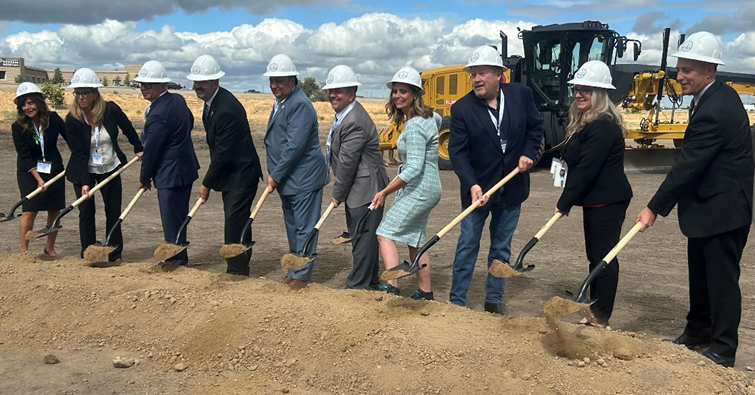
BHCIP is a key component of Mental Health for All, California’s ongoing commitment to build a stronger and more equitable behavioral health system. With the passage of Proposition 1, even more behavioral health treatment facilities will be funded and built in 2025 and 2026.
“We are pleased to see the Behavioral Health Infrastructure Bond Act in action,” said DHCS Community Services Division Chief Marlies Perez. “San Joaquin County is building a model that brings together multiple levels of care in one place, making it easier for people to get the care they need when they need it.”
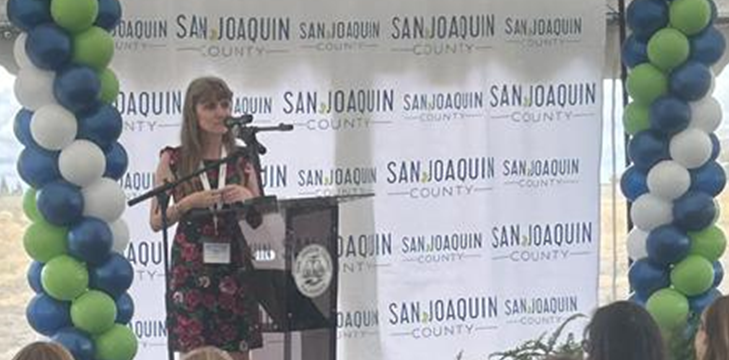
INVESTING IN BEHAVIORAL HEALTH CARE CAPACITY: More than 1.2 million adults in California live with a serious mental illness, and 1 in 10 residents meet the criteria for a substance use disorder. Additionally, shortages of behavioral health treatment sites contribute to rising rates of homelessness and incarceration among people with mental health disorders.
To address this, DHCS launched BHCIP to fund the construction, acquisition, and expansion of behavioral health facilities and mobile crisis services. Since 2021, the state has awarded more than $2.2 billion through BHCIP Rounds 1–5, including $430 million in Round 5 to expand crisis care statewide. California is investing billions more through Bond BHCIP to build long-term behavioral health and housing infrastructure. In May 2025, DHCS conditionally awarded $3.3 billion through Bond BHCIP Round 1: Launch Ready to 121 projects across 42 counties, supporting 4,895 residential beds and 21,402 outpatient slots.
WHAT’S NEXT: The Be Well Campus project received a conditional award through Bond BHCIP Round 1: Launch Ready, and the next step is to finalize that funding. San Joaquin County will work with DHCS to complete a Program Funding Agreement, confirm matching funds and property ownership, and wrap up other required documentation before the award becomes final.
한편, DHCS는 Bond BHCIP 2차 사업(미충족 수요) 을 통해 8억 달러 이상을 지원할 준비를 하고 있습니다. 이번 라운드는 주 전체의 적격 신청자에게 열려 있으며 신청 마감일은 10월 28, 2025 이고 수상자는 2026년 봄에 예상됩니다.
###
커뮤니케이션실
(916) 440-7660
DHCSPress@dhcs.ca.gov
보조금을 통해 지역사회 파트너십을 구축하고 치료 접근성을 높일 수 있습니다.
SACRAMENTO — The Department of Health Care Services (DHCS) has awarded $26 million to more than 70 organizations to combat the opioid crisis in California. These grants are designed to expand access to treatment, strengthen community partnerships, and save lives. The grants represent a critical part of the State’s Opioid Response (SOR) initiative.
“Addressing the opioid crisis requires a comprehensive, compassionate, and community-driven approach. That’s why DHCS is pleased to partner with so many organizations to offer access to this life-changing care,” said DHCS Director Michelle Baass. “We must expand access to treatment, invest in prevention, and dismantle the stigma surrounding addiction. Lives are at stake, and we are committed to doing everything we can to support recovery.”
원주민 부족 공동체의 미충족 수요 및 오피오이드 관련 과다복용 감소: DHCS는 SOR IV 원주민 부족 지역 오피오이드 연합(TLOC) 프로그램 시행을 위해 12개 기관 에 210만 달러를 지원했습니다. TLOC는 치료 접근성을 높이고, 문화적 배경에 맞는 회복 서비스를 제공하며, 예방 및 치료를 통해 과다복용 관련 사망을 줄임으로써 부족 및 도시 인디언 공동체를 지원합니다. 이 프로그램은 지역사회 구성원, 이해관계자 및 서비스 제공자 간의 파트너십을 구축함으로써 오피오이드 및 각성제 사용 장애 회복 노력을 강화합니다.
“DHCS is pleased to support Tribal communities with resources that reflect their unique needs and strengths. The TLOC program empowers local partnerships to expand treatment, prevent substance use, and promote culturally grounded healing,” said Baass.
EXPANDING ACCESS TO MEDICATIONS FOR ADDICTION TREATMENT: DHCS also awarded nearly $3 million to four DHCS-licensed Narcotic Treatment Programs (NTP) to create satellite facilities, called medication units, that provide access to addiction treatment. These medication units will serve people who otherwise struggle to access care, including people in rural areas, justice-involved communities, and people without reliable transportation, and support care integration.
“Geographically isolated communities often face compounded challenges to accessing care, including transportation barriers and systemic inequities. Establishing medication units addresses these gaps by improving access, enhancing retention, and advancing health equity in the areas that need it most,” said Sarah Khawaja-Laljiani, Senior Director of Grants and Patient Services of Pinnacle Treatment Center, a recipient of funding to expand access to Medications for Addiction Treatment (MAT).
“This funding opportunity aligns with our commitment to expanding access to evidence-based treatment in underserved communities, said Evelyn Sosa, Senior Vice President of BayMark Health Services. “This support will help us meet patients where they are, removing barriers to care and improving outcomes for people most at risk of overdose.”
MAT 접근성 확대: 또한, DHCS는 DHCS 허가를 받은 59개 거주형 약물 사용 장애 치료 프로그램에 2,100만 달러 이상을 지원하여 오피오이드 사용 장애가 있는 사람들을 위한 현장 기반의 증거 기반 MAT 서비스를 시작하거나 확대하도록 했습니다.
“As the opioid and fentanyl crisis continues to devastate lives across the country, expanding access to MAT services in residential programs is not only a clinical necessity, but a moral imperative,” said Dr. BJ Davis, Executive Director, Gateway House for Women and Sacramento Recovery House for Men. “This funding allows us to meet people where they are with the full continuum of evidence-based care.”
"저희 고객들은 갈망을 관리하고 회복과 안정으로 나아가는 여정을 시작하기 위해 시기적절하게 약물 보조 치료(MAT)를 받을 필요가 있습니다."라고 크로스로드 재단(The Crossroads Foundation)의 전무이사인 린지 퍼디(Lindsey Purdie, MBA)는 말했습니다. "DHCS와의 파트너십을 통해 우리는 서비스를 확장하고 우리가 지원하는 사람들의 요구를 더 잘 충족할 수 있는 기회를 얻었습니다." 저희
지원금과 지속적인 협력에 깊이 감사드립니다.이것이 중요한 이유: 2023년에는 약물 과다 복용으로 인한 사망자가 11,359명에 달했습니다. 그중 8,000건은 오피오이드 관련이었고, 7,000건은 특히 펜타닐과 관련이 있었습니다. 캘리포니아 주민 상당수가 약물 사용 장애 진단 기준을 충족하지만, 치료를 받는 비율은 극히 낮습니다. 이는 주로 농촌 지역에서 약물 보조 치료(MAT)나 날록손 투여와 같은 서비스에 대한 접근성이 제한적이기 때문입니다.
BIGGER PICTURE: These grants are part of DHCS’ Opioid Response, a key element of Governor Newsom’s Master Plan for Tackling the Fentanyl and Opioid Crisis. For more information about opioids and how you can protect yourself and loved ones, visit Opioids.ca.gov, a one-stop shop for Californians seeking resources around prevention and treatment.
###
커뮤니케이션실
(916) 440-7660
DHCSPress@dhcs.ca.gov
새크라멘토 — 캘리포니아 보건의료서비스국(DHCS)은 오늘 캘리포니아 메디칼 혁신 및 발전 계획(CalAIM)에 따라 진행 되는 주정부의 메디칼 개혁의 일환으로 강화된 의료 관리 (ECM) 및 지역사회 지원이 증가하고 있으며 더 많은 사람들에게 도움을 주고 있음을 보여주는 새로운 데이터를 공개했습니다.
“The trends reflected in the data demonstrate the real and growing impact of CalAIM in supporting the health and well-being of Medi-Cal members,” said DHCS Director Michelle Baass. “We’re seeing especially strong progress in reaching children and youth, expanding access to critical supports like housing and food, and growing the provider networks needed to deliver these services. Together, these efforts are helping more Californians live healthier, more stable lives.”
WHAT THE NUMBERS SHOW: Since ECM launched in January 2022, more than 326,000 unique Medi-Cal members have enrolled in this benefit that provides comprehensive, person-centered care coordination for members with complex needs. In the last three months of 2024 alone, more than 149,400 members received ECM services, including more than 31,000 children and youth under 21, nearly four times more than when ECM launched for these groups in July 2023.
커뮤니티 지원도 더 많은 Medi-Cal 회원에게 도달하고 있습니다. 2024년 말까지 약 368,400명의 회원이 이러한 서비스를 이용했으며, 총 92만 건 이상의 서비스가 제공되었습니다. 이러한 지원은 건강에 영향을 미치는 사회적 요인을 해결하여 기존 의료 서비스에 대한 비용 효율적인 커뮤니티 기반 대안을 제공합니다. 2024년 4분기에 커뮤니티 지원에 액세스한 사람 중:
WHY THIS MATTERS: More Medi-Cal members with complex medical and social needs are accessing ECM and Community Supports. Key drivers of growth include:
PROVIDER NETWORKS ARE GROWING: The number of providers delivering ECM and Community Supports has grown significantly. Managed care plans now hold approximately 2,600 provider contracts for Community Supports alone, up from about 750 in early 2022. This reflects a strong commitment from community-based organizations, housing providers, and local health systems to support CalAIM’s goals.
COMMUNITY SUPPORTS ARE COST-EFFECTIVE: DHCS’ June 2025 cost-effectiveness report shows that Community Supports help reduce overall health care costs by preventing avoidable hospitalizations, emergency room visits, and long-term institutional care, while improving health outcomes.
WHAT’S NEXT: Starting January 1, 2026, Transitional Rent will become a mandatory Community Support and will be available to provide up to six months of rental assistance to members who are experiencing or at risk of homelessness, are experiencing significant behavioral health needs, and meet certain risk factors. This is another important step in making sure Medi-Cal members have the support they need to live healthy, stable lives in their communities.
DHCS will continue to center feedback from Medi-Cal members to ensure ECM and Community Supports are responsive, accessible, and equitable. By listening closely to people who are directly impacted, California aims to enhance the effectiveness of these programs and better support members’ health and well-being.
###
커뮤니케이션실
(916) 440-7660
DHCSPress@dhcs.ca.gov