
افتتاح مواقع جديدة لتقديم خدمات الرعاية الصحية السلوكية الحيوية للمراهقين والبالغين

بيان صحفي

افتتاح مواقع جديدة لتقديم خدمات الرعاية الصحية السلوكية الحيوية للمراهقين والبالغين
ستوفر مرافق الصحة السلوكية 28 سريرًا جديدًا لخدمات علاج اضطرابات استخدام المواد المخدرة وخدمات علاج الصحة العقلية المتزامنة
ساكرامنتو - تقوم إدارة خدمات الرعاية الصحية (DHCS) بتوسيع خدمات الإقامة لعلاج اضطرابات تعاطي المخدرات واحتياجات الصحة العقلية المصاحبة لها في موقعين في جميع أنحاء كاليفورنيا. أقامت جمعية أصدقاء البعثة حفل قص الشريط لافتتاح منزل والتر الثاني، والذي سيقدم علاجًا لاضطراب تعاطي المخدرات للبالغين في مقاطعة يولو. استضافت أسبيرانت حفل وضع حجر الأساس لبرنامج الاستقلال للشباب في مرحلة الانتقال في الوادي الأوسط (TAY)، والذي سيوفر برنامجًا علاجيًا سكنيًا قصير الأجل ومرفقًا لعلاج اضطرابات تعاطي المخدرات للمرضى الخارجيين من الشباب الذين تتراوح أعمارهم بين 15 و 19 عامًا.
DHCS awarded Friends of the Mission $12.4 million and Aspiranet $8.7 million through the Behavioral Health Continuum Infrastructure Program (BHCIP), which is part of California’s ongoing commitment to expand behavioral health services for all Californians. With the passage of Proposition 1, even more behavioral health treatment facilities will be funded and built in 2025 and 2026.
وقالت مديرة إدارة خدمات الرعاية الصحية (DHCS) ميشيل باس: "يسر إدارة خدمات الرعاية الصحية (DHCS) العمل مع شركائنا في المجتمع لتوسيع نطاق خدمات الصحة السلوكية القوية والمستندة إلى المجتمع". "تُعدّ مرافق كهذه عنصراً حيوياً في جهود كاليفورنيا لتوفير رعاية شاملة وعالية الجودة للصحة العقلية وعلاج اضطرابات تعاطي المخدرات للمجتمعات الريفية والمحرومة."
مشروع منزل والتر الثاني: يوفر مشروع منزل والتر الثاني التابع لمنظمة أصدقاء البعثة الرعاية في أكثر البيئات ملاءمة وأقلها تقييدًا لدعم الاندماج المجتمعي والاختيار والاستقلالية مع الحد من التشرد. يضم منزل والتر الثاني حاليًا 44 سريرًا سكنيًا لعلاج اضطرابات تعاطي المخدرات للبالغين في مقاطعة يولو. سيوفر المشروع 16 سريراً جديداً إضافياً، ليصبح إجمالي عدد الأسرة 60 سريراً. سيعمل المرفق على مدار 24 ساعة في اليوم، سبعة أيام في الأسبوع، مع طاقم عمل مؤهل وأطباء متخصصين. البرنامج معتمد من قبل برنامج "Drug Medi-Cal" للخدمات السريرية منخفضة وعالية الكثافة، بما في ذلك الأفراد الذين يعانون من اضطرابات الصحة العقلية المتزامنة. كما تم تصميم المنشأة الجديدة لدعم خدمات إدارة الانسحاب والعلاج بمساعدة الأدوية.
"في دار والتر الثانية، نؤمن بأن كل فرد يستحق فرصة ثانية"، هذا ما قاله دوغ زيك، المدير التنفيذي لدار والتر الثانية. "مع افتتاح مركزنا الجديد لعلاج اضطرابات تعاطي المخدرات، فإننا نوفر مكانًا للشفاء ونخلق مجتمعًا من الدعم والأمل." معًا، نستطيع تمكين الأفراد وتغيير المستقبل.
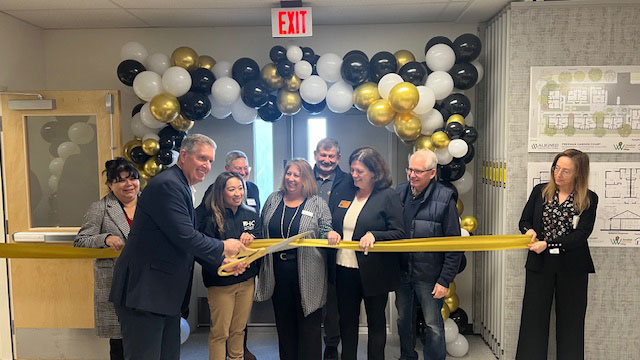

Ribbon Cutting for Walter’s House II
برنامج استقلال الشباب في وادي سنترال فالي التابع لشبكة ASPIRANET: سيكون برنامج استقلال الشباب في وادي سنترال فالي مشروعًا يركز على الشباب، ويراعي الصدمات النفسية، ومصممًا بشكل فردي، ويهدف إلى تحقيق النتائج، ومصمم خصيصًا لمساعدة الشباب المنخرطين في النظام والذين تتراوح أعمارهم بين 15 و 19 عامًا. سيشمل المشروع برنامجًا علاجيًا سكنيًا قصير الأجل مع 12 سريرًا جديدًا ومرفقًا جديدًا لعلاج اضطرابات تعاطي المخدرات للمرضى الخارجيين، والذي من المتوقع أن يخدم 60 فردًا آخر سنويًا. ستشمل خدمات الصحة العقلية واضطرابات تعاطي المخدرات للمرضى الخارجيين العلاج الفردي التقليدي والدعم والخدمات المبتكرة، مثل إدارة الطوارئ، وشراكات الخدمة الكاملة، والتوجيه، وبرامج مهارات الحياة المستقلة، وموارد العافية الأخرى.
“Aspiranet’s vision is to utilize BHCIP funding to re-purpose and expand a facility that will provide much-needed residential and behavioral health services and supports to the region’s most vulnerable youth,” said Vernon Brown, Chief Executive Officer of Aspiranet.

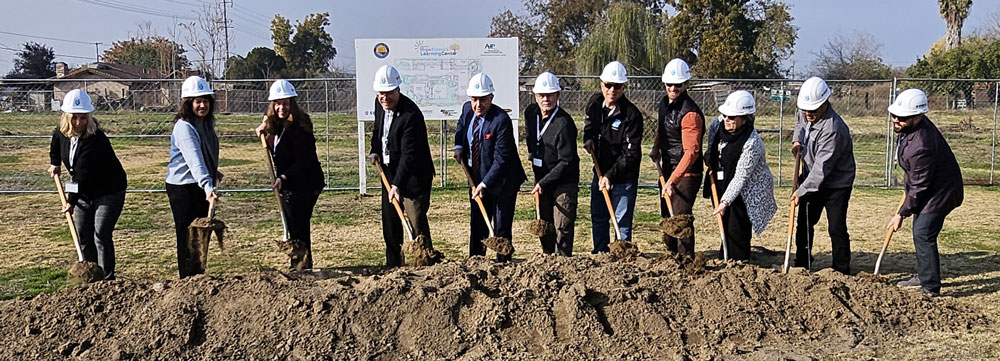
وضع حجر الأساس لبرنامج استقلالية الأطفال صغار السن في وسط الوادي
لماذا هذا مهم: من خلال BHCIP، تمنح DHCS الكيانات المؤهلة تمويلًا لبناء العقارات والحصول عليها وتوسيعها والاستثمار في البنية التحتية للأزمات المتنقلة لتوسيع نطاق خيارات العلاج الصحي السلوكي المجتمعي للأشخاص الذين يعانون من احتياجات علاج الصحة العقلية المتزامنة واضطرابات تعاطي المخدرات. تعالج BHCIP الفجوات التاريخية في نظام الرعاية الصحية السلوكية لتلبية الطلب المتزايد على الخدمات والدعم طوال عمر الأشخاص المحتاجين.
DHCS has awarded $1.7 billion in BHCIP competitive grants. In addition, DHCS will distribute up to $4.4 billion in competitive Bond BHCIP funding, including $3.3 billion for Round 1: Launch Ready grants as part of Behavioral Health Transformation, DHCS’ work to implement Proposition 1. DHCS holds regular public listening sessions on this effort. Updates and recordings of the sessions are available on the Behavioral Health Transformation webpage.
حول الجولة الثالثة من برنامج BHCIP: جاهز للإطلاق: BHCIP Round 3 supported preparation activities to plan for the acquisition and expansion of behavioral health infrastructure throughout the state. The 45 facilities were funded a total of $518.5 million to construct, acquire, and rehabilitate real estate assets to expand the behavioral health continuum of treatment and service resources. BHCIP applicants were required to demonstrate service expansion for Medi-Cal members and have a valid planning process to ensure projects are ready for implementation.
حول الجولة 4: الأطفال والشباب: ركزت الجولة الرابعة من برنامج BHCIP على الأطفال والشباب وكذلك جميع سكان كاليفورنيا الذين تبلغ أعمارهم 25 عامًا أو أقل، بما في ذلك النساء الحوامل والنساء في فترة ما بعد الولادة وأطفالهن والشباب الذين تتراوح أعمارهم بين 16 و25 عامًا، إلى جانب عائلاتهم. بفضل التمويل الذي أتاحته مبادرة كاليفورنيا للصحة السلوكية للأطفال والشباب ، تسمح المنح الـ 52 التي يبلغ مجموعها 480.5 مليون دولار بإنشاء وتوسيع أنواع متعددة من مرافق العيادات الخارجية والمرافق السكنية، بما في ذلك برامج الإقامة في حالات الأزمات للأطفال، ومرافق الإقامة في فترة ما حول الولادة لعلاج اضطرابات تعاطي المخدرات، ومراكز الصحة المجتمعية/الوقاية للشباب، والعلاج الخارجي لاضطرابات تعاطي المخدرات. للمزيد من المعلومات، يرجى زيارة موقع BHCIP الإلكتروني.
الصورة الأكبر: في عهد الحاكم جافين نيوسوم، تعمل كاليفورنيا على تحديث نظام تقديم خدمات الصحة السلوكية لتحسين المساءلة وزيادة الشفافية وتوسيع قدرة مرافق الرعاية الصحية السلوكية لسكان كاليفورنيا. يتضمن الاقتراح رقم 1، الذي أقره الناخبون في مايو 2024، سندات الصحة السلوكية بقيمة 6.4 مليار دولار لأماكن العلاج والإسكان مع الخدمات، وإصلاحًا تاريخيًا لقانون خدمات الصحة السلوكية للتركيز على الأشخاص الذين يعانون من الأمراض الأكثر خطورة واضطرابات تعاطي المخدرات واحتياجات الإسكان. يمكن الاطلاع على المزيد من المعلومات حول تحول نظام الصحة العقلية واضطرابات تعاطي المخدرات في ولاية كاليفورنيا على الموقع الإلكتروني mentalhealth.ca.gov.
###