
باز شدن سایت های جدید برای ارائه خدمات مراقبت های بهداشتی رفتاری حیاتی به نوجوانان و بزرگسالان

انتشار خبر

باز شدن سایت های جدید برای ارائه خدمات مراقبت های بهداشتی رفتاری حیاتی به نوجوانان و بزرگسالان
تسهیلات بهداشت رفتاری 28 تخت جدید برای اختلالات مصرف مواد و خدمات درمانی بهداشت روانی همزمان ارائه خواهند داد.
ساکرامنتو - وزارت خدمات مراقبتهای بهداشتی (DHCS) در حال گسترش خدمات اقامتی برای درمان اختلالات مصرف مواد و نیازهای سلامت روان همزمان در دو مرکز در سراسر کالیفرنیا است. دوستانِ ماموریت، مراسم بریدن روبان را برای خانه والتر ۲ برگزار کردند که خدمات درمان اختلال مصرف مواد را برای بزرگسالان در شهرستان یولو ارائه میدهد. آسپیرانت میزبان مراسم افتتاحیه برنامه استقلال جوانان در حال گذار (TAY) در سنترال ولی بود که یک برنامه درمانی کوتاه مدت اقامتی و یک مرکز درمان سرپایی اختلال مصرف مواد را برای جوانان ۱۵ تا ۱۹ ساله فراهم میکند.
DHCS awarded Friends of the Mission $12.4 million and Aspiranet $8.7 million through the Behavioral Health Continuum Infrastructure Program (BHCIP), which is part of California’s ongoing commitment to expand behavioral health services for all Californians. With the passage of Proposition 1, even more behavioral health treatment facilities will be funded and built in 2025 and 2026.
میشل باس، مدیر DHCS، گفت: «DHCS مفتخر است که با شرکای اجتماعی خود برای گسترش خدمات سلامت رفتاری قوی و مبتنی بر جامعه همکاری میکند.» «امکاناتی از این دست، بخش حیاتی تلاشهای کالیفرنیا برای ارائه مراقبتهای جامع و باکیفیت برای سلامت روان و اختلال مصرف مواد به جوامع روستایی و محروم هستند.»
پروژه خانه والتر ۲: خانه والتر ۲ از مجموعه دوستان ماموریت، مراقبت را در مناسبترین و کمترین محدودیتها ارائه میدهد تا از ادغام اجتماعی، حق انتخاب و استقلال افراد حمایت کند و در عین حال بیخانمانی را کاهش دهد. خانه والتر شماره ۲ در حال حاضر ۴۴ تخت مسکونی برای درمان اختلال مصرف مواد برای بزرگسالان در شهرستان یولو دارد. این پروژه ۱۶ تخت جدید دیگر فراهم میکند که در مجموع تعداد تختها را به ۶۰ تخت میرساند. این مرکز به صورت ۲۴ ساعته و هفت روز هفته با کادری مجرب و پزشکانی متخصص فعالیت خواهد کرد. این برنامه برای خدمات بالینی با شدت کم و زیاد، از جمله افراد مبتلا به اختلالات سلامت روان همزمان، توسط Drug Medi-Cal تأیید شده است. این مرکز جدید همچنین برای پشتیبانی از خدمات مدیریت ترک و درمان با کمک دارو طراحی شده است.
داگ زک، مدیر اجرایی خانه والتر ۲ ، گفت: «در خانه والتر ۲، ما معتقدیم که هر فردی سزاوار فرصتی دوباره است.» «با افتتاح مرکز جدید درمان اختلال مصرف مواد مخدر که به صورت اقامتی افتتاح شده است، ما مکانی برای بهبودی و ایجاد جامعهای از حمایت و امید فراهم میکنیم.» ما با هم میتوانیم زندگیها را توانمند کنیم و آیندهها را متحول کنیم.
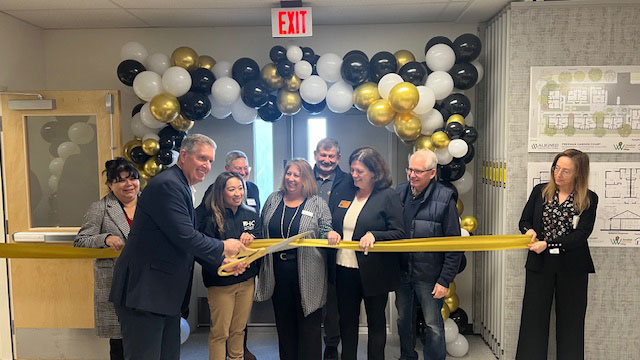

Ribbon Cutting for Walter’s House II
برنامه استقلال سنترال ولی تی آسپیرانت: برنامه استقلال سنترال ولی تی، پروژهای جوانمحور، آگاه از آسیبهای روانی، فردی و نتیجهمحور خواهد بود که بهطور خاص برای کمک به جوانان بین ۱۵ تا ۱۹ سال درگیر با سیستم طراحی شده است. این پروژه شامل یک برنامه درمانی کوتاهمدت اقامتی با ۱۲ تخت جدید و یک مرکز جدید درمان سرپایی اختلال مصرف مواد خواهد بود که انتظار میرود سالانه به ۶۰ نفر دیگر خدمات ارائه دهد. خدمات سرپایی سلامت روان و اختلال مصرف مواد شامل درمان فردی سنتی و پشتیبانیها و خدمات نوآورانه، مانند مدیریت احتمالات، مشارکتهای خدمات کامل، مربیگری، برنامهریزی مهارتهای زندگی مستقل و سایر منابع رفاهی خواهد بود.
“Aspiranet’s vision is to utilize BHCIP funding to re-purpose and expand a facility that will provide much-needed residential and behavioral health services and supports to the region’s most vulnerable youth,” said Vernon Brown, Chief Executive Officer of Aspiranet.

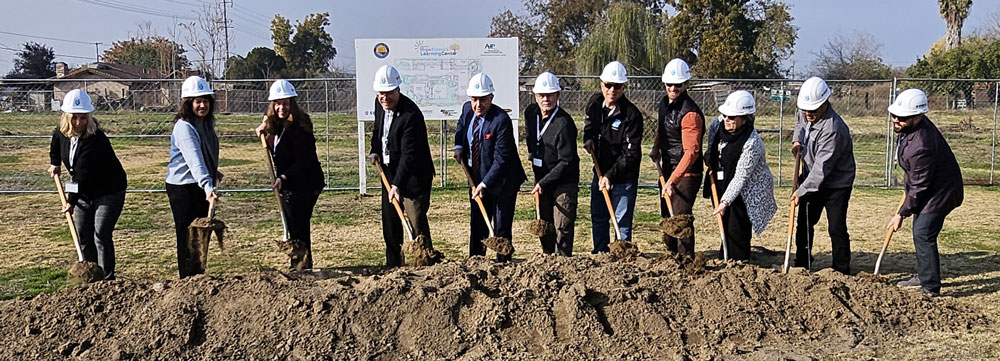
پیشگامی برای برنامه استقلال سنترال ولی TAY
چرا این مهم است: DHCS از طریق BHCIP به نهادهای واجد شرایط بودجه میدهد تا املاک را بسازند، خریداری کنند و گسترش دهند و در زیرساختهای بحران سیار سرمایهگذاری کنند تا طیف گزینههای درمانی سلامت رفتاری مبتنی بر جامعه را برای افرادی که نیازهای درمانی سلامت روان و اختلالات مصرف مواد همزمان دارند، گسترش دهند. BHCIP در حال رسیدگی به شکافهای تاریخی در سیستم مراقبتهای سلامت رفتاری است تا تقاضای رو به رشد برای خدمات و پشتیبانی در طول عمر افراد نیازمند را برآورده کند.
DHCS has awarded $1.7 billion in BHCIP competitive grants. In addition, DHCS will distribute up to $4.4 billion in competitive Bond BHCIP funding, including $3.3 billion for Round 1: Launch Ready grants as part of Behavioral Health Transformation, DHCS’ work to implement Proposition 1. DHCS holds regular public listening sessions on this effort. Updates and recordings of the sessions are available on the Behavioral Health Transformation webpage.
درباره دور سوم BHCIP: آماده برای شروع: BHCIP Round 3 supported preparation activities to plan for the acquisition and expansion of behavioral health infrastructure throughout the state. The 45 facilities were funded a total of $518.5 million to construct, acquire, and rehabilitate real estate assets to expand the behavioral health continuum of treatment and service resources. BHCIP applicants were required to demonstrate service expansion for Medi-Cal members and have a valid planning process to ensure projects are ready for implementation.
درباره BHCIP راند 4: کودکان و جوانان: دور چهارم BHCIP بر کودکان و نوجوانان و همچنین همه ساکنان کالیفرنیا در سنین ۲۵ سال و کمتر، از جمله زنان باردار و زایمان کرده و فرزندانشان و افراد TAY در سنین ۱۶ تا ۲۵ سال به همراه خانوادههایشان متمرکز بود. از طریق بودجهای که توسط طرح سلامت رفتاری کودکان و نوجوانان کالیفرنیا امکانپذیر شده است، ۵۲ جایزه در مجموع ۴۸۰.۵ میلیون دلار، امکان ساخت و توسعه جدید انواع مراکز سرپایی و اقامتی، از جمله برنامههای اقامتی بحران کودکان، مراکز اقامتی اختلال مصرف مواد در دوران بارداری، مراکز پیشگیری از سلامت جامعه/جوانان و درمان سرپایی اختلالات مصرف مواد را فراهم میکند. برای اطلاعات بیشتر، لطفاً به وبسایت BHCIP مراجعه کنید.
تصویر بزرگتر: کالیفرنیا تحت نظر فرماندار گوین نیوسام، در حال نوسازی سیستم ارائه خدمات سلامت رفتاری است تا پاسخگویی را بهبود بخشد، شفافیت را افزایش دهد و ظرفیت مراکز مراقبت از سلامت رفتاری را برای کالیفرنیاییها گسترش دهد. پیشنهاد شماره ۱ که در ماه مه ۲۰۲۴ توسط رأیدهندگان تصویب شد، شامل یک وام ۶.۴ میلیارد دلاری سلامت رفتاری برای مراکز درمانی و مسکن با خدمات و یک اصلاح تاریخی در قانون خدمات سلامت رفتاری برای تمرکز بر افراد مبتلا به جدیترین بیماریها، اختلالات مصرف مواد و نیازهای مسکن است. اطلاعات بیشتر در مورد تغییر و تحول کل سیستم سلامت روان و اختلال مصرف مواد ایالت کالیفرنیا را میتوانید در mentalhealth.ca.gov بیابید.
###