Lub vas sab hauv internet ntawm lub Xeev California
Txhais

SACRAMENTO — Txuas ntxiv California txoj haujlwm los nthuav dav thiab kho nws lub cev kho mob tus cwj pwm niaj hnub no, California Department of Health Care Services (DHCS), Homeboy Industries, thiab cov neeg koom tes hauv zej zog hnub no tau pib tsim Home of the Angels, lub tsev kawm ntawv tshiab hauv Los Angeles uas tau txais kev txhawb nqa los ntawm California txoj cai Behavioral Health Infrastructure Bond Act thiab DHCS' Behavioral Health Continuum Infrastructure Program (BHCIP).
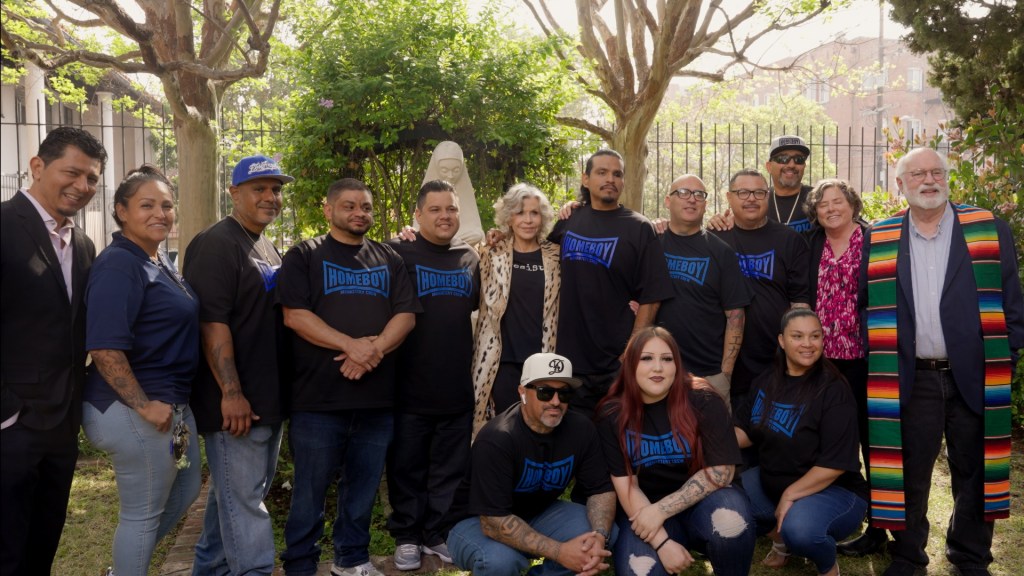
Qhov project tau txais yuav luag $25 lab nyiaj hauv Bond BHCIP Round 1: Launch Ready funding, uas ua rau muaj kev txhawb nqa ntau ntxiv rau cov neeg nyob hauv tsev kho mob, cov neeg mob sab nraud, thiab cov phooj ywg rau cov tib neeg uas tab tom nrhiav kev kho mob rau kev siv tshuaj yeeb dej cawv, tshwj xeeb tshaj yog cov neeg uas tau raug kaw hauv tsev loj cuj, rov qab los ntawm lub tsev hais plaub, thiab yog ib feem ntawm lub zej zog Homeboy Industries.
Thaum ua tiav lawm, lub tsev kawm ntawv Home of the Angels yuav muaj xws li:
Lub tsev kawm ntawv muab kev kho mob hauv tsev, kev so ntawm cov phooj ywg, thiab cov kev pabcuam sab nraud ua ke hauv ib qho chaw sib koom ua ke, uas ua rau cov neeg koom nrog txav mus los tau yooj yim los ntawm txhua theem kev saib xyuas thaum lawv cov kev xav tau hloov pauv. Qhov project no kuj qhia txog kev kho mob nyob hauv tsev kho mob Homeboy Industries thawj zaug - qhov kev tsim kho tshiab tseem ceeb uas ua rau kev saib xyuas txuas ntxiv mus ntxiv, txo kev cia siab rau kev xa mus rau sab nraud, thiab nthuav dav lub koom haum txoj kev txhawb nqa uas muaj kev khuv leej thiab muaj kev khuv leej.
"Lub Tsev ntawm Cov Tubtxib Saum Ntuj Ceeb Tsheej qhia txog cov kev daws teeb meem hauv zej zog uas Newsom Administration tab tom ua kom zoo, coj kev kho mob thiab kev pabcuam rov zoo los rau hauv ib lub ru tsev thiab ze rau cov neeg uas xav tau lawv," DHCS Director Michelle Baass hais. "Qhov kev nqis peev no nthuav dav kev nkag mus rau kev saib xyuas rau cov neeg California uas rov qab los tsev los ntawm lub tsev hais plaub, txhawb nqa kev hwm, kev ruaj khov, thiab kev rov zoo mus sij hawm ntev."
VIM LI CAS QHOV NO TSEEM CEEB: Tau tsim tsa hauv Los Angeles, Homeboy Industries yog ib lub koom haum tsis muaj txiaj ntsig uas tau lees paub thoob tebchaws uas txhawb nqa cov neeg raug kaw hauv tsev loj cuj thiab cov neeg koom nrog pawg neeg yav dhau los. Nws cov kev pabcuam uas paub txog kev raug mob thiab teb rau kab lis kev cai suav nrog kev txhawb nqa kev noj qab haus huv tus cwj pwm, kev kho mob siv tshuaj yeeb dej cawv, kev tswj hwm rooj plaub, thiab cov kev pabcuam uas tsom mus rau kev rov qab los rau hauv zej zog uas muaj kev kho mob thiab kev sib txuas lus hauv zej zog.
Lub Tsev ntawm Cov Tubtxib Saum Ntuj txhawb nqa DHCS cov kev siv zog rov qab los rau hauv lub tebchaws, suav nrog Kev Ncaj Ncees-Kev Koom Tes Rov Qab Los, los ntawm:
"Kev kho mob tshwm sim thaum tib neeg tau txais kev hlub tshua thiab kev saib xyuas hauv zej zog," Txiv Plig Greg Boyle, tus tsim Homeboy Industries hais. "Lub Tsev ntawm Cov Tubtxib Saum Ntuj Ceeb Tsheej qhia txog yam uas peb ib txwm ntseeg ntawm Homeboy Industries: tias tib neeg kho thaum lawv raug pom, hlub, thiab muab qhov chaw rau lawv koom." Los ntawm kev tsim cov chaw uas muaj kev hlub thiab kev hwm, peb ua chaw rau kev kho dua tshiab, kev cia siab, thiab kev pib tshiab.
DUAB LOJ: Bond BHCIP yog ib qho kev pib thoob plaws lub xeev uas DHCS tswj hwm uas pab cov zej zog tsim, tau txais, thiab nthuav cov chaw kho mob, sau cov qhov sib txawv uas tau muaj ntev hauv cov chaw kho mob thaum muaj xwm txheej ceev, chaw nyob, thiab chaw kho mob sab nraud. Tsab Cai 1 tau pab nyiaj rau 177 qhov project thoob plaws 333 lub chaw kho mob, txhawb nqa 6,919 lub txaj pw tshiab thiab txaj pw hauv tsev kho mob thiab 27,561 qhov chaw kho mob sab nraud, ua tiav cov hom phiaj thoob plaws lub xeev tsuas yog ob xyoos tom qab dhau los. Txij li xyoo 2021 los, BHCIP tau muab $ 5.8 billion los txhawb kev saib xyuas thaum muaj xwm txheej ceev, kev saib xyuas neeg mob hauv tsev, thiab kev saib xyuas neeg mob sab nraud thoob plaws lub xeev.
Los ntawm kev txhawb nqa los ntawm kev nqis peev tseem ceeb thoob plaws lub xeev, cov cai tshiab, thiab kev koom tes hauv zej zog muaj zog, California tab tom tsim kom muaj kev saib xyuas kev noj qab haus huv ntawm tus cwj pwm uas ua kom tib neeg tuaj yeem nkag mus rau kev tiv thaiv, kev txhawb nqa thaum muaj xwm txheej ceev, kev kho mob, thiab kev rov zoo mus sij hawm ntev thaum twg thiab qhov twg lawv xav tau.
DAIM DUAB LOJ: California txoj kev nqis peev hauv Home of the Angels yog ib feem ntawm kev hloov pauv dav dua uas tau ua los ntawm Proposition 1 thiab Tswv Xeev Gavin Newsom txoj kev noj qab haus huv ntawm lub hlwb rau txhua tus. Thaum ntxov lub hlis no, Tus Thawj Kav Xeev tau tshaj tawm txog kev tsim kho dua tshiab ntawm rau lub tsev uas tsis muaj neeg nyob hauv lub xeev mus rau hauv lub zej zog saib xyuas neeg mob hauv Los Angeles County tshiab, txhawb nqa los ntawm $ 65 lab nyiaj txiag Proposition 1 los tsim 162 lub tsev tshiab thiab cov txaj kho mob. Qhov project no, nrog rau BHCIP cov nyiaj pab txhawb nqa xws li Home of the Angels, qhia txog txoj haujlwm dav dav ntawm Pawg Thawj Coj los nthuav kev nkag mus rau kev kho mob tus cwj pwm, nce peev xwm kho mob, thiab pab cov neeg California uas muaj mob hlwb loj heev, kev siv tshuaj yeeb dej cawv, lossis kev tsis muaj tsev nyob tau txais kev saib xyuas thiab kev ruaj khov uas lawv xav tau.
###
Office of Communications
(916) 440-7660
DHCSPress@dhcs.ca.gov
Txoj Cai 1 tau qhib kev rau Inner-Tribal Wellness Village kom nthuav dav kev siv tshuaj yeeb thiab kev kho mob hlwb hauv San Diego County
SACRAMENTO — Ua raws li Tus Thawj Kav Xeev Gavin Newsom txoj kev cog lus los nthuav dav thiab kho kom zoo dua qub rau lub cev kho mob ntawm tus cwj pwm hauv California, Lub Tsev Haujlwm Saib Xyuas Kev Noj Qab Haus Huv ntawm California (DHCS) tau koom nrog Inner-Tribal Treatment thiab cov neeg koom tes hauv zej zog thaum Lub Peb Hlis 20 los pib tsim lub Zos Inner-Tribal Wellness tshiab hauv Pauma Valley. Txhawb nqa los ntawm California txoj cai Behavioral Health Infrastructure Bond Act uas cov neeg pov npav pom zoo thiab lub xeev txoj haujlwm Behavioral Health Continuum Infrastructure Program (BHCIP), qhov project no suav nrog ze li ntawm $ 20 lab hauv Bond BHCIP Round 1: Launch Ready nyiaj txiag los nthuav dav kev siv tshuaj yeeb dej cawv hauv cheeb tsam (SUD) thiab peev xwm kho mob hlwb. Nws yog ib qho ntawm ntau pua qhov kev nqis peev ntawm Proposition 1 uas txhawb nqa California txoj kev saib xyuas kev noj qab haus huv hauv zej zog.
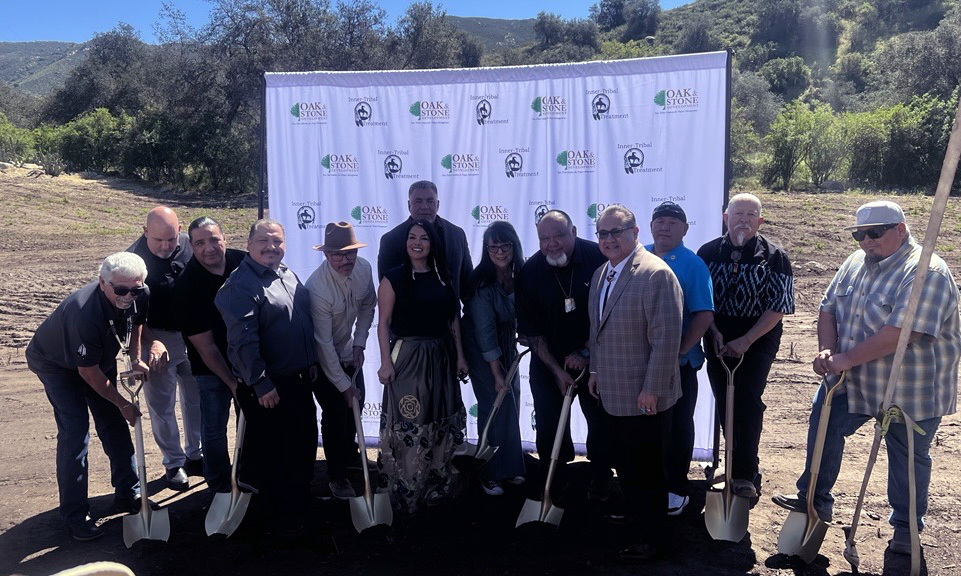
"Kev nqis peev ntawm California qhia txog kev cog lus ntawm tiam neeg rau kev ncaj ncees thiab kev kho mob," Tus Thawj Coj DHCS Michelle Baass hais. Lub Zos Inner-Tribal Wellness yuav muab cov chaw uas cov tib neeg tuaj yeem nrhiav kev nyab xeeb, kev hwm, thiab kev sib txuas, uas muaj kev coj noj coj ua thiab tsim los ntawm cov kev xav tau ntawm cov neeg uas nws pabcuam.
Lub tsev kawm ntawv yuav pab cov zej zog Tribal thoob plaws San Diego County thiab cov cheeb tsam ib puag ncig uas xav tau kev kho mob thiab kev txhawb nqa. Thaum ua tiav lawm, lub zos Inner-Tribal Wellness Village yuav muaj 60 lub txaj pw rau cov neeg laus thiab lub tsev kho mob hlwb hauv zej zog nrog 120 qhov chaw kho mob sab nraud, uas kwv yees li 500 tus neeg txhua xyoo.
VIM LI CAS QHOV NO TSEEM CEEB: Txij li xyoo 2021, Inner-Tribal Treatment tau muab cov kev pabcuam uas txhawb nqa kab lis kev cai rau 18 Pawg Neeg uas tau lees paub los ntawm tsoomfwv hauv San Diego County thiab 12 Pawg Neeg hauv Riverside thiab San Bernardino counties. Lub tsev kawm ntawv tshiab yuav nthuav dav txoj haujlwm ntawd los ntawm kev sib xyaw cov kev kho mob ib txwm muaj nrog kev kho mob raws li pov thawj, tsim kom muaj ib puag ncig zoo rau kev saib xyuas thiab kev rov zoo. Cov yam ntxwv ntawm tsev kawm ntawv yuav muaj xws li chaw rau kev sib tham, kev sib sau ua ke, kev qhia ib txwm muaj, thiab kev ua koob tsheej kab lis kev cai nrog rau cov qauv kev kho mob, suav nrog kev kho tus cwj pwm thiab lwm yam kev kho mob uas tau lees paub tias pab tib neeg txhim kho cov txuj ci rau kev noj qab haus huv mus sij hawm ntev.
"Qhov kev pib no sawv cev rau ib kauj ruam tseem ceeb rau kev txhim kho kev noj qab haus huv ntawm lub hlwb, kev siv tshuaj yeeb dej cawv, thiab kev pabcuam kev noj qab haus huv rau peb cov zej zog Tribal, uas tau ntsib teeb meem sib txawv hauv kev nkag mus rau kev saib xyuas," Robert Aguilar, Tus Tsim thiab CEO ntawm Inner-Tribal Treatment tau hais. Lub Zos Inner-Tribal Wellness yuav ua lub hauv paus tseem ceeb rau kev kho mob hauv ib puag ncig uas tsis muaj kev ntxub ntxaug, txhawb kom cov tib neeg saib xyuas lawv txoj kev noj qab haus huv thiab kev nyob zoo hauv ib qho chaw uas muaj kev coj noj coj ua thiab kev ntseeg siab.
Lub Zos Inner-Tribal Wellness qhia txog kev nqis peev uas ua rau muaj peev xwm kho mob hauv cheeb tsam ntau ntxiv thiab ua rau California ze zog rau nws lub hom phiaj ntawm kev muaj lub cev noj qab haus huv zoo dua, ncaj ncees dua, thiab muaj kev lav phib xaub ntau dua.
DAIM DUAB LOJ: Txoj Cai 1, uas tau pom zoo los ntawm cov neeg pov npav hauv California thaum Lub Peb Hlis 2024, tau tso cai txog li $ 4.4 billion hauv kev pab nyiaj rau DHCS los nthuav dav cov kev kho mob kev noj qab haus huv thoob plaws lub xeev. Qhov kev pib no tab tom tsim ntau txhiab lub txaj pw tshiab thiab cov chaw kho mob sab nraud, muab qhov tseem ceeb rau cov zej zog uas xav tau kev pab ntau, suav nrog cov cheeb tsam Tribal thiab cov cheeb tsam nyob deb nroog. Raws li Txoj Cai 1:
California tab tom tsim kom muaj kev saib xyuas kev noj qab haus huv ntawm tus cwj pwm, muab kev txhawb nqa tag nrho, txij li kev tiv thaiv thiab kev cuam tshuam thaum ntxov mus rau kev kho mob, kev teb rau qhov teeb meem, thiab kev rov zoo mus sij hawm ntev. Txoj kev no yog tsim los kom ntseeg tau tias txhua tus neeg California, tshwj xeeb tshaj yog cov neeg uas tau ntsib teeb meem loj tshaj plaws rau kev saib xyuas, tuaj yeem nkag mus rau kev noj qab haus huv zoo thiab kev kho mob SUD thaum twg thiab qhov twg lawv xav tau.
Los ntawm kev txhawb nqa los ntawm kev nqis peev tseem ceeb, cov cai tshiab, thiab kev koom tes muaj zog, California tab tom nthuav dav cov kev pabcuam kho mob thiab cov tsev nyob txhawb nqa thaum lub sijhawm txhawb nqa thiab ua kom muaj ntau haiv neeg ua haujlwm. Los ntawm kev muab qhov tseem ceeb rau kev tiv thaiv, kev txhawb nqa thaum ntxov, thiab cov kev pabcuam uas tsim los rau txhua tus neeg xav tau, California tab tom pab tib neeg kom tau txais kev kho mob zoo rau lub sijhawm zoo, ua rau muaj kev noj qab haus huv zoo dua thiab muaj zog dua hauv lub xeev.
###
Office of Communications
(916) 440-7660
DHCSPress@dhcs.ca.gov
###
Office of Communications
(916) 440-7660
DHCSPress@dhcs.ca.gov
###
Office of Communications
(916) 440-7660
DHCSPress@dhcs.ca.gov
SACRAMENTO — The Department of Health Care Services (DHCS) is coordinating a statewide Smile, California bilingual outreach campaign to help children and families understand the importance of early and regular dental care and to encourage the use of free Medi-Cal Dental preventive services. The campaign includes easy-to-use English and Spanish-language materials that explain what families can expect during dental visits and how to access care under Medi-Cal. It aims to reduce barriers to care by helping children feel prepared and parents feel confident about scheduling preventive dental visits.
“Dental problems don’t just cause pain—they interrupt learning, impact confidence, and widen achievement gaps,” said Dana Durham, Chief of DHCS’ Medi-Cal Dental Services Division. “The good news is that most of these issues are preventable, and Medi-Cal covers regular dental care for children at no cost to families.”
Throughout National Children’s Dental Health Month, Smile, California is encouraging parents, schools, and community partners to help children build healthy habits, including brushing twice a day, flossing daily, eating nutritious foods, and visiting the dentist regularly.
To support families, Smile, California released a new digital storybook, Jasmín Goes to the Dentist, in English and Spanish. It walks children step-by-step through a regular check-up. From the bright light above the chair to the tools hygienists use to clean teeth, the story helps normalize the experience, showing children that dental visits can be comfortable, friendly, and even fun.
Phau ntawv me me no kuj muaj ib ntu tshwj xeeb rau cov niam txiv uas txhawb kom tham txog kev kho hniav hauv tsev thiab ceeb toom rau cov tsev neeg tias Medi-Cal them rau kev tiv thaiv thiab kho kom zoo rau tag nrho tsev neeg yam tsis tas them nqi.
WHY THIS MATTERS: Dental problems are one of the most common, yet preventable, health issues affecting children in California. When children receive preventive care early and regularly, families can avoid unnecessary dental pain, reduce missed school days, and decrease the need for emergency treatment later in life. The new bilingual campaign supports families in navigating dental care and understanding covered benefits through Medi-Cal Dental.
Recent data show that more than 350,000 children and teens missed at least one school day because of dental issues, demonstrating the impact untreated dental problems can have on student well-being and their ability to learn, adding up to more than 869,000 lost school days and a cost of roughly $60 million to school districts.
ABOUT MEDI-CAL DENTAL: All children and teens enrolled in Medi-Cal qualify for two free dental check-ups each year, along with cleanings, fluoride treatments, sealants, and other preventive services. Adults age 21 and older can receive one free dental check-up each year, in addition to other covered services. Parents can find a Medi-Cal dentist and learn more at SmileCalifornia.org.
###
Office of Communications
(916) 440-7660
DHCSPress@dhcs.ca.gov
SACRAMENTO — The California Department of Health Care Services (DHCS) today announced the release of the Implementation Plan for New Federal Eligibility and Enrollment Changes Under H.R. 1, outlining the state’s approach to implementing new federal requirements under H.R. 1. These changes, which start as early as October 2026, are expected to impact millions of Californians statewide.
“California is committed to implementing these federally required changes in a way that protects coverage and supports our members,” said DHCS Director Michelle Baass. “Our goal is to make this transition as smooth as possible by providing clear information, reducing administrative burdens, and working closely with members, counties, health plans, and community partners.”
DHCS tab tom ua haujlwm kom txo qis kev cuam tshuam thiab tswj kev sib txuas ntxiv ntawm kev them nqi rau cov tswv cuab Medi-Cal. Daim phiaj xwm muab cov ntsiab lus ntawm kev hloov pauv uas yuav los tom ntej, cov ntsiab cai qhia rau kev siv, thiab cov peev txheej rau cov tswv cuab thiab cov neeg koom nrog los npaj rau kev hloov pauv. Kwv yees li 2 lab tus tswv cuab Medi-Cal, feem ntau yog nyob hauv pawg neeg laus tshiab, muaj kev pheej hmoo poob kev pov hwm kev noj qab haus huv vim yog cov kev hloov pauv hauv tsoomfwv no.
Cov ntsiab cai tseem ceeb ntawm txoj kev npaj muaj xws li:
DHCS will host an All-Comer Webinar on February 5 to review the plan and answer questions. Learn more and read the plan.
###
Office of Communications
(916) 440-7660
DHCSPress@dhcs.ca.gov
Cov ntaub ntawv tshiab qhia txog kev loj hlob tseem ceeb hauv Kev Tswj Xyuas Kev Kho Mob Zoo Dua thiab Kev Txhawb Nqa Hauv Zej Zog
SACRAMENTO — Lub Tsev Haujlwm Saib Xyuas Kev Noj Qab Haus Huv (DHCS) hnub no tau tshaj tawm cov ntaub ntawv tshiab uas qhia txog kev loj hlob thiab kev cuam tshuam los ntawm Enhanced Care Management (ECM) thiab Community Supports, cov khoom tseem ceeb ntawm California txoj kev hloov pauv Medi-Cal raws li California Advancing and Innovating Medi-Cal (CalAIM) txoj haujlwm.
“These services help Medi-Cal members stay healthier and avoid other, costlier care, such as emergency department visits and hospital stays,” said DHCS Director Michelle Baass. “We appreciate the hard work and commitment of Medi-Cal managed care plan providers and partners. Together, we are building a health care delivery system that supports whole-person care for Medi-Cal members.”
Daim ntawv qhia txog peb lub hlis tshiab tshaj plaws suav nrog cov qauv txij li Lub Ib Hlis 2022 thiab cov ntaub ntawv tshiab txij li Lub Plaub Hlis mus txog Lub Rau Hli 2025, uas suav nrog cov ntaub ntawv theem xeev, lub nroog, thiab kev tswj hwm kev npaj kho mob ntawm cov tswv cuab uas tau txais kev pab, kev siv kev pabcuam, thiab cov tes hauj lwm muab kev pabcuam.
ECM REACHES MORE CALIFORNIANS: ECM helps people with complex health and social needs, including homelessness, serious mental illness, or frequent hospital visits, coordinate the care they need, wherever they are. Since its launch in January 2022, ECM has connected more than 451,000 Medi-Cal members to high-touch, person-centered care coordination through a Lead Care Manager who helps navigate physical, behavioral, and social services.
Hauv peb lub hlis thib ob ntawm xyoo 2025, cov neeg sau npe ECM tau nce siab, tshwj xeeb yog cov menyuam yaus thiab cov hluas. Muaj ntau tshaj 47,000 tus menyuam yaus thiab cov hluas tau txais ECM, uas yog 102 feem pua nce ntxiv los ntawm lub sijhawm tib yam xyoo tas los. Yuav luag muaj 3,600 tus neeg laus uas tau hloov los ntawm kev raug kaw thiab ntau dua 16,000 tus menyuam yaus thiab cov hluas uas tsis muaj tsev nyob kuj tau txais ECM, nce ntxiv ntawm 83 feem pua thiab 164 feem pua piv rau lub sijhawm tib yam xyoo tas los, raws li. Yuav kom ua tau raws li qhov kev thov no, cov tes hauj lwm muab kev pabcuam tau nthuav dav heev, nrog rau cov neeg muab kev pabcuam rau cov pej xeem no nce ntau dua 80 feem pua xyoo dhau los.
“Every expansion means more Californians have access to services that keep them stable, healthy, and supported,” said State Medicaid Director Tyler Sadwith. “We’re focused on making these programs even more accessible and responsive to the communities we serve.”
COMMUNITY SUPPORTS GROWTH: Community Supports provide cost-effective, community-based alternatives to traditional medical care, addressing housing, nutrition, and other social drivers of health. Since launching in January 2022, these services have become a cornerstone of whole-person care in Medi-Cal.
Txij li thaum Lub Rau Hli 2025, muaj ntau tshaj 520,000 tus tswv cuab Medi-Cal tau txais kev pabcuam hauv zej zog, nrog rau ntau tshaj 1.3 lab qhov kev pabcuam thoob plaws lub xeev. Kev nkag mus txuas ntxiv nthuav dav, vim tias yuav luag txhua tus tswv cuab Medi-Cal tam sim no muaj kev nkag mus rau tsawg kawg 10 Kev Txhawb Nqa Hauv Zej Zog, thiab feem ntau (94 feem pua) tuaj yeem xaiv los ntawm cov kev pabcuam tag nrho. Cov pluas noj uas kho mob thiab cov kev pab cuam ntsig txog vaj tse tseem yog cov uas siv ntau tshaj plaws.
WHY THIS IS IMPORTANT: The growth of ECM and Community Supports reflects California’s commitment. These services are critical tools in addressing challenges, such as homelessness, behavioral health access, and support for families and youth with complex needs.
Ua ib feem ntawm qhov kev cog lus no los txhim kho cov txiaj ntsig kev noj qab haus huv, California tau nthuav dav Txoj Haujlwm Rov Qab Nkag Mus Rau Kev Ncaj Ncees, uas yuav tsum muaj cov phiaj xwm kev saib xyuas uas tswj hwm los muab kev sib koom tes saib xyuas thiab kev kho mob thiab kev noj qab haus huv txog li 90 hnub ua ntej tso tawm, kom ntseeg tau tias muaj kev saib xyuas txuas ntxiv mus thaum rov qab mus rau hauv zej zog. Qhov kev pib no, uas yog txhawb nqa cov tswv cuab nrog cov kev pabcuam ua ntej tso tawm thiab ua kev sib txuas rau kev saib xyuas txuas ntxiv mus los ntawm ECM tom qab tso tawm, tau pib ua haujlwm thaum Lub Kaum Hli 2024 nrog peb lub nroog, nthuav dav mus rau lub xeev cov tsev loj cuj thaum Lub Ob Hlis 2025, thiab tam sim no ua haujlwm hauv 13 lub nroog. Txhua lub nroog thoob plaws lub xeev yuav tsum muab cov kev pabcuam no thaum Lub Kaum Hli Ntuj xyoo 2026.
INVESTING IN CAPACITY: To support the expansion of ECM and Community Supports, DHCS has awarded more than $1.66 billion through its Providing Access and Transforming Health (PATH) initiatives, including Capacity and Infrastructure Transition, Expansion, and Development (CITED), Collaborative Planning and Implementation, Justice-Involved Capacity Building program, and Technical Assistance Marketplace. These funds help community-based organizations, clinics, and local agencies grow their capacity by hiring staff, upgrading systems, and improving care coordination. The fourth and final round of PATH CITED grant awardees was announced in November 2025.
WHAT’S NEXT: DHCS will continue listening to Medi-Cal members who use ECM and Community Supports. Feedback gathered through surveys, focus groups, and other outreach will guide improvements to make these services easier to access, more effective, and more responsive to California’s diverse communities.
###
Office of Communications
(916) 440-7660
DHCSPress@dhcs.ca.gov
###
Office of Communications
(916) 440-7660
DHCSPress@dhcs.ca.gov
SACRAMENTO — The California Department of Health Care Services (DHCS) today announced a major milestone in Medi-Cal transformation: 139 organizations have successfully completed Round 1 projects under the Providing Access and Transforming Health (PATH) Capacity and Infrastructure, Transition, Expansion, and Development (CITED) grants. These organizations completed capacity-building projects designed to strengthen their ability to deliver Enhanced Care Management (ECM) and Community Supports, cornerstones of DHCS’ commitment to build a more equitable, person-centered Medi-Cal delivery system under California Advancing and Innovating Medi-Cal (CalAIM).
“PATH CITED Round 1 shows what’s possible when we invest in community-driven solutions,” said DHCS Director Michelle Baass. “These projects are improving access and coordination while laying the foundation for a Medi-Cal system that is more responsive, inclusive, and equitable for all Californians.”
WHAT THIS MEANS FOR CALIFORNIANS: Across the state, these projects expanded ECM and Community Supports by training hundreds of new staff, including care managers and outreach workers, investing in electronic health records to improve care coordination, and developing peer-led outreach models while hosting hundreds of community events to build trust with populations that have historically faced barriers to accessing care. Together, these efforts are creating a stronger, more equitable Medi-Cal delivery system that meets members where they are and delivers whole-person, community-based care.
ECM thiab Kev Txhawb Nqa Hauv Zej Zog tab tom hloov pauv Medi-Cal los ntawm kev tiv thaiv cov neeg uas muaj kev xav tau kev noj qab haus huv nyuaj kom tsis txhob mus rau chav kho mob ceev, tsev laus, thiab cov neeg tsis muaj tsev nyob. Cov kev pabcuam no muab kev sib koom tes saib xyuas thiab kev txhawb nqa uas siv tau—xws li kev qhia chaw nyob, kev noj mov kho mob, thiab kev hloov kho tsev—uas pab cov tswv cuab tswj cov mob ntev thiab rov zoo hauv tsev kom muaj kev nyab xeeb. Los ntawm kev daws teeb meem kev kho mob thiab kev sib raug zoo hauv zej zog, ECM thiab Kev Txhawb Nqa Hauv Zej Zog tiv thaiv kev kub ntxhov ua ntej lawv tshwm sim, txhim kho cov txiaj ntsig kev noj qab haus huv thiab txo cov nqi mus ntsib tsev kho mob kim.
TXOJ CAI TIB NEEG: Ib daim vis dis aus tshiab (saum toj no) qhia txog lub suab ntawm cov neeg tau txais txiaj ntsig Round 1 tham txog qhov cuam tshuam ntawm cov nyiaj no rau lawv lub peev xwm los pab cov tswv cuab Medi-Cal. Txij li kev nthuav dav cov kev pabcuam kev noj qab haus huv ntawm tus cwj pwm mus rau kev tsim cov kev pabcuam tshiab, cov dab neeg no qhia txog seb cov neeg koom tes hauv zos tau dhau los ua cov neeg muab kev pabcuam Medi-Cal thiab tsav kev hloov pauv uas yuav ua rau muaj txiaj ntsig zoo rau kev noj qab haus huv rau cov neeg California. Qee qhov project ua tiav muaj xws li:
BY THE NUMBERS:
BACKGROUND: Launched in early 2023, PATH CITED Round 1 awarded $203 million in grant funding to a diverse group of organizations, community-based organizations, county agencies, Tribal entities, hospitals, and Medi-Cal managed care plan partners to expedite adoption of new services, contract directly with plans, and implement billing systems for innovative care models. These investments help new and existing providers integrate into the Medi-Cal system and sustain services beyond PATH funding.
LOOKING AHEAD: DHCS extends its deepest gratitude to all Round 1 awardees for their dedication, innovation, and commitment to improving the lives of Medi-Cal members. These organizations have built trust, expanded access, and laid the groundwork for lasting change in communities across California. To explore more impact stories, visit the PATH CITED website or email questions to cited@ca-path.com.
Cov phiaj xwm thib 2 yuav ua tiav thaum ntxov xyoo no, thiab yuav txuas ntxiv mus li no. Txog niaj hnub no, DHCS tau muab ntau dua $ 1.66 billion rau ntau dua 2,200 lub koom haum los ntawm nws cov kev pib PATH, suav nrog CITED, Kev Npaj Ua Haujlwm thiab Kev Siv, Kev Pabcuam Tsim Kho Peev Xwm Ncaj Ncees, thiab Kev Lag Luam Kev Pabcuam Txuj Ci.
###
Office of Communications
(916) 440-7660
DHCSPress@dhcs.ca.gov
###
Office of Communications
(916) 440-7660
DHCSPress@dhcs.ca.gov