Lub vas sab hauv internet ntawm lub Xeev California
Txhais

SACRAMENTO — The California Department of Health Care Services (DHCS) remains committed to protecting the privacy and well-being of all Medi-Cal members. Recent reports and legal developments have raised serious concerns about how federal agencies use Medicaid data, including personal information for the more than 14 million Californians covered by Medi-Cal. We want to share what we know.
Thaum Lub Kaum Ob Hlis Ntuj hnub tim 29, 2025, lub tsev hais plaub hauv tebchaws tau txiav txim siab tias Lub Chaw rau Medicare & Medicaid Services (CMS) tsuas yog yuav qhia cov ntaub ntawv tsawg tsawg rau Immigration and Customs Enforcement (ICE) rau cov tib neeg uas tsis "nyob raws cai" hauv Tebchaws Meskas xwb. Txawm li cas los xij, qee qhov kev tsis paub meej tseem muaj vim tias tsoomfwv tseem tsis tau muab cov ntaub ntawv rau California txog nws txoj kev npaj yuav ua raws li lub tsev hais plaub qhov kev txiav txim li cas. Peb yuav hloov kho nplooj ntawv no nrog cov ntaub ntawv ntxiv thaum nws muaj.
Information that may be shared about people who are not “lawfully residing” in the United States includes citizenship or immigration status, address, phone number, date of birth, and Medicaid ID. CMS must exclude anyone who is “lawfully residing” in the United States. If data of individuals who are not lawfully residing in the United States cannot be separated from the data that is still protected (e.g., data of lawful permanent residents, U.S. citizen data, sensitive health records, etc.), CMS cannot share the data with ICE. These restrictions remain in place while the multistate lawsuit is ongoing.
DHCS raug cai lij choj hauv tebchaws yuav tsum xa cov ntawv qhia txhua hli rau CMS los ntawm Transformed Medicaid Statistical Information System (T-MSIS). Cov ntawv qhia no suav nrog cov ntaub ntawv tseem ceeb txog cov pej xeem thiab cov neeg tsim nyog, xws li lub npe, chaw nyob, hnub yug, Tus lej Social Security (yog muab) lossis Medicaid ID, thiab xwm txheej nkag tebchaws, rau txhua tus tswv cuab Medi-Cal. Txawm hais tias lub tsev hais plaub tso cai rau CMS qhia cov ntaub ntawv tsawg tsawg hauv qab qee yam mob, DHCS tseem cog lus tias yuav tiv thaiv kev ceev ntiag tug ntawm cov tswv cuab thiab tab tom saib xyuas kev txhim kho ze.
In sharing data for immigration enforcement purposes, CMS has broken a 60-year commitment to protect the health and well-being of millions of families. Make no mistake: This is a grave breach of public trust. No one should be forced to live in fear of seeing the doctor or going to the emergency room.
Kev tshem tawm kev pab them nqi Medi-Cal hnub no tsis tshem tawm cov ntaub ntawv uas twb tau xa mus rau cov tub ceev xwm nkag tebchaws lawm. Rau cov tib neeg uas txhawj xeeb txog seb tsoomfwv tebchaws yuav siv lawv cov ntaub ntawv tus kheej li cas rau kev nkag tebchaws, thov nrog ib tus kws lij choj tsim nyog lossis lub koom haum pabcuam kev cai lij choj tsim nyog tham.
Peb cog lus tias yuav ua kom pom tseeb, tsis pub lwm tus paub, thiab xyuas kom txhua tus neeg California, txawm lawv yog neeg tsiv teb tsaws chaw los xij, xav tias muaj kev nyab xeeb thaum lawv mus nrhiav kev kho mob uas lawv xav tau. Peb yuav txuas ntxiv koom tes nrog cov neeg koom tes hauv zej zog, qhia cov xov xwm tshiab, thiab tiv thaiv kev noj qab haus huv, kev nyob zoo, thiab kev ceev ntiag tug ntawm txhua tus tswv cuab Medi-Cal.
HLOOV TSHIAB LUB IB HLIS 2, 2026
###
Office of Communications
(916) 440-7660
DHCSPress@dhcs.ca.gov
Txoj Haujlwm Yuav Pab 7,665 Cov Neeg Txhua Xyoo
SACRAMENTO — As California continues to strengthen its behavioral health care system, the Department of Health Care Services (DHCS) and Safe Passages today celebrated the ribbon cutting of a new Community Wellness and Youth Prevention Wellness Center in Oakland. Funded by almost $9 million through the Behavioral Health Continuum Infrastructure Program (BHCIP) Round 4: Children and Youth, the center will offer community-derived models of mental health services to a projected 7,600 individuals annually in an outpatient setting.
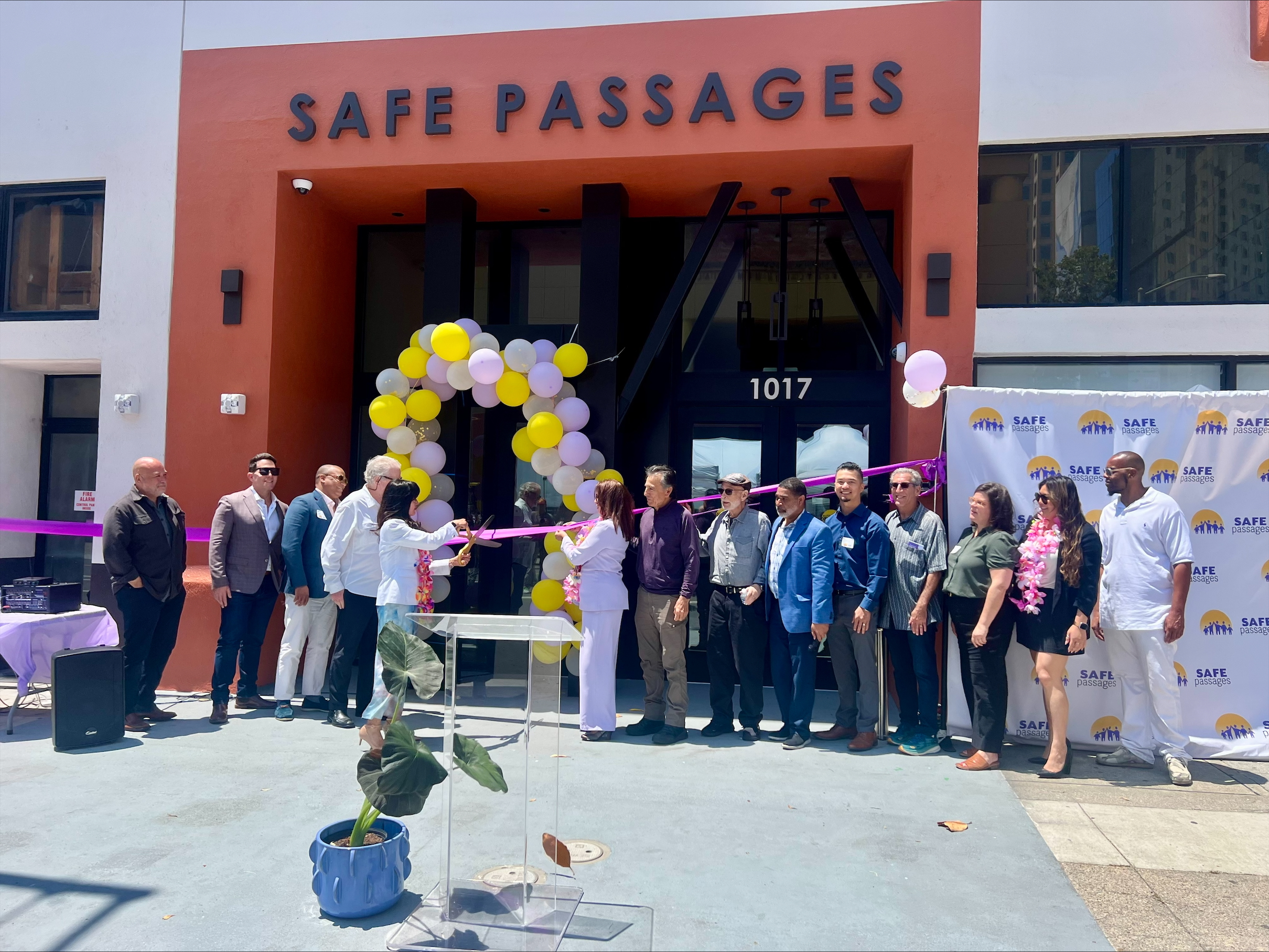
Qhov kev qhib lub Chaw Saib Xyuas Kev Noj Qab Haus Huv thiab Kev Tiv Thaiv Hauv Zej Zog Safe Passages yog ib qho kev nqis peev muaj zog rau yav tom ntej ntawm peb cov menyuam yaus thiab cov hluas. Txhua tus menyuam muaj cai tau txais cov cuab yeej uas lawv xav tau los ua kom tiav lawv lub peev xwm, tsis hais haiv neeg twg, kev lag luam hauv zej zog, lossis kev tsis taus, " Tus Thawj Coj DHCS Michelle Baass hais. Peb txhawb nqa cov kev siv zog ntawm zej zog uas tsim kom muaj kev nyab xeeb, kho qhov chaw uas cov tub ntxhais hluas tuaj yeem tau txais kev saib xyuas, kev txhawb nqa, thiab cov cib fim uas lawv xav tau kom vam meej. Lub chaw no yuav ua lub hauv paus tseem ceeb rau kev pab thaum ntxov thiab kev tiv thaiv, pab cov menyuam yaus thiab tsev neeg tsim kom
kev ywj
thiab kev noj qab haus huv uas kav ntev mus ib txhis.CHAW UA HAUJ LWM KEV NOJ QAB NYOB ZOO THIAB KEV TIV THAIV KEV NYAB XEEB HAUV ZEJKHUAM: Lub chaw no yuav muab kev pabcuam kev noj qab haus huv rau cov menyuam yaus thiab cov hluas hauv Alameda County txij thaum yug los txog rau cov hluas, nrog rau kev tsom mus rau cov pej xeem uas muaj kev pheej hmoo siab. Lub chaw uas tau nthuav dav no yuav muaj cov kev pab cuam kev loj hlob ntawm menyuam yaus thaum ntxov uas muab kev pabcuam rau niam thiab kev kawm txog kev ua niam ua txiv uas cov kws tshaj lij txog kev noj qab haus huv ntawm menyuam yaus thaum ntxov tau siv, uas yog los ntawm zej zog, raws li kev tshawb fawb, thiab tau ua pov thawj tias yog cov kev coj ua zoo tshaj plaws. Cov kev pab cuam no suav nrog Kev Pab Qhia Lub Neej, cov kev pab cuam kev noj qab haus huv ntawm lub hlwb thaum yug menyuam thiab thaum yau, kev kho mob hlwb rau niam txiv thiab menyuam, cov kev pab cuam cev xeeb tub thiab tom qab yug menyuam, cov kev pab cuam niam txiv, cov kev pab cuam kev loj hlob ntawm cov tub ntxhais hluas, kev sab laj rau tus kheej thiab pab pawg, thiab kev tshawb nrhiav haujlwm.
"Tau ntau tshaj 29 xyoo, Safe Passages tau cog lus tias yuav rhuav tshem lub voj voog ntawm kev txom nyem hauv peb cov zej zog thiab txhawb nqa tsev neeg thiab cov tub ntxhais hluas kom koom nrog kev txhim kho peb cov kev daws teeb meem thiab txoj kev," said Safe Passages CEO Josefina Alvarado Mena. Lub chaw noj qab haus huv no yog qhov chaw sib sau ua ke thiab yog qhov chaw nyab xeeb uas peb tuaj yeem tsim lub zej zog, sib qhia, thiab loj hlob ua ke.
VIM LI CAS QHOV NO TSEEM CEEB: Yuav luag 1 ntawm 13 tus menyuam yaus thiab cov hluas hauv California ntsib kev puas siab puas ntsws loj heev. Los ntawm BHCIP, DHCS muab nyiaj pab rau cov chaw tsim nyog los tsim, yuav, thiab nthuav cov vaj tse thiab nqis peev rau hauv cov chaw tsim kho vaj tse thaum muaj xwm txheej ceev, pab cov zej zog kom tau raws li qhov xav tau nce ntxiv thiab kaw cov kev pabcuam qub. Cov kev nqis peev no tseem ceeb heev rau cov zej zog nyob deb nroog, kom ntseeg tau tias tib neeg tuaj yeem tau txais kev kho mob raws sijhawm, cawm txoj sia yam tsis tas yuav mus deb.
BHCIP yog ib feem ntawm California txoj kev cog lus txuas ntxiv mus kom nthuav dav cov kev pabcuam kev noj qab haus huv rau txhua tus neeg California. DHCS tau muab $ 1.7 billion hauv BHCIP cov nyiaj pab sib tw. Ntxiv rau qhov ntawd, DHCS tab tom faib txog li $ 4.4 billion hauv kev sib tw Bond BHCIP nyiaj pab, suav nrog $ 3.3 billion rau Round 1: Launch Ready nyiaj pab raws li ib feem ntawm Behavioral Health Transformation, DHCS txoj haujlwm los siv Proposition 1. DHCS nyuam qhuav tso tawm Proposition 1 Bond BHCIP Round 2: Unmet Needs Request for Applications (RFA). Cov koom haum tsim nyog tuaj yeem thov nyiaj pab los tsim, yuav, lossis kho dua tshiab cov vaj tse uas nthuav dav cov kev pabcuam kev noj qab haus huv rau cov tswv cuab Medi-Cal thiab lwm cov neeg California uas xav tau kev pab. DHCS yuav muab nyiaj pab ntau dua $ 800 lab los txhawb cov chaw hauv zej zog rau kev noj qab haus huv ntawm lub hlwb thiab kev saib xyuas kev siv tshuaj yeeb dej cawv.
Hais txog BHCIP Round 4: Cov Me Nyuam thiab Cov Hluas: BHCIP Round 4, ib feem ntawm Children and Youth Behavioral Health Initiative, tsis yog tsuas yog tsom mus rau cov menyuam yaus thiab cov hluas xwb, tab sis txhua tus neeg California hnub nyoog 25 xyoo thiab qis dua, suav nrog cov poj niam cev xeeb tub thiab cov poj niam tom qab yug me nyuam thiab lawv cov menyuam thiab cov hluas hnub nyoog hloov pauv hnub nyoog 16-25, nrog rau lawv tsev neeg. Cov nyiaj pab 52 uas muaj tag nrho $480.5 lab no pub rau kev tsim kho tshiab thiab nthuav dav ntau hom chaw kho mob sab nraud thiab chaw nyob, suav nrog cov kev pab cuam kho mob rau menyuam yaus thaum muaj teeb meem, cov chaw kho mob thaum cev xeeb tub uas muaj teeb meem siv tshuaj yeeb, cov chaw kho mob hauv zej zog/chaw tiv thaiv cov tub ntxhais hluas, thiab kev kho mob rau cov neeg mob sab nraud rau cov teeb meem siv tshuaj yeeb. Thov mus saib lub vev xaib BHCIP kom paub ntxiv txog cov neeg tau txais nyiaj pab thiab cov ntaub ntawv ntxiv txog txhua qhov kev pab nyiaj txiag ntawm BHCIP.
###
Office of Communications
(916) 440-7660
DHCSPress@dhcs.ca.gov
SACRAMENTO — The California Department of Health Care Services (DHCS) today announced the availability of data showing that Medi-Cal Community Supports are successful and cost-effective. The data show that Community Supports are delivering on their promise to address Medi-Cal member needs—reducing avoidable emergency department visits, hospital stays, and long-term care use while showing strong early signs of cost savings. All 12 Community Supports studied are reducing costs, and of these, nine have already demonstrated cost-effectiveness within the initial study period. The remaining three are projected to reach that threshold over a longer study period, consistent with federal rules for evaluating cost-effectiveness.
“Community Supports represent a fundamental shift in how we deliver health care to Californians, enhancing quality of care for Medi-Cal members and strengthening the overall efficiency and equity of our health care system,” said DHCS Director Michelle Baass. “These findings confirm that these services are not only improving lives, but also reducing avoidable health care costs. By scaling these supports statewide, we’re making meaningful progress toward a person-centered Medi-Cal system that meets members where they are and prioritizes prevention, dignity, and value.”
California’s Community Supports were approved in the California Advancing and Innovating Medi-Cal (CalAIM) waivers and phased in by Medi-Cal managed care plans (MCP) beginning in 2022. CalAIM is the state’s initiative to transform Medi-Cal to improve care quality, reduce complexity, and advance equity through data-driven, whole-person care initiatives.
WHY THIS MATTERS: Medi-Cal currently offers 14 Community Supports. These services promote housing stability, ease transitions from institutional settings, support in-home care, provide healthy meals, and offer caregiver relief, helping members avoid costlier hospital or emergency care. The report analyzed 12 of these supports to assess their impact on health and cost outcomes. These 12 out of 14 Community Supports were studied because they are authorized under California’s 1915(b) CalAIM waiver, which California is required to report on each year to the federal government.
DHCS submitted its annual 2024 report to the federal Centers for Medicaid & Medicare Services. It analyzes the impact of 12 Community Supports on member health care, including a new cost-effectiveness analysis for calendar year 2023. Key highlights from the report include:
COST-EFFECTIVE ANALYSIS: Research showed that 9 of the 12 Community Supports studied are already demonstrably cost-effective, and three are likely to be proven so over time, consistent with federal rules. Members using these services typically saw net reductions in (or offsets of) applicable service costs. Examples include:
The cost-effectiveness analysis may be understated due to the short evaluation period, resulting in immediate costs being fully captured but not longer-term savings. DHCS acknowledges that broader initiatives, like Enhanced Care Management, may influence these results. Future evaluations may refine these methods as more data become available, and an independent evaluation will be conducted in line with waiver requirements.
IMPACT OF COMMUNITY SUPPORTS: The expansion of Community Supports has increased access in rural and underserved areas, with health plans such as Anthem Blue Cross, Health Net, and Partnership HealthPlan of California leading efforts to introduce new services in both urban and rural counties. These three plans are among the largest in the state and demonstrated significant expansion of Community Supports in 2024, both in terms of the number of new services elected and geographic spread, particularly in rural counties. As a result, Medi-Cal members in all 58 California counties now have access to a broad array of Community Supports.
WHAT’S NEXT: DHCS released an updated Community Supports Policy Guide that is aligned with the Enhanced Care Management and Community Supports Action Plan. On July 1, 2025, the new Transitional Rent benefit will be optional for MCPs to offer, and will become the first mandatory Community Support on January 1, 2026.
DHCS tseem cog lus tias yuav nthuav dav thiab ntxiv dag zog rau Community Supports kom tau raws li kev noj qab haus huv txog kev noj qab haus huv ntawm Medi-Cal cov tswv cuab thoob plaws lub xeev. California tab tom txhim kho nws cov kev siv zog hauv keeb kwm los hais txog kev saib xyuas tag nrho ntawm tib neeg los ntawm kev tiv thaiv, meej mom, thiab kev ruaj ntseg, thaum saib xyuas cov kab hauv qab. Txoj hauv kev no twb tau ua qhov sib txawv, tshwj xeeb hauv kev txo qis kev siv kev saib xyuas kev noj qab haus huv thiab txhim kho kev paub ntawm cov tswv cuab nrog ntau yam kev xav tau kev noj qab haus huv.
###
Office of Communications
(916) 440-7660
DHCSPress@dhcs.ca.gov
Txoj Haujlwm Yuav Pab Tau 3,650 Cov Hluas Cov Hluas Txhua Xyoo
SACRAMENTO — On May 16, 2025, the Department of Health Care Services (DHCS) and Sycamores celebrated the groundbreaking of Sycamores’ Children’s Crisis Continuum Program, a new behavioral health facility in Altadena. This transformative project will target gaps in the crisis continuum for foster youth across Los Angeles County, with the aim of addressing crises early to avoid escalation in care. DHCS awarded Sycamores more than $2 million for the project through Behavioral Health Continuum Infrastructure Program (BHCIP), Round 5: Crisis and Behavioral Health Continuum.
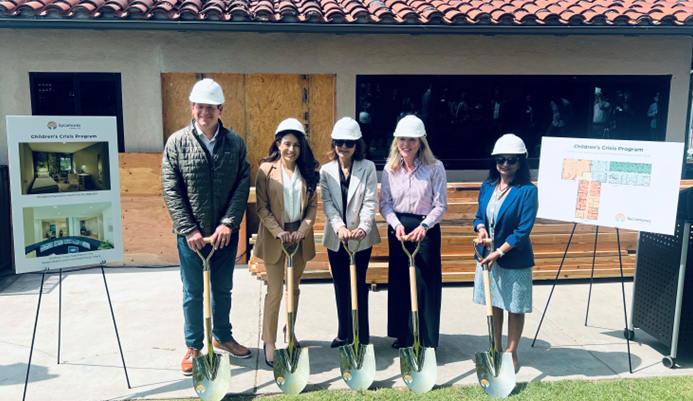
BHCIP is a key component of Mental Health for All, California’s ongoing commitment to expand behavioral health services for all Californians. With the passage of Proposition 1, even more behavioral health treatment facilities will be funded and built in 2025 and 2026.
Just days earlier, on May 12, DHCS awarded $3.3 billion in competitive grant funding through the Bond BHCIP Round 1: Launch Ready awards. This historic investment is funding 124 projects across 42 counties to create or expand 214 behavioral health facilities across California. This investment will result in 5,077 new residential treatment beds and 21,882 new outpatient slots for mental health and substance use disorder treatment, bringing essential behavioral health services closer to the Californians who need them most, including those in the foster care system.
“We’re working to ensure foster youth with significant mental health needs are supported with the services they need,” said DHCS Director Michelle Baass. “Organizations like Sycamores are essential to transforming how we respond to urgent behavioral health challenges. By bringing compassionate, community-based care directly to children and youth in need, they exemplify a behavioral health system that meets people where they are with dignity, support, and hope.”
SYCAMORES’ CHILDREN’S CRISIS CONTINUUM PROGRAM: This project will target gaps in the crisis continuum specifically for foster youth by creating a psychiatric health facility with eight beds and a crisis stabilization unit with 10 slots, projected to serve 3,650 individuals annually in an outpatient setting. This project will help support youth living in the community who are experiencing a crisis to avoid the need for a higher level of care in more restrictive settings. The programs are designed to give youth and caregivers tools to manage their crisis, including skill-building, psychiatric monitoring, psychiatry, therapy, case management, and medication management.
“With the groundbreaking of Sycamores’ new children’s crisis programs, our organization will be in the unique position of meeting the urgent mental health needs of thousands of children and youth in crisis throughout Los Angeles County,” said Debra Manners, Sycamores’ President and CEO. “Considering Sycamores’ long-standing reputation for providing compassionate, life-changing care, we are honored to be able to expand our services with the opening of our programs.”
WHY THIS IS IMPORTANT: More than 1.2 million adults in California live with a serious mental illness, and 1 in 13 children has a serious emotional disturbance. Also, 82 percent of Californians experiencing homelessness reported having a serious mental health condition, and 1 in 10 Californians meet the criteria for a substance use disorder. Additionally, shortages of behavioral health treatment sites contribute to rising rates of homelessness and incarceration among people with mental health disorders.
Through BHCIP, DHCS awards eligible entities funding to construct, acquire, and expand properties and invest in mobile crisis infrastructure to further expand the range of community-based behavioral health treatment options for people with co-occurring mental health treatment needs and substance use disorders. BHCIP is addressing historic gaps in the behavioral health care system to meet the growing demand for services and supports throughout the lifespan of people in need. DHCS has awarded $1.7 billion in BHCIP competitive grants.
ABOUT BHCIP ROUND 5: CRISIS AND BEHAVIORAL HEALTH CONTINUUM: BHCIP Round 5: Crisis and Behavioral Health Continuum was developed, in part, through a statewide needs assessment that identified significant gaps in available crisis services. This assessment showed the need for a better system of crisis care to reduce emergency department visits, hospitalizations, and incarceration. The 33 awards, totaling $430 million, are being used to build and expand crisis care and behavioral health facilities statewide and will serve vulnerable Californians of all ages, including Medi-Cal members. Please see the BHCIP website for more information about grant recipients and additional details about all BHCIP funding rounds.
###
Office of Communications
(916) 440-7660
DHCSPress@dhcs.ca.gov
YAM KOJ YUAV TSUM PAUB: Ua tsaug rau Prop 1, cov nyiaj txiag niaj hnub no kwv yees tias yuav tsim tau ntau dua 5,000 lub txaj kho mob thiab ntau dua 21,800 qhov chaw kho mob sab nraud rau kev noj qab haus huv ntawm tus cwj pwm thiab yuav txhim kho rau lwm cov kev pib loj hauv kev noj qab haus huv ntawm tus cwj pwm hauv California.
SACRAMENTO, CALIFORNIA – Governor Gavin Newsom announced $3.3 billion in grant funding today to create over 5,000 residential treatment beds and more than 21,800 outpatient treatment slots for behavioral health care services and will build upon other major behavioral health initiatives in California. Administered by the California Department of Health Care Services (DHCS), the Proposition 1 Bond Behavioral Health Continuum Infrastructure Program (BHCIP) Round 1: Launch Ready awards will significantly expand access to care for Californians experiencing mental health conditions and substance use disorders, including those experiencing homelessness.
Here is a list of today’s awardees.
“Californians demanded swift action to address our state’s behavioral health crisis when they voted for Prop 1 in March 2024. Today, we’re delivering our biggest win yet. These launch-ready projects will build and expand residential beds and treatment slots for those who need help. Whether it’s crisis stabilization, inpatient services, or long-term treatment, we’re ensuring that individuals can access the right care at the right time.” ~Governor Gavin Newsom
When fully awarded, funding from Proposition 1 bonds is estimated to create 6,800 residential treatment beds and 26,700 outpatient treatment slots for behavioral health and will build on other major behavioral health initiatives in California.
Kim Johnson, Secretary of the California Health & Human Services Agency : “Today marks a critical milestone in our commitment to transforming California’s behavioral health system. Through these awards, we are investing in bold, community-driven solutions that expand access to care, promote equity, and meet people where they are. These projects are a reflection of our values and vision for a healthier, more compassionate California.”
Michelle Baass, DHCS Director: “This is a generational investment in California’s behavioral health future. We are not just building facilities. We are building hope, dignity, and pathways to healing for thousands of Californians. These investments will significantly enhance our state’s capacity to provide timely, effective care for individuals in their own communities.”
WHY THIS MATTERS: The Bond BHCIP Round 1 awards will help to create a comprehensive behavioral health system, ensuring that individuals can access the right care at the right time, whether it be for crisis stabilization, inpatient care, or long-term treatment. As part of the state’s goal to reduce mental health crises, increase the availability of services, and support community-based solutions, these investments are vital in ensuring the long-term sustainability and accessibility of behavioral health services.
Through BHCIP, DHCS has competitively awarded grants to construct, acquire, and expand properties and invest in mobile crisis infrastructure for behavioral health. Proposition 1, passed in March 2024, increases funding opportunities to expand BHCIP to serve even more Californians with mental health and substance use disorders through infrastructure development.
BIGGER PICTURE: California’s Mental Health for All initiative is modernizing the behavioral health delivery system to improve accountability, increase transparency, and expand the capacity of behavioral health care facilities. BHCIP supports the creation, renovation, and expansion of facilities that serve individuals with mental health and substance use disorder needs, with a focus on crisis care, residential treatment, and outpatient services. DHCS has already awarded $1.7 billion in BHCIP competitive grants.
There is a 7,000-plus behavioral health bed shortfall in California, contributing to unmet needs among people experiencing homelessness who have mental illness and/or substance use disorders. Bond BHCIP funding is estimated to create 6,800 residential treatment beds and 26,700 outpatient treatment slots for behavioral health and will build upon other major behavioral health initiatives in California. This investment will help address the behavioral health bed shortfall.
WHAT COMES NEXT: Today’s announcement represents the first of two Bond BHCIP funding rounds. The second round, Bond BHCIP Round 2: Unmet Needs, will provide over $800 million in competitive funding awards for behavioral health treatment facilities and is open to all entities. Interested entities are encouraged to apply after the Round 2 Request for Applications goes live as soon as later this month.
Tsis tas li ntawd xwb, Lub Tsev Haujlwm Saib Xyuas Vaj Tse thiab Kev Txhim Kho Zej Zog (HCD) yuav saib xyuas txog li $ 2 billion hauv Cov Nyiaj Txiag Proposition 1 los tsim cov tsev nyob ruaj khov rau cov tub rog qub tub rog thiab lwm tus uas tsis muaj tsev nyob lossis muaj kev pheej hmoo ntawm kev tsis muaj tsev nyob thiab muaj teeb meem kev noj qab haus huv ntawm lub hlwb lossis kev siv tshuaj yeeb dej cawv.
LEARN MORE: For more information about Bond BHCIP Round 1: Launch Ready, please visit the BHCIP website. Additional guidance on Bond BHCIP Round 1: Launch Ready and Round 2: Unmet Needs is available here. Visit the Behavioral Health Transformation webpage for updates and resources, including recordings of regular public listening sessions.
Here is a list of today’s awardees.
###
Office of Communications
(916) 440-7660
DHCSPress@dhcs.ca.gov
Txoj Haujlwm Yuav Pab 3,760 Cov Neeg Txhua Xyoo
SACRAMENTO — Thaum California tseem niaj hnub ua haujlwm los txhawb nws txoj kev kho mob tus cwj pwm, thaum Lub Plaub Hlis 18, Lub Tsev Haujlwm Saib Xyuas Kev Noj Qab Haus Huv (DHCS) thiab Mark Twain Health Care District tau ua kev zoo siab rau kev txiav daim kab xev ntawm Chaw Kho Mob Crisis thiab Wellness tshiab hauv Calaveras County. Tau txais nyiaj pab ntau dua $3.3 lab los ntawm Behavioral Health Continuum Infrastructure Program (BHCIP) Round 5: Crisis and Behavioral Health Continuum, lub chaw no yuav muab kev kho mob hlwb ceev ceev, kev kho mob siv tshuaj yeeb dej cawv, thiab kev cuam tshuam thaum ntxov los pab 3,760 tus neeg nyob hauv txhua xyoo.
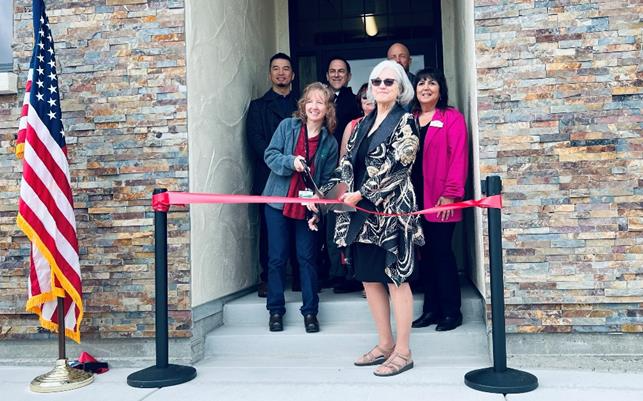
"Kev nqis peev rau hauv kev kho mob tus cwj pwm yog ib kauj ruam tseem ceeb rau kev ua kom txhua tus neeg California - txawm lawv nyob qhov twg los xij - muaj kev nkag mus rau kev kho mob raws sijhawm, ncaj ncees, thiab zoo," Tus Thawj Coj DHCS Michelle Baass tau hais. Peb zoo siab txhawb nqa Mark Twain Health Care District thaum nws nthuav dav cov kev pabcuam tseem ceeb uas yuav txhawb nqa kev noj qab haus huv hauv zej zog thiab txhawb nqa cov tib neeg ntawm lawv txoj kev rov zoo. Kev coj kev saib xyuas los ze rau tsev pab tiv thaiv kev kub ntxhov ua ntej lawv loj
zus thiab txhawb zog cov tes hauj lwm txhawb nqa hauv zos
tib neeg vam khom.MARK TWAIN LUB KOOM HAUM KHO MOB: Lub Chaw Kho Mob Thaum Muaj Xwm Ceev thiab Kev Noj Qab Haus Huv uas tau nthuav dav no kwv yees tias yuav pab tau 3,760 tus neeg txhua xyoo. Lub chaw yuav muab kev kho mob rau cov neeg mob sab nraud, suav nrog kev kho mob, kev tswj tshuaj, thiab kev kho mob hlwb ceev. Tsis tas li ntawd xwb, qhov project no yuav siv kev koom tes nrog cov koom haum hluas los muab cov kev pabcuam thaum ntxov uas tsom mus rau kev tiv thaiv kev tsis muaj haujlwm ua, kev tsis muaj tsev nyob, kev siv tshuaj yeeb dej cawv, thiab kev raug kaw hauv tsev loj cuj.
"Cov neeg mob hauv Calaveras County tsis tau txais kev pabcuam txaus, feem ntau raug kaw lossis raug kaw, thiab, yog tias lawv kawm tiav, feem ntau koom nrog cov tub ceev xwm kev ncaj ncees," Randy Smart, CEO ntawm Mark Twain Health Care District hais. Peb lub zej zog lees paub tias cov txiaj ntsig no tuaj yeem tiv thaiv thiab kho tau, tab sis xav tau ntau cov peev txheej ntxiv. Peb lub nroog muaj lub siab nyiam, kev coj noj coj ua, thiab lub zeem muag los cog lus rau lub chaw kho mob thaum muaj teeb meem thiab chaw tiv thaiv uas yuav yog ib kauj ruam tseem ceeb rau kev ua kom tau raws li qhov xav tau kev kho mob tus cwj pwm.
VIM LI CAS QHOV NO TSEEM CEEB: BHCIP yog ib feem ntawm California txoj kev cog lus txuas ntxiv mus kom nthuav dav cov kev pabcuam kev noj qab haus huv rau txhua tus neeg California. DHCS tau muab $ 1.7 billion hauv BHCIP cov nyiaj pab sib tw. Ntxiv rau, DHCS yuav faib txog li $ 4.4 billion hauv kev sib tw Bond BHCIP nyiaj pab, suav nrog $ 3.3 billion rau Round 1: Launch Ready nyiaj pab raws li ib feem ntawm Behavioral Health Transformation, DHCS txoj haujlwm los siv Proposition 1. Nrog rau kev dhau ntawm Txoj Cai 1, yuav muaj ntau qhov chaw kho mob kev noj qab haus huv ntxiv rau xyoo 2025 thiab 2026.
Los ntawm BHCIP, DHCS muab nyiaj pab rau cov chaw tsim nyog los tsim, yuav, thiab nthuav cov vaj tse thiab nqis peev rau hauv cov chaw tsim kho vaj tse thaum muaj xwm txheej ceev, pab cov zej zog ua kom tau raws li qhov xav tau nce ntxiv thiab kaw cov kev pabcuam qub. Cov kev nqis peev no tseem ceeb heev rau cov zej zog nyob deb nroog, kom ntseeg tau tias tib neeg tuaj yeem tau txais kev kho mob raws sijhawm, cawm txoj sia yam tsis tas yuav mus deb.
HAIS TXOG BHCIP ROUND 5: CRISIS AND BEHAVIORAL HEALTH CONTINUUM: BHCIP Round 5: Kev Sib Txuas Lus Txog Kev Kub Ntxhov thiab Kev Noj Qab Haus Huv Tus cwj pwm tau tsim, ib feem, los ntawm kev ntsuam xyuas kev xav tau thoob plaws lub xeev uas pom cov qhov sib txawv tseem ceeb hauv cov kev pabcuam thaum muaj xwm txheej ceev. Qhov kev ntsuam xyuas no qhia tau tias xav tau ib txoj kev kho mob thaum muaj xwm txheej ceev kom txo tau kev mus ntsib chav kho mob ceev, kev pw hauv tsev kho mob, thiab kev raug kaw. Cov khoom plig 33 yam, tag nrho yog $430 lab, tab tom siv los tsim thiab nthuav cov chaw kho mob thaum muaj xwm txheej ceev thiab cov chaw kho mob puas siab puas ntsws thoob plaws lub xeev thiab yuav pab cov neeg California txhua lub hnub nyoog, suav nrog cov tswv cuab Medi-Cal. Thov mus saib lub vev xaib BHCIP kom paub ntxiv txog cov neeg tau txais nyiaj pab thiab cov ntaub ntawv ntxiv txog txhua qhov kev pab nyiaj txiag ntawm BHCIP.
###
Office of Communications
(916) 440-7660
DHCSPress@dhcs.ca.gov
Qhov project yuav nthuav dav los ntawm 40 txaj, pab ze li ntawm 1,000 tus menyuam yaus thiab cov tib neeg txhua xyoo
SACRAMENTO — On April 4, 2025, the Department of Health Care Services (DHCS) and Kedren celebrated the groundbreaking of Kedren South-Psychiatric Acute Care Hospital & Children’s Village to serve the South Los Angeles community. This transformative project will provide a comprehensive system of care and support for children and youth experiencing significant mental health challenges—all in one location. It is funded by DHCS’ Behavioral Health Continuum Infrastructure Program (BHCIP) Round 4: Children and Youth and will serve as an integrated “Village Care” model designed for children and their families to receive their services.
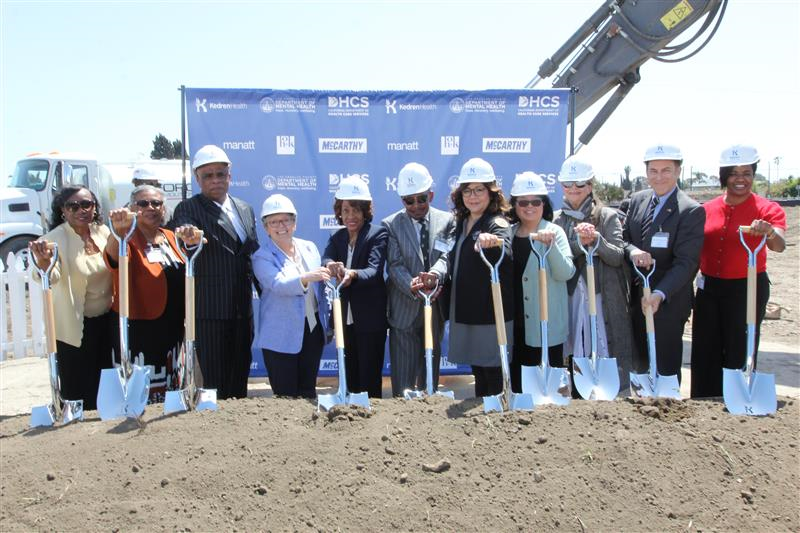
DHCS awarded Kedren more than $57 million through BHCIP, which is part of California’s ongoing commitment to expand behavioral health services for all Californians. With the passage of Proposition 1, even more behavioral health treatment facilities will be funded and built in 2025 and 2026.
Lub Zos Me Nyuam Kedren sawv cev rau ib qho chaw tseem ceeb hauv kev ua kom muaj kev noj qab haus huv thiab yav tom ntej ntawm peb lub xeev cov menyuam yaus uas muaj kev pheej hmoo tshaj plaws. Los ntawm kev muab nyiaj txiag rau lub tsev kawm ntawv no tso ua ntej, California tau txhawb nqa nws txoj kev cog lus los ua tus thawj coj hauv kev muab kev saib xyuas zoo, muaj kev khuv leej uas txhawb nqa kev noj qab haus huv ntawm lub hlwb thiab lub cev ntawm cov menyuam yaus uas xav tau kev pab, " Tus Thawj Coj DHCS Michelle Baass tau hais. Kedren txoj kev kho mob hlwb thiab lub cev kom zoo sib xws nrog peb lub zeem muag rau lub neej yav tom ntej uas muaj kev noj qab haus huv zoo dua thiab muaj zog dua rau txhua tus menyuam hauv California. Nws yog ib qho kev nqis peev tsis yog rau lawv lub neej xwb, tab
rau lub zog thiab kev
meej ntawm peb cov zej zog.Kedren South-Psychiatric Acute Care Tsev Kho Mob & Lub Zos Menyuam Yaus: Qhov project no tau txais ntau dua $ 57 lab los ntawm BHCIP. Lub chaw no yuav muab kev saib xyuas hloov lub neej rau cov menyuam yaus thiab cov hluas uas raug kev txom nyem los ntawm kev mob hlwb, kev raug mob, thiab lwm yam teeb meem kev noj qab haus huv. Qhov chaw uas BHCIP tau txais nyiaj pab ntawm lub tsev kawm ntawv tshiab yuav muaj ib lub tsev kho mob puas siab puas ntsws uas muaj 24 lub txaj (yuav pab ntau dua 520 tus neeg txhua xyoo), ib qho chaw nyob rau cov menyuam yaus thaum muaj teeb meem nrog 8 lub txaj (yuav pab yuav luag 300 tus menyuam txhua xyoo), thiab ib qho chaw kho mob puas siab puas ntsws uas muaj lwm 8 lub txaj (yuav pab yuav luag 100 tus neeg txhua xyoo). Ntxiv rau qhov nyiaj pab BHCIP, ib feem ntawm lub tsev kawm ntawv yuav muaj ob lub tsev - tau txais nyiaj los ntawm Mental Health Services Act - kom suav nrog cov kev pabcuam rau cov menyuam yaus thiab muab cov tsev nyob rau cov menyuam yaus uas muaj teeb meem kev puas siab puas ntsws thiab lawv tsev neeg txog li 18 lub hlis.
"Tau yuav luag 60 xyoo, Kedren tau cog lus tias yuav tshem tawm qhov tsis sib xws ntawm kev noj qab haus huv hauv South Los Angeles los ntawm kev nthuav dav kev nkag mus rau kev saib xyuas," Kedren CEO Gregory Polk hais. Lub Zos Menyuam Yaus yuav yog thawj lub hauv lub tebchaws, muab kev saib xyuas kev noj qab haus huv ntawm lub hlwb rau cov menyuam yaus thiab cov hluas hauv ib lub tsev kawm ntawv. Peb tos ntsoov yuav muab cov peev txheej tsim nyog thiab muaj nqis no rau peb lub zej zog.
Kedren will offer a myriad of evidence-based therapies, including individual, group, family, recreational, occupational, and play. Staff will tailor treatments for each child with a mix of individual psychotherapy, behavioral modification, family counseling, and psychotropic medications. Kedren will also provide specialized assessments, such as psychological testing and occupational therapy assessments.
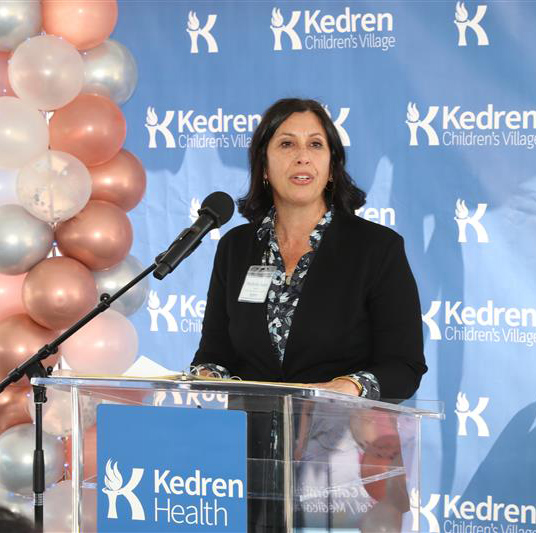
“The challenges we face in behavioral health are significant, but today, we demonstrate our collective commitment to building a strong, comprehensive system of care that will improve lives for years to come,” said Baass.
“Thanks to BHCIP, trusted community providers like Kedren will finally have the facilities and resources to provide essential services across the continuum of care, enabling individuals to receive the right care at the right time in the right setting with providers they trust.”
WHY THIS IS IMPORTANT: BHCIP is part of California’s ongoing commitment to expand behavioral health services for all Californians. Through BHCIP, DHCS awards eligible entities funding to construct, acquire, and expand properties and invest in mobile crisis infrastructure to further expand the range of community-based behavioral health treatment options for people with co-occurring mental health treatment needs and substance use disorders. BHCIP is addressing historic gaps in the behavioral health care system to meet the growing demand for services and supports throughout the lifespan of people in need.
DHCS has awarded $1.7 billion in BHCIP competitive grants. In addition, DHCS will distribute up to $4.4 billion in competitive Bond BHCIP funding, including $3.3 billion for Round 1: Launch Ready grants as part of Behavioral Health Transformation, DHCS’ work to implement Proposition 1.
ABOUT BHCIP ROUND 4: CHILDREN AND YOUTH:BHCIP Round 4, part of the Children and Youth Behavioral Health Initiative, focuses on Californians ages 25 and younger, including pregnant and postpartum women and their children and transition-age youth ages 18-25, along with their families. The 52 awards totaling $480.5 million allow for new construction and expansion of multiple outpatient and residential facility types, including children’s crisis residential programs, perinatal residential substance use disorder facilities, community wellness/youth prevention centers, and outpatient treatment for substance use disorder.
###
Office of Communications
(916) 440-7660
DHCSPress@dhcs.ca.gov
Awards Will Support Local Emergency Medical Services Agencies in Stanislaus and Ventura Counties
SACRAMENTO — The Department of Health Care Services (DHCS) awarded $800,000 to two Local Emergency Medical Service Agencies to foster low-barrier access to clinically proven opioid use disorder (OUD) treatment for patients in an emergency medical services (EMS) setting who are at risk of overdose and often do not have access to services in other settings.
“This is an innovative and lifesaving approach to address the opioid crisis. By equipping emergency medical service providers to render treatment in the field, we are meeting patients where they are and connecting them with ongoing care. This program has the potential to reduce opioid-related deaths and improve long-term health outcomes for some of California’s most vulnerable people,” said DHCS Director Michelle Baass.
The grants—awarded through the Emergency Medical Services Buprenorphine Use Pilot Program (EMSBUP) to the Stanislaus County EMS Agency and Ventura County EMS Agency—will enable these two agencies to address substance use disorder as a treatable emergency condition, utilizing paramedics to identify and treat patients who would benefit from medications for addiction treatment (MAT). MAT is the use of medications in combination with counseling and behavioral therapies, which is effective in treating OUDs and helping some people sustain recovery.
WHY THIS IS IMPORTANT: The EMSBUP has pioneered a cutting-edge approach for delivering MAT through EMS. The population served by EMS has a high risk of death from overdose. In a study of 12,000 patients who received naloxone from EMS, 10 percent died within the following year. Another study found that one-third of all patients who died from unintentional overdose had contact with EMS in the year preceding their death. With an estimated 26,000 911 calls for overdose in California, EMS is a critical and underutilized intervention point for expanding access to MAT, delivering harm reduction, and connecting patients with care.
GRANT AWARDS: This program will assist EMS providers in coordinating with navigators to provide linkages to care options for EMS patients with an OUD and provide a system for patients who sign out against medical advice to have access to outpatient treatment options. The project will run from April 1, 2025, through March 31, 2027. It will also collect de-identified data for research and monthly performance metrics to evaluate the effectiveness of this treatment model.
Additionally, resources will be provided to Local Emergency Medicine Service Agencies to support the initiation and sustainability of this treatment model, which includes a naloxone distribution program, EMS-initiated first dose of buprenorphine, and substance use navigation.
GRANTS MAKING A DIFFERENCE: Through State Opioid Response (SOR) grant funding, EMSBUP builds upon an initial SOR-funded project in Contra Costa County in 2020 in which 260 paramedics were trained to identify and treat OUD from an ambulance, more than 2,000 patients were screened for OUD, 120 received buprenorphine in the field, and 55 were connected to ongoing MAT. The results of this work encouraged other counties to adopt the model. To date, this model has been extended to 11 LEMSAs covering 13 counties to train 1,300 paramedics.
“Buprenorphine administration by EMS provides a high-risk population with access to buprenorphine at a critical and ideal time to receive buprenorphine – post overdose, when patients are in withdrawal and may be more inclined to accept treatment. EMS-administered buprenorphine brings treatment to patients versus patients having to seek out treatment, which has the potential to reduce fatal overdose, reduce crime rates, and save lives. With the right teams in place, patients can start buprenorphine in the field, get connected to emergency services, start feeling better within a few hours. and continue buprenorphine treatment through MAT programs after being discharged from the emergency department,” said Phoebe Blaschak Oliveira, RN, PHN, BSN, Public Health Nurse Program Manager, Contra Costa Regional Medical Center and Choosing Change Clinic.
BIGGER PICTURE: In 2023, Governor Newsom launched his Master Plan for Tackling the Fentanyl and Opioid Crisis, which provides a comprehensive framework to address the opioid and fentanyl crisis, including aggressive steps to support overdose prevention efforts, hold the opioid pharmaceutical industry accountable, crack down on drug trafficking, and raise awareness about the dangers of opioids, including fentanyl.
The EMSBUP is funded by the Substance Abuse and Mental Health Services Administration and is part of DHCS’ broader efforts to address substance use disorders, collectively known as the California DHCS Opioid Response, to increase access to MAT, reduce unmet treatment need, and reduce opioid overdose-related deaths through the provision of prevention, treatment, and recovery activities. The California DHCS Opioid Response focuses on populations with limited MAT access, including youth, people in rural areas, and American Indian and Alaska Native Tribal communities. For more information, please visit the DHCS website.
DHCS also created the Naloxone Distribution Project (NDP) to combat opioid overdose-related deaths throughout California. The NDP aims to reduce opioid overdose deaths through the provision of free naloxone. For more information about the state’s opioid response, visit opioids.ca.gov.
###
Office of Communications
(916) 440-7660
DHCSPress@dhcs.ca.gov
SACRAMENTO — The Department of Health Care Services (DHCS), under the direction of Governor Gavin Newsom, this month applied to the Center for Medicaid and Medicaid Innovation (CMMI) at the Centers for Medicare & Medicaid Services (CMS) to participate in the groundbreaking Cell and Gene Therapy (CGT) Access Model. If approved, this multi-year initiative will expand Medi-Cal members’ access to lifesaving gene therapies for sickle cell disease (SCD), a severe genetic blood disorder that disproportionately affects people of African descent.
“California’s application to participate in this federal model reflects our commitment to expanding access to groundbreaking treatments for Medi-Cal members with sickle cell disease,” said State Medicaid Director Tyler Sadwith. “These therapies have the potential to transform lives, and this initiative helps ensure that cost is not a barrier for Californians who need them most.”
WHY THIS MATTERS: More than 50 percent of individuals with SCD are covered by Medicaid in the United States. By participating in the CGT Access Model, California will:
"Los ntawm kev nthuav dav kev nkag mus rau cov kev kho mob hloov pauv no, California tab tom ua tus thawj coj hauv kev daws teeb meem kev tsis sib luag ntawm kev noj qab haus huv, txhim kho lub neej ntev, thiab xyuas kom meej tias cov tswv cuab Medi-Cal uas muaj kab mob sickle cell tau txais kev kho mob zoo tshaj plaws," Sadwith hais.
TXOG TUS QAUV CGT ACCESS: Kev kho mob gene sawv cev rau txoj hauv kev tshiab rau SCD. Nws hloov kho tus neeg mob cov hlwb hematopoietic kom pab lub cev tsim cov qe ntshav liab noj qab haus huv. Kev kho mob ib zaug no tau pom tias yuav txo tau qhov mob hnyav thiab muaj peev xwm tiv thaiv cov teeb meem thiab txhim kho lub neej zoo rau cov tib neeg uas muaj SCD.
Txawm li cas los xij, cov kev kho mob no muaj cov nqi kim heev, ua rau cov neeg mob thiab cov kev pab cuam Medicaid nyuaj rau kev nkag mus, suav nrog Medi-Cal. Tus Qauv Nkag Mus Rau CGT daws qhov teeb meem no los ntawm kev siv txoj kev sib tham txog kev them rov qab uas khi cov nyiaj them rau cov kev kho mob no rau cov txiaj ntsig ntawm tus neeg mob. Yog tias kev kho mob tsis ua raws li qhov kev txhim kho kev noj qab haus huv uas xav tau, cov tuam txhab tsim tshuaj yuav muab cov nyiaj rov qab rau cov kev pab cuam Medicaid, pab kom muaj kev ruaj khov nyiaj txiag thaum nthuav dav kev nkag mus rau kev kho mob.
Initially, the model will focus on gene therapies for SCD, a condition affecting more than 100,000 individuals nationwide, including more than 8,000 Medi-Cal/Children’s Health Insurance Program (CHIP) members in California.
If California is approved, eligible Medi-Cal members will have access to gene therapy treatment, case management, travel assistance, behavioral health support, and fertility preservation services, as the treatment process involves chemotherapy, which can impact fertility. CMS anticipates testing the model over an 11-year performance period, beginning on January 1, 2025.
BIGGER PICTURE: In addition to applying for the CGT Access Model, California was selected earlier this year for the Transforming Maternal Health (TMaH) Model, which aims to improve maternal health outcomes and reduce costs, and is transforming Medi-Cal through its California Advancing and Innovating Medi-Cal (CalAIM) waiver, which focuses on whole-person care, care management, and addressing social drivers of health—strengthening efforts to create a more inclusive and effective health system.
###
Office of Communications
(916) 440-7660
DHCSPress@dhcs.ca.gov
Cov phiaj xwm cia siab tias yuav pab tau ze li ntawm 2,000 tus neeg ib xyoos ib zaug
SACRAMENTO — The Department of Health Care Services (DHCS) and Mentis are expanding outpatient services for people with mental health needs in Napa County. Just eight months ago, DHCS and Mentis broke ground on the Napa Valley Youth Wellness Campus, supported by Behavioral Health Continuum Infrastructure Program funding totaling more than $4.7 million.
On March 5, DHCS and Mentis celebrated the ribbon cutting of the new outpatient community mental health clinic and community wellness/youth prevention center, which opened for services and includes 121 new treatment slots and will serve nearly 2,000 people annually.
“DHCS is committed to working with partners like Mentis to rapidly expand mental health and substance use disorder treatment services for California youth,” said DHCS Director Michelle Baass. “BHCIP continues to address historic gaps in the behavioral health care system to meet the growing demand for services and supports throughout the lifespan of people in need.”
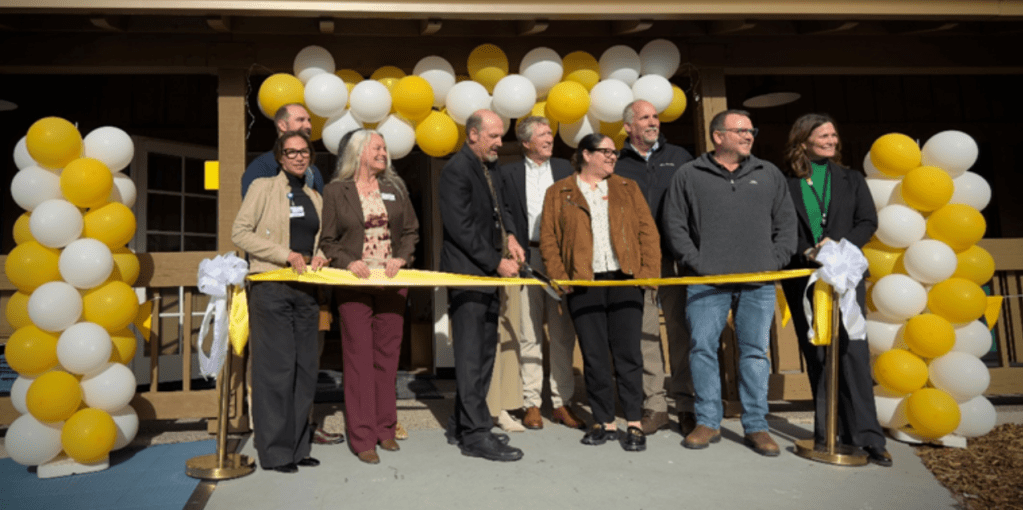
Ribbon Txiav rau Napa Valley Youth Wellness Campus Project
NAPA VALLEY YOUTH WELLNESS CAMPUS: This project will serve the behavioral, mental, and emotional needs of children and youth in Napa Valley and their families. The project involves rehabilitating an existing private middle school campus building to incorporate a supportive art studio, community space, and therapy rooms. Services include children and youth wellness prevention activities, mental health treatment, group therapy and/or family activities, and individual therapy sessions. Programs are offered in English and Spanish and are free and accessible for all. Located within walking distance of three high schools, the campus’ continuum of care is intended to attract a diverse youth population, including youth of color and LGBTQIA+ and justice-involved youth.
“Our community clinic and youth wellness campus will provide much-needed support to youth who continue to struggle with life’s stresses,” said Mentis Executive Director Rob Weiss. “We are eager to expand our continuum of care to serve children and youth with a wide spectrum of needs, and we are grateful to DHCS for making this vision possible.”
WHY THIS IS IMPORTANT: BHCIP is part of California’s ongoing commitment to expand behavioral health services for all Californians. With the passage of Proposition 1, even more behavioral health treatment facilities will be funded and built in 2025 and 2026. Through BHCIP, DHCS awards eligible entities funding to construct, acquire, and expand properties and invest in mobile crisis infrastructure to further expand the range of community-based behavioral health treatment options for people with co-occurring mental health treatment needs and substance use disorders.
DHCS has awarded $1.7 billion in BHCIP competitive grants. In addition, DHCS will distribute up to $4.4 billion in competitive Bond BHCIP funding, including $3.3 billion for Round 1: Launch Ready grants as part of Behavioral Health Transformation, DHCS’ work to implement Proposition 1. DHCS holds regular public listening sessions on this effort. Updates and recordings of the sessions are available on the online.
ABOUT BHCIP ROUND 4: CHILDREN AND YOUTH:BHCIP Round 4 focused on Californians ages 25 and younger, including pregnant and postpartum women and their children and youth ages 16-25, along with their families. Through funding made possible by California’s Children and Youth Behavioral Health Initiative, the 52 awards totaling $480.5 million allowed for new construction and expansion of multiple outpatient and residential facility types, including children’s crisis residential programs, perinatal residential substance use disorder facilities, community wellness/youth prevention centers, and outpatient treatment for substance use disorders. Please see the BHCIP website for more information about grant recipients and additional details about all BHCIP funding rounds.
###
Office of Communications
(916) 440-7660
DHCSPress@dhcs.ca.gov