Lub vas sab hauv internet ntawm lub Xeev California
Txhais

Txoj Haujlwm yuav suav nrog 37 Lub Tsev Kho Mob Kho Mob Kho Mob Kho Mob Tshiab Tshiab
SACRAMENTO — On February 19, 2025, the Department of Health Care Services (DHCS) and Gateways Hospital and Mental Health Center broke ground on Gateways’ youth expansion project in Los Angeles County. The project, funded by Round 4 of DHCS’ Behavioral Health Continuum Infrastructure Program (BHCIP), will focus on youth with serious emotional or behavioral problems experiencing an acute psychiatric emergency.
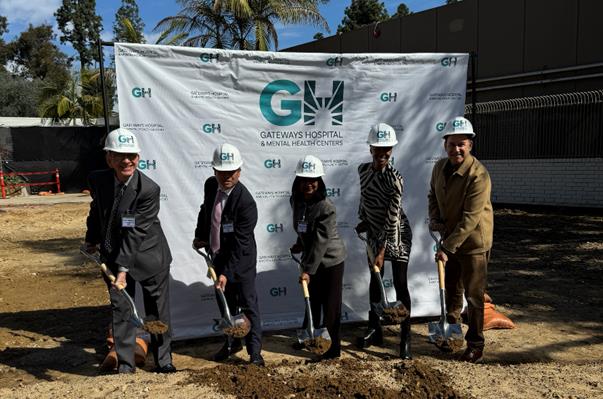
DHCS awarded Gateways more than $19 million through BHCIP, which is part of California’s ongoing commitment to expand behavioral health services for all Californians. With the passage of Proposition 1, even more behavioral health treatment facilities will be funded and built in 2025 and 2026.
“This groundbreaking is a significant step forward in our commitment to provide specialized care to youth facing acute mental health challenges,” said DHCS Director Michelle Baass. “By expanding access to comprehensive care, we are fostering an environment where all young people can receive the care and support they deserve to thrive.”
GATEWAYS YOUTH EXPANSION PROJECT: Most of the youth to be served by the project have experienced traumatic events or adverse childhood experiences or are involved with child welfare services. Gateways is adding 37 inpatient beds for adolescents to the acute psychiatric hospital’s existing 55 inpatient beds serving adults and adolescents.
“There is an urgent need to provide support for youth facing mental health crises,” said Gateways Hospital CEO Dr. Phil Wong. “We commend California for prioritizing these funds to focus on youth mental health by expanding infrastructure capacity to help shift the tide. Our team is pleased to break ground on our expansion so we can start serving youth in need of these vital services.”
In addition to traditional health care, the expanded facility will allow youth to receive multiple therapeutic services and participate in activities designed to build autonomy and help them transition to outpatient services. These services will include individual and group therapies, such as cognitive-behavioral therapy, psychoanalytic therapy, mentalization-based therapy, eye movement desensitization and reprocessing, and biofeedback. Youth housed in the unit will receive multiple therapeutic services, including family therapy and medical counseling.
Finally, youth presenting with eating disorders, such as anorexia nervosa and bulimia, and youth with co-occurring alcohol and drug disorders will receive nutritional counseling, have their physical health closely monitored, and receive medication management.
WHY THIS IS IMPORTANT: Through BHCIP, DHCS awards eligible entities funding to construct, acquire, and expand properties and invest in mobile crisis infrastructure to further expand the range of community-based behavioral health treatment options for people with co-occurring mental health treatment needs and substance use disorders. BHCIP is addressing historic gaps in the behavioral health care system to meet the growing demand for services and supports throughout the lifespan of people in need.
DHCS awarded $1.7 billion in BHCIP competitive grants. In addition, DHCS will distribute up to $4.4 billion in competitive Bond BHCIP funding, including $3.3 billion for Round 1: Launch Ready grants as part of Behavioral Health Transformation, DHCS’ work to implement Proposition 1. DHCS holds regular public listening sessions on this effort. Updates and recordings of the sessions are available on the Behavioral Health Transformation webpage.
ABOUT BHCIP ROUND 4: CHILDREN AND YOUTH: BHCIP Round 4, through funding made possible by California’s Children and Youth Behavioral Health Initiative, focuses on Californians ages 25 and younger, including pregnant and postpartum women and their children and transition-age youth ages 18-25, along with their families. The 52 awards totaling $480.5 million allow for new construction and expansion of multiple outpatient and residential facility types, including children’s crisis residential programs, perinatal residential substance use disorder facilities, community wellness/youth prevention centers, and outpatient treatment for substance use disorder. For more information, please visit the BHCIP website.
###
Office of Communications
(916) 440-7660
DHCSPress@dhcs.ca.gov
Tshiab Crisis Management Hub yog npaj los pab ntau tshaj 2,500 tus neeg txhua xyoo
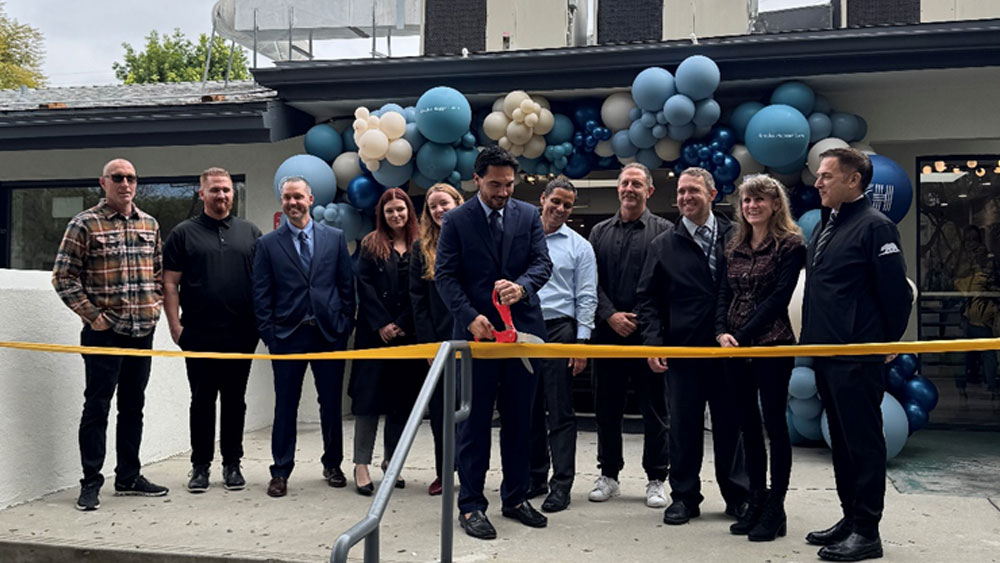
SACRAMENTO — On February 7, 2025, the Department of Health Care Services (DHCS) and CRI-Help announced the grand opening of the Substance Use Disorder (SUD) Crisis Management Hub: A Fully Integrated Behavioral Health Campus project in Los Angeles County. The site includes an adult residential SUD treatment facility, an intensive outpatient treatment SUD facility, and a sobering center. These combined facilities are projected to serve more than 2,500 individuals annually.
The SUD Crisis Management Hub project was funded by Round 5 of DHCS’ Behavioral Health Continuum Infrastructure Program (BHCIP). DHCS awarded CRI-Help more than $21 million through BHCIP, which is part of California’s ongoing commitment to expand behavioral health services for all Californians. With the passage of Proposition 1, even more behavioral health treatment facilities will be funded and built in 2025 and 2026.
“Facilities like these that are part of the SUD Crisis Management Hub treat not only the crises, but also the core concerns of people seeking help with their SUDs, so they can pursue continuous recovery,” said DHCS Director Michelle Baass. “DHCS is pleased to partner with CRI-Help to make this facility a reality and to bring high-quality behavioral health care to this community.”
CRI-HELP: CRI-Help’s SUD Crisis Management Hub project immediately increases the availability of outpatient and residential crisis services for low-income adults in the downtown and east Los Angeles areas. This project includes three programs:
Together, these facilities will provide screenings, group counseling, patient education, family therapy group sessions, motivational interviewing, recovery efforts, and warm handoffs to other levels of care.
“With the addition of a sobering center funded by BHCIP that provides comprehensive recovery services, we are redefining what accessible, compassionate care looks like in the Los Angeles area,” said CRI-Help President and CEO Brandon Fernandez. “This campus stands as a beacon of innovation and inclusivity for people seeking a second chance in life.”
WHY THIS IS IMPORTANT: Through BHCIP, DHCS awards eligible entities funding to construct, acquire, and expand properties and invest in mobile crisis infrastructure to further expand the range of community-based behavioral health treatment options for people with co-occurring mental health treatment needs and SUDs. BHCIP is addressing historic gaps in the behavioral health care system to meet the growing demand for services and supports throughout the lifespan of people in need.
DHCS has awarded $1.7 billion in BHCIP competitive grants. In addition, DHCS will distribute up to $4.4 billion in competitive Bond BHCIP funding, including $3.3 billion for Round 1: Launch Ready grants as part of Behavioral Health Transformation, DHCS’ work to implement Proposition 1. DHCS holds regular public listening sessions on this effort. Updates and recordings of the sessions are available on the Behavioral Health Transformation webpage.
ABOUT BHCIP ROUND 5: CRISIS AND BEHAVIORAL HEALTH CONTINUUM: BHCIP Round 5 was developed, in part, through a statewide needs assessment that identified significant gaps in available crisis services. This assessment showed the need for a better crisis care system to reduce emergency department visits, hospitalizations, and incarceration. The 33 awards, totaling $430 million, are being used to build and expand crisis care and behavioral health facilities statewide and will serve vulnerable Californians of all ages, including Medi-Cal members.
###
Office of Communications
(916) 440-7660
DHCSPress@dhcs.ca.gov
Cov phiaj xwm xav kom pab ntau dua 900 tus neeg txhua xyoo
SACRAMENTO — Lub Tsev Haujlwm Saib Xyuas Kev Noj Qab Haus Huv (DHCS) tab tom nthuav dav cov kev pabcuam nyob rau cov tib neeg uas muaj teeb meem siv tshuaj yeeb thiab cov kev xav tau kev noj qab haus huv ntawm ob qho chaw hauv Los Angeles County.
Cov Kev Pabcuam Rau Menyuam Yaus—Kev Noj Qab Haus Huv Lub Siab thiab Vaj Tse tau ua kev zoo siab rau qhov kev qhib lub chaw noj qab haus huv hauv zej zog tshiab (hauv qab no). Thaum Lub Ob Hlis 1, lub chaw tau pib muab kev pabcuam kev noj qab haus huv ntawm lub hlwb, kev pabcuam tsev neeg, kev txhawb nqa niam txiv, thiab kev qhia txog kev noj zaub mov zoo uas muaj kev nkag siab txog kev raug mob, thiab kev coj noj coj ua. Lub chaw no txhawb nqa cov tsev neeg nyob rau sab qab teb sab hnub tuaj ntawm Los Angeles uas ntsib teeb meem kev nkag mus rau kev saib xyuas, suav nrog cov tub ntxhais hluas thiab cov tsev neeg uas tsis muaj tsev nyob.
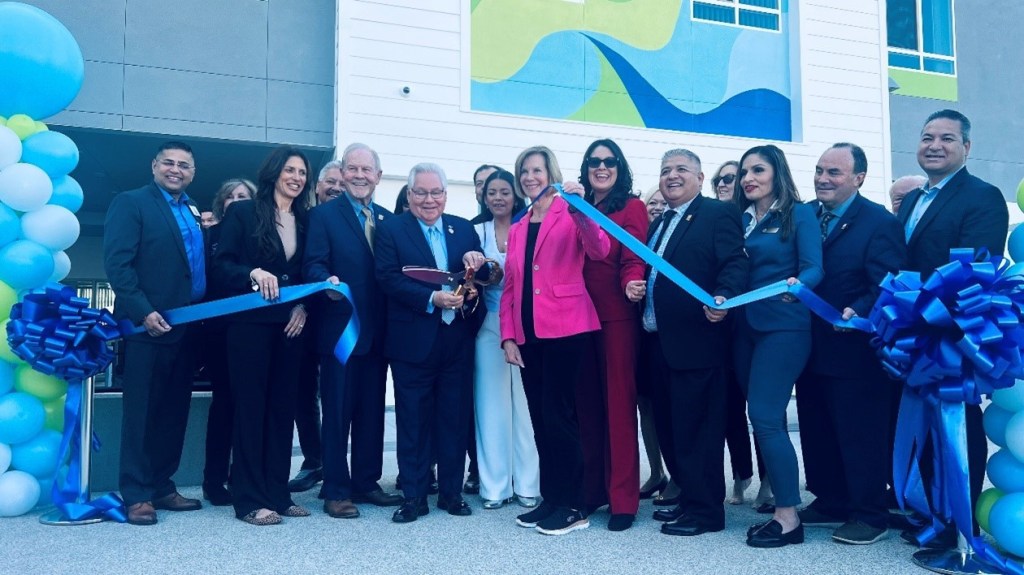
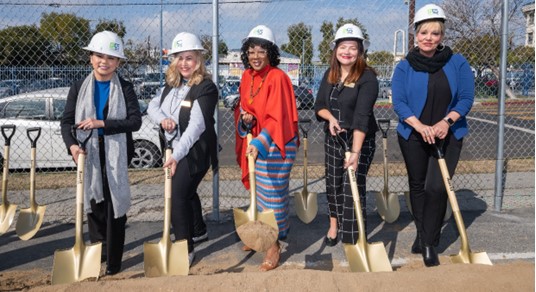
Also, St. Anne’s Family Services hosted a groundbreaking (below) for a new short-term residential therapeutic program (STRTP) called STRTP FOR ONE, which annually provides high-quality supportive housing programs, early childhood education, mental health, and family-based services to thousands of young women, children, and families in Los Angeles County.
Ob qho project no tau txais nyiaj los ntawm Round 5 ntawm DHCS' Behavioral Health Continuum Infrastructure Program (BHCIP). DHCS tau muab nyiaj ntau dua $6 lab rau The Whole Child—Mental Health and Housing Services thiab ntau dua $2 lab rau St. Anne’s Family Services los ntawm BHCIP, uas yog ib feem ntawm California txoj kev cog lus txuas ntxiv mus kom nthuav dav cov kev pabcuam kev noj qab haus huv rau txhua tus neeg California. Nrog rau kev dhau los ntawm Txoj Cai 1, yuav muaj ntau qhov chaw kho mob kev noj qab haus huv ntxiv rau xyoo 2025 thiab 2026.
“Expanding community-based behavioral health care services is a top priority for DHCS,” said DHCS Director Michelle Baass. “Residential facilities like these are a vital component of California’s efforts to bring high-quality, trauma-informed care to individuals and families who need it most.”
TAG NRHO TUS MENYUAM YAUS—KEV PABCUAM KEV NOJ QAB HAUS HUV LUB SIAB THIAB TSEV NYOB: Lub Chaw Kho Mob thiab Kev Noj Qab Haus Huv Rau Cov Tsev Neeg Tsis Muaj Tsev Nyob thiab Lub Zej Zog muab kev pabcuam uas muaj kev paub txog kev raug mob, kev coj noj coj ua rau cov menyuam yaus, cov hluas, thiab cov tsev neeg uas tsis muaj tsev nyob hauv thaj chaw Los Angeles. Ntxiv rau cov kev pab tswv yim rau cov neeg mob sab nraud, lub chaw no txhawb nqa kev ua haujlwm, kev noj qab haus huv ntawm lub hlwb, kev nrhiav tsev nyob, kev qhia niam txiv, thiab kev noj zaub mov zoo. Lub chaw pabcuam kev noj qab haus huv ntawm lub hlwb muaj xws li kev kho mob hlwb rau tus kheej, tsev neeg, thiab pab pawg, kev tswj tshuaj, kev kuaj mob hlwb, kev pabcuam kev puas siab puas ntsws, kev tswj cov ntaub ntawv, kev pabcuam cuam tshuam thaum muaj xwm txheej ceev, kev pabcuam txuas nrog tsev kawm ntawv los muab kev ntsuam xyuas thiab kev kho mob rau cov tub ntxhais kawm hauv tsev kawm ntawv, cov pab pawg ntsuam xyuas ntau yam kev kawm, thiab kev saib xyuas tshwj xeeb. Cov kev coj ua raws li pov thawj suav nrog kev kho mob hlwb uas tsom mus rau kev raug mob, kev kho mob hlwb rau tus kheej, Triple P-Positive Parenting Program, kev tswj hwm thiab kev saws txais yuav, kev kho mob hlwb rau niam txiv menyuam, Incredible Years, kev kho mob hloov kev ua phem, thiab kev kho mob hlwb rau tus kheej.
“As a regional leader in children’s mental health and wellness, we know firsthand how childhood trauma and pain can follow children into adulthood,” said The Whole Child CEO Constanza Pachon. “However, we also know that treatment at an early age can have an enormously positive effect, providing children and teens with the tools and coping skills they need to begin their healing journey. This center, built with BHCIP funding, will be a beacon of hope for our community.”
STRTP FOR ONE: St Anne’s Family Services designed STRTP FOR ONE with one bed that offers highly individualized, comprehensive care to young mothers ages 13-17 who are at risk of multiple placements, homelessness, and incarceration due to their complex mental or behavioral health needs. The program is staffed by a team of highly coordinated and trauma-informed clinical professionals to provide strength-based, client-centered interventions within a home-like environment. The program aims to equip these youth with tools to address their complex trauma, foster independent living skills, and develop real-time parenting skills with natural support.
“We are thrilled to collaborate with DHCS to address the critical mental health needs of young families in our community,” said Lorna Little, MSW, President and CEO of St. Anne’s Family Services. “We are uniquely positioned to provide specialized services to young women in crisis—women who are pregnant or parenting, seeking to reunite with family members, and learning to stabilize within our programs to make a successful transition.”
WHY BHCIP IS IMPORTANT: Through BHCIP, DHCS awards eligible entities funding to construct, acquire, and expand properties and invest in mobile crisis infrastructure to further expand the range of community-based behavioral health treatment options for people with co-occurring mental health treatment needs and substance use disorders. BHCIP is addressing historic gaps in the behavioral health care system to meet the growing demand for services and supports throughout the lifespan of people in need.
DHCS has awarded $1.7 billion in BHCIP competitive grants. In addition, DHCS will distribute up to $4.4 billion in competitive Bond BHCIP funding, including $3.3 billion for Round 1: Launch Ready grants as part of Behavioral Health Transformation, DHCS’ work to implement Proposition 1. DHCS holds regular public listening sessions on this effort. Updates and recordings of the sessions are available on the Behavioral Health Transformation webpage.
HAIS TXOG BHCIP ROUND 5: CRISIS AND BEHAVIORAL HEALTH CONTINUUM: BHCIP Round 5 was developed, in part, through a statewide needs assessment that identified significant gaps in available crisis services. This assessment showed the need for a better crisis care system to reduce emergency department visits, hospitalizations, and incarceration. The 33 awards, totaling $430 million, are being used to build and expand crisis care and behavioral health facilities statewide and will serve vulnerable Californians of all ages, including Medi-Cal members.
###
Office of Communications
(916) 440-7660
DHCSPress@dhcs.ca.gov
Daim phiaj xwm tshiab qhia txog cov tswv yim los tsim kom muaj kev sib haum xeeb ntau dua thiab muaj kev sib haum xeeb rau tus neeg mob rau cov neeg cev xeeb tub thiab tom qab yug me nyuam Medi-Cal
SACRAMENTO – The Department of Health Care Services (DHCS) today released the Birthing Care Pathway report, a comprehensive plan to improve maternity care for Medi-Cal members. This roadmap covers the journey of all pregnant and postpartum Medi-Cal members from conception through 12 months postpartum, aiming to make care accessible, equitable, and patient-centered.
“The Birthing Care Pathway represents a critical step forward in California’s commitment to improving maternal health,” said DHCS Director Michelle Baass. “By centering member experiences, aligning policies with actionable recommendations, and strengthening partnerships across sectors, we aim to ensure every Medi-Cal member has access to safe, equitable, and comprehensive maternity care.”
KEY OBJECTIVES: The Birthing Care Pathway report details policies DHCS has implemented or is in the process of implementing to support all pregnant and postpartum members enrolled in Medi-Cal. Additionally, the report identifies opportunities for future exploration.
The Birthing Care Pathway prioritizes:
The Birthing Care Pathway will work to achieve these objectives by transforming Medi-Cal’s maternity policy to create a member-centered approach to prenatal and postpartum care that meets members where they are and provides whole-person care that addresses behavioral health and social needs in addition to medical needs. DHCS will revise and modernize existing Medi-Cal policies to provide members with increased choice of types of maternity providers and supports, like doulas, community health workers, and others, and creating critical linkages between health care and other programs across the state to make it easier for members to get the full range of needed services.
Additionally, DHCS will address the needs of special populations who are pregnant/postpartum, including people involved with the justice system, individuals with severe mental health and substance use needs, LGBTQI+ individuals, and Black, American Indian/Alaska Native, and Pacific Islander individuals.
DHCS will continue working with state departments, including the California Department of Public Health (CDPH) and Office of the California Surgeon General (OSG), maternity care and social services providers, state and local leaders, Medi-Cal managed care plans (MCP), birth equity advocates, and other partners to implement the Birthing Care Pathway policies outlined in the report. Continuing to engage a diverse set of partners to implement and further develop the Birthing Care Pathway will be vital to align the numerous maternity initiatives occurring so they are not siloed.
“Through a comprehensive, whole-person approach, California is not just enhancing perinatal health, but we are setting a bold new standard for care that delivers better outcomes for families statewide,” said California Surgeon General Dr. Diana Ramos. “The Birthing Care Pathway is a vital addition to the state’s efforts that advance perinatal health, building on the innovative, collaborative work already underway.”
“Having served rural communities throughout my career, I know that providing access to services from conception through one year postpartum has always been a challenge,” said Dr. Robert Moore, Chief Medical Officer at Partnership HealthPlan of California. “Collaborations like the DHCS Birthing Care Pathway are vital in bringing together multiple partners and stakeholders to find solutions. The entire community must engage on this issue to make lasting progress.”
WHY THIS MATTERS: Nearly one in eight U.S. births occur in California, and 40 percent of those births are covered by Medi-Cal. While California currently has the lowest maternal mortality rate in the nation, Medi-Cal members have a higher rate of maternal mortality than individuals with commercial insurance.
While the Birthing Care Pathway lays out a long-term strategy for transforming maternity care in Medi-Cal, many services and supports are already available to pregnant and postpartum members. Medi-Cal members can access comprehensive maternity care, including prenatal and postpartum visits, doula services, behavioral health care, and lactation support, through their health plan and provider network. DHCS remains committed to improving and expanding these services as part of the ongoing work to implement the Birthing Care Pathway.
ABOUT THE BIRTHING CARE PATHWAY: The Birthing Care Pathway includes policy recommendations that address the physical, behavioral, and health-related social needs of pregnant and postpartum members. Opportunities include improving access to providers, strengthening clinical care and care coordination, providing whole-person care, and modernizing how Medi-Cal pays for maternity care.
Txoj Kev Saib Xyuas Menyuam Yug Me Nyuam yog ib feem ntawm kev cog lus ntau xyoo los hloov pauv kev noj qab haus huv ntawm niam hauv California, thiab kev hloov pauv kev noj qab haus huv ntawm niam twb tau ua tiav lawm. DHCS tab tom siv txoj cai lij choj kaum xyoo Transforming Maternal Health (TMaH) hauv tsib lub nroog Central Valley: Kern, Fresno, Kings, Tulare, thiab Madera. TMaH yog ib qho qauv kev xa khoom thiab kev them nyiaj uas tsim los sim seb kev siv cov kev cuam tshuam uas muaj pov thawj zoo, uas txhawb nqa los ntawm tus qauv kev them nyiaj raws li tus nqi, puas tuaj yeem txhim kho cov txiaj ntsig ntawm niam thiab txo cov nuj nqis ntawm Medi-Cal.
TXHEEJ TXHEEM KEV SIB KOOM TES: Txoj Kev Saib Xyuas Thaum Yug Me Nyuam qhia txog kev sib koom tes ntawm cov tswv cuab Medi-Cal uas cev xeeb tub thiab tom qab yug me nyuam, cov neeg koom tes hauv xeev thiab ntau tus neeg muab kev pabcuam kev noj qab haus huv thiab kev pabcuam hauv zej zog, cov koom haum hauv zej zog (CBO), thiab cov neeg tawm tswv yim, kom ntseeg tau tias muaj txoj cai tswjfwm hauv zej zog rau yav tom ntej ntawm kev yug me nyuam thiab kev saib xyuas kev noj qab haus huv ntawm niam hauv California. Tsis tas li ntawd xwb, lub koom haum California Health Care Foundation thiab lub koom haum David & Lucile Packard Foundation tau muab nyiaj txiag los txhawb kev koom tes thiab kev tsim daim ntawv qhia. Cov kev nkag siab tseem ceeb los ntawm cov tswv cuab Medi-Cal tau hais txog cov kev xav tau tseem ceeb, xws li kev hwm cov kev nyiam yug me nyuam, kev nkag mus rau kev saib xyuas uas sib haum xeeb thiab muaj kab lis kev cai, kev txhawb nqa kev noj qab haus huv zoo dua, thiab kev sib koom tes saib xyuas zoo dua. Cov kev paub ntawm cov tswv cuab tau hloov pauv cov lus qhia ntawm txoj cai. Yog xav paub ntxiv, thov mus saib nplooj ntawv web Birthing Care Pathway.
"Kev kawm txog Txoj Kev Saib Xyuas Thaum Yug Me Nyuam ua rau kuv muaj kev nplij siab thiab kev cia siab vim nws txhais tau tias kuv tuaj yeem saib xyuas kuv thiab kuv tus menyuam txoj kev noj qab haus huv yam tsis muaj kev ntxhov siab ntxiv," M. Thao, niam ntawm tus menyuam mos hnub nyoog 11 lub hlis hais. Txhua zaus kuv hu xov tooj kom pab nrhiav cov peev txheej thiab sau npe rau qhov kev pab cuam, kuv tau txais cov lus qhia meej los ntawm Medi-Cal. Qhov kev xav tias koj yuav tsis ua li cas yog qhov kuv vam tias txhua tus niam txiv uas yug menyuam hauv California tuaj yeem cia siab rau.
A BROADER VISION FOR MATERNAL HEALTH: DHCS will work with MCPs, providers, CBOs, and other stakeholders to implement TMaH Model elements, which are aligned with and complementary to the Birthing Care Pathway. Additionally, DHCS is working with the California Maternal Quality Care Collaborative, CDPH, and OSG to develop a Maternal Health Strategic Plan by September 2025 to improve maternal health throughout California.
###
Office of Communications
(916) 440-7660
DHCSPress@dhcs.ca.gov
Kev Pabcuam Kev Noj Qab Haus Huv Tus Cwj Pwm nthuav dav rau 4,800 Tus Neeg Txhua Xyoo
SACRAMENTO — Thaum Lub Ib Hlis Ntuj hnub tim 23, 2025, Lub Tsev Haujlwm Saib Xyuas Kev Noj Qab Haus Huv (DHCS) thiab Sierra Vista Child & Family Services tau ua kev zoo siab rau qhov qhib lub chaw tshiab hauv Stanislaus County los kaw qhov sib txawv hauv kev kho mob hlwb thiab kev siv tshuaj yeeb dej cawv (SUD). Lub Chaw Tiv Thaiv Kev Noj Qab Haus Huv thiab Cov Hluas hauv Zej Zog yuav muab cov kev pabcuam kev noj qab haus huv tseem ceeb, suav nrog kev coj ua kom rov qab zoo rau cov hluas, kev sab laj txog kev noj qab haus huv ntawm lub hlwb, kev pabcuam cev xeeb tub thiab tom qab yug menyuam, kev pabcuam txhawb nqa tsev neeg thiab niam txiv, thiab lwm yam kev pabcuam sib xyaw ua ke.
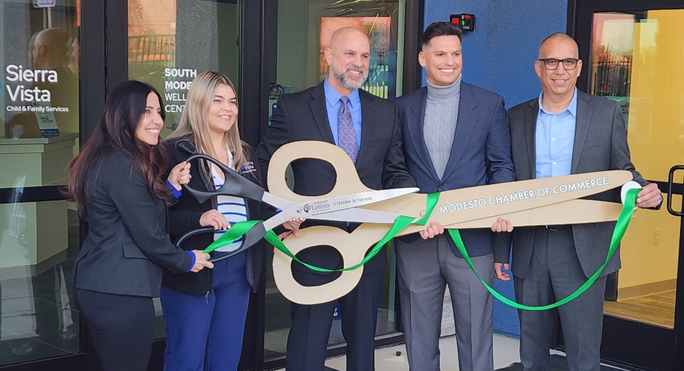
DHCS tau muab nyiaj ntau dua $4.6 lab rau Sierra Vista Child & Family Services los ntawm Behavioral Health Continuum Infrastructure Program (BHCIP), uas ua haujlwm los xyuas kom meej tias muaj kev kho mob zoo rau cov neeg uas tsis muaj zog tshaj plaws hauv California. Lub chaw no yuav pab tau 4,800 tus neeg txhua xyoo. Nrog rau cov ntawv cog lus Proposition 1 uas tau pom zoo, xyoo 2025 thiab 2026, yuav muaj ntau qhov chaw kho mob kev noj qab haus huv ntxiv uas yuav tau txais nyiaj txiag thiab tsim kho.
"Lub Chaw Tiv Thaiv Kev Noj Qab Haus Huv thiab Cov Hluas hauv Zej Zog yog ib feem tseem ceeb ntawm California txoj kev siv zog los coj kev kho mob zoo thiab kev kho mob tag nrho rau cov zej zog nyob deb nroog thiab cov zej zog uas tsis tau txais kev pab txaus," Tus Thawj Coj DHCS Michelle Baass hais. Qhov kev qhib lub chaw no yog qhov kev hloov pauv loj rau cov neeg uas tab tom nrhiav kev pabcuam kev noj qab haus huv zoo thiab muaj txiaj ntsig hauv Stanislaus County.
"Nws yog peb lub hom phiaj los txhawb kom tsev neeg thiab cov zej zog muaj zog," Andrew Timbie, Tus Thawj Coj ntawm Sierra Vista Child & Family Services tau hais. Peb ntseeg tias peb cov tswv yim tseem ceeb los ua kom tiav lub hom phiaj ntawd tau ua tiav zoo hauv kev nqis peev thiab kev txhim kho ntxiv ntawm peb Lub Chaw Tiv Thaiv Kev Noj Qab Haus Huv Hauv Zej Zog thiab Cov Hluas hauv plawv nroog Stanislaus County, uas yog ib cheeb tsam uas muaj kev phom sij thiab muaj teeb meem.
SIERRA VISTA KEV PAB CUAM RAU MENYUAM & TSEV NEEG: Sierra Vista Child & Family Services muaj ntau yam kev pabcuam, suav nrog Kev Tswj Xyuas Kev Saib Xyuas Zoo, kev cob qhia, cov kev pabcuam kho mob luv luv rau cov tub ntxhais hluas uas raug saib xyuas, thiab cov kev pabcuam kho mob siv tshuaj yeeb tsis zoo thaum cev xeeb tub.
Lub Chaw Tiv Thaiv Kev Noj Qab Haus Huv thiab Cov Hluas hauv Zej Zog tshiab tau tsim los ntawm kev siv cov nyiaj BHCIP los tsim kev hloov pauv mus tas li hauv lub neej ntawm cov menyuam yaus, tsev neeg, thiab tag nrho lub zej zog Stanislaus. Lub chaw no pab cov menyuam yaus thiab cov hluas hnub nyoog qis dua 25 xyoo los ntawm cov pej xeem uas tsis tau txais kev pab txaus, thiab cov neeg uas muaj kev pheej hmoo, suav nrog cov neeg uas koom nrog hauv lub tsev hais plaub rau cov menyuam yaus uas muaj kev ua txhaum cai tsawg, thiab lawv tsev neeg. Cov kev pabcuam suav nrog kev ntsuam xyuas raws li lub zog, cov kev pabcuam tswj xyuas cov ntaub ntawv kom tiav, kev sib txuas mus rau cov peev txheej hauv zej zog, kev kawm txog tsev neeg thiab cov neeg saib xyuas thiab kev txhawb nqa kev noj qab haus huv, kev tshuaj xyuas kev noj qab haus huv ntawm lub hlwb, thiab cov kev pabcuam cev xeeb tub thiab tom qab yug menyuam.
VIM LI CAS BHCIP TSEEM CEEB: Los ntawm BHCIP, DHCS muab nyiaj pab rau cov chaw tsim nyog los tsim, yuav, thiab nthuav cov vaj tse thiab nqis peev rau hauv cov chaw pabcuam thaum muaj xwm txheej ceev kom nthuav dav ntau yam kev xaiv kho mob hauv zej zog rau cov neeg uas muaj kev noj qab haus huv ntawm lub hlwb thiab kev siv tshuaj yeeb dej cawv. BHCIP tab tom daws cov teeb meem uas muaj keeb kwm tsis zoo hauv lub cev kho mob kom tau raws li qhov xav tau kev pabcuam thiab kev txhawb nqa uas nce ntxiv thoob plaws lub neej ntawm cov neeg uas xav tau kev pab. Sierra Vista Child & Family Services tau txais BHCIP Round 4: Nyiaj pab rau cov menyuam yaus thiab cov hluas .
DHCS has awarded $1.7 billion in BHCIP competitive grants. In addition, DHCS will distribute up to $4.4 billion in competitive Bond BHCIP funding, including $3.3 billion for Round 1: Launch Ready grants as part of Behavioral Health Transformation, DHCS’ work to implement Proposition 1. DHCS holds regular public listening sessions on this effort. Updates and recordings of the sessions are available on the Behavioral Health Transformation webpage.
Hais txog BHCIP Round 4: Cov Me Nyuam thiab Cov Hluas: BHCIP Round 4 tsom mus rau cov neeg California hnub nyoog 25 xyoo thiab qis dua, suav nrog cov poj niam cev xeeb tub thiab cov poj niam tom qab yug me nyuam thiab lawv cov menyuam thiab cov tub ntxhais hluas hnub nyoog 18-25 xyoo, nrog rau lawv tsev neeg. Los ntawm kev pab nyiaj txiag uas California's Children and Youth Behavioral Health Initiative tau ua, 52 qhov khoom plig tag nrho $480.5 lab tau tso cai rau kev tsim kho tshiab thiab nthuav dav ntawm ntau hom chaw kho mob sab nraud thiab chaw nyob, suav nrog cov kev pab cuam chaw nyob rau cov menyuam yaus thaum muaj teeb meem, cov chaw kho mob siv tshuaj yeeb thaum yug menyuam, cov chaw kho mob hauv zej zog/chaw tiv thaiv cov tub ntxhais hluas, thiab kev kho mob sab nraud rau cov teeb meem siv tshuaj yeeb. Thov mus saib lub vev xaib BHCIP kom paub ntxiv txog cov neeg tau txais nyiaj pab thiab cov ntaub ntawv ntxiv txog txhua qhov kev pab nyiaj txiag ntawm BHCIP.
###
Office of Communications
(916) 440-7660
DHCSPress@dhcs.ca.gov
Txoj Haujlwm Ntxiv Kaum Ib Lub Sijhawm Tshiab Cov Neeg Ua Haujlwm Zoo rau Cov Neeg Tos lossis Tawm Kev Kho Mob
SACRAMENTO — On January 29, 2025, the Department of Health Care Services (DHCS) attended Placer County’s opening of a new 16-bed adult peer respite that provides a safe, supportive, and home-like environment for adults awaiting placement in residential treatment programs or exiting such programs to a lower level of care. The facility, dubbed “The Harbor,” will begin welcoming clients on February 3 through a referral-based system managed by Placer County’s substance use team.
DHCS awarded Placer County nearly $400,000 through the Behavioral Health Continuum Infrastructure Program (BHCIP), which is part of California’s ongoing commitment to expand behavioral health services for all Californians. With the passage of Proposition 1, even more behavioral health treatment facilities will be funded and built in 2025 and 2026.
“Too often, restrictive inpatient settings are the only option available to people experiencing a mental health crisis,” said DHCS Director Michelle Baass. “Community-based, trauma-informed, and resilience-focused centers like The Harbor have the potential to revolutionize California’s approach to behavioral health treatment and recovery.”
THE HARBOR: The new facility will include peer respite designed to complement the Placer County Health and Human Services Drug Medi-Cal Organized Delivery System (DMC-ODS) treatment continuum by providing a structured environment for people leaving residential placements or awaiting placement. Residents will engage in self-help recovery activities while potentially also participating in outpatient care.
Services provided include ongoing needs assessment across the behavioral health and physical health spectrums, case management, crisis management, trauma-informed individual and group therapy, peer-to-peer supportive services, linkage to cultural supports and services, and other necessary referral services for a safe and efficient discharge back into the community. These services are designed to provide less costly and less intrusive care than those offered in a hospital setting.
“The Harbor will offer a compassionate, supportive environment where individuals can regain their strength, heal, and reconnect with their sense of well-being,” said Placer County Behavioral Health Director Amy Ellis. “This facility is part of Placer County’s ongoing efforts to build and expand its behavioral health infrastructure to respond to people in need.”
WHY BHCIP IS IMPORTANT: Through BHCIP, DHCS awards eligible entities funding to construct, acquire, and expand properties and invest in mobile crisis infrastructure to further expand the range of community-based behavioral health treatment options for people with co-occurring mental health treatment needs and substance use disorders. BHCIP is addressing historic gaps in the behavioral health care system to meet the growing demand for services and supports throughout the lifespan of people in need.
DHCS has awarded $1.7 billion in BHCIP competitive grants. In addition, DHCS will distribute up to $4.4 billion in competitive Bond BHCIP funding, including $3.3 billion for Round 1: Launch Ready grants as part of Behavioral Health Transformation, DHCS’ work to implement Proposition 1. DHCS holds regular public listening sessions on this effort. Updates and recordings of the sessions are available on the Behavioral Health Transformation webpage.
ABOUT BHCIP ROUND 3: LAUNCH READY: BHCIP Round 3 supported preparation activities to plan for the acquisition and expansion of behavioral health infrastructure throughout the state. The 45 awarded facilities were funded a total of $518.5 million. BHCIP applicants were required to demonstrate service expansion for Medi-Cal members and have a valid planning process to ensure projects are ready for implementation.
###
Office of Communications
(916) 440-7660
DHCSPress@dhcs.ca.gov
SACRAMENTO — Lub Tsev Haujlwm Saib Xyuas Kev Noj Qab Haus Huv (DHCS) tau muab $ 2.7 lab rau 15 lub koom haum hauv zos los ntawm California Overdose Prevention Network (COPN), uas yog lub koom haum kawm thoob plaws lub xeev uas tau hwm los tawm tsam kev sib kis ntawm kev siv tshuaj ntau dhau. Cov nyiaj pab no yuav muab kev txhawb nqa tas mus li rau cov koom haum uas txhawb nqa COPN lub hom phiaj los txhawb kev sib txuas lus hauv zej zog thiab muab kev nkag mus rau kev paub, kev cob qhia, thiab cov peev txheej los txhim kho kev coj ua thiab tsim kev hloov pauv mus tas li.
"Feem ntau, kev kho mob ntawm kev siv tshuaj opioid tsis zoo tau raug cais tawm nrog kev sib txuas tsawg ntawm cov kws kho mob thiab lwm lub koom haum, ua rau muaj qhov sib txawv hauv kev saib xyuas," Tus Thawj Coj DHCS Michelle Baass hais. Cov nyiaj pab no yuav txhawb nqa COPN txoj kev siv zog los pab sib koom tes nrog cov koom haum, cov koom haum, thiab cov tib neeg ua haujlwm nyob rau pem hauv ntej ntawm California qhov kev sib kis ntawm kev siv tshuaj ntau dhau los ua qhov tseem ceeb rau cov kev xav tau tshwj xeeb, hauv zos thiab siv cov kev daws teeb meem uas tau ua pov thawj tias cawm tau txoj sia.
UA KOM TXAWV: Kaum tsib lub koom haum tau txais txiaj ntsig yuav siv cov nyiaj pab no ntawm Lub Ib Hlis 1, 2025, thiab Lub Yim Hli 30, 2027, los siv cov tswv yim uas hais txog kev tiv thaiv, kev kho mob, thiab kev rov zoo los ntawm kev siv tshuaj ntau dhau. Cov kev siv zog no suav nrog kev faib cov naloxone, kev nkag mus rau cov peev txheej cawm txoj sia, thiab kev kawm hauv zej zog, txhua yam tsom mus rau kev txo cov neeg tuag los ntawm kev siv tshuaj ntau dhau thiab txhawb kev rov zoo mus sij hawm ntev thoob plaws lub xeev.
VIM LI CAS QHOV NO TSEEM CEEB: Muaj ntau tshaj 7,000 tus neeg California tuag los ntawm kev siv tshuaj opioid ntau dhau hauv xyoo 2022. Muaj ntau tshaj 83,000 tus neeg tuag los ntawm kev siv tshuaj opioid ntau dhau txhua xyoo thoob plaws lub tebchaws, 90 feem pua ntawm cov neeg no yog fentanyl.
KEV PAB TXHAWB: "Vim yog cov nyiaj pab no, peb lub koom haum yuav txuas ntxiv muab kev kawm thiab kev paub hauv zej zog kom txo kev siv opioid thiab nce cov cib fim rau kev tiv thaiv kev siv tshuaj ntau dhau," Jenn Rhoads, Tus Neeg Saib Xyuas Kev Koom Tes rau San Luis Obispo Opioid Safety Coalition tau hais. "Peb kuj tseem yuav txhim kho kev nkag mus rau cov kws kho mob kom muaj kev kho mob thiab kev txo kev puas tsuaj thoob plaws lub nroog."
"Cov nyiaj pab no yuav txhawb nqa peb lub koom haum cov kev pib tam sim no thiab nthuav peb cov kev siv zog kom ncav cuag ntau tus pej xeem," Arthur Camargo, Coalition Coalition rau Drug Safe Solano hais. "Tshwj xeeb, cov nyiaj no yuav tso cai rau peb nthuav cov kev pabcuam txo kev phom sij, kev cob qhia thiab kev faib tawm naloxone, thiab cov xwm txheej thiab kev cob qhia hauv zej zog." Cov nyiaj txiag no kuj tseem yuav txhawb nqa peb lub koom haum txoj kev siv zog los hloov kho thiab faib cov peev txheej uas tsom mus rau cov kws kho mob kom muaj kev nyab xeeb dua ntawm kev sau tshuaj opioids thiab buprenorphine thiab siv peb cov ntaub ntawv los tawm tswv yim rau kev siv cov nyiaj pab daws teeb meem opioid hauv zos.
By strengthening connections and providing vital resources, COPN’s network and training give coalitions the tools and support they need to tackle the overdose epidemic effectively.
DAIM DUAB LOJ: Qhov project no tau txais nyiaj los ntawm State Opioid Response IV grant uas tau muab los ntawm Substance Abuse and Mental Health Services Administration. Qhov project no yog ib feem ntawm DHCS txoj kev siv zog dav dua los daws cov teeb meem kev siv tshuaj yeeb dej cawv, uas hu ua California Opioid Response Project, kom nce kev nkag mus rau MOUD, txo cov kev xav tau kev kho mob uas tsis tau txais kev pab, thiab txo cov neeg tuag uas muaj feem cuam tshuam nrog kev siv tshuaj opioid ntau dhau los ntawm kev muab kev tiv thaiv, kev kho mob, thiab kev rov zoo. Yog xav paub ntxiv, thov mus saib lub vev xaib DHCS.
Lub xeev tau tsim opioids.ca.gov, ib qho cuab yeej ib zaug rau cov neeg California nrhiav cov peev txheej rau kev tiv thaiv thiab kev kho mob, nrog rau cov ntaub ntawv hais txog California ua haujlwm li cas los tuav Big Pharma thiab cov neeg ua lag luam tshuaj hauv qhov teeb meem no.
Cov chaw tsim nyog yuav tau txais CalRx-branded over-the-counter (OTC) 4 mg naloxone tsuag qhov ntswg pub dawb los ntawm DHCS' Naloxone Distribution Project. CalRx tab tom ua haujlwm rau kev xaiv rau cov tib neeg los yuav CalRx OTC naloxone tshuaj tsuag ntswg ncaj qha.
###
Office of Communications
(916) 440-7660
DHCSPress@dhcs.ca.gov
SACRAMENTO — Lub Tsev Haujlwm Saib Xyuas Kev Noj Qab Haus Huv (DHCS) tau muab yuav luag $ 65.4 lab rau 91 lub koom haum los txhawb California Hub thiab Spoke System, uas yog ib qho qauv uas tau ua pov thawj los ua kom muaj kev nkag mus rau cov tshuaj rau kev siv tshuaj opioid (MOUD) thoob plaws lub xeev. Cov nyiaj pab no yuav txhim kho cov kev pabcuam tiv thaiv, kho mob, thiab rov zoo thoob plaws lub xeev, txhawb kev sib ntaus sib tua tiv thaiv kev kub ntxhov opioid thiab cawm txoj sia.
"Kev kov yeej tus kab mob opioid yuav tsum tau txhua feem ntawm peb lub cev kev noj qab haus huv pej xeem ua haujlwm ua ke los kho," Tus Thawj Coj DHCS Michelle Baass hais. Lub Hub thiab Spoke System txhawb zog California lub network ntawm kev tiv thaiv, kev txo kev raug mob, kev kho mob, thiab kev rov zoo los ntawm kev txhim kho cov kev pabcuam thiab cov peev txheej hauv cov zej zog thoob plaws lub xeev.
The Hub and Spoke System consists of a network of Narcotic Treatment Programs (known as Hubs) licensed to dispense methadone and other MOUDs. These Hubs are connected to other MOUD prescribers (known as Spokes), which primarily provide various formulations of buprenorphine—a medication that reduces opioid cravings and withdrawal symptoms—and ongoing opioid use disorder (OUD) and substance use disorder (SUD) care and treatment.
VIM LI CAS QHOV NO TSEEM CEEB: Muaj ntau tshaj 7,000 tus neeg California tuag los ntawm kev siv tshuaj opioid ntau dhau hauv xyoo 2022. Muaj ntau tshaj 83,000 tus neeg tuag los ntawm kev siv tshuaj opioid ntau dhau txhua xyoo thoob plaws lub tebchaws, ntau tshaj 90 feem pua ntawm cov neeg no yog fentanyl. Lub Hub thiab Spoke System ua rau muaj kev nkag mus rau cov kev pabcuam Medication-Assisted Treatment (MAT) thoob plaws lub xeev, tshwj xeeb tshaj yog nyob rau hauv cov nroog uas muaj cov neeg siv tshuaj ntau dhau. Qhov kev pab cuam no tau ua qauv raws li Vermont Hub thiab Spoke system, uas ua tiav kev nkag mus rau MAT hauv lub xeev nyob deb nroog uas tsis muaj kev kho mob ntau. Qhov project no ua rau muaj MAT ntau ntxiv rau cov neeg mob uas muaj OUD los ntawm kev nce tus naj npawb ntawm cov kws kho mob, cov neeg pab kws kho mob, thiab cov kws saib mob uas sau tshuaj buprenorphine.
Lub Hub thiab Spoke System txuas ntxiv txhim kho kev kawm, kev ncav cuag, thiab kev kho mob rau cov neeg mob uas muaj SUDs thiab OUDs, nrog rau kev tsom mus rau kev pabcuam cov pej xeem tsis muaj zog thiab nce cov kev pabcuam MOUD. Lub kaw lus no yog tsim los rau:
QHO NO TXHAIS LI CAS: Cuaj caum ib lub koom haum yuav tau txais khoom plig los muab cov kev pabcuam MOUD los siv Hub thiab Spoke System txij lub Ib Hlis 1, 2025, mus txog rau lub Cuaj Hlis 29, 2027. Cov neeg tau txais nyiaj pab suav nrog Cov Kev Pab Kho Mob Narcotic, Cov Chaw Kho Mob Uas Tau Txais Kev Pom Zoo Los Ntawm Tsoom Fwv Teb Chaws, Cov Chaw Kho Mob Hauv Zos, cov chaw kho mob hauv zej zog, cov koom haum tsis muaj txiaj ntsig, thiab cov koom haum Tribal.
KEV PAB CUAM TXOG KEV PAB CUAM: "Cov nyiaj pab no tso cai rau Venice Family Clinic muab kev txhawb nqa cawm siav rau cov neeg uas muaj SUDs, txawm tias lawv muaj kev pov hwm li cas los xij," Ariel Peterson, Tus Thawj Coj ntawm Kev Tswj Xyuas Kev Pabcuam rau Venice Family Clinic hais. Qhov no suav nrog cov tshuaj rau kev siv tshuaj opioid tsis zoo, kev sab laj, kev tswj xyuas cov neeg mob, thiab kev thauj mus rau kev tshem tawm cov tshuaj lom lossis kev saib xyuas neeg mob hauv tsev.
"Peb zoo siab tau txais cov nyiaj pab no los txhawb peb qhov kev pab cuam MAT rau OUD, ua rau peb txuas ntxiv muab kev pabcuam tseem ceeb thiab kev kho mob rau cov neeg mob Native American uas muaj kev pheej hmoo siab," Judith Surber, MAT Program Manager rau K'ima:w Medical Center hais. "Qhov kev pab cuam MAT tseem yog ib feem tseem ceeb ntawm peb lub chaw kho mob thiab lub zej zog dav dav uas peb pabcuam." Cov nyiaj pab no yuav pab txhawb peb txoj haujlwm kom loj hlob, txo qhov kev ntxub ntxaug, thiab txo qhov kev tuag los ntawm kev siv tshuaj opioid ntau dhau hauv peb lub zej zog nyob deb nroog. Los ntawm kev txhawb nqa ib puag ncig hauv tsev kho mob uas muaj kev teeb tsa zoo, peb lub hom phiaj yog txhawb kom cov neeg mob muaj peev xwm rov tsim kho lawv lub neej thiab pab txhawb nqa ua cov tswv cuab muaj txiaj ntsig ntawm lub zej zog, txhawb nqa lawv tsev neeg thiab cov zej zog.
"Nrog kev txhawb nqa nyiaj txiag ntawm Hub thiab Spoke System, peb cov kev pab cuam kho mob sab nraud, chaw nyob, thiab kev kho mob opioid muaj peev xwm muab kev ncav cuag ntau dua rau lub zej zog ntawm MOUD cawm siav thiab muab ntau tus neeg mob uas tsis muaj kev pov hwm kho mob thiab cov neeg mob uas tsis muaj kev pov hwm kho mob txaus kom muaj kev nkag mus rau MAT sib npaug," Andrea Nee, Tus Thawj Coj ntawm Kev Ntsuam Xyuas rau Clare|Matrix hais. Kev pab nyiaj txiag ntawm Hub thiab Spoke System yog ib qho tseem ceeb rau kev txhawb nqa peb cov thawj coj kho mob, cov neeg pab tswv yim, thiab cov neeg ua haujlwm saib xyuas neeg mob kom muaj peev xwm muab kev kho mob zoo tshaj plaws rau ntau tus neeg mob uas muaj OUDs thiab kev siv tshuaj stimulant. Peb yuav muaj peev xwm txhim kho kev paub thiab kev paub txog cov txiaj ntsig thiab qhov cuam tshuam ntawm MAT thiab txo qhov kev ntxub ntxaug ntxiv los ntawm kev qhia cov neeg mob thiab kev koom tes ua ke.
DAIM DUAB LOJ: Lub xeev tau tsim opioids.ca.gov, ib qho cuab yeej ib zaug rau cov neeg California nrhiav cov peev txheej rau kev tiv thaiv thiab kev kho mob nrog rau cov ntaub ntawv hais txog California ua haujlwm li cas los tuav Big Pharma thiab cov neeg ua lag luam tshuaj hauv qhov teeb meem no.
Lub Hub thiab Spoke System tau txais nyiaj los ntawm State Opioid Response IV grant, uas tau muab los ntawm Substance Abuse and Mental Health Services Administration. Qhov project no yog ib feem ntawm DHCS txoj kev siv zog dav dua los daws cov teeb meem SUDs, hu ua California Opioid Response, kom nce kev nkag mus rau MOUDs, txo cov kev xav tau kev kho mob tsis tau txais kev pab, thiab txo cov neeg tuag uas cuam tshuam nrog kev siv tshuaj opioid ntau dhau los ntawm kev tiv thaiv, kev kho mob, thiab kev rov zoo. Yog xav paub ntxiv, thov mus saib lub vev xaib California DHCS Opioid Response Overview.
###
Office of Communications
(916) 440-7660
DHCSPress@dhcs.ca.gov
SACRAMENTO — Txhawm rau teb rau qhov hluav taws kub hauv Southern California, Lub Tsev Haujlwm Saib Xyuas Kev Noj Qab Haus Huv (DHCS) tau thov thiab tau txais kev pom zoo los ntawm tsoomfwv Biden-Harris los ntawm ntau kaum ob txoj kev ywj pheej los tiv thaiv kev cuam tshuam hauv kev xa khoom kho mob kom cov tswv cuab Medi-Cal tuaj yeem txuas ntxiv tau txais kev kho mob xav tau. 1135 kev zam tso cai rau Tebchaws Meskas Lub Tsev Haujlwm Saib Xyuas Kev Noj Qab Haus Huv thiab Kev Pabcuam Tib Neeg (HHS) zam ntau yam kev cai tswjfwm kom nce kev nkag mus rau cov kev pabcuam kho mob thaum lub sijhawm muaj xwm txheej ceev hauv tebchaws. 1135 daim ntawv tso cai zam tseem siv tau thoob plaws lub sijhawm ntawm qhov xwm txheej ceev ntawm kev noj qab haus huv pej xeem uas tus qub HHS Secretary Xavier Becerra tau tshaj tawm, uas yog 90 hnub.
"DHCS tau cog lus tias yuav pab cov neeg California nrhiav kev kho mob uas lawv xav tau thaum muaj teeb meem loj heev no thiab thaum cov zej zog pib rov zoo thiab rov zoo," Tus Thawj Coj ntawm Lub Xeev Medicaid Tyler Sadwith tau hais. Cov kev zam uas peb cov neeg koom tes hauv tsoomfwv tau tso cai yuav muab kev ywj pheej rau cov kws kho mob kom daws tau cov kev xav tau tam sim ntawd ntawm cov tswv cuab Medi-Cal. Txawm yog nws yog kev ua kom muaj kev nkag mus rau cov kev pabcuam hauv tsev kho mob hauv lwm qhov chaw, muab kev ywj pheej rau cov kev pabcuam hauv tsev thiab hauv zej zog, lossis ua kom yooj yim rau kev sau npe rau cov kws kho mob, cov kev ntsuas no yog tsim los tshem tawm cov teeb meem rau kev saib xyuas thiab txhawb nqa cov neeg mob thiab cov kws kho mob pem hauv ntej thaum muaj xwm txheej ceev no thiab thoob plaws hauv txoj kev rov zoo.
Key flexibilities include:
TXOG KEV YOOJ YIM: Raws li 1135 kev zam, Lub Chaw rau Medicare & Medicaid Services (CMS) tab tom so ib ntus qee qhov kev cai ntawm Medicare, Medicaid, thiab Children's Health Insurance Program los pab cov kws kho mob thiab cov chaw kho mob teb rau qhov xwm txheej ceev lossis kev puas tsuaj. Cov kev pom zoo ntawm Cov Ntawv Ntxiv K muab kev ywj pheej ntxiv rau cov kev pab cuam hauv tsev thiab hauv zej zog. Cov kev ua no yog tsim los txo cov kev nyuaj siab ntawm kev tswj hwm thiab muab kev ywj pheej hauv kev xa khoom kho mob thaum lub sijhawm tseem ceeb
TAU TXAIS KEV PAB HNUB NO: Cov neeg California tuaj yeem mus saib CA.gov/LAfires, lub hauv paus rau cov ntaub ntawv thiab cov peev txheej los ntawm tsoomfwv xeev, hauv zos, thiab tsoomfwv tebchaws.
Covered California nyuam qhuav tshaj tawm lub sijhawm sau npe tshwj xeeb rau cov neeg nyob hauv Los Angeles thiab Ventura counties. Lub sijhawm sau npe tshwj xeeb no yuav kav mus txog rau lub Peb Hlis Ntuj hnub tim 8, 2025. Cov peev txheej muaj nyob rau hauv Los Angeles County thiab Xeev California. Ntawm 1.3 lab tus neeg California uas tsis muaj kev pov hwm kho mob uas tsim nyog tau txais kev pab nyiaj los ntawm Covered California lossis tsim nyog tau txais kev pab them nqi Medi-Cal, 356,000 tus neeg nyob hauv Southern California.
California developed resources to help guide people through disasters and provide information about the different types of federal, state, and local services available in California:
Los ntawm BenefitsCal portal, cov neeg California tuaj yeem tau txais thiab tswj cov txiaj ntsig online. Qhov no suav nrog kev pab khoom noj (CalFresh, yav tas los yog daim ntawv them nyiaj noj), kev pab nyiaj ntsuab (CalWORKs, Kev Pab Dav Dav, Kev Pab Nyiaj Ntsuab rau Cov Neeg Tsiv Teb Tsaws Chaw), thiab kev pov hwm kho mob pheej yig (Medi-Cal).
Individuals and business owners who sustained losses from the Southern California wildfires can apply for disaster assistance:
Yog koj siv cov kev pabcuam relay, xws li cov kev pabcuam video relay, cov kev pabcuam xov tooj captioned, lossis lwm yam, muab tus lej rau FEMA rau cov kev pabcuam ntawd.
KEEB KWV YAV DUAJ: Ua teb rau qhov hluav taws kub hnyiab thiab Tus Thawj Kav Xeev Gavin Newsom tau tshaj tawm Lub Xeev Xwm Ceev thiab Daim Ntawv Qhia Txog Kev Ua Haujlwm uas tau tshaj tawm rau lub Ib Hlis 7, 2025, DHCS tau siv cov kev hloov pauv tseem ceeb los tiv thaiv cov tswv cuab Medi-Cal hauv cov cheeb tsam cuam tshuam ntawm lub xeev.
DHCS tswj hwm Medi-Cal, California tus qauv ntawm Medicaid, muab kev pab them nqi kho mob rau yuav luag 15 lab tus tib neeg, suav nrog yuav luag 4 lab tus tswv cuab hauv Los Angeles County thiab ntau dua 250,000 tus tswv cuab hauv Ventura County. Yog tias cov tswv cuab ntawm Medi-Cal xav tau kev pab, lawv yuav tsum tiv tauj lawv tus kws kho mob lossis daim phiaj xwm.
###
Office of Communications
(916) 440-7660
DHCSPress@dhcs.ca.gov
SACRAMENTO — Ua teb rau qhov hluav taws kub hnyiab hauv Southern California thiab Tus Thawj Kav Xeev Gavin Newsom tau tshaj tawm Txoj Cai Xwm Ceev thiab Daim Ntawv Qhia Txog Kev Ua Haujlwm uas tau muab rau lub Ib Hlis 7, 2025, Lub Tsev Haujlwm Saib Xyuas Kev Noj Qab Haus Huv (DHCS) tau siv cov kev hloov pauv tseem ceeb los tiv thaiv cov tswv cuab Medi-Cal hauv cov cheeb tsam cuam tshuam ntawm lub xeev. Cov kev siv zog no suav nrog kev yooj yim rau kev sau npe thiab rov ua dua Medi-Cal cov txheej txheem, zam cov kev cai kom tau txais cov tshuaj thiab cov khoom siv kho mob, thiab lwm yam kev ywj pheej kom ntseeg tau tias txhua tus tswv cuab Medi-Cal muaj kev nkag mus rau kev saib xyuas thaum muaj xwm txheej ceev no.
Help for Medi-Cal members in Los Angeles County and Ventura County includes:
DHCS understands recovering from these wildfires will be challenging and has developed an online resource to help answer Medi-Cal member questions about accessing services during this emergency.
Current flexibilities for Medi-Cal managed care plans and providers include:
Tsis tas li ntawd xwb, DHCS tau xa cov ntawv thov mus rau Lub Chaw Pabcuam Medicare & Medicaid (CMS) hauv tsoomfwv kom pab cov neeg California uas tau txais kev pabcuam Medi-Cal uas raug kev cuam tshuam los ntawm cov hluav taws kub hauv Southern California. Tshooj 1135 ntawm Txoj Cai Kev Ruaj Ntseg Hauv Zej Zog muab kev ywj pheej thaum muaj xwm txheej ceev hauv tebchaws.
"Ntawm DHCS, peb cov tswv cuab yog peb qhov tseem ceeb tshaj plaws, thiab peb lub siab tawm mus rau cov tsev neeg uas raug kev cuam tshuam los ntawm cov hluav taws kub hauv Southern California," Tus Thawj Coj DHCS Michelle Baass hais. Peb tab tom ua haujlwm nrog CMS kom tau txais kev pom zoo sai sai los ntawm tsoomfwv rau kev ywj pheej los pab peb lub xeev thiab cov tswv cuab Medi-Cal daws cov teeb meem uas tshwm sim los ntawm cov hluav taws kub. Peb yuav txuas ntxiv muab cov lus qhia rau cov kws kho mob kom lawv thiaj li siv tau qhov kev ywj pheej tshiab los muab kev kho mob zoo thiab ncaj ncees rau cov tswv cuab ntawm Southern Californian Medi-Cal.
Significant additional flexibilities requested by DHCS include:
DHCS is dedicated to safeguarding the health and well-being of Medi-Cal members and communities suffering from the devastating effects of the Southern California wildfires. DHCS’ purpose extends beyond routine health care services, focusing on proactive planning, rapid response, and continuous support in the face of challenges like these wildfires.
Los ntawm kev sib koom tes nrog lub xeev, hauv zos, tsoomfwv, thiab Pab Pawg Pab Pawg, DHCS ua kom cov kev pabcuam kev noj qab haus huv tseem ceeb tseem siv tau thiab sijhawm sijhawm rau cov tib neeg cuam tshuam. DHCS siv cov kev txawj ntse ntawm nws pab pawg thiab kev hloov pauv ntawm cov kev cai xwm txheej kub ntxhov los daws cov kev xav tau tshwj xeeb ntawm Southern California cov zej zog, los ntawm kev pab txhawb kev nkag mus rau kev kho mob thiab kev coj tus cwj pwm kev noj qab haus huv kom ntseeg tau tias muaj cov tshuaj thiab cov khoom siv kho mob ntev.
BACKGROUND: On January 8, 2025, in response to the catastrophic wildfires in Southern California, President Joseph R. Biden, Jr. declared that a major disaster exists in the State of California in the areas affected by wildfires. On January 10, 2025, U.S. Department of Health & Human Services Secretary Xavier Becerra declared a public health emergency for California, granting CMS additional flexibility to address the health needs of impacted individuals. These measures were made possible through extensive preparedness planning and proactive emergency response protocols. These efforts underscore a strong state and federal partnership, ensuring uninterrupted care and services during this emergency.
DHCS administers Medi-Cal, California’s version of Medicaid, providing health coverage to nearly 15 million people, including nearly 4 million members in Los Angeles County and more than 250,000 members in Ventura County.
DHCS txhawb kom txhua tus neeg nyob hauv zej zog uas raug kev cuam tshuam ua raws li cov lus txib kom khiav tawm hauv zos, saib xyuas huab cua zoo, thiab hnav lub ntsej muag thaum nyob sab nraum zoov, yog tias xav tau. Yog tias cov tswv cuab ntawm Medi-Cal xav tau kev pab, lawv yuav tsum tiv tauj lawv tus kws kho mob lossis daim phiaj xwm.
NYEEM NTXIV: Cov peev txheej thiab cov kev hloov tshiab muaj nyob rau ntawm qhov txuas hauv qab no:
Tau txais kev pab hnub no:
###
Hu rau:
Office of Communications
(916) 440-7660
www.dhcs.ca.gov