ਕੈਲੀਫੋਰਨੀਆ ਰਾਜ ਦੀ ਅਧਿਕਾਰਤ ਵੈੱਬਸਾਈਟ
ਅਨੁਵਾਦ

SACRAMENTO — The California Department of Health Care Services (DHCS) today announced $145.5 million in awards to 153 organizations across all 58 counties to strengthen services for Medi-Cal members. Enhanced Care Management (ECM) and Community Supports are core components of California Advancing and Innovating Medi-Cal (CalAIM), DHCS’ broad transformation of Medi-Cal to create a more coordinated, person-centered, and equitable health system that works for all Californians. They offer tailored, community-based services, including in-person care coordination, housing support, and other vital resources for Medi-Cal members with complex needs. The awards are part of the Providing Access and Transforming Health (PATH) Capacity and Infrastructure, Transition, Expansion, and Development (CITED) initiative, which helps local providers grow their ability to deliver whole-person, community-based care.
ECM ਅਤੇ ਕਮਿਊਨਿਟੀ ਸਪੋਰਟਸ ਦੇ ਵਿਸਥਾਰ ਦਾ ਸਮਰਥਨ ਕਰਨ ਲਈ, DHCS ਨੇ ਆਪਣੀਆਂ PATH ਪਹਿਲਕਦਮੀਆਂ ਰਾਹੀਂ 2,200 ਤੋਂ ਵੱਧ ਸੰਗਠਨਾਂ ਨੂੰ $1.66 ਬਿਲੀਅਨ ਤੋਂ ਵੱਧ ਦੀ ਰਕਮ ਪ੍ਰਦਾਨ ਕੀਤੀ ਹੈ, ਜਿਸ ਵਿੱਚ CITED, ਸਹਿਯੋਗੀ ਯੋਜਨਾਬੰਦੀ ਅਤੇ ਲਾਗੂਕਰਨ, ਅਤੇ ਤਕਨੀਕੀ ਸਹਾਇਤਾ ਮਾਰਕੀਟਪਲੇਸ ਸ਼ਾਮਲ ਹਨ। ਇਹ ਯਤਨ ਪਹਿਲਾਂ ਹੀ 373,000 ਤੋਂ ਵੱਧ ECM ਨਾਮਾਂਕਣਕਰਤਾਵਾਂ ਤੱਕ ਪਹੁੰਚ ਚੁੱਕੇ ਹਨ, 10 ਲੱਖ ਤੋਂ ਵੱਧ ਕਮਿਊਨਿਟੀ ਸਹਾਇਤਾ ਸੇਵਾਵਾਂ ਪ੍ਰਦਾਨ ਕਰ ਚੁੱਕੇ ਹਨ, ਅਤੇ ਬੱਚਿਆਂ ਅਤੇ ਨੌਜਵਾਨਾਂ ਲਈ ਪਹੁੰਚ ਦਾ ਨਾਟਕੀ ਢੰਗ ਨਾਲ ਵਿਸਤਾਰ ਕੀਤਾ ਹੈ, ਜਿਸ ਵਿੱਚ ਸਿਰਫ਼ 2025 ਦੇ ਸ਼ੁਰੂ ਵਿੱਚ ਹੀ ਸਾਲ-ਦਰ-ਸਾਲ 120 ਪ੍ਰਤੀਸ਼ਤ ਵਾਧਾ ਹੋਇਆ ਹੈ।
“PATH CITED represents a vital investment in the future of Medi-Cal and the health of California,” said DHCS Director Michelle Baass. “By empowering local providers, many of whom serve historically under-resourced communities, we are strengthening the foundation of a more equitable, person-centered delivery system. Together, we’re creating lasting change that connects Medi-Cal members to the care and support they need to live healthier, more fulfilling lives. I’m proud of the progress we’ve made and the partnerships that made it possible.”
Recent data show that investments like these are resulting in long-term savings for California’s Medi-Cal program. Community Supports have been proven cost-effective, reducing avoidable emergency department visits, hospitalizations, and long-term care use. By investing now, DHCS is helping ensure a more sustainable, efficient, and equitable health care system for the future.
ਪਿਛਲੇ ਪੁਰਸਕਾਰ ਜੇਤੂਆਂ ਤੋਂ ਸਿੱਧੇ ਤੌਰ 'ਤੇ ਸੁਣਨ ਲਈ ਹੇਠਾਂ ਦਿੱਤੀ ਛੋਟੀ ਵੀਡੀਓ ਦੇਖੋ ਕਿ ਕਿਵੇਂ PATH CITED ਫੰਡਿੰਗ ਨੇ ਉਨ੍ਹਾਂ ਨੂੰ ਸੇਵਾਵਾਂ ਦਾ ਵਿਸਥਾਰ ਕਰਨ, ਸਟਾਫ ਨੂੰ ਨਿਯੁਕਤ ਕਰਨ ਅਤੇ ਉਨ੍ਹਾਂ ਦੇ ਭਾਈਚਾਰਿਆਂ ਨਾਲ ਮਜ਼ਬੂਤ ਸਬੰਧ ਬਣਾਉਣ ਵਿੱਚ ਮਦਦ ਕੀਤੀ ਹੈ।
WHY THIS IS IMPORTANT: ECM and Community Supports offer tailored, community-based services, including in-person care coordination, housing support, and other vital resources for Medi-Cal members with complex needs. PATH CITED is helping ECM and Community Supports providers transition, expand, and develop their capacity to provide local, coordinated care for member communities. Awardees will use funds to:
WHAT THEY’RE SAYING: “ECM and Community Supports are transforming how we care for Medi-Cal members with diverse and often intensive needs,” said Susan Philip, Deputy Director of DHCS’ Health Care Delivery Systems. “Just like in prior PATH CITED rounds, we are investing in the infrastructure and workforce that make whole-person care possible, ensuring that providers have the tools they need to deliver timely, compassionate, and coordinated care.”
“Thanks to PATH CITED support, Sanctuary Centers of Santa Barbara has turned an idea into a thriving clinic that continues to expand its reach and impact,” said Sanctuary Centers of Santa Barbara Interim CEO Stephanie R. Drake, PhD. “The Integrated Health Clinic is a model for collaborative, patient-centered care, bridging critical gaps in services and ensuring that Medi-Cal members receive the timely, high-quality, and compassionate care they deserve.”
“We did not have the staffing to follow up with people once they were housed, which led to more instability,” said Ronni Duncan, Care Management Manager at Adventist Health, a CITED awardee from previous rounds. “PATH CITED funds have allowed us to expand staffing, fill service gaps, and let case managers focus on their specific roles. Most of all, these programs have helped build community and provide hope and healing to people who may not have had access to the healing support we offer.”
“Thanks to PATH CITED funding, we are building a growing team of skilled case managers to meet our patients where they are – in homes, coffee shops, and throughout their communities to build trust and transform care,” said Jeniffer Zamora, Community Health Program Manager at Peach Tree Health, a CITED awardee from previous rounds.
“Supported by PATH CITED funding, Rady Children’s Hospital’s ECM program has expanded from San Diego County to also serve Riverside County,” said Russell Gagui, ECM Manager at Rady Children’s Hospital, a CITED Round 2 awardee. “As we grow, we remain committed to the principles that make pediatric ECM work: hiring from within the communities we serve, designing systems that support families’ real-world needs, and centering every effort around improving the lives of children with complex medical and social needs.”
“Through the CITED grants, we have been able to expand access to recuperative care and strengthen care coordination by hiring additional staff as well as updating our internal data systems, which has allowed us more time to focus on the acute needs of our clients,” said Tracy Wilson, Co-Founder and CEO of Rooted Life, a CITED Round 3 awardee. “CITED grants have been pivotal in allowing us to create robust program where we can focus on the stability and recovery of our clients.”
HOW WE GOT HERE: PATH is a five-year, $1.85 billion initiative launched in 2022, providing funds for community-based organizations, county agencies, hospitals, Tribes, and other community providers to support improved health care management and delivery through the Medi-Cal system. Recipients of PATH CITED awards are committed to serving historically under-resourced and underserved populations.
WHAT’S NEXT: Round 4 is the final PATH CITED funding round. DHCS will continue to listen to Medi-Cal members and providers to improve service delivery, making care more accessible, effective, and responsive to California’s diverse communities. This also includes utilizing the other PATH workstreams to listen intentionally and provide technical assistance, such as through the Technical Assistance Marketplace and the regional Collaborative Planning Implementation convenings. For more information about the PATH CITED initiative, visit the PATH website.
###
ਸੰਚਾਰ ਦੇ ਦਫ਼ਤਰ
(916) 440-7660
DHCSPress@dhcs.ca.gov
SACRAMENTO — California schools have long worked to meet student mental health needs, and the Department of Health Care Services (DHCS) is supporting these efforts through a new sustainable funding program that is already showing promising results.
Through the Children and Youth Behavioral Health Initiative (CYBHI) Fee Schedule program, local educational agencies (LEA), which includes California public K-12 school districts, charter schools, and county offices of education, and public institutions of higher education (IHE), including public community colleges and universities, can sign up to participate in a reimbursement pathway for mental health and substance use screenings, treatment, and case management. This creates a sustainable funding source for school-based care. This innovative multi-payer program breaks down barriers and puts students first, creating a more seamless experience for youth seeking help with mental health. More than 500 LEAs and IHEs have already signed up and are actively onboarding.
ਭਾਵੇਂ ਇਹ ਅਜੇ ਲਾਗੂ ਕਰਨ ਦੇ ਸ਼ੁਰੂਆਤੀ ਪੜਾਅ 'ਤੇ ਹੈ, ਪਰ ਦੇਸ਼ ਵਿੱਚ ਇਹ ਪਹਿਲਾ ਯਤਨ ਪਹਿਲਾਂ ਹੀ ਸਕਾਰਾਤਮਕ ਨਤੀਜੇ ਦਿਖਾ ਰਿਹਾ ਹੈ: ਸਕੂਲਾਂ ਅਤੇ ਉਨ੍ਹਾਂ ਦੇ ਭਾਈਵਾਲਾਂ ਨੂੰ 5,000 ਤੋਂ ਵੱਧ ਵਿਦਿਆਰਥੀਆਂ ਨੂੰ ਪ੍ਰਦਾਨ ਕੀਤੀਆਂ ਜਾਣ ਵਾਲੀਆਂ ਸੇਵਾਵਾਂ ਲਈ $1.8 ਮਿਲੀਅਨ ਤੋਂ ਵੱਧ ਦੀ ਨਵੀਂ ਫੰਡਿੰਗ ਪ੍ਰਾਪਤ ਹੋਈ ਹੈ। 15 ਅਕਤੂਬਰ ਤੱਕ, 55 LEA ਅਤੇ IHEs ਨੇ ਪ੍ਰੋਗਰਾਮ ਰਾਹੀਂ 26,000 ਤੋਂ ਵੱਧ ਦਾਅਵੇ ਜਮ੍ਹਾਂ ਕਰਵਾਏ ਹਨ, ਜੋ ਕਿ 32 ਮੈਡੀ-ਕੈਲ ਪ੍ਰਬੰਧਿਤ ਦੇਖਭਾਲ ਯੋਜਨਾਵਾਂ ਅਤੇ ਵਪਾਰਕ ਯੋਜਨਾਵਾਂ ਸਮੇਤ ਹੋਰ ਬੀਮਾਕਰਤਾਵਾਂ ਦੀ ਨੁਮਾਇੰਦਗੀ ਕਰਦੇ ਹਨ। ਇਹ ਨਤੀਜੇ ਭਾਗੀਦਾਰਾਂ ਦੇ ਪਹਿਲੀ ਵਾਰ ਸੇਵਾਵਾਂ ਲਈ ਬਿੱਲ ਲੈਣ ਦੇ ਯੋਗ ਬਣਨ ਤੋਂ ਬਾਅਦ ਇੱਕ ਸਾਲ ਤੋਂ ਵੱਧ ਸਮੇਂ ਵਿੱਚ ਪ੍ਰਾਪਤ ਕੀਤੀ ਮਹੱਤਵਪੂਰਨ ਪ੍ਰਗਤੀ ਨੂੰ ਦਰਸਾਉਂਦੇ ਹਨ।
“Schools are often the first place students turn to for support,” said DHCS Director Michelle Baass. “Through the CYBHI Fee Schedule program, we’re helping schools meet that need by easing financial pressures and building a sustainable foundation for student mental health services, so every student has access to care when and where they need it.”
“We were lucky enough to be the first to successfully submit a service for billing, and we actually got our first check. It was only $77, but it was a big milestone,” said Nevada Joint Union High School District Director of Pupil Services Timothy Reid. As of November 3, the district had been reimbursed more than $30,000. Since the first claim was submitted in December 2024, the average reimbursement for an LEA/IHE is nearly $50,000, and multiple LEAs are nearing being reimbursed $1 million through the program.
NEW RESOURCES AND AWARENESS CAMPAIGN: To support program implementation, DHCS launched new public-facing and provider-facing information and resources to help schools and families navigate the program:
ABOUT THE CYBHI FEE SCHEDULE PROGRAM: The program requires Medi-Cal managed care plans, Medi-Cal fee-for-service providers, commercial health insurance plans, and disability insurers to reimburse school-linked providers for behavioral health services provided to students under age 26, with no out-of-pocket costs for families. As a result, schools now have a sustainable funding source through which to hire, train, and retain staff, increasing access to behavioral health services.
WHY THIS IS IMPORTANT: Youth mental needs have risen significantly in the last decade. California falls short of the recommended ratio of one school psychologist per 500 students, largely due to cost barriers. By creating a sustainable funding mechanism for providing these services, the CYBHI Fee Schedule program addresses this gap by funding school-based services, prioritizing early intervention, and expanding opportunities for the behavioral health workforce to meet growing demand. Research has shown an association between students who access services through a school-based health center and positive school attendance, particularly for students with a mental health diagnosis, suggesting that increased mental health support through school may improve school attendance.
WHAT THEY’RE SAYING: “We’ve heard from California students across the state about the need to increase behavioral health support where they spend time – at schools. The CYBHI Fee Schedule program is answering the call,” said CYBHI Director Dr. Sohil Sud. “Through partnerships and deeper connections between schools and health plans, along with sustainable funding, schools can meet the behavioral health needs of students who need it most.”
“Together, we have made significant strides in our efforts to transform school-based behavioral health care in California. Our progress to date is a testament to the commitment and the collaborative efforts of our school-district, managed care plan and community partners,” said Autumn Boylan, Deputy Director of DHCS’ Office of Strategic Partnerships. “With the foundation we’ve built, I am confident we will continue to succeed in making a lasting impact on the lives of students across the state.”
“Through the CYBHI Fee Schedule, our school district can continue to provide comprehensive, school-based behavioral health services, including assessments, counseling, prevention, and wellness programs, all at no cost to students and families. These funds will sustain and strengthen the vital program we have built to nurture the mental and emotional well-being of our students, while extending care to their families and our broader community,” said Jesus Chavarria, Anaheim Elementary School District Superintendent.
“CYBHI’s involvement allows us to expand the services and support we can provide,” said Matthew Zavala, Mental Health Therapist at Silver Springs High School in Grass Valley. “When I started working at this school, mental health programming was very grassroots. Now, it’s more stable and secure. It really feels like mental health is part of the school system. On a smaller scale, it’s just nice to see students find a place where they feel welcome and have a positive school experience. Seeing both of those things happen simultaneously is a very rewarding part of this job.”
BIGGER PICTURE: The CYBHI Fee Schedule is part of the state’s broader effort to transform youth mental health care into a coordinated, equitable, and prevention-focused system. The CYBHI Fee Schedule program is the CYBHI’s flagship, a more than $4 billion investment to transform behavioral health services for children, youth, and families, and it is central to the Governor’s Master Plan for Kids’ Mental Health. Learn more on the CYBHI Fee Schedule webpage.
###
ਸੰਚਾਰ ਦੇ ਦਫ਼ਤਰ
(916) 440-7660
DHCSPress@dhcs.ca.gov
ਸੈਕਰਾਮੈਂਟੋ - ਸਮਾਵੇਸ਼ੀ ਨੀਤੀ ਨਿਰਮਾਣ ਵਿੱਚ ਇੱਕ ਵੱਡਾ ਕਦਮ ਚੁੱਕਦੇ ਹੋਏ, ਸਿਹਤ ਸੰਭਾਲ ਸੇਵਾਵਾਂ ਵਿਭਾਗ (DHCS) ਨੇ Medi-Cal ਵੌਇਸਿਜ਼ ਐਂਡ ਵਿਜ਼ਨ ਕੌਂਸਲ ਦੀ ਸ਼ੁਰੂਆਤ ਕੀਤੀ, ਜੋ ਕਿ ਆਪਣੀ ਕਿਸਮ ਦਾ ਪਹਿਲਾ ਸਲਾਹਕਾਰ ਸਮੂਹ ਹੈ ਜੋ Medi-Cal ਮੈਂਬਰਾਂ, ਦੇਖਭਾਲ ਕਰਨ ਵਾਲਿਆਂ, ਪ੍ਰਦਾਤਾਵਾਂ, ਭਾਈਚਾਰਾ-ਅਧਾਰਤ ਸੰਗਠਨਾਂ, ਵਕਾਲਤ ਸਮੂਹਾਂ ਅਤੇ ਕਾਉਂਟੀ ਭਾਈਵਾਲਾਂ ਨੂੰ Medi-Cal ਨੀਤੀਆਂ, ਪ੍ਰੋਗਰਾਮਾਂ ਅਤੇ ਲਾਗੂਕਰਨ ਦੇ ਭਵਿੱਖ ਨੂੰ ਆਕਾਰ ਦੇਣ ਲਈ ਇਕੱਠਾ ਕਰਦਾ ਹੈ। ਨੀਤੀ ਨਿਰਮਾਣ ਪ੍ਰਕਿਰਿਆ ਵਿੱਚ ਸਿੱਧੇ ਤੌਰ 'ਤੇ ਜੀਵਿਤ ਤਜਰਬੇ ਨੂੰ ਸ਼ਾਮਲ ਕਰਕੇ, ਕੌਂਸਲ ਇਹ ਯਕੀਨੀ ਬਣਾਉਂਦੀ ਹੈ ਕਿ ਮੈਡੀ-ਕੈਲ ਨੀਤੀਆਂ ਅਤੇ ਪ੍ਰੋਗਰਾਮ ਉਨ੍ਹਾਂ ਲੋਕਾਂ ਦੀਆਂ ਅਸਲ ਜ਼ਰੂਰਤਾਂ 'ਤੇ ਅਧਾਰਤ ਹਨ ਜਿਨ੍ਹਾਂ ਦੀ ਉਹ ਸੇਵਾ ਕਰਦੇ ਹਨ ਅਤੇ ਸਿਹਤ ਸੰਭਾਲ ਮਾਹਿਰਾਂ ਅਤੇ ਸਿਸਟਮ ਨੇਤਾਵਾਂ ਦੇ ਸਹਿਯੋਗ ਦੁਆਰਾ ਸੁਧਾਰੇ ਜਾਂਦੇ ਹਨ।
The Voices and Vision Council held its inaugural meeting alongside the established Medi-Cal Member Advisory Committee to launch a new collaborative structure that brings together lived experience and system expertise to shape Medi-Cal policy.
“The Medi-Cal Voices and Vision Council is a vital platform for ensuring that Medi-Cal members and community partners help shape how we deliver care,” said DHCS Director Michelle Baass. “We are committed to strengthening our Medi-Cal program so it is more equitable, responsive, and grounded in the voices of the people we serve. This council reflects our belief that meaningful change and innovation begin with listening and acting on what people tell us they need.”
“Medi-Cal provides the nursing care that keeps my son healthy and safe at home with our family,” said Jenny McLelland, a parent and member of the Voices and Vision Council. “The council gives me the opportunity to share my experiences as a caregiver and ensures that families like mine have a voice in making Medi-Cal better for all Californians.”
WHY THIS IS IMPORTANT: The Voices and Vision Council and the Medi-Cal Member Advisory Committee help ensure that Medi-Cal members remain at the heart of policy development and program administration. These two advisory bodies work in close partnership with DHCS leaders and policy experts to co-design equity-centered programs and policy solutions that reflect the real needs of members.
ਮੈਂਬਰਾਂ ਅਤੇ ਹਿੱਸੇਦਾਰਾਂ ਨਾਲ ਸਿੱਧੇ ਤੌਰ 'ਤੇ ਜੁੜ ਕੇ, DHCS ਉਹਨਾਂ ਲੋਕਾਂ ਲਈ ਸਭ ਤੋਂ ਮਹੱਤਵਪੂਰਨ ਚੀਜ਼ਾਂ 'ਤੇ ਕੰਮ ਕਰਨ ਲਈ ਬੁਨਿਆਦੀ ਢਾਂਚਾ ਬਣਾ ਰਿਹਾ ਹੈ ਜਿਨ੍ਹਾਂ ਦੀ ਇਹ ਸੇਵਾ ਕਰਦਾ ਹੈ। ਹਰੇਕ ਤਿਮਾਹੀ ਮੀਟਿੰਗ ਮੈਂਬਰਾਂ ਅਤੇ ਦੇਖਭਾਲ ਕਰਨ ਵਾਲਿਆਂ ਦੁਆਰਾ ਸਾਂਝੀਆਂ ਕੀਤੀਆਂ ਗਈਆਂ ਸੂਝਾਂ 'ਤੇ ਕੇਂਦਰਿਤ ਹੁੰਦੀ ਹੈ। ਇਹ ਚਰਚਾਵਾਂ DHCS ਫੀਡਬੈਕ ਨੂੰ ਠੋਸ ਸੁਧਾਰਾਂ ਵਿੱਚ ਬਦਲਣ ਵਿੱਚ ਮਦਦ ਕਰਦੀਆਂ ਹਨ, ਜਿਸ ਨਾਲ ਮੈਡੀ-ਕੈਲ ਕੈਲੀਫੋਰਨੀਆ ਭਰ ਦੇ ਭਾਈਚਾਰਿਆਂ ਦਾ ਸਮਰਥਨ ਕਿਵੇਂ ਕਰਦਾ ਹੈ, ਨੂੰ ਮਜ਼ਬੂਤੀ ਮਿਲਦੀ ਹੈ।
ਪਿਛੋਕੜ: 2023 ਵਿੱਚ, DHCS ਨੇ Medi-Cal ਮੈਂਬਰ ਸਲਾਹਕਾਰ ਕਮੇਟੀ ਦੀ ਸਥਾਪਨਾ ਕੀਤੀ, ਜੋ ਕਿ ਦੇਸ਼ ਦੇ ਪਹਿਲੇ ਰਸਮੀ ਸਲਾਹਕਾਰ ਸਮੂਹਾਂ ਵਿੱਚੋਂ ਇੱਕ ਸੀ ਜੋ ਪੂਰੀ ਤਰ੍ਹਾਂ Medi-Cal ਮੈਂਬਰਾਂ ਅਤੇ ਉਹਨਾਂ ਦਾ ਸਮਰਥਨ ਕਰਨ ਵਾਲੇ ਲੋਕਾਂ, ਜਿਵੇਂ ਕਿ ਪਰਿਵਾਰਕ ਮੈਂਬਰ ਅਤੇ ਦੇਖਭਾਲ ਕਰਨ ਵਾਲੇ, ਤੋਂ ਬਣਿਆ ਸੀ। 2024 ਵਿੱਚ, ਫੈਡਰਲ ਸੈਂਟਰਜ਼ ਫਾਰ ਮੈਡੀਕੇਅਰ ਐਂਡ ਮੈਡੀਕੇਡ ਸਰਵਿਸਿਜ਼ ਨੇ ਐਨਜ਼ੂਰਿੰਗ ਐਕਸੈਸ ਟੂ ਮੈਡੀਕੇਡ ਸਰਵਿਸਿਜ਼ ਰੂਲ ਜਾਰੀ ਕੀਤਾ, ਜਿਸਦੇ ਤਹਿਤ ਸਾਰੇ ਰਾਜਾਂ ਨੂੰ ਦੋ ਸਲਾਹਕਾਰ ਸੰਸਥਾਵਾਂ ਬਣਾਉਣ ਦੀ ਲੋੜ ਹੁੰਦੀ ਹੈ: ਮੈਂਬਰਾਂ ਅਤੇ ਦੇਖਭਾਲ ਕਰਨ ਵਾਲਿਆਂ ਦੀ ਬਣੀ ਇੱਕ ਲਾਭਪਾਤਰੀ ਸਲਾਹਕਾਰ ਕੌਂਸਲ, ਅਤੇ ਇੱਕ ਮੈਡੀਕੇਡ ਸਲਾਹਕਾਰ ਕਮੇਟੀ ਜਿਸ ਵਿੱਚ ਪ੍ਰਦਾਤਾ ਸ਼ਾਮਲ ਹੁੰਦੇ ਹਨ ਅਤੇ ਜੁਲਾਈ 10, 2027 ਤੱਕ ਲਾਭਪਾਤਰੀ ਸਲਾਹਕਾਰ ਕੌਂਸਲ ਤੋਂ ਆਪਣੀ ਮੈਂਬਰਸ਼ਿਪ ਦਾ ਘੱਟੋ-ਘੱਟ 25 ਪ੍ਰਤੀਸ਼ਤ ਪ੍ਰਾਪਤ ਕਰਦੇ ਹਨ।
To meet this requirement, California designated its existing Medi-Cal Member Advisory Committee as the state’s Beneficiary Advisory Council and created the Medi-Cal Voices and Vision Council as its Medicaid Advisory Committee. Together, these groups are designed to create a continuous feedback loop: The Medi-Cal Member Advisory Committee will meet first each quarter to surface themes and priorities from members and caregivers, which will then inform the Voices and Vision Council’s policy and operational discussions. Potential topics include access to care, service delivery, communication, and other issues that influence how Medi-Cal works for the people it serves.
WHAT’S NEXT: The first public meeting of the Medi-Cal Voices and Vision Council will be held on March 18, 2026. Meeting schedules, agendas, minutes, and membership lists for both groups will be publicly available. For more information, including how to register for the first public meeting, please visit the Voices and Vision Council webpage.
ABOUT THE VOICES AND VISION COUNCIL MEMBERS: The Voices and Vision Council is made up of 16 Medi-Cal members and leaders from across California who bring experience from advocacy groups, community-based organizations, health centers, county health and social services departments, managed care plans, and health plan associations.
###
ਸੰਚਾਰ ਦੇ ਦਫ਼ਤਰ
(916) 440-7660
DHCSPress@dhcs.ca.gov
ਮੈਡੀ-ਮੈਡੀ ਪਲਾਨ ਉਹਨਾਂ ਲੋਕਾਂ ਲਈ ਵਿਸ਼ੇਸ਼ ਸਿਹਤ ਯੋਜਨਾਵਾਂ ਹਨ ਜਿਨ੍ਹਾਂ ਕੋਲ ਮੈਡੀਕੇਅਰ ਅਤੇ ਮੈਡੀ-ਕੈਲ ਦੋਵੇਂ ਹਨ।
SACRAMENTO — As Medicare open enrollment begins on October 15, the Department of Health Care Services (DHCS) is expanding access to Medi-Medi Plans––integrated health plans for people who have both Medicare and Medi-Cal—to 29 additional counties. This expansion brings the total to 41 counties that offer Medi-Medi Plans, nearly quadrupling access to these plans. This means Californians who are eligible for both Medicare and Medi-Cal will have the option to enroll in a Medi-Medi Plan to receive additional support to help manage chronic conditions, disabilities, or long-term care needs. Enrollment runs from October 15 to December 7, with coverage starting on January 1, 2026.
“California is building upon the success of Medi-Medi Plans that have already made a real difference in people’s lives,” said DHCS Director Michelle Baass. “By expanding access to these plans, we’re helping more Californians with complex health needs get the care they need—more easily, more consistently, and with greater support. This is about making health care work better for the people who rely on it most.”
The 29 new counties are: Alameda, Alpine, Amador, Calaveras, Contra Costa, El Dorado, Imperial, Inyo, Kern, Marin, Mariposa, Merced, Mono, Monterey, Napa, Placer, San Benito, San Francisco, San Joaquin, San Luis Obispo, Santa Barbara, Santa Cruz, Solano, Sonoma, Stanislaus, Tuolumne, Ventura, Yolo, and Yuba.
These 29 counties will join the 12 counties where Medi-Medi Plans are currently available: Fresno, Kings, Los Angeles, Madera, Orange, Riverside, Sacramento, San Bernardino, San Diego, San Mateo, Santa Clara, and Tulare. For more details, visit the Medicare Medi-Cal Plan List webpage, Joining a Medi-Medi Plan information sheet, and the Medi-Medi Plan Expansion Fact Sheet.
WHY THIS IS IMPORTANT: For the first time, Californians who qualify for both Medicare and Medi-Cal will have access to Medi-Medi Plans in 29 additional counties. Members with both Medicare and Medi-Cal often face serious health challenges, need help with daily activities, and deal with barriers like low income or limited transportation. They typically rely on many different services, but must navigate two separate systems to get care.
“This expansion is about making health care work better for the people who need it most,” said Lauren Solis, Chief of DHCS’ Office of Medicare Innovation and Integration.
Medi-Medi Plans combine Medicare and Medi-Cal benefits into one plan and provide specialized care coordination and wraparound Medi-Cal services. This model simplifies care with one card, one care team, and integrated services across medical, behavioral health, and long-term services and supports.
Currently, about 330,000 people are enrolled in these plans across 12 counties. As a result of this expansion, an additional 461,000 Californians will now have the choice to enroll in a Medi-Medi Plan. Meanwhile, nearly a quarter of Medicare members in California – 1.7 million people – also have Medi-Cal.
ABOUT MEDI-MEDI PLANS: Medi-Medi Plans are available to individuals who have both Medicare Part A and B, are enrolled in Medi-Cal, are 21 or older, and live in a participating county. Medi-Medi Plans coordinate all services across both Medicare and Medi-Cal, including:
ਮੈਂਬਰਾਂ ਨੂੰ ਇਹਨਾਂ ਤੋਂ ਵੀ ਲਾਭ ਮਿਲਦਾ ਹੈ:
FOR MORE INFORMATION: Eligible Californians can enroll in a Medi-Medi Plan during Medicare open enrollment from October 15 to December 7. Coverage will begin January 1, 2026. For more information about Medi-Medi Plans and how to enroll, visit the Medi-Medi Plan webpage.
###
ਸੰਚਾਰ ਦੇ ਦਫ਼ਤਰ
(916) 440-7660
DHCSPress@dhcs.ca.gov
SACRAMENTO — The Department of Health Care Services (DHCS) today released new data showing continued growth and impact from Enhanced Care Management (ECM) and Community Supports as part of the state’s Medi-Cal transformation under California Advancing and Innovating Medi-Cal (CalAIM). These services help Medi-Cal members stay healthier and avoid other, costlier health care services, such as emergency department visits and hospital stays.
ਇਸ ਸਾਲ ਦੇ ਪਹਿਲੇ ਤਿੰਨ ਮਹੀਨਿਆਂ ਵਿੱਚ:
“ਮੈਡੀ-ਕੈਲ ਪਰਿਵਰਤਨ ਇਸ ਤਰ੍ਹਾਂ ਦਿਖਾਈ ਦਿੰਦਾ ਹੈ,” ਸਿਹਤ ਸੰਭਾਲ ਸੇਵਾਵਾਂ ਵਿਭਾਗ ਦੀ ਡਾਇਰੈਕਟਰ ਮਿਸ਼ੇਲ ਬਾਸ ਨੇ ਕਿਹਾ। “ਅਸੀਂ ਸਿਰਫ਼ ਸੇਵਾਵਾਂ ਦਾ ਵਿਸਤਾਰ ਨਹੀਂ ਕਰ ਰਹੇ ਹਾਂ। ਅਸੀਂ ਪਹਿਲਾਂ ਨਾਲੋਂ ਕਿਤੇ ਜ਼ਿਆਦਾ ਲੋਕਾਂ ਤੱਕ ਪਹੁੰਚ ਰਹੇ ਹਾਂ।
ECM ਗੁੰਝਲਦਾਰ ਸਿਹਤ ਅਤੇ ਸਮਾਜਿਕ ਜ਼ਰੂਰਤਾਂ ਵਾਲੇ ਲੋਕਾਂ ਦੀ ਮਦਦ ਕਰਦਾ ਹੈ, ਜਿਨ੍ਹਾਂ ਵਿੱਚ ਬੇਘਰ ਹੋਣਾ, ਗੰਭੀਰ ਮਾਨਸਿਕ ਬਿਮਾਰੀ, ਜਾਂ ਵਾਰ-ਵਾਰ ਹਸਪਤਾਲ ਜਾਣਾ ਸ਼ਾਮਲ ਹੈ, ਉਹਨਾਂ ਨੂੰ ਲੋੜੀਂਦੀ ਦੇਖਭਾਲ ਪ੍ਰਾਪਤ ਕਰਨ ਵਿੱਚ ਮਦਦ ਕਰਦਾ ਹੈ, ਭਾਵੇਂ ਉਹ ਕਿਤੇ ਵੀ ਹੋਣ। ਇੱਕ ਲੀਡ ਕੇਅਰ ਮੈਨੇਜਰ ਦੇਖਭਾਲ ਦੇ ਸਾਰੇ ਪਹਿਲੂਆਂ ਦਾ ਤਾਲਮੇਲ ਬਣਾਉਣ ਵਿੱਚ ਮਦਦ ਕਰਦਾ ਹੈ, ਡਾਕਟਰਾਂ ਦੇ ਦੌਰੇ ਅਤੇ ਮਾਨਸਿਕ ਸਿਹਤ ਸੇਵਾਵਾਂ ਤੋਂ ਲੈ ਕੇ ਰਿਹਾਇਸ਼ ਅਤੇ ਪੋਸ਼ਣ ਸਹਾਇਤਾ ਤੱਕ। ਜਨਵਰੀ 2022 ਵਿੱਚ ਲਾਂਚ ਹੋਣ ਤੋਂ ਬਾਅਦ, ECM ਨੇ 372,000 ਤੋਂ ਵੱਧ Medi-Cal ਮੈਂਬਰਾਂ ਨੂੰ ਉੱਚ-ਛੋਹ, ਵਿਅਕਤੀ-ਕੇਂਦ੍ਰਿਤ ਦੇਖਭਾਲ ਨਾਲ ਜੋੜਿਆ ਹੈ।
Community Supports are also growing rapidly. These services offer cost-effective, community-based alternatives to traditional medical care, addressing housing, nutrition, and other social drivers of health. As of early 2025:
ਸਟੇਟ ਮੈਡੀਕੇਡ ਡਾਇਰੈਕਟਰ ਟਾਈਲਰ ਸੈਡਵਿਥ ਨੇ ਕਿਹਾ, "ਹਰ ਸੰਖਿਆ ਦੇ ਪਿੱਛੇ ਇੱਕ ਕਹਾਣੀ ਹੈ: ਇੱਕ ਮਾਪਾ ਜਿਸਨੂੰ ਸਥਿਰ ਰਿਹਾਇਸ਼ ਮਿਲੀ, ਇੱਕ ਕਿਸ਼ੋਰ ਜਿਸਨੂੰ ਮਾਨਸਿਕ ਸਿਹਤ ਦੇਖਭਾਲ ਮਿਲੀ, ਇੱਕ ਬਜ਼ੁਰਗ ਜਿਸਨੂੰ ਆਪਣੀ ਸਥਿਤੀ ਦੇ ਅਨੁਸਾਰ ਭੋਜਨ ਮਿਲਿਆ।" "ਇਸ ਤਰ੍ਹਾਂ ਅਸੀਂ ਇੱਕ ਸਿਹਤਮੰਦ ਕੈਲੀਫੋਰਨੀਆ ਬਣਾਉਂਦੇ ਹਾਂ।"
WHY THIS IS IMPORTANT: The growth in ECM and Community Supports comes as California rolls out historic policies under the Behavioral Health Services Act (BHSA), aimed at reducing homelessness and expanding behavioral health care. ECM and Community Supports are proving to be vital tools to help people navigate housing, nutrition, and health systems with dignity and support. From ECM and Community Supports to Transitional Rent and permanent housing, California is building a continuum of care that supports people across every stage of their recovery journey.
ਇਸ ਵਿਸਥਾਰ ਦਾ ਸਮਰਥਨ ਕਰਨ ਲਈ, DHCS ਨੇ ਆਪਣੀਆਂ ਪ੍ਰੋਵਾਈਡਿੰਗ ਐਕਸੈਸ ਐਂਡ ਟ੍ਰਾਂਸਫਾਰਮਿੰਗ ਹੈਲਥ (PATH) ਪਹਿਲਕਦਮੀਆਂ ਰਾਹੀਂ $1.43 ਬਿਲੀਅਨ ਤੋਂ ਵੱਧ ਦਾ ਇਨਾਮ ਦਿੱਤਾ ਹੈ, ਜਿਸ ਵਿੱਚ ਸਮਰੱਥਾ ਅਤੇ ਬੁਨਿਆਦੀ ਢਾਂਚਾ ਪਰਿਵਰਤਨ, ਵਿਸਥਾਰ ਅਤੇ ਵਿਕਾਸ (CITED), ਸਹਿਯੋਗੀ ਯੋਜਨਾਬੰਦੀ ਅਤੇ ਲਾਗੂਕਰਨ, ਅਤੇ ਤਕਨੀਕੀ ਸਹਾਇਤਾ ਮਾਰਕੀਟਪਲੇਸ ਸ਼ਾਮਲ ਹਨ। ਇਹ ਫੰਡ ਕਮਿਊਨਿਟੀ-ਅਧਾਰਤ ਸੰਗਠਨਾਂ, ਕਲੀਨਿਕਾਂ ਅਤੇ ਸਥਾਨਕ ਏਜੰਸੀਆਂ ਨੂੰ ਸਟਾਫ ਦੀ ਭਰਤੀ, ਪ੍ਰਣਾਲੀਆਂ ਨੂੰ ਅਪਗ੍ਰੇਡ ਕਰਨ, ਅਤੇ ਦੇਖਭਾਲ ਤਾਲਮੇਲ ਨੂੰ ਬਿਹਤਰ ਬਣਾ ਕੇ ECM ਅਤੇ ਕਮਿਊਨਿਟੀ ਸਹਾਇਤਾ ਪ੍ਰਦਾਨ ਕਰਨ ਦੀ ਆਪਣੀ ਸਮਰੱਥਾ ਵਧਾਉਣ ਵਿੱਚ ਮਦਦ ਕਰਦੇ ਹਨ। CITED ਫੰਡਿੰਗ ਦਾ ਅੰਤਿਮ ਦੌਰ ਮਈ 2025 ਵਿੱਚ ਬੰਦ ਹੋ ਗਿਆ, ਇਸ ਸਾਲ ਦੇ ਅੰਤ ਵਿੱਚ ਨਵੇਂ ਪੁਰਸਕਾਰ ਜੇਤੂਆਂ ਦਾ ਐਲਾਨ ਕੀਤਾ ਜਾਵੇਗਾ।
WHAT’S NEXT: DHCS will continue listening to Medi-Cal members who use ECM and Community Supports. Member feedback, gathered through surveys, focus groups, and other outreach, will help improve how these services are delivered, making them easier to access, more effective, and more responsive to different cultures and communities.
###
ਸੰਚਾਰ ਦੇ ਦਫ਼ਤਰ
(916) 440-7660
DHCSPress@dhcs.ca.gov
ਕੈਂਪਸ ਸਾਲਾਨਾ 72,000 ਵਿਅਕਤੀਆਂ ਦੀ ਸੇਵਾ ਕਰੇਗਾ
SACRAMENTO — On September 10, 2025, the Department of Health Care Services (DHCS) and San Joaquin County Behavioral Health Services Department celebrated the groundbreaking of the Be Well Campus, a new facility in French Camp that will expand access to mental health and substance use disorder treatment in the Central Valley. The campus will include 10 facility types, with 116 behavioral health treatment beds and 1,205 outpatient slots, enabling care for more than 72,000 individuals annually.
"ਇਹ ਪ੍ਰੋਜੈਕਟ ਕੈਲੀਫੋਰਨੀਆ ਦੀ ਇੱਕ ਵਿਵਹਾਰਕ ਸਿਹਤ ਪ੍ਰਣਾਲੀ ਬਣਾਉਣ ਦੀ ਵਚਨਬੱਧਤਾ ਦੀ ਇੱਕ ਸ਼ਕਤੀਸ਼ਾਲੀ ਉਦਾਹਰਣ ਨੂੰ ਦਰਸਾਉਂਦਾ ਹੈ ਜੋ ਲੋਕਾਂ ਨੂੰ ਉੱਥੇ ਮਿਲਦਾ ਹੈ ਜਿੱਥੇ ਉਹ ਹਨ," DHCS ਡਾਇਰੈਕਟਰ ਮਿਸ਼ੇਲ ਬਾਸ ਨੇ ਕਿਹਾ। "ਬੈਹੇਵੀਅਰਲ ਹੈਲਥ ਕੰਟੀਨਿਊਮ ਇਨਫਰਾਸਟ੍ਰਕਚਰ ਪ੍ਰੋਗਰਾਮ ਰਾਹੀਂ, ਅਸੀਂ ਸਥਾਨਕ ਬੁਨਿਆਦੀ ਢਾਂਚੇ ਵਿੱਚ ਨਿਵੇਸ਼ ਕਰ ਰਹੇ ਹਾਂ ਅਤੇ ਭਾਈਚਾਰਿਆਂ ਨੂੰ ਦੇਖਭਾਲ ਤੱਕ ਪਹੁੰਚ ਵਧਾਉਣ ਵਿੱਚ ਮਦਦ ਕਰ ਰਹੇ ਹਾਂ।"
This transformative project is supported by more than $149 million through the Behavioral Health Continuum Infrastructure Program (BHCIP), including Round 5: Crisis and Behavioral Health Continuum and Bond BHCIP Round 1: Launch Ready (a conditional award made possible by the Behavioral Health Infrastructure Bond Act), part of California’s voter-approved reform to expand behavioral health care and housing. This project is one of several in California that will combine earlier BHCIP rounds with bond funds to support both immediate needs and long-term infrastructure.
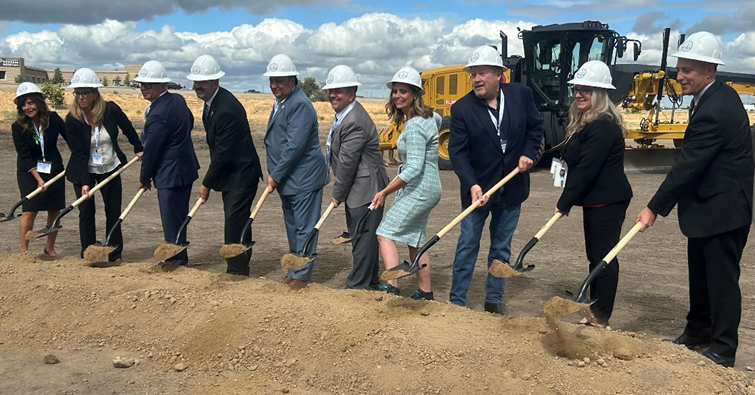
BHCIP is a key component of Mental Health for All, California’s ongoing commitment to build a stronger and more equitable behavioral health system. With the passage of Proposition 1, even more behavioral health treatment facilities will be funded and built in 2025 and 2026.
“We are pleased to see the Behavioral Health Infrastructure Bond Act in action,” said DHCS Community Services Division Chief Marlies Perez. “San Joaquin County is building a model that brings together multiple levels of care in one place, making it easier for people to get the care they need when they need it.”

INVESTING IN BEHAVIORAL HEALTH CARE CAPACITY: More than 1.2 million adults in California live with a serious mental illness, and 1 in 10 residents meet the criteria for a substance use disorder. Additionally, shortages of behavioral health treatment sites contribute to rising rates of homelessness and incarceration among people with mental health disorders.
To address this, DHCS launched BHCIP to fund the construction, acquisition, and expansion of behavioral health facilities and mobile crisis services. Since 2021, the state has awarded more than $2.2 billion through BHCIP Rounds 1–5, including $430 million in Round 5 to expand crisis care statewide. California is investing billions more through Bond BHCIP to build long-term behavioral health and housing infrastructure. In May 2025, DHCS conditionally awarded $3.3 billion through Bond BHCIP Round 1: Launch Ready to 121 projects across 42 counties, supporting 4,895 residential beds and 21,402 outpatient slots.
WHAT’S NEXT: The Be Well Campus project received a conditional award through Bond BHCIP Round 1: Launch Ready, and the next step is to finalize that funding. San Joaquin County will work with DHCS to complete a Program Funding Agreement, confirm matching funds and property ownership, and wrap up other required documentation before the award becomes final.
ਇਸ ਦੌਰਾਨ, DHCS ਬਾਂਡ BHCIP ਰਾਊਂਡ 2: ਅਨਮੈਟ ਨੀਡਸ ਰਾਹੀਂ $800 ਮਿਲੀਅਨ ਤੋਂ ਵੱਧ ਦਾ ਇਨਾਮ ਦੇਣ ਦੀ ਤਿਆਰੀ ਕਰ ਰਿਹਾ ਹੈ। ਇਹ ਦੌਰ ਰਾਜ ਭਰ ਵਿੱਚ ਯੋਗ ਬਿਨੈਕਾਰਾਂ ਲਈ ਖੁੱਲ੍ਹਾ ਹੈ, ਅਰਜ਼ੀਆਂ ਅਕਤੂਬਰ 28, 2025 ਨੂੰ ਦੇਣੀਆਂ ਹਨ, ਅਤੇ ਇਨਾਮ ਬਸੰਤ 2026 ਵਿੱਚ ਮਿਲਣ ਦੀ ਉਮੀਦ ਹੈ।
###
ਸੰਚਾਰ ਦੇ ਦਫ਼ਤਰ
(916) 440-7660
DHCSPress@dhcs.ca.gov
ਗ੍ਰਾਂਟਾਂ ਭਾਈਚਾਰਕ ਭਾਈਵਾਲੀ ਬਣਾਉਣਗੀਆਂ ਅਤੇ ਇਲਾਜ ਤੱਕ ਪਹੁੰਚ ਵਧਾਉਣਗੀਆਂ।
SACRAMENTO — The Department of Health Care Services (DHCS) has awarded $26 million to more than 70 organizations to combat the opioid crisis in California. These grants are designed to expand access to treatment, strengthen community partnerships, and save lives. The grants represent a critical part of the State’s Opioid Response (SOR) initiative.
“Addressing the opioid crisis requires a comprehensive, compassionate, and community-driven approach. That’s why DHCS is pleased to partner with so many organizations to offer access to this life-changing care,” said DHCS Director Michelle Baass. “We must expand access to treatment, invest in prevention, and dismantle the stigma surrounding addiction. Lives are at stake, and we are committed to doing everything we can to support recovery.”
ਕਬਾਇਲੀ ਭਾਈਚਾਰਿਆਂ ਵਿੱਚ ਪੂਰੀਆਂ ਨਾ ਹੋਣ ਵਾਲੀਆਂ ਜ਼ਰੂਰਤਾਂ ਅਤੇ ਓਪੀਓਇਡ ਨਾਲ ਸਬੰਧਤ ਓਵਰਡੋਜ਼ ਨੂੰ ਘਟਾਉਣਾ: DHCS ਨੇ SOR IV ਕਬਾਇਲੀ ਸਥਾਨਕ ਓਪੀਓਇਡ ਕੋਲੀਸ਼ਨ (TLOC) ਪ੍ਰੋਗਰਾਮ ਨੂੰ ਲਾਗੂ ਕਰਨ ਲਈ 12 ਸੰਗਠਨਾਂ ਨੂੰ $2.1 ਮਿਲੀਅਨ ਦਿੱਤੇ। TLOC ਇਲਾਜ ਤੱਕ ਪਹੁੰਚ ਵਧਾ ਕੇ, ਸੱਭਿਆਚਾਰਕ ਤੌਰ 'ਤੇ ਜੜ੍ਹਾਂ ਵਾਲੇ ਰਿਕਵਰੀ ਸੇਵਾਵਾਂ ਪ੍ਰਦਾਨ ਕਰਕੇ, ਅਤੇ ਰੋਕਥਾਮ ਅਤੇ ਦੇਖਭਾਲ ਰਾਹੀਂ ਓਵਰਡੋਜ਼ ਨਾਲ ਸਬੰਧਤ ਮੌਤਾਂ ਨੂੰ ਘਟਾ ਕੇ ਆਦਿਵਾਸੀ ਅਤੇ ਸ਼ਹਿਰੀ ਭਾਰਤੀ ਭਾਈਚਾਰਿਆਂ ਦਾ ਸਮਰਥਨ ਕਰਦਾ ਹੈ। ਇਹ ਪ੍ਰੋਗਰਾਮ ਕਮਿਊਨਿਟੀ ਮੈਂਬਰਾਂ, ਹਿੱਸੇਦਾਰਾਂ ਅਤੇ ਸੇਵਾ ਪ੍ਰਦਾਤਾਵਾਂ ਵਿਚਕਾਰ ਭਾਈਵਾਲੀ ਬਣਾ ਕੇ ਓਪੀਔਡ ਅਤੇ ਉਤੇਜਕ ਵਰਤੋਂ ਵਿਕਾਰ ਲਈ ਰਿਕਵਰੀ ਯਤਨਾਂ ਨੂੰ ਮਜ਼ਬੂਤ ਕਰਦਾ ਹੈ।
“DHCS is pleased to support Tribal communities with resources that reflect their unique needs and strengths. The TLOC program empowers local partnerships to expand treatment, prevent substance use, and promote culturally grounded healing,” said Baass.
EXPANDING ACCESS TO MEDICATIONS FOR ADDICTION TREATMENT: DHCS also awarded nearly $3 million to four DHCS-licensed Narcotic Treatment Programs (NTP) to create satellite facilities, called medication units, that provide access to addiction treatment. These medication units will serve people who otherwise struggle to access care, including people in rural areas, justice-involved communities, and people without reliable transportation, and support care integration.
“Geographically isolated communities often face compounded challenges to accessing care, including transportation barriers and systemic inequities. Establishing medication units addresses these gaps by improving access, enhancing retention, and advancing health equity in the areas that need it most,” said Sarah Khawaja-Laljiani, Senior Director of Grants and Patient Services of Pinnacle Treatment Center, a recipient of funding to expand access to Medications for Addiction Treatment (MAT).
“This funding opportunity aligns with our commitment to expanding access to evidence-based treatment in underserved communities, said Evelyn Sosa, Senior Vice President of BayMark Health Services. “This support will help us meet patients where they are, removing barriers to care and improving outcomes for people most at risk of overdose.”
MAT ਤੱਕ ਪਹੁੰਚ ਦਾ ਵਿਸਤਾਰ: ਇਸ ਤੋਂ ਇਲਾਵਾ, DHCS ਨੇ 59 DHCS-ਲਾਇਸੰਸਸ਼ੁਦਾ ਰਿਹਾਇਸ਼ੀ ਪਦਾਰਥ ਵਰਤੋਂ ਵਿਕਾਰ ਇਲਾਜ ਪ੍ਰੋਗਰਾਮਾਂ ਨੂੰ $21 ਮਿਲੀਅਨ ਤੋਂ ਵੱਧ ਦੇ ਫੰਡ ਦਿੱਤੇ ਹਨ ਤਾਂ ਜੋ ਓਪੀਔਡ ਵਰਤੋਂ ਵਿਕਾਰ ਵਾਲੇ ਵਿਅਕਤੀਆਂ ਲਈ ਮੌਕੇ 'ਤੇ ਸਬੂਤ-ਅਧਾਰਤ MAT ਸੇਵਾਵਾਂ ਸ਼ੁਰੂ ਕੀਤੀਆਂ ਜਾ ਸਕਣ ਜਾਂ ਉਹਨਾਂ ਦਾ ਵਿਸਤਾਰ ਕੀਤਾ ਜਾ ਸਕੇ।
“As the opioid and fentanyl crisis continues to devastate lives across the country, expanding access to MAT services in residential programs is not only a clinical necessity, but a moral imperative,” said Dr. BJ Davis, Executive Director, Gateway House for Women and Sacramento Recovery House for Men. “This funding allows us to meet people where they are with the full continuum of evidence-based care.”
"ਸਾਡੇ ਗਾਹਕਾਂ ਨੂੰ ਇੱਛਾਵਾਂ ਦਾ ਪ੍ਰਬੰਧਨ ਕਰਨ ਅਤੇ ਰਿਕਵਰੀ ਅਤੇ ਸਥਿਰਤਾ ਵੱਲ ਆਪਣੀ ਯਾਤਰਾ ਸ਼ੁਰੂ ਕਰਨ ਲਈ MAT ਤੱਕ ਸਮੇਂ ਸਿਰ ਪਹੁੰਚ ਦੀ ਲੋੜ ਹੁੰਦੀ ਹੈ," ਦ ਕਰਾਸਰੋਡਜ਼ ਫਾਊਂਡੇਸ਼ਨ ਦੇ ਕਾਰਜਕਾਰੀ ਨਿਰਦੇਸ਼ਕ, ਲਿੰਡਸੇ ਪੁਰਡੀ, MBA ਨੇ ਕਿਹਾ। “DHCS ਨਾਲ ਸਾਡੀ ਭਾਈਵਾਲੀ ਰਾਹੀਂ, ਸਾਨੂੰ ਆਪਣੀਆਂ ਸੇਵਾਵਾਂ ਦਾ ਵਿਸਤਾਰ ਕਰਨ ਅਤੇ ਉਹਨਾਂ ਲੋਕਾਂ ਦੀਆਂ ਜ਼ਰੂਰਤਾਂ ਨੂੰ ਬਿਹਤਰ ਢੰਗ ਨਾਲ ਪੂਰਾ ਕਰਨ ਦਾ ਮੌਕਾ ਦਿੱਤਾ ਗਿਆ ਹੈ ਜਿਨ੍ਹਾਂ ਦਾ ਅਸੀਂ ਸਮਰਥਨ ਕਰਦੇ ਹਾਂ। ਅਸੀਂ ਇਸ ਫੰਡਿੰਗ ਅਤੇ ਚੱਲ ਰਹੇ ਸਹਿਯੋਗ ਲਈ ਤਹਿ ਦਿਲੋਂ ਧੰਨਵਾਦੀ ਹਾਂ। ”
ਇਹ ਕਿਉਂ ਮਹੱਤਵਪੂਰਨ ਹੈ: 2023 ਵਿੱਚ, ਨਸ਼ੀਲੇ ਪਦਾਰਥਾਂ ਦੀ ਓਵਰਡੋਜ਼ ਨਾਲ ਸਬੰਧਤ 11,359 ਮੌਤਾਂ ਹੋਈਆਂ। ਇਹਨਾਂ ਵਿੱਚੋਂ, 8,000 ਓਪੀਔਡ ਨਾਲ ਸਬੰਧਤ ਸਨ, ਜਿਨ੍ਹਾਂ ਵਿੱਚੋਂ 7,000 ਖਾਸ ਤੌਰ 'ਤੇ ਫੈਂਟਾਨਿਲ ਨਾਲ ਸਬੰਧਤ ਸਨ। ਜਦੋਂ ਕਿ ਕੈਲੀਫੋਰਨੀਆ ਦੇ ਇੱਕ ਮਹੱਤਵਪੂਰਨ ਹਿੱਸੇ ਪਦਾਰਥਾਂ ਦੀ ਵਰਤੋਂ ਸੰਬੰਧੀ ਵਿਗਾੜ ਦੇ ਮਾਪਦੰਡਾਂ ਨੂੰ ਪੂਰਾ ਕਰਦੇ ਹਨ, ਸਿਰਫ ਇੱਕ ਛੋਟਾ ਜਿਹਾ ਪ੍ਰਤੀਸ਼ਤ ਹੀ ਇਲਾਜ ਪ੍ਰਾਪਤ ਕਰਦਾ ਹੈ, ਅਕਸਰ ਪੇਂਡੂ ਖੇਤਰਾਂ ਵਿੱਚ MAT ਅਤੇ ਨੈਲੋਕਸੋਨ ਵਰਗੀਆਂ ਸੇਵਾਵਾਂ ਤੱਕ ਸੀਮਤ ਪਹੁੰਚ ਦੇ ਕਾਰਨ।
BIGGER PICTURE: These grants are part of DHCS’ Opioid Response, a key element of Governor Newsom’s Master Plan for Tackling the Fentanyl and Opioid Crisis. For more information about opioids and how you can protect yourself and loved ones, visit Opioids.ca.gov, a one-stop shop for Californians seeking resources around prevention and treatment.
###
ਸੰਚਾਰ ਦੇ ਦਫ਼ਤਰ
(916) 440-7660
DHCSPress@dhcs.ca.gov
ਸੈਕਰਾਮੈਂਟੋ — ਸਿਹਤ ਸੰਭਾਲ ਸੇਵਾਵਾਂ ਵਿਭਾਗ (DHCS) ਨੇ ਅੱਜ ਨਵਾਂ ਡੇਟਾ ਸਾਂਝਾ ਕੀਤਾ ਹੈ ਜੋ ਦਰਸਾਉਂਦਾ ਹੈ ਕਿ ਕਿਵੇਂ ਕੈਲੀਫੋਰਨੀਆ ਐਡਵਾਂਸਿੰਗ ਐਂਡ ਇਨੋਵੇਟਿੰਗ ਮੈਡੀ-ਕੈਲ (CalAIM) ਦੇ ਅਧੀਨ ਰਾਜ ਦੇ ਮੈਡੀ-ਕੈਲ ਪਰਿਵਰਤਨ ਦੇ ਹਿੱਸੇ ਵਜੋਂ ਇਨਹਾਂਸਡ ਕੇਅਰ ਮੈਨੇਜਮੈਂਟ (ECM) ਅਤੇ ਕਮਿਊਨਿਟੀ ਸਪੋਰਟ ਵਧ ਰਹੇ ਹਨ ਅਤੇ ਹੋਰ ਲੋਕਾਂ ਦੀ ਮਦਦ ਕਰ ਰਹੇ ਹਨ।
“The trends reflected in the data demonstrate the real and growing impact of CalAIM in supporting the health and well-being of Medi-Cal members,” said DHCS Director Michelle Baass. “We’re seeing especially strong progress in reaching children and youth, expanding access to critical supports like housing and food, and growing the provider networks needed to deliver these services. Together, these efforts are helping more Californians live healthier, more stable lives.”
WHAT THE NUMBERS SHOW: Since ECM launched in January 2022, more than 326,000 unique Medi-Cal members have enrolled in this benefit that provides comprehensive, person-centered care coordination for members with complex needs. In the last three months of 2024 alone, more than 149,400 members received ECM services, including more than 31,000 children and youth under 21, nearly four times more than when ECM launched for these groups in July 2023.
ਕਮਿਊਨਿਟੀ ਸਪੋਰਟ ਹੋਰ ਮੈਡੀ-ਕੈਲ ਮੈਂਬਰਾਂ ਤੱਕ ਵੀ ਪਹੁੰਚ ਰਹੇ ਹਨ। 2024 ਦੇ ਅੰਤ ਤੱਕ, ਲਗਭਗ 368,400 ਮੈਂਬਰਾਂ ਨੇ ਇਹਨਾਂ ਸੇਵਾਵਾਂ ਦੀ ਵਰਤੋਂ ਕੀਤੀ ਸੀ, ਜਿਸ ਨਾਲ ਕੁੱਲ 920,000 ਤੋਂ ਵੱਧ ਸੇਵਾਵਾਂ ਪ੍ਰਦਾਨ ਕੀਤੀਆਂ ਗਈਆਂ ਸਨ। ਇਹ ਸਹਾਇਤਾ ਰਵਾਇਤੀ ਡਾਕਟਰੀ ਦੇਖਭਾਲ ਦੇ ਲਾਗਤ-ਪ੍ਰਭਾਵਸ਼ਾਲੀ, ਭਾਈਚਾਰਕ-ਅਧਾਰਤ ਵਿਕਲਪ ਪੇਸ਼ ਕਰਦੇ ਹਨ, ਸਿਹਤ ਨੂੰ ਪ੍ਰਭਾਵਤ ਕਰਨ ਵਾਲੇ ਸਮਾਜਿਕ ਕਾਰਕਾਂ ਨੂੰ ਸੰਬੋਧਿਤ ਕਰਦੇ ਹਨ। 2024 ਦੀ ਚੌਥੀ ਤਿਮਾਹੀ ਵਿੱਚ ਕਮਿਊਨਿਟੀ ਸਹਾਇਤਾ ਤੱਕ ਪਹੁੰਚ ਕਰਨ ਵਾਲਿਆਂ ਵਿੱਚੋਂ:
WHY THIS MATTERS: More Medi-Cal members with complex medical and social needs are accessing ECM and Community Supports. Key drivers of growth include:
PROVIDER NETWORKS ARE GROWING: The number of providers delivering ECM and Community Supports has grown significantly. Managed care plans now hold approximately 2,600 provider contracts for Community Supports alone, up from about 750 in early 2022. This reflects a strong commitment from community-based organizations, housing providers, and local health systems to support CalAIM’s goals.
COMMUNITY SUPPORTS ARE COST-EFFECTIVE: DHCS’ June 2025 cost-effectiveness report shows that Community Supports help reduce overall health care costs by preventing avoidable hospitalizations, emergency room visits, and long-term institutional care, while improving health outcomes.
WHAT’S NEXT: Starting January 1, 2026, Transitional Rent will become a mandatory Community Support and will be available to provide up to six months of rental assistance to members who are experiencing or at risk of homelessness, are experiencing significant behavioral health needs, and meet certain risk factors. This is another important step in making sure Medi-Cal members have the support they need to live healthy, stable lives in their communities.
DHCS will continue to center feedback from Medi-Cal members to ensure ECM and Community Supports are responsive, accessible, and equitable. By listening closely to people who are directly impacted, California aims to enhance the effectiveness of these programs and better support members’ health and well-being.
###
ਸੰਚਾਰ ਦੇ ਦਫ਼ਤਰ
(916) 440-7660
DHCSPress@dhcs.ca.gov
SACRAMENTO — The California Department of Health Care Services (DHCS) remains committed to protecting the privacy and well-being of all Medi-Cal members. Recent reports and legal developments have raised serious concerns about how federal agencies use Medicaid data, including personal information for the more than 14 million Californians covered by Medi-Cal. We want to share what we know.
ਦਸੰਬਰ 29, 2025 ਨੂੰ, ਇੱਕ ਸੰਘੀ ਅਦਾਲਤ ਨੇ ਫੈਸਲਾ ਸੁਣਾਇਆ ਕਿ ਸੈਂਟਰ ਫਾਰ ਮੈਡੀਕੇਅਰ ਐਂਡ ਮੈਡੀਕੇਡ ਸਰਵਿਸਿਜ਼ (CMS) ਇਮੀਗ੍ਰੇਸ਼ਨ ਐਂਡ ਕਸਟਮਜ਼ ਇਨਫੋਰਸਮੈਂਟ (ICE) ਨਾਲ ਸਿਰਫ਼ ਉਨ੍ਹਾਂ ਵਿਅਕਤੀਆਂ ਲਈ ਸੀਮਤ ਜਾਣਕਾਰੀ ਸਾਂਝੀ ਕਰ ਸਕਦੇ ਹਨ ਜੋ ਸੰਯੁਕਤ ਰਾਜ ਵਿੱਚ "ਕਾਨੂੰਨੀ ਤੌਰ 'ਤੇ ਰਹਿ ਰਹੇ" ਨਹੀਂ ਹਨ। ਹਾਲਾਂਕਿ, ਕੁਝ ਅਨਿਸ਼ਚਿਤਤਾ ਬਣੀ ਹੋਈ ਹੈ ਕਿਉਂਕਿ ਸੰਘੀ ਸਰਕਾਰ ਨੇ ਕੈਲੀਫੋਰਨੀਆ ਨੂੰ ਇਸ ਬਾਰੇ ਕੋਈ ਜਾਣਕਾਰੀ ਨਹੀਂ ਦਿੱਤੀ ਹੈ ਕਿ ਉਹ ਅਦਾਲਤ ਦੇ ਹੁਕਮ ਨੂੰ ਕਿਵੇਂ ਲਾਗੂ ਕਰਨ ਦੀ ਯੋਜਨਾ ਬਣਾ ਰਹੀ ਹੈ। ਅਸੀਂ ਇਸ ਪੰਨੇ ਨੂੰ ਹੋਰ ਜਾਣਕਾਰੀ ਦੇ ਨਾਲ ਅਪਡੇਟ ਕਰਾਂਗੇ ਜਿਵੇਂ ਹੀ ਇਹ ਉਪਲਬਧ ਹੋਵੇਗਾ।
Information that may be shared about people who are not “lawfully residing” in the United States includes citizenship or immigration status, address, phone number, date of birth, and Medicaid ID. CMS must exclude anyone who is “lawfully residing” in the United States. If data of individuals who are not lawfully residing in the United States cannot be separated from the data that is still protected (e.g., data of lawful permanent residents, U.S. citizen data, sensitive health records, etc.), CMS cannot share the data with ICE. These restrictions remain in place while the multistate lawsuit is ongoing.
ਸੰਘੀ ਕਾਨੂੰਨ ਦੁਆਰਾ DHCS ਨੂੰ ਟ੍ਰਾਂਸਫਾਰਮਡ ਮੈਡੀਕੇਡ ਸਟੈਟਿਸਟੀਕਲ ਇਨਫਰਮੇਸ਼ਨ ਸਿਸਟਮ (T-MSIS) ਰਾਹੀਂ CMS ਨੂੰ ਮਹੀਨਾਵਾਰ ਰਿਪੋਰਟਾਂ ਜਮ੍ਹਾਂ ਕਰਾਉਣ ਦੀ ਲੋੜ ਹੁੰਦੀ ਹੈ। ਇਹਨਾਂ ਰਿਪੋਰਟਾਂ ਵਿੱਚ ਹਰੇਕ ਮੈਡੀ-ਕੈਲ ਮੈਂਬਰ ਲਈ ਮੂਲ ਜਨਸੰਖਿਆ ਅਤੇ ਯੋਗਤਾ ਵੇਰਵੇ ਸ਼ਾਮਲ ਹੁੰਦੇ ਹਨ, ਜਿਵੇਂ ਕਿ ਨਾਮ, ਪਤਾ, ਜਨਮ ਮਿਤੀ, ਸਮਾਜਿਕ ਸੁਰੱਖਿਆ ਨੰਬਰ (ਜੇਕਰ ਦਿੱਤਾ ਗਿਆ ਹੈ) ਜਾਂ ਮੈਡੀਕੇਡ ਆਈਡੀ, ਅਤੇ ਇਮੀਗ੍ਰੇਸ਼ਨ ਸਥਿਤੀ। ਜਦੋਂ ਕਿ ਅਦਾਲਤ ਦਾ ਹੁਕਮ CMS ਨੂੰ ਖਾਸ ਸ਼ਰਤਾਂ ਅਧੀਨ ਸੀਮਤ ਡੇਟਾ ਸਾਂਝਾ ਕਰਨ ਦੀ ਇਜਾਜ਼ਤ ਦਿੰਦਾ ਹੈ, DHCS ਮੈਂਬਰ ਗੋਪਨੀਯਤਾ ਦੀ ਸੁਰੱਖਿਆ ਲਈ ਵਚਨਬੱਧ ਰਹਿੰਦਾ ਹੈ ਅਤੇ ਵਿਕਾਸ ਦੀ ਨੇੜਿਓਂ ਨਿਗਰਾਨੀ ਕਰ ਰਿਹਾ ਹੈ।
In sharing data for immigration enforcement purposes, CMS has broken a 60-year commitment to protect the health and well-being of millions of families. Make no mistake: This is a grave breach of public trust. No one should be forced to live in fear of seeing the doctor or going to the emergency room.
ਅੱਜ ਹੀ ਮੈਡੀ-ਕੈਲ ਕਵਰੇਜ ਰੱਦ ਕਰਨ ਨਾਲ ਇਮੀਗ੍ਰੇਸ਼ਨ ਇਨਫੋਰਸਮੈਂਟ ਨੂੰ ਪਹਿਲਾਂ ਹੀ ਭੇਜੀ ਗਈ ਜਾਣਕਾਰੀ ਨਹੀਂ ਮਿਟਦੀ। ਉਹਨਾਂ ਵਿਅਕਤੀਆਂ ਲਈ ਜੋ ਇਸ ਬਾਰੇ ਚਿੰਤਤ ਹਨ ਕਿ ਫੈਡਰਲ ਸਰਕਾਰ ਇਮੀਗ੍ਰੇਸ਼ਨ ਕਾਰਨਾਂ ਲਈ ਆਪਣੀ ਨਿੱਜੀ ਜਾਣਕਾਰੀ ਦੀ ਵਰਤੋਂ ਕਿਵੇਂ ਕਰ ਸਕਦੀ ਹੈ, ਕਿਰਪਾ ਕਰਕੇ ਕਿਸੇ ਯੋਗ ਵਕੀਲ ਜਾਂ ਯੋਗ ਕਾਨੂੰਨੀ ਸਹਾਇਤਾ ਗੈਰ-ਮੁਨਾਫ਼ਾ ਸੰਸਥਾ ਨਾਲ ਸਲਾਹ ਕਰੋ।
ਅਸੀਂ ਪਾਰਦਰਸ਼ਤਾ, ਗੋਪਨੀਯਤਾ, ਅਤੇ ਇਹ ਯਕੀਨੀ ਬਣਾਉਣ ਲਈ ਵਚਨਬੱਧ ਹਾਂ ਕਿ ਸਾਰੇ ਕੈਲੀਫੋਰਨੀਆ ਵਾਸੀ, ਇਮੀਗ੍ਰੇਸ਼ਨ ਸਥਿਤੀ ਦੀ ਪਰਵਾਹ ਕੀਤੇ ਬਿਨਾਂ, ਆਪਣੀ ਲੋੜੀਂਦੀ ਦੇਖਭਾਲ ਤੱਕ ਪਹੁੰਚ ਕਰਨ ਵਿੱਚ ਸੁਰੱਖਿਅਤ ਮਹਿਸੂਸ ਕਰਨ। ਅਸੀਂ ਭਾਈਚਾਰਕ ਭਾਈਵਾਲਾਂ ਨਾਲ ਜੁੜਨਾ, ਅੱਪਡੇਟ ਸਾਂਝੇ ਕਰਨਾ, ਅਤੇ ਸਾਰੇ Medi-Cal ਮੈਂਬਰਾਂ ਦੀ ਸਿਹਤ, ਤੰਦਰੁਸਤੀ ਅਤੇ ਗੋਪਨੀਯਤਾ ਦੀ ਰੱਖਿਆ ਕਰਨਾ ਜਾਰੀ ਰੱਖਾਂਗੇ।
ਅੱਪਡੇਟ ਕੀਤਾ ਗਿਆ 2 ਜਨਵਰੀ, 2026
###
ਸੰਚਾਰ ਦੇ ਦਫ਼ਤਰ
(916) 440-7660
DHCSPress@dhcs.ca.gov
ਪ੍ਰੋਜੈਕਟ ਸਾਲਾਨਾ 7,665 ਵਿਅਕਤੀਆਂ ਦੀ ਸੇਵਾ ਕਰੇਗਾ
SACRAMENTO — As California continues to strengthen its behavioral health care system, the Department of Health Care Services (DHCS) and Safe Passages today celebrated the ribbon cutting of a new Community Wellness and Youth Prevention Wellness Center in Oakland. Funded by almost $9 million through the Behavioral Health Continuum Infrastructure Program (BHCIP) Round 4: Children and Youth, the center will offer community-derived models of mental health services to a projected 7,600 individuals annually in an outpatient setting.
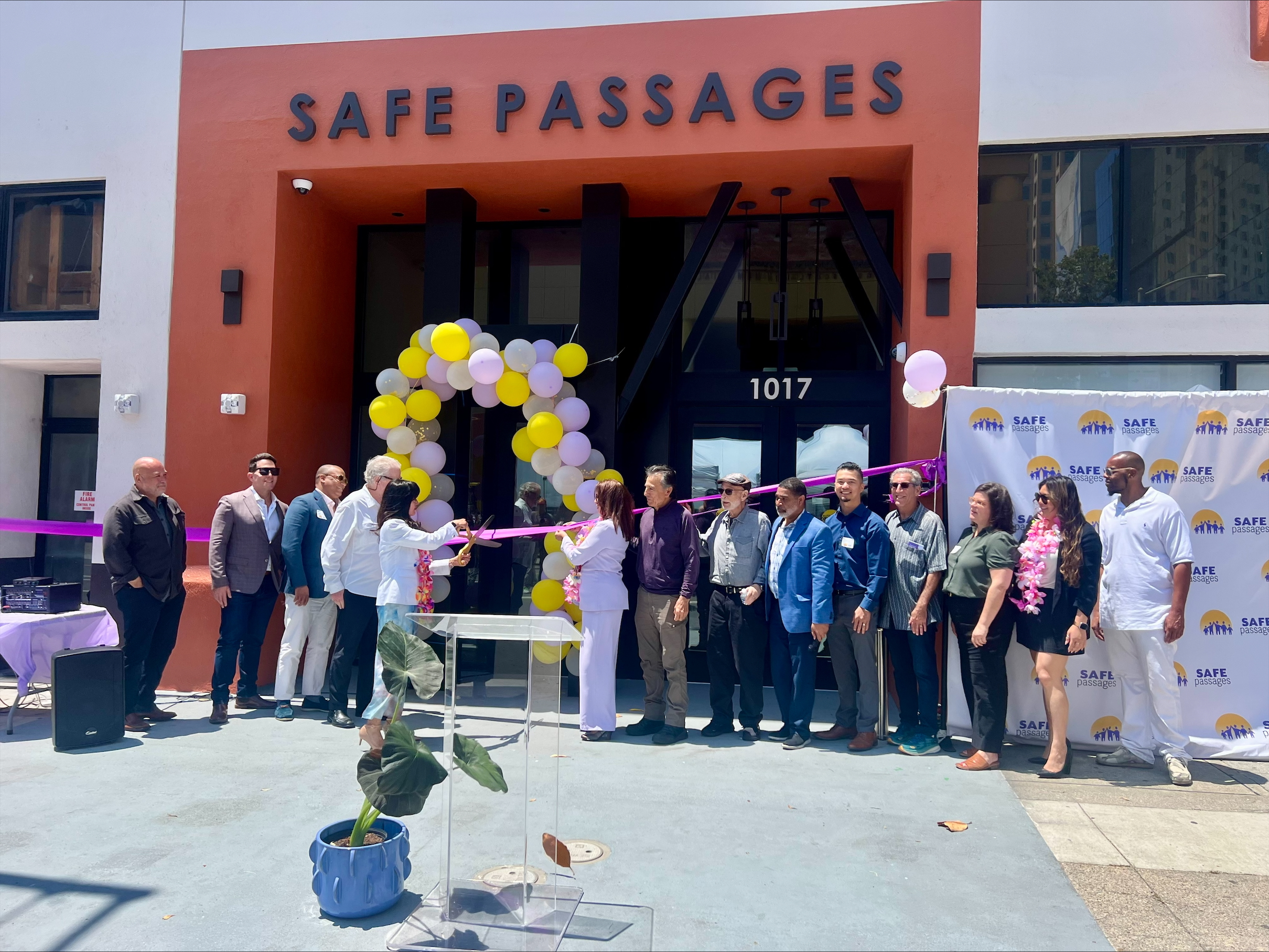
“ਸੇਫ਼ ਪੈਸੇਜ ਕਮਿਊਨਿਟੀ ਵੈਲਨੈੱਸ ਐਂਡ ਪ੍ਰੀਵੈਂਸ਼ਨ ਸੈਂਟਰ ਦਾ ਉਦਘਾਟਨ ਸਾਡੇ ਬੱਚਿਆਂ ਅਤੇ ਨੌਜਵਾਨਾਂ ਦੇ ਭਵਿੱਖ ਵਿੱਚ ਇੱਕ ਸ਼ਕਤੀਸ਼ਾਲੀ ਨਿਵੇਸ਼ ਹੈ। "ਹਰ ਬੱਚੇ ਨੂੰ ਆਪਣੀ ਪੂਰੀ ਸਮਰੱਥਾ ਤੱਕ ਪਹੁੰਚਣ ਲਈ ਲੋੜੀਂਦੇ ਸਾਧਨਾਂ ਦਾ ਅਧਿਕਾਰ ਹੈ, ਭਾਵੇਂ ਉਹ ਕਿਸੇ ਵੀ ਨਸਲ, ਸਮਾਜਿਕ-ਆਰਥਿਕ ਸਥਿਤੀ, ਜਾਂ ਅਪੰਗਤਾ ਦਾ ਸ਼ਿਕਾਰ ਹੋਵੇ," DHCS ਡਾਇਰੈਕਟਰ ਮਿਸ਼ੇਲ ਬਾਸ ਨੇ ਕਿਹਾ। “ਅਸੀਂ ਭਾਈਚਾਰੇ ਦੁਆਰਾ ਚਲਾਏ ਜਾ ਰਹੇ ਯਤਨਾਂ ਦਾ ਸਮਰਥਨ ਕਰ ਰਹੇ ਹਾਂ ਜੋ ਸੁਰੱਖਿਅਤ, ਇਲਾਜ ਵਾਲੀਆਂ ਥਾਵਾਂ ਬਣਾਉਂਦੇ ਹਨ ਜਿੱਥੇ ਨੌਜਵਾਨ ਦੇਖਭਾਲ, ਸਹਾਇਤਾ ਅਤੇ ਮੌਕਿਆਂ ਤੱਕ ਪਹੁੰਚ ਕਰ ਸਕਦੇ ਹਨ ਜਿਨ੍ਹਾਂ ਦੀ ਉਹਨਾਂ ਨੂੰ ਵਧਣ-ਫੁੱਲਣ ਲਈ ਲੋੜ ਹੈ। ਇਹ ਕੇਂਦਰ ਸ਼ੁਰੂਆਤੀ ਦਖਲਅੰਦਾਜ਼ੀ ਅਤੇ ਰੋਕਥਾਮ ਲਈ ਇੱਕ ਮਹੱਤਵਪੂਰਨ ਕੇਂਦਰ ਵਜੋਂ ਕੰਮ ਕਰੇਗਾ, ਬੱਚਿਆਂ ਅਤੇ ਪਰਿਵਾਰਾਂ ਨੂੰ ਜੀਵਨ ਭਰ ਰਹਿਣ ਵਾਲੀ ਲਚਕਤਾ ਅਤੇ ਤੰਦਰੁਸਤੀ ਬਣਾਉਣ ਵਿੱਚ ਮਦਦ ਕਰੇਗਾ।"
ਸੁਰੱਖਿਅਤ ਰਸਤੇ ਭਾਈਚਾਰਕ ਤੰਦਰੁਸਤੀ ਅਤੇ ਰੋਕਥਾਮ ਕੇਂਦਰ: ਇਹ ਕੇਂਦਰ ਅਲਾਮੇਡਾ ਕਾਉਂਟੀ ਵਿੱਚ ਜਨਮ ਤੋਂ ਲੈ ਕੇ ਜਵਾਨੀ ਤੱਕ ਬੱਚਿਆਂ ਅਤੇ ਨੌਜਵਾਨਾਂ ਲਈ ਮਾਨਸਿਕ ਸਿਹਤ ਸੇਵਾਵਾਂ ਪ੍ਰਦਾਨ ਕਰੇਗਾ, ਜਿਸਦਾ ਧਿਆਨ ਉੱਚ-ਜੋਖਮ ਵਾਲੀਆਂ ਆਬਾਦੀਆਂ 'ਤੇ ਕੇਂਦ੍ਰਿਤ ਹੋਵੇਗਾ। ਇਹ ਵਿਸਤ੍ਰਿਤ ਕੇਂਦਰ ਸ਼ੁਰੂਆਤੀ ਬਚਪਨ ਦੇ ਵਿਕਾਸ ਪ੍ਰੋਗਰਾਮ ਪੇਸ਼ ਕਰੇਗਾ ਜੋ ਸ਼ੁਰੂਆਤੀ ਬਚਪਨ ਦੇ ਮਾਨਸਿਕ ਸਿਹਤ ਪੇਸ਼ੇਵਰਾਂ ਦੁਆਰਾ ਲਾਗੂ ਕੀਤੀਆਂ ਗਈਆਂ ਮਾਵਾਂ ਦੀਆਂ ਸੇਵਾਵਾਂ ਅਤੇ ਪਾਲਣ-ਪੋਸ਼ਣ ਸਿੱਖਿਆ ਪ੍ਰਦਾਨ ਕਰਦੇ ਹਨ, ਜੋ ਕਿ ਭਾਈਚਾਰੇ ਤੋਂ ਪ੍ਰਾਪਤ, ਖੋਜ-ਅਧਾਰਤ, ਅਤੇ ਸਭ ਤੋਂ ਵਧੀਆ ਅਭਿਆਸਾਂ ਵਜੋਂ ਸਾਬਤ ਹੋਏ ਹਨ। ਇਹਨਾਂ ਪ੍ਰੋਗਰਾਮਾਂ ਵਿੱਚ ਲਾਈਫ ਕੋਚਿੰਗ ਪ੍ਰੋਗਰਾਮ, ਜਣੇਪੇ ਤੋਂ ਪਹਿਲਾਂ ਅਤੇ ਸ਼ੁਰੂਆਤੀ ਬਚਪਨ ਦੇ ਮਾਨਸਿਕ ਸਿਹਤ ਪ੍ਰੋਗਰਾਮ, ਮਾਤਾ-ਪਿਤਾ-ਬੱਚੇ ਦਾ ਮਨੋਚਿਕਿਤਸਾ, ਗਰਭਵਤੀ ਅਤੇ ਜਣੇਪੇ ਤੋਂ ਬਾਅਦ ਦੇ ਪ੍ਰੋਗਰਾਮ, ਪਾਲਣ-ਪੋਸ਼ਣ ਪ੍ਰੋਗਰਾਮ, ਪਰਿਵਰਤਨਸ਼ੀਲ ਯੁਵਾ ਵਿਕਾਸ ਪ੍ਰੋਗਰਾਮ, ਵਿਅਕਤੀਗਤ ਅਤੇ ਸਮੂਹ ਸਲਾਹ, ਅਤੇ ਕਰੀਅਰ ਖੋਜ ਸੈਸ਼ਨ ਸ਼ਾਮਲ ਹਨ।
"29 ਸਾਲਾਂ ਤੋਂ ਵੱਧ ਸਮੇਂ ਤੋਂ, ਸੇਫ਼ ਪੈਸੇਜ ਸਾਡੇ ਭਾਈਚਾਰਿਆਂ ਵਿੱਚ ਗਰੀਬੀ ਦੇ ਚੱਕਰ ਨੂੰ ਤੋੜਨ ਅਤੇ ਪਰਿਵਾਰਾਂ ਅਤੇ ਨੌਜਵਾਨਾਂ ਨੂੰ ਸਾਡੇ ਆਪਣੇ ਹੱਲਾਂ ਅਤੇ ਮਾਰਗਾਂ ਦੇ ਵਿਕਾਸ ਵਿੱਚ ਸ਼ਾਮਲ ਹੋਣ ਲਈ ਸਹਾਇਤਾ ਕਰਨ ਲਈ ਵਚਨਬੱਧ ਹੈ," ਸੇਫ਼ ਪੈਸੇਜ ਦੇ ਸੀਈਓ ਜੋਸੇਫਿਨਾ ਅਲਵਾਰਾਡੋ ਮੇਨਾ ਨੇ ਕਿਹਾ। "ਇਹ ਤੰਦਰੁਸਤੀ ਕੇਂਦਰ ਇੱਕ ਇਕੱਠ ਕਰਨ ਵਾਲੀ ਜਗ੍ਹਾ ਅਤੇ ਸੁਰੱਖਿਅਤ ਪਨਾਹਗਾਹ ਹੈ ਜਿੱਥੇ ਅਸੀਂ ਭਾਈਚਾਰਾ ਬਣਾ ਸਕਦੇ ਹਾਂ, ਸਾਂਝਾ ਕਰ ਸਕਦੇ ਹਾਂ ਅਤੇ ਇਕੱਠੇ ਵਧ ਸਕਦੇ ਹਾਂ।"
ਇਹ ਕਿਉਂ ਮਹੱਤਵਪੂਰਨ ਹੈ: ਕੈਲੀਫੋਰਨੀਆ ਦੇ 13 ਬੱਚਿਆਂ ਅਤੇ ਨੌਜਵਾਨਾਂ ਵਿੱਚੋਂ ਲਗਭਗ 1 ਗੰਭੀਰ ਭਾਵਨਾਤਮਕ ਪਰੇਸ਼ਾਨੀ ਦਾ ਅਨੁਭਵ ਕਰਦਾ ਹੈ। BHCIP ਰਾਹੀਂ, DHCS ਯੋਗ ਸੰਸਥਾਵਾਂ ਨੂੰ ਜਾਇਦਾਦਾਂ ਦੇ ਨਿਰਮਾਣ, ਪ੍ਰਾਪਤੀ ਅਤੇ ਵਿਸਤਾਰ ਕਰਨ ਅਤੇ ਮੋਬਾਈਲ ਸੰਕਟ ਬੁਨਿਆਦੀ ਢਾਂਚੇ ਵਿੱਚ ਨਿਵੇਸ਼ ਕਰਨ ਲਈ ਫੰਡ ਪ੍ਰਦਾਨ ਕਰਦਾ ਹੈ, ਜਿਸ ਨਾਲ ਭਾਈਚਾਰਿਆਂ ਨੂੰ ਵੱਧਦੀ ਮੰਗ ਨੂੰ ਪੂਰਾ ਕਰਨ ਅਤੇ ਇਤਿਹਾਸਕ ਸੇਵਾ ਪਾੜੇ ਨੂੰ ਪੂਰਾ ਕਰਨ ਵਿੱਚ ਮਦਦ ਮਿਲਦੀ ਹੈ। ਇਹ ਨਿਵੇਸ਼ ਪੇਂਡੂ ਭਾਈਚਾਰਿਆਂ ਵਿੱਚ ਖਾਸ ਤੌਰ 'ਤੇ ਮਹੱਤਵਪੂਰਨ ਹਨ, ਇਹ ਯਕੀਨੀ ਬਣਾਉਂਦੇ ਹਨ ਕਿ ਲੋਕ ਲੰਬੀ ਦੂਰੀ ਦੀ ਯਾਤਰਾ ਕੀਤੇ ਬਿਨਾਂ ਸਮੇਂ ਸਿਰ, ਜੀਵਨ-ਰੱਖਿਅਕ ਦੇਖਭਾਲ ਤੱਕ ਪਹੁੰਚ ਕਰ ਸਕਣ।
BHCIP is part of California’s ongoing commitment to expand behavioral health services for all Californians. DHCS has awarded $1.7 billion in BHCIP competitive grants. In addition, DHCS is distributing up to $4.4 billion in competitive Bond BHCIP funding, including $3.3 billion for Round 1: Launch Ready grants as part of Behavioral Health Transformation, DHCS’ work to implement Proposition 1. DHCS recently released the Proposition 1 Bond BHCIP Round 2: Unmet Needs Request for Applications (RFA). Eligible organizations can apply for funding to construct, acquire, or rehabilitate properties that expand behavioral health services for Medi-Cal members and other Californians in need. DHCS will award more than $800 million in grants to support community-based facilities for mental health and substance use disorder care.
BHCIP ਦੌਰ 4 ਬਾਰੇ: ਬੱਚੇ ਅਤੇ ਨੌਜਵਾਨ: BHCIP ਰਾਊਂਡ 4, ਜੋ ਕਿ ਚਿਲਡਰਨ ਐਂਡ ਯੂਥ ਬਿਹੇਵੀਅਰਲ ਹੈਲਥ ਇਨੀਸ਼ੀਏਟਿਵ ਦਾ ਹਿੱਸਾ ਹੈ, ਨਾ ਸਿਰਫ਼ ਬੱਚਿਆਂ ਅਤੇ ਨੌਜਵਾਨਾਂ 'ਤੇ, ਸਗੋਂ 25 ਸਾਲ ਅਤੇ ਇਸ ਤੋਂ ਘੱਟ ਉਮਰ ਦੇ ਸਾਰੇ ਕੈਲੀਫੋਰਨੀਆ ਵਾਸੀਆਂ 'ਤੇ ਕੇਂਦ੍ਰਤ ਕਰਦਾ ਹੈ, ਜਿਨ੍ਹਾਂ ਵਿੱਚ ਗਰਭਵਤੀ ਅਤੇ ਜਣੇਪੇ ਤੋਂ ਬਾਅਦ ਦੀਆਂ ਔਰਤਾਂ ਅਤੇ ਉਨ੍ਹਾਂ ਦੇ ਬੱਚੇ ਅਤੇ 16-25 ਸਾਲ ਦੀ ਉਮਰ ਦੇ ਪਰਿਵਰਤਨ-ਉਮਰ ਦੇ ਨੌਜਵਾਨ, ਉਨ੍ਹਾਂ ਦੇ ਪਰਿਵਾਰਾਂ ਸਮੇਤ ਸ਼ਾਮਲ ਹਨ। 480.5 ਮਿਲੀਅਨ ਡਾਲਰ ਦੇ ਕੁੱਲ 52 ਪੁਰਸਕਾਰ ਕਈ ਬਾਹਰੀ ਮਰੀਜ਼ਾਂ ਅਤੇ ਰਿਹਾਇਸ਼ੀ ਸਹੂਲਤਾਂ ਦੀਆਂ ਕਿਸਮਾਂ ਦੇ ਨਵੇਂ ਨਿਰਮਾਣ ਅਤੇ ਵਿਸਥਾਰ ਦੀ ਆਗਿਆ ਦਿੰਦੇ ਹਨ, ਜਿਸ ਵਿੱਚ ਬੱਚਿਆਂ ਦੇ ਸੰਕਟ ਰਿਹਾਇਸ਼ੀ ਪ੍ਰੋਗਰਾਮ, ਪੇਰੀਨੇਟਲ ਰਿਹਾਇਸ਼ੀ ਪਦਾਰਥਾਂ ਦੀ ਵਰਤੋਂ ਸੰਬੰਧੀ ਵਿਕਾਰ ਸਹੂਲਤਾਂ, ਭਾਈਚਾਰਕ ਤੰਦਰੁਸਤੀ/ਯੁਵਾ ਰੋਕਥਾਮ ਕੇਂਦਰ, ਅਤੇ ਪਦਾਰਥਾਂ ਦੀ ਵਰਤੋਂ ਸੰਬੰਧੀ ਵਿਕਾਰ ਲਈ ਬਾਹਰੀ ਮਰੀਜ਼ਾਂ ਦਾ ਇਲਾਜ ਸ਼ਾਮਲ ਹੈ। ਗ੍ਰਾਂਟ ਪ੍ਰਾਪਤਕਰਤਾਵਾਂ ਬਾਰੇ ਵਧੇਰੇ ਜਾਣਕਾਰੀ ਅਤੇ ਸਾਰੇ BHCIP ਫੰਡਿੰਗ ਦੌਰਾਂ ਬਾਰੇ ਵਾਧੂ ਵੇਰਵਿਆਂ ਲਈ ਕਿਰਪਾ ਕਰਕੇ BHCIP ਵੈੱਬਸਾਈਟ ਵੇਖੋ।
###
ਸੰਚਾਰ ਦੇ ਦਫ਼ਤਰ
(916) 440-7660
DHCSPress@dhcs.ca.gov