
ВІДКРИТТЯ НОВИХ САЙТІВ, ЩОБ НАДАТИ ПІДЛІТКАМ ТА ДОРОСЛИМ ЖИТТЄВО ВАЖЛИВІ ПОСЛУГИ З ОХОРОНИ ЗДОРОВ’Я В ОБЛАСТІ ПОВЕДІНКИ

ВИПУСК НОВИН

ВІДКРИТТЯ НОВИХ САЙТІВ, ЩОБ НАДАТИ ПІДЛІТКАМ ТА ДОРОСЛИМ ЖИТТЄВО ВАЖЛИВІ ПОСЛУГИ З ОХОРОНИ ЗДОРОВ’Я В ОБЛАСТІ ПОВЕДІНКИ
Заклади поведінкового здоров’я нададуть 28 нових ліжок для лікування розладів, пов’язаних із вживанням психоактивних речовин та супутніх психічних розладів
SACRAMENTO — The Department of Health Care Services (DHCS) is expanding residential services to treat substance use disorders and co-occurring mental health needs at two sites across California. Friends of the Mission hosted a ribbon-cutting ceremony for Walter’s House II, which will provide substance use disorder treatment for adults in Yolo County. Aspiranet hosted a groundbreaking for the Central Valley Transition Aged Youth (TAY) Independence Program, which will provide a short-term residential therapeutic program and a substance use disorder outpatient treatment facility for youth ages 15 to 19.
DHCS awarded Friends of the Mission $12.4 million and Aspiranet $8.7 million through the Behavioral Health Continuum Infrastructure Program (BHCIP), which is part of California’s ongoing commitment to expand behavioral health services for all Californians. With the passage of Proposition 1, even more behavioral health treatment facilities will be funded and built in 2025 and 2026.
“DHCS is pleased to work with our community partners to expand robust, community-based behavioral health services,” said DHCS Director Michelle Baass. “Facilities like these are a vital component of California’s efforts to bring high-quality, holistic mental health and substance use disorder care to rural and underserved communities.”
WALTER’S HOUSE II PROJECT: Friends of the Mission’s Walter’s House II provides care in the most appropriate and least restrictive settings to support community integration, choice, and autonomy while reducing homelessness. Walter’s House II currently has 44 residential beds for substance use disorder treatment for adults in Yolo County. The project will provide an additional 16 new beds, for a total bed count of 60. The facility will operate 24 hours per day, seven days per week, with qualified staff and clinicians. The program is Drug Medi-Cal approved for low- and high-intensity clinical services, including individuals with co-occurring mental health disorders. The new facility is also designed to support withdrawal management services and medication-assisted treatment.
“At Walter’s House II, we believe that every individual deserves a second chance,” said Doug Zeck, Executive Director of Walter’s House II. “With the opening of our new residential substance use disorder treatment facility, we are providing a place to heal and creating a community of support and hope. Together, we can empower lives and transform futures.”
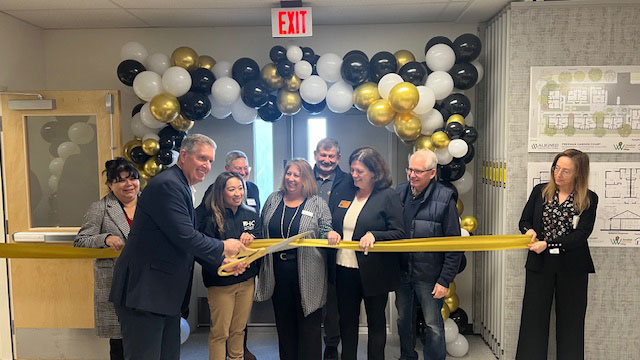

Ribbon Cutting for Walter’s House II
ASPIRANET’S CENTRAL VALLEY TAY INDEPENDENCE PROGRAM: Central Valley TAY Independence Program will be a youth-centered, trauma-informed, individualized, results-oriented project designed specifically to assist system-involved youth between ages 15 to 19. The project will include a short-term residential therapeutic program with 12 new beds and a new substance use disorder outpatient treatment facility that is expected to serve another 60 individuals annually. Outpatient mental health and substance use disorder services will include traditional individual therapy and innovative supports and services, such as contingency management, Full Service Partnerships, mentoring, independent living skills programming, and other wellness resources.
“Aspiranet’s vision is to utilize BHCIP funding to re-purpose and expand a facility that will provide much-needed residential and behavioral health services and supports to the region’s most vulnerable youth,” said Vernon Brown, Chief Executive Officer of Aspiranet.

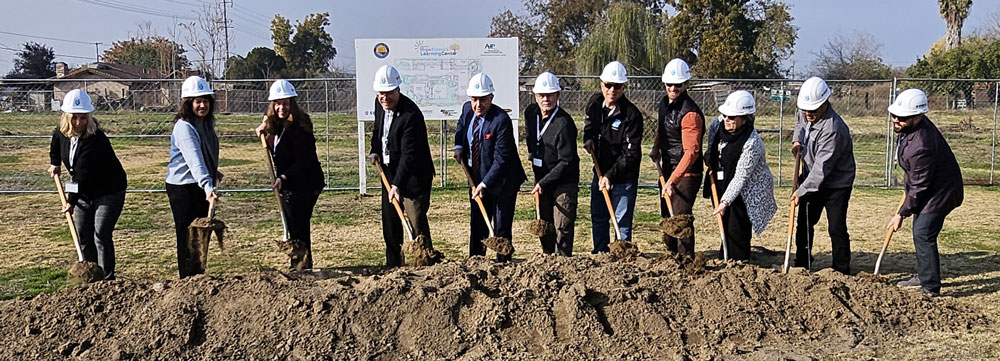
Перший крок до Програми незалежності Центральної долини TAY
ЧОМУ ЦЕ ВАЖЛИВО: Через BHCIP, DHCS надає відповідній організації фінансування для будівництва, придбання та розширення нерухомості, а також інвестування в мобільну кризову інфраструктуру для подальшого розширення спектру варіантів лікування поведінкового здоров’я на базі громади для людей із супутніми потребами в лікуванні психічних розладів та розладами, пов’язаними зі вживанням психоактивних речовин. BHCIP усуває історичні прогалини в системі психічного здоров'я, щоб задовольнити зростаючий попит на послуги та підтримку протягом усього життя людей, які цього потребують.
DHCS has awarded $1.7 billion in BHCIP competitive grants. In addition, DHCS will distribute up to $4.4 billion in competitive Bond BHCIP funding, including $3.3 billion for Round 1: Launch Ready grants as part of Behavioral Health Transformation, DHCS’ work to implement Proposition 1. DHCS holds regular public listening sessions on this effort. Updates and recordings of the sessions are available on the Behavioral Health Transformation webpage.
ABOUT BHCIP ROUND 3: LAUNCH READY: BHCIP Round 3 supported preparation activities to plan for the acquisition and expansion of behavioral health infrastructure throughout the state. The 45 facilities were funded a total of $518.5 million to construct, acquire, and rehabilitate real estate assets to expand the behavioral health continuum of treatment and service resources. BHCIP applicants were required to demonstrate service expansion for Medi-Cal members and have a valid planning process to ensure projects are ready for implementation.
ПРО BHCIP 4 ТУР: ДІТИ ТА МОЛОДЬ: Четвертий раунд BHCIP був зосереджений на дітях та молоді, а також на всіх каліфорнійцях віком до 25 років, включаючи вагітних жінок та жінок після пологів з їхніми дітьми, а також дітей віком від 16 до 25 років, які проживають у Каліфорнії, разом з їхніми сім'ями. Завдяки фінансуванню, наданому Каліфорнійською ініціативою з питань поведінкового здоров’я дітей та молоді, 52 гранти на загальну суму 480,5 мільйонів доларів США дозволяють будівництво та розширення кількох типів амбулаторних та стаціонарних закладів, включаючи кризові програми проживання для дітей, перинатальні стаціонарні центри для лікування розладів, пов’язаних із вживанням психоактивних речовин, центри громадського оздоровлення/профілактики для молоді, а також амбулаторне лікування розладів, пов’язаних із вживанням психоактивних речовин. Для отримання додаткової інформації відвідайте вебсайт BHCIP.
BIGGER PICTURE: Under Governor Gavin Newsom, California is modernizing the behavioral health delivery system to improve accountability, increase transparency, and expand the capacity of behavioral health care facilities for Californians. Proposition 1, which was passed by voters in May 2024, includes a $6.4 billion Behavioral Health Bond for treatment settings and housing with services and a historic reform of the Behavioral Health Services Act to focus on people with the most serious illnesses, substance use disorders, and housing needs. More information about California’s transformation of the state’s entire mental health and substance use disorder system can be found at mentalhealth.ca.gov.
###