
加州和 ASPIRANET 破土动工建造新的行为健康设施

新闻稿

加州和 ASPIRANET 破土动工建造新的行为健康设施

Hope Forward Campus 将扩大中央谷地区儿童和青少年的行为健康治疗能力
萨克拉门托— 年 10 月24日, 2024美国卫生保健服务部 (DHCS) 和 Aspiranet 在加利福尼亚州特洛克动工兴建一座新的行为健康设施。 希望前进校园将为中央谷地区的儿童和青少年提供重要的心理健康和物质使用障碍 (SUD) 治疗。 Aspiranet 与斯坦尼斯劳斯县、默塞德县和圣华金县合作开发了这个最先进的设施,预计每年可为 1,600 多人提供服务。
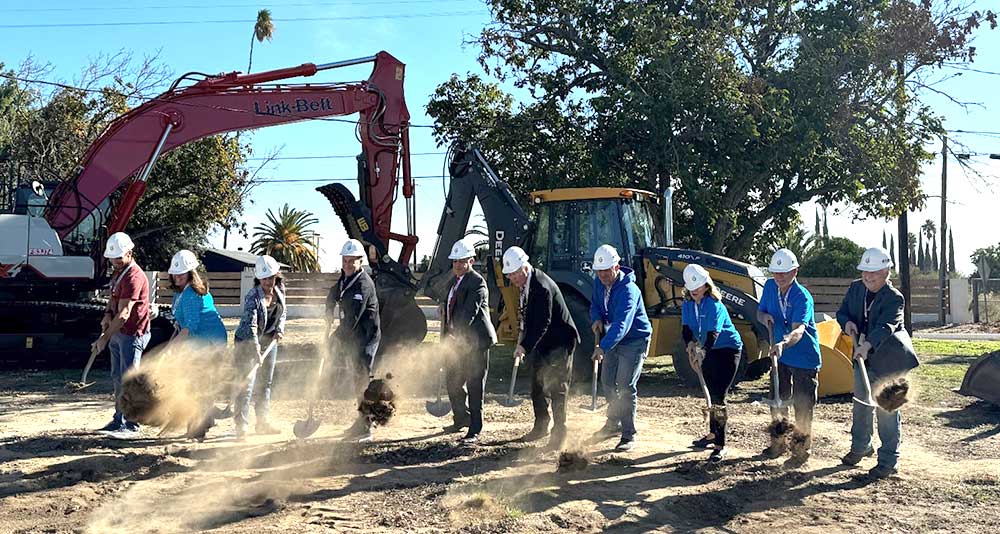

特洛克“希望前进”校园奠基
DHCS awarded Aspiranet more than $33 million through the Behavioral Health Continuum Infrastructure Program (BHCIP), which is expanding the state’s behavioral health facility infrastructure to serve the most vulnerable Californians. With the recently approved Proposition 1 bonds, even more behavioral health treatment facilities will be funded and built in 2025 and 2026.
“Wraparound youth treatment centers play a critical role in breaking the cycle of addiction and mental health struggles,” said DHCS Director Michelle Baass. “This groundbreaking for Aspiranet’s Hope Forward Campus will result in more children and youth receiving vital behavioral health services. This marks a new chapter of hope and healing for the Central Valley.”
希望校园:该项目包括在一个集中、方便的地点提供一整套行为健康护理服务。儿童和青少年及其家庭将获得住院和门诊行为健康支持,包括预计每年为 100 人提供服务的危机稳定室;拥有 6 张床位的儿童危机寄宿计划;拥有 8 张住院床位的精神病健康机构;拥有 16 张住院床位的短期寄宿治疗计划;每年为约 1,250 人提供服务的办公室阿片类药物治疗;以及每年为 300 人提供服务的社区健康中心。
“This is a once-in-a-generation opportunity made possible by BHCIP funding to meet the growing need for mental health and SUD treatment,” said Aspiranet Board Chair Kari Sturgeon.
“BHCIP will transform the services we provide to children, youth, and families,” said Aspiranet CEO Vernon Brown. “The integration of a continuum of behavioral health services, from crisis to community transition, is unique. We are pleased to expand the reach of our programs with many of our county partners.”
WHY THIS IS IMPORTANT: Through BHCIP, DHCS awards eligible entities funding to construct, acquire, and expand properties and invest in mobile crisis infrastructure to further expand the range of community-based behavioral health treatment options for people with mental health and SUDs. BHCIP is addressing historic gaps in the behavioral health care system to meet the growing demand for services and support throughout the lifespan of people in need.
DHCS has awarded $1.7 billion in BHCIP competitive grants. In addition, DHCS will distribute up to $4.4 billion in competitive Bond BHCIP funding, including $3.3 billion for Round 1: Launch Ready grants. Behavioral Health Transformation is DHCS’ work to implement Proposition 1. DHCS holds regular public listening sessions. Updates and recordings of the sessions are available on the Behavioral Health Transformation webpage. More information about California’s mental and behavioral health transformation can be found at mentalhealth.ca.gov.
ABOUT ASPIRANET: Aspiranet serves more than 35,000 children, youth, and families each year from 44 community-based sites statewide. Its spectrum of services in Northern California, Southern California, and the Central Valley includes foster and adoption services, behavioral and mental health services, residential/inpatient care, educational services, community-based family services, and emergency shelter.
ABOUT BHCIP ROUND 3: LAUNCH READY: BHCIP Round 3 supported preparation activities to plan for the acquisition and expansion of behavioral health infrastructure throughout the state. The 45 facilities were funded a total of $518.5 million to construct, acquire, and rehabilitate real estate assets to expand the behavioral health continuum of treatment and service resources. BHCIP applicants were required to demonstrate service expansion for Medi-Cal members and have a valid planning process to ensure projects are ready for implementation.
###