
DHCS 庆祝危机护理中心剪彩

新闻稿

DHCS 庆祝危机护理中心剪彩
洛杉矶和索诺玛县的项目共获得 1500 万美元的资助,用于扩大当地社区的行为健康治疗和康复选择
SACRAMENTO — The Department of Health Care Services (DHCS) celebrated the addition of two new facilities that will provide lifesaving treatment for Californians with mental health and substance use disorders (SUD). This week saw two ribbon-cutting ceremonies that are bringing new prevention, treatment, and recovery facilities to Los Angeles and Sonoma counties, adding new capacity for much-needed drug and alcohol treatment programs, mental health wellness services, and recovery support. These are the first of many community treatment sites that are under construction now in 49 counties, and even more sites will be funded and built, thanks to recently approved Proposition 1 bonds, in 2025 and 2026.
“加州民众希望在加州的行为健康系统方面采取紧急行动并取得实际成果,而这正是我们今天所看到的,”州长加文·纽森说道。“感谢加州人民的支持,新的资金注入将使像这样的治疗中心在未来几年内能够在全州各地继续开设。”我们还有很多工作要做,以确保人们能够获得所需的治疗、支持和护理,但今天标志着我们朝着建立新的问责和结果导向体系又迈出了一步。”
“为了帮助加州人民在最需要的时候获得所需的护理, California正在投资提高我们的危机护理能力,” DHCS主任米歇尔·巴斯说。 “我们一次又一次地听到,心理健康和药物滥用治疗的最大障碍是接触到需要帮助的人。我们致力于在人们所在的地方与他们见面:在他们的家中、街头和社区。我们憧憬的未来是,医疗服务来到社区,而不是我们去寻找医疗服务。”
Los Angeles县的“铺路基金会”和Sonoma县的“中心点药物滥用替代中心”正在扩大其当地社区的行为健康治疗和康复选择。
铺路基金会:
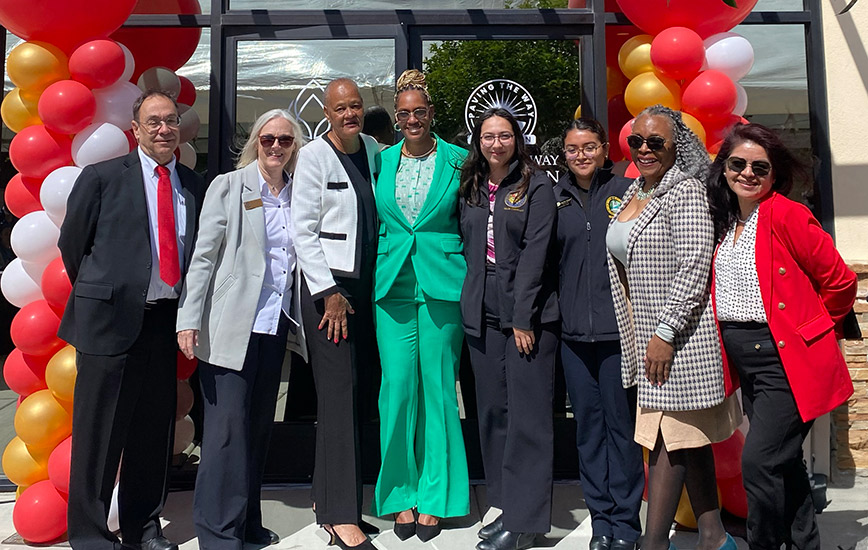
左三为 Paving the Way (PTW) 基金会创始人兼执行董事 Janie Hodge,与 Paving the Way (PTW) 基金会首席运营官 Christina Lara(Janie 的右边)以及来自市和州立法办公室的代表一起。
铺路基金会于4月25日为洛杉矶县的一个社区健康中心举行了剪彩仪式。 该中心包括一套全面的门诊心理健康服务计划,其中包括预防服务、筛查、诊断以及心理健康和 SUD 的治疗/管理。 他们为同时患有精神健康和物质使用障碍 (SUD) 的成年人、涉及司法的个人以及正在经历或面临无家可归风险的人们提供服务。
“这便是我的梦想,我的愿景。大约 30 年前,我结束了多年的毒瘾回到家乡,为那些被社会忽视和遗忘的人们提供一个疗愈、关爱和支持的地方,” Janie Hodge 回忆道。她是 Paving the Way 基金会的创始人兼执行董事,该非营利组织致力于帮助羚羊谷居民重返社会和康复。“大约 20 年前,我创办了‘铺路计划’,当时我希望我们的社区成员能够接受职业培训,从而维持生计并养家糊口,让那些返乡的人们知道,有人会支持他们,帮助他们逐步重新融入社区和家庭,”霍奇说道。他同时也是Los Angeles地区重返社会伙伴关系指导委员会的成员,该伙伴关系是一个覆盖全县的、由 500 多个重返社会服务提供商和倡导者组成的网络。
中心点药物滥用替代中心:
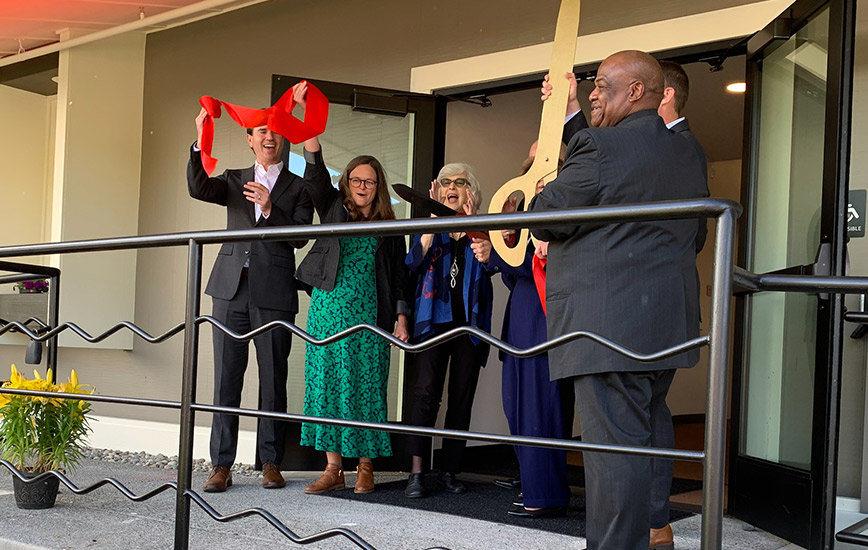
Maurice Lee, Chief Executive Officer of Center Point, Inc., holding scissors, leads Center Point
DAAC’s ribbon cutting
中心点药物滥用替代中心 (DAAC) 于 4 月 26 日举行了苏什玛·D·泰勒博士康复中心的剪彩和落成典礼。该中心是一个开创性的新设施,致力于治疗和帮助患有药物滥用障碍的人们康复。该中心提供的服务独具特色,是索诺玛县唯一一家为低收入/无收入男性提供 50 张床位的 SUD 住院治疗机构,也是北加州 Partnership HealthPlan of California 会员唯一一家提供医疗支持的戒断管理服务的机构。
“中心点董事会和 DAAC 董事会欣然宣布,苏什玛·D·泰勒博士康复中心将举行剪彩和落成典礼,该中心旨在治疗和帮助个人从物质使用障碍中康复。该康复中心的开放,为那些与毒瘾作斗争的人们带来了希望的曙光。“由于 BHCIP 的合作努力,该中心得以开放。BHCIP 是州政府和社区成员共同努力的成果,体现了团结的力量,能够应对重大的公共卫生挑战,” Center Point, Inc. 的首席执行官 Maurice Lee表示。
为什么这很重要:
通过行为健康连续体基础设施计划 (BHCIP) ,DHCS 帮助建造、购买或修复建筑物,或投资必要的移动危机基础设施,以扩大社区行为健康治疗选择的范围,服务对象包括患有精神健康和药物滥用障碍、曾与刑事司法系统有过接触、以及正在经历或面临无家可归风险的人群。
BHCIP 旨在解决行为健康护理系统的历史遗留问题,并满足有需要的人们在其一生中对服务和支持的日益增长的需求。根据 2021 年的立法授权,DHCS 可以授予 22 亿美元的 BHCIP 竞争性拨款。此外,DHCS 将根据 1 号提案债券资金分配约 40 亿美元的 BHCIP 拨款。提案 1 包括《2024 年行为健康服务法案》和《行为健康基础设施债券法案》。行为健康转型(BHT)是DHCS为落实第1号提案而开展的工作。DHCS将每月举行BHT公众意见征询会。会议的最新进展和录像可在BHT 网页上查看。
关于BHCIP第三轮启动准备就绪:
BHCIP Round 3 Launch Ready awarded grants to counties, cities, tribal entities, nonprofit organizations, for-profit organizations, and other private organizations, including private real estate developers, to expand community capacity for serving the behavioral health (mental health and SUD) population. Awardees must make a commitment to serve Medi-Cal members. For more information, please visit the BHCIP website.
###