
开设新站点,为青少年和成年人提供重要的行为健康护理服务

新闻稿

开设新站点,为青少年和成年人提供重要的行为健康护理服务
行为健康机构将提供 28 张新床位,用于治疗物质使用障碍和并发心理健康治疗服务
Sacramento ——加州Department of Health Care Services (DHCS) ) 正在California两个地点扩大住宅服务,以治疗药物滥用障碍和伴随的精神健康需求。 “使命之友”组织为沃尔特之家二期举行了剪彩仪式,该机构将为Yolo县的成年人提供药物滥用障碍治疗。 Aspiranet 为中央谷过渡期青年 (TAY) 独立Program举行了奠基仪式,该计划将为 15 至 19 岁的青少年提供短期住宿治疗Program和药物滥用障碍门诊治疗设施。
DHCS awarded Friends of the Mission $12.4 million and Aspiranet $8.7 million through the Behavioral Health Continuum Infrastructure Program (BHCIP), which is part of California’s ongoing commitment to expand behavioral health services for all Californians. With the passage of Proposition 1, even more behavioral health treatment facilities will be funded and built in 2025 and 2026.
“DHCS很高兴与我们的社区合作伙伴合作,扩大强大的、以社区为基础的行为健康服务,” DHCS主任Michelle Baass说。“像这样的设施是California为农村和医疗服务不足的社区提供高质量、全面的心理健康和药物滥用障碍护理的重要组成部分。”
沃尔特之家二期项目:使命之友的沃尔特之家二期项目在最合适、限制最少的环境中提供护理,以支持社区融合、选择和自主,同时减少无家可归现象。Walter's House II 目前在Yolo县设有 44 张床位,为成年人提供药物滥用障碍治疗。 该项目将新增 16 张床位,使床位总数达到 60 张。该设施将每周 7 天、每天 24 小时运转,配备合格的员工和临床医生。该Program已获得加州药物医疗补助计划 (Drug Medi-Cal的批准,可提供低强度和高强度的临床服务,包括为患有精神健康并发症的人员提供服务。 新设施还旨在支持戒断管理服务和药物辅助治疗。
“在沃尔特之家二号,我们相信每个人都应该有第二次机会,”沃尔特之家二号的执行主任道格·泽克说。“随着我们新的戒瘾治疗中心的开放,我们为患者提供了一个疗愈的场所,并创造了一个充满支持和希望的社区。”携手并进,我们可以改善生活,改变未来。
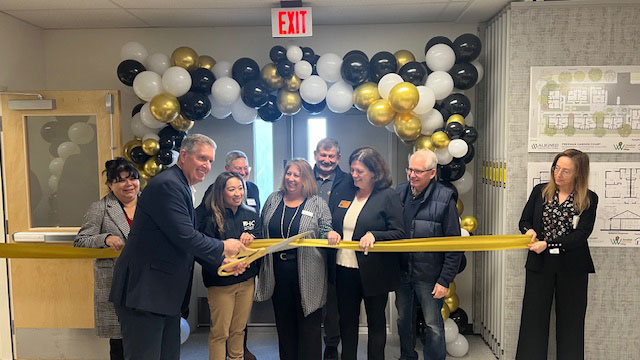

Ribbon Cutting for Walter’s House II
ASPIRANET 的中央谷 TAY 独立计划:中央谷 TAY 独立计划将是一个以青少年为中心、以创伤知情为基础、个性化、以结果为导向的项目,旨在专门帮助 15 至 19 岁与司法系统有关的青少年。该项目将包括一个设有 12 张新床位的短期住院治疗项目,以及一个新的药物滥用障碍门诊治疗机构,预计每年可为另外 60 人提供服务。门诊心理健康和药物滥用障碍服务将包括传统的个体治疗和创新的支持和服务,例如应急管理、全方位服务伙伴关系、指导、独立生活技能计划和其他健康资源。
“Aspiranet’s vision is to utilize BHCIP funding to re-purpose and expand a facility that will provide much-needed residential and behavioral health services and supports to the region’s most vulnerable youth,” said Vernon Brown, Chief Executive Officer of Aspiranet.

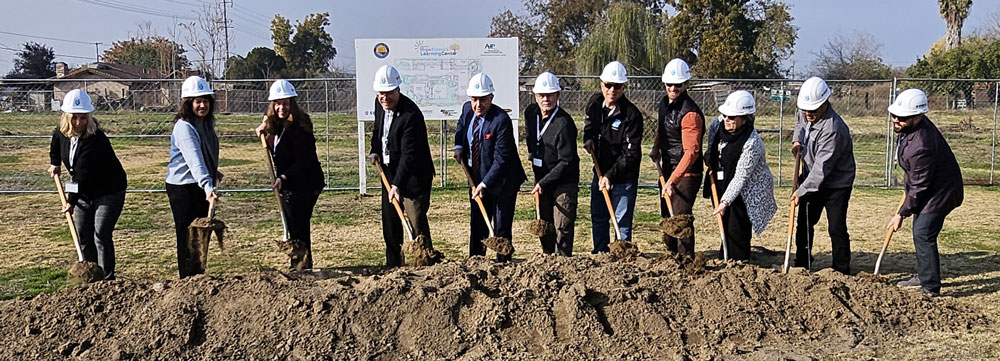
中央谷 TAY 独立计划奠基
为何这很重要:通过BHCIP计划,DHCS向符合条件的机构提供资金,用于建设、购置和扩建房产,以及投资移动危机干预基础设施,从而进一步扩大针对同时存在心理健康治疗需求和物质使用障碍人群的社区行为健康治疗选择范围。BHCIP 正致力于弥补行为健康护理体系中长期存在的缺口,以满足有需要人群在整个生命周期内日益增长的服务和支持需求。
DHCS has awarded $1.7 billion in BHCIP competitive grants. In addition, DHCS will distribute up to $4.4 billion in competitive Bond BHCIP funding, including $3.3 billion for Round 1: Launch Ready grants as part of Behavioral Health Transformation, DHCS’ work to implement Proposition 1. DHCS holds regular public listening sessions on this effort. Updates and recordings of the sessions are available on the Behavioral Health Transformation webpage.
关于 BHCIP 第三轮:启动准备就绪: BHCIP Round 3 supported preparation activities to plan for the acquisition and expansion of behavioral health infrastructure throughout the state. The 45 facilities were funded a total of $518.5 million to construct, acquire, and rehabilitate real estate assets to expand the behavioral health continuum of treatment and service resources. BHCIP applicants were required to demonstrate service expansion for Medi-Cal members and have a valid planning process to ensure projects are ready for implementation.
关于 BHCIP 第四轮:儿童和青少年: BHCIP 第 4 轮重点关注儿童和青少年,以及所有 25 岁及以下的加州居民,包括孕妇和产后妇女及其子女,以及 16 至 25 岁的 TAY(青少年)及其家庭。在California儿童和青少年行为健康倡议的资助下,52项总计4.805亿美元的拨款将用于新建和扩建多种类型的门诊和住院设施,包括儿童危机住院治疗Program 、围产期药物滥用障碍住院治疗设施、社区健康/青少年预防中心以及药物滥用障碍门诊治疗。 欲了解更多信息,请访问BHCIP网站。
大局来看:在加州州长加文·纽森的领导下, California正在对行为健康服务体系进行现代化改造,以提高问责制、增强透明度,并扩大加州行为健康护理机构的服务能力。 2024 年 5 月,选民通过了第 1 号提案,其中包括一项 64 亿美元的行为健康债券,用于治疗场所和提供服务的住房,以及对《行为健康服务法》的历史性改革,重点关注患有最严重疾病、药物滥用障碍和住房需求的人群。有关California对整个精神健康和药物滥用障碍系统进行改革的更多信息,请访问mentalhealth.ca.gov 。
###