
加州和阿斯皮拉內特新行為健康設施破土動工

新聞發布

加州和阿斯皮拉內特新行為健康設施破土動工
Hope Forward 校園將擴大中央谷兒童和青少年行為健康治療能力
薩克拉門托— 10 月 24、2024, Department of Health Care Services (DHCS)和 Aspiranet 在加州特洛克市破土動工建設一座新的行為健康設施。 Hope Forward 校園將為中央谷的兒童和青少年提供重要的心理健康和藥物使用障礙(SUD)治療。 Aspiranet 與斯坦尼斯勞斯、默塞德和聖華金縣合作,開發這個最先進的設施,預計每年為超過 1,600 個人提供服務。
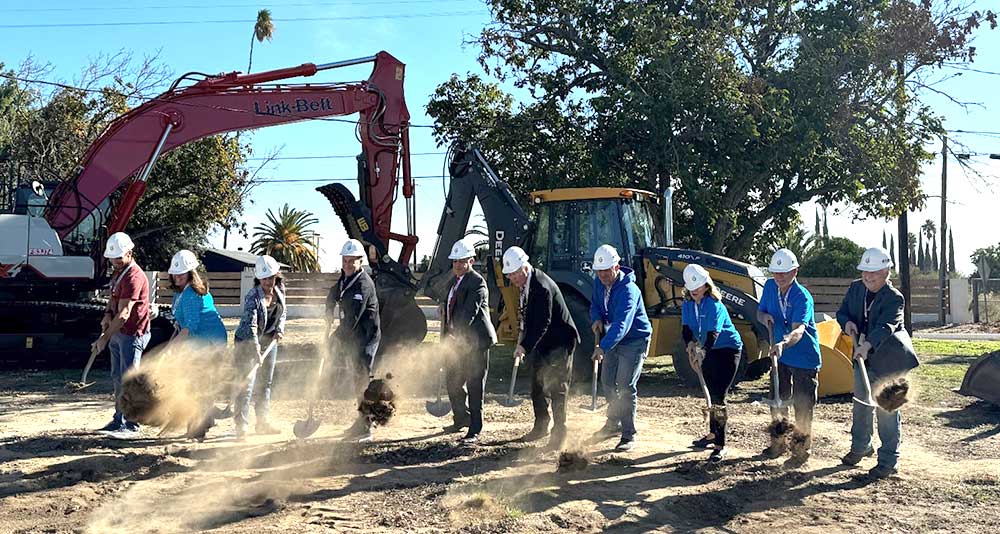

圖洛克希望福華校園的開創
DHCS透過行為健康連續體基礎設施Program (BHCIP) 向 Aspiranet 撥款超過 3,300 萬美元,該計畫旨在擴大加州的行為健康設施基礎設施,為最弱勢的加州人提供服務。 隨著最近批准的 1 號提案債券的發行,2025 年和 2026 年將有更多的行為健康治療設施獲得資金並建成。
“Wraparound youth treatment centers play a critical role in breaking the cycle of addiction and mental health struggles,” said DHCS Director Michelle Baass. “This groundbreaking for Aspiranet’s Hope Forward Campus will result in more children and youth receiving vital behavioral health services. This marks a new chapter of hope and healing for the Central Valley.”
hope forward 校園:該專案包括在集中且方便的地點提供完整的行為健康持續照護。兒童和青少年及其家庭將可獲得住宿和門診行為健康支援,包括危機穩定單位(Crisis Stabilization Unit),預計每年服務 100 人;兒童危機住宿計畫(Children's Crisis Residential Program),設有 6 張病床;精神科健康機構(Psychiatric Health Facility),設有 8 張住院病床;短期住宿治療計畫(Short-Term Residential Therapeutic Program),設有 16 張住宿病床;辦公室阿片治療(Office-Based Opioid Treatment),預計每年服務 1,250 人;以及社區健康中心(Community Wellness Center),每年服務 300 人。
「這是一個百年一遇的機會,由於 BHCIP 的資助,可以滿足日益增長的心理健康和藥物濫用治療需求,」 Aspiranet 董事會主席 Kari Sturgeon表示。
「BHCIP 將徹底改變我們為兒童、青少年及家庭提供的服務,」Aspiranet 執行長弗農·布朗表示。「從危機介入到社區銜接,這套行為健康服務體系的整合模式獨具特色。」「我們很高興能與眾多縣級合作夥伴攜手,進一步擴大我們各項計畫的覆蓋範圍。」
為何此事至關重要:透過 BHCIP 計畫,DHCS 向符合資格的機構提供資金,用於興建、購置及擴建設施,並投資於行動危機應變基礎設施,藉此進一步擴大針對精神健康及物質使用障礙(SUDs)患者的社區型行為健康治療選項。BHCIP 正致力於彌補行為健康照護體系中長期存在的缺口,以滿足有需要者在其整個生命週期中對服務與支持日益增長的需求。
DHCS已發放17億美元的BHCIP競爭性撥款。此外,DHCS 將發放高達 44 億美元的競爭性債券 BHCIP 資金,其中包括 33 億美元用於第一輪:啟動準備撥款。行為健康轉型是DHCS為落實第一號提案而進行DHCS工作。 DHCS Regular舉行公眾意見徵詢會。 會議的最新進展和錄影可在行為健康轉型網頁上查看。有關California 心理和行為健康改革 更多信息 請訪問 mentalhealth.ca.gov 。
關於 ASPIRANET: Aspiranet 每年透過全州 44 個社區服務點為超過 35,000 名兒童、青少年和家庭提供服務。其在北California 、南California和中央谷地
的服務範圍包括寄養和收養服務、行為和心理健康服務、住宿/住院護理、教育服務、社區家庭服務和緊急庇護
。關於 BHCIP 第三輪:啟動準備就緒: BHCIP 第三輪支援準備活動,以規劃在全州範圍內獲取和擴展行為健康基礎設施。這 45 個設施共獲得 5.185 億美元的資金,用於建造、購買和改造房地產資產,以擴大行為健康治療和服務資源的連續性。BHCIP 申請者必須證明其能夠為 Medi-Cal 會員擴展服務,並擁有有效的規劃流程,以確保專案做好實施準備。
###