Sitio web oficial de la Estado de California
Traducir

###
Oficina de Comunicaciones
(916) 440-7660
DHCSPress@dhcs.ca.gov
Sacramento — El Department of Health Care Services (DHCS) California (DHCS) publicó hoy las calificaciones de calidad de 2024 para los planes de Medi-Cal Managed Care (MCP) y Health Plan conductual del condado (BHP), destacando mejoras cuantificables en la calidad de la atención, una supervisión ampliada y un compromiso cada vez mayor con la equidad en salud en todo el sistema de capacidad de servicios de Medi-Cal del estado.
Este es el cuarto año de las calificaciones MCP y el tercero para los BHP. Las calificaciones se basan en el desempeño frente a las medidas del Conjunto de Responsabilidad de la Atención Gestionada y del Conjunto de Responsabilidad en Salud Conductual para los servicios prestados desde enero hasta diciembre de 2024. Estas medidas evalúan cómo los planes ofrecen una atención de alta calidad y equitativa en áreas clave, como los servicios preventivos, la salud conductual, la salud materna y el manejo de enfermedades crónicas. También informan la supervisión del DHCS sobre la atención gestionada y los sistemas de salud conductual del condado, apoyando acciones de aplicación, como sanciones monetarias y Planes de Acción Correctiva (CAP), cuando no se cumplen los estándares de desempeño. Entre los hallazgos clave:
BHPs are being held accountable through CAPs, with 10 of 56 Mental Health Plans and 29 of 38 Drug Medi-Cal Organized Delivery System plans receiving CAPs based on performance calculated using Medi-Cal Connect, DHCS’ statewide data analytics platform.
“Estos resultados reflejan nuestro compromiso compartido de promover la calidad y la equidad en todo el sistema de capacidad de servicios de Medi-Cal”, dijo la directora del DHCS, Michelle Baass. "Estamos viendo avances reales en áreas como la atención preventiva infantil, los servicios dentales y el rendimiento en salud conductual. Sabemos que queda trabajo por hacer, y nos estamos responsabilizando a nosotros mismos y a nuestros socios en cada paso del camino."
El DHCS está en transición hacia una supervisión basada en el desempeño, con un fuerte énfasis en la equidad y el progreso impulsado por datos. Por ejemplo, en 2025, el de Incentivos para el Acceso, la Reforma y los Resultados de las Redes Organizadas Comunitarias de Salud Conductual para la Atención y el ProgramTratamiento Equitativos ( BH-CONNECT ) comenzó a ofrecer pagos a los profesionales de la salud conductual que demostraran avances en medidas clave de salud conductual.
"Esto no es solo cuestión de números; se trata de lograr cambios reales y positivos en la forma en que se presta la atención", dijo el Dr. Palav Babaria, Director de Calidad y Médico y Subdirector de Calidad y Gestión de la Salud Poblacional. "Lo estamos haciendo en colaboración con nuestros socios MCP y BHP, y estoy increíblemente orgulloso del progreso que logramos hasta ahora. Cada paso que damos tiene como objetivo construir un sistema de capacidad de atención médica de Medi-Cal que funcione para todos los miembros.
El Dr. Babaria agregó: “Al aprovechar los datos, alinear los incentivos y escuchar las opiniones de los afiliados a Medi-Cal, estamos creando un sistema que no solo mide el rendimiento, sino que también fomenta el aprendizaje y la mejora continuos. Nuestro objetivo es garantizar que cada californiano, independientemente de su geografía u origen, tenga acceso a una atención coordinada y de alta calidad."
Las hojas informativas actualizadas, los reportes de cumplimiento y las cartas de sanción están disponibles en la página de MonitoreoMedi-Cal Managed Care .
###
Oficina de Comunicaciones
(916) 440-7660
DHCSPress@dhcs.ca.gov
Sacramento — El Department of Health Care Services (DHCS)) concedió hoy casi 47 millones de dólares en subvenciones a 57 organizaciones comunitarias y tribales de todo California para ayudar a prevenir el consumo de sustancias entre los jóvenes. Estas subvenciones apoyan Program que se centran en la mentoría, el apoyo entre iguales y la participación cívica de jóvenes en comunidades que históricamente enfrentaron barreras para acceder a estos servicios.
"Esta financiación empodera a los jóvenes para liderar el cambio en sus comunidades", dijo Michelle Baass, directora del DHCS. "Al apoyar Programculturalmente sensibles y dirigidas por iguales, estamos invirtiendo en la resiliencia y el bienestar a largo plazo de los jóvenes de California."
Cada organización recibirá hasta un millón de dólares en total durante un periodo de tres años, desde el 1de enero de 2026hasta el 31de diciembre de 2028, para implementar el ProgramElevate Youth California (EYC). EYC está diseñado para ayudar a jóvenes de 12 a 26 años a desarrollar habilidades de liderazgo, conectar con mentores y acceder a servicios de apoyo culturalmente adaptados.
POR QUÉ ESTO IMPORTA Estafinanciación forma parte de un esfuerzo mayor del DHCS para fortalecer Program de prevención de trastornos por consumo de sustancias de California . EYC ayuda a organizaciones que sirven a jóvenes a emplear enfoques basados en la evidencia y en la comunidad para apoyar a los jóvenes. Program financiados a través de EYC están centrados en la sanación, tienen en cuenta el trauma y responden a las necesidades culturales y lingüísticas. EYC prioriza la prevención del consumo de sustancias y estrategias de salud pública que fomenten la resiliencia.
Esta inversión también respalda la orden ejecutiva "Camino y Propósito" del gobernador Gavin Newsom, que insta a las agencias estatales a apoyar a los jóvenes y niños en el servicio y el liderazgo, y a proporcionar relaciones significativas y afectuosas con adultos a los jóvenes que viven en las comunidades con mayores necesidades. Todas las organizaciones premiadas dan la bienvenida a jóvenes y niños. Si bien EYC exige que las iniciativas financiadas se centren en comunidades desfavorecidas, pueden participar personas de cualquier género. DHCS El Informe Anual de 2024 muestra que el 37 % de la población atendida por EYC Program son niños.
WHAT THEY ARE SAYING “ La financiación de Elevate Youth California fue más que un simple apoyo; transformó nuestras prácticas como Program”, dijo Ilien Tolteca, coordinadora juvenil del Proyecto de Organización Comunitaria Indígena Mixteca. "Esta financiación nos permitió crear y mejorar nuestros sitios satélite en toda la ciudad, sirviendo y fomentando la comunidad con entre 60 y 100 jóvenes indígenas de las comunidades mixteco, zapoteca y muchas otras comunidades de la diáspora en toda la Costa Central. Fortaleció el liderazgo juvenil autónomo, el conocimiento cultural y la accesibilidad a recursos/herramientas de educación superior para nuestra juventud."
"La subvención EYC nos permitió proporcionar servicios vitales de prevención a jóvenes en acogida, jóvenes en libertad condicional y otros en nuestra comunidad", dijoA Nthony Hughey, director ejecutivo de The Young People's Foundation, Inc. "Construimos relaciones a largo plazo con jóvenes de comunidades negras y latinas desfavorecidas y desarrollamos líderes entre iguales que están impulsando el cambio."
SOBRE EYC: Desde el lanzamiento de EYC en 2019, DHCS concedió más de 370 millones de dólares a través de 517 subvenciones. EYC está financiado por la Proposición 64, aprobada por los votantes en noviembre de 2016, que legalizó el uso de marihuana no medicinal en adultos en California y creó un sistema fiscal para regular la venta de cannabis. Una parte de esos ingresos fiscales apoya a EYC a través de DHCS, financiando la prevención y el liderazgo centrados en jóvenes Program a nivel estatal. Estas subvenciones apoyan el desarrollo juvenil, la participación cívica y el apoyo liderado por pares en 56 de los 58 condados de California.
CAMINO Y PROPÓSITO: En julio, el gobernador Gavin Newsom emitió una orden ejecutiva para abordar un problema creciente: el alarmante aumento de suicidios y la desconexión entre los jóvenes y niños de California. La orden ordena una respuesta coordinada a nivel estatal para mejorar los resultados en salud mental, reducir el estigma y ampliar el acceso a oportunidades de educación significativas, trabajo y mentoría. La orden ejecutiva completa puede consultar aquí. La orden ejecutiva ayuda a abordar esta crisis, ordenando a las agencias estatales que creen un nuevo enfoque en este asunto y desarrollen nuevas vías para ayudar a reconectar a hombres y niños con el apoyo, la asistencia y la ayuda que necesitan.
Para ver la lista completa de beneficiarios de las subvenciones EYC y obtener más información sobre EYC, visite www.elevateyouthca.org.
###
Oficina de Comunicaciones
(916) 440-7660
DHCSPress@dhcs.ca.gov
Sacramento — El Department of Health Care Services (DHCS) California (DHCS) anunció hoy la concesión de 145,5 millones de dólares en subvenciones a 153 organizaciones en los 58 condados para fortalecer los servicios para los miembros Medi-Cal . La Gestión Mejorada de la Atención (ECM, por sus siglas en inglés) y los Apoyos Comunitarios son componentes fundamentales de California Advancing and Innovating Medi-Cal (CalAIM), la amplia transformación de Medi-Cal que lleva a cabo el DHCS para crear un sistema de salud más coordinado, centrado en la persona y equitativo que funcione para todos los californianos. Ofrecen servicios personalizados basados en la comunidad, que incluyen coordinación de atención presencial, apoyo para la vivienda y otros recursos vitales para los afiliados a Medi-Cal con necesidades complejas. Los premios forman parte de la iniciativa Providing Access and Transforming Health (PATH) Capacity and Infrastructure, Transition, Expansion, and Development (CITED), que ayuda a los proveedores locales a aumentar su capacidad para ofrecer atención integral y comunitaria.
Para respaldar la expansión de ECM y los programas de apoyo comunitario, DHCS otorgó más de 1.660 millones de dólares a más de 2.200 organizaciones a través de sus iniciativas PATH, que incluyen CITED, Planeación e Implementación Colaborativas y el Mercado de Asistencia Técnica. Estos esfuerzos ya alcanzaron a más de 373.000 inscritos en ECM, prestaron más de un millón de servicios de apoyo comunitario y ampliaron significativamente el acceso para niños y jóvenes, con un aumento interanual del 120% solo a principios de 2025.
“PATH CITED representa una inversión vital en el futuro de Medi-Cal y la salud de California”, dijo la directora del DHCS, Michelle Baass. "Al empoderar a los proveedores locales, muchos de los cuales atienden a comunidades históricamente con pocos recursos, estamos fortaleciendo las bases de un sistema de capacidad más equitativo y centrado en la persona. Juntos, estamos creando un cambio duradero que conecta a los afiliados a Medi-Cal con la atención y el apoyo que necesitan para vivir vidas más saludables y plenas. Estoy orgulloso del progreso que logramos y de las alianzas que lo hicieron posible."
Datos recientes demuestran que inversiones como estas están generando ahorros a largo plazo para Program Medi-Cal de California . Los apoyos comunitarios demostraron ser rentables, reduciendo visitas evitables a urgencias, hospitalizaciones y el uso de cuidados a largo plazo. Al invertir ahora, el DHCS está contribuyendo a garantizar un sistema de atención médica más sostenible, eficiente y equitativo para el futuro.
Mira el siguiente breve video para escuchar directamente a anteriores galardonados cómo la financiación de PATH CITED los ayudó a ampliar los servicios, contratar personal y fortalecer los lazos con sus comunidades.
POR QUÉ ES IMPORTANTE: ECM y los Apoyos Comunitarios ofrecen servicios personalizados y comunitarios, incluyendo coordinación de cuidados presenciales, apoyo a la vivienda y otros recursos vitales para los afiliados a Medi-Cal con necesidades complejas. PATH CITED está ayudando a los proveedores de ECM y Apoyo Comunitario en transición, ampliación y desarrollo de su capacidad para proporcionar atención local y coordinada a las comunidades miembros. Los galardonados emplearán fondos para:
LO QUE DICEN: “ECM y los Apoyos Comunitarios están transformando la forma en que atendemos a los afiliados a Medi-Cal con necesidades diversas y a menudo intensivas”, dijo Susan Philip, subdirectora de los Sistemas de Capacidad de Atención Médica del DHCS. "Al igual que en rondas anteriores de PATH CITED, estamos invirtiendo en la infraestructura y la plantilla que hacen posible la atención integral de la persona, cerciorando que los proveedores dispongan de las herramientas necesarias para ofrecer una atención oportuna, compasiva y coordinada."
“Gracias al apoyo de PATH CITED, Sanctuary Centers of Santa Barbara convirtió una idea en una clínica próspera que continúa expandiendo su alcance e impacto”, dijo la Dra. Stephanie R. Drake, directora ejecutiva interina de Sanctuary Centers of Santa Barbara. “La Clínica de Salud Integral es un modelo de atención colaborativa y centrada en el paciente, que subsana importantes deficiencias en los servicios y garantiza que los afiliados a Medi-Cal reciban la atención oportuna, de alta calidad y compasiva que merecen.”
"No teníamos personal suficiente para hacer seguimiento con las personas una vez alojadas, lo que llevó a más inestabilidad", dijo Ronni Duncan, responsable de gestión de cuidados en Adventist Health y galardonada con CITED en rondas anteriores. "Los fondos PATH CITED nos permitieron ampliar el personal, cubrir carencias de servicio y permitir que los gestores de casos se centren en sus roles específicos. Sobre todo, estos Program ayudaron a construir comunidad y a brindar esperanza y sanación a personas que tal vez no tuvieron acceso al apoyo terapéutico que ofrecemos.
“Gracias a la financiación de PATH CITED, estamos creando un equipo cada vez mayor de gestores de casos cualificados para atender a nuestros pacientes allí donde se encuentren: en sus hogares, cafeterías y en todas sus comunidades, para generar confianza y transformar la atención médica”, dijo Jeniffer Zamora, gerente Program salud comunitaria de Peach Tree Health, una organización que recibió el premio CITED en rondas anteriores.
“Gracias al apoyo financiero de PATH CITED, Program ECM del Hospital Infantil Rady se expandió del condado San Diego para prestar servicios también en el condado Riverside ”, dijo Russell Gagui, gerente de ECM del Hospital Infantil Rady, uno de los beneficiarios de la segunda ronda de CITED. "A medida que crecemos, seguimos comprometidos con los principios que hacen que la ECM pediátrica funcione: contratar dentro de las comunidades a las que servimos, diseñar sistemas que apoyen las necesidades reales de las familias y centrar todos los esfuerzos en mejorar la vida de los niños con necesidades médicas y sociales complejas."
“Gracias a las subvenciones de CITED, pudimos ampliar el acceso a la atención de recuperación y fortalecer la coordinación de la atención mediante la contratación de personal adicional y la actualización de nuestros sistemas de datos internos, lo que nos permitió dedicar más tiempo a las necesidades urgentes de nuestros clientes”, dijo Tracy Wilson, cofundadora y directora ejecutiva de Rooted Life, una de las compañías beneficiarias de la tercera ronda de CITED. “Las subvenciones de CITED fueron fundamentales para permitirnos crear Program estable donde podemos centrarnos en la estabilidad y la recuperación de nuestros clientes.”
CÓMO LLEGAMOS HASTA AQUÍ: PATH es una iniciativa de cinco años y 1.850 millones de dólares, lanzada en 2022, que proporciona fondos a organizaciones comunitarias, agencias del condado, hospitales, tribus y otros proveedores comunitarios para apoyar una mejor gestión y capacidad de atención médica a través del sistema Medi-Cal. Los galardonados con los premios PATH CITED están comprometidos a servir a poblaciones históricamente con pocos recursos y desatendidas.
QUÉ SIGUE: La ronda 4 es la última ronda de financiación CITED de PATH. El DHCS seguirá escuchando a los miembros y proveedores de Medi-Cal para mejorar la capacidad de servicios, haciendo que la atención sea más accesible, eficaz y responda mejor a las diversas comunidades de California. Esto también incluye emplear los otros canales de trabajo de PATH para escuchar de forma intencionada y proporcionar asistencia técnica, como a través del Mercado de Asistencia Técnica y las reuniones regionales de Implementación de Planeación Colaborativa. Para más información sobre la iniciativa PATH CITED, visite la sitio web de PATH.
###
Oficina de Comunicaciones
(916) 440-7660
DHCSPress@dhcs.ca.gov
Sacramento — Las escuelas California llevan mucho tiempo trabajando para satisfacer las necesidades de salud mental de los estudiantes, y el Department of Health Care Services (DHCS)) está apoyando estos esfuerzos a través de un nuevo Program de financiación sostenible que ya está mostrando resultados prometedores.
A través del Program de Tarifas de la Iniciativa de Salud Conductual para Niños y Jóvenes (CYBHI, por sus siglas en inglés) , las agencias educativas locales (LEA, por sus siglas en inglés), que incluyen los distritos escolares públicos de K-12 California , las escuelas autónomas y las oficinas de educación del condado, y las instituciones públicas de educación superior (IHE, por sus siglas en inglés), incluidos los colegios comunitarios y las universidades públicas, pueden inscribir para participar en una vía de reembolso para exámenes de salud mental y uso de sustancias, tratamiento y gestión de casos. Esto crea una fuente de financiación sostenible para la atención escolar. Este innovador Program con múltiples financiadores elimina barreras y da prioridad a los estudiantes, creando una experiencia más fluida para los jóvenes que buscan ayuda con su salud mental. Más de 500 LEAS e IHE ya se inscribieron y están activamente incorporando.
Aunque aún es temprano en implementación, este esfuerzo pionero en la nación ya está demostrando resultados positivos: las escuelas y sus socios recibieron más de $1.8 millones en nuevos fondos para servicios prestados a más de 5,000 estudiantes. Hasta el 15 de octubre, 55 LEA e IHE presentaron más de 26,000 reclamos a través de la Program, lo que representa 32 planes Medi-Cal Managed Care y otras aseguradoras, incluidos los planes comerciales. Estos resultados reflejan un progreso significativo logrado en poco más de un año desde que los participantes se volvieron elegibles para facturar los servicios.
“Las escuelas suelen ser el primer lugar al que acuden los estudiantes en busca de apoyo”, dijo Michelle Baass, directora del DHCS. “A través del Program de Tarifas de CYBHI, estamos ayudando a las escuelas a satisfacer esa necesidad aliviando las presiones financieras y construyendo una base sostenible para los servicios de salud mental estudiantil, para que cada estudiante tenga acceso a la atención cuando y donde la necesite.”
"Tuvimos la suerte de ser los primeros en enviar con éxito un servicio para facturación, y de hecho recibimos nuestro primer cheque. "Solo fueron 77 dólares, pero fue un gran logro", dijo Timothy Reid, director de servicios estudiantiles del distrito escolar de Nevada Joint Union High School. A fecha del 3 de noviembre, el distrito recibió un reembolso de más de 30.000 dólares. Desde que se presentó la primera reclamación en diciembre de 2024, el reembolso promedio para una LEA/IHE es de casi 50.000 dólares, y varias LEA están cerca de recibir un reembolso de 1 millón de dólares a través del Program.
NUEVOS RECURSOS Y CAMPAÑA DE CONCIENTIZACIÓN: Para apoyar la implementación Program , DHCS lanzó nueva información y recursos dirigidos al públicoy a los proveedorespara ayudar a las escuelas y a las familias a comprender el Program:
SOBRE EL ProgramDE TARIFAS DE CYBHI: El Program exige que los planes Medi-Cal Managed Care , los proveedores Medi-Cal Fee-for-Service , los planes de seguro médico comerciales y las aseguradoras de discapacidad reembolsen a los proveedores vinculados a la escuela por los servicios de salud conductual proporcionados a estudiantes menores de 26 años, sin costos adicionales para las familias. Como resultado, las escuelas ahora cuentan con una fuente de financiación sostenible para contratar, formar y retener al personal, aumentando el acceso a los servicios de salud mental.
POR QUÉ ES IMPORTANTE ESTO: Las necesidades mentales de los jóvenes aumentaron significativamente en la última década. California no alcanza la proporción recomendada de un psicólogo escolar por cada 500 estudiantes, debido principalmente a las barreras económicas. Al crear un mecanismo de financiación sostenible para la capacidad de estos servicios, el Program de Tarifas de CYBHI aborda esta brecha financiando los servicios escolares, priorizando la intervención temprana y ampliando las oportunidades para que el personal de salud conductual satisfaga la creciente demanda. Las investigaciones demostraron una asociación entre los estudiantes que acceden a servicios a través de un centro de salud escolar y la asistencia escolar positiva, especialmente en estudiantes con diagnóstico de salud mental, lo que sugiere que un mayor apoyo a la salud mental a través de la escuela podría mejorar la asistencia escolar.
LO QUE DICEN: “Escuchamos a estudiantes de California de todo el estado sobre la necesidad de aumentar el apoyo a la salud conductual en los lugares donde pasan tiempo: en las escuelas. El Program del Cuadro de Tarifas de CYBHI está respondiendo a la llamada", dijo el director de CYBHI, el Dr. Sohil Sud. “Mediante alianzas y una mayor colaboración entre las escuelas y Health Plan, junto con una financiación sostenible, las escuelas pueden satisfacer las necesidades de salud mental de los estudiantes que más lo necesitan.”
“Juntos, logramos avances significativos en nuestros esfuerzos por transformar la atención de la salud mental en las escuelas de California. “Nuestro progreso hasta la fecha es una prueba del compromiso y los esfuerzos de colaboración de nuestros socios del distrito escolar, el plan de atención médica gestionada y la comunidad”, dijo Autumn Boylan, subdirectora de la Oficina de Alianzas Estratégicas del DHCS. "Con la base que construimos, confío en que seguiremos teniendo éxito en la vida de los estudiantes de todo el estado."
“A través del baremo de tarifas de CYBHI, nuestro distrito escolar puede seguir ofreciendo servicios integrales de salud conductual en el ámbito escolar, que incluyen evaluaciones, asesoramiento, prevención y Program de bienestar, todo ello sin costo alguno para los estudiantes y sus familias. Estos fondos sostendrán y fortalecerán el Program vital que creamos para fomentar el bienestar mental y emocional de nuestros estudiantes, al tiempo que extendemos la atención a sus familias y a nuestra comunidad en general”, dijo JesúsChavarria, superintendente del distrito escolar de primaria Anaheim .
“La participación de CYBHI nos permite ampliar los servicios y el apoyo que podemos brindar”, dijo Matthew Zavala, terapeuta de salud mental en la escuela secundaria Silver Springs en Grass Valley. "Cuando empecé a trabajar en esta escuela, la programación de salud mental era muy de base. Ahora es más estable y seguro. Realmente parece que la salud mental forma parte del sistema escolar. A menor escala, es agradable ver a los estudiantes encontrar un lugar donde se sientan bienvenidos y tienen una experiencia escolar positiva. Ver que ambas cosas suceden simultáneamente es una parte muy gratificante de este trabajo."
PANORAMA GENERAL: La Tabla de Tarifas de CYBHI forma parte del esfuerzo más amplio del estado para transformar la atención de la salud mental juvenil en un sistema coordinado, equitativo y centrado en la prevención. El Program de Tarifas de CYBHI es el programa insignia de CYBHI, una inversión de más de 4 mil millones de dólares para transformar los servicios de salud conductual para niños, jóvenes y familias, y es fundamental para el Plan Maestro del Gobernador para la Salud Mental Infantil. Más información en el sitio web del Calendario de Tarifas de CYBHI.
###
Oficina de Comunicaciones
(916) 440-7660
DHCSPress@dhcs.ca.gov
Sacramento — Dando un importante paso adelante en la formulación de políticas inclusivas, el Department of Health Care Services (DHCS)) lanzó el Consejo de Voces y VisiónMedi-Cal , un grupo asesor pionero que reúne a miembros Medi-Cal , cuidadores, proveedores, organizaciones comunitarias, grupos de defensa y socios del condado para dar forma al futuro de las políticas, Program y la implementación de Medi-Cal . Al incorporar la experiencia vivida directamente en el proceso de formulación de políticas, el consejo garantiza que las políticas y Program Medi-Cal se basen en las necesidades reales de las personas a las que sirven y se perfeccionen mediante la colaboración con expertos en atención médica y líderes del sistema.
El Consejo de Voces y Visión celebró su reunión inaugural junto con el ya establecido Comité Asesor de Afiliados a Medi-Cal para poner en marcha una nueva estructura de colaboración que aúna la experiencia vivida y el conocimiento del sistema para dar forma a las políticas de Medi-Cal.
“El Consejo de Voces y Visión de Medi-Cal es una plataforma vital para garantizar que los afiliados a Medi-Cal y los socios comunitarios ayuden a definir cómo brindamos atención médica”, dijo Michelle Baass, directora del DHCS. “Estamos comprometidos a fortalecer nuestro Program Medi-Cal para que sea más equitativo, receptivo y se base en las voces de las personas a las que servimos. Este consejo refleja nuestra convicción de que el cambio significativo y la innovación comienzan con escuchar y actuar según lo que la gente nos dice que necesita."
“Medi-Cal proporciona la atención de enfermería que mantiene a mi hijo sano y seguro en casa con nuestra familia”, dijo Jenny McLelland, madre y miembro del Consejo de Voces y Visión. “El consejo me brinda la oportunidad de compartir mis experiencias como cuidadora y garantiza que familias como la mía tengan voz para mejorar Medi-Cal para todos los californianos.”
POR QUÉ ES IMPORTANTE: El Consejo de Voces y Visión y el Comité Asesor de Miembros Medi-Cal ayudan a garantizar que los miembros Medi-Cal sigan siendo el eje central del desarrollo de políticas y la administración Program . Estos dos órganos consultivos trabajan en estrecha colaboración con los líderes y expertos en políticas DHCS para diseñar conjuntamente Program y soluciones políticas centrados en la equidad que reflejen las necesidades reales de los miembros.
Al interactuar directamente con los miembros y las partes interesadas, DHCS está construyendo la infraestructura necesaria para actuar en función de lo que más importa a las personas a las que sirve. Cada reunión trimestral se centra en las ideas compartidas por miembros y cuidadores. Estas conversaciones ayudan al DHCS a traducir los comentarios en mejoras tangibles, fortaleciendo así
apoyo
Medi-Cal brinda a las comunidades de toda California.ANTECEDENTES: En 2023, el DHCS estableció el Comité Asesor de Afiliados a Medi-Cal, uno de los primeros grupos asesores formales del país compuesto íntegramente por afiliados a Medi-Cal y personas que los apoyan, como familiares y cuidadores. En 2024, los Centros federales de Servicios de Medicare y Medicaid emitieron la Regla para garantizar el acceso a los servicios de Medicaid, que exige a todos los estados crear dos órganos asesores: un Consejo Asesor de Beneficiarios compuesto por miembros y cuidadores, y un Comité Asesor de Medicaid que incluya proveedores y que obtenga al menos el 25 por ciento de sus miembros del Consejo Asesor de Beneficiarios para julio 10, 2027.
To meet this requirement, California designated its existing Medi-Cal Member Advisory Committee as the state’s Beneficiary Advisory Council and created the Medi-Cal Voices and Vision Council as its Medicaid Advisory Committee. Together, these groups are designed to create a continuous feedback loop: The Medi-Cal Member Advisory Committee will meet first each quarter to surface themes and priorities from members and caregivers, which will then inform the Voices and Vision Council’s policy and operational discussions. Potential topics include access to care, service delivery, communication, and other issues that influence how Medi-Cal works for the people it serves.
¿QUÉ SIGUE?: La primera reunión pública del Consejo Medi-Cal Voices and Vision se llevará a cabo el 18 de marzo de 2026. Los horarios de las reuniones, agendas, actas y listas de afiliadas a ambos grupos estarán disponibles públicamente. Para más información, incluyendo cómo inscribir en la primera reunión pública, por favor visite la sitio web del Consejo Voces y Visión.
SOBRE LOS MIEMBROS DEL CONSEJO VOCES Y VISIÓN: El Consejo Voces y Visión está compuesto por 16 miembros y líderes Medi-Cal de todo California que aportan experiencia de grupos de defensa, organizaciones comunitarias, centros de salud, departamentos de salud y servicios sociales del condado, planes de atención gestionada y asociaciones Health Plan .
###
Oficina de Comunicaciones
(916) 440-7660
DHCSPress@dhcs.ca.gov
Los planes Medi-Medi son Health Plan especiales para personas que tienen tanto Medicare como Medi-Cal
Sacramento — Con el inicio del periodo de inscripción abierta Medicare el 15 de octubre, el Department of Health Care Services (DHCS)) está ampliando el acceso a los planes Medi-Medi, Health Plan integrado para personas que tienen tanto Medicare como Medi-Cal , a 29 condados adicionales. Esta expansión eleva el total a 41 condados que ofrecen Planes Medi-Medi, casi cuadruplicando el acceso a estos planes. Esto significa que los californianos que reúnen los requisitos tanto para Medicare como para Medi-Cal tendrán la opción de inscribir en un Plan Medi-Medi para recibir apoyo adicional que los ayude a controlar enfermedades crónicas, discapacidades o necesidades de atención a largo plazo. La inscripción se extiende del 15 de octubre al 7 de diciembre, con cobertura que comienza el 1de enero de 2026.
“California está aprovechando el éxito de los planes Medi-Medi, que ya marcaron una verdadera diferencia en la vida de las personas”, dijo Michelle Baass, directora del DHCS. "Al ampliar el acceso a estos planes, estamos ayudando a más californianos con necesidades sanitarias complejas a recibir la atención que necesitan—de forma más sencilla, más constante y con mayor apoyo. Se trata de hacer que la sanidad funcione mejor para las personas que más dependen de ella."
Los 29 nuevos condados son: Alameda Alpine, Amador, Calaveras, Contra Costa, El Dorado, Imperial, Inyo, Kern, Marin, Mariposa, Merced, Mono, Monterey, Napa, Placer, San Benito, San Francisco, San Joaquin, San Luis Obispo, Santa Barbara, Santa Cruz, Solano, Sonoma, Stanislaus, Tuolumne, Ventura, Yolo, y Yuba.
Estos 29 condados se unirán a los 12 condados donde actualmente están disponibles los planes Medi-Medi: Fresno Kings, Los Angeles, Madera, Orange, Riverside, Sacramento, San Bernardino, San Diego, San Mateo, Santa Clara, y Tulare. Para obtener más detalles, visite el sitio web de la lista de planes de Medicare Medi-Cal , la hoja informativa sobre cómo unir a un plan Medi-Medi y la hoja informativa sobre la expansión de los planes Medi-Medi.
POR QUÉ ESTO ES IMPORTANTE: Por primera vez, los californianos que reúnen los requisitos para Medicare y Medi-Cal tendrán acceso a los planes Medi-Medi en 29 condados adicionales. Los afiliados a Medicare y Medi-Cal a menudo se enfrentan a graves problemas de salud, necesitan ayuda con las actividades diarias y lidian con obstáculos como bajos ingresos o limitaciones de transporte. Normalmente dependen de muchos servicios diferentes, pero deben navegar por dos sistemas distintos para recibir atención.
“Esta ampliación tiene como objetivo mejorar la atención médica para las personas que más la necesitan”, dijo Lauren Solis, jefa de la Oficina de Innovación e Integración de Medicare del DHCS.
Los planes Medi-Medi combinan los beneficios de Medicare y Medi-Cal en un solo plan y brindan coordinación de atención especializada y servicios integrales de Medi-Cal. Este modelo simplifica la atención con una sola tarjeta, un solo equipo de atención y servicios integrados que abarcan la atención médica, la salud mental y Long-Term Services and Supports.
Actualmente, unas 330.000 personas están inscritas en estos planes en 12 condados. Como resultado de esta expansión, ahora otros 461.000 californianos tendrán la opción de inscribir en un Plan Medi-Medi. Mientras tanto, casi una cuarta parte de los afiliados a Medicare en California (1,7 millones de personas) también tienen Medi-Cal.
ACERCA DE LOS PLANES MEDI-MEDI: Los planes Medi-Medi están disponibles para personas que tienen Medicare Part A y B, están inscritas en Medi-Cal, tienen 21 años o más y viven en un condado participante. Los planes Medi-Medi coordinan todos los servicios tanto de Medicare como de Medi-Cal, incluyendo:
Los miembros también se benefician de:
PARA MÁS INFORMACIÓN: Los californianos elegibles pueden inscribir en un plan Medi-Medi durante el periodo de inscripción abierta de Medicare del 15 de octubre al 7 de diciembre. La cobertura comenzará 2026 1 de enero de 2017. Para más información sobre los planes Medi-Medi y cómo inscribir, visite el sitio web del Plan Medi-Medi .
###
Oficina de Comunicaciones
(916) 440-7660
DHCSPress@dhcs.ca.gov
Sacramento — El Department of Health Care Services (DHCS)) publicó hoy nuevos datos que muestran el crecimiento continuo y el impacto de la Gestión de Atención Mejorada (ECM) y los Apoyos Comunitarios como parte de la transformación de Medi-Cal del estado bajo California Advancing and Innovating Medi-Cal (CalAIM). Estos servicios ayudan a los afiliados a Medi-Cal a mantener más sanos y a evitar otros servicios de atención médica más costosos, como las visitas a urgencias y las hospitalizaciones.
En solo los primeros tres meses de este año:
"Así es como se ve Medi-Cal transformación", dijo Michelle Baass, directora del Department of Health Care Services. "No solo estamos expandiendo los servicios. Estamos llegando a más personas que nunca".
ECM ayuda a las personas con necesidades sociales y de salud complejas, incluida la falta de vivienda, enfermedades mentales graves o visitas frecuentes al hospital, a obtener la atención que necesitan, dondequiera que estén. Un administrador de atención principal ayuda a coordinar todos los aspectos de la atención, desde visitas al médico y servicios de salud mental hasta apoyo nutricional y de vivienda. Desde su lanzamiento en enero de 2022, ECM conectó a más de 372,000 afiliados a Medi-Cal con atención centrada en la persona y de alto contacto.
Los apoyos comunitarios también están creciendo rápidamente. Estos servicios ofrecen alternativas rentables y basadas en la comunidad a la atención médica tradicional, abordando la vivienda, la nutrición y otros impulsores sociales de la salud. A principios de 2025:
"Detrás de cada número hay una historia: un padre que encontró una vivienda estable, un adolescente que recibió atención de salud mental, una persona mayor que recibió comidas adaptadas a su condición", dijo el director estatal de Medicaid, Tyler Sadwith. "Así es como construimos una California más saludable".
WHY THIS IS IMPORTANT: The growth in ECM and Community Supports comes as California rolls out historic policies under the Behavioral Health Services Act (BHSA), aimed at reducing homelessness and expanding behavioral health care. ECM and Community Supports are proving to be vital tools to help people navigate housing, nutrition, and health systems with dignity and support. From ECM and Community Supports to Transitional Rent and permanent housing, California is building a continuum of care that supports people across every stage of their recovery journey.
Para respaldar esta expansión, el DHCS otorgó más de 1430 millones de dólares a través de sus iniciativas "Proporcionar acceso y transformar la salud" (PATH), que incluyen "Transición, expansión y desarrollo de capacidad e infraestructura" (CITED), "Planeación e implementación colaborativas" y el "Mercado de asistencia técnica". Estos fondos ayudan a organizaciones comunitarias, clínicas y agencias locales a aumentar su capacidad para ofrecer ECM y Apoyos Comunitarios mediante la contratación de personal, la mejora de sistemas y la coordinación de la atención. La ronda final de financiación CITED cerró en mayo de 2025, con nuevos galardonados que se anunciarán más adelante este año.
¿QUÉ SIGUE?: DHCS seguirá escuchando a los afiliados a Medi-Cal que emplean los servicios de ECM y los apoyos comunitarios. La retroalimentación de los miembros, recopilada a través de encuestas, grupos focales y otras actividades de divulgación, ayudará a mejorar la forma en que se prestan estos servicios, haciéndolos más accesibles, más efectivos y más sensibles a diferentes culturas y comunidades.
###
Oficina de Comunicaciones
(916) 440-7660
DHCSPress@dhcs.ca.gov
El campus atenderá a 72,000 personas anualmente
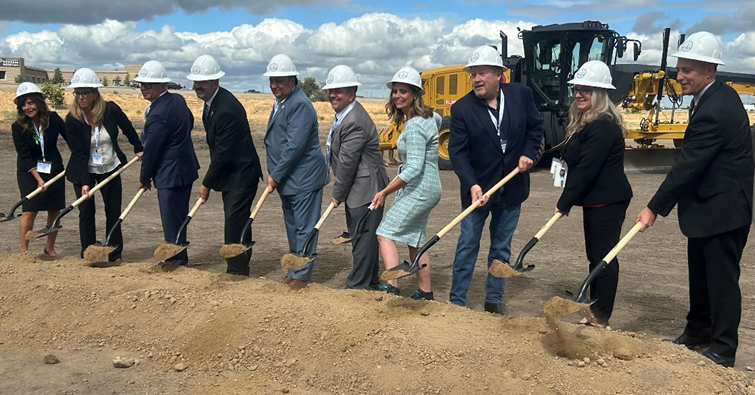
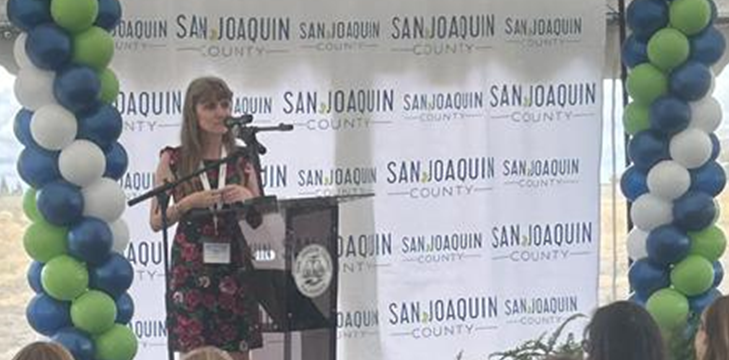
Sacramento — El 10 de septiembre de 2025, el Department of Health Care Services (DHCS)) y el Departamento de Servicios de Salud Conductual del Condado San Joaquin celebraron la colocación de la primera piedra del Be Well Campus, una nueva instalación en French Camp que ampliará el acceso al tratamiento de la salud mental y los trastornos por uso de sustancias en el Valle Central. El campus incluirá 10 tipos de centros, con 116 camas de tratamiento de salud conductual y 1.205 plazas ambulatorias, lo que permitirá la atención a más de 72.000 personas anualmente.
“Este proyecto representa un poderoso ejemplo del compromiso de California con la construcción de un sistema de salud conductual que atienda a las personas en su propia situación”, dijo la directora del DHCS, Michelle Baass. “A través del Program de Infraestructura para la Atención Integral de la Salud Mental, estamos invirtiendo en infraestructura local y ayudando a las comunidades a ampliar el acceso a la atención médica.”
Este proyecto transformador cuenta con el apoyo de más de 149 millones de dólares a través del ProgramInfraestructura para la Atención Continua de la Salud Mental (BHCIP, por sus siglas en inglés), que incluye la Ronda 5: Crisis y Atención Continua de la Salud Mental y la Ronda 1 del Bono BHCIP: Listo para el Lanzamiento (una subvención condicional posible gracias a la Ley de Bonos para la Infraestructura de la Salud Mental), que forma parte de la reforma aprobada por los votantes de Californiapara ampliar la atención de la salud mental y la vivienda. Este proyecto es uno de varios en California que combinarán rondas anteriores del programa BHCIP con fondos de bonos para apoyar tanto las necesidades inmediatas como la infraestructura a largo plazo.
BHCIP es un componente clave de Salud Mental para Todos, el compromiso continuo de California para construir un sistema de salud conductual más estable y equitativo. Con la aprobación de la Proposición 1, se financiarán y construirán aún más centros de tratamiento de salud conductual en 2025 y 2026.
“Nos complace ver en acción la Ley de Bonos para la Infraestructura de Salud Mental”, dijo Marlies Perez, jefa de la División de Servicios Comunitarios del DHCS. “El condado San Joaquin está creando un modelo que reúne múltiples niveles de atención en un solo lugar, lo que facilita que las personas reciban la atención que necesitan cuando la necesitan.”
INVERSIÓN EN LA CAPACIDAD DE ATENCIÓN DE SALUD MENTAL: Más de 1,2 millones de adultos en California viven con una enfermedad mental grave, y 1 de cada 10 residentes cumple los criterios para un trastorno por consumo de sustancias. Además, la escasez de centros
tratamiento de salud mental contribuye al aumento de las tasas de
sin hogar y encarceladas entre quienes padecen trastornos de salud mental.Para abordar esta situación, el DHCS puso en marcha el BHCIP para financiar la construcción, adquisición y expansión de centros de salud mental y servicios móviles de atención en crisis. Desde 2021, el estado otorgó más de 2200 millones de dólares a través de las rondas 1 a 5 del BHCIP, incluidos 430 millones de dólares en la ronda 5 para ampliar la atención de crisis en todo el estado. California está invirtiendo miles de millones más a través del programa Bond BHCIP para construir infraestructura a largo plazo en materia de salud mental y vivienda. En mayo
2025, DHCS otorgó condicionalmente $3.3 mil millones a través
la Ronda 1 del Bono BHCIP: Listo para el Lanzamiento a 121 proyectos en 42 condados, apoyando 4,895 camas residenciales y 21,402 plazas para pacientes ambulatorios.¿QUÉ SIGUE?: El proyecto Be Well Campus recibió una subvención condicional a través de la Ronda 1 de Bond BHCIP: Launch Ready, y el siguiente paso es finalizar dicha financiación. El condado San Joaquin trabajará con DHCS para completar un Acuerdo de Financiamiento Program , confirmar los fondos de contrapartida y la propiedad de los bienes inmuebles, y finalizar la demás documentación requerida antes de que la adjudicación sea definitiva.
Mientras tanto, DHCS se está preparando para otorgar más de 800 millones de dólares a través de la segunda ronda del programa Bond BHCIP: Necesidades no cubiertas. Esta ronda está abierta a solicitantes elegibles en todo el estado, con solicitudes que vencen el 28de octubre 2025y se esperan las becas en la primavera de 2026.
###
Oficina de Comunicaciones
(916) 440-7660
DHCSPress@dhcs.ca.gov
Las subvenciones crearán asociaciones comunitarias y aumentarán el acceso al tratamiento
Sacramento — El Department of Health Care Services (DHCS)) otorgó 26 millones de dólares a más de 70 organizaciones para combatir la crisis de los opioides en California. Estas subvenciones están diseñadas para ampliar el acceso al tratamiento, fortalecer las alianzas comunitarias y salvar vidas. Las subvenciones representan una parte fundamental de la iniciativa estatal de Respuesta a los Opioides (SOR).
"Abordar la crisis de los opioides requiere un enfoque integral, compasivo e impulsado por la comunidad. “Por eso, DHCS se complace en colaborar con tantas organizaciones para ofrecer acceso a esta atención que cambia vidas”, dijo la directora de DHCS, Michelle Baass. "Debemos ampliar el acceso al tratamiento, invertir en la prevención y desmantelar el estigma que rodea a la adicción. Hay vidas en juego y estamos comprometidos a hacer todo lo posible para apoyar la recuperación."
REDUCCIÓN DE LAS NECESIDADES NO SATISFECHAS Y LAS SOBREDOSIS RELACIONADAS CON OPIOIDES EN LAS COMUNIDADES TRIBALES: DHCS otorgó $2.1 millones a 12 organizaciones para implementar el Program de Coalición Local Tribal contra los Opioides (TLOC) SOR IV. TLOC apoya a las comunidades indígenas tribales y urbanas aumentando el acceso al tratamiento, proporcionando servicios de recuperación con raíces culturales y reduciendo las muertes relacionadas con sobredosis mediante la prevención y la atención. El Program refuerza los esfuerzos de recuperación para el trastorno por consumo de opioides y estimulantes mediante la creación de alianzas entre los afiliados a la comunidad, las partes interesadas y los proveedores de servicios.
“El DHCS se complace en apoyar a las comunidades tribales con recursos que reflejen sus necesidades y fortalezas únicas. “El Program TLOC fortalece las alianzas locales para ampliar el tratamiento, prevenir el consumo de sustancias y promover una sanación con base cultural”, dijo Baass.
AMPLIACIÓN DEL ACCESO A MEDICAMENTOS PARA EL TRATAMIENTO DE LA ADICCIÓN: DHCS también otorgó casi 3 millones de dólares a cuatro Program de Tratamiento de Narcóticos (NTP, por sus siglas en inglés) con licencia DHCS para crear instalaciones satélite, llamadas unidades de medicación, que brindan acceso al tratamiento de la adicción. Estas unidades de medicación atenderán a personas que de otro modo tienen dificultades para acceder a la atención, incluyendo personas en zonas rurales, comunidades con la justicia y personas sin transporte fiable, así como con la integración de la atención de apoyo.
"Las comunidades geográficamente aisladas a menudo enfrentan desafíos agravados para acceder a la atención, incluyendo barreras de transporte e inequidades sistémicas. Establecer unidades de medicación aborda estas carencias mejorando el acceso, mejorando la retención y promoviendo la equidad en salud en las áreas que más lo necesitan", dijo Sarah Khawaja-Laljiani, directora sénior de Subvenciones y Servicios al Paciente del Pinnacle Treatment Center, beneficiaria de financiación para ampliar el acceso a Medicamentos para el Tratamiento de Adicciones (MAT).
"Esta oportunidad de financiación está alineada con nuestro compromiso de ampliar el acceso al tratamiento basado en la evidencia en comunidades desfavorecidas", dijo Evelyn Sosa, vicepresidenta senior de BayMark Health Services. "Este apoyo nos ayudará a atender a los pacientes donde están, eliminando barreras para la atención y mejorando los resultados para las personas con mayor riesgo de sobredosis."
AMPLIACIÓN DEL ACCESO A LA TRATAMIENTO AUXILIAR CONSUMIDOR: Además, DHCS otorgó más de 21 millones de dólares a 59 Programresidenciales de tratamiento de trastornos por consumo de sustancias con licencia DHCS para poner en marcha o ampliar los servicios de tratamiento asistido con medicamentos (MAT) basados en la evidencia, disponibles en el mismo centro para personas con un trastorno por consumo de opioides.
“A medida que la crisis de los opioides y el fentanilo continúa devastando vidas en todo el país, ampliar el acceso a los servicios de tratamiento asistido con medicamentos (MAT, por sus siglas en inglés) en Program residenciales no es solo una necesidad clínica, sino un imperativo moral”, dijo el Dr. BJ Davis, director ejecutivo de Gateway House for Women y Sacramento Recovery House for Men. "Esta financiación nos permite encontrarnos con las personas donde se encuentran, con todo el continuo de atención basada en la evidencia."
"Nuestros clientes necesitan acceso oportuno a MAT para gestionar los antojos y comenzar su camino hacia la recuperación y la estabilidad", dijo Lindsey Purdie, MBA, directora ejecutiva de The Crossroads Foundation. “Gracias a nuestra colaboración con DHCS, tuvimos la oportunidad de ampliar nuestros servicios y satisfacer mejor las necesidades de las personas a las que apoyamos. Estamos profundamente agradecidos por esta financiación y por la colaboración continua."
POR QUÉ ESTO ES IMPORTANTE: En 2023, hubo 11.359 muertes por sobredosis relacionadas con drogas. De esos, 8.000 estaban relacionados con opioides, y 7.000 específicamente con fentanilo. Aunque una parte significativa de los californianos cumple los criterios para un trastorno por consumo de sustancias, solo un pequeño porcentaje recibe tratamiento, a menudo debido al acceso limitado a servicios como MAT y naloxona en zonas rurales.
CONTEXTO GENERAL: Estas subvenciones forman parte de la Respuesta a la Crisis de Opioides del DHCS, un elemento clave del Plan Maestro del Gobernador Newsom para Abordar la Crisis del Fentanilo y los Opioides. Para más información sobre opioides y cómo puedes protegerte a ti mismo y a tus seres queridos, visita Opioids.ca.gov, una tienda integral para californianos que buscan recursos sobre prevención y tratamiento.
###
Oficina de Comunicaciones
(916) 440-7660
DHCSPress@dhcs.ca.gov