Lub vas sab hauv internet ntawm lub Xeev California
Txhais

SACRAMENTO — The California Department of Health Care Services (DHCS) today released the 2024 quality ratings for Medi-Cal managed care plans (MCP) and county behavioral health plans (BHP), highlighting measurable improvements in care quality, expanded oversight, and a deepening commitment to health equity across the state’s Medi-Cal delivery system.
This is the fourth year of MCP ratings and the third for BHPs. The ratings are based on performance against the Managed Care Accountability Set and Behavioral Health Accountability Set measures for services delivered from January to December 2024. These measures evaluate how well plans deliver high-quality, equitable care across key domains, such as preventive services, behavioral health, maternal health, and chronic disease management. They also inform DHCS’ oversight of managed care and county behavioral health systems, supporting enforcement actions, such as monetary sanctions and Corrective Action Plans (CAP), when performance standards are not met. Among the key findings:
BHPs are being held accountable through CAPs, with 10 of 56 Mental Health Plans and 29 of 38 Drug Medi-Cal Organized Delivery System plans receiving CAPs based on performance calculated using Medi-Cal Connect, DHCS’ statewide data analytics platform.
“These results reflect our shared commitment to advancing quality and equity across the Medi-Cal delivery system,” said DHCS Director Michelle Baass. “We are seeing real progress in areas like children’s preventive care, dental services, and behavioral health performance. We know there’s more work to do, and we’re holding ourselves and our partners accountable every step of the way.”
DHCS is transitioning to performance-based oversight with a strong emphasis on equity and data-driven progress. For example, in 2025, the Behavioral Health Community-Based Organized Networks of Equitable Care and Treatment (BH-CONNECT) Access, Reform and Outcomes Incentive Program began offering payments to BHPs that demonstrate progress on key behavioral health measures.
“This isn’t just about numbers; it’s about making real, positive changes in the way care is delivered,” said Dr. Palav Babaria, Chief Quality and Medical Officer and Deputy Director of Quality and Population Health Management. “We’re doing it in partnership with our MCP and BHP partners, and I’m incredibly proud of the progress we’ve made so far. Every step we take is about building a Medi-Cal health care delivery system that works for all members.”
Dr. Babaria added, “By leveraging data, aligning incentives, and listening to the voices of Medi-Cal members, we’re creating a system that not only measures performance, but also supports continuous learning and improvement. Our goal is to ensure that every Californian, regardless of geography or background, has access to high-quality, coordinated care.”
Updated fact sheets, enforcement reports, and sanction letters are available on the Medi-Cal Managed Care Monitoring page.
###
Office of Communications
(916) 440-7660
DHCSPress@dhcs.ca.gov
SACRAMENTO — The Department of Health Care Services (DHCS) today awarded nearly $47 million in grants to 57 community-based and Tribal organizations throughout California to help prevent substance use among youth. These grants support programs that focus on mentoring, peer support, and civic engagement for young people in communities that have historically faced barriers to accessing these services.
“This funding empowers youth to lead change in their communities,” said DHCS Director Michelle Baass. “By supporting culturally responsive, peer-led programs, we’re investing in the resilience and long-term wellness of California’s young people.”
Each organization will receive up to $1 million in total over a three-year period, from January 1, 2026, through December 31, 2028, to implement the Elevate Youth California (EYC) program. EYC is designed to help youth ages 12 to 26 build leadership skills, connect with mentors, and access culturally responsive support services.
WHY THIS MATTERS :This funding is part of a larger effort by DHCS to strengthen California’s substance use disorder prevention programs. EYC helps youth-serving organizations use evidence-based and community-driven approaches to support young people. Programs funded through EYC are healing-centered, trauma-informed, and culturally and linguistically responsive. EYC prioritizes substance use prevention and public health strategies that build resilience.
This investment also supports Governor Gavin Newsom’s Path & Purpose executive order, which calls on state agencies to support young men and boys in service and leadership and provide meaningful and caring adult relationships for young people living in the highest need communities. All awarded organizations welcome young men and boys. While EYC requires that funded initiatives focus on underserved communities, all genders may participate. DHCS’ 2024 Annual Report shows that 37 percent of the population served by EYC programs are boys.
WHAT THEY ARE SAYING : “Elevate Youth California funding has been more than just support, but transformative in our practices as a program,” said Ilien Tolteca, Youth Coordinator for the Mixteco Indigena Community Organizing Project. “This funding has allowed us to create and enhance our satellite sites across our city, serving and fostering community with 60 to 100 Indigenous youth from the Mixteco, Zapotec, and many other Diasporic communities throughout the Central Coast. It has strengthened autonomous youth leadership, cultural knowledge, and accessibility to higher education resources/tools for our youth.”
“The EYC grant has allowed us to provide vital prevention services to foster youth, youth on probation, and others in our community,” said Anthony Hughey, Executive Director of The Young People’s Foundation, Inc. “We’ve built long-term relationships with youth from underserved Black and brown communities and developed peer leaders who are driving change.”
TXOG EYC: Txij li thaum EYC tau pib xyoo 2019, DHCS tau muab ntau dua $ 370 lab los ntawm 517 qhov nyiaj pab. EYC tau txais nyiaj los ntawm Proposition 64, uas tau pom zoo los ntawm cov neeg pov npav thaum Lub Kaum Ib Hlis 2016, uas tau tso cai rau cov neeg laus siv tshuaj yeeb tsis yog tshuaj kho mob hauv California thiab tsim ib txoj cai them se los tswj kev muag tshuaj yeeb. Ib feem ntawm cov nyiaj tau los ntawm se ntawd txhawb nqa EYC los ntawm DHCS, pab nyiaj rau cov tub ntxhais hluas tiv thaiv thiab cov kev pab cuam ua thawj coj thoob plaws lub xeev. Cov nyiaj pab no txhawb nqa kev loj hlob ntawm cov tub ntxhais hluas, kev koom tes hauv zej zog, thiab kev txhawb nqa los ntawm cov phooj ywg hauv 56 ntawm 58 lub nroog hauv California.
PATH AND PURPOSE: In July, Governor Gavin Newsom issued an executive order to address a growing issue — the alarming rise in suicides and disconnection among California’s young men and boys. The order directs a coordinated statewide response to improve mental health outcomes, reduce stigma, and expand access to meaningful education, work, and mentorship opportunities. The full executive order can be found here. The executive order helps address this crisis, directing state agencies to create a new focus on this issue and developing new pathways to help reconnect men and boys with the support, assistance, and help they need.
To see the full list of EYC grant recipients and learn more about EYC, visit www.elevateyouthca.org.
###
Office of Communications
(916) 440-7660
DHCSPress@dhcs.ca.gov
SACRAMENTO — The California Department of Health Care Services (DHCS) today announced $145.5 million in awards to 153 organizations across all 58 counties to strengthen services for Medi-Cal members. Enhanced Care Management (ECM) and Community Supports are core components of California Advancing and Innovating Medi-Cal (CalAIM), DHCS’ broad transformation of Medi-Cal to create a more coordinated, person-centered, and equitable health system that works for all Californians. They offer tailored, community-based services, including in-person care coordination, housing support, and other vital resources for Medi-Cal members with complex needs. The awards are part of the Providing Access and Transforming Health (PATH) Capacity and Infrastructure, Transition, Expansion, and Development (CITED) initiative, which helps local providers grow their ability to deliver whole-person, community-based care.
Txhawm rau txhawb kev nthuav dav ntawm ECM thiab Kev Pabcuam Hauv Zej Zog, DHCS tau muab nyiaj ntau dua $ 1.66 nphom rau ntau dua 2,200 lub koom haum los ntawm nws txoj kev pib PATH, suav nrog CITED, Kev Npaj Ua Haujlwm thiab Kev Ua Haujlwm, thiab Kev Pabcuam Kev Lag Luam. Cov kev siv zog no twb tau mus txog ntau dua 373,000 ECM cov neeg sau npe, xa ntau dua ib lab cov kev pabcuam Zej Zog, thiab nthuav dav nkag mus rau cov menyuam yaus thiab cov hluas, nrog rau 120 feem pua ntawm xyoo dhau los ntawm xyoo 2025 ib leeg.
“PATH CITED represents a vital investment in the future of Medi-Cal and the health of California,” said DHCS Director Michelle Baass. “By empowering local providers, many of whom serve historically under-resourced communities, we are strengthening the foundation of a more equitable, person-centered delivery system. Together, we’re creating lasting change that connects Medi-Cal members to the care and support they need to live healthier, more fulfilling lives. I’m proud of the progress we’ve made and the partnerships that made it possible.”
Recent data show that investments like these are resulting in long-term savings for California’s Medi-Cal program. Community Supports have been proven cost-effective, reducing avoidable emergency department visits, hospitalizations, and long-term care use. By investing now, DHCS is helping ensure a more sustainable, efficient, and equitable health care system for the future.
Saib cov vis dis aus luv luv hauv qab no kom hnov lus ncaj qha los ntawm cov neeg tau txais txiaj ntsig yav dhau los txog qhov kev pab nyiaj PATH CITED tau pab lawv nthuav cov kev pabcuam, ntiav cov neeg ua haujlwm, thiab tsim kom muaj kev sib raug zoo nrog lawv cov zej zog.
WHY THIS IS IMPORTANT: ECM and Community Supports offer tailored, community-based services, including in-person care coordination, housing support, and other vital resources for Medi-Cal members with complex needs. PATH CITED is helping ECM and Community Supports providers transition, expand, and develop their capacity to provide local, coordinated care for member communities. Awardees will use funds to:
WHAT THEY’RE SAYING: “ECM and Community Supports are transforming how we care for Medi-Cal members with diverse and often intensive needs,” said Susan Philip, Deputy Director of DHCS’ Health Care Delivery Systems. “Just like in prior PATH CITED rounds, we are investing in the infrastructure and workforce that make whole-person care possible, ensuring that providers have the tools they need to deliver timely, compassionate, and coordinated care.”
“Thanks to PATH CITED support, Sanctuary Centers of Santa Barbara has turned an idea into a thriving clinic that continues to expand its reach and impact,” said Sanctuary Centers of Santa Barbara Interim CEO Stephanie R. Drake, PhD. “The Integrated Health Clinic is a model for collaborative, patient-centered care, bridging critical gaps in services and ensuring that Medi-Cal members receive the timely, high-quality, and compassionate care they deserve.”
“We did not have the staffing to follow up with people once they were housed, which led to more instability,” said Ronni Duncan, Care Management Manager at Adventist Health, a CITED awardee from previous rounds. “PATH CITED funds have allowed us to expand staffing, fill service gaps, and let case managers focus on their specific roles. Most of all, these programs have helped build community and provide hope and healing to people who may not have had access to the healing support we offer.”
“Thanks to PATH CITED funding, we are building a growing team of skilled case managers to meet our patients where they are – in homes, coffee shops, and throughout their communities to build trust and transform care,” said Jeniffer Zamora, Community Health Program Manager at Peach Tree Health, a CITED awardee from previous rounds.
"Txhawb nqa los ntawm PATH CITED nyiaj txiag, Rady Children's Hospital qhov kev pab cuam ECM tau nthuav dav los ntawm San Diego County mus rau Riverside County," Russell Gagui, ECM Manager ntawm Rady Children's Hospital, tus neeg tau txais txiaj ntsig CITED Round 2 hais. "Thaum peb loj hlob tuaj, peb tseem mob siab rau cov ntsiab cai uas ua rau ECM rau menyuam yaus ua haujlwm: ntiav cov neeg hauv zej zog uas peb pabcuam, tsim cov txheej txheem uas txhawb nqa cov tsev neeg cov kev xav tau tiag tiag, thiab tsom mus rau txhua yam kev siv zog los txhim kho lub neej ntawm cov menyuam yaus uas muaj kev xav tau kev kho mob thiab kev sib raug zoo."
“Through the CITED grants, we have been able to expand access to recuperative care and strengthen care coordination by hiring additional staff as well as updating our internal data systems, which has allowed us more time to focus on the acute needs of our clients,” said Tracy Wilson, Co-Founder and CEO of Rooted Life, a CITED Round 3 awardee. “CITED grants have been pivotal in allowing us to create robust program where we can focus on the stability and recovery of our clients.”
HOW WE GOT HERE: PATH is a five-year, $1.85 billion initiative launched in 2022, providing funds for community-based organizations, county agencies, hospitals, Tribes, and other community providers to support improved health care management and delivery through the Medi-Cal system. Recipients of PATH CITED awards are committed to serving historically under-resourced and underserved populations.
DAB TSI TOM NTEJ: Qhov thib 4 yog qhov kawg ntawm PATH CITED kev pab nyiaj txiag. DHCS yuav txuas ntxiv mloog cov tswv cuab thiab cov neeg muab kev pab ntawm Medi-Cal kom txhim kho kev muab kev pabcuam, ua kom kev saib xyuas yooj yim dua, ua haujlwm tau zoo dua, thiab teb tau rau cov zej zog sib txawv ntawm California. Qhov no kuj suav nrog kev siv lwm cov haujlwm PATH los mloog zoo thiab muab kev pab txog kev txawj ntse, xws li los ntawm Kev Lag Luam Kev Pabcuam Kev Txawj Ntse thiab kev sib tham txog Kev Npaj Ua Haujlwm hauv cheeb tsam. Yog xav paub ntxiv txog PATH CITED, mus saib lub vev xaib PATH.
###
Office of Communications
(916) 440-7660
DHCSPress@dhcs.ca.gov
SACRAMENTO — California schools have long worked to meet student mental health needs, and the Department of Health Care Services (DHCS) is supporting these efforts through a new sustainable funding program that is already showing promising results.
Los ntawm qhov kev pab cuam Children and Youth Behavioral Health Initiative (CYBHI) Fee Schedule , cov koom haum kev kawm hauv zos (LEA), uas suav nrog California cov koog tsev kawm ntawv K-12 pej xeem, cov tsev kawm ntawv charter, thiab cov chaw ua haujlwm kev kawm hauv nroog, thiab cov tsev kawm ntawv qib siab pej xeem (IHE), suav nrog cov tsev kawm qib siab hauv zej zog pej xeem thiab cov tsev kawm ntawv qib siab, tuaj yeem sau npe koom nrog txoj hauv kev them rov qab rau kev noj qab haus huv ntawm lub hlwb thiab kev siv tshuaj yeeb dej cawv, kev kho mob, thiab kev tswj hwm rooj plaub. Qhov no tsim kom muaj ib qho chaw pab nyiaj txiag ruaj khov rau kev saib xyuas hauv tsev kawm ntawv. Qhov kev pab cuam them nyiaj ntau tus neeg tshiab no rhuav tshem cov teeb meem thiab muab cov tub ntxhais kawm tso ua ntej, tsim kom muaj kev paub zoo dua rau cov tub ntxhais hluas nrhiav kev pab nrog kev noj qab haus huv ntawm lub hlwb. Muaj ntau tshaj 500 LEAs thiab IHEs twb tau sau npe thiab tab tom pib ua haujlwm.
Txawm hais tias tseem ntxov ua ntej, qhov kev siv zog thawj zaug hauv lub tebchaws no tau ua rau pom tau zoo: cov tsev kawm ntawv thiab lawv cov neeg koom tes tau txais ntau dua $ 1.8 lab nyiaj tshiab rau cov kev pabcuam muab rau ntau dua 5,000 tus tub ntxhais kawm. Raws li lub Kaum Hlis 15, 55 LEAs thiab IHEs tau xa ntau dua 26,000 daim ntawv thov los ntawm qhov kev zov me nyuam, sawv cev rau 32 Medi-Cal cov phiaj xwm tswj hwm thiab lwm cov neeg tuav pov hwm, suav nrog cov phiaj xwm kev lag luam. Cov txiaj ntsig no qhia txog kev nce qib tseem ceeb uas tau ua tiav hauv ntau dua ib xyoos txij li cov neeg koom ua ntej tau tsim nyog tau txais daim nqi rau cov kev pabcuam.
“Schools are often the first place students turn to for support,” said DHCS Director Michelle Baass. “Through the CYBHI Fee Schedule program, we’re helping schools meet that need by easing financial pressures and building a sustainable foundation for student mental health services, so every student has access to care when and where they need it.”
“We were lucky enough to be the first to successfully submit a service for billing, and we actually got our first check. It was only $77, but it was a big milestone,” said Nevada Joint Union High School District Director of Pupil Services Timothy Reid. As of November 3, the district had been reimbursed more than $30,000. Since the first claim was submitted in December 2024, the average reimbursement for an LEA/IHE is nearly $50,000, and multiple LEAs are nearing being reimbursed $1 million through the program.
COV PEJ XEEM TSHIAB THIAB KEV PAUB TXOG KEV UA HAUJ LWM: Txhawm rau txhawb kev siv txoj haujlwm, DHCS tau tshaj tawm cov ntaub ntawv tshiab thiab cov peev txheej rau pej xeemthiab cov neeg muab kev pabcuamlos pab cov tsev kawm ntawv thiab cov tsev neeg taug kev hauv txoj haujlwm:
ABOUT THE CYBHI FEE SCHEDULE PROGRAM: The program requires Medi-Cal managed care plans, Medi-Cal fee-for-service providers, commercial health insurance plans, and disability insurers to reimburse school-linked providers for behavioral health services provided to students under age 26, with no out-of-pocket costs for families. As a result, schools now have a sustainable funding source through which to hire, train, and retain staff, increasing access to behavioral health services.
WHY THIS IS IMPORTANT: Youth mental needs have risen significantly in the last decade. California falls short of the recommended ratio of one school psychologist per 500 students, largely due to cost barriers. By creating a sustainable funding mechanism for providing these services, the CYBHI Fee Schedule program addresses this gap by funding school-based services, prioritizing early intervention, and expanding opportunities for the behavioral health workforce to meet growing demand. Research has shown an association between students who access services through a school-based health center and positive school attendance, particularly for students with a mental health diagnosis, suggesting that increased mental health support through school may improve school attendance.
WHAT THEY’RE SAYING: “We’ve heard from California students across the state about the need to increase behavioral health support where they spend time – at schools. The CYBHI Fee Schedule program is answering the call,” said CYBHI Director Dr. Sohil Sud. “Through partnerships and deeper connections between schools and health plans, along with sustainable funding, schools can meet the behavioral health needs of students who need it most.”
“Together, we have made significant strides in our efforts to transform school-based behavioral health care in California. Our progress to date is a testament to the commitment and the collaborative efforts of our school-district, managed care plan and community partners,” said Autumn Boylan, Deputy Director of DHCS’ Office of Strategic Partnerships. “With the foundation we’ve built, I am confident we will continue to succeed in making a lasting impact on the lives of students across the state.”
“Through the CYBHI Fee Schedule, our school district can continue to provide comprehensive, school-based behavioral health services, including assessments, counseling, prevention, and wellness programs, all at no cost to students and families. These funds will sustain and strengthen the vital program we have built to nurture the mental and emotional well-being of our students, while extending care to their families and our broader community,” said Jesus Chavarria, Anaheim Elementary School District Superintendent.
“CYBHI’s involvement allows us to expand the services and support we can provide,” said Matthew Zavala, Mental Health Therapist at Silver Springs High School in Grass Valley. “When I started working at this school, mental health programming was very grassroots. Now, it’s more stable and secure. It really feels like mental health is part of the school system. On a smaller scale, it’s just nice to see students find a place where they feel welcome and have a positive school experience. Seeing both of those things happen simultaneously is a very rewarding part of this job.”
BIGGER PICTURE: The CYBHI Fee Schedule is part of the state’s broader effort to transform youth mental health care into a coordinated, equitable, and prevention-focused system. The CYBHI Fee Schedule program is the CYBHI’s flagship, a more than $4 billion investment to transform behavioral health services for children, youth, and families, and it is central to the Governor’s Master Plan for Kids’ Mental Health. Learn more on the CYBHI Fee Schedule webpage.
###
Office of Communications
(916) 440-7660
DHCSPress@dhcs.ca.gov
SACRAMENTO — Ua ib kauj ruam loj mus tom ntej hauv kev tsim txoj cai uas suav nrog txhua tus, Lub Tsev Haujlwm Saib Xyuas Kev Noj Qab Haus Huv (DHCS) tau tshaj tawm Medi-Cal Voices and Vision Council, uas yog thawj pab pawg neeg pab tswv yim uas coj cov tswv cuab Medi-Cal, cov neeg saib xyuas, cov neeg muab kev pab, cov koom haum hauv zej zog, cov pab pawg tawm tswv yim, thiab cov neeg koom tes hauv nroog los tsim lub neej yav tom ntej ntawm Medi-Cal cov cai, cov kev pab cuam, thiab kev siv. Los ntawm kev muab kev paub dhau los tso rau hauv cov txheej txheem tsim cai, pawg sab laj ua kom ntseeg tau tias cov cai thiab cov kev pab cuam Medi-Cal yog raws li cov kev xav tau tiag tiag ntawm cov neeg uas lawv pabcuam thiab txhim kho los ntawm kev koom tes nrog cov kws tshaj lij kev kho mob thiab cov thawj coj ntawm lub cev.
The Voices and Vision Council held its inaugural meeting alongside the established Medi-Cal Member Advisory Committee to launch a new collaborative structure that brings together lived experience and system expertise to shape Medi-Cal policy.
“The Medi-Cal Voices and Vision Council is a vital platform for ensuring that Medi-Cal members and community partners help shape how we deliver care,” said DHCS Director Michelle Baass. “We are committed to strengthening our Medi-Cal program so it is more equitable, responsive, and grounded in the voices of the people we serve. This council reflects our belief that meaningful change and innovation begin with listening and acting on what people tell us they need.”
"Medi-Cal muab kev saib xyuas neeg mob uas ua rau kuv tus tub noj qab nyob zoo thiab muaj kev nyab xeeb hauv tsev nrog peb tsev neeg," Jenny McLelland, ib tug niam txiv thiab yog ib tug tswv cuab ntawm Voices and Vision Council hais. Pawg sab laj muab lub cib fim rau kuv los qhia kuv tej kev paub dhau los ua tus neeg saib xyuas thiab xyuas kom cov tsev neeg zoo li kuv muaj lub suab hauv kev ua kom Medi-Cal zoo dua rau txhua tus neeg California.
WHY THIS IS IMPORTANT: The Voices and Vision Council and the Medi-Cal Member Advisory Committee help ensure that Medi-Cal members remain at the heart of policy development and program administration. These two advisory bodies work in close partnership with DHCS leaders and policy experts to co-design equity-centered programs and policy solutions that reflect the real needs of members.
Los ntawm kev koom tes ncaj qha nrog cov tswv cuab thiab cov neeg koom nrog, DHCS tab tom tsim cov hauv paus los ua haujlwm rau yam tseem ceeb tshaj plaws rau cov neeg uas nws pabcuam. Txhua lub rooj sib tham txhua peb lub hlis yog hais txog cov kev nkag siab uas cov tswv cuab thiab cov neeg saib xyuas tau qhia. Cov kev sib tham no pab DHCS txhais cov lus taw qhia rau hauv kev txhim kho kom pom tseeb, txhawb nqa Medi-Cal txhawb nqa cov zej zog thoob plaws California li cas.
KEEB KWV YAV DUAJ: Xyoo 2023, DHCS tau tsim tsa Pawg Neeg Saib Xyuas Cov Tswv Cuab Medi-Cal, yog ib pawg neeg saib xyuas thawj zaug hauv lub tebchaws uas muaj cov tswv cuab Medi-Cal thiab cov neeg uas txhawb nqa lawv, xws li cov tswv cuab hauv tsev neeg thiab cov neeg saib xyuas. Xyoo 2024, Lub Chaw Pabcuam Medicare & Medicaid hauv tebchaws tau tshaj tawm Txoj Cai Nkag Mus Rau Medicaid Cov Kev Pabcuam, uas yuav tsum tau kom txhua lub xeev tsim ob lub koom haum pab tswv yim: Pawg Neeg Pab Tswv Yim rau Cov Neeg Tau Txais Txiaj Ntsig uas muaj cov tswv cuab thiab cov neeg saib xyuas, thiab Pawg Neeg Pab Tswv Yim Medicaid uas suav nrog cov neeg muab kev pabcuam thiab rub tsawg kawg 25 feem pua ntawm nws cov tswv cuab los ntawm Pawg Neeg Pab Tswv Yim rau Cov Neeg Tau Txais Txiaj Ntsig thaum Lub Xya Hli 10, 2027.
To meet this requirement, California designated its existing Medi-Cal Member Advisory Committee as the state’s Beneficiary Advisory Council and created the Medi-Cal Voices and Vision Council as its Medicaid Advisory Committee. Together, these groups are designed to create a continuous feedback loop: The Medi-Cal Member Advisory Committee will meet first each quarter to surface themes and priorities from members and caregivers, which will then inform the Voices and Vision Council’s policy and operational discussions. Potential topics include access to care, service delivery, communication, and other issues that influence how Medi-Cal works for the people it serves.
WHAT’S NEXT: The first public meeting of the Medi-Cal Voices and Vision Council will be held on March 18, 2026. Meeting schedules, agendas, minutes, and membership lists for both groups will be publicly available. For more information, including how to register for the first public meeting, please visit the Voices and Vision Council webpage.
ABOUT THE VOICES AND VISION COUNCIL MEMBERS: The Voices and Vision Council is made up of 16 Medi-Cal members and leaders from across California who bring experience from advocacy groups, community-based organizations, health centers, county health and social services departments, managed care plans, and health plan associations.
###
Office of Communications
(916) 440-7660
DHCSPress@dhcs.ca.gov
Medi-Medi Plans yog cov phiaj xwm kho mob tshwj xeeb rau cov neeg uas muaj Medicare thiab Medi-Cal
SACRAMENTO — As Medicare open enrollment begins on October 15, the Department of Health Care Services (DHCS) is expanding access to Medi-Medi Plans––integrated health plans for people who have both Medicare and Medi-Cal—to 29 additional counties. This expansion brings the total to 41 counties that offer Medi-Medi Plans, nearly quadrupling access to these plans. This means Californians who are eligible for both Medicare and Medi-Cal will have the option to enroll in a Medi-Medi Plan to receive additional support to help manage chronic conditions, disabilities, or long-term care needs. Enrollment runs from October 15 to December 7, with coverage starting on January 1, 2026.
“California is building upon the success of Medi-Medi Plans that have already made a real difference in people’s lives,” said DHCS Director Michelle Baass. “By expanding access to these plans, we’re helping more Californians with complex health needs get the care they need—more easily, more consistently, and with greater support. This is about making health care work better for the people who rely on it most.”
The 29 new counties are: Alameda, Alpine, Amador, Calaveras, Contra Costa, El Dorado, Imperial, Inyo, Kern, Marin, Mariposa, Merced, Mono, Monterey, Napa, Placer, San Benito, San Francisco, San Joaquin, San Luis Obispo, Santa Barbara, Santa Cruz, Solano, Sonoma, Stanislaus, Tuolumne, Ventura, Yolo, and Yuba.
These 29 counties will join the 12 counties where Medi-Medi Plans are currently available: Fresno, Kings, Los Angeles, Madera, Orange, Riverside, Sacramento, San Bernardino, San Diego, San Mateo, Santa Clara, and Tulare. For more details, visit the Medicare Medi-Cal Plan List webpage, Joining a Medi-Medi Plan information sheet, and the Medi-Medi Plan Expansion Fact Sheet.
WHY THIS IS IMPORTANT: For the first time, Californians who qualify for both Medicare and Medi-Cal will have access to Medi-Medi Plans in 29 additional counties. Members with both Medicare and Medi-Cal often face serious health challenges, need help with daily activities, and deal with barriers like low income or limited transportation. They typically rely on many different services, but must navigate two separate systems to get care.
"Qhov kev nthuav dav no yog hais txog kev ua kom kev kho mob ua haujlwm zoo dua rau cov neeg uas xav tau nws tshaj plaws," Lauren Solis, Tus Thawj Coj ntawm DHCS' Office of Medicare Innovation and Integration hais.
Medi-Medi Plans combine Medicare and Medi-Cal benefits into one plan and provide specialized care coordination and wraparound Medi-Cal services. This model simplifies care with one card, one care team, and integrated services across medical, behavioral health, and long-term services and supports.
Currently, about 330,000 people are enrolled in these plans across 12 counties. As a result of this expansion, an additional 461,000 Californians will now have the choice to enroll in a Medi-Medi Plan. Meanwhile, nearly a quarter of Medicare members in California – 1.7 million people – also have Medi-Cal.
ABOUT MEDI-MEDI PLANS: Medi-Medi Plans are available to individuals who have both Medicare Part A and B, are enrolled in Medi-Cal, are 21 or older, and live in a participating county. Medi-Medi Plans coordinate all services across both Medicare and Medi-Cal, including:
Cov tswv cuab kuj tau txais txiaj ntsig los ntawm:
XAV PAUB NTXIV: Cov neeg California uas tsim nyog tuaj yeem sau npe rau hauv Medi-Medi Plan thaum lub sijhawm qhib rau npe Medicare txij lub Kaum Hli 15 txog rau lub Kaum Ob Hlis 7. Kev them nqi yuav pib lub Ib Hlis 1, 2026. Yog xav paub ntxiv txog Medi-Medi Plans thiab yuav sau npe li cas, mus saib nplooj ntawv web Medi-Medi Plan .
###
Office of Communications
(916) 440-7660
DHCSPress@dhcs.ca.gov
SACRAMENTO — The Department of Health Care Services (DHCS) today released new data showing continued growth and impact from Enhanced Care Management (ECM) and Community Supports as part of the state’s Medi-Cal transformation under California Advancing and Innovating Medi-Cal (CalAIM). These services help Medi-Cal members stay healthier and avoid other, costlier health care services, such as emergency department visits and hospital stays.
Tsuas yog thawj peb lub hlis ntawm lub xyoo no:
Michelle Baass, Tus Thawj Coj ntawm Lub Tsev Haujlwm Saib Xyuas Kev Noj Qab Haus Huv tau hais tias "Qhov no yog qhov kev hloov pauv ntawm Medi-Cal zoo li. “Peb tsis yog tsuas yog nthuav cov kev pabcuam xwb. Peb tab tom ncav cuag tib neeg ntau dua li qhov qub. "
ECM pab cov neeg muaj kev noj qab haus huv thiab kev xav tau kev sib raug zoo, suav nrog kev tsis muaj tsev nyob, mob hlwb loj, lossis mus ntsib tsev kho mob ntau zaus, tau txais kev saib xyuas lawv xav tau, txawm lawv nyob qhov twg. Tus Thawj Saib Xyuas Kev Noj Qab Haus Huv pab tswj xyuas txhua yam ntawm kev saib xyuas, los ntawm kev mus ntsib kws kho mob thiab kev pabcuam kev puas hlwb mus rau vaj tse thiab khoom noj khoom haus. Txij li thaum pib thaum Lub Ib Hlis 2022, ECM tau txuas ntau dua 372,000 Medi-Cal cov tswv cuab rau kev saib xyuas tus neeg mob siab.
Community Supports are also growing rapidly. These services offer cost-effective, community-based alternatives to traditional medical care, addressing housing, nutrition, and other social drivers of health. As of early 2025:
"Tom qab txhua tus lej yog ib zaj dab neeg: niam txiv uas pom cov tsev nyob ruaj khov, tus hluas uas tau txais kev kho mob hlwb, cov laus uas tau txais zaub mov raws li lawv tus mob," said State Medicaid Director Tyler Sadwith. "Qhov no yog qhov peb tsim kom muaj kev noj qab haus huv hauv California."
WHY THIS IS IMPORTANT: The growth in ECM and Community Supports comes as California rolls out historic policies under the Behavioral Health Services Act (BHSA), aimed at reducing homelessness and expanding behavioral health care. ECM and Community Supports are proving to be vital tools to help people navigate housing, nutrition, and health systems with dignity and support. From ECM and Community Supports to Transitional Rent and permanent housing, California is building a continuum of care that supports people across every stage of their recovery journey.
Txhawm rau txhawb nqa qhov kev nthuav dav no, DHCS tau muab ntau dua $ 1.43 billion los ntawm nws cov kev pib muab kev nkag mus rau thiab kev hloov pauv kev noj qab haus huv (PATH), suav nrog Kev Hloov Pauv, Kev Nthuav Dav, thiab Kev Txhim Kho Peev Xwm thiab Kev Tsim Kho Vaj Tse (CITED), Kev Npaj Ua Haujlwm thiab Kev Siv, thiab Kev Lag Luam Kev Pabcuam Kev Txawj Ntse. Cov nyiaj no pab cov koom haum hauv zej zog, cov chaw kho mob, thiab cov koom haum hauv zos kom lawv muaj peev xwm xa ECM thiab Kev Txhawb Nqa Hauv Zej Zog los ntawm kev ntiav cov neeg ua haujlwm, txhim kho cov txheej txheem, thiab txhim kho kev sib koom tes saib xyuas. Qhov kev sib tw kawg ntawm CITED nyiaj txiag tau kaw rau lub Tsib Hlis 2025, nrog rau cov neeg tau txais txiaj ntsig tshiab yuav raug tshaj tawm tom qab xyoo no.
DAB TSI TOM NTEJ: DHCS yuav txuas ntxiv mloog cov tswv cuab Medi-Cal uas siv ECM thiab Kev Txhawb Nqa Hauv Zej Zog. Cov lus taw qhia ntawm cov tswv cuab, uas tau sau los ntawm kev soj ntsuam, cov pab pawg sib tham, thiab lwm yam kev ncav cuag, yuav pab txhim kho txoj kev xa cov kev pabcuam no, ua rau lawv yooj yim dua rau kev nkag mus, ua haujlwm tau zoo dua, thiab teb tau zoo dua rau ntau haiv neeg thiab zej zog.
###
Office of Communications
(916) 440-7660
DHCSPress@dhcs.ca.gov
Lub Tsev Kawm Ntawv Qib Siab Yuav Pab 72,000 Tus Neeg Txhua Xyoo
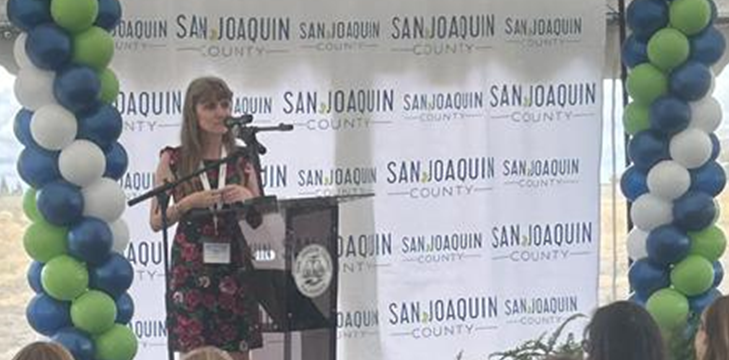
SACRAMENTO — Thaum lub Cuaj Hlis 10, 2025, Lub Tsev Haujlwm Saib Xyuas Kev Noj Qab Haus Huv (DHCS) thiab Lub Tsev Haujlwm Saib Xyuas Kev Noj Qab Haus Huv ntawm San Joaquin County tau ua kev zoo siab rau qhov kev tsim kho Be Well Campus, lub chaw tshiab hauv French Camp uas yuav nthuav dav kev nkag mus rau kev kho mob hlwb thiab kev kho mob siv tshuaj yeeb dej cawv hauv Central Valley. Lub tsev kawm ntawv yuav muaj 10 hom chaw kho mob, nrog rau 116 lub txaj kho mob kev coj cwj pwm thiab 1,205 qhov chaw kho mob sab nraud, uas ua rau muaj kev saib xyuas rau ntau dua 72,000 tus tib neeg txhua xyoo.
"Qhov project no yog ib qho piv txwv zoo ntawm California txoj kev cog lus los tsim kom muaj ib lub system kev noj qab haus huv uas haum rau tib neeg qhov chaw uas lawv nyob," tus thawj coj ntawm DHCS, Michelle Baass, hais. Los ntawm Qhov Kev Pab Cuam Txog Kev Noj Qab Haus Huv Txog Kev Coj Tus Cwj Pwm, peb tab tom nqis peev rau hauv cov chaw hauv zos thiab pab cov zej zog kom nthuav dav kev nkag mus rau kev saib xyuas.
This transformative project is supported by more than $149 million through the Behavioral Health Continuum Infrastructure Program (BHCIP), including Round 5: Crisis and Behavioral Health Continuum and Bond BHCIP Round 1: Launch Ready (a conditional award made possible by the Behavioral Health Infrastructure Bond Act), part of California’s voter-approved reform to expand behavioral health care and housing. This project is one of several in California that will combine earlier BHCIP rounds with bond funds to support both immediate needs and long-term infrastructure.
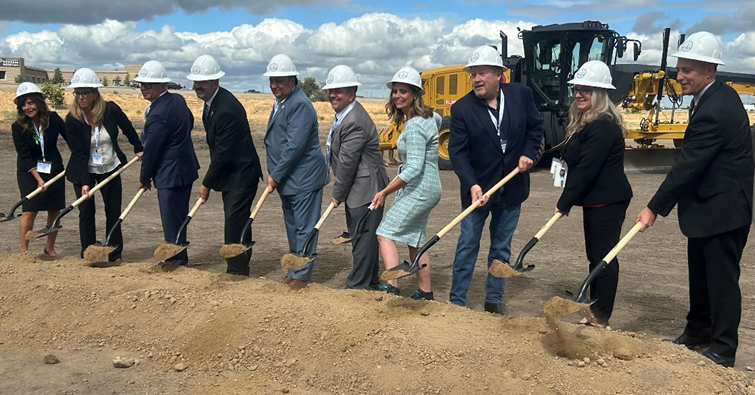
BHCIP is a key component of Mental Health for All, California’s ongoing commitment to build a stronger and more equitable behavioral health system. With the passage of Proposition 1, even more behavioral health treatment facilities will be funded and built in 2025 and 2026.
“We are pleased to see the Behavioral Health Infrastructure Bond Act in action,” said DHCS Community Services Division Chief Marlies Perez. “San Joaquin County is building a model that brings together multiple levels of care in one place, making it easier for people to get the care they need when they need it.”
INVESTING IN BEHAVIORAL HEALTH CARE CAPACITY: More than 1.2 million adults in California live with a serious mental illness, and 1 in 10 residents meet the criteria for a substance use disorder. Additionally, shortages of behavioral health treatment sites contribute to rising rates of homelessness and incarceration among people with mental health disorders.
To address this, DHCS launched BHCIP to fund the construction, acquisition, and expansion of behavioral health facilities and mobile crisis services. Since 2021, the state has awarded more than $2.2 billion through BHCIP Rounds 1–5, including $430 million in Round 5 to expand crisis care statewide. California is investing billions more through Bond BHCIP to build long-term behavioral health and housing infrastructure. In May 2025, DHCS conditionally awarded $3.3 billion through Bond BHCIP Round 1: Launch Ready to 121 projects across 42 counties, supporting 4,895 residential beds and 21,402 outpatient slots.
WHAT’S NEXT: The Be Well Campus project received a conditional award through Bond BHCIP Round 1: Launch Ready, and the next step is to finalize that funding. San Joaquin County will work with DHCS to complete a Program Funding Agreement, confirm matching funds and property ownership, and wrap up other required documentation before the award becomes final.
Lub caij no, DHCS tab tom npaj muab nyiaj ntau dua $ 800 lab los ntawm Bond BHCIP Round 2: Unmet Needs. Lub sijhawm no qhib rau cov neeg thov uas tsim nyog thoob plaws lub xeev, nrog rau daim ntawv thov rau lub Kaum Hli 28, 2025, thiab cov khoom plig yuav tsum tau txais rau lub caij nplooj ntoo hlav xyoo 2026.
###
Office of Communications
(916) 440-7660
DHCSPress@dhcs.ca.gov
Cov nyiaj pab yuav tsim kev koom tes hauv zej zog thiab nce kev nkag mus rau kev kho mob
SACRAMENTO — The Department of Health Care Services (DHCS) has awarded $26 million to more than 70 organizations to combat the opioid crisis in California. These grants are designed to expand access to treatment, strengthen community partnerships, and save lives. The grants represent a critical part of the State’s Opioid Response (SOR) initiative.
“Addressing the opioid crisis requires a comprehensive, compassionate, and community-driven approach. That’s why DHCS is pleased to partner with so many organizations to offer access to this life-changing care,” said DHCS Director Michelle Baass. “We must expand access to treatment, invest in prevention, and dismantle the stigma surrounding addiction. Lives are at stake, and we are committed to doing everything we can to support recovery.”
TXO QHOV KEV XAV TAU THIAB KEV NOJ TSHUAJ OPIOID NTAU TSHAJ PLAWS HAUV COV ZEJKHOOM HAUV PAWGLUB: DHCS tau muab $2.1 lab rau 12 lub koom haum los siv qhov kev pab cuam SOR IV Tribal Local Opioid Coalition (TLOC). TLOC txhawb nqa cov zej zog Tribal thiab Urban Indian los ntawm kev nce kev nkag mus rau kev kho mob, muab cov kev pabcuam kho mob uas muaj keeb kwm kab lis kev cai, thiab txo cov neeg tuag uas cuam tshuam nrog kev siv tshuaj ntau dhau los ntawm kev tiv thaiv thiab kev saib xyuas. Qhov kev pab cuam no txhawb zog rau kev kho mob rau cov neeg mob opioid thiab kev siv tshuaj stimulant los ntawm kev tsim kev koom tes ntawm cov tswv cuab hauv zej zog, cov neeg koom tes, thiab cov neeg muab kev pabcuam.
“DHCS is pleased to support Tribal communities with resources that reflect their unique needs and strengths. The TLOC program empowers local partnerships to expand treatment, prevent substance use, and promote culturally grounded healing,” said Baass.
EXPANDING ACCESS TO MEDICATIONS FOR ADDICTION TREATMENT: DHCS also awarded nearly $3 million to four DHCS-licensed Narcotic Treatment Programs (NTP) to create satellite facilities, called medication units, that provide access to addiction treatment. These medication units will serve people who otherwise struggle to access care, including people in rural areas, justice-involved communities, and people without reliable transportation, and support care integration.
“Geographically isolated communities often face compounded challenges to accessing care, including transportation barriers and systemic inequities. Establishing medication units addresses these gaps by improving access, enhancing retention, and advancing health equity in the areas that need it most,” said Sarah Khawaja-Laljiani, Senior Director of Grants and Patient Services of Pinnacle Treatment Center, a recipient of funding to expand access to Medications for Addiction Treatment (MAT).
“This funding opportunity aligns with our commitment to expanding access to evidence-based treatment in underserved communities, said Evelyn Sosa, Senior Vice President of BayMark Health Services. “This support will help us meet patients where they are, removing barriers to care and improving outcomes for people most at risk of overdose.”
KEV NKAG MUS RAU MAT: Tsis tas li ntawd xwb, DHCS tau muab ntau dua $21 lab rau 59 qhov kev pab cuam kho mob siv tshuaj yeeb dej cawv hauv tsev uas tau txais daim ntawv tso cai los ntawm DHCS los pib lossis nthuav cov kev pabcuam MAT uas muaj pov thawj rau cov tib neeg uas muaj teeb meem siv tshuaj opioid.
“As the opioid and fentanyl crisis continues to devastate lives across the country, expanding access to MAT services in residential programs is not only a clinical necessity, but a moral imperative,” said Dr. BJ Davis, Executive Director, Gateway House for Women and Sacramento Recovery House for Men. “This funding allows us to meet people where they are with the full continuum of evidence-based care.”
"Peb cov neeg siv khoom xav tau kev nkag mus rau MAT raws sijhawm los tswj kev ntshaw thiab pib lawv txoj kev mus rau kev rov zoo thiab kev ruaj khov," Lindsey Purdie, MBA, Tus Thawj Coj ntawm The Crossroads Foundation tau hais. Los ntawm peb txoj kev koom tes nrog DHCS, peb tau muaj lub cib fim los nthuav peb cov kev pabcuam thiab ua kom tau raws li qhov xav tau ntawm cov neeg uas peb txhawb nqa zoo dua. Peb ua tsaug ntau rau qhov nyiaj pab no thiab rau kev
tes tas
li.VIM LI CAS QHOV NO TSEEM CEEB: Xyoo 2023, muaj 11,359 tus neeg tuag vim kev siv tshuaj ntau dhau. Ntawm cov ntawd, 8,000 yog cov uas muaj feem cuam tshuam nrog opioid, nrog rau 7,000 yog cov uas muaj feem cuam tshuam nrog fentanyl. Txawm hais tias feem ntau ntawm cov neeg California ua tau raws li cov qauv rau kev siv tshuaj yeeb dej cawv, tsuas yog muaj ib feem me me xwb thiaj tau txais kev kho mob, feem ntau yog vim muaj kev nkag mus rau cov kev pabcuam xws li MAT thiab naloxone tsawg hauv cov cheeb tsam nyob deb nroog.
BIGGER PICTURE: These grants are part of DHCS’ Opioid Response, a key element of Governor Newsom’s Master Plan for Tackling the Fentanyl and Opioid Crisis. For more information about opioids and how you can protect yourself and loved ones, visit Opioids.ca.gov, a one-stop shop for Californians seeking resources around prevention and treatment.
###
Office of Communications
(916) 440-7660
DHCSPress@dhcs.ca.gov
SACRAMENTO — Lub Tsev Haujlwm Saib Xyuas Kev Noj Qab Haus Huv (DHCS) hnub no tau qhia cov ntaub ntawv tshiab uas qhia txog Kev Tswj Xyuas Kev Kho Mob Zoo (ECM) thiab Kev Txhawb Nqa Hauv Zej Zog tab tom nce ntxiv thiab pab ntau tus neeg ua ib feem ntawm lub xeev txoj kev hloov pauv Medi-Cal hauv California Advancing and Innovating Medi-Cal (CalAIM).
“The trends reflected in the data demonstrate the real and growing impact of CalAIM in supporting the health and well-being of Medi-Cal members,” said DHCS Director Michelle Baass. “We’re seeing especially strong progress in reaching children and youth, expanding access to critical supports like housing and food, and growing the provider networks needed to deliver these services. Together, these efforts are helping more Californians live healthier, more stable lives.”
WHAT THE NUMBERS SHOW: Since ECM launched in January 2022, more than 326,000 unique Medi-Cal members have enrolled in this benefit that provides comprehensive, person-centered care coordination for members with complex needs. In the last three months of 2024 alone, more than 149,400 members received ECM services, including more than 31,000 children and youth under 21, nearly four times more than when ECM launched for these groups in July 2023.
Cov Kev Pabcuam Hauv Zej Zog kuj tau txais cov tswv cuab Medi-Cal ntau dua. Thaum kawg ntawm 2024, kwv yees li 368,400 tus tswv cuab tau siv cov kev pabcuam no, nrog ntau dua 920,000 tag nrho cov kev pabcuam xa tuaj. Cov kev txhawb nqa no muab cov txiaj ntsig zoo, kev hloov hauv zej zog rau kev kho mob ib txwm muaj, hais txog kev cuam tshuam txog kev noj qab haus huv. Ntawm cov neeg uas tau nkag mus rau Community Supports hauv Q4 2024:
WHY THIS MATTERS: More Medi-Cal members with complex medical and social needs are accessing ECM and Community Supports. Key drivers of growth include:
PROVIDER NETWORKS ARE GROWING: The number of providers delivering ECM and Community Supports has grown significantly. Managed care plans now hold approximately 2,600 provider contracts for Community Supports alone, up from about 750 in early 2022. This reflects a strong commitment from community-based organizations, housing providers, and local health systems to support CalAIM’s goals.
COMMUNITY SUPPORTS ARE COST-EFFECTIVE: DHCS’ June 2025 cost-effectiveness report shows that Community Supports help reduce overall health care costs by preventing avoidable hospitalizations, emergency room visits, and long-term institutional care, while improving health outcomes.
WHAT’S NEXT: Starting January 1, 2026, Transitional Rent will become a mandatory Community Support and will be available to provide up to six months of rental assistance to members who are experiencing or at risk of homelessness, are experiencing significant behavioral health needs, and meet certain risk factors. This is another important step in making sure Medi-Cal members have the support they need to live healthy, stable lives in their communities.
DHCS will continue to center feedback from Medi-Cal members to ensure ECM and Community Supports are responsive, accessible, and equitable. By listening closely to people who are directly impacted, California aims to enhance the effectiveness of these programs and better support members’ health and well-being.
###
Office of Communications
(916) 440-7660
DHCSPress@dhcs.ca.gov