Trang web chính thức của Bang California
Dịch

SACRAMENTO - Tiếp tục công việc của California để mở rộng và hiện đại hóa hệ thống sức khỏe hành vi của mình, Bộ Dịch vụ Chăm sóc Sức khỏe California (DHCS), Homeboy Industries và các đối tác cộng đồng hôm nay đã khởi công Home of the Angels, một khuôn viên mới ở Los Angeles được hỗ trợ bởi Đạo luật Trái phiếu Cơ sở Hạ tầng Sức khỏe Hành vi được cử tri phê duyệt và Chương trình Cơ sở hạ tầng liên tục sức khỏe hành vi của DHCS (BHCIP).
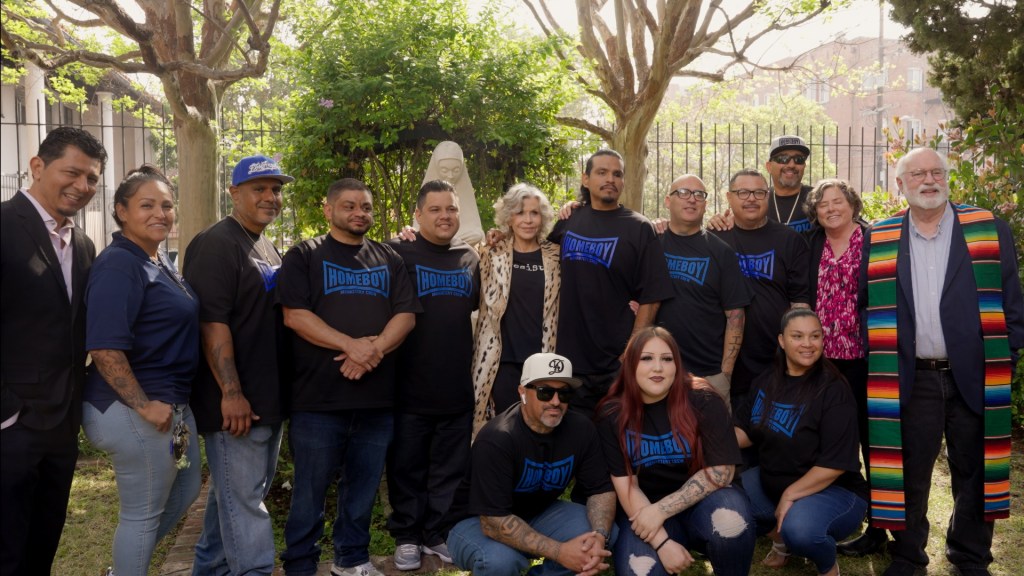
Dự án đã được trao gần 25 triệu đô la trong quỹ Bond BHCIP Vòng 1: Laun ch Ready, mở rộng đáng kể hỗ trợ nội trú, ngoại trú và đồng nghiệp cho các cá nhân tìm cách điều trị rối loạn sử dụng chất kích thích, đặc biệt là những người trước đây bị giam giữ, trở về từ hệ thống tư pháp và một phần của cộng đồng Homeboy Industries.
Khi hoàn thành, khuôn viên Home of the Angels sẽ bao gồm:
Khuôn viên tập hợp các dịch vụ điều trị nội trú, nghỉ ngơi ngang hàng và ngoại trú trong một môi trường tích hợp, cho phép người tham gia di chuyển liền mạch qua từng cấp độ chăm sóc khi nhu cầu của họ phát triển. Dự án cũng lần đầu tiên giới thiệu dịch vụ điều trị nội trú được cấp phép trong khuôn viên Homeboy Industries — một sự đổi mới quan trọng giúp tăng cường tính liên tục của việc chăm sóc, giảm sự phụ thuộc vào người giới thiệu bên ngoài và mở rộng hệ thống hỗ trợ tập trung vào tái nhập cảnh toàn diện và nhân ái của tổ chức.
Giám đốc DHC S Michelle Baass cho biết: “Home of the Angels phản ánh các giải pháp bắt nguồn từ cộng đồng mà Chính quyền Newsom đang thúc đẩy, đưa các dịch vụ điều trị và phục hồi dưới một mái nhà và gần hơn với những người cần chúng. “Khoản đầu tư này mở rộng khả năng tiếp cận chăm sóc cho người dân California trở về nhà từ hệ thống tư pháp, hỗ trợ nhân phẩm, ổn định và phục hồi lâu dài.”
TẠI SAO ĐIỀU NÀY QUAN TRỌNG: Được thành lập tại Los Angeles, Homeboy Industries là một tổ chức phi lợi nhuận được công nhận trên toàn quốc hỗ trợ các cá nhân trước đây bị giam giữ và trước đây liên quan đến băng đảng. Các dịch vụ đáp ứng văn hóa, thông tin về chấn thương của nó bao gồm hỗ trợ sức khỏe hành vi, điều trị rối loạn sử dụng chất kích thích, quản lý trường hợp và các dịch vụ bao bọc tập trung vào tái nhập cảnh bắt nguồn từ việc chữa bệnh và kết nối cộng đồng.
Home of the Angels hỗ trợ các nỗ lực sáng kiến tái nhập cảnh rộng lớn hơn của DHCS, bao gồm Sáng kiến tái nhập cảnh liên quan đến công lý, bằng cách:
Cha Greg Boyle, người sáng lập Homeboy Industries cho biết: “Sự chữa lành xảy ra khi mọi người được đón nhận với sự dịu dàng và được giữ gìn trong cộng đồng. “Home of the Angels phản ánh điều mà chúng tôi luôn tin tưởng tại Homeboy Industries: rằng mọi người chữa lành khi được nhìn thấy, trân trọng và được trao một nơi để thuộc về. Bằng cách tạo ra những không gian bắt nguồn từ tình yêu và phẩm giá, chúng tôi tạo chỗ cho sự phục hồi, hy vọng và những khởi đầu mới.
BỨC TRANH LỚN: Bond BHCIP là một sáng kiến trên toàn tiểu bang do DHCS quản lý giúp cộng đồng xây dựng, mua lại và mở rộng các cơ sở điều trị, lấp đầy những khoảng trống lâu đời trong các cơ sở chăm sóc sức khỏe hành vi khủng hoảng, dân cư và ngoại trú. Dự luật 1 đã tài trợ cho 177 dự án trên 333 cơ sở, hỗ trợ 6.919 giường nội trú và nội trú mới và 27.561 vị trí điều trị ngoại trú, vượt qua các mục tiêu trên toàn tiểu bang chỉ hai năm sau khi thông qua. Kể từ năm 2021, BHCIP đã trao 5,8 tỷ đô la để tăng cường chăm sóc khủng hoảng, nội trú và ngoại trú trên toàn tiểu bang.
Được hỗ trợ bởi các khoản đầu tư đáng kể trên toàn tiểu bang, các chính sách mới và quan hệ đối tác cộng đồng mạnh mẽ, California đang xây dựng một hệ thống chăm sóc sức khỏe hành vi liên tục toàn diện và công bằng để đảm bảo mọi người có thể tiếp cận các dịch vụ phòng ngừa, hỗ trợ khủng hoảng, điều trị và phục hồi lâu dài khi và ở nơi họ cần.
BỨC TRANH LỚN HƠN: Đầu tư của California vào Home of the Angels là một phần của quá trình chuyển đổi rộng lớn hơn được tiến hành thông qua Dự luật 1 và chiến lược Sức khỏe Tâm thần cho Tất cả của Thống đốc Gavin Newsom. Đầu tháng này, Thống đốc đã công bố tái phát triển sáu tòa nhà thuộc sở hữu nhà nước trống thành Cộng đồng Chăm sóc Quận Los Angeles mới, được hỗ trợ bởi khoản đầu tư 65 triệu đô la trong Dự luật 1 để tạo ra 162 nhà ở và giường điều trị mới. Dự án này, cùng với những nỗ lực do BHCIP tài trợ như Home of the Angels, phản ánh công việc toàn diện của Chính quyền để mở rộng khả năng tiếp cận chăm sóc sức khỏe hành vi, tăng năng lực điều trị và giúp người dân California gặp phải bệnh tâm thần nghiêm trọng, rối loạn sử dụng chất kích thích hoặc vô gia cư nhận được sự chăm sóc và ổn định mà họ cần.
###
Văn phòng Truyền thông
(916) 440-7660
DHCSPress@dhcs.ca.gov
Dự luật 1 mở đường cho Làng Sức khỏe Nội bộ Bộ lạc mở rộng Rối loạn Sử dụng Chất gây nghiện và Dịch vụ Điều trị Sức khỏe Tâm thần ở Quận San Diego
SACRAMENTO - Thực hiện cam kết của Thống đốc Gavin Newsom trong việc mở rộng và hiện đại hóa hệ thống sức khỏe hành vi của California, Bộ Dịch vụ Chăm sóc Sức khỏe California (DHCS) đã tham gia Điều trị Nội bộ và các đối tác cộng đồng vào ngày 20 tháng 3 để đột phá Làng Sức khỏe Nội bộ mới ở Thung lũng Pauma. Được hỗ trợ bởi Đạo luật Trái phiếu Cơ sở hạ tầng Sức khỏe Hành vi được cử tri phê duyệt của California và Chương trình Cơ sở hạ tầng liên tục sức khỏe hành vi của tiểu bang (BHCIP), dự án bao gồm gần 20 triệu đô la trong Bond BHCIP Vòng 1: Khởi động tài trợ sẵn sàng để mở rộng đáng kể rối loạn sử dụng chất gây nghiện trong khu vực (SUD) và năng lực điều trị sức khỏe tâm thần. Đây là một trong hàng trăm khoản đầu tư Dự luật 1 củng cố liên tục chăm sóc sức khỏe hành vi dựa trên cộng đồng của California.
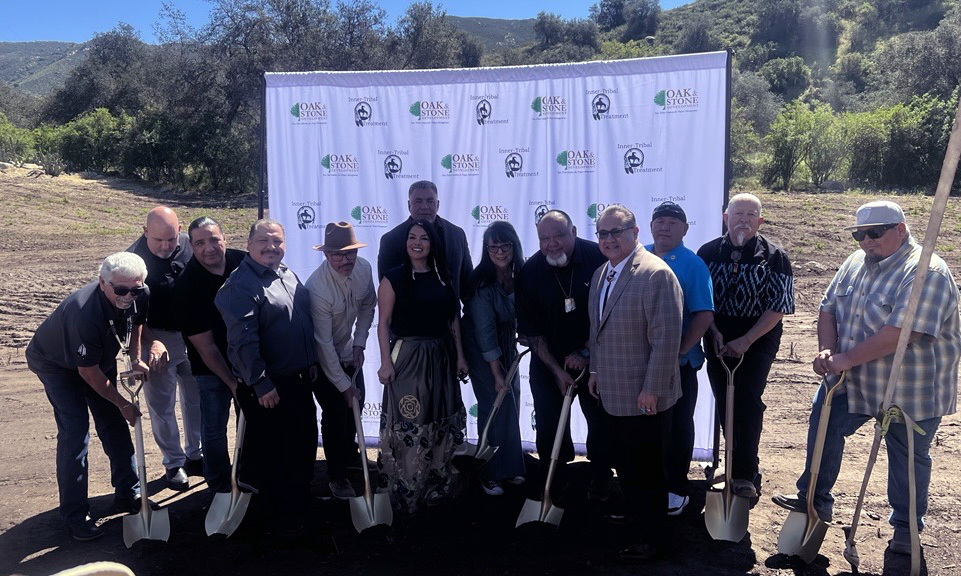
Giám đốc DHCS Michelle Baass cho biết: “Khoản đầu tư của California phản ánh cam kết của thế hệ đối với công bằng và chữa bệnh. “Làng Sức khỏe Inner-Tribal sẽ cung cấp không gian nơi các cá nhân có thể tìm thấy sự an toàn, phẩm giá và kết nối, dựa trên văn hóa và được xây dựng xung quanh nhu cầu của những người mà nó phục vụ.”
Khuôn viên trường sẽ phục vụ các cộng đồng Bộ lạc trên khắp Quận San Diego và các khu vực lân cận, những người cần điều trị và hỗ trợ sức khỏe hành vi. Khi hoàn thành, Làng Sức khỏe Nội Bộ lạc sẽ bao gồm một cơ sở điều trị SUD dành cho người lớn 60 giường và một phòng khám sức khỏe tâm thần cộng đồng với 120 vị trí ngoại trú, phục vụ ước tính 500 cá nhân hàng năm.
TẠI SAO ĐIỀU NÀY QUAN TRỌNG: Kể từ năm 2021, Inner-Tribal Treatment đã cung cấp các dịch vụ khẳng định văn hóa cho 18 Bộ lạc được liên bang công nhận ở Quận San Diego và 12 Bộ lạc ở các quận Riverside và San Bernardino. Khuôn viên mới sẽ mở rộng công việc đó bằng cách kết hợp các phương pháp chữa bệnh truyền thống với điều trị lâm sàng dựa trên bằng chứng, tạo ra một môi trường toàn diện để chăm sóc và phục hồi. Các tính năng của khuôn viên trường sẽ bao gồm không gian cho các vòng tròn nói chuyện, làm nhòe, giáo lý truyền thống và các nghi lễ văn hóa cũng như các phương thức lâm sàng, bao gồm liệu pháp hành vi nhận thức và các phương pháp điều trị đã được chứng minh khác giúp mọi người xây dựng các kỹ năng cho sức khỏe lâu dài.
Robert Aguilar, Người sáng lập và Giám đốc điều hành của Inner-Tribal Treatment cho biết: “Sáng kiến này đại diện cho một bước tiến quan trọng trong việc tăng cường sức khỏe tâm thần, rối loạn sử dụng chất kích thích và các dịch vụ chăm sóc sức khỏe cho các cộng đồng Bộ lạc của chúng tôi, những người trong lịch sử phải đối mặt với sự chênh lệch đáng kể trong việc tiếp cận dịch vụ chăm sóc. “Làng Sức khỏe Inner-Tribal sẽ đóng vai trò như một trung tâm quan trọng để chữa bệnh trong một môi trường không kỳ thị, trao quyền cho các cá nhân chịu trách nhiệm về sức khỏe và hạnh phúc của họ trong một không gian khẳng định văn hóa và tinh thần.”
Làng Sức khỏe Nội bộ bộ lạc phản ánh một khoản đầu tư bền vững nhằm mở rộng năng lực điều trị trong khu vực và đưa California đến gần hơn với mục tiêu của mình là một hệ thống y tế hành vi mạnh mẽ hơn, công bằng hơn và có trách nhiệm hơn.
BỨC TRANH LỚN HƠN: Dựluật 1, được các cử tri California phê duyệt vào tháng 3 năm 2024, đã cho phép tài trợ trái phiếu lên tới 4,4 tỷ đô la cho DHCS để mở rộng cơ sở hạ tầng điều trị sức khỏe hành vi trên toàn tiểu bang. Sáng kiến này đang tạo ra hàng ngàn giường cư mới và các vị trí điều trị ngoại trú, ưu tiên các cộng đồng có nhu cầu cao, bao gồm các khu vực Bộ lạc và nông thôn. Theo đề xuất 1:
California đang xây dựng một liên tục toàn diện về chăm sóc sức khỏe hành vi, cung cấp đầy đủ các hỗ trợ, từ phòng ngừa và can thiệp sớm đến điều trị, ứng phó với khủng hoảng và phục hồi lâu dài. Cách tiếp cận này được thiết kế để đảm bảo rằng mọi người dân California, đặc biệt là những người trong lịch sử phải đối mặt với những rào cản lớn nhất trong việc chăm sóc, có thể tiếp cận sức khỏe tâm thần và điều trị SUD chất lượng cao khi và ở nơi họ cần.
Được hỗ trợ bởi các khoản đầu tư đáng kể, các chính sách mới và quan hệ đối tác mạnh mẽ, California đang mở rộng các dịch vụ điều trị và nhà ở hỗ trợ đồng thời tăng cường và đa dạng hóa lực lượng lao động. Bằng cách ưu tiên phòng ngừa, hỗ trợ sớm và các dịch vụ phù hợp với nhu cầu cá nhân, California đang giúp mọi người được chăm sóc phù hợp vào đúng thời điểm, dẫn đến kết quả sức khỏe tốt hơn và cộng đồng mạnh mẽ hơn trên toàn tiểu bang.
###
Văn phòng Truyền thông
(916) 440-7660
DHCSPress@dhcs.ca.gov
###
Văn phòng Truyền thông
(916) 440-7660
DHCSPress@dhcs.ca.gov
###
Văn phòng Truyền thông
(916) 440-7660
DHCSPress@dhcs.ca.gov
SACRAMENTO — The Department of Health Care Services (DHCS) is coordinating a statewide Smile, California bilingual outreach campaign to help children and families understand the importance of early and regular dental care and to encourage the use of free Medi-Cal Dental preventive services. The campaign includes easy-to-use English and Spanish-language materials that explain what families can expect during dental visits and how to access care under Medi-Cal. It aims to reduce barriers to care by helping children feel prepared and parents feel confident about scheduling preventive dental visits.
“Dental problems don’t just cause pain—they interrupt learning, impact confidence, and widen achievement gaps,” said Dana Durham, Chief of DHCS’ Medi-Cal Dental Services Division. “The good news is that most of these issues are preventable, and Medi-Cal covers regular dental care for children at no cost to families.”
Throughout National Children’s Dental Health Month, Smile, California is encouraging parents, schools, and community partners to help children build healthy habits, including brushing twice a day, flossing daily, eating nutritious foods, and visiting the dentist regularly.
To support families, Smile, California released a new digital storybook, Jasmín Goes to the Dentist, in English and Spanish. It walks children step-by-step through a regular check-up. From the bright light above the chair to the tools hygienists use to clean teeth, the story helps normalize the experience, showing children that dental visits can be comfortable, friendly, and even fun.
Tập sách cũng bao gồm một phần đặc biệt dành cho phụ huynh khuyến khích nói chuyện cởi mở về chăm sóc răng miệng tại nhà và nhắc nhở các gia đình rằng Medi-Cal bao gồm các dịch vụ phòng ngừa và phục hồi cho cả gia đình miễn phí.
WHY THIS MATTERS: Dental problems are one of the most common, yet preventable, health issues affecting children in California. When children receive preventive care early and regularly, families can avoid unnecessary dental pain, reduce missed school days, and decrease the need for emergency treatment later in life. The new bilingual campaign supports families in navigating dental care and understanding covered benefits through Medi-Cal Dental.
Recent data show that more than 350,000 children and teens missed at least one school day because of dental issues, demonstrating the impact untreated dental problems can have on student well-being and their ability to learn, adding up to more than 869,000 lost school days and a cost of roughly $60 million to school districts.
ABOUT MEDI-CAL DENTAL: All children and teens enrolled in Medi-Cal qualify for two free dental check-ups each year, along with cleanings, fluoride treatments, sealants, and other preventive services. Adults age 21 and older can receive one free dental check-up each year, in addition to other covered services. Parents can find a Medi-Cal dentist and learn more at SmileCalifornia.org.
###
Văn phòng Truyền thông
(916) 440-7660
DHCSPress@dhcs.ca.gov
SACRAMENTO — The California Department of Health Care Services (DHCS) today announced the release of the Implementation Plan for New Federal Eligibility and Enrollment Changes Under H.R. 1, outlining the state’s approach to implementing new federal requirements under H.R. 1. These changes, which start as early as October 2026, are expected to impact millions of Californians statewide.
“California is committed to implementing these federally required changes in a way that protects coverage and supports our members,” said DHCS Director Michelle Baass. “Our goal is to make this transition as smooth as possible by providing clear information, reducing administrative burdens, and working closely with members, counties, health plans, and community partners.”
DHCS đang làm việc để giảm thiểu sự gián đoạn và duy trì tính liên tục của bảo hiểm cho các thành viên Medi-Cal. Kế hoạch cung cấp chi tiết về những thay đổi sắp tới, các nguyên tắc hướng dẫn để thực hiện và các nguồn lực cho các thành viên và các bên liên quan để chuẩn bị cho quá trình chuyển đổi. Khoảng 2 triệu thành viên Medi-Cal, chủ yếu trong nhóm mở rộng người lớn mới, có nguy cơ mất bảo hiểm y tế do những thay đổi liên bang này.
Các nguyên tắc chính của kế hoạch bao gồm:
DHCS will host an All-Comer Webinar on February 5 to review the plan and answer questions. Learn more and read the plan.
###
Văn phòng Truyền thông
(916) 440-7660
DHCSPress@dhcs.ca.gov
Dữ liệu mới cho thấy sự tăng trưởng đáng chú ý trong Quản lý Chăm sóc Nâng cao và Hỗ trợ Cộng đồng
SACRAMENTO — Sở Dịch vụ Chăm sóc Sức khỏe (DHCS) hôm nay đã công bố dữ liệu mới cho thấy sự tăng trưởng và tác động liên tục từ Quản lý Chăm sóc Nâng cao (ECM) và Hỗ trợ Cộng đồng, những thành phần chính trong quá trình chuyển đổi chương trình Medi-Cal của California theo sáng kiến California Advancing and Innovating Medi-Cal (CalAIM).
“These services help Medi-Cal members stay healthier and avoid other, costlier care, such as emergency department visits and hospital stays,” said DHCS Director Michelle Baass. “We appreciate the hard work and commitment of Medi-Cal managed care plan providers and partners. Together, we are building a health care delivery system that supports whole-person care for Medi-Cal members.”
Báo cáo hàng quý mới nhất bao gồm các xu hướng kể từ tháng 1 năm 2022 và dữ liệu mới từ tháng 4 đến tháng 6 năm 2025, bao gồm thông tin cấp tiểu bang, quận và kế hoạch chăm sóc được quản lý về các thành viên được phục vụ, sử dụng dịch vụ và mạng lưới nhà cung cấp.
ECM REACHES MORE CALIFORNIANS: ECM helps people with complex health and social needs, including homelessness, serious mental illness, or frequent hospital visits, coordinate the care they need, wherever they are. Since its launch in January 2022, ECM has connected more than 451,000 Medi-Cal members to high-touch, person-centered care coordination through a Lead Care Manager who helps navigate physical, behavioral, and social services.
Trong quý II năm 2025, số lượng tuyển sinh ECM tăng lên, đặc biệt là ở trẻ em và thanh thiếu niên. Hơn 47.000 trẻ em và thanh thiếu niên nhận ECM, tăng 102% so với cùng kỳ năm ngoái. Gần 3.600 người trưởng thành chuyển từ tù và hơn 16.000 trẻ em và thanh thiếu niên trải qua tình trạng vô gia cư cũng nhận ECM, tăng lần lượt 83% và 164% so với cùng kỳ năm ngoái. Để đáp ứng nhu cầu này, mạng lưới nhà cung cấp đã mở rộng đáng kể, với các nhà cung cấp phục vụ các nhóm dân số này tăng hơn 80% so với cùng kỳ năm ngoái.
“Every expansion means more Californians have access to services that keep them stable, healthy, and supported,” said State Medicaid Director Tyler Sadwith. “We’re focused on making these programs even more accessible and responsive to the communities we serve.”
COMMUNITY SUPPORTS GROWTH: Community Supports provide cost-effective, community-based alternatives to traditional medical care, addressing housing, nutrition, and other social drivers of health. Since launching in January 2022, these services have become a cornerstone of whole-person care in Medi-Cal.
Tính đến tháng 6 năm 2025, hơn 520.000 thành viên Medi-Cal đã truy cập Hỗ trợ Cộng đồng, với hơn 1,3 triệu dịch vụ được cung cấp trên toàn tiểu bang. Quyền truy cập tiếp tục mở rộng, vì gần như tất cả các thành viên Medi-Cal hiện có quyền truy cập vào ít nhất 10 Hỗ trợ Cộng đồng và hầu hết (94%) có thể chọn từ bộ dịch vụ đầy đủ. Các bữa ăn được điều chỉnh về mặt y tế và các dịch vụ liên quan đến nhà ở vẫn là một trong những dịch vụ được sử dụng nhiều nhất.
WHY THIS IS IMPORTANT: The growth of ECM and Community Supports reflects California’s commitment. These services are critical tools in addressing challenges, such as homelessness, behavioral health access, and support for families and youth with complex needs.
Là một phần của cam kết cải thiện kết quả sức khỏe này, California đã mở rộng Sáng kiến tái nhập cảnh liên quan đến công lý, yêu cầu các kế hoạch chăm sóc được quản lý cung cấp sự phối hợp chăm sóc và các dịch vụ sức khỏe y tế và hành vi lên đến 90 ngày trước khi được thả, đảm bảo sự liên tục của việc chăm sóc trong quá trình tái nhập cảnh vào cộng đồng. Sáng kiến này, nhằm hỗ trợ các thành viên với các dịch vụ trước khi thả và tạo kết nối để chăm sóc liên tục thông qua ECM sau thả, đã ra mắt vào tháng 10 năm 2024 với ba quận, mở rộng sang các nhà tù tiểu bang vào tháng 2 năm 2025 và hiện đang hoạt động ở 13 quận. Tất cả các quận trên toàn tiểu bang được yêu cầu cung cấp các dịch vụ này trước tháng 10 năm 2026.
INVESTING IN CAPACITY: To support the expansion of ECM and Community Supports, DHCS has awarded more than $1.66 billion through its Providing Access and Transforming Health (PATH) initiatives, including Capacity and Infrastructure Transition, Expansion, and Development (CITED), Collaborative Planning and Implementation, Justice-Involved Capacity Building program, and Technical Assistance Marketplace. These funds help community-based organizations, clinics, and local agencies grow their capacity by hiring staff, upgrading systems, and improving care coordination. The fourth and final round of PATH CITED grant awardees was announced in November 2025.
WHAT’S NEXT: DHCS will continue listening to Medi-Cal members who use ECM and Community Supports. Feedback gathered through surveys, focus groups, and other outreach will guide improvements to make these services easier to access, more effective, and more responsive to California’s diverse communities.
###
Văn phòng Truyền thông
(916) 440-7660
DHCSPress@dhcs.ca.gov
###
Văn phòng Truyền thông
(916) 440-7660
DHCSPress@dhcs.ca.gov
SACRAMENTO — Sở Dịch vụ Chăm sóc Sức khỏe California (DHCS) hôm nay đã công bố một cột mốc quan trọng trong quá trình chuyển đổi Medi-Cal: 139 tổ chức đã hoàn thành thành công các dự án Vòng 1 theo chương trình tài trợ Cung cấp Quyền tiếp cận và Chuyển đổi Y tế (PATH) về Năng lực và Cơ sở hạ tầng, Chuyển đổi, Mở rộng và Phát triển (CITED). Các tổ chức này đã hoàn thành các dự án nâng cao năng lực được thiết kế để tăng cường khả năng cung cấp Quản lý Chăm sóc Nâng cao (ECM) và Hỗ trợ Cộng đồng, những trụ cột trong cam kết của DHCS nhằm xây dựng một hệ thống cung cấp dịch vụ Medi-Cal công bằng hơn, lấy người bệnh làm trung tâm theo chương trình California Advancing and Innovating Medi-Cal (CalAIM).
“Vòng 1 của chương trình PATH CITED cho thấy những gì có thể đạt được khi chúng ta đầu tư vào các giải pháp do cộng đồng đề xuất,” Giám đốc DHCS Michelle Baass cho biết. “Những dự án này đang cải thiện khả năng tiếp cận và phối hợp, đồng thời đặt nền tảng cho một hệ thống Medi-Cal đáp ứng tốt hơn, toàn diện hơn và công bằng hơn cho tất cả người dân California.”
Ý NGHĨA CỦA ĐIỀU NÀY ĐỐI VỚI NGƯỜI DÂN CALIFORNIA: Trên toàn tiểu bang, các dự án này đã mở rộng chương trình Quản lý Chăm sóc Cá nhân (ECM) và Hỗ trợ Cộng đồng bằng cách đào tạo hàng trăm nhân viên mới, bao gồm các quản lý chăm sóc và nhân viên tiếp cận cộng đồng, đầu tư vào hồ sơ sức khỏe điện tử để cải thiện sự phối hợp chăm sóc và phát triển các mô hình tiếp cận cộng đồng do người bệnh tự quản lý, đồng thời tổ chức hàng trăm sự kiện cộng đồng để xây dựng lòng tin với các nhóm dân cư vốn gặp nhiều rào cản trong việc tiếp cận dịch vụ chăm sóc sức khỏe. Nhờ sự phối hợp nhịp nhàng, những nỗ lực này đang tạo ra một hệ thống cung cấp dịch vụ Medi-Cal mạnh mẽ hơn, công bằng hơn, đáp ứng nhu cầu của người tham gia và cung cấp dịch vụ chăm sóc toàn diện, dựa trên cộng đồng.
ECM và các chương trình hỗ trợ cộng đồng đang thay đổi Medi-Cal bằng cách giúp những người có nhu cầu chăm sóc sức khỏe phức tạp tránh phải vào phòng cấp cứu, viện dưỡng lão và rơi vào cảnh vô gia cư. Các dịch vụ này cung cấp sự phối hợp chăm sóc trực tiếp và hỗ trợ thiết thực—như hướng dẫn về nhà ở, bữa ăn phù hợp với y tế và cải tạo nhà cửa—giúp các thành viên quản lý các bệnh mãn tính và phục hồi an toàn tại nhà. Bằng cách đáp ứng cả nhu cầu y tế và xã hội, ECM và các chương trình hỗ trợ cộng đồng giúp ngăn ngừa khủng hoảng trước khi chúng xảy ra, cải thiện kết quả sức khỏe và giảm chi phí khám chữa bệnh tốn kém.
TÁC ĐỘNG THỰC TẾ: Một video mới (ở trên) giới thiệu những người nhận giải thưởng Vòng 1 thảo luận về tác động của các khoản tiền này đối với khả năng phục vụ các thành viên Medi-Cal của họ. Từ việc mở rộng các dịch vụ sức khỏe tâm thần đến việc triển khai các chương trình tiếp cận cộng đồng đầy sáng tạo, những câu chuyện này nêu bật cách các đối tác địa phương đang trở thành nhà cung cấp dịch vụ Medi-Cal và thúc đẩy sự thay đổi sẽ mang lại lợi ích sức khỏe lâu dài cho người dân California. Một số dự án thành công bao gồm:
BY THE NUMBERS:
BỐI CẢNH: Được khởi động vào đầu năm 2023, vòng 1 của chương trình PATH CITED đã trao tặng 203 triệu đô la Mỹ tiền tài trợ cho một nhóm đa dạng các tổ chức, tổ chức cộng đồng, cơ quan cấp quận, các thực thể bộ lạc, bệnh viện và các đối tác của chương trình quản lý chăm sóc sức khỏe Medi-Cal để đẩy nhanh việc áp dụng các dịch vụ mới, ký hợp đồng trực tiếp với các chương trình và triển khai hệ thống thanh toán cho các mô hình chăm sóc sáng tạo. Những khoản đầu tư này giúp các nhà cung cấp dịch vụ mới và hiện có hòa nhập vào hệ thống Medi-Cal và duy trì các dịch vụ ngay cả sau khi nguồn tài trợ PATH kết thúc.
LOOKING AHEAD: DHCS extends its deepest gratitude to all Round 1 awardees for their dedication, innovation, and commitment to improving the lives of Medi-Cal members. These organizations have built trust, expanded access, and laid the groundwork for lasting change in communities across California. To explore more impact stories, visit the PATH CITED website or email questions to cited@ca-path.com.
Các dự án vòng 2 dự kiến sẽ hoàn tất vào đầu năm nay, tiếp tục đà phát triển này. Đến nay, DHCS đã trao hơn 1,66 tỷ đô la cho hơn 2.200 tổ chức thông qua các sáng kiến PATH của mình, bao gồm CITED, Lập kế hoạch và thực hiện hợp tác, Chương trình xây dựng năng lực cho các tổ chức liên quan đến hệ thống tư pháp và Sàn giao dịch hỗ trợ kỹ thuật.
###
Văn phòng Truyền thông
(916) 440-7660
DHCSPress@dhcs.ca.gov
###
Văn phòng Truyền thông
(916) 440-7660
DHCSPress@dhcs.ca.gov