캘리포니아 주 공식 웹사이트
번역

프로젝트에는 37개의 새로운 급성 정신과 병원 입원 병상이 포함될 예정입니다.
SACRAMENTO — On February 19, 2025, the Department of Health Care Services (DHCS) and Gateways Hospital and Mental Health Center broke ground on Gateways’ youth expansion project in Los Angeles County. The project, funded by Round 4 of DHCS’ Behavioral Health Continuum Infrastructure Program (BHCIP), will focus on youth with serious emotional or behavioral problems experiencing an acute psychiatric emergency.
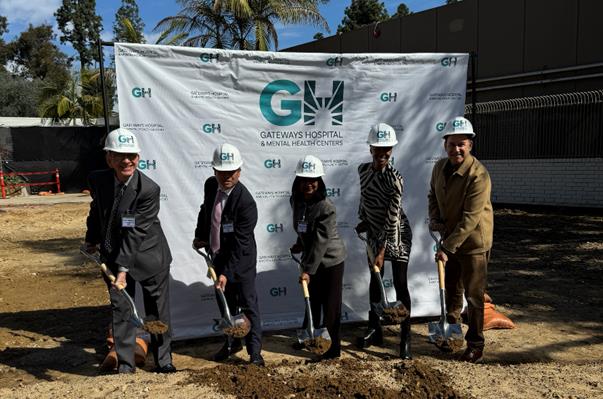
DHCS awarded Gateways more than $19 million through BHCIP, which is part of California’s ongoing commitment to expand behavioral health services for all Californians. With the passage of Proposition 1, even more behavioral health treatment facilities will be funded and built in 2025 and 2026.
“This groundbreaking is a significant step forward in our commitment to provide specialized care to youth facing acute mental health challenges,” said DHCS Director Michelle Baass. “By expanding access to comprehensive care, we are fostering an environment where all young people can receive the care and support they deserve to thrive.”
GATEWAYS YOUTH EXPANSION PROJECT: Most of the youth to be served by the project have experienced traumatic events or adverse childhood experiences or are involved with child welfare services. Gateways is adding 37 inpatient beds for adolescents to the acute psychiatric hospital’s existing 55 inpatient beds serving adults and adolescents.
“There is an urgent need to provide support for youth facing mental health crises,” said Gateways Hospital CEO Dr. Phil Wong. “We commend California for prioritizing these funds to focus on youth mental health by expanding infrastructure capacity to help shift the tide. Our team is pleased to break ground on our expansion so we can start serving youth in need of these vital services.”
In addition to traditional health care, the expanded facility will allow youth to receive multiple therapeutic services and participate in activities designed to build autonomy and help them transition to outpatient services. These services will include individual and group therapies, such as cognitive-behavioral therapy, psychoanalytic therapy, mentalization-based therapy, eye movement desensitization and reprocessing, and biofeedback. Youth housed in the unit will receive multiple therapeutic services, including family therapy and medical counseling.
Finally, youth presenting with eating disorders, such as anorexia nervosa and bulimia, and youth with co-occurring alcohol and drug disorders will receive nutritional counseling, have their physical health closely monitored, and receive medication management.
WHY THIS IS IMPORTANT: Through BHCIP, DHCS awards eligible entities funding to construct, acquire, and expand properties and invest in mobile crisis infrastructure to further expand the range of community-based behavioral health treatment options for people with co-occurring mental health treatment needs and substance use disorders. BHCIP is addressing historic gaps in the behavioral health care system to meet the growing demand for services and supports throughout the lifespan of people in need.
DHCS awarded $1.7 billion in BHCIP competitive grants. In addition, DHCS will distribute up to $4.4 billion in competitive Bond BHCIP funding, including $3.3 billion for Round 1: Launch Ready grants as part of Behavioral Health Transformation, DHCS’ work to implement Proposition 1. DHCS holds regular public listening sessions on this effort. Updates and recordings of the sessions are available on the Behavioral Health Transformation webpage.
ABOUT BHCIP ROUND 4: CHILDREN AND YOUTH: BHCIP Round 4, through funding made possible by California’s Children and Youth Behavioral Health Initiative, focuses on Californians ages 25 and younger, including pregnant and postpartum women and their children and transition-age youth ages 18-25, along with their families. The 52 awards totaling $480.5 million allow for new construction and expansion of multiple outpatient and residential facility types, including children’s crisis residential programs, perinatal residential substance use disorder facilities, community wellness/youth prevention centers, and outpatient treatment for substance use disorder. For more information, please visit the BHCIP website.
###
커뮤니케이션실
(916) 440-7660
DHCSPress@dhcs.ca.gov
새로운 위기 관리 허브, 연간 2,500명 이상의 개인에게 서비스를 제공할 것으로 예상됨
SACRAMENTO — On February 7, 2025, the Department of Health Care Services (DHCS) and CRI-Help announced the grand opening of the Substance Use Disorder (SUD) Crisis Management Hub: A Fully Integrated Behavioral Health Campus project in Los Angeles County. The site includes an adult residential SUD treatment facility, an intensive outpatient treatment SUD facility, and a sobering center. These combined facilities are projected to serve more than 2,500 individuals annually.
The SUD Crisis Management Hub project was funded by Round 5 of DHCS’ Behavioral Health Continuum Infrastructure Program (BHCIP). DHCS awarded CRI-Help more than $21 million through BHCIP, which is part of California’s ongoing commitment to expand behavioral health services for all Californians. With the passage of Proposition 1, even more behavioral health treatment facilities will be funded and built in 2025 and 2026.
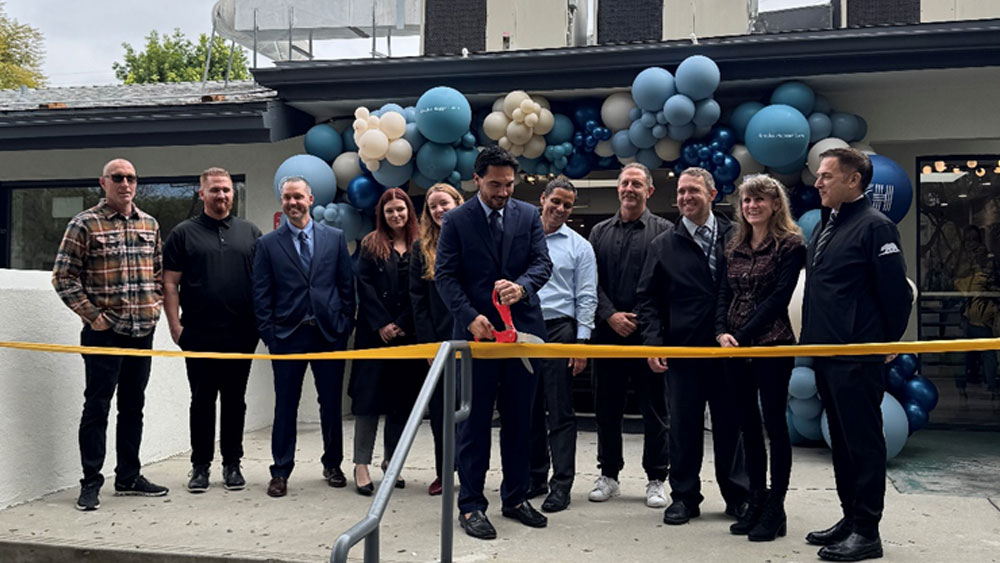
“Facilities like these that are part of the SUD Crisis Management Hub treat not only the crises, but also the core concerns of people seeking help with their SUDs, so they can pursue continuous recovery,” said DHCS Director Michelle Baass. “DHCS is pleased to partner with CRI-Help to make this facility a reality and to bring high-quality behavioral health care to this community.”
CRI-HELP: CRI-Help’s SUD Crisis Management Hub project immediately increases the availability of outpatient and residential crisis services for low-income adults in the downtown and east Los Angeles areas. This project includes three programs:
Together, these facilities will provide screenings, group counseling, patient education, family therapy group sessions, motivational interviewing, recovery efforts, and warm handoffs to other levels of care.
“With the addition of a sobering center funded by BHCIP that provides comprehensive recovery services, we are redefining what accessible, compassionate care looks like in the Los Angeles area,” said CRI-Help President and CEO Brandon Fernandez. “This campus stands as a beacon of innovation and inclusivity for people seeking a second chance in life.”
WHY THIS IS IMPORTANT: Through BHCIP, DHCS awards eligible entities funding to construct, acquire, and expand properties and invest in mobile crisis infrastructure to further expand the range of community-based behavioral health treatment options for people with co-occurring mental health treatment needs and SUDs. BHCIP is addressing historic gaps in the behavioral health care system to meet the growing demand for services and supports throughout the lifespan of people in need.
DHCS has awarded $1.7 billion in BHCIP competitive grants. In addition, DHCS will distribute up to $4.4 billion in competitive Bond BHCIP funding, including $3.3 billion for Round 1: Launch Ready grants as part of Behavioral Health Transformation, DHCS’ work to implement Proposition 1. DHCS holds regular public listening sessions on this effort. Updates and recordings of the sessions are available on the Behavioral Health Transformation webpage.
ABOUT BHCIP ROUND 5: CRISIS AND BEHAVIORAL HEALTH CONTINUUM: BHCIP Round 5 was developed, in part, through a statewide needs assessment that identified significant gaps in available crisis services. This assessment showed the need for a better crisis care system to reduce emergency department visits, hospitalizations, and incarceration. The 33 awards, totaling $430 million, are being used to build and expand crisis care and behavioral health facilities statewide and will serve vulnerable Californians of all ages, including Medi-Cal members.
###
커뮤니케이션실
(916) 440-7660
DHCSPress@dhcs.ca.gov
연간 900명 이상의 개인에게 혜택을 제공할 것으로 예상되는 프로젝트
새크라멘토 — 캘리포니아주 보건의료서비스국(DHCS)은 약물 사용 장애와 정신 건강 문제가 동반되는 사람들을 위한 주거 서비스를 로스앤젤레스 카운티 내 두 곳으로 확대합니다.
Whole Child—Mental Health and Housing Services는 새로운 지역 사회 웰니스 센터(아래 사진)의 개관식을 성대하게 거행했습니다. 2월 1일부터 해당 센터는 트라우마에 대한 이해를 바탕으로 문화적 맥락을 고려한 정신 건강 서비스, 가족 주거 지원, 부모 역량 강화 및 영양 교육 서비스를 제공하기 시작했습니다. 이 센터는 로스앤젤레스 남동부 지역에서 의료 서비스 접근에 어려움을 겪는 가족, 특히 노숙 청소년 및 가족을 지원합니다.
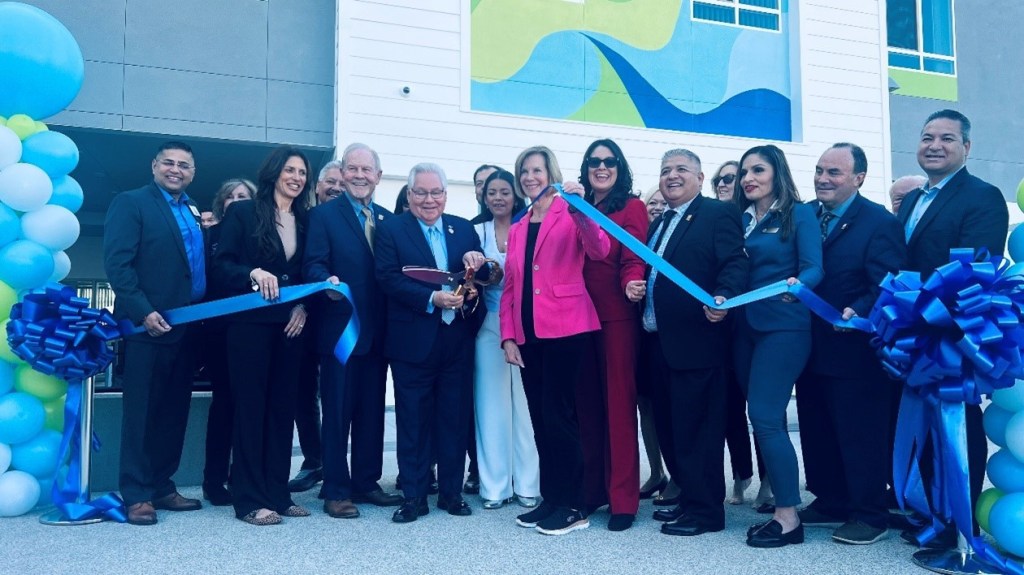
Also, St. Anne’s Family Services hosted a groundbreaking (below) for a new short-term residential therapeutic program (STRTP) called STRTP FOR ONE, which annually provides high-quality supportive housing programs, early childhood education, mental health, and family-based services to thousands of young women, children, and families in Los Angeles County.
두 프로젝트 모두 DHCS의 행동 건강 연속성 인프라 프로그램 (BHCIP) 5차 사업의 자금 지원을 받았습니다. 캘리포니아주 보건복지부(DHCS)는 캘리포니아 주민 모두를 위한 행동 건강 서비스 확대를 위한 지속적인 노력의 일환으로, BHCIP 프로그램을 통해 The Whole Child—Mental Health and Housing Services에 600만 달러 이상, St. Anne’s Family Services에 200만 달러 이상을 지원했습니다. 주민투표 1호가 통과됨에 따라 2025년과 2026년에는 더 많은 정신 건강 치료 시설이 자금을 지원받아 건설될 것입니다.
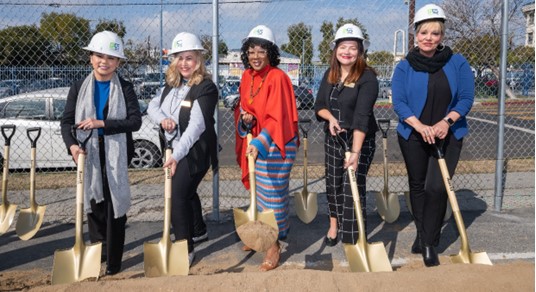
“Expanding community-based behavioral health care services is a top priority for DHCS,” said DHCS Director Michelle Baass. “Residential facilities like these are a vital component of California’s efforts to bring high-quality, trauma-informed care to individuals and families who need it most.”
아동 전인적 발달 지원 - 정신 건강 및 주거 서비스: 노숙 가정 및 지역사회를 위한 트라우마 치유 및 웰빙 센터 프로젝트는 로스앤젤레스 지역의 노숙 아동, 청소년 및 가족에게 트라우마에 대한 이해를 바탕으로 문화적 감수성을 고려한 서비스를 제공합니다. 이 센터는 외래 상담 서비스 외에도 직업 훈련, 정신 건강, 주거 지원, 부모 교육 및 영양 교육을 제공합니다. 이 센터의 포괄적인 정신 건강 서비스에는 개인, 가족 및 집단 심리 치료, 약물 관리, 심리 검사, 정신과 서비스, 사례 관리, 위기 개입 서비스, 학교 연계 서비스를 통해 학교에서 학생들에게 평가 및 치료를 제공하는 서비스, 다학제 평가팀, 그리고 전문 위탁 보호 서비스가 포함됩니다. 증거 기반 치료법에는 외상 중심 인지 행동 치료, 개별 인지 행동 치료, 트리플 P 긍정적 양육 프로그램, 관리 및 입양 실천, 아동-부모 심리 치료, 인크레더블 이어스, 공격성 대체 치료, 대인 관계 심리 치료 등이 포함됩니다.
“As a regional leader in children’s mental health and wellness, we know firsthand how childhood trauma and pain can follow children into adulthood,” said The Whole Child CEO Constanza Pachon. “However, we also know that treatment at an early age can have an enormously positive effect, providing children and teens with the tools and coping skills they need to begin their healing journey. This center, built with BHCIP funding, will be a beacon of hope for our community.”
STRTP FOR ONE: St Anne’s Family Services designed STRTP FOR ONE with one bed that offers highly individualized, comprehensive care to young mothers ages 13-17 who are at risk of multiple placements, homelessness, and incarceration due to their complex mental or behavioral health needs. The program is staffed by a team of highly coordinated and trauma-informed clinical professionals to provide strength-based, client-centered interventions within a home-like environment. The program aims to equip these youth with tools to address their complex trauma, foster independent living skills, and develop real-time parenting skills with natural support.
“We are thrilled to collaborate with DHCS to address the critical mental health needs of young families in our community,” said Lorna Little, MSW, President and CEO of St. Anne’s Family Services. “We are uniquely positioned to provide specialized services to young women in crisis—women who are pregnant or parenting, seeking to reunite with family members, and learning to stabilize within our programs to make a successful transition.”
WHY BHCIP IS IMPORTANT: Through BHCIP, DHCS awards eligible entities funding to construct, acquire, and expand properties and invest in mobile crisis infrastructure to further expand the range of community-based behavioral health treatment options for people with co-occurring mental health treatment needs and substance use disorders. BHCIP is addressing historic gaps in the behavioral health care system to meet the growing demand for services and supports throughout the lifespan of people in need.
DHCS has awarded $1.7 billion in BHCIP competitive grants. In addition, DHCS will distribute up to $4.4 billion in competitive Bond BHCIP funding, including $3.3 billion for Round 1: Launch Ready grants as part of Behavioral Health Transformation, DHCS’ work to implement Proposition 1. DHCS holds regular public listening sessions on this effort. Updates and recordings of the sessions are available on the Behavioral Health Transformation webpage.
BHCIP 5라운드 정보: 위기 및 행동 건강 연속체: BHCIP Round 5 was developed, in part, through a statewide needs assessment that identified significant gaps in available crisis services. This assessment showed the need for a better crisis care system to reduce emergency department visits, hospitalizations, and incarceration. The 33 awards, totaling $430 million, are being used to build and expand crisis care and behavioral health facilities statewide and will serve vulnerable Californians of all ages, including Medi-Cal members.
###
커뮤니케이션실
(916) 440-7660
DHCSPress@dhcs.ca.gov
임산부 및 산후 메디칼 가입자를 위한 보다 공평하고 환자 중심적인 시스템을 만들기 위한 전략을 설명하는 새로운 로드맵
SACRAMENTO – The Department of Health Care Services (DHCS) today released the Birthing Care Pathway report, a comprehensive plan to improve maternity care for Medi-Cal members. This roadmap covers the journey of all pregnant and postpartum Medi-Cal members from conception through 12 months postpartum, aiming to make care accessible, equitable, and patient-centered.
“The Birthing Care Pathway represents a critical step forward in California’s commitment to improving maternal health,” said DHCS Director Michelle Baass. “By centering member experiences, aligning policies with actionable recommendations, and strengthening partnerships across sectors, we aim to ensure every Medi-Cal member has access to safe, equitable, and comprehensive maternity care.”
KEY OBJECTIVES: The Birthing Care Pathway report details policies DHCS has implemented or is in the process of implementing to support all pregnant and postpartum members enrolled in Medi-Cal. Additionally, the report identifies opportunities for future exploration.
The Birthing Care Pathway prioritizes:
The Birthing Care Pathway will work to achieve these objectives by transforming Medi-Cal’s maternity policy to create a member-centered approach to prenatal and postpartum care that meets members where they are and provides whole-person care that addresses behavioral health and social needs in addition to medical needs. DHCS will revise and modernize existing Medi-Cal policies to provide members with increased choice of types of maternity providers and supports, like doulas, community health workers, and others, and creating critical linkages between health care and other programs across the state to make it easier for members to get the full range of needed services.
Additionally, DHCS will address the needs of special populations who are pregnant/postpartum, including people involved with the justice system, individuals with severe mental health and substance use needs, LGBTQI+ individuals, and Black, American Indian/Alaska Native, and Pacific Islander individuals.
DHCS will continue working with state departments, including the California Department of Public Health (CDPH) and Office of the California Surgeon General (OSG), maternity care and social services providers, state and local leaders, Medi-Cal managed care plans (MCP), birth equity advocates, and other partners to implement the Birthing Care Pathway policies outlined in the report. Continuing to engage a diverse set of partners to implement and further develop the Birthing Care Pathway will be vital to align the numerous maternity initiatives occurring so they are not siloed.
“Through a comprehensive, whole-person approach, California is not just enhancing perinatal health, but we are setting a bold new standard for care that delivers better outcomes for families statewide,” said California Surgeon General Dr. Diana Ramos. “The Birthing Care Pathway is a vital addition to the state’s efforts that advance perinatal health, building on the innovative, collaborative work already underway.”
“Having served rural communities throughout my career, I know that providing access to services from conception through one year postpartum has always been a challenge,” said Dr. Robert Moore, Chief Medical Officer at Partnership HealthPlan of California. “Collaborations like the DHCS Birthing Care Pathway are vital in bringing together multiple partners and stakeholders to find solutions. The entire community must engage on this issue to make lasting progress.”
WHY THIS MATTERS: Nearly one in eight U.S. births occur in California, and 40 percent of those births are covered by Medi-Cal. While California currently has the lowest maternal mortality rate in the nation, Medi-Cal members have a higher rate of maternal mortality than individuals with commercial insurance.
While the Birthing Care Pathway lays out a long-term strategy for transforming maternity care in Medi-Cal, many services and supports are already available to pregnant and postpartum members. Medi-Cal members can access comprehensive maternity care, including prenatal and postpartum visits, doula services, behavioral health care, and lactation support, through their health plan and provider network. DHCS remains committed to improving and expanding these services as part of the ongoing work to implement the Birthing Care Pathway.
ABOUT THE BIRTHING CARE PATHWAY: The Birthing Care Pathway includes policy recommendations that address the physical, behavioral, and health-related social needs of pregnant and postpartum members. Opportunities include improving access to providers, strengthening clinical care and care coordination, providing whole-person care, and modernizing how Medi-Cal pays for maternity care.
출산 관리 경로는 캘리포니아의 산모 건강을 혁신하기 위한 다년간의 노력의 일환이며, 산모 건강 개혁은 이미 진행 중입니다. DHCS는 커른, 프레즈노, 킹스, 툴레어, 마데라 등 센트럴 밸리 5개 카운티에서 연방 정부의 10년 모성 건강 혁신 (TMaH) 모델을 시행하고 있습니다. TMaH는 증거 기반 개입의 효과적인 시행과 가치 기반 지불 모델이 산모 건강 결과를 개선하고 메디칼 프로그램 지출을 줄일 수 있는지 여부
검증하기 위해 설계된 전달 및 지불 모델입니다
협력적 과정: 출산 관리 경로는 임신 및 산후 메디칼(Medi-Cal) 가입자, 주 정부 파트너, 다양한 의료 및 사회 서비스 제공자, 지역 사회 기반 조직(CBO) 및 옹호 단체의 협력적인 노력을 반영하여 캘리포니아의 출산 및 모성 건강 관리의 미래에 대한 지역 사회의 의견을 반영한 정책 접근 방식을 보장합니다. 또한 캘리포니아 의료 재단과 데이비드 & 루실 패커드 재단은 참여 활동 및 보고서 개발을 지원하기 위한 자금을 제공했습니다. 메디칼 회원들의 주요 의견은 출산 선호도 존중, 인종적 배경과 문화적 배경에 맞춘 의료 서비스 접근성 향상, 정신 건강 지원 개선, 그리고 의료 서비스 조정 강화와 같은 중요한 요구 사항들을 강조했습니다. 회원들의 경험은 정책 권고안을 마련하는 데 직접적인 영향을 미쳤습니다. 더 자세한 정보는 출산 관리 경로 웹페이지를
."출산 관리 경로에 대해 알게 되면서 안도감과 희망을 느꼈어요. 추가적인 스트레스 없이 저와 아기의 건강을 돌볼 수 있다는 뜻이었거든요." 라고 11개월 된 아기의 엄마인 M. 타오는 말했다. "제가 도움을 요청하거나 프로그램에 가입하기 위해 전화할 때마다 Medi-Cal로부터 명확한 안내를 받았습니다." 괜찮을 거라는 그 확신, 저는 캘리포니아의 모든 출산 부모들이 그런 확신을 가질 수 있기를 바랍니다.
A BROADER VISION FOR MATERNAL HEALTH: DHCS will work with MCPs, providers, CBOs, and other stakeholders to implement TMaH Model elements, which are aligned with and complementary to the Birthing Care Pathway. Additionally, DHCS is working with the California Maternal Quality Care Collaborative, CDPH, and OSG to develop a Maternal Health Strategic Plan by September 2025 to improve maternal health throughout California.
###
커뮤니케이션실
(916) 440-7660
DHCSPress@dhcs.ca.gov
매년 4,800명으로 확대되는 행동 건강 서비스
새크라멘토 - 1월 1일 23, 2025, 보건의료서비스부(DHCS)와 시에라 비스타 아동 & 가족 서비스는 정신 건강 및 약물 사용 장애(SUD) 치료의 격차를 줄이기 위해 스타니스라우스 카운티에 새로운 시설을 개소했습니다. 지역사회 건강 및 청소년 예방 센터는 청소년을 위한 회복적 사법 관행, 정신 건강 상담, 임신 및 산후 서비스, 가족 및 부모 지원 서비스, 기타 통합 서비스를 포함한 중요한 행동 건강 서비스를 제공할 것입니다.
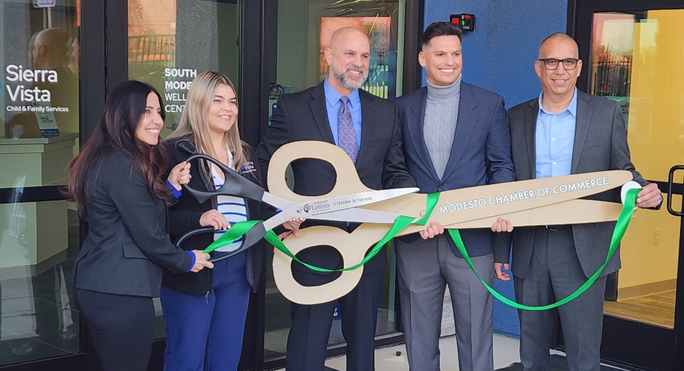
캘리포니아주 아동·가족 서비스국(DHCS)은 취약계층에게 포괄적인 정신 건강 관리 서비스를 제공하기 위해 마련된 행동 건강 연속성 인프라 프로그램 (BHCIP)을 통해 시에라 비스타 아동·가족 서비스에 460만 달러 이상을 지원했습니다. 해당 시설은 연간 4,800명의 이용객을 수용할 것으로 예상됩니다. 2025년과 2026년에 승인된 주민투표 1호 채권 발행으로 더 많은 정신 건강 치료 시설이 자금을 지원받아 건설될 것입니다.
"지역사회 건강 및 청소년 예방 센터는 농촌 및 소외된 지역사회에 고품질의 종합적인 의료 서비스를 제공하기 위한 캘리포니아의 노력의 중요한 부분입니다."라고 DHCS 디렉터 Michelle Baass는 말합니다. "이 센터의 개소는 스타니스라우스 카운티에서 품위 있고 총체적인 행동 건강 서비스를 찾는 사람들에게 판도를 바꿀 것입니다."
"가족과 커뮤니티를 강화하는 것이 우리의 사명입니다."라고 시에라 비스타 차일드 & 가족 서비스의 최고 경영자 앤드류 팀비는 말합니다. "이러한 사명을 구현하기 위한 전략적 이니셔티브는 취약하고 어려움을 겪고 있는 스타니스라우스 카운티 중심부에 위치한 지역사회 건강 및 청소년 예방 센터에 대한 투자와 추가 개발을 통해 효과적으로 수행되고 있다고 생각합니다."
시에라 비스타 아동 및 가족 서비스: 시에라 비스타 아동 및 가족 서비스는 강화된 사례 관리, 멘토링, 위탁 청소년을 위한 단기 거주 치료 프로그램, 산전·산후 약물 남용 장애 치료 프로그램 등 다양한 서비스를 제공합니다.
새로운 지역사회 건강 및 청소년 예방 센터는 어린이, 가족, 스타니스라우스 지역사회 전체의 삶에 지속적인 변화를 일으키기 위해 BHCIP 기금을 사용하여 건립되었습니다. 이 센터는 형사 범죄가 경미한 소년 사법 시스템 관련자 및 그 가족을 포함하여 소외되고 위험에 처한 계층의 25세 미만 아동과 청소년을 대상으로 서비스를 제공합니다. 서비스에는 강점 기반 평가, 종합 사례 관리 서비스, 지역 사회 자원 연계, 가족 및 간병인 교육 및 복지 지원, 정신 건강 검진, 임신 및 산후 서비스 등이 포함됩니다.
BHCIP가 중요한 이유: BHCIP를 통해 DHCS는 적격 기관에 자금을 지원하여 정신 건강 및 약물 사용 장애가 있는 사람들을 위한 지역 사회 기반 행동 건강 치료 옵션의 범위를 더욱 확대하기 위해 부동산을 건설, 인수 및 확장하고 이동식 위기 지원 인프라에 투자합니다. BHCIP는 정신 건강 관리 시스템의 오랜 공백을 해소하여 도움이 필요한 사람들의 평생에 걸친 서비스 및 지원에 대한 증가하는 수요를 충족시키고자 합니다. 시에라 비스타 아동 및 가족 서비스는 BHCIP 4차 아동 및 청소년 지원금 사업을 수주했습니다.
DHCS has awarded $1.7 billion in BHCIP competitive grants. In addition, DHCS will distribute up to $4.4 billion in competitive Bond BHCIP funding, including $3.3 billion for Round 1: Launch Ready grants as part of Behavioral Health Transformation, DHCS’ work to implement Proposition 1. DHCS holds regular public listening sessions on this effort. Updates and recordings of the sessions are available on the Behavioral Health Transformation webpage.
BHCIP 4라운드 정보: 어린이와 청소년: BHCIP Round 4 focused on Californians ages 25 and younger, including pregnant and postpartum women and their children and transitional-age youth ages 18-25, along with their families. Through funding made possible by California’s Children and Youth Behavioral Health Initiative, the 52 awards totaling $480.5 million allowed for new construction and expansion of multiple outpatient and residential facility types, including children’s crisis residential programs, perinatal residential substance use disorder facilities, community wellness/youth prevention centers, and outpatient treatment for substance use disorders. Please see the BHCIP website for more information about grant recipients and additional details about all BHCIP funding rounds.
###
커뮤니케이션실
(916) 440-7660
DHCSPress@dhcs.ca.gov
프로젝트, 거주 치료를 기다리거나 퇴원하는 사람들을 위해 16개의 새로운 동료 치료 병상 추가
SACRAMENTO — On January 29, 2025, the Department of Health Care Services (DHCS) attended Placer County’s opening of a new 16-bed adult peer respite that provides a safe, supportive, and home-like environment for adults awaiting placement in residential treatment programs or exiting such programs to a lower level of care. The facility, dubbed “The Harbor,” will begin welcoming clients on February 3 through a referral-based system managed by Placer County’s substance use team.
DHCS awarded Placer County nearly $400,000 through the Behavioral Health Continuum Infrastructure Program (BHCIP), which is part of California’s ongoing commitment to expand behavioral health services for all Californians. With the passage of Proposition 1, even more behavioral health treatment facilities will be funded and built in 2025 and 2026.
“Too often, restrictive inpatient settings are the only option available to people experiencing a mental health crisis,” said DHCS Director Michelle Baass. “Community-based, trauma-informed, and resilience-focused centers like The Harbor have the potential to revolutionize California’s approach to behavioral health treatment and recovery.”
THE HARBOR: The new facility will include peer respite designed to complement the Placer County Health and Human Services Drug Medi-Cal Organized Delivery System (DMC-ODS) treatment continuum by providing a structured environment for people leaving residential placements or awaiting placement. Residents will engage in self-help recovery activities while potentially also participating in outpatient care.
Services provided include ongoing needs assessment across the behavioral health and physical health spectrums, case management, crisis management, trauma-informed individual and group therapy, peer-to-peer supportive services, linkage to cultural supports and services, and other necessary referral services for a safe and efficient discharge back into the community. These services are designed to provide less costly and less intrusive care than those offered in a hospital setting.
“The Harbor will offer a compassionate, supportive environment where individuals can regain their strength, heal, and reconnect with their sense of well-being,” said Placer County Behavioral Health Director Amy Ellis. “This facility is part of Placer County’s ongoing efforts to build and expand its behavioral health infrastructure to respond to people in need.”
WHY BHCIP IS IMPORTANT: Through BHCIP, DHCS awards eligible entities funding to construct, acquire, and expand properties and invest in mobile crisis infrastructure to further expand the range of community-based behavioral health treatment options for people with co-occurring mental health treatment needs and substance use disorders. BHCIP is addressing historic gaps in the behavioral health care system to meet the growing demand for services and supports throughout the lifespan of people in need.
DHCS has awarded $1.7 billion in BHCIP competitive grants. In addition, DHCS will distribute up to $4.4 billion in competitive Bond BHCIP funding, including $3.3 billion for Round 1: Launch Ready grants as part of Behavioral Health Transformation, DHCS’ work to implement Proposition 1. DHCS holds regular public listening sessions on this effort. Updates and recordings of the sessions are available on the Behavioral Health Transformation webpage.
ABOUT BHCIP ROUND 3: LAUNCH READY: BHCIP Round 3 supported preparation activities to plan for the acquisition and expansion of behavioral health infrastructure throughout the state. The 45 awarded facilities were funded a total of $518.5 million. BHCIP applicants were required to demonstrate service expansion for Medi-Cal members and have a valid planning process to ensure projects are ready for implementation.
###
커뮤니케이션실
(916) 440-7660
DHCSPress@dhcs.ca.gov
새크라멘토 — 보건 서비스부(DHCS)는 캘리포니아 과다복용 예방 네트워크( COPN)를 통해 15개 지역 연합 체에 270만 달러를 수여했습니다.COPN은 과다복용 유행과 싸우기 위해 전념하는 주 전역의 저명한 학습 네트워크입니다. 이 자금은 COPN의 사명을 지지하는 연합체에 지속적인 지원을 제공할 것이며, 지역사회 내 연결을 강화하고 지식, 교육, 자원에 접근하여 관행을 개선하며 지속 가능한 변화를 창출할 수 있도록 할 것입니다.
"전통적으로 오피오이드 사용 장애 치료는 제공자와 다른 기관 간의 연결이 제한적이고 분리되어 있어 치료 공백이 발생했습니다,"라고 DHCS 국장 미셸 바스는 말했습니다. "이 자금은 캘리포니아 과다복용 유행의 최전선에서 활동하는 연합체, 단체, 개인들이 독특하고 지역적인 필요를 우선시하고 생명을 구하는 검증된 해결책을 실행하도록 조정하는 데 기여할 것입니다."
변화를 만들어갑니다: 선정된 15개 연합은 1월 1, 2025, 8월 30, 2027, 사이에 이 기금을 사용하여 약물 과다 복용 예방, 치료 및 회복에 관한 전략을 실행할 것입니다. 이러한 노력에는 날록손 배포, 생명을 구하는 자원에 대한 접근성 확대, 지역사회 교육 등이 포함되며, 모두 주 전역에서 약물 과다 복용으로 인한 사망을 줄이고 장기적인 회복을 촉진하는 것을 목표로 합니다.
왜 이것이 중요한가: 2022년에는 7,000명 이상의 캘리포니아 주민이 오피오이드 과다복용으로 사망했습니다. 전국적으로 매년 83,000건 이상의 오피오이드 관련 과다복용 사망이 발생하며, 그중 90%가 펜타닐과 관련되어 있습니다.
지원금 영향: 샌 루이스 오비스포 오피오이드 안전 연합의 연합 코디네이터인 Jenn Rhoads는"이 지원금을 통해 우리 연합은 오피오이드 사용을 줄이고 과다 복용 예방의 기회를 늘리기 위한 지역사회 교육과 인식을 지속적으로 제공할 것입니다."라고 말했습니다. "또한 카운티 전역에서 치료 및 피해 감소 서비스의 가용성을 높이기 위해 의료 서비스 제공자에 대한 접근성을 개선할 것입니다."
"이 기금은 현재 우리 연합의 이니셔티브를 강화하고 더 많은 사람들에게 다가갈 수 있는 노력을 확대할 것입니다."라고 약물 안전 솔라노의 연합 코디네이터인 아서 카마고는 말합니다. "특히 이 기금을 통해 피해 감소 서비스, 날록손 교육 및 배포, 지역사회 교육 행사 및 훈련을 확대할 수 있을 것입니다. 이 기금은 또한 오피오이드와 부프레노르핀의 안전한 처방을 위해 처방자를 대상으로 한 리소스를 업데이트 및 배포하고, 데이터 리소스를 사용하여 지역 오피오이드 결제 기금의 최적 사용을 옹호하는 연합의 노력을 뒷받침할 것입니다."
By strengthening connections and providing vital resources, COPN’s network and training give coalitions the tools and support they need to tackle the overdose epidemic effectively.
더 큰 그림: 이 프로젝트는 약물 남용 및 정신 건강 서비스국에서 수여하는 주 오피오이드 대응 IV 보조금으로 지원됩니다. 이 프로젝트는 예방, 치료 및 회복 활동 제공을 통해 MUD에 대한 접근성을 높이고, 충족되지 않은 치료 요구를 줄이며, 오피오이드 과다복용 관련 사망을 줄이기 위해 캘리포니아 오피오이드 대응 프로젝트로 통칭되는 약물 사용 장애를 해결하기 위한 DHCS의 광범위한 노력의 일환입니다. 자세한 내용은 DHCS 웹사이트를 참조하세요.
캘리포니아주는 예방 및 치료를 위한 리소스를 찾고 있는 캘리포니아 주민을 위한 원스톱 도구인 opioids.ca.gov를 개설했으며, 이 위기에서 캘리포니아가 빅 제약사와 마약 밀매업자에게 책임을 묻기 위해 어떻게 노력하고 있는지에 대한 정보도 제공합니다.
자격이 있는 기관은 DHCS의 날록손유통 프로젝트를 통해 CalRx 브랜드의 일반의약품(OTC) 4mg 날록손 비강 스프레이를 무료로 받을 수 있습니다. CalRx는 개인이 직접 CalRx OTC 날록손 비강 스프레이를 구매할 수 있는 옵션을 준비 중입니다.
###
커뮤니케이션실
(916) 440-7660
DHCSPress@dhcs.ca.gov
새크라멘토 — 보건 서비스부(DHCS)는 캘리포니아 허브 앤 스포크 시스템을 강화하기 위해 약 6,540만 달러를 91개 기관에 지원금으로 지원했습니다. 이 시스템은 주 전역에서 오피오이드 사용 장애(MOUD) 서비스 접근성을 높이기 위해 설계된 검증된 모델입니다. 이 자금은 주 전역의 예방, 치료 및 회복 서비스를 강화하여 오피오이드 위기 대응을 진전시키고 생명을 구할 것입니다.
"오피오이드 전염병을 극복하려면 공중 보건 시스템의 모든 부분이 치유를 위해 함께 노력해야 합니다."라고 DHCS의 미셸 바스 이사는 말합니다. "허브 앤 스포크 시스템은 주 전역의 지역사회에서 서비스와 자원을 개선하여 캘리포니아의 예방, 피해 감소, 치료 및 회복 제공자 네트워크를 강화합니다."
The Hub and Spoke System consists of a network of Narcotic Treatment Programs (known as Hubs) licensed to dispense methadone and other MOUDs. These Hubs are connected to other MOUD prescribers (known as Spokes), which primarily provide various formulations of buprenorphine—a medication that reduces opioid cravings and withdrawal symptoms—and ongoing opioid use disorder (OUD) and substance use disorder (SUD) care and treatment.
왜 이것이 중요한가: 2022년에는 7,000명 이상의 캘리포니아 주민이 오피오이드 과다복용으로 사망했습니다. 전국적으로 매년 83,000건 이상의 오피오이드 관련 과다복용 사망이 발생하며, 그중 90% 이상이 펜타닐과 관련되어 있습니다. 허브 앤 스포크 시스템은 특히 과다복용률이 가장 높은 카운티에서 주 전역의 약물 보조 치료(MAT) 서비스 접근성을 높입니다. 이 프로그램은 치료 인프라가 거의 없는 농촌 주에서 MAT 접근성을 성공적으로 높인 버몬트 허브 앤 스포크 시스템을 모델로 삼았습니다. 이 프로젝트는 부프레노르핀을 처방하는 의사, 의사 보조원, 간호사 실무자의 수를 늘려 OUD 환자들에게 MAT 제공 가능성을 높였습니다.
허브 앤 스포크 시스템은 SUD 및 OUD 환자들의 교육, 홍보, 치료를 지속적으로 개선하고 있으며, 특히 취약 계층 서비스와 MOUD 서비스 확대에 중점을 두고 있습니다. 이 시스템은 다음과 같은 목적으로 설계되었습니다:
의미: 1월 1, 2025, 9월 29, 2027 에서 허브 앤 스포크 시스템을 구현하기 위한 MOUD 서비스를 제공하는 91개 기관이 상을 받게 됩니다. 수혜자로는 마약 치료 프로그램, 연방 인증 보건소, 농촌 보건 클리닉, 지역사회 클리닉, 비영리 단체, 부족 단체 등이 포함됩니다.
지원금 영향: "이 기금을 통해 베니스 패밀리 클리닉은 보험 상태에 관계없이 SUD 환자에게 생명을 구하는 지원을 제공할 수 있게 되었습니다."라고 베니스 패밀리 클리닉의 프로그램 관리 책임자인 아리엘 피터슨(Ariel Peterson)이 말했습니다. "여기에는 아편 사용 장애에 대한 약물 치료, 상담, 사례 관리, 해독 또는 주거 치료를 위한 교통편이 포함됩니다."
"우리는 OUD의 MAT 프로그램을 지원하기 위해 이 보조금을 받게 되어 영광입니다. 이를 통해 고위험 원주민 환자들에게 중요한 홍보와 의료 서비스를 계속 제공할 수 있게 되었습니다."라고 K'ima:w Medical Center의 MAT 프로그램 매니저인 Judith Surber가 말했습니다. "MAT 프로그램은 우리 의료 센터와 우리가 봉사하는 더 넓은 지역사회의 필수적인 부분으로 남아 있습니다. 이 자금은 우리 프로그램을 성장시키고, 낙인을 줄이며, 농촌 부족 공동체 내에서 오피오이드 과다복용으로 인한 사망률을 낮추는 데 도움이 될 것입니다. 구조화된 클리닉 환경을 조성함으로써 환자들이 삶을 재건하고 가족과 지역사회를 지원하는 생산적인 사회 구성원으로 기여할 수 있도록 힘을 실어주는 것을 목표로 합니다."
"허브 앤 스포크 시스템의 자금 지원을 받아, 외래, 거주, 오피오이드 치료 프로그램들은 생명을 구하는 MOUD에 대해 지역사회에 더 광범위한 홍보를 제공하고, 더 많은 무보험 및 보험 부족 환자들에게 MAT에 동등한 접근권을 제공할 수 있게 되었습니다."라고 클레어| 평가 이사 A ndrea Nee가 말했습니다.매트릭스. "허브 앤 스포크 시스템 자금은 의료 책임자, 상담 및 간호 직원들이 더 많은 OUDs와 자극제 사용 장애 환자에게 최고 수준의 치료를 제공할 수 있도록 지원하는 데 매우 중요합니다. 포괄적인 환자 교육과 참여 서비스를 통해 MAT의 이점과 영향에 대한 지식과 인식을 높이고, 낙인을 더욱 줄일 수 있을 것입니다."라고 말했습니다.
더 큰 그림: 캘리포니아주는 예방 및 치료를 위한 리소스와 캘리포니아가 이 위기에서 빅파마와 마약 밀매업자에게 책임을 묻기 위해 어떻게 노력하고 있는지에 대한 정보를 찾는 캘리포니아 주민을 위한 원스톱 도구인 opioids.ca.gov를 개설했습니다.
허브 앤 스포크 시스템은 약물 남용 및 정신건강 서비스 관리국(Substance Abuse and Mental Health Services Administration)에서 수여하는 주 오피오이드 대응 IV 보조금으로 자금을 지원받고 있습니다. 이 프로젝트는 DHCS가 SUDs(캘리포니아 오피오이드 대응)를 다루기 위한 광범위한 노력의 일부로, MOUDs 접근성을 높이고, 미충족 치료 필요를 줄이며, 예방, 치료, 회복 노력을 통해 오피오이드 과다복용 관련 사망을 줄이기 위한 노력의 일부입니다. 자세한 정보는 캘리포니아 DHCS 오피오이드 대응 개요 웹사이트를 방문해 주시기 바랍니다.
###
커뮤니케이션실
(916) 440-7660
DHCSPress@dhcs.ca.gov
SACRAMENTO — In response to the Southern California wildfires, the Department of Health Care Services (DHCS) requested and received federal approval from the Biden-Harris administration of several dozen flexibilities to prevent disruptions in health care delivery so Medi-Cal members can continue to receive needed care. 1135 waivers allow the U.S. Department of Health and Human Services (HHS) to waive various administrative requirements to increase access to medical services during a time of national emergency. 1135 waiver approvals remain in effect throughout the duration of the public health emergency declared by former HHS Secretary Xavier Becerra, which is 90 days.
"DHCS는 캘리포니아 주민들이 이 엄청난 위기 상황에서 필요한 치료를 받을 수 있도록, 그리고 지역사회가 회복되기 시작할 때 필요한 치료를 받을 수 있도록 최선을 다하고 있습니다."라고 주 메디케이드 책임자인 타일러 새드위드는 말합니다. "연방 파트너가 부여한 면제는 의료 서비스 제공자가 Medi-Cal 가입자의 즉각적인 요구 사항을 해결하는 데 필요한 유연성을 제공할 것입니다. 대체 환경에서 클리닉 서비스에 대한 지속적인 접근을 보장하고, 가정 및 지역 사회 기반 서비스를 위한 목표에 맞는 유연성을 제공하며, 제공자 등록을 간소화하는 등 이러한 조치는 이 비상 상황과 회복 과정 전반에 걸쳐 치료 장벽을 제거하고 환자와 일선 제공자 모두를 지원하도록 설계되었습니다."
Key flexibilities include:
유연성에 대하여: 1135 면제 하에서, 메디케어 및 메디케이드 서비스 센터(CMS)는 의료 제공자와 시설이 긴급 상황이나 재난에 대응할 수 있도록 일부 메디케어, 메디케이드, 아동 건강 보험 프로그램 요건을 일시적으로 완화하고 있습니다. 부록 K 승인은 가정 및 커뮤니티 기반 서비스 프로그램과 관련된 추가적인 유연성을 제공합니다. 이러한 조치들은 행정적 부담을 줄이고 중요한 시기에 의료 제공에 유연성을 제공하기 위해 설계되었습니다
오늘 도움을 받으세요: 캘리포니아 주민들은 주, 지방, 연방 정부의 정보와 자원을 제공하는 허브인 CA.gov/LAfires 를 방문할 수 있습니다.
Covered California recently announced a special enrollment period for residents of Los Angeles and Ventura counties. This special enrollment period will last until March 8, 2025. Resources are available through Los Angeles County and the State of California. Of the 1.3 million uninsured Californians who qualify for subsidies through Covered California or are eligible for Medi-Cal coverage, 356,000 reside in Southern California.
California developed resources to help guide people through disasters and provide information about the different types of federal, state, and local services available in California:
BenefitsCal 포털을 통해 캘리포니아 주민들은 온라인으로 혜택을 신청하고 관리할 수 있습니다. 여기에는 식품 지원(CalFresh, 이전 푸드 스탬프), 현금 지원(CalWORKs, 일반 지원, 이민자 현금 지원 프로그램) 및 저렴한 건강 보험(Medi-Cal)이 포함됩니다.
Individuals and business owners who sustained losses from the Southern California wildfires can apply for disaster assistance:
비디오 중계 서비스, 자막 전화 서비스 등과 같은 중계 서비스를 사용하는 경우, 해당 서비스 번호를 FEMA에 알려주십시오.
배경: 산불과 개빈 뉴섬 주지사가 1월 1일 선포한 비상사태 및 행정 명령에 따라 7, 2025, DHCS는 주 내 피해 지역의 메디칼 가입자를 보호하기 위해 주요 행정 유연성을 신속히 시행했습니다.
DHCS는 캘리포니아의 메디케이드 버전인 Medi-Cal을 관리하여 로스앤젤레스 카운티의 약 400만 명의 회원과 벤츄라 카운티의 25만 명 이상의 회원을 포함하여 약 1,500만 명에게 의료 보험 혜택을 제공합니다. Medi-Cal 가입자에게 도움이 필요한 경우 해당 의료 서비스 제공자 또는 플랜에 문의해야 합니다.
###
커뮤니케이션실
(916) 440-7660
DHCSPress@dhcs.ca.gov
SACRAMENTO — In response to the devastating Southern California wildfires and Governor Gavin Newsom’s proclaimed State of Emergency and Executive Order issued on January 7, 2025, the Department of Health Care Services (DHCS) swiftly implemented key administrative flexibilities to protect Medi-Cal members in affected regions of the state. These efforts include simplified Medi-Cal enrollment and renewal processes, waived requirements to access prescription medications and medical devices, and other flexibilities to ensure all Medi-Cal members have access to care during this emergency.
Help for Medi-Cal members in Los Angeles County and Ventura County includes:
DHCS understands recovering from these wildfires will be challenging and has developed an online resource to help answer Medi-Cal member questions about accessing services during this emergency.
Current flexibilities for Medi-Cal managed care plans and providers include:
또한, 캘리포니아 보건복지부(DHCS)는 남부 캘리포니아 산불로 피해를 입은 메디칼(Medi-Cal) 수혜 캘리포니아 주민들을 지원하기 위해 연방 메디케어 및 메디케이드 서비스 센터(CMS)에 지원 요청을 제출했습니다. 사회보장법 제1135조는 국가적 공중보건 비상사태 동안 유연성을 제공합니다.
"DHCS에서 우리 회원들은 최우선 순위이며, 남부 캘리포니아 산불로 피해를 입은 가족들에게 깊은 위로를 전합니다."라고 DHCS 국장 미셸 바스가 말했습니다. "저희는 CMS와 긴밀히 협력하여 산불로 인해 발생한 어려움을 극복할 수 있도록 주 정부와 메디칼 회원들에게 필요한 유연한 조치를 신속하게 승인받기 위해 노력하고 있습니다." 저희는 의료 서비스 제공자들이 새로운 유연성을 신속하게 활용하여 남부 캘리포니아 메디칼 회원들에게 양질의 공평한 의료 서비스를 제공할 수 있도록 지속적으로 지침을 발표할 것입니다.
Significant additional flexibilities requested by DHCS include:
DHCS is dedicated to safeguarding the health and well-being of Medi-Cal members and communities suffering from the devastating effects of the Southern California wildfires. DHCS’ purpose extends beyond routine health care services, focusing on proactive planning, rapid response, and continuous support in the face of challenges like these wildfires.
주, 지방, 연방 및 부족 파트너와의 협력을 통해 DHCS는 영향을 받은 개인이 필수 의료 서비스를 적시에 이용할 수 있도록 보장합니다. DHCS는 팀의 전문성과 응급 규정의 유연성을 활용하여 의료 및 행동 건강 서비스에 대한 접근을 촉진하는 것부터 의약품 및 내구성 있는 의료 장비의 가용성 보장에 이르기까지 남부 캘리포니아 지역사회의 고유한 요구 사항을 해결합니다.
BACKGROUND: On January 8, 2025, in response to the catastrophic wildfires in Southern California, President Joseph R. Biden, Jr. declared that a major disaster exists in the State of California in the areas affected by wildfires. On January 10, 2025, U.S. Department of Health & Human Services Secretary Xavier Becerra declared a public health emergency for California, granting CMS additional flexibility to address the health needs of impacted individuals. These measures were made possible through extensive preparedness planning and proactive emergency response protocols. These efforts underscore a strong state and federal partnership, ensuring uninterrupted care and services during this emergency.
DHCS administers Medi-Cal, California’s version of Medicaid, providing health coverage to nearly 15 million people, including nearly 4 million members in Los Angeles County and more than 250,000 members in Ventura County.
DHCS는 영향을 받는 모든 주민들에게 지역 대피 명령을 준수하고, 대기 질을 모니터링하며, 필요한 경우 야외에서도 마스크를 착용할 것을 권장합니다. 메디칼 회원이 도움이 필요한 경우, 의료 서비스 제공자 또는 보험사 에 문의해야 합니다.
추가 정보: 다음 링크에서 리소스 및 업데이트를 확인할 수 있습니다:
지금 바로 도움을 받으세요:
###
연락처:
Office of Communications
(916) 440-7660
www.dhcs.ca.gov