Official website of the State of California
Translate

Projects Expected to Serve Nearly 2,000 People Annually
SACRAMENTO — The Department of Health Care Services (DHCS) and Mentis are expanding outpatient services for people with mental health needs in Napa County. Just eight months ago, DHCS and Mentis broke ground on the Napa Valley Youth Wellness Campus, supported by Behavioral Health Continuum Infrastructure Program funding totaling more than $4.7 million.
On March 5, DHCS and Mentis celebrated the ribbon cutting of the new outpatient community mental health clinic and community wellness/youth prevention center, which opened for services and includes 121 new treatment slots and will serve nearly 2,000 people annually.
“DHCS is committed to working with partners like Mentis to rapidly expand mental health and substance use disorder treatment services for California youth,” said DHCS Director Michelle Baass. “BHCIP continues to address historic gaps in the behavioral health care system to meet the growing demand for services and supports throughout the lifespan of people in need.”
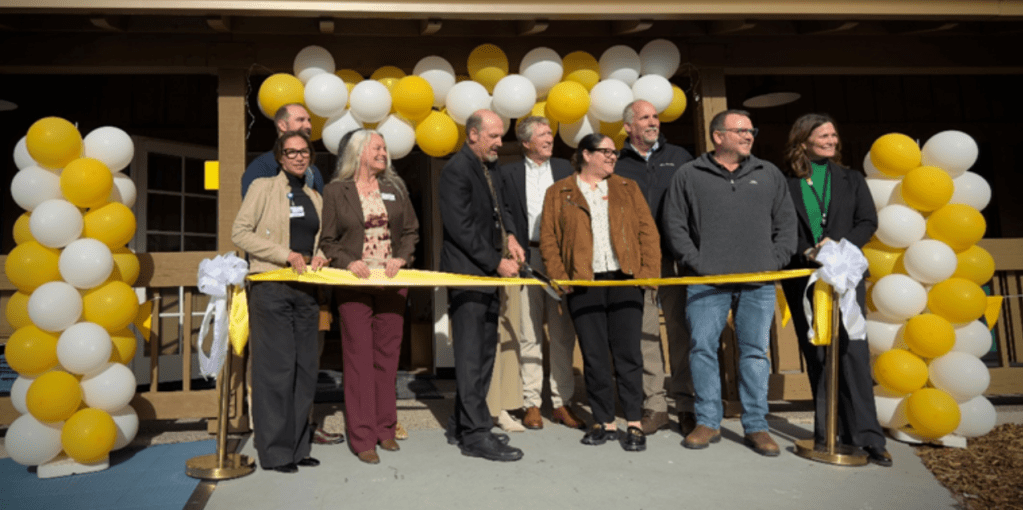
Ribbon Cutting for Napa Valley Youth Wellness Campus Project
NAPA VALLEY YOUTH WELLNESS CAMPUS: This project will serve the behavioral, mental, and emotional needs of children and youth in Napa Valley and their families. The project involves rehabilitating an existing private middle school campus building to incorporate a supportive art studio, community space, and therapy rooms. Services include children and youth wellness prevention activities, mental health treatment, group therapy and/or family activities, and individual therapy sessions. Programs are offered in English and Spanish and are free and accessible for all. Located within walking distance of three high schools, the campus’ continuum of care is intended to attract a diverse youth population, including youth of color and LGBTQIA+ and justice-involved youth.
“Our community clinic and youth wellness campus will provide much-needed support to youth who continue to struggle with life’s stresses,” said Mentis Executive Director Rob Weiss. “We are eager to expand our continuum of care to serve children and youth with a wide spectrum of needs, and we are grateful to DHCS for making this vision possible.”
WHY THIS IS IMPORTANT: BHCIP is part of California’s ongoing commitment to expand behavioral health services for all Californians. With the passage of Proposition 1, even more behavioral health treatment facilities will be funded and built in 2025 and 2026. Through BHCIP, DHCS awards eligible entities funding to construct, acquire, and expand properties and invest in mobile crisis infrastructure to further expand the range of community-based behavioral health treatment options for people with co-occurring mental health treatment needs and substance use disorders.
DHCS has awarded $1.7 billion in BHCIP competitive grants. In addition, DHCS will distribute up to $4.4 billion in competitive Bond BHCIP funding, including $3.3 billion for Round 1: Launch Ready grants as part of Behavioral Health Transformation, DHCS’ work to implement Proposition 1. DHCS holds regular public listening sessions on this effort. Updates and recordings of the sessions are available on the online.
ABOUT BHCIP ROUND 4: CHILDREN AND YOUTH:BHCIP Round 4 focused on Californians ages 25 and younger, including pregnant and postpartum women and their children and youth ages 16-25, along with their families. Through funding made possible by California’s Children and Youth Behavioral Health Initiative, the 52 awards totaling $480.5 million allowed for new construction and expansion of multiple outpatient and residential facility types, including children’s crisis residential programs, perinatal residential substance use disorder facilities, community wellness/youth prevention centers, and outpatient treatment for substance use disorders. Please see the BHCIP website for more information about grant recipients and additional details about all BHCIP funding rounds.
###
Office of Communications
(916) 440-7660
DHCSPress@dhcs.ca.gov
Project will Include 37 New Acute Psychiatric Hospital Inpatient Beds
SACRAMENTO — On February 19, 2025, the Department of Health Care Services (DHCS) and Gateways Hospital and Mental Health Center broke ground on Gateways’ youth expansion project in Los Angeles County. The project, funded by Round 4 of DHCS’ Behavioral Health Continuum Infrastructure Program (BHCIP), will focus on youth with serious emotional or behavioral problems experiencing an acute psychiatric emergency.
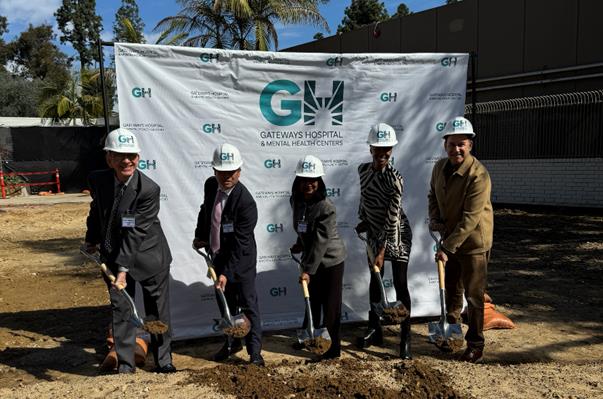
DHCS awarded Gateways more than $19 million through BHCIP, which is part of California’s ongoing commitment to expand behavioral health services for all Californians. With the passage of Proposition 1, even more behavioral health treatment facilities will be funded and built in 2025 and 2026.
“This groundbreaking is a significant step forward in our commitment to provide specialized care to youth facing acute mental health challenges,” said DHCS Director Michelle Baass. “By expanding access to comprehensive care, we are fostering an environment where all young people can receive the care and support they deserve to thrive.”
GATEWAYS YOUTH EXPANSION PROJECT: Most of the youth to be served by the project have experienced traumatic events or adverse childhood experiences or are involved with child welfare services. Gateways is adding 37 inpatient beds for adolescents to the acute psychiatric hospital’s existing 55 inpatient beds serving adults and adolescents.
“There is an urgent need to provide support for youth facing mental health crises,” said Gateways Hospital CEO Dr. Phil Wong. “We commend California for prioritizing these funds to focus on youth mental health by expanding infrastructure capacity to help shift the tide. Our team is pleased to break ground on our expansion so we can start serving youth in need of these vital services.”
In addition to traditional health care, the expanded facility will allow youth to receive multiple therapeutic services and participate in activities designed to build autonomy and help them transition to outpatient services. These services will include individual and group therapies, such as cognitive-behavioral therapy, psychoanalytic therapy, mentalization-based therapy, eye movement desensitization and reprocessing, and biofeedback. Youth housed in the unit will receive multiple therapeutic services, including family therapy and medical counseling.
Finally, youth presenting with eating disorders, such as anorexia nervosa and bulimia, and youth with co-occurring alcohol and drug disorders will receive nutritional counseling, have their physical health closely monitored, and receive medication management.
WHY THIS IS IMPORTANT: Through BHCIP, DHCS awards eligible entities funding to construct, acquire, and expand properties and invest in mobile crisis infrastructure to further expand the range of community-based behavioral health treatment options for people with co-occurring mental health treatment needs and substance use disorders. BHCIP is addressing historic gaps in the behavioral health care system to meet the growing demand for services and supports throughout the lifespan of people in need.
DHCS awarded $1.7 billion in BHCIP competitive grants. In addition, DHCS will distribute up to $4.4 billion in competitive Bond BHCIP funding, including $3.3 billion for Round 1: Launch Ready grants as part of Behavioral Health Transformation, DHCS’ work to implement Proposition 1. DHCS holds regular public listening sessions on this effort. Updates and recordings of the sessions are available on the Behavioral Health Transformation webpage.
ABOUT BHCIP ROUND 4: CHILDREN AND YOUTH: BHCIP Round 4, through funding made possible by California’s Children and Youth Behavioral Health Initiative, focuses on Californians ages 25 and younger, including pregnant and postpartum women and their children and transition-age youth ages 18-25, along with their families. The 52 awards totaling $480.5 million allow for new construction and expansion of multiple outpatient and residential facility types, including children’s crisis residential programs, perinatal residential substance use disorder facilities, community wellness/youth prevention centers, and outpatient treatment for substance use disorder. For more information, please visit the BHCIP website.
###
Office of Communications
(916) 440-7660
DHCSPress@dhcs.ca.gov
New Crisis Management Hub is Projected to Serve More Than 2,500 Individuals Annually
SACRAMENTO — On February 7, 2025, the Department of Health Care Services (DHCS) and CRI-Help announced the grand opening of the Substance Use Disorder (SUD) Crisis Management Hub: A Fully Integrated Behavioral Health Campus project in Los Angeles County. The site includes an adult residential SUD treatment facility, an intensive outpatient treatment SUD facility, and a sobering center. These combined facilities are projected to serve more than 2,500 individuals annually.
The SUD Crisis Management Hub project was funded by Round 5 of DHCS’ Behavioral Health Continuum Infrastructure Program (BHCIP). DHCS awarded CRI-Help more than $21 million through BHCIP, which is part of California’s ongoing commitment to expand behavioral health services for all Californians. With the passage of Proposition 1, even more behavioral health treatment facilities will be funded and built in 2025 and 2026.
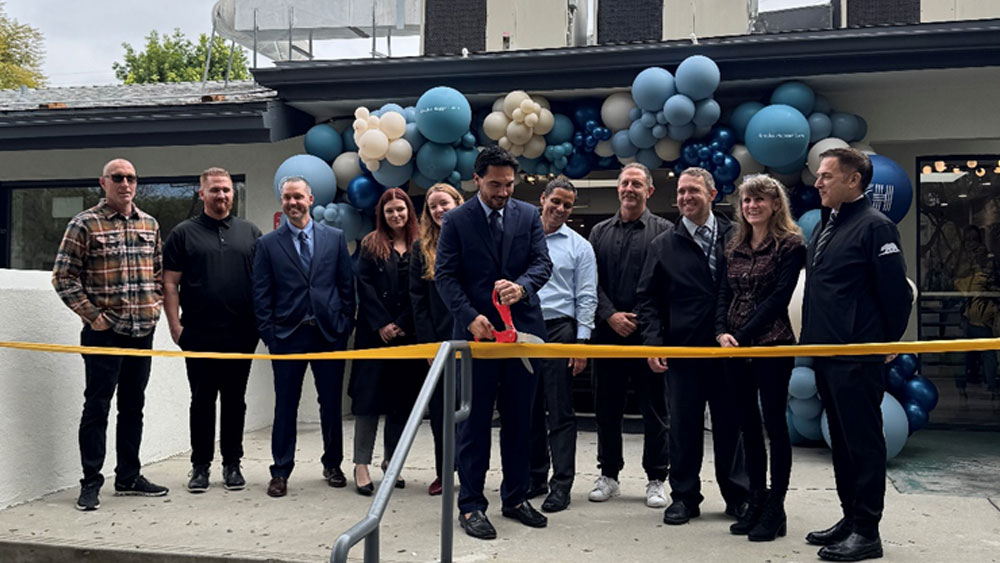
“Facilities like these that are part of the SUD Crisis Management Hub treat not only the crises, but also the core concerns of people seeking help with their SUDs, so they can pursue continuous recovery,” said DHCS Director Michelle Baass. “DHCS is pleased to partner with CRI-Help to make this facility a reality and to bring high-quality behavioral health care to this community.”
CRI-HELP: CRI-Help’s SUD Crisis Management Hub project immediately increases the availability of outpatient and residential crisis services for low-income adults in the downtown and east Los Angeles areas. This project includes three programs:
Together, these facilities will provide screenings, group counseling, patient education, family therapy group sessions, motivational interviewing, recovery efforts, and warm handoffs to other levels of care.
“With the addition of a sobering center funded by BHCIP that provides comprehensive recovery services, we are redefining what accessible, compassionate care looks like in the Los Angeles area,” said CRI-Help President and CEO Brandon Fernandez. “This campus stands as a beacon of innovation and inclusivity for people seeking a second chance in life.”
WHY THIS IS IMPORTANT: Through BHCIP, DHCS awards eligible entities funding to construct, acquire, and expand properties and invest in mobile crisis infrastructure to further expand the range of community-based behavioral health treatment options for people with co-occurring mental health treatment needs and SUDs. BHCIP is addressing historic gaps in the behavioral health care system to meet the growing demand for services and supports throughout the lifespan of people in need.
DHCS has awarded $1.7 billion in BHCIP competitive grants. In addition, DHCS will distribute up to $4.4 billion in competitive Bond BHCIP funding, including $3.3 billion for Round 1: Launch Ready grants as part of Behavioral Health Transformation, DHCS’ work to implement Proposition 1. DHCS holds regular public listening sessions on this effort. Updates and recordings of the sessions are available on the Behavioral Health Transformation webpage.
ABOUT BHCIP ROUND 5: CRISIS AND BEHAVIORAL HEALTH CONTINUUM: BHCIP Round 5 was developed, in part, through a statewide needs assessment that identified significant gaps in available crisis services. This assessment showed the need for a better crisis care system to reduce emergency department visits, hospitalizations, and incarceration. The 33 awards, totaling $430 million, are being used to build and expand crisis care and behavioral health facilities statewide and will serve vulnerable Californians of all ages, including Medi-Cal members.
###
Office of Communications
(916) 440-7660
DHCSPress@dhcs.ca.gov
Projects Expected to Serve More Than 900 Individuals Annually
SACRAMENTO — The Department of Health Care Services (DHCS) is expanding residential services for individuals with substance use disorders and co-occurring mental health needs at two locations in Los Angeles County.
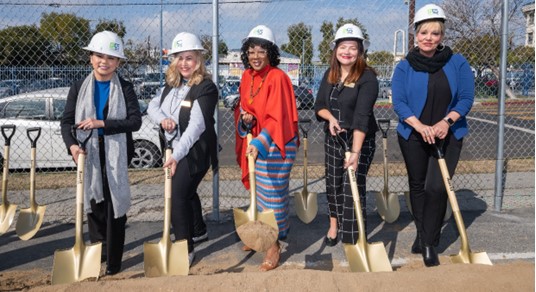
The Whole Child—Mental Health and Housing Services celebrated the grand opening of a new community wellness center (below). On February 1, the center began providing trauma-informed, culturally sensitive mental health, family housing, parent enrichment, and nutrition education services. The center supports families in southeast Los Angeles who face barriers to accessing care, including youth and families experiencing homelessness.
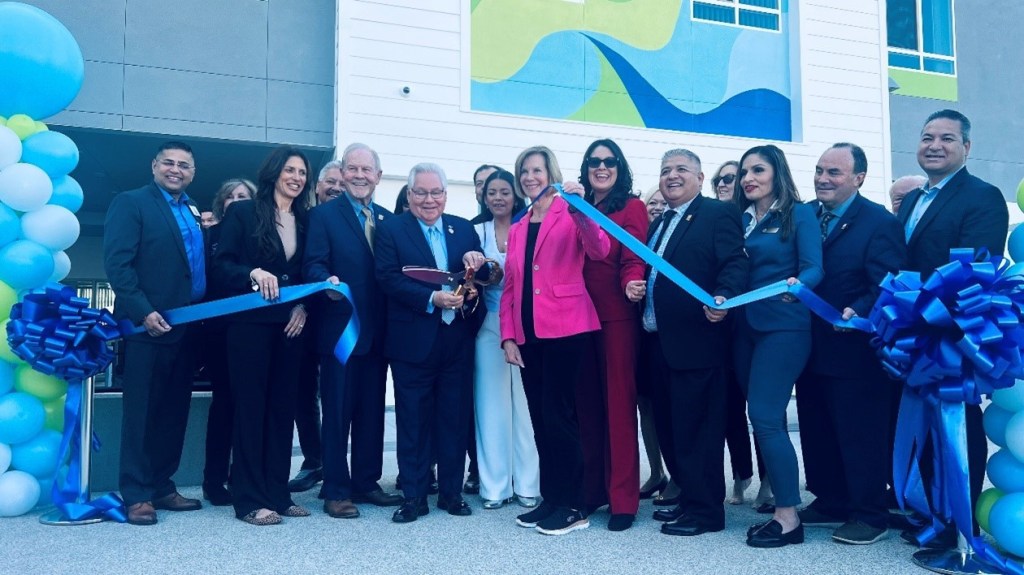
Also, St. Anne’s Family Services hosted a groundbreaking (below) for a new short-term residential therapeutic program (STRTP) called STRTP FOR ONE, which annually provides high-quality supportive housing programs, early childhood education, mental health, and family-based services to thousands of young women, children, and families in Los Angeles County.
Both projects were funded by Round 5 of DHCS’ Behavioral Health Continuum Infrastructure Program (BHCIP). DHCS awarded The Whole Child—Mental Health and Housing Services more than $6 million and St. Anne’s Family Services more than $2 million through BHCIP, which is part of California’s ongoing commitment to expand behavioral health services for all Californians. With the passage of Proposition 1, even more behavioral health treatment facilities will be funded and built in 2025 and 2026.
“Expanding community-based behavioral health care services is a top priority for DHCS,” said DHCS Director Michelle Baass. “Residential facilities like these are a vital component of California’s efforts to bring high-quality, trauma-informed care to individuals and families who need it most.”
THE WHOLE CHILD—MENTAL HEALTH AND HOUSING SERVICES: The Trauma Healing and Wellness Center for Homeless Families and the Community project provides trauma-informed, culturally sensitive services to children, youth, and families experiencing homelessness in the Los Angeles area. In addition to outpatient counseling services, the center supports vocational, mental health, housing navigation, parent, and nutrition education. The center’s comprehensive suite of mental health services includes individual, family, and group psychotherapy, medication management, psychological testing, psychiatric services, case management, crisis intervention services, school-linked services to provide assessment and therapy to students onsite in schools, multidisciplinary assessment teams, and specialized foster care. Evidence-based practices include trauma focused-cognitive behavioral therapy, individual cognitive behavioral therapy, a Triple P-Positive Parenting Program, managing and adopting practice, child parent psychotherapy, Incredible Years, aggression replacement therapy, and interpersonal psychotherapy.
“As a regional leader in children’s mental health and wellness, we know firsthand how childhood trauma and pain can follow children into adulthood,” said The Whole Child CEO Constanza Pachon. “However, we also know that treatment at an early age can have an enormously positive effect, providing children and teens with the tools and coping skills they need to begin their healing journey. This center, built with BHCIP funding, will be a beacon of hope for our community.”
STRTP FOR ONE: St Anne’s Family Services designed STRTP FOR ONE with one bed that offers highly individualized, comprehensive care to young mothers ages 13-17 who are at risk of multiple placements, homelessness, and incarceration due to their complex mental or behavioral health needs. The program is staffed by a team of highly coordinated and trauma-informed clinical professionals to provide strength-based, client-centered interventions within a home-like environment. The program aims to equip these youth with tools to address their complex trauma, foster independent living skills, and develop real-time parenting skills with natural support.
“We are thrilled to collaborate with DHCS to address the critical mental health needs of young families in our community,” said Lorna Little, MSW, President and CEO of St. Anne’s Family Services. “We are uniquely positioned to provide specialized services to young women in crisis—women who are pregnant or parenting, seeking to reunite with family members, and learning to stabilize within our programs to make a successful transition.”
WHY BHCIP IS IMPORTANT: Through BHCIP, DHCS awards eligible entities funding to construct, acquire, and expand properties and invest in mobile crisis infrastructure to further expand the range of community-based behavioral health treatment options for people with co-occurring mental health treatment needs and substance use disorders. BHCIP is addressing historic gaps in the behavioral health care system to meet the growing demand for services and supports throughout the lifespan of people in need.
DHCS has awarded $1.7 billion in BHCIP competitive grants. In addition, DHCS will distribute up to $4.4 billion in competitive Bond BHCIP funding, including $3.3 billion for Round 1: Launch Ready grants as part of Behavioral Health Transformation, DHCS’ work to implement Proposition 1. DHCS holds regular public listening sessions on this effort. Updates and recordings of the sessions are available on the Behavioral Health Transformation webpage.
ABOUT BHCIP ROUND 5: CRISIS AND BEHAVIORAL HEALTH CONTINUUM: BHCIP Round 5 was developed, in part, through a statewide needs assessment that identified significant gaps in available crisis services. This assessment showed the need for a better crisis care system to reduce emergency department visits, hospitalizations, and incarceration. The 33 awards, totaling $430 million, are being used to build and expand crisis care and behavioral health facilities statewide and will serve vulnerable Californians of all ages, including Medi-Cal members.
###
Office of Communications
(916) 440-7660
DHCSPress@dhcs.ca.gov
New Roadmap Outlines Strategies to Create a More Equitable and Patient-Centered System for Pregnant and Postpartum Medi-Cal Members
SACRAMENTO – The Department of Health Care Services (DHCS) today released the Birthing Care Pathway report, a comprehensive plan to improve maternity care for Medi-Cal members. This roadmap covers the journey of all pregnant and postpartum Medi-Cal members from conception through 12 months postpartum, aiming to make care accessible, equitable, and patient-centered.
“The Birthing Care Pathway represents a critical step forward in California’s commitment to improving maternal health,” said DHCS Director Michelle Baass. “By centering member experiences, aligning policies with actionable recommendations, and strengthening partnerships across sectors, we aim to ensure every Medi-Cal member has access to safe, equitable, and comprehensive maternity care.”
KEY OBJECTIVES: The Birthing Care Pathway report details policies DHCS has implemented or is in the process of implementing to support all pregnant and postpartum members enrolled in Medi-Cal. Additionally, the report identifies opportunities for future exploration.
The Birthing Care Pathway prioritizes:
The Birthing Care Pathway will work to achieve these objectives by transforming Medi-Cal’s maternity policy to create a member-centered approach to prenatal and postpartum care that meets members where they are and provides whole-person care that addresses behavioral health and social needs in addition to medical needs. DHCS will revise and modernize existing Medi-Cal policies to provide members with increased choice of types of maternity providers and supports, like doulas, community health workers, and others, and creating critical linkages between health care and other programs across the state to make it easier for members to get the full range of needed services.
Additionally, DHCS will address the needs of special populations who are pregnant/postpartum, including people involved with the justice system, individuals with severe mental health and substance use needs, LGBTQI+ individuals, and Black, American Indian/Alaska Native, and Pacific Islander individuals.
DHCS will continue working with state departments, including the California Department of Public Health (CDPH) and Office of the California Surgeon General (OSG), maternity care and social services providers, state and local leaders, Medi-Cal managed care plans (MCP), birth equity advocates, and other partners to implement the Birthing Care Pathway policies outlined in the report. Continuing to engage a diverse set of partners to implement and further develop the Birthing Care Pathway will be vital to align the numerous maternity initiatives occurring so they are not siloed.
“Through a comprehensive, whole-person approach, California is not just enhancing perinatal health, but we are setting a bold new standard for care that delivers better outcomes for families statewide,” said California Surgeon General Dr. Diana Ramos. “The Birthing Care Pathway is a vital addition to the state’s efforts that advance perinatal health, building on the innovative, collaborative work already underway.”
“Having served rural communities throughout my career, I know that providing access to services from conception through one year postpartum has always been a challenge,” said Dr. Robert Moore, Chief Medical Officer at Partnership HealthPlan of California. “Collaborations like the DHCS Birthing Care Pathway are vital in bringing together multiple partners and stakeholders to find solutions. The entire community must engage on this issue to make lasting progress.”
WHY THIS MATTERS: Nearly one in eight U.S. births occur in California, and 40 percent of those births are covered by Medi-Cal. While California currently has the lowest maternal mortality rate in the nation, Medi-Cal members have a higher rate of maternal mortality than individuals with commercial insurance.
While the Birthing Care Pathway lays out a long-term strategy for transforming maternity care in Medi-Cal, many services and supports are already available to pregnant and postpartum members. Medi-Cal members can access comprehensive maternity care, including prenatal and postpartum visits, doula services, behavioral health care, and lactation support, through their health plan and provider network. DHCS remains committed to improving and expanding these services as part of the ongoing work to implement the Birthing Care Pathway.
ABOUT THE BIRTHING CARE PATHWAY: The Birthing Care Pathway includes policy recommendations that address the physical, behavioral, and health-related social needs of pregnant and postpartum members. Opportunities include improving access to providers, strengthening clinical care and care coordination, providing whole-person care, and modernizing how Medi-Cal pays for maternity care.
The Birthing Care Pathway is part of a multi-year commitment to transforming maternal health in California, and maternal health reform is already underway. DHCS is implementing the federal ten-year Transforming Maternal Health (TMaH) Model in five Central Valley counties: Kern, Fresno, Kings, Tulare, and Madera. TMaH is a delivery and payment model designed to test whether effective implementation of evidence-informed interventions, sustained by a value-based payment model, can improve maternal outcomes and reduce Medi-Cal program expenditures.
COLLABORATIVE PROCESS: The Birthing Care Pathway reflects a collaborative effort of pregnant and postpartum Medi-Cal members, state partners and a range of health care and social services providers, community-based organizations (CBO), and advocates, ensuring a community-informed policy approach to the future of birthing and maternal health care in California. Additionally, the California Health Care Foundation and the David & Lucile Packard Foundation provided funding to support engagement and report development. Key insights from Medi-Cal members highlighted critical needs, such as respect for birth preferences, access to racially concordant and culturally centered care, improved behavioral health support, and better care coordination. Member experiences directly shaped the pathway’s policy recommendations. For more information, please visit the Birthing Care Pathway webpage.
“Learning about the Birthing Care Pathway gave me a sense of relief and hope because it meant I could take care of my and my baby’s health without adding additional stress,” said M. Thao, mother of an 11-month-old baby. “Every time I called for help to navigate resources and to sign up for the program, I received clear guidance from Medi-Cal. That feeling of knowing you’ll be OK is one I hope every birthing parent in California can count on.”
A BROADER VISION FOR MATERNAL HEALTH: DHCS will work with MCPs, providers, CBOs, and other stakeholders to implement TMaH Model elements, which are aligned with and complementary to the Birthing Care Pathway. Additionally, DHCS is working with the California Maternal Quality Care Collaborative, CDPH, and OSG to develop a Maternal Health Strategic Plan by September 2025 to improve maternal health throughout California.
###
Office of Communications
(916) 440-7660
DHCSPress@dhcs.ca.gov
Behavioral Health Services Expanding to 4,800 People Annually
SACRAMENTO — On January 23, 2025, the Department of Health Care Services (DHCS) and Sierra Vista Child & Family Services celebrated the opening of a new facility in Stanislaus County to close gaps in mental health and substance use disorder (SUD) treatment. The Community Wellness and Youth Prevention Center will provide vital behavioral health services, including restorative justice practices for youth, mental health counseling, pregnant and postpartum services, family and parent support services, and other integrated services.
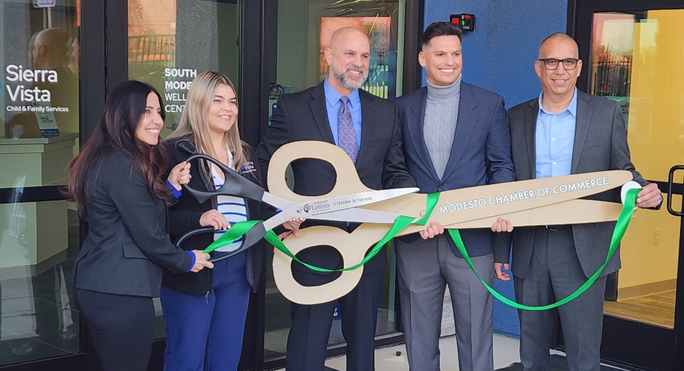
DHCS awarded Sierra Vista Child & Family Services more than $4.6 million through the Behavioral Health Continuum Infrastructure Program (BHCIP), which works to ensure comprehensive behavioral health care for California’s most vulnerable individuals. The facility is expected to serve 4,800 individuals annually. With approved Proposition 1 bonds, in 2025 and 2026, even more behavioral health treatment facilities will be funded and built.
“The Community Wellness and Youth Prevention Center is an important part of California’s efforts to bring high-quality, holistic health care to rural and underserved communities,” said DHCS Director Michelle Baass. “The opening of this center is a game-changer for people seeking dignified and holistic behavioral health services in Stanislaus County.”
“It is our mission to strengthen families and communities,” said Andrew Timbie, Chief Executive Officer for Sierra Vista Child & Family Services. “We believe our strategic initiatives to embody that mission are played out effectively in investment and further development of our Community Wellness and Youth Prevention Center in the heart of Stanislaus County, a vulnerable and struggling neighborhood.”
SIERRA VISTA CHILD & FAMILY SERVICES: Sierra Vista Child & Family Services offers a diverse array of services, including Enhanced Care Management, mentoring, short-term residential therapeutic programs for foster youth, and perinatal substance use disorder treatment programs.
The new Community Wellness and Youth Prevention Center was built using BHCIP funds to create lasting change in the lives of children, families, and the entire Stanislaus community. The center serves children and youth under age 25 from underserved, at-risk populations, including people who are involved in the juvenile justice system with low criminal offenses, as well as their family members. Services include strength-based assessments, comprehensive case management services, links to local community resources, family and caregiver education and well-being support, mental health screenings, and pregnant and postpartum services.
WHY BHCIP IS IMPORTANT: Through BHCIP, DHCS awards eligible entities funding to construct, acquire, and expand properties and invest in mobile crisis infrastructure to further expand the range of community-based behavioral health treatment options for people with mental health and substance use disorders. BHCIP is addressing historic gaps in the behavioral health care system to meet the growing demand for services and support throughout the lifespan of people in need. Sierra Vista Child & Family Services received BHCIP Round 4: Children and Youth grant funding.
DHCS has awarded $1.7 billion in BHCIP competitive grants. In addition, DHCS will distribute up to $4.4 billion in competitive Bond BHCIP funding, including $3.3 billion for Round 1: Launch Ready grants as part of Behavioral Health Transformation, DHCS’ work to implement Proposition 1. DHCS holds regular public listening sessions on this effort. Updates and recordings of the sessions are available on the Behavioral Health Transformation webpage.
ABOUT BHCIP ROUND 4: CHILDREN AND YOUTH:BHCIP Round 4 focused on Californians ages 25 and younger, including pregnant and postpartum women and their children and transitional-age youth ages 18-25, along with their families. Through funding made possible by California’s Children and Youth Behavioral Health Initiative, the 52 awards totaling $480.5 million allowed for new construction and expansion of multiple outpatient and residential facility types, including children’s crisis residential programs, perinatal residential substance use disorder facilities, community wellness/youth prevention centers, and outpatient treatment for substance use disorders. Please see the BHCIP website for more information about grant recipients and additional details about all BHCIP funding rounds.
###
Office of Communications
(916) 440-7660
DHCSPress@dhcs.ca.gov
Project Adds Sixteen New Peer Respite Beds to People Awaiting or Leaving Residential Treatment
SACRAMENTO — On January 29, 2025, the Department of Health Care Services (DHCS) attended Placer County’s opening of a new 16-bed adult peer respite that provides a safe, supportive, and home-like environment for adults awaiting placement in residential treatment programs or exiting such programs to a lower level of care. The facility, dubbed “The Harbor,” will begin welcoming clients on February 3 through a referral-based system managed by Placer County’s substance use team.
DHCS awarded Placer County nearly $400,000 through the Behavioral Health Continuum Infrastructure Program (BHCIP), which is part of California’s ongoing commitment to expand behavioral health services for all Californians. With the passage of Proposition 1, even more behavioral health treatment facilities will be funded and built in 2025 and 2026.
“Too often, restrictive inpatient settings are the only option available to people experiencing a mental health crisis,” said DHCS Director Michelle Baass. “Community-based, trauma-informed, and resilience-focused centers like The Harbor have the potential to revolutionize California’s approach to behavioral health treatment and recovery.”
THE HARBOR: The new facility will include peer respite designed to complement the Placer County Health and Human Services Drug Medi-Cal Organized Delivery System (DMC-ODS) treatment continuum by providing a structured environment for people leaving residential placements or awaiting placement. Residents will engage in self-help recovery activities while potentially also participating in outpatient care.
Services provided include ongoing needs assessment across the behavioral health and physical health spectrums, case management, crisis management, trauma-informed individual and group therapy, peer-to-peer supportive services, linkage to cultural supports and services, and other necessary referral services for a safe and efficient discharge back into the community. These services are designed to provide less costly and less intrusive care than those offered in a hospital setting.
“The Harbor will offer a compassionate, supportive environment where individuals can regain their strength, heal, and reconnect with their sense of well-being,” said Placer County Behavioral Health Director Amy Ellis. “This facility is part of Placer County’s ongoing efforts to build and expand its behavioral health infrastructure to respond to people in need.”
WHY BHCIP IS IMPORTANT: Through BHCIP, DHCS awards eligible entities funding to construct, acquire, and expand properties and invest in mobile crisis infrastructure to further expand the range of community-based behavioral health treatment options for people with co-occurring mental health treatment needs and substance use disorders. BHCIP is addressing historic gaps in the behavioral health care system to meet the growing demand for services and supports throughout the lifespan of people in need.
DHCS has awarded $1.7 billion in BHCIP competitive grants. In addition, DHCS will distribute up to $4.4 billion in competitive Bond BHCIP funding, including $3.3 billion for Round 1: Launch Ready grants as part of Behavioral Health Transformation, DHCS’ work to implement Proposition 1. DHCS holds regular public listening sessions on this effort. Updates and recordings of the sessions are available on the Behavioral Health Transformation webpage.
ABOUT BHCIP ROUND 3: LAUNCH READY: BHCIP Round 3 supported preparation activities to plan for the acquisition and expansion of behavioral health infrastructure throughout the state. The 45 awarded facilities were funded a total of $518.5 million. BHCIP applicants were required to demonstrate service expansion for Medi-Cal members and have a valid planning process to ensure projects are ready for implementation.
###
Office of Communications
(916) 440-7660
DHCSPress@dhcs.ca.gov
SACRAMENTO — The Department of Health Care Services (DHCS) awarded $2.7 million to 15 local coalitions through the California Overdose Prevention Network (COPN), a respected statewide learning network dedicated to combating the overdose epidemic. This funding will provide sustained support for coalitions backing COPN’s mission to strengthen connections within communities and provide access to knowledge, training, and resources to improve practices and create lasting change.
“Traditionally, the treatment of opioid use disorder has been siloed with limited connections between providers and other organizations, leading to gaps in care,” said DHCS Director Michelle Baass. “This funding will support COPN’s efforts to help coordinate coalitions, organizations, and individuals working at the forefront of California’s overdose epidemic to prioritize unique, localized needs and implement proven solutions that save lives.”
MAKING A DIFFERENCE: The fifteen awarded coalitions will use this funding between January 1, 2025, and August 30, 2027, to implement strategies that address overdose prevention, treatment, and recovery. These efforts include naloxone distribution, expanded access to life-saving resources, and community education, all aimed at reducing overdose deaths and fostering long-term recovery throughout the state.
WHY THIS IS IMPORTANT: More than 7,000 Californians died from opioid overdoses in 2022. More than 83,000 opioid-related overdose deaths occur per year across the country, 90 percent of which involve fentanyl.
GRANT IMPACT: “As a result of this funding, our coalition will continue providing community education and awareness to reduce opioid use and increase opportunities for overdose prevention,” said Jenn Rhoads, Coalition Coordinator for the San Luis Obispo Opioid Safety Coalition. “We’ll also improve access to providers to increase the availability of treatment and harm reduction services across the county.”
“This funding will fortify our coalition’s current initiatives and expand our efforts to reach more populations,” said Arthur Camargo, Coalition Coordinator for Drug Safe Solano. “Specifically, these funds will allow us to expand harm reduction services, naloxone training and distribution, and community education events and training. The funding will also support our coalition’s efforts to update and disseminate resources directed toward prescribers for safer prescribing of opioids and buprenorphine and use our data resources to advocate for the optimal uses of local opioid settlement funds.”
By strengthening connections and providing vital resources, COPN’s network and training give coalitions the tools and support they need to tackle the overdose epidemic effectively.
BIGGER PICTURE: This project is funded by the State Opioid Response IV grant awarded by the Substance Abuse and Mental Health Services Administration. The project is part of DHCS’ broader efforts to address substance use disorders, collectively known as the California Opioid Response Project, to increase access to MOUD, reduce unmet treatment needs, and reduce opioid overdose-related deaths through the provision of prevention, treatment, and recovery activities. For more information, please visit the DHCS website.
The state launched opioids.ca.gov, a one-stop tool for Californians seeking resources for prevention and treatment, as well as information on how California is working to hold Big Pharma and drug traffickers accountable in this crisis.
Eligible entities may be able to obtain CalRx-branded over-the-counter (OTC) 4 mg naloxone nasal spray for free through DHCS’ Naloxone Distribution Project. CalRx is working on an option for individuals to buy CalRx OTC naloxone nasal spray directly.
###
Office of Communications
(916) 440-7660
DHCSPress@dhcs.ca.gov
SACRAMENTO — The Department of Health Care Services (DHCS) awarded nearly $65.4 million to 91 organizations to strengthen the California Hub and Spoke System, a proven model designed to increase access to medications for opioid use disorder (MOUD) services statewide. This funding will enhance prevention, treatment, and recovery services throughout the state, advancing the fight against the opioid crisis and saving lives.
“Overcoming the opioid epidemic requires every part of our public health system working together toward healing,” said DHCS Director Michelle Baass. “The Hub and Spoke System strengthens California’s network of prevention, harm reduction, treatment, and recovery providers by improving services and resources in communities across the state.”
The Hub and Spoke System consists of a network of Narcotic Treatment Programs (known as Hubs) licensed to dispense methadone and other MOUDs. These Hubs are connected to other MOUD prescribers (known as Spokes), which primarily provide various formulations of buprenorphine—a medication that reduces opioid cravings and withdrawal symptoms—and ongoing opioid use disorder (OUD) and substance use disorder (SUD) care and treatment.
WHY THIS IS IMPORTANT: More than 7,000 Californians died from opioid overdose in 2022. More than 83,000 opioid-related overdose deaths occur per year across the country, more than 90 percent of which involve fentanyl. The Hub and Spoke System increases access to Medication-Assisted Treatment (MAT) services throughout the state, particularly in counties with the highest overdose rates. This program was modeled after the Vermont Hub and Spoke system, which successfully increased access to MAT in a rural state with little treatment infrastructure. The project increased the availability of MAT for patients with OUD by increasing the total number of physicians, physician assistants, and nurse practitioners prescribing buprenorphine.
The Hub and Spoke System continues to improve education, outreach, and treatment for patients with SUDs and OUDs, with a particular focus on serving vulnerable populations and increasing MOUD services. The system is designed to:
WHAT THIS MEANS: Ninety-one organizations will receive awards to provide MOUD services to implement the Hub and Spoke System from January 1, 2025, through September 29, 2027. Grantees include Narcotic Treatment Programs, Federally Qualified Health Centers, Rural Health Clinics, community clinics, nonprofit organizations, and Tribal entities.
GRANT IMPACT: “This funding allows Venice Family Clinic to offer lifesaving support for people with SUDs, regardless of their insurance status,” said Ariel Peterson, Director of Program Management for Venice Family Clinic. “This includes medications for opiate use disorder, counseling, case management, and transportation to detox or residential care.”
“We are honored to receive this grant funding to support our MAT program for OUD, enabling us to continue providing critical outreach and medical services to high-risk Native American patients,” said Judith Surber, MAT Program Manager for K’ima:w Medical Center. “The MAT program remains an integral part of our medical center and the broader community we serve. This funding will help grow our program, reduce stigma, and lower mortality from opioid overdoses within our rural, Tribal community. By fostering a structured clinic environment, we aim to empower patients to rebuild their lives and contribute as productive members of society, supporting their families and communities.”
“With Hub and Spoke System funding support, our outpatient, residential, and opioid treatment programs are able to provide more extensive outreach to the community on lifesaving MOUD and provide more uninsured and underinsured patients with equal access to MAT,” said Andrea Nee, Director of Evaluation for Clare|Matrix. “Hub and Spoke System funding is instrumental to supporting our medical directors, counseling, and nursing staff to be able to offer the highest quality treatment to even more patients with OUDs and stimulant use disorders. We’ll be able to improve knowledge and awareness of the benefits and impact of MAT and further reduce stigma through comprehensive patient education and engagement services.”
BIGGER PICTURE: The state launched opioids.ca.gov, a one-stop tool for Californians seeking resources for prevention and treatment as well as information about how California is working to hold Big Pharma and drug traffickers accountable in this crisis.
The Hub and Spoke System is funded by the State Opioid Response IV grant, awarded by the Substance Abuse and Mental Health Services Administration. This project is part of DHCS’ broader efforts to address SUDs, collectively known as California Opioid Response, to increase access to MOUDs, reduce unmet treatment needs, and reduce opioid overdose-related deaths through prevention, treatment, and recovery efforts. For more information, please visit the California DHCS Opioid Response Overview website.
###
Office of Communications
(916) 440-7660
DHCSPress@dhcs.ca.gov
SACRAMENTO — In response to the Southern California wildfires, the Department of Health Care Services (DHCS) requested and received federal approval from the Biden-Harris administration of several dozen flexibilities to prevent disruptions in health care delivery so Medi-Cal members can continue to receive needed care. 1135 waivers allow the U.S. Department of Health and Human Services (HHS) to waive various administrative requirements to increase access to medical services during a time of national emergency. 1135 waiver approvals remain in effect throughout the duration of the public health emergency declared by former HHS Secretary Xavier Becerra, which is 90 days.
“DHCS is committed to helping Californians access the care they need during this devastating crisis and as communities begin to emerge and recover,” said State Medicaid Director Tyler Sadwith. “The waivers granted by our federal partners will provide the necessary flexibilities for health care providers to address the immediate needs of Medi-Cal members. Whether it’s ensuring continued access to clinic services in alternative settings, providing targeted flexibilities for home and community-based services, or streamlining provider enrollment, these measures are designed to remove barriers to care and support both patients and frontline providers during this emergency and throughout the recovery process.”
Key flexibilities include:
ABOUT THE FLEXIBILITIES: Under 1135 waivers, the Centers for Medicare & Medicaid Services (CMS) is temporarily relaxing certain Medicare, Medicaid, and Children’s Health Insurance Program requirements to help health care providers and facilities respond to an emergency or a disaster. Appendix K approvals provide additional flexibilities specific to home and community-based services programs. These actions are designed to reduce administrative burdens and provide flexibility in the delivery of health care during a critical time
GET HELP TODAY: Californians can visit CA.gov/LAfires, a hub for information and resources from the state, local, and federal governments.
Covered California recently announced a special enrollment period for residents of Los Angeles and Ventura counties. This special enrollment period will last until March 8, 2025. Resources are available through Los Angeles County and the State of California. Of the 1.3 million uninsured Californians who qualify for subsidies through Covered California or are eligible for Medi-Cal coverage, 356,000 reside in Southern California.
California developed resources to help guide people through disasters and provide information about the different types of federal, state, and local services available in California:
Through the BenefitsCal portal, Californians can get and manage benefits online. This includes food assistance (CalFresh, formerly food stamps), cash aid (CalWORKs, General Assistance, Cash Assistance Program for Immigrants), and affordable health insurance (Medi-Cal).
Individuals and business owners who sustained losses from the Southern California wildfires can apply for disaster assistance:
If you use a relay service, such as video relay service, captioned telephone service, or others, give FEMA the number for that service.
BACKGROUND: In response to the wildfires and Governor Gavin Newsom’s proclaimed State of Emergency and Executive Order issued on January 7, 2025, DHCS swiftly implemented key administrative flexibilities to protect Medi-Cal members in affected regions of the state.
DHCS administers Medi-Cal, California’s version of Medicaid, providing health coverage to nearly 15 million people, including nearly 4 million members in Los Angeles County and more than 250,000 members in Ventura County. If Medi-Cal members need assistance, they should contact their health care provider or plan.
###
Office of Communications
(916) 440-7660
DHCSPress@dhcs.ca.gov