Opisyal na website ng Estado ng California
Isalin

Kasama sa Proyekto ang 37 Bagong Acute Psychiatric Hospital na Inpatient na Kama
Sacramento — Noong Pebrero 19, 2025, sinimulan ng Department of Health Care Services (DHCS)) at ng Gateways Hospital and Mental Health Center ang proyektong pagpapalawak ng kabataan ng Gateways sa Los Angeles County. Ang proyekto, na pinondohan ng Round 4 ng Behavioral Health Continuum Infrastructure Program (BHCIP) ng DHCS, ay tututok sa mga kabataang may malubhang emosyonal o problema sa pag-uugali na nakararanas ng matinding psychiatric emergency.
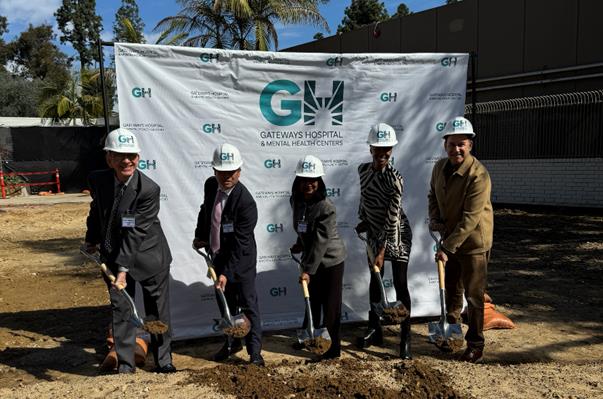
Ginawaran ng DHCS ang Gateways ng mahigit $19 milyon sa pamamagitan ng BHCIP, na bahagi ng patuloy na pangako ng California na palawakin ang mga serbisyo sa kalusugang pangkaisipan para sa lahat ng taga-California. Sa pagpasa ng Proposisyon 1, mas maraming pasilidad sa paggamot para sa kalusugang pangkaisipan ang popondohan at itatayo sa 2025 at 2026.
“Ang makabagong proyektong ito ay isang mahalagang hakbang pasulong sa aming pangakong magbigay ng espesyal na pangangalaga sa mga kabataang nahaharap sa matinding mga hamon sa kalusugang pangkaisipan,” sabi ni Michelle Baass, Direktor ng DHCS. “Sa pamamagitan ng pagpapalawak ng access sa komprehensibong pangangalaga, pinagbubuti natin ang isang kapaligiran kung saan ang lahat ng kabataan ay maaaring makatanggap ng pangangalaga at suporta na nararapat sa kanila upang umunlad.”
PROYEKTO SA PAGPAPALAWAK NG GATEWAYS YOUTH: Karamihan sa mga kabataang paglilingkuran ng proyekto ay nakaranas ng mga traumatikong pangyayari o masasamang karanasan noong bata pa o kasangkot sa mga serbisyo para sa kapakanan ng bata. Magdaragdag ang Gateways ng 37 inpatient beds para sa mga kabataan sa kasalukuyang 55 inpatient beds ng acute psychiatric hospital na nagsisilbi sa mga matatanda at kabataan.
“Mayroong agarang pangangailangan na magbigay ng suporta para sa mga kabataang nahaharap sa mga krisis sa kalusugang pangkaisipan,” sabi ni Dr. Phil Wong, CEO ng Gateways Hospital. “Pinupuri namin ang California sa pagbibigay-priyoridad sa mga pondong ito upang tumuon sa kalusugang pangkaisipan ng mga kabataan sa pamamagitan ng pagpapalawak ng kapasidad sa imprastraktura upang makatulong sa pagbabago ng takbo ng sitwasyon.” Ikinagagalak ng aming koponan na simulan ang aming pagpapalawak upang masimulan na naming paglingkuran ang mga kabataang nangangailangan ng mahahalagang serbisyong ito.
In addition to traditional health care, the expanded facility will allow youth to receive multiple therapeutic services and participate in activities designed to build autonomy and help them transition to outpatient services. These services will include individual and group therapies, such as cognitive-behavioral therapy, psychoanalytic therapy, mentalization-based therapy, eye movement desensitization and reprocessing, and biofeedback. Youth housed in the unit will receive multiple therapeutic services, including family therapy and medical counseling.
Panghuli, ang mga kabataang may eating disorder, tulad ng anorexia nervosa at bulimia, at ang mga kabataang may kasabay na alkohol at droga ay makakatanggap ng nutritional counseling, mahigpit na susubaybayan ang kanilang pisikal na kalusugan, at makakatanggap ng medication management.
KUNG BAKIT ITO MAHALAGA: Sa pamamagitan ng BHCIP, nagkakaloob ang DHCS ng pondo sa mga kwalipikadong entidad upang magtayo, bumili, at magpalawak ng mga ari-arian at mamuhunan sa imprastraktura para sa mga mobile crisis upang higit pang mapalawak ang hanay ng mga opsyon sa paggamot sa kalusugang pangkaisipan na nakabatay sa komunidad para sa mga taong may kasabay na pangangailangan sa paggamot sa kalusugang pangkaisipan at mga sakit sa paggamit ng droga. Tinutugunan ng BHCIP ang mga makasaysayang kakulangan sa sistema ng pangangalagang pangkalusugang pangkaisipan upang matugunan ang lumalaking pangangailangan para sa mga serbisyo at suporta sa buong buhay ng mga taong nangangailangan.
Nagbigay ang DHCS ng $1.7 bilyon sa mga kompetitibong gawad ng BHCIP. Bukod pa rito, mamamahagi DHCS ng hanggang $4.4 bilyon sa mapagkumpitensyang pondo ng Bond BHCIP, kabilang ang $3.3 bilyon para sa mga grant ng Round 1: Launch Ready bilang bahagi ng Behavioral Health Transformation, ang pagsisikap ng DHCSna ipatupad ang Proposisyon 1. Regular na nagsasagawa DHCS ng mga sesyon ng pampublikong pakikinig sa pagsisikap na ito. Ang mga update at recording ng mga sesyon ay makukuha sa webpage ng Behavioral Health Transformation.
TUNGKOL SA BHCIP ROUND 4: MGA BATA AT KABATAAN: Ang BHCIP Round 4, sa pamamagitan ng pondo na ginawang posible ng Children and Youth Behavioral Health Initiative ng California, ay nakatuon sa mga taga-California na may edad 25 pababa, kabilang ang mga buntis at postpartum na kababaihan at kanilang mga anak at mga kabataang nasa edad ng transisyon na may edad 18-25, kasama ang kanilang mga pamilya. Ang 52 gawad na may kabuuang $480.5 milyon ay nagbibigay-daan para sa mga bagong konstruksyon at pagpapalawak ng maraming uri ng outpatient at residential facility, kabilang ang Children's Crisis Residential Program, mga perinatal residential substance use disorder facility, community wellness/youth prevention centers, at outpatient treatment para sa substance use disorder. Para sa karagdagang impormasyon, pakibisita ang website ng BHCIP.
###
Tanggapan ng Komunikasyon
(916) 440-7660
DHCSPress@dhcs.ca.gov
Ang Bagong Crisis Management Hub ay Inaasahang Maglingkod sa Higit sa 2,500 Indibidwal Taun-taon
Sacramento — Noong Pebrero 7, 2025, inanunsyo ng Department of Health Care Services (DHCS)) at ng CRI-Help ang engrandeng pagbubukas ng Substance Use Disorder (SUD) Crisis Management Hub: Isang proyektong Fully Integrated Behavioral Health Campus sa Los Angeles County. Kasama sa lugar ang isang pasilidad para sa paggamot ng SUD para sa mga nasa hustong gulang, isang pasilidad para sa masinsinang paggamot ng SUD para sa mga nasa labas ng ospital, at isang sentro para sa pag-iisip ng mga taong may matinding pagkabalisa. Ang pinagsamang mga pasilidad na ito ay inaasahang magsisilbi sa mahigit 2,500 indibidwal taun-taon.
Ang proyektong SUD Crisis Management Hub ay pinondohan ng Round 5 ng Behavioral Health Continuum Infrastructure Program (BHCIP) ng DHCS. Nagbigay ang DHCS sa CRI-Help ng mahigit $21 milyon sa pamamagitan ng BHCIP, na bahagi ng patuloy na pangako ng California na palawakin ang mga serbisyo sa kalusugang pangkaisipan para sa lahat ng taga-California. Sa pagpasa ng Proposisyon 1, mas maraming pasilidad sa paggamot para sa kalusugang pangkaisipan ang popondohan at itatayo sa 2025 at 2026.
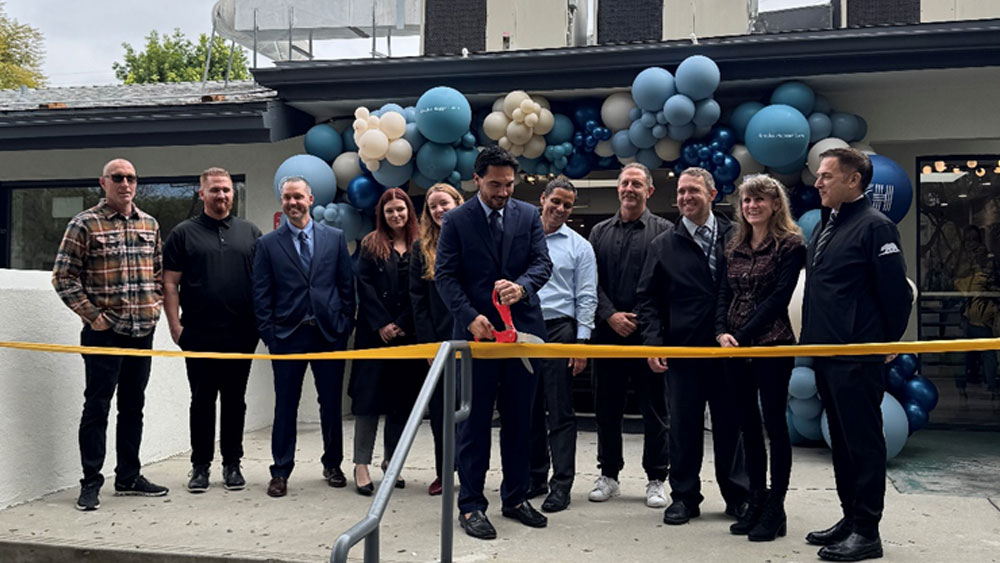
“Ang mga pasilidad na tulad nito na bahagi ng SUD Crisis Management Hub ay hindi lamang tumutugon sa mga krisis, kundi pati na rin sa mga pangunahing alalahanin ng mga taong humihingi ng tulong sa kanilang mga SUD, upang maituloy nila ang patuloy na pagbangon,” sabi ni Michelle Baass, Direktor ng DHCS. “Ikinagagalak ng DHCS na makipagsosyo sa CRI-Help upang maisakatuparan ang pasilidad na ito at makapaghatid ng mataas na kalidad na pangangalaga sa kalusugang pangkaisipan sa komunidad na ito.”
CRI-HELP: Ang proyektong SUD Crisis Management Hub ng CRI-Help ay agad na nagpapataas ng pagkakaroon ng mga serbisyo para sa outpatient at residential crisis para sa mga nasa hustong gulang na may mababang kita sa downtown at silangang mga lugar ng Los Angeles. Kasama sa proyektong ito ang tatlong Program:
Magkasamang magbibigay ang mga pasilidad na ito ng mga screening, group counseling, edukasyon sa pasyente, mga sesyon ng family therapy group, motivational interviewing, mga pagsisikap sa paggaling, at mainit na pagtulong sa iba pang antas ng pangangalaga.
“Sa pagdaragdag ng isang sentro para sa pagluluksa na pinondohan ng BHCIP na nagbibigay ng komprehensibong mga serbisyo sa paggaling, muling binibigyang-kahulugan namin kung ano ang hitsura ng isang madaling ma-access at mahabagin na pangangalaga sa lugar ng Los Angeles,” sabi ni Brandon Fernandez, Pangulo at CEO ng CRI-Help. "Ang kampus na ito ay nagsisilbing tanglaw ng inobasyon at pagiging inklusibo para sa mga taong naghahanap ng pangalawang pagkakataon sa buhay."
KUNG BAKIT ITO MAHALAGA: Sa pamamagitan ng BHCIP, nagkakaloob ang DHCS ng pondo sa mga kwalipikadong entidad upang magtayo, bumili, at magpalawak ng mga ari-arian at mamuhunan sa imprastraktura para sa mga mobile crisis upang higit pang mapalawak ang hanay ng mga opsyon sa paggamot sa kalusugang pangkaisipan na nakabatay sa komunidad para sa mga taong may kasabay na pangangailangan sa paggamot sa kalusugang pangkaisipan at mga SUD. Tinutugunan ng BHCIP ang mga makasaysayang kakulangan sa sistema ng pangangalagang pangkalusugang pangkaisipan upang matugunan ang lumalaking pangangailangan para sa mga serbisyo at suporta sa buong buhay ng mga taong nangangailangan.
Nagbigay ang DHCS ng $1.7 bilyon na mga kompetitibong gawad para sa BHCIP. Bukod pa rito, mamamahagi DHCS ng hanggang $4.4 bilyon sa mapagkumpitensyang pondo ng Bond BHCIP, kabilang ang $3.3 bilyon para sa mga grant ng Round 1: Launch Ready bilang bahagi ng Behavioral Health Transformation, ang pagsisikap ng DHCSna ipatupad ang Proposisyon 1. Regular na nagsasagawa DHCS ng mga sesyon ng pampublikong pakikinig sa pagsisikap na ito. Ang mga update at recording ng mga sesyon ay makukuha sa webpage ng Behavioral Health Transformation.
TUNGKOL SA BHCIP ROUND 5: KONTINUO NG KRISIS AT KALUSUGAN SA PAG-UUGALI: Ang BHCIP Round 5 ay binuo, sa bahagi, sa pamamagitan ng isang pagtatasa ng pangangailangan sa buong estado na tumukoy sa mga mahahalagang kakulangan sa mga magagamit na serbisyo sa krisis. Ipinakita ng pagtatasang ito ang pangangailangan para sa isang mas mahusay na sistema ng pangangalaga sa krisis upang mabawasan ang mga pagbisita sa departamento ng emerhensiya, mga pagpapaospital, at pagkabilanggo. Ang 33 na gawad, na may kabuuang $430 milyon, ay ginagamit upang magtayo at magpalawak ng mga pasilidad para sa pangangalaga sa krisis at kalusugang pangkaisipan sa buong estado at magsisilbi sa mga mahihinang taga-California sa lahat ng edad, kabilang ang mga miyembro ng Medi-Cal.
###
Tanggapan ng Komunikasyon
(916) 440-7660
DHCSPress@dhcs.ca.gov
Mga Proyektong Inaasahang Maglilingkod sa Higit sa 900 Indibidwal Taun-taon
Sacramento — Pinalalawak ng Department of Health Care Services (DHCS)) ang mga serbisyong residensyal para sa mga indibidwal na may mga karamdaman sa paggamit ng droga at mga kasabay na pangangailangan sa kalusugang pangkaisipan sa dalawang lokasyon sa Los Angeles County.
Ipinagdiwang ng Whole Child—Mental Health and Housing Services ang engrandeng pagbubukas ng isang bagong community wellness center (sa ibaba). Noong Pebrero 1, sinimulan ng sentro ang pagbibigay ng mga serbisyo sa kalusugang pangkaisipan, pabahay para sa pamilya, pagpapayaman ng magulang, at edukasyon sa nutrisyon na may kinalaman sa trauma at sensitibo sa kultura. Sinusuportahan ng sentro ang mga pamilya sa timog-silangang Los Angeles na nahaharap sa mga hadlang sa pag-access sa pangangalaga, kabilang ang mga kabataan at mga pamilyang nakararanas ng kawalan ng tirahan.
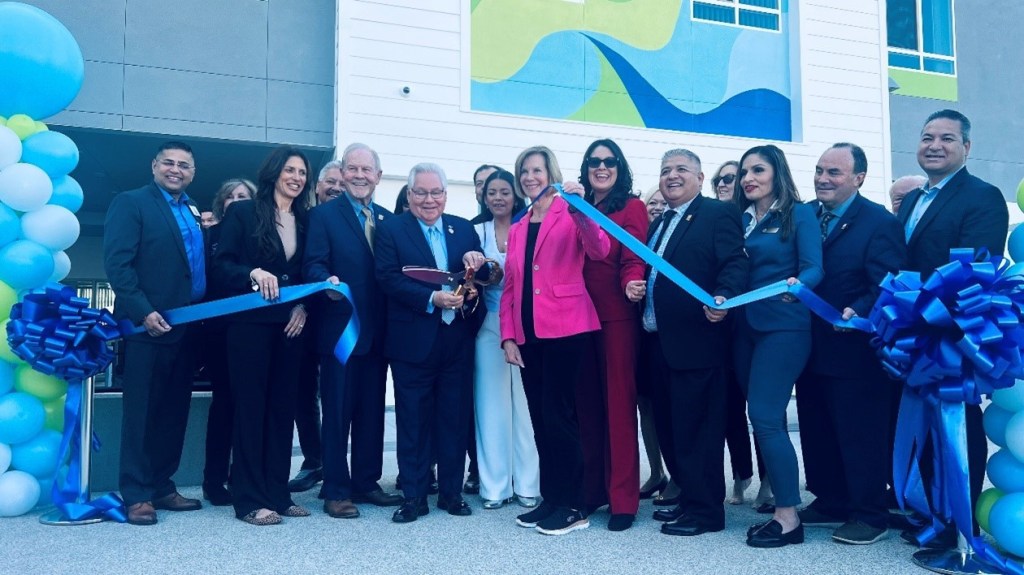
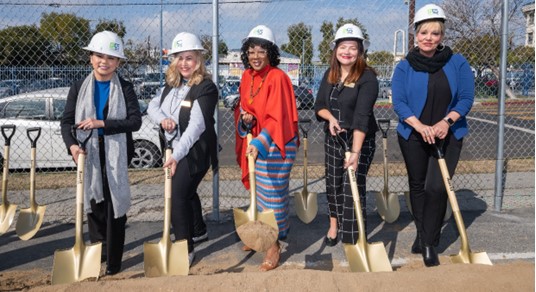
Gayundin, nagsagawa ang St. Anne's Family Services ng isang groundbreaking (sa ibaba) para sa isang bagong short-term residential therapeutic Program (STRTP) na tinatawag na STRTP FOR ONE, na taun-taon ay nagbibigay ng mataas na kalidad na supportive housing Program, edukasyon sa maagang pagkabata, kalusugang pangkaisipan, at mga serbisyong nakabatay sa pamilya sa libu-libong kabataang babae, bata, at pamilya sa Los Angeles County.
Ang parehong proyekto ay pinondohan ng Round 5 ng Behavioral Health Continuum Infrastructure Program (BHCIP) ng DHCS. Ginawaran ng DHCS ang The Whole Child—Mental Health and Housing Services ng mahigit $6 milyon at ang St. Anne’s Family Services ng mahigit $2 milyon sa pamamagitan ng BHCIP, na bahagi ng patuloy na pangako ng California na palawakin ang mga serbisyo sa kalusugang pangkaisipan para sa lahat ng mga taga-California. Sa pagpasa ng Proposisyon 1, mas maraming pasilidad sa paggamot para sa kalusugang pangkaisipan ang popondohan at itatayo sa 2025 at 2026.
"Ang pagpapalawak ng mga serbisyo sa pangangalagang pangkalusugang pangkaisipan na nakabatay sa komunidad ay isang pangunahing prayoridad para sa DHCS," sabi ni Michelle Baass, Direktor ng DHCS. "Ang mga pasilidad na residensyal na tulad nito ay isang mahalagang bahagi ng mga pagsisikap ng California na magdala ng mataas na kalidad, trauma-informed na pangangalaga sa mga indibidwal at pamilyang higit na nangangailangan nito."
ANG BUONG BATA—MGA SERBISYO SA KALUSUGAN NG ISIP AT PABAHAY: Ang proyektong Trauma Healing and Wellness Center for Homeless Families and the Community ay nagbibigay ng mga serbisyong may kinalaman sa trauma at sensitibo sa kultura sa mga bata, kabataan, at pamilyang nakararanas ng kawalan ng tirahan sa lugar ng Los Angeles. Bukod sa mga serbisyo ng outpatient counseling, sinusuportahan din ng sentro ang edukasyon para sa bokasyonal, kalusugang pangkaisipan, pabahay, edukasyon para sa magulang, at nutrisyon. Kabilang sa komprehensibong hanay ng mga serbisyo sa kalusugang pangkaisipan ng sentro ang indibidwal, pamilya, at grupong psychotherapy, pamamahala ng gamot, sikolohikal na pagsusuri, mga serbisyong saykayatriko, pamamahala ng kaso, mga serbisyo ng interbensyon sa krisis, mga serbisyong nauugnay sa paaralan upang magbigay ng pagtatasa at therapy sa mga mag-aaral na nasa paaralan, mga multidisciplinary assessment team, at espesyalisadong pangangalaga sa mga batang nasa bahay. Kabilang sa mga kasanayang nakabatay sa ebidensya ang trauma focused-cognitive behavioral therapy, individual cognitive behavioral therapy, isang Triple P-Positive Parenting Program, pamamahala at pag-aampon ng kasanayan, child parent psychotherapy, Incredible Years, aggression replacement therapy, at interpersonal psychotherapy.
“Bilang isang rehiyonal na lider sa kalusugang pangkaisipan at kagalingan ng mga bata, alam na alam namin kung paano maaaring masundan ng trauma at sakit noong bata pa ang mga bata hanggang sa kanilang pagtanda,” sabi ni Constanza Pachon, CEO ng The Whole Child. "Gayunpaman, alam din natin na ang paggamot sa murang edad ay maaaring magkaroon ng napakalaking positibong epekto, na nagbibigay sa mga bata at kabataan ng mga kagamitan at kasanayan sa pagharap sa mga problema na kailangan nila upang simulan ang kanilang paglalakbay sa paggaling." Ang sentrong ito, na itinayo gamit ang pondo ng BHCIP, ay magiging tanglaw ng pag-asa para sa ating komunidad.
STRTP PARA SA ISA: Dinisenyo ng St Anne's Family Services ang STRTP PARA SA ISA na may isang kama na nag-aalok ng lubos na indibidwal at komprehensibong pangangalaga sa mga batang ina na may edad 13-17 na nasa panganib na magkaroon ng maraming pagkakalagay sa bahay, kawalan ng tirahan, at pagkakakulong dahil sa kanilang mga kumplikadong pangangailangan sa kalusugang pangkaisipan o pang-asal. Ang Program ay pinamumunuan ng isang pangkat ng mga klinikal na propesyonal na lubos na koordinado at may kaalaman sa trauma upang magbigay ng mga interbensyon na nakabatay sa lakas at nakasentro sa kliyente sa loob ng isang kapaligirang parang tahanan. Nilalayon ng Program na bigyan ang mga kabataang ito ng mga kagamitan upang matugunan ang kanilang kumplikadong trauma, pagyamanin ang mga kasanayan sa malayang pamumuhay, at paunlarin ang mga kasanayan sa pagiging magulang sa real-time na may natural na suporta.
“Tuwang-tuwa kaming makipagtulungan sa DHCS upang matugunan ang mga kritikal na pangangailangan sa kalusugang pangkaisipan ng mga batang pamilya sa aming komunidad,” sabi ni Lorna Little, MSW, Pangulo at CEO ng St. Anne's Family Services. “Nasa natatanging posisyon kami upang magbigay ng mga espesyal na serbisyo sa mga kabataang babae na nasa krisis—mga babaeng buntis o nag-aalaga ng mga anak, naghahangad na muling makasama ang mga miyembro ng pamilya, at natututong maging matatag sa loob ng aming Program upang makagawa ng isang matagumpay na transisyon.”
BAKIT MAHALAGA ang BHCIP: Sa pamamagitan ng BHCIP, iginawad ng DHCS ang mga karapat-dapat na entity na pagpopondo upang bumuo, makakuha, at magpalawak ng mga ari-arian at mamuhunan sa imprastraktura ng krisis sa mobile upang higit pang palawakin ang hanay ng mga opsyon sa paggamot sa kalusugan ng pag-uugali na nakabatay sa komunidad para sa mga taong may mga kasabay na nagaganap na pangangailangan sa paggamot sa kalusugan ng isip at mga karamdaman sa paggamit ng sangkap. Tinutugunan ng BHCIP ang mga makasaysayang gaps sa sistema ng pangangalaga sa kalusugan ng pag-uugali upang matugunan ang lumalaking pangangailangan para sa mga serbisyo at suporta sa buong buhay ng mga taong nangangailangan.
DHCS has awarded $1.7 billion in BHCIP competitive grants. In addition, DHCS will distribute up to $4.4 billion in competitive Bond BHCIP funding, including $3.3 billion for Round 1: Launch Ready grants as part of Behavioral Health Transformation, DHCS’ work to implement Proposition 1. DHCS holds regular public listening sessions on this effort. Updates and recordings of the sessions are available on the Behavioral Health Transformation webpage.
TUNGKOL SA BHCIP ROUND 5: CRISIS AND BEHAVIORAL HEALTH CONTINUUM: Ang BHCIP Round 5 ay binuo, sa bahagi, sa pamamagitan ng isang pagtatasa ng pangangailangan sa buong estado na tumukoy sa mga mahahalagang kakulangan sa mga magagamit na serbisyo sa krisis. Ipinakita ng pagtatasang ito ang pangangailangan para sa isang mas mahusay na sistema ng pangangalaga sa krisis upang mabawasan ang mga pagbisita sa departamento ng emerhensiya, mga pagpapaospital, at pagkabilanggo. Ang 33 na gawad, na may kabuuang $430 milyon, ay ginagamit upang magtayo at magpalawak ng mga pasilidad para sa pangangalaga sa krisis at kalusugang pangkaisipan sa buong estado at magsisilbi sa mga mahihinang taga-California sa lahat ng edad, kabilang ang mga miyembro ng Medi-Cal.
###
Tanggapan ng Komunikasyon
(916) 440-7660
DHCSPress@dhcs.ca.gov
Binabalangkas ng Bagong Roadmap ang mga Istratehiya upang Lumikha ng Mas Patas at Nakasentro sa Pasyente na Sistema para sa mga Miyembro ng Medi-Cal na Buntis at Postpartum
Sacramento – Inilabas ngayon ng Department of Health Care Services (DHCS) ang ulat ng Birthing Care Pathway, isang komprehensibong plano upang mapabuti ang pangangalaga sa ina para sa mga miyembro Medi-Cal . Saklaw ng roadmap na ito ang paglalakbay ng lahat ng buntis at postpartum na miyembro ng Medi-Cal mula sa paglilihi hanggang 12 buwan pagkatapos manganak, na naglalayong gawing naa-access, patas, at nakasentro sa pasyente ang pangangalaga.
“Ang Birthing Care Pathway ay kumakatawan sa isang kritikal na hakbang pasulong sa pangako ng California na mapabuti ang kalusugan ng ina,” sabi ni Michelle Baass, Direktor ng DHCS. "Sa pamamagitan ng pagsentro ng mga karanasan ng miyembro, pag-aayon ng mga patakaran sa mga rekomendasyong naaaksyunan, at pagpapalakas ng mga pakikipagsosyo sa iba't ibang sektor, layunin naming matiyak na ang bawat miyembro ng Medi-Cal ay may access sa ligtas, patas, at komprehensibong pangangalaga sa ina."
MGA PANGUNAHING LAYUNIN: Dinedetalye ng ulat ng Birthing Care Pathway ang mga patakarang ipinatupad o kasalukuyang ipinapatupad ng DHCS upang suportahan ang lahat ng buntis at postpartum na miyembro na naka-enroll sa Medi-Cal. Bukod pa rito, tinutukoy ng ulat ang mga pagkakataon para sa paggalugad sa hinaharap.
Ang Birthing Care Pathway ay nagbibigay ng prayoridad sa:
Ang Birthing Care Pathway ay magsisikap upang makamit ang mga layuning ito sa pamamagitan ng pagbabago sa patakaran sa maternity ng Medi-Cal upang lumikha ng isang nakasentro sa miyembro na pamamaraan sa pangangalaga bago manganak at pagkatapos manganak na nakakatugon sa mga miyembro kung nasaan sila at nagbibigay ng pangangalagang pangkabuuan na tumutugon sa mga pangangailangang pangkalusugan at panlipunan bilang karagdagan sa mga pangangailangang medikal. Babaguhin at gagawing moderno DHCS ang mga umiiral na patakaran Medi-Cal upang mabigyan ang mga miyembro ng mas maraming pagpipilian ng mga uri ng tagapagbigay ng serbisyo at suporta sa maternity, tulad ng mga doula, community health worker, at iba pa, at lilikha ng mga kritikal na ugnayan sa pagitan ng pangangalagang pangkalusugan at iba pang Program sa buong estado upang mas mapadali para sa mga miyembro na makuha ang buong hanay ng mga kinakailangang serbisyo.
Bukod pa rito, tutugunan ng DHCS ang mga pangangailangan ng mga espesyal na populasyon na buntis/postpartum, kabilang ang mga taong kasangkot sa sistema ng hustisya, mga indibidwal na may malalang pangangailangan sa kalusugang pangkaisipan at paggamit ng droga, mga indibidwal na LGBTQI+, at mga indibidwal na Itim, American Indian/Alaska Native, at Pacific Islander.
Patuloy na makikipagtulungan DHCS sa mga kagawaran ng estado, kabilang ang California Department of Public Health (CDPH) at Office of the California Surgeon General (OSG), mga tagapagbigay ng pangangalaga sa ina at mga serbisyong panlipunan, mga pinuno ng estado at lokal, mga plano ng Medi-Cal Managed Care (MCP), mga tagapagtaguyod ng birth equity, at iba pang mga kasosyo upang ipatupad ang mga patakaran ng Birthing Care Pathway na nakabalangkas sa ulat. Ang patuloy na pakikipag-ugnayan sa magkakaibang hanay ng mga kasosyo upang ipatupad at higit pang paunlarin ang Birthing Care Pathway ay mahalaga upang maihanay ang maraming inisyatibo sa maternity na nagaganap upang hindi ito mapaghiwalay.
“Sa pamamagitan ng isang komprehensibo at pangkabuuang pamamaraan para sa isang tao, hindi lamang pinapahusay ng California ang kalusugan ng perinatal, kundi nagtatakda rin kami ng isang matapang at bagong pamantayan para sa pangangalaga na naghahatid ng mas magagandang resulta para sa mga pamilya sa buong estado,” sabi ng California Surgeon General na si Dr. Diana Ramos. "Ang Birthing Care Pathway ay isang mahalagang karagdagan sa mga pagsisikap ng estado na nagsusulong ng kalusugan ng perinatal, na nagpapatibay sa makabago at kolaboratibong gawaing isinasagawa na."
“Dahil nakapaglingkod na ako sa mga rural na komunidad sa buong karera ko, alam kong ang pagbibigay ng access sa mga serbisyo mula sa paglilihi hanggang sa isang taon pagkatapos manganak ay palaging isang hamon,” sabi ni Dr. Robert Moore, Chief Medical Officer sa Partnership HealthPlan ng California. "Ang mga kolaborasyon tulad ng DHCS Birthing Care Pathway ay mahalaga sa pagsasama-sama ng maraming kasosyo at stakeholder upang makahanap ng mga solusyon." Dapat makibahagi ang buong komunidad sa isyung ito upang makagawa ng pangmatagalang pag-unlad.”
KUNG BAKIT ITO MAHALAGA: Halos isa sa walong panganganak sa US ay nangyayari sa California, at 40 porsyento ng mga panganganak na iyon ay sakop ng Medi-Cal. Bagama't ang California ang kasalukuyang may pinakamababang antas ng pagkamatay ng ina sa bansa, ang mga miyembro ng Medi-Cal ay may mas mataas na antas ng pagkamatay ng ina kaysa sa mga indibidwal na may komersyal na seguro.
Bagama't naglalatag ang Birthing Care Pathway ng pangmatagalang estratehiya para sa pagbabago ng pangangalaga sa ina sa Medi-Cal, maraming serbisyo at suporta ang magagamit na para sa mga buntis at postpartum na miyembro. Maaaring ma-access ng mga miyembro ng Medi-Cal ang komprehensibong pangangalaga sa ina, kabilang ang mga pagbisita bago manganak at pagkatapos manganak, mga serbisyo sa doula, pangangalaga sa kalusugang pangkaisipan, at suporta sa pagpapasuso, sa pamamagitan ng kanilang Health Plan at Provider Network. Nanatiling nakatuon ang DHCS sa pagpapabuti at pagpapalawak ng mga serbisyong ito bilang bahagi ng patuloy na gawain upang ipatupad ang Birthing Care Pathway.
TUNGKOL SA LANDAS NG PANGANGALAGA SA PANGANGAKONG LALAKI: Kasama sa Birthing Care Pathway ang mga rekomendasyon sa patakaran na tumutugon sa mga pisikal, pang-asal, at mga pangangailangang panlipunan na may kaugnayan sa kalusugan ng mga buntis at postpartum na miyembro. Kabilang sa mga oportunidad ang pagpapabuti ng access sa mga provider, pagpapalakas ng klinikal na pangangalaga at koordinasyon ng pangangalaga, pagbibigay ng pangangalaga para sa buong tao, at paggawa ng moderno kung paano nagbabayad ang Medi-Cal para sa pangangalaga sa ina.
Ang Birthing Care Pathway ay bahagi ng isang pangakong pangmatagalan sa pagbabago ng kalusugan ng ina sa California, at ang reporma sa kalusugan ng ina ay isinasagawa na. Ipinapatupad ng DHCS ang pederal na sampung-taong Transforming Maternal Health (TMaH) Model sa limang county sa Central Valley: Kern, Fresno, Kings, Tulare, at Madera. Ang TMaH ay isang modelo ng paghahatid at pagbabayad na idinisenyo upang subukan kung ang epektibong pagpapatupad ng mga interbensyon na batay sa ebidensya, na sinusuportahan ng isang modelo ng pagbabayad na nakabatay sa halaga, ay maaaring mapabuti ang mga resulta ng ina at mabawasan ang mga gastusin Program Medi-Cal .
PROSESO NG PAGTUTULUNGAN: Ang Birthing Care Pathway ay sumasalamin sa isang sama-samang pagsisikap ng mga buntis at postpartum na miyembro ng Medi-Cal, mga kasosyo ng estado at iba't ibang tagapagbigay ng pangangalagang pangkalusugan at serbisyong panlipunan, mga organisasyong nakabase sa komunidad (CBO), at mga tagapagtaguyod, na tinitiyak ang isang diskarte sa patakaran na may kaalaman sa komunidad para sa kinabukasan ng pangangalaga sa kalusugan ng ina at panganganak sa California. Bukod pa rito, ang California Health Care Foundation at ang David & Lucile Packard Foundation ay naglaan ng pondo upang suportahan ang pakikipag-ugnayan at pagbuo ng ulat. Ang mga pangunahing pananaw mula sa mga miyembro ng Medi-Cal ay nagbigay-diin sa mga kritikal na pangangailangan, tulad ng paggalang sa mga kagustuhan sa kapanganakan, pag-access sa pangangalagang naaayon sa lahi at nakasentro sa kultura, pinahusay na suporta sa kalusugan ng pag-uugali, at mas mahusay na koordinasyon ng pangangalaga. Direktang humubog ang mga karanasan ng mga miyembro sa mga rekomendasyon sa patakaran ng landas. Para sa karagdagang impormasyon, pakibisita ang webpage ng Birthing Care Pathway.
“Ang pag-aaral tungkol sa Birthing Care Pathway ay nagbigay sa akin ng ginhawa at pag-asa dahil nangangahulugan ito na maaalagaan ko ang kalusugan ko at ng aking sanggol nang hindi nagdaragdag ng stress,” sabi ni M. Thao, ina ng isang 11-buwang gulang na sanggol. “Sa tuwing hihingi ako ng tulong para mahanap ang mga mapagkukunan at makapag-sign up para sa Program, nakakatanggap ako ng malinaw na gabay mula sa Medi-Cal.” Ang pakiramdam na alam kong magiging maayos ka ay isa sa mga bagay na inaasahan kong maaasahan ng bawat magulang na nanganganak sa California.”
ISANG MAS MALAWAK NA PANANAW PARA SA KALUSUGAN NG INA: Makikipagtulungan ang DHCS sa mga MCP, provider, CBO, at iba pang stakeholder upang ipatupad ang mga elemento ng TMaH Model, na naaayon at komplementaryo sa Birthing Care Pathway. Bukod pa rito, ang DHCS ay nakikipagtulungan sa California Maternal Quality Care Collaborative, CDPH, at OSG upang bumuo ng isang Maternal Health Strategic Plan pagsapit ng Setyembre 2025 upang mapabuti ang kalusugan ng mga ina sa buong California.
###
Tanggapan ng Komunikasyon
(916) 440-7660
DHCSPress@dhcs.ca.gov
Mga Serbisyong Pangkalusugan sa Pag-uugali na Lumalawak sa 4,800 Tao Taun-taon
Sacramento — Noong Enero 23, 2025, ipinagdiwang ng Department of Health Care Services (DHCS)) at ng Sierra Vista Child & Family Services ang pagbubukas ng isang bagong pasilidad sa Stanislaus County upang punan ang mga kakulangan sa paggamot sa kalusugang pangkaisipan at sakit sa paggamit ng droga (SUD). Ang Community Wellness and Youth Prevention Center ay magbibigay ng mahahalagang serbisyo sa kalusugang pangkaisipan, kabilang ang mga kasanayan sa restorative justice para sa mga kabataan, pagpapayo sa kalusugang pangkaisipan, mga serbisyo para sa buntis at postpartum, mga serbisyo sa suporta sa pamilya at magulang, at iba pang pinagsamang serbisyo.
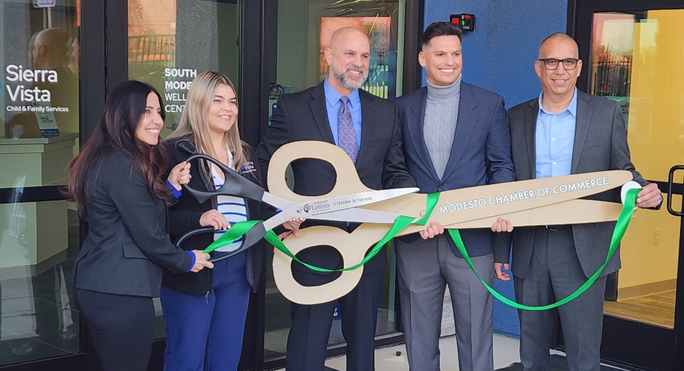
Ginawaran ng DHCS ang Sierra Vista Child & Family Services ng mahigit $4.6 milyon sa pamamagitan ng Behavioral Health Continuum Infrastructure Program (BHCIP), na nagsisikap na matiyak ang komprehensibong pangangalaga sa kalusugang pangkaisipan para sa mga pinakamahihirap na indibidwal sa California. Inaasahang magsisilbi ang pasilidad sa 4,800 katao taun-taon. Sa pamamagitan ng naaprubahang mga bono ng Proposisyon 1, sa 2025 at 2026, mas maraming pasilidad sa paggamot sa kalusugang pangkaisipan ang popondohan at itatayo.
“Ang Community Wellness and Youth Prevention Center ay isang mahalagang bahagi ng mga pagsisikap ng California na magdala ng mataas na kalidad at holistic na pangangalagang pangkalusugan sa mga rural at mga komunidad na kulang sa serbisyo,” sabi ni Michelle Baass, Direktor ng DHCS. "Ang pagbubukas ng sentrong ito ay isang malaking pagbabago para sa mga taong naghahanap ng marangal at holistic na mga serbisyo sa kalusugang pangkaisipan sa Stanislaus County."
“Misyon namin na palakasin ang mga pamilya at komunidad,” sabi ni Andrew Timbie, Punong Ehekutibong Opisyal para sa Sierra Vista Child & Family Services. “Naniniwala kami na ang aming mga estratehikong inisyatibo upang maisakatuparan ang misyong iyon ay epektibong naisasagawa sa pamumuhunan at karagdagang pagpapaunlad ng aming Community Wellness and Youth Prevention Center sa puso ng Stanislaus County, isang mahina at nahihirapang kapitbahayan.”
Sierra Vista MGA SERBISYO PARA SA BATA AT PAMILYA: Nag-aalok ang Sierra Vista Child & Family Services ng iba't ibang uri ng serbisyo, kabilang ang Pinahusay na Pamamahala ng Pangangalaga, pagtuturo, panandaliang residential therapeutic Program para sa mga kabataang nasa bahay-ampunan, at Program sa paggamot ng perinatal substance use disorder.
Ang bagong Community Wellness and Youth Prevention Center ay itinayo gamit ang mga pondo ng BHCIP upang lumikha ng pangmatagalang pagbabago sa buhay ng mga bata, pamilya, at ng buong komunidad ng Stanislaus. Ang sentro ay nagsisilbi sa mga bata at kabataang wala pang 25 taong gulang mula sa mga populasyon na hindi nabibigyan ng sapat na serbisyo at nasa panganib, kabilang ang mga taong sangkot sa sistema ng hustisyang pangkabataan na may mababang kriminal na pagkakasala, pati na rin ang kanilang mga miyembro ng pamilya. Kabilang sa mga serbisyo ang mga pagtatasa batay sa lakas, komprehensibong serbisyo sa pamamahala ng kaso, mga link sa mga lokal na mapagkukunan ng komunidad, edukasyon at suporta sa kapakanan ng pamilya at tagapag-alaga, mga screening sa kalusugang pangkaisipan, at mga serbisyo para sa buntis at postpartum.
KUNG BAKIT MAHALAGA ANG BHCIP: Sa pamamagitan ng BHCIP, nagkakaloob ang DHCS ng pondo sa mga kwalipikadong entidad upang magtayo, makakuha, at magpalawak ng mga ari-arian at mamuhunan sa imprastraktura para sa mga mobile crisis upang higit pang mapalawak ang hanay ng mga opsyon sa paggamot sa kalusugang pangkaisipan na nakabatay sa komunidad para sa mga taong may sakit sa kalusugang pangkaisipan at paggamit ng droga. Tinutugunan ng BHCIP ang mga makasaysayang kakulangan sa sistema ng pangangalagang pangkalusugang pangkaisipan upang matugunan ang lumalaking pangangailangan para sa mga serbisyo at suporta sa buong buhay ng mga taong nangangailangan. Ang Sierra Vista Child & Family Services ay nakatanggap ng pondo mula sa BHCIP Round 4: Children and Youth grant.
DHCS has awarded $1.7 billion in BHCIP competitive grants. In addition, DHCS will distribute up to $4.4 billion in competitive Bond BHCIP funding, including $3.3 billion for Round 1: Launch Ready grants as part of Behavioral Health Transformation, DHCS’ work to implement Proposition 1. DHCS holds regular public listening sessions on this effort. Updates and recordings of the sessions are available on the Behavioral Health Transformation webpage.
TUNGKOL SA BHCIP ROUND 4: MGA BATA AT KABATAAN: Ang BHCIP Round 4 ay nakatuon sa mga taga-California na may edad 25 pababa, kabilang ang mga buntis at postpartum na kababaihan at kanilang mga anak at mga kabataang nasa transitional age na may edad 18-25, kasama ang kanilang mga pamilya. Sa pamamagitan ng pondo na ginawang posible ng Children and Youth Behavioral Health Initiative ng California , ang 52 gawad na may kabuuang $480.5 milyon ay nagbigay-daan para sa mga bagong konstruksyon at pagpapalawak ng maraming uri ng outpatient at residential facility, kabilang ang Children's crisis residential Program, mga perinatal residential substance use disorder facility, community wellness/youth prevention centers, at outpatient treatment para sa mga substance use disorder. Pakitingnan ang website ng BHCIP para sa karagdagang impormasyon tungkol sa mga tatanggap ng grant at mga karagdagang detalye tungkol sa lahat ng round ng pagpopondo ng BHCIP.
###
Tanggapan ng Komunikasyon
(916) 440-7660
DHCSPress@dhcs.ca.gov
Ang Proyekto ay Nagdaragdag ng Labing-anim na Bagong Peer Respite Bed sa mga Taong Naghihintay o Aalis sa Residential Treatment
Sacramento — Noong Enero 29, 2025, dumalo ang Department of Health Care Services (DHCS)) sa pagbubukas ng Placer County ng isang bagong 16-bed adult peer respite na nagbibigay ng ligtas, suportado, at parang tahanan na kapaligiran para sa mga nasa hustong gulang na naghihintay ng pagkakalagay sa residential treatment Program o paglabas sa naturang Program sa mas mababang antas ng pangangalaga. Ang pasilidad, na tinaguriang "The Harbor," ay magsisimulang tumanggap ng mga kliyente sa Pebrero 3 sa pamamagitan ng isang sistemang nakabatay sa referral na pinamamahalaan ng pangkat ng paggamit ng droga ng Placer County.
Ginawaran ng DHCS ang Placer County ng halos $400,000 sa pamamagitan ng Behavioral Health Continuum Infrastructure Program (BHCIP), na bahagi ng patuloy na pangako ng California na palawakin ang mga serbisyo sa kalusugang pangkaisipan para sa lahat ng mga taga-California. Sa pagpasa ng Proposisyon 1, mas maraming pasilidad sa paggamot para sa kalusugang pangkaisipan ang popondohan at itatayo sa 2025 at 2026.
"Kadalasan, ang mga mahigpit na setting ng inpatient ang tanging opsyon na magagamit ng mga taong nakararanas ng krisis sa kalusugang pangkaisipan," sabi ni Michelle Baass, Direktor ng DHCS. "Ang mga sentrong nakabase sa komunidad, may kaalaman sa trauma, at nakatuon sa katatagan tulad ng The Harbor ay may potensyal na baguhin nang lubusan ang pamamaraan ng California sa paggamot at paggaling sa kalusugang pangkaisipan."
ANG DAUNGAN: Magkakaroon ang bagong pasilidad ng peer respite na idinisenyo upang umakma sa continuum ng paggamot ng Placer County Health and Human Services Drug Medi-Cal Organized Delivery System (DMC-ODS) sa pamamagitan ng pagbibigay ng isang nakabalangkas na kapaligiran para sa mga taong umaalis sa mga residential placement o naghihintay ng placement. Ang mga residente ay makikibahagi sa mga aktibidad sa paggaling gamit ang sariling tulong habang posibleng makikilahok din sa pangangalagang outpatient.
Services provided include ongoing needs assessment across the behavioral health and physical health spectrums, case management, crisis management, trauma-informed individual and group therapy, peer-to-peer supportive services, linkage to cultural supports and services, and other necessary referral services for a safe and efficient discharge back into the community. These services are designed to provide less costly and less intrusive care than those offered in a hospital setting.
“Mag-aalok ang Harbor ng isang mahabagin at matulunging kapaligiran kung saan maaaring mabawi ng mga indibidwal ang kanilang lakas, gumaling, at muling kumonekta sa kanilang pakiramdam ng kagalingan,” sabi ni Amy Ellis, Direktor ng Kalusugan ng Pag-uugali ng Placer County. "Ang pasilidad na ito ay bahagi ng patuloy na pagsisikap ng Placer County na bumuo at palawakin ang imprastraktura nito para sa kalusugang pangkaisipan upang tumugon sa mga taong nangangailangan."
BAKIT MAHALAGA ang BHCIP: Sa pamamagitan ng BHCIP, iginawad ng DHCS ang mga karapat-dapat na entity na pagpopondo upang bumuo, makakuha, at magpalawak ng mga ari-arian at mamuhunan sa imprastraktura ng krisis sa mobile upang higit pang palawakin ang hanay ng mga opsyon sa paggamot sa kalusugan ng pag-uugali na nakabatay sa komunidad para sa mga taong may mga kasabay na nagaganap na pangangailangan sa paggamot sa kalusugan ng isip at mga karamdaman sa paggamit ng sangkap. Tinutugunan ng BHCIP ang mga makasaysayang gaps sa sistema ng pangangalaga sa kalusugan ng pag-uugali upang matugunan ang lumalaking pangangailangan para sa mga serbisyo at suporta sa buong buhay ng mga taong nangangailangan.
Nagbigay ang DHCS ng $1.7 bilyon na mga kompetitibong gawad para sa BHCIP. Bukod pa rito, mamamahagi DHCS ng hanggang $4.4 bilyon sa mapagkumpitensyang pondo ng Bond BHCIP, kabilang ang $3.3 bilyon para sa mga grant ng Round 1: Launch Ready bilang bahagi ng Behavioral Health Transformation, ang pagsisikap ng DHCSna ipatupad ang Proposisyon 1. Regular na nagsasagawa DHCS ng mga sesyon ng pampublikong pakikinig sa pagsisikap na ito. Ang mga update at recording ng mga sesyon ay makukuha sa webpage ng Behavioral Health Transformation.
TUNGKOL SA BHCIP ROUND 3: HANDA NA SA PAGLULUNSAD: Sinuportahan ng BHCIP Round 3 ang mga aktibidad sa paghahanda upang magplano para sa pagkuha at pagpapalawak ng imprastraktura ng kalusugang pangkaisipan sa buong estado. Ang 45 na iginawad na pasilidad ay pinondohan ng kabuuang $518.5 milyon. Kinakailangang ipakita ng mga aplikante ng BHCIP ang pagpapalawak ng serbisyo para sa mga miyembro ng Medi-Cal at magkaroon ng wastong proseso ng pagpaplano upang matiyak na handa na ang mga proyekto para sa implementasyon.
###
Tanggapan ng Komunikasyon
(916) 440-7660
DHCSPress@dhcs.ca.gov
Sacramento — Nagbigay ang Department of Health Care Services (DHCS)) ng $2.7 milyon sa 15 lokal na koalisyon sa pamamagitan ng California Overdose Prevention Network (COPN), isang respetadong network ng pagkatuto sa buong estado na nakatuon sa paglaban sa epidemya ng labis na dosis. Ang pondong ito ay magbibigay ng patuloy na suporta para sa mga koalisyong sumusuporta sa misyon ng COPN na palakasin ang mga koneksyon sa loob ng mga komunidad at magbigay ng access sa kaalaman, pagsasanay, at mga mapagkukunan upang mapabuti ang mga kasanayan at lumikha ng pangmatagalang pagbabago.
"Ayon sa kaugalian, ang paggamot sa opioid use disorder ay pinaghiwalay na may limitadong koneksyon sa pagitan ng mga provider at iba pang mga organisasyon, na humahantong sa mga kakulangan sa pangangalaga," sabi ni Michelle Baass, Direktor ng DHCS. "Susuportahan ng pondong ito ang mga pagsisikap ng COPN na tumulong sa pag-coordinate ng mga koalisyon, organisasyon, at indibidwal na nagtatrabaho sa unahan ng epidemya ng overdose sa California upang unahin ang mga natatangi at lokal na pangangailangan at ipatupad ang mga napatunayang solusyon na nagliligtas ng mga buhay."
PAGGAWA NG PAGKAKAIBA: Gagamitin ng labinlimang koalisyong ginawaran ang pondong ito sa pagitan ng Enero 1, 2025, at Agosto 30, 2027, upang ipatupad ang mga estratehiya na tumutugon sa pag-iwas, paggamot, at paggaling mula sa labis na dosis. Kabilang sa mga pagsisikap na ito ang pamamahagi ng naloxone, pinalawak na access sa mga mapagkukunang nakapagliligtas-buhay, at edukasyon sa komunidad, na pawang naglalayong bawasan ang mga pagkamatay dahil sa labis na dosis at pagyamanin ang pangmatagalang paggaling sa buong estado.
KUNG BAKIT ITO MAHALAGA: Mahigit 7,000 taga-California ang namatay dahil sa overdose ng opioid noong 2022. Mahigit 83,000 pagkamatay na may kaugnayan sa labis na dosis ng opioid ang nangyayari bawat taon sa buong bansa, 90 porsyento nito ay may kinalaman sa fentanyl.
EPEKTO NG GRANT: “Bilang resulta ng pondong ito, ang aming koalisyon ay patuloy na magbibigay ng edukasyon at kamalayan sa komunidad upang mabawasan ang paggamit ng opioid at mapataas ang mga pagkakataon para sa pag-iwas sa labis na dosis,” sabi ni Jenn Rhoads, Coalition Coordinator para sa San Luis Obispo Opioid Safety Coalition. “Pagbubutihin din namin ang access sa mga provider upang mapataas ang availability ng mga serbisyo sa paggamot at pagbabawas ng pinsala sa buong county.”
“Patitibayin ng pondong ito ang kasalukuyang mga inisyatibo ng aming koalisyon at palalawakin ang aming mga pagsisikap na maabot ang mas maraming populasyon,” sabi ni Arthur Camargo, Coalition Coordinator para sa Drug Safe Solano. "Sa partikular, ang mga pondong ito ay magbibigay-daan sa amin upang mapalawak ang mga serbisyo sa pagbabawas ng pinsala, pagsasanay at pamamahagi ng naloxone, at mga kaganapan at pagsasanay sa edukasyon sa komunidad." Susuportahan din ng pondo ang mga pagsisikap ng aming koalisyon na i-update at ipamahagi ang mga mapagkukunang nakadirekta sa mga nagrereseta para sa mas ligtas na pagrereseta ng mga opioid at buprenorphine at gamitin ang aming mga mapagkukunan ng datos upang itaguyod ang pinakamainam na paggamit ng mga lokal na pondo para sa pag-areglo ng opioid.
Sa pamamagitan ng pagpapalakas ng mga koneksyon at pagbibigay ng mahahalagang mapagkukunan, ang network at pagsasanay ng COPN ay nagbibigay sa mga koalisyon ng mga kagamitan at suportang kailangan nila upang epektibong matugunan ang epidemya ng labis na dosis.
MAS MALAWAK NA LARAWAN: Ang proyektong ito ay pinondohan ng grant ng State Opioid Response IV na iginawad ng Substance Abuse and Mental Health Services Administration. Ang proyekto ay bahagi ng mas malawak na pagsisikap ng DHCS na tugunan ang mga sakit sa paggamit ng droga, na sama-samang kilala bilang California Opioid Response Project, upang mapataas ang access sa MOUD, mabawasan ang mga hindi natutugunan na pangangailangan sa paggamot, at mabawasan ang mga pagkamatay na may kaugnayan sa labis na dosis ng opioid sa pamamagitan ng pagkakaloob ng mga aktibidad sa pag-iwas, paggamot, at paggaling. Para sa karagdagang impormasyon, pakibisita ang website ng DHCS.
Inilunsad ng estado ang opioids.ca.gov, isang one-stop tool para sa mga taga-California na naghahanap ng mga mapagkukunan para sa pag-iwas at paggamot, pati na rin ang impormasyon kung paano nagsisikap ang California na panagutin ang mga malalaking kumpanya ng gamot at mga nagtutulak ng droga sa krisis na ito.
Ang mga kwalipikadong entidad ay maaaring makakuha ng CalRx-branded na over-the-counter (OTC) 4 mg naloxone nasal spray nang libre sa pamamagitan ng Naloxone Distribution Project ng DHCS. Ang CalRx ay gumagawa ng isang opsyon para sa mga indibidwal na direktang makabili ng CalRx OTC naloxone nasal spray.
###
Tanggapan ng Komunikasyon
(916) 440-7660
DHCSPress@dhcs.ca.gov
Ang Kagawaran ng Mga Serbisyo sa Pangangalaga sa Kalusugan (DHCS) ay nagbigay ng halos $ 65.4 milyon sa 91 mga organisasyon upang palakasin ang California Hub and Spoke System, isang napatunayan na modelo na idinisenyo upang madagdagan ang pag-access sa mga gamot para sa mga serbisyo ng opioid use disorder (MOUD) sa buong estado. Ang pagpopondo na ito ay magpapahusay sa mga serbisyo sa pag-iwas, paggamot, at pagbawi sa buong estado, pagsulong ng paglaban sa krisis sa opioid at pag-save ng buhay.
"Ang pagdaig sa epidemya ng opioid ay nangangailangan ng sama-samang pagtutulungan ng bawat bahagi ng ating sistema ng pampublikong kalusugan tungo sa paggaling," sabi ni Michelle Baass, Direktor ng DHCS. “Pinapalakas ng Hub and Spoke System ang network ng mga tagapagbigay ng serbisyo sa pag-iwas, pagbabawas ng pinsala, paggamot, at pagbangon ng California sa pamamagitan ng pagpapabuti ng mga serbisyo at mapagkukunan sa mga komunidad sa buong estado.”
The Hub and Spoke System consists of a network of Narcotic Treatment Programs (known as Hubs) licensed to dispense methadone and other MOUDs. These Hubs are connected to other MOUD prescribers (known as Spokes), which primarily provide various formulations of buprenorphine—a medication that reduces opioid cravings and withdrawal symptoms—and ongoing opioid use disorder (OUD) and substance use disorder (SUD) care and treatment.
KUNG BAKIT ITO MAHALAGA: Mahigit 7,000 taga-California ang namatay dahil sa labis na dosis ng opioid noong 2022. Mahigit 83,000 pagkamatay na may kaugnayan sa labis na dosis ng opioid ang nangyayari bawat taon sa buong bansa, mahigit 90 porsyento nito ay may kinalaman sa fentanyl. Pinapataas ng Hub and Spoke System ang access sa mga serbisyo ng Medication-Assisted Treatment (MAT) sa buong estado, lalo na sa mga county na may pinakamataas na antas ng overdose. Program ito ay hinubog batay sa sistemangVermont Hub and Spoke, na matagumpay na nagpataas ng access sa MAT sa isang rural na estado na may kaunting imprastraktura ng paggamot. Dinagdagan ng proyekto ang pagkakaroon ng MAT para sa mga pasyenteng may OUD sa pamamagitan ng pagtaas ng kabuuang bilang ng mga manggagamot, katulong ng manggagamot, at mga nars na nagrereseta ng buprenorphine.
Patuloy na pinagbubuti ng Hub and Spoke System ang edukasyon, outreach, at paggamot para sa mga pasyenteng may SUD at OUD, na may partikular na pokus sa paglilingkod sa mga mahihinang populasyon at pagpapalawak ng mga serbisyo ng MOUD. Ang sistema ay dinisenyo upang:
ANG IBIG SABIHIN NITO: Siyamnapu't isang organisasyon ang makakatanggap ng mga parangal upang magbigay ng mga serbisyo ng MOUD upang ipatupad ang Hub at Spoke System mula Enero 1, 2025, hanggang Setyembre 29, 2027. Kasama sa mga grante ang Mga Programa sa Paggamot ng Narkotiko, Mga Sentro ng Kalusugan na Kwalipikado ng Pederal, Mga Klinika sa Kalusugan sa Rural, mga klinika ng komunidad, mga nonprofit na organisasyon, at mga entidad ng Tribal.
EPEKTO NG GRANT: “Ang pondong ito ay nagbibigay-daan sa Venice Family Clinic na mag-alok ng nakapagliligtas-buhay na suporta para sa mga taong may SUD, anuman ang kanilang katayuan sa seguro,” sabi ni Ariel Peterson, Direktor ng Pamamahala Program para sa Venice Family Clinic. "Kabilang dito ang mga gamot para sa opiate use disorder, pagpapayo, pamamahala ng kaso, at transportasyon patungo sa detox o residential care."
“Isang karangalan para sa amin na matanggap ang pondong ito mula sa tulong pinansyal upang suportahan ang aming MAT Program para sa OUD, na nagbibigay-daan sa amin upang patuloy na magbigay ng mahahalagang outreach at mga serbisyong medikal sa mga pasyenteng Katutubong Amerikano na may mataas na panganib,” sabi ni Judith Surber, MAT Program Manager para sa K'ima:w Medical Center. “Ang Program MAT ay nananatiling mahalagang bahagi ng aming medical center at ng mas malawak na komunidad na aming pinaglilingkuran.” Ang pondong ito ay makakatulong sa pagpapalago ng aming Program, pagbabawas ng stigma, at pagpapababa ng mortalidad mula sa overdose ng opioid sa loob ng aming rural na komunidad ng mga Tribo. Sa pamamagitan ng pagpapaunlad ng isang nakabalangkas na kapaligiran sa klinika, layunin naming bigyang kapangyarihan ang mga pasyente na muling buuin ang kanilang buhay at mag-ambag bilang mga produktibong miyembro ng lipunan, na sumusuporta sa kanilang mga pamilya at komunidad.
“Sa tulong ng pondo ng Hub and Spoke System, ang aming outpatient, residential, at opioid treatment Program ay nakakapagbigay ng mas malawak na outreach sa komunidad tungkol sa nagliligtas-buhay na MOUD at nakapagbigay sa mas maraming pasyenteng walang insurance at kulang sa insurance ng pantay na access sa MAT,” sabi ni AndreaNee, Direktor ng Ebalwasyon para sa Clare|Matrix. “Ang pondo ng Hub and Spoke System ay mahalaga sa pagsuporta sa aming mga medical director, counseling, at nursing staff upang makapag-alok ng pinakamataas na kalidad ng paggamot sa mas maraming pasyente na may mga OUD at stimulant use disorder.” Mapapabuti natin ang kaalaman at kamalayan sa mga benepisyo at epekto ng MAT at higit pang mababawasan ang stigma sa pamamagitan ng komprehensibong edukasyon at mga serbisyo sa pakikipag-ugnayan sa mga pasyente.
MAS MALAWAK NA LARAWAN: Inilunsad ng estado ang opioids.ca.gov, isang one-stop tool para sa mga taga-California na naghahanap ng mga mapagkukunan para sa pag-iwas at paggamot pati na rin ang impormasyon tungkol sa kung paano nagsisikap ang California na panagutin ang mga malalaking kompanya ng gamot at mga tagapagkalakal ng droga sa krisis na ito.
Ang Hub and Spoke System ay pinopondohan ng grant ng State Opioid Response IV, na iginagawad ng Substance Abuse and Mental Health Services Administration. Ang proyektong ito ay bahagi ng mas malawak na pagsisikap ng DHCS na tugunan ang mga SUD, na sama-samang kilala bilang California Opioid Response, upang mapataas ang access sa mga MOUD, mabawasan ang mga hindi natutugunan na pangangailangan sa paggamot, at mabawasan ang mga pagkamatay na may kaugnayan sa labis na dosis ng opioid sa pamamagitan ng mga pagsisikap sa pag-iwas, paggamot, at paggaling. Para sa karagdagang impormasyon, pakibisita ang website ng California DHCS Opioid Response Overview.
###
Tanggapan ng Komunikasyon
(916) 440-7660
DHCSPress@dhcs.ca.gov
Sacramento — Bilang tugon sa mga sunog sa Southern California , ang Department of Health Care Services (DHCS) ay humiling at nakatanggap ng pederal na pag-apruba mula sa administrasyong Biden-Harris ng ilang dosenang mga kakayahang umangkop upang maiwasan ang mga pagkaantala sa paghahatid ng pangangalagang pangkalusugan upang ang mga miyembro Medi-Cal ay patuloy na makatanggap ng kinakailangang pangangalaga. Ang mga waiver ng 1135 ay nagpapahintulot sa U.S. Department of Health and Human Services (HHS) na talikuran ang iba't ibang mga kinakailangan sa administratibo upang mapataas ang access sa mga serbisyong medikal sa panahon ng pambansang emergency. Ang mga pag-apruba ng waiver sa 1135 ay nananatiling may bisa sa buong panahon ng public health emergency na idineklara ng dating Kalihim ng HHS na si Xavier Becerra, na 90 araw.
“Nakatuon ang DHCS sa pagtulong sa mga taga-California na ma-access ang pangangalagang kailangan nila sa panahon ng mapaminsalang krisis na ito at habang nagsisimulang bumangon at makabangon ang mga komunidad,” sabi ni State Medicaid Director Tyler Sadwith. “Ang mga waiver na ipinagkakaloob ng aming mga pederal na kasosyo ay magbibigay ng mga kinakailangang flexibility para sa mga tagapagbigay ng pangangalagang pangkalusugan upang matugunan ang mga agarang pangangailangan ng mga miyembro ng Medi-Cal.” Ito man ay ang pagtiyak ng patuloy na pag-access sa mga serbisyo ng klinika sa mga alternatibong setting, pagbibigay ng mga naka-target na flexibility para sa mga serbisyo sa tahanan at komunidad, o pagpapadali ng pagpapatala sa mga provider, ang mga hakbang na ito ay idinisenyo upang alisin ang mga hadlang sa pangangalaga at pagsuporta sa parehong mga pasyente at mga frontline provider sa panahon ng emergency na ito at sa buong proseso ng paggaling.
Kabilang sa mga pangunahing kakayahang umangkop ang:
TUNGKOL SA MGA FLEXIBILIDAD: Sa ilalim ng 1135 waivers, pansamantalang niluluwagan ng Centers for Medicare & Medicaid Services (CMS) ang ilang mga kinakailangan sa Medicare, Medicaid, at Children's Health Insurance Program upang matulungan ang mga tagapagbigay ng pangangalagang pangkalusugan at mga pasilidad na tumugon sa isang emergency o sakuna. Ang mga pag-apruba sa Appendix K ay nagbibigay ng karagdagang mga kakayahang umangkop na partikular sa Program ng mga serbisyong nakabase sa tahanan at komunidad. Ang mga aksyong ito ay idinisenyo upang mabawasan ang mga pasanin sa administrasyon at magbigay ng kakayahang umangkop sa paghahatid ng pangangalagang pangkalusugan sa isang kritikal na panahon
HUMINGI NG TULONG NGAYON: Maaaring bisitahin ng mga taga-California ang CA.gov/LAfires, isang sentro para sa impormasyon at mga mapagkukunan mula sa mga pamahalaan ng estado, lokal, at pederal.
Kamakailan ay inanunsyo ng Covered California ang isang espesyal na panahon ng pagpapatala para sa mga residente ng mga county ng Los Angeles at Ventura. Ang espesyal na panahon ng pagpapatala na ito ay tatagal hanggang Marso 8, 2025. Ang mga mapagkukunan ay makukuha sa pamamagitan ng Los Angeles County at ng Estado ng California. Sa 1.3 milyong walang insurance na taga-California na kwalipikado para sa mga subsidiya sa pamamagitan ng Covered California o karapat-dapat para sa saklaw ng Medi-Cal, 356,000 ang naninirahan sa Southern California.
Bumuo ang California ng mga mapagkukunan upang gabayan ang mga tao sa mga sakuna at magbigay ng impormasyon tungkol sa iba't ibang uri ng pederal, estado, at lokal na serbisyo na makukuha sa California:
Sa pamamagitan ng BenefitsCal portal, maaaring makakuha at makapamahalaan ng mga benepisyo ang mga taga-California online. Kabilang dito ang tulong sa pagkain (CalFresh, dating food stamps), tulong pinansyal (CalWORKs, General Assistance, Cash Assistance Program for Immigrants), at abot-kayang health insurance (Medi-Cal).
Ang mga indibidwal at may-ari ng negosyo na nakaranas ng mga pagkalugi mula sa mga sunog sa Southern California ay maaaring mag-aplay para sa tulong sa sakuna:
Kung gumagamit ka ng serbisyo ng relay, tulad ng serbisyo ng video relay, serbisyo ng telepono na may caption, o iba pa, ibigay sa FEMA ang numero para sa serbisyong iyon.
KALIGIRAN: Bilang tugon sa mga sunog sa kagubatan at sa ipinroklamang State of Emergency ni Gobernador Gavin Newsom at Executive Order na inilabas noong Enero 7, 2025, mabilis na ipinatupad ng DHCS ang mga pangunahing administratibong kakayahang umangkop upang protektahan ang mga miyembro ng Medi-Cal sa mga apektadong rehiyon ng estado.
Ang DHCS ang namamahala sa Medi-Cal, ang bersyon ng Medicaid ng California, na nagbibigay ng saklaw sa kalusugan sa halos 15 milyong tao, kabilang ang halos 4 na milyong miyembro sa Los Angeles County at mahigit 250,000 miyembro sa Ventura County. Kung kailangan ng tulong ng mga miyembro ng Medi-Cal, dapat silang makipag-ugnayan sa kanilang tagapagbigay ng pangangalagang pangkalusugan o plano.
###
Tanggapan ng Komunikasyon
(916) 440-7660
DHCSPress@dhcs.ca.gov
Sacramento — Bilang tugon sa mapaminsalang mga sunog sa Timog California at sa ipinroklamang State of Emergency at Executive Order ni Gobernador Gavin Newsom na inilabas noong Enero 7, 2025, mabilis na ipinatupad ng Department of Health Care Services (DHCS)) ang mga pangunahing administratibong kakayahang umangkop upang protektahan ang mga miyembro Medi-Cal sa mga apektadong rehiyon ng estado. Kabilang sa mga pagsisikap na ito ang pinasimpleng proseso ng pagpapatala at pag-renew ng Medi-Cal, mga tinalikuran na kinakailangan para ma-access ang mga gamot na may reseta at mga medikal na aparato, at iba pang mga kakayahang umangkop upang matiyak na ang lahat ng miyembro ng Medi-Cal ay may access sa pangangalaga sa panahon ng emergency na ito.
Help for Medi-Cal members in Los Angeles County and Ventura County includes:
Nauunawaan ng DHCS na magiging mahirap ang pagbangon mula sa mga sunog na ito at bumuo sila ng isang online na mapagkukunan upang makatulong na masagot ang mga tanong ng mga miyembro ng Medi-Cal tungkol sa pag-access sa mga serbisyo sa panahon ng emergency na ito.
Kabilang sa mga kasalukuyang kakayahang umangkop para sa mga plano at tagapagbigay ng Medi-Cal Managed Care ang:
Bukod pa rito, nagsumite ang DHCS ng mga kahilingan sa pederal na Centers for Medicare & Medicaid Services (CMS) upang tulungan ang mga taga-California na sakop ng Medi-Cal na naapektuhan ng mga sunog sa Southern California. Ang Seksyon 1135 ng Social Security Act ay nagbibigay ng kakayahang umangkop sa panahon ng mga pambansang emergency sa kalusugan ng publiko.
“Sa DHCS, ang aming mga miyembro ang aming pangunahing prayoridad, at ang aming mga puso ay nakikiramay sa mga pamilyang naapektuhan ng mga sunog sa Southern California,” sabi ni Michelle Baass, Direktor ng DHCS. “Malapit kaming nakikipagtulungan sa CMS upang makakuha ng mabilis na pederal na pag-apruba para sa mga kakayahang umangkop upang matulungan ang aming estado at mga miyembro ng Medi-Cal na matugunan ang mga hamong dulot ng mga sunog sa kagubatan.” Patuloy kaming magbibigay ng gabay sa mga tagapagbigay ng serbisyo upang mabilis nilang masulit ang mga bagong kakayahang umangkop upang makapaghatid ng de-kalidad at patas na pangangalagang pangkalusugan sa mga miyembro ng Medi-Cal sa Southern California.
Significant additional flexibilities requested by DHCS include:
Ang DHCS ay nakatuon sa pangangalaga sa kalusugan at kapakanan ng mga miyembro ng Medi-Cal at mga komunidad na dumaranas ng mapaminsalang epekto ng mga sunog sa Southern California. Ang layunin ng DHCS ay higit pa sa mga regular na serbisyo sa pangangalagang pangkalusugan, na nakatuon sa proaktibong pagpaplano, mabilis na pagtugon, at patuloy na suporta sa harap ng mga hamong tulad ng mga sunog na ito.
Sa pamamagitan ng pinagsama-samang pagsisikap sa mga kasosyo ng estado, lokal, pederal, at Tribal, tinitiyak ng DHCS na ang mahahalagang serbisyo sa pangangalagang pangkalusugan ay mananatiling naa-access at napapanahon para sa mga apektadong indibidwal. Ginagamit ng DHCS ang kadalubhasaan ng mga koponan nito at ang flexibility ng mga regulasyong pang-emergency upang tugunan ang mga natatanging pangangailangan ng mga komunidad sa Southern California, mula sa pagpapadali ng pag-access sa pangangalagang medikal at mga serbisyo sa kalusugan ng pag-uugali hanggang sa pagtiyak ng pagkakaroon ng mga gamot at matibay na kagamitang medikal.
KALIGIRAN: Noong Enero 8, 2025, bilang tugon sa mapaminsalang mga sunog sa Timog California, idineklara ni Pangulong Joseph R. Biden, Jr. na mayroong isang malaking sakuna sa Estado ng California sa mga lugar na apektado ng mga sunog sa kagubatan. Noong Enero 10, 2025, idineklara ni Kalihim Xavier Becerra ng Kagawaran ng Kalusugan at Serbisyong Pantao ng Estados Unidos ang isang emergency sa kalusugan ng publiko para sa California, na nagbigay sa CMS ng karagdagang kakayahang umangkop upang matugunan ang mga pangangailangang pangkalusugan ng mga indibidwal na naapektuhan. Ang mga hakbang na ito ay naging posible sa pamamagitan ng malawakang pagpaplano ng kahandaan at mga maagap na protokol sa pagtugon sa emerhensiya. Binibigyang-diin ng mga pagsisikap na ito ang isang matibay na pakikipagsosyo ng estado at pederal, na tinitiyak ang walang patid na pangangalaga at mga serbisyo sa panahon ng emergency na ito.
Ang DHCS ang namamahala sa Medi-Cal, ang bersyon ng Medicaid ng California, na nagbibigay ng saklaw sa kalusugan sa halos 15 milyong tao, kabilang ang halos 4 na milyong miyembro sa Los Angeles County at mahigit 250,000 miyembro sa Ventura County.
Hinihikayat ng DHCS ang lahat ng apektadong residente na sundin ang mga lokal na utos ng paglikas, subaybayan ang kalidad ng hangin, at magsuot ng maskara sa labas, kung kinakailangan. Kung kailangan ng tulong ng mga miyembro ng Medi-Cal, dapat silang makipag-ugnayan sa kanilang tagapagbigay ng pangangalagang pangkalusugan o plano.
KARAGDAGANG IMPORMASYON: Available ang mga mapagkukunan at update sa mga sumusunod na link:
Kumuha ng tulong ngayon:
###
CONTACT:
Tanggapan ng Komunikasyon
(916) 440-7660
www.dhcs.ca.gov