Sitio web oficial de la Estado de California
Traducir

Sacramento — El Department of Health Care Services (DHCS)) compartió hoy nuevos datos que muestran cómo la Gestión de Atención Mejorada (ECM) y los Apoyos Comunitarios están aumentando y ayudando a más personas como parte de la transformación de Medi-Cal del estado bajo California Advancing and Innovating Medi-Cal (CalAIM).
“Las tendencias que reflejan los datos demuestran el impacto real y creciente de CalAIM en el apoyo a la salud y el bienestar de los afiliados a Medi-Cal”, dijo la directora del DHCS, Michelle Baass. “Estamos observando un progreso especialmente significativo en la atención a niños y jóvenes, la ampliación del acceso a servicios esenciales como vivienda y alimentación, y el crecimiento de la Provider Network necesaria para prestar estos servicios. Juntos, estos esfuerzos están ayudando a que más californianos vivan vidas más saludables y estables."
LO QUE MUESTRAN LOS NÚMEROS: Desde el lanzamiento de ECM en enero de 2022, más de 326,000 miembros únicos de Medi-Cal se han inscrito en este beneficio que brinda coordinación de atención integral y centrada en la persona para miembros con necesidades complejas. Solo en los últimos tres meses de 2024, más de 149,400 miembros recibieron servicios de ECM, incluidos más de 31,000 niños y jóvenes menores de 21 años, casi cuatro veces más que cuando se lanzó ECM para estos grupos en julio de 2023.
Los Apoyos Comunitarios también están llegando a más miembros de Medi-Cal. A finales de 2024, aproximadamente 368.400 miembros habían utilizado estos servicios, con más de 920.000 servicios totales prestados. Estos apoyos ofrecen alternativas rentables y basadas en la comunidad a la atención médica tradicional, abordando los factores sociales que afectan la salud. De los que accedieron a los apoyos de la comunidad en el cuarto trimestre de 2024:
POR QUÉ ESTO ES IMPORTANTE: Cada vez más convertidos en miembro a Medi-Cal con necesidades médicas y sociales complejas acceden a los servicios de atención médica integral y a los apoyos comunitarios. Los principales motores de crecimiento incluyen:
Provider Network está creciendo: el número de proveedores que ofrecen servicios de gestión de crisis tempranas y apoyo comunitario aumentó significativamente. Los planes de atención gestionada cuentan ahora con aproximadamente 2.600 contratos de proveedores solo para Apoyo Comunitario, frente a unos 750 a principios de 2022. Esto refleja un firme compromiso por parte de las organizaciones comunitarias, los proveedores de vivienda y los sistemas de salud locales para apoyar los objetivos de CalAIM.
LOS PROGRAMAS DE APOYO COMUNITARIO SON RENTABLES: El reporte de rentabilidad de DHCS de junio de 2025 muestra que los programas de apoyo comunitario ayudan a reducir los costos generales de atención médica al prevenir hospitalizaciones evitables, visitas a la sala de emergencias y atención institucional a largo plazo, al tiempo que mejoran los resultados de salud.
QUÉ SIGUE: A partir del 1de enero de 2026, el Alquiler Transitorio se convertirá en un apoyo comunitario obligatorio y estará disponible para ofrecer hasta seis meses de ayuda para el alquiler a miembros que estén en situación de falta de hogar o en riesgo de quedar, que tengan necesidades significativas de salud conductual y que cubran ciertos factores de riesgo. Este es otro paso importante para garantizar que los afiliados a Medi-Cal cuenten con el apoyo que necesitan para llevar una vida sana y estable en sus comunidades.
El DHCS seguirá priorizando las opiniones de los afiliados a Medi-Cal para garantizar que los programas de Gestión de Emergencias y Apoyo Comunitario sean eficaces, accesibles y equitativos. Al escuchar atentamente a las personas directamente afectadas, California busca mejorar la eficacia de estos Program y brindar un mejor apoyo a la salud y el bienestar de sus miembros.
###
Oficina de Comunicaciones
(916) 440-7660
DHCSPress@dhcs.ca.gov
Sacramento — El Department of Health Care Services (DHCS) California (DHCS) mantiene su compromiso de proteger la privacidad y el bienestar de todos los miembros Medi-Cal . Reportes recientes y novedades legales suscitaron serias preocupaciones sobre cómo las agencias federales emplean los datos de Medicaid, incluida la información personal de los más de 14 millones de californianos cubiertos por Medi-Cal. Queremos compartir lo que sabemos.
El 29de diciembre de 2025, un tribunal federal dictaminó que los Centros de Servicios de Medicare y Medicaid (CMS) solo pueden compartir información limitada con el Servicio de Inmigración y Control de Aduanas (ICE) para personas que no estén "residiendo legalmente" en Estados Unidos. Sin embargo, persiste cierta incertidumbre, ya que el gobierno federal no proporcionó a California ninguna información sobre cómo planea implementar la orden del tribunal. Actualizaremos esta página con más información a medida que esté disponible.
La información que se puede compartir sobre personas que no residen legalmente en los Estados Unidos incluye la ciudadanía o el estatus migratorio, la dirección, el número de teléfono, la fecha de nacimiento y el número de identificación de Medicaid. CMS debe excluir a cualquier persona que esté "residiendo legalmente" en Estados Unidos. Si los datos de personas que no residen legalmente en Estados Unidos no pueden separar de los datos que aún están protegidos (por ejemplo, datos de residentes permanentes legales, datos de ciudadanos estadounidenses, registros médicos sensibles, etc.), CMS no puede compartir esos datos con ICE. Estas restricciones siguen vigentes mientras la demanda multiestatal continúa.
La ley federal obliga al DHCS a presentar reportes mensuales a CMS a través del Sistema de Información Estadística de Medicaid Transformado (T-MSIS). Estos reportes incluyen detalles demográficos y de elegibilidad básicos, como nombre, dirección, fecha de nacimiento, número de la Seguridad Social (si se proporciona) o identificación de Medicaid, y estatus migratorio, para cada afiliado a Medi-Cal. Aunque la orden judicial permite a CMS compartir datos limitados bajo condiciones específicas, DHCS sigue comprometido con la protección de la privacidad de los miembros y está siguiendo de cerca los desarrollos.
Al compartir datos para fines de aplicación de la ley migratoria, CMS incumplió un compromiso de 60 años para proteger la salud y el bienestar de millones de familias. Que no quepa duda: esto es una grave violación de la confianza pública. Nadie debería ver obligado a vivir con miedo de ver al médico o de ir a urgencias.
Cancelar la cobertura de Medi-Cal hoy no borra la información ya enviada a la inmigración. Para quienes estén preocupados por cómo el gobierno federal puede emplear su información personal por motivos migratorios, por favor consulten a un abogado cualificado o a una organización sin ánimo de lucro de asistencia legal cualificada.
Estamos comprometidos con la transparencia, la privacidad y garantizar que todos los californianos, independientemente de su estatus migratorio, se sientan seguros accediendo a la atención que necesitan. Seguiremos colaborando con socios comunitarios, compartiendo actualizaciones y defendiendo la salud, el bienestar y la privacidad de todos los afiliados a Medi-Cal.
ACTUALIZADO EL 2 DE ENERO DE 2026
###
Oficina de Comunicaciones
(916) 440-7660
DHCSPress@dhcs.ca.gov
El proyecto atenderá a 7,665 personas anualmente
Sacramento — Mientras California continúa fortaleciendo su sistema de atención de salud mental, el Department of Health Care Services (DHCS)) y Safe Passages celebraron hoy la inauguración de un nuevo Centro de Bienestar Comunitario y Prevención Juvenil en Oakland. Financiado con casi 9 millones de dólares a través de la cuarta ronda Programde Infraestructura para el Continuo de la Salud Conductual (BHCIP, por sus siglas en inglés): Niños y Jóvenes, el centro ofrecerá modelos de servicios de salud mental derivados de la comunidad a unas 7.600 personas al año en un entorno ambulatorio.
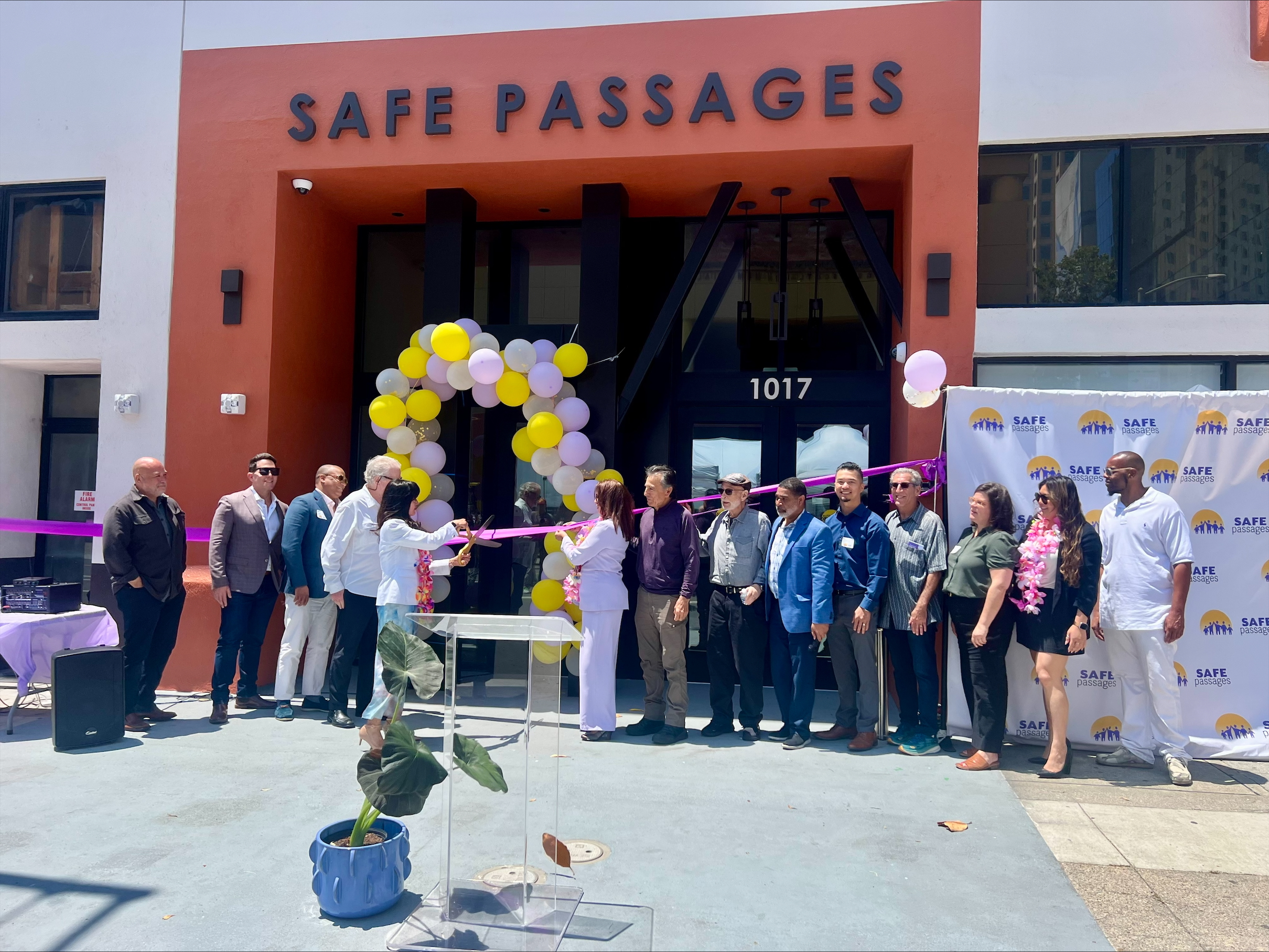
"La apertura del Centro de Bienestar y Prevención Comunitaria Safe Passages es una inversión poderosa en el futuro de nuestros niños y jóvenes. “Todo niño tiene derecho a las herramientas que necesita para alcanzar su máximo potencial, independientemente de su raza, estatus socioeconómico o discapacidad”, dijo Michelle Baass, directora del DHCS. "Estamos apoyando esfuerzos impulsados por la comunidad que crean espacios seguros y sanadores donde los jóvenes pueden acceder a la atención, el apoyo y las oportunidades que necesitan para prosperar. Este centro servirá como un centro fundamental para la intervención y prevención temprana, ayudando a niños y familias a construir resiliencia y bienestar que dure toda la vida."
CENTRO COMUNITARIO DE BIENESTAR Y PREVENCIÓN SAFE PASSAGES: El centro proporcionará servicios de salud mental para niños y jóvenes del condado de Alameda, desde el nacimiento hasta la edad adulta temprana, con especial atención a las poblaciones de alto riesgo. El centro ampliado ofrecerá Program de desarrollo infantil temprano que brindará servicios maternos y educación para padres, impartidos por profesionales de la salud mental infantil temprana. Estos programas se basan en la comunidad, en la investigación y demostraron ser buenas prácticas. Estos Program incluyen el Program de Coaching de Vida,
Program
Salud Mental Perinatal y de la Primera Infancia, la psicoterapia para padres e hijos, Program para embarazadas y puérperas, Program de Crianza, Program de Desarrollo Juvenil en Transición, la consejería individual y grupal, y las sesiones de exploración profesional."Durante más de 29 años, Safe Passages se comprometió a romper el ciclo de pobreza en nuestras comunidades y a apoyar a familias y jóvenes para que se involucren en el desarrollo de nuestras propias soluciones y caminos", dijo Josefina Alvarado Mena, CEO de Safe Passages. "Este centro de bienestar es un espacio de encuentro y un refugio seguro donde podemos construir comunidad, compartir y crecer juntos."
POR QUÉ ESTO ES IMPORTANTE: Casi 1 de cada 13 niños y jóvenes de California experimenta un trastorno emocional grave. A través del programa BHCIP, el DHCS otorga financiación a entidades elegibles para construir, adquirir y ampliar propiedades e invertir en infraestructura móvil para situaciones de crisis, ayudando a las comunidades a satisfacer la creciente demanda y a cerrar las brechas históricas en los servicios. Estas inversiones son especialmente críticas en las comunidades rurales, ya que cercioran que las personas puedan acceder a atención oportuna y que salve vidas sin tener que desplazar largas distancias.
BHCIP is part of California’s ongoing commitment to expand behavioral health services for all Californians. DHCS has awarded $1.7 billion in BHCIP competitive grants. In addition, DHCS is distributing up to $4.4 billion in competitive Bond BHCIP funding, including $3.3 billion for Round 1: Launch Ready grants as part of Behavioral Health Transformation, DHCS’ work to implement Proposition 1. DHCS recently released the Proposition 1 Bond BHCIP Round 2: Unmet Needs Request for Applications (RFA). Eligible organizations can apply for funding to construct, acquire, or rehabilitate properties that expand behavioral health services for Medi-Cal members and other Californians in need. DHCS will award more than $800 million in grants to support community-based facilities for mental health and substance use disorder care.
ACERCA DE BHCIP RONDA 4: NIÑOS Y JÓVENES: La Ronda 4 de la BHCIP, parte de la Iniciativa de Salud Conductual para Niños y Jóvenes, se centra no solo en niños y jóvenes, sino en todos los californianos de 25 años o menos, incluidas mujeres embarazadas y posparto, sus hijos y jóvenes en edad de transición de 16 a 25 años, junto con sus familias. Los 52 premios, que suman un total de 480,5 millones de dólares, permiten la construcción de nuevos centros y la ampliación de diversos tipos de instalaciones ambulatorias y residenciales, incluidos Program residenciales para niños en situación de crisis, centros residenciales perinatales para el tratamiento de trastornos por consumo de sustancias, centros comunitarios de bienestar/prevención juvenil y tratamiento ambulatorio para trastornos por consumo de sustancias. Por favor, consulte la sitio web de la BHCIP para más información sobre los beneficiarios de subvenciones y detalles adicionales sobre todas las rondas de financiación de la BHCIP.
###
Oficina de Comunicaciones
(916) 440-7660
DHCSPress@dhcs.ca.gov
Sacramento — El Department of Health Care Services (DHCS) California (DHCS) anunció hoy la disponibilidad de datos que demuestran que los programas de apoyo comunitario Medi-Cal son exitosos y rentables. Los datos demuestran que los programas de apoyo comunitario están cumpliendo su promesa de atender las necesidades de los afiliados a Medi-Cal, reduciendo las visitas evitables a urgencias, las hospitalizaciones y el uso de cuidados a largo plazo, al tiempo que muestran claros indicios de ahorro de costos. Los 12 Community Supports estudiados están reduciendo costos, y de ellos, nueve ya demostraron rentabilidad durante el periodo inicial del estudio. Se proyecta que los tres restantes alcancen ese umbral en un periodo de estudio más largo, en consonancia con las normas federales para evaluar la rentabilidad.
"Los Apoyos Comunitarios representan un cambio fundamental en la forma en que prestamos atención sanitaria a los californianos, mejorando la calidad de la atención para los afiliados a Medi-Cal y fortaleciendo la eficiencia y equidad general de nuestro sistema sanitario", dijo Michelle Baass, directora del DHCS. "Estos hallazgos confirman que estos servicios no solo mejoran vidas, sino que también reducen los costos sanitarios evitables. Al ampliar estos apoyos a nivel estatal, estamos logrando avances significativos hacia un sistema Medi-Cal centrado en la persona que se encuentre con los miembros donde estén y priorice la prevención, la dignidad y el valor."
Los programas de apoyo comunitario de Californiafueron aprobados en las exenciones del programa California Advancing and Innovating Medi-Cal (CalAIM) y se implementaron gradualmente en los planes Medi-Cal Managed Care (MCP) a partir de 2022. CalAIM es la iniciativa estatal para transformar Medi-Cal con el fin de mejorar la calidad de la atención, reducir la complejidad y promover la equidad a través de iniciativas de atención integral basadas en datos.
POR QUÉ ESTO ES IMPORTANTE: Medi-Cal actualmente ofrece 14 programas de apoyo comunitario. Estos servicios fomentan la estabilidad de la vivienda, facilitan las transiciones desde entornos institucionales, apoyan la atención domiciliaria, proporcionan comidas saludables y ofrecen alivio a los cuidadores, ayudando a los miembros a evitar cuidados hospitalarios o de urgencia más costosos. El reporte analizó 12 de estos apoyos para evaluar su impacto en los resultados en salud y costos. Estos 12 de los 14 Apoyos Comunitarios fueron estudiados porque están autorizados bajo la exención CalAIM 1915(b) de California, sobre la cual California está obligada a informar cada año al gobierno federal.
DHCS submitted its annual 2024 report to the federal Centers for Medicaid & Medicare Services. It analyzes the impact of 12 Community Supports on member health care, including a new cost-effectiveness analysis for calendar year 2023. Key highlights from the report include:
ANÁLISIS RENTABLE: La investigación mostró que 9 de los 12 Community Supports estudiados ya son demostrablemente rentables, y tres probablemente se demuestren con el tiempo, en coherencia con las normas federales. Los miembros que empleaban estos servicios solían ver reducciones netas (o compensaciones de) los costos aplicables del servicio. Ejemplos incluyen:
El análisis de costo-efectividad puede estar subestimado debido al corto periodo de evaluación, lo que resulta en que los costos inmediatos se capturen completamente pero no en ahorros a largo plazo. El DHCS reconoce que iniciativas más amplias, como la Gestión Mejorada de la Atención Médica, pueden influir en estos resultados. Futuras evaluaciones podrían perfeccionar estos métodos a medida que haya más datos disponibles, y se realizará una evaluación independiente conforme a los requisitos de exención.
IMPACTO DE LOS APOYO COMUNITARIO: La expansión del Apoyo Comunitario aumentó el acceso en áreas rurales y desatendidas, con Health Plan como Anthem Blue Cross, Health Net y Partnership HealthPlan of California liderando los esfuerzos para introducir nuevos servicios tanto en condados urbanos como rurales. Estos tres planes están entre los mayores del estado y demostraron una expansión significativa de los Apoyos Comunitarios en 2024, tanto en cuanto al número de nuevos servicios electos como en la distribución geográfica, especialmente en los condados rurales. Como resultado, los afiliados a Medi-Cal en los 58 condados de California ahora tienen acceso a una amplia gama de servicios de apoyo comunitario.
WHAT’S NEXT: DHCS released an updated Community Supports Policy Guide that is aligned with the Enhanced Care Management and Community Supports Action Plan. On July 1, 2025, the new Transitional Rent benefit will be optional for MCPs to offer, and will become the first mandatory Community Support on January 1, 2026.
DHCS mantiene su compromiso de expandir y fortalecer los Apoyos Comunitarios para satisfacer mejor las necesidades sociales relacionadas con la salud de los miembros de Medi-Cal en todo el estado. California se basa en sus esfuerzos históricos para abordar la atención integral de la persona a través de la prevención, la dignidad y la estabilidad, sin perder de vista el resultado final. Este enfoque ya está marcando la diferencia, particularmente en la reducción del uso evitable de la atención médica y en la mejora de la experiencia de los miembros con necesidades de salud múltiples y complejas.
###
Oficina de Comunicaciones
(916) 440-7660
DHCSPress@dhcs.ca.gov
El proyecto atenderá a 3.650 jóvenes de acogida al año
Sacramento — El 16 de mayo de 2025, el Department of Health Care Services (DHCS)) y Sycamores celebraron la colocación de la primera piedra del Program de Continuidad de Crisis Infantil de Sycamores, un nuevo centro de salud conductual en Altadena. Este proyecto transformador abordará las deficiencias en el proceso de atención a jóvenes en hogares de acogida en todo el condado Los Angeles , con el objetivo de abordar las crisis de forma temprana para evitar que la situación se agrave y requiera mayor atención. DHCS otorgó a Sycamores más de 2 millones de dólares para el proyecto a través ProgramInfraestructura para el Continuo de la Salud Conductual (BHCIP), Ronda 5: Crisis y Continuo de la Salud Conductual.
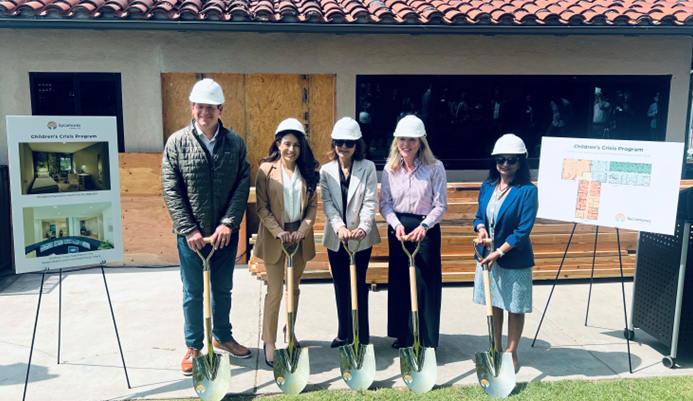
BHCIP es un componente clave de Salud Mental para Todos, el compromiso continuo de California para ampliar los servicios de salud conductual para todos los californianos. Con la aprobación de la Proposición 1, se financiarán y construirán aún más centros de tratamiento de salud conductual en 2025 y 2026.
Just days earlier, on May 12, DHCS awarded $3.3 billion in competitive grant funding through the Bond BHCIP Round 1: Launch Ready awards. This historic investment is funding 124 projects across 42 counties to create or expand 214 behavioral health facilities across California. This investment will result in 5,077 new residential treatment beds and 21,882 new outpatient slots for mental health and substance use disorder treatment, bringing essential behavioral health services closer to the Californians who need them most, including those in the foster care system.
“Estamos trabajando para garantizar que los jóvenes tutelados con importantes necesidades de salud mental reciban el apoyo y los servicios que necesitan”, dijo Michelle Baass, directora del DHCS. "Organizaciones como Sycamores son esenciales para transformar la forma en que respondemos a los urgentes desafíos de salud conductual. Al ofrecer atención compasiva y comunitaria directamente a niños y jóvenes necesitados, ejemplifican un sistema de salud conductual que recibe a las personas donde están con dignidad, apoyo y esperanza."
Program Atención Integral a Niños en Sicomoros: Este proyecto abordará las deficiencias en la atención integral a las crisis, específicamente para jóvenes en hogares de acogida, mediante la creación de un centro de salud psiquiátrica con ocho camas y una unidad de estabilización de crisis con 10 plazas, que se prevé atenderá a 3.650 personas anualmente en un entorno ambulatorio. Este proyecto ayudará a apoyar a jóvenes que viven en la comunidad y que atraviesan una crisis para evitar la necesidad de un nivel de atención más alto en entornos más restrictivos. El Program está diseñado para brindar a los jóvenes y a sus cuidadores herramientas para manejar sus crisis, incluyendo el desarrollo de habilidades, el seguimiento psiquiátrico,
psiquiatría, la terapia, la gestión
casos y el manejo de la medicación.“Con la inauguración del nuevo Program de Crisis Infantil de Sycamores, nuestra organización estará en una posición privilegiada para satisfacer las urgentes necesidades de salud mental de miles de niños y jóvenes en crisis en todo el condado Los Angeles ”, dijo Debra Manners, presidenta y directora ejecutiva de Sycamores. “Teniendo en cuenta la larga trayectoria de Sycamores en la capacidad de cuidados compasivos que transforman vidas, nos sentimos honrados de poder ampliar nuestros servicios con la apertura de nuestro Program.”
POR QUÉ ES IMPORTANTE: Más de 1,2 millones de adultos en California viven con una enfermedad mental grave, y 1 de cada 13 niños padece un trastorno emocional grave. Además, el 82 por ciento de los californianos sin hogar reportaron tener una grave condición de salud mental, y 1 de cada 10 californianos cumple los criterios para un trastorno por consumo de sustancias. Además, la escasez de centros de tratamiento de salud conductual contribuye al aumento de las tasas de personas sin hogar y encarcelamiento entre personas con trastornos de salud mental.
A través del programa BHCIP, el DHCS otorga financiación a entidades elegibles para construir, adquirir y ampliar propiedades e invertir en infraestructura móvil para situaciones de crisis, con el fin de ampliar aún más la gama de opciones de tratamiento de salud conductual basadas en la comunidad para personas con necesidades de tratamiento de salud mental y trastornos por consumo de sustancias concurrentes. BHCIP está abordando las carencias históricas en el sistema de atención de salud conductual para satisfacer la creciente demanda de servicios y apoyos a lo largo de toda la vida de las personas necesitadas. DHCS otorgó 1.700 millones
dólares en subvenciones competitivas
programa BHCIP.SOBRE LA RONDA 5 DE LA BHCIP: CONTINUUM DE CRISIS Y SALUD CONDUCTUAL: La Ronda 5 de la BHCIP: Continuum de Crisis y Salud Conductual se desarrolló, en parte, mediante una evaluación estatal de necesidades que identificó carencias significativas en los servicios disponibles en crisis. Esta evaluación mostró la necesidad de un mejor sistema de atención en crisis para reducir las visitas a urgencias, hospitalizaciones y encarcelamientos. Los 33 premios, que suman un total de 430 millones de dólares, se están empleando para construir y ampliar centros de atención de crisis y de salud mental en todo el estado, y beneficiarán a los californianos vulnerables de todas las edades, incluidos los afiliados a Medi-Cal. Por favor, consulte la sitio web de la BHCIP para más información sobre los beneficiarios de subvenciones y detalles adicionales sobre todas las rondas de financiación de la BHCIP.
###
Oficina de Comunicaciones
(916) 440-7660
DHCSPress@dhcs.ca.gov
LO QUE DEBE SABER: Gracias a la Propuesta 1, se estima que la financiación de hoy creará más de 5000 camas para tratamiento residencial y más de 21 800 plazas para tratamiento ambulatorio en salud mental, y se sumará a otras importantes iniciativas de salud mental en California.
Sacramento, California – El gobernador Gavin Newsom anunció hoy una financiación en subvenciones de 3.300 millones de dólares para crear más de 5.000 camas de tratamiento residencial y más de 21.800 plazas de tratamiento ambulatorio para servicios de atención de salud mental, y dará continuidad a otras importantes iniciativas de salud mental en California. Gestionado por el Department of Health Care Services (DHCS) California (DHCS), el Program de Infraestructura para el Continuo de la Salud Conductual (BHCIP) de la Proposición 1, Ronda 1: Listo para el Lanzamiento, otorgará subvenciones que ampliarán significativamente el acceso a la atención para los californianos que padecen problemas de salud mental y trastornos por consumo de sustancias, incluidos aquellos que no tienen hogar.
Here is a list of today’s awardees.
"Los californianos exigieron una acción rápida para abordar la crisis de salud conductual de nuestro estado cuando votaron a favor de la Proposición 1 en marzo de 2024. Hoy, estamos logrando nuestra mayor victoria hasta ahora. Estos proyectos listos para el lanzamiento construirán y ampliarán camas residenciales y plazas de tratamiento para quienes necesiten ayuda. Ya sea estabilización de crisis, servicios de hospitalización o tratamiento a largo plazo, estamos cerciorando que las personas puedan acceder a la atención adecuada en el momento adecuado." ~Gobernador Gavin Newsom
Una vez concedidos en su totalidad, se estima que los fondos procedentes de los bonos de la Proposición 1 crearán 6.800 camas para tratamiento residencial y 26.700 plazas para tratamiento ambulatorio en el ámbito de la salud mental, y se sumarán a otras importantes iniciativas de salud mental en California.
Kim Johnson, Secretary of the California Health & Human Services Agency “ Hoy marca un hito fundamental en nuestro compromiso de transformar el sistema de salud mental de California. A través de estos premios, estamos invirtiendo en soluciones audaces impulsadas por la comunidad que amplían el acceso a la atención, promueven la equidad y se encuentran con las personas donde están. Estos proyectos son un reflejo de nuestros valores y nuestra visión de una California más sana y compasiva.
Michelle Baass, directora del DHCS: “Esta es una inversión generacional en el futuro de la salud mental de California. No solo estamos construyendo instalaciones. Estamos construyendo esperanza, dignidad y caminos hacia la sanación para miles de californianos. Estas inversiones mejorarán significativamente la capacidad de nuestro estado para proporcionar atención oportuna y eficaz a las personas en sus propias comunidades."
POR QUÉ ES IMPORTANTE: Los premios Bond BHCIP Round 1 ayudarán a crear un sistema integral de salud conductual, cerciorando que las personas puedan acceder a la atención adecuada en el momento adecuado, ya sea para estabilización de crisis, atención hospitalaria o tratamiento a largo plazo. Como parte del objetivo del estado de reducir las crisis de salud mental, aumentar la disponibilidad de servicios y apoyar soluciones comunitarias, estas inversiones son vitales para garantizar la sostenibilidad y accesibilidad a largo plazo de los servicios de salud conductual.
Through BHCIP, DHCS has competitively awarded grants to construct, acquire, and expand properties and invest in mobile crisis infrastructure for behavioral health. Proposition 1, passed in March 2024, increases funding opportunities to expand BHCIP to serve even more Californians with mental health and substance use disorders through infrastructure development.
EN UN PANORAMA MÁS GENERAL: La iniciativa "Salud Mental para Todos" de California está modernizando el sistema de capacidad de servicios de salud conductual para mejorar la rendición de cuentas, aumentar la transparencia y ampliar la capacidad de los centros de atención de salud conductual. BHCIP apoya la creación, renovación y ampliación de instalaciones que atienden a personas con necesidades de salud mental y trastornos por consumo de sustancias, con un enfoque en cuidados de crisis, tratamiento residencial y servicios ambulatorios. El DHCS ya otorgó 1.700 millones de dólares en subvenciones competitivas del BHCIP.
En California existe un déficit de más de 7.000 camas en centros de salud mental, lo que contribuye a que no se satisfagan las necesidades de las personas sin hogar que padecen enfermedades mentales o trastornos por consumo de sustancias. Se estima que la financiación mediante bonos del programa BHCIP creará 6.800 camas para tratamiento residencial y 26.700 plazas para tratamiento ambulatorio en salud mental, y se basará en otras importantes iniciativas de salud mental en California. Esta inversión ayudará a abordar la escasez de camas para la salud mental.
LO QUE VIENE A CONTINUACIÓN: El anuncio de hoy representa la primera de dos rondas de financiación de Bond BHCIP. La segunda ronda, Ronda 2 de Bond BHCIP: Necesidades No Satisfechas, proporcionará más de 800 millones de dólares en financiación competitiva para centros de tratamiento de salud conductual y está abierta a todas las entidades. Se anima a las entidades interesadas a aplicar una vez que la Ronda 2 de Solicitudes de Solicitudes se publique tan pronto como a finales de este mes.
Además, el Departamento de Vivienda y Desarrollo Comunitario (HCD) monitorear hasta 2.000 millones de dólares en fondos de la Proposición 1 para construir viviendas permanentes de apoyo para veteranos y otras personas sin hogar o en riesgo de quedar y con problemas de salud mental o trastornos por consumo de sustancias.
SABER MÁS: Para más información sobre Bond BHCIP Ronda 1: Listo para el lanzamiento, por favor visite la sitio web de BHCIP. Orientación adicional sobre Bond BHCIP Ronda 1: Lanzamiento Listo y Ronda 2: Necesidades No Cubiertas está disponible aquí. Visite la sitio web de Transformación de la Salud Conductual para obtener actualizaciones y recursos, incluidas grabaciones de las sesiones públicas de escucha Regular .
###
Oficina de Comunicaciones
(916) 440-7660
DHCSPress@dhcs.ca.gov
El proyecto atenderá a 3.760 personas anualmente
Sacramento — Mientras California sigue trabajando para fortalecer su sistema de salud conductual, el 18 de abril, el Department of Health Care Services (DHCS)) y el Distrito de Salud Mark Twain celebraron la inauguración de un nuevo Centro de Crisis y Bienestar en el condado de Calaveras. Financiado con más de 3,3 millones de dólares a través de la Ronda 5 de la Infraestructura de Continuidad en Salud Conductual (ProgramBHCIP ) Ronda 5: Crisis y Salud Conductual, el centro ofrecerá atención urgente de salud mental, tratamiento para trastornos por consumo de sustancias e intervención temprana para atender anualmente a 3.760 residentes.
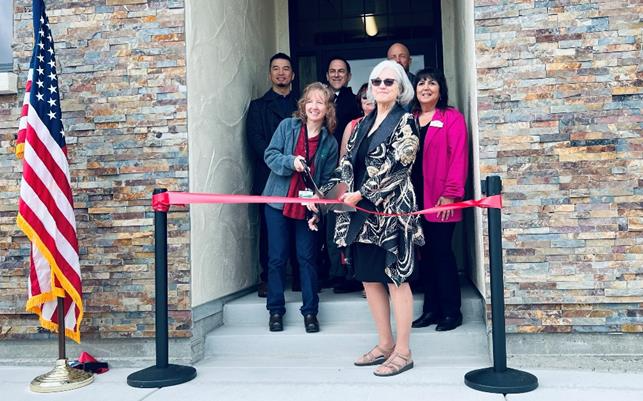
“Invertir en infraestructura de salud mental es un paso fundamental para garantizar que todos los californianos, independientemente de dónde vivan, tengan acceso a una atención oportuna, equitativa y de calidad”, dijo Michelle Baass, directora del DHCS. "Nos complace apoyar al Distrito de Atención Sanitaria Mark Twain en la expansión de servicios vitales que fortalecerán el bienestar comunitario y apoyarán a las personas en su camino hacia la recuperación. Acercar la atención al hogar ayuda a prevenir crisis antes de que se agraven y fortalece las redes de apoyo locales de las que la gente confía."
DISTRITO SANITARIO MARK TWAIN: Se prevé que el Centro de Crisis y Bienestar ampliado atienda a 3.760 personas anualmente. El centro proporcionará tratamiento ambulatorio de salud conductual, incluyendo terapia, gestión de medicación y atención psiquiátrica urgente. Además, el proyecto aprovechará alianzas con organizaciones juveniles para ofrecer servicios de intervención temprana orientados a prevenir el desempleo, la falta de vivienda, el consumo de sustancias y el confinamiento.
“Los pacientes del condado de Calaveras no reciben la atención adecuada, a menudo están confinados o encarcelados y, si terminan sus estudios, con frecuencia tienen problemas con las autoridades judiciales”, dijo Randy Smart, director ejecutivo del Distrito de Atención Médica Mark Twain. "Nuestra comunidad reconoce que estos resultados son evitables y tratables, pero se necesitan urgentemente más recursos. Nuestro condado tiene la fuerza de voluntad, el liderazgo y la visión para comprometer con un centro de crisis ambulatorio y un centro de prevención que será un paso fundamental para satisfacer la demanda de atención en salud conductual."
POR QUÉ ESTO ES IMPORTANTE: BHCIP forma parte del compromiso continuo de California para ampliar los servicios de salud conductual para todos los californianos. El DHCS otorgó 1.700 millones de dólares en subvenciones competitivas del BHCIP. Además, el DHCS distribuirá hasta 4.400 millones de dólares en fondos competitivos del programa Bond BHCIP, incluidos 3.300 millones de dólares para la Ronda 1: subvenciones Launch Ready como parte de la Transformación de la Salud Conductual, el trabajo del DHCS para implementar la Proposición 1. Con la aprobación de la Proposición 1, se financiarán y construirán aún más centros de tratamiento de salud conductual en 2025 y 2026.
A través del programa BHCIP, el DHCS otorga financiación a entidades elegibles para construir, adquirir y ampliar propiedades e invertir en infraestructura móvil para situaciones de crisis, ayudando a las comunidades a satisfacer la creciente demanda y a cerrar las brechas históricas en los servicios. Estas inversiones son especialmente críticas en las comunidades rurales, ya que cercioran que las personas puedan acceder a atención oportuna y que salve vidas sin tener que desplazar largas distancias.
ACERCA DE LA RONDA 5 DE BHCIP: CRISIS Y SALUD CONDUCTUAL CONTINUUM: La ronda 5 de la BHCIP: Continuum de Crisis y Salud Conductual se desarrolló, en parte, a través de una evaluación estatal de necesidades que identificó carencias significativas en los servicios disponibles en crisis. Esta evaluación mostró la necesidad de un mejor sistema de atención en crisis para reducir las visitas a urgencias, hospitalizaciones y encarcelamientos. Las 33 ayudas, que suman un total de 430 millones de dólares, se están empleando para construir y ampliar centros de atención en crisis y salud conductual en todo el estado y atenderán a californianos de todas las edades, incluidos los afiliados a Medi-Cal. Por favor, consulte la sitio web de la BHCIP para más información sobre los beneficiarios de subvenciones y detalles adicionales sobre todas las rondas de financiación de la BHCIP.
###
Oficina de Comunicaciones
(916) 440-7660
DHCSPress@dhcs.ca.gov
El proyecto ampliará la capacidad en 40 camas, atendiendo a casi 1.000 niños e individuos anualmente
Sacramento — El 4 de abril de 2025, el Department of Health Care Services (DHCS) y Kedren celebraron la colocación de la primera piedra del Hospital de Cuidados Psiquiátricos Agudos y Aldea Infantil Kedren South para servir a la comunidad del sur Los Angeles . Este proyecto transformador proporcionará un sistema integral de atención y apoyo para niños y jóvenes que enfrentan importantes desafíos de salud mental, todo en un solo lugar. Está financiado por la cuarta ronda Programde Infraestructura para el Continuo de la Salud Conductual (BHCIP) del DHCS : Niños y Jóvenes, y servirá como un modelo integrado de "Atención Comunitaria" diseñado para que los niños y sus familias reciban sus servicios.

El DHCS otorgó a Kedren más de 57 millones de dólares a través del BHCIP, que forma parte del compromiso continuo de California para ampliar los servicios de salud conductual para todos los californianos. Con la aprobación de la Proposición 1, se financiarán y construirán aún más centros de tratamiento de salud conductual en 2025 y 2026.
"La Aldea Infantil Kedren representa un recurso fundamental para garantizar el bienestar y el futuro de los niños más vulnerables de nuestro estado. “Al priorizar la financiación de este campus, California reforzó su compromiso de ser líder en la capacidad de atención compasiva y de alta calidad que apoye la salud mental y física de los niños necesitados”, dijo la directora del DHCS, Michelle Baass. “El enfoque integral de Kedren para la atención de la salud mental y física se alinea con nuestra visión de un futuro más saludable y resiliente para todos los niños de California. Es una inversión no solo en sus vidas, sino en la fortaleza y prosperidad de nuestras comunidades."
Hospital de Cuidados Agudos y Aldea Infantil Kedren South-Psiquiátrico: Este proyecto recibió más de 57 millones de dólares a través de BHCIP. El centro proporcionará cuidados que cambiarán vidas a niños y jóvenes que sufren enfermedades mentales, traumas y otros desafíos de salud mental. La parte del nuevo campus financiada por BHCIP constará de un hospital psiquiátrico de agudos con 24 camas (que atenderá a más de 520 personas al año), un Program residencial de crisis para niños con 8 camas (que atenderá a casi 300 niños al año) y un centro de salud psiquiátrica con otras 8 camas (que atenderá a casi 100 personas al año). Además de la subvención BHCIP, parte del campus contará con dos edificios —financiados con fondos de la Ley de Servicios de Salud Mental— que incluirán servicios ambulatorios para niños y proporcionarán alojamiento transitorio para niños con dificultades mentales y sus familias durante hasta 18 meses.
“Durante casi 60 años, Kedren se comprometió a eliminar las desigualdades en materia de salud en el sur Los Angeles mediante la ampliación del acceso a la atención médica”, declaró Gregory Polk, director ejecutivo de Kedren. "La Aldea Infantil será la primera de su tipo en el país, proporcionando un continuo completo de atención en salud mental para niños y jóvenes en un solo campus. Esperamos poder proporcionar estos recursos necesarios y valiosos a nuestra comunidad."
Kedren will offer a myriad of evidence-based therapies, including individual, group, family, recreational, occupational, and play. Staff will tailor treatments for each child with a mix of individual psychotherapy, behavioral modification, family counseling, and psychotropic medications. Kedren will also provide specialized assessments, such as psychological testing and occupational therapy assessments.
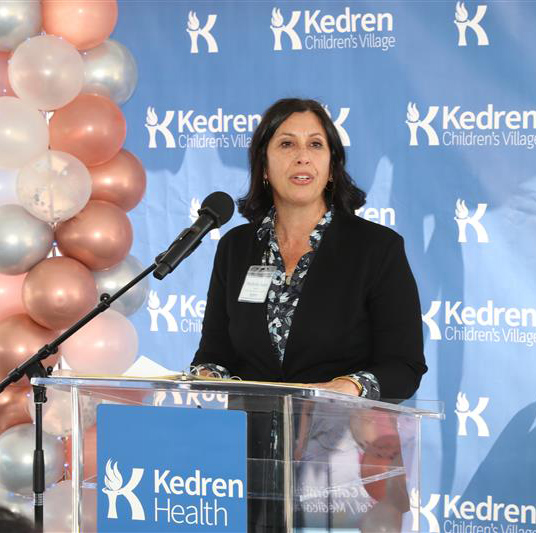
"Los retos que enfrentamos en salud conductual son significativos, pero hoy demostramos nuestro compromiso colectivo con la construcción de un sistema de atención estable e integral que mejore vidas durante muchos años", dijo Baass.
"Gracias a BHCIP, proveedores comunitarios de confianza como Kedren finalmente dispondrán de las instalaciones y recursos para ofrecer servicios esenciales a lo largo de todo el continuo de atención, permitiendo que las personas reciban la atención adecuada en el momento y entorno adecuados, con proveedores en quienes confían."
POR QUÉ ESTO ES IMPORTANTE: BHCIP forma parte del compromiso continuo de California para ampliar los servicios de salud conductual para todos los californianos. A través del programa BHCIP, el DHCS otorga financiación a entidades elegibles para construir, adquirir y ampliar propiedades e invertir en infraestructura móvil para situaciones de crisis, con el fin de ampliar aún más la gama de opciones de tratamiento de salud conductual basadas en la comunidad para personas con necesidades de tratamiento de salud mental y trastornos por consumo de sustancias concurrentes. BHCIP está abordando las carencias históricas en el sistema de atención de salud conductual para satisfacer la creciente demanda de servicios y apoyos a lo largo de toda la vida de las personas necesitadas.
El DHCS otorgó 1.700 millones de dólares en subvenciones competitivas del BHCIP. Además, DHCS distribuirá hasta $4.4 mil millones en fondos competitivos de bonos BHCIP, incluidos $3.3 mil millones para la Ronda 1: subvenciones Launch Ready como parte de Behavioral Health Transformation, el trabajo de DHCS para implementar la Proposición 1.
ACERCA DE LA RONDA 4 DE BHCIP: NIÑOS Y JÓVENES:La Ronda 4 de BHCIP, parte de la Iniciativa de Salud Conductual para Niños y Jóvenes, se centra en los californianos de 25 años o menos, incluidas las mujeres embarazadas y en posparto y sus hijos y los jóvenes en transición de 18 a 25 años, junto con sus familias. Los 52 premios, que suman un total de 480,5 millones de dólares, permiten la construcción de nuevos centros y la ampliación de diversos tipos de instalaciones ambulatorias y residenciales, incluidos Program residenciales para niños en situación de crisis, centros residenciales perinatales para el tratamiento de trastornos por consumo de sustancias, centros comunitarios de bienestar/prevención juvenil y tratamiento ambulatorio para trastornos por consumo de sustancias.
###
Oficina de Comunicaciones
(916) 440-7660
DHCSPress@dhcs.ca.gov
Los premios servirán de apoyo a las agencias locales de servicios médicos de emergencia en los condados de Stanislaus y Ventura.
Sacramento — El Department of Health Care Services (DHCS) otorgó 800.000 dólares a dos agencias locales de servicios médicos de emergencia para fomentar el acceso sin barreras al tratamiento clínicamente probado para el trastorno por consumo de opioides (OUD) para pacientes en un entorno de servicios médicos de emergencia (EMS) que corren el riesgo de sufrir una sobredosis y que a menudo no tienen acceso a servicios en otros entornos.
"Este es un enfoque innovador y que salva vidas para abordar la crisis de los opioides. Al equipar a los proveedores de servicios médicos de emergencia para ofrecer tratamiento sobre el terreno, estamos atendiendo a los pacientes donde están y conectándolos con una atención continua. “Este Program tiene el potencial de reducir las muertes relacionadas con los opioides y mejorar los resultados de salud a largo plazo para algunas de las personas más vulnerables de California ”, dijo Michelle Baass, directoraDHCS .
Las subvenciones, otorgadas a través del Program Piloto de Uso de Buprenorfina para Servicios Médicos de Emergencia (EMSBUP, por sus siglas en inglés) a la Agencia de Servicios Médicos de Emergencia del Condado de Stanislaus y a la Agencia de Servicios Médicos de Emergencia del Condado Ventura , permitirán a estas dos agencias abordar el trastorno por consumo de sustancias como una afección de emergencia tratable, empleando paramédicos para identificar y tratar a los pacientes que se beneficiarían de medicamentos para el tratamiento de la adicción (MAT, por sus siglas en inglés). La MAT es el uso de medicamentos en combinación con asesoramiento y terapias conductuales, que resulta eficaz para tratar los TOU y ayudar a algunas personas a mantener la recuperación.
POR QUÉ ES IMPORTANTE: El EMSBUP fue pionero en un enfoque innovador para la impartición de MAT a través del EMS. La población atendida por los servicios de emergencia tiene un alto riesgo de muerte por sobredosis. En un estudio con 12.000 pacientes que recibieron naloxona de los servicios de emergencia, el 10 por ciento falleció en el año siguiente. Otro estudio encontró que un tercio de todos los pacientes que murieron por sobredosis no intencionada tuvieron contacto con el EMS en el año anterior a su fallecimiento. Con un estimado de 26.000 llamadas al 911 por sobredosis en California, los servicios de emergencias médicas (SEM) constituyen un punto de intervención crítico y subutilizado para ampliar el acceso al tratamiento asistido con medicamentos (MAT), brindar reducción de daños y conectar a los pacientes con la atención médica.
SUBVENCIONES: Este Program ayudará a los proveedores de servicios médicos de emergencia a coordinar con los asesores para facilitar el acceso a opciones de atención para pacientes de servicios médicos de emergencia con un trastorno por consumo de opioides y proporcionará un sistema para que los pacientes que se dan de alta en contra del consejo médico tengan acceso a opciones de tratamiento ambulatorio. El proyecto se desarrollará desde abril de 1 2025hasta marzo de 31 2027. También recopilará datos desidentificados para la investigación y métricas mensuales de rendimiento para evaluar la efectividad de este modelo de tratamiento.
Additionally, resources will be provided to Local Emergency Medicine Service Agencies to support the initiation and sustainability of this treatment model, which includes a naloxone distribution program, EMS-initiated first dose of buprenorphine, and substance use navigation.
SUBVENCIONES QUE MARCAN LA DIFERENCIA: Gracias a la financiación de subvenciones del Programa Estatal de Respuesta a los Opioides (SOR, por sus siglas en inglés), EMSBUP se basa en un proyecto inicial financiado por SOR en el condado de Contra Costa en 2020, en el que se capacitó a 260 paramédicos para identificar y tratar el trastorno por consumo de opioides (TCO) desde una ambulancia, se examinó a más de 2000 pacientes para detectar el TCO, 120 recibieron buprenorfina en el lugar de los hechos y 55 fueron conectados con un programa de tratamiento asistido con medicamentos (MAT, por sus siglas en inglés) en curso. Los resultados de este trabajo animaron a otros condados a adoptar el modelo. Hasta la fecha, este modelo se extendió a 11 LEMSA que cubren 13 condados para formar a 1.300 paramédicos.
"La administración de buprenorfina por parte de los servicios de emergencia proporciona a una población de alto riesgo acceso a la buprenorfina en un momento crítico e ideal para recibir buprenorfina – tras la sobredosis, cuando los pacientes están en abstinencia y pueden estar más inclinados a aceptar el tratamiento. La buprenorfina gestionada por EMS acerca tratamiento a los pacientes frente a los que tienen que buscarlo, lo que tiene el potencial de reducir la sobredosis mortal, disminuir las tasas de criminalidad y salvar vidas. Con los equipos adecuados, los pacientes pueden empezar a tomar buprenorfina en el terreno, conectarse con los servicios de emergencia y empezar a sentir mejor en unas horas. y continuar el tratamiento con buprenorfina a través Program MAT luego de ser dados de alta del departamento de emergencias”, dijo Phoebe Blaschak Oliveira, RN, PHN, BSN, Gerente Program de Enfermería de Salud Pública, Contra Costa Regional Medical Center y Choosing Change Clinic.
VISIÓN MÁS AMPLIA: En 2023, el gobernador Newsom lanzó su Plan Maestro para Abordar la Crisis del Fentanilo y los Opioides, que proporciona un marco integral para abordar la crisis de opioides y fentanilo, incluyendo medidas contundentes para apoyar los esfuerzos de prevención de sobredosis, responsabilizar a la industria farmacéutica opioide, combatir el tráfico de drogas y concietizar sobre los peligros de los opioides, incluido el fentanilo.
El programa EMSBUP está financiado por la Administración de Servicios de Salud Mental y Abuso de Sustancias y forma parte de los esfuerzos más amplios del DHCS para abordar los trastornos por consumo de sustancias, conocidos colectivamente como la Respuesta del DHCS de California a los Opioides, para aumentar el acceso al tratamiento asistido con medicamentos (MAT), reducir la necesidad de tratamiento no satisfecha y disminuir las muertes relacionadas con sobredosis de opioides mediante la provisión de actividades de prevención, tratamiento y recuperación. La respuesta del Departamento de Salud y Servicios para Niños de California (DHCS) ante la crisis de opioides se centra en poblaciones con acceso limitado a la terapia asistida con medicamentos (MAT, por sus siglas en inglés), incluidos los jóvenes, las personas que viven en zonas rurales y las comunidades tribales de nativos americanos y nativos de Alaska. Para obtener más información, visite el sitio web de DHCS.
El DHCS también creó el Proyecto de Distribución de Naloxona (NDP) para combatir las muertes relacionadas con sobredosis de opioides en todo California. El NDP pretende reducir las muertes por sobredosis de opioides mediante la provisión de naloxona gratis. Para más información, consulte la respuesta estatal sobre opioides.
###
Oficina de Comunicaciones
(916) 440-7660
DHCSPress@dhcs.ca.gov
Sacramento — El Department of Health Care Services (DHCS)), bajo la dirección del gobernador Gavin Newsom, aplicar este mes al Centro para Medicaid e Innovación Medicaid (CMMI) de los Centros de Servicios Medicare y Medicaid (CMS) participar en el innovador Modelo de Acceso a la Terapia Celular y Génica (CGT). De aprobar, esta iniciativa plurianual ampliará el acceso de los afiliados a Medi-Cal a terapias génicas que salvan vidas para la enfermedad de células falciformes (ECF), un trastorno sanguíneo genético grave que afecta de manera desproporcionada a las personas de ascendencia africana.
“La solicitud de California para participar en este modelo federal refleja nuestro compromiso de ampliar el acceso a tratamientos innovadores para los afiliados a Medi-Cal con anemia falciforme”, dijo el director estatal de Medicaid, Tyler Sadwith. “Estas terapias tienen el potencial de transformar vidas, y esta iniciativa ayuda a garantizar que el costo no sea una barrera para los californianos que más las necesitan.”
POR QUÉ ESTO ES IMPORTANTE: Más del 50 por ciento de las personas con anemia falciforme están cubiertas por Medicaid en los Estados Unidos. Al participar en el Modelo de Acceso a la Terapia Genética Cognitiva, California:
“Al ampliar el acceso a estas terapias transformadoras, California está liderando el camino para abordar las desigualdades en salud, mejorar la esperanza de vida y garantizar que los afiliados a Medi-Cal con enfermedad de células falciformes reciban la mejor atención posible”, dijo Sadwith.
ACERCA DEL MODELO DE ACCESO A CGT: La terapia génica representa un enfoque innovador para la enfermedad de células falciformes. Modifica las propias células madre hematopoyéticas del paciente para ayudar al cuerpo a producir glóbulos rojos sanos. Se demostró que este tratamiento único reduce los episodios de dolor severo y tiene el potencial de prevenir complicaciones y mejorar la calidad de vida de las personas con SCD.
Sin embargo, estas terapias conllevan costos extraordinarios, lo que dificulta el acceso para los pacientes y Program Medicaid , incluido Medi-Cal. El Modelo de Acceso CGT aborda este desafío mediante un sistema de reembolsos negociado que vincula los pagos por estos tratamientos con los resultados de los pacientes. Si la terapia no produce las mejoras de salud esperadas, los fabricantes de medicamentos ofrecerán reembolsos al Program Medicaid , lo que contribuirá a garantizar la sostenibilidad financiera y a ampliar el acceso a la atención médica.
Inicialmente, el modelo se centrará en las terapias génicas para la anemia falciforme, una afección que afecta a más de 100.000 personas en todo el país, incluidos más de 8.000 afiliados a Medi-Cal/Children’s Health Insurance Program (CHIP) en California.
Si se aprueba la solicitud en California, los miembros elegibles de Medi-Cal tendrán acceso a tratamientos de terapia génica, gestión de casos, asistencia para viajes, apoyo en salud mental y servicios de preservación de la fertilidad, ya que el proceso de tratamiento incluye quimioterapia, que puede afectar la fertilidad. CMS prevé probar el modelo durante un periodo de rendimiento de 11 años, comenzando el 1de enero de 2025.
PANORAMA GENERAL: Además de aplicar el Modelo de Acceso a la Terapia Genética Cognitiva (CGT), California fue seleccionada a principios de este año para el Modelo de Transformación de la Salud Materna (TMaH), que tiene como objetivo mejorar los resultados de salud materna y reducir los costos, y está transformando Medi-Cal a través de su exención California Advancing and Innovating Medi-Cal (CalAIM) , que se centra en la atención integral de la persona, la gestión de la atención y el abordaje de los factores sociales que influyen en la salud, fortaleciendo así los esfuerzos para crear un sistema de salud más inclusivo y eficaz.
###
Oficina de Comunicaciones
(916) 440-7660
DHCSPress@dhcs.ca.gov