Sitio web oficial de la Estado de California
Traducir

Se espera que los proyectos atiendan a casi 2,000 personas anualmente
Sacramento — The Department of Health Care Services (DHCS)) y Mentis están ampliando los servicios ambulatorios para personas con necesidades de salud mental en Napa condado. Hace apenas ocho meses, DHCS y Mentis comenzaron las obras del Campus de Bienestar Juvenil de Napa Valley, apoyados por la Infraestructura de Continuidad de Salud Conductual Program financiación por un total de más de 4,7 millones de dólares.
El 5 de marzo, DHCS y Mentis celebraron la inauguración de la nueva clínica comunitaria ambulatoria de salud mental y centro de bienestar comunitario/prevención juvenil, que abrió sus puertas y cuenta con 121 nuevas plazas de tratamiento, atendiendo
casi 2000 personas anualmente
“El DHCS está comprometido a trabajar con socios como Mentis para expandir rápidamente los servicios de tratamiento de salud mental y trastornos por consumo de sustancias para los jóvenes de California”, dijo la directora del DHCS, Michelle Baass. "BHCIP continúa abordando las brechas históricas en el sistema de atención de salud conductual para satisfacer la creciente demanda de servicios y apoyos a lo largo de la vida de las personas necesitadas."
CAMPUS DE BIENESTAR JUVENIL DEL VALLENapa : Este proyecto atenderá las necesidades conductuales, mentales y emocionales de los niños y jóvenes del Valle Napa y sus familias. El proyecto consiste en rehabilitar un edificio existente en el campus de un instituto privado para incorporar un estudio de arte de apoyo, un espacio comunitario y salas de terapia. Los servicios incluyen actividades de prevención del bienestar infantil y juvenil, tratamiento de salud mental, terapia grupal y/o actividades familiares, y sesiones individuales de terapia. Program se ofrecen en inglés y español, son gratis y accesibles para todos. Situado a poca distancia a pie de tres institutos, el continuo de atención del campus está destinado a atraer a una población juvenil diversa, incluyendo jóvenes de color y jóvenes LGBTQIA+ y comprometidos con la justicia.
"Nuestra clínica comunitaria y el campus de bienestar juvenil ofrecerán un apoyo muy necesario a los jóvenes que siguen luchando con las tensiones de la vida", dijo Rob Weiss, director ejecutivo de Mentis. “Estamos deseosos de ampliar nuestra gama de servicios para atender a niños y jóvenes con un amplio espectro de necesidades, y agradecemos al DHCS por hacer posible esta visión.”
POR QUÉ ES IMPORTANTE: BHCIP forma parte del compromiso continuo de California para ampliar los servicios de salud conductual para todos los californianos. Con la aprobación de la Proposición 1, se financiarán y construirán aún más centros de tratamiento de salud conductual en 2025 y 2026. A través de BHCIP, el DHCS otorga fondos a entidades elegibles para construir, adquirir y ampliar propiedades e invertir en infraestructura móvil de crisis para ampliar aún más la gama de opciones de tratamiento de salud conductual comunitaria para personas con necesidades concurrentes de tratamiento de salud mental y trastornos por consumo de sustancias.
El DHCS otorgó 1.700 millones de dólares en subvenciones competitivas del BHCIP. Además, DHCS distribuirá hasta 4.400 millones de dólares en fondos competitivos del programa Bond BHCIP, incluidos 3.300 millones de dólares para la Ronda 1: subvenciones listas para el lanzamiento, como parte de la Transformación de la Salud Conductual, el trabajo del DHCSpara implementar la Proposición 1. DHCS celebra sesiones públicas Regular de consulta sobre este esfuerzo. Las actualizaciones y grabaciones de las sesiones están disponibles en línea.
ACERCA DE LA RONDA 4 DE BHCIP: NIÑOS Y JÓVENES:Laronda 4 de BHCIP se centró en californianos de 25 años o menos, incluidas mujeres embarazadas y posparto, así como sus hijos y jóvenes de 16 a 25 años, junto con sus familias. Gracias a la financiación proporcionada por la Iniciativa de Salud Conductual para Niños y Jóvenes de California , las 52 subvenciones, que suman un total de 480,5 millones de dólares, permitieron la construcción de nuevos centros y la ampliación de diversos tipos de instalaciones ambulatorias y residenciales, incluidos Program residenciales para niños en situación de crisis, centros residenciales perinatales para trastornos por consumo de sustancias, centros comunitarios de bienestar/prevención juvenil y tratamiento ambulatorio para trastornos por consumo de sustancias. Por favor, consulte la sitio web de la BHCIP para más información sobre los beneficiarios de subvenciones y detalles adicionales sobre todas las rondas de financiación de la BHCIP.
###
Oficina de Comunicaciones
(916) 440-7660
DHCSPress@dhcs.ca.gov
El proyecto incluirá 37 nuevas camas de hospitalización en un hospital psiquiátrico agudo
Sacramento — El 19 de febrero de 2025, el Department of Health Care Services (DHCS)) y el Gateways Hospital and Mental Health Center colocaron la primera piedra del proyecto de expansión juvenil de Gateways en el condado Los Angeles . El proyecto, financiado por la Ronda 4 del Programde Infraestructura para el Continuo de la Salud Conductual (BHCIP) del DHCS , se centrará en jóvenes con problemas emocionales o de comportamiento graves que estén experimentando una emergencia psiquiátrica aguda.
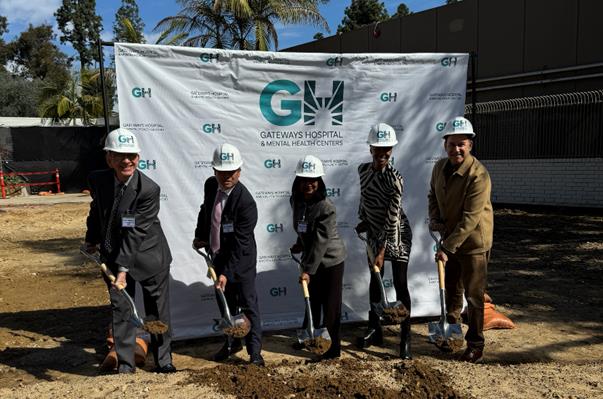
El Departamento de Servicios de Atención Médica para Personas con Discapacidades (DHCS, por sus siglas en inglés) otorgó a Gateways más de 19 millones de dólares a través del programa BHCIP, que forma parte del compromiso continuo de California para ampliar los servicios de salud conductual para todos los californianos. Con la aprobación de la Proposición 1, se financiarán y construirán aún más centros de tratamiento de salud conductual en 2025 y 2026.
“Este hito representa un importante paso adelante en nuestro compromiso de brindar atención especializada a los jóvenes que enfrentan problemas agudos de salud mental”, dijo la directora del DHCS, Michelle Baass. "Al ampliar el acceso a la atención integral, estamos fomentando un entorno en el que todos los jóvenes puedan recibir la atención y el apoyo que merecen para prosperar."
PROYECTO DE EXPANSIÓN JUVENIL GATEWAYS: La mayoría de los jóvenes a los que se presta atención el proyecto experimentaron eventos traumáticos o experiencias infantiles adversas, o están involucrados en servicios de bienestar infantil. Gateways está agregando 37 camas para pacientes hospitalizados para adolescentes a las 55 camas ya existentes del hospital psiquiátrico agudo que atienden a adultos y adolescentes.
"Existe una necesidad urgente de brindar apoyo a jóvenes que enfrentan crisis de salud mental", dijo el director ejecutivo del Hospital Gateways, el Dr. Phil Wong. “Felicitamos a California por priorizar estos fondos para centrar en la salud mental de los jóvenes, ampliando la capacidad de la infraestructura para ayudar a cambiar el rumbo.” Nuestro equipo se complace en iniciar la construcción de nuestra expansión para poder empezar a atender a jóvenes que necesitan estos servicios vitales."
In addition to traditional health care, the expanded facility will allow youth to receive multiple therapeutic services and participate in activities designed to build autonomy and help them transition to outpatient services. These services will include individual and group therapies, such as cognitive-behavioral therapy, psychoanalytic therapy, mentalization-based therapy, eye movement desensitization and reprocessing, and biofeedback. Youth housed in the unit will receive multiple therapeutic services, including family therapy and medical counseling.
Por último, los jóvenes que presenten trastornos alimentarios, como anorexia nerviosa y bulimia, y los jóvenes con trastornos concurrentes relacionados con el alcohol y las drogas recibirán asesoramiento nutricional, se monitorear estrechamente su salud física y recibirán control de medicación.
POR QUÉ ES IMPORTANTE: A través de BHCIP, el DHCS otorga fondos a entidades elegibles para construir, adquirir y ampliar propiedades e invertir en infraestructura móvil de crisis para ampliar aún más la gama de opciones de tratamiento de salud conductual comunitaria para personas con necesidades concurrentes de tratamiento de salud mental y trastornos por consumo de sustancias. BHCIP está abordando las carencias históricas en el sistema de atención de salud conductual para satisfacer la creciente demanda de servicios y apoyos a lo largo de toda la vida de las personas necesitadas.
El DHCS otorgó 1.700 millones de dólares en subvenciones competitivas del programa BHCIP. Además, DHCS distribuirá hasta 4.400 millones de dólares en fondos competitivos del programa Bond BHCIP, incluidos 3.300 millones de dólares para la Ronda 1: subvenciones listas para el lanzamiento, como parte de la Transformación de la Salud Conductual, el trabajo del DHCSpara implementar la Proposición 1. DHCS celebra sesiones públicas Regular de consulta sobre este esfuerzo. Las actualizaciones y grabaciones de las sesiones están disponibles en la sitio web de Transformación de la Salud Conductual.
SOBRE LA CUARTA RONDA DE BHCIP: NIÑOS Y JÓVENES: La cuarta ronda de BHCIP, gracias a la financiación posible gracias a la Iniciativa de Salud Conductual para Niños y Jóvenes de California, se centra en los californianos de 25 años o menos, incluidas las mujeres embarazadas y en posparto y sus hijos, y los jóvenes en transición de edad de 18 a 25 años, junto con sus familias. Los 52 premios, que suman un total de 480,5 millones de dólares, permiten la construcción de nuevos centros y la ampliación de diversos tipos de instalaciones ambulatorias y residenciales, incluidos Program residenciales para niños en situación de crisis, centros residenciales perinatales para el tratamiento de trastornos por consumo de sustancias, centros comunitarios de bienestar/prevención juvenil y tratamiento ambulatorio para trastornos por consumo de sustancias. Para más información, por favor visite la sitio web de BHCIP.
###
Oficina de Comunicaciones
(916) 440-7660
DHCSPress@dhcs.ca.gov
Se proyecta que el nuevo centro de gestión de crisis atenderá a más de 2,500 personas anualmente
Sacramento — El 7 de febrero de 2025, el Department of Health Care Services (DHCS)) y CRI-Help anunciaron la gran inauguración del Centro de Gestión de Crisis para Trastornos por Uso de Sustancias (SUD): un proyecto de Campus de Salud Conductual Totalmente Integrado en el Condado Los Angeles . El lugar incluye un centro residencial de tratamiento para adultos con SUD, un centro de tratamiento intensivo ambulatorio para SUD y un centro de sobriedad. Se proyecta que estas instalaciones combinadas sirvan a más de 2.500 personas anualmente.
El proyecto SUD Crisis Management Hub fue financiado por la Ronda 5 del Programde Infraestructura del Continuo de Salud Conductual (BHCIP) DHCS . El Departamento de Servicios de Atención Médica (DHCS) otorgó a CRI-Help más de 21 millones de dólares a través del programa BHCIP, que forma parte del compromiso continuo de California para ampliar los servicios de salud conductual para todos los californianos. Con la aprobación de la Proposición 1, se financiarán y construirán aún más centros de tratamiento de salud conductual en 2025 y 2026.
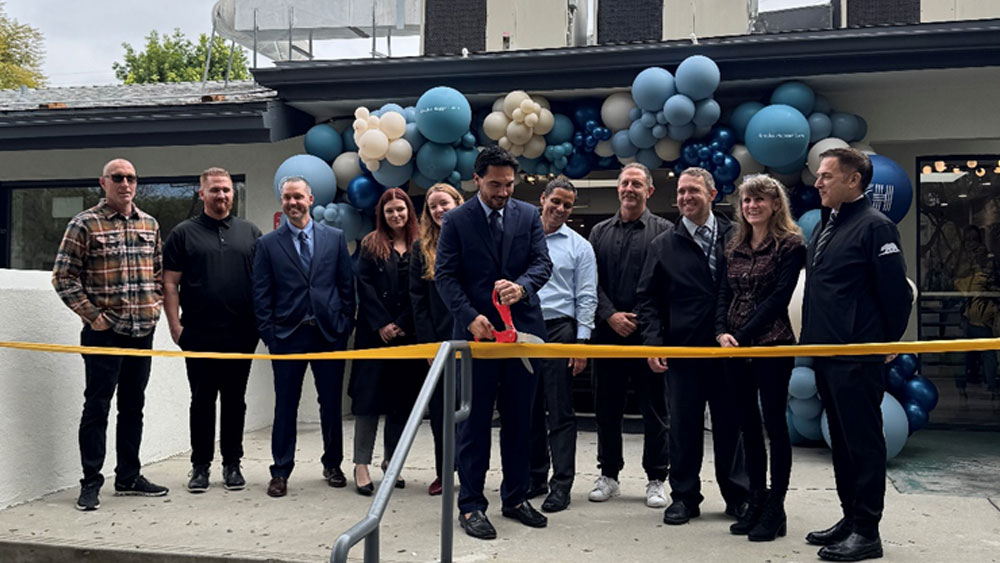
“Instalaciones como estas, que forman parte del Centro de Gestión de Crisis por Trastornos por Consumo de Sustancias, no solo tratan las crisis, sino también las preocupaciones fundamentales de las personas que buscan ayuda con sus trastornos por consumo de sustancias, para que puedan lograr una recuperación continua”, dijo la directora del DHCS, Michelle Baass. “DHCS se complace en asociar con CRI-Help para hacer realidad este centro y brindar atención de salud mental de alta calidad a esta comunidad.”
CRI-HELP: El proyecto SUD Crisis Management Hub de CRI-Help aumenta de inmediato la disponibilidad de servicios de crisis ambulatorios y residenciales para adultos de bajos ingresos en el centro y el este Los Angeles . Este proyecto incluye tres Program:
En conjunto, estas instalaciones proporcionarán cribados, asesoramiento grupal, educación al paciente, sesiones grupales de terapia familiar, entrevistas motivacionales, esfuerzos de recuperación y transferencias cálidas a otros niveles de atención.
“Con la incorporación de un centro de desintoxicación financiado por BHCIP que ofrece servicios integrales de recuperación, estamos redefiniendo lo que significa una atención accesible y compasiva en el área Los Angeles ”, dijo Brandon Fernandez, presidente y director ejecutivo de CRI-Help. "Este campus se erige como un faro de innovación e inclusión para quienes buscan una segunda oportunidad en la vida."
POR QUÉ ES IMPORTANTE: A través de BHCIP, el DHCS concede fondos a entidades elegibles para construir, adquirir y ampliar propiedades e invertir en infraestructura móvil de crisis para ampliar aún más la gama de opciones de tratamiento de salud conductual comunitaria para personas con necesidades concurrentes de tratamiento de salud mental y SUDs. BHCIP está abordando las carencias históricas en el sistema de atención de salud conductual para satisfacer la creciente demanda de servicios y apoyos a lo largo de toda la vida de las personas necesitadas.
El DHCS otorgó 1.700 millones de dólares en subvenciones competitivas del BHCIP. Además, DHCS distribuirá hasta 4.400 millones de dólares en fondos competitivos del programa Bond BHCIP, incluidos 3.300 millones de dólares para la Ronda 1: subvenciones listas para el lanzamiento, como parte de la Transformación de la Salud Conductual, el trabajo del DHCSpara implementar la Proposición 1. DHCS celebra sesiones públicas Regular de consulta sobre este esfuerzo. Las actualizaciones y grabaciones de las sesiones están disponibles en la sitio web de Transformación de la Salud Conductual.
SOBRE LA RONDA 5 DE LA BHCIP: CONTINUIDAD DE CRISIS Y SALUD CONDUCTUAL: La ronda 5 de la bhcip se desarrolló, en parte, a través de una evaluación de necesidades a nivel estatal que identificó carencias significativas en los servicios de crisis disponibles. Esta evaluación mostró la necesidad de un mejor sistema de atención en crisis para reducir las visitas a urgencias, hospitalizaciones y encarcelamientos. Los 33 premios, que suman un total de 430 millones de dólares, se están empleando para construir y ampliar centros de atención de crisis y de salud mental en todo el estado, y beneficiarán a los californianos vulnerables de todas las edades, incluidos los afiliados a Medi-Cal.
###
Oficina de Comunicaciones
(916) 440-7660
DHCSPress@dhcs.ca.gov
Se espera que los proyectos atiendan a más de 900 personas anualmente
Sacramento — El Department of Health Care Services (DHCS)) está ampliando los servicios residenciales para personas con trastornos por consumo de sustancias y necesidades de salud mental concurrentes en dos ubicaciones del condado de Los Angeles .
Los Servicios de Salud Mental y Vivienda de Whole Child—celebraron la gran inauguración de un nuevo centro comunitario de bienestar (más abajo). El 1 de febrero, el centro comenzó a ofrecer servicios de salud mental sensibles y culturalmente sensibles al trauma, alojamiento familiar, enriquecimiento parental y educación nutricional. El centro brinda apoyo a familias del sudeste Los Angeles que enfrentan obstáculos para acceder a la atención médica, incluyendo a jóvenes y familias sin hogar.
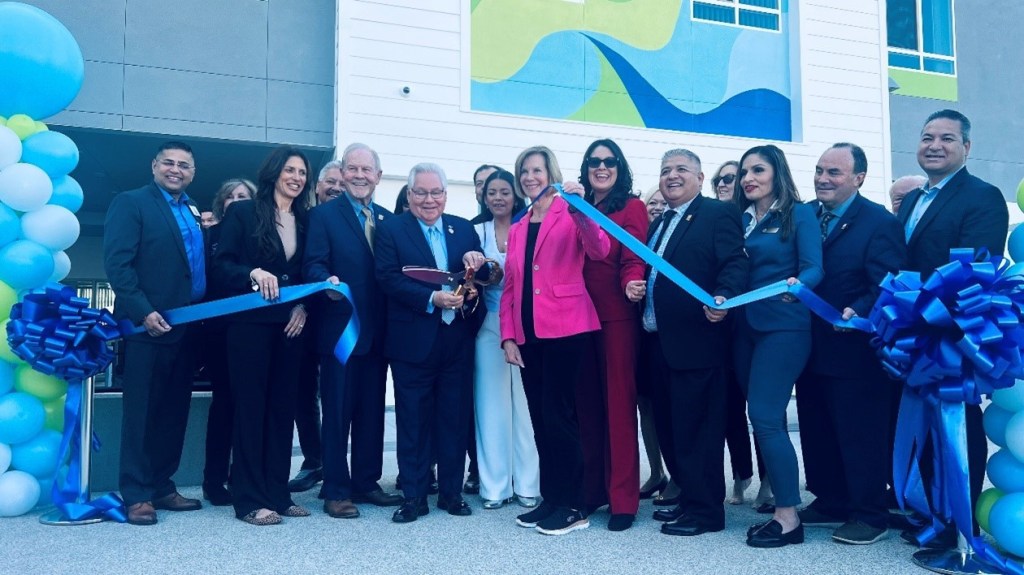
Además, St. Anne's Family Services organizó la colocación de la primera piedra (ver abajo) de un nuevo Program terapéutico residencial a corto plazo (STRTP, por sus siglas en inglés) llamado STRTP FOR ONE, que anualmente ofrece Program de vivienda de apoyo de alta calidad, educación infantil temprana, salud mental y servicios familiares a miles de mujeres jóvenes, niños y familias en el condado Los Angeles .
Ambos proyectos fueron financiados por la Ronda 5 del Programde Infraestructura para el Continuo de la Salud Conductual (BHCIP) DHCS . El Departamento de Servicios de Atención Médica y Comunitaria (DHCS) otorgó a The Whole Child—Mental Health and Housing Services más de 6 millones de dólares y a St. Anne’s Family Services más de 2 millones de dólares a través del BHCIP, que forma parte del compromiso continuo de California para ampliar los servicios de salud conductual para todos los californianos. Con la aprobación de la Proposición 1, se financiarán y construirán aún más centros de tratamiento de salud conductual en 2025 y 2026.
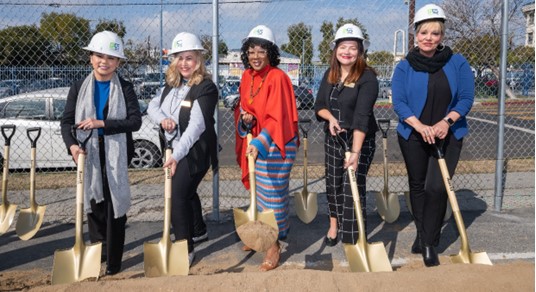
“Ampliar los servicios de atención de salud mental comunitarios es una prioridad absoluta para el DHCS”, declaró Michelle Baass, directora del DHCS. “Las residencias como estas son un componente vital de los esfuerzos de California para brindar atención de alta calidad y con enfoque en el trauma a las personas y familias que más la necesitan.”
EL NIÑO EN SU TOTALIDAD: SERVICIOS DE SALUD MENTAL Y VIVIENDA: El proyecto del Centro de Sanación y Bienestar para Familias sin Hogar y la Comunidad ofrece servicios adaptados a las necesidades de los niños, jóvenes y familias sin hogar en el área Los Angeles , con un enfoque en el trauma y la sensibilidad cultural. Además de los servicios de asesoramiento ambulatorio, el centro apoya educación vocacional, de salud mental, gestión de vivienda, educación para padres y nutrición. El conjunto completo de servicios de salud mental del centro incluye psicoterapia individual, familiar y grupal, gestión de medicación, pruebas psicológicas, servicios psiquiátricos, gestión de casos, servicios de intervención en crisis, servicios vinculados a la escuela para proporcionar evaluación y terapia a estudiantes en las escuelas, equipos multidisciplinares de evaluación y acogida especializada. Las prácticas basadas en la evidencia incluyen la terapia cognitivo-conductual centrada en el trauma, la terapia cognitivo-conductual individual, el Program Triple P de crianza positiva, la gestión y adopción de prácticas, la psicoterapia para padres e hijos, el programa Incredible Years, la terapia de sustitución de la agresión y la psicoterapia interpersonal.
"Como líder regional en salud mental y bienestar infantil, sabemos de primera mano cómo el trauma y el dolor infantil pueden acompañar a los niños hasta la edad adulta", dijo la CEO de The Whole Child, Constanza Pachon. "Sin embargo, también sabemos que el tratamiento a una edad temprana puede tener un efecto enormemente positivo, proporcionando a niños y adolescentes las herramientas y habilidades de afrontamiento que necesitan para comenzar su proceso de sanación. Este centro, construido con fondos de BHCIP, será un faro de esperanza para nuestra comunidad."
STRTP PARA UNO: St Anne's Family Services diseñó STRTP PARA UNA con una sola cama, que ofrece una atención altamente individualizada y completa a madres jóvenes de 13 a 17 años que están en riesgo de múltiples acogidas, quedar sin hogar y encarcelar debido a sus complejas necesidades de salud mental o conductual. El Program cuenta con un equipo de profesionales clínicos altamente coordinados y con formación en trauma, que brindan intervenciones centradas en el cliente y basadas en sus fortalezas, dentro de un entorno hogareño. El Program tiene como objetivo dotar a estos jóvenes de herramientas para abordar sus traumas complejos, fomentar habilidades para la vida independiente y desarrollar habilidades parentales en tiempo real con apoyo natural.
“Estamos encantados de colaborar con DHCS para abordar las necesidades críticas de salud mental de las familias jóvenes de nuestra comunidad”, dijo Lorna Little, MSW, presidenta y directora ejecutiva de St. Anne's Family Services. “Estamos en una posición privilegiada para brindar servicios especializados a mujeres jóvenes en crisis: mujeres embarazadas o con hijos, que buscan reunir con sus familiares y aprender a estabilizar dentro de nuestro Program para lograr una transición exitosa.”
POR QUÉ EL BHCIP ES IMPORTANTE: A través de BHCIP, el DHCS otorga a las entidades elegibles fondos para construir, adquirir y expandir propiedades e invertir en infraestructura móvil de crisis para ampliar aún más la gama de opciones de tratamiento de salud conductual basadas en la comunidad para personas con necesidades de tratamiento de salud mental concurrentes y trastornos por uso de sustancias. BHCIP está abordando las brechas históricas en el sistema de atención de la salud conductual para satisfacer la creciente demanda de servicios y apoyos a lo largo de la vida de las personas necesitadas.
DHCS has awarded $1.7 billion in BHCIP competitive grants. In addition, DHCS will distribute up to $4.4 billion in competitive Bond BHCIP funding, including $3.3 billion for Round 1: Launch Ready grants as part of Behavioral Health Transformation, DHCS’ work to implement Proposition 1. DHCS holds regular public listening sessions on this effort. Updates and recordings of the sessions are available on the Behavioral Health Transformation webpage.
ACERCA DE LA RONDA 5 DE BHCIP: CRISIS Y SALUD CONDUCTUAL CONTINUUM: La Ronda 5 de la BHCIP se desarrolló, en parte, a través de una evaluación estatal de necesidades que identificó carencias significativas en los servicios de crisis disponibles. Esta evaluación mostró la necesidad de un mejor sistema de atención en crisis para reducir las visitas a urgencias, hospitalizaciones y encarcelamientos. Los 33 premios, que suman un total de 430 millones de dólares, se están empleando para construir y ampliar centros de atención de crisis y de salud mental en todo el estado, y beneficiarán a los californianos vulnerables de todas las edades, incluidos los afiliados a Medi-Cal.
###
Oficina de Comunicaciones
(916) 440-7660
DHCSPress@dhcs.ca.gov
La nueva hoja de ruta describe estrategias para crear un sistema más equitativo y centrado en el paciente para las mujeres embarazadas y en el posparto
Sacramento – El Department of Health Care Services (DHCS)) publicó hoy el reporte "Birming Care Pathway" (Vía de Atención al Parto), un plan integral para mejorar la atención a la maternidad para los miembros Medi-Cal . Esta hoja de ruta abarca el recorrido de todas las afiliadas a Medi-Cal embarazadas y en el periodo posparto, desde la concepción hasta los 12 meses posteriores al parto, con el objetivo de lograr una atención accesible, equitativa y centrada en la paciente.
“El Programa de Atención al Parto representa un paso fundamental en el compromiso de California para mejorar la salud materna”, dijo la directora del DHCS, Michelle Baass. “Al priorizar las experiencias de nuestros miembros, alinear las políticas con recomendaciones prácticas y fortalecer las alianzas entre los distintos sectores, nuestro objetivo es garantizar que todos los afiliados a Medi-Cal tengan acceso a una atención de maternidad segura, equitativa e integral.”
OBJETIVOS CLAVE: El reporte "Vía de Atención al Parto" detalla las políticas que DHCS implementó o está en proceso de implementar para brindar apoyo a todas las mujeres embarazadas y puérperas inscritas en Medi-Cal. Además, el reporte identifica oportunidades para futuras exploraciones.
La Vía de Atención al Parto prioriza:
El Programa de Atención al Parto trabajará para lograr estos objetivos transformando la política de maternidad de Medi-Cal para crear un enfoque centrado en el afiliado para la atención prenatal y posparto que se adapte a las necesidades de los afiliados y brinde una atención integral que aborde la salud conductual y las necesidades sociales, además de las necesidades médicas. DHCS revisará y modernizará las políticas existentes Medi-Cal para brindar a los convertidos en miembro una mayor variedad de proveedores y servicios de apoyo para la maternidad, como doulas, trabajadores de salud comunitarios y otros, y creará vínculos fundamentales entre la atención médica y otros Program en todo el estado para facilitar que los afiliados obtengan la gama completa de servicios que necesitan.
Además, el DHCS atenderá las necesidades de poblaciones especiales que están embarazadas o en el periodo posparto, incluidas las personas involucradas con el sistema de justicia, las personas con graves problemas de salud mental y consumo de sustancias, las personas LGBTQI+ y las personas negras, indígenas americanas/nativas de Alaska e isleñas del Pacífico.
DHCS seguirá colaborando con los departamentos estatales, incluido el Departamento de Salud Pública California (CDPH) y la Oficina del Cirujano General California (OSG), los proveedores de atención materna y servicios sociales, los líderes estatales y locales, los planes Medi-Cal Managed Care (MCP), los defensores de la equidad en el parto y otros socios para implementar las políticas de la Vía de Atención al Parto descritas en el reporte. Seguir involucrando a un conjunto diverso de socios para implementar y desarrollar aún más la Vía de Atención al Parto será vital para alinear las numerosas iniciativas de maternidad que se están llevando a cabo y que no queden aisladas.
“Mediante un enfoque integral que abarca a la persona en su totalidad, California no solo está mejorando la salud perinatal, sino que estamos estableciendo un nuevo y audaz estándar de atención que brinda mejores resultados para las familias en todo el estado”, dijo la Cirujana General de California, Dra. Diana Ramos. "La Vía de Atención al Parto es una incorporación vital a los esfuerzos del estado que impulsan la salud perinatal, basar en el trabajo innovador y colaborativo que ya se está llevando a cabo."
“Tras prestar servicios a comunidades rurales a lo largo de mi carrera, sé que brindar acceso a los servicios desde la concepción hasta el primer año posparto siempre fue un desafío”, dijo el Dr. Robert Moore, Director Médico de Partnership HealthPlan of California. “Las colaboraciones como la del Programa de Atención al Parto del DHCS son vitales para reunir a múltiples socios y partes interesadas con el fin de encontrar soluciones. Toda la comunidad debe implicar en este tema para lograr un progreso duradero."
POR QUÉ ESTO ES IMPORTANTE: Casi uno de cada ocho nacimientos en Estados Unidos ocurre en California, y el 40 por ciento de esos nacimientos están cubiertos por Medi-Cal. Si bien California tiene actualmente la tasa de mortalidad materna más baja del país, las beneficiarias de Medi-Cal presentan una tasa de mortalidad materna más alta que las personas con seguro médico privado.
Si bien la Guía de Atención al Parto establece una estrategia a largo plazo para transformar la atención a la maternidad en Medi-Cal, muchos servicios y apoyos ya están disponibles para las afiliadas embarazadas y en el periodo posparto. Los afiliados a Medi-Cal pueden acceder a una atención integral de maternidad, que incluye visitas prenatales y posparto, servicios de doula, atención de salud mental y apoyo a la lactancia, a través de su Health Plan y Provider Network. El DHCS mantiene su compromiso de mejorar y ampliar estos servicios como parte del trabajo continuo para implementar la Ruta de Atención al Parto.
SOBRE LA VÍA DE ATENCIÓN AL PARTO: La Vía de Atención al Parto incluye recomendaciones políticas que abordan las necesidades físicas, conductuales y sociales relacionadas con la salud de las personas embarazadas y posparto. Entre las oportunidades se incluyen mejorar el acceso a los proveedores, fortalecer la atención clínica y la coordinación de la atención, brindar atención integral a la persona y modernizar la forma en que Medi-Cal paga la atención de maternidad.
El Programa de Atención al Parto forma parte de un compromiso plurianual para transformar la salud materna en California, y la reforma de la salud materna ya está en marcha. El DHCS está implementando el modelo federal de diez años para la Transformación de la Salud Materna (TMaH, por sus siglas en inglés) en cinco condados del Valle Central: Kern, Fresno, Kings, Tulare y Madera. TMaH es un modelo de capacidad y pago diseñado para evaluar si la implementación efectiva de
basadas
la evidencia, respaldada por un modelo de pago basado en el valor, puede mejorar los resultados maternos y reducir los gastos Program Medi-Cal .PROCESO COLABORATIVO: La Ruta de Atención al Parto refleja un esfuerzo de colaboración entre las mujeres embarazadas y puérperas beneficiarias de Medi-Cal, socios estatales y una variedad de proveedores de atención médica y servicios sociales, organizaciones comunitarias y defensores, lo que garantiza un enfoque político informado por la comunidad para el futuro del parto y la atención de la salud materna en California. Además, la Fundación para la Atención Médica de California y la Fundación David y Lucile Packard proporcionaron financiación para apoyar la participación y la elaboración de reportes. Las principales aportaciones de los afiliados a Medi-Cal pusieron de relieve necesidades críticas, como el respeto a las preferencias de parto, el acceso a una atención médica acorde con la raza y la cultura de cada persona, un mejor apoyo a la salud mental y una mejor coordinación de la atención. Las experiencias de los miembros influyeron directamente en las recomendaciones políticas del camino. Para más información, por favor visite la sitio web de la Vía de Atención al Parto.
"Aprender sobre la Vía de Atención al Parto me dio una sensación de alivio y esperanza porque significaba que podía cuidar de mi salud y la de mi bebé sin agregar más estrés", dijo M. Thao, madre de un bebé de 11 meses. “Cada vez que pedí ayuda para acceder a los recursos y para inscribirme en el Program, recibí una orientación clara de Medi-Cal. Esa sensación de saber que todo saldrá bien es algo con lo que espero que todas las madres que van a dar a luz en California puedan contar.
UNA VISIÓN MÁS AMPLIA PARA LA SALUD MATERNA: DHCS trabajará con profesionales de la salud maternoinfantil, proveedores, organizaciones comunitarias y otras partes interesadas para implementar los elementos del Modelo TMaH, que están alineados con la Ruta de Atención al Parto y son complementarios a ella. Además, el DHCS está trabajando con la Colaboración para la Calidad de la Atención Materna de California, el CDPH y la OSG para desarrollar un Plan Estratégico de Salud Materna para septiembre de 2025 con el fin de mejorar la salud materna en todo California.
###
Oficina de Comunicaciones
(916) 440-7660
DHCSPress@dhcs.ca.gov
Los servicios de salud conductual se expanden a 4,800 personas anualmente
Sacramento — El 23 de enero de 2025, el Department of Health Care Services (DHCS)) y Sierra Vista Child & Family Services celebraron la apertura de una nueva instalación en el condado Stanislaus para cerrar las brechas en el tratamiento de la salud mental y el trastorno por uso de sustancias (SUD). El Centro de Bienestar Comunitario y Prevención Juvenil proporcionará servicios vitales de salud conductual, incluyendo prácticas de justicia restaurativa para jóvenes, asesoramiento en salud mental, servicios de embarazo y posparto, servicios de apoyo a familias y padres, y otros servicios integrados.
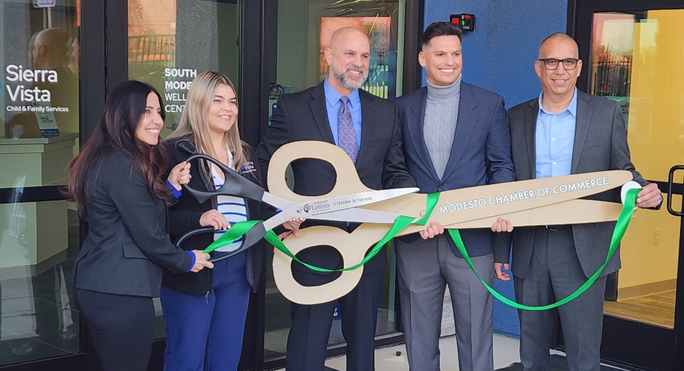
El Departamento de Servicios de Salud y Atención a la Infancia DHCS , por sus siglas en inglés) otorgó a Sierra Vista Child & Family Services más de 4,6 millones de dólares a través del Programde Infraestructura para la Atención Continua de la Salud Conductual (BHCIP, por sus siglas en inglés), que trabaja para garantizar una atención integral de la salud conductual para las personas más vulnerables de California . Se prevé que el centro preste servicio a 4.800 personas al año. Con la aprobación de los bonos de la Proposición 1, en 2025 y 2026 se financiarán y construirán aún más centros de tratamiento de salud mental .
“El Centro de Bienestar Comunitario y Prevención Juvenil es una parte importante de los esfuerzos de California para brindar atención médica integral y de alta calidad a las comunidades rurales y desatendidas”, dijo Michelle Baass, directora del DHCS. “La apertura de este centro supone un cambio radical para las personas que buscan servicios de salud mental dignos e integrales en el condado de Stanislaus.”
“Nuestra misión es fortalecer a las familias y las comunidades”, dijo Andrew Timbie, director ejecutivo de Sierra Vista Child & Family Services. “Creemos que nuestras iniciativas estratégicas para materializar esa misión se materializan eficazmente en la inversión y el desarrollo continuo de nuestro Centro de Bienestar Comunitario y Prevención Juvenil en el corazón del condado de Stanislaus, un barrio vulnerable y con dificultades.”
SERVICIOS PARA NIÑOS Y FAMILIASSierra Vista : Los Servicios para Niños y Familias de Sierra Vista ofrecen una amplia gama de servicios, que incluyen Gestión de Cuidados Mejorada, tutoría, Program terapéutico residencial a corto plazo para jóvenes en hogares de acogida y Program de tratamiento para trastornos por consumo de sustancias perinatales.
El nuevo Centro de Bienestar Comunitario y Prevención Juvenil se construyó empleando fondos de BHCIP para generar un cambio duradero en la vida de los niños, las familias y toda la comunidad de Stanislaus. El centro atiende a niños y jóvenes menores de 25 años de poblaciones desfavorecidas y en riesgo, incluidas personas involucradas en el sistema de justicia juvenil con pocos delitos, así como a sus familiares. Los servicios incluyen evaluaciones basadas en fortalezas, servicios integrales de gestión de casos, enlaces a recursos comunitarios locales, educación y apoyo al bienestar familiar y de cuidadores, cribados de salud mental y servicios para embarazos y posparto.
POR QUÉ ES IMPORTANTE EL BHCIP: A través del BHCIP, el DHCS otorga financiación a entidades elegibles para construir, adquirir y ampliar propiedades e invertir en infraestructura móvil para crisis, con el fin de ampliar aún más la gama de opciones de tratamiento de salud conductual basadas en la comunidad para personas con trastornos de salud mental y de consumo de sustancias. BHCIP está abordando las brechas históricas en el sistema de salud conductual para satisfacer la creciente demanda de servicios y apoyo a lo largo de la vida de las personas necesitadas. Sierra Vista Child & Family Services recibió financiación de la cuarta ronda de subvenciones del programa BHCIP: Niños y jóvenes .
DHCS has awarded $1.7 billion in BHCIP competitive grants. In addition, DHCS will distribute up to $4.4 billion in competitive Bond BHCIP funding, including $3.3 billion for Round 1: Launch Ready grants as part of Behavioral Health Transformation, DHCS’ work to implement Proposition 1. DHCS holds regular public listening sessions on this effort. Updates and recordings of the sessions are available on the Behavioral Health Transformation webpage.
ACERCA DE BHCIP RONDA 4: NIÑOS Y JÓVENES: La cuarta ronda de la BHCIP se centró en californianos de 25 años o menos, incluidas mujeres embarazadas y posparto y sus hijos, así como en jóvenes en edad de transición de 18 a 25 años, junto con sus familias. Gracias a la financiación proporcionada por la Iniciativa de Salud Conductual para Niños y Jóvenes de California , las 52 subvenciones, que suman un total de 480,5 millones de dólares, permitieron la construcción de nuevos centros y la ampliación de diversos tipos de instalaciones ambulatorias y residenciales, incluidos Program residenciales para niños en situación de crisis, centros residenciales perinatales para trastornos por consumo de sustancias, centros comunitarios de bienestar/prevención juvenil y tratamiento ambulatorio para trastornos por consumo de sustancias. Por favor, consulte la sitio web de la BHCIP para más información sobre los beneficiarios de subvenciones y detalles adicionales sobre todas las rondas de financiación de la BHCIP.
###
Oficina de Comunicaciones
(916) 440-7660
DHCSPress@dhcs.ca.gov
El proyecto añade dieciséis nuevas camas de relevo para personas que esperan o abandonan el tratamiento residencial
Sacramento — El 29 de enero de 2025, el Department of Health Care Services (DHCS) asistió a la inauguración en el condado de Placer de un nuevo centro de respiro entre pares para adultos con capacidad para 16 personas, que ofrece un entorno seguro, de apoyo y hogareño para adultos que esperan ser ubicados en Program de tratamiento residencial o que salen de dicho Program para pasar a un nivel de atención inferior. El centro, denominado "The Harbor", comenzará a recibir clientes el 3 de febrero a través de un sistema de derivación gestionado por el equipo de tratamiento de adicciones del condado de Placer.
El Departamento de Servicios de Salud y Atención Social DHCS por sus siglas en inglés) otorgó al condado Placer casi 400.000 dólares a través del Programde Infraestructura para la Atención Continua de la Salud Mental (BHCIP, por sus siglas en inglés), que forma parte del compromiso continuo de Californiapara ampliar los servicios de salud mental para todos los californianos. Con la aprobación de la Proposición 1, se financiarán y construirán aún más centros de tratamiento de salud conductual en 2025 y 2026.
“Con demasiada frecuencia, los entornos de internamiento restrictivos son la única opción disponible para las personas que experimentan una crisis de salud mental”, dijo Michelle Baass, directora del DHCS. “Los centros comunitarios, centrados en el trauma y en la resiliencia, como The Harbor, tienen el potencial de revolucionar el enfoque de California hacia el tratamiento y la recuperación de la salud mental.”
EL PUERTO: Las nuevas instalaciones incluirán un servicio de respiro entre pares diseñado para complementar el sistema de tratamiento organizado de Medi-Cal para el tratamiento de adicciones del condado de Placer (DMC-ODS), al proporcionar un entorno estructurado para las personas que abandonan centros residenciales o que están a la espera de ser ubicadas en ellos. Los residentes participarán en actividades de recuperación de autoayuda y, potencialmente, también en atención ambulatoria.
Services provided include ongoing needs assessment across the behavioral health and physical health spectrums, case management, crisis management, trauma-informed individual and group therapy, peer-to-peer supportive services, linkage to cultural supports and services, and other necessary referral services for a safe and efficient discharge back into the community. These services are designed to provide less costly and less intrusive care than those offered in a hospital setting.
“The Harbor ofrecerá un entorno compasivo y de apoyo donde las personas podrán recuperar su fuerza, sanar y reconectar con su bienestar”, dijo Amy Ellis, directora de Salud Mental del Condado de Placer. “Estas instalaciones forman parte de los esfuerzos continuos del condado de Placer para construir y ampliar su infraestructura de salud mental con el fin de responder a las necesidades de las personas que lo requieren.”
POR QUÉ EL BHCIP ES IMPORTANTE: A través de BHCIP, el DHCS otorga a las entidades elegibles fondos para construir, adquirir y expandir propiedades e invertir en infraestructura móvil de crisis para ampliar aún más la gama de opciones de tratamiento de salud conductual basadas en la comunidad para personas con necesidades de tratamiento de salud mental concurrentes y trastornos por uso de sustancias. BHCIP está abordando las brechas históricas en el sistema de atención de la salud conductual para satisfacer la creciente demanda de servicios y apoyos a lo largo de la vida de las personas necesitadas.
El DHCS otorgó 1.700 millones de dólares en subvenciones competitivas del BHCIP. Además, DHCS distribuirá hasta 4.400 millones de dólares en fondos competitivos del programa Bond BHCIP, incluidos 3.300 millones de dólares para la Ronda 1: subvenciones listas para el lanzamiento, como parte de la Transformación de la Salud Conductual, el trabajo del DHCSpara implementar la Proposición 1. DHCS celebra sesiones públicas Regular de consulta sobre este esfuerzo. Las actualizaciones y grabaciones de las sesiones están disponibles en la sitio web de Transformación de la Salud Conductual.
ACERCA DE LA RONDA 3 DE BHCIP: LISTA PARA EL LANZAMIENTO: La ronda 3 de bhcip apoyó las actividades de preparación para planear la adquisición y expansión de la infraestructura de salud conductual en todo el estado. Las 45 instalaciones adjudicadas recibieron un total de 518,5 millones de dólares. Los solicitantes del programa BHCIP debían demostrar la ampliación de los servicios para los afiliados a Medi-Cal y contar con un proceso de planeación válido para garantizar que los proyectos estuvieran listos para su implementación.
###
Oficina de Comunicaciones
(916) 440-7660
DHCSPress@dhcs.ca.gov
Sacramento — El Department of Health Care Services (DHCS) otorgó 2,7 millones de dólares a 15 coaliciones locales a través de la Red de Prevención de Sobredosis California (COPN), una respetada red de aprendizaje estatal dedicada a combatir la epidemia de sobredosis. Esta financiación proporcionará un apoyo sostenido a las coaliciones que respaldan la misión de COPN de fortalecer las conexiones dentro de las comunidades y proporcionar acceso a conocimientos, formación y recursos para mejorar las prácticas y generar un cambio duradero.
“Tradicionalmente, el tratamiento del trastorno por consumo de opioides se llevó a cabo de forma aislada, con escasa conexión entre los proveedores y otras organizaciones, lo que provocó lagunas en la atención”, declaró Michelle Baass, directora del DHCS. “Esta financiación respaldará los esfuerzos de COPN para ayudar a coordinar coaliciones, organizaciones e individuos que trabajan en primera línea contra la epidemia de sobredosis en California, con el fin de priorizar las necesidades únicas y locales e implementar soluciones probadas que salven vidas.”
MARCANDO LA DIFERENCIA: Las quince coaliciones galardonadas emplearán esta financiación entre enero 1 2025y agosto 30 2027, para implementar estrategias que aborden la prevención, tratamiento y recuperación de sobredosis. Estos esfuerzos incluyen la distribución de naloxona, la ampliación del acceso a recursos que salvan vidas y la educación comunitaria, todo ello orientado a reducir las muertes por sobredosis y fomentar la recuperación a largo plazo en todo el estado.
POR QUÉ ES IMPORTANTE: Más de 7.000 californianos murieron por sobredosis de opioides en 2022. Más de 83.000 muertes por sobredosis relacionadas con opioides se producen cada año en todo el país, de las cuales el 90 por ciento están relacionadas con fentanilo.
IMPACTO DE LA SUBVENCIÓN: “Como resultado de esta financiación, nuestra coalición continuará brindando educación y concientización a la comunidad para reducir el uso de opioides y aumentar las oportunidades para la prevención de sobredosis”, dijo Jenn Rhoads, Coordinadora de la Coalición para la Seguridad contra los Opioides San Luis Obispo . "También mejoraremos el acceso a los proveedores para aumentar la disponibilidad de tratamientos y servicios de reducción de daños en todo el condado."
“Esta financiación reforzará las iniciativas actuales de nuestra coalición y ampliará nuestros esfuerzos para llegar a más poblaciones”, dijo Arthur Camargo, coordinador de la coalición Drug Safe Solano. "Específicamente, estos fondos nos permitirán ampliar los servicios de reducción de daños, la formación y distribución de naloxona, así como los eventos y formación de educación comunitaria. La financiación también apoyará los esfuerzos de nuestra coalición para actualizar y difundir recursos dirigidos a los prescriptores para recetar opioides y buprenorfina de forma más segura, y emplear nuestros datos para defender el uso óptimo de los fondos locales de liquidación de opioides."
Al fortalecer las conexiones y proporcionar recursos vitales, la red y la formación de COPN proporcionan a las coaliciones las herramientas y el apoyo necesarios para combatir eficazmente la epidemia de sobredosis.
VISIÓN MÁS AMPLIA: Este proyecto está financiado por la subvención estatal Opioid Response IV otorgada por la Administración de Servicios de Abuso de Sustancias y Salud Mental. Este proyecto forma parte de los esfuerzos más amplios del DHCS para abordar los trastornos por consumo de sustancias, conocidos colectivamente como el Proyecto de Respuesta a los Opioides de California, cuyo objetivo es aumentar el acceso a los tratamientos farmacológicos para el trastorno por consumo de opioides (MOUD, por sus siglas en inglés), reducir las necesidades de tratamiento no satisfechas y disminuir las muertes relacionadas con la sobredosis de opioides mediante la provisión de actividades de prevención, tratamiento y recuperación. Para obtener más información, visite sitio web DHCS.
El estado lanzó opioids.ca.gov, una herramienta integral para los californianos que buscan recursos para la prevención y el tratamiento, así como información sobre cómo California está trabajando para responsabilizar a las grandes farmacéuticas y a los narcotraficantes en esta crisis.
Las entidades elegibles podrán obtener gratuitamente el aerosol nasal de naloxona de 4 mg de venta libre (OTC) de la marca CalRxa través del Proyecto de Distribución de Naloxona del DHCS. CalRx está trabajando en una opción para que las personas puedan comprar directamente el spray nasal de naloxona de venta libre de CalRx.
###
Oficina de Comunicaciones
(916) 440-7660
DHCSPress@dhcs.ca.gov
Sacramento — The Department of Health Care Services (DHCS)) otorgó casi $65.4 millones a 91 organizaciones para fortalecer el sistema California Hub and Spoke, un modelo comprobado diseñado para aumentar el acceso a los medicamentos para los servicios de trastornos por uso de opioides (MOUD) en todo el estado. Estos fondos mejorarán los servicios de prevención, tratamiento y recuperación en todo el estado, avanzando en la lucha contra la crisis de opioides y salvando vidas.
“Para superar la epidemia de opioides, es necesario que todos los componentes de nuestro sistema de salud pública trabajen juntos para lograr la recuperación”, declaró Michelle Baass, directora del DHCS. “El sistema de centros y redes de colaboración fortalece la red de proveedores de prevención, reducción de daños, tratamiento y recuperación de California, al mejorar los servicios y recursos en las comunidades de todo el estado.”
The Hub and Spoke System consists of a network of Narcotic Treatment Programs (known as Hubs) licensed to dispense methadone and other MOUDs. These Hubs are connected to other MOUD prescribers (known as Spokes), which primarily provide various formulations of buprenorphine—a medication that reduces opioid cravings and withdrawal symptoms—and ongoing opioid use disorder (OUD) and substance use disorder (SUD) care and treatment.
POR QUÉ ESTO ES IMPORTANTE: Más de 7.000 californianos murieron por sobredosis de opioides en 2022. Más de 83.000 muertes por sobredosis relacionadas con opioides se producen al año en todo el país, más del 90% de las cuales están relacionadas con fentanilo. El Sistema Hub and Spoke aumenta el acceso a los servicios de Tratamiento Asistido con Medicación (MAT) en todo el estado, especialmente en los condados con las tasas de sobredosis más altas. Este Program se inspiró en el sistema Hub and SpokeVermont , que logró aumentar con éxito el acceso al tratamiento asistido con medicamentos en un estado rural con escasa infraestructura de tratamiento. El proyecto aumentó la disponibilidad de MAT para pacientes con TUO al incrementar el número total de médicos, asistentes médicos y enfermeros especialistas que prescriben buprenorfina.
El Sistema Hub and Spoke sigue mejorando la educación, la divulgación y el tratamiento para pacientes con SUDs y OUDs, con un enfoque particular en atender a poblaciones vulnerables y aumentar los servicios de MOUD. El sistema está diseñado para:
LO QUE ESTO SIGNIFICA: Noventa y una organizaciones recibirán premios para proporcionar servicios MOUD para implementar el sistema Hub and Spoke desde el 1de enero de 2025hasta el 29de septiembre de 2027. Los concesionarios incluyen Programas de Tratamiento de Narcóticos, Centros de Salud Federalmente Calificados, Clínicas de Salud Rurales, clínicas comunitarias, organizaciones sin fines de lucro y entidades tribales.
IMPACTO DE LA SUBVENCIÓN: “Esta financiación permite a Venice Family Clinic ofrecer apoyo vital a las personas con trastornos por consumo de sustancias, independientemente de su cobertura de seguro”, dijo Ariel Peterson, Directora de Gestión Program de Venice Family Clinic. "Esto incluye medicamentos para el trastorno por uso de opiáceos, asesoramiento, gestión de casos y transporte a desintoxicación o atención residencial."
“Nos sentimos honrados de recibir esta subvención para apoyar nuestro Program MAT para el trastorno por consumo de opioides, lo que nos permite seguir brindando servicios médicos y de asistencia esenciales a pacientes nativos americanos de alto riesgo”, dijo Judith Surber, gerente Program MAT del Centro Médico K'ima:w. “El Program MAT sigue siendo una parte integral de nuestro centro médico y de la comunidad en general a la que servimos. Esta financiación ayudará a expandir nuestro Program, reducir el estigma y disminuir la mortalidad por sobredosis de opioides en nuestra comunidad rural y tribal. Fomentando un entorno clínico estructurado, nuestro objetivo es empoderar a los pacientes para que reconstruyan sus vidas y contribuyan como miembros productivos de la sociedad, apoyando a sus familias y comunidades."
“Gracias al apoyo financiero del sistema Hub and Spoke, nuestros Program de tratamiento ambulatorio, residencial y de opioides pueden ofrecer un alcance más amplio a la comunidad sobre el tratamiento con medicamentos para el trastorno por consumo de opioides (MOUD, por sus siglas en inglés) que salva vidas, y brindar a más pacientes sin seguro o con seguro insuficiente un acceso equitativo al tratamiento asistido con medicamentos (MAT, por sus siglas en inglés)”, dijo AndreaNee, directora de evaluación de Clare|Matrix. "La financiación del Sistema Hub and Spoke es fundamental para apoyar a nuestros directores médicos, al personal de asesoramiento y enfermería a poder ofrecer el tratamiento de la más alta calidad a aún más pacientes con OUDs y trastornos por uso de estimulantes. Podremos mejorar el conocimiento y la conciencia sobre los beneficios e impacto de la MAT y reducir aún más el estigma mediante servicios integrales de educación y participación de pacientes."
PANORAMA GENERAL: El estado lanzó opioids.ca.gov, una herramienta integral para los californianos que buscan recursos para la prevención y el tratamiento, así como información sobre cómo California está trabajando para responsabilizar a las grandes farmacéuticas y a los narcotraficantes en esta crisis.
El Sistema Hub and Spoke se financia con la subvención estatal Opioid Response IV, otorgada por la Administración de Servicios de Abuso de Sustancias y Salud Mental. Este proyecto forma parte de los esfuerzos más amplios del DHCS para abordar los trastornos por consumo de sustancias, conocidos colectivamente como Respuesta a los Opioides de California, para aumentar el acceso a los tratamientos farmacológicos para el trastorno por consumo de opioides, reducir las necesidades de tratamiento no satisfechas y disminuir las muertes relacionadas con sobredosis de opioides a través de esfuerzos de prevención, tratamiento y recuperación. Para obtener más información, visite el sitio web de la Descripción general de la respuesta a los opioides del DHCS de California.
###
Oficina de Comunicaciones
(916) 440-7660
DHCSPress@dhcs.ca.gov
Sacramento — En respuesta a los incendios forestales del sur California , el Department of Health Care Services (DHCS)) aplicar y recibió la aprobación federal de la administración Biden-Harris de varias docenas de medidas de flexibilidad para prevenir interrupciones en la capacidad de atención médica, de modo que los afiliados a Medi-Cal puedan seguir recibiendo la atención que necesitan. Las exenciones 1135 permiten al Departamento de Salud y Servicios Humanos de EE. UU. (HHS) EXIMIR de varios requisitos administrativos para aumentar el acceso a los servicios médicos en tiempos de emergencia nacional. Las aprobaciones de exención 1135 permanecen vigentes durante toda la duración de la emergencia sanitaria declarada por el exsecretario de HHS Xavier Becerra, que es de 90 días.
“El DHCS está comprometido a ayudar a los californianos a acceder a la atención que necesitan durante esta devastadora crisis y a medida que las comunidades comienzan a resurgir y recuperar”, dijo el director estatal de Medicaid, Tyler Sadwith. “Las exenciones otorgadas por nuestros socios federales proporcionarán la flexibilidad necesaria para que los proveedores de atención médica puedan atender las necesidades inmediatas de los afiliados a Medi-Cal. Ya sea cerciorando el acceso continuo a los servicios clínicos en entornos alternativos, proporcionando flexibilidades específicas para servicios en casa y en la comunidad, o agilizando la inscripción de proveedores, estas medidas están diseñadas para eliminar barreras a la atención y apoyar tanto a los pacientes como a los proveedores de primera línea durante esta emergencia y durante todo el proceso de recuperación."
Las principales flexibilidades incluyen:
SOBRE LAS FLEXIBILIDADES: En virtud de las exenciones 1135, los Centros de Servicios Medicare y Medicaid (CMS) están flexibilizando temporalmente ciertos requisitos Medicare, Medicaid y Program de Seguro Médico Infantil para ayudar a los proveedores y centros de atención médica a responder ante una emergencia o un desastre. Las aprobaciones del Apéndice K brindan flexibilidades adicionales específicas para Program de servicios domiciliarios y comunitarios. Estas acciones están diseñadas para reducir las cargas administrativas y proporcionar flexibilidad en la capacidad de la atención sanitaria durante un momento crítico
OBTÉN AYUDA HOY: Los californianos pueden visitar CA.gov/LAFIRES, un centro de información y recursos de los gobiernos estatal, local y federal.
Covered California anunció recientemente un periodo de inscripción especial para los residentes de los condados de Los Angeles y Ventura . Este periodo especial de inscripción durará hasta el 8de marzo de 2025. Existen recursos disponibles a través del condado Los Angeles y del estado de California. De los 1,3 millones de californianos sin seguro médico que reúnen los requisitos para recibir subsidios a través de Covered California o que son elegibles para la cobertura de Medi-Cal, 356.000 residen en el sur de California.
California desarrolló recursos para ayudar a guiar a las personas durante los desastres y proporcionar información sobre los diferentes tipos de servicios federales, estatales y locales disponibles en California:
A través del portal BenefitsCal , los californianos pueden obtener y gestionar sus beneficios en línea. Esto incluye asistencia alimentaria (CalFresh, anteriormente cupones de alimentos), ayuda en efectivo (CalWORKs, Asistencia General, Program de Asistencia en Efectivo para Inmigrantes) y seguro médico asequible (Medi-Cal).
Las personas y los dueños de negocios que sufrieron pérdidas a causa de los incendios forestales en el sur de California pueden aplicar asistencia por desastre:
Si empleas un servicio de retransmisión, como un servicio de video retransmisor, un servicio telefónico con subtítulos u otros, da a FEMA el número de ese servicio.
ANTECEDENTES: En respuesta a los incendios forestales y al estado de emergencia y la orden ejecutiva proclamados por el gobernador Gavin Newsom el 7 2025 de enero, el DHCS implementó rápidamente flexibilidades administrativas clave para proteger a los afiliados a Medi-Cal en las regiones afectadas del estado.
DHCS gestiona Medi-Cal, la versión Californiade Medicaid, que proporciona cobertura médica a casi 15 millones de personas, incluidos casi 4 millones de miembros en el condado Los Angeles y más de 250.000 miembros en el condado Ventura . Si los afiliados a Medi-Cal necesitan ayuda, deben comunicar con su proveedor de atención médica o con su plan.
###
Oficina de Comunicaciones
(916) 440-7660
DHCSPress@dhcs.ca.gov