وبسایت رسمی ایالت کالیفرنیا
ترجمه کردن

ساکرامنتو - اداره خدمات درمانی کالیفرنیا (DHCS) همچنان به حفاظت از حریم خصوصی و رفاه همه اعضای Medi-Cal متعهد است. گزارشها و تحولات قانونی اخیر، نگرانیهای جدی را در مورد نحوه استفاده سازمانهای فدرال از دادههای Medicaid، از جمله اطلاعات شخصی بیش از ۱۴ میلیون کالیفرنیایی تحت پوشش Medi-Cal، ایجاد کرده است. ما میخواهیم آنچه را که میدانیم به اشتراک بگذاریم.
در دسامبر 29 ، 2025 ، یک دادگاه فدرال حکم داد که مراکز خدمات مدیکر و مدیکید (CMS) میتوانند اطلاعات محدودی را فقط در مورد افرادی که «به طور قانونی» در ایالات متحده «اقامت ندارند» با اداره مهاجرت و گمرک (ICE) به اشتراک بگذارند. با این حال، همچنان ابهاماتی وجود دارد زیرا دولت فدرال هیچ اطلاعاتی در مورد چگونگی اجرای حکم دادگاه به کالیفرنیا ارائه نکرده است. ما این صفحه را با اطلاعات بیشتر به محض در دسترس قرار گرفتن، بهروزرسانی خواهیم کرد.
اطلاعاتی که ممکن است در مورد افرادی که «اقامت قانونی» در ایالات متحده ندارند به اشتراک گذاشته شود شامل وضعیت شهروندی یا مهاجرت، آدرس، شماره تلفن، تاریخ تولد و شناسه Medicaid است. CMS باید هر کسی را که «به طور قانونی» در ایالات متحده اقامت دارد، از این فهرست حذف کند. اگر دادههای افرادی که به طور قانونی در ایالات متحده اقامت ندارند، از دادههایی که هنوز محافظت میشوند (مثلاً دادههای ساکنان دائمی قانونی، دادههای شهروندان ایالات متحده، سوابق حساس سلامت و غیره) قابل تفکیک نباشند، CMS نمیتواند دادهها را با ICE به اشتراک بگذارد. این محدودیتها در حالی که دعوی قضایی چند ایالتی در جریان است، همچنان پابرجا هستند.
طبق قانون فدرال، DHCS موظف است گزارشهای ماهانه را از طریق سیستم اطلاعات آماری دگرگونشدهی مدیکید (T-MSIS) به CMS ارسال کند. این گزارشها شامل جزئیات جمعیتشناختی و واجد شرایط بودن اولیه، مانند نام، آدرس، تاریخ تولد، شماره تأمین اجتماعی (در صورت ارائه) یا شناسه Medicaid و وضعیت مهاجرت، برای هر عضو Medi-Cal است. اگرچه حکم دادگاه به CMS اجازه میدهد دادههای محدودی را تحت شرایط خاص به اشتراک بگذارد، DHCS همچنان به حفاظت از حریم خصوصی اعضا متعهد است و تحولات را از نزدیک زیر نظر دارد.
با به اشتراک گذاشتن دادهها برای اهداف اجرای قوانین مهاجرت، CMS تعهد ۶۰ ساله خود را برای حفاظت از سلامت و رفاه میلیونها خانواده زیر پا گذاشته است. اشتباه نکنید: این یک نقض فاحش اعتماد عمومی است. هیچ کس نباید مجبور شود با ترس از مراجعه به پزشک یا مراجعه به اورژانس زندگی کند.
لغو پوشش Medi-Cal امروز، اطلاعاتی را که قبلاً برای اجرای مهاجرت ارسال شده است، پاک نمیکند. افرادی که نگران نحوه استفاده دولت فدرال از اطلاعات شخصیشان برای اهداف مهاجرتی هستند، لطفاً با یک وکیل واجد شرایط یا یک سازمان غیرانتفاعی واجد شرایط کمکهای حقوقی مشورت کنند.
ما متعهد به شفافیت، حفظ حریم خصوصی و اطمینان از این هستیم که همه ساکنان کالیفرنیا، صرف نظر از وضعیت مهاجرت، در دسترسی به مراقبتهای مورد نیاز خود احساس امنیت کنند. ما به تعامل با شرکای اجتماعی، به اشتراکگذاری بهروزرسانیها و دفاع از سلامت، رفاه و حریم خصوصی همه اعضای Medi-Cal ادامه خواهیم داد.
بهروزرسانیشده در ۲ ژانویه ۲۰۲۶
###
دفتر ارتباطات
(916) 440-7660
DHCSPress@dhcs.ca.gov
این پروژه سالانه به ۷۶۶۵ نفر خدمات ارائه خواهد داد
ساکرامنتو - همزمان با تقویت سیستم مراقبتهای بهداشتی رفتاری کالیفرنیا، وزارت خدمات مراقبتهای بهداشتی (DHCS) و سازمان Safe Passages امروز مراسم افتتاحیه یک مرکز جدید سلامت جامعه و پیشگیری از آسیبهای جوانان در اوکلند را جشن گرفتند. این مرکز که با بودجهای تقریباً ۹ میلیون دلاری از طریق برنامه زیرساختهای زنجیره سلامت رفتاری (BHCIP) دور چهارم: کودکان و نوجوانان تأمین مالی میشود، مدلهای خدمات سلامت روان مبتنی بر جامعه را سالانه به ۷۶۰۰ نفر در محیط سرپایی ارائه خواهد داد.
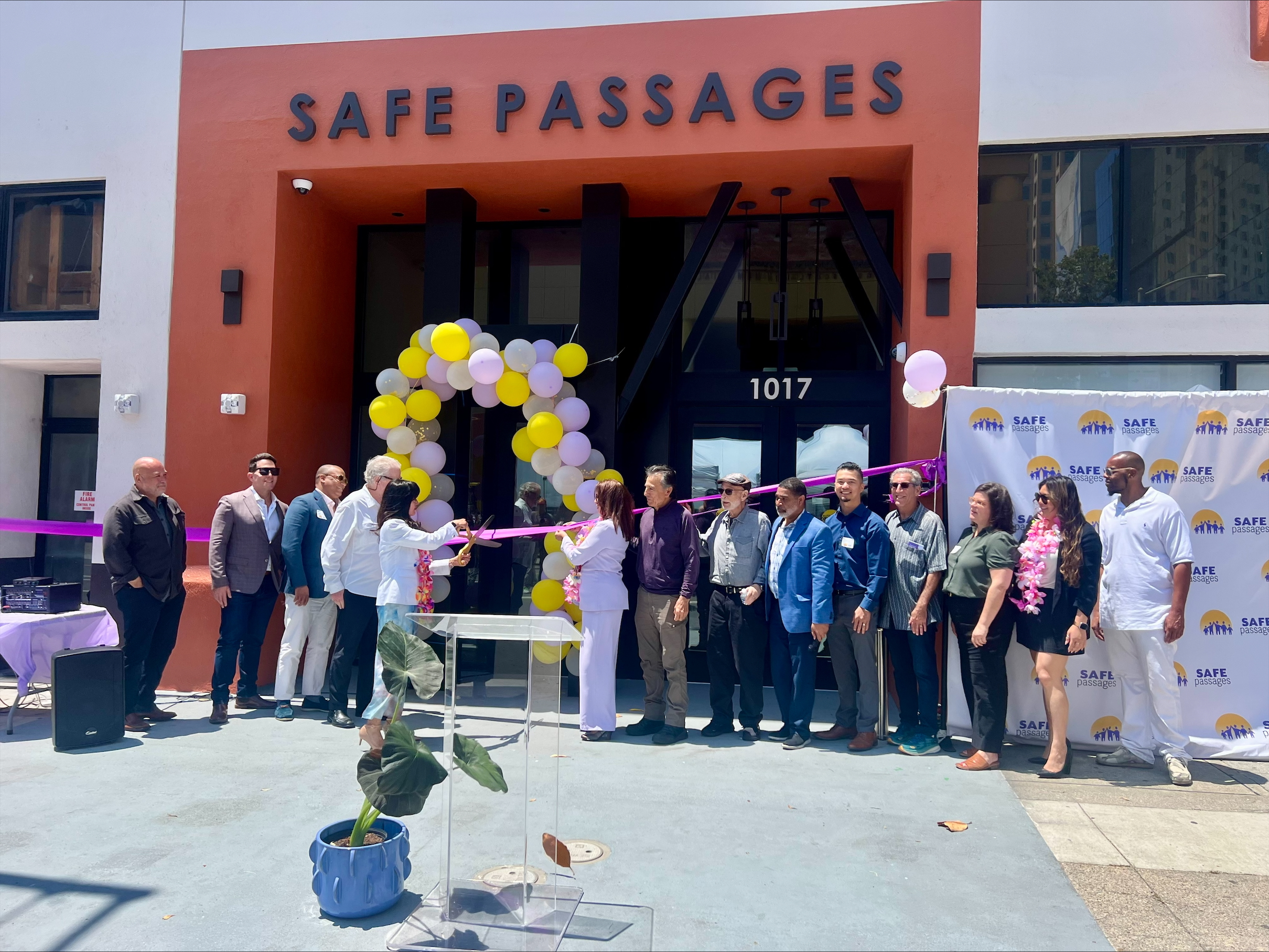
«افتتاح مرکز سلامت و پیشگیری جامعهی گذرگاههای امن، سرمایهگذاری بزرگی برای آیندهی کودکان و نوجوانان ماست.» میشل باس، مدیر DHCS، گفت: «هر کودکی حق دارد از ابزارهایی که برای رسیدن به تمام پتانسیل خود نیاز دارد، صرف نظر از نژاد، وضعیت اجتماعی-اقتصادی یا معلولیت، برخوردار باشد.» «ما از تلاشهای جامعهمحوری که فضاهای امن و شفابخشی ایجاد میکنند که در آنها جوانان میتوانند به مراقبت، پشتیبانی و فرصتهای مورد نیاز برای پیشرفت دسترسی داشته باشند، حمایت میکنیم.» این مرکز به عنوان یک مرکز حیاتی برای مداخله و پیشگیری زودهنگام عمل خواهد کرد و به کودکان و خانوادهها کمک میکند تا تابآوری و رفاه مادامالعمر خود را ایجاد کنند.
مرکز سلامت و پیشگیری جامعهی گذرگاههای امن: این مرکز خدمات سلامت روان را برای کودکان و نوجوانان شهرستان آلامدا از بدو تولد تا اوایل بزرگسالی، با تمرکز بر جمعیتهای پرخطر، ارائه خواهد داد. این مرکز توسعهیافته، برنامههای توسعه دوران کودکی را ارائه خواهد داد که شامل خدمات مادرانه و آموزش فرزندپروری است که توسط متخصصان سلامت روان دوران کودکی اجرا میشود و برگرفته از جامعه، مبتنی بر تحقیق و به عنوان بهترین شیوهها اثبات شده است. این برنامهها شامل برنامه مربیگری زندگی، برنامههای سلامت روان دوران بارداری و اوایل کودکی، رواندرمانی والد-کودک، برنامههای بارداری و پس از زایمان، برنامههای فرزندپروری، برنامههای رشد و توسعه جوانان در حال گذار، مشاوره فردی و گروهی و جلسات کاوش شغلی میشود.
جوزفینا آلوارادو منا، مدیرعامل سیف پسجز، گفت: «بیش از ۲۹ سال است که سیف پسجز متعهد به شکستن چرخه فقر در جوامع ما و حمایت از خانوادهها و جوانان برای مشارکت در توسعه راهحلها و مسیرهای خودمان بوده است.» «این مرکز تندرستی، فضایی برای گردهمایی و پناهگاهی امن است که در آن میتوانیم جامعهای بسازیم، با هم به اشتراک بگذاریم و با هم رشد کنیم.»
چرا این موضوع مهم است: تقریباً از هر ۱۳ کودک و نوجوان کالیفرنیایی، ۱ نفر دچار اختلال عاطفی جدی میشود. از طریق BHCIP، DHCS به نهادهای واجد شرایط بودجهای برای ساخت، تملک و گسترش املاک و سرمایهگذاری در زیرساختهای بحران تلفن همراه اعطا میکند و به جوامع کمک میکند تا تقاضای رو به رشد را برآورده کرده و شکافهای خدماتی تاریخی را پر کنند. این سرمایهگذاریها به ویژه در جوامع روستایی بسیار حیاتی هستند و تضمین میکنند که مردم میتوانند بدون نیاز به طی مسافتهای طولانی به مراقبتهای به موقع و نجاتبخش دسترسی داشته باشند.
BHCIP بخشی از تعهد مداوم کالیفرنیا برای گسترش خدمات سلامت رفتاری برای همه کالیفرنیاییها است. DHCS مبلغ ۱.۷ میلیارد دلار کمک هزینه رقابتی BHCIP اعطا کرده است. علاوه بر این، DHCS در حال توزیع تا سقف ۴.۴ میلیارد دلار بودجه رقابتی Bond BHCIP است، از جمله ۳.۳ میلیارد دلار برای دور اول: کمکهای مالی Launch Ready به عنوان بخشی از تحول سلامت رفتاری ، کار DHCS برای اجرای گزاره ۱. DHCS اخیراً Proposition 1 Bond BHCIP Round 2: Uncommitment Needs Request for Applications (RFA) را منتشر کرده است . سازمانهای واجد شرایط میتوانند برای ساخت، تملک یا بازسازی املاکی که خدمات سلامت رفتاری را برای اعضای Medi-Cal و سایر کالیفرنیاییهای نیازمند گسترش میدهند، درخواست بودجه کنند. DHCS بیش از ۸۰۰ میلیون دلار کمک مالی برای حمایت از مراکز اجتماعی برای مراقبت از سلامت روان و اختلال مصرف مواد اعطا خواهد کرد.
درباره BHCIP راند 4: کودکان و جوانان: دور چهارم BHCIP ، بخشی از طرح ابتکاری سلامت رفتاری کودکان و نوجوانان ، نه تنها بر کودکان و نوجوانان، بلکه بر همه ساکنان کالیفرنیا در سنین ۲۵ سال و کمتر، از جمله زنان باردار و زایمان کرده و فرزندانشان و جوانان ۱۶ تا ۲۵ ساله در سن گذار به بلوغ، به همراه خانوادههایشان تمرکز دارد. ۵۲ جایزه که در مجموع ۴۸۰.۵ میلیون دلار میشود، امکان ساخت و توسعه جدید انواع مراکز سرپایی و اقامتی، از جمله برنامههای اقامتی بحران کودکان، مراکز اقامتی اختلال مصرف مواد در دوران بارداری، مراکز پیشگیری از سلامت جامعه/جوانان و درمان سرپایی اختلال مصرف مواد را فراهم میکند. برای اطلاعات بیشتر در مورد دریافتکنندگان کمکهزینه و جزئیات بیشتر در مورد تمام دورههای تأمین مالی BHCIP، لطفاً به وبسایت BHCIP مراجعه کنید.
###
دفتر ارتباطات
(916) 440-7660
DHCSPress@dhcs.ca.gov
ساکرامنتو - اداره خدمات درمانی کالیفرنیا (DHCS) امروز از در دسترس بودن دادههایی خبر داد که نشان میدهد حمایتهای اجتماعی Medi-Cal موفق و مقرون به صرفه هستند. دادهها نشان میدهد که برنامههای حمایت اجتماعی به وعده خود برای رسیدگی به نیازهای اعضای مدی-کال عمل میکنند - کاهش مراجعات قابل اجتناب به اورژانس، بستری شدن در بیمارستان و استفاده از مراقبتهای طولانی مدت، در حالی که نشانههای اولیه قوی از صرفهجویی در هزینهها را نشان میدهند. هر ۱۲ طرح حمایت اجتماعی مورد مطالعه، در حال کاهش هزینهها هستند و از این تعداد، ۹ طرح در دوره اولیه مطالعه، مقرونبهصرفه بودن خود را نشان دادهاند. پیشبینی میشود سه مورد باقیمانده در یک دوره مطالعه طولانیتر، مطابق با قوانین فدرال برای ارزیابی مقرونبهصرفه بودن، به آن آستانه برسند.
میشل باس، مدیر DHCS، گفت: «حمایت های اجتماعی نمایانگر یک تغییر اساسی در نحوه ارائه خدمات بهداشتی به کالیفرنیایی هاست که کیفیت مراقبت را برای اعضای Medi-Cal ارتقا داده و کارایی و عدالت کلی سیستم سلامت ما را تقویت می کند.» «این یافته ها تأیید می کند که این خدمات نه تنها زندگی ها را بهبود می بخشند، بلکه هزینه های قابل اجتناب مراقبت های بهداشتی را نیز کاهش می دهند. با گسترش این حمایت ها در سراسر ایالت، پیشرفت معناداری به سوی سیستمی مبتنی بر فرد در Medi-Cal داشته ایم که اعضا را در جایگاه خود برآورده کند و پیشگیری، کرامت و ارزش را در اولویت قرار دهد.»
حمایتهای اجتماعی کالیفرنیا در معافیتهای طرح تحول و نوآوری مدی-کالیفرنیا (CalAIM) تأیید و از سال 2022 به تدریج توسط طرحهای مراقبت مدیریتشده مدی-کالی (MCP) اجرا شدند. CalAIM ابتکار ایالت برای متحول کردن Medi-Cal به منظور بهبود کیفیت مراقبت، کاهش پیچیدگی و پیشبرد عدالت از طریق ابتکارات مراقبت کامل فردی مبتنی بر داده است.
اهمیت این موضوع: مدی-کال در حال حاضر ۱۴ طرح حمایتی اجتماعی ارائه میدهد. این خدمات ثبات مسکن را ارتقا میدهند، انتقال از محیطهای سازمانی را آسان میکنند، از مراقبت در منزل پشتیبانی میکنند، وعدههای غذایی سالم ارائه میدهند و به مراقبان کمک میکنند تا از هزینههای بالای بیمارستان یا مراقبتهای اورژانسی اجتناب کنند. این گزارش ۱۲ مورد از این حمایتها را برای ارزیابی تأثیر آنها بر سلامت و پیامدهای هزینهای مورد تجزیه و تحلیل قرار داده است. این ۱۲ مورد از ۱۴ مورد حمایت اجتماعی مورد مطالعه قرار گرفتند، زیرا تحت معافیت CalAIM 1915(b) کالیفرنیا مجاز هستند، که کالیفرنیا موظف است هر ساله در مورد آن به دولت فدرال گزارش دهد.
DHCS submitted its annual 2024 report to the federal Centers for Medicaid & Medicare Services. It analyzes the impact of 12 Community Supports on member health care, including a new cost-effectiveness analysis for calendar year 2023. Key highlights from the report include:
تحلیل مقرون به صرفه: تحقیقات نشان داد که ۹ مورد از ۱۲ حمایت جامعه مورد مطالعه هم اکنون به طور قابل اثبات مقرون به صرفه هستند و سه مورد احتمالا در طول زمان و مطابق با قوانین فدرال اثبات خواهند شد. اعضایی که از این خدمات استفاده می کردند معمولا کاهش خالص (یا جبران ها) هزینه های خدمات قابل اعمال را تجربه کردند. نمونه ها عبارتند از:
ممکن است به دلیل دوره کوتاه ارزیابی، تحلیل هزینه-اثربخشی کمتر از حد واقعی ارائه شود، که منجر به این میشود که هزینههای فوری به طور کامل لحاظ شوند اما صرفهجوییهای بلندمدت در نظر گرفته نشوند. DHCS اذعان میکند که ابتکارات گستردهتر، مانند مدیریت مراقبتهای پیشرفته ، ممکن است بر این نتایج تأثیر بگذارد. ارزیابیهای آینده ممکن است با در دسترس قرار گرفتن دادههای بیشتر، این روشها را اصلاح کنند و ارزیابی مستقلی مطابق با الزامات معافیت انجام خواهد شد.
تأثیر حمایتهای اجتماعی: گسترش حمایتهای اجتماعی، دسترسی به خدمات را در مناطق روستایی و محروم افزایش داده است و طرحهای بهداشتی مانند Anthem Blue Cross، Health Net و Partnership HealthPlan of California پیشگام تلاشها برای معرفی خدمات جدید در شهرستانهای شهری و روستایی هستند. این سه طرح از بزرگترین طرحهای ایالت هستند و گسترش قابل توجه حمایتهای اجتماعی را در سال ۲۰۲۴، چه از نظر تعداد خدمات جدید انتخاب شده و چه از نظر گسترش جغرافیایی، به ویژه در شهرستانهای روستایی، نشان دادند. در نتیجه، اعضای Medi-Cal در هر ۵۸ شهرستان کالیفرنیا اکنون به طیف گستردهای از حمایتهای اجتماعی دسترسی دارند.
گام بعدی: DHCS یک راهنمای سیاست پشتیبانی اجتماعی بهروز شده منتشر کرد که با طرح عملیاتی مدیریت مراقبتهای پیشرفته و پشتیبانی اجتماعی همسو است. در تاریخ 1، 2025 جولای، ارائه مزایای جدید اجاره انتقالی برای MCPها اختیاری خواهد بود و در ژانویه 1، 2026 به اولین حمایت اجتماعی اجباری تبدیل خواهد شد.
DHCS همچنان متعهد به گسترش و تقویت حمایتهای اجتماعی برای برآورده کردن بهتر نیازهای اجتماعی مرتبط با سلامت اعضای Medi-Cal در سراسر ایالت است. کالیفرنیا در حال تقویت تلاشهای تاریخی خود برای رسیدگی به مراقبتهای کامل از طریق پیشگیری، حفظ کرامت و ثبات است، در حالی که به سود و زیان نیز توجه دارد. این رویکرد در حال حاضر، به ویژه در کاهش استفاده از مراقبتهای بهداشتی قابل اجتناب و بهبود تجربه اعضایی که نیازهای بهداشتی متعدد و پیچیدهای دارند، تفاوت ایجاد کرده است.
###
دفتر ارتباطات
(916) 440-7660
DHCSPress@dhcs.ca.gov
این پروژه سالانه به ۳۶۵۰ جوان بیسرپرست خدماترسانی خواهد کرد
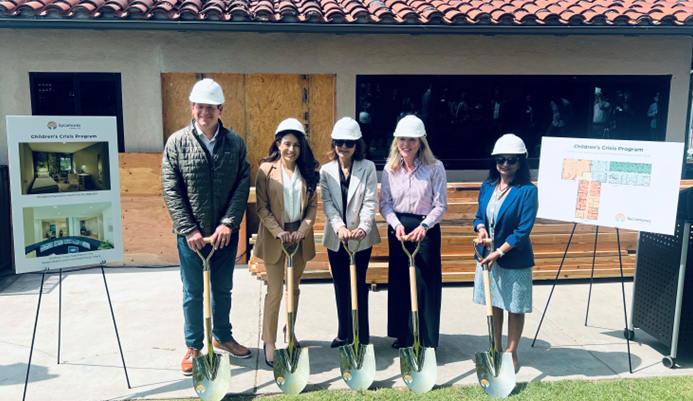
ساکرامنتو - در 2025 16 ماه مه، وزارت خدمات مراقبتهای بهداشتی (DHCS) و شرکت سیکامورز، کلنگزنی برنامهی پیوستار بحران کودکان سیکامورز، یک مرکز جدید سلامت رفتاری در آلتادنا، را جشن گرفتند. این پروژهی تحولآفرین، شکافهای موجود در زنجیرهی بحران برای جوانان تحت سرپرستی در سراسر شهرستان لسآنجلس را هدف قرار میدهد، با این هدف که بحرانها را زودهنگام برطرف کند تا از تشدید مراقبتها جلوگیری شود. DHCS از طریق برنامه زیرساختی زنجیره سلامت رفتاری (BHCIP)، دور پنجم: زنجیره بحران و سلامت رفتاری، بیش از ۲ میلیون دلار برای این پروژه به Sycamores اعطا کرد.
BHCIP یکی از اجزای کلیدی تعهد مداوم بهداشت روان برای همه، کالیفرنیا برای گسترش خدمات بهداشت رفتاری برای همه کالیفرنیاییها است. با تصویب طرح پیشنهادی شماره ۱، مراکز درمانی سلامت رفتاری بیشتری در سالهای ۲۰۲۵ و ۲۰۲۶ تأمین مالی و ساخته خواهند شد.
تنها چند روز قبل، در ۱۲ مه، DHCS مبلغ ۳.۳ میلیارد دلار بودجه رقابتی از طریق دور اول Bond BHCIP: Launch Ready اعطا کرد. این سرمایهگذاری تاریخی، ۱۲۴ پروژه را در ۴۲ شهرستان برای ایجاد یا گسترش ۲۱۴ مرکز سلامت رفتاری در سراسر کالیفرنیا تأمین مالی میکند. این سرمایهگذاری منجر به ایجاد ۵۰۷۷ تخت درمانی مسکونی جدید و ۲۱۸۸۲ فضای جدید برای درمان سرپایی سلامت روان و اختلال سوءمصرف مواد خواهد شد و خدمات ضروری سلامت رفتاری را به کالیفرنیاییهایی که بیشترین نیاز را به آنها دارند، از جمله افراد تحت پوشش سیستم مراقبتهای شبانهروزی، نزدیکتر میکند.
میشل باس، مدیر DHCS، گفت: «ما در تلاشیم تا اطمینان حاصل کنیم که جوانان تحت سرپرستی که نیازهای قابل توجهی در زمینه سلامت روان دارند، از خدمات مورد نیاز خود پشتیبانی میشوند.» «سازمانهایی مانند سیکامورز برای تغییر نحوهی واکنش ما به چالشهای فوری سلامت رفتاری ضروری هستند.» با ارائه مراقبت دلسوزانه و جامعهمحور مستقیماً به کودکان و نوجوانان نیازمند، آنها نمونهای از یک سیستم سلامت رفتاری هستند که با افراد در هر کجا که هستند، با عزت، حمایت و امید برخورد میکند.
برنامهی زنجیرهی بحران کودکان سیکامورز: این پروژه با ایجاد یک مرکز سلامت روان با هشت تخت و یک واحد تثبیت بحران با ۱۰ جایگاه، که پیشبینی میشود سالانه به ۳۶۵۰ نفر در محیط سرپایی خدمات ارائه دهد، شکافهای موجود در زنجیرهی بحران را بهطور خاص برای جوانان تحت سرپرستی هدف قرار خواهد داد. این پروژه به جوانانی که در جامعه زندگی میکنند و در حال تجربه بحران هستند، کمک میکند تا از نیاز به مراقبتهای سطح بالاتر در محیطهای محدودتر جلوگیری شود. این برنامهها به گونهای طراحی شدهاند که به جوانان و مراقبانشان ابزارهایی برای مدیریت بحرانشان، از جمله مهارتآموزی، نظارت روانپزشکی، روانپزشکی، درمان، مدیریت پرونده و مدیریت دارو، ارائه دهند.
دبرا منرز، رئیس و مدیرعامل سیکامورز، گفت: «با آغاز برنامههای جدید بحران کودکان سیکامورز، سازمان ما در موقعیت بینظیری برای رفع نیازهای فوری سلامت روان هزاران کودک و نوجوان در بحران در سراسر شهرستان لسآنجلس قرار خواهد گرفت.» «با توجه به شهرت دیرینه سیکامورز در ارائه مراقبتهای دلسوزانه و متحولکننده زندگی، مفتخریم که میتوانیم با افتتاح برنامههایمان، خدمات خود را گسترش دهیم.»
چرا این موضوع مهم است: بیش از ۱.۲ میلیون بزرگسال در کالیفرنیا با یک بیماری روانی جدی زندگی میکنند و از هر ۱۳ کودک، ۱ نفر دچار اختلال عاطفی جدی است. همچنین، ۸۲ درصد از کالیفرنیاییهایی که بیخانمان هستند، گزارش دادهاند که از یک بیماری جدی سلامت روان رنج میبرند و از هر ۱۰ کالیفرنیایی، ۱ نفر معیارهای اختلال مصرف مواد را دارد. علاوه بر این، کمبود مراکز درمانی سلامت رفتاری به افزایش نرخ بیخانمانی و زندانی شدن در میان افراد مبتلا به اختلالات سلامت روان کمک میکند.
از طریق BHCIP، DHCS به نهادهای واجد شرایط بودجه میدهد تا املاک را بسازند، خریداری کنند و گسترش دهند و در زیرساختهای بحران سیار سرمایهگذاری کنند تا طیف گزینههای درمانی سلامت رفتاری مبتنی بر جامعه را برای افرادی که همزمان نیازهای درمانی سلامت روان و اختلالات مصرف مواد دارند، گسترش دهند. BHCIP در حال رسیدگی به شکافهای تاریخی در سیستم مراقبتهای سلامت رفتاری است تا تقاضای رو به رشد برای خدمات و پشتیبانی در طول عمر افراد نیازمند را برآورده کند. DHCS مبلغ ۱.۷ میلیارد دلار کمک هزینه رقابتی BHCIP اعطا کرده است.
درباره دوره پنجم BHCIP: پیوستار بحران و سلامت رفتاری: دوره پنجم BHCIP: پیوستار بحران و سلامت رفتاری، تا حدی، از طریق یک ارزیابی نیازهای سراسری در ایالت تدوین شد که شکافهای قابل توجهی را در خدمات بحران موجود شناسایی کرد. این ارزیابی نیاز به یک سیستم بهتر مراقبتهای بحرانی را برای کاهش مراجعه به اورژانس، بستری شدن در بیمارستان و حبس نشان داد. این ۳۳ جایزه، در مجموع ۴۳۰ میلیون دلار، برای ساخت و گسترش مراکز مراقبتهای بحرانی و سلامت رفتاری در سراسر ایالت استفاده میشود و به کالیفرنیاییهای آسیبپذیر در تمام سنین، از جمله اعضای Medi-Cal، خدمترسانی خواهد کرد. برای اطلاعات بیشتر در مورد دریافتکنندگان کمکهزینه و جزئیات بیشتر در مورد تمام دورههای تأمین مالی BHCIP، لطفاً به وبسایت BHCIP مراجعه کنید.
###
دفتر ارتباطات
(916) 440-7660
DHCSPress@dhcs.ca.gov
آنچه باید بدانید: به لطف پیشنهاد شماره ۱، تخمین زده میشود که بودجه امروز بیش از ۵۰۰۰ تخت درمانی مسکونی و بیش از ۲۱,۸۰۰ جایگاه درمان سرپایی برای سلامت رفتاری ایجاد کند و بر سایر طرحهای مهم سلامت رفتاری در کالیفرنیا بنا خواهد شد.
ساکرامنتو، کالیفرنیا - فرماندار گوین نیوسام امروز از اختصاص ۳.۳ میلیارد دلار بودجه بلاعوض برای ایجاد بیش از ۵۰۰۰ تخت درمانی مسکونی و بیش از ۲۱,۸۰۰ فضای درمانی سرپایی برای خدمات مراقبتهای سلامت رفتاری خبر داد و این بودجه بر سایر طرحهای مهم سلامت رفتاری در کالیفرنیا بنا خواهد شد. برنامه زیرساختی سلامت رفتاری پیوند پیشنهادی شماره ۱ (BHCIP) که توسط اداره خدمات مراقبتهای بهداشتی کالیفرنیا (DHCS) اداره میشود، دور اول: جوایز آماده راهاندازی، دسترسی به مراقبت را برای کالیفرنیاییهایی که از بیماریهای روانی و اختلالات مصرف مواد رنج میبرند، از جمله کسانی که بیخانمان هستند، به طور قابل توجهی گسترش خواهد داد.
Here is a list of today’s awardees.
“Californians demanded swift action to address our state’s behavioral health crisis when they voted for Prop 1 in March 2024. Today, we’re delivering our biggest win yet. These launch-ready projects will build and expand residential beds and treatment slots for those who need help. Whether it’s crisis stabilization, inpatient services, or long-term treatment, we’re ensuring that individuals can access the right care at the right time.” ~Governor Gavin Newsom
تخمین زده میشود که پس از اعطای کامل بودجه از محل اوراق قرضه طرح شماره ۱، ۶۸۰۰ تخت درمانی مسکونی و ۲۶۷۰۰ فضای درمانی سرپایی برای سلامت رفتاری ایجاد شود و بر سایر طرحهای عمده سلامت رفتاری در کالیفرنیا نیز تأثیر خواهد گذاشت.
Kim Johnson, Secretary of the California Health & Human Services Agency : «امروز نقطه عطفی حیاتی در تعهد ما برای متحول کردن سیستم سلامت رفتاری کالیفرنیا است.» از طریق این جوایز، ما در حال سرمایهگذاری روی راهحلهای جسورانه و جامعهمحور هستیم که دسترسی به مراقبت را گسترش میدهند، عدالت را ترویج میدهند و افراد را در هر کجا که هستند، ملاقات میکنند. این پروژهها بازتابی از ارزشها و چشمانداز ما برای کالیفرنیایی سالمتر و دلسوزتر هستند.
میشل باس، مدیر DHCS: «این یک سرمایهگذاری نسلی در آینده سلامت رفتاری کالیفرنیا است.» ما فقط در حال ساخت تأسیسات نیستیم. ما در حال ایجاد امید، عزت و مسیرهایی برای بهبودی هزاران کالیفرنیایی هستیم. این سرمایهگذاریها به طور قابل توجهی ظرفیت ایالت ما را برای ارائه مراقبتهای به موقع و مؤثر به افراد در جوامع خودشان افزایش خواهد داد.
چرا این موضوع مهم است: جوایز دور اول Bond BHCIP به ایجاد یک سیستم جامع سلامت رفتاری کمک میکند و تضمین میکند که افراد میتوانند در زمان مناسب به مراقبتهای مناسب دسترسی داشته باشند، چه برای تثبیت بحران، مراقبتهای بستری یا درمان طولانی مدت. به عنوان بخشی از هدف ایالت برای کاهش بحرانهای سلامت روان، افزایش دسترسی به خدمات و حمایت از راهحلهای مبتنی بر جامعه، این سرمایهگذاریها برای تضمین پایداری و دسترسی بلندمدت به خدمات سلامت رفتاری حیاتی هستند.
Through BHCIP, DHCS has competitively awarded grants to construct, acquire, and expand properties and invest in mobile crisis infrastructure for behavioral health. Proposition 1, passed in March 2024, increases funding opportunities to expand BHCIP to serve even more Californians with mental health and substance use disorders through infrastructure development.
تصویر بزرگتر: طرح ابتکاری سلامت روان برای همه در کالیفرنیا، سیستم ارائه خدمات سلامت رفتاری را مدرن میکند تا پاسخگویی را بهبود بخشد، شفافیت را افزایش دهد و ظرفیت مراکز مراقبت از سلامت رفتاری را گسترش دهد. BHCIP از ایجاد، نوسازی و گسترش مراکزی که به افراد دارای نیازهای سلامت روان و اختلال مصرف مواد مخدر خدمات ارائه میدهند، با تمرکز بر مراقبتهای بحرانی، درمان در منزل و خدمات سرپایی، حمایت میکند. DHCS تاکنون ۱.۷ میلیارد دلار کمکهزینه رقابتی BHCIP اعطا کرده است.
کمبود بیش از ۷۰۰۰ تخت سلامت رفتاری در کالیفرنیا وجود دارد که به نیازهای برآورده نشده در میان افراد بیخانمان مبتلا به بیماری روانی و/یا اختلالات مصرف مواد مخدر دامن میزند. تخمین زده میشود که بودجه BHCIP باند، ۶۸۰۰ تخت درمانی مسکونی و ۲۶۷۰۰ فضای درمانی سرپایی برای سلامت رفتاری ایجاد کند و بر سایر طرحهای عمده سلامت رفتاری در کالیفرنیا بنا خواهد شد. این سرمایهگذاری به رفع کمبود تختهای سلامت رفتاری کمک خواهد کرد.
آنچه در ادامه میآید: اطلاعیه امروز اولین دور از دو دور تأمین مالی Bond BHCIP را نشان میدهد. دور دوم، Bond BHCIP Round 2: Uncommitments، بیش از ۸۰۰ میلیون دلار جوایز رقابتی برای تأمین مالی مراکز درمانی سلامت رفتاری ارائه خواهد داد و برای همه نهادها آزاد است. از اشخاص علاقهمند دعوت میشود تا پس از آغاز دور دوم درخواستهای درخواست، که در اواخر این ماه آغاز میشود، درخواست خود را ارسال کنند.
علاوه بر این، وزارت مسکن و توسعه اجتماعی (HCD) تا سقف ۲ میلیارد دلار از بودجه طرح پیشنهادی ۱ را برای ساخت مسکن حمایتی دائمی برای جانبازان و سایر افرادی که بیخانمان یا در معرض خطر بیخانمانی هستند و دارای مشکلات سلامت روان یا اختلال مصرف مواد هستند، نظارت خواهد کرد.
اطلاعات بیشتر: برای اطلاعات بیشتر در مورد Bond BHCIP Round 1: Launch Ready، لطفاً از وبسایت BHCIP دیدن کنید. راهنمایی های تکمیلی درباره دور اول: آماده پرتاب و دور ۲: نیازهای برآورده نشده Bond BHCIP در اینجا در دسترس است. برای دریافت به روزرسانی ها و منابع، از جمله ضبط جلسات منظم شنیداری عمومی، به صفحه وب تحول سلامت رفتاری مراجعه کنید.
Here is a list of today’s awardees.
###
دفتر ارتباطات
(916) 440-7660
DHCSPress@dhcs.ca.gov
پروژه سالانه به 3760 نفر خدمت خواهد کرد
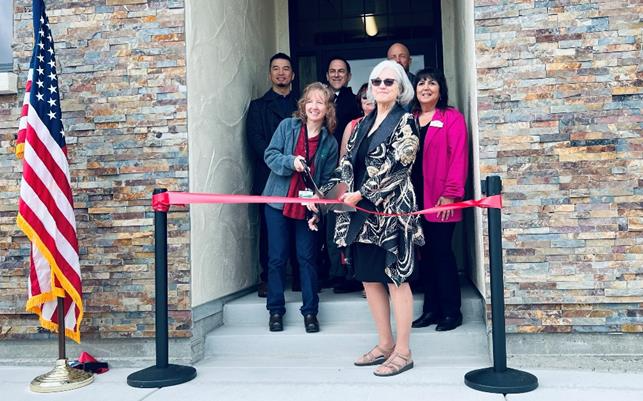
ساکرامنتو - در حالی که کالیفرنیا همچنان به تلاش برای تقویت سیستم مراقبتهای بهداشتی رفتاری خود ادامه میدهد، در ۱۸ آوریل، وزارت خدمات درمانی (DHCS) و ناحیه مراقبتهای بهداشتی مارک تواین، مراسم افتتاحیه یک مرکز جدید بحران و تندرستی را در شهرستان کالاوراس جشن گرفتند. این مرکز که با بودجهای بیش از ۳.۳ میلیون دلار از طریق برنامه زیرساختی زنجیره سلامت رفتاری (BHCIP) دور پنجم: زنجیره بحران و سلامت رفتاری تأمین مالی شده است، مراقبتهای فوری سلامت روان، درمان اختلال مصرف مواد و مداخله زودهنگام را برای خدمترسانی به ۳۷۶۰ نفر از ساکنان سالانه ارائه خواهد داد.
میشل باس، مدیر DHCS، گفت: «سرمایه گذاری در زیرساخت سلامت رفتاری گامی حیاتی برای اطمینان از دسترسی هر اهل کالیفرنیا — فارغ از محل زندگی اش — به مراقبت به موقع، عادلانه و با کیفیت است.» «ما خوشحالیم که از منطقه مراقبت های بهداشتی مارک تواین حمایت می کنیم، زیرا خدمات حیاتی را گسترش می دهد که سلامت جامعه را تقویت کرده و از افراد در مسیر بهبودی حمایت می کند. آوردن مراقبت به خانههای مردم، به جلوگیری از بحرانها قبل از تشدید آنها کمک میکند و شبکههای حمایتی محلی را که مردم به آنها متکی هستند، تقویت میکند.
بخش مراقبتهای بهداشتی مارک تواین: پیشبینی میشود مرکز بحران و تندرستیِ توسعهیافته، سالانه به ۳۷۶۰ نفر خدمات ارائه دهد. این مرکز درمان های سرپایی سلامت رفتاری شامل درمان، مدیریت دارو و مراقبت فوری روان پزشکی را ارائه خواهد داد. علاوه بر این، پروژه با همکاری با سازمان های جوانان، خدمات مداخله زودهنگام را با هدف پیشگیری از بیکاری، بی خانمانی، مصرف مواد و حبس ارائه خواهد داد.
رندی اسمارت، مدیرعامل منطقه مراقبتهای بهداشتی مارک تواین ، گفت: «بیماران در شهرستان کالاوراس از خدمات درمانی کافی برخوردار نیستند، اغلب در قرنطینه یا زندان هستند و اگر تحصیلات خود را به پایان برسانند، مرتباً با مقامات قضایی درگیر میشوند.» «جامعه ما می داند که این نتایج قابل پیشگیری و درمان هستند، اما منابع بیشتری به شدت مورد نیاز است. شهرستان ما اراده، رهبری و چشمانداز لازم برای ایجاد یک مرکز بحران سرپایی و مرکز پیشگیری را دارد که گامی مهم در جهت برآورده کردن تقاضا برای مراقبتهای سلامت رفتاری خواهد بود.
چرا این مهم است: BHCIP بخشی از تعهد مداوم کالیفرنیا برای گسترش خدمات سلامت رفتاری برای همه کالیفرنیاییها است. DHCS مبلغ ۱.۷ میلیارد دلار کمک هزینه رقابتی BHCIP اعطا کرده است. علاوه بر این، DHCS تا سقف ۴.۴ میلیارد دلار بودجه رقابتی BHCIP از طریق اوراق قرضه توزیع خواهد کرد، که شامل ۳.۳ میلیارد دلار برای دور اول: کمکهای مالی آماده راهاندازی به عنوان بخشی از تحول سلامت رفتاری ، کار DHCS برای اجرای گزاره ۱ ، میشود. با تصویب پیشنهاد شماره ۱، مراکز درمانی سلامت رفتاری بیشتری در سالهای ۲۰۲۵ و ۲۰۲۶ تأمین مالی و ساخته خواهند شد.
از طریق BHCIP، DHCS به نهادهای واجد شرایط بودجهای برای ساخت، تملک و گسترش املاک و سرمایهگذاری در زیرساختهای بحران تلفن همراه اعطا میکند و به جوامع کمک میکند تا تقاضای رو به رشد را برآورده کرده و شکافهای خدماتی تاریخی را پر کنند. این سرمایهگذاریها به ویژه در جوامع روستایی بسیار حیاتی هستند و تضمین میکنند که مردم میتوانند بدون نیاز به طی مسافتهای طولانی به مراقبتهای به موقع و نجاتبخش دسترسی داشته باشند.
درباره BHCIP راند 5: بحران و تداوم سلامت رفتاری: دور پنجم BHCIP: پیوستار سلامت رفتاری و بحران، تا حدی از طریق ارزیابی نیازهای سراسری ایالت تدوین شد که شکافهای قابل توجهی را در خدمات بحرانی موجود شناسایی کرد. این ارزیابی نیاز به یک سیستم بهتر مراقبتهای بحرانی را برای کاهش مراجعه به اورژانس، بستری شدن در بیمارستان و حبس نشان داد. این ۳۳ جایزه، در مجموع ۴۳۰ میلیون دلار، برای ساخت و گسترش مراکز مراقبتهای بحرانی و سلامت رفتاری در سراسر ایالت استفاده میشود و به کالیفرنیاییها در تمام سنین، از جمله اعضای Medi-Cal، خدمترسانی خواهد کرد. برای اطلاعات بیشتر در مورد دریافتکنندگان کمکهزینه و جزئیات بیشتر در مورد تمام دورههای تأمین مالی BHCIP، لطفاً به وبسایت BHCIP مراجعه کنید.
###
دفتر ارتباطات
(916) 440-7660
DHCSPress@dhcs.ca.gov
پروژه ظرفیت 40 تخت را افزایش می دهد و سالانه به 1000 کودک و فرد خدمات می دهد.
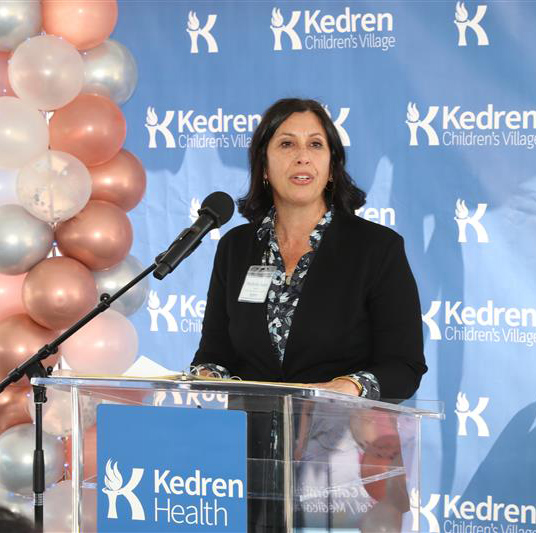
ساکرامنتو - در 4 و 2025 آوریل، وزارت خدمات مراقبتهای بهداشتی (DHCS) و شهر کدرن، کلنگزنی بیمارستان مراقبتهای حاد روانپزشکی جنوبی کدرن و دهکده کودکان را برای خدمترسانی به جامعه جنوب لسآنجلس جشن گرفتند. این پروژهی متحولکننده، یک سیستم جامع مراقبت و پشتیبانی برای کودکان و نوجوانانی که با چالشهای قابل توجه سلامت روان مواجه هستند، فراهم میکند - همه در یک مکان. این طرح توسط برنامه زیرساخت زنجیره سلامت رفتاری (BHCIP) دور چهارم: کودکان و نوجوانان DHCS تأمین مالی میشود و به عنوان یک مدل یکپارچه «مراقبت روستایی» که برای دریافت خدمات توسط کودکان و خانوادههایشان طراحی شده است، عمل خواهد کرد.

DHCS از طریق BHCIP بیش از ۵۷ میلیون دلار به کدرن اعطا کرد، که بخشی از تعهد مداوم کالیفرنیا برای گسترش خدمات سلامت رفتاری برای همه کالیفرنیاییها است. با تصویب طرح پیشنهادی شماره ۱، مراکز درمانی سلامت رفتاری بیشتری در سالهای ۲۰۲۵ و ۲۰۲۶ تأمین مالی و ساخته خواهند شد.
«دهکده کودکان کدرن منبعی حیاتی در تضمین رفاه و آینده کودکان در معرض خطر ایالت ماست.» میشل باس، مدیر DHCS، گفت: «کالیفرنیا با اولویت دادن به بودجه این پردیس، تعهد خود را به رهبری در ارائه مراقبتهای باکیفیت و دلسوزانه که از سلامت روانی و جسمی کودکان نیازمند پشتیبانی میکند، تقویت کرده است.» «رویکرد جامع کدرن به مراقبتهای سلامت روان و جسم با چشمانداز ما برای آیندهای سالمتر و مقاومتر برای همه کودکان در کالیفرنیا همسو است.» این نه تنها سرمایهگذاری در زندگی آنهاست، بلکه در قدرت و رفاه جوامع ما نیز هست.»
بیمارستان مراقبتهای حاد روانپزشکی و دهکده کودکان کدرن جنوبی: این پروژه بیش از ۵۷ میلیون دلار از طریق BHCIP دریافت کرد. این مرکز، مراقبتهای متحولکنندهای را برای کودکان و نوجوانانی که از بیماریهای روانی، تروما و سایر چالشهای سلامت رفتاری رنج میبرند، فراهم خواهد کرد. بخش تأمین مالی شده توسط BHCIP از پردیس جدید شامل یک بیمارستان روانپزشکی حاد با ۲۴ تخت (که سالانه به بیش از ۵۲۰ نفر خدمات ارائه میدهد)، یک برنامه اقامتی بحران کودکان با ۸ تخت (که سالانه به نزدیک به ۳۰۰ کودک خدمات ارائه میدهد) و یک مرکز سلامت روانپزشکی با ۸ تخت دیگر (که سالانه به نزدیک به ۱۰۰ نفر خدمات ارائه میدهد) خواهد بود. علاوه بر کمک هزینه BHCIP، بخشی از محوطه دانشگاه دارای دو ساختمان خواهد بود - که با بودجه قانون خدمات سلامت روان تأمین مالی میشوند - تا شامل خدمات سرپایی کودکان و ارائه مسکن موقت برای کودکانی که مشکلات روانی دارند و خانوادههایشان تا ۱۸ ماه باشد.
گرگوری پولک، مدیرعامل کدرن، گفت: «کدرن نزدیک به ۶۰ سال است که با گسترش دسترسی به مراقبتهای بهداشتی، به از بین بردن نابرابریهای بهداشتی در جنوب لسآنجلس متعهد بوده است.» «دهکده کودکان اولین نمونه از این نوع در کشور خواهد بود که طیف کاملی از مراقبتهای سلامت روان را برای کودکان و نوجوانان در یک محوطه دانشگاه ارائه میدهد.» ما مشتاقانه منتظریم تا این منابع مورد نیاز و ارزشمند را برای جامعه خود فراهم کنیم.
Kedren will offer a myriad of evidence-based therapies, including individual, group, family, recreational, occupational, and play. Staff will tailor treatments for each child with a mix of individual psychotherapy, behavioral modification, family counseling, and psychotropic medications. Kedren will also provide specialized assessments, such as psychological testing and occupational therapy assessments.
باس گفت: «چالشهایی که در سلامت رفتاری با آنها روبرو هستیم قابل توجه هستند، اما امروز، ما تعهد جمعی خود را برای ایجاد یک سیستم مراقبتی قوی و جامع که زندگیها را در سالهای آینده بهبود بخشد، نشان میدهیم.»
“Thanks to BHCIP, trusted community providers like Kedren will finally have the facilities and resources to provide essential services across the continuum of care, enabling individuals to receive the right care at the right time in the right setting with providers they trust.”
چرا این مهم است: BHCIP بخشی از تعهد مداوم کالیفرنیا برای گسترش خدمات سلامت رفتاری برای همه کالیفرنیاییها است. از طریق BHCIP، DHCS به نهادهای واجد شرایط بودجه میدهد تا املاک را بسازند، خریداری کنند و گسترش دهند و در زیرساختهای بحران سیار سرمایهگذاری کنند تا طیف گزینههای درمانی سلامت رفتاری مبتنی بر جامعه را برای افرادی که همزمان نیازهای درمانی سلامت روان و اختلالات مصرف مواد دارند، گسترش دهند. BHCIP در حال رسیدگی به شکافهای تاریخی در سیستم مراقبتهای سلامت رفتاری است تا تقاضای رو به رشد برای خدمات و پشتیبانی در طول عمر افراد نیازمند را برآورده کند.
DHCS مبلغ ۱.۷ میلیارد دلار کمک هزینه رقابتی BHCIP اعطا کرده است. علاوه بر این، DHCS تا سقف ۴.۴ میلیارد دلار بودجه رقابتی Bond BHCIP، شامل ۳.۳ میلیارد دلار برای دور اول: کمکهای مالی Launch Ready به عنوان بخشی از تحول سلامت رفتاری ، که کار DHCS برای اجرای گزاره ۱ است، توزیع خواهد کرد.
درباره دور چهارم BHCIP: کودکان و جوانان:دور چهارم BHCIP ، بخشی از طرح ابتکاری سلامت رفتاری کودکان و جوانان ، بر کالیفرنیاییهای ۲۵ سال و کمتر، از جمله زنان باردار و پس از زایمان و فرزندان آنها و جوانان ۱۸ تا ۲۵ سال در سن گذار، به همراه خانوادههایشان تمرکز دارد. ۵۲ جایزه که در مجموع ۴۸۰.۵ میلیون دلار میشود، امکان ساخت و توسعه جدید انواع مراکز سرپایی و اقامتی، از جمله برنامههای اقامتی بحران کودکان، مراکز اقامتی اختلال مصرف مواد در دوران بارداری، مراکز پیشگیری از سلامت جامعه/جوانان و درمان سرپایی اختلال مصرف مواد را فراهم میکند.
###
دفتر ارتباطات
(916) 440-7660
DHCSPress@dhcs.ca.gov
جوایز از آژانسهای خدمات پزشکی اورژانس محلی در شهرستانهای استانیسلاس و ونتورا حمایت خواهد کرد.
ساکرامنتو - وزارت خدمات مراقبتهای بهداشتی (DHCS) مبلغ ۸۰۰۰۰۰ دلار به دو آژانس خدمات پزشکی اورژانس محلی اعطا کرد تا دسترسی آسان به درمان اختلال مصرف مواد افیونی (OUD) که از نظر بالینی اثبات شده است را برای بیمارانی که در محیط خدمات پزشکی اورژانس (EMS) هستند و در معرض خطر مصرف بیش از حد مواد هستند و اغلب به خدمات در سایر محیطها دسترسی ندارند، فراهم کند.
«این یک رویکرد نوآورانه و نجاتبخش برای مقابله با بحران مواد افیونی است.» با تجهیز ارائه دهندگان خدمات پزشکی اورژانس برای ارائه درمان در محل، ما بیماران را در هر کجا که هستند ملاقات میکنیم و آنها را به مراقبتهای مداوم متصل میکنیم. میشل باس، مدیر DHCS، گفت: «این برنامه پتانسیل کاهش مرگ و میر ناشی از مواد افیونی و بهبود پیامدهای بلندمدت سلامت برای برخی از آسیبپذیرترین افراد کالیفرنیا را دارد.»
این کمکهای مالی - که از طریق برنامه آزمایشی استفاده از بوپرنورفین در خدمات پزشکی اورژانس (EMSBUP) به آژانس EMS شهرستان استانیسلاس و آژانس EMS شهرستان ونتورا اعطا میشود - این دو آژانس را قادر میسازد تا اختلال مصرف مواد را به عنوان یک وضعیت اورژانسی قابل درمان مورد بررسی قرار دهند و با استفاده از امدادگران، بیمارانی را که از داروهای درمان اعتیاد (MAT) بهرهمند میشوند، شناسایی و درمان کنند. MAT استفاده از داروها در ترکیب با مشاوره و درمانهای رفتاری است که در درمان OUDs و کمک به برخی افراد برای حفظ بهبودی مؤثر است.
چرا این مهم است: EMSBUP پیشگام رویکردی پیشرفته برای ارائه MAT از طریق EMS بوده است. جمعیتی که توسط EMS خدمات رسانی میشود، در معرض خطر بالای مرگ ناشی از مصرف بیش از حد مواد مخدر است. در مطالعهای روی ۱۲۰۰۰ بیمار که از اورژانس پزشکی نالوکسان دریافت کرده بودند، ۱۰ درصد آنها در سال بعد فوت کردند. مطالعه دیگری نشان داد که یک سوم از کل بیمارانی که در اثر مصرف بیش از حد غیرعمدی مواد مخدر جان خود را از دست دادهاند، در سال قبل از مرگ خود با اورژانس پزشکی تماس داشتهاند. با تخمین حدود ۲۶۰۰۰ تماس با ۹۱۱ به دلیل مصرف بیش از حد مواد در کالیفرنیا، اورژانس پزشکی یک نقطه مداخله حیاتی و کمتر مورد استفاده برای گسترش دسترسی به MAT، ارائه کاهش آسیب و اتصال بیماران به مراقبتهای پزشکی است.
جوایز اعطایی: این برنامه به ارائه دهندگان خدمات اورژانس پزشکی (EMS) در هماهنگی با ناویگاتورها کمک میکند تا ارتباط با گزینههای مراقبتی را برای بیماران اورژانس پزشکی دارای OUD فراهم کنند و سیستمی را برای بیمارانی که برخلاف توصیه پزشکی از سیستم خارج میشوند، فراهم کند تا به گزینههای درمان سرپایی دسترسی داشته باشند. این پروژه از آوریل 1، 2025 تا مارس 31، 2027 اجرا خواهد شد. همچنین دادههای شناسایی نشده را برای تحقیق و معیارهای عملکرد ماهانه را برای ارزیابی اثربخشی این مدل درمانی جمعآوری خواهد کرد.
Additionally, resources will be provided to Local Emergency Medicine Service Agencies to support the initiation and sustainability of this treatment model, which includes a naloxone distribution program, EMS-initiated first dose of buprenorphine, and substance use navigation.
کمکهای مالی مؤثر: از طریق بودجه کمکهای مالی ایالت برای واکنش به مواد افیونی (SOR)، EMSBUP بر اساس یک پروژه اولیه با بودجه SOR در شهرستان کنترا کوستا در سال ۲۰۲۰ بنا شده است که در آن ۲۶۰ امدادگر برای شناسایی و درمان OUD از آمبولانس آموزش دیدند، بیش از ۲۰۰۰ بیمار برای OUD غربالگری شدند، ۱۲۰ نفر بوپرنورفین را در محل دریافت کردند و ۵۵ نفر به MAT در حال انجام متصل شدند. نتایج این کار، سایر استانها را نیز به پذیرش این مدل ترغیب کرد. تا به امروز، این مدل به ۱۱ مرکز LEMSA که ۱۳ شهرستان را پوشش میدهند، گسترش یافته است تا ۱۳۰۰ امدادگر را آموزش دهد.
«تجویز بوپرنورفین توسط اورژانس پزشکی، دسترسی به بوپرنورفین را برای جمعیت پرخطر در زمانی بحرانی و ایدهآل برای دریافت بوپرنورفین فراهم میکند - پس از مصرف بیش از حد، زمانی که بیماران در حال ترک هستند و ممکن است تمایل بیشتری به پذیرش درمان داشته باشند.» بوپرنورفین تجویز شده توسط EMS، به جای اینکه بیماران مجبور به جستجوی درمان شوند، درمان را برای بیماران به ارمغان میآورد، که این امر پتانسیل کاهش مصرف بیش از حد منجر به مرگ، کاهش میزان جرم و جنایت و نجات جان انسانها را دارد. با حضور تیمهای مناسب، بیماران میتوانند بوپرنورفین را در محل شروع کنند، به خدمات اورژانس متصل شوند و ظرف چند ساعت احساس بهتری داشته باشند. و پس از ترخیص از بخش اورژانس، درمان با بوپرنورفین را از طریق برنامههای MAT ادامه دهید.» این گفتهی فیبی بلاشاک اولیویرا، پرستار رسمی، پرستار متخصص بهداشت عمومی، مدیر برنامهی پرستار بهداشت عمومی در مرکز پزشکی منطقهای کنترا کوستا و کلینیک چوئیچینگ چنج است.
تصویر بزرگتر: در سال ۲۰۲۳، فرماندار نیوسام طرح جامع خود را برای مقابله با بحران فنتانیل و مواد افیونی راهاندازی کرد که چارچوبی جامع برای رسیدگی به بحران مواد افیونی و فنتانیل ارائه میدهد، از جمله گامهای جدی برای حمایت از تلاشهای پیشگیری از مصرف بیش از حد، پاسخگو نگه داشتن صنعت داروسازی مواد افیونی، سرکوب قاچاق مواد مخدر و افزایش آگاهی در مورد خطرات مواد افیونی، از جمله فنتانیل.
طرح EMSBUP توسط اداره خدمات سوءمصرف مواد و سلامت روان تأمین مالی میشود و بخشی از تلاشهای گستردهتر DHCS برای رسیدگی به اختلالات مصرف مواد، که در مجموع با عنوان « پاسخ به مواد افیونی DHCS کالیفرنیا» شناخته میشود، است تا از طریق ارائه فعالیتهای پیشگیری، درمان و بهبودی، دسترسی به MAT را افزایش دهد، نیاز به درمان برآورده نشده را کاهش دهد و مرگ و میر ناشی از مصرف بیش از حد مواد افیونی را کاهش دهد. مرکز واکنش به مواد افیونی DHCS کالیفرنیا بر جمعیتهایی با دسترسی محدود به MAT، از جمله جوانان، مردم مناطق روستایی و جوامع قبیلهای بومیان آمریکا و آلاسکا، تمرکز دارد. برای اطلاعات بیشتر، لطفاً به وبسایت DHCS مراجعه کنید.
DHCS همچنین پروژه توزیع نالوکسان (NDP) را برای مبارزه با مرگ و میر ناشی از مصرف بیش از حد مواد افیونی در سراسر کالیفرنیا ایجاد کرد. هدف NDP کاهش مرگ و میر ناشی از مصرف بیش از حد مواد افیونی از طریق ارائه نالوکسان رایگان است. برای اطلاعات بیشتر در مورد واکنش ایالت به مواد افیونی، به سایت opioids.ca.gov مراجعه کنید.
###
دفتر ارتباطات
(916) 440-7660
DHCSPress@dhcs.ca.gov
ساکرامنتو - وزارت خدمات مراقبتهای بهداشتی (DHCS)، تحت نظارت فرماندار گوین نیوسام، این ماه از مرکز نوآوری مدیکید و مدیکید (CMMI) در مراکز خدمات مدیکر و مدیکید (CMS) درخواست کرد تا در مدل دسترسی پیشگامانه سلول درمانی و ژن درمانی (CGT) شرکت کند. در صورت تصویب، این طرح چند ساله، دسترسی اعضای Medi-Cal را به ژندرمانیهای نجاتبخش برای بیماری کمخونی داسیشکل (SCD)، یک اختلال خونی ژنتیکی شدید که به طور نامتناسبی افراد آفریقاییتبار را تحت تأثیر قرار میدهد، گسترش خواهد داد.
تایلر سادویت، مدیر مدیکید ایالت، گفت: «درخواست کالیفرنیا برای شرکت در این مدل فدرال، نشان دهنده تعهد ما به گسترش دسترسی به درمانهای پیشگامانه برای اعضای مدیکل مبتلا به بیماری کمخونی داسیشکل است.» «این روشهای درمانی پتانسیل تغییر زندگیها را دارند و این ابتکار عمل تضمین میکند که هزینه، مانعی برای کالیفرنیاییهایی که بیشترین نیاز را به آنها دارند، نباشد.»
چرا این موضوع مهم است: بیش از ۵۰ درصد از افراد مبتلا به SCD در ایالات متحده تحت پوشش بیمه درمانی مدیکید هستند. با شرکت در مدل دسترسی CGT، کالیفرنیا:
سادویت گفت: «کالیفرنیا با گسترش دسترسی به این درمانهای متحولکننده، در زمینهی رسیدگی به نابرابریهای بهداشتی، بهبود امید به زندگی و تضمین دریافت بهترین مراقبت ممکن توسط اعضای Medi-Cal مبتلا به بیماری کمخونی داسیشکل، پیشرو است.»
دربارهی مدل دسترسی CGT: ژندرمانی رویکردی پیشگامانه به SCD است. این روش سلولهای بنیادی خونساز خود بیمار را اصلاح میکند تا به بدن در تولید گلبولهای قرمز سالم کمک کند. نشان داده شده است که این درمان یکباره، دورههای شدید درد را کاهش میدهد و پتانسیل پیشگیری از عوارض و بهبود کیفیت زندگی افراد مبتلا به SCD را دارد.
با این حال، این درمانها هزینههای گزافی دارند و دسترسی به آنها را برای بیماران و برنامههای مدیکید، از جمله مدی-کال، دشوار میکنند. مدل دسترسی CGT با استفاده از یک سیستم تخفیف توافقی که پرداختها برای این درمانها را به نتایج بیمار مرتبط میکند، این چالش را برطرف میکند. اگر این درمان، بهبودهای مورد انتظار در سلامت را برآورده نکند، تولیدکنندگان دارو تخفیفهایی را برای برنامههای مدیکید ارائه میدهند و به تضمین پایداری مالی و در عین حال گسترش دسترسی به مراقبت کمک میکنند.
Initially, the model will focus on gene therapies for SCD, a condition affecting more than 100,000 individuals nationwide, including more than 8,000 Medi-Cal/Children’s Health Insurance Program (CHIP) members in California.
اگر کالیفرنیا تأیید شود، اعضای واجد شرایط Medi-Cal به خدمات ژن درمانی، مدیریت پرونده، کمک در سفر، پشتیبانی سلامت رفتاری و حفظ باروری دسترسی خواهند داشت، زیرا فرآیند درمان شامل شیمی درمانی است که میتواند بر باروری تأثیر بگذارد. CMS پیشبینی میکند که این مدل را در یک دوره عملکرد 11 ساله، از ژانویه 1، 2025، آزمایش کند.
تصویر بزرگتر: کالیفرنیا علاوه بر درخواست برای مدل دسترسی CGT، اوایل امسال برای مدل تحول سلامت مادران (TMaH) نیز انتخاب شد که هدف آن بهبود نتایج سلامت مادران و کاهش هزینهها است و از طریق معافیت California Advanceing and Innovating Medi-Cal (CalAIM) که بر مراقبت کامل از فرد، مدیریت مراقبت و پرداختن به محرکهای اجتماعی سلامت تمرکز دارد، در حال متحول کردن Medi-Cal است - که تلاشها برای ایجاد یک سیستم بهداشتی فراگیرتر و مؤثرتر را تقویت میکند.
###
دفتر ارتباطات
(916) 440-7660
DHCSPress@dhcs.ca.gov
پروژه هایی که انتظار می رود سالانه به نزدیک به 2000 نفر خدمت کنند
ساکرامنتو - وزارت خدمات مراقبتهای بهداشتی (DHCS) و منتیس در حال گسترش خدمات سرپایی برای افراد دارای نیازهای سلامت روان در شهرستان ناپا هستند. تنها هشت ماه پیش، DHCS و Mentis کلنگ ساخت پردیس سلامت جوانان ناپا ولی را به زمین زدند ، که با بودجه برنامه زیرساختهای پیوستار سلامت رفتاری به مبلغ بیش از ۴.۷ میلیون دلار پشتیبانی میشود.
در ۵ مارس، DHCS و Mentis مراسم بریدن روبان کلینیک سلامت روان جامعه سرپایی جدید و مرکز سلامت جامعه/پیشگیری از جوانان را جشن گرفتند که برای ارائه خدمات افتتاح شد و شامل ۱۲۱ بخش درمانی جدید است و سالانه به نزدیک به ۲۰۰۰ نفر خدمات ارائه خواهد داد.
میشل باس، مدیر DHCS، گفت: «DHCS متعهد به همکاری با شرکایی مانند منتیس است تا به سرعت خدمات درمانی سلامت روان و اختلال مصرف مواد را برای جوانان کالیفرنیایی گسترش دهد.» «BHCIP همچنان به رفع شکافهای تاریخی در سیستم مراقبتهای سلامت رفتاری ادامه میدهد تا تقاضای رو به رشد برای خدمات و پشتیبانی در طول زندگی افراد نیازمند را برآورده کند.»
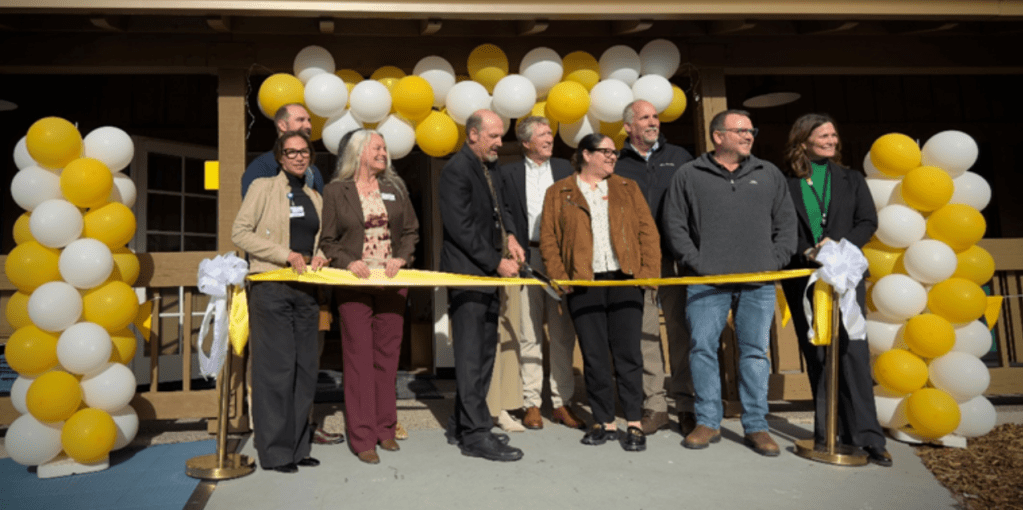
برش روبان برای پروژه پردیس سلامتی جوانان دره ناپا
پردیس سلامت جوانان ناپا ولی: این پروژه به نیازهای رفتاری، روانی و عاطفی کودکان و نوجوانان ناپا ولی و خانوادههای آنها رسیدگی خواهد کرد. این پروژه شامل بازسازی ساختمان یک مدرسه راهنمایی خصوصی موجود برای ادغام یک استودیوی هنری حمایتی، فضای اجتماعی و اتاقهای درمانی است. خدمات شامل فعالیتهای پیشگیری از سلامت کودکان و نوجوانان، درمان سلامت روان، گروهدرمانی و/یا فعالیتهای خانوادگی و جلسات درمان فردی است. برنامهها به زبانهای انگلیسی و اسپانیایی ارائه میشوند و برای همه رایگان و قابل دسترسی هستند. این پردیس که در فاصله پیادهروی از سه دبیرستان قرار دارد، با هدف جذب جمعیت جوان متنوع، از جمله جوانان رنگینپوست و LGBTQIA+ و جوانان علاقهمند به عدالت، فعالیت میکند.
راب وایس، مدیر اجرایی منتیس، گفت: «کلینیک اجتماعی و پردیس سلامت جوانان ما، حمایت بسیار مورد نیاز جوانانی را که همچنان با استرسهای زندگی دست و پنجه نرم میکنند، فراهم خواهد کرد.» «ما مشتاقیم که زنجیره مراقبتهای خود را برای خدمترسانی به کودکان و نوجوانان با طیف وسیعی از نیازها گسترش دهیم و از DHCS برای ممکن ساختن این چشمانداز سپاسگزاریم.»
چرا این مهم است: BHCIP بخشی از تعهد مداوم کالیفرنیا برای گسترش خدمات سلامت رفتاری برای همه کالیفرنیاییها است. با تصویب طرح پیشنهادی شماره ۱، مراکز درمانی سلامت رفتاری بیشتری در سالهای ۲۰۲۵ و ۲۰۲۶ تأمین مالی و ساخته خواهند شد. از طریق BHCIP، DHCS به نهادهای واجد شرایط بودجه میدهد تا املاک را بسازند، خریداری کنند و گسترش دهند و در زیرساختهای بحران سیار سرمایهگذاری کنند تا طیف گزینههای درمانی سلامت رفتاری مبتنی بر جامعه را برای افرادی که همزمان نیازهای درمانی سلامت روان و اختلالات مصرف مواد دارند، گسترش دهند.
DHCS مبلغ ۱.۷ میلیارد دلار کمک هزینه رقابتی BHCIP اعطا کرده است. علاوه بر این، DHCS تا سقف ۴.۴ میلیارد دلار بودجه رقابتی BHCIP از طریق اوراق قرضه توزیع خواهد کرد، که شامل ۳.۳ میلیارد دلار برای دور اول: کمکهای مالی آماده راهاندازی به عنوان بخشی از تحول سلامت رفتاری ، تلاش DHCS برای اجرای گزاره ۱ ، میشود. DHCS جلسات منظمی برای استماع عمومی در مورد این تلاش برگزار میکند. بهروزرسانیها و ضبطهای جلسات به صورت آنلاین در دسترس هستند.
درباره دور چهارم BHCIP: کودکان و نوجوانان:دور چهارم BHCIP بر کالیفرنیاییهای ۲۵ سال و کمتر، از جمله زنان باردار و زایمان کرده و فرزندان و نوجوانان ۱۶ تا ۲۵ ساله آنها، به همراه خانوادههایشان، متمرکز بود. از طریق بودجهای که توسط طرح ابتکاری سلامت رفتاری کودکان و نوجوانان کالیفرنیا فراهم شد، ۵۲ جایزه در مجموع ۴۸۰.۵ میلیون دلار، امکان ساخت و ساز جدید و گسترش انواع مختلف مراکز سرپایی و اقامتی، از جمله برنامههای اقامتی بحران کودکان، مراکز اقامتی اختلال مصرف مواد در دوران بارداری، مراکز پیشگیری از سلامت جامعه/جوانان و درمان سرپایی اختلالات مصرف مواد را فراهم کرد. برای اطلاعات بیشتر در مورد دریافتکنندگان کمکهزینه و جزئیات بیشتر در مورد تمام دورههای تأمین مالی BHCIP، لطفاً به وبسایت BHCIP مراجعه کنید.
###
دفتر ارتباطات
(916) 440-7660
DHCSPress@dhcs.ca.gov