وبسایت رسمی ایالت کالیفرنیا
ترجمه کردن

این پروژه شامل 37 تخت بستری جدید در بیمارستان روانپزشکی حاد خواهد بود
ساکرامنتو - در 19 و 2025 فوریه، وزارت خدمات مراقبتهای بهداشتی (DHCS) و بیمارستان و مرکز سلامت روان گیتویز، پروژه گسترش خدمات جوانان گیتویز را در شهرستان لسآنجلس آغاز کردند. این پروژه که توسط دور چهارم برنامه زیرساخت سلامت رفتاری (BHCIP) DHCS تأمین مالی شده است، بر جوانانی با مشکلات جدی عاطفی یا رفتاری که دچار فوریتهای حاد روانپزشکی میشوند، تمرکز خواهد داشت.
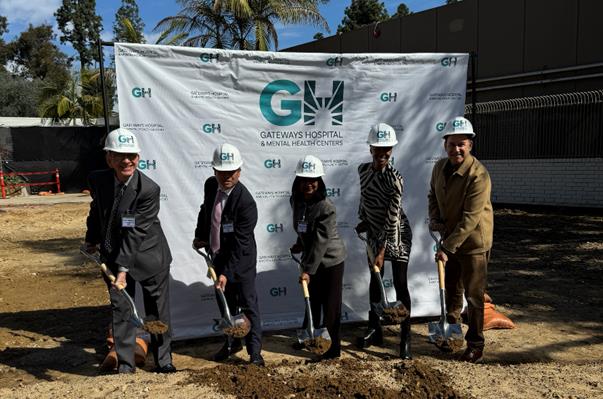
DHCS از طریق BHCIP بیش از ۱۹ میلیون دلار به Gateways اعطا کرد، که بخشی از تعهد مداوم کالیفرنیا برای گسترش خدمات سلامت رفتاری برای همه کالیفرنیاییها است. با تصویب طرح پیشنهادی شماره ۱، مراکز درمانی سلامت رفتاری بیشتری در سالهای ۲۰۲۵ و ۲۰۲۶ تأمین مالی و ساخته خواهند شد.
میشل باس، مدیر DHCS، گفت: «این اقدام پیشگامانه، گامی مهم در راستای تعهد ما برای ارائه مراقبتهای تخصصی به جوانانی است که با چالشهای حاد سلامت روان مواجه هستند.» «با گسترش دسترسی به مراقبتهای جامع، ما محیطی را پرورش میدهیم که در آن همه جوانان بتوانند مراقبت و حمایتی را که شایسته آن هستند برای رشد و شکوفایی دریافت کنند.»
پروژه گسترش خدمات جوانان GATEWYS: اکثر جوانانی که قرار است تحت پوشش این پروژه قرار گیرند، رویدادهای آسیبزا یا تجربیات نامطلوب دوران کودکی را تجربه کردهاند یا درگیر خدمات رفاه کودکان هستند. گیتویز در حال اضافه کردن ۳۷ تخت بستری برای نوجوانان به ۵۵ تخت بستری موجود در بیمارستان روانپزشکی ویژه بزرگسالان و نوجوانان است.
دکتر فیل وانگ، مدیرعامل بیمارستان گیتویز، گفت: «نیاز مبرمی به ارائه حمایت به جوانانی که با بحرانهای سلامت روان مواجه هستند، وجود دارد.» «ما از کالیفرنیا به خاطر اولویت دادن به این بودجه برای تمرکز بر سلامت روان جوانان با گسترش ظرفیت زیرساختها برای کمک به تغییر روند، تقدیر میکنیم.» تیم ما مفتخر است که زمینه را برای گسترش خود فراهم میکند تا بتوانیم به جوانان نیازمند این خدمات حیاتی خدمترسانی کنیم.
In addition to traditional health care, the expanded facility will allow youth to receive multiple therapeutic services and participate in activities designed to build autonomy and help them transition to outpatient services. These services will include individual and group therapies, such as cognitive-behavioral therapy, psychoanalytic therapy, mentalization-based therapy, eye movement desensitization and reprocessing, and biofeedback. Youth housed in the unit will receive multiple therapeutic services, including family therapy and medical counseling.
در نهایت، جوانانی که با اختلالات خوردن مانند بیاشتهایی عصبی و پرخوری عصبی مراجعه میکنند و جوانانی که همزمان اختلالات مصرف الکل و مواد مخدر دارند، مشاوره تغذیه دریافت میکنند، سلامت جسمی آنها از نزدیک تحت نظر قرار میگیرد و تحت مدیریت دارویی قرار میگیرند.
چرا این مهم است: DHCS از طریق BHCIP به نهادهای واجد شرایط بودجه میدهد تا املاک را بسازند، خریداری کنند و گسترش دهند و در زیرساختهای بحران سیار سرمایهگذاری کنند تا طیف گزینههای درمانی سلامت رفتاری مبتنی بر جامعه را برای افرادی که نیازهای درمانی سلامت روان و اختلالات مصرف مواد همزمان دارند، گسترش دهند. BHCIP در حال رسیدگی به شکافهای تاریخی در سیستم مراقبتهای سلامت رفتاری است تا تقاضای رو به رشد برای خدمات و پشتیبانی در طول عمر افراد نیازمند را برآورده کند.
DHCS مبلغ ۱.۷ میلیارد دلار کمک هزینه رقابتی BHCIP اعطا کرد. علاوه بر این، DHCS تا سقف ۴.۴ میلیارد دلار بودجه رقابتی BHCIP از طریق اوراق قرضه توزیع خواهد کرد، که شامل ۳.۳ میلیارد دلار برای دور اول: کمکهای مالی آماده راهاندازی به عنوان بخشی از تحول سلامت رفتاری ، تلاش DHCS برای اجرای گزاره ۱ ، میشود. DHCS جلسات منظمی برای استماع عمومی در مورد این تلاش برگزار میکند. بهروزرسانیها و فایلهای ضبطشدهی جلسات در صفحهی وب «تحول سلامت رفتاری» موجود است.
درباره دور چهارم BHCIP: کودکان و نوجوانان: دور چهارم BHCIP ، از طریق بودجهای که توسط طرح ابتکاری سلامت رفتاری کودکان و نوجوانان کالیفرنیا تأمین شده است، بر کالیفرنیاییهای ۲۵ سال و کمتر، از جمله زنان باردار و زایمان کرده و فرزندانشان و جوانان ۱۸ تا ۲۵ ساله در سن گذار، به همراه خانوادههایشان تمرکز دارد. ۵۲ جایزه که در مجموع ۴۸۰.۵ میلیون دلار میشود، امکان ساخت و توسعه جدید انواع مراکز سرپایی و اقامتی، از جمله برنامههای اقامتی بحران کودکان، مراکز اقامتی اختلال مصرف مواد در دوران بارداری، مراکز پیشگیری از سلامت جامعه/جوانان و درمان سرپایی اختلال مصرف مواد را فراهم میکند. برای اطلاعات بیشتر، لطفاً به وبسایت BHCIP مراجعه کنید.
###
دفتر ارتباطات
(916) 440-7660
DHCSPress@dhcs.ca.gov
مرکز مدیریت بحران جدید پیش بینی می شود سالانه به بیش از 2500 نفر خدمات رسانی کند
ساکرامنتو - در تاریخ 7 فوریه 2025 ، وزارت خدمات مراقبتهای بهداشتی (DHCS) و CRI-Help از افتتاح مرکز مدیریت بحران اختلال مصرف مواد (SUD): یک پروژه کاملاً یکپارچه سلامت رفتاری در شهرستان لسآنجلس خبر دادند. این مکان شامل یک مرکز درمانی مسکونی برای بزرگسالان مبتلا به اختلال مصرف مواد، یک مرکز درمان سرپایی فشرده برای افراد مبتلا به اختلال مصرف مواد و یک مرکز ترک اعتیاد است. پیشبینی میشود که این مراکز ترکیبی سالانه به بیش از ۲۵۰۰ نفر خدمات ارائه دهند.
پروژه مرکز مدیریت بحران SUD توسط دور پنجم برنامه زیرساخت سلامت رفتاری (BHCIP) DHCS تأمین مالی شد. DHCS از طریق BHCIP بیش از ۲۱ میلیون دلار به CRI-Help اعطا کرد که بخشی از تعهد مداوم کالیفرنیا برای گسترش خدمات سلامت رفتاری برای همه کالیفرنیاییها است. با تصویب طرح پیشنهادی شماره ۱، مراکز درمانی سلامت رفتاری بیشتری در سالهای ۲۰۲۵ و ۲۰۲۶ تأمین مالی و ساخته خواهند شد.
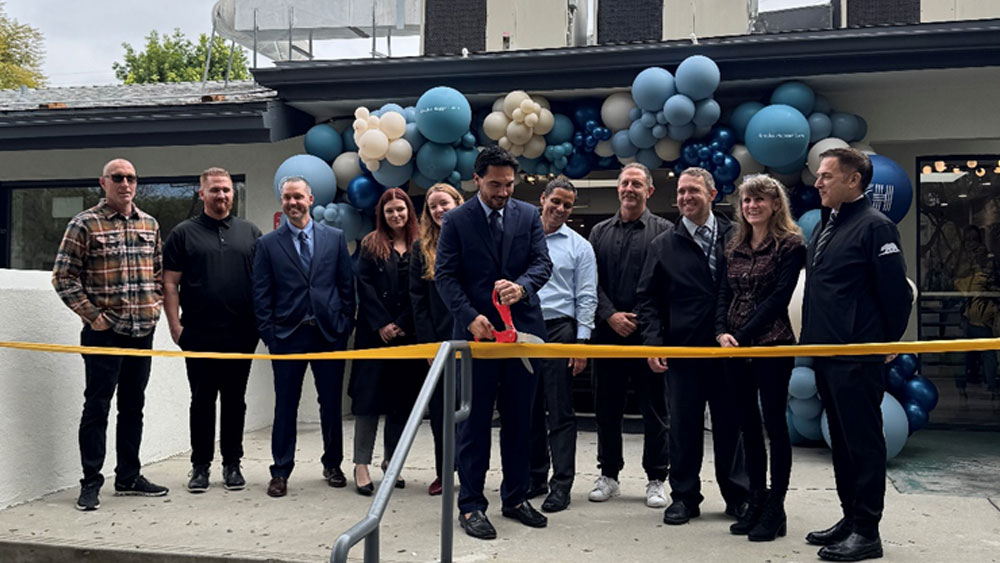
میشل باس، مدیر DHCS، گفت: «مراکزی مانند این که بخشی از مرکز مدیریت بحران SUD هستند، نه تنها به بحرانها، بلکه به نگرانیهای اصلی افرادی که به دنبال کمک در مورد SUD خود هستند نیز رسیدگی میکنند تا بتوانند بهبودی مداوم را دنبال کنند.» «DHCS مفتخر است که با CRI-Help همکاری میکند تا این مرکز را به واقعیت تبدیل کند و مراقبتهای سلامت رفتاری با کیفیت بالا را به این جامعه ارائه دهد.»
CRI-HELP: پروژه مرکز مدیریت بحران SUD متعلق به CRI-Help، بلافاصله دسترسی به خدمات سرپایی و اقامتی بحران را برای بزرگسالان کمدرآمد در مرکز شهر و مناطق شرقی لسآنجلس افزایش میدهد. این پروژه شامل سه برنامه است:
این مراکز در کنار هم، غربالگری، مشاوره گروهی، آموزش بیمار، جلسات گروهی خانواده درمانی، مصاحبه انگیزشی، تلاشهای بهبودی و انتقال گرم به سایر سطوح مراقبت را ارائه میدهند.
برندون فرناندز، رئیس و مدیرعامل CRI-Help، گفت: «با اضافه شدن یک مرکز ترک اعتیاد که توسط BHCIP تأمین مالی میشود و خدمات جامع بهبودی ارائه میدهد، ما در حال تعریف مجدد مراقبتهای قابل دسترس و دلسوزانه در منطقه لسآنجلس هستیم.» «این دانشگاه به عنوان نمادی از نوآوری و مشارکت برای افرادی که به دنبال فرصتی دوباره در زندگی هستند، پابرجاست.»
چرا این مهم است: DHCS از طریق BHCIP به نهادهای واجد شرایط بودجه میدهد تا املاک را بسازند، خریداری کنند و گسترش دهند و در زیرساختهای بحران سیار سرمایهگذاری کنند تا طیف گزینههای درمانی سلامت رفتاری مبتنی بر جامعه را برای افرادی که نیازهای درمانی سلامت روان همزمان و اختلالات مصرف مواد دارند، گسترش دهند. BHCIP در حال رسیدگی به شکافهای تاریخی در سیستم مراقبتهای سلامت رفتاری است تا تقاضای رو به رشد برای خدمات و پشتیبانی در طول عمر افراد نیازمند را برآورده کند.
DHCS مبلغ ۱.۷ میلیارد دلار کمک هزینه رقابتی BHCIP اعطا کرده است. علاوه بر این، DHCS تا سقف ۴.۴ میلیارد دلار بودجه رقابتی BHCIP از طریق اوراق قرضه توزیع خواهد کرد، که شامل ۳.۳ میلیارد دلار برای دور اول: کمکهای مالی آماده راهاندازی به عنوان بخشی از تحول سلامت رفتاری ، تلاش DHCS برای اجرای گزاره ۱ ، میشود. DHCS جلسات منظمی برای استماع عمومی در مورد این تلاش برگزار میکند. بهروزرسانیها و فایلهای ضبطشدهی جلسات در صفحهی وب «تحول سلامت رفتاری» موجود است.
درباره دوره پنجم BHCIP: پیوستار سلامت رفتاری و بحران: دوره پنجم BHCIP ، تا حدودی، از طریق یک ارزیابی نیازهای سراسری در ایالت تدوین شد که شکافهای قابل توجهی را در خدمات بحرانی موجود شناسایی کرد. این ارزیابی نیاز به یک سیستم مراقبتهای بحرانی بهتر را برای کاهش مراجعات به اورژانس، بستری شدن در بیمارستان و حبس نشان داد. این ۳۳ جایزه، در مجموع ۴۳۰ میلیون دلار، برای ساخت و گسترش مراکز مراقبتهای بحرانی و سلامت رفتاری در سراسر ایالت استفاده میشود و به کالیفرنیاییهای آسیبپذیر در تمام سنین، از جمله اعضای Medi-Cal، خدمترسانی خواهد کرد.
###
دفتر ارتباطات
(916) 440-7660
DHCSPress@dhcs.ca.gov
پروژه هایی که انتظار می رود سالانه به بیش از 900 نفر خدمت کنند
ساکرامنتو - وزارت خدمات مراقبتهای بهداشتی (DHCS) در حال گسترش خدمات اقامتی برای افراد مبتلا به اختلالات مصرف مواد و نیازهای همزمان سلامت روان در دو مکان در شهرستان لسآنجلس است.
خدمات سلامت روان و مسکن کودک کامل، افتتاحیه یک مرکز سلامت اجتماعی جدید (در زیر) را جشن گرفت. در اول فوریه، این مرکز ارائه خدمات سلامت روان، مسکن خانوادگی، توانمندسازی والدین و آموزش تغذیه با رویکردی آگاهانه و حساس به فرهنگ و آسیبهای روانی را آغاز کرد. این مرکز از خانوادههایی در جنوب شرقی لسآنجلس که با موانعی برای دسترسی به مراقبتهای بهداشتی مواجه هستند، از جمله جوانان و خانوادههایی که بیخانمان هستند، حمایت میکند.
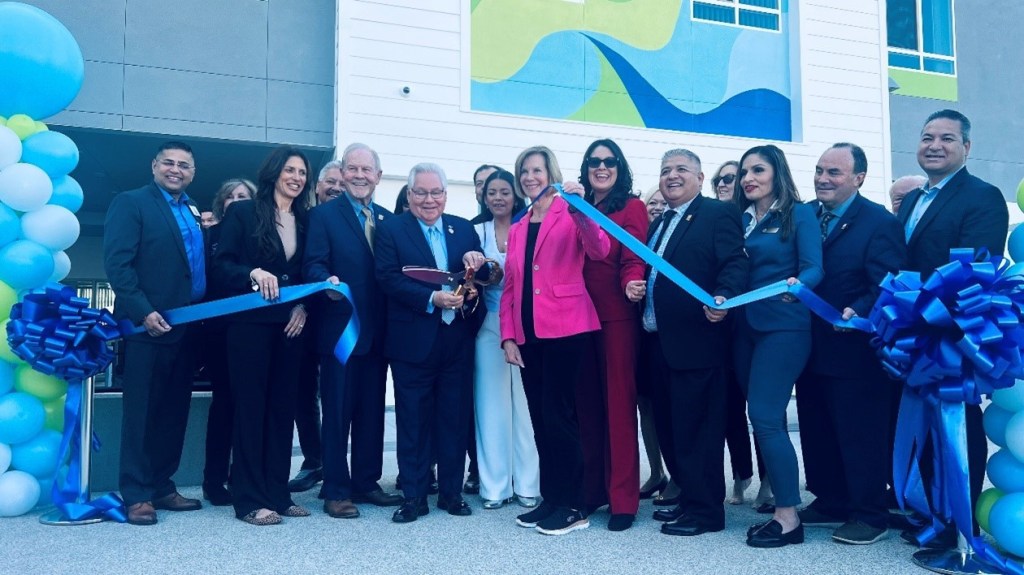
Also, St. Anne’s Family Services hosted a groundbreaking (below) for a new short-term residential therapeutic program (STRTP) called STRTP FOR ONE, which annually provides high-quality supportive housing programs, early childhood education, mental health, and family-based services to thousands of young women, children, and families in Los Angeles County.
هر دو پروژه توسط دور پنجم برنامه زیرساخت سلامت رفتاری (BHCIP) DHCS تأمین مالی شدند. DHCS از طریق BHCIP بیش از ۶ میلیون دلار به خدمات سلامت روان و مسکن کودک کامل (The Whole Child—Mental Health and Housing Services) و بیش از ۲ میلیون دلار به خدمات خانواده سنت آن (St. Anne’s Family Services) اعطا کرد، که بخشی از تعهد مداوم کالیفرنیا برای گسترش خدمات سلامت رفتاری برای همه کالیفرنیاییها است. با تصویب طرح پیشنهادی شماره ۱، مراکز درمانی سلامت رفتاری بیشتری در سالهای ۲۰۲۵ و ۲۰۲۶ تأمین مالی و ساخته خواهند شد.

میشل باس، مدیر DHCS، گفت: «گسترش خدمات مراقبتهای سلامت رفتاری مبتنی بر جامعه، اولویت اصلی DHCS است.» «مراکز اقامتی مانند این، بخش حیاتی تلاشهای کالیفرنیا برای ارائه مراقبتهای باکیفیت و مبتنی بر تروما به افراد و خانوادههایی است که بیشترین نیاز را به آن دارند.»
خدمات سلامت روان و مسکن برای کل کودک: پروژه مرکز بهبود و تندرستی تروما برای خانوادههای بیخانمان و جامعه، خدماتی مبتنی بر تروما و با حساسیت فرهنگی به کودکان، جوانان و خانوادههایی که در منطقه لسآنجلس بیخانمان هستند، ارائه میدهد. این مرکز علاوه بر خدمات مشاوره سرپایی، از آموزشهای شغلی، سلامت روان، راهنمایی در مورد مسکن، والدین و تغذیه نیز پشتیبانی میکند. مجموعه جامع خدمات سلامت روان این مرکز شامل رواندرمانی فردی، خانوادگی و گروهی، مدیریت دارو، آزمایشهای روانشناسی، خدمات روانپزشکی، مدیریت پرونده، خدمات مداخله در بحران، خدمات مرتبط با مدرسه برای ارائه ارزیابی و درمان به دانشآموزان در محل مدارس، تیمهای ارزیابی چندرشتهای و مراقبتهای ویژه کودکان بیسرپرست میشود. شیوههای مبتنی بر شواهد شامل درمان شناختی رفتاری متمرکز بر تروما، درمان شناختی رفتاری فردی، برنامه فرزندپروری مثبت سهگانه P، مدیریت و اتخاذ شیوه، رواندرمانی کودک-والدین، سالهای باورنکردنی، درمان جایگزینی پرخاشگری و رواندرمانی بین فردی است.
کنستانزا پاچون، مدیرعامل The Whole Child، گفت: «ما به عنوان یک پیشرو منطقهای در سلامت روان و تندرستی کودکان، از نزدیک میدانیم که چگونه آسیبها و درد دوران کودکی میتواند تا بزرگسالی کودکان را همراهی کند.» «با این حال، ما همچنین میدانیم که درمان در سنین پایین میتواند تأثیر بسیار مثبتی داشته باشد و ابزارها و مهارتهای مقابلهای لازم را برای کودکان و نوجوانان جهت شروع سفر بهبودیشان فراهم کند.» این مرکز که با بودجه BHCIP ساخته شده است، چراغ امیدی برای جامعه ما خواهد بود.
STRTP برای یک نفر: خدمات خانواده سنت آن، STRTP برای یک نفر را با یک تخت طراحی کرده است که مراقبتهای کاملاً فردی و جامعی را به مادران جوان ۱۳ تا ۱۷ ساله ارائه میدهد که به دلیل نیازهای پیچیده سلامت روان یا رفتاری خود در معرض خطر جابجاییهای متعدد، بیخانمانی و حبس هستند. این برنامه توسط تیمی از متخصصان بالینی بسیار هماهنگ و آگاه به تروما اداره میشود تا مداخلات مبتنی بر قدرت و مراجع محور را در محیطی شبیه به خانه ارائه دهد. هدف این برنامه تجهیز این جوانان به ابزارهایی برای مقابله با آسیبهای پیچیدهشان، تقویت مهارتهای زندگی مستقل و توسعه مهارتهای فرزندپروری در زمان واقعی با حمایت طبیعی است.
لورنا لیتل، مدیر ارشد خدمات اجتماعی، رئیس و مدیرعامل خدمات خانواده سنت آن ، گفت: «ما از همکاری با DHCS برای رسیدگی به نیازهای حیاتی سلامت روان خانوادههای جوان در جامعه خود بسیار هیجانزدهایم.» «ما بهطور منحصربهفردی در موقعیت ارائه خدمات تخصصی به زنان جوان در بحران هستیم - زنانی که باردار هستند یا فرزندپروری میکنند، به دنبال اتحاد مجدد با اعضای خانواده هستند و یاد میگیرند که در برنامههای ما به ثبات برسند تا یک گذار موفق داشته باشند.»
چرا BHCIP مهم است: از طریق BHCIP، DHCS به نهادهای واجد شرایط بودجه اعطا می کند تا برای ساخت، کسب، و گسترش دارایی ها و سرمایه گذاری در زیرساخت های بحران موبایل سرمایه گذاری کنند تا دامنه گزینه های درمان سلامت رفتاری مبتنی بر جامعه را برای افرادی که نیازهای درمانی سلامت روان و اختلالات مصرف مواد دارند گسترش دهند. BHCIP در حال رسیدگی به شکاف های تاریخی در سیستم مراقبت های بهداشتی رفتاری برای پاسخگویی به تقاضای رو به رشد برای خدمات و حمایت ها در طول عمر افراد نیازمند است.
DHCS has awarded $1.7 billion in BHCIP competitive grants. In addition, DHCS will distribute up to $4.4 billion in competitive Bond BHCIP funding, including $3.3 billion for Round 1: Launch Ready grants as part of Behavioral Health Transformation, DHCS’ work to implement Proposition 1. DHCS holds regular public listening sessions on this effort. Updates and recordings of the sessions are available on the Behavioral Health Transformation webpage.
درباره BHCIP راند 5: بحران و تداوم سلامت رفتاری: دور پنجم BHCIP ، تا حدودی، از طریق یک ارزیابی نیازهای سراسری در ایالت تدوین شد که شکافهای قابل توجهی را در خدمات بحرانی موجود شناسایی کرد. این ارزیابی نیاز به یک سیستم مراقبتهای بحرانی بهتر را برای کاهش مراجعات به اورژانس، بستری شدن در بیمارستان و حبس نشان داد. این ۳۳ جایزه، در مجموع ۴۳۰ میلیون دلار، برای ساخت و گسترش مراکز مراقبتهای بحرانی و سلامت رفتاری در سراسر ایالت استفاده میشود و به کالیفرنیاییهای آسیبپذیر در تمام سنین، از جمله اعضای Medi-Cal، خدمترسانی خواهد کرد.
###
دفتر ارتباطات
(916) 440-7660
DHCSPress@dhcs.ca.gov
نقشه راه جدید راهبردهایی را برای ایجاد یک سیستم عادلانه تر و بیمار محور برای اعضای Medi-Cal باردار و پس از زایمان ترسیم می کند.
ساکرامنتو - وزارت خدمات مراقبتهای بهداشتی (DHCS) امروز گزارش مسیر مراقبتهای زایمان ، یک طرح جامع برای بهبود مراقبتهای زایمان برای اعضای Medi-Cal، را منتشر کرد. این نقشه راه، مسیر همه اعضای باردار و پس از زایمان Medi-Cal را از زمان لقاح تا ۱۲ ماه پس از زایمان پوشش میدهد و هدف آن ارائه مراقبتهای در دسترس، عادلانه و بیمارمحور است.
میشل باس، مدیر DHCS، گفت: «مسیر مراقبتهای زایمان نشاندهنده یک گام مهم رو به جلو در تعهد کالیفرنیا برای بهبود سلامت مادران است.» «با تمرکز بر تجربیات اعضا، همسو کردن سیاستها با توصیههای عملی و تقویت مشارکتها در بخشهای مختلف، هدف ما اطمینان از دسترسی هر عضو Medi-Cal به مراقبتهای زایمان ایمن، عادلانه و جامع است.»
اهداف کلیدی: گزارش «مسیر مراقبتهای زایمان» سیاستهایی را که DHCS برای حمایت از همه اعضای باردار و پس از زایمان که در Medi-Cal ثبتنام کردهاند، اجرا کرده یا در حال اجرا دارد، به تفصیل شرح میدهد. علاوه بر این، این گزارش فرصتهایی را برای اکتشافات آینده مشخص میکند.
مسیر مراقبتهای زایمان موارد زیر را در اولویت قرار میدهد:
The Birthing Care Pathway will work to achieve these objectives by transforming Medi-Cal’s maternity policy to create a member-centered approach to prenatal and postpartum care that meets members where they are and provides whole-person care that addresses behavioral health and social needs in addition to medical needs. DHCS will revise and modernize existing Medi-Cal policies to provide members with increased choice of types of maternity providers and supports, like doulas, community health workers, and others, and creating critical linkages between health care and other programs across the state to make it easier for members to get the full range of needed services.
علاوه بر این، DHCS به نیازهای جمعیتهای خاص باردار/پس از زایمان، از جمله افراد درگیر در سیستم قضایی، افراد دارای نیازهای شدید سلامت روان و سوءمصرف مواد، افراد LGBTQI+، و افراد سیاهپوست، سرخپوست آمریکایی/بومی آلاسکا و ساکنان جزایر اقیانوس آرام، رسیدگی خواهد کرد.
DHCS will continue working with state departments, including the California Department of Public Health (CDPH) and Office of the California Surgeon General (OSG), maternity care and social services providers, state and local leaders, Medi-Cal managed care plans (MCP), birth equity advocates, and other partners to implement the Birthing Care Pathway policies outlined in the report. Continuing to engage a diverse set of partners to implement and further develop the Birthing Care Pathway will be vital to align the numerous maternity initiatives occurring so they are not siloed.
دکتر دیانا راموس، جراح کل کالیفرنیا، گفت: «از طریق رویکردی جامع و تمام عیار برای افراد، کالیفرنیا نه تنها سلامت پری ناتال را بهبود می بخشد، بلکه استاندارد جسورانه ای برای مراقبت تعیین می کند که نتایج بهتری را برای خانواده ها در سراسر ایالت به ارمغان می آورد.» «مسیر مراقبتهای زایمان، یک اقدام حیاتی برای تلاشهای ایالتی است که سلامت دوران بارداری را ارتقا میدهد و بر اساس کار نوآورانه و مشارکتی که از قبل در حال انجام است، بنا شده است.»
دکتر رابرت مور، مدیر ارشد پزشکی طرح سلامت مشارکتی کالیفرنیا ، گفت: «با توجه به خدمترسانی به جوامع روستایی در طول دوران حرفهایام، میدانم که ارائه خدمات از زمان لقاح تا یک سال پس از زایمان همیشه یک چالش بوده است.» «همکاریهایی مانند مسیر مراقبتهای زایمان DHCS در گرد هم آوردن شرکا و ذینفعان متعدد برای یافتن راهحلها حیاتی هستند.» کل جامعه باید در این موضوع مشارکت کند تا پیشرفت پایدار حاصل شود.»
اهمیت این موضوع: تقریباً از هر هشت تولد در ایالات متحده، یکی در کالیفرنیا رخ میدهد و ۴۰ درصد از این تولدها تحت پوشش بیمه درمانی Medi-Cal هستند. در حالی که کالیفرنیا در حال حاضر کمترین میزان مرگ و میر مادران را در کشور دارد، اعضای Medi-Cal نسبت به افراد دارای بیمه تجاری، میزان مرگ و میر مادران بالاتری دارند.
در حالی که مسیر مراقبتهای زایمان، یک استراتژی بلندمدت برای تحول مراقبتهای زایمان در Medi-Cal را ترسیم میکند، بسیاری از خدمات و پشتیبانیها در حال حاضر برای اعضای باردار و پس از زایمان در دسترس هستند. اعضای Medi-Cal میتوانند از طریق طرح سلامت و شبکه ارائه دهندگان خدمات خود به مراقبتهای جامع بارداری، از جمله ویزیتهای قبل و بعد از زایمان، خدمات همراه زایمان (doula)، مراقبتهای سلامت رفتاری و پشتیبانی شیردهی دسترسی داشته باشند. DHCS همچنان متعهد به بهبود و گسترش این خدمات به عنوان بخشی از کار مداوم برای اجرای مسیر مراقبتهای زایمان است.
درباره مسیر مراقبتهای زایمان: مسیر مراقبتهای زایمان شامل توصیههای سیاستی است که به نیازهای جسمی، رفتاری و اجتماعی مرتبط با سلامت اعضای باردار و پس از زایمان میپردازد. فرصتها شامل بهبود دسترسی به ارائه دهندگان خدمات، تقویت مراقبتهای بالینی و هماهنگی مراقبتها، ارائه مراقبتهای کامل فردی و نوسازی نحوه پرداخت هزینههای مراقبتهای دوران بارداری توسط Medi-Cal میشود.
مسیر مراقبتهای زایمان بخشی از تعهد چند ساله برای تحول سلامت مادران در کالیفرنیا است و اصلاحات سلامت مادران در حال حاضر در حال انجام است. DHCS در حال اجرای مدل فدرال ده ساله تحول سلامت مادران (TMaH) در پنج شهرستان دره مرکزی است: کرن، فرزنو، کینگز، تولار و مادرا. TMaH یک مدل ارائه خدمات و پرداخت است که برای بررسی این موضوع طراحی شده است که آیا اجرای مؤثر مداخلات مبتنی بر شواهد، که توسط یک مدل پرداخت مبتنی بر ارزش پشتیبانی میشود، میتواند پیامدهای مادری را بهبود بخشد و هزینههای برنامه Medi-Cal را کاهش دهد یا خیر.
فرآیند مشارکتی: مسیر مراقبتهای زایمان، منعکسکنندهی تلاش مشارکتی اعضای Medi-Cal باردار و پس از زایمان، شرکای ایالتی و طیف وسیعی از ارائهدهندگان خدمات درمانی و اجتماعی، سازمانهای جامعهمحور (CBO) و مدافعان است که رویکردی سیاستی مبتنی بر جامعه را برای آیندهی مراقبتهای زایمان و سلامت مادران در کالیفرنیا تضمین میکند. علاوه بر این، بنیاد مراقبتهای بهداشتی کالیفرنیا و بنیاد دیوید و لوسیل پاکارد بودجهای را برای حمایت از مشارکت و توسعه گزارش فراهم کردند. بینشهای کلیدی اعضای مدیکل، نیازهای حیاتی مانند احترام به ترجیحات هنگام تولد، دسترسی به مراقبتهای منطبق با نژاد و متمرکز بر فرهنگ، بهبود پشتیبانی سلامت رفتاری و هماهنگی بهتر مراقبتها را برجسته کرد. تجربیات اعضا مستقیماً توصیههای سیاستی این مسیر را شکل میداد. برای اطلاعات بیشتر، لطفاً از صفحه وب «مسیر مراقبتهای زایمان» دیدن کنید.
ام. تائو، مادر یک نوزاد ۱۱ ماهه ، گفت: «آشنایی با مسیر مراقبتهای زایمان به من احساس آرامش و امید داد، زیرا به این معنی بود که میتوانم بدون ایجاد استرس اضافی، از سلامت خود و نوزادم مراقبت کنم.» «هر بار که برای کمک به یافتن منابع و ثبت نام در این برنامه تماس گرفتم، راهنماییهای واضحی از Medi-Cal دریافت کردم.» این حس که مطمئنی حالت خوب خواهد بود، حسی است که امیدوارم هر پدر و مادری در کالیفرنیا که در حال زایمان است بتواند روی آن حساب کند.
چشمانداز وسیعتر برای سلامت مادران: DHCS با MCPها، ارائهدهندگان خدمات درمانی، CBOها و سایر ذینفعان همکاری خواهد کرد تا عناصر مدل TMaH را که با مسیر مراقبتهای زایمان همسو و مکمل آن هستند، پیادهسازی کند. علاوه بر این، DHCS با همکاری مراقبتهای باکیفیت مادران کالیفرنیا، CDPH و OSG برای تدوین یک طرح استراتژیک سلامت مادران تا سپتامبر 2025 همکاری میکند تا سلامت مادران را در سراسر کالیفرنیا بهبود بخشد.
###
دفتر ارتباطات
(916) 440-7660
DHCSPress@dhcs.ca.gov
خدمات بهداشت رفتاری به 4800 نفر در سال افزایش می یابد
ساکرامنتو - در ژانویه 23 ، 2025 ، اداره خدمات مراقبتهای بهداشتی (DHCS) و خدمات کودک و خانواده سیرا ویستا، افتتاح یک مرکز جدید در شهرستان استانیسلاس را برای رفع شکافهای موجود در درمان سلامت روان و اختلال مصرف مواد (SUD) جشن گرفتند. مرکز سلامت جامعه و پیشگیری از آسیبهای جوانان، خدمات حیاتی سلامت رفتاری، از جمله شیوههای عدالت ترمیمی برای جوانان، مشاوره سلامت روان، خدمات بارداری و پس از زایمان، خدمات حمایت از خانواده و والدین و سایر خدمات یکپارچه را ارائه خواهد داد.
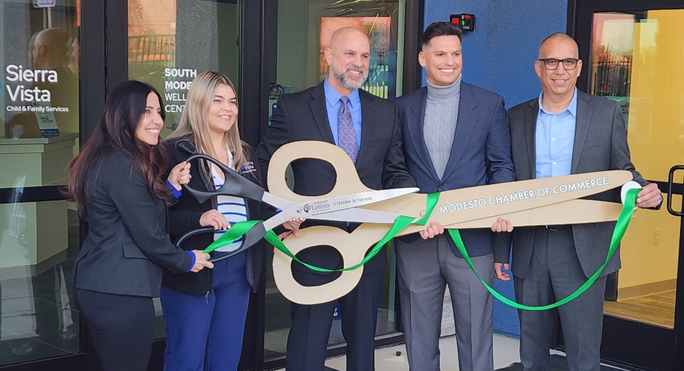
DHCS از طریق برنامه زیرساختی زنجیره سلامت رفتاری (BHCIP) بیش از ۴.۶ میلیون دلار به خدمات کودک و خانواده سیرا ویستا اعطا کرد، که برای تضمین مراقبتهای جامع سلامت رفتاری برای آسیبپذیرترین افراد کالیفرنیا فعالیت میکند. پیشبینی میشود این مرکز سالانه به ۴۸۰۰ نفر خدمات ارائه دهد. با تصویب اوراق قرضه مربوط به طرح پیشنهادی شماره ۱، در سالهای ۲۰۲۵ و ۲۰۲۶، مراکز درمانی سلامت رفتاری بیشتری تأمین مالی و ساخته خواهند شد.
میشل باس، مدیر DHCS، گفت: «مرکز سلامت جامعه و پیشگیری از جوانان بخش مهمی از تلاشهای کالیفرنیا برای ارائه مراقبتهای بهداشتی جامع و با کیفیت بالا به جوامع روستایی و محروم است.» «افتتاح این مرکز برای افرادی که به دنبال خدمات سلامت رفتاری جامع و باوقار در شهرستان استانیسلاس هستند، انقلابی اساسی است.»
اندرو تیمبی، مدیر اجرایی خدمات کودک و خانواده سیرا ویستا ، گفت: «ماموریت ما تقویت خانوادهها و جوامع است.» «ما معتقدیم ابتکارات استراتژیک ما برای تحقق این مأموریت، به طور مؤثر در سرمایهگذاری و توسعه بیشتر مرکز سلامت جامعه و پیشگیری از آسیبهای جوانان ما در قلب شهرستان استانیسلاس، یک محله آسیبپذیر و در حال مبارزه، به کار گرفته شده است.»
خدمات کودک و خانواده سیرا ویستا: خدمات کودک و خانواده سیرا ویستا طیف متنوعی از خدمات، از جمله مدیریت مراقبت پیشرفته، مربیگری، برنامههای درمانی کوتاهمدت اقامتی برای جوانان تحت سرپرستی و برنامههای درمان اختلال مصرف مواد در دوران بارداری و شیردهی را ارائه میدهد.
مرکز جدید سلامت جامعه و پیشگیری از جوانان با استفاده از بودجه BHCIP ساخته شد تا تغییرات پایداری در زندگی کودکان، خانوادهها و کل جامعه استانیسلاس ایجاد کند. این مرکز به کودکان و نوجوانان زیر ۲۵ سال از اقشار محروم و در معرض خطر، از جمله افرادی که در سیستم عدالت نوجوانان با جرائم سبک مشغول به کار هستند و همچنین اعضای خانواده آنها، خدمات ارائه میدهد. خدمات شامل ارزیابیهای مبتنی بر قدرت، خدمات جامع مدیریت پرونده، ارتباط با منابع محلی، آموزش و حمایت از خانواده و مراقبان، غربالگری سلامت روان و خدمات بارداری و پس از زایمان میشود.
چرا BHCIP مهم است: DHCS از طریق BHCIP به نهادهای واجد شرایط بودجه میدهد تا املاک را بسازند، خریداری کنند و گسترش دهند و در زیرساختهای بحران سیار سرمایهگذاری کنند تا طیف گزینههای درمانی سلامت رفتاری مبتنی بر جامعه را برای افراد مبتلا به اختلالات سلامت روان و سوء مصرف مواد گسترش دهند. BHCIP در حال رسیدگی به شکافهای تاریخی در سیستم مراقبتهای سلامت رفتاری است تا تقاضای رو به رشد برای خدمات و پشتیبانی در طول عمر افراد نیازمند را برآورده کند. خدمات کودک و خانواده سیرا ویستا بودجه کمک هزینه دور چهارم BHCIP: کودکان و نوجوانان را دریافت کرد.
DHCS has awarded $1.7 billion in BHCIP competitive grants. In addition, DHCS will distribute up to $4.4 billion in competitive Bond BHCIP funding, including $3.3 billion for Round 1: Launch Ready grants as part of Behavioral Health Transformation, DHCS’ work to implement Proposition 1. DHCS holds regular public listening sessions on this effort. Updates and recordings of the sessions are available on the Behavioral Health Transformation webpage.
درباره BHCIP راند 4: کودکان و جوانان: دور چهارم BHCIP بر کالیفرنیاییهای ۲۵ سال و کمتر، از جمله زنان باردار و زایمان کرده و فرزندانشان و جوانان ۱۸ تا ۲۵ ساله در سن گذار به بلوغ، به همراه خانوادههایشان، متمرکز بود. از طریق بودجهای که توسط طرح ابتکاری سلامت رفتاری کودکان و نوجوانان کالیفرنیا فراهم شد، ۵۲ جایزه در مجموع ۴۸۰.۵ میلیون دلار، امکان ساخت و ساز جدید و گسترش انواع مختلف مراکز سرپایی و اقامتی، از جمله برنامههای اقامتی بحران کودکان، مراکز اقامتی اختلال مصرف مواد در دوران بارداری، مراکز پیشگیری از سلامت جامعه/جوانان و درمان سرپایی اختلالات مصرف مواد را فراهم کرد. برای اطلاعات بیشتر در مورد دریافتکنندگان کمکهزینه و جزئیات بیشتر در مورد تمام دورههای تأمین مالی BHCIP، لطفاً به وبسایت BHCIP مراجعه کنید.
###
دفتر ارتباطات
(916) 440-7660
DHCSPress@dhcs.ca.gov
پروژه شانزده تخت جدید برای استراحت همتایان به افرادی که در انتظار درمان یا ترک محل اقامت هستند اضافه می کند.
ساکرامنتو - در ژانویه 29 ، 2025 ، وزارت خدمات مراقبتهای بهداشتی (DHCS) در مراسم افتتاحیه یک آسایشگاه جدید ۱۶ تختخوابی برای بزرگسالان در شهرستان پلاسر شرکت کرد که محیطی امن، حمایتی و شبیه خانه را برای بزرگسالانی که در انتظار قرار گرفتن در برنامههای درمانی اقامتی هستند یا از چنین برنامههایی به سطح مراقبت پایینتری منتقل میشوند، فراهم میکند. این مرکز که «بندر» نام دارد، از سوم فوریه از طریق یک سیستم مبتنی بر ارجاع که توسط تیم ترک اعتیاد شهرستان پلاسر مدیریت میشود، پذیرای مراجعین خواهد بود.
DHCS از طریق برنامه زیرساختی زنجیره سلامت رفتاری (BHCIP) که بخشی از تعهد مداوم کالیفرنیا برای گسترش خدمات سلامت رفتاری برای همه کالیفرنیاییها است، نزدیک به ۴۰۰۰۰۰ دلار به شهرستان پلاسر اعطا کرد. با تصویب طرح پیشنهادی شماره ۱، مراکز درمانی سلامت رفتاری بیشتری در سالهای ۲۰۲۵ و ۲۰۲۶ تأمین مالی و ساخته خواهند شد.
میشل باس، مدیر DHCS، گفت: «اغلب اوقات، محیطهای بستری محدود تنها گزینه موجود برای افرادی است که بحران سلامت روان را تجربه میکنند.» «مراکز جامعهمحور، آگاه از آسیبهای روانی و متمرکز بر تابآوری مانند هاربر، پتانسیل متحول کردن رویکرد کالیفرنیا به درمان و بهبودی سلامت رفتاری را دارند.»
بندرگاه: این مرکز جدید شامل یک مرکز مراقبت ویژه برای افراد همتا خواهد بود که برای تکمیل زنجیره درمان سیستم تحویل سازمانیافته دارو و درمان مدیکال (DMC-ODS) در بخش بهداشت و خدمات انسانی شهرستان پلاسر طراحی شده است و محیطی ساختاریافته را برای افرادی که مراکز اقامتی را ترک میکنند یا در انتظار مراکز اقامتی هستند، فراهم میکند. ساکنان در فعالیتهای خودیاری برای بهبودی شرکت خواهند کرد و در عین حال به طور بالقوه در مراقبتهای سرپایی نیز مشارکت خواهند داشت.
Services provided include ongoing needs assessment across the behavioral health and physical health spectrums, case management, crisis management, trauma-informed individual and group therapy, peer-to-peer supportive services, linkage to cultural supports and services, and other necessary referral services for a safe and efficient discharge back into the community. These services are designed to provide less costly and less intrusive care than those offered in a hospital setting.
ایمی الیس، مدیر سلامت رفتاری شهرستان پلاسر، گفت: «بندر محیطی دلسوزانه و حمایتی را ارائه میدهد که در آن افراد میتوانند قدرت خود را بازیابند، التیام یابند و دوباره با حس تندرستی خود ارتباط برقرار کنند.» «این مرکز بخشی از تلاشهای مداوم شهرستان پلاسر برای ساخت و گسترش زیرساختهای سلامت رفتاری خود برای پاسخگویی به افراد نیازمند است.»
چرا BHCIP مهم است: از طریق BHCIP، DHCS به نهادهای واجد شرایط بودجه اعطا می کند تا برای ساخت، کسب، و گسترش دارایی ها و سرمایه گذاری در زیرساخت های بحران موبایل سرمایه گذاری کنند تا دامنه گزینه های درمان سلامت رفتاری مبتنی بر جامعه را برای افرادی که نیازهای درمانی سلامت روان و اختلالات مصرف مواد دارند گسترش دهند. BHCIP در حال رسیدگی به شکاف های تاریخی در سیستم مراقبت های بهداشتی رفتاری برای پاسخگویی به تقاضای رو به رشد برای خدمات و حمایت ها در طول عمر افراد نیازمند است.
DHCS مبلغ ۱.۷ میلیارد دلار کمک هزینه رقابتی BHCIP اعطا کرده است. علاوه بر این، DHCS تا سقف ۴.۴ میلیارد دلار بودجه رقابتی BHCIP از طریق اوراق قرضه توزیع خواهد کرد، که شامل ۳.۳ میلیارد دلار برای دور اول: کمکهای مالی آماده راهاندازی به عنوان بخشی از تحول سلامت رفتاری ، تلاش DHCS برای اجرای گزاره ۱ ، میشود. DHCS جلسات منظمی برای استماع عمومی در مورد این تلاش برگزار میکند. بهروزرسانیها و فایلهای ضبطشدهی جلسات در صفحهی وب «تحول سلامت رفتاری» موجود است.
درباره دور سوم BHCIP: آماده برای راهاندازی: دور سوم BHCIP از فعالیتهای آمادهسازی برای برنامهریزی برای اکتساب و گسترش زیرساختهای سلامت رفتاری در سراسر ایالت پشتیبانی کرد. ۴۵ مرکز اعطا شده در مجموع ۵۱۸.۵ میلیون دلار بودجه دریافت کردند. متقاضیان BHCIP ملزم بودند که گسترش خدمات برای اعضای Medi-Cal را نشان دهند و یک فرآیند برنامهریزی معتبر داشته باشند تا از آماده بودن پروژهها برای اجرا اطمینان حاصل شود.
###
دفتر ارتباطات
(916) 440-7660
DHCSPress@dhcs.ca.gov
ساکرامنتو - وزارت خدمات مراقبتهای بهداشتی (DHCS) از طریق شبکه پیشگیری از مصرف بیش از حد کالیفرنیا (COPN )، یک شبکه آموزشی معتبر در سطح ایالت که به مبارزه با اپیدمی مصرف بیش از حد مواد مخدر اختصاص دارد، مبلغ 2.7 میلیون دلار به 15 ائتلاف محلی اعطا کرد. این بودجه، پشتیبانی پایداری را برای ائتلافهایی که از مأموریت COPN برای تقویت ارتباطات درون جوامع و دسترسی به دانش، آموزش و منابع برای بهبود شیوهها و ایجاد تغییرات پایدار حمایت میکنند، فراهم خواهد کرد.
میشل باس، مدیر DHCS، گفت: «به طور سنتی، درمان اختلال مصرف مواد افیونی با ارتباطات محدود بین ارائه دهندگان خدمات و سایر سازمانها، به بخشهای جداگانهای تقسیم شده است که منجر به شکاف در مراقبت میشود.» «این بودجه از تلاشهای COPN برای کمک به هماهنگی ائتلافها، سازمانها و افرادی که در خط مقدم اپیدمی مصرف بیش از حد مواد در کالیفرنیا کار میکنند، برای اولویتبندی نیازهای منحصر به فرد و محلی و اجرای راهحلهای اثباتشدهای که جان انسانها را نجات میدهند، پشتیبانی خواهد کرد.»
ایجاد تغییر: پانزده ائتلاف برنده جایزه، از این بودجه بین ژانویه 1 ، 2025 و آگوست 30 ، 2027 برای اجرای استراتژیهایی که به پیشگیری، درمان و بهبودی از مصرف بیش از حد مواد مخدر میپردازند، استفاده خواهند کرد. این تلاشها شامل توزیع نالوکسان، گسترش دسترسی به منابع نجاتبخش و آموزش جامعه است که همگی با هدف کاهش مرگ و میر ناشی از مصرف بیش از حد مواد مخدر و تقویت بهبودی طولانی مدت در سراسر ایالت انجام میشود.
چرا این مهم است: بیش از ۷۰۰۰ کالیفرنیایی در سال ۲۰۲۲ بر اثر مصرف بیش از حد مواد افیونی جان خود را از دست دادند . سالانه بیش از ۸۳۰۰۰ مرگ ناشی از مصرف بیش از حد مواد افیونی در سراسر کشور رخ میدهد که ۹۰ درصد آنها مربوط به فنتانیل است.
تأثیر کمکهای مالی: جن رودز، هماهنگکننده ائتلاف ایمنی مواد افیونی سن لوئیس اوبیسپو ، گفت: «در نتیجه این بودجه، ائتلاف ما به ارائه آموزش و آگاهیبخشی به جامعه برای کاهش مصرف مواد افیونی و افزایش فرصتها برای پیشگیری از مصرف بیش از حد ادامه خواهد داد.» «ما همچنین دسترسی به ارائه دهندگان خدمات را بهبود خواهیم بخشید تا دسترسی به خدمات درمانی و کاهش آسیب در سراسر شهرستان افزایش یابد.»
آرتور کامارگو، هماهنگکننده ائتلاف برای مبارزه با مواد مخدر در سولانو ، گفت: «این بودجه، ابتکارات فعلی ائتلاف ما را تقویت کرده و تلاشهای ما را برای دسترسی به جمعیتهای بیشتر گسترش میدهد.» «به طور خاص، این بودجه به ما امکان میدهد خدمات کاهش آسیب، آموزش و توزیع نالوکسان و رویدادها و آموزشهای اجتماعی را گسترش دهیم.» این بودجه همچنین از تلاشهای ائتلاف ما برای بهروزرسانی و انتشار منابعی که به تجویزکنندگان برای تجویز ایمنتر مواد افیونی و بوپرنورفین اختصاص داده شده است، پشتیبانی میکند و از منابع داده ما برای حمایت از استفاده بهینه از بودجههای محلی تسویه حساب مواد افیونی استفاده خواهد کرد.
با تقویت ارتباطات و فراهم کردن منابع حیاتی، شبکه و آموزش COPN ابزار و پشتیبانی لازم را برای مقابله مؤثر با اپیدمی مصرف بیش از حد مواد مخدر در اختیار ائتلافها قرار میدهد.
تصویر بزرگتر: این پروژه توسط کمک هزینه ایالتی واکنش به مواد افیونی IV که توسط اداره سوء مصرف مواد و خدمات سلامت روان اعطا میشود، تأمین مالی میشود. این پروژه بخشی از تلاشهای گستردهتر DHCS برای رسیدگی به اختلالات مصرف مواد، که در مجموع با عنوان پروژه واکنش به مواد افیونی کالیفرنیا شناخته میشود، است تا از طریق ارائه فعالیتهای پیشگیری، درمان و بهبودی، دسترسی به MOUD را افزایش دهد، نیازهای درمانی برآورده نشده را کاهش دهد و مرگ و میر ناشی از مصرف بیش از حد مواد افیونی را کاهش دهد. برای اطلاعات بیشتر، لطفاً به وبسایت DHCS مراجعه کنید.
ایالت، opioids.ca.gov را راهاندازی کرد، ابزاری جامع برای کالیفرنیاییهایی که به دنبال منابعی برای پیشگیری و درمان و همچنین اطلاعاتی در مورد چگونگی تلاش کالیفرنیا برای پاسخگو نگه داشتن شرکتهای بزرگ داروسازی و قاچاقچیان مواد مخدر در این بحران هستند.
نهادهای واجد شرایط ممکن است بتوانند اسپری بینی نالوکسان ۴ میلیگرمی با نام تجاری CalRxرا بدون نسخه (OTC) به صورت رایگان از طریق پروژه توزیع نالوکسان DHCS دریافت کنند. CalRx در حال کار بر روی گزینهای است که افراد بتوانند اسپری بینی نالوکسان بدون نسخه CalRx را مستقیماً خریداری کنند.
###
دفتر ارتباطات
(916) 440-7660
DHCSPress@dhcs.ca.gov
ساکرامنتو - وزارت خدمات مراقبتهای بهداشتی (DHCS) نزدیک به 65.4 میلیون دلار به 91 سازمان برای تقویت سیستم مرکز و اسپوک کالیفرنیا اعطا کرد، یک مدل اثبات شده که برای افزایش دسترسی به داروها برای خدمات اختلال مصرف مواد افیونی (MOUD) در سراسر ایالت طراحی شده است. این بودجه، خدمات پیشگیری، درمان و بهبودی را در سراسر ایالت بهبود میبخشد و مبارزه با بحران مواد افیونی را پیش میبرد و جان انسانها را نجات میدهد.
میشل باس، مدیر DHCS، گفت: «غلبه بر اپیدمی مواد افیونی مستلزم همکاری همه بخشهای سیستم بهداشت عمومی ما برای بهبود است.» «سیستم هاب اند اسپوک با بهبود خدمات و منابع در جوامع سراسر ایالت، شبکه ارائه دهندگان پیشگیری، کاهش آسیب، درمان و بهبودی کالیفرنیا را تقویت میکند.»
The Hub and Spoke System consists of a network of Narcotic Treatment Programs (known as Hubs) licensed to dispense methadone and other MOUDs. These Hubs are connected to other MOUD prescribers (known as Spokes), which primarily provide various formulations of buprenorphine—a medication that reduces opioid cravings and withdrawal symptoms—and ongoing opioid use disorder (OUD) and substance use disorder (SUD) care and treatment.
چرا این مهم است: بیش از ۷۰۰۰ کالیفرنیایی در سال ۲۰۲۲ بر اثر مصرف بیش از حد مواد افیونی جان خود را از دست دادند . سالانه بیش از ۸۳۰۰۰ مرگ ناشی از مصرف بیش از حد مواد افیونی در سراسر کشور رخ میدهد که بیش از ۹۰ درصد آنها مربوط به فنتانیل است. سیستم Hub and Spoke دسترسی به خدمات درمان با کمک دارو (MAT) را در سراسر ایالت، به ویژه در شهرستانهایی که بالاترین میزان مصرف بیش از حد مواد مخدر را دارند، افزایش میدهد. این برنامه از سیستم Vermont Hub and Spoke الگوبرداری شده بود که با موفقیت دسترسی به MAT را در یک ایالت روستایی با زیرساختهای درمانی کم افزایش داد. این پروژه با افزایش تعداد کل پزشکان، دستیاران پزشک و پرستارانی که بوپرنورفین تجویز میکردند، دسترسی به MAT را برای بیماران مبتلا به OUD افزایش داد.
سیستم Hub and Spoke همچنان به بهبود آموزش، اطلاعرسانی و درمان بیماران مبتلا به SUD و OUD ادامه میدهد و تمرکز ویژهای بر خدمترسانی به جمعیتهای آسیبپذیر و افزایش خدمات MOUD دارد. این سیستم به گونهای طراحی شده است که:
این به چه معناست: نود و یک سازمان جوایزی را برای ارائه خدمات MOUD برای اجرای Hub and Spoke System از ژانویه 1 ، 2025 تا سپتامبر 29 ، 2027 دریافت خواهند کرد. اعطا کنندگان شامل برنامه های درمان مواد مخدر، مراکز بهداشتی فدرال واجد شرایط، کلینیک های بهداشت روستایی، کلینیک های اجتماعی، سازمان های غیرانتفاعی و نهادهای قبیله ای هستند.
تأثیر کمک هزینه: آریل پترسون، مدیر مدیریت برنامه کلینیک خانواده ونیز ، گفت: «این بودجه به کلینیک خانواده ونیز اجازه میدهد تا صرف نظر از وضعیت بیمه افراد مبتلا به اختلال مصرف مواد، حمایتهای حیاتی را برای آنها ارائه دهد.» «این شامل داروهای اختلال مصرف مواد افیونی، مشاوره، مدیریت پرونده و انتقال به مراکز سمزدایی یا مراقبتهای شبانهروزی میشود.»
جودیت سوربر، مدیر برنامه MAT مرکز پزشکی کیما:و ، گفت: «ما مفتخریم که این بودجه کمکی را برای حمایت از برنامه MAT خود برای OUD دریافت میکنیم و این امر ما را قادر میسازد تا به ارائه خدمات حیاتی و پزشکی به بیماران بومی آمریکایی پرخطر ادامه دهیم.» «برنامه MAT همچنان بخش جداییناپذیر مرکز پزشکی ما و جامعه وسیعتری است که به آن خدمت میکنیم.» این بودجه به رشد برنامه ما، کاهش انگ اجتماعی و کاهش مرگ و میر ناشی از مصرف بیش از حد مواد افیونی در جامعه روستایی و قبیلهای ما کمک خواهد کرد. با ایجاد یک محیط کلینیکی ساختارمند، هدف ما توانمندسازی بیماران برای بازسازی زندگی خود و مشارکت به عنوان اعضای مؤثر جامعه و حمایت از خانوادهها و جوامعشان است.
آندریانی، مدیر ارزیابی کلر|ماتریکس، گفت: «با حمایت مالی سیستم هاب اند اسپوک، برنامههای درمانی سرپایی، اقامتی و درمان مواد افیونی ما قادر به ارائه خدمات گستردهتر به جامعه در مورد MOUD نجاتبخش هستند و دسترسی برابر به MAT را برای بیماران بدون بیمه و با بیمه ناکافی فراهم میکنند.» «بودجه سیستم هاب اند اسپوک برای حمایت از مدیران پزشکی، مشاوره و کادر پرستاری ما بسیار مهم است تا بتوانیم درمان با بالاترین کیفیت را به تعداد بیشتری از بیماران مبتلا به اختلالات مصرف مواد و محرکها ارائه دهیم.» ما قادر خواهیم بود دانش و آگاهی از مزایا و تأثیر MAT را بهبود بخشیم و از طریق خدمات جامع آموزش و مشارکت بیمار، انگ اجتماعی را بیشتر کاهش دهیم.
تصویر بزرگتر: ایالت، opioids.ca.gov را راهاندازی کرد، ابزاری جامع برای کالیفرنیاییهایی که به دنبال منابعی برای پیشگیری و درمان و همچنین اطلاعاتی در مورد چگونگی تلاش کالیفرنیا برای پاسخگو نگه داشتن شرکتهای بزرگ داروسازی و قاچاقچیان مواد مخدر در این بحران هستند.
سیستم Hub and Spoke توسط کمک هزینه State Opioid Response IV که توسط اداره خدمات سوء مصرف مواد و سلامت روان اعطا میشود، تأمین مالی میشود. این پروژه بخشی از تلاشهای گستردهتر DHCS برای رسیدگی به اختلالات مصرف بیش از حد مواد افیونی، که در مجموع با عنوان « واکنش به مواد افیونی کالیفرنیا» شناخته میشود، است تا از طریق اقدامات پیشگیری، درمان و بهبودی، دسترسی به داروهای مسکن را افزایش دهد، نیازهای درمانی برآورده نشده را کاهش دهد و مرگ و میر ناشی از مصرف بیش از حد مواد افیونی را کاهش دهد. برای اطلاعات بیشتر، لطفاً از وبسایت «مروری بر واکنش به مواد افیونی DHCS کالیفرنیا» دیدن کنید.
###
دفتر ارتباطات
(916) 440-7660
DHCSPress@dhcs.ca.gov
ساکرامنتو - در واکنش به آتشسوزیهای جنوب کالیفرنیا، وزارت خدمات درمانی (DHCS) از دولت بایدن-هریس درخواست کرد و موافقت فدرال را برای دهها انعطافپذیری دریافت کرد تا از اختلال در ارائه مراقبتهای بهداشتی جلوگیری شود و اعضای Medi-Cal بتوانند به دریافت مراقبتهای مورد نیاز خود ادامه دهند. معافیتهای ۱۱۳۵ به وزارت بهداشت و خدمات انسانی ایالات متحده (HHS) اجازه میدهد تا در مواقع اضطراری ملی، الزامات اداری مختلفی را برای افزایش دسترسی به خدمات پزشکی لغو کند. ۱۱۳۵ مورد از مجوزهای معافیت در طول مدت وضعیت اضطراری بهداشت عمومی که توسط خاویر بکرا، وزیر سابق HHS، اعلام شد، که ۹۰ روز است، همچنان معتبر باقی میمانند.
تایلر سادویت، مدیر مدیکید ایالت ، گفت: «DHCS متعهد است به کالیفرنیاییها کمک کند تا در طول این بحران ویرانگر و همزمان با شروع ظهور و بهبودی جوامع، به مراقبتهای مورد نیاز خود دسترسی پیدا کنند.» «معافیتهای اعطا شده توسط شرکای فدرال ما، انعطافپذیری لازم را برای ارائه دهندگان مراقبتهای بهداشتی فراهم میکند تا به نیازهای فوری اعضای Medi-Cal رسیدگی کنند.» چه تضمین دسترسی مداوم به خدمات کلینیکی در محیطهای جایگزین، چه ارائه انعطافپذیریهای هدفمند برای خدمات خانگی و مبتنی بر جامعه، و چه سادهسازی ثبتنام ارائهدهندگان خدمات، این اقدامات به گونهای طراحی شدهاند که موانع مراقبت و پشتیبانی از بیماران و ارائهدهندگان خدمات خط مقدم را در طول این شرایط اضطراری و در طول فرآیند بهبودی از بین ببرند.
انعطافپذیریهای کلیدی عبارتند از:
درباره انعطافپذیریها: طبق معافیتهای ۱۱۳۵، مراکز خدمات مدیکر و مدیکید (CMS) به طور موقت برخی از الزامات مدیکر، مدیکید و برنامه بیمه سلامت کودکان را کاهش میدهد تا به ارائه دهندگان مراقبتهای بهداشتی و مراکز درمانی در مواقع اضطراری یا فاجعه کمک کند. مصوبات پیوست K انعطافپذیریهای بیشتری را مختص برنامههای خدمات خانگی و اجتماعی ارائه میدهند. این اقدامات به منظور کاهش بار اداری و ایجاد انعطافپذیری در ارائه مراقبتهای بهداشتی در دوران بحرانی طراحی شدهاند
همین امروز کمک بگیرید: کالیفرنیاییها میتوانند از CA.gov/LAfires ، مرکزی برای کسب اطلاعات و منابع از دولتهای ایالتی، محلی و فدرال، بازدید کنند.
شرکت Covered California اخیراً یک دوره ثبت نام ویژه برای ساکنان شهرستانهای لسآنجلس و ونتورا اعلام کرده است. این دوره ثبت نام ویژه تا 8 مارس 2025 ادامه خواهد داشت. منابع از طریق شهرستان لسآنجلس و ایالت کالیفرنیا در دسترس هستند. از ۱.۳ میلیون کالیفرنیایی فاقد بیمه که واجد شرایط دریافت یارانه از طریق Covered California هستند یا واجد شرایط پوشش Medi-Cal میباشند، ۳۵۶۰۰۰ نفر در جنوب کالیفرنیا ساکن هستند.
California developed resources to help guide people through disasters and provide information about the different types of federal, state, and local services available in California:
از طریق پورتال BenefitsCal ، کالیفرنیاییها میتوانند مزایا را به صورت آنلاین دریافت و مدیریت کنند. این شامل کمکهای غذایی (CalFresh، که قبلاً کوپن غذا نامیده میشد)، کمکهای نقدی (CalWORKs، کمکهای عمومی، برنامه کمکهای نقدی برای مهاجران) و بیمه درمانی مقرون به صرفه (Medi-Cal) میشود.
افراد و صاحبان مشاغلی که در آتشسوزیهای جنوب کالیفرنیا متحمل خسارت شدهاند، میتوانند برای دریافت کمکهای اضطراری درخواست دهند:
اگر از خدمات رله، مانند خدمات رله ویدیویی، خدمات تلفن زیرنویسدار یا موارد دیگر استفاده میکنید، شماره آن سرویس را به FEMA بدهید.
پیشینه: در واکنش به آتشسوزیهای جنگلی و اعلام وضعیت اضطراری و دستور اجرایی فرماندار گوین نیوسام که در تاریخ 7 ژانویه 2025 صادر شد، DHCS به سرعت انعطافپذیریهای اداری کلیدی را برای محافظت از اعضای Medi-Cal در مناطق آسیبدیده ایالت اعمال کرد .
DHCS نسخه Medi-Cal کالیفرنیا از Medicaid را اداره میکند و پوشش درمانی را برای نزدیک به ۱۵ میلیون نفر، از جمله نزدیک به ۴ میلیون عضو در شهرستان لسآنجلس و بیش از ۲۵۰،۰۰۰ عضو در شهرستان ونتورا، فراهم میکند. اگر اعضای Medi-Cal به کمک نیاز دارند، باید با ارائه دهنده خدمات درمانی یا طرح خود تماس بگیرند.
###
دفتر ارتباطات
(916) 440-7660
DHCSPress@dhcs.ca.gov
ساکرامنتو - در واکنش به آتشسوزیهای ویرانگر جنوب کالیفرنیا و اعلام وضعیت اضطراری و دستور اجرایی فرماندار گوین نیوسام که در 7 ژانویه صادر 2025 ، وزارت خدمات درمانی (DHCS) به سرعت انعطافپذیریهای اداری کلیدی را برای محافظت از اعضای مدیکال در مناطق آسیبدیده ایالت اعمال کرد. این تلاشها شامل سادهسازی فرآیندهای ثبتنام و تمدید Medi-Cal، لغو الزامات دسترسی به داروهای تجویزی و تجهیزات پزشکی و سایر انعطافپذیریها برای اطمینان از دسترسی همه اعضای Medi-Cal به مراقبتهای لازم در این شرایط اضطراری است.
Help for Medi-Cal members in Los Angeles County and Ventura County includes:
DHCS میداند که بهبودی از این آتشسوزیهای جنگلی چالشبرانگیز خواهد بود و یک منبع آنلاین برای کمک به پاسخگویی به سوالات اعضای Medi-Cal در مورد دسترسی به خدمات در طول این شرایط اضطراری ایجاد کرده است.
انعطافپذیریهای فعلی برای طرحها و ارائهدهندگان مراقبتهای مدیریتشده Medi-Cal شامل موارد زیر است:
علاوه بر این، DHCS درخواستهایی را به مراکز فدرال خدمات مدیکر و مدیکید (CMS) ارسال کرد تا به کالیفرنیاییهای تحت پوشش مدیکل که تحت تأثیر آتشسوزیهای جنوب کالیفرنیا قرار گرفتهاند، کمک کند. بخش ۱۱۳۵ قانون تأمین اجتماعی، در مواقع اضطراری ملی بهداشت عمومی، انعطافپذیریهایی را فراهم میکند.
میشل باس، مدیر DHCS، گفت: «در DHCS، اعضای ما اولویت اصلی ما هستند و ما با خانوادههای آسیبدیده از آتشسوزیهای جنوب کالیفرنیا ابراز همدردی میکنیم.» «ما در حال همکاری نزدیک با CMS هستیم تا بتوانیم مجوزهای فدرال سریعی را برای انعطافپذیریها به دست آوریم تا به ایالت و اعضای Medi-Cal خود در مقابله با چالشهای ناشی از آتشسوزیهای جنگلی کمک کنیم.» ما به ارائه راهنمایی به ارائه دهندگان خدمات ادامه خواهیم داد تا آنها بتوانند به سرعت از انعطافپذیریهای جدید برای ارائه مراقبتهای بهداشتی با کیفیت و عادلانه به اعضای مدی-کالیفرنیای جنوبی بهره ببرند.
Significant additional flexibilities requested by DHCS include:
DHCS is dedicated to safeguarding the health and well-being of Medi-Cal members and communities suffering from the devastating effects of the Southern California wildfires. DHCS’ purpose extends beyond routine health care services, focusing on proactive planning, rapid response, and continuous support in the face of challenges like these wildfires.
از طریق تلاش های هماهنگ با شرکای ایالتی، محلی، فدرال، و قبیله ای، DHCS تضمین می کند که خدمات مراقبت های بهداشتی حیاتی برای افراد آسیب دیده در دسترس و به موقع باقی می مانند. DHCS از تخصص تیمهای خود و انعطافپذیری مقررات اضطراری برای رفع نیازهای منحصربهفرد جوامع کالیفرنیای جنوبی، از تسهیل دسترسی به مراقبتهای پزشکی و خدمات بهداشت رفتاری گرفته تا اطمینان از در دسترس بودن داروها و تجهیزات پزشکی بادوام، استفاده میکند.
پیشینه: در ژانویه 8 ، 2025 ، در واکنش به آتشسوزیهای فاجعهبار در جنوب کالیفرنیا، رئیس جمهور جوزف آر. بایدن جونیور اعلام کرد که فاجعه بزرگی در ایالت کالیفرنیا و در مناطق آسیبدیده از آتشسوزی رخ داده است. در ژانویه 10 ، 2025 ، خاویر بسرا، وزیر بهداشت و خدمات انسانی ایالات متحده، وضعیت اضطراری بهداشت عمومی را برای کالیفرنیا اعلام کرد و به CMS انعطافپذیری بیشتری برای رسیدگی به نیازهای بهداشتی افراد آسیبدیده اعطا کرد. این اقدامات از طریق برنامهریزی گسترده آمادگی و پروتکلهای واکنش اضطراری پیشگیرانه امکانپذیر شد. این تلاشها نشاندهندهی مشارکت قوی ایالتی و فدرال است و مراقبت و خدمات بیوقفه را در این شرایط اضطراری تضمین میکند.
DHCS نسخه Medi-Cal کالیفرنیا از Medicaid را اداره میکند و پوشش درمانی را برای نزدیک به ۱۵ میلیون نفر، از جمله نزدیک به ۴ میلیون عضو در شهرستان لسآنجلس و بیش از ۲۵۰،۰۰۰ عضو در شهرستان ونتورا، فراهم میکند.
DHCS همه ساکنان آسیبدیده را تشویق میکند که از دستورات تخلیه محلی پیروی کنند، کیفیت هوا را رصد کنند و در صورت لزوم در فضای باز ماسک بزنند. اگر اعضای Medi-Cal به کمک نیاز دارند، باید با ارائه دهنده خدمات درمانی یا طرح خود تماس بگیرند.
اطلاعات بیشتر: منابع و به روز رسانی ها در پیوندهای زیر موجود است:
همین امروز کمک بگیرید:
###
تماس:
دفتر ارتباطات
(916) 440-7660
www.dhcs.ca.gov