캘리포니아 주 공식 웹사이트
번역

새크라멘토 — 캘리포니아 보건의료서비스국(DHCS)은 모든 메디칼 회원의 개인정보 보호와 복지 증진에 변함없이 전념하고 있습니다. 최근 보고서와 법적 동향은 연방 기관이 메디케이드 데이터, 특히 메디칼(Medi-Cal) 혜택을 받는 1,400만 명 이상의 캘리포니아 주민의 개인 정보를 사용하는 방식에 대해 심각한 우려를 불러일으켰습니다. 우리가 알고 있는 것을 공유하고 싶습니다.
12월 29, 2025 에서 연방 법원은 메디케어 센터 & 메디케이드 서비스(CMS)가 미국에 '합법적으로 거주'하지 않는 개인에 한해 이민세관단속국(ICE)과 제한된 정보를 공유할 수 있다는 판결을 내렸습니다. 그러나 연방 정부가 캘리포니아에 법원의 명령을 어떻게 이행할 계획인지에 대한 정보를 제공하지 않았기 때문에 불확실성이 남아 있습니다. 추가 정보가 확보되는 대로 이 페이지를 업데이트할 예정입니다.
Information that may be shared about people who are not “lawfully residing” in the United States includes citizenship or immigration status, address, phone number, date of birth, and Medicaid ID. CMS must exclude anyone who is “lawfully residing” in the United States. If data of individuals who are not lawfully residing in the United States cannot be separated from the data that is still protected (e.g., data of lawful permanent residents, U.S. citizen data, sensitive health records, etc.), CMS cannot share the data with ICE. These restrictions remain in place while the multistate lawsuit is ongoing.
DHCS는 연방법에 따라 변형된 메디케이드 통계 정보 시스템(T-MSIS)을 통해 CMS에 월별 보고서를 제출해야 합니다. 이러한 보고서에는 모든 메디칼 회원의 이름, 주소, 생년월일, 사회보장번호(제공된 경우) 또는 메디케이드 ID, 이민 신분 등 기본 인구 통계 및 자격 세부 정보가 포함됩니다. 법원 명령에 따라 CMS는 특정 조건 하에서 제한된 데이터를 공유할 수 있지만, DHCS는 회원 개인정보 보호를 위해 최선을 다하고 있으며 진행 상황을 면밀히 모니터링하고 있습니다.
이민 단속 목적으로 데이터를 공유함으로써 CMS는 수백만 가족의 건강과 복지를 보호하겠다는 60년 간의 약속을 저버렸습니다. 분명히 말하지만, 이는 공공의 신뢰를 심각하게 저버린 행위입니다. 누구도 의사를 만나거나 응급실에 가는 것을 두려워하며 살도록 강요받아서는 안 됩니다.
오늘 메디칼 보험을 취소해도 이미 이민국에 전송된 정보는 삭제되지 않습니다. 연방 정부가 이민을 이유로 개인정보를 어떻게 사용할 수 있는지 우려되는 개인은 자격을 갖춘 변호사 또는 자격을 갖춘 법률 지원 비영리 단체에 문의하세요.
Facebook은 투명성, 개인정보 보호, 이민 신분에 관계없이 모든 캘리포니아 주민이 필요한 치료를 안전하게 이용할 수 있도록 최선을 다하고 있습니다. 당사는 계속해서 커뮤니티 파트너와 협력하고 업데이트를 공유하며 모든 Medi-Cal 회원의 건강, 복지 및 개인 정보를 보호할 것입니다.
2026년 1월 2일 업데이트
###
커뮤니케이션실
(916) 440-7660
DHCSPress@dhcs.ca.gov
연간 7,665명의 개인에게 서비스를 제공하는 프로젝트
SACRAMENTO — As California continues to strengthen its behavioral health care system, the Department of Health Care Services (DHCS) and Safe Passages today celebrated the ribbon cutting of a new Community Wellness and Youth Prevention Wellness Center in Oakland. Funded by almost $9 million through the Behavioral Health Continuum Infrastructure Program (BHCIP) Round 4: Children and Youth, the center will offer community-derived models of mental health services to a projected 7,600 individuals annually in an outpatient setting.
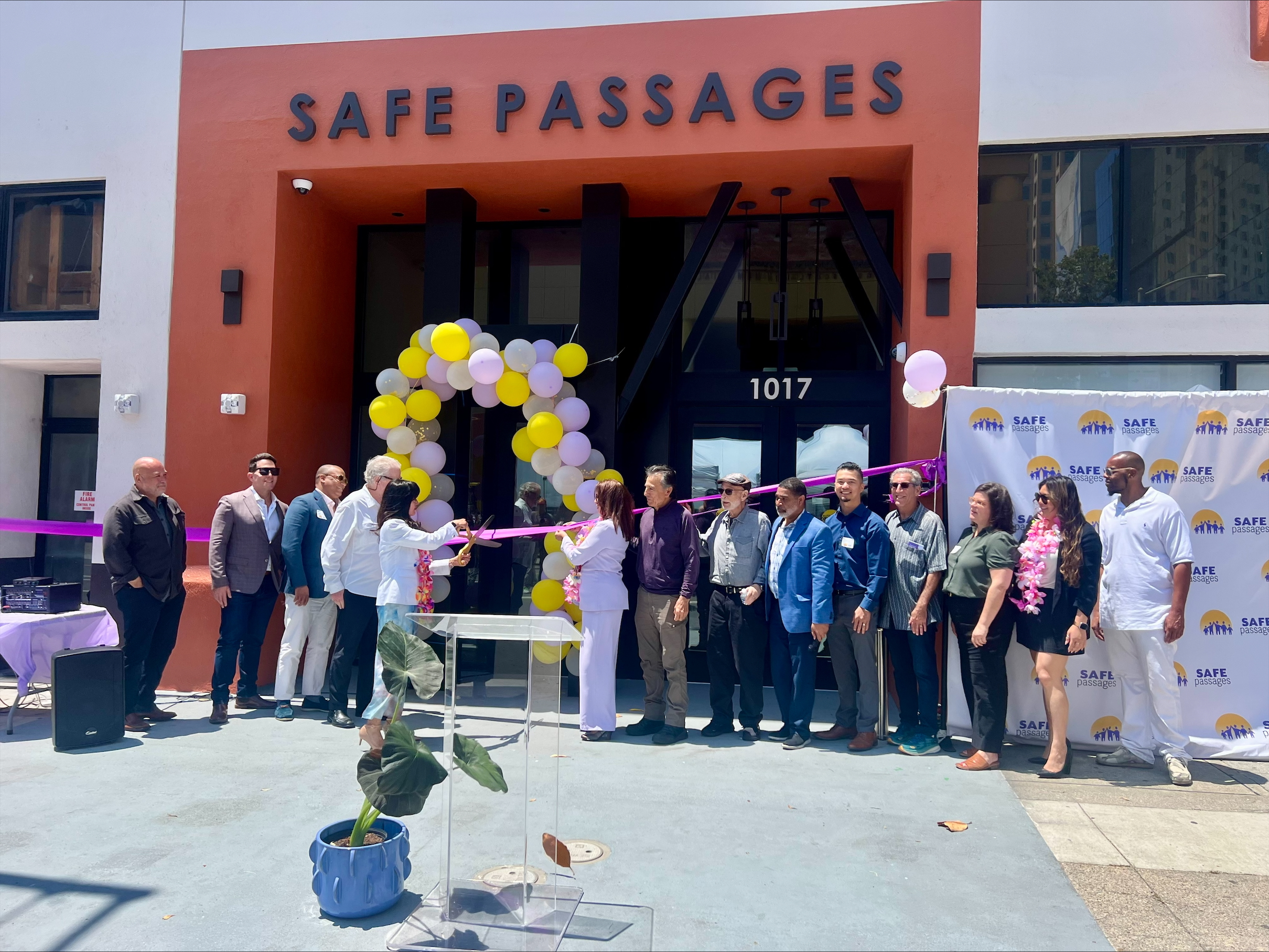
“세이프 패시지스(Safe Passages) 지역 사회 웰니스 및 예방 센터의 개소는 우리 어린이와 청소년의 미래를 위한 의미 있는 투자입니다. DHCS의 미셸 바스 국장은“모든 아동은 인종, 사회경제적 지위, 장애 여부와 관계없이 자신의 잠재력을 최대한 발휘하는 데 필요한 도구를 누릴 권리가 있다”고 말했다. “우리는 청소년들이 건강하게 성장하는 데 필요한 보살핌과 지원, 기회를 누릴 수 있는 안전하고 치유적인 공간을 조성하는 지역사회 주도의 노력을 지원하고 있습니다.” “이 센터는 조기 개입과 예방을 위한 핵심 거점 역할을 수행하며, 어린이와 가족들이 평생 지속될 회복탄력성과 웰빙을 쌓아갈 수 있도록 도울 것입니다.”
세이프 패시지스 지역 사회 웰니스 및 예방 센터: 이 센터는 알라메다 카운티에 거주하는 출생부터 청년기에 이르는 아동 및 청소년을 대상으로, 특히 고위험군에 중점을 두고 정신 건강 서비스를 제공할 예정입니다. 확장된 센터에서는 유아 정신건강 전문가들이 운영하는 모성 지원 서비스 및 양육 교육을 제공하는 유아 발달 프로그램을 운영할 예정이며, 이러한 프로그램은 지역사회에서 비롯되었고 연구에 기반을 두었으며 모범 사례로 입증된 것들입니다. 이러한 프로그램에는 라이프 코칭 프로그램, 주산기 및 유아기 정신건강 프로그램, 부모-자녀 심리치료, 임산부 및 산후 프로그램, 양육 프로그램, 청소년 전환기 발달 프로그램, 개인 및 집단 상담, 진로 탐색 세션 등이 포함됩니다.
세이프 패시지스의 조세피나 알바라도 메나 대표는“지난 29년 넘게 세이프 패시지스는 우리 지역사회의 빈곤 악순환을 끊고, 가족과 청소년들이 스스로 해결책과 진로를 모색할 수 있도록 지원해 왔습니다”라고 말했다. “이 웰니스 센터는 우리가 공동체를 형성하고, 서로 나누며, 함께 성장할 수 있는 만남의 장소이자 안식처입니다.”
이 문제가 중요한 이유: 캘리포니아의 아동 및 청소년 중 약 13명 중 1명이 심각한 정서적 문제를 겪고 있습니다. DHCS는 BHCIP를 통해 자격을 갖춘 기관에 자금을 지원하여 부동산을 신축, 매입 및 확장하고 이동식 위기 대응 인프라에 투자함으로써, 지역 사회가 증가하는 수요를 충족하고 오랫동안 지속되어 온 서비스 격차를 해소할 수 있도록 돕고 있습니다. 이러한 투자는 특히 농촌 지역 사회에서 매우 중요하며, 주민들이 먼 거리를 이동하지 않고도 생명을 구하는 치료를 적시에 받을 수 있도록 보장합니다.
BHCIP는 모든 캘리포니아 주민을 위한 행동 건강 서비스 확대를 위한 캘리포니아 주의 지속적인 노력의 일환입니다. DHCS는 BHCIP 경쟁 보조금으로 17억 달러를 지원했습니다. 또한, DHCS는 경쟁 채권 BHCIP 기금으로 최대 44억 달러를 배분하고 있으며, 여기에는 행동 건강 혁신 (DHCS의 주민 투표 1호 이행 사업)의 일환으로 진행되는 1차: 준비 완료(Launch Ready) 보조금 33억 달러가 포함됩니다. DHCS는 최근 주민투표 1호 채권 BHCIP 2차: 미충족 수요(Unmet Needs) 신청 요청서(RFA)를 발표했습니다. 자격 요건을 충족하는 단체는 메디칼 회원 및 기타 도움이 필요한 캘리포니아 주민들을 위한 정신 건강 서비스를 확대하기 위해 건물을 건설, 인수 또는 개보수하는 데 필요한 자금을 신청할 수 있습니다. DHCS는 정신 건강 및 약물 남용 장애 치료를 위한 지역사회 기반 시설을 지원하기 위해 8억 달러 이상의 보조금을 지급할 예정입니다.
BHCIP 4라운드 정보: 어린이와 청소년: ‘아동 및 청소년 행동 건강 이니셔티브( Children and Youth BehavioralHealth Initiative)’의 일환인 BHCIP 4차 사업은 아동과 청소년뿐만 아니라, 임산부 및 산후 여성과 그 자녀, 16~25세의 전환기 청소년, 그리고 이들의 가족을 포함한 25세 이하의 모든 캘리포니아 주민을 대상으로 합니다. 총 4억 8,050만 달러에 달하는 52건의 지원금을 통해 아동 위기 거주 프로그램, 주산기 약물 사용 장애 거주 시설, 지역사회 웰니스/청소년 예방 센터, 약물 사용 장애 외래 치료 등 다양한 유형의 외래 및 거주 시설의 신축 및 확장이 가능해집니다. 보조금 수혜자에 대한 자세한 정보 및 모든 BHCIP 기금 라운드에 대한 추가 세부 정보는 BHCIP 웹사이트를 참조하세요.
###
커뮤니케이션실
(916) 440-7660
DHCSPress@dhcs.ca.gov
SACRAMENTO — The California Department of Health Care Services (DHCS) today announced the availability of data showing that Medi-Cal Community Supports are successful and cost-effective. The data show that Community Supports are delivering on their promise to address Medi-Cal member needs—reducing avoidable emergency department visits, hospital stays, and long-term care use while showing strong early signs of cost savings. All 12 Community Supports studied are reducing costs, and of these, nine have already demonstrated cost-effectiveness within the initial study period. The remaining three are projected to reach that threshold over a longer study period, consistent with federal rules for evaluating cost-effectiveness.
“Community Supports represent a fundamental shift in how we deliver health care to Californians, enhancing quality of care for Medi-Cal members and strengthening the overall efficiency and equity of our health care system,” said DHCS Director Michelle Baass. “These findings confirm that these services are not only improving lives, but also reducing avoidable health care costs. By scaling these supports statewide, we’re making meaningful progress toward a person-centered Medi-Cal system that meets members where they are and prioritizes prevention, dignity, and value.”
California’s Community Supports were approved in the California Advancing and Innovating Medi-Cal (CalAIM) waivers and phased in by Medi-Cal managed care plans (MCP) beginning in 2022. CalAIM is the state’s initiative to transform Medi-Cal to improve care quality, reduce complexity, and advance equity through data-driven, whole-person care initiatives.
WHY THIS MATTERS: Medi-Cal currently offers 14 Community Supports. These services promote housing stability, ease transitions from institutional settings, support in-home care, provide healthy meals, and offer caregiver relief, helping members avoid costlier hospital or emergency care. The report analyzed 12 of these supports to assess their impact on health and cost outcomes. These 12 out of 14 Community Supports were studied because they are authorized under California’s 1915(b) CalAIM waiver, which California is required to report on each year to the federal government.
DHCS submitted its annual 2024 report to the federal Centers for Medicaid & Medicare Services. It analyzes the impact of 12 Community Supports on member health care, including a new cost-effectiveness analysis for calendar year 2023. Key highlights from the report include:
COST-EFFECTIVE ANALYSIS: Research showed that 9 of the 12 Community Supports studied are already demonstrably cost-effective, and three are likely to be proven so over time, consistent with federal rules. Members using these services typically saw net reductions in (or offsets of) applicable service costs. Examples include:
The cost-effectiveness analysis may be understated due to the short evaluation period, resulting in immediate costs being fully captured but not longer-term savings. DHCS acknowledges that broader initiatives, like Enhanced Care Management, may influence these results. Future evaluations may refine these methods as more data become available, and an independent evaluation will be conducted in line with waiver requirements.
IMPACT OF COMMUNITY SUPPORTS: The expansion of Community Supports has increased access in rural and underserved areas, with health plans such as Anthem Blue Cross, Health Net, and Partnership HealthPlan of California leading efforts to introduce new services in both urban and rural counties. These three plans are among the largest in the state and demonstrated significant expansion of Community Supports in 2024, both in terms of the number of new services elected and geographic spread, particularly in rural counties. As a result, Medi-Cal members in all 58 California counties now have access to a broad array of Community Supports.
WHAT’S NEXT: DHCS released an updated Community Supports Policy Guide that is aligned with the Enhanced Care Management and Community Supports Action Plan. On July 1, 2025, the new Transitional Rent benefit will be optional for MCPs to offer, and will become the first mandatory Community Support on January 1, 2026.
DHCS는 주 전역의 메디칼 가입자의 건강 관련 사회적 요구를 더 잘 충족하기 위해 커뮤니티 지원을 확대하고 강화하기 위해 계속 노력하고 있습니다. 캘리포니아는 예방, 존엄성, 안정을 통해 전인적 치료를 해결하려는 그간의 노력을 바탕으로 수익성을 주시하면서 전인적 치료를 위한 노력을 계속하고 있습니다. 이 접근 방식은 특히 피할 수 있는 의료 서비스 이용을 줄이고 다양하고 복잡한 건강 요구가 있는 회원의 경험을 개선하는 데 있어 이미 변화를 일으키고 있습니다.
###
커뮤니케이션실
(916) 440-7660
DHCSPress@dhcs.ca.gov
매년 3,650명의 위탁 청소년에게 서비스를 제공하는 프로젝트
SACRAMENTO — On May 16, 2025, the Department of Health Care Services (DHCS) and Sycamores celebrated the groundbreaking of Sycamores’ Children’s Crisis Continuum Program, a new behavioral health facility in Altadena. This transformative project will target gaps in the crisis continuum for foster youth across Los Angeles County, with the aim of addressing crises early to avoid escalation in care. DHCS awarded Sycamores more than $2 million for the project through Behavioral Health Continuum Infrastructure Program (BHCIP), Round 5: Crisis and Behavioral Health Continuum.
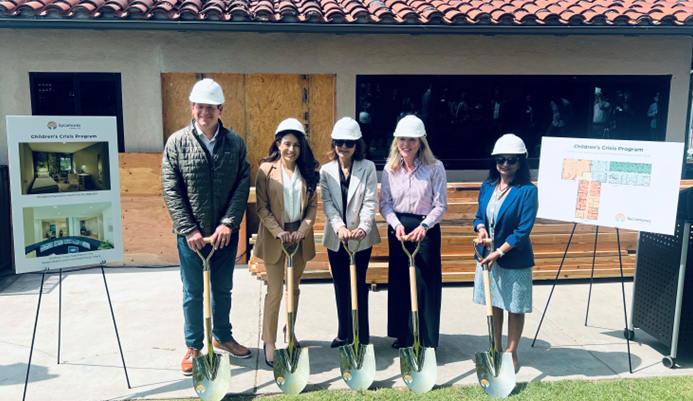
BHCIP is a key component of Mental Health for All, California’s ongoing commitment to expand behavioral health services for all Californians. With the passage of Proposition 1, even more behavioral health treatment facilities will be funded and built in 2025 and 2026.
Just days earlier, on May 12, DHCS awarded $3.3 billion in competitive grant funding through the Bond BHCIP Round 1: Launch Ready awards. This historic investment is funding 124 projects across 42 counties to create or expand 214 behavioral health facilities across California. This investment will result in 5,077 new residential treatment beds and 21,882 new outpatient slots for mental health and substance use disorder treatment, bringing essential behavioral health services closer to the Californians who need them most, including those in the foster care system.
“We’re working to ensure foster youth with significant mental health needs are supported with the services they need,” said DHCS Director Michelle Baass. “Organizations like Sycamores are essential to transforming how we respond to urgent behavioral health challenges. By bringing compassionate, community-based care directly to children and youth in need, they exemplify a behavioral health system that meets people where they are with dignity, support, and hope.”
SYCAMORES’ CHILDREN’S CRISIS CONTINUUM PROGRAM: This project will target gaps in the crisis continuum specifically for foster youth by creating a psychiatric health facility with eight beds and a crisis stabilization unit with 10 slots, projected to serve 3,650 individuals annually in an outpatient setting. This project will help support youth living in the community who are experiencing a crisis to avoid the need for a higher level of care in more restrictive settings. The programs are designed to give youth and caregivers tools to manage their crisis, including skill-building, psychiatric monitoring, psychiatry, therapy, case management, and medication management.
“With the groundbreaking of Sycamores’ new children’s crisis programs, our organization will be in the unique position of meeting the urgent mental health needs of thousands of children and youth in crisis throughout Los Angeles County,” said Debra Manners, Sycamores’ President and CEO. “Considering Sycamores’ long-standing reputation for providing compassionate, life-changing care, we are honored to be able to expand our services with the opening of our programs.”
WHY THIS IS IMPORTANT: More than 1.2 million adults in California live with a serious mental illness, and 1 in 13 children has a serious emotional disturbance. Also, 82 percent of Californians experiencing homelessness reported having a serious mental health condition, and 1 in 10 Californians meet the criteria for a substance use disorder. Additionally, shortages of behavioral health treatment sites contribute to rising rates of homelessness and incarceration among people with mental health disorders.
Through BHCIP, DHCS awards eligible entities funding to construct, acquire, and expand properties and invest in mobile crisis infrastructure to further expand the range of community-based behavioral health treatment options for people with co-occurring mental health treatment needs and substance use disorders. BHCIP is addressing historic gaps in the behavioral health care system to meet the growing demand for services and supports throughout the lifespan of people in need. DHCS has awarded $1.7 billion in BHCIP competitive grants.
ABOUT BHCIP ROUND 5: CRISIS AND BEHAVIORAL HEALTH CONTINUUM: BHCIP Round 5: Crisis and Behavioral Health Continuum was developed, in part, through a statewide needs assessment that identified significant gaps in available crisis services. This assessment showed the need for a better system of crisis care to reduce emergency department visits, hospitalizations, and incarceration. The 33 awards, totaling $430 million, are being used to build and expand crisis care and behavioral health facilities statewide and will serve vulnerable Californians of all ages, including Medi-Cal members. Please see the BHCIP website for more information about grant recipients and additional details about all BHCIP funding rounds.
###
커뮤니케이션실
(916) 440-7660
DHCSPress@dhcs.ca.gov
알아두셔야 할 사항: 주민투표 1호 덕분에 오늘 발표된 예산은 정신 건강 분야를 위한 5,000개 이상의 입원 치료 병상과 21,800개 이상의 외래 치료 병상을 확보하는 데 사용될 예정이며, 캘리포니아의 다른 주요 정신 건강 사업들을 더욱 강화할 것입니다.
SACRAMENTO, CALIFORNIA – Governor Gavin Newsom announced $3.3 billion in grant funding today to create over 5,000 residential treatment beds and more than 21,800 outpatient treatment slots for behavioral health care services and will build upon other major behavioral health initiatives in California. Administered by the California Department of Health Care Services (DHCS), the Proposition 1 Bond Behavioral Health Continuum Infrastructure Program (BHCIP) Round 1: Launch Ready awards will significantly expand access to care for Californians experiencing mental health conditions and substance use disorders, including those experiencing homelessness.
Here is a list of today’s awardees.
“Californians demanded swift action to address our state’s behavioral health crisis when they voted for Prop 1 in March 2024. Today, we’re delivering our biggest win yet. These launch-ready projects will build and expand residential beds and treatment slots for those who need help. Whether it’s crisis stabilization, inpatient services, or long-term treatment, we’re ensuring that individuals can access the right care at the right time.” ~Governor Gavin Newsom
주민투표 1호 채권 발행으로 조성될 자금이 전액 확보되면, 정신 건강 분야를 위한 주거 치료 병상 6,800개와 외래 치료 병상 26,700개가 마련될 것으로 예상되며, 이는 캘리포니아의 다른 주요 정신 건강 사업들을 뒷받침할 것입니다.
Kim Johnson, Secretary of the California Health & Human Services Agency : “Today marks a critical milestone in our commitment to transforming California’s behavioral health system. Through these awards, we are investing in bold, community-driven solutions that expand access to care, promote equity, and meet people where they are. These projects are a reflection of our values and vision for a healthier, more compassionate California.”
Michelle Baass, DHCS Director: “This is a generational investment in California’s behavioral health future. We are not just building facilities. We are building hope, dignity, and pathways to healing for thousands of Californians. These investments will significantly enhance our state’s capacity to provide timely, effective care for individuals in their own communities.”
WHY THIS MATTERS: The Bond BHCIP Round 1 awards will help to create a comprehensive behavioral health system, ensuring that individuals can access the right care at the right time, whether it be for crisis stabilization, inpatient care, or long-term treatment. As part of the state’s goal to reduce mental health crises, increase the availability of services, and support community-based solutions, these investments are vital in ensuring the long-term sustainability and accessibility of behavioral health services.
Through BHCIP, DHCS has competitively awarded grants to construct, acquire, and expand properties and invest in mobile crisis infrastructure for behavioral health. Proposition 1, passed in March 2024, increases funding opportunities to expand BHCIP to serve even more Californians with mental health and substance use disorders through infrastructure development.
BIGGER PICTURE: California’s Mental Health for All initiative is modernizing the behavioral health delivery system to improve accountability, increase transparency, and expand the capacity of behavioral health care facilities. BHCIP supports the creation, renovation, and expansion of facilities that serve individuals with mental health and substance use disorder needs, with a focus on crisis care, residential treatment, and outpatient services. DHCS has already awarded $1.7 billion in BHCIP competitive grants.
There is a 7,000-plus behavioral health bed shortfall in California, contributing to unmet needs among people experiencing homelessness who have mental illness and/or substance use disorders. Bond BHCIP funding is estimated to create 6,800 residential treatment beds and 26,700 outpatient treatment slots for behavioral health and will build upon other major behavioral health initiatives in California. This investment will help address the behavioral health bed shortfall.
WHAT COMES NEXT: Today’s announcement represents the first of two Bond BHCIP funding rounds. The second round, Bond BHCIP Round 2: Unmet Needs, will provide over $800 million in competitive funding awards for behavioral health treatment facilities and is open to all entities. Interested entities are encouraged to apply after the Round 2 Request for Applications goes live as soon as later this month.
또한, 주택 및 지역사회 개발부(HCD)는 제1안 기금 중 최대 20억 달러를 관리하여 노숙자이거나 노숙 위험에 처한 사람들 중 정신 건강 문제 또는 약물 남용 장애를 겪는 사람들을 위한 영구적인 지원 주택을 건설할 예정입니다.
LEARN MORE: For more information about Bond BHCIP Round 1: Launch Ready, please visit the BHCIP website. Additional guidance on Bond BHCIP Round 1: Launch Ready and Round 2: Unmet Needs is available here. Visit the Behavioral Health Transformation webpage for updates and resources, including recordings of regular public listening sessions.
Here is a list of today’s awardees.
###
커뮤니케이션실
(916) 440-7660
DHCSPress@dhcs.ca.gov
연간 3,760명의 개인에게 서비스를 제공하는 프로젝트
새크라멘토 — 캘리포니아주가 정신 건강 관리 시스템 강화에 지속적으로 노력하는 가운데, 4월 18일 보건의료서비스부(DHCS)와 마크 트웨인 의료지구는 캘러베라스 카운티에 새로 개소한 위기 및 웰빙 센터의 개소식을 거행했습니다. 행동 건강 연속성 인프라 프로그램 (BHCIP) 5차: 위기 및 행동 건강 연속성 사업을 통해 330만 달러 이상의 자금을 지원받은 이 센터는 연간 3,760명의 주민에게 긴급 정신 건강 관리, 약물 사용 장애 치료 및 조기 개입 서비스를 제공할 예정입니다.
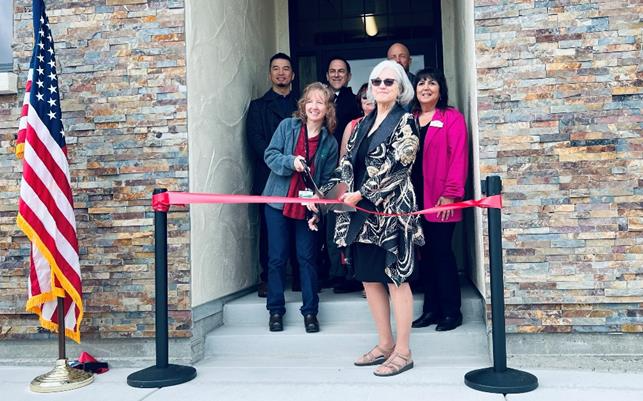
캘리포니아 주 보건복지부(DHCS) 국장 미셸 바스 는 “행동 건강 인프라에 투자하는 것은 모든 캘리포니아 주민이 거주 지역에 관계없이 시의적절하고 공평하며 질 높은 치료를 받을 수 있도록 보장하는 데 매우 중요한 단계입니다.”라고 말했습니다. "마크 트웨인 헬스케어 지구(Mark Twain Health Care District)가 지역 사회의 건강을 증진하고 개인의 회복을 지원하는 데 필수적인 서비스를 확대하는 것을 지원하게 되어 기쁩니다."
사회 가까이에서 의료 서비스를 제공받는 것은 위기가 악화되기 전에 예방하고 사람들이 의존하는 지역 지원 네트워크를 강화하는
도움이 됩니다.마크 트웨인 의료 지구: 확장된 위기 및 웰빙 센터는 연간 3,760명의 환자에게 서비스를 제공할 것으로 예상됩니다. 해당 센터는 심리 치료, 약물 관리 및 정신과 응급 치료를 포함한 외래 행동 건강 치료를 제공할 예정입니다. 또한, 본 프로젝트는 청소년 단체와의 협력을 통해 실업, 노숙, 약물 남용 및 구금
예방하기 위한 조기 개입 서비스
제공할 것입니다.마크 트웨인 헬스케어 지구의 CEO인 랜디 스마트 는 "캘러베라스 카운티의 환자들은 의료 서비스를 제대로 받지 못하고, 종종 감금되거나 수감되며, 학교를 졸업하더라도 사법 당국과 연루되는 경우가 많습니다."라고 말했습니다. "우리 지역사회는 이러한 결과들이 예방 및 치료 가능하다는 것을 인지하고 있지만, 더 많은 자원이 절실히 필요합니다." 우리 카운티는 외래 환자 위기 센터 및 예방 센터 설립에 필요한 의지, 리더십, 그리고 비전을 갖추고 있으며, 이는 행동 건강 관리 수요를 충족하는 데 있어 매우 중요한 진전이 될 것입니다.”
이것이 중요한 이유: BHCIP는 모든 캘리포니아 주민을 위한 정신 건강 서비스 확대를 위한 캘리포니아 주의 지속적인 노력의 일환입니다. DHCS는 BHCIP 경쟁 보조금으로 17억 달러를 지원했습니다. 또한 DHCS는 경쟁 채권 BHCIP 기금으로 최대 44억 달러를 배분할 예정이며, 여기에는 행동 건강 전환의 일환으로 DHCS가 주민 투표 1호안을 이행하기 위해 추진하는 사업의 1차: 준비 완료 보조금으로 33억 달러가 포함됩니다. 주민투표 1호가 통과됨에 따라 2025년과 2026년에 더 많은 정신 건강 치료 시설이 자금
지원받아 건설될 것입니다
DHCS는 BHCIP를 통해 적격 기관에 자금을 지원하여 부동산을 건설, 인수 및 확장하고 이동식 위기 대응 인프라에 투자함으로써 지역 사회가 증가하는 수요를 충족하고 기존의 서비스 격차를 해소할 수 있도록 돕습니다. 이러한 투자는 특히 농촌 지역사회에 매우 중요하며, 사람들이 먼 거리를 이동하지 않고도 시의적절하고 생명을 구할 수 있는 치료를 받을 수 있도록 보장합니다.
BHCIP 5라운드 정보: 위기 및 행동 건강 연속체: BHCIP 5차 사업: 위기 및 행동 건강 연속체는 주 전체의 요구 평가를 통해 개발되었으며, 이 평가에서는 이용 가능한 위기 서비스에 상당한 격차가 있는 것으로 나타났습니다. 이번 평가에서는 응급실 방문, 입원 및 수감 건수를 줄이기 위해 더 나은 위기 관리 시스템이 필요하다는 점이 드러났습니다. 총 4억 3천만 달러에 달하는 이번 33건의 지원금은 캘리포니아 주 전역에 걸쳐 위기 치료 및 정신 건강 시설을 건설하고 확장하는 데 사용될 예정이며, 메디칼(Medi-Cal) 회원을 포함한 모든 연령대의 캘리포니아 주민들에게 서비스를 제공할 것입니다. 보조금 수혜자 및 모든 BHCIP 지원 사업에 대한 자세한 내용은 BHCIP 웹사이트를 참조하십시오.
###
커뮤니케이션실
(916) 440-7660
DHCSPress@dhcs.ca.gov
이 프로젝트는 연간 약 1,000명의 어린이와 개인에게 서비스를 제공하는 40개의 병상을 확장할 예정입니다.
SACRAMENTO — On April 4, 2025, the Department of Health Care Services (DHCS) and Kedren celebrated the groundbreaking of Kedren South-Psychiatric Acute Care Hospital & Children’s Village to serve the South Los Angeles community. This transformative project will provide a comprehensive system of care and support for children and youth experiencing significant mental health challenges—all in one location. It is funded by DHCS’ Behavioral Health Continuum Infrastructure Program (BHCIP) Round 4: Children and Youth and will serve as an integrated “Village Care” model designed for children and their families to receive their services.

DHCS awarded Kedren more than $57 million through BHCIP, which is part of California’s ongoing commitment to expand behavioral health services for all Californians. With the passage of Proposition 1, even more behavioral health treatment facilities will be funded and built in 2025 and 2026.
“케드렌 어린이 마을은 우리 주에서 가장 취약한 아동들의 복지와 미래를 보장하는 데 매우 중요한 자원입니다.” 캘리포니아 주 보건복지부(DHCS) 국장 미셸 바스 는 "이 캠퍼스에 대한 자금 지원을 우선시함으로써 캘리포니아주는 도움이 필요한 아동의 정신적, 신체적 건강을 지원하는 고품질의 따뜻한 보살핌을 제공하는 데 앞장서겠다는 의지를 재확인했다"고 말했다. “케드렌의 정신 및 신체 건강 관리에 대한 포괄적인 접근 방식은 캘리포니아의 모든 어린이들을 위한 더 건강하고 회복력 있는 미래를 만들고자 하는 우리의 비전과 일치합니다.” 이는 그들의 생명뿐만 아니라 우리 지역사회의 강점과 번영
투자입니다.케드렌 남부 정신과 급성 치료 병원 및 어린이 마을: 이 프로젝트는 BHCIP를 통해 5,700만 달러 이상을 지원받았습니다. 이 시설은 정신 질환, 트라우마 및 기타 행동 건강 문제로 고통받는 아동과 청소년에게 삶을 변화시키는 치료를 제공할 것입니다. BHCIP 기금으로 조성되는 새 캠퍼스 시설은 24개 병상을 갖춘 급성 정신과 병원(연간 520명 이상 수용), 8개 병상을 갖춘 아동 위기 주거 프로그램(연간 약 300명의 아동 수용), 그리고 8개 병상을 갖춘 정신 건강 시설(연간 약 100명 수용)로 구성될 예정입니다. BHCIP 보조금 외에도, 캠퍼스 일부에는 정신건강 서비스법 기금으로 조성된 두 개의 건물이 들어설 예정이며, 이 건물에는 아동 외래 진료 서비스와 정신적 어려움을 겪는 아동 및 그 가족을 위한 최대 18개월간의 임시 거주 시설이 포함될 것입니다.
케드렌의 CEO인 그레고리 폴크는 "케드렌은 거의 60년 동안 의료 서비스 접근성을 확대함으로써 로스앤젤레스 남부 지역의 건강 불평등을 해소하기 위해 노력해 왔습니다."라고 말했습니다. "어린이 마을은 전국 최초로 한 캠퍼스 내에서 아동과 청소년을 위한 포괄적인 정신 건강 관리 서비스를 제공하는 시설이 될 것입니다." 저희는 지역사회에 필요한 귀중한 자원들을 제공할 수 있기를 기대합니다.”
Kedren will offer a myriad of evidence-based therapies, including individual, group, family, recreational, occupational, and play. Staff will tailor treatments for each child with a mix of individual psychotherapy, behavioral modification, family counseling, and psychotropic medications. Kedren will also provide specialized assessments, such as psychological testing and occupational therapy assessments.
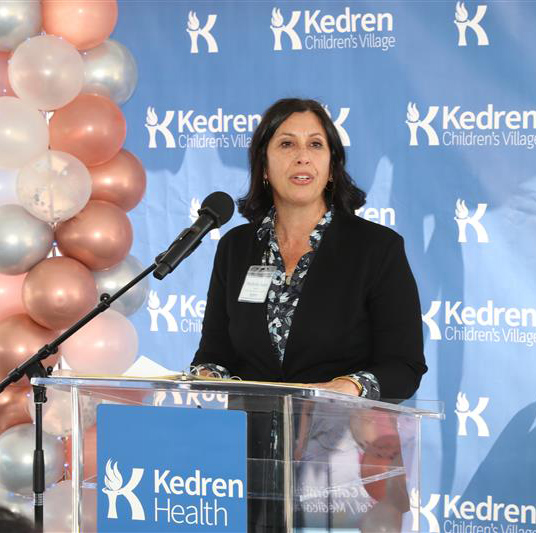
“The challenges we face in behavioral health are significant, but today, we demonstrate our collective commitment to building a strong, comprehensive system of care that will improve lives for years to come,” said Baass.
“Thanks to BHCIP, trusted community providers like Kedren will finally have the facilities and resources to provide essential services across the continuum of care, enabling individuals to receive the right care at the right time in the right setting with providers they trust.”
WHY THIS IS IMPORTANT: BHCIP is part of California’s ongoing commitment to expand behavioral health services for all Californians. Through BHCIP, DHCS awards eligible entities funding to construct, acquire, and expand properties and invest in mobile crisis infrastructure to further expand the range of community-based behavioral health treatment options for people with co-occurring mental health treatment needs and substance use disorders. BHCIP is addressing historic gaps in the behavioral health care system to meet the growing demand for services and supports throughout the lifespan of people in need.
DHCS has awarded $1.7 billion in BHCIP competitive grants. In addition, DHCS will distribute up to $4.4 billion in competitive Bond BHCIP funding, including $3.3 billion for Round 1: Launch Ready grants as part of Behavioral Health Transformation, DHCS’ work to implement Proposition 1.
ABOUT BHCIP ROUND 4: CHILDREN AND YOUTH:BHCIP Round 4, part of the Children and Youth Behavioral Health Initiative, focuses on Californians ages 25 and younger, including pregnant and postpartum women and their children and transition-age youth ages 18-25, along with their families. The 52 awards totaling $480.5 million allow for new construction and expansion of multiple outpatient and residential facility types, including children’s crisis residential programs, perinatal residential substance use disorder facilities, community wellness/youth prevention centers, and outpatient treatment for substance use disorder.
###
커뮤니케이션실
(916) 440-7660
DHCSPress@dhcs.ca.gov
이번 지원금은 스태니슬라우스 및 벤투라 카운티의 지역 응급 의료 서비스 기관을 지원하는 데 사용될 예정입니다.
SACRAMENTO — The Department of Health Care Services (DHCS) awarded $800,000 to two Local Emergency Medical Service Agencies to foster low-barrier access to clinically proven opioid use disorder (OUD) treatment for patients in an emergency medical services (EMS) setting who are at risk of overdose and often do not have access to services in other settings.
“This is an innovative and lifesaving approach to address the opioid crisis. By equipping emergency medical service providers to render treatment in the field, we are meeting patients where they are and connecting them with ongoing care. This program has the potential to reduce opioid-related deaths and improve long-term health outcomes for some of California’s most vulnerable people,” said DHCS Director Michelle Baass.
The grants—awarded through the Emergency Medical Services Buprenorphine Use Pilot Program (EMSBUP) to the Stanislaus County EMS Agency and Ventura County EMS Agency—will enable these two agencies to address substance use disorder as a treatable emergency condition, utilizing paramedics to identify and treat patients who would benefit from medications for addiction treatment (MAT). MAT is the use of medications in combination with counseling and behavioral therapies, which is effective in treating OUDs and helping some people sustain recovery.
WHY THIS IS IMPORTANT: The EMSBUP has pioneered a cutting-edge approach for delivering MAT through EMS. The population served by EMS has a high risk of death from overdose. In a study of 12,000 patients who received naloxone from EMS, 10 percent died within the following year. Another study found that one-third of all patients who died from unintentional overdose had contact with EMS in the year preceding their death. With an estimated 26,000 911 calls for overdose in California, EMS is a critical and underutilized intervention point for expanding access to MAT, delivering harm reduction, and connecting patients with care.
GRANT AWARDS: This program will assist EMS providers in coordinating with navigators to provide linkages to care options for EMS patients with an OUD and provide a system for patients who sign out against medical advice to have access to outpatient treatment options. The project will run from April 1, 2025, through March 31, 2027. It will also collect de-identified data for research and monthly performance metrics to evaluate the effectiveness of this treatment model.
Additionally, resources will be provided to Local Emergency Medicine Service Agencies to support the initiation and sustainability of this treatment model, which includes a naloxone distribution program, EMS-initiated first dose of buprenorphine, and substance use navigation.
GRANTS MAKING A DIFFERENCE: Through State Opioid Response (SOR) grant funding, EMSBUP builds upon an initial SOR-funded project in Contra Costa County in 2020 in which 260 paramedics were trained to identify and treat OUD from an ambulance, more than 2,000 patients were screened for OUD, 120 received buprenorphine in the field, and 55 were connected to ongoing MAT. The results of this work encouraged other counties to adopt the model. To date, this model has been extended to 11 LEMSAs covering 13 counties to train 1,300 paramedics.
"응급구조대에 의한 부프레노르핀 투여는 고위험군 환자에게 부프레노르핀을 투여하기에 가장 중요하고 이상적인 시기, 즉 과다복용 후 금단 증상을 겪고 있어 치료를 더 잘 받아들일 가능성이 높은 시기에 부프레노르핀을 이용할 수 있도록 해줍니다." 응급 의료 서비스(EMS)에서 부프레노르핀을 투여하면 환자가 직접 치료를 찾아 나서는 대신 응급실에서 치료를 받을 수 있으므로, 치명적인 과다 복용을 줄이고 범죄율을 낮추며 생명을 구할 가능성이 있습니다. 적절한 팀이 구성되면 환자는 현장에서 부프레노르핀 투여를 시작하고, 응급 서비스와 연결되며, 몇 시간 내에 상태가 호전될 수 있습니다. "응급실에서 퇴원한 후에도 MAT 프로그램을 통해 부프레노르핀 치료를 계속해야 합니다."라고 콘트라 코스타 지역 의료 센터 및 Choosing Change Clinic의 공중 보건 간호 프로그램 관리자인 Phoebe Blaschak Oliveira, RN, PHN, BSN이 말했습니다.
더 큰 그림: 2023년, 뉴섬 주지사는 펜타닐 및 오피오이드 위기 해결을 위한 종합 계획을 발표했습니다. 이 계획은 과다 복용 예방 노력 지원, 오피오이드 제약 업계의 책임 강화, 마약 밀매 단속, 펜타닐을 포함한 오피오이드의 위험성에 대한 인식 제고 등 오피오이드 및 펜타닐 위기에
하기 위한 적극적인 조치를 포함하는 포괄적인 틀을
합니다.EMSBUP는 미국 약물남용 및 정신건강 서비스국(SAMHSA)의 자금 지원을 받으며, 약물 사용 장애 문제를 해결하기 위한 DHCS의 광범위한 노력의 일환으로, 캘리포니아 DHCS 오피오이드 대응(California DHCS Opioid Response) 으로 알려져 있습니다. 이 프로그램은 약물 보조 치료(MAT)에 대한 접근성을 높이고, 충족되지 않은 치료 요구를 줄이며, 예방, 치료 및 회복 활동을 제공함으로써 오피오이드 과다 복용 관련 사망을 줄이는 것을 목표로 합니다. 캘리포니아 보건복지부(DHCS)의 오피오이드 대응 프로그램은 청소년, 농촌 지역 주민, 미국 원주민 및 알래스카 원주민 부족 공동체 등 약물 보조 치료(MAT) 접근성이 제한적인 인구 집단에 중점을 두고 있습니다. 더 자세한 정보를 원하시면 DHCS 웹사이트를 방문하세요.
DHCS also created the Naloxone Distribution Project (NDP) to combat opioid overdose-related deaths throughout California. The NDP aims to reduce opioid overdose deaths through the provision of free naloxone. For more information about the state’s opioid response, visit opioids.ca.gov.
###
커뮤니케이션실
(916) 440-7660
DHCSPress@dhcs.ca.gov
SACRAMENTO — The Department of Health Care Services (DHCS), under the direction of Governor Gavin Newsom, this month applied to the Center for Medicaid and Medicaid Innovation (CMMI) at the Centers for Medicare & Medicaid Services (CMS) to participate in the groundbreaking Cell and Gene Therapy (CGT) Access Model. If approved, this multi-year initiative will expand Medi-Cal members’ access to lifesaving gene therapies for sickle cell disease (SCD), a severe genetic blood disorder that disproportionately affects people of African descent.
“California’s application to participate in this federal model reflects our commitment to expanding access to groundbreaking treatments for Medi-Cal members with sickle cell disease,” said State Medicaid Director Tyler Sadwith. “These therapies have the potential to transform lives, and this initiative helps ensure that cost is not a barrier for Californians who need them most.”
WHY THIS MATTERS: More than 50 percent of individuals with SCD are covered by Medicaid in the United States. By participating in the CGT Access Model, California will:
사드위스는“이러한 획기적인 치료법에 대한 접근성을 확대함으로써 캘리포니아주는 건강 불평등을 해소하고, 기대 수명을 높이며, 겸상적혈구병을 앓고 있는 메디칼(Medi-Cal) 가입자들이 최상의 치료를 받을 수 있도록 보장하는 데 앞장서고 있다”고 말했다.
CGT 접근 모델에 대하여: 유전자 치료는 SCD에 대한 획기적인 치료법입니다. 이 치료법은 환자 본인의 조혈모세포를 변형시켜 신체가 건강한 적혈구를 생성하도록 돕습니다. 이 일회성 치료법은 심한 통증 발작을 줄이는 것으로 나타났으며, SCD 환자들의 합병증을 예방하고 삶의 질을 향상시킬 가능성이 있습니다.
하지만 이러한 치료법은 엄청난 비용이 소요되어 환자와 메디칼을 포함한 메디케이드 프로그램의 접근성을 저해합니다. CGT 접근 모델은 이러한 치료에 대한 지불금을 환자 결과와 연계하는 협상된 리베이트 시스템을 사용하여 이러한 문제를 해결합니다. 만약 해당 치료법이 기대했던 건강 개선 효과를 내지 못할 경우, 제약회사는 메디케이드 프로그램에 리베이트를 제공하여 재정적 지속가능성을 확보하는 동시에 의료 접근성을 확대할 것입니다.
Initially, the model will focus on gene therapies for SCD, a condition affecting more than 100,000 individuals nationwide, including more than 8,000 Medi-Cal/Children’s Health Insurance Program (CHIP) members in California.
If California is approved, eligible Medi-Cal members will have access to gene therapy treatment, case management, travel assistance, behavioral health support, and fertility preservation services, as the treatment process involves chemotherapy, which can impact fertility. CMS anticipates testing the model over an 11-year performance period, beginning on January 1, 2025.
BIGGER PICTURE: In addition to applying for the CGT Access Model, California was selected earlier this year for the Transforming Maternal Health (TMaH) Model, which aims to improve maternal health outcomes and reduce costs, and is transforming Medi-Cal through its California Advancing and Innovating Medi-Cal (CalAIM) waiver, which focuses on whole-person care, care management, and addressing social drivers of health—strengthening efforts to create a more inclusive and effective health system.
###
커뮤니케이션실
(916) 440-7660
DHCSPress@dhcs.ca.gov
연간 약 2,000명에게 혜택을 제공할 것으로 예상되는 프로젝트
SACRAMENTO — The Department of Health Care Services (DHCS) and Mentis are expanding outpatient services for people with mental health needs in Napa County. Just eight months ago, DHCS and Mentis broke ground on the Napa Valley Youth Wellness Campus, supported by Behavioral Health Continuum Infrastructure Program funding totaling more than $4.7 million.
On March 5, DHCS and Mentis celebrated the ribbon cutting of the new outpatient community mental health clinic and community wellness/youth prevention center, which opened for services and includes 121 new treatment slots and will serve nearly 2,000 people annually.
“DHCS is committed to working with partners like Mentis to rapidly expand mental health and substance use disorder treatment services for California youth,” said DHCS Director Michelle Baass. “BHCIP continues to address historic gaps in the behavioral health care system to meet the growing demand for services and supports throughout the lifespan of people in need.”
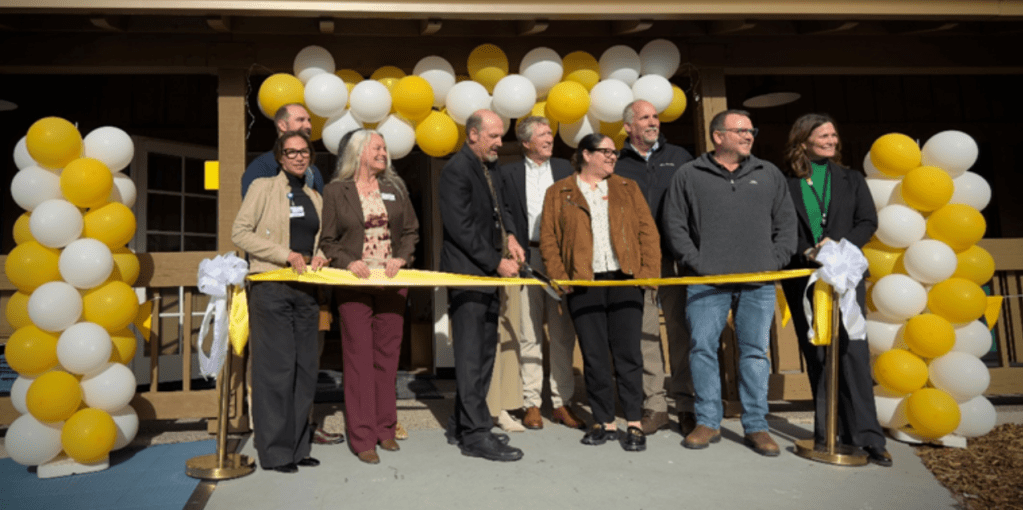
나파 밸리 청소년 웰니스 캠퍼스 프로젝트 리본 커팅
NAPA VALLEY YOUTH WELLNESS CAMPUS: This project will serve the behavioral, mental, and emotional needs of children and youth in Napa Valley and their families. The project involves rehabilitating an existing private middle school campus building to incorporate a supportive art studio, community space, and therapy rooms. Services include children and youth wellness prevention activities, mental health treatment, group therapy and/or family activities, and individual therapy sessions. Programs are offered in English and Spanish and are free and accessible for all. Located within walking distance of three high schools, the campus’ continuum of care is intended to attract a diverse youth population, including youth of color and LGBTQIA+ and justice-involved youth.
“Our community clinic and youth wellness campus will provide much-needed support to youth who continue to struggle with life’s stresses,” said Mentis Executive Director Rob Weiss. “We are eager to expand our continuum of care to serve children and youth with a wide spectrum of needs, and we are grateful to DHCS for making this vision possible.”
WHY THIS IS IMPORTANT: BHCIP is part of California’s ongoing commitment to expand behavioral health services for all Californians. With the passage of Proposition 1, even more behavioral health treatment facilities will be funded and built in 2025 and 2026. Through BHCIP, DHCS awards eligible entities funding to construct, acquire, and expand properties and invest in mobile crisis infrastructure to further expand the range of community-based behavioral health treatment options for people with co-occurring mental health treatment needs and substance use disorders.
DHCS는 BHCIP 경쟁 보조금으로 17억 달러를 지원했습니다. 또한, DHCS는 경쟁 채권 발행을 통해 최대 44억 달러의 BHCIP 자금을 배분할 예정이며, 여기에는 행동 건강 혁신 (DHCS의 주민발의안 1호 이행 사업)의 일환으로 1 차 사업: 준비 완료(Launch Ready) 보조금으로 33억 달러가 포함됩니다. DHCS는 이 사업과 관련하여 정기적으로 주민 의견 수렴 회의를 개최합니다. 회의 업데이트 및 녹화 은 온라인 에서 확인하실 수 있습니다.
4차 사업 개요: 아동 및 청소년:BHCIP 4차 사업은 임신부 및 산후 여성과 그들의 자녀 및 16~25세 청소년, 그리고 그 가족을 포함하여 25세 이하의 캘리포니아 주민을 대상으로 합니다. 캘리포니아 아동 및 청소년 행동 건강 이니셔티브 의 지원을 받아 총 4억 8,050만 달러에 달하는 52건의 사업이 선정되었으며, 이를 통해 아동 위기 주거 프로그램, 산전후 약물 사용 장애 주거 시설, 지역 사회 건강/청소년 예방 센터, 약물 사용 장애 외래 치료 시설 등 다양한 유형의 외래 및 주거 시설의 신축 및 확장이 가능해졌습니다. 보조금 수혜자 및 모든 BHCIP 지원 사업에 대한 자세한 내용은 BHCIP 웹사이트를 참조하십시오.
###
커뮤니케이션실
(916) 440-7660
DHCSPress@dhcs.ca.gov