Opisyal na website ng Estado ng California
Isalin

Sacramento — Inilabas ngayon ng California Department of Health Care Services (DHCS)) ang mga rating ng kalidad para sa mga planong Medi-Cal Managed Care (MCP) at county behavioral Health Plan (BHP), na nagtatampok ng mga masusukat na pagpapabuti sa kalidad ng pangangalaga, pinalawak na pangangasiwa, at isang lumalalim na pangako sa pagkakapantay-pantay sa kalusugan sa buong sistema ng paghahatid ng Medi-Cal ng estado.
Ito ang ikaapat na taon ng mga rating ng MCP at ang pangatlo para sa mga BHP. Ang mga rating ay batay sa pagganap laban sa mga panukat ng Managed Care Accountability Set at Behavioral Health Accountability Set para sa mga serbisyong naihatid mula Enero hanggang Disyembre 2024. Sinusuri ng mga hakbang na ito kung gaano kahusay ang mga plano sa paghahatid ng mataas na kalidad at patas na pangangalaga sa mga pangunahing larangan, tulad ng mga serbisyong pang-iwas, kalusugan ng pag-uugali, kalusugan ng ina, at pamamahala ng mga malalang sakit. Ipinapaalam din nila sa pangangasiwa ng DHCS ang mga sistema ng managed care at behavioral health ng county, na sumusuporta sa mga aksyon sa pagpapatupad, tulad ng mga parusang pinansyal at Corrective Action Plans (CAP), kapag hindi natugunan ang mga pamantayan ng pagganap. Kabilang sa mga pangunahing natuklasan:
BHPs are being held accountable through CAPs, with 10 of 56 Mental Health Plans and 29 of 38 Drug Medi-Cal Organized Delivery System plans receiving CAPs based on performance calculated using Medi-Cal Connect, DHCS’ statewide data analytics platform.
“Ang mga resultang ito ay sumasalamin sa aming ibinahaging pangako sa pagsusulong ng kalidad at pagkakapantay-pantay sa buong sistema ng paghahatid ng Medi-Cal,” sabi ni Michelle Baass, Direktor ng DHCS. "Nakakakita tayo ng tunay na pag-unlad sa mga larangan tulad ng pangangalagang pang-iwas sa sakit ng mga bata, mga serbisyong dental, at pagganap sa kalusugan ng pag-uugali." Alam naming marami pang dapat gawin, at pinapanagot namin ang aming mga sarili at ang aming mga kasosyo sa bawat hakbang ng proseso.”
Ang DHCS ay lumilipat sa pangangasiwa batay sa pagganap na may matinding diin sa pagkakapantay-pantay at pag-unlad na batay sa datos. Halimbawa, noong 2025, ang Behavioral Health Community-Based Organized Networks of Equitable Care and Treatment (BH-CONNECT) Access, Reform and Outcomes Incentive Program ay nagsimulang mag-alok ng mga bayad sa mga BHP na nagpapakita ng pag-unlad sa mga pangunahing hakbang sa kalusugang pangkaisipan.
“Hindi lamang ito tungkol sa mga numero; ito ay tungkol sa paggawa ng mga tunay at positibong pagbabago sa paraan ng paghahatid ng pangangalaga,” sabi ni Dr. Palav Babaria, Punong Opisyal ng Kalidad at Medikal at Pangalawang Direktor ng Pamamahala ng Kalidad at Kalusugan ng Populasyon. "Ginagawa namin ito sa pakikipagtulungan ng aming mga kasosyo sa MCP at BHP, at labis akong ipinagmamalaki ang pag-unlad na aming nagawa sa ngayon." Ang bawat hakbang na ginagawa namin ay tungkol sa pagbuo ng isang sistema ng paghahatid ng pangangalagang pangkalusugan ng Medi-Cal na gagana para sa lahat ng miyembro.
Dr. Babaria added, “By leveraging data, aligning incentives, and listening to the voices of Medi-Cal members, we’re creating a system that not only measures performance, but also supports continuous learning and improvement. Our goal is to ensure that every Californian, regardless of geography or background, has access to high-quality, coordinated care.”
Ang mga na-update na fact sheet, mga ulat ng pagpapatupad, at mga liham ng parusa ay makukuha sa pahina ng Medi-Cal Managed Care Monitoring .
###
Tanggapan ng Komunikasyon
(916) 440-7660
DHCSPress@dhcs.ca.gov
SACRAMENTO — Nagbigay ngayon ang Department of Health Care Services (DHCS) ng halos $47 milyon na mga gawad sa 57 organisasyong nakabase sa komunidad at mga Tribo sa buong California upang makatulong na maiwasan ang paggamit ng droga sa mga kabataan. Sinusuportahan ng mga gawad na ito ang mga programang nakatuon sa pagtuturo, suporta sa mga kapantay, at pakikilahok sa sibiko para sa mga kabataan sa mga komunidad na matagal nang nahaharap sa mga hadlang sa pag-access sa mga serbisyong ito.
“Binibigyan ng pondong ito ng kapangyarihan ang mga kabataan na pamunuan ang pagbabago sa kanilang mga komunidad,” sabi ni Michelle Baass, Direktor ng DHCS. "Sa pamamagitan ng pagsuporta sa mga programang tumutugon sa kultura at pinangungunahan ng mga kapantay, namumuhunan kami sa katatagan at pangmatagalang kagalingan ng mga kabataan ng California."
Ang bawat organisasyon ay makakatanggap ng hanggang $1 milyon sa kabuuan sa loob ng tatlong taong panahon, mula Enero 1, 2026, hanggang Disyembre 31, 2028, upang ipatupad ang programang Elevate Youth California (EYC). Ang EYC ay dinisenyo upang tulungan ang mga kabataang may edad 12 hanggang 26 na magkaroon ng mga kasanayan sa pamumuno, makipag-ugnayan sa mga tagapayo, at makakuha ng mga serbisyong suporta na tumutugon sa kultura.
BAKIT ITO MAHALAGA :This funding is part of a larger effort by DHCS to strengthen California’s substance use disorder prevention programs. EYC helps youth-serving organizations use evidence-based and community-driven approaches to support young people. Programs funded through EYC are healing-centered, trauma-informed, and culturally and linguistically responsive. EYC prioritizes substance use prevention and public health strategies that build resilience.
Sinusuportahan din ng pamumuhunang ito ang utos ehekutibo ng Path & Purpose ni Gobernador Gavin Newsom, na nananawagan sa mga ahensya ng estado na suportahan ang mga kabataang lalaki at lalaki sa paglilingkod at pamumuno at magbigay ng makabuluhan at mapagmalasakit na relasyon sa mga nasa hustong gulang para sa mga kabataang naninirahan sa mga komunidad na may pinakamataas na pangangailangan. Ang lahat ng mga organisasyong ginawaran ng parangal ay tumatanggap ng mga kabataang lalaki at lalaki. Bagama't hinihiling ng EYC na ang mga pinopondohan na inisyatibo ay nakatuon sa mga komunidad na kulang sa serbisyo, maaaring lumahok ang lahat ng kasarian. Ipinapakita ng Taunang Ulat ng DHCS noong 2024 na 37 porsyento ng populasyon na pinaglilingkuran ng mga programa ng EYC ay mga lalaki.
WHAT THEY ARE SAYING “ Ang pondo ng Elevate Youth California ay higit pa sa suporta lamang, kundi nakapagpabago rin sa aming mga kasanayan bilang isang Program,” sabi ni Ilien Tolteca, Youth Coordinator para sa Mixteco Indigena Community Organizing Project. “Ang pondong ito ay nagbigay-daan sa amin upang lumikha at mapahusay ang aming mga satellite site sa buong lungsod, naglilingkod at nagpapatibay sa komunidad na may 60 hanggang 100 kabataang Katutubo mula sa Mixteco, Zapotec, at marami pang ibang komunidad ng Diaspora sa buong Central Coast.” Pinalakas nito ang malayang pamumuno ng kabataan, kaalaman sa kultura, at aksesibilidad sa mga mapagkukunan/kagamitan sa mas mataas na edukasyon para sa ating mga kabataan.
“Ang tulong pinansyal mula sa EYC ay nagbigay-daan sa amin upang makapagbigay ng mahahalagang serbisyo sa pag-iwas sa pag-aalaga ng mga kabataan, mga kabataang nasa probation, at iba pa sa aming komunidad,” sabi niAnthony Hughey, Executive Director ng The Young People's Foundation, Inc.“ Bumuo kami ng mga pangmatagalang ugnayan sa mga kabataan mula sa mga komunidad ng mga Itim at kayumanggi na kulang sa serbisyo at nakabuo ng mga peer leader na nagtutulak ng pagbabago.”
TUNGKOL SA EYC: Simula nang ilunsad ang EYC noong 2019, ang DHCS ay nakapagbigay na ng mahigit $370 milyon sa pamamagitan ng 517 na grant. Ang EYC ay pinopondohan ng Proposisyon 64, na ipinasa ng mga botante noong Nobyembre 2016, na naglegalisa sa paggamit ng marijuana para sa mga nasa hustong gulang na hindi medikal sa California at lumikha ng isang sistema ng buwis upang pangasiwaan ang pagbebenta ng cannabis. Ang isang bahagi ng kita sa buwis na iyon ay sumusuporta sa EYC sa pamamagitan ng DHCS, na nagpopondo sa mga programa sa pag-iwas at pamumuno na nakatuon sa kabataan sa buong estado. Ang mga gawad na ito ay sumusuporta sa pag-unlad ng kabataan, pakikilahok ng mga mamamayan, at suportang pinangungunahan ng mga kapantay sa 56 sa 58 na county ng California.
LANDAS AT LAYUNIN: Noong Hulyo, naglabas si Gobernador Gavin Newsom ng isang utos ehekutibo upang tugunan ang isang lumalaking isyu — ang nakababahalang pagtaas ng mga pagpapakamatay at pagkawala ng koneksyon sa mga kabataang lalaki at lalaki ng California. Ang kautusan ay nagdidirekta ng isang koordinadong tugon sa buong estado upang mapabuti ang mga resulta sa kalusugang pangkaisipan, mabawasan ang stigma, at mapalawak ang access sa makabuluhang edukasyon, trabaho, at mga pagkakataon sa pagtuturo. Makikita rito ang buong utos ng ehekutibo. Ang utos ehekutibo ay tumutulong sa pagtugon sa krisis na ito, na nagdidirekta sa mga ahensya ng estado na lumikha ng isang bagong pokus sa isyung ito at bumuo ng mga bagong landas upang makatulong na muling maiugnay ang mga kalalakihan at kabataang lalaki sa suporta, tulong, at tulong na kailangan nila.
Para makita ang kumpletong listahan ng mga tatanggap ng EYC grant at matuto nang higit pa tungkol sa EYC, bisitahin ang www.elevateyouthca.org.
###
Tanggapan ng Komunikasyon
(916) 440-7660
DHCSPress@dhcs.ca.gov
Sacramento — Inihayag ngayon ng California Department of Health Care Services (DHCS)) ang $145.5 milyon na mga gawad sa 153 organisasyon sa lahat ng 58 county upang palakasin ang mga serbisyo para sa mga miyembro Medi-Cal . Ang Pinahusay na Pamamahala ng Pangangalaga (ECM) at Mga Suporta sa Komunidad ay mga pangunahing bahagi ng California Advancing and Innovating Medi-Cal (CalAIM), ang malawak na pagbabago ng DHCS sa Medi-Cal upang lumikha ng isang mas koordinado, nakasentro sa tao, at patas na sistema ng kalusugan na gumagana para sa lahat ng mga taga-California. Nag-aalok sila ng mga serbisyong iniayon at nakabatay sa komunidad, kabilang ang koordinasyon ng pangangalaga nang harapan, suporta sa pabahay, at iba pang mahahalagang mapagkukunan para sa mga miyembro ng Medi-Cal na may mga kumplikadong pangangailangan. Ang mga parangal ay bahagi ng inisyatibo ng Providing Access and Transforming Health (PATH) Capacity and Infrastructure, Transition, Expansion, and Development (CITED), na tumutulong sa mga lokal na tagapagbigay ng serbisyo na mapalago ang kanilang kakayahang maghatid ng pangangalagang pangkomunidad para sa lahat ng tao.
Upang suportahan ang pagpapalawak ng ECM at Mga Suporta sa Komunidad, ang DHCS ay nagkaloob ng mahigit $1.66 bilyon sa mahigit 2,200 organisasyon sa pamamagitan ng mga inisyatibo nito sa PATH, kabilang ang CITED, Collaborative Planning and Implementation, at ang Technical Assistance Marketplace. Ang mga pagsisikap na ito ay nakaabot na sa mahigit 373,000 na mga naka-enroll sa ECM, nakapaghatid ng mahigit isang milyong serbisyo ng Suporta sa Komunidad, at nakapagpalawak nang malaki ng access para sa mga bata at kabataan, na may 120 porsyentong pagtaas taon-taon sa unang bahagi ng 2025 lamang.
“Ang PATH CITED ay kumakatawan sa isang mahalagang pamumuhunan sa kinabukasan ng Medi-Cal at ng kalusugan ng California,” sabi ni Michelle Baass, Direktor ng DHCS. “Sa pamamagitan ng pagbibigay-kapangyarihan sa mga lokal na tagapagbigay ng serbisyo, na marami sa kanila ay nagsisilbi sa mga komunidad na matagal nang kulang sa resources, pinapalakas natin ang pundasyon ng isang mas patas at nakasentro sa tao na sistema ng paghahatid.” Sama-sama, lumilikha tayo ng pangmatagalang pagbabago na nag-uugnay sa mga miyembro ng Medi-Cal sa pangangalaga at suporta na kailangan nila upang mamuhay nang mas malusog at mas kasiya-siya. Ipinagmamalaki ko ang pag-unlad na nagawa natin at ang mga pakikipagsosyo na nagbigay-daan para maging posible ito.”
Ipinapakita ng mga kamakailang datos na ang mga pamumuhunang tulad nito ay nagreresulta sa pangmatagalang ipon para sa Medi-Cal Program ng California . Napatunayang matipid ang mga Suporta sa Komunidad, na binabawasan ang mga maiiwasang pagbisita sa emergency department, pagpapaospital, at paggamit ng pangmatagalang pangangalaga. Sa pamamagitan ng pamumuhunan ngayon, nakakatulong ang DHCS na matiyak ang isang mas napapanatiling, mahusay, at patas na sistema ng pangangalagang pangkalusugan para sa hinaharap.
Panoorin ang maikling video sa ibaba upang marinig nang direkta mula sa mga nakaraang awardee tungkol sa kung paano nakatulong ang pagpopondo ng PATH CITED sa kanila na mapalawak ang mga serbisyo, kumuha ng mga tauhan, at bumuo ng mas malakas na koneksyon sa kanilang mga komunidad.
BAKIT MAHALAGA ITO: Nag-aalok ang ECM at Community Supports ng mga serbisyong nakabatay sa komunidad, kabilang ang personal na koordinasyon ng pangangalaga, suporta sa pabahay, at iba pang mahahalagang mapagkukunan para sa mga miyembro ng Medi-Cal na may kumplikadong pangangailangan. Tinutulungan ng PATH CITED ang mga tagapagbigay ng ECM at Community Supports na lumipat, palawakin, at paunlarin ang kanilang kakayahang magbigay ng lokal, coordinated na pangangalaga para sa mga komunidad ng miyembro. Gagamitin ng mga awardee ang pondo upang:
ANG SINASABI NILA: “Binabago ng ECM at Community Supports kung paano namin inaalagaan ang mga miyembro ng Medi-Cal na may magkakaiba at kadalasang masinsinang pangangailangan,” sabi ni Susan Philip, Deputy Director ng Health Care Delivery Systems ng DHCS. "Tulad ng sa mga naunang PATH CITED rounds, namumuhunan kami sa imprastraktura at lakas-paggawa na ginagawang posible ang pangangalaga sa buong tao, tinitiyak na ang mga tagapagbigay ng serbisyo ay may mga kagamitang kailangan nila upang makapaghatid ng napapanahon, mahabagin, at koordinadong pangangalaga."
“Dahil sa suporta ng PATH CITED, ginawang isang maunlad na klinika ng Sanctuary Centers of Santa Barbara ang isang ideya na patuloy na nagpapalawak ng abot at epekto nito,” sabi ni Stephanie R. Drake, PhD, Pansamantalang CEO ng Sanctuary Centers of Santa Barbara. “Ang Integrated Health Clinic ay isang modelo para sa kolaboratibong, nakasentro sa pasyenteng pangangalaga, na nagtutugma sa mga kritikal na kakulangan sa mga serbisyo at tinitiyak na ang mga miyembro ng Medi-Cal ay makakatanggap ng napapanahon, mataas na kalidad, at mahabagin na pangangalagang nararapat sa kanila.”
“Wala kaming sapat na tauhan para mag-follow up sa mga tao nang mapatira na sila, na humantong sa mas maraming kawalang-tatag,” sabi ni Ronni Duncan, Care Management Manager sa Adventist Health, isang CITED awardee mula sa mga nakaraang round. “Ang mga pondo ng PATH CITED ay nagbigay-daan sa amin upang mapalawak ang mga tauhan, punan ang mga kakulangan sa serbisyo, at hayaan ang mga case manager na tumuon sa kanilang mga partikular na tungkulin.” Higit sa lahat, ang Program ito ay nakatulong sa pagbuo ng komunidad at pagbibigay ng pag-asa at paggaling sa mga taong maaaring hindi nakatanggap ng suporta sa paggaling na aming iniaalok.
“Dahil sa pondo ng PATH CITED, bumubuo kami ng lumalaking pangkat ng mga bihasang case manager upang matugunan ang aming mga pasyente kung nasaan man sila – sa mga tahanan, mga tindahan ng kape, at sa buong komunidad nila upang bumuo ng tiwala at baguhin ang pangangalaga,” sabi ni Jeniffer Zamora, Community Health Program Manager sa Peach Tree Health, isang CITED awardee mula sa mga nakaraang round.
“Sa suporta ng pondo ng PATH CITED, ang ECM Program ng Rady Children's Hospital ay lumawak mula sa San Diego County upang maglingkod din Riverside County,” sabi ni Russell Gagui, ECM Manager sa Rady Children's Hospital, isang CITED Round 2 awardee. "Habang kami ay lumalago, nananatili kaming nakatuon sa mga prinsipyong nagpapagana sa pediatric ECM: pagkuha mula sa loob ng mga komunidad na aming pinaglilingkuran, pagdidisenyo ng mga sistemang sumusuporta sa mga pangangailangan ng mga pamilya sa totoong mundo, at pagtutuon ng lahat ng pagsisikap sa pagpapabuti ng buhay ng mga batang may mga kumplikadong pangangailangang medikal at panlipunan."
“Sa pamamagitan ng mga gawad na CITED, napalawak namin ang akses sa pangangalagang pang-recuperative at napatibay ang koordinasyon ng pangangalaga sa pamamagitan ng pagkuha ng karagdagang mga tauhan pati na rin ang pag-update ng aming mga internal na sistema ng datos, na nagbigay sa amin ng mas maraming oras upang tumuon sa mga mahahalagang pangangailangan ng aming mga kliyente,” sabi ni Tracy Wilson, Co-Founder at CEO ng Rooted Life, isang CITED Round 3 awardee. “Ang mga gawad na CITED ay naging mahalaga sa amin upang lumikha ng matatag Program kung saan maaari kaming tumuon sa katatagan at pagbangon ng aming mga kliyente.”
PAANO TAYO NAKABUKOT DITO: Ang PATH ay isang limang-taong inisyatibo na nagkakahalaga ng $1.85 bilyon na inilunsad noong 2022, na nagbibigay ng pondo para sa mga organisasyong nakabase sa komunidad, mga ahensya ng county, mga ospital, mga Tribo, at iba pang mga tagapagbigay ng serbisyo sa komunidad upang suportahan ang pinahusay na pamamahala at paghahatid ng pangangalagang pangkalusugan sa pamamagitan ng sistemang Medi-Cal. Ang mga tatanggap ng mga parangal na PATH CITED ay nakatuon sa paglilingkod sa mga populasyon na sa kasaysayan ay kulang sa mapagkukunan at hindi nabibigyan ng sapat na serbisyo.
ANO ANG SUSUNOD: Ang Round 4 ang pangwakas na round ng pagpopondo para sa PATH CITED. Patuloy na makikinig ang DHCS sa mga miyembro at tagapagbigay ng serbisyo ng Medi-Cal upang mapabuti ang paghahatid ng serbisyo, na gagawing mas naa-access, epektibo, at tumutugon ang pangangalaga sa magkakaibang komunidad ng California. Kabilang din dito ang paggamit ng iba pang mga PATH workstream upang makinig nang may layunin at magbigay ng teknikal na tulong, tulad ng sa pamamagitan ng Technical Assistance Marketplace at mga rehiyonal na pagpupulong ng Collaborative Planning Implementation. Para sa karagdagang impormasyon tungkol sa inisyatibo ng PATH CITED, bisitahin ang website ng PATH.
###
Tanggapan ng Komunikasyon
(916) 440-7660
DHCSPress@dhcs.ca.gov
Sacramento — Matagal nang nagsusumikap ang mga paaralan California na matugunan ang mga pangangailangan ng mga mag-aaral sa kalusugang pangkaisipan, at sinusuportahan ng Department of Health Care Services (DHCS)) ang mga pagsisikap na ito sa pamamagitan ng isang bagong napapanatiling Program sa pagpopondo na nagpapakita na ng magagandang resulta.
Sa pamamagitan ng Children and Youth Behavioral Health Initiative (CYBHI) Fee Schedule Program, ang mga lokal na ahensya ng edukasyon (LEA), na kinabibilangan ng mga pampublikong distrito ng paaralang K-12 California , mga charter school, at mga tanggapan ng edukasyon sa county, at mga pampublikong institusyon ng mas mataas na edukasyon (IHE), kabilang ang mga pampublikong community college at unibersidad, ay maaaring mag-sign up upang lumahok sa isang landas ng reimbursement para sa mga screening, paggamot, at pamamahala ng kaso para sa kalusugang pangkaisipan at paggamit ng droga. Lumilikha ito ng isang napapanatiling mapagkukunan ng pondo para sa pangangalagang nakabase sa paaralan. Ang makabagong Program ito na may maraming bayad ay sumisira sa mga hadlang at inuuna ang mga mag-aaral, na lumilikha ng mas maayos na karanasan para sa mga kabataang naghahanap ng tulong sa kalusugang pangkaisipan. Mahigit 500 LEA at IHE na ang nagpalista at aktibong nagsasali sa mga ito.
Bagaman maaga pa rin sa pagpapatupad, ang pagsisikap na ito ay nagpapakita na ng positibong resulta: ang mga paaralan at kanilang mga kasosyo ay nakatanggap ng higit sa $ 1.8 milyon sa bagong pondo para sa mga serbisyong ibinigay sa higit sa 5,000 mga mag-aaral. Noong Oktubre 15, 55 LEAs at IHEs ang nagsumite ng higit sa 26,000 mga claim sa pamamagitan ng programa, na kumakatawan sa 32 Medi-Cal pinamamahalaang mga plano sa pangangalaga at iba pang mga insurers, kabilang ang mga komersyal na plano. Ang mga resultang ito ay sumasalamin sa makabuluhang pag-unlad na nakamit sa loob lamang ng mahigit isang taon mula nang unang maging karapat-dapat ang mga kalahok na singilin para sa mga serbisyo.
“Ang mga paaralan ay kadalasang ang unang lugar na hinihingan ng suporta ng mga estudyante,” sabi ni Michelle Baass, Direktor ng DHCS. “Sa pamamagitan ng CYBHI Fee Schedule Program, tinutulungan namin ang mga paaralan na matugunan ang pangangailangang iyon sa pamamagitan ng pagpapagaan ng mga pressure sa pananalapi at pagbuo ng isang napapanatiling pundasyon para sa mga serbisyo sa kalusugang pangkaisipan ng mga mag-aaral, upang ang bawat mag-aaral ay may access sa pangangalaga kailan at saan man nila ito kailangan.”
“Masuwerte kaming maging una na matagumpay na nakapagsumite ng serbisyo para sa pagsingil, at nakuha namin ang aming unang tseke.” "$77 lang iyon, pero isa itong malaking milestone," sabi ni Timothy Reid, Direktor ng Pupil Services ng Nevada Joint Union High School District. Noong Nobyembre 3, mahigit $30,000 na ang nabayaran sa distrito. Simula nang isinumite ang unang claim noong Disyembre 2024, ang karaniwang reimbursement para sa isang LEA/IHE ay halos $50,000, at maraming LEA ang malapit nang mabayaran ng $1 milyon sa pamamagitan ng Program.
MGA BAGONG MAPAGKUKUNAN AT KAMPANYA PARA SA KAMALAYAN: Upang suportahan ang implementasyon Program , naglunsad DHCS ng mga bagong impormasyon at mapagkukunan na nakaharap sa publikoat nakaharap sa tagapagbigay ng serbisyoupang matulungan ang mga paaralan at pamilya na malampasan ang Program:
TUNGKOL SA ISKEDYUL NG BAYAD NG CYBHI Program: Kinakailangan ng Program ang mga plano ng Medi-Cal Managed Care , mga tagapagbigay ng serbisyong Medi-Cal Fee-for-Service , mga plano ng segurong pangkalusugan para sa komersyo, at mga tagaseguro para sa kapansanan na bayaran ang mga tagapagbigay ng serbisyong nauugnay sa paaralan para sa mga serbisyong pangkalusugang pangkaisipan na ibinibigay sa mga mag-aaral na wala pang 26 taong gulang, nang walang mga gastusin mula sa sariling bulsa para sa mga pamilya. Dahil dito, ang mga paaralan ngayon ay mayroon nang napapanatiling mapagkukunan ng pondo upang kumuha, magsanay, at magpanatili ng mga kawani, na nagpapataas ng access sa mga serbisyo sa kalusugang pangkaisipan.
KUNG BAKIT ITO MAHALAGA: Ang mga pangangailangang pangkaisipan ng mga kabataan ay tumaas nang malaki sa nakalipas na dekada. Kulang ang California sa inirerekomendang ratio na isang sikologo sa paaralan sa bawat 500 estudyante, pangunahin na dahil sa mga hadlang sa gastos. Sa pamamagitan ng paglikha ng isang napapanatiling mekanismo ng pagpopondo para sa pagbibigay ng mga serbisyong ito, tinutugunan ng CYBHI Fee Schedule Program ang kakulangang ito sa pamamagitan ng pagpopondo sa mga serbisyong nakabase sa paaralan, pagbibigay-priyoridad sa maagang interbensyon, at pagpapalawak ng mga pagkakataon para sa mga manggagawa sa kalusugang pangkaisipan upang matugunan ang lumalaking pangangailangan. Ipinakita ng pananaliksik ang isang kaugnayan sa pagitan ng mga mag-aaral na kumukuha ng mga serbisyo sa pamamagitan ng isang health center na nakabase sa paaralan at positibong pagpasok sa paaralan, lalo na para sa mga mag-aaral na may diagnosis ng kalusugang pangkaisipan, na nagmumungkahi na ang mas mataas na suporta sa kalusugang pangkaisipan sa pamamagitan ng paaralan ay maaaring mapabuti ang pagpasok sa paaralan.
ANG SINASABI NILA: “Narinig namin mula sa mga estudyante ng California sa buong estado ang tungkol sa pangangailangang dagdagan ang suporta sa kalusugang pangkaisipan kung saan sila gumugugol ng oras – sa mga paaralan. "Tugon na ng CYBHI Fee Schedule Program ang panawagan," sabi ni Dr. Sohil Sud, Direktor ng CYBHI. “Sa pamamagitan ng mga pakikipagsosyo at mas malalim na koneksyon sa pagitan ng mga paaralan at Health Plan, kasama ang napapanatiling pagpopondo, matutugunan ng mga paaralan ang mga pangangailangan sa kalusugan ng pag-uugali ng mga mag-aaral na higit na nangangailangan nito.”
"Sama-sama, nakagawa tayo ng mga makabuluhang hakbang sa ating mga pagsisikap na baguhin ang pangangalagang pangkalusugang pangkaisipan na nakabase sa paaralan sa California." "Ang aming pag-unlad hanggang sa kasalukuyan ay patunay ng dedikasyon at pakikipagtulungan ng aming distrito ng paaralan, plano ng pinamamahalaang pangangalaga, at mga katuwang sa komunidad," sabi ni Autumn Boylan, Deputy Director ng Office of Strategic Partnerships ng DHCS. "Dahil sa pundasyong naitayo natin, tiwala akong patuloy tayong magtatagumpay sa paggawa ng pangmatagalang epekto sa buhay ng mga estudyante sa buong estado."
“Sa pamamagitan ng Iskedyul ng Bayad sa CYBHI, ang aming distrito ng paaralan ay maaaring patuloy na magbigay ng komprehensibo at nakabatay sa paaralan na mga serbisyo sa kalusugan ng pag-uugali, kabilang ang mga pagtatasa, pagpapayo, pag-iwas, at Program sa kagalingan, lahat nang walang gastos sa mga mag-aaral at pamilya. "Ang mga pondong ito ay magpapanatili at magpapalakas sa mahalagang Program aming itinayo upang mapangalagaan ang mental at emosyonal na kagalingan ng aming mga mag-aaral, habang nagbibigay ng pangangalaga sa kanilang mga pamilya at sa aming mas malawak na komunidad," sabi ni JesusChavarria, Superintendent ng Distrito ng Elementarya Anaheim .
“Ang pakikilahok ng CYBHI ay nagbibigay-daan sa amin upang mapalawak ang mga serbisyo at suporta na aming maibibigay,” sabi ni Matthew Zavala, Mental Health Therapist sa Silver Springs High School sa Grass Valley. “Noong nagsimula akong magtrabaho sa paaralang ito, ang mga programa sa kalusugang pangkaisipan ay lubos na nakatuon sa mga mamamayan. Ngayon, mas matatag at ligtas na ito. Parang bahagi na talaga ng sistema ng paaralan ang kalusugang pangkaisipan. Sa mas maliit na antas, nakakatuwang makita ang mga estudyante na nakakahanap ng lugar kung saan sila ay malugod na tinatanggap at nagkakaroon ng positibong karanasan sa paaralan. Ang makitang nangyayari ang dalawang bagay na iyon nang sabay-sabay ay isang napakagandang bahagi ng trabahong ito.”
MAS MALAWAK NA PANAN-AWIN: Ang Iskedyul ng Bayad sa CYBHI ay bahagi ng mas malawak na pagsisikap ng estado na baguhin ang pangangalaga sa kalusugang pangkaisipan ng mga kabataan tungo sa isang koordinado, patas, at nakatuon sa pag-iwas na sistema. Ang CYBHI Fee Schedule Program ang pangunahing programa ng CYBHI, isang mahigit $4 bilyong pamumuhunan upang baguhin ang mga serbisyo sa kalusugang pangkaisipan para sa mga bata, kabataan, at pamilya, at ito ay mahalaga sa Master Plan ng Gobernador para sa Kalusugang Pangkaisipan ng mga Bata. Matuto nang higit pa sa webpage ng Iskedyul ng Bayad sa CYBHI.
###
Tanggapan ng Komunikasyon
(916) 440-7660
DHCSPress@dhcs.ca.gov
Sacramento — Bilang isang malaking hakbang pasulong sa inklusibong paggawa ng patakaran, inilunsad ng Department of Health Care Services (DHCS)) ang Medi-Cal Voices and Vision Council, isang kauna-unahang grupong tagapayo na nagsasama-sama ng mga miyembro, tagapag-alaga, tagapagbigay ng serbisyo, mga organisasyong nakabase sa komunidad, mga grupo ng pagtataguyod, at mga kasosyo sa county upang hubugin ang kinabukasan ng mga patakaran, Program, at implementasyon ng Medi Medi-Cal Medi-Cal . Sa pamamagitan ng direktang pagsasama ng karanasan sa proseso ng paggawa ng patakaran, tinitiyak ng konseho na ang mga patakaran at Program Medi-Cal ay nakabatay sa mga tunay na pangangailangan ng mga taong kanilang pinaglilingkuran at pinoproseso sa pamamagitan ng pakikipagtulungan sa mga eksperto sa pangangalagang pangkalusugan at mga pinuno ng sistema.
Nagsagawa ng unang pagpupulong ang Voices and Vision Council kasama ang itinatag na Medi-Cal Member Advisory Committee upang maglunsad ng isang bagong istrukturang pakikipagtulungan na pinagsasama-sama ang karanasan at kadalubhasaan sa sistema upang hubugin ang patakaran ng Medi-Cal.
“Ang Medi-Cal Voices and Vision Council ay isang mahalagang plataporma para matiyak na ang mga miyembro ng Medi-Cal at mga kasosyo sa komunidad ay makakatulong sa paghubog kung paano kami nagbibigay ng pangangalaga,” sabi ni Michelle Baass, Direktor ng DHCS. “Nakatuon kami sa pagpapalakas ng aming Medi-Cal Program upang ito ay maging mas patas, mas tumutugon, at nakabatay sa mga tinig ng mga taong aming pinaglilingkuran.” Ang konsehong ito ay sumasalamin sa aming paniniwala na ang makabuluhang pagbabago at inobasyon ay nagsisimula sa pakikinig at pagkilos ayon sa sinasabi ng mga tao na kailangan nila.
“Ang Medi-Cal ang nagbibigay ng pangangalagang pangkalusugan na nagpapanatili sa aking anak na malusog at ligtas sa bahay kasama ang aming pamilya,” sabi ni Jenny McLelland, isang magulang at miyembro ng Voices and Vision Council. “Binibigyan ako ng konseho ng pagkakataong ibahagi ang aking mga karanasan bilang isang tagapag-alaga at tinitiyak na ang mga pamilyang tulad ng sa akin ay may boses sa pagpapabuti ng Medi-Cal para sa lahat ng mga taga-California.”
KUNG BAKIT ITO MAHALAGA: Ang Voices and Vision Council at ang Medi-Cal Member Advisory Committee ay tumutulong na matiyak na ang mga miyembro Medi-Cal ay mananatiling nasa sentro ng pagbuo ng patakaran at pangangasiwa Program . Ang dalawang lupong tagapayo na ito ay malapit na nakikipagtulungan sa mga pinuno DHCS at mga eksperto sa patakaran upang magkasamang magdisenyo Program na nakasentro sa equity at mga solusyon sa patakaran na sumasalamin sa mga tunay na pangangailangan ng mga miyembro.
Sa pamamagitan ng direktang pakikipag-ugnayan sa mga miyembro at stakeholder, itinatayo ng DHCS ang imprastraktura upang kumilos sa kung ano ang pinakamahalaga sa mga taong pinaglilingkuran nito. Ang bawat quarterly meeting ay nakasentro sa mga pananaw na ibinabahagi ng mga miyembro at tagapag-alaga. Ang mga talakayang ito ay nakakatulong sa DHCS na isalin ang feedback tungo sa mga nasasalat na pagpapabuti, na nagpapalakas kung paano sinusuportahan ng Medi-Cal ang mga komunidad sa buong California.
KALIGIRAN: Noong 2023, itinatag ng DHCS ang Medi-Cal Member Advisory Committee, isa sa mga unang pormal na grupo ng tagapayo sa bansa na binubuo lamang ng mga miyembro ng Medi-Cal at mga taong sumusuporta sa kanila, tulad ng mga miyembro ng pamilya at tagapag-alaga. Noong 2024, inilabas ng pederal na Centers for Medicare & Medicaid Services ang Ensuring Access to Medicaid Services Rule, na nag-aatas sa lahat ng estado na lumikha ng dalawang advisory body: isang Beneficiary Advisory Council na binubuo ng mga miyembro at tagapag-alaga, at isang Medicaid Advisory Committee na kinabibilangan ng mga provider at kumukuha ng hindi bababa sa 25 porsyento ng mga miyembro nito mula sa Beneficiary Advisory Council pagsapit ng Hulyo 10, 2027.
To meet this requirement, California designated its existing Medi-Cal Member Advisory Committee as the state’s Beneficiary Advisory Council and created the Medi-Cal Voices and Vision Council as its Medicaid Advisory Committee. Together, these groups are designed to create a continuous feedback loop: The Medi-Cal Member Advisory Committee will meet first each quarter to surface themes and priorities from members and caregivers, which will then inform the Voices and Vision Council’s policy and operational discussions. Potential topics include access to care, service delivery, communication, and other issues that influence how Medi-Cal works for the people it serves.
ANO ANG SUSUNOD: Ang unang pampublikong pagpupulong ng Medi-Cal Voices and Vision Council ay gaganapin sa Marso 18, 2026. Ang mga iskedyul, adyenda, katitikan, at listahan ng mga miyembro para sa parehong grupo ay magiging available sa publiko. Para sa karagdagang impormasyon, kabilang ang kung paano magparehistro para sa unang pampublikong pagpupulong, pakibisita ang webpage ng Voices and Vision Council.
TUNGKOL SA MGA MIYEMBRO NG VOICES AND VISION COUNCIL: Ang Voices and Vision Council ay binubuo ng 16 na miyembro at lider Medi-Cal mula sa buong California na may karanasan mula sa mga grupo ng pagtataguyod, mga organisasyong nakabase sa komunidad, mga health center, mga departamento ng kalusugan at serbisyong panlipunan ng county, mga plano sa managed care, at mga asosasyon Health Plan .
###
Tanggapan ng Komunikasyon
(916) 440-7660
DHCSPress@dhcs.ca.gov
Ang mga Plano ng Medi-Medi ay mga Espesyal Health Plan para sa mga Taong May Parehong Medicare at Medi-Cal
Sacramento — Habang nagsisimula ang bukas na pagpapatala Medicare sa Oktubre 15, pinalalawak ng Department of Health Care Services (DHCS)) ang access sa mga Medi-Medi Plan––integrated Health Plan para sa mga taong may parehong Medicare at Medi-Cal—sa 29 na karagdagang county. Dahil sa pagpapalawak na ito, umabot na sa 41 na county ang nag-aalok ng mga Medi-Medi Plan, na halos apat na beses na nagpapataas ng access sa mga planong ito. Nangangahulugan ito na ang mga taga-California na karapat-dapat para sa parehong Medicare at Medi-Cal ay magkakaroon ng opsyon na magpalista sa isang Medi-Medi Plan upang makatanggap ng karagdagang suporta upang makatulong sa pamamahala ng mga malalang kondisyon, kapansanan, o mga pangangailangan sa pangmatagalang pangangalaga. Ang pagpapatala ay tatagal mula Oktubre 15 hanggang Disyembre 7, na may simulang saklaw sa Enero 1, 2026.
“Pinauunlad ng California ang tagumpay ng mga Medi-Medi Plan na nakagawa na ng tunay na pagbabago sa buhay ng mga tao,” sabi ni Michelle Baass, Direktor ng DHCS. “Sa pamamagitan ng pagpapalawak ng access sa mga planong ito, natutulungan namin ang mas maraming taga-California na may mga kumplikadong pangangailangang pangkalusugan na makuha ang pangangalagang kailangan nila—nang mas madali, mas palagian, at may mas malawak na suporta.” Ito ay tungkol sa pagpapabuti ng pangangalagang pangkalusugan para sa mga taong higit na umaasa rito.
Ang 29 na bagong county ay: Alameda, Alpine, Amador, Calaveras, Contra Costa, El Dorado, Imperial, Inyo, Kern, Marin, Mariposa, Merced, Mono, Monterey, Napa, Placer, San Benito, San Joaquin San Francisco, San Luis Obispo, Santa Barbara, Santa Cruz, Solano, Sonoma Stanislaus, Tuolumne, Ventura, Yolo, at Yuba.
Ang 29 na county na ito ay sasali sa 12 county kung saan kasalukuyang available ang mga Medi-Medi Plan: Fresno, Kings, Los Angeles, Madera, Orange, Riverside, Sacramento, San Bernardino, San Diego, San Mateo, Santa Clara, at Tulare. Para sa karagdagang detalye, bisitahin ang webpage ng Listahan ng Plano ng Medicare Medi-Cal , information sheet ng Pagsali sa isang Plano ng Medi-Medi , at ang Fact Sheet ng Pagpapalawak ng Plano ng Medi-Medi.
KUNG BAKIT ITO MAHALAGA: Sa unang pagkakataon, ang mga taga-California na kwalipikado para sa parehong Medicare at Medi-Cal ay magkakaroon ng access sa mga Medi-Medi Plan sa 29 na karagdagang county. Ang mga miyembrong may Medicare at Medi-Cal ay kadalasang nahaharap sa malulubhang hamon sa kalusugan, nangangailangan ng tulong sa mga pang-araw-araw na gawain, at nahaharap sa mga hadlang tulad ng mababang kita o limitadong transportasyon. Karaniwan silang umaasa sa maraming iba't ibang serbisyo, ngunit kailangan nilang gumamit ng dalawang magkahiwalay na sistema para makakuha ng pangangalaga.
“Ang pagpapalawak na ito ay tungkol sa pagpapabuti ng serbisyong pangkalusugan para sa mga taong higit na nangangailangan nito,” sabi ni Lauren Solis, Pinuno ng Tanggapan ng Medicare Innovation and Integration ng DHCS.
Pinagsasama ng mga Plano ng Medi-Medi ang mga benepisyo ng Medicare at Medi-Cal sa iisang plano at nagbibigay ng espesyal na koordinasyon ng pangangalaga at mga serbisyong Medi-Cal na nakapaloob dito. Pinapasimple ng modelong ito ang pangangalaga gamit ang isang card, isang care team, at mga pinagsamang serbisyo sa buong medikal, kalusugang pangkaisipan, at Long-Term Services and Supports.
Sa kasalukuyan, humigit-kumulang 330,000 katao ang nakatala sa mga planong ito sa 12 county. Bilang resulta ng pagpapalawak na ito, karagdagang 461,000 taga-California ang magkakaroon na ngayon ng pagpipilian na magpatala sa isang Medi-Medi Plan. Samantala, halos isang-kapat ng mga miyembro ng Medicare sa California – 1.7 milyong tao – ay mayroon ding Medi-Cal.
TUNGKOL SA MGA PLANONG MEDI-MEDI: Ang mga Planong Medi-Medi ay makukuha ng mga indibidwal na may parehong Medicare Part A at B, naka-enroll sa Medi-Cal, 21 taong gulang o pataas, at nakatira sa isang kalahok na county. Ang mga Medi-Medi Plan ang nangangasiwa sa lahat ng serbisyo sa Medicare at Medi-Cal, kabilang ang:
Nakikinabang din ang mga miyembro mula sa:
PARA SA KARAGDAGANG IMPORMASYON: Ang mga kwalipikadong taga-California ay maaaring magpatala sa isang Medi-Medi Plan sa panahon ng bukas na pagpapatala ng Medicare mula Oktubre 15 hanggang Disyembre 7. Ang saklaw ay magsisimula sa Enero 1, 2026. Para sa karagdagang impormasyon tungkol sa mga Plano ng Medi-Medi at kung paano mag-enroll, bisitahin ang webpage ng Plano ng Medi-Medi .
###
Tanggapan ng Komunikasyon
(916) 440-7660
DHCSPress@dhcs.ca.gov
Sacramento — Naglabas ngayon ang Department of Health Care Services (DHCS) ng mga bagong datos na nagpapakita ng patuloy na paglago at epekto mula sa Enhanced Care Management (ECM) at Community Supports bilang bahagi ng transpormasyon ng estado sa Medi-Cal sa ilalim ng California Advancing and Innovating Medi-Cal (CalAIM). Ang mga serbisyong ito ay nakakatulong sa mga miyembro ng Medi-Cal na manatiling mas malusog at maiwasan ang iba pang mas magastos na serbisyo sa pangangalagang pangkalusugan, tulad ng mga pagbisita sa emergency department at pananatili sa ospital.
Sa unang tatlong buwan lamang ng taong ito:
"Ito ang hitsura ng pagbabagong-anyo ng Medi-Cal," sabi ni Michelle Baass, Direktor ng Kagawaran ng Mga Serbisyo sa Pangangalagang Pangkalusugan. "Hindi lang kami nagpapalawak ng mga serbisyo. Naaabot namin ang mas maraming tao kaysa dati. "
Tinutulungan ng ECM ang mga taong may kumplikadong pangangailangang pangkalusugan at panlipunan, kabilang ang kawalan ng tirahan, malubhang sakit sa pag-iisip, o madalas na pagbisita sa ospital, na makuha ang pangangalaga na kailangan nila, nasaan man sila. Ang isang Lead Care Manager ay tumutulong sa pag-coordinate ng lahat ng aspeto ng pangangalaga, mula sa mga pagbisita sa doktor at mga serbisyo sa kalusugan ng isip hanggang sa suporta sa pabahay at nutrisyon. Mula nang ilunsad noong Enero 2022, ang ECM ay nakakonekta sa higit sa 372,000 mga miyembro ng Medi-Cal sa high-touch, person-centered care.
Mabilis ding lumalaki ang suporta ng komunidad. Ang mga serbisyong ito ay nag-aalok ng cost-effective, community-based na mga alternatibo sa tradisyunal na pangangalagang medikal, pagtugon sa pabahay, nutrisyon, at iba pang mga panlipunang driver ng kalusugan. Sa unang bahagi ng 2025:
"Sa likod ng bawat numero ay isang kuwento: isang magulang na nakahanap ng matatag na pabahay, isang tinedyer na nakakuha ng pangangalaga sa kalusugan ng isip, isang senior na nakatanggap ng mga pagkain na nababagay sa kanilang kalagayan," sabi ni State Medicaid Director Tyler Sadwith. "Ito ay kung paano namin bumuo ng isang mas malusog na California."
WHY THIS IS IMPORTANT: The growth in ECM and Community Supports comes as California rolls out historic policies under the Behavioral Health Services Act (BHSA), aimed at reducing homelessness and expanding behavioral health care. ECM and Community Supports are proving to be vital tools to help people navigate housing, nutrition, and health systems with dignity and support. From ECM and Community Supports to Transitional Rent and permanent housing, California is building a continuum of care that supports people across every stage of their recovery journey.
Upang suportahan ang pagpapalawak na ito, ang DHCS ay nagkaloob ng mahigit $1.43 bilyon sa pamamagitan ng mga inisyatibo nito sa Providing Access and Transforming Health (PATH), kabilang ang Capacity and Infrastructure Transition, Expansion, and Development (CITED), Collaborative Planning and Implementation, at ang Technical Assistance Marketplace. Ang mga pondong ito ay tumutulong sa mga organisasyong nakabase sa komunidad, mga klinika, at mga lokal na ahensya na mapalago ang kanilang kapasidad na maghatid ng ECM at mga Suporta sa Komunidad sa pamamagitan ng pagkuha ng mga kawani, pagpapahusay ng mga sistema, at pagpapabuti ng koordinasyon ng pangangalaga. Ang huling yugto ng pagpopondo ng CITED ay nagtapos noong Mayo 2025, at ang mga bagong tatanggap ng parangal ay iaanunsyo sa huling bahagi ng taong ito.
ANO ANG SUSUNOD: Patuloy na makikinig ang DHCS sa mga miyembro ng Medi-Cal na gumagamit ng ECM at Mga Suporta sa Komunidad. Ang feedback ng mga miyembro, na nakalap sa pamamagitan ng mga survey, focus group, at iba pang outreach, ay makakatulong na mapabuti kung paano inihahatid ang mga serbisyong ito, na gagawing mas madali itong ma-access, mas epektibo, at mas tumutugon sa iba't ibang kultura at komunidad.
###
Tanggapan ng Komunikasyon
(916) 440-7660
DHCSPress@dhcs.ca.gov
Ang Campus ay Maglilingkod sa 72,000 Indibidwal Taun-taon
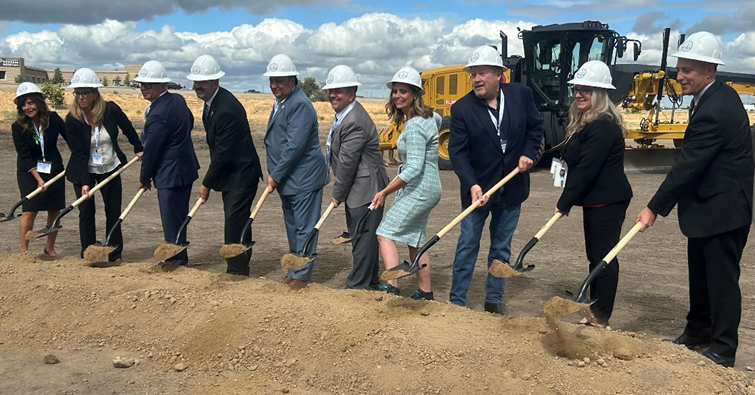
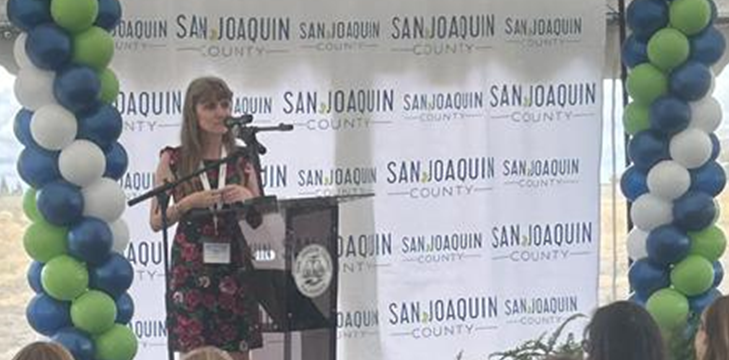
Sacramento — Noong Setyembre 10, 2025, ipinagdiwang ng Department of Health Care Services (DHCS)) at ng San Joaquin County Behavioral Health Services Department ang groundbreaking ng Be Well Campus, isang bagong pasilidad sa French Camp na magpapalawak ng access sa paggamot sa kalusugang pangkaisipan at sakit sa paggamit ng droga sa Central Valley. Ang kampus ay magkakaroon ng 10 uri ng pasilidad, na may 116 na behavioral health treatment beds at 1,205 outpatient slots, na magbibigay-daan sa pangangalaga para sa mahigit 72,000 indibidwal taun-taon.
“Ang proyektong ito ay kumakatawan sa isang makapangyarihang halimbawa ng pangako ng California sa pagbuo ng isang sistema ng kalusugang pangkaisipan na tutugon sa mga tao kung nasaan sila ngayon,” sabi ni Michelle Baass, Direktor ng DHCS. “Sa pamamagitan ng Behavioral Health Continuum Infrastructure Program, namumuhunan kami sa lokal na imprastraktura at tinutulungan ang mga komunidad na mapalawak ang access sa pangangalaga.”
Ang transformatibong proyektong ito ay sinusuportahan ng mahigit $149 milyon sa pamamagitan ng Behavioral Health Continuum Infrastructure Program (BHCIP), kabilang ang Round 5: Crisis and Behavioral Health Continuum at Bond BHCIP Round 1: Launch Ready (isang kondisyonal na gawad na naging posible dahil sa Behavioral Health Infrastructure Bond Act), bahagi ng repormang inaprubahan ng mga botante sa California upang palawakin ang pangangalagang pangkalusugang pangkaisipan at pabahay. Ang proyektong ito ay isa sa ilan sa California na pagsasamahin ang mga naunang round ng BHCIP sa mga bond fund upang suportahan ang parehong agarang pangangailangan at pangmatagalang imprastraktura.
Ang BHCIP ay isang mahalagang bahagi ng Mental Health for All, ang patuloy na pangako ng California na bumuo ng isang mas malakas at mas patas na sistema ng kalusugang pangkaisipan. Sa pagpasa ng Proposisyon 1, mas maraming pasilidad sa paggamot para sa kalusugang pangkaisipan ang popondohan at itatayo sa 2025 at 2026.
“Ikinagagalak naming makita ang pagpapatupad ng Behavioral Health Infrastructure Bond Act,” sabi ni Marlies Perez, Punong Dibisyon ng Mga Serbisyo sa Komunidad ng DHCS. "Ang San Joaquin County ay bumubuo ng isang modelo na pinagsasama-sama ang maraming antas ng pangangalaga sa isang lugar, na ginagawang mas madali para sa mga tao na makuha ang pangangalagang kailangan nila kapag kailangan nila ito."
PAMUMUHUNAN SA KAKAYAHAN SA PANGANGALAGA NG KALUSUGAN SA PAG-UUGALI: Mahigit sa 1.2 milyong nasa hustong gulang sa California ang nabubuhay na may malubhang sakit sa pag-iisip, at 1 sa 10 residente ang nakakatugon sa pamantayan para sa isang sakit sa paggamit ng droga. Bukod pa rito, ang kakulangan ng mga lugar para sa paggamot sa kalusugang pangkaisipan ay nakadaragdag sa pagtaas ng mga rate ng kawalan ng tirahan at pagkakakulong sa mga taong may mga sakit sa kalusugang pangkaisipan.
Upang matugunan ito, inilunsad ng DHCS ang BHCIP upang pondohan ang pagtatayo, pagbili, at pagpapalawak ng mga pasilidad sa kalusugang pangkaisipan at mga serbisyo sa mobile crisis. Simula noong 2021, ang estado ay nagkaloob ng mahigit $2.2 bilyon sa pamamagitan ng BHCIP Rounds 1–5, kabilang ang $430 milyon sa Round 5 upang palawakin ang pangangalaga sa krisis sa buong estado. Namumuhunan ang California ng bilyun-bilyon pa sa pamamagitan ng Bond BHCIP upang bumuo ng pangmatagalang imprastraktura para sa kalusugan ng pag-uugali at pabahay. Noong Mayo 2025, may kondisyong iginawad ng DHCS ang $3.3 bilyon sa pamamagitan ng Bond BHCIP Round 1: Launch Ready sa 121 na proyekto sa 42 na county, na sumusuporta sa 4,895 na residential bed at 21,402 outpatient slots.
ANO ANG SUSUNOD: Ang proyektong Be Well Campus ay nakatanggap ng conditional award sa pamamagitan ng Bond BHCIP Round 1: Launch Ready, at ang susunod na hakbang ay ang pag-finalize ng pondong iyon. Makikipagtulungan San Joaquin County sa DHCS upang makumpleto ang isang Kasunduan sa Pagpopondo ng Program , kumpirmahin ang mga katugmang pondo at pagmamay-ari ng ari-arian, at ayusin ang iba pang kinakailangang dokumentasyon bago maging pinal ang paggawad ng parangal.
Samantala, naghahanda ang DHCS na magkaloob ng mahigit $800 milyon sa pamamagitan ng Bond BHCIP Round 2: Unmet Needs. Ang round na ito ay bukas para sa mga kwalipikadong aplikante sa buong estado, na may mga aplikasyon na dapat isumite sa Oktubre 28, 2025, at inaasahang ipasa ang mga parangal sa tagsibol ng 2026.
###
Tanggapan ng Komunikasyon
(916) 440-7660
DHCSPress@dhcs.ca.gov
Ang Mga Grant ay bubuo ng Mga Pakikipagsosyo sa Komunidad at Papataasin ang Access sa Paggamot
Sacramento — Nagbigay ang Department of Health Care Services (DHCS)) ng $26 milyon sa mahigit 70 organisasyon upang labanan ang krisis ng opioid sa California. Ang mga gawad na ito ay idinisenyo upang palawakin ang access sa paggamot, palakasin ang mga pakikipagsosyo sa komunidad, at magligtas ng mga buhay. Ang mga gawad ay kumakatawan sa isang kritikal na bahagi ng inisyatibo ng Estado para sa Opioid Response (SOR).
"Ang pagtugon sa krisis ng opioid ay nangangailangan ng isang komprehensibo, mahabagin, at pinapatnubayan ng komunidad na pamamaraan." Kaya naman nalulugod ang DHCS na makipagsosyo sa napakaraming organisasyon upang mag-alok ng access sa pangangalagang ito na makapagpapabago ng buhay,” sabi ni Michelle Baass, Direktor ng DHCS. "Dapat nating palawakin ang akses sa paggamot, mamuhunan sa pag-iwas, at alisin ang stigma na nakapalibot sa adiksyon." Buhay ang nakataya, at determinado kaming gawin ang lahat ng aming makakaya upang suportahan ang pagbangon.
PAGBABAWAL NG MGA HINDI NATUTUGUNGAN NA PANGANGAILANGAN AT MGA SOBRA DOSIS NA MAY KAUGNAYAN SA OPIOID SA MGA KOMUNIDAD NG TRIBO: Nagbigay DHCS ng $2.1 milyon sa 12 organisasyon upang ipatupad ang SOR IV Tribal Local Opioid Coalition (TLOC) Program. Sinusuportahan ng TLOC ang mga komunidad ng Tribo at Urban Indian sa pamamagitan ng pagpapataas ng access sa paggamot, pagbibigay ng mga serbisyo sa paggaling na nakaugat sa kultura, at pagbabawas ng mga pagkamatay na may kaugnayan sa overdose sa pamamagitan ng pag-iwas at pangangalaga. Pinapalakas ng Program ang mga pagsisikap sa paggaling para sa opioid at stimulant use disorder sa pamamagitan ng pagbuo ng mga pakikipagtulungan sa mga miyembro ng komunidad, mga stakeholder, at mga tagapagbigay ng serbisyo.
“Ikinagagalak ng DHCS na suportahan ang mga komunidad ng mga Tribo sa pamamagitan ng mga mapagkukunang sumasalamin sa kanilang mga natatanging pangangailangan at kalakasan.” Binibigyang-kapangyarihan ng Program TLOC ang mga lokal na pakikipagsosyo upang palawakin ang paggamot, maiwasan ang paggamit ng droga, at itaguyod ang pagpapagaling na nakabatay sa kultura," sabi ni Baass.
PAGPAPALAWIG NG ACCESS SA MGA GAMOT PARA SA PAGGAMOT SA ADIKSYON: Nagbigay din DHCS ng halos $3 milyon sa apat na lisensyadong Narcotic Treatment Program (NTP) DHCS upang lumikha ng mga satellite facility, na tinatawag na medication units, na nagbibigay ng access sa paggamot sa adiksyon. Ang mga yunit ng gamot na ito ay magsisilbi sa mga taong nahihirapang makakuha ng pangangalaga, kabilang ang mga tao sa mga rural na lugar, mga komunidad na may kinalaman sa hustisya, at mga taong walang maaasahang transportasyon, at suporta sa integrasyon ng pangangalaga.
"Ang mga komunidad na liblib dahil sa heograpiya ay kadalasang nahaharap sa mas malalang hamon sa pag-access sa pangangalaga, kabilang ang mga hadlang sa transportasyon at sistematikong hindi pagkakapantay-pantay." "Ang pagtatatag ng mga yunit ng gamot ay tumutugon sa mga kakulangang ito sa pamamagitan ng pagpapabuti ng pag-access, pagpapahusay ng pagpapanatili ng mga serbisyo, at pagsusulong ng pagkakapantay-pantay sa kalusugan sa mga lugar na higit na nangangailangan nito," sabi ni Sarah Khawaja-Laljiani, Senior Director ng Grants and Patient Services ng Pinnacle Treatment Center, isang nakatanggap ng pondo upang palawakin ang access sa mga Gamot para sa Paggamot sa Adiksyon (MAT).
“Ang pagkakataong ito para sa pagpopondo ay naaayon sa aming pangako na palawakin ang access sa paggamot batay sa ebidensya sa mga komunidad na kulang sa serbisyo,” sabi ni Evelyn Sosa, Senior Vice President ng BayMark Health Services. "Ang suportang ito ay makakatulong sa amin na matugunan ang mga pasyente kung nasaan sila, inaalis ang mga hadlang sa pangangalaga at pinapabuti ang mga resulta para sa mga taong may pinakamalaking panganib na magkaroon ng labis na dosis."
PAGPAPALAWIG NG ACCESS SA MAT: Bukod pa rito, naggawad DHCS ng mahigit $21 milyon sa 59 DHCSna lisensyadong residential substance use disorder treatment Program upang ilunsad o palawakin ang onsite evidence-based MAT services sa mga indibidwal na may opioid use disorder.
“Habang patuloy na winawasak ng krisis ng opioid at fentanyl ang mga buhay sa buong bansa, ang pagpapalawak ng access sa mga serbisyo ng MAT sa residential Program ay hindi lamang isang klinikal na pangangailangan, kundi isang moral na utos,” sabi ni Dr. BJ Davis, Executive Director, Gateway House for Women at Sacramento Recovery House for Men. "Ang pondong ito ay nagbibigay-daan sa amin upang matugunan ang mga tao kung nasaan sila nang may buong pagpapatuloy ng pangangalagang nakabatay sa ebidensya."
“Ang aming mga kliyente ay nangangailangan ng napapanahong access sa MAT upang mapamahalaan ang mga pagnanasa at simulan ang kanilang paglalakbay tungo sa paggaling at katatagan,” sabi ni Lindsey Purdie, MBA, Executive Director ng The Crossroads Foundation. “Sa pamamagitan ng aming pakikipagtulungan sa DHCS, nabigyan kami ng pagkakataong palawakin ang aming mga serbisyo at mas matugunan ang mga pangangailangan ng mga taong aming sinusuportahan.” Lubos kaming nagpapasalamat para sa pondong ito at para sa patuloy na pakikipagtulungan.”
KUNG BAKIT ITO MAHALAGA: Noong 2023, mayroong 11,359 na pagkamatay na may kaugnayan sa labis na dosis ng droga. Sa mga iyon, 8,000 ang may kaugnayan sa opioid, kung saan 7,000 ang partikular na may kaugnayan sa fentanyl. Bagama't malaking bahagi ng mga taga-California ang nakakatugon sa pamantayan para sa isang sakit sa paggamit ng droga, maliit na porsyento lamang ang nakatatanggap ng paggamot, kadalasan dahil sa limitadong pag-access sa mga serbisyong tulad ng MAT at naloxone sa mga rural na lugar.
MAS MALAWAK NA PANANAW: Ang mga tulong pinansyal na ito ay bahagi ng Opioid Response ng DHCS, isang mahalagang elemento ng Master Plan ni Gobernador Newsom para sa Pagharap sa Krisis ng Fentanyl at Opioid. Para sa karagdagang impormasyon tungkol sa mga opioid at kung paano mo mapoprotektahan ang iyong sarili at ang mga mahal sa buhay, bisitahin ang Opioids.ca.gov, isang one-stop shop para sa mga taga-California na naghahanap ng mga mapagkukunan tungkol sa pag-iwas at paggamot.
###
Tanggapan ng Komunikasyon
(916) 440-7660
DHCSPress@dhcs.ca.gov
Sacramento — Ibinahagi ngayon ng Department of Health Care Services (DHCS)) ang mga bagong datos na nagpapakita kung paano tumataas ang Enhanced Care Management (ECM) at mga Suporta sa Komunidad at nakakatulong sa mas maraming tao bilang bahagi ng transpormasyon ng Medi-Cal ng estado sa ilalim ng California Advancing and Innovating Medi-Cal (CalAIM).
“Ang mga trend na makikita sa datos ay nagpapakita ng tunay at lumalaking epekto ng CalAIM sa pagsuporta sa kalusugan at kagalingan ng mga miyembro ng Medi-Cal,” sabi ni Michelle Baass, Direktor ng DHCS. “Nakakakita kami ng matinding pag-unlad sa pag-abot sa mga bata at kabataan, pagpapalawak ng access sa mga kritikal na suporta tulad ng pabahay at pagkain, at pagpapalago ng Provider Network na kailangan upang maihatid ang mga serbisyong ito.” Sama-sama, ang mga pagsisikap na ito ay nakakatulong sa mas maraming taga-California na mamuhay nang mas malusog at mas matatag.
ANO ANG IPAKITA NG MGA NUMERO: Mula nang inilunsad ang ECM noong Enero 2022, mahigit 326,000 natatanging miyembro ng Medi-Cal ang nagpatala sa benepisyong ito na nagbibigay ng komprehensibo, nakasentro sa tao na koordinasyon sa pangangalaga para sa mga miyembrong may kumplikadong mga pangangailangan. Sa huling tatlong buwan lamang ng 2024, mahigit 149,400 miyembro ang nakatanggap ng mga serbisyo ng ECM, kabilang ang mahigit 31,000 bata at kabataan sa ilalim ng 21, halos apat na beses na mas mataas kaysa noong inilunsad ang ECM para sa mga grupong ito noong Hulyo 2023.
Ang Mga Suporta ng Komunidad ay umaabot din sa mas maraming miyembro ng Medi-Cal. Sa pagtatapos ng 2024, humigit-kumulang 368,400 miyembro ang gumamit ng mga serbisyong ito, na may higit sa 920,000 kabuuang serbisyong naihatid. Ang mga suportang ito ay nag-aalok ng cost-effective, batay sa komunidad na mga alternatibo sa tradisyunal na pangangalagang medikal, na tumutugon sa mga panlipunang salik na nakakaapekto sa kalusugan. Sa mga nag-access ng Community Supports noong Q4 2024:
KUNG BAKIT ITO MAHALAGA: Mas maraming miyembro ng Medi-Cal na may mga kumplikadong pangangailangang medikal at panlipunan ang kumukuha ng ECM at Mga Suporta sa Komunidad. Ang mga pangunahing tagapagtaguyod ng paglago ay kinabibilangan ng:
LUMALAKIProvider Network : Ang bilang ng mga tagapagbigay ng serbisyo na nagbibigay ng ECM at mga Suporta sa Komunidad ay lumago nang malaki. Ang mga plano sa managed care ngayon ay mayroong humigit-kumulang 2,600 kontrata ng provider para sa Community Supports lamang, mula sa humigit-kumulang 750 noong unang bahagi ng 2022. Ito ay sumasalamin sa isang matibay na pangako mula sa mga organisasyong nakabase sa komunidad, mga tagapagbigay ng pabahay, at mga lokal na sistema ng kalusugan upang suportahan ang mga layunin ng CalAIM.
ANG MGA SUPORTA SA KOMUNIDAD AY EPEKTIBO SA GASTOS: Ipinapakita ng ulat sa cost-effectiveness ng DHCS noong Hunyo 2025 na ang Mga Suporta sa Komunidad ay nakakatulong na mabawasan ang pangkalahatang gastos sa pangangalagang pangkalusugan sa pamamagitan ng pagpigil sa mga maiiwasang pagpapaospital, pagbisita sa mga emergency room, at pangmatagalang pangangalaga sa institusyon, habang pinapabuti ang mga resulta ng kalusugan.
ANO ANG SUSUNOD: Simula Enero 1, 2026, ang Transitional Rent ay magiging mandatoryong Suporta sa Komunidad at magiging available upang magbigay ng hanggang anim na buwang tulong sa pag-upa sa mga miyembrong nakararanas o nanganganib na mawalan ng tirahan, nakakaranas ng mahahalagang pangangailangan sa kalusugan ng pag-uugali, at nakakatugon sa ilang partikular na salik ng panganib. Ito ay isa pang mahalagang hakbang sa pagtiyak na ang mga miyembro ng Medi-Cal ay mayroong suportang kailangan nila upang mamuhay nang malusog at matatag sa kanilang mga komunidad.
Patuloy na itutuon ng DHCS ang feedback mula sa mga miyembro ng Medi-Cal upang matiyak na ang ECM at mga Suporta sa Komunidad ay tumutugon, naa-access, at patas. Sa pamamagitan ng pakikinig nang mabuti sa mga taong direktang naapektuhan, nilalayon California na mapahusay ang bisa ng Program ito at mas masuportahan ang kalusugan at kagalingan ng mga miyembro.
###
Tanggapan ng Komunikasyon
(916) 440-7660
DHCSPress@dhcs.ca.gov