跳至內容

Medi-Cal 會員與健康領袖攜手組成新的諮詢小組

首頁新聞發佈第三頁

Medi-Cal 會員與健康領袖攜手組成新的諮詢小組

Voices and Vision Council 提供 Medi-Cal 會員和健康照護專業人員塑造 Medi-Cal 政策的途徑

薩克拉門托——為推動包容性政策制定,加州醫療保健服務部 (DHCS) 成立了Medi-Cal 之聲與願景委員會,這是一個史無前例的諮詢小組,匯集了 Medi-Cal 會員、護理人員、醫療服務提供者、社區組織、倡導團體和縣級合作夥伴,共同塑造 Medi-Cal 政策、計劃和實施的未來。透過將親身經歷直接融入政策制定過程,該委員會確保 Medi-Cal 的政策和計劃以服務對象的實際需求為基礎,並透過與醫療保健專家和系統領導者的合作不斷完善。

The Voices and Vision Council held its inaugural meeting alongside the established Medi-Cal Member Advisory Committee to launch a new collaborative structure that brings together lived experience and system expertise to shape Medi-Cal policy.

“The Medi-Cal Voices and Vision Council is a vital platform for ensuring that Medi-Cal members and community partners help shape how we deliver care,” said DHCS Director Michelle Baass. “We are committed to strengthening our Medi-Cal program so it is more equitable, responsive, and grounded in the voices of the people we serve. This council reflects our belief that meaningful change and innovation begin with listening and acting on what people tell us they need.”

“Medi-Cal provides the nursing care that keeps my son healthy and safe at home with our family,” said Jenny McLelland, a parent and member of the Voices and Vision Council. “The council gives me the opportunity to share my experiences as a caregiver and ensures that families like mine have a voice in making Medi-Cal better for all Californians.”

WHY THIS IS IMPORTANT: The Voices and Vision Council and the Medi-Cal Member Advisory Committee help ensure that Medi-Cal members remain at the heart of policy development and program administration. These two advisory bodies work in close partnership with DHCS leaders and policy experts to co-design equity-centered programs and policy solutions that reflect the real needs of members.

透過直接與會員和利害關係人互動,DHCS 正在建立基礎設施,以便處理對其服務對象而言最重要的事情。每季度的會議都以成員和護理人員分享的見解為中心。這些討論有助於加州醫療保健服務部 (DHCS) 將回饋轉化為切實可行的改進措施,從而加強加州醫療補助計劃
Medi-Cal
對加州各地社區的支持。背景: 2023 年,DHCS 成立了 Medi-Cal 會員諮詢委員會,這是美國首批正式諮詢小組之一,其成員完全由 Medi-Cal 會員及其家人和護理人員等支持者組成。2024 年,聯邦醫療保險和醫療補助服務中心發布了《確保獲得醫療補助服務規則》 ,該規則要求所有州在 7 月之前設立兩個諮詢機構:一個由成員和護理人員組成的受益人諮詢委員會,以及一個包括提供者的醫療補助諮詢委員會,該委員會至少 25% 的成員來自受益人諮詢委員會10 , 2027 。

To meet this requirement, California designated its existing Medi-Cal Member Advisory Committee as the state’s Beneficiary Advisory Council and created the Medi-Cal Voices and Vision Council as its Medicaid Advisory Committee. Together, these groups are designed to create a continuous feedback loop: The Medi-Cal Member Advisory Committee will meet first each quarter to surface themes and priorities from members and caregivers, which will then inform the Voices and Vision Council’s policy and operational discussions. Potential topics include access to care, service delivery, communication, and other issues that influence how Medi-Cal works for the people it serves.

WHAT’S NEXT: The first public meeting of the Medi-Cal Voices and Vision Council will be held on March 18, 2026. Meeting schedules, agendas, minutes, and membership lists for both groups will be publicly available. For more information, including how to register for the first public meeting, please visit the Voices and Vision Council webpage.
 
ABOUT THE VOICES AND VISION COUNCIL MEMBERS: The Voices and Vision Council is made up of 16 Medi-Cal members and leaders from across California who bring experience from advocacy groups, community-based organizations, health centers, county health and social services departments, managed care plans, and health plan associations.

###

通訊辦公室
(916) 440-7660
DHCSPress@dhcs.ca.gov

隨著聯邦醫療保險開始公開註冊,加州將 Medi-Medi 計劃擴展至 29 個新縣

首頁新聞發佈第三頁

隨著聯邦醫療保險開始公開註冊,加州將 Medi-Medi 計劃擴展至 29 個新縣

Medi-Medi 計劃是為同時擁有聯邦醫療保險和加州醫療保險的人士提供的特殊健康計劃。

SACRAMENTO — As Medicare open enrollment begins on October 15, the Department of Health Care Services (DHCS) is expanding access to Medi-Medi Plans––integrated health plans for people who have both Medicare and Medi-Cal—to 29 additional counties. This expansion brings the total to 41 counties that offer Medi-Medi Plans, nearly quadrupling access to these plans. This means Californians who are eligible for both Medicare and Medi-Cal will have the option to enroll in a Medi-Medi Plan to receive additional support to help manage chronic conditions, disabilities, or long-term care needs. Enrollment runs from October 15 to December 7, with coverage starting on January 1, 2026.

“California is building upon the success of Medi-Medi Plans that have already made a real difference in people’s lives,” said DHCS Director Michelle Baass. “By expanding access to these plans, we’re helping more Californians with complex health needs get the care they need—more easily, more consistently, and with greater support. This is about making health care work better for the people who rely on it most.”

The 29 new counties are: Alameda, Alpine, Amador, Calaveras, Contra Costa, El Dorado, Imperial, Inyo, Kern, Marin, Mariposa, Merced, Mono, Monterey, Napa, Placer, San Benito, San Francisco, San Joaquin, San Luis Obispo, Santa Barbara, Santa Cruz, Solano, Sonoma, Stanislaus, Tuolumne, Ventura, Yolo, and Yuba.

These 29 counties will join the 12 counties where Medi-Medi Plans are currently available: Fresno, Kings, Los Angeles, Madera, Orange, Riverside, Sacramento, San Bernardino, San Diego, San Mateo, Santa Clara, and Tulare. For more details, visit the Medicare Medi-Cal Plan List webpage, Joining a Medi-Medi Plan information sheet, and the Medi-Medi Plan Expansion Fact Sheet.

WHY THIS IS IMPORTANT: For the first time, Californians who qualify for both Medicare and Medi-Cal will have access to Medi-Medi Plans in 29 additional counties. Members with both Medicare and Medi-Cal often face serious health challenges, need help with daily activities, and deal with barriers like low income or limited transportation. They typically rely on many different services, but must navigate two separate systems to get care.

“This expansion is about making health care work better for the people who need it most,” said Lauren Solis, Chief of DHCS’ Office of Medicare Innovation and Integration.

Medi-Medi Plans combine Medicare and Medi-Cal benefits into one plan and provide specialized care coordination and wraparound Medi-Cal services. This model simplifies care with one card, one care team, and integrated services across medical, behavioral health, and long-term services and supports.

Currently, about 330,000 people are enrolled in these plans across 12 counties. As a result of this expansion, an additional 461,000 Californians will now have the choice to enroll in a Medi-Medi Plan. Meanwhile, nearly a quarter of Medicare members in California – 1.7 million people – also have Medi-Cal.

ABOUT MEDI-MEDI PLANS: Medi-Medi Plans are available to individuals who have both Medicare Part A and B, are enrolled in Medi-Cal, are 21 or older, and live in a participating county. Medi-Medi Plans coordinate all services across both Medicare and Medi-Cal, including:

會員還可從以下方面獲益:

FOR MORE INFORMATION: Eligible Californians can enroll in a Medi-Medi Plan during Medicare open enrollment from October 15 to December 7. Coverage will begin January 1, 2026. For more information about Medi-Medi Plans and how to enroll, visit the Medi-Medi Plan webpage.

###

通訊辦公室
(916) 440-7660
DHCSPress@dhcs.ca.gov

強化照護管理與社區支援持續成長

首頁新聞發佈第三頁

強化照護管理與社區支援持續成長

新數據顯示,有複雜需求的 Medi-Cal 會員註冊人數增加、醫療服務提供者合作關係加強,以及護理協調得到改善。

SACRAMENTO — The Department of Health Care Services (DHCS) today released new data showing continued growth and impact from Enhanced Care Management (ECM) and Community Supports as part of the state’s Medi-Cal transformation under California Advancing and Innovating Medi-Cal (CalAIM). These services help Medi-Cal members stay healthier and avoid other, costlier health care services, such as emergency department visits and hospital stays. 

就在今年的前三個月: 

"健康照護服務部總監 Michelle Baass 表示:「這就是 Medi-Cal 轉型的樣貌。"我們不只是擴展服務。我們比以往接觸到更多的人"。 

ECM 協助有複雜健康與社會需求 (包括無家可歸、嚴重精神疾病或經常住院) 的人們,不論身處何地,都能獲得所需的照護。主要照護經理協助協調各方面的照護,從看醫生、心理健康服務到住房和營養支援。自 2022 年 1 月推出以來,ECM 已將超過 372,000 名 Medi-Cal 會員連結至高接觸、以人為中心的照護。  

Community Supports are also growing rapidly. These services offer cost-effective, community-based alternatives to traditional medical care, addressing housing, nutrition, and other social drivers of health. As of early 2025: 

"每個數字背後都有一個故事:父母找到穩定的住處、青少年獲得心理健康照護、長者獲得符合其狀況的膳食,」州政府 Medicaid 主任 Tyler Sadwith 表示。「這就是我們如何建立一個更健康的加州」。 

WHY THIS IS IMPORTANT: The growth in ECM and Community Supports comes as California rolls out historic policies under the Behavioral Health Services Act (BHSA), aimed at reducing homelessness and expanding behavioral health care. ECM and Community Supports are proving to be vital tools to help people navigate housing, nutrition, and health systems with dignity and support. From ECM and Community Supports to Transitional Rent and permanent housing, California is building a continuum of care that supports people across every stage of their recovery journey. 

To support this expansion, DHCS has awarded more than $1.43 billion through its Providing Access and Transforming Health (PATH) initiatives, including Capacity and Infrastructure Transition, Expansion, and Development (CITED), Collaborative Planning and Implementation, and the Technical Assistance Marketplace. These funds help community-based organizations, clinics, and local agencies grow their capacity to deliver ECM and Community Supports by hiring staff, upgrading systems, and improving care coordination. The final round of CITED funding closed in May 2025, with new awardees to be announced later this year. 

WHAT’S NEXT: DHCS will continue listening to Medi-Cal members who use ECM and Community Supports. Member feedback, gathered through surveys, focus groups, and other outreach, will help improve how these services are delivered, making them easier to access, more effective, and more responsive to different cultures and communities. 

###

通訊辦公室
(916) 440-7660
DHCSPress@dhcs.ca.gov

加州和聖華金縣透過新校園擴展行為健康服務

首頁新聞發佈第三頁

加州和聖華金縣透過新校園擴展行為健康服務

校園每年將為 72,000 人提供服務

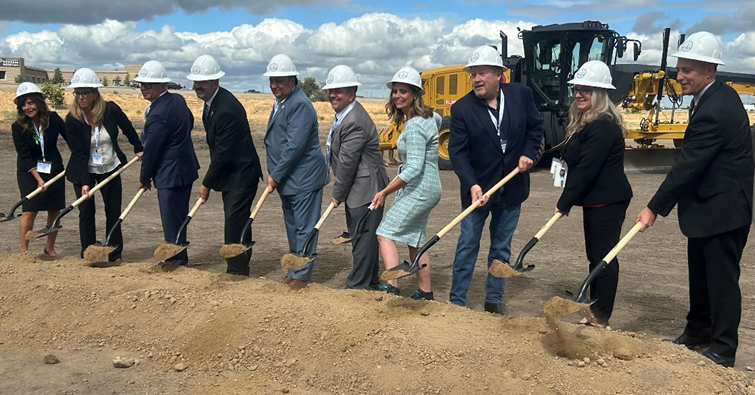
SACRAMENTO — On September 10, 2025, the Department of Health Care Services (DHCS) and San Joaquin County Behavioral Health Services Department celebrated the groundbreaking of the Be Well Campus, a new facility in French Camp that will expand access to mental health and substance use disorder treatment in the Central Valley. The campus will include 10 facility types, with 116 behavioral health treatment beds and 1,205 outpatient slots, enabling care for more than 72,000 individuals annually.

「這個計畫有力地體現了加州致力於建立一個能夠滿足人們實際需求的心理健康體系的決心,」 DHCS主任米歇爾·巴斯說。“透過行為健康連續體基礎設施計劃,我們正在投資當地基礎設施,並幫助社區擴大獲得醫療服務的途徑。”

This transformative project is supported by more than $149 million through the Behavioral Health Continuum Infrastructure Program (BHCIP), including Round 5: Crisis and Behavioral Health Continuum and Bond BHCIP Round 1: Launch Ready (a conditional award made possible by the Behavioral Health Infrastructure Bond Act), part of California’s voter-approved reform to expand behavioral health care and housing. This project is one of several in California that will combine earlier BHCIP rounds with bond funds to support both immediate needs and long-term infrastructure.

Be Well campus groundbreaking
健康校園突破

BHCIP is a key component of Mental Health for All, California’s ongoing commitment to build a stronger and more equitable behavioral health system. With the passage of Proposition 1, even more behavioral health treatment facilities will be funded and built in 2025 and 2026.

“We are pleased to see the Behavioral Health Infrastructure Bond Act in action,” said DHCS Community Services Division Chief Marlies Perez. “San Joaquin County is building a model that brings together multiple levels of care in one place, making it easier for people to get the care they need when they need it.”

瑪麗絲·佩雷斯在 Be Well 校園突破性活動上發表演講

INVESTING IN BEHAVIORAL HEALTH CARE CAPACITY: More than 1.2 million adults in California live with a serious mental illness, and 1 in 10 residents meet the criteria for a substance use disorder. Additionally, shortages of behavioral health treatment sites contribute to rising rates of homelessness and incarceration among people with mental health disorders.

To address this, DHCS launched BHCIP to fund the construction, acquisition, and expansion of behavioral health facilities and mobile crisis services. Since 2021, the state has awarded more than $2.2 billion through BHCIP Rounds 1–5, including $430 million in Round 5 to expand crisis care statewide. California is investing billions more through Bond BHCIP to build long-term behavioral health and housing infrastructure. In May 2025, DHCS conditionally awarded $3.3 billion through Bond BHCIP Round 1: Launch Ready to 121 projects across 42 counties, supporting 4,895 residential beds and 21,402 outpatient slots.

WHAT’S NEXT: The Be Well Campus project received a conditional award through Bond BHCIP Round 1: Launch Ready, and the next step is to finalize that funding. San Joaquin County will work with DHCS to complete a Program Funding Agreement, confirm matching funds and property ownership, and wrap up other required documentation before the award becomes final.

Meanwhile, DHCS is preparing to award more than $800 million through Bond BHCIP Round 2: Unmet Needs. This round is open to eligible applicants statewide, with applications due on October 28, 2025, and awards expected in spring 2026.

###

通訊辦公室
(916) 440-7660
DHCSPress@dhcs.ca.gov

加州投資 26 萬美元來解決藥物使用障礙治療需求並拯救生命

首頁新聞發佈第三頁

加州投資 26 萬美元來解決藥物使用障礙治療需求並拯救生命

補助金將建立社區合作夥伴關係並增加治療的機會

SACRAMENTO — The Department of Health Care Services (DHCS) has awarded $26 million to more than 70 organizations to combat the opioid crisis in California. These grants are designed to expand access to treatment, strengthen community partnerships, and save lives. The grants represent a critical part of the State’s Opioid Response (SOR) initiative.

“Addressing the opioid crisis requires a comprehensive, compassionate, and community-driven approach. That’s why DHCS is pleased to partner with so many organizations to offer access to this life-changing care,” said DHCS Director Michelle Baass. “We must expand access to treatment, invest in prevention, and dismantle the stigma surrounding addiction. Lives are at stake, and we are committed to doing everything we can to support recovery.”

REDUCING UNMET NEEDS AND OPIOID-RELATED OVERDOSES IN TRIBAL COMMUNITIES: DHCS awarded $2.1 million to 12 organizations to implement the SOR IV Tribal Local Opioid Coalition (TLOC) program. TLOC supports Tribal and Urban Indian communities by increasing access to treatment, providing culturally rooted recovery services, and reducing overdose-related deaths through prevention and care. The program strengthens recovery efforts for opioid and stimulant use disorder by building partnerships among community members, stakeholders, and service providers.

“DHCS is pleased to support Tribal communities with resources that reflect their unique needs and strengths. The TLOC program empowers local partnerships to expand treatment, prevent substance use, and promote culturally grounded healing,” said Baass.

EXPANDING ACCESS TO MEDICATIONS FOR ADDICTION TREATMENT: DHCS also awarded nearly $3 million to four DHCS-licensed Narcotic Treatment Programs (NTP) to create satellite facilities, called medication units, that provide access to addiction treatment. These medication units will serve people who otherwise struggle to access care, including people in rural areas, justice-involved communities, and people without reliable transportation, and support care integration.

“Geographically isolated communities often face compounded challenges to accessing care, including transportation barriers and systemic inequities. Establishing medication units addresses these gaps by improving access, enhancing retention, and advancing health equity in the areas that need it most,” said Sarah Khawaja-Laljiani, Senior Director of Grants and Patient Services of Pinnacle Treatment Center, a recipient of funding to expand access to Medications for Addiction Treatment (MAT).

“This funding opportunity aligns with our commitment to expanding access to evidence-based treatment in underserved communities, said Evelyn Sosa, Senior Vice President of BayMark Health Services. “This support will help us meet patients where they are, removing barriers to care and improving outcomes for people most at risk of overdose.”

EXPANDING ACCESS TO MAT: Additionally, DHCS awarded more than $21 million to 59 DHCS-licensed residential substance use disorder treatment programs to launch or expand the onsite evidence-based MAT services to individuals with an opioid use disorder.

“As the opioid and fentanyl crisis continues to devastate lives across the country, expanding access to MAT services in residential programs is not only a clinical necessity, but a moral imperative,” said Dr. BJ Davis, Executive Director, Gateway House for Women and Sacramento Recovery House for Men. “This funding allows us to meet people where they are with the full continuum of evidence-based care.”

“Our clients require timely access to MAT to manage cravings and begin their journey toward recovery and stability,” said Lindsey Purdie, MBA, Executive Director of The Crossroads Foundation. “Through our partnership with DHCS, we have been given the opportunity to expand our services and better meet the needs of the people we support. We are deeply grateful for this funding and for the ongoing collaboration.”

WHY THIS IS IMPORTANT: In 2023, there were 11,359 drug-related overdose deaths. Of those, 8,000 were opioid-related, with 7,000 related to specifically to fentanyl. While a significant portion of Californians meet the criteria for a substance use disorder, only a small percentage receive treatment, often due to limited access to services like MAT and naloxone in rural areas.

BIGGER PICTURE: These grants are part of DHCS’ Opioid Response, a key element of Governor Newsom’s Master Plan for Tackling the Fentanyl and Opioid Crisis. For more information about opioids and how you can protect yourself and loved ones, visit Opioids.ca.gov, a one-stop shop for Californians seeking resources around prevention and treatment.

###

通訊辦公室
(916) 440-7660
DHCSPress@dhcs.ca.gov

Medi-Cal Reports Strong Growth in Enhanced Care Management and Community Supports

首頁新聞發佈第三頁

Medi-Cal Reports Strong Growth in Enhanced Care Management and Community Supports

兒童和青少年加入加強照護管理服務增加了近三倍;自推出以來為會員提供了近 100 萬個社區支持服務

SACRAMENTO — The Department of Health Care Services (DHCS) today shared new data showing how Enhanced Care Management (ECM) and Community Supports are increasing and helping more people as part of the state’s Medi-Cal transformation under California Advancing and Innovating Medi-Cal (CalAIM).

“The trends reflected in the data demonstrate the real and growing impact of CalAIM in supporting the health and well-being of Medi-Cal members,” said DHCS Director Michelle Baass. “We’re seeing especially strong progress in reaching children and youth, expanding access to critical supports like housing and food, and growing the provider networks needed to deliver these services. Together, these efforts are helping more Californians live healthier, more stable lives.”

WHAT THE NUMBERS SHOW: Since ECM launched in January 2022, more than 326,000 unique Medi-Cal members have enrolled in this benefit that provides comprehensive, person-centered care coordination for members with complex needs. In the last three months of 2024 alone, more than 149,400 members received ECM services, including more than 31,000 children and youth under 21, nearly four times more than when ECM launched for these groups in July 2023.

社區支持也正在接觸更多 Medi-Cal 成員。截至 2024 年底,約有 368,400 名會員使用這些服務,共提供了超過 920,000 個服務。這些支持為傳統醫療保健提供符合成本效益的社區基礎的替代方案,解決影響健康的社會因素。在 2024 年第四季獲得社區支持的人中:

WHY THIS MATTERS: More Medi-Cal members with complex medical and social needs are accessing ECM and Community Supports. Key drivers of growth include:

PROVIDER NETWORKS ARE GROWING: The number of providers delivering ECM and Community Supports has grown significantly. Managed care plans now hold approximately 2,600 provider contracts for Community Supports alone, up from about 750 in early 2022. This reflects a strong commitment from community-based organizations, housing providers, and local health systems to support CalAIM’s goals.

COMMUNITY SUPPORTS ARE COST-EFFECTIVE: DHCS’ June 2025 cost-effectiveness report shows that Community Supports help reduce overall health care costs by preventing avoidable hospitalizations, emergency room visits, and long-term institutional care, while improving health outcomes.

WHAT’S NEXT: Starting January 1, 2026, Transitional Rent will become a mandatory Community Support and will be available to provide up to six months of rental assistance to members who are experiencing or at risk of homelessness, are experiencing significant behavioral health needs, and meet certain risk factors. This is another important step in making sure Medi-Cal members have the support they need to live healthy, stable lives in their communities.

DHCS will continue to center feedback from Medi-Cal members to ensure ECM and Community Supports are responsive, accessible, and equitable. By listening closely to people who are directly impacted, California aims to enhance the effectiveness of these programs and better support members’ health and well-being.

###

通訊辦公室
(916) 440-7660
DHCSPress@dhcs.ca.gov

加州醫療保健服務部關於聯邦使用加州醫療補助健康保健計劃資料與會員隱私之聲明

首頁新聞發佈第三頁

加州醫療保健服務部關於聯邦使用加州醫療補助健康保健計劃資料與會員隱私之聲明

SACRAMENTO — The California Department of Health Care Services (DHCS) remains committed to protecting the privacy and well-being of all Medi-Cal members. Recent reports and legal developments have raised serious concerns about how federal agencies use Medicaid data, including personal information for the more than 14 million Californians covered by Medi-Cal. We want to share what we know.

12 月29,2025 ,聯邦法院裁定 Medicare& Medicaid 服務中心 (CMS) 僅可與移民及海關執法局 (ICE) 分享非「合法居住」在美國的個人的有限資訊。然而,由於聯邦政府尚未向加州提供任何有關其計劃如何執行法院命令的資訊,因此仍存在一些不確定性。我們將隨時更新此頁面,提供更多資訊。

Information that may be shared about people who are not “lawfully residing” in the United States includes citizenship or immigration status, address, phone number, date of birth, and Medicaid ID. CMS must exclude anyone who is “lawfully residing” in the United States. If data of individuals who are not lawfully residing in the United States cannot be separated from the data that is still protected (e.g., data of lawful permanent residents, U.S. citizen data, sensitive health records, etc.), CMS cannot share the data with ICE. These restrictions remain in place while the multistate lawsuit is ongoing.

聯邦法律要求 DHCS 透過「轉型聯邦醫療補助統計資訊系統」 (Transformed Medicaid Statistical Information System, T-MSIS),每月向 CMS 提交報告。這些報告包括每位 Medi-Cal 會員的基本人口統計和資格詳細資料,例如姓名、地址、出生日期、社會安全號碼(若有提供)或 Medicaid ID,以及移民身份。雖然法院命令允許 CMS 在特定情況下分享有限的資料,但 DHCS 仍致力於保護會員隱私,並密切監控發展情況。

In sharing data for immigration enforcement purposes, CMS has broken a 60-year commitment to protect the health and well-being of millions of families. Make no mistake: This is a grave breach of public trust. No one should be forced to live in fear of seeing the doctor or going to the emergency room.

今天取消 Medi-Cal 保險並不能消除已傳送給移民執法機關的資訊。若個人擔心聯邦政府可能會基於移民原因使用其個人資訊,請諮詢合格的律師或合格的非營利性法律援助組織。

我們致力於透明度、隱私權,並確保所有加州人,不論其移民身份如何,都能安全地獲得所需的護理。我們將繼續與社區合作夥伴接觸、分享最新資訊,並維護所有 Medi-Cal 會員的健康、福祉和隱私。

時間表:

2026 年 1 月 2 日更新

###

通訊辦公室
(916) 440-7660
DHCSPress@dhcs.ca.gov

California to Expand Behavioral Health Care in Oakland

首頁新聞發佈第三頁

California to Expand Behavioral Health Care in Oakland

項目每年將為 7,665 個人提供服務

SACRAMENTO — As California continues to strengthen its behavioral health care system, the Department of Health Care Services (DHCS) and Safe Passages today celebrated the ribbon cutting of a new Community Wellness and Youth Prevention Wellness Center in Oakland. Funded by almost $9 million through the Behavioral Health Continuum Infrastructure Program (BHCIP) Round 4: Children and Youth, the center will offer community-derived models of mental health services to a projected 7,600 individuals annually in an outpatient setting.

安全通道社區健康預防中心剪帶
安全通道社區健康預防中心剪帶

「『安全通道』社區健康與預防中心的啟用,是對我們兒童與青少年未來的一項重要投資。」「每個孩子都有權獲得發揮其最大潛能所需的資源,不論其種族、社會經濟地位或身心障礙狀況如何,」DHCS 主任蜜雪兒·巴斯表示。「我們支持由社區主導的行動,致力於打造安全且有助於心靈療癒的空間,讓年輕人能夠獲得茁壯成長所需的關懷、支持與機會。」「該中心將成為早期介入與預防的重要樞紐,協助兒童及家庭建立終身受用的韌性與福祉。」

「安全之路」社區健康與預防中心:該中心將為阿拉米達縣從出生至青年期的兒童及青少年提供心理健康服務,並特別關注高風險族群。擴建後的中心將提供幼兒發展計畫,由幼兒心理健康專業人員執行孕產婦服務及親子教育,這些計畫源自社區、以研究為基礎,並已被證實為最佳實踐。這些計畫包括:人生教練計畫、圍產期與幼兒心理健康計畫、親子心理治療、孕產期計畫、親子教養計畫、青少年過渡期發展計畫、個別及團體諮商,以及職涯探索工作坊。

「29 年多來,『安全通道』(Safe Passages)一直致力於打破我們社區中的貧窮循環,並支持家庭和青年共同參與制定屬於我們自己的解決方案與發展道路,」『安全通道』執行長約瑟菲娜·阿爾瓦拉多·梅納表示。「這座健康中心是一個聚會場所,也是安全的避風港,讓我們能夠在此建立社群、分享心得,並共同成長。」

為何這很重要:加州每13名兒童和青少年中,就有近1人面臨嚴重的情緒障礙。透過 BHCIP 計畫,DHCS 向符合資格的機構撥款,用於興建、購置及擴建物業,並投資於行動危機應變基礎設施,協助社區因應日益增長的需求,並彌補歷史性的服務缺口。這些投資對農村社區尤為關鍵,能確保民眾無需長途跋涉,即可獲得及時且能挽救生命的醫療照護。

BHCIP is part of California’s ongoing commitment to expand behavioral health services for all Californians. DHCS has awarded $1.7 billion in BHCIP competitive grants. In addition, DHCS is distributing up to $4.4 billion in competitive Bond BHCIP funding, including $3.3 billion for Round 1: Launch Ready grants as part of Behavioral Health Transformation, DHCS’ work to implement Proposition 1. DHCS recently released the Proposition 1 Bond BHCIP Round 2: Unmet Needs Request for Applications (RFA). Eligible organizations can apply for funding to construct, acquire, or rehabilitate properties that expand behavioral health services for Medi-Cal members and other Californians in need. DHCS will award more than $800 million in grants to support community-based facilities for mental health and substance use disorder care.

關於 BHCIP 第四輪:兒童和青少年:  兒童與青少年行為健康倡議」(Children and Youth Behavioral Health Initiative )的 第四輪計畫 ( BHCIP Round 4 ),其服務對象不僅限於兒童與青少年,更涵蓋所有 25 歲及以下的加州居民,包括孕婦與產後婦女及其子女,以及 16 至 25 歲的過渡期青少年及其家庭。這 52 項總額達 4.805 億美元的撥款,將用於新建及擴建多種類型的門診與住宿設施,包括兒童危機住宿計畫、圍產期物質使用障礙住宿治療機構、社區健康/青少年預防中心,以及物質使用障礙的門診治療。請參閱BHCIP 網站,以瞭解更多有關獲資助者的資訊,以及所有 BHCIP 資助回合的其他詳細資訊。

###

通訊辦公室
(916) 440-7660
DHCSPress@dhcs.ca.gov

Medi-Cal Community Supports Are Delivering on Their Promise: Meeting Member Needs and Reducing Costs

首頁新聞發佈第三頁

Medi-Cal Community Supports Are Delivering on Their Promise: Meeting Member Needs and Reducing Costs

SACRAMENTO — The California Department of Health Care Services (DHCS) today announced the availability of data showing that Medi-Cal Community Supports are successful and cost-effective. The data show that Community Supports are delivering on their promise to address Medi-Cal member needs—reducing avoidable emergency department visits, hospital stays, and long-term care use while showing strong early signs of cost savings. All 12 Community Supports studied are reducing costs, and of these, nine have already demonstrated cost-effectiveness within the initial study period. The remaining three are projected to reach that threshold over a longer study period, consistent with federal rules for evaluating cost-effectiveness.

“Community Supports represent a fundamental shift in how we deliver health care to Californians, enhancing quality of care for Medi-Cal members and strengthening the overall efficiency and equity of our health care system,” said DHCS Director Michelle Baass. “These findings confirm that these services are not only improving lives, but also reducing avoidable health care costs. By scaling these supports statewide, we’re making meaningful progress toward a person-centered Medi-Cal system that meets members where they are and prioritizes prevention, dignity, and value.”

California’s Community Supports were approved in the California Advancing and Innovating Medi-Cal (CalAIM) waivers and phased in by Medi-Cal managed care plans (MCP) beginning in 2022. CalAIM is the state’s initiative to transform Medi-Cal to improve care quality, reduce complexity, and advance equity through data-driven, whole-person care initiatives.

WHY THIS MATTERS: Medi-Cal currently offers 14 Community Supports. These services promote housing stability, ease transitions from institutional settings, support in-home care, provide healthy meals, and offer caregiver relief, helping members avoid costlier hospital or emergency care. The report analyzed 12 of these supports to assess their impact on health and cost outcomes. These 12 out of 14 Community Supports were studied because they are authorized under California’s 1915(b) CalAIM waiver, which California is required to report on each year to the federal government.

DHCS submitted its annual 2024 report to the federal Centers for Medicaid & Medicare Services. It analyzes the impact of 12 Community Supports on member health care, including a new cost-effectiveness analysis for calendar year 2023. Key highlights from the report include:

COST-EFFECTIVE ANALYSIS: Research showed that 9 of the 12 Community Supports studied are already demonstrably cost-effective, and three are likely to be proven so over time, consistent with federal rules. Members using these services typically saw net reductions in (or offsets of) applicable service costs. Examples include:

The cost-effectiveness analysis may be understated due to the short evaluation period, resulting in immediate costs being fully captured but not longer-term savings. DHCS acknowledges that broader initiatives, like Enhanced Care Management, may influence these results. Future evaluations may refine these methods as more data become available, and an independent evaluation will be conducted in line with waiver requirements.

IMPACT OF COMMUNITY SUPPORTS: The expansion of Community Supports has increased access in rural and underserved areas, with health plans such as Anthem Blue Cross, Health Net, and Partnership HealthPlan of California leading efforts to introduce new services in both urban and rural counties. These three plans are among the largest in the state and demonstrated significant expansion of Community Supports in 2024, both in terms of the number of new services elected and geographic spread, particularly in rural counties. As a result, Medi-Cal members in all 58 California counties now have access to a broad array of Community Supports. 

WHAT’S NEXT: DHCS released an updated Community Supports Policy Guide that is aligned with the Enhanced Care Management and Community Supports Action Plan. On July 1, 2025, the new Transitional Rent benefit will be optional for MCPs to offer, and will become the first mandatory Community Support on January 1, 2026.


DHCS 繼續致力擴大和加強社區支持,以更好地滿足全州 Medi-Cal 成員與健康相關的社會需求。加利福尼亞正在努力推動其歷史上的努力,通過預防、尊嚴和穩定解決全人護理,同時注意利潤。這種方法已經有所改變,尤其是在減少可避免的醫療護理使用,並改善具有多種而複雜的健康需求的會員的體驗。

###

通訊辦公室
(916) 440-7660
DHCSPress@dhcs.ca.gov

California to Expand Behavioral Health Care in Los Angeles County

首頁新聞發佈第三頁

California to Expand Behavioral Health Care in Los Angeles County

計劃每年將為 3,650 名寄養青少年提供服務

SACRAMENTO — On May 16, 2025, the Department of Health Care Services (DHCS) and Sycamores celebrated the groundbreaking of Sycamores’ Children’s Crisis Continuum Program, a new behavioral health facility in Altadena. This transformative project will target gaps in the crisis continuum for foster youth across Los Angeles County, with the aim of addressing crises early to avoid escalation in care. DHCS awarded Sycamores more than $2 million for the project through Behavioral Health Continuum Infrastructure Program (BHCIP), Round 5: Crisis and Behavioral Health Continuum.

長頸鹿兒童危機連續計劃的突破
Groundbreaking for Sycamores’ Children’s Crisis Continuum Program

BHCIP is a key component of Mental Health for All, California’s ongoing commitment to expand behavioral health services for all Californians. With the passage of Proposition 1, even more behavioral health treatment facilities will be funded and built in 2025 and 2026.

Just days earlier, on May 12, DHCS awarded $3.3 billion in competitive grant funding through the Bond BHCIP Round 1: Launch Ready awards. This historic investment is funding 124 projects across 42 counties to create or expand 214 behavioral health facilities across California. This investment will result in 5,077 new residential treatment beds and 21,882 new outpatient slots for mental health and substance use disorder treatment, bringing essential behavioral health services closer to the Californians who need them most, including those in the foster care system.

“We’re working to ensure foster youth with significant mental health needs are supported with the services they need,” said DHCS Director Michelle Baass. “Organizations like Sycamores are essential to transforming how we respond to urgent behavioral health challenges. By bringing compassionate, community-based care directly to children and youth in need, they exemplify a behavioral health system that meets people where they are with dignity, support, and hope.”
 
SYCAMORES’ CHILDREN’S CRISIS CONTINUUM PROGRAM: This project will target gaps in the crisis continuum specifically for foster youth by creating a psychiatric health facility with eight beds and a crisis stabilization unit with 10 slots, projected to serve 3,650 individuals annually in an outpatient setting. This project will help support youth living in the community who are experiencing a crisis to avoid the need for a higher level of care in more restrictive settings. The programs are designed to give youth and caregivers tools to manage their crisis, including skill-building, psychiatric monitoring, psychiatry, therapy, case management, and medication management.
 
“With the groundbreaking of Sycamores’ new children’s crisis programs, our organization will be in the unique position of meeting the urgent mental health needs of thousands of children and youth in crisis throughout Los Angeles County,” said Debra Manners, Sycamores’ President and CEO. “Considering Sycamores’ long-standing reputation for providing compassionate, life-changing care, we are honored to be able to expand our services with the opening of our programs.”
 
WHY THIS IS IMPORTANT: More than 1.2 million adults in California live with a serious mental illness, and 1 in 13 children has a serious emotional disturbance. Also, 82 percent of Californians experiencing homelessness reported having a serious mental health condition, and 1 in 10 Californians meet the criteria for a substance use disorder. Additionally, shortages of behavioral health treatment sites contribute to rising rates of homelessness and incarceration among people with mental health disorders.
 
Through BHCIP, DHCS awards eligible entities funding to construct, acquire, and expand properties and invest in mobile crisis infrastructure to further expand the range of community-based behavioral health treatment options for people with co-occurring mental health treatment needs and substance use disorders. BHCIP is addressing historic gaps in the behavioral health care system to meet the growing demand for services and supports throughout the lifespan of people in need. DHCS has awarded $1.7 billion in BHCIP competitive grants.
 
ABOUT BHCIP ROUND 5: CRISIS AND BEHAVIORAL HEALTH CONTINUUM: BHCIP Round 5: Crisis and Behavioral Health Continuum was developed, in part, through a statewide needs assessment that identified significant gaps in available crisis services. This assessment showed the need for a better system of crisis care to reduce emergency department visits, hospitalizations, and incarceration. The 33 awards, totaling $430 million, are being used to build and expand crisis care and behavioral health facilities statewide and will serve vulnerable Californians of all ages, including Medi-Cal members. Please see the BHCIP website for more information about grant recipients and additional details about all BHCIP funding rounds.

###

通訊辦公室
(916) 440-7660
DHCSPress@dhcs.ca.gov