الموقع الرسمي لولاية كاليفورنيا
يترجم

ساكرامنتو - شاركت إدارة خدمات الرعاية الصحية (DHCS) اليوم بيانات جديدة توضح كيف أن إدارة الرعاية المحسنة (ECM) ودعم المجتمع يزيدان من عدد الأشخاص ويساعدانهم كجزء من تحول برنامج Medi-Cal في الولاية في إطار برنامج كاليفورنيا للنهوض ببرنامج Medi-Cal والابتكار فيه (CalAIM).
وقالت مديرة إدارة خدمات الرعاية الصحية ميشيل باس: "إن الاتجاهات التي تعكسها البيانات توضح التأثير الحقيقي والمتزايد لبرنامج CalAIM في دعم صحة ورفاهية أعضاء برنامج Medi-Cal". "نشهد تقدماً قوياً بشكل خاص في الوصول إلى الأطفال والشباب، وتوسيع نطاق الوصول إلى الدعم الأساسي مثل السكن والغذاء، وتنمية شبكات مقدمي الخدمات اللازمة لتقديم هذه الخدمات." تساهم هذه الجهود مجتمعة في مساعدة المزيد من سكان كاليفورنيا على عيش حياة أكثر صحة واستقراراً.
ما تظهره الأرقام منذ إطلاق برنامج ECM في يناير 2022، تم تسجيل أكثر من 326,000 عضو فريد من أعضاء Medi-Cal في هذه الميزة التي توفر تنسيق رعاية شاملة تركز على الشخص للأعضاء ذوي الاحتياجات المعقدة. في الأشهر الثلاثة الأخيرة من عام 2024 وحدها، تلقى أكثر من 149,400 عضو خدمات برنامج ECM، بما في ذلك أكثر من 31,000 طفل وشاب دون سن 21 عامًا، أي ما يقرب من أربعة أضعاف ما كان عليه الحال عند إطلاق برنامج ECM لهذه الفئات في يوليو 2023.
يصل الدعم المجتمعي أيضًا إلى المزيد من أعضاء Medi-Cal. وبحلول نهاية عام 2024، كان ما يقرب من 368,400 عضو قد استخدموا هذه الخدمات، حيث تم تقديم أكثر من 920,000 خدمة إجمالية. يوفر هذا الدعم بدائل مجتمعية فعالة من حيث التكلفة للرعاية الطبية التقليدية، ويعالج العوامل الاجتماعية التي تؤثر على الصحة. من أولئك الذين حصلوا على الدعم المجتمعي في الربع الرابع من عام 2024:
لماذا هذا مهم: المزيد من أعضاء برنامج Medi-Cal الذين لديهم احتياجات طبية واجتماعية معقدة يحصلون على خدمات إدارة الحالات الطارئة والدعم المجتمعي. تشمل العوامل الرئيسية للنمو ما يلي:
شبكات مقدمي الخدمات تتوسع: ازداد عدد مقدمي الخدمات الذين يقدمون خدمات إدارة الحالات الإلكترونية والدعم المجتمعي بشكل ملحوظ. تمتلك خطط الرعاية المدارة الآن ما يقرب من 2600 عقد مع مقدمي الخدمات لدعم المجتمع وحده، بزيادة عن حوالي 750 عقدًا في أوائل عام 2022. ويعكس هذا التزاماً قوياً من جانب المنظمات المجتمعية ومقدمي خدمات الإسكان والأنظمة الصحية المحلية لدعم أهداف CalAIM.
إن الدعم المجتمعي فعال من حيث التكلفة: يُظهر تقرير فعالية التكلفة الصادر عن إدارة خدمات الرعاية الصحية في يونيو 2025 أن الدعم المجتمعي يساعد في تقليل تكاليف الرعاية الصحية الإجمالية عن طريق منع حالات دخول المستشفيات التي يمكن تجنبها، وزيارات غرف الطوارئ، والرعاية المؤسسية طويلة الأجل، مع تحسين النتائج الصحية.
ما هو التالي: ابتداءً من يناير 1 ، 2026 ، سيصبح الإيجار الانتقالي دعمًا مجتمعيًا إلزاميًا وسيكون متاحًا لتقديم ما يصل إلى ستة أشهر من المساعدة في الإيجار للأعضاء الذين يعانون من التشرد أو معرضين لخطر التشرد، والذين يعانون من احتياجات صحية سلوكية كبيرة، والذين يستوفون عوامل خطر معينة. هذه خطوة مهمة أخرى لضمان حصول أعضاء برنامج Medi-Cal على الدعم الذي يحتاجونه ليعيشوا حياة صحية ومستقرة في مجتمعاتهم.
ستواصل إدارة خدمات الرعاية الصحية (DHCS) التركيز على ملاحظات أعضاء برنامج Medi-Cal لضمان أن تكون خدمات إدارة الحالات الطارئة (ECM) وخدمات الدعم المجتمعي سريعة الاستجابة ومتاحة وعادلة. من خلال الاستماع عن كثب إلى الأشخاص المتأثرين بشكل مباشر، تهدف كاليفورنيا إلى تعزيز فعالية هذه البرامج ودعم صحة ورفاهية الأعضاء بشكل أفضل.
###
مكتب الاتصالات
(916) 440-7660
DHCSPress@dhcs.ca.gov
ساكرامنتو - لا تزال إدارة خدمات الرعاية الصحية في كاليفورنيا (DHCS) ملتزمة بحماية خصوصية ورفاهية جميع أعضاء برنامج Medi-Cal. أثارت التقارير والتطورات القانونية الأخيرة مخاوف جدية بشأن كيفية استخدام الوكالات الفيدرالية لبيانات برنامج Medicaid، بما في ذلك المعلومات الشخصية لأكثر من 14 مليون من سكان كاليفورنيا المشمولين ببرنامج Medi-Cal. نريد أن نشارك ما نعرفه.
في 29، 2025، قضت محكمة فيدرالية بأن مراكز Medicare & Medicaid Services (CMS) قد تشارك معلومات محدودة مع سلطات الهجرة والجمارك (ICE) فقط للأفراد الذين لا «يقيمون بشكل قانوني» في الولايات المتحدة. ومع ذلك، لا يزال هناك بعض عدم اليقين لأن الحكومة الفيدرالية لم تزود كاليفورنيا بأي معلومات حول كيفية تخطيطها لتنفيذ أمر المحكمة. سنقوم بتحديث هذه الصفحة بمزيد من المعلومات عندما تصبح متاحة.
تشمل المعلومات التي يمكن مشاركتها حول الأشخاص الذين لا يقيمون "بشكل قانوني" في الولايات المتحدة الجنسية أو وضع الهجرة والعنوان ورقم الهاتف وتاريخ الميلاد ومعرف Medicaid. يجب على مركز خدمات الرعاية الطبية (CMS) استبعاد أي شخص "يقيم بشكل قانوني" في الولايات المتحدة. إذا تعذر فصل بيانات الأفراد الذين لا يقيمون بشكل قانوني في الولايات المتحدة عن البيانات التي لا تزال محمية (مثل بيانات المقيمين الدائمين الشرعيين، وبيانات المواطنين الأمريكيين، والسجلات الصحية الحساسة، وما إلى ذلك)، فلا يمكن لمركز خدمات الرعاية الطبية (CMS) مشاركة البيانات مع إدارة الهجرة والجمارك (ICE). تبقى هذه القيود سارية المفعول طوال فترة استمرار الدعوى القضائية متعددة الولايات .
يُطلب من DHCS بموجب القانون الفيدرالي تقديم تقارير شهرية إلى CMS من خلال نظام المعلومات الإحصائية لبرنامج Medicaid المحول (T-MSIS). تتضمن هذه التقارير التفاصيل الديموغرافية والأهلية الأساسية، مثل الاسم والعنوان وتاريخ الميلاد ورقم الضمان الاجتماعي (إذا تم توفيره) أو معرف Medicaid وحالة الهجرة لكل عضو من أعضاء Medi-Cal. في حين أن أمر المحكمة يسمح لـ CMS بمشاركة بيانات محدودة في ظل ظروف محددة، تظل DHCS ملتزمة بحماية خصوصية الأعضاء وتراقب التطورات عن كثب.
بمشاركة البيانات لأغراض إنفاذ قوانين الهجرة، أخلت إدارة خدمات الرعاية الصحية والطبية (CMS) بالتزام دام 60 عامًا بحماية صحة ورفاهية ملايين العائلات. لا شك في ذلك: هذا خرق خطير للثقة العامة. لا ينبغي إجبار أي شخص على العيش في خوف من رؤية الطبيب أو الذهاب إلى غرفة الطوارئ.
لا يؤدي إلغاء تغطية Medi-Cal اليوم إلى محو المعلومات المرسلة بالفعل إلى سلطات الهجرة. بالنسبة للأفراد المهتمين بكيفية استخدام الحكومة الفيدرالية لمعلوماتهم الشخصية لأسباب تتعلق بالهجرة، يرجى استشارة محامٍ مؤهل أو منظمة غير ربحية مؤهلة للمساعدة القانونية.
نحن ملتزمون بالشفافية والخصوصية والتأكد من أن جميع سكان كاليفورنيا، بغض النظر عن حالة الهجرة، يشعرون بالأمان عند الوصول إلى الرعاية التي يحتاجون إليها. سنواصل المشاركة مع شركاء المجتمع ومشاركة التحديثات والدفاع عن الصحة والرفاهية والخصوصية لجميع أعضاء Medi-Cal.
تم التحديث في 2 يناير 2026
###
مكتب الاتصالات
(916) 440-7660
DHCSPress@dhcs.ca.gov
سيخدم المشروع 7,665 فرداً سنوياً
ساكرامنتو - في الوقت الذي تواصل فيه كاليفورنيا تعزيز نظام الرعاية الصحية السلوكية، احتفلت إدارة خدمات الرعاية الصحية (DHCS) ومنظمة Safe Passages اليوم بافتتاح مركز جديد للصحة المجتمعية والوقاية من الأمراض لدى الشباب في أوكلاند. بتمويل يقارب 9 ملايين دولار من خلال برنامج البنية التحتية لسلسلة الصحة السلوكية (BHCIP) الجولة الرابعة: الأطفال والشباب، سيقدم المركز نماذج مستمدة من المجتمع لخدمات الصحة العقلية لما يقدر بنحو 7600 فرد سنوياً في بيئة العيادات الخارجية.
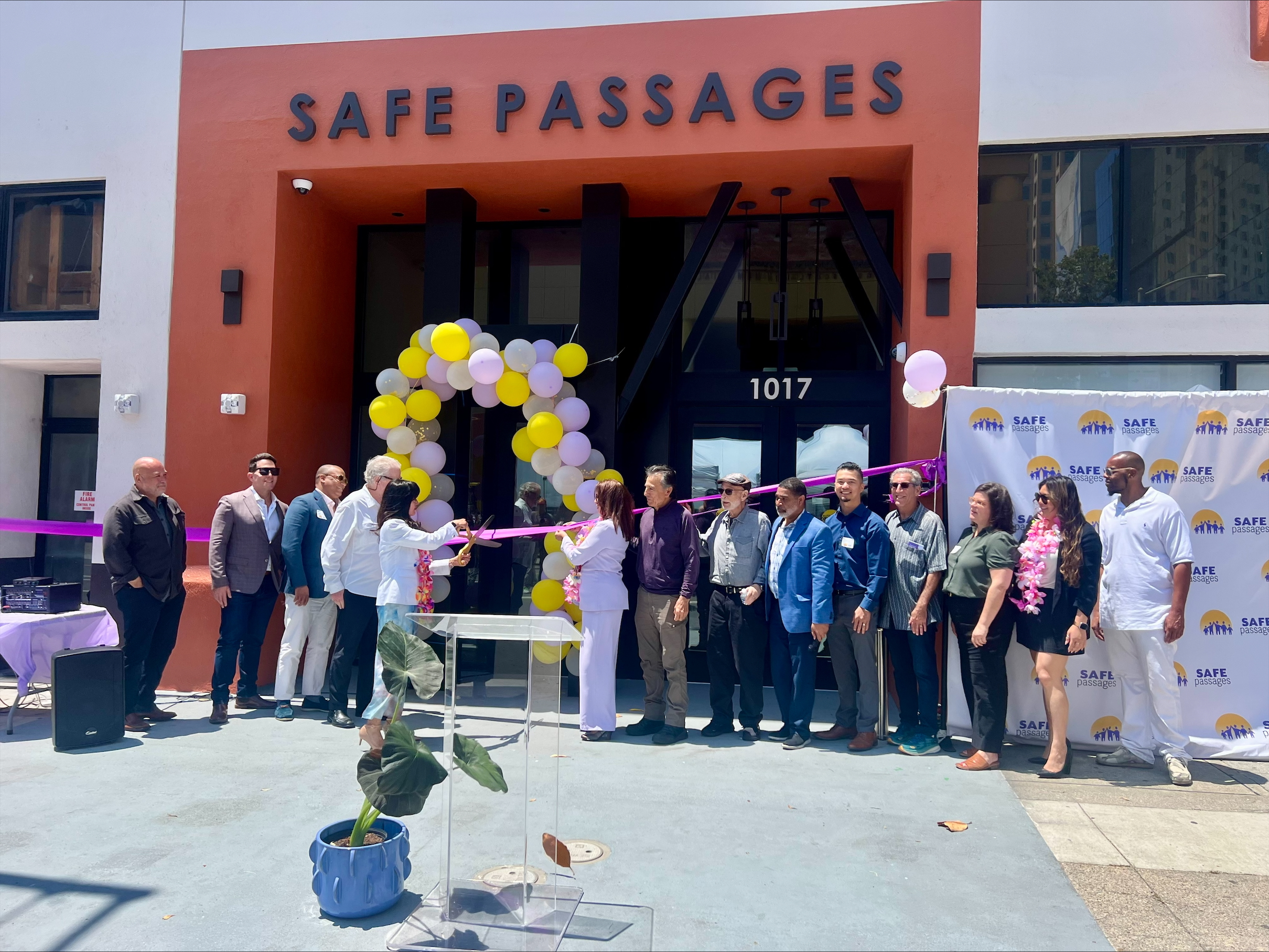
"إن افتتاح مركز "الممرات الآمنة" للصحة والوقاية المجتمعية يمثل استثماراً قوياً في مستقبل أطفالنا وشبابنا." وقالت مديرة إدارة خدمات الرعاية الصحية ميشيل باس: "لكل طفل الحق في الحصول على الأدوات التي يحتاجها لتحقيق كامل إمكاناته، بغض النظر عن العرق أو الوضع الاجتماعي والاقتصادي أو الإعاقة". "نحن ندعم الجهود المجتمعية التي تخلق مساحات آمنة وشفائية حيث يمكن للشباب الوصول إلى الرعاية والدعم والفرص التي يحتاجونها للنجاح." سيشكل هذا المركز محورًا أساسيًا للتدخل المبكر والوقاية، مما
الأطفال والأسر
بناء المرونة والرفاهية التي تدوم مدى الحياة.مركز الممرات الآمنة للصحة والوقاية المجتمعية: سيقدم المركز خدمات الصحة العقلية للأطفال والشباب في مقاطعة ألاميدا من الولادة وحتى مرحلة الشباب، مع التركيز على الفئات السكانية المعرضة للخطر. سيقدم المركز الموسع برامج تنمية الطفولة المبكرة التي توفر خدمات الأمومة والتثقيف الأبوي التي ينفذها متخصصون في الصحة النفسية للطفولة المبكرة، وهي مستمدة من المجتمع، وقائمة على البحث، ومثبتة كأفضل الممارسات. تشمل هذه البرامج برنامج التدريب على الحياة، وبرامج الصحة النفسية للأمهات الحوامل والأطفال
الطفولة المبكرة، والعلاج النفسي للوالدين والأطفال، وبرامج الحمل وما بعد الولادة، وبرامج التربية، وبرامج تنمية الشباب في المرحلة الانتقالية، والاستشارات الفردية والجماعية، وجلسات استكشاف المسارات المهنية."على مدى أكثر من 29 عامًا، التزمت منظمة الممرات الآمنة بكسر حلقة الفقر في مجتمعاتنا ودعم الأسر والشباب للمشاركة في تطوير حلولنا ومساراتنا الخاصة"، هذا ما قالته جوزفينا ألفارادو مينا، الرئيسة التنفيذية لمنظمة الممرات الآمنة. "يُعدّ هذا المركز الصحي مساحة للتجمع وملاذاً آمناً حيث يمكننا بناء مجتمع، والمشاركة، والنمو معاً."
لماذا هذا مهم: يعاني ما يقرب من طفل واحد من بين كل 13 طفلاً وشاباً في كاليفورنيا من اضطراب عاطفي خطير. من خلال برنامج BHCIP، تمنح إدارة خدمات الرعاية الصحية المجتمعية (DHCS) الجهات المؤهلة تمويلاً لبناء العقارات واقتنائها وتوسيعها والاستثمار في البنية التحتية المتنقلة للأزمات، مما يساعد المجتمعات على تلبية الطلب المتزايد وسد فجوات الخدمات التاريخية. تُعد هذه الاستثمارات بالغة الأهمية بشكل خاص في المجتمعات الريفية، حيث تضمن حصول الناس على الرعاية المنقذة للحياة في الوقت المناسب دون الحاجة إلى السفر لمسافات طويلة.
BHCIP is part of California’s ongoing commitment to expand behavioral health services for all Californians. DHCS has awarded $1.7 billion in BHCIP competitive grants. In addition, DHCS is distributing up to $4.4 billion in competitive Bond BHCIP funding, including $3.3 billion for Round 1: Launch Ready grants as part of Behavioral Health Transformation, DHCS’ work to implement Proposition 1. DHCS recently released the Proposition 1 Bond BHCIP Round 2: Unmet Needs Request for Applications (RFA). Eligible organizations can apply for funding to construct, acquire, or rehabilitate properties that expand behavioral health services for Medi-Cal members and other Californians in need. DHCS will award more than $800 million in grants to support community-based facilities for mental health and substance use disorder care.
حول الجولة 4: الأطفال والشباب: يركز برنامج BHCIP الجولة الرابعة ، وهو جزء من مبادرة الصحة السلوكية للأطفال والشباب ، ليس فقط على الأطفال والشباب، ولكن على جميع سكان كاليفورنيا الذين تبلغ أعمارهم 25 عامًا أو أقل، بما في ذلك النساء الحوامل والنساء في فترة ما بعد الولادة وأطفالهن والشباب في سن الانتقال الذين تتراوح أعمارهم بين 16 و25 عامًا، إلى جانب عائلاتهم. تتيح الجوائز الـ 52 التي يبلغ مجموعها 480.5 مليون دولار إنشاء وتوسيع أنواع متعددة من مرافق العيادات الخارجية والمرافق السكنية، بما في ذلك برامج الإقامة في حالات الأزمات للأطفال، ومرافق الإقامة في فترة ما حول الولادة لعلاج اضطرابات تعاطي المخدرات، ومراكز الصحة المجتمعية/الوقاية للشباب، والعلاج الخارجي لاضطرابات تعاطي المخدرات. يرجى الاطلاع على موقع BHCIP الإلكتروني لمزيد من المعلومات حول المستفيدين من المنح وتفاصيل إضافية حول جميع جولات تمويل BHCIP.
###
مكتب الاتصالات
(916) 440-7660
DHCSPress@dhcs.ca.gov
ساكرامنتو - أعلنت إدارة خدمات الرعاية الصحية في كاليفورنيا اليوم عن توفر بيانات تُظهر أن برامج الدعم المجتمعي لبرنامج Medi-Cal ناجحة وفعالة من حيث التكلفة. تُظهر البيانات أن خدمات الدعم المجتمعي تفي بوعدها بتلبية احتياجات أعضاء برنامج Medi-Cal - مما يقلل من زيارات قسم الطوارئ التي يمكن تجنبها، والإقامة في المستشفى، واستخدام الرعاية طويلة الأجل، مع إظهار علامات مبكرة قوية على توفير التكاليف. جميع خدمات الدعم المجتمعي الـ 12 التي تمت دراستها تعمل على خفض التكاليف، ومن بينها، أظهرت تسع خدمات بالفعل فعالية التكلفة خلال فترة الدراسة الأولية. ومن المتوقع أن تصل الثلاثة المتبقية إلى هذا الحد خلال فترة دراسة أطول، بما يتوافق مع القواعد الفيدرالية لتقييم فعالية التكلفة.
وقالت مديرة إدارة خدمات الرعاية الصحية ميشيل باس: "تمثل برامج الدعم المجتمعي تحولاً جذرياً في كيفية تقديم الرعاية الصحية لسكان كاليفورنيا، مما يعزز جودة الرعاية المقدمة لأعضاء برنامج Medi-Cal ويعزز الكفاءة والإنصاف العامين لنظام الرعاية الصحية لدينا". "تؤكد هذه النتائج أن هذه الخدمات لا تعمل فقط على تحسين حياة الناس، بل تعمل أيضاً على تقليل تكاليف الرعاية الصحية التي يمكن تجنبها." من خلال توسيع نطاق هذه الخدمات على مستوى الولاية، فإننا نحرز تقدماً ملموساً نحو نظام Medi-Cal يركز على الفرد ويلبي احتياجات الأعضاء أينما كانوا ويعطي الأولوية للوقاية والكرامة والقيمة.
تمت الموافقة على خدمات الدعم المجتمعي في كاليفورنيا في إطار إعفاءات برنامج Medi-Cal (CalAIM) للنهوض ببرنامج Medi-Cal والابتكار فيه، وتم تطبيقها تدريجياً من خلال خطط الرعاية الصحية المدارة لبرنامج Medi-Cal (MCP) بدءًا من عام 2022. CalAIM هي مبادرة الولاية لتحويل برنامج Medi-Cal لتحسين جودة الرعاية، وتقليل التعقيد، وتعزيز المساواة من خلال مبادرات الرعاية الشاملة القائمة على البيانات.
لماذا هذا مهم: يقدم برنامج Medi-Cal حاليًا 14 خدمة دعم مجتمعي. تعمل هذه الخدمات على تعزيز استقرار السكن، وتسهيل الانتقال من المؤسسات، ودعم الرعاية المنزلية، وتوفير وجبات صحية، وتقديم الراحة لمقدمي الرعاية، مما يساعد الأعضاء على تجنب تكاليف الرعاية في المستشفيات أو حالات الطوارئ الباهظة. قام التقرير بتحليل 12 من هذه الدعامات لتقييم تأثيرها على النتائج الصحية والتكاليف. تمت دراسة هذه الـ 12 من أصل 14 من خدمات الدعم المجتمعي لأنها مصرح بها بموجب إعفاء كاليفورنيا 1915 (ب) CalAIM، والذي يُطلب من كاليفورنيا تقديم تقرير عنه كل عام إلى الحكومة الفيدرالية.
DHCS submitted its annual 2024 report to the federal Centers for Medicaid & Medicare Services. It analyzes the impact of 12 Community Supports on member health care, including a new cost-effectiveness analysis for calendar year 2023. Key highlights from the report include:
تحليل فعال من حيث التكلفة: أظهرت الأبحاث أن 9 من أصل 12 من خدمات الدعم المجتمعي التي تمت دراستها فعالة من حيث التكلفة بشكل واضح، ومن المرجح أن يتم إثبات ذلك مع مرور الوقت، بما يتوافق مع القواعد الفيدرالية. عادةً ما يشهد الأعضاء الذين يستخدمون هذه الخدمات انخفاضات صافية في (أو تعويضات عن) تكاليف الخدمة المطبقة. ومن الأمثلة على ذلك:
قد يكون تحليل فعالية التكلفة أقل من الواقع بسبب قصر فترة التقييم، مما يؤدي إلى رصد التكاليف الفورية بالكامل ولكن ليس الوفورات طويلة الأجل. تقر إدارة خدمات الرعاية الصحية بأن المبادرات الأوسع نطاقاً، مثل إدارة الرعاية المحسنة ، قد تؤثر على هذه النتائج. قد تعمل التقييمات المستقبلية على تحسين هذه الأساليب مع توفر المزيد من البيانات، وسيتم إجراء تقييم مستقل بما يتماشى مع متطلبات الإعفاء.
أثر الدعم المجتمعي: أدى توسيع نطاق الدعم المجتمعي إلى زيادة إمكانية الوصول في المناطق الريفية والمناطق التي تعاني من نقص الخدمات، حيث تقود خطط التأمين الصحي مثل Anthem Blue Cross وHealth Net وPartnership HealthPlan of California الجهود المبذولة لتقديم خدمات جديدة في كل من المقاطعات الحضرية والريفية. تُعد هذه الخطط الثلاث من بين الأكبر في الولاية، وقد أظهرت توسعًا كبيرًا في خدمات الدعم المجتمعي في عام 2024، سواء من حيث عدد الخدمات الجديدة المختارة أو الانتشار الجغرافي، لا سيما في المقاطعات الريفية. ونتيجة لذلك، أصبح بإمكان أعضاء برنامج Medi-Cal في جميع مقاطعات كاليفورنيا البالغ عددها 58 مقاطعة الوصول إلى مجموعة واسعة من خدمات الدعم المجتمعي.
WHAT’S NEXT: DHCS released an updated Community Supports Policy Guide that is aligned with the Enhanced Care Management and Community Supports Action Plan. On July 1, 2025, the new Transitional Rent benefit will be optional for MCPs to offer, and will become the first mandatory Community Support on January 1, 2026.
لا تزال إدارة خدمات الرعاية الصحية الشاملة ملتزمة بتوسيع نطاق الدعم المجتمعي وتعزيزه لتلبية الاحتياجات الاجتماعية المتعلقة بالصحة لأعضاء ميدي-كال على مستوى الولاية. تستفيد كاليفورنيا من جهودها التاريخية في معالجة الرعاية الصحية الشاملة من خلال الوقاية والكرامة والاستقرار، مع مراعاة الحد الأدنى من الرعاية. يُحدث هذا النهج فرقًا بالفعل، لا سيما في الحد من استخدام الرعاية الصحية التي يمكن تجنبها وتحسين تجربة الأعضاء ذوي الاحتياجات الصحية المتعددة والمعقدة.
###
مكتب الاتصالات
(916) 440-7660
DHCSPress@dhcs.ca.gov
سيخدم المشروع 3,650 من الشباب بالتبني سنوياً
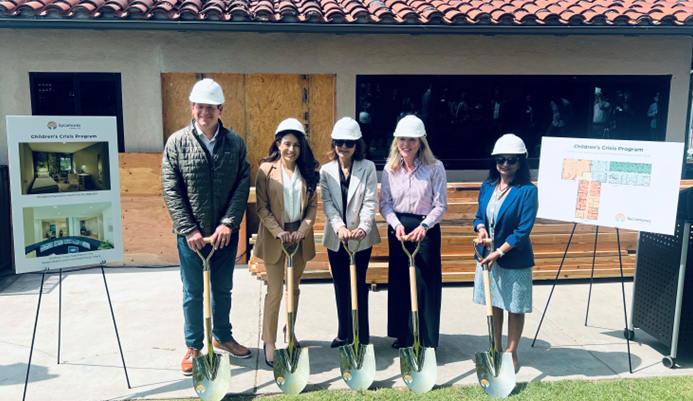
ساكرامنتو - في مايو 16 ، 2025 ، احتفلت إدارة خدمات الرعاية الصحية (DHCS) ومنظمة سيكامورز بوضع حجر الأساس لبرنامج سيكامورز لأزمات الأطفال، وهو مرفق جديد للصحة السلوكية في ألتادينا. سيستهدف هذا المشروع التحويلي الثغرات في سلسلة الأزمات التي تواجه الشباب في دور الرعاية في جميع أنحاء مقاطعة لوس أنجلوس، بهدف معالجة الأزمات مبكراً لتجنب تصعيد الرعاية. منحت إدارة خدمات الصحة والرعاية الاجتماعية (DHCS) شركة Sycamores أكثر من مليوني دولار للمشروع من خلال برنامج البنية التحتية لسلسلة الصحة السلوكية (BHCIP)، الجولة 5: سلسلة الأزمات والصحة السلوكية.
يُعد برنامج BHCIP مكونًا أساسيًا من برنامج الصحة العقلية للجميع، وهو التزام كاليفورنيا المستمر بتوسيع خدمات الصحة السلوكية لجميع سكان كاليفورنيا. مع إقرار الاقتراح رقم 1، سيتم تمويل وبناء المزيد من مرافق علاج الصحة السلوكية في عامي 2025 و2026.
Just days earlier, on May 12, DHCS awarded $3.3 billion in competitive grant funding through the Bond BHCIP Round 1: Launch Ready awards. This historic investment is funding 124 projects across 42 counties to create or expand 214 behavioral health facilities across California. This investment will result in 5,077 new residential treatment beds and 21,882 new outpatient slots for mental health and substance use disorder treatment, bringing essential behavioral health services closer to the Californians who need them most, including those in the foster care system.
وقالت مديرة إدارة خدمات الرعاية الصحية ميشيل باس: "نحن نعمل على ضمان حصول الشباب الذين يعانون من احتياجات كبيرة في مجال الصحة العقلية على الدعم والخدمات التي يحتاجونها". "تعتبر منظمات مثل سيكامورز ضرورية لتغيير طريقة استجابتنا للتحديات الملحة في مجال الصحة السلوكية." من خلال تقديم رعاية رحيمة ومجتمعية مباشرة للأطفال والشباب المحتاجين، فإنهم يجسدون نظامًا للصحة السلوكية يلبي
الناس أينما كانوا بكرامة ودعم وأمل
برنامج سيكامورز لسلسلة أزمات الأطفال: سيستهدف هذا المشروع الثغرات في سلسلة الأزمات على وجه التحديد للشباب في دور الرعاية من خلال إنشاء مرفق للصحة النفسية يضم ثمانية أسرّة ووحدة استقرار الأزمات تضم 10 أماكن، ومن المتوقع أن تخدم 3650 فردًا سنويًا في بيئة العيادات الخارجية. سيساعد هذا المشروع في دعم الشباب الذين يعيشون في المجتمع والذين يمرون بأزمة لتجنب الحاجة إلى مستوى أعلى من الرعاية في بيئات أكثر تقييدًا. صُممت هذه البرامج لتزويد الشباب ومقدمي الرعاية بالأدوات اللازمة لإدارة أزماتهم، بما
ذلك بناء المهارات، والمتابعة النفسية، والطب النفسي
والعلاج، وإدارة الحالات، وإدارة الأدوية."مع وضع حجر الأساس لبرامج أزمات الأطفال الجديدة التابعة لمنظمة سيكامورز، ستكون منظمتنا في وضع فريد لتلبية الاحتياجات العاجلة للصحة العقلية لآلاف الأطفال والشباب الذين يمرون بأزمات في جميع أنحاء مقاطعة لوس أنجلوس"، هذا ما قالته ديبرا مانرز، رئيسة ومديرة منظمة سيكامورز التنفيذية.
بالنظر إلى سمعة مؤسسة سيكامورز الراسخة في تقديم رعاية رحيمة ومؤثرة
حياة المرضى، فإننا نتشرف بتوسيع خدماتنا من خلال افتتاح برامجنا."لماذا هذا مهم: يعيش أكثر من 1.2 مليون بالغ في كاليفورنيا مع مرض عقلي خطير، ويعاني طفل واحد من بين كل 13 طفلاً من اضطراب عاطفي خطير. كما أفاد 82 بالمائة من سكان كاليفورنيا الذين يعانون من التشرد بأنهم يعانون من حالة صحية عقلية خطيرة، وأن واحداً من كل عشرة من سكان كاليفورنيا يستوفي معايير اضطراب تعاطي المخدرات. بالإضافة إلى ذلك، يساهم نقص مراكز علاج الصحة النفسية في ارتفاع معدلات التشرد والسجن بين الأشخاص الذين
اضطرابات نفسية.من خلال برنامج BHCIP، تمنح إدارة خدمات الرعاية الصحية (DHCS) الجهات المؤهلة تمويلاً لبناء العقارات واقتنائها وتوسيعها والاستثمار في البنية التحتية المتنقلة للأزمات لزيادة توسيع نطاق خيارات العلاج السلوكي المجتمعي للأشخاص الذين يعانون من احتياجات علاجية متزامنة للصحة العقلية واضطرابات تعاطي المخدرات. يعمل برنامج BHCIP على معالجة الثغرات التاريخية في نظام الرعاية الصحية السلوكية لتلبية الطلب المتزايد على الخدمات والدعم طوال حياة الأشخاص المحتاجين. منحت إدارة خدمات الرعاية الصحية (DHCS) منحًا تنافسية بقيمة 1.7 مليار دولار أمريكي ضمن برنامج
الرعاية الصحية الأساسية (BHCIP
.حول الجولة الخامسة من برنامج BHCIP: سلسلة الأزمات والصحة السلوكية: تم تطوير الجولة الخامسة من برنامج BHCIP: سلسلة الأزمات والصحة السلوكية، جزئيًا، من خلال تقييم للاحتياجات على مستوى الولاية والذي حدد ثغرات كبيرة في خدمات الأزمات المتاحة. أظهر هذا التقييم الحاجة إلى نظام أفضل للرعاية في حالات الأزمات للحد من زيارات قسم الطوارئ، وحالات دخول المستشفيات، والسجن. يتم استخدام الجوائز الـ 33، التي يبلغ مجموعها 430 مليون دولار، لبناء وتوسيع مرافق الرعاية في حالات الأزمات والصحة السلوكية على مستوى الولاية، وستخدم سكان كاليفورنيا الضعفاء من جميع الأعمار، بما في ذلك أعضاء برنامج Medi-Cal. يرجى الاطلاع على موقع BHCIP الإلكتروني لمزيد من المعلومات حول المستفيدين من المنح وتفاصيل إضافية حول جميع جولات تمويل BHCIP.
###
مكتب الاتصالات
(916) 440-7660
DHCSPress@dhcs.ca.gov
ما تحتاج إلى معرفته: بفضل الاقتراح رقم 1، من المقدر أن التمويل الحالي سيخلق أكثر من 5000 سرير علاج سكني وأكثر من 21800 مكان علاج للمرضى الخارجيين في مجال الصحة السلوكية، وسيبني على مبادرات الصحة السلوكية الرئيسية الأخرى في كاليفورنيا.
ساكرامنتو، كاليفورنيا - أعلن الحاكم جافين نيوسوم اليوم عن تمويل بقيمة 3.3 مليار دولار لإنشاء أكثر من 5000 سرير علاج سكني وأكثر من 21800 مكان علاج للمرضى الخارجيين لخدمات الرعاية الصحية السلوكية، وسيبني على مبادرات الصحة السلوكية الرئيسية الأخرى في كاليفورنيا. ستساهم جوائز برنامج البنية التحتية لاستمرارية الصحة السلوكية (BHCIP) الجولة 1: جاهزية الإطلاق، الذي تديره إدارة خدمات الرعاية الصحية في كاليفورنيا (DHCS)، في توسيع نطاق الوصول إلى الرعاية بشكل كبير لسكان كاليفورنيا الذين يعانون من حالات الصحة العقلية واضطرابات تعاطي المخدرات، بما في ذلك أولئك الذين يعانون من التشرد.
Here is a list of today’s awardees.
"طالب سكان كاليفورنيا باتخاذ إجراءات سريعة لمعالجة أزمة الصحة السلوكية في ولايتنا عندما صوتوا لصالح الاقتراح رقم 1 في مارس 2024." اليوم، نحقق أكبر فوز لنا حتى الآن. ستقوم هذه المشاريع الجاهزة للإطلاق ببناء وتوسيع أسرّة الإقامة وأماكن العلاج لأولئك الذين يحتاجون إلى المساعدة. سواء تعلق الأمر باستقرار الحالة في حالات الأزمات، أو خدمات المرضى الداخليين، أو العلاج طويل الأمد، فإننا نضمن حصول الأفراد على الرعاية المناسبة في الوقت المناسب. ~الحاكم جافين نيوسوم
عند منح التمويل بالكامل، من المتوقع أن يؤدي التمويل من سندات الاقتراح رقم 1 إلى إنشاء 6800 سرير علاج سكني و26700 مكان علاج للمرضى الخارجيين في مجال الصحة السلوكية، وسيبني على مبادرات الصحة السلوكية الرئيسية الأخرى في كاليفورنيا.
Kim Johnson, Secretary of the California Health & Human Services Agency " يمثل اليوم علامة فارقة في التزامنا بتحويل نظام الصحة السلوكية في كاليفورنيا." من خلال هذه الجوائز، نستثمر في حلول جريئة ومجتمعية تعمل على توسيع نطاق الوصول إلى الرعاية، وتعزيز المساواة، وتلبية احتياجات الناس أينما كانوا. هذه المشاريع تعكس قيمنا ورؤيتنا لكاليفورنيا أكثر صحة وتعاطفاً.
ميشيل باس، مديرة إدارة خدمات الصحة والرعاية الاجتماعية: "هذا استثمار للأجيال في مستقبل الصحة السلوكية في كاليفورنيا". نحن لا نبني منشآت فحسب. نحن نبني الأمل والكرامة وسبل الشفاء لآلاف من سكان كاليفورنيا. ستعزز هذه الاستثمارات بشكل كبير قدرة ولايتنا على توفير رعاية فعالة وفي الوقت المناسب للأفراد في مجتمعاتهم المحلية.
لماذا هذا مهم: ستساعد جوائز الجولة الأولى من برنامج بوند BHCIP في إنشاء نظام شامل للصحة السلوكية، مما يضمن حصول الأفراد على الرعاية المناسبة في الوقت المناسب، سواء كان ذلك لتحقيق الاستقرار في حالات الأزمات، أو الرعاية الداخلية، أو العلاج طويل الأمد. كجزء من هدف الدولة المتمثل في الحد من أزمات الصحة العقلية، وزيادة توافر الخدمات، ودعم الحلول المجتمعية، تعد هذه الاستثمارات حيوية لضمان استدامة خدمات الصحة السلوكية وإمكانية الوصول إليها على المدى الطويل.
Through BHCIP, DHCS has competitively awarded grants to construct, acquire, and expand properties and invest in mobile crisis infrastructure for behavioral health. Proposition 1, passed in March 2024, increases funding opportunities to expand BHCIP to serve even more Californians with mental health and substance use disorders through infrastructure development.
الصورة الأكبر: تعمل مبادرة الصحة العقلية للجميع في كاليفورنيا على تحديث نظام تقديم خدمات الصحة السلوكية لتحسين المساءلة وزيادة الشفافية وتوسيع قدرة مرافق الرعاية الصحية السلوكية. يدعم برنامج BHCIP إنشاء وتجديد وتوسيع المرافق التي تخدم الأفراد الذين يعانون من مشاكل الصحة العقلية واضطرابات تعاطي المخدرات، مع التركيز على رعاية الأزمات والعلاج السكني وخدمات العيادات الخارجية. وقد منحت إدارة خدمات الرعاية الصحية بالفعل 1.7 مليار دولار أمريكي كمنح تنافسية ضمن برنامج تحسين الرعاية الصحية الأساسية.
يوجد نقص يزيد عن 7000 سرير في مجال الصحة السلوكية في كاليفورنيا، مما يساهم في الاحتياجات غير الملباة بين الأشخاص الذين يعانون من التشرد والذين يعانون من أمراض عقلية و/أو اضطرابات تعاطي المخدرات. من المتوقع أن يؤدي تمويل برنامج BHCIP التابع لسندات إلى إنشاء 6800 سرير علاج سكني و26700 مكان علاج للمرضى الخارجيين في مجال الصحة السلوكية، وسيبني على مبادرات الصحة السلوكية الرئيسية الأخرى في كاليفورنيا. سيساعد هذا الاستثمار في معالجة النقص في أسرّة الصحة السلوكية.
ما الذي سيأتي لاحقاً: يمثل إعلان اليوم الجولة الأولى من جولتين لتمويل برنامج Bond BHCIP. ستوفر الجولة الثانية، وهي الجولة الثانية من برنامج سندات BHCIP: الاحتياجات غير الملباة، أكثر من 800 مليون دولار أمريكي كجوائز تمويل تنافسية لمرافق علاج الصحة السلوكية وهي مفتوحة لجميع الكيانات. يُشجع الكيانات المهتمة على تقديم طلباتها بعد إطلاق الجولة الثانية من طلبات التقديم في وقت لاحق من هذا الشهر.
بالإضافة إلى ذلك، ستشرف إدارة الإسكان والتنمية المجتمعية (HCD) على ما يصل إلى ملياري دولار من أموال الاقتراح 1 لبناء مساكن داعمة دائمة للمحاربين القدامى وغيرهم ممن هم بلا مأوى أو معرضون لخطر التشرد ويعانون من مشاكل في الصحة العقلية أو اضطرابات تعاطي المخدرات.
للمزيد من المعلومات: لمزيد من المعلومات حول الجولة الأولى من برنامج Bond BHCIP: جاهز للإطلاق، يرجى زيارة موقع BHCIP الإلكتروني. تتوفر هنا إرشادات إضافية حول الجولة الأولى من برنامج Bond BHCIP: جاهزية الإطلاق والجولة الثانية: الاحتياجات غير الملباة. قم بزيارة صفحة الويب الخاصة بتحويل الصحة السلوكية للاطلاع على التحديثات والموارد، بما في ذلك تسجيلات جلسات الاستماع العامة المنتظمة.
###
مكتب الاتصالات
(916) 440-7660
DHCSPress@dhcs.ca.gov
سيخدم المشروع 3,760 فرداً سنوياً
ساكرامنتو - مع استمرار كاليفورنيا في العمل على تعزيز نظام الرعاية الصحية السلوكية، احتفلت وزارة خدمات الرعاية الصحية (DHCS) ومنطقة مارك توين للرعاية الصحية بقص الشريط لمركز الأزمات والعافية الجديد في مقاطعة كالافيراس. بتمويل من أكثر من 3.3 مليون دولار من خلال الجولة الخامسة من برنامج البنية التحتية لاستمرارية الصحة السلوكية (BHCIP): الأزمات واستمرارية الصحة السلوكية، سيقدم المركز رعاية صحية نفسية عاجلة، وعلاج اضطراب تعاطي المخدرات، والتدخل المبكر لخدمة 3760 مقيمًا سنويًا.
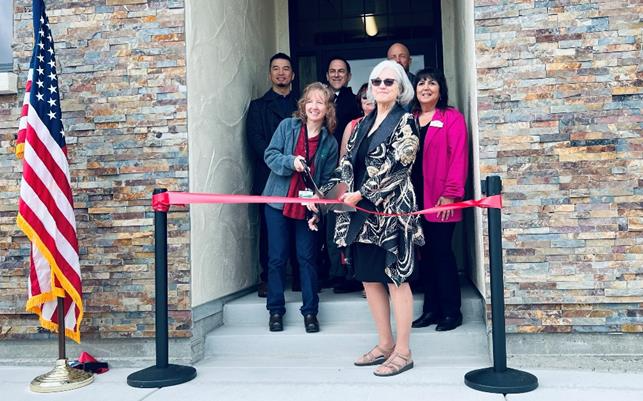
وقالت مديرة إدارة خدمات الرعاية الصحية ميشيل باس: "إن الاستثمار في البنية التحتية للصحة السلوكية خطوة حاسمة نحو ضمان حصول كل مواطن في كاليفورنيا - بغض النظر عن مكان إقامته - على رعاية صحية في الوقت المناسب وعادلة وذات جودة عالية". "يسعدنا دعم منطقة مارك توين للرعاية الصحية في توسيع خدماتها الحيوية التي من شأنها تعزيز صحة المجتمع ودعم الأفراد في طريقهم إلى التعافي." إن توفير الرعاية بالقرب من المنزل يساعد على منع الأزمات قبل تفاقمها
ويعزز شبكات الدعم المحلية
يعتمد عليها الناس.منطقة مارك توين للرعاية الصحية: من المتوقع أن يخدم مركز الأزمات والعافية الموسع 3760 فرداً سنوياً. سيقدم المركز خدمات علاج الصحة السلوكية للمرضى الخارجيين، بما في ذلك العلاج النفسي وإدارة الأدوية والرعاية النفسية العاجلة. بالإضافة إلى ذلك، سيستفيد المشروع من الشراكات مع منظمات الشباب لتقديم خدمات التدخل المبكر التي
إلى منع البطالة والتشرد وتعاطي المخدرات والسجن
"يعاني المرضى في مقاطعة كالافيراس من نقص الخدمات، وغالبًا ما يتم احتجازهم أو سجنهم، وإذا أكملوا دراستهم، فإنهم غالبًا ما يكونون على صلة بسلطات العدالة"، هذا ما قاله راندي سمارت، الرئيس التنفيذي لمنطقة مارك توين للرعاية الصحية. "يدرك مجتمعنا أن هذه النتائج قابلة للوقاية والعلاج، ولكن هناك حاجة ماسة إلى المزيد من الموارد." تتمتع مقاطعتنا بالإرادة والقيادة والرؤية اللازمة للالتزام بإنشاء مركز للأزمات الخارجية ومركز للوقاية، وهو ما سيمثل خطوة حاسمة نحو تلبية الطلب على الرعاية الصحية السلوكية.
لماذا هذا مهم: يعد برنامج BHCIP جزءًا من التزام كاليفورنيا المستمر بتوسيع خدمات الصحة السلوكية لجميع سكان كاليفورنيا. منحت إدارة خدمات الرعاية الصحية (DHCS) منحًا تنافسية بقيمة 1.7 مليار دولار أمريكي ضمن برنامج BHCIP. بالإضافة إلى ذلك، ستقوم إدارة خدمات الرعاية الصحية بتوزيع ما يصل إلى 4.4 مليار دولار من تمويل سندات BHCIP التنافسي، بما في ذلك 3.3 مليار دولار للجولة 1: منح جاهزية الإطلاق كجزء من تحويل الصحة السلوكية ، وهو عمل إدارة خدمات الرعاية الصحية لتنفيذ الاقتراح 1. مع إقرار المقترح رقم 1، سيتم تمويل وبناء المزيد
مرافق علاج الصحة النفسية في عامي 2025 و2026
من خلال برنامج BHCIP، تمنح إدارة خدمات الرعاية الصحية (DHCS) الجهات المؤهلة تمويلاً لبناء العقارات واقتنائها وتوسيعها والاستثمار في البنية التحتية المتنقلة للأزمات، مما يساعد المجتمعات على تلبية الطلب المتزايد وسد فجوات الخدمات التاريخية. تُعد هذه الاستثمارات بالغة الأهمية بشكل خاص في المجتمعات الريفية، حيث تضمن حصول الناس على الرعاية المنقذة للحياة في الوقت المناسب دون الحاجة إلى السفر لمسافات طويلة.
حول الجولة الخامسة من برنامج BHCIP: استمرارية الصحة السلوكية والأزمات: تم تطوير جولة BHCIP 5: استمرارية الأزمات والصحة السلوكية ، جزئيًا، من خلال تقييم الاحتياجات على مستوى الولاية الذي حدد فجوات كبيرة في خدمات الأزمات المتاحة. أظهر هذا التقييم الحاجة إلى نظام أفضل لرعاية الأزمات للحد من زيارات قسم الطوارئ والاستشفاء والسجن. تُستخدم الجوائز الـ 33، التي يبلغ مجموعها 430 مليون دولار، لبناء وتوسيع مرافق رعاية الأزمات والصحة السلوكية على مستوى الولاية، وسوف تخدم سكان كاليفورنيا من جميع الأعمار، بما في ذلك أعضاء Medi-Cal. يرجى الاطلاع على موقع BHCIP لمزيد من المعلومات حول متلقي المنح وتفاصيل إضافية حول جميع جولات تمويل BHCIP.
###
مكتب الاتصالات
(916) 440-7660
DHCSPress@dhcs.ca.gov
سيعمل المشروع على زيادة الطاقة الاستيعابية بمقدار 40 سريراً، ويخدم حوالي 1,000 طفل وفرد سنوياً
ساكرامنتو - في أبريل 4 ، 2025 ، احتفلت إدارة خدمات الرعاية الصحية (DHCS) وكيدرين بوضع حجر الأساس لمستشفى كيدرين ساوث للرعاية النفسية الحادة وقرية الأطفال لخدمة مجتمع جنوب لوس أنجلوس. سيوفر هذا المشروع التحويلي نظامًا شاملاً للرعاية والدعم للأطفال والشباب الذين يعانون من تحديات كبيرة في الصحة العقلية - كل ذلك في مكان واحد. يتم تمويله من خلال برنامج البنية التحتية لاستمرارية الصحة السلوكية التابع لإدارة خدمات الرعاية الصحية (BHCIP) الجولة الرابعة: الأطفال والشباب، وسيكون بمثابة نموذج "رعاية القرية" المتكامل المصمم للأطفال وعائلاتهم لتلقي خدماتهم.

منحت إدارة خدمات الرعاية الصحية في كاليفورنيا (DHCS) شركة Kedren أكثر من 57 مليون دولار من خلال برنامج BHCIP، وهو جزء من التزام كاليفورنيا المستمر بتوسيع خدمات الصحة السلوكية لجميع سكان كاليفورنيا. مع إقرار الاقتراح رقم 1، سيتم تمويل وبناء المزيد من مرافق علاج الصحة السلوكية في عامي 2025 و2026.
"تمثل قرية كيدرين للأطفال مورداً بالغ الأهمية في ضمان رفاهية ومستقبل الأطفال الأكثر عرضة للخطر في ولايتنا." وقالت مديرة إدارة خدمات الرعاية الصحية، ميشيل باس: "من خلال إعطاء الأولوية لتمويل هذا الحرم الجامعي، عززت كاليفورنيا التزامها بأن تكون رائدة في تقديم رعاية عالية الجودة ورحيمة تدعم الصحة العقلية والجسدية للأطفال المحتاجين". "يتماشى نهج كيدرين الشامل للرعاية الصحية العقلية والجسدية مع رؤيتنا لمستقبل أكثر صحة ومرونة لجميع الأطفال في كاليفورنيا." إنه استثمار ليس فقط في حياتهم
بل في قوة وازدهار مجتمعاتنا
مستشفى كيدرين ساوث للرعاية النفسية الحادة وقرية الأطفال: حصل هذا المشروع على أكثر من 57 مليون دولار من خلال برنامج BHCIP. سيوفر هذا المرفق رعاية تغير حياة الأطفال والشباب الذين يعانون من الأمراض العقلية والصدمات النفسية وغيرها من تحديات الصحة السلوكية. سيتألف الجزء الممول من برنامج BHCIP من الحرم الجامعي الجديد من مستشفى للأمراض النفسية الحادة بسعة 24 سريرًا (سيخدم أكثر من 520 فردًا سنويًا)، وبرنامج إقامة للأطفال في حالات الأزمات بسعة 8 أسرّة (سيخدم ما يقرب من 300 طفل سنويًا)، ومرفق صحي نفسي بسعة 8 أسرّة أخرى (سيخدم ما يقرب من 100 فرد سنويًا). بالإضافة إلى منحة BHCIP، سيحتوي جزء من الحرم الجامعي على مبنيين - ممولين بأموال قانون خدمات الصحة العقلية - ليشمل خدمات العيادات الخارجية للأطفال وتوفير سكن انتقالي للأطفال الذين يعانون من صعوبات عقلية وعائلاتهم لمدة تصل إلى 18 شهرًا.
"على مدى ما يقرب من 60 عامًا، التزمت كيدرين بالقضاء على التفاوتات الصحية في جنوب لوس أنجلوس من خلال توسيع نطاق الوصول إلى الرعاية الصحية"، هذا ما قاله الرئيس التنفيذي لشركة كيدرين، غريغوري بولك. "ستكون قرية الأطفال الأولى من نوعها في البلاد، حيث ستوفر سلسلة متكاملة من خدمات الرعاية الصحية النفسية للأطفال والشباب في حرم جامعي واحد." نتطلع إلى توفير هذه الموارد الضرورية والقيمة لمجتمعنا.
Kedren will offer a myriad of evidence-based therapies, including individual, group, family, recreational, occupational, and play. Staff will tailor treatments for each child with a mix of individual psychotherapy, behavioral modification, family counseling, and psychotropic medications. Kedren will also provide specialized assessments, such as psychological testing and occupational therapy assessments.
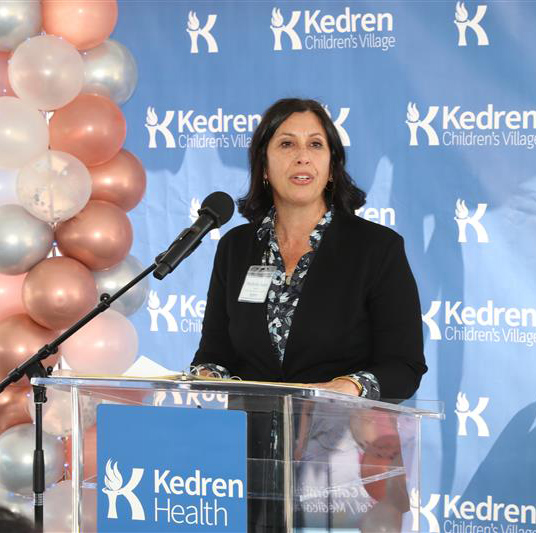
"إن التحديات التي نواجهها في مجال الصحة السلوكية كبيرة، ولكننا اليوم نظهر التزامنا الجماعي ببناء نظام رعاية قوي وشامل من شأنه أن يحسن حياة الناس لسنوات قادمة"، هذا ما قاله باس.
"بفضل برنامج BHCIP، سيتمكن مقدمو الخدمات المجتمعية الموثوق بهم مثل Kedren أخيرًا من الحصول على المرافق والموارد اللازمة لتقديم الخدمات الأساسية عبر سلسلة الرعاية، مما يُمكّن الأفراد من تلقي الرعاية المناسبة في الوقت المناسب وفي المكان المناسب مع مقدمي الخدمات الذين يثقون بهم."
لماذا هذا مهم: يعد برنامج BHCIP جزءًا من التزام كاليفورنيا المستمر بتوسيع خدمات الصحة السلوكية لجميع سكان كاليفورنيا. من خلال برنامج BHCIP، تمنح إدارة خدمات الرعاية الصحية (DHCS) الجهات المؤهلة تمويلاً لبناء العقارات واقتنائها وتوسيعها والاستثمار في البنية التحتية المتنقلة للأزمات لزيادة توسيع نطاق خيارات العلاج السلوكي المجتمعي للأشخاص الذين يعانون من احتياجات علاجية متزامنة للصحة العقلية واضطرابات تعاطي المخدرات. يعمل برنامج BHCIP على معالجة الثغرات التاريخية في نظام الرعاية الصحية السلوكية لتلبية الطلب المتزايد على الخدمات والدعم طوال حياة الأشخاص المحتاجين.
منحت إدارة خدمات الرعاية الصحية (DHCS) منحًا تنافسية بقيمة 1.7 مليار دولار أمريكي ضمن برنامج BHCIP. بالإضافة إلى ذلك، ستوزع إدارة خدمات الرعاية الصحية (DHCS) ما يصل إلى 4.4 مليار دولار أمريكي من تمويل برنامج تحسين الصحة السلوكية (BHCIP) التنافسي، بما في ذلك 3.3 مليار دولار أمريكي للجولة الأولى: منح "جاهزية الإطلاق" كجزء من تحويل الصحة السلوكية ، وهو عمل إدارة خدمات الرعاية الصحية لتنفيذ المقترح رقم 1.
حول الجولة الرابعة من برنامج تحسين الصحة السلوكية (BHCIP): الأطفال والشباب:تركزالجولة الرابعة من برنامج تحسين الصحة السلوكية (BHCIP)، وهي جزء من مبادرة الصحة السلوكية للأطفال والشباب ، على سكان كاليفورنيا الذين تبلغ أعمارهم 25 عامًا أو أقل، بما في ذلك النساء الحوامل والنساء في فترة ما بعد الولادة وأطفالهن، والشباب في سن الانتقال الذين تتراوح أعمارهم بين 18 و25 عامًا، إلى جانب عائلاتهم. تتيح الجوائز الـ 52 التي يبلغ مجموعها 480.5 مليون دولار إنشاء وتوسيع أنواع متعددة من مرافق العيادات الخارجية والمرافق السكنية، بما في ذلك برامج الإقامة في حالات الأزمات للأطفال، ومرافق الإقامة في فترة ما حول الولادة لعلاج اضطرابات تعاطي المخدرات، ومراكز الصحة المجتمعية/الوقاية للشباب، والعلاج الخارجي لاضطرابات تعاطي المخدرات.
###
مكتب الاتصالات
(916) 440-7660
DHCSPress@dhcs.ca.gov
ستدعم الجوائز وكالات خدمات الطوارئ الطبية المحلية في مقاطعتي ستانيسلاوس وفينتورا.
ساكرامنتو - منحت إدارة خدمات الرعاية الصحية (DHCS) مبلغ 800 ألف دولار لوكالتين محليتين لخدمات الطوارئ الطبية لتعزيز الوصول السهل إلى علاج اضطراب استخدام المواد الأفيونية (OUD) المثبت سريريًا للمرضى في بيئة خدمات الطوارئ الطبية (EMS) المعرضين لخطر الجرعة الزائدة والذين غالبًا لا يتمكنون من الوصول إلى الخدمات في أماكن أخرى.
"هذا نهج مبتكر ومنقذ للحياة لمعالجة أزمة المواد الأفيونية." من خلال تزويد مقدمي خدمات الطوارئ الطبية بالقدرة على تقديم العلاج في الميدان، فإننا نلتقي بالمرضى أينما كانوا ونربطهم بالرعاية المستمرة. وقالت مديرة إدارة الخدمات الصحية المجتمعية ميشيل باس: "يتمتع هذا البرنامج بالقدرة على الحد من الوفيات المرتبطة بالمواد الأفيونية وتحسين النتائج الصحية على المدى الطويل لبعض الأشخاص الأكثر ضعفاً في كاليفورنيا".
ستُمكّن المنح - التي مُنحت من خلال البرنامج التجريبي لاستخدام البوبرينورفين في خدمات الطوارئ الطبية (EMSBUP) لوكالة خدمات الطوارئ الطبية في مقاطعة ستانيسلاوس ووكالة خدمات الطوارئ الطبية في مقاطعة فينتورا - هاتين الوكالتين من معالجة اضطراب تعاطي المخدرات كحالة طارئة قابلة للعلاج، وذلك باستخدام المسعفين لتحديد وعلاج المرضى الذين سيستفيدون من الأدوية لعلاج الإدمان (MAT). العلاج الدوائي هو استخدام الأدوية بالتزامن مع الاستشارات والعلاجات السلوكية، وهو فعال في علاج اضطرابات
المواد الأفيونية ومساعدة بعض الأشخاص على الحفاظ
التعافي.لماذا هذا مهم: لقد ابتكرت EMSBUP نهجًا متطورًا لتقديم العلاج الدوائي من خلال خدمات الطوارئ الطبية. السكان الذين تخدمهم خدمات الطوارئ الطبية معرضون لخطر كبير للوفاة بسبب الجرعة الزائدة. في دراسة أجريت على 12000 مريض تلقوا النالوكسون من خدمات الطوارئ الطبية، توفي 10 بالمائة منهم خلال العام التالي. ووجدت دراسة أخرى أن ثلث جميع المرضى الذين توفوا بسبب جرعة زائدة غير مقصودة كانوا على اتصال بخدمات الطوارئ الطبية في السنة التي سبقت وفاتهم. مع وجود ما يقدر بنحو 26000 مكالمة طوارئ على الرقم 911 بسبب الجرعات الزائدة في كاليفورنيا، فإن خدمات الطوارئ الطبية هي نقطة تدخل حاسمة وغير مستغلة بشكل كافٍ لتوسيع نطاق الوصول إلى العلاج الدوائي، وتحقيق الحد من الأضرار، وربط المرضى بالرعاية.
منح الجوائز: سيساعد هذا البرنامج مقدمي خدمات الطوارئ الطبية في التنسيق مع الملاحين لتوفير روابط لخيارات الرعاية لمرضى الطوارئ الطبية الذين يعانون من اضطراب تعاطي المواد الأفيونية، وتوفير نظام للمرضى الذين يوقعون على الخروج ضد النصيحة الطبية للوصول إلى خيارات العلاج الخارجي. سيمتد المشروع من أبريل 1، 2025، حتى مارس 31، 2027. كما سيتم جمع بيانات مجهولة الهوية لأغراض البحث ومقاييس الأداء الشهرية لتقييم فعالية نموذج العلاج هذا.
Additionally, resources will be provided to Local Emergency Medicine Service Agencies to support the initiation and sustainability of this treatment model, which includes a naloxone distribution program, EMS-initiated first dose of buprenorphine, and substance use navigation.
المنح التي تُحدث فرقًا: من خلال تمويل منح الاستجابة الحكومية للأفيون (SOR)، يعتمد برنامج EMSBUP على مشروع أولي ممول من SOR في مقاطعة كونترا كوستا في عام 2020، حيث تم تدريب 260 مسعفًا على تحديد وعلاج اضطراب استخدام الأفيون من سيارة الإسعاف، وتم فحص أكثر من 2000 مريض للكشف عن اضطراب استخدام الأفيون، وتلقى 120 مريضًا البوبرينورفين في الميدان، وتم ربط 55 مريضًا بالعلاج الدوائي المستمر. وقد شجعت نتائج هذا العمل مقاطعات أخرى على تبني هذا النموذج. حتى الآن، تم توسيع هذا النموذج ليشمل 11 منطقة خدمات طبية طارئة محلية تغطي 13 مقاطعة لتدريب 1300 مسعف.
"إن إعطاء البوبرينورفين من قبل خدمات الطوارئ الطبية يوفر للفئة السكانية المعرضة للخطر إمكانية الوصول إلى البوبرينورفين في وقت حرج ومثالي لتلقي البوبرينورفين - بعد الجرعة الزائدة، عندما يكون المرضى في حالة انسحاب وقد يكونون أكثر ميلاً لقبول العلاج." إن إعطاء البوبرينورفين من قبل خدمات الطوارئ الطبية يوفر العلاج للمرضى بدلاً من اضطرار المرضى للبحث عن العلاج، مما قد يقلل من حالات الجرعات الزائدة المميتة، ويقلل من معدلات الجريمة، وينقذ الأرواح. بوجود الفرق المناسبة، يمكن للمرضى البدء بتناول البوبرينورفين في الميدان، والتواصل مع خدمات الطوارئ، والبدء بالشعور بتحسن في غضون ساعات قليلة. وقالت فيبي بلاشاك أوليفيرا، ممرضة مسجلة، وممرضة صحة عامة، وحاصلة على بكالوريوس في التمريض، ومديرة برنامج التمريض في الصحة العامة، في المركز الطبي الإقليمي كونترا كوستا وعيادة تشوزينغ تشينج: "والاستمرار في علاج البوبرينورفين من خلال برامج العلاج بمساعدة الأدوية بعد الخروج من قسم الطوارئ".
نظرة أشمل: في عام 2023، أطلق الحاكم نيوسوم خطته الرئيسية لمواجهة أزمة الفنتانيل والمواد الأفيونية ، والتي توفر إطارًا شاملًا لمعالجة هذه الأزمة، بما في ذلك اتخاذ خطوات حاسمة لدعم جهود الوقاية من الجرعات الزائدة، ومحاسبة صناعة الأدوية الأفيونية، ومكافحة تهريب المخدرات، ورفع مستوى الوعي بمخاطر المواد الأفيونية، بما
ذلك
.يتم تمويل برنامج EMSBUP من قبل إدارة خدمات تعاطي المخدرات والصحة العقلية، وهو جزء من الجهود الأوسع نطاقاً التي تبذلها إدارة خدمات الصحة العقلية لمعالجة اضطرابات تعاطي المخدرات، والمعروفة مجتمعة باسم استجابة إدارة خدمات الصحة العقلية في كاليفورنيا للمواد الأفيونية ، وذلك لزيادة الوصول إلى العلاج الدوائي، وتقليل الحاجة غير الملباة للعلاج، والحد من الوفيات المرتبطة بجرعات الأفيون الزائدة من خلال توفير أنشطة الوقاية والعلاج والتعافي. يركز برنامج الاستجابة لمشكلة المواد الأفيونية التابع لإدارة خدمات الرعاية الصحية في كاليفورنيا على السكان الذين يعانون من محدودية الوصول إلى العلاج الدوائي، بما في ذلك الشباب، والأشخاص في المناطق الريفية، والمجتمعات القبلية الأمريكية الأصلية وسكان ألاسكا الأصليين. للمزيد من المعلومات، يرجى زيارة موقع DHCS الإلكتروني.
كما أنشأت إدارة خدمات الرعاية الصحية مشروع توزيع النالوكسون (NDP) لمكافحة الوفيات المرتبطة بجرعات الأفيون الزائدة في جميع أنحاء كاليفورنيا. يهدف برنامج التنمية الوطنية إلى الحد من وفيات الجرعات الزائدة من المواد الأفيونية من خلال توفير النالوكسون مجاناً. للمزيد من المعلومات، راجع استجابة الولاية لمشكلة المواد الأفيونية.
###
مكتب الاتصالات
(916) 440-7660
DHCSPress@dhcs.ca.gov
ساكرامنتو - تقدمت إدارة خدمات الرعاية الصحية (DHCS)، بتوجيه من الحاكم جافين نيوسوم، هذا الشهر بطلب إلى مركز الابتكار في برنامج Medicaid و Medicaid (CMMI) التابع لمراكز Medicare و Medicaid (CMS) للمشاركة في نموذج الوصول الرائد للعلاج بالخلايا والجينات (CGT). في حال الموافقة، ستعمل هذه المبادرة متعددة السنوات على توسيع نطاق وصول أعضاء برنامج Medi-Cal إلى العلاجات الجينية المنقذة للحياة لمرض فقر الدم المنجلي (SCD)، وهو اضطراب دموي وراثي حاد يؤثر بشكل غير متناسب على الأشخاص من أصل أفريقي.
"إن طلب ولاية كاليفورنيا للمشاركة في هذا النموذج الفيدرالي يعكس التزامنا بتوسيع نطاق الوصول إلى العلاجات الرائدة لأعضاء برنامج Medi-Cal المصابين بمرض فقر الدم المنجلي"، كما قال مدير برنامج Medicaid بالولاية تايلر سادويث. "تتمتع هذه العلاجات بالقدرة على تغيير حياة الناس، وتساعد هذه المبادرة على ضمان ألا تكون التكلفة عائقاً أمام سكان كاليفورنيا الذين هم في أمس الحاجة إليها."
لماذا هذا مهم: أكثر من 50 بالمائة من الأفراد المصابين بمرض فقر الدم المنجلي مشمولون ببرنامج Medicaid في الولايات المتحدة. من خلال المشاركة في نموذج الوصول إلى ضريبة أرباح رأس المال، ستتمكن كاليفورنيا مما يلي:
"من خلال توسيع نطاق الوصول إلى هذه العلاجات التحويلية، تقود كاليفورنيا الطريق في معالجة أوجه عدم المساواة الصحية، وتحسين متوسط العمر المتوقع، وضمان حصول أعضاء برنامج Medi-Cal المصابين بمرض فقر الدم المنجلي على أفضل رعاية ممكنة"، هذا ما قاله سادويث.
حول نموذج الوصول إلى العلاج الجيني: يمثل العلاج الجيني نهجًا رائدًا لمرض فقر الدم المنجلي. يقوم هذا العلاج بتعديل الخلايا الجذعية المكونة للدم الخاصة بالمريض لمساعدة الجسم على إنتاج خلايا دم حمراء صحية. لقد ثبت أن هذا العلاج لمرة واحدة يقلل من نوبات الألم الشديدة ولديه القدرة على منع المضاعفات وتحسين نوعية الحياة للأفراد المصابين بمرض فقر الدم المنجلي.
ومع ذلك، تأتي هذه العلاجات بتكاليف باهظة، مما يجعل الوصول إليها صعباً بالنسبة للمرضى وبرامج Medicaid، بما في ذلك Medi-Cal. يعالج نموذج الوصول إلى العلاج الجيني هذا التحدي من خلال استخدام نظام خصم متفاوض عليه يربط المدفوعات لهذه العلاجات بنتائج المرضى. إذا لم يحقق العلاج التحسينات الصحية المتوقعة، فستقدم شركات تصنيع الأدوية خصومات لبرامج Medicaid، مما يساعد على ضمان الاستدامة المالية مع توسيع نطاق الوصول إلى الرعاية.
في البداية، سيركز النموذج على العلاجات الجينية لمرض فقر الدم المنجلي، وهو حالة تصيب أكثر من 100000 فرد على مستوى البلاد، بما في ذلك أكثر من 8000 عضو في برنامج Medi-Cal/Children’s Health Insurance Program (CHIP) في كاليفورنيا.
في حال الموافقة على كاليفورنيا، سيتمكن أعضاء برنامج Medi-Cal المؤهلون من الحصول على علاج العلاج الجيني، وإدارة الحالات، والمساعدة في السفر، ودعم الصحة السلوكية، وخدمات الحفاظ على الخصوبة، حيث أن عملية العلاج تتضمن العلاج الكيميائي، والذي يمكن أن يؤثر على الخصوبة. تتوقع مراكز خدمات الرعاية الطبية (CMS) اختبار النموذج على مدى فترة أداء مدتها 11 عامًا، بدءًا من يناير 1، 2025.
الصورة الأكبر: بالإضافة إلى التقدم بطلب للحصول على نموذج الوصول إلى العلاج الجيني الشامل، تم اختيار كاليفورنيا في وقت سابق من هذا العام لنموذج تحويل صحة الأم (TMaH) ، والذي يهدف إلى تحسين نتائج صحة الأم وتقليل التكاليف، كما أنها تعمل على تحويل برنامج Medi-Cal من خلال إعفاء كاليفورنيا للنهوض ببرنامج Medi-Cal والابتكار فيه (CalAIM) ، والذي يركز على رعاية الشخص ككل، وإدارة الرعاية، ومعالجة العوامل الاجتماعية المؤثرة على الصحة - مما يعزز الجهود المبذولة لإنشاء نظام صحي أكثر شمولاً وفعالية.
###
مكتب الاتصالات
(916) 440-7660
DHCSPress@dhcs.ca.gov