الموقع الرسمي لولاية كاليفورنيا
يترجم

مشاريع من المتوقع أن تخدم ما يقرب من 2,000 شخص سنوياً
ساكرامنتو - تعمل وزارة خدمات الرعاية الصحية (DHCS) و Mentis على توسيع خدمات العيادات الخارجية للأشخاص ذوي الاحتياجات الصحية العقلية في مقاطعة نابا. قبل ثمانية أشهر فقط، وضعت DHCS و Mentis حجر الأساس في حرم نابا فالي للعافية للشباب، بدعم من تمويل برنامج البنية التحتية للصحة السلوكية المستمرة الذي بلغ مجموعه أكثر من 4.7 مليون دولار.
في الخامس من مارس، احتفلت إدارة
الصحة المجتمعية (DHCS) ومنظمة مينتيس بافتتاح عيادة الصحة النفسية المجتمعية الجديدة للمرضى الخارجيين ومركز الصحة المجتمعية/الوقاية للشباب، والذي بدأ بتقديم خدماته ويضم 121 مكانًا علاجيًا جديدًا، وسيخدم ما يقرب من 2000 شخص
.وقالت مديرة إدارة خدمات الرعاية الصحية في كاليفورنيا، ميشيل باس: "تلتزم إدارة خدمات الرعاية الصحية بالعمل مع شركاء مثل مينتيس لتوسيع نطاق خدمات علاج الصحة العقلية واضطرابات تعاطي المخدرات بسرعة لشباب كاليفورنيا". "يواصل برنامج BHCIP معالجة الثغرات التاريخية في نظام الرعاية الصحية السلوكية لتلبية الطلب المتزايد على الخدمات والدعم طوال حياة الأشخاص المحتاجين."
مجمع نابا فالي لصحة الشباب: سيلبي هذا المشروع الاحتياجات السلوكية والعقلية والعاطفية للأطفال والشباب في وادي نابا وعائلاتهم. يتضمن المشروع إعادة تأهيل مبنى حرم مدرسة إعدادية خاصة قائم لدمج استوديو فني داعم، ومساحة مجتمعية، وغرف علاج. تشمل الخدمات أنشطة الوقاية الصحية للأطفال والشباب، وعلاج الصحة النفسية، والعلاج الجماعي و/أو الأنشطة العائلية، وجلسات العلاج الفردية. تُقدم البرامج باللغتين الإنجليزية والإسبانية وهي مجانية ومتاحة للجميع. يقع الحرم الجامعي على مسافة قريبة سيرًا على الأقدام من ثلاث مدارس ثانوية، ويهدف نظام الرعاية المتكاملة فيه إلى استقطاب شريحة متنوعة من الشباب، بما في ذلك الشباب من
البشرة الملونة، وشباب مجتمع الميم
والشباب الذين لهم سوابق جنائية."ستوفر عيادتنا المجتمعية ومجمع صحة الشباب الدعم الذي تشتد الحاجة إليه للشباب الذين ما زالوا يعانون من ضغوط الحياة"، هذا ما قاله المدير التنفيذي لمنظمة مينتيس، روب وايس. "نحن حريصون على توسيع نطاق خدمات الرعاية التي نقدمها لخدمة الأطفال والشباب ذوي الاحتياجات المتنوعة، ونحن ممتنون لإدارة خدمات الرعاية الصحية (DHCS) لجعل هذه الرؤية ممكنة."
لماذا هذا مهم: يعد BHCIP جزءًا من التزام كاليفورنيا المستمر بتوسيع خدمات الصحة السلوكية لجميع سكان كاليفورنيا. مع إقرار الاقتراح 1، سيتم تمويل وبناء المزيد من مرافق العلاج الصحي السلوكي في عامي 2025 و 2026. من خلال BHCIP، تمنح DHCS الكيانات المؤهلة تمويلًا لبناء العقارات والحصول عليها وتوسيعها والاستثمار في البنية التحتية للأزمات المتنقلة لتوسيع نطاق خيارات العلاج الصحي السلوكي المجتمعي للأشخاص الذين يعانون من احتياجات علاج الصحة العقلية المتزامنة واضطرابات تعاطي المخدرات.
منحت إدارة خدمات الرعاية الصحية (DHCS) منحًا تنافسية بقيمة 1.7 مليار دولار أمريكي ضمن برنامج BHCIP. بالإضافة إلى ذلك، ستوزع إدارة خدمات الرعاية الصحية (DHCS) ما يصل إلى 4.4 مليار دولار من تمويل برنامج تحسين الصحة السلوكية التنافسي (BHCIP) بموجب السندات، بما في ذلك 3.3 مليار دولار للجولة الأولى: منح "جاهزية الإطلاق" كجزء من تحويل الصحة السلوكية ، وهو عمل إدارة خدمات الرعاية الصحية لتنفيذ المقترح رقم 1. وتعقد إدارة خدمات الرعاية الصحية جلسات استماع عامة منتظمة حول هذا الجهد. تتوفر التحديثات والتسجيلات الخاصة بالجلسات على الإنترنت.
حول الجولة الرابعة من برنامج BHCIP: الأطفال والشباب:ركزتالجولة الرابعة من برنامج BHCIP على سكان كاليفورنيا الذين تبلغ أعمارهم 25 عامًا أو أقل، بما في ذلك النساء الحوامل والنساء في فترة ما بعد الولادة وأطفالهم وشبابهم الذين تتراوح أعمارهم بين 16 و25 عامًا، إلى جانب عائلاتهم. بفضل التمويل الذي أتاحته مبادرة كاليفورنيا للصحة السلوكية للأطفال والشباب ، سمحت المنح الـ 52 التي بلغ مجموعها 480.5 مليون دولار بإنشاء وتوسيع أنواع متعددة من مرافق العيادات الخارجية والمرافق السكنية، بما في ذلك برامج الإقامة في حالات الأزمات للأطفال، ومرافق الإقامة في فترة ما حول الولادة لعلاج اضطرابات تعاطي المخدرات، ومراكز الصحة المجتمعية/الوقاية للشباب، والعلاج الخارجي لاضطرابات تعاطي المخدرات. يرجى الاطلاع على موقع BHCIP الإلكتروني لمزيد من المعلومات حول المستفيدين من المنح وتفاصيل إضافية حول جميع جولات تمويل BHCIP.
###
مكتب الاتصالات
(916) 440-7660
DHCSPress@dhcs.ca.gov
سيشمل المشروع 37 سريرًا جديدًا للمرضى الداخليين في مستشفى الأمراض النفسية الحادة
ساكرامنتو - في فبراير 19 ، 2025 ، قامت إدارة خدمات الرعاية الصحية (DHCS) ومستشفى Gateways ومركز الصحة العقلية بوضع حجر الأساس لمشروع توسعة الشباب التابع لـ Gateways في مقاطعة لوس أنجلوس. سيركز المشروع، الممول من الجولة الرابعة من برنامج البنية التحتية لاستمرارية الصحة السلوكية التابع لإدارة خدمات الصحة السلوكية (BHCIP)، على الشباب الذين يعانون من مشاكل عاطفية أو سلوكية خطيرة ويواجهون حالة طوارئ نفسية حادة.
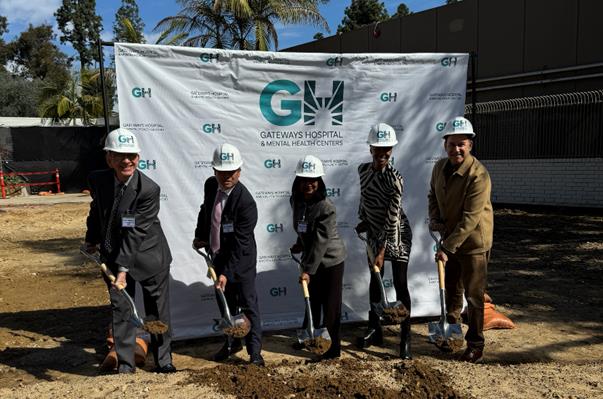
منحت إدارة خدمات الرعاية الصحية في كاليفورنيا (DHCS) شركة Gateways أكثر من 19 مليون دولار من خلال برنامج BHCIP، وهو جزء من التزام كاليفورنيا المستمر بتوسيع خدمات الصحة السلوكية لجميع سكان كاليفورنيا. مع إقرار الاقتراح رقم 1، سيتم تمويل وبناء المزيد من مرافق علاج الصحة السلوكية في عامي 2025 و2026.
وقالت مديرة إدارة خدمات الصحة والرعاية الاجتماعية، ميشيل باس: "يمثل هذا الإنجاز خطوة هامة إلى الأمام في التزامنا بتوفير رعاية متخصصة للشباب الذين يواجهون تحديات حادة في الصحة العقلية".
من خلال توسيع
الوصول إلى الرعاية الشاملة، فإننا نعزز بيئة يستطيع فيها جميع الشباب الحصول على الرعاية والدعم اللذين يستحقونهما للنجاح والازدهار."مشروع توسيع نطاق خدمات الشباب في GATEWAYS: معظم الشباب الذين سيخدمهم المشروع قد مروا بأحداث مؤلمة أو تجارب طفولة قاسية أو كانوا على صلة بخدمات رعاية الطفل. تقوم شركة Gateways بإضافة 37 سريرًا للمرضى الداخليين من المراهقين إلى 55 سريرًا للمرضى الداخليين الموجودة حاليًا في مستشفى الطب النفسي الحاد والتي تخدم البالغين والمراهقين.
"هناك حاجة ملحة لتقديم الدعم للشباب الذين يواجهون أزمات الصحة العقلية"، هذا ما قاله الدكتور فيل وونغ، الرئيس التنفيذي لمستشفى غيتويز. "نشيد بكاليفورنيا لإعطائها الأولوية لهذه الأموال للتركيز على الصحة العقلية للشباب من خلال توسيع قدرة البنية التحتية للمساعدة في تغيير الوضع." يسر فريقنا أن يبدأ أعمال التوسعة حتى نتمكن من تقديم الخدمات للشباب المحتاجين لهذه الخدمات الحيوية.
In addition to traditional health care, the expanded facility will allow youth to receive multiple therapeutic services and participate in activities designed to build autonomy and help them transition to outpatient services. These services will include individual and group therapies, such as cognitive-behavioral therapy, psychoanalytic therapy, mentalization-based therapy, eye movement desensitization and reprocessing, and biofeedback. Youth housed in the unit will receive multiple therapeutic services, including family therapy and medical counseling.
وأخيرًا، سيتلقى الشباب الذين يعانون من اضطرابات الأكل، مثل فقدان الشهية العصبي والشره المرضي، والشباب الذين يعانون من اضطرابات تعاطي الكحول والمخدرات المصاحبة، استشارات غذائية، وسيتم مراقبة صحتهم البدنية عن كثب، وسيتلقون إدارة الأدوية.
لماذا هذا مهم: من خلال BHCIP، تمنح DHCS الكيانات المؤهلة تمويلًا لبناء العقارات والحصول عليها وتوسيعها والاستثمار في البنية التحتية للأزمات المتنقلة لتوسيع نطاق خيارات العلاج الصحي السلوكي المجتمعي للأشخاص الذين يعانون من احتياجات علاج الصحة العقلية المتزامنة واضطرابات تعاطي المخدرات. تعالج BHCIP الفجوات التاريخية في نظام الرعاية الصحية السلوكية لتلبية الطلب المتزايد على الخدمات والدعم طوال عمر الأشخاص المحتاجين.
منحت إدارة خدمات الرعاية الصحية (DHCS) منحًا تنافسية بقيمة 1.7 مليار دولار ضمن برنامج BHCIP. بالإضافة إلى ذلك، ستوزع إدارة خدمات الرعاية الصحية (DHCS) ما يصل إلى 4.4 مليار دولار من تمويل برنامج تحسين الصحة السلوكية التنافسي (BHCIP) بموجب السندات، بما في ذلك 3.3 مليار دولار للجولة الأولى: منح "جاهزية الإطلاق" كجزء من تحويل الصحة السلوكية ، وهو عمل إدارة خدمات الرعاية الصحية لتنفيذ المقترح رقم 1. وتعقد إدارة خدمات الرعاية الصحية جلسات استماع عامة منتظمة حول هذا الجهد. تتوفر التحديثات وتسجيلات الجلسات على صفحة الويب الخاصة بتحويل الصحة السلوكية.
حول الجولة الرابعة من برنامج BHCIP: الأطفال والشباب: تركز الجولة الرابعة من برنامج BHCIP ، من خلال التمويل الذي أصبح ممكناً بفضل مبادرة الصحة السلوكية للأطفال والشباب في كاليفورنيا، على سكان كاليفورنيا الذين تبلغ أعمارهم 25 عامًا أو أقل، بما في ذلك النساء الحوامل والنساء في فترة ما بعد الولادة وأطفالهن والشباب في سن الانتقال الذين تتراوح أعمارهم بين 18 و25 عامًا، إلى جانب عائلاتهم. تتيح الجوائز الـ 52 التي يبلغ مجموعها 480.5 مليون دولار إنشاء وتوسيع أنواع متعددة من مرافق العيادات الخارجية والمرافق السكنية، بما في ذلك برامج الإقامة في حالات الأزمات للأطفال، ومرافق الإقامة في فترة ما حول الولادة لعلاج اضطرابات تعاطي المخدرات، ومراكز الصحة المجتمعية/الوقاية للشباب، والعلاج الخارجي لاضطرابات تعاطي المخدرات. للمزيد من المعلومات، يرجى زيارة موقع BHCIP الإلكتروني.
###
مكتب الاتصالات
(916) 440-7660
DHCSPress@dhcs.ca.gov
من المتوقع أن يخدم المركز الجديد لإدارة الأزمات أكثر من 2,500 شخص سنويًا
ساكرامنتو - في فبراير 7 ، 2025 ، أعلنت إدارة خدمات الرعاية الصحية (DHCS) و CRI-Help عن الافتتاح الكبير لمركز إدارة أزمات اضطراب تعاطي المخدرات (SUD): مشروع مجمع متكامل للصحة السلوكية في مقاطعة لوس أنجلوس. يضم الموقع مرفقًا سكنيًا لعلاج اضطرابات تعاطي المخدرات للبالغين، ومرفقًا للعلاج المكثف للمرضى الخارجيين لاضطرابات تعاطي المخدرات، ومركزًا للتعافي من الإدمان. ومن المتوقع أن تخدم هذه المرافق مجتمعة أكثر من 2500 فرد سنوياً.
تم تمويل مشروع مركز إدارة الأزمات المتعلقة باضطراب تعاطي المخدرات من خلال الجولة الخامسة من برنامج البنية التحتية لاستمرارية الصحة السلوكية التابع لإدارة خدمات الصحة والرعاية الاجتماعية (BHCIP). منحت إدارة خدمات الرعاية الصحية في كاليفورنيا (DHCS) منظمة CRI-Help أكثر من 21 مليون دولار من خلال برنامج BHCIP، وهو جزء من التزام كاليفورنيا المستمر بتوسيع خدمات الصحة السلوكية لجميع سكان كاليفورنيا. مع إقرار الاقتراح رقم 1، سيتم تمويل وبناء المزيد من مرافق علاج الصحة السلوكية في عامي 2025 و2026.

وقالت مديرة إدارة خدمات الصحة والرعاية الاجتماعية ميشيل باس: "إن المرافق مثل هذه التي تشكل جزءًا من مركز إدارة أزمات اضطرابات تعاطي المخدرات لا تعالج الأزمات فحسب، بل تعالج أيضًا المخاوف الأساسية للأشخاص الذين يسعون للحصول على المساعدة في اضطرابات تعاطي المخدرات، حتى يتمكنوا من مواصلة التعافي المستمر". يسرّ إدارة
الرعاية
(DHCS) التعاون مع مؤسسة CRI-Help لتحقيق هذا المشروع وتوفير رعاية صحية نفسية عالية الجودة لهذه المنطقة.مشروع CRI-HELP: يعمل مشروع مركز إدارة الأزمات التابع لـ CRI-Help على زيادة توافر خدمات الأزمات الخارجية والسكنية للبالغين ذوي الدخل المنخفض في مناطق وسط وشرق لوس أنجلوس بشكل فوري. يتضمن هذا المشروع ثلاثة برامج:
ستوفر هذه المرافق مجتمعةً خدمات الفحص، والاستشارات
، وتثقيف المرضى، وجلسات العلاج الأسري الجماعية، والمقابلات
، وجهود التعافي، والإحالة السلسة إلى مستويات الرعاية الأخرى."مع إضافة مركز إعادة التأهيل الممول من قبل BHCIP والذي يقدم خدمات تعافي شاملة، فإننا نعيد تعريف شكل الرعاية المتاحة والرحيمة في منطقة لوس أنجلوس"، قال براندون فرنانديز، الرئيس والمدير التنفيذي لشركة CRI-Help. "يمثل هذا الحرم الجامعي منارة للابتكار والشمولية للأشخاص الذين يسعون للحصول على فرصة ثانية في الحياة."
لماذا هذا مهم: من خلال BHCIP، تمنح DHCS الكيانات المؤهلة تمويلًا لبناء العقارات والحصول عليها وتوسيعها والاستثمار في البنية التحتية للأزمات المتنقلة لتوسيع نطاق خيارات العلاج الصحي السلوكي المجتمعي للأشخاص الذين لديهم احتياجات علاج الصحة العقلية المتزامنة و SUDs. تعالج BHCIP الفجوات التاريخية في نظام الرعاية الصحية السلوكية لتلبية الطلب المتزايد على الخدمات والدعم طوال عمر الأشخاص المحتاجين.
منحت إدارة خدمات الرعاية الصحية (DHCS) منحًا تنافسية بقيمة 1.7 مليار دولار أمريكي ضمن برنامج BHCIP. بالإضافة إلى ذلك، ستوزع إدارة خدمات الرعاية الصحية (DHCS) ما يصل إلى 4.4 مليار دولار من تمويل برنامج تحسين الصحة السلوكية التنافسي (BHCIP) بموجب السندات، بما في ذلك 3.3 مليار دولار للجولة الأولى: منح "جاهزية الإطلاق" كجزء من تحويل الصحة السلوكية ، وهو عمل إدارة خدمات الرعاية الصحية لتنفيذ المقترح رقم 1. وتعقد إدارة خدمات الرعاية الصحية جلسات استماع عامة منتظمة حول هذا الجهد. تتوفر التحديثات وتسجيلات الجلسات على صفحة الويب الخاصة بتحويل الصحة السلوكية.
حول الجولة الخامسة من برنامج BHCIP: سلسلة الأزمات والصحة السلوكية: تم تطوير الجولة الخامسة من برنامج BHCIP ، جزئيًا، من خلال تقييم للاحتياجات على مستوى الولاية والذي حدد ثغرات كبيرة في خدمات الأزمات المتاحة. أظهر هذا التقييم الحاجة إلى نظام رعاية أفضل للأزمات للحد من زيارات قسم الطوارئ، وحالات دخول المستشفيات، والسجن. يتم استخدام الجوائز الـ 33، التي يبلغ مجموعها 430 مليون دولار، لبناء وتوسيع مرافق الرعاية في حالات الأزمات والصحة السلوكية على مستوى الولاية، وستخدم سكان كاليفورنيا الضعفاء من جميع الأعمار، بما في ذلك أعضاء برنامج Medi-Cal.
###
مكتب الاتصالات
(916) 440-7660
DHCSPress@dhcs.ca.gov
مشاريع من المتوقع أن تخدم أكثر من 900 فرد سنوياً
ساكرامنتو - تقوم إدارة خدمات الرعاية الصحية (DHCS) بتوسيع خدمات الإقامة للأفراد الذين يعانون من اضطرابات تعاطي المخدرات واحتياجات الصحة العقلية المصاحبة في موقعين في مقاطعة لوس أنجلوس.
احتفلت مؤسسة "الطفل الكامل - خدمات الصحة العقلية والإسكان" بالافتتاح الكبير لمركز جديد للعافية المجتمعية (أدناه). في الأول من فبراير، بدأ المركز بتقديم خدمات الصحة النفسية التي تراعي الصدمات النفسية والحساسية الثقافية، وخدمات الإسكان العائلي، وخدمات إثراء الوالدين، وخدمات التثقيف الغذائي. يقدم المركز الدعم للعائلات في جنوب شرق لوس أنجلوس التي تواجه عوائق في الحصول على الرعاية، بما في ذلك الشباب والعائلات الذين يعانون من التشرد.
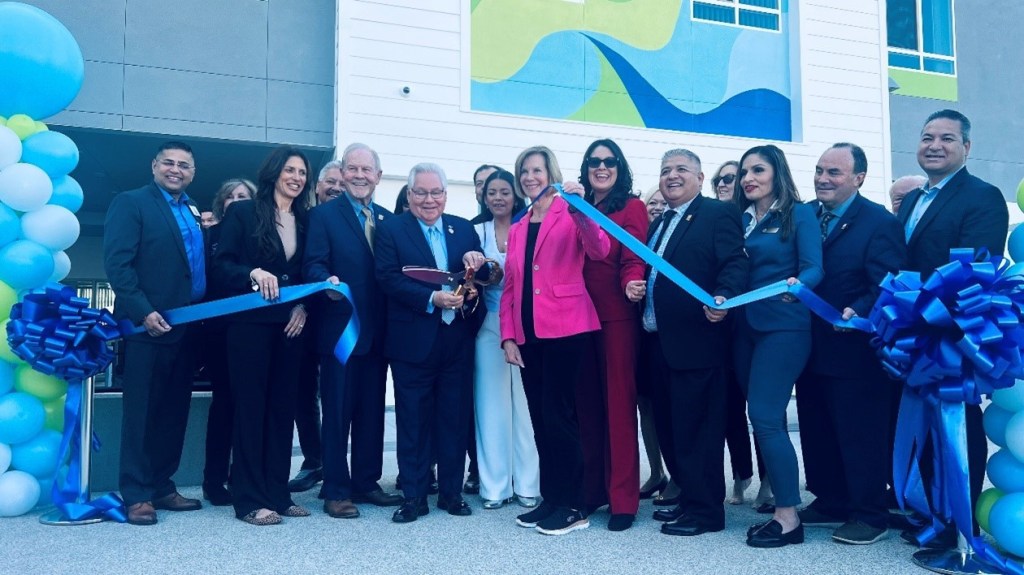
كما استضافت خدمات عائلة سانت آن حفل وضع حجر الأساس (أدناه) لبرنامج علاجي سكني قصير الأجل جديد يسمى STRTP FOR ONE، والذي يقدم سنوياً برامج سكنية داعمة عالية الجودة، وتعليم الطفولة المبكرة، والصحة العقلية، وخدمات قائمة على الأسرة لآلاف الشابات والأطفال والأسر في مقاطعة لوس أنجلوس.
تم تمويل كلا المشروعين من خلال الجولة الخامسة من برنامج البنية التحتية لسلسلة الصحة السلوكية التابع لإدارة خدمات الرعاية الصحية (BHCIP). منحت إدارة خدمات الرعاية الصحية المجتمعية (DHCS) مؤسسة "ذا هول تشايلد" - خدمات الصحة العقلية والإسكان - أكثر من 6 ملايين دولار، ومنحت مؤسسة "سانت آن" لخدمات الأسرة أكثر من 2 مليون دولار من خلال برنامج BHCIP، وهو جزء من التزام كاليفورنيا المستمر بتوسيع خدمات الصحة السلوكية لجميع سكان كاليفورنيا. مع إقرار الاقتراح رقم 1، سيتم تمويل وبناء المزيد من مرافق علاج الصحة السلوكية في عامي 2025 و2026.

وقالت مديرة إدارة خدمات الرعاية الصحية المجتمعية، ميشيل باس: "يمثل توسيع خدمات الرعاية الصحية السلوكية المجتمعية أولوية قصوى لإدارة خدمات الرعاية الصحية المجتمعية". "تُعدّ المرافق السكنية من هذا النوع عنصراً حيوياً في جهود كاليفورنيا لتوفير رعاية عالية الجودة تراعي الصدمات النفسية للأفراد والأسر الأكثر احتياجاً إليها."
مشروع "الطفل الكامل - خدمات الصحة العقلية والإسكان": يقدم مركز علاج الصدمات النفسية والعافية للأسر المشردة والمجتمع خدمات تراعي الصدمات النفسية وتراعي الحساسية الثقافية للأطفال والشباب والأسر الذين يعانون من التشرد في منطقة لوس أنجلوس. بالإضافة إلى خدمات الاستشارة للمرضى الخارجيين، يدعم المركز التوجيه المهني، والصحة النفسية، والسكن، والوالدين، والتغذية. تشمل مجموعة خدمات الصحة العقلية الشاملة التي يقدمها المركز العلاج النفسي الفردي والعائلي والجماعي، وإدارة الأدوية، والاختبارات النفسية، والخدمات النفسية، وإدارة الحالات، وخدمات التدخل في الأزمات، والخدمات المرتبطة بالمدارس لتقديم التقييم والعلاج للطلاب في المدارس، وفرق التقييم متعددة التخصصات، والرعاية البديلة المتخصصة. تشمل الممارسات القائمة على الأدلة العلاج السلوكي المعرفي الموجه نحو الصدمات، والعلاج السلوكي المعرفي الفردي، وبرنامج التربية الإيجابية الثلاثية (Triple P)، وممارسة الإدارة والتبني، والعلاج النفسي للأطفال والوالدين، وبرنامج السنوات الرائعة، والعلاج البديل للعدوان، والعلاج النفسي بين الأشخاص.
"بصفتنا شركة رائدة إقليمياً في مجال الصحة النفسية والعافية للأطفال، فإننا نعرف بشكل مباشر كيف يمكن أن تلاحق صدمات الطفولة وآلامها الأطفال حتى مرحلة البلوغ"، هذا ما قالته كونستانزا باتشون، الرئيسة التنفيذية لمنظمة "ذا هول تشايلد". "ومع ذلك، نعلم أيضاً أن العلاج في سن مبكرة يمكن أن يكون له تأثير إيجابي هائل، حيث يزود الأطفال والمراهقين بالأدوات ومهارات التأقلم التي يحتاجونها لبدء رحلة شفائهم." سيكون هذا المركز، الذي تم بناؤه بتمويل من برنامج BHCIP، منارة أمل لمجتمعنا.
STRTP FOR ONE: صممت خدمات عائلة سانت آن برنامج STRTP FOR ONE بسرير واحد يوفر رعاية شاملة وفردية للغاية للأمهات الشابات اللواتي تتراوح أعمارهن بين 13 و17 عامًا واللواتي يواجهن خطر الإقامة المتعددة والتشرد والسجن بسبب احتياجاتهن المعقدة في مجال الصحة العقلية أو السلوكية. يتألف البرنامج من فريق من المهنيين السريريين ذوي التنسيق العالي والمعرفة بالصدمات النفسية لتقديم تدخلات قائمة على نقاط القوة ومتمحورة حول العميل في بيئة تشبه المنزل. يهدف البرنامج إلى تزويد هؤلاء الشباب بالأدوات اللازمة لمعالجة صدماتهم المعقدة، وتعزيز مهارات العيش المستقل، وتطوير مهارات الأبوة والأمومة في الوقت الفعلي بدعم طبيعي.
"نحن سعداء بالتعاون مع إدارة خدمات الرعاية الصحية (DHCS) لمعالجة الاحتياجات الحرجة للصحة العقلية للأسر الشابة في مجتمعنا"، هذا ما قالته لورنا ليتل، الحاصلة على ماجستير في الخدمة الاجتماعية، الرئيسة والمديرة التنفيذية لخدمات عائلة سانت آن. "نحن في وضع فريد يسمح لنا بتقديم خدمات متخصصة للشابات اللواتي يمررن بأزمات - النساء الحوامل أو الأمهات، واللواتي يسعين إلى لم شملهن مع أفراد أسرهن، ويتعلمن كيفية تحقيق الاستقرار ضمن برامجنا من أجل الانتقال بنجاح."
لماذا يعتبر برنامج BHCIP مهمًا: من خلال برنامج BHCIP، تمنح هيئة الصحة والخدمات الاجتماعية في دبي الكيانات المؤهلة التمويل لبناء وحيازة وتوسيع الممتلكات والاستثمار في البنية التحتية المتنقلة للأزمات لزيادة توسيع نطاق خيارات العلاج الصحي السلوكي المجتمعي للأشخاص الذين يعانون من احتياجات علاج الصحة العقلية المتزامنة واضطرابات تعاطي المخدرات. يعمل برنامج BHCIP على معالجة الثغرات التاريخية في نظام الرعاية الصحية السلوكية لتلبية الطلب المتزايد على الخدمات والدعم طوال حياة الأشخاص المحتاجين.
DHCS has awarded $1.7 billion in BHCIP competitive grants. In addition, DHCS will distribute up to $4.4 billion in competitive Bond BHCIP funding, including $3.3 billion for Round 1: Launch Ready grants as part of Behavioral Health Transformation, DHCS’ work to implement Proposition 1. DHCS holds regular public listening sessions on this effort. Updates and recordings of the sessions are available on the Behavioral Health Transformation webpage.
حول الجولة الخامسة من برنامج BHCIP: استمرارية الصحة السلوكية والأزمات: تم تطوير الجولة الخامسة من برنامج BHCIP جزئياً من خلال تقييم للاحتياجات على مستوى الولاية والذي حدد ثغرات كبيرة في خدمات الأزمات المتاحة. أظهر هذا التقييم الحاجة إلى نظام رعاية أفضل للأزمات للحد من زيارات قسم الطوارئ، وحالات دخول المستشفيات، والسجن. يتم استخدام الجوائز الـ 33، التي يبلغ مجموعها 430 مليون دولار، لبناء وتوسيع مرافق الرعاية في حالات الأزمات والصحة السلوكية على مستوى الولاية، وستخدم سكان كاليفورنيا الضعفاء من جميع الأعمار، بما في ذلك أعضاء برنامج Medi-Cal.
###
مكتب الاتصالات
(916) 440-7660
DHCSPress@dhcs.ca.gov
خارطة طريق جديدة تحدد استراتيجيات لإنشاء نظام أكثر إنصافًا وتركيزًا على المريض للحوامل والحوامل من أعضاء ميدي-كال
ساكرامنتو - أصدرت إدارة خدمات الرعاية الصحية (DHCS) اليوم تقرير مسار رعاية الولادة ، وهو خطة شاملة لتحسين رعاية الأمومة لأعضاء برنامج Medi-Cal. تغطي هذه الخطة رحلة جميع أعضاء برنامج Medi-Cal الحوامل وما بعد الولادة من الحمل وحتى 12 شهرًا بعد الولادة، بهدف جعل الرعاية متاحة وعادلة ومتمحورة حول المريض.
وقالت مديرة إدارة خدمات الرعاية الصحية في كاليفورنيا، ميشيل باس: "يمثل مسار رعاية الولادة خطوة حاسمة إلى الأمام في التزام كاليفورنيا بتحسين صحة الأم". "من خلال التركيز على تجارب الأعضاء، ومواءمة السياسات مع التوصيات القابلة للتنفيذ، وتعزيز الشراكات عبر القطاعات، نهدف إلى ضمان حصول كل عضو في برنامج Medi-Cal على رعاية أمومة آمنة وعادلة وشاملة."
الأهداف الرئيسية: يقدم تقرير مسار رعاية الولادة تفاصيل السياسات التي نفذتها إدارة خدمات الرعاية الصحية أو التي هي بصدد تنفيذها لدعم جميع الأعضاء الحوامل والنفاس المسجلين في برنامج Medi-Cal.
إلى ذلك
يحدد التقرير فرصًا للاستكشاف المستقبلي.يُعطي مسار رعاية الولادة الأولوية لما يلي:
سيعمل مسار رعاية الولادة على تحقيق هذه الأهداف من خلال تحويل سياسة الأمومة في برنامج Medi-Cal لإنشاء نهج يركز على الأعضاء في رعاية ما قبل الولادة وما بعد الولادة، والذي يلبي احتياجات الأعضاء أينما كانوا ويوفر رعاية شاملة للشخص تعالج الصحة السلوكية والاحتياجات الاجتماعية بالإضافة إلى الاحتياجات الطبية. ستقوم إدارة خدمات الرعاية الصحية بمراجعة وتحديث سياسات برنامج Medi-Cal الحالية لتزويد الأعضاء بخيارات متزايدة من أنواع مقدمي خدمات الأمومة والدعم، مثل الداعمات النفسيات، والعاملين الصحيين المجتمعيين، وغيرهم، وإنشاء روابط حيوية بين الرعاية الصحية والبرامج الأخرى في جميع أنحاء الولاية لتسهيل حصول الأعضاء على النطاق الكامل للخدمات المطلوبة.
بالإضافة إلى ذلك، ستعالج إدارة خدمات الرعاية الصحية احتياجات الفئات السكانية الخاصة من الحوامل/في فترة ما بعد الولادة، بما في ذلك الأشخاص المنخرطين في نظام العدالة، والأفراد الذين يعانون من مشاكل حادة في الصحة العقلية وتعاطي المخدرات، وأفراد مجتمع الميم، والأفراد السود، والأمريكيين الأصليين/سكان ألاسكا الأصليين، وسكان جزر المحيط الهادئ.
ستواصل إدارة خدمات الرعاية الصحية (DHCS) العمل مع إدارات الولايات، بما في ذلك إدارة الصحة العامة في كاليفورنيا (CDPH) ومكتب الجراح العام في كاليفورنيا (OSG)، ومقدمي خدمات رعاية الأمومة والخدمات الاجتماعية، وقادة الولايات والمحليات، وخطط الرعاية الصحية المدارة (MCP) التابعة لبرنامج Medi-Cal، والمدافعين عن المساواة في الولادة، وشركاء آخرين لتنفيذ سياسات مسار رعاية الولادة الموضحة في التقرير. إن مواصلة إشراك مجموعة متنوعة من الشركاء لتنفيذ وتطوير مسار رعاية الولادة سيكون أمراً حيوياً لمواءمة مبادرات الأمومة العديدة الجارية حتى لا تكون معزولة.
"من خلال نهج شامل ومتكامل، لا تعمل كاليفورنيا على تحسين صحة الأم والطفل فحسب، بل نضع معيارًا جديدًا جريئًا للرعاية يحقق نتائج أفضل للعائلات على مستوى الولاية"، هذا ما قالته الدكتورة ديانا راموس، الجراحة العامة في كاليفورنيا. "يمثل مسار رعاية الولادة إضافة حيوية لجهود الولاية الرامية إلى تعزيز صحة الفترة المحيطة بالولادة، ويعتمد على العمل التعاوني المبتكر الجاري بالفعل."
"بعد أن خدمت المجتمعات الريفية طوال مسيرتي المهنية، أعلم أن توفير الوصول إلى الخدمات من الحمل وحتى عام واحد بعد الولادة كان دائمًا يمثل تحديًا"، هذا ما قاله الدكتور روبرت مور، كبير المسؤولين الطبيين في شركة Partnership HealthPlan of California. "إن التعاونات مثل مسار رعاية الولادة التابع لوزارة الصحة والخدمات الاجتماعية أمر حيوي في الجمع بين العديد من الشركاء وأصحاب المصلحة لإيجاد حلول." يجب على المجتمع بأسره المشاركة في هذه القضية لتحقيق تقدم دائم.
لماذا هذا مهم: تحدث واحدة من كل ثماني ولادات في الولايات المتحدة في كاليفورنيا ، ويتم تغطية 40 بالمائة من تلك الولادات بواسطة برنامج Medi-Cal. على الرغم من أن كاليفورنيا لديها حاليًا أدنى معدل وفيات للأمهات في البلاد، إلا أن أعضاء برنامج Medi-Cal لديهم معدل وفيات للأمهات أعلى من الأفراد الذين لديهم تأمين تجاري.
بينما يحدد مسار رعاية الولادة استراتيجية طويلة الأجل لتحويل رعاية الأمومة في برنامج Medi-Cal، فإن العديد من الخدمات والدعم متوفرة بالفعل للأعضاء الحوامل وما بعد الولادة. يمكن لأعضاء برنامج Medi-Cal الوصول إلى رعاية الأمومة الشاملة، بما في ذلك زيارات ما قبل الولادة وما بعد الولادة، وخدمات الدعم النفسي والاجتماعي، والرعاية الصحية السلوكية، ودعم الرضاعة الطبيعية، من خلال خطتهم الصحية وشبكة مقدمي الخدمات. تلتزم إدارة خدمات الرعاية الصحية (DHCS) بتحسين وتوسيع هذه الخدمات كجزء من العمل المستمر لتنفيذ مسار رعاية الولادة.
حول مسار رعاية الولادة: يتضمن مسار رعاية الولادة توصيات سياسية تتناول الاحتياجات الجسدية والسلوكية والاجتماعية المتعلقة بالصحة للأعضاء الحوامل وما بعد الولادة. وتشمل الفرص تحسين الوصول إلى مقدمي الخدمات، وتعزيز الرعاية السريرية وتنسيق الرعاية، وتوفير رعاية شاملة للفرد، وتحديث طريقة دفع برنامج Medi-Cal مقابل رعاية الأمومة.
يُعد مسار رعاية الولادة جزءًا من التزام متعدد السنوات لتحويل صحة الأم في كاليفورنيا، وقد بدأ بالفعل إصلاح صحة الأم. تقوم إدارة خدمات الرعاية الصحية (DHCS) بتنفيذ نموذج تحويل صحة الأم (TMaH) الفيدرالي لمدة عشر سنوات في خمس مقاطعات في الوادي الأوسط: كيرن، فريسنو، كينغز، تولاري، وماديرا. يُعدّ برنامج TMaH نموذجًا للتنفيذ والدفع مصممًا لاختبار ما إذا
التنفيذ الفعال للتدخلات القائمة على الأدلة، والمدعومة بنموذج دفع قائم على القيمة، يُمكن
يُحسّن نتائج الأمومة ويُقلّل من نفقات برنامج Medi-Cal.العملية التعاونية: يعكس مسار رعاية الولادة جهدًا تعاونيًا بين أعضاء برنامج Medi-Cal الحوامل وما بعد الولادة، والشركاء الحكوميين، ومجموعة من مقدمي خدمات الرعاية الصحية والاجتماعية، والمنظمات المجتمعية، والمدافعين، مما يضمن اتباع نهج سياسي مستنير بالمجتمع لمستقبل الولادة والرعاية الصحية للأمهات في كاليفورنيا. بالإضافة إلى ذلك، قدمت مؤسسة كاليفورنيا للرعاية الصحية ومؤسسة ديفيد ولوسيل باكارد تمويلًا لدعم المشاركة وتطوير التقارير. أبرزت الأفكار الرئيسية من أعضاء برنامج Medi-Cal الاحتياجات الأساسية، مثل احترام تفضيلات الولادة، والحصول على رعاية متوافقة عرقياً وثقافياً، وتحسين دعم الصحة السلوكية، وتحسين تنسيق الرعاية. لقد ساهمت تجارب الأعضاء بشكل مباشر في تشكيل توصيات السياسة الخاصة بالمسار. للمزيد من يرجى زيارة صفحة مسار رعاية الولادة.
"إن التعرف على مسار رعاية الولادة منحني شعوراً بالراحة والأمل لأنه يعني أنني أستطيع رعاية صحتي وصحة طفلي دون إضافة ضغوط إضافية"، هذا ما قالته م. ثاو، وهي أم لطفل يبلغ من العمر 11 شهراً. "في كل مرة كنت أتصل فيها للحصول على المساعدة في الوصول إلى الموارد والتسجيل في البرنامج، كنت أتلقى توجيهات واضحة من برنامج Medi-Cal." إن الشعور بمعرفة أنك ستكونين بخير هو شعور أتمنى أن تتمكن كل أم حامل في كاليفورنيا من الاعتماد عليه.
رؤية أوسع لصحة الأم: ستعمل إدارة خدمات الرعاية الصحية مع مقدمي الرعاية الصحية، ومنظمات المجتمع المدني، وأصحاب المصلحة الآخرين لتنفيذ عناصر نموذج TMaH، والتي تتماشى مع مسار رعاية الولادة وتكمله. بالإضافة إلى ذلك، تعمل إدارة خدمات الرعاية الصحية (DHCS) مع مبادرة كاليفورنيا للرعاية الصحية للأمهات عالية الجودة، وإدارة الصحة العامة في كاليفورنيا (CDPH)، ومكتب خدمات الصحة العامة (OSG) لوضع خطة استراتيجية لصحة الأم بحلول سبتمبر 2025 لتحسين صحة الأم في جميع أنحاء كاليفورنيا.
###
مكتب الاتصالات
(916) 440-7660
DHCSPress@dhcs.ca.gov
توسيع خدمات الصحة السلوكية لتشمل 4,800 شخص سنويًا
ساكرامنتو - في يناير 23 ، 2025 ، احتفلت إدارة خدمات الرعاية الصحية (DHCS) وخدمات سييرا فيستا للأطفال والعائلات بافتتاح منشأة جديدة في مقاطعة ستانيسلاوس لسد الثغرات في علاج الصحة العقلية واضطراب تعاطي المخدرات (SUD). سيقدم مركز الصحة المجتمعية والوقاية من الأمراض للشباب خدمات الصحة السلوكية الحيوية، بما في ذلك ممارسات العدالة التصالحية للشباب، والاستشارات في مجال الصحة العقلية، وخدمات الحوامل وما بعد الولادة، وخدمات دعم الأسرة والوالدين، وغيرها من الخدمات المتكاملة.
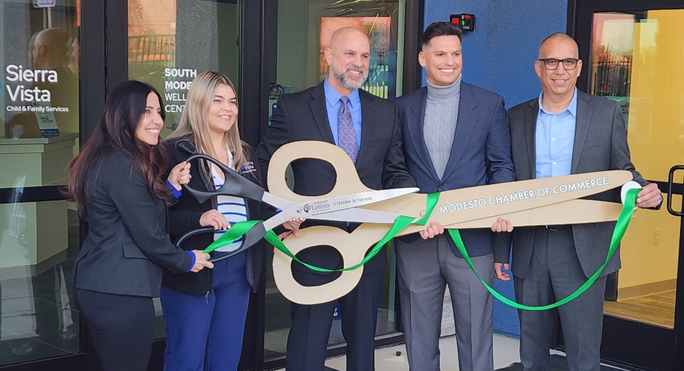
منحت إدارة خدمات الرعاية الصحية في كاليفورنيا (DHCS) مؤسسة سييرا فيستا لخدمات الطفل والأسرة أكثر من 4.6 مليون دولار من خلال برنامج البنية التحتية لاستمرارية الصحة السلوكية (BHCIP)، والذي يعمل على ضمان توفير رعاية صحية سلوكية شاملة للأفراد الأكثر ضعفاً في كاليفورنيا. من المتوقع أن يخدم هذا المرفق 4800 فرد سنوياً. بفضل سندات الاقتراح رقم 1 المعتمدة، سيتم تمويل وبناء المزيد من مرافق علاج الصحة السلوكية في عامي 2025 و2026.
وقالت مديرة إدارة خدمات الرعاية الصحية ميشيل باس: "يُعد مركز الصحة المجتمعية والوقاية من الأمراض لدى الشباب جزءًا مهمًا من جهود كاليفورنيا لتوفير رعاية صحية شاملة وعالية الجودة للمجتمعات الريفية والمحرومة". "يمثل افتتاح هذا المركز نقلة نوعية للأشخاص الذين يسعون للحصول على خدمات الصحة السلوكية الشاملة والكريمة في مقاطعة ستانيسلاوس."
"مهمتنا هي تقوية الأسر والمجتمعات"، هذا ما قاله أندرو تيمبي، الرئيس التنفيذي لخدمات سييرا فيستا للأطفال والأسرة. "نعتقد أن مبادراتنا الاستراتيجية لتجسيد تلك المهمة تتجلى بفعالية في الاستثمار والتطوير المستمر لمركزنا للصحة المجتمعية والوقاية من الأمراض لدى الشباب في قلب مقاطعة ستانيسلاوس، وهو حي يعاني من الضعف والمشاكل."
خدمات سييرا فيستا للأطفال والعائلات: تقدم خدمات سييرا فيستا للأطفال والعائلات مجموعة متنوعة من الخدمات، بما في ذلك إدارة الرعاية المحسنة، والتوجيه، وبرامج العلاج السكني قصيرة الأجل للشباب في دور الرعاية، وبرامج علاج اضطراب تعاطي المخدرات في فترة ما حول الولادة.
تم بناء مركز العافية المجتمعية والوقاية من الشباب الجديد باستخدام أموال BHCIP لإحداث تغيير دائم في حياة الأطفال والأسر ومجتمع ستانيسلاوس بأكمله. يخدم المركز الأطفال والشباب الذين تقل أعمارهم عن 25 عامًا من السكان المحرومين والمعرضين للخطر، بما في ذلك الأشخاص المشاركين في نظام قضاء الأحداث الذين يعانون من جرائم جنائية منخفضة، وكذلك أفراد أسرهم. تشمل الخدمات التقييمات القائمة على القوة، وخدمات إدارة الحالات الشاملة، والروابط بموارد المجتمع المحلي، وتعليم الأسرة ومقدمي الرعاية ودعم الرفاهية، وفحوصات الصحة العقلية، وخدمات الحوامل وما بعد الولادة.
لماذا يعتبر برنامج BHCIP مهمًا: من خلال برنامج BHCIP، تمنح إدارة خدمات الرعاية الصحية (DHCS) الجهات المؤهلة تمويلًا لبناء العقارات واقتنائها وتوسيعها والاستثمار في البنية التحتية المتنقلة للأزمات لزيادة توسيع نطاق خيارات العلاج السلوكي المجتمعي للأشخاص الذين يعانون من اضطرابات الصحة العقلية وتعاطي المخدرات. يعمل برنامج BHCIP على معالجة الثغرات التاريخية في نظام الرعاية الصحية السلوكية لتلبية الطلب المتزايد على الخدمات والدعم طوال حياة الأشخاص المحتاجين. حصلت خدمات سييرا فيستا للأطفال والعائلات على تمويل منحة BHCIP للجولة الرابعة: الأطفال والشباب .
DHCS has awarded $1.7 billion in BHCIP competitive grants. In addition, DHCS will distribute up to $4.4 billion in competitive Bond BHCIP funding, including $3.3 billion for Round 1: Launch Ready grants as part of Behavioral Health Transformation, DHCS’ work to implement Proposition 1. DHCS holds regular public listening sessions on this effort. Updates and recordings of the sessions are available on the Behavioral Health Transformation webpage.
حول الجولة 4: الأطفال والشباب: ركزت الجولة الرابعة من برنامج BHCIP على سكان كاليفورنيا الذين تبلغ أعمارهم 25 عامًا أو أقل، بما في ذلك النساء الحوامل والنساء في فترة ما بعد الولادة وأطفالهن والشباب في سن الانتقال الذين تتراوح أعمارهم بين 18 و25 عامًا، إلى جانب عائلاتهم. بفضل التمويل الذي أتاحته مبادرة كاليفورنيا للصحة السلوكية للأطفال والشباب ، سمحت المنح الـ 52 التي بلغ مجموعها 480.5 مليون دولار بإنشاء وتوسيع أنواع متعددة من مرافق العيادات الخارجية والمرافق السكنية، بما في ذلك برامج الإقامة في حالات الأزمات للأطفال، ومرافق الإقامة في فترة ما حول الولادة لعلاج اضطرابات تعاطي المخدرات، ومراكز الصحة المجتمعية/الوقاية للشباب، والعلاج الخارجي لاضطرابات تعاطي المخدرات. يرجى الاطلاع على موقع BHCIP الإلكتروني لمزيد من المعلومات حول المستفيدين من المنح وتفاصيل إضافية حول جميع جولات تمويل BHCIP.
###
مكتب الاتصالات
(916) 440-7660
DHCSPress@dhcs.ca.gov
مشروع يضيف ستة عشر سريرًا جديدًا من أسرّة الأقران المؤقتة للأشخاص الذين ينتظرون أو يغادرون العلاج الداخلي
ساكرامنتو - في يناير 29 ، 2025 ، حضرت إدارة خدمات الرعاية الصحية (DHCS) افتتاح مقاطعة بلاسير لمركز استراحة جديد للبالغين بسعة 16 سريرًا يوفر بيئة آمنة وداعمة تشبه المنزل للبالغين الذين ينتظرون وضعهم في برامج العلاج السكني أو الخروج من هذه البرامج إلى مستوى رعاية أقل. سيبدأ المرفق، الذي أطلق عليه اسم "المرفأ"، باستقبال العملاء في 3 فبراير من خلال نظام قائم على الإحالة يديره فريق تعاطي المخدرات في مقاطعة بلاسير.
منحت إدارة خدمات الرعاية الصحية في كاليفورنيا مقاطعة بلاسير ما يقرب من 400 ألف دولار من خلال برنامج البنية التحتية لسلسلة الصحة السلوكية (BHCIP)، وهو جزء من التزام كاليفورنيا المستمر بتوسيع خدمات الصحة السلوكية لجميع سكان كاليفورنيا. مع إقرار الاقتراح رقم 1، سيتم تمويل وبناء المزيد من مرافق علاج الصحة السلوكية في عامي 2025 و2026.
وقالت مديرة إدارة خدمات الصحة والرعاية الاجتماعية ميشيل باس: "في كثير من الأحيان، تكون أماكن الإقامة الداخلية المقيدة هي الخيار الوحيد المتاح للأشخاص الذين يعانون من أزمة صحية عقلية". "تتمتع المراكز المجتمعية، والمراعية للصدمات النفسية، والتي تركز على المرونة، مثل مركز "ذا هاربور"، بالقدرة على إحداث ثورة في نهج كاليفورنيا لعلاج الصحة السلوكية والتعافي."
الميناء: سيشمل المرفق الجديد فترة راحة للأقران مصممة لاستكمال سلسلة العلاج التابعة لنظام تقديم خدمات الصحة والخدمات الإنسانية في مقاطعة بلاسير (DMC-ODS) من خلال توفير بيئة منظمة للأشخاص الذين يغادرون أماكن الإقامة أو ينتظرون مكانًا جديدًا. سيشارك السكان في أنشطة التعافي الذاتي، مع إمكانية مشاركتهم أيضًا في الرعاية الخارجية.
Services provided include ongoing needs assessment across the behavioral health and physical health spectrums, case management, crisis management, trauma-informed individual and group therapy, peer-to-peer supportive services, linkage to cultural supports and services, and other necessary referral services for a safe and efficient discharge back into the community. These services are designed to provide less costly and less intrusive care than those offered in a hospital setting.
"سيوفر المرفأ بيئة رحيمة وداعمة حيث يمكن للأفراد استعادة قوتهم والتعافي وإعادة التواصل مع إحساسهم بالرفاهية"، هذا ما قالته آمي إليس، مديرة الصحة السلوكية في مقاطعة بلاسير. "يُعد هذا المرفق جزءًا من الجهود المستمرة التي تبذلها مقاطعة بلاسير لبناء وتوسيع بنيتها التحتية للصحة السلوكية للاستجابة لاحتياجات الأشخاص المحتاجين."
لماذا يعتبر برنامج BHCIP مهمًا: من خلال برنامج BHCIP، تمنح هيئة الصحة والخدمات الاجتماعية في دبي الكيانات المؤهلة التمويل لبناء وحيازة وتوسيع الممتلكات والاستثمار في البنية التحتية المتنقلة للأزمات لزيادة توسيع نطاق خيارات العلاج الصحي السلوكي المجتمعي للأشخاص الذين يعانون من احتياجات علاج الصحة العقلية المتزامنة واضطرابات تعاطي المخدرات. يعمل برنامج BHCIP على معالجة الثغرات التاريخية في نظام الرعاية الصحية السلوكية لتلبية الطلب المتزايد على الخدمات والدعم طوال حياة الأشخاص المحتاجين.
منحت إدارة خدمات الرعاية الصحية (DHCS) منحًا تنافسية بقيمة 1.7 مليار دولار أمريكي ضمن برنامج BHCIP. بالإضافة إلى ذلك، ستوزع إدارة خدمات الرعاية الصحية (DHCS) ما يصل إلى 4.4 مليار دولار من تمويل برنامج تحسين الصحة السلوكية التنافسي (BHCIP) بموجب السندات، بما في ذلك 3.3 مليار دولار للجولة الأولى: منح "جاهزية الإطلاق" كجزء من تحويل الصحة السلوكية ، وهو عمل إدارة خدمات الرعاية الصحية لتنفيذ المقترح رقم 1. وتعقد إدارة خدمات الرعاية الصحية جلسات استماع عامة منتظمة حول هذا الجهد. تتوفر التحديثات وتسجيلات الجلسات على صفحة الويب الخاصة بتحويل الصحة السلوكية.
حول الجولة الثالثة من برنامج BHCIP: جاهز للإطلاق: دعمت الجولة الثالثة من برنامج BHCIP أنشطة التحضير للتخطيط لاقتناء وتوسيع البنية التحتية للصحة السلوكية في جميع أنحاء الولاية. تم تمويل المرافق الـ 45 التي مُنحت لها جوائز بمبلغ إجمالي قدره 518.5 مليون دولار. كان على المتقدمين لبرنامج BHCIP إثبات توسيع نطاق الخدمة لأعضاء برنامج Medi-Cal وأن يكون لديهم عملية تخطيط صالحة لضمان جاهزية المشاريع للتنفيذ.
###
مكتب الاتصالات
(916) 440-7660
DHCSPress@dhcs.ca.gov
ساكرامنتو - منحت إدارة خدمات الرعاية الصحية (DHCS) مبلغ 2.7 مليون دولار إلى 15 تحالفًا محليًا من خلال شبكة كاليفورنيا للوقاية من الجرعات الزائدة (COPN)، وهي شبكة تعليمية محترمة على مستوى الولاية مخصصة لمكافحة وباء الجرعات الزائدة. سيوفر هذا التمويل دعماً مستداماً للتحالفات التي تدعم مهمة COPN المتمثلة في تعزيز الروابط داخل المجتمعات وتوفير الوصول إلى المعرفة والتدريب والموارد لتحسين الممارسات وإحداث تغيير دائم.
وقالت مديرة إدارة خدمات الرعاية الصحية ميشيل باس: "تقليدياً، كان علاج اضطراب تعاطي المواد الأفيونية يتم بمعزل عن غيره مع وجود روابط محدودة بين مقدمي الخدمات والمنظمات الأخرى، مما يؤدي إلى ثغرات في الرعاية". "سيدعم هذا التمويل جهود منظمة COPN للمساعدة في تنسيق التحالفات والمنظمات والأفراد العاملين في طليعة مكافحة وباء الجرعات الزائدة في كاليفورنيا، وذلك لإعطاء الأولوية للاحتياجات المحلية الفريدة وتنفيذ حلول مثبتة تنقذ الأرواح."
إحداث فرق: ستستخدم التحالفات الخمسة عشر الحائزة على المنح هذا التمويل بين يناير 1 و 2025 وأغسطس 30 و 2027 لتنفيذ استراتيجيات تعالج الوقاية من الجرعات الزائدة وعلاجها والتعافي منها. وتشمل هذه الجهود توزيع النالوكسون، وتوسيع نطاق الوصول إلى الموارد المنقذة للحياة، والتثقيف المجتمعي، وكلها تهدف إلى الحد من وفيات الجرعات الزائدة وتعزيز التعافي على المدى الطويل في جميع أنحاء الولاية.
لماذا هذا مهم: توفي أكثر من 7000 شخص في كاليفورنيا بسبب جرعات زائدة من المواد الأفيونية في عام 2022. تحدث أكثر من 83000 حالة وفاة مرتبطة بجرعات زائدة من المواد الأفيونية سنوياً في جميع أنحاء البلاد، 90 بالمائة منها تتعلق بالفنتانيل.
أثر المنحة: "نتيجة لهذا التمويل، سيواصل تحالفنا تقديم التثقيف والتوعية المجتمعية للحد من استخدام المواد الأفيونية وزيادة فرص الوقاية من الجرعات الزائدة"، قالت جين رودز، منسقة التحالف في تحالف سان لويس أوبيسبو للسلامة من المواد الأفيونية. سنعمل أيضاً
تحسين الوصول إلى مقدمي الخدمات لزيادة توافر خدمات العلاج والحد
الأضرار في جميع أنحاء المقاطعة."سيساهم هذا التمويل في تعزيز مبادرات تحالفنا الحالية وتوسيع جهودنا للوصول إلى المزيد من السكان"، هذا ما قاله آرثر كامارغو، منسق التحالف في منظمة "سولانو الآمنة من المخدرات". "على وجه التحديد، ستتيح لنا هذه الأموال توسيع نطاق خدمات الحد من الأضرار، والتدريب على النالوكسون وتوزيعه، وفعاليات التثقيف والتدريب المجتمعي." سيساهم التمويل أيضاً في دعم جهود تحالفنا لتحديث ونشر الموارد الموجهة إلى الأطباء من أجل وصف أكثر أماناً للمواد الأفيونية والبوبرينورفين، واستخدام موارد البيانات الخاصة بنا للدعوة إلى الاستخدام الأمثل لأموال تسوية قضايا المواد الأفيونية المحلية.
من خلال تعزيز الروابط وتوفير الموارد الحيوية، توفر شبكة COPN وبرامجها التدريبية للتحالفات الأدوات والدعم اللازمين للتصدي بفعالية لوباء الجرعات الزائدة.
الصورة الأكبر: يتم تمويل هذا المشروع من خلال منحة الاستجابة الحكومية للمواد الأفيونية الرابعة التي منحتها إدارة خدمات تعاطي المخدرات والصحة العقلية. يُعد هذا المشروع جزءًا من الجهود الأوسع التي تبذلها إدارة خدمات الرعاية الصحية لمعالجة اضطرابات تعاطي المواد المخدرة، والمعروفة مجتمعة باسم مشروع كاليفورنيا للاستجابة للمواد الأفيونية ، وذلك لزيادة الوصول إلى العلاج الدوائي لاضطرابات تعاطي المواد المخدرة، وتقليل الاحتياجات العلاجية غير الملباة، والحد من الوفيات المرتبطة بجرعات الأفيون الزائدة من خلال توفير أنشطة الوقاية والعلاج والتعافي. للمزيد من المعلومات يرجى موقع DHCS الإلكتروني.
أطلقت الولاية موقع opioids.ca.gov ، وهو أداة شاملة لسكان كاليفورنيا الذين يبحثون عن موارد للوقاية والعلاج، بالإضافة إلى معلومات حول كيفية عمل كاليفورنيا على محاسبة شركات الأدوية الكبرى وتجار المخدرات في هذه الأزمة.
قد تتمكن الجهات المؤهلة من الحصول على بخاخ نالوكسون الأنفي بتركيز 4 ملغ الذي يحمل علامة CalRxالتجارية والذي يُباع بدون وصفة طبية مجاناً من خلال مشروع توزيع النالوكسون التابع لـ DHCS. تعمل شركة CalRx على توفير خيار للأفراد لشراء بخاخ نالوكسون الأنفي من CalRx بدون وصفة طبية مباشرة.
###
مكتب الاتصالات
(916) 440-7660
DHCSPress@dhcs.ca.gov
ساكرامنتو - منحت وزارة خدمات الرعاية الصحية (DHCS) ما يقرب من 65.4 مليون دولار إلى 91 منظمة لتعزيز نظام California Hub and Spoke، وهو نموذج مجرب مصمم لزيادة الوصول إلى الأدوية لخدمات اضطراب استخدام المواد الأفيونية (MOUD) على مستوى الولاية. سيعزز هذا التمويل خدمات الوقاية والعلاج والتعافي في جميع أنحاء الولاية، مما يعزز مكافحة أزمة المواد الأفيونية وينقذ الأرواح.
وقالت مديرة إدارة خدمات الصحة والرعاية الاجتماعية ميشيل باس: "إن التغلب على وباء المواد الأفيونية يتطلب من كل جزء من نظام الصحة العامة لدينا العمل معًا من أجل الشفاء". "يعمل نظام المحور والفروع على تعزيز شبكة مقدمي خدمات الوقاية والحد من الأضرار والعلاج والتعافي في كاليفورنيا من خلال تحسين الخدمات والموارد في المجتمعات المحلية في جميع أنحاء الولاية."
The Hub and Spoke System consists of a network of Narcotic Treatment Programs (known as Hubs) licensed to dispense methadone and other MOUDs. These Hubs are connected to other MOUD prescribers (known as Spokes), which primarily provide various formulations of buprenorphine—a medication that reduces opioid cravings and withdrawal symptoms—and ongoing opioid use disorder (OUD) and substance use disorder (SUD) care and treatment.
لماذا هذا مهم: توفي أكثر من 7000 شخص في كاليفورنيا بسبب جرعة زائدة من المواد الأفيونية في عام 2022. تحدث أكثر من 83000 حالة وفاة مرتبطة بجرعات زائدة من المواد الأفيونية سنوياً في جميع أنحاء البلاد، وأكثر من 90 بالمائة منها تتعلق بالفنتانيل. يعمل نظام المحور والفروع على زيادة إمكانية الوصول إلى خدمات العلاج بمساعدة الأدوية في جميع أنحاء الولاية، وخاصة في المقاطعات التي تشهد أعلى معدلات الجرعات الزائدة. تم تصميم هذا البرنامج على غرار نظام Vermont Hub and Spoke ، الذي نجح في زيادة الوصول إلى العلاج بمساعدة الأدوية في ولاية ريفية ذات بنية تحتية علاجية قليلة. ساهم المشروع في زيادة توافر العلاج الدوائي لمرضى اضطراب
الأفيونية من خلال زيادة العدد الإجمالي للأطباء ومساعدي الأطباء والممرضين الممارسين الذين يصفون البوبرينورفين.يواصل نظام المحور والفروع تحسين التعليم والتوعية والعلاج للمرضى الذين يعانون من اضطرابات تعاطي المواد الأفيونية، مع التركيز بشكل خاص على خدمة الفئات السكانية الضعيفة وزيادة خدمات العلاج الدوائي لاضطرابات تعاطي المواد الأفيونية. تم تصميم النظام من أجل:
ما يعنيه ذلك: ستحصل إحدى وتسعون منظمة على جوائز لتقديم خدمات وزارة الشؤون البلدية والقروية لتنفيذ نظام المحور والمحاور من 1 يناير ، 2025 حتى 29 سبتمبر 2027. تشمل الجهات المستفيدة من المنح برامج العلاج من المخدرات، والمراكز الصحية المؤهلة فيدراليًا، والعيادات الصحية الريفية، والعيادات المجتمعية، والمنظمات غير الربحية، والكيانات القبلية.
أثر المنحة: "هذا التمويل يسمح لعيادة فينيس فاميلي كلينيك بتقديم دعم منقذ للحياة للأشخاص الذين يعانون من اضطرابات تعاطي المخدرات، بغض النظر عن وضعهم التأميني"، كما قال أرييل بيترسون، مدير إدارة البرامج في عيادة فينيس فاميلي كلينيك. "يشمل ذلك الأدوية لعلاج اضطراب تعاطي المواد الأفيونية، والاستشارات، وإدارة الحالات، والنقل إلى مراكز إزالة السموم أو الرعاية السكنية."
"يشرفنا الحصول على تمويل المنحة هذا لدعم برنامج العلاج الدوائي الخاص بنا لاضطراب استخدام المواد الأفيونية، مما يمكننا من مواصلة تقديم خدمات التوعية والخدمات الطبية الحيوية للمرضى الأمريكيين الأصليين المعرضين لمخاطر عالية"، هذا ما قالته جوديث سوربر، مديرة برنامج العلاج الدوائي في المركز الطبي كيما:و. "لا يزال برنامج العلاج بمساعدة الأدوية جزءًا لا يتجزأ من مركزنا الطبي والمجتمع الأوسع الذي نخدمه." سيساعد هذا التمويل في تطوير برنامجنا، والحد من الوصمة الاجتماعية، وخفض معدل الوفيات الناجمة عن جرعات الأفيون الزائدة داخل مجتمعنا الريفي والقبلي. من خلال تعزيز بيئة عيادة منظمة، نهدف إلى تمكين المرضى من إعادة بناء حياتهم والمساهمة كأعضاء منتجين في المجتمع، ودعم أسرهم ومجتمعاتهم.
"بفضل دعم التمويل لنظام Hub and Spoke، أصبحت برامجنا الخارجية والسكنية وبرامج علاج الإدمان على المواد الأفيونية قادرة على توفير توعية أوسع للمجتمع بشأن العلاج الدوائي المنقذ للحياة وتوفير فرص متساوية للحصول على العلاج الدوائي للمرضى غير المؤمن عليهم أو الذين لديهم تأمين صحي غير كافٍ"، قالت أندرياني، مديرة التقييم في Clare|Matrix. "يُعد تمويل نظام المحور والفرع أساسيًا لدعم مديرينا الطبيين، وموظفي الاستشارات والتمريض لدينا ليكونوا قادرين على تقديم أعلى جودة من العلاج لعدد أكبر من المرضى الذين يعانون من اضطرابات استخدام المواد الأفيونية واضطرابات استخدام المنشطات." سنتمكن من تحسين المعرفة والوعي بفوائد وتأثير العلاج الدوائي المساعد، والحد من الوصمة الاجتماعية بشكل أكبر من خلال خدمات التثقيف والتواصل الشاملة للمرضى.
الصورة الأكبر: أطلقت الولاية موقع opioids.ca.gov ، وهو أداة شاملة لسكان كاليفورنيا الذين يبحثون عن موارد للوقاية والعلاج بالإضافة إلى معلومات حول كيفية عمل كاليفورنيا على محاسبة شركات الأدوية الكبرى وتجار المخدرات في هذه الأزمة.
يتم تمويل نظام المحور والفرع من خلال منحة الاستجابة الرابعة للمواد الأفيونية الحكومية، والتي منحتها إدارة خدمات تعاطي المخدرات والصحة العقلية. يُعد هذا المشروع جزءًا من الجهود الأوسع التي تبذلها إدارة خدمات الصحة والرعاية الاجتماعية لمعالجة اضطرابات تعاطي المواد الأفيونية، والمعروفة مجتمعة باسم استجابة كاليفورنيا للمواد الأفيونية ، وذلك لزيادة الوصول إلى العلاج الدوائي لاضطرابات تعاطي المواد الأفيونية، وتقليل الاحتياجات العلاجية غير الملباة، والحد من الوفيات المرتبطة بجرعات الأفيون الزائدة من خلال جهود الوقاية والعلاج والتعافي. للمزيد من المعلومات، يرجى زيارة موقع كاليفورنيا الإلكتروني الخاص بنظرة عامة على استجابة إدارة خدمات الرعاية الصحية للأفيونيات.
###
مكتب الاتصالات
(916) 440-7660
DHCSPress@dhcs.ca.gov
ساكرامنتو - استجابةً لحرائق الغابات في جنوب كاليفورنيا، طلبت إدارة خدمات الرعاية الصحية (DHCS) وحصلت على موافقة اتحادية من إدارة بايدن-هاريس على عشرات المرونة لمنع حدوث اضطرابات في تقديم الرعاية الصحية حتى يتمكن أعضاء برنامج Medi-Cal من الاستمرار في تلقي الرعاية اللازمة. تسمح الإعفاءات بموجب المادة 1135 لوزارة الصحة والخدمات الإنسانية الأمريكية بالتنازل عن متطلبات إدارية مختلفة لزيادة فرص الحصول على الخدمات الطبية خلال فترة الطوارئ الوطنية. تظل الموافقات على الإعفاءات بموجب المادة 1135 سارية المفعول طوال مدة حالة الطوارئ الصحية العامة التي أعلنها وزير الصحة والخدمات الإنسانية السابق خافيير بيسيرا، والتي تبلغ 90 يومًا.
"تلتزم إدارة خدمات الرعاية الصحية في كاليفورنيا بمساعدة سكان كاليفورنيا في الحصول على الرعاية التي يحتاجونها خلال هذه الأزمة المدمرة ومع بدء المجتمعات في الظهور والتعافي"، هذا ما قاله مدير برنامج Medicaid الحكومي تايلر سادويث. "إن الإعفاءات التي منحها شركاؤنا الفيدراليون ستوفر المرونة اللازمة لمقدمي الرعاية الصحية لتلبية الاحتياجات الفورية لأعضاء برنامج Medi-Cal." سواء كان ذلك ضمان استمرار الوصول إلى خدمات العيادات في أماكن بديلة، أو توفير مرونة محددة للخدمات المنزلية والمجتمعية، أو تبسيط عملية تسجيل مقدمي الخدمات، فإن هذه التدابير مصممة لإزالة العوائق أمام الرعاية ودعم كل من المرضى ومقدمي الخدمات في الخطوط الأمامية خلال هذه الحالة الطارئة وطوال عملية التعافي.
تشمل المرونة الرئيسية ما يلي:
حول المرونة: بموجب الإعفاءات 1135، تقوم مراكز خدمات الرعاية الطبية والرعاية الصحية (CMS) بتخفيف بعض متطلبات برنامج الرعاية الطبية والرعاية الصحية وبرنامج التأمين الصحي للأطفال مؤقتًا لمساعدة مقدمي الرعاية الصحية والمرافق على الاستجابة لحالات الطوارئ أو الكوارث. توفر الموافقات الواردة في الملحق ك مرونة إضافية خاصة ببرامج الخدمات المنزلية والمجتمعية. تهدف هذه الإجراءات إلى تقليل الأعباء الإدارية وتوفير المرونة في تقديم الرعاية الصحية خلال فترة حرجة
احصل على المساعدة اليوم: يمكن لسكان كاليفورنيا زيارة CA.gov/LAfires ، وهو مركز للمعلومات والموارد من حكومات الولاية والحكومات المحلية والفيدرالية.
أعلنت منظمة "كوفرد كاليفورنيا" مؤخراً عن فترة تسجيل خاصة لسكان مقاطعتي لوس أنجلوس وفينتورا. ستستمر فترة التسجيل الخاصة هذه حتى مارس 8، 2025. تتوفر الموارد من خلال مقاطعة لوس أنجلوس وولاية كاليفورنيا. من بين 1.3 مليون من سكان كاليفورنيا غير المؤمن عليهم والذين يستوفون شروط الحصول على إعانات من خلال برنامج Covered California أو الذين يستوفون شروط الحصول على تغطية Medi-Cal، يقيم 356 ألفًا منهم في جنوب كاليفورنيا.
طورت ولاية كاليفورنيا موارد لمساعدة الناس على تجاوز الكوارث وتوفير معلومات حول الأنواع المختلفة من الخدمات الفيدرالية والولائية والمحلية المتاحة في كاليفورنيا:
من خلال بوابة BenefitsCal ، يمكن لسكان كاليفورنيا الحصول على المزايا وإدارتها عبر الإنترنت. يشمل ذلك المساعدة الغذائية (CalFresh، المعروفة سابقًا باسم قسائم الطعام)، والمساعدة النقدية (CalWORKs، والمساعدة العامة، وبرنامج المساعدة النقدية للمهاجرين)، والتأمين الصحي بأسعار معقولة (Medi-Cal).
يمكن للأفراد وأصحاب الأعمال الذين تكبدوا خسائر جراء حرائق الغابات في جنوب كاليفورنيا التقدم بطلب للحصول على مساعدات الإغاثة في حالات الكوارث:
إذا كنت تستخدم خدمة ترحيل، مثل خدمة ترحيل الفيديو أو خدمة الهاتف المزودة بترجمة فورية أو غيرها، فأعطِ وكالة إدارة
الفيدرالية (FEMA
رقم تلك الخدمة.الخلفية: استجابةً لحرائق الغابات وإعلان الحاكم جافين نيوسوم حالة الطوارئ والأمر التنفيذي الصادر في يناير 7 ، 2025 ، قامت إدارة خدمات الرعاية الصحية (DHCS) بسرعة بتنفيذ مرونة إدارية رئيسية لحماية أعضاء برنامج Medi-Cal في المناطق المتضررة من الولاية.
تتولى إدارة خدمات الرعاية الصحية (DHCS) إدارة برنامج Medi-Cal، وهو النسخة الكاليفورنية من برنامج Medicaid، والذي يوفر التغطية الصحية لما يقرب من 15 مليون شخص، بما في ذلك ما يقرب من 4 ملايين عضو في مقاطعة لوس أنجلوس وأكثر من 250 ألف عضو في مقاطعة فينتورا. إذا احتاج أعضاء برنامج Medi-Cal إلى مساعدة، فعليهم الاتصال بمقدم الرعاية الصحية أو خطة التأمين الخاصة بهم.
###
مكتب الاتصالات
(916) 440-7660
DHCSPress@dhcs.ca.gov