وبسایت رسمی ایالت کالیفرنیا
ترجمه کردن

ساکرامنتو - اداره خدمات درمانی کالیفرنیا (DHCS) امروز رتبهبندی کیفیت طرحهای مراقبت مدیریتشده (MCP) و طرحهای سلامت رفتاری شهرستانی (BHP) مربوط به سال 2024 را منتشر کرد که نشاندهنده بهبودهای قابل اندازهگیری در کیفیت مراقبت، نظارت گستردهتر و تعهد عمیقتر به عدالت در سلامت در سراسر سیستم ارائه خدمات درمانی ایالت است.
این چهارمین سال رتبهبندی MCP و سومین سال رتبهبندی BHPها است. این رتبهبندیها بر اساس عملکرد در مقایسه با معیارهای « مجموعه پاسخگویی مراقبتهای مدیریتشده» و «مجموعه پاسخگویی سلامت رفتاری» برای خدمات ارائه شده از ژانویه تا دسامبر ۲۰۲۴ انجام شده است. این معیارها ارزیابی میکنند که طرحها تا چه حد در ارائه مراقبتهای باکیفیت و عادلانه در حوزههای کلیدی، مانند خدمات پیشگیرانه، سلامت رفتاری، سلامت مادران و مدیریت بیماریهای مزمن، موفق هستند. آنها همچنین نظارت DHCS بر مراقبتهای مدیریتشده و سیستمهای سلامت رفتاری شهرستان را اطلاع میدهند و از اقدامات اجرایی مانند تحریمهای پولی و برنامههای اقدام اصلاحی (CAP) در صورت عدم رعایت استانداردهای عملکرد، پشتیبانی میکنند. از جمله یافتههای کلیدی:
BHPs are being held accountable through CAPs, with 10 of 56 Mental Health Plans and 29 of 38 Drug Medi-Cal Organized Delivery System plans receiving CAPs based on performance calculated using Medi-Cal Connect, DHCS’ statewide data analytics platform.
میشل باس، مدیر DHCS، گفت: «این نتایج نشاندهنده تعهد مشترک ما به ارتقای کیفیت و برابری در سراسر سیستم ارائه خدمات Medi-Cal است.» «ما شاهد پیشرفت واقعی در زمینههایی مانند مراقبتهای پیشگیرانه کودکان، خدمات دندانپزشکی و عملکرد سلامت رفتاری هستیم.» ما میدانیم که کارهای بیشتری برای انجام دادن وجود دارد، و در هر قدم از این مسیر، خود و شرکایمان را مسئول میدانیم.
DHCS در حال گذار به نظارت مبتنی بر عملکرد با تأکید قوی بر عدالت و پیشرفت مبتنی بر داده است. برای مثال، در سال ۲۰۲۵، برنامهی تشویقی دسترسی، اصلاحات و نتایجِ شبکههای سازمانیافتهی مراقبت و درمان عادلانهی سلامت رفتاری مبتنی بر جامعه (BH-CONNECT ) شروع به ارائهی پرداختهایی به BHPهایی کرد که پیشرفت در اقدامات کلیدی سلامت رفتاری را نشان میدهند.
دکتر پالاو باباریا، مدیر ارشد کیفیت و پزشکی و معاون مدیر مدیریت کیفیت و سلامت جمعیت ، گفت: «این فقط مربوط به اعداد نیست؛ بلکه مربوط به ایجاد تغییرات واقعی و مثبت در نحوه ارائه مراقبت است.» «ما این کار را با همکاری شرکای MCP و BHP خود انجام میدهیم و من به پیشرفتی که تاکنون داشتهایم، فوقالعاده افتخار میکنم.» هر قدمی که ما برمیداریم در جهت ایجاد یک سیستم ارائه مراقبتهای بهداشتی Medi-Cal است که برای همه اعضا مفید باشد.
Dr. Babaria added, “By leveraging data, aligning incentives, and listening to the voices of Medi-Cal members, we’re creating a system that not only measures performance, but also supports continuous learning and improvement. Our goal is to ensure that every Californian, regardless of geography or background, has access to high-quality, coordinated care.”
برگههای اطلاعاتی بهروز شده، گزارشهای اجرایی و نامههای تحریم در صفحه نظارت بر مراقبتهای مدیریتشده Medi-Cal موجود است.
###
دفتر ارتباطات
(916) 440-7660
DHCSPress@dhcs.ca.gov
ساکرامنتو - وزارت خدمات مراقبتهای بهداشتی (DHCS) امروز نزدیک به ۴۷ میلیون دلار کمک مالی به ۵۷ سازمان محلی و قبیلهای در سراسر کالیفرنیا اعطا کرد تا به پیشگیری از مصرف مواد مخدر در میان جوانان کمک کند. این کمکهای مالی از برنامههایی پشتیبانی میکنند که بر راهنمایی، حمایت از همسالان و مشارکت مدنی برای جوانان در جوامعی تمرکز دارند که از نظر تاریخی با موانعی برای دسترسی به این خدمات مواجه بودهاند.
میشل باس، مدیر DHCS، گفت: «این بودجه جوانان را توانمند میسازد تا رهبری تغییر در جوامع خود را بر عهده بگیرند.» «با حمایت از برنامههای فرهنگی و هدایتشده توسط همسالان، ما روی تابآوری و سلامت بلندمدت جوانان کالیفرنیا سرمایهگذاری میکنیم.»
هر سازمان در مجموع تا سقف ۱ میلیون دلار طی یک دوره سه ساله، از ژانویه 1 ، 2026 تا دسامبر 31 ، 2028 ، برای اجرای برنامه Elevate Youth California (EYC) دریافت خواهد کرد. EYC به گونهای طراحی شده است که به جوانان ۱۲ تا ۲۶ ساله در ایجاد مهارتهای رهبری، ارتباط با مربیان و دسترسی به خدمات پشتیبانی متناسب با فرهنگشان کمک کند.
WHY THIS MATTERS :This funding is part of a larger effort by DHCS to strengthen California’s substance use disorder prevention programs. EYC helps youth-serving organizations use evidence-based and community-driven approaches to support young people. Programs funded through EYC are healing-centered, trauma-informed, and culturally and linguistically responsive. EYC prioritizes substance use prevention and public health strategies that build resilience.
این سرمایهگذاری همچنین از فرمان اجرایی «مسیر و هدف» فرماندار گوین نیوسام پشتیبانی میکند، که از سازمانهای ایالتی میخواهد از مردان و پسران جوان در خدمت و رهبری حمایت کنند و روابط معنادار و دلسوزانهای را برای جوانان ساکن در جوامع نیازمند فراهم کنند. همه سازمانهای دارای جایزه از مردان و پسران جوان استقبال میکنند. اگرچه EYC الزام میکند که طرحهای تأمین مالیشده بر جوامع محروم تمرکز کنند، اما همه جنسیتها میتوانند در آن شرکت کنند. گزارش سالانه DHCS برای سال ۲۰۲۴ نشان میدهد که ۳۷ درصد از جمعیت تحت پوشش برنامههای EYC پسر هستند.
WHAT THEY ARE SAYING ایلین تولتکا، هماهنگکننده جوانان پروژه سازماندهی اجتماعی میکستکو ایندیگنا، گفت: «بودجه Elevate Youth California چیزی بیش از حمایت صرف بوده، بلکه در رویههای ما به عنوان یک برنامه، تحول ایجاد کرده است.» «این بودجه به ما امکان داده است تا سایتهای اقماری خود را در سراسر شهر ایجاد و ارتقا دهیم و به جامعهای با ۶۰ تا ۱۰۰ جوان بومی از میکستکو، زاپوتک و بسیاری دیگر از جوامع دیاسپوریک در سراسر ساحل مرکزی خدمترسانی و آن را پرورش دهیم.» این امر رهبری مستقل جوانان، دانش فرهنگی و دسترسی به منابع/ابزارهای آموزش عالی را برای جوانان ما تقویت کرده است.
آنتونی هیگی، مدیر اجرایی بنیاد جوانان،گفت: «کمک هزینه EYC به ما این امکان را داده است که خدمات پیشگیری حیاتی را برای پرورش جوانان، جوانان در حال آزادی مشروط و سایر افراد جامعه خود ارائه دهیم. ما روابط بلندمدتی با جوانان جوامع سیاهپوست و رنگینپوست محروم برقرار کردهایم و رهبران همتا را که در حال ایجاد تغییر هستند، پرورش دادهایم.»
درباره EYC: از زمان راهاندازی EYC در سال ۲۰۱۹، DHCS بیش از ۳۷۰ میلیون دلار را از طریق ۵۱۷ کمکهزینه اعطا کرده است. بودجه EYC توسط طرح پیشنهادی ۶۴ تأمین میشود که در نوامبر ۲۰۱۶ توسط رأیدهندگان تصویب شد و مصرف غیرپزشکی ماریجوانا توسط بزرگسالان را در کالیفرنیا قانونی کرد و یک سیستم مالیاتی برای تنظیم فروش ماریجوانا ایجاد کرد. بخشی از این درآمد مالیاتی از طریق DHCS از EYC حمایت میکند و برنامههای پیشگیری و رهبری متمرکز بر جوانان را در سراسر ایالت تأمین مالی میکند. این کمکهای مالی از توسعه جوانان، مشارکت مدنی و حمایتهای مردمی در ۵۶ شهرستان از ۵۸ شهرستان کالیفرنیا حمایت میکند.
مسیر و هدف: در ماه ژوئیه، فرماندار گوین نیوسام یک فرمان اجرایی برای رسیدگی به یک مسئله رو به رشد صادر کرد - افزایش نگران کننده خودکشی و قطع ارتباط در میان مردان و پسران جوان کالیفرنیا. این دستور، واکنش هماهنگ در سطح ایالت را برای بهبود نتایج سلامت روان، کاهش انگ اجتماعی و گسترش دسترسی به فرصتهای آموزشی، شغلی و مربیگری معنادار هدایت میکند. متن کامل فرمان اجرایی را میتوانید اینجا بیابید. این فرمان اجرایی به مقابله با این بحران کمک میکند و به سازمانهای ایالتی دستور میدهد تا تمرکز جدیدی بر این موضوع ایجاد کنند و مسیرهای جدیدی را برای کمک به برقراری مجدد ارتباط مردان و پسران با حمایت، کمک و مساعدت مورد نیازشان ایجاد کنند.
برای مشاهده لیست کامل دریافتکنندگان کمکهزینه EYC و کسب اطلاعات بیشتر در مورد EYC، به وبسایت www.elevateyouthca.org مراجعه کنید.
###
دفتر ارتباطات
(916) 440-7660
DHCSPress@dhcs.ca.gov
ساکرامنتو - اداره خدمات درمانی کالیفرنیا (DHCS) امروز از اعطای ۱۴۵.۵ میلیون دلار به ۱۵۳ سازمان در ۵۸ شهرستان برای تقویت خدمات به اعضای Medi-Cal خبر داد. مدیریت مراقبتهای پیشرفته (ECM) و پشتیبانیهای اجتماعی، اجزای اصلی طرح تحول گسترده Medi-Cal در کالیفرنیا (CalAIM) هستند که توسط DHCS برای ایجاد یک سیستم بهداشتی هماهنگتر، فردمحورتر و عادلانهتر که برای همه کالیفرنیاییها مفید باشد، اجرا میشود. آنها خدمات متناسب و مبتنی بر جامعه، از جمله هماهنگی مراقبت حضوری، پشتیبانی مسکن و سایر منابع حیاتی را برای اعضای Medi-Cal با نیازهای پیچیده ارائه میدهند. این جوایز بخشی از طرح «فراهم کردن دسترسی و تحول سلامت» (PATH) و «ظرفیت، انتقال، گسترش و توسعه زیرساختها» (CITED) است که به ارائهدهندگان محلی کمک میکند تا توانایی خود را در ارائه مراقبتهای جامع و مبتنی بر جامعه افزایش دهند.
برای حمایت از گسترش ECM و حمایتهای اجتماعی، DHCS بیش از ۱.۶۶ میلیارد دلار را از طریق طرحهای PATH خود، از جمله CITED، برنامهریزی و اجرای مشارکتی و بازار کمکهای فنی، به بیش از ۲۲۰۰ سازمان اعطا کرده است. این تلاشها تاکنون به بیش از ۳۷۳۰۰۰ نفر از ثبتنامکنندگان ECM خدمات ارائه داده، بیش از یک میلیون خدمات پشتیبانی اجتماعی ارائه داده و دسترسی کودکان و نوجوانان را به طرز چشمگیری گسترش داده است، به طوری که تنها در اوایل سال ۲۰۲۵، نسبت به سال قبل ۱۲۰ درصد افزایش یافته است.
میشل باس، مدیر DHCS، گفت: «PATH CITED نشاندهنده یک سرمایهگذاری حیاتی در آینده Medi-Cal و سلامت کالیفرنیا است.» «با توانمندسازی ارائهدهندگان محلی، که بسیاری از آنها به جوامعی که از نظر تاریخی با کمبود منابع مواجه بودهاند، خدمترسانی میکنند، ما در حال تقویت پایههای یک سیستم ارائه خدمات عادلانهتر و فردمحور هستیم.» ما با هم در حال ایجاد تغییر پایداری هستیم که اعضای Medi-Cal را به مراقبت و حمایتی که برای داشتن زندگی سالمتر و پربارتر نیاز دارند، متصل میکند. من به پیشرفتی که داشتهایم و مشارکتهایی که آن را ممکن ساختهاند، افتخار میکنم.
دادههای اخیر نشان میدهد که سرمایهگذاریهایی از این دست منجر به صرفهجویی بلندمدت برای برنامه Medi-Cal کالیفرنیا میشود. ثابت شده است که حمایتهای اجتماعی مقرونبهصرفه هستند و تعداد مراجعات قابل اجتناب به اورژانس، بستری شدن در بیمارستان و نیاز به مراقبتهای طولانیمدت را کاهش میدهند. با سرمایهگذاری در حال حاضر، DHCS به تضمین یک سیستم مراقبتهای بهداشتی پایدارتر، کارآمدتر و عادلانهتر برای آینده کمک میکند.
ویدیوی کوتاه زیر را تماشا کنید تا مستقیماً از برندگان قبلی جوایز بشنوید که چگونه بودجه PATH CITED به آنها در گسترش خدمات، استخدام کارکنان و ایجاد ارتباطات قویتر با جوامعشان کمک کرده است.
چرا این مهم است: ECM و Community Supports خدمات متناسب و مبتنی بر جامعه، از جمله هماهنگی مراقبت حضوری، پشتیبانی مسکن و سایر منابع حیاتی را برای اعضای Medi-Cal با نیازهای پیچیده ارائه میدهند. PATH CITED به ارائه دهندگان خدمات مراقبتهای اولیه دوران کودکی (ECM) و پشتیبانی اجتماعی (Community Supports) کمک میکند تا ظرفیت خود را برای ارائه مراقبتهای محلی و هماهنگ برای جوامع عضو، ارتقا داده، گسترش داده و توسعه دهند. برندگان جوایز از بودجه برای موارد زیر استفاده خواهند کرد:
آنچه آنها میگویند: سوزان فیلیپ، معاون مدیر سیستمهای ارائه مراقبتهای بهداشتی DHCS ، گفت: «ECM و حمایتهای اجتماعی، نحوه مراقبت ما از اعضای Medi-Cal با نیازهای متنوع و اغلب شدید را متحول میکنند.» «درست مانند دورههای قبلی PATH CITED، ما در حال سرمایهگذاری در زیرساختها و نیروی کاری هستیم که مراقبت کامل از فرد را امکانپذیر میسازد و تضمین میکند که ارائهدهندگان خدمات، ابزارهای لازم برای ارائه مراقبت به موقع، دلسوزانه و هماهنگ را در اختیار دارند.»
دکتر استفانی آر. دریک، مدیرعامل موقت مراکز درمانی سانتا باربارا، گفت: «به لطف حمایت PATH CITED، مراکز درمانی سانتا باربارا یک ایده را به یک کلینیک پررونق تبدیل کردهاند که همچنان به گسترش دامنه و تأثیر خود ادامه میدهد.» «کلینیک سلامت یکپارچه، الگویی برای مراقبت مشارکتی و بیمارمحور است که شکافهای اساسی در خدمات را پر میکند و تضمین میکند که اعضای مدی-کال مراقبت به موقع، با کیفیت بالا و دلسوزانهای را که شایسته آن هستند، دریافت کنند.»
رونی دانکن، مدیر مدیریت مراقبت در Adventist Health ، یکی از برندگان جایزه CITED در دورههای قبلی، گفت: «ما کارکنانی برای پیگیری وضعیت افراد پس از اسکان آنها نداشتیم که منجر به بیثباتی بیشتر شد.» «بودجههای PATH CITED به ما این امکان را داده است که تعداد کارکنان را افزایش دهیم، شکافهای خدماتی را پر کنیم و به مدیران پروندهها اجازه دهیم تا بر نقشهای خاص خود تمرکز کنند.» بیش از همه، این برنامهها به ایجاد جامعه کمک کردهاند و به افرادی که ممکن است به حمایتهای درمانی ما دسترسی نداشته باشند، امید و شفا بخشیدهاند.
جنیفر زامورا، مدیر برنامه سلامت جامعه در Peach Tree Health، یکی از برندگان جایزهCITED در دورههای قبلی، گفت: «به لطف بودجه PATH CITED، ما در حال تشکیل یک تیم رو به رشد از مدیران پرونده ماهر هستیم تا با بیماران خود در هر کجا که هستند - در خانهها، کافیشاپها و در سراسر جوامعشان - ملاقات کنیم تا اعتماد ایجاد کرده و مراقبتها را متحول کنیم.»
راسل گاگی، مدیر ECM در بیمارستان کودکان رادی، یکی از برندگان جایزه CITED دور دوم، گفت: «با حمایت مالی PATH CITED، برنامه ECM بیمارستان کودکان رادی از شهرستان سن دیگو گسترش یافته و به شهرستان ریورساید نیز خدمات ارائه میدهد.» «همچنان که رشد میکنیم، به اصولی که باعث میشود ECM کودکان کارآمد باشد، متعهد میمانیم: استخدام از درون جوامعی که به آنها خدمت میکنیم، طراحی سیستمهایی که از نیازهای واقعی خانوادهها پشتیبانی میکنند، و متمرکز کردن تمام تلاشها بر بهبود زندگی کودکانی که نیازهای پیچیده پزشکی و اجتماعی دارند.»
تریسی ویلسون، یکی از بنیانگذاران و مدیرعامل Rooted Life، یکی از برندگان جایزه CITED دور سوم، گفت: «از طریق کمکهای مالی CITED، ما توانستهایم دسترسی به مراقبتهای بهبودی را گسترش داده و هماهنگی مراقبت را با استخدام کارکنان بیشتر و همچنین بهروزرسانی سیستمهای دادههای داخلی خود تقویت کنیم، که به ما زمان بیشتری برای تمرکز بر نیازهای حاد مراجعینمان داده است.» «کمکهای مالی CITED در ایجاد برنامهای قوی که بتوانیم بر ثبات و بهبود وضعیت موکلان خود تمرکز کنیم، نقشی محوری داشتهاند.»
چگونه به اینجا رسیدیم: PATH یک طرح پنج ساله با بودجه ۱.۸۵ میلیارد دلار است که در سال ۲۰۲۲ آغاز شد و بودجهای را برای سازمانهای اجتماعی، سازمانهای شهرستانی، بیمارستانها، قبایل و سایر ارائه دهندگان خدمات اجتماعی فراهم میکند تا از مدیریت و ارائه خدمات درمانی بهبود یافته از طریق سیستم Medi-Cal پشتیبانی کنند. دریافتکنندگان جوایز PATH CITED متعهد به خدمترسانی به جمعیتهای محروم و کمدرآمد از نظر تاریخی هستند.
مرحله بعدی: دور چهارم، آخرین دور تأمین مالی PATH CITED است. DHCS همچنان به نظرات اعضا و ارائه دهندگان Medi-Cal گوش فرا خواهد داد تا ارائه خدمات را بهبود بخشد و مراقبت را برای جوامع متنوع کالیفرنیا در دسترس تر، مؤثرتر و پاسخگوتر کند. این همچنین شامل استفاده از سایر جریانهای کاری PATH برای گوش دادن هدفمند و ارائه کمکهای فنی، از جمله از طریق بازار کمکهای فنی و جلسات منطقهای اجرای برنامهریزی مشارکتی است. برای اطلاعات بیشتر در مورد طرح PATH CITED، به وبسایت PATH مراجعه کنید.
###
دفتر ارتباطات
(916) 440-7660
DHCSPress@dhcs.ca.gov
ساکرامنتو - مدارس کالیفرنیا مدتهاست که برای رفع نیازهای سلامت روان دانشآموزان تلاش میکنند و وزارت خدمات مراقبتهای بهداشتی (DHCS) از طریق یک برنامه جدید تأمین مالی پایدار که در حال حاضر نتایج امیدوارکنندهای را نشان میدهد، از این تلاشها حمایت میکند.
از طریق برنامهی «طرح ابتکاری سلامت رفتاری کودکان و نوجوانان» (CYBHI) ، سازمانهای آموزشی محلی (LEA)، شامل مناطق آموزشی دولتی K-12 کالیفرنیا، مدارس چارتر و ادارات آموزش و پرورش شهرستانها، و مؤسسات آموزش عالی دولتی (IHE)، از جمله کالجها و دانشگاههای محلی دولتی، میتوانند برای شرکت در مسیر بازپرداخت هزینههای غربالگری، درمان و مدیریت پروندههای سلامت روان و مصرف مواد، ثبتنام کنند. این امر یک منبع مالی پایدار برای مراقبتهای مدرسهای ایجاد میکند. این برنامه نوآورانه چندپرداختی، موانع را از میان برمیدارد و دانشآموزان را در اولویت قرار میدهد و تجربهای یکپارچهتر را برای جوانانی که به دنبال کمک در زمینه سلامت روان هستند، ایجاد میکند. بیش از ۵۰۰ LEA و IHE قبلاً ثبت نام کردهاند و به طور فعال در حال پیوستن به این سیستم هستند.
اگرچه این طرح هنوز در مراحل اولیه اجرا است، اما این تلاش که برای اولین بار در کشور انجام میشود، نتایج مثبتی را نشان میدهد: مدارس و شرکای آنها بیش از ۱.۸ میلیون دلار بودجه جدید برای خدمات ارائه شده به بیش از ۵۰۰۰ دانشآموز دریافت کردهاند. تا ۱۵ اکتبر، ۵۵ سازمان آموزش محلی (LEA) و انجمن مراقبتهای بهداشتی بینالمللی (IHE) بیش از ۲۶۰۰۰ درخواست را از طریق این برنامه ارسال کردهاند که نماینده ۳۲ طرح مراقبتهای مدیریتشده Medi-Cal و سایر شرکتهای بیمه، از جمله طرحهای تجاری، هستند. این نتایج نشاندهنده پیشرفت قابل توجهی است که تنها در بیش از یک سال از زمانی که شرکتکنندگان برای اولین بار واجد شرایط دریافت صورتحساب خدمات شدند، حاصل شده است.
میشل باس، مدیر DHCS، گفت: «مدارس اغلب اولین جایی هستند که دانشآموزان برای دریافت کمک به آن مراجعه میکنند.» «از طریق برنامهی CYBHI Fee Schedule، ما با کاهش فشارهای مالی و ایجاد یک پایهی پایدار برای خدمات سلامت روان دانشآموزان، به مدارس کمک میکنیم تا این نیاز را برآورده کنند، به طوری که هر دانشآموز در هر زمان و مکانی که به آن نیاز دارد، به مراقبت دسترسی داشته باشد.»
«ما به اندازه کافی خوش شانس بودیم که اولین نفری بودیم که با موفقیت یک سرویس را برای صدور صورتحساب ارسال کردیم و در واقع اولین چک خود را دریافت کردیم.» تیموتی رید، مدیر خدمات دانشآموزی ناحیه دبیرستان اتحادیه مشترک نوادا، گفت: «فقط ۷۷ دلار بود، اما یک نقطه عطف بزرگ بود.» تا تاریخ ۳ نوامبر، بیش از ۳۰،۰۰۰ دلار به این ناحیه بازپرداخت شده بود. از زمان ارائه اولین ادعا در دسامبر ۲۰۲۴، میانگین بازپرداخت برای یک LEA/IHE تقریباً ۵۰،۰۰۰ دلار است و چندین LEA در شرف دریافت بازپرداخت ۱ میلیون دلاری از طریق این برنامه هستند.
کمپین منابع و آگاهیرسانی جدید: برای پشتیبانی از اجرای برنامه، DHCS اطلاعات و منابع جدیدی را برای عمومو ارائهدهندگانخدمات راهاندازی کرده است تا به مدارس و خانوادهها در جهتدهی برنامه کمک کند:
درباره برنامه زمانبندی هزینه CYBHI: این برنامه، طرحهای مراقبت مدیریتشده Medi-Cal، ارائهدهندگان خدمات هزینه در ازای خدمات Medi-Cal، طرحهای بیمه سلامت تجاری و بیمههای معلولیت را ملزم میکند تا هزینه خدمات سلامت رفتاری ارائه شده به دانشآموزان زیر ۲۶ سال را به ارائهدهندگان مرتبط با مدرسه بازپرداخت کنند، بدون اینکه خانوادهها هزینهای از جیب خود بپردازند. در نتیجه، مدارس اکنون یک منبع مالی پایدار دارند که از طریق آن میتوانند کارکنان را استخدام، آموزش و حفظ کنند و دسترسی به خدمات سلامت رفتاری را افزایش دهند.
چرا این مهم است: نیازهای روانی جوانان در دهه گذشته به طور قابل توجهی افزایش یافته است. کالیفرنیا به دلیل موانع مالی، از نسبت توصیهشدهی یک روانشناس مدرسه به ازای هر ۵۰۰ دانشآموز، پایینتر است. با ایجاد یک مکانیسم تأمین مالی پایدار برای ارائه این خدمات، برنامه جدول هزینه CYBHI با تأمین بودجه خدمات مبتنی بر مدرسه، اولویت دادن به مداخله زودهنگام و گسترش فرصتها برای نیروی کار سلامت رفتاری برای پاسخگویی به تقاضای رو به رشد، این شکاف را برطرف میکند. تحقیقات نشان داده است که بین دانشآموزانی که از طریق یک مرکز بهداشت مستقر در مدرسه به خدمات دسترسی دارند و حضور مثبت در مدرسه، به ویژه برای دانشآموزانی که تشخیص سلامت روان دارند، ارتباطی وجود دارد و این نشان میدهد که افزایش حمایت از سلامت روان از طریق مدرسه ممکن است حضور در مدرسه را بهبود بخشد.
آنچه آنها میگویند: «ما از دانشآموزان کالیفرنیایی در سراسر ایالت شنیدهایم که نیاز به افزایش حمایت از سلامت رفتاری در جایی که وقت خود را میگذرانند - در مدارس - دارند. دکتر سهیل سود، مدیر CYBHI، گفت: «برنامهی زمانبندی هزینههای CYBHI به این نیاز پاسخ میدهد.» «از طریق مشارکتها و ارتباطات عمیقتر بین مدارس و طرحهای بهداشتی، همراه با بودجه پایدار، مدارس میتوانند نیازهای سلامت رفتاری دانشآموزانی را که بیشترین نیاز را به آن دارند، برآورده کنند.»
«ما با هم، گامهای بلندی در تلاشهایمان برای متحول کردن مراقبتهای سلامت رفتاری مبتنی بر مدارس در کالیفرنیا برداشتهایم.» آتوم بویلان، معاون مدیر دفتر مشارکتهای استراتژیک DHCS ، گفت: «پیشرفت ما تا به امروز گواهی بر تعهد و تلاشهای مشترک شرکای منطقه مدرسه، طرح مراقبت مدیریتشده و جامعه ما است.» «با پایه و اساسی که بنا نهادهایم، مطمئنم که همچنان در ایجاد تأثیری ماندگار بر زندگی دانشآموزان سراسر ایالت موفق خواهیم بود.»
«از طریق برنامه هزینه CYBHI، ناحیه آموزشی ما میتواند به ارائه خدمات جامع سلامت رفتاری مبتنی بر مدرسه، شامل ارزیابیها، مشاوره، پیشگیری و برنامههای سلامت، بدون هیچ هزینهای برای دانشآموزان و خانوادهها، ادامه دهد.» جیسوسچاواریا، سرپرست ناحیه مدارس ابتدایی آناهیم ، گفت: «این بودجه، برنامه حیاتی ما را که برای پرورش سلامت روانی و عاطفی دانشآموزانمان ایجاد کردهایم، حفظ و تقویت خواهد کرد و در عین حال، مراقبت از خانوادههای آنها و جامعه وسیعتر ما را نیز گسترش خواهد داد.»
متیو زاوالا، درمانگر سلامت روان در دبیرستان سیلور اسپرینگز در گراس ولی، گفت: «مشارکت CYBHI به ما این امکان را میدهد که خدمات و پشتیبانیهایی را که میتوانیم ارائه دهیم، گسترش دهیم.» «وقتی من کارم را در این مدرسه شروع کردم، برنامههای سلامت روان بسیار مردمی بود. حالا، پایدارتر و امنتر است. واقعاً احساس میشود که سلامت روان بخشی از سیستم مدرسه است. در مقیاس کوچکتر، دیدن اینکه دانشآموزان جایی را پیدا میکنند که در آن احساس راحتی میکنند و تجربه مثبتی از مدرسه دارند، بسیار خوب است. دیدن اینکه هر دوی این اتفاقات همزمان رخ میدهند، بخش بسیار ارزشمندی از این شغل است.
تصویر بزرگتر: جدول هزینههای CYBHI بخشی از تلاش گستردهتر ایالت برای تبدیل مراقبتهای سلامت روان جوانان به یک سیستم هماهنگ، عادلانه و پیشگیریمحور است. برنامهی «جدول هزینههای CYBHI» گل سرسبد CYBHI است، سرمایهگذاریای بیش از ۴ میلیارد دلاری برای متحول کردن خدمات سلامت رفتاری برای کودکان، جوانان و خانوادهها، و در مرکز طرح جامع فرماندار برای سلامت روان کودکان قرار دارد. برای کسب اطلاعات بیشتر به صفحه وب جدول هزینه CYBHI مراجعه کنید.
###
دفتر ارتباطات
(916) 440-7660
DHCSPress@dhcs.ca.gov
ساکرامنتو - وزارت خدمات مراقبتهای بهداشتی (DHCS) با برداشتن گامی بزرگ در سیاستگذاری فراگیر، شورای دیدگاهها و نظرات مدی-کال (Medi-Cal Voices and Vision Council) را راهاندازی کرد، یک گروه مشاورهای بینظیر که اعضای مدی-کال، مراقبان، ارائهدهندگان خدمات، سازمانهای جامعهمحور، گروههای حمایتی و شرکای شهرستانی را برای شکلدهی به آینده سیاستها، برنامهها و اجرای مدی-کال گرد هم میآورد. این شورا با گنجاندن مستقیم تجربه زیسته در فرآیند سیاستگذاری، تضمین میکند که سیاستها و برنامههای Medi-Cal ریشه در نیازهای واقعی افرادی که به آنها خدمت میکنند دارند و از طریق همکاری با متخصصان مراقبتهای بهداشتی و رهبران سیستم، اصلاح میشوند.
شورای صداها و چشماندازها، جلسه افتتاحیه خود را در کنار کمیته مشورتی اعضای مدی-کال برگزار کرد تا یک ساختار مشارکتی جدید راهاندازی کند که تجربه زیسته و تخصص سیستم را برای شکلدهی به سیاستهای مدی-کال گرد هم میآورد.
میشل باس، مدیر DHCS، گفت: «شورای نظرات و دیدگاههای مدیکل بستری حیاتی برای اطمینان از این است که اعضای مدیکل و شرکای اجتماعی به شکلدهی نحوه ارائه مراقبتهای ما کمک میکنند.» «ما متعهد به تقویت برنامه Medi-Cal خود هستیم تا عادلانهتر، پاسخگوتر و مبتنی بر صدای مردمی باشد که به آنها خدمت میکنیم.» این شورا منعکس کننده باور ما است که تغییر و نوآوری معنادار با گوش دادن و عمل کردن به آنچه مردم به ما میگویند نیاز دارند، آغاز میشود.
جنی مکللاند، یکی از والدین و عضو شورای صداها و بینشها ، گفت: «مدی-کال مراقبتهای پرستاری را ارائه میدهد که پسرم را در خانه و در کنار خانوادهمان سالم و ایمن نگه میدارد.» «این شورا به من این فرصت را میدهد که تجربیاتم را به عنوان یک مراقب به اشتراک بگذارم و تضمین میکند که خانوادههایی مانند خانواده من در بهبود وضعیت مدی-کال برای همه کالیفرنیاییها نقشی داشته باشند.»
چرا این مهم است: شورای صداها و چشماندازها و کمیته مشورتی اعضای Medi-Cal به تضمین این امر کمک میکنند که اعضای Medi-Cal در قلب توسعه سیاستها و مدیریت برنامه باقی بمانند. این دو نهاد مشورتی در همکاری نزدیک با رهبران DHCS و کارشناسان سیاستگذاری، برای طراحی مشترک برنامههای عدالتمحور و راهحلهای سیاستگذاری که منعکسکننده نیازهای واقعی اعضا باشد، فعالیت میکنند.
DHCS با تعامل مستقیم با اعضا و ذینفعان، در حال ایجاد زیرساختهایی است تا بر اساس آنچه برای افرادی که به آنها خدمت میکند، بیشترین اهمیت را دارد، عمل کند. هر جلسه فصلی بر بینشهای به اشتراک گذاشته شده توسط اعضا و مراقبان تمرکز دارد. این بحثها به DHCS کمک میکند تا بازخوردها را به بهبودهای ملموس تبدیل کند و نحوهی پشتیبانی Medi-Cal از جوامع در سراسر کالیفرنیا را تقویت کند.
پیشینه: در سال ۲۰۲۳، DHCS کمیته مشاوره اعضای Medi-Cal را تأسیس کرد، یکی از اولین گروههای مشاوره رسمی در کشور که کاملاً از اعضای Medi-Cal و افرادی که از آنها حمایت میکنند، مانند اعضای خانواده و مراقبان، تشکیل شده است. در سال 2024، مراکز فدرال خدمات مدیکر و مدیکید ، قانون تضمین دسترسی به خدمات مدیکید را صادر کردند که طبق آن، همه ایالتها ملزم به ایجاد دو نهاد مشورتی هستند: یک شورای مشورتی ذینفعان متشکل از اعضا و مراقبان، و یک کمیته مشورتی مدیکید که شامل ارائه دهندگان خدمات درمانی است و حداقل 25 درصد از اعضای آن تا ماه ژوئیه از شورای مشورتی ذینفعان انتخاب میشوند. 10 ، 2027
To meet this requirement, California designated its existing Medi-Cal Member Advisory Committee as the state’s Beneficiary Advisory Council and created the Medi-Cal Voices and Vision Council as its Medicaid Advisory Committee. Together, these groups are designed to create a continuous feedback loop: The Medi-Cal Member Advisory Committee will meet first each quarter to surface themes and priorities from members and caregivers, which will then inform the Voices and Vision Council’s policy and operational discussions. Potential topics include access to care, service delivery, communication, and other issues that influence how Medi-Cal works for the people it serves.
قدم بعدی: اولین جلسه عمومی شورای دیدگاهها و نظرات مدی-کال در تاریخ 18 مارس 2026 برگزار خواهد شد. برنامههای جلسات، دستور جلسات، صورتجلسات و فهرست اعضا برای هر دو گروه به صورت عمومی در دسترس خواهد بود. برای اطلاعات بیشتر، از جمله نحوه ثبت نام در اولین جلسه عمومی، لطفاً از صفحه وب شورای صداها و بینشها دیدن کنید.
درباره اعضای شورای صداها و چشماندازها: شورای صداها و چشماندازها متشکل از ۱۶ عضو و رهبر Medi-Cal از سراسر کالیفرنیا است که تجربیات خود را از گروههای حمایتی، سازمانهای جامعهمحور، مراکز بهداشتی، ادارات بهداشت و خدمات اجتماعی شهرستان، طرحهای مراقبت مدیریتشده و انجمنهای طرحهای بهداشتی به ارمغان میآورند.
###
دفتر ارتباطات
(916) 440-7660
DHCSPress@dhcs.ca.gov
طرحهای Medi-Medi طرحهای ویژه سلامت برای افرادی هستند که هم Medicare و هم Medi-Cal دارند.
ساکرامنتو - همزمان با آغاز ثبت نام آزاد مدیکر از ۱۵ اکتبر، وزارت خدمات مراقبتهای بهداشتی (DHCS) دسترسی به طرحهای Medi-Medi - طرحهای سلامت یکپارچه برای افرادی که هم مدیکر و هم مدیکل دارند - را به ۲۹ شهرستان دیگر گسترش میدهد. این گسترش، تعداد کل شهرستانهایی را که طرحهای Medi-Medi ارائه میدهند به ۴۱ شهرستان میرساند و دسترسی به این طرحها را تقریباً چهار برابر میکند. این بدان معناست که کالیفرنیاییهایی که واجد شرایط دریافت هر دو طرح Medicare و Medi-Cal هستند، میتوانند در طرح Medi-Medi ثبتنام کنند تا از پشتیبانی بیشتری برای مدیریت بیماریهای مزمن، معلولیتها یا نیازهای مراقبتی طولانیمدت برخوردار شوند. ثبت نام از 15 اکتبر تا 7 دسامبر ادامه دارد و پوشش بیمه از ژانویه 1، 2026 آغاز میشود.
میشل باس، مدیر DHCS، گفت: «کالیفرنیا بر اساس موفقیت طرحهای Medi-Medi که در حال حاضر تفاوت واقعی در زندگی مردم ایجاد کردهاند، در حال پیشرفت است.» «با گسترش دسترسی به این طرحها، ما به تعداد بیشتری از کالیفرنیاییها که نیازهای پیچیده بهداشتی دارند کمک میکنیم تا مراقبتهای مورد نیاز خود را آسانتر، مداومتر و با پشتیبانی بیشتر دریافت کنند.» این در مورد بهبود عملکرد مراقبتهای بهداشتی برای افرادی است که بیشترین وابستگی را به آن دارند.
29 شهرستان جدید عبارتند از: آلامدا، آلپاین، آمادور، کالاوراس، کنترا کوستا، الدورادو، امپریال، اینیو، کرن، مارین، ماریپوسا، مرسدس، مونو، مونتری، ناپا، پلاسر، سن بنیتو، سانفرانسیسکو، سان خواکین، سان لوئیس اوبیسپو، سانتارو باربارا، سانتارو باربارا، سانتارو باربارا، سانتارو باربارا، سی Tuolumne، Ventura، Yolo، و Yuba.
این ۲۹ شهرستان به ۱۲ شهرستانی که در حال حاضر طرحهای Medi-Medi در آنها در دسترس است، خواهند پیوست: فرزنو، کینگز، لسآنجلس، مادرا، اورنج، ریورساید، ساکرامنتو، سن برناردینو، سن دیگو، سن ماتئو، سانتا کلارا و تولار. برای جزئیات بیشتر، به صفحه وب فهرست طرحهای Medicare Medi-Cal ، برگه اطلاعات مربوط به عضویت در طرح Medi-Medi و برگه اطلاعات مربوط به گسترش طرح Medi-Medi مراجعه کنید.
چرا این مهم است: برای اولین بار، کالیفرنیاییهایی که واجد شرایط دریافت هر دو طرح Medicare و Medi-Cal هستند، در ۲۹ شهرستان دیگر به طرحهای Medi-Medi دسترسی خواهند داشت. اعضایی که هم تحت پوشش مدیکر و هم تحت پوشش مدیکل هستند، اغلب با چالشهای جدی سلامتی مواجه میشوند، برای فعالیتهای روزانه به کمک نیاز دارند و با موانعی مانند درآمد کم یا محدودیت حمل و نقل دست و پنجه نرم میکنند. آنها معمولاً به خدمات مختلفی متکی هستند، اما برای دریافت مراقبت باید از دو سیستم جداگانه استفاده کنند.
لورن سولیس، رئیس دفتر نوآوری و ادغام مدیکر در DHCS ، گفت: «این گسترش به منظور بهبود عملکرد مراقبتهای بهداشتی برای افرادی است که بیشترین نیاز را به آن دارند.»
Medi-Medi Plans combine Medicare and Medi-Cal benefits into one plan and provide specialized care coordination and wraparound Medi-Cal services. This model simplifies care with one card, one care team, and integrated services across medical, behavioral health, and long-term services and supports.
در حال حاضر، حدود ۳۳۰،۰۰۰ نفر در ۱۲ شهرستان در این طرحها ثبتنام کردهاند. در نتیجه این گسترش، ۴۶۱۰۰۰ نفر دیگر از اهالی کالیفرنیا اکنون میتوانند در طرح Medi-Medi ثبتنام کنند. در همین حال، تقریباً یک چهارم اعضای مدیکر در کالیفرنیا - ۱.۷ میلیون نفر - دارای مدیکل نیز هستند.
درباره طرحهای Medi-MEDI: طرحهای Medi-Medi برای افرادی در دسترس است که هر دو بخش A و B بیمه درمانی Medicare را دارند، در Medi-Cal ثبتنام کردهاند، ۲۱ سال یا بیشتر سن دارند و در یک شهرستان مشارکتکننده زندگی میکنند. طرحهای Medi-Medi تمام خدمات را در هر دو بخش Medicare و Medi-Cal هماهنگ میکنند، از جمله:
اعضا همچنین از موارد زیر بهرهمند میشوند:
برای اطلاعات بیشتر: کالیفرنیاییهای واجد شرایط میتوانند در طول ثبت نام آزاد مدیکر از 15 اکتبر تا 7 دسامبر در طرح Medi-Medi ثبت نام کنند. پوشش از ژانویه 1 ، 2026 آغاز میشود. برای اطلاعات بیشتر در مورد طرحهای Medi-Medi و نحوه ثبت نام، به صفحه وب طرح Medi-Medi مراجعه کنید.
###
دفتر ارتباطات
(916) 440-7660
DHCSPress@dhcs.ca.gov
ساکرامنتو - وزارت خدمات مراقبتهای بهداشتی (DHCS) امروز دادههای جدیدی را منتشر کرد که نشان دهنده رشد و تأثیر مداوم مدیریت مراقبتهای پیشرفته (ECM) و حمایتهای اجتماعی به عنوان بخشی از تحول مدی-کال ایالت تحت برنامه مدی-کال پیشرو و نوآور کالیفرنیا (CalAIM) است. این خدمات به اعضای Medi-Cal کمک میکند تا سالمتر بمانند و از سایر خدمات مراقبتهای بهداشتی پرهزینهتر، مانند مراجعه به اورژانس و بستری شدن در بیمارستان، اجتناب کنند.
تنها در سه ماه نخست امسال:
میشل باس، مدیر دپارتمان خدمات مراقبتهای بهداشتی، گفت: «این همان چیزی است که تحول مدی-کال به آن شبیه است.» «ما فقط خدمات را گسترش نمیدهیم.» ما بیش از هر زمان دیگری به افراد بیشتری دسترسی داریم.
ECM به افرادی که نیازهای پیچیده بهداشتی و اجتماعی دارند، از جمله بیخانمانی، بیماری روانی جدی یا مراجعه مکرر به بیمارستان، کمک میکند تا مراقبتهای مورد نیاز خود را در هر کجا که هستند، دریافت کنند. یک مدیر مراقبت ارشد به هماهنگی تمام جنبههای مراقبت، از ویزیت پزشک و خدمات سلامت روان گرفته تا پشتیبانی مسکن و تغذیه، کمک میکند. از زمان راهاندازی در ژانویه ۲۰۲۲، ECM بیش از ۳۷۲۰۰۰ عضو Medi-Cal را به مراقبتهای حضوری و فردمحور متصل کرده است.
حمایتهای اجتماعی نیز به سرعت در حال رشد هستند. این خدمات، جایگزینهای مقرونبهصرفه و مبتنی بر جامعه را برای مراقبتهای پزشکی سنتی ارائه میدهند و به مسکن، تغذیه و سایر محرکهای اجتماعی سلامت میپردازند. از اوایل سال ۲۰۲۵:
تایلر سادویت، مدیر مدیکید ایالتی، گفت: «پشت هر عددی داستانی نهفته است: والدی که مسکن ثابتی پیدا کرده، نوجوانی که مراقبتهای سلامت روان دریافت کرده، و سالمندی که وعدههای غذایی متناسب با شرایطش دریافت کرده است.» «اینگونه است که ما کالیفرنیایی سالمتر میسازیم.»
WHY THIS IS IMPORTANT: The growth in ECM and Community Supports comes as California rolls out historic policies under the Behavioral Health Services Act (BHSA), aimed at reducing homelessness and expanding behavioral health care. ECM and Community Supports are proving to be vital tools to help people navigate housing, nutrition, and health systems with dignity and support. From ECM and Community Supports to Transitional Rent and permanent housing, California is building a continuum of care that supports people across every stage of their recovery journey.
برای حمایت از این گسترش، DHCS بیش از ۱.۴۳ میلیارد دلار از طریق طرحهای «فراهم کردن دسترسی و تحول سلامت» (PATH)، از جمله «انتقال، گسترش و توسعه ظرفیت و زیرساخت» (CITED)، «برنامهریزی و اجرای مشارکتی» و «بازار کمکهای فنی» اعطا کرده است. این بودجهها به سازمانهای جامعهمحور، کلینیکها و آژانسهای محلی کمک میکند تا با استخدام کارکنان، ارتقاء سیستمها و بهبود هماهنگی مراقبت، ظرفیت خود را برای ارائه ECM و پشتیبانیهای اجتماعی افزایش دهند. دور نهایی بودجه CITED در ماه مه 2025 به پایان رسید و برندگان جدید جوایز اواخر امسال اعلام خواهند شد.
گام بعدی: DHCS به درخواستهای اعضای Medi-Cal که از ECM و Community Supports استفاده میکنند، گوش خواهد داد. بازخورد اعضا، که از طریق نظرسنجیها، گروههای کانونی و سایر فعالیتهای اطلاعرسانی جمعآوری میشود، به بهبود نحوه ارائه این خدمات کمک میکند و دسترسی به آنها را آسانتر، مؤثرتر و پاسخگوتر به فرهنگها و جوامع مختلف میسازد.
###
دفتر ارتباطات
(916) 440-7660
DHCSPress@dhcs.ca.gov
این پردیس سالانه به ۷۲۰۰۰ نفر خدمات ارائه خواهد داد
ساکرامنتو - در 2025 10 سپتامبر، اداره خدمات مراقبتهای بهداشتی (DHCS) و اداره خدمات سلامت رفتاری شهرستان سن خواکین، مراسم کلنگزنی پردیس Be Well، یک مرکز جدید در کمپ فرنچ را جشن گرفتند که دسترسی به درمان سلامت روان و اختلال مصرف مواد را در دره مرکزی گسترش میدهد. این پردیس شامل ۱۰ نوع مرکز درمانی، با ۱۱۶ تخت درمانی سلامت رفتاری و ۱۲۰۵ جایگاه سرپایی خواهد بود که امکان مراقبت از بیش از ۷۲۰۰۰ نفر را سالانه فراهم میکند.
میشل باس، مدیر DHCS، گفت: «این پروژه نمونهای قدرتمند از تعهد کالیفرنیا به ایجاد یک سیستم سلامت رفتاری است که افراد را در هر کجا که هستند، پوشش میدهد.» «از طریق برنامه زیرساختهای زنجیره سلامت رفتاری، ما در زیرساختهای محلی سرمایهگذاری میکنیم و به جوامع کمک میکنیم تا دسترسی به مراقبتهای بهداشتی را گسترش دهند.»
این پروژه متحولکننده با بیش از ۱۴۹ میلیون دلار از طریق برنامه زیرساختهای سلامت رفتاری (BHCIP)، شامل دور پنجم: پیوستار سلامت رفتاری و بحران و دور اول BHCIP Bond: آماده راهاندازی (یک جایزه مشروط که توسط قانون اوراق قرضه زیرساخت سلامت رفتاری امکانپذیر شده است)، که بخشی از اصلاحات مورد تأیید رأیدهندگان کالیفرنیا برای گسترش مراقبتهای سلامت رفتاری و مسکن است، پشتیبانی میشود. این پروژه یکی از چندین پروژه در کالیفرنیا است که دورهای قبلی BHCIP را با بودجه اوراق قرضه ترکیب میکند تا هم از نیازهای فوری و هم از زیرساختهای بلندمدت پشتیبانی کند.
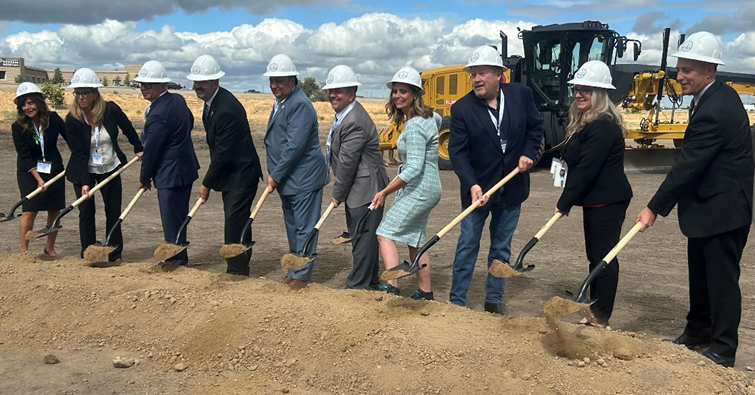
BHCIP یکی از اجزای کلیدی برنامه سلامت روان برای همه ، تعهد مداوم کالیفرنیا برای ایجاد یک سیستم سلامت رفتاری قویتر و عادلانهتر است. با تصویب طرح پیشنهادی شماره ۱، مراکز درمانی سلامت رفتاری بیشتری در سالهای ۲۰۲۵ و ۲۰۲۶ تأمین مالی و ساخته خواهند شد.
مارلیز پرز، رئیس بخش خدمات اجتماعی DHCS ، گفت: «ما از اجرای قانون اوراق قرضه زیرساخت سلامت رفتاری بسیار خرسندیم.» «شهرستان سن خواکین در حال ایجاد مدلی است که سطوح مختلف مراقبت را در یک مکان گرد هم میآورد و دریافت مراقبت مورد نیاز را برای افراد در زمان نیاز آسانتر میکند.»
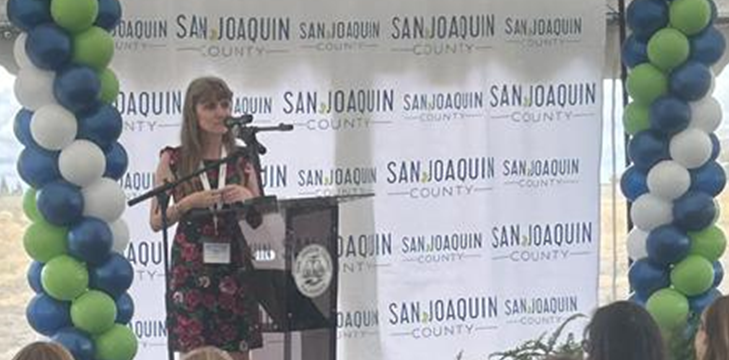
سرمایهگذاری در ظرفیت مراقبتهای سلامت رفتاری: بیش از ۱.۲ میلیون بزرگسال در کالیفرنیا با یک بیماری روانی جدی زندگی میکنند و از هر ۱۰ نفر، ۱ نفر معیارهای اختلال مصرف مواد را دارد. علاوه بر این، کمبود مراکز درمانی سلامت رفتاری به افزایش نرخ بیخانمانی و زندانی شدن در میان افراد مبتلا به اختلالات سلامت روان کمک میکند.
برای رسیدگی به این موضوع، DHCS طرح BHCIP را برای تأمین بودجه ساخت، خرید و گسترش مراکز سلامت رفتاری و خدمات سیار بحران راهاندازی کرد. از سال ۲۰۲۱، ایالت بیش از ۲.۲ میلیارد دلار از طریق دورهای ۱ تا ۵ برنامه BHCIP اعطا کرده است، از جمله ۴۳۰ میلیون دلار در دور ۵ برای گسترش مراقبتهای بحرانی در سراسر ایالت. کالیفرنیا از طریق Bond BHCIP میلیاردها دلار دیگر برای ایجاد زیرساختهای سلامت رفتاری و مسکن بلندمدت سرمایهگذاری میکند. در ماه مه ۲۰۲۵، DHCS به طور مشروط ۳.۳ میلیارد دلار از طریق Bond BHCIP Round 1 اعطا کرد: Launch Ready to 121 projects across 42 county, support 4,895 residential bed and 21,402 سرپایی slots.
قدم بعدی: پروژه پردیس Be Well از طریق دور اول Bond BHCIP: Launch Ready یک جایزه مشروط دریافت کرد و گام بعدی نهایی کردن این بودجه است. شهرستان سن واکین با DHCS همکاری خواهد کرد تا قبل از نهایی شدن حکم، توافقنامه تأمین مالی برنامه را تکمیل کند، تطابق بودجه و مالکیت ملک را تأیید کند و سایر مدارک مورد نیاز را تکمیل کند.
در همین حال، DHCS در حال آماده شدن برای اعطای بیش از ۸۰۰ میلیون دلار از طریق Bond BHCIP دور دوم: نیازهای برآورده نشده است. این دوره برای متقاضیان واجد شرایط در سراسر ایالت برگزار میشود و مهلت ارسال درخواستها تا 28 اکتبر 2025 است و انتظار میرود جوایز در بهار 2026 اهدا شوند.
###
دفتر ارتباطات
(916) 440-7660
DHCSPress@dhcs.ca.gov
کمکهای مالی باعث ایجاد مشارکتهای اجتماعی و افزایش دسترسی به درمان خواهد شد
ساکرامنتو - وزارت خدمات درمانی (DHCS) مبلغ ۲۶ میلیون دلار به بیش از ۷۰ سازمان برای مبارزه با بحران مواد افیونی در کالیفرنیا اعطا کرده است. این کمکهای مالی برای گسترش دسترسی به درمان، تقویت مشارکتهای اجتماعی و نجات جان انسانها طراحی شدهاند. این کمکهای مالی بخش مهمی از طرح مقابله با مواد افیونی (SOR) ایالت را تشکیل میدهند.
«رسیدگی به بحران مواد افیونی نیازمند رویکردی جامع، دلسوزانه و جامعهمحور است.» میشل باس، مدیر DHCS، گفت: «به همین دلیل است که DHCS مفتخر است که با بسیاری از سازمانها برای ارائه دسترسی به این مراقبتهای متحولکننده زندگی همکاری کند.» «ما باید دسترسی به درمان را گسترش دهیم، در پیشگیری سرمایهگذاری کنیم و انگ پیرامون اعتیاد را از بین ببریم.» جان انسانها در خطر است و ما متعهد هستیم که هر کاری از دستمان بر میآید برای حمایت از بهبودی انجام دهیم.»
کاهش نیازهای برآورده نشده و مصرف بیش از حد مواد افیونی در جوامع قبیلهای: DHCS مبلغ ۲.۱ میلیون دلار به ۱۲ سازمان برای اجرای برنامه ائتلاف محلی مواد افیونی قبیلهای SOR IV (TLOC) اعطا کرد. TLOC با افزایش دسترسی به درمان، ارائه خدمات بهبودی ریشهدار فرهنگی و کاهش مرگ و میر ناشی از مصرف بیش از حد مواد مخدر از طریق پیشگیری و مراقبت، از جوامع قبیلهای و شهری هند حمایت میکند. این برنامه با ایجاد مشارکت بین اعضای جامعه، ذینفعان و ارائه دهندگان خدمات، تلاشهای بهبودی برای اختلال مصرف مواد افیونی و محرک را تقویت میکند.
«DHCS مفتخر است که از جوامع قبیلهای با منابعی که منعکسکننده نیازها و نقاط قوت منحصر به فرد آنها است، حمایت کند.» برنامه TLOC مشارکتهای محلی را برای گسترش درمان، پیشگیری از مصرف مواد و ترویج درمان مبتنی بر فرهنگ توانمند میسازد. »
گسترش دسترسی به داروها برای درمان اعتیاد: DHCS همچنین نزدیک به ۳ میلیون دلار به چهار برنامه درمان مواد مخدر (NTP) دارای مجوز DHCS اعطا کرد تا مراکز اقماری، به نام واحدهای دارویی، ایجاد کنند که دسترسی به درمان اعتیاد را فراهم میکنند. این واحدهای دارویی به افرادی که در غیر این صورت برای دسترسی به مراقبتهای بهداشتی با مشکل مواجه هستند، از جمله مردم مناطق روستایی، جوامع درگیر عدالت و افرادی که به وسیله نقلیه مطمئن دسترسی ندارند، خدمترسانی کرده و از ادغام مراقبتها پشتیبانی میکنند.
«جوامع منزوی از نظر جغرافیایی اغلب با چالشهای پیچیدهای برای دسترسی به مراقبتهای بهداشتی، از جمله موانع حمل و نقل و نابرابریهای سیستماتیک، مواجه هستند.» سارا خواجه-لالجیانی، مدیر ارشد کمکهای مالی و خدمات بیمار در مرکز درمانی پیناکل ، دریافتکننده بودجه برای گسترش دسترسی به داروهای درمان اعتیاد (MAT)، گفت: «ایجاد واحدهای دارویی با بهبود دسترسی، افزایش ماندگاری و پیشبرد عدالت در سلامت در مناطقی که بیشترین نیاز را دارند، این شکافها را برطرف میکند.»
اِوِلین سوسا، معاون ارشد خدمات درمانی بِیمارک ، گفت: «این فرصت تأمین مالی با تعهد ما برای گسترش دسترسی به درمان مبتنی بر شواهد در جوامع محروم همسو است.» «این پشتیبانی به ما کمک میکند تا بیماران را در هر کجا که هستند ملاقات کنیم، موانع مراقبت را از بین ببریم و نتایج را برای افرادی که بیشتر در معرض خطر مصرف بیش از حد مواد مخدر هستند، بهبود بخشیم.»
گسترش دسترسی به خدمات مشاوره اعتیاد (MAT): علاوه بر این، DHCS بیش از ۲۱ میلیون دلار به ۵۹ برنامه درمانی اختلال مصرف مواد دارای مجوز DHCS اعطا کرد تا خدمات مشاوره اعتیاد مبتنی بر شواهد حضوری را به افراد مبتلا به اختلال مصرف مواد افیونی راهاندازی یا گسترش دهند.
دکتر بی.جی. دیویس، مدیر اجرایی خانه گیتوی برای زنان و خانه بهبودی ساکرامنتو برای مردان، گفت: «از آنجایی که بحران مواد افیونی و فنتانیل همچنان زندگیها را در سراسر کشور ویران میکند، گسترش دسترسی به خدمات MAT در برنامههای اقامتی نه تنها یک ضرورت بالینی، بلکه یک الزام اخلاقی است.» «این بودجه به ما این امکان را میدهد که با طیف کاملی از مراقبتهای مبتنی بر شواهد، افراد را در هر کجا که هستند، ملاقات کنیم.»
لیندسی پردی، مدیر اجرایی بنیاد کراسرودز ، گفت: «مراجعان ما برای مدیریت هوسهایشان و آغاز سفرشان به سمت بهبودی و ثبات، نیاز به دسترسی به موقع به MAT دارند.» «از طریق همکاری ما با DHCS، این فرصت به ما داده شده است که خدمات خود را گسترش دهیم و نیازهای افرادی را که از آنها حمایت میکنیم، بهتر برآورده کنیم.» ما عمیقاً از این بودجه و همکاری مداوم سپاسگزاریم.»
چرا این مهم است: در سال ۲۰۲۳، ۱۱۳۵۹ مورد مرگ ناشی از مصرف بیش از حد مواد مخدر رخ داده است. از این تعداد، ۸۰۰۰ مورد مربوط به مواد افیونی و ۷۰۰۰ مورد به طور خاص مربوط به فنتانیل بود. در حالی که بخش قابل توجهی از کالیفرنیاییها معیارهای اختلال مصرف مواد را دارند، تنها درصد کمی از آنها تحت درمان قرار میگیرند، که اغلب به دلیل دسترسی محدود به خدماتی مانند MAT و نالوکسان در مناطق روستایی است.
تصویر بزرگتر: این کمکهای مالی بخشی از برنامه واکنش به مواد افیونی وزارت بهداشت و خدمات انسانی (DHCS) است که عنصر کلیدی طرح جامع فرماندار نیوسام برای مقابله با بحران فنتانیل و مواد افیونی محسوب میشود. برای اطلاعات بیشتر در مورد مواد افیونی و نحوه محافظت از خود و عزیزانتان، به Opioids.ca.gov مراجعه کنید، یک فروشگاه یکپارچه برای کالیفرنیاییهایی که به دنبال منابع در زمینه پیشگیری و درمان هستند.
###
دفتر ارتباطات
(916) 440-7660
DHCSPress@dhcs.ca.gov
ساکرامنتو - وزارت خدمات مراقبتهای بهداشتی (DHCS) امروز دادههای جدیدی را به اشتراک گذاشت که نشان میدهد چگونه مدیریت مراقبتهای پیشرفته (ECM) و حمایتهای اجتماعی به عنوان بخشی از تحول مدی-کال ایالت تحت برنامه مدی-کال پیشرو و نوآور کالیفرنیا (CalAIM) در حال افزایش و کمک به افراد بیشتری هستند.
میشل باس، مدیر DHCS، گفت: «روندهای منعکس شده در دادهها، تأثیر واقعی و رو به رشد CalAIM را در حمایت از سلامت و رفاه اعضای Medi-Cal نشان میدهد.» «ما شاهد پیشرفت چشمگیری در دسترسی به کودکان و جوانان، گسترش دسترسی به حمایتهای حیاتی مانند مسکن و غذا و رشد شبکههای ارائهدهنده خدمات مورد نیاز برای ارائه این خدمات هستیم.» این تلاشها در کنار هم به کالیفرنیاییهای بیشتری کمک میکند تا زندگی سالمتر و پایدارتری داشته باشند.
آنچه اعداد نشان میدهند: از زمان راهاندازی ECM در ژانویه ۲۰۲۲، بیش از ۳۲۶۰۰۰ عضو منحصر به فرد Medi-Cal در این مزیت ثبتنام کردهاند که هماهنگی مراقبت جامع و فردمحور را برای اعضایی با نیازهای پیچیده فراهم میکند. تنها در سه ماه آخر سال ۲۰۲۴، بیش از ۱۴۹،۴۰۰ عضو، از جمله بیش از ۳۱،۰۰۰ کودک و نوجوان زیر ۲۱ سال، خدمات ECM دریافت کردند که تقریباً چهار برابر بیشتر از زمانی است که ECM برای این گروهها در ژوئیه ۲۰۲۳ راهاندازی شد.
حمایتهای اجتماعی همچنین به اعضای بیشتری از Medi-Cal میرسد. تا پایان سال ۲۰۲۴، تقریباً ۳۶۸،۴۰۰ عضو از این خدمات استفاده کرده بودند و در مجموع بیش از ۹۲۰،۰۰۰ خدمت ارائه شده بود. این حمایتها، جایگزینهای مقرونبهصرفه و مبتنی بر جامعه را برای مراقبتهای پزشکی سنتی ارائه میدهند و به عوامل اجتماعی مؤثر بر سلامت میپردازند. از کسانی که در سه ماهه چهارم 2024 به حمایتهای اجتماعی دسترسی پیدا کردند:
اهمیت این موضوع: تعداد بیشتری از اعضای Medi-Cal با نیازهای پیچیده پزشکی و اجتماعی به ECM و پشتیبانیهای اجتماعی دسترسی پیدا میکنند. محرکهای کلیدی رشد عبارتند از:
شبکههای ارائهدهنده در حال رشد هستند: تعداد ارائهدهندگان خدمات پیشگیری از اعتیاد (ECM) و حمایتهای اجتماعی به طور قابل توجهی افزایش یافته است. طرحهای مراقبت مدیریتشده اکنون تقریباً ۲۶۰۰ قرارداد ارائهدهنده را فقط برای پشتیبانیهای اجتماعی در اختیار دارند، که نسبت به حدود ۷۵۰ قرارداد در اوایل سال ۲۰۲۲ افزایش یافته است. این نشان دهنده تعهد قوی سازمانهای جامعه محور، ارائه دهندگان مسکن و سیستمهای بهداشت محلی برای حمایت از اهداف CalAIM است.
حمایتهای اجتماعی مقرونبهصرفه هستند: گزارش مقرونبهصرفه بودن DHCS در ژوئن ۲۰۲۵ نشان میدهد که حمایتهای اجتماعی با جلوگیری از بستریهای قابل اجتناب در بیمارستان، مراجعه به اورژانس و مراقبتهای طولانیمدت در مراکز درمانی، ضمن بهبود پیامدهای سلامت، به کاهش هزینههای کلی مراقبتهای بهداشتی کمک میکنند.
قدم بعدی: از ژانویه 1 ، 2026 ، اجاره انتقالی به یک حمایت اجتماعی اجباری تبدیل خواهد شد و تا شش ماه کمک هزینه اجاره به اعضایی که بیخانمانی را تجربه میکنند یا در معرض خطر آن هستند، نیازهای سلامت رفتاری قابل توجهی دارند و عوامل خطر خاصی را دارند، ارائه خواهد شد. این گام مهم دیگری است که تضمین میکند اعضای Medi-Cal از حمایت لازم برای داشتن زندگی سالم و پایدار در جوامع خود برخوردار باشند.
DHCS همچنان به دریافت بازخورد از اعضای Medi-Cal ادامه خواهد داد تا اطمینان حاصل شود که ECM و پشتیبانیهای اجتماعی پاسخگو، در دسترس و عادلانه هستند. کالیفرنیا با گوش دادن دقیق به افرادی که مستقیماً تحت تأثیر قرار گرفتهاند، قصد دارد اثربخشی این برنامهها را افزایش داده و از سلامت و رفاه اعضا بهتر حمایت کند.
###
دفتر ارتباطات
(916) 440-7660
DHCSPress@dhcs.ca.gov