ເວັບໄຊທ໌ທາງການຂອງ ລັດຄາລິຟໍເນຍ
ແປ

SACRAMENTO — ກົມບໍລິການດູແລສຸຂະພາບ (DHCS) ໄດ້ແບ່ງປັນ ຂໍ້ມູນໃໝ່ ໃນມື້ນີ້ທີ່ສະແດງໃຫ້ເຫັນວ່າ ການຄຸ້ມຄອງການດູແລທີ່ດີຂຶ້ນ (ECM) ແລະ ການສະໜັບສະໜູນຊຸມຊົນ ກຳລັງເພີ່ມຂຶ້ນ ແລະ ຊ່ວຍເຫຼືອຜູ້ຄົນຫຼາຍຂຶ້ນແນວໃດ ເຊິ່ງເປັນສ່ວນໜຶ່ງຂອງການຫັນປ່ຽນ Medi-Cal ຂອງລັດພາຍໃຕ້ California Advancing and Innovating Medi-Cal (CalAIM).
“ທ່າອ່ຽງທີ່ສະທ້ອນໃຫ້ເຫັນໃນຂໍ້ມູນສະແດງໃຫ້ເຫັນເຖິງຜົນກະທົບທີ່ແທ້ຈິງ ແລະ ການເພີ່ມຂຶ້ນຂອງ CalAIM ໃນການສະໜັບສະໜູນສຸຂະພາບ ແລະ ສະຫວັດດີພາບຂອງສະມາຊິກ Medi-Cal,” ຜູ້ອຳນວຍການ DHCS Michelle Baass ກ່າວ. "ພວກເຮົາກຳລັງເຫັນຄວາມຄືບໜ້າທີ່ເຂັ້ມແຂງໂດຍສະເພາະໃນການເຂົ້າເຖິງເດັກນ້ອຍ ແລະ ຊາວໜຸ່ມ, ການຂະຫຍາຍການເຂົ້າເຖິງການສະໜັບສະໜູນທີ່ສຳຄັນເຊັ່ນ: ທີ່ຢູ່ອາໄສ ແລະ ອາຫານ, ແລະ ການຂະຫຍາຍເຄືອຂ່າຍຜູ້ໃຫ້ບໍລິການທີ່ຈຳເປັນເພື່ອໃຫ້ບໍລິການເຫຼົ່ານີ້." ຄວາມພະຍາຍາມເຫຼົ່ານີ້ຮ່ວມກັນຊ່ວຍໃຫ້ຊາວຄາລິຟໍເນຍມີຊີວິດທີ່ມີສຸຂະພາບດີ ແລະ ໝັ້ນຄົງຫຼາຍຂຶ້ນ.”
ສິ່ງທີ່ຕົວເລກສະແດງໃຫ້ເຫັນ: ນັບຕັ້ງແຕ່ ECM ເປີດຕົວໃນເດືອນມັງກອນ 2022, ຫຼາຍກວ່າ 326,000 ສະມາຊິກ Medi-Cal ທີ່ບໍ່ຊໍ້າກັນໄດ້ລົງທະບຽນໃນຜົນປະໂຫຍດນີ້ທີ່ສະຫນອງການປະສານງານການດູແລແບບລວມໆ, ເປັນໃຈກາງສໍາລັບສະມາຊິກທີ່ມີຄວາມຕ້ອງການທີ່ຊັບຊ້ອນ. ໃນສາມເດືອນສຸດທ້າຍຂອງປີ 2024, ສະມາຊິກຫຼາຍກວ່າ 149,400 ຄົນໄດ້ຮັບການບໍລິການ ECM, ລວມທັງເດັກນ້ອຍ ແລະໄວໜຸ່ມກວ່າ 21 ປີ 31,000 ຄົນ, ເກືອບ 4 ເທົ່າເມື່ອ ECM ເປີດຕົວສໍາລັບກຸ່ມເຫຼົ່ານີ້ໃນເດືອນກໍລະກົດ 2023.
ການຊ່ວຍເຫຼືອຂອງຊຸມຊົນຍັງເຂົ້າເຖິງສະມາຊິກ Medi-Cal ຫຼາຍຂຶ້ນ. ມາຮອດທ້າຍປີ 2024, ມີສະມາຊິກປະມານ 368,400 ຄົນໄດ້ໃຊ້ບໍລິການເຫຼົ່ານີ້, ໂດຍມີການບໍລິການທັງໝົດ 920,000 ກວ່າແຫ່ງ. ການສະຫນັບສະຫນູນເຫຼົ່ານີ້ສະເຫນີທາງເລືອກທີ່ມີຄ່າໃຊ້ຈ່າຍໃນຊຸມຊົນເພື່ອການດູແລທາງການແພດແບບດັ້ງເດີມ, ແກ້ໄຂປັດໃຈທາງສັງຄົມທີ່ມີຜົນກະທົບຕໍ່ສຸຂະພາບ. ຂອງຜູ້ທີ່ໄດ້ເຂົ້າເຖິງການຊ່ວຍເຫຼືອຊຸມຊົນໃນ Q4 2024:
ເປັນຫຍັງເລື່ອງນີ້ຈຶ່ງສຳຄັນ: ສະມາຊິກ Medi-Cal ທີ່ມີຄວາມຕ້ອງການທາງການແພດ ແລະ ສັງຄົມທີ່ສັບສົນຫຼາຍຂຶ້ນກຳລັງເຂົ້າເຖິງ ECM ແລະ ການສະໜັບສະໜູນຈາກຊຸມຊົນ. ຕົວຂັບເຄື່ອນຫຼັກຂອງການເຕີບໂຕປະກອບມີ:
ເຄືອຂ່າຍຜູ້ໃຫ້ບໍລິການກຳລັງເຕີບໃຫຍ່ຂະຫຍາຍຕົວ: ຈຳນວນຜູ້ໃຫ້ບໍລິການທີ່ສະໜອງ ECM ແລະ ການສະໜັບສະໜູນຊຸມຊົນໄດ້ເພີ່ມຂຶ້ນຢ່າງຫຼວງຫຼາຍ. ແຜນການດູແລທີ່ມີການຄຸ້ມຄອງໃນປະຈຸບັນມີສັນຍາຜູ້ໃຫ້ບໍລິການປະມານ 2,600 ສະບັບສຳລັບການສະໜັບສະໜູນຊຸມຊົນພຽງຢ່າງດຽວ, ເພີ່ມຂຶ້ນຈາກປະມານ 750 ສະບັບໃນຕົ້ນປີ 2022. ສິ່ງນີ້ສະທ້ອນໃຫ້ເຫັນເຖິງຄວາມມຸ່ງໝັ້ນທີ່ເຂັ້ມແຂງຈາກອົງການຈັດຕັ້ງໃນຊຸມຊົນ, ຜູ້ໃຫ້ບໍລິການທີ່ຢູ່ອາໄສ, ແລະ ລະບົບສຸຂະພາບທ້ອງຖິ່ນເພື່ອສະໜັບສະໜູນເປົ້າໝາຍຂອງ CalAIM.
ການສະໜັບສະໜູນຊຸມຊົນມີປະສິດທິພາບດ້ານຄ່າໃຊ້ຈ່າຍ: ບົດລາຍງານປະສິດທິພາບດ້ານຄ່າໃຊ້ຈ່າຍ ຂອງ DHCS ເດືອນມິຖຸນາ 2025 ສະແດງໃຫ້ເຫັນວ່າການສະໜັບສະໜູນຊຸມຊົນຊ່ວຍຫຼຸດຜ່ອນຄ່າໃຊ້ຈ່າຍໃນການດູແລສຸຂະພາບໂດຍລວມໂດຍການປ້ອງກັນການເຂົ້າໂຮງໝໍທີ່ສາມາດຫຼີກລ່ຽງໄດ້, ການໄປຫ້ອງສຸກເສີນ, ແລະການດູແລສະຖາບັນໃນໄລຍະຍາວ, ພ້ອມທັງປັບປຸງຜົນໄດ້ຮັບດ້ານສຸຂະພາບ.
ສິ່ງຕໍ່ໄປ: ເລີ່ມແຕ່ວັນ 1 ມັງກອນ, 2026, ຄ່າເຊົ່າຊົ່ວຄາວຈະກາຍເປັນການສະໜັບສະໜູນຊຸມຊົນແບບບັງຄັບ ແລະ ຈະມີໃຫ້ການຊ່ວຍເຫຼືອດ້ານການເຊົ່າສູງເຖິງຫົກເດືອນແກ່ສະມາຊິກທີ່ກຳລັງປະສົບ ຫຼື ມີຄວາມສ່ຽງທີ່ຈະບໍ່ມີທີ່ຢູ່ອາໄສ, ກຳລັງປະສົບກັບຄວາມຕ້ອງການດ້ານສຸຂະພາບທາງດ້ານພຶດຕິກຳທີ່ສຳຄັນ, ແລະ ຕອບສະໜອງປັດໄຈສ່ຽງບາງຢ່າງ. ນີ້ແມ່ນອີກບາດກ້າວໜຶ່ງທີ່ສຳຄັນໃນການຮັບປະກັນວ່າສະມາຊິກ Medi-Cal ໄດ້ຮັບການສະໜັບສະໜູນທີ່ເຂົາເຈົ້າຕ້ອງການເພື່ອດຳລົງຊີວິດທີ່ມີສຸຂະພາບດີ ແລະ ໝັ້ນຄົງໃນຊຸມຊົນຂອງເຂົາເຈົ້າ.
DHCS ຈະສືບຕໍ່ເອົາໃຈໃສ່ຄຳຄິດເຫັນຈາກສະມາຊິກ Medi-Cal ເພື່ອຮັບປະກັນວ່າ ECM ແລະ ການສະໜັບສະໜູນຊຸມຊົນມີການຕອບສະໜອງ, ສາມາດເຂົ້າເຖິງໄດ້ ແລະ ຍຸຕິທຳ. ໂດຍການຮັບຟັງຢ່າງໃກ້ຊິດກັບຜູ້ທີ່ໄດ້ຮັບຜົນກະທົບໂດຍກົງ, ລັດຄາລິຟໍເນຍມີຈຸດປະສົງເພື່ອເສີມຂະຫຍາຍປະສິດທິພາບຂອງໂຄງການເຫຼົ່ານີ້ ແລະ ສະໜັບສະໜູນສຸຂະພາບ ແລະ ສະຫວັດດີພາບຂອງສະມາຊິກໃຫ້ດີຂຶ້ນ.
###
ຫ້ອງການສື່ສານ
(916) 440-7660
DHCSPress@dhcs.ca.gov
SACRAMENTO — ກະຊວງບໍລິການດູແລສຸຂະພາບຂອງລັດ California (DHCS) ຍັງຄົງມຸ່ງໝັ້ນທີ່ຈະປົກປ້ອງຄວາມເປັນສ່ວນຕົວ ແລະ ສະຫວັດດີພາບຂອງສະມາຊິກ Medi-Cal ທຸກຄົນ. ບົດລາຍງານ ແລະ ການພັດທະນາທາງດ້ານກົດໝາຍທີ່ຜ່ານມາໄດ້ເຮັດໃຫ້ເກີດຄວາມກັງວົນຢ່າງຮ້າຍແຮງກ່ຽວກັບວິທີທີ່ອົງການລັດຖະບານກາງນຳໃຊ້ຂໍ້ມູນ Medicaid, ລວມທັງຂໍ້ມູນສ່ວນຕົວສຳລັບຊາວຄາລິຟໍເນຍຫຼາຍກວ່າ 14 ລ້ານຄົນທີ່ຢູ່ພາຍໃຕ້ການຄຸ້ມຄອງຂອງ Medi-Cal. ພວກເຮົາຢາກແບ່ງປັນສິ່ງທີ່ພວກເຮົາຮູ້.
ໃນວັນ 29 ທັນວາ, 2025, ສານລັດຖະບານກາງໄດ້ຕັດສິນວ່າສູນບໍລິການ Medicare ແລະ Medicaid (CMS) ອາດຈະແບ່ງປັນຂໍ້ມູນທີ່ຈຳກັດກັບໜ່ວຍງານບັງຄັບໃຊ້ກົດໝາຍວ່າດ້ວຍການເຂົ້າເມືອງ ແລະ ພາສີ (ICE) ສຳລັບບຸກຄົນທີ່ບໍ່ໄດ້ "ອາໄສຢູ່ຢ່າງຖືກຕ້ອງຕາມກົດໝາຍ" ໃນສະຫະລັດອາເມລິກາເທົ່ານັ້ນ. ເຖິງຢ່າງໃດກໍ່ຕາມ, ຄວາມບໍ່ແນ່ນອນບາງຢ່າງຍັງຄົງຢູ່ ຍ້ອນວ່າລັດຖະບານກາງຍັງບໍ່ທັນໄດ້ໃຫ້ຂໍ້ມູນໃດໆແກ່ລັດຄາລິຟໍເນຍກ່ຽວກັບວິທີທີ່ມັນວາງແຜນທີ່ຈະຈັດຕັ້ງປະຕິບັດຄຳສັ່ງຂອງສານ. ພວກເຮົາຈະອັບເດດໜ້ານີ້ດ້ວຍຂໍ້ມູນເພີ່ມເຕີມເມື່ອມັນມີໃຫ້.
ຂໍ້ມູນທີ່ອາດຈະຖືກແບ່ງປັນກ່ຽວກັບຜູ້ທີ່ບໍ່ໄດ້ "ອາໄສຢູ່ຢ່າງຖືກຕ້ອງຕາມກົດໝາຍ" ໃນສະຫະລັດອາເມລິກາລວມມີສະຖານະພາບພົນລະເມືອງ ຫຼື ການເຂົ້າເມືອງ, ທີ່ຢູ່, ເບີໂທລະສັບ, ວັນເດືອນປີເກີດ, ແລະ ບັດປະຈຳຕົວ Medicaid. CMS ຕ້ອງຍົກເວັ້ນທຸກຄົນທີ່ "ອາໄສຢູ່ຢ່າງຖືກຕ້ອງຕາມກົດໝາຍ" ໃນສະຫະລັດອາເມລິກາ. ຖ້າຂໍ້ມູນຂອງບຸກຄົນທີ່ບໍ່ໄດ້ອາໄສຢູ່ໃນສະຫະລັດຢ່າງຖືກຕ້ອງຕາມກົດໝາຍບໍ່ສາມາດແຍກອອກຈາກຂໍ້ມູນທີ່ຍັງໄດ້ຮັບການປົກປ້ອງ (ເຊັ່ນ: ຂໍ້ມູນຂອງຜູ້ຢູ່ອາໄສຖາວອນຢ່າງຖືກຕ້ອງຕາມກົດໝາຍ, ຂໍ້ມູນພົນລະເມືອງສະຫະລັດ, ບັນທຶກສຸຂະພາບທີ່ລະອຽດອ່ອນ, ແລະອື່ນໆ), CMS ບໍ່ສາມາດແບ່ງປັນຂໍ້ມູນກັບ ICE ໄດ້. ຂໍ້ຈຳກັດເຫຼົ່ານີ້ຍັງຄົງມີຜົນບັງຄັບໃຊ້ໃນຂະນະທີ່ ຄະດີຟ້ອງຮ້ອງຫຼາຍລັດ ຍັງດຳເນີນຢູ່.
DHCS ຖືກກຳນົດໂດຍກົດໝາຍຂອງລັດຖະບານກາງໃຫ້ສົ່ງບົດລາຍງານປະຈຳເດືອນໃຫ້ CMS ຜ່ານລະບົບຂໍ້ມູນສະຖິຕິ Medicaid ທີ່ປ່ຽນແປງ (T-MSIS). ບົດລາຍງານເຫຼົ່ານີ້ລວມມີລາຍລະອຽດພື້ນຖານດ້ານປະຊາກອນ ແລະ ເງື່ອນໄຂການມີສິດໄດ້ຮັບ ເຊັ່ນ: ຊື່, ທີ່ຢູ່, ວັນເດືອນປີເກີດ, ເລກປະກັນສັງຄົມ (ຖ້າມີ) ຫຼື ບັດປະຈຳຕົວ Medicaid, ແລະ ສະຖານະພາບການເຂົ້າເມືອງ ສຳລັບສະມາຊິກ Medi-Cal ທຸກຄົນ. ໃນຂະນະທີ່ຄຳສັ່ງສານອະນຸຍາດໃຫ້ CMS ແບ່ງປັນຂໍ້ມູນທີ່ຈຳກັດພາຍໃຕ້ເງື່ອນໄຂສະເພາະ, DHCS ຍັງຄົງມຸ່ງໝັ້ນທີ່ຈະປົກປ້ອງຄວາມເປັນສ່ວນຕົວຂອງສະມາຊິກ ແລະ ຕິດຕາມການພັດທະນາຢ່າງໃກ້ຊິດ.
ໃນການແບ່ງປັນຂໍ້ມູນເພື່ອຈຸດປະສົງໃນການບັງຄັບໃຊ້ກົດໝາຍວ່າດ້ວຍການເຂົ້າເມືອງ, CMS ໄດ້ລະເມີດຄຳໝັ້ນສັນຍາ 60 ປີໃນການປົກປ້ອງສຸຂະພາບ ແລະ ສະຫວັດດີພາບຂອງຫຼາຍລ້ານຄອບຄົວ. ຢ່າເຂົ້າໃຈຜິດ: ນີ້ແມ່ນການລະເມີດຄວາມໄວ້ວາງໃຈຂອງປະຊາຊົນຢ່າງຮ້າຍແຮງ. ບໍ່ຄວນມີໃຜຖືກບັງຄັບໃຫ້ໃຊ້ຊີວິດຢູ່ໃນຄວາມຢ້ານກົວທີ່ຈະໄປຫາໝໍ ຫຼື ໄປຫ້ອງສຸກເສີນ.
ການຍົກເລີກການຄຸ້ມຄອງ Medi-Cal ໃນມື້ນີ້ບໍ່ໄດ້ລຶບຂໍ້ມູນທີ່ສົ່ງໄປຫາໜ່ວຍງານບັງຄັບໃຊ້ກົດໝາຍວ່າດ້ວຍການເຂົ້າເມືອງແລ້ວ. ສຳລັບບຸກຄົນທີ່ມີຄວາມກັງວົນກ່ຽວກັບວິທີທີ່ລັດຖະບານກາງອາດຈະນຳໃຊ້ຂໍ້ມູນສ່ວນຕົວຂອງເຂົາເຈົ້າເພື່ອເຫດຜົນດ້ານການເຂົ້າເມືອງ, ກະລຸນາປຶກສາກັບທະນາຍຄວາມທີ່ມີຄຸນວຸດທິ ຫຼື ອົງການບໍ່ຫວັງຜົນກຳໄລທີ່ມີຄຸນວຸດທິຈາກການຊ່ວຍເຫຼືອທາງດ້ານກົດໝາຍ.
ພວກເຮົາມຸ່ງໝັ້ນຕໍ່ຄວາມໂປ່ງໃສ, ຄວາມເປັນສ່ວນຕົວ, ແລະ ຮັບປະກັນວ່າຊາວຄາລິຟໍເນຍທຸກຄົນ, ບໍ່ວ່າຈະເປັນສະຖານະພາບການເຂົ້າເມືອງແນວໃດກໍຕາມ, ຮູ້ສຶກປອດໄພໃນການເຂົ້າເຖິງການດູແລທີ່ເຂົາເຈົ້າຕ້ອງການ. ພວກເຮົາຈະສືບຕໍ່ພົວພັນກັບຄູ່ຮ່ວມງານຊຸມຊົນ, ແບ່ງປັນຂໍ້ມູນອັບເດດ, ແລະ ປົກປ້ອງສຸຂະພາບ, ສະຫວັດດີພາບ ແລະ ຄວາມເປັນສ່ວນຕົວຂອງສະມາຊິກ Medi-Cal ທຸກຄົນ.
ອັບເດດວັນທີ 2 ມັງກອນ 2026
###
ຫ້ອງການສື່ສານ
(916) 440-7660
DHCSPress@dhcs.ca.gov
ໂຄງການຈະໃຫ້ບໍລິການ 7,665 ບຸກຄົນຕໍ່ປີ
SACRAMENTO — ໃນຂະນະທີ່ລັດ California ສືບຕໍ່ເສີມສ້າງລະບົບການດູແລສຸຂະພາບທາງດ້ານພຶດຕິກຳຂອງຕົນ, ກະຊວງບໍລິການດູແລສຸຂະພາບ (DHCS) ແລະ Safe Passages ໄດ້ສະເຫຼີມສະຫຼອງການຕັດແຖບຜ້າສູນສຸຂະພາບຊຸມຊົນ ແລະ ສູນປ້ອງກັນຊາວໜຸ່ມແຫ່ງໃໝ່ໃນ Oakland ໃນມື້ນີ້. ໂດຍໄດ້ຮັບທຶນເກືອບ 9 ລ້ານໂດລາຜ່ານ ໂຄງການພື້ນຖານໂຄງລ່າງສຸຂະພາບຈິດຕໍ່ເນື່ອງ (BHCIP) ຮອບທີ 4: ເດັກນ້ອຍ ແລະ ຊາວໜຸ່ມ, ສູນດັ່ງກ່າວຈະສະເໜີຮູບແບບການບໍລິການສຸຂະພາບຈິດທີ່ມາຈາກຊຸມຊົນໃຫ້ແກ່ບຸກຄົນປະມານ 7,600 ຄົນຕໍ່ປີໃນສະຖານທີ່ປິ່ນປົວຄົນເຈັບນອກ.
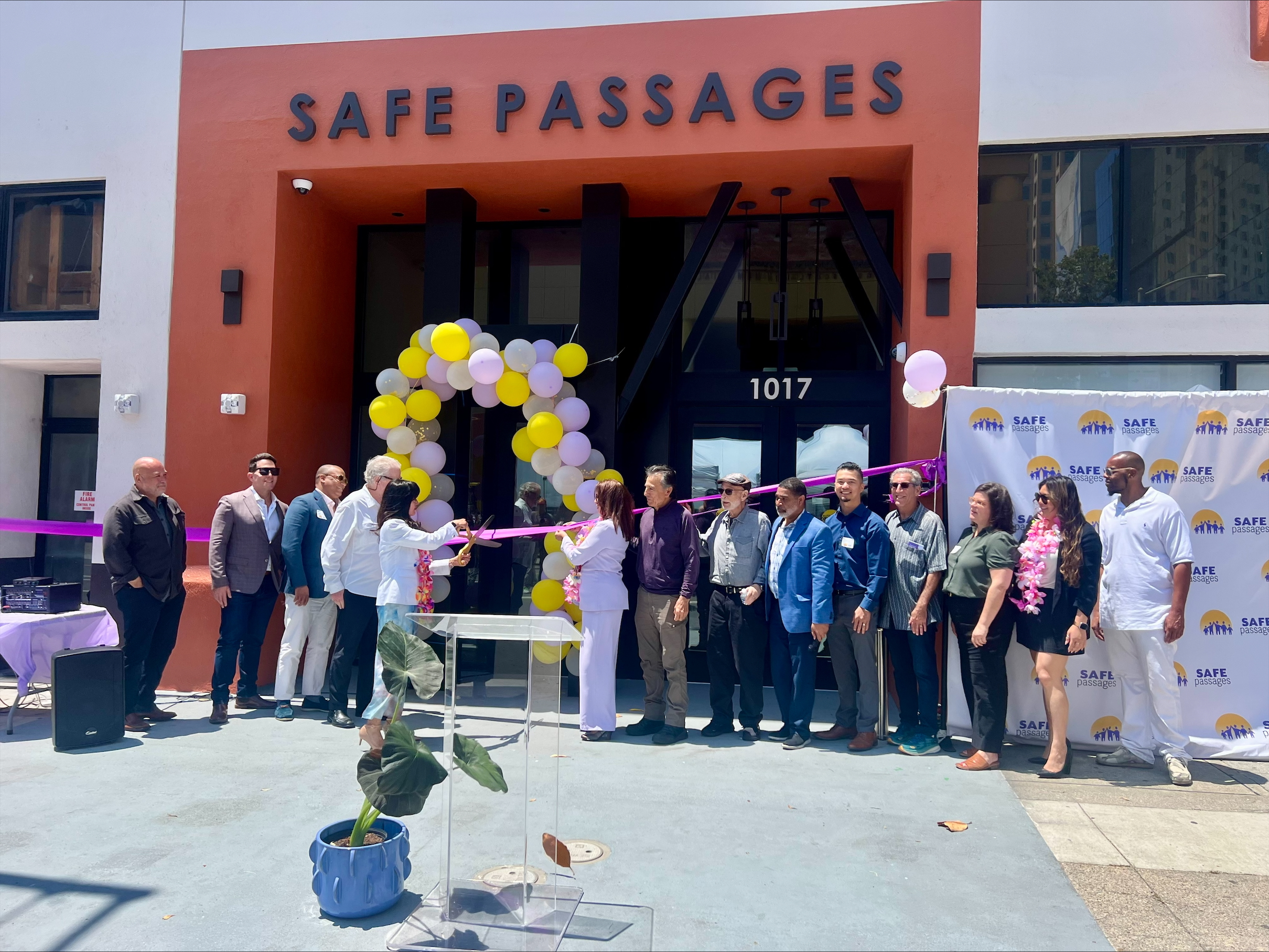
"ການເປີດສູນສຸຂະພາບ ແລະ ປ້ອງກັນຊຸມຊົນ Safe Passages ເປັນການລົງທຶນທີ່ມີປະສິດທິພາບໃນອະນາຄົດຂອງເດັກນ້ອຍ ແລະ ຊາວໜຸ່ມຂອງພວກເຮົາ." ເດັກທຸກຄົນມີສິດທີ່ຈະໄດ້ຮັບເຄື່ອງມືທີ່ເຂົາເຈົ້າຕ້ອງການເພື່ອບັນລຸທ່າແຮງຢ່າງເຕັມທີ່ຂອງເຂົາເຈົ້າ, ໂດຍບໍ່ຄໍານຶງເຖິງເຊື້ອຊາດ, ສະຖານະພາບທາງເສດຖະກິດ-ສັງຄົມ, ຫຼື ຄວາມພິການ,” ຜູ້ອຳນວຍການ DHCS Michelle Baass ກ່າວ. "ພວກເຮົາກຳລັງສະໜັບສະໜູນຄວາມພະຍາຍາມທີ່ຂັບເຄື່ອນໂດຍຊຸມຊົນທີ່ສ້າງພື້ນທີ່ທີ່ປອດໄພ ແລະ ປິ່ນປົວບ່ອນທີ່ຊາວໜຸ່ມສາມາດເຂົ້າເຖິງການດູແລ, ການສະໜັບສະໜູນ ແລະ ໂອກາດທີ່ເຂົາເຈົ້າຕ້ອງການເພື່ອຄວາມຈະເລີນຮຸ່ງເຮືອງ." ສູນແຫ່ງນີ້ຈະເປັນສູນກາງທີ່ສຳຄັນສຳລັບການແຊກແຊງ ແລະ ການປ້ອງກັນແຕ່ຫົວທີ, ຊ່ວຍໃຫ້ເດັກນ້ອຍ ແລະ ຄອບຄົວສ້າງຄວາມຢືດຢຸ່ນ ແລະ ສະຫວັດດີພາບທີ່ຢູ່ໄດ້ຕະຫຼອດຊີວິດ.”
ສູນສຸຂະພາບ ແລະ ປ້ອງກັນຊຸມຊົນ SAFE PASSAGES: ສູນດັ່ງກ່າວຈະໃຫ້ບໍລິການດ້ານສຸຂະພາບຈິດສຳລັບເດັກນ້ອຍ ແລະ ຊາວໜຸ່ມໃນເຂດ Alameda ຕັ້ງແຕ່ເກີດຈົນເຖິງໄວໜຸ່ມ, ໂດຍສຸມໃສ່ກຸ່ມຄົນທີ່ມີຄວາມສ່ຽງສູງ. ສູນທີ່ໄດ້ຂະຫຍາຍອອກໄປນີ້ຈະສະເໜີໂຄງການພັດທະນາເດັກໃນໄວເດັກທີ່ໃຫ້ບໍລິການແມ່ ແລະ ການສຶກສາອົບຮົມການເປັນພໍ່ແມ່ ເຊິ່ງຈັດຕັ້ງປະຕິບັດໂດຍຜູ້ຊ່ຽວຊານດ້ານສຸຂະພາບຈິດເດັກໃນໄວເດັກ, ເຊິ່ງໄດ້ມາຈາກຊຸມຊົນ, ອີງໃສ່ການຄົ້ນຄວ້າ ແລະ ພິສູດແລ້ວວ່າເປັນວິທີປະຕິບັດທີ່ດີທີ່ສຸດ. ໂຄງການເຫຼົ່ານີ້ລວມມີໂຄງການຝຶກສອນຊີວິດ, ໂຄງການສຸຂະພາບຈິດເດັກກ່ອນເກີດ ແລະ ເດັກໃນໄວເດັກ, ຈິດຕະບຳບັດລະຫວ່າງພໍ່ແມ່ ແລະ ລູກ, ໂຄງການຖືພາ ແລະ ຫຼັງຄອດ, ໂຄງການລ້ຽງດູລູກ, ໂຄງການພັດທະນາໄວໜຸ່ມໃນໄລຍະຂ້າມຜ່ານ, ການໃຫ້ຄຳປຶກສາສ່ວນບຸກຄົນ ແລະ ກຸ່ມ, ແລະ ກອງປະຊຸມສຳຫຼວດອາຊີບ.
“ເປັນເວລາຫຼາຍກວ່າ 29 ປີແລ້ວ, Safe Passages ໄດ້ມຸ່ງໝັ້ນທີ່ຈະທຳລາຍວົງຈອນຄວາມທຸກຍາກໃນຊຸມຊົນຂອງພວກເຮົາ ແລະ ສະໜັບສະໜູນຄອບຄົວ ແລະ ຊາວໜຸ່ມໃຫ້ມີສ່ວນຮ່ວມໃນການພັດທະນາວິທີແກ້ໄຂ ແລະ ເສັ້ນທາງຂອງພວກເຮົາເອງ,” ທ່ານ ນາງ Josefina Alvarado Mena ຜູ້ອຳນວຍການໃຫຍ່ຂອງ Safe Passages ກ່າວ. "ສູນສຸຂະພາບແຫ່ງນີ້ແມ່ນພື້ນທີ່ເຕົ້າໂຮມ ແລະ ບ່ອນລີ້ໄພບ່ອນທີ່ພວກເຮົາສາມາດສ້າງຊຸມຊົນ, ແບ່ງປັນ ແລະ ເຕີບໃຫຍ່ຮ່ວມກັນ."
ເປັນຫຍັງສິ່ງນີ້ຈຶ່ງສຳຄັນ: ເດັກນ້ອຍ ແລະ ຊາວໜຸ່ມລັດຄາລິຟໍເນຍເກືອບ 1 ໃນ 13 ຄົນ ປະສົບກັບບັນຫາທາງດ້ານອາລົມທີ່ຮ້າຍແຮງ. ຜ່ານ BHCIP, DHCS ໄດ້ມອບທຶນໃຫ້ແກ່ໜ່ວຍງານທີ່ມີສິດໄດ້ຮັບເພື່ອສ້າງ, ຊື້ ແລະ ຂະຫຍາຍຊັບສິນ ແລະ ລົງທຶນໃນພື້ນຖານໂຄງລ່າງວິກິດການເຄື່ອນທີ່, ຊ່ວຍໃຫ້ຊຸມຊົນຕອບສະໜອງຄວາມຕ້ອງການທີ່ເພີ່ມຂຶ້ນ ແລະ ປິດຊ່ອງຫວ່າງການບໍລິການໃນອະດີດ. ການລົງທຶນເຫຼົ່ານີ້ແມ່ນມີຄວາມສໍາຄັນຫຼາຍໂດຍສະເພາະໃນຊຸມຊົນຊົນນະບົດ, ເຊິ່ງຮັບປະກັນວ່າປະຊາຊົນສາມາດເຂົ້າເຖິງການດູແລທີ່ຊ່ວຍຊີວິດໄດ້ທັນເວລາໂດຍບໍ່ຕ້ອງເດີນທາງໄກ.
BHCIP is part of California’s ongoing commitment to expand behavioral health services for all Californians. DHCS has awarded $1.7 billion in BHCIP competitive grants. In addition, DHCS is distributing up to $4.4 billion in competitive Bond BHCIP funding, including $3.3 billion for Round 1: Launch Ready grants as part of Behavioral Health Transformation, DHCS’ work to implement Proposition 1. DHCS recently released the Proposition 1 Bond BHCIP Round 2: Unmet Needs Request for Applications (RFA). Eligible organizations can apply for funding to construct, acquire, or rehabilitate properties that expand behavioral health services for Medi-Cal members and other Californians in need. DHCS will award more than $800 million in grants to support community-based facilities for mental health and substance use disorder care.
ກ່ຽວກັບ BHCIP ຮອບ 4: ເດັກນ້ອຍແລະໄວຫນຸ່ມ: BHCIP ຮອບທີ 4, ເຊິ່ງເປັນສ່ວນໜຶ່ງຂອງ ໂຄງການສຸຂະພາບພຶດຕິກຳເດັກ ແລະ ຊາວໜຸ່ມ, ບໍ່ພຽງແຕ່ສຸມໃສ່ເດັກນ້ອຍ ແລະ ຊາວໜຸ່ມເທົ່ານັ້ນ, ແຕ່ຍັງສຸມໃສ່ຊາວຄາລິຟໍເນຍທຸກຄົນທີ່ມີອາຍຸ 25 ປີລົງມາ, ລວມທັງແມ່ຍິງຖືພາ ແລະ ຫຼັງຄອດລູກ ແລະ ລູກຂອງເຂົາເຈົ້າ ແລະ ຊາວໜຸ່ມໃນໄວປ່ຽນອາຍຸ 16-25 ປີ, ພ້ອມກັບຄອບຄົວຂອງເຂົາເຈົ້າ. ລາງວັນທັງ 52 ລາງວັນມີມູນຄ່າລວມທັງໝົດ 480.5 ລ້ານໂດລາ ອະນຸຍາດໃຫ້ມີການກໍ່ສ້າງ ແລະ ການຂະຫຍາຍສະຖານທີ່ປິ່ນປົວຄົນເຈັບນອກ ແລະ ສະຖານທີ່ພັກອາໄສຫຼາຍປະເພດ, ລວມທັງໂຄງການພັກອາໄສສຳລັບເດັກໃນວິກິດການ, ສະຖານທີ່ພັກອາໄສສຳລັບຄົນພິການໃນໄລຍະກາງເກີດ, ສູນສຸຂະພາບຊຸມຊົນ/ສູນປ້ອງກັນຊາວໜຸ່ມ, ແລະ ການປິ່ນປົວຄົນເຈັບນອກສຳລັບຄົນພິການຈາກການໃຊ້ສານເສບຕິດ. ກະລຸນາເບິ່ງ ເວັບໄຊທ໌ BHCIP ສຳລັບຂໍ້ມູນເພີ່ມເຕີມກ່ຽວກັບຜູ້ໄດ້ຮັບທຶນ ແລະ ລາຍລະອຽດເພີ່ມເຕີມກ່ຽວກັບຮອບການສະໜອງທຶນ BHCIP ທັງໝົດ.
###
ຫ້ອງການສື່ສານ
(916) 440-7660
DHCSPress@dhcs.ca.gov
SACRAMENTO — ກະຊວງບໍລິການດູແລສຸຂະພາບຂອງລັດ California (DHCS) ໄດ້ປະກາດໃນມື້ນີ້ວ່າມີ ຂໍ້ມູນ ທີ່ສະແດງໃຫ້ເຫັນວ່າການສະໜັບສະໜູນຊຸມຊົນ Medi-Cal ປະສົບຜົນສຳເລັດ ແລະ ມີປະສິດທິພາບດ້ານຄ່າໃຊ້ຈ່າຍ. ຂໍ້ມູນສະແດງໃຫ້ເຫັນວ່າ Community Supports ກຳລັງ ປະຕິບັດຕາມຄຳໝັ້ນສັນຍາຂອງພວກເຂົາ ທີ່ຈະແກ້ໄຂຄວາມຕ້ອງການຂອງສະມາຊິກ Medi-Cal — ການຫຼຸດຜ່ອນການໄປຫ້ອງສຸກເສີນທີ່ສາມາດຫຼີກລ່ຽງໄດ້, ການຢູ່ໂຮງໝໍ ແລະ ການໃຊ້ການດູແລໄລຍະຍາວ ໃນຂະນະທີ່ສະແດງໃຫ້ເຫັນສັນຍານເບື້ອງຕົ້ນທີ່ເຂັ້ມແຂງຂອງການປະຫຍັດຄ່າໃຊ້ຈ່າຍ. ການສະໜັບສະໜູນຊຸມຊົນທັງ 12 ຢ່າງທີ່ໄດ້ສຶກສາແມ່ນກຳລັງຫຼຸດຜ່ອນຄ່າໃຊ້ຈ່າຍ, ແລະໃນນີ້, ມີ 9 ຢ່າງໄດ້ສະແດງໃຫ້ເຫັນເຖິງປະສິດທິພາບດ້ານຄ່າໃຊ້ຈ່າຍພາຍໃນໄລຍະເວລາການສຶກສາເບື້ອງຕົ້ນແລ້ວ. ສາມສ່ວນທີ່ເຫຼືອຄາດວ່າຈະບັນລຸເກນດັ່ງກ່າວໃນໄລຍະເວລາການສຶກສາທີ່ຍາວນານກວ່າ, ສອດຄ່ອງກັບກົດລະບຽບຂອງລັດຖະບານກາງສຳລັບການປະເມີນປະສິດທິພາບດ້ານຄ່າໃຊ້ຈ່າຍ.
“ການສະໜັບສະໜູນຈາກຊຸມຊົນເປັນຕົວແທນໃຫ້ແກ່ການປ່ຽນແປງພື້ນຖານໃນວິທີທີ່ພວກເຮົາໃຫ້ການດູແລສຸຂະພາບແກ່ຊາວຄາລິຟໍເນຍ, ເສີມຂະຫຍາຍຄຸນນະພາບການດູແລສຳລັບສະມາຊິກ Medi-Cal ແລະ ເສີມສ້າງປະສິດທິພາບໂດຍລວມ ແລະ ຄວາມສະເໝີພາບຂອງລະບົບການດູແລສຸຂະພາບຂອງພວກເຮົາ,” ຜູ້ອຳນວຍການ DHCS Michelle Baass ກ່າວ. "ການຄົ້ນພົບເຫຼົ່ານີ້ຢືນຢັນວ່າການບໍລິການເຫຼົ່ານີ້ບໍ່ພຽງແຕ່ປັບປຸງຊີວິດເທົ່ານັ້ນ, ແຕ່ຍັງຊ່ວຍຫຼຸດຜ່ອນຄ່າໃຊ້ຈ່າຍໃນການດູແລສຸຂະພາບທີ່ຫຼີກລ່ຽງໄດ້ອີກດ້ວຍ." ໂດຍການຂະຫຍາຍການສະໜັບສະໜູນເຫຼົ່ານີ້ທົ່ວລັດ, ພວກເຮົາກຳລັງມີຄວາມຄືບໜ້າທີ່ມີຄວາມໝາຍຕໍ່ລະບົບ Medi-Cal ທີ່ເນັ້ນໃສ່ບຸກຄົນເປັນສູນກາງ ເຊິ່ງຕອບສະໜອງສະມາຊິກໃນບ່ອນທີ່ເຂົາເຈົ້າຢູ່ ແລະ ໃຫ້ຄວາມສຳຄັນກັບການປ້ອງກັນ, ກຽດສັກສີ ແລະ ຄຸນຄ່າ.”
ການສະໜັບສະໜູນຊຸມຊົນຂອງລັດ California ໄດ້ຮັບການອະນຸມັດໃນການຍົກເວັ້ນ California Advancing and Innovating Medi-Cal (CalAIM) ແລະ ໄດ້ຜ່ານແຜນການດູແລທີ່ຄຸ້ມຄອງໂດຍ Medi-Cal (MCP) ເປັນໄລຍະໆ ເລີ່ມຕົ້ນໃນປີ 2022. CalAIM ແມ່ນໂຄງການລິເລີ່ມຂອງລັດເພື່ອຫັນປ່ຽນ Medi-Cal ເພື່ອປັບປຸງຄຸນນະພາບການດູແລ, ຫຼຸດຜ່ອນຄວາມສັບສົນ, ແລະ ສົ່ງເສີມຄວາມສະເໝີພາບຜ່ານໂຄງການດູແລສຸຂະພາບທີ່ຂັບເຄື່ອນດ້ວຍຂໍ້ມູນ.
ເປັນຫຍັງເລື່ອງນີ້ຈຶ່ງສຳຄັນ: ປະຈຸບັນ Medi-Cal ສະເໜີ ການສະໜັບສະໜູນຊຸມຊົນ 14 ຢ່າງ. ການບໍລິການເຫຼົ່ານີ້ສົ່ງເສີມສະຖຽນລະພາບດ້ານທີ່ຢູ່ອາໄສ, ຫຼຸດຜ່ອນການຫັນປ່ຽນຈາກສະຖານທີ່ສະຖາບັນ, ສະໜັບສະໜູນການດູແລຢູ່ເຮືອນ, ໃຫ້ອາຫານທີ່ມີປະໂຫຍດຕໍ່ສຸຂະພາບ, ແລະ ໃຫ້ການບັນເທົາທຸກແກ່ຜູ້ດູແລ, ຊ່ວຍໃຫ້ສະມາຊິກຫຼີກລ່ຽງການດູແລໂຮງໝໍ ຫຼື ການດູແລສຸກເສີນທີ່ມີລາຄາແພງກວ່າ. ບົດລາຍງານໄດ້ວິເຄາະ 12 ໃນບັນດາການສະໜັບສະໜູນເຫຼົ່ານີ້ເພື່ອປະເມີນຜົນກະທົບຂອງພວກມັນຕໍ່ສຸຂະພາບ ແລະ ຜົນໄດ້ຮັບດ້ານຄ່າໃຊ້ຈ່າຍ. ການສະໜັບສະໜູນຊຸມຊົນ 12 ໃນ 14 ຢ່າງນີ້ໄດ້ຖືກສຶກສາເພາະວ່າມັນໄດ້ຮັບອະນຸຍາດພາຍໃຕ້ການຍົກເວັ້ນ CalAIM ປີ 1915(b) ຂອງລັດ California, ເຊິ່ງລັດ California ຕ້ອງລາຍງານໃນແຕ່ລະປີຕໍ່ລັດຖະບານກາງ.
DHCS submitted its annual 2024 report to the federal Centers for Medicaid & Medicare Services. It analyzes the impact of 12 Community Supports on member health care, including a new cost-effectiveness analysis for calendar year 2023. Key highlights from the report include:
ການວິເຄາະປະສິດທິພາບດ້ານຕົ້ນທຶນ: ການຄົ້ນຄວ້າສະແດງໃຫ້ເຫັນວ່າ 9 ໃນ 12 ການສະໜັບສະໜູນຊຸມຊົນທີ່ໄດ້ສຶກສາແມ່ນມີປະສິດທິພາບດ້ານຕົ້ນທຶນແລ້ວ, ແລະສາມຢ່າງມີແນວໂນ້ມທີ່ຈະໄດ້ຮັບການພິສູດແລ້ວວ່າມີປະສິດທິພາບດ້ານຕົ້ນທຶນໃນໄລຍະເວລາ, ສອດຄ່ອງກັບກົດລະບຽບຂອງລັດຖະບານກາງ. ສະມາຊິກທີ່ໃຊ້ບໍລິການເຫຼົ່ານີ້ມັກຈະເຫັນການຫຼຸດລົງສຸດທິ (ຫຼື ຊົດເຊີຍ) ຄ່າໃຊ້ຈ່າຍໃນການບໍລິການທີ່ກ່ຽວຂ້ອງ. ຕົວຢ່າງປະກອບມີ:
ການວິເຄາະປະສິດທິພາບດ້ານຄ່າໃຊ້ຈ່າຍອາດຈະຖືກປະເມີນໜ້ອຍລົງຍ້ອນໄລຍະເວລາການປະເມີນຜົນສັ້ນ, ເຊິ່ງເຮັດໃຫ້ຄ່າໃຊ້ຈ່າຍໃນທັນທີຖືກບັນທຶກໄວ້ຢ່າງຄົບຖ້ວນແຕ່ບໍ່ແມ່ນການປະຫຍັດໃນໄລຍະຍາວ. DHCS ຮັບຮູ້ວ່າການລິເລີ່ມທີ່ກວ້າງຂວາງກວ່າ ເຊັ່ນ: ການຄຸ້ມຄອງການດູແລທີ່ດີຂຶ້ນ ອາດມີອິດທິພົນຕໍ່ຜົນໄດ້ຮັບເຫຼົ່ານີ້. ການປະເມີນຜົນໃນອະນາຄົດອາດຈະປັບປຸງວິທີການເຫຼົ່ານີ້ໃຫ້ດີຂຶ້ນເມື່ອມີຂໍ້ມູນເພີ່ມເຕີມ, ແລະການປະເມີນຜົນທີ່ເປັນເອກະລາດຈະຖືກດຳເນີນໄປຕາມຂໍ້ກຳນົດການຍົກເວັ້ນ.
ຜົນກະທົບຂອງການສະໜັບສະໜູນຈາກຊຸມຊົນ: ການຂະຫຍາຍຕົວຂອງ ການສະໜັບສະໜູນຈາກຊຸມຊົນ ໄດ້ເພີ່ມການເຂົ້າເຖິງໃນເຂດຊົນນະບົດ ແລະ ເຂດທີ່ຂາດການບໍລິການ, ໂດຍມີແຜນການດ້ານສຸຂະພາບເຊັ່ນ Anthem Blue Cross, Health Net, ແລະ Partnership HealthPlan of California ນຳພາຄວາມພະຍາຍາມໃນການນຳສະເໜີການບໍລິການໃໝ່ທັງໃນເຂດຕົວເມືອງ ແລະ ເຂດຊົນນະບົດ. ແຜນການທັງສາມນີ້ແມ່ນໜຶ່ງໃນບັນດາແຜນການທີ່ໃຫຍ່ທີ່ສຸດໃນລັດ ແລະ ສະແດງໃຫ້ເຫັນເຖິງການຂະຫຍາຍຕົວຢ່າງຫຼວງຫຼາຍຂອງການສະໜັບສະໜູນຊຸມຊົນໃນປີ 2024, ທັງໃນດ້ານຈຳນວນການບໍລິການໃໝ່ທີ່ຖືກເລືອກຕັ້ງ ແລະ ການແຜ່ກະຈາຍທາງພູມສາດ, ໂດຍສະເພາະໃນເຂດຊົນນະບົດ. ດັ່ງນັ້ນ, ສະມາຊິກ Medi-Cal ໃນ 58 ເຂດປົກຄອງຂອງລັດ California ໃນປັດຈຸບັນສາມາດເຂົ້າເຖິງການສະໜັບສະໜູນຊຸມຊົນທີ່ຫຼາກຫຼາຍໄດ້.
WHAT’S NEXT: DHCS released an updated Community Supports Policy Guide that is aligned with the Enhanced Care Management and Community Supports Action Plan. On July 1, 2025, the new Transitional Rent benefit will be optional for MCPs to offer, and will become the first mandatory Community Support on January 1, 2026.
DHCS ຍັງຄົງໃຫ້ຄຳໝັ້ນສັນຍາທີ່ຈະຂະຫຍາຍ ແລະເສີມສ້າງການສະໜັບສະໜູນຊຸມຊົນເພື່ອຕອບສະໜອງຄວາມຕ້ອງການຂອງສັງຄົມທີ່ກ່ຽວຂ້ອງກັບສຸຂະພາບຂອງສະມາຊິກ Medi-Cal ໃນທົ່ວລັດໄດ້ດີຂຶ້ນ. ຄາລິຟໍເນຍກໍາລັງສ້າງຄວາມພະຍາຍາມທາງປະຫວັດສາດຂອງຕົນເພື່ອແກ້ໄຂການດູແລຄົນທັງຫມົດໂດຍຜ່ານການປ້ອງກັນ, ກຽດສັກສີ, ແລະຄວາມຫມັ້ນຄົງ, ໃນຂະນະທີ່ຮັກສາຕາຢູ່ໃນເສັ້ນທາງລຸ່ມ. ວິທີການນີ້ແມ່ນສ້າງຄວາມແຕກຕ່າງແລ້ວ, ໂດຍສະເພາະໃນການຫຼຸດຜ່ອນການນໍາໃຊ້ການດູແລສຸຂະພາບທີ່ຫຼີກລ່ຽງໄດ້ແລະປັບປຸງປະສົບການຂອງສະມາຊິກທີ່ມີຄວາມຕ້ອງການດ້ານສຸຂະພາບທີ່ຫຼາກຫຼາຍແລະສະລັບສັບຊ້ອນ.
###
ຫ້ອງການສື່ສານ
(916) 440-7660
DHCSPress@dhcs.ca.gov
ໂຄງການຈະໃຫ້ບໍລິການຊາວຫນຸ່ມອຸປະຖໍາ 3,650 ຄົນຕໍ່ປີ
SACRAMENTO — ໃນວັນ 16 ພຶດສະພາ, 2025, ກະຊວງບໍລິການດູແລສຸຂະພາບ (DHCS) ແລະ Sycamores ໄດ້ສະເຫຼີມສະຫຼອງການເປີດໂຄງການວິກິດການຕໍ່ເນື່ອງຂອງເດັກ Sycamores, ເຊິ່ງເປັນສະຖານທີ່ສຸຂະພາບທາງດ້ານພຶດຕິກຳແຫ່ງໃໝ່ໃນ Altadena. ໂຄງການຫັນປ່ຽນນີ້ຈະແນໃສ່ຊ່ອງຫວ່າງໃນວິກິດການຕໍ່ເນື່ອງສຳລັບຊາວໜຸ່ມອຸປະຖຳໃນທົ່ວເຂດ Los Angeles, ໂດຍມີຈຸດປະສົງເພື່ອແກ້ໄຂວິກິດການແຕ່ຫົວທີເພື່ອຫຼີກເວັ້ນການຍົກລະດັບການດູແລ. DHCS ໄດ້ມອບເງິນໃຫ້ Sycamores ຫຼາຍກວ່າ 2 ລ້ານໂດລາ ສຳລັບໂຄງການດັ່ງກ່າວ ຜ່ານ ໂຄງການໂຄງສ້າງພື້ນຖານດ້ານສຸຂະພາບທາງດ້ານພຶດຕິກຳ (BHCIP), ຮອບທີ 5: ວິກິດການ ແລະ ສຸຂະພາບທາງດ້ານພຶດຕິກຳ.
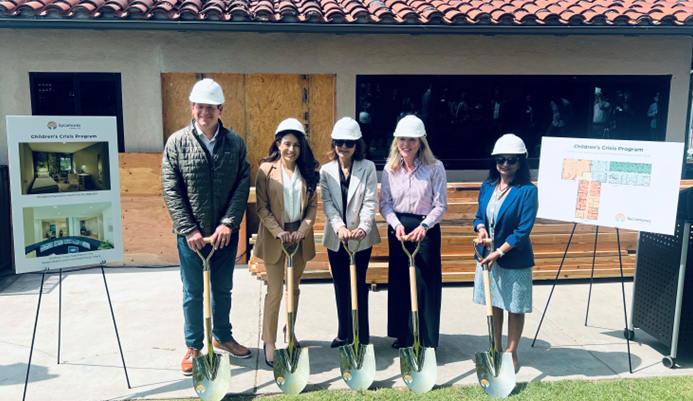
BHCIP ແມ່ນອົງປະກອບຫຼັກຂອງສຸຂະພາບຈິດສຳລັບທຸກຄົນ, ຄຳໝັ້ນສັນຍາຢ່າງຕໍ່ເນື່ອງຂອງລັດ California ໃນການຂະຫຍາຍການບໍລິການສຸຂະພາບທາງດ້ານພຶດຕິກຳສຳລັບຊາວ California ທຸກຄົນ. ດ້ວຍການຜ່ານຮ່າງກົດໝາຍສະບັບທີ 1, ສະຖານທີ່ປິ່ນປົວສຸຂະພາບທາງດ້ານພຶດຕິກຳຈະຫຼາຍຂຶ້ນເລື້ອຍໆ ເຊິ່ງຈະໄດ້ຮັບທຶນ ແລະ ກໍ່ສ້າງໃນປີ 2025 ແລະ 2026.
Just days earlier, on May 12, DHCS awarded $3.3 billion in competitive grant funding through the Bond BHCIP Round 1: Launch Ready awards. This historic investment is funding 124 projects across 42 counties to create or expand 214 behavioral health facilities across California. This investment will result in 5,077 new residential treatment beds and 21,882 new outpatient slots for mental health and substance use disorder treatment, bringing essential behavioral health services closer to the Californians who need them most, including those in the foster care system.
“ພວກເຮົາກຳລັງເຮັດວຽກເພື່ອຮັບປະກັນວ່າຊາວໜຸ່ມອຸປະຖຳທີ່ມີຄວາມຕ້ອງການດ້ານສຸຂະພາບຈິດທີ່ສຳຄັນຈະໄດ້ຮັບການສະໜັບສະໜູນດ້ວຍການບໍລິການທີ່ພວກເຂົາຕ້ອງການ,” ຜູ້ອຳນວຍການ DHCS Michelle Baass ກ່າວ. “ອົງການຈັດຕັ້ງຕ່າງໆເຊັ່ນ Sycamores ແມ່ນມີຄວາມຈຳເປັນຫຼາຍຕໍ່ການຫັນປ່ຽນວິທີທີ່ພວກເຮົາຕອບສະໜອງຕໍ່ສິ່ງທ້າທາຍດ້ານສຸຂະພາບທາງດ້ານພຶດຕິກຳທີ່ຮີບດ່ວນ.” ໂດຍການນຳເອົາການດູແລທີ່ມີຄວາມເຫັນອົກເຫັນໃຈ ແລະ ອີງໃສ່ຊຸມຊົນໂດຍກົງມາສູ່ເດັກນ້ອຍ ແລະ ຊາວໜຸ່ມທີ່ຂັດສົນ, ພວກເຂົາເປັນຕົວຢ່າງຂອງລະບົບສຸຂະພາບທາງດ້ານພຶດຕິກຳທີ່ຕອບສະໜອງຜູ້ຄົນທີ່ພວກເຂົາຢູ່ດ້ວຍຄວາມມີກຽດ, ການສະໜັບສະໜູນ ແລະ ຄວາມຫວັງ.”
ໂຄງການຕໍ່ເນື່ອງສຳລັບວິກິດການເດັກຂອງ SYCAMORES: ໂຄງການນີ້ຈະແນໃສ່ຊ່ອງຫວ່າງໃນວິກິດການຕໍ່ເນື່ອງໂດຍສະເພາະສຳລັບເຍົາວະຊົນອຸປະຖຳໂດຍການສ້າງສະຖານທີ່ສຸຂະພາບຈິດທີ່ມີແປດຕຽງ ແລະ ໜ່ວຍຮັກສາວິກິດທີ່ມີ 10 ຊ່ອງ, ຄາດວ່າຈະໃຫ້ບໍລິການບຸກຄົນ 3,650 ຄົນຕໍ່ປີໃນສະຖານທີ່ປິ່ນປົວຄົນເຈັບນອກ. ໂຄງການນີ້ຈະຊ່ວຍສະໜັບສະໜູນຊາວໜຸ່ມທີ່ອາໄສຢູ່ໃນຊຸມຊົນທີ່ກຳລັງປະສົບກັບວິກິດການເພື່ອຫຼີກລ່ຽງຄວາມຕ້ອງການການດູແລໃນລະດັບທີ່ສູງຂຶ້ນໃນສະຖານທີ່ທີ່ມີຂໍ້ຈຳກັດຫຼາຍກວ່າ. ໂຄງການຕ່າງໆໄດ້ຖືກອອກແບບມາເພື່ອໃຫ້ມີເຄື່ອງມືແກ່ຊາວໜຸ່ມ ແລະ ຜູ້ດູແລເພື່ອຈັດການກັບວິກິດການຂອງເຂົາເຈົ້າ, ລວມທັງການສ້າງທັກສະ, ການຕິດຕາມກວດກາທາງຈິດ, ຈິດຕະແພດ, ການປິ່ນປົວ, ການຄຸ້ມຄອງກໍລະນີ, ແລະ ການຄຸ້ມຄອງຢາ.
“ດ້ວຍການເປີດຕົວໂຄງການວິກິດການເດັກໃໝ່ຂອງ Sycamores, ອົງກອນຂອງພວກເຮົາຈະຢູ່ໃນຖານະທີ່ເປັນເອກະລັກໃນການຕອບສະໜອງຄວາມຕ້ອງການດ້ານສຸຂະພາບຈິດທີ່ຮີບດ່ວນຂອງເດັກນ້ອຍ ແລະ ຊາວໜຸ່ມຫຼາຍພັນຄົນທີ່ປະສົບກັບວິກິດການທົ່ວເຂດ Los Angeles,” Debra Manners, ປະທານ ແລະ ຊີອີໂອຂອງ Sycamores ກ່າວ. “ໂດຍພິຈາລະນາເຖິງຊື່ສຽງອັນຍາວນານຂອງ Sycamores ໃນການໃຫ້ການດູແລທີ່ມີຄວາມເຫັນອົກເຫັນໃຈ ແລະ ປ່ຽນແປງຊີວິດ, ພວກເຮົາຮູ້ສຶກເປັນກຽດທີ່ສາມາດຂະຫຍາຍການບໍລິການຂອງພວກເຮົາດ້ວຍການເປີດໂຄງການຂອງພວກເຮົາ.”
ເປັນຫຍັງສິ່ງນີ້ຈຶ່ງສຳຄັນ: ຜູ້ໃຫຍ່ຫຼາຍກວ່າ 1.2 ລ້ານຄົນໃນລັດຄາລິຟໍເນຍດຳລົງຊີວິດຢູ່ກັບພະຍາດທາງຈິດທີ່ຮ້າຍແຮງ, ແລະ 1 ໃນ 13 ຄົນຂອງເດັກນ້ອຍມີອາການຜິດປົກກະຕິທາງດ້ານອາລົມຢ່າງຮຸນແຮງ. ນອກຈາກນີ້, 82 ເປີເຊັນຂອງຊາວຄາລິຟໍເນຍທີ່ປະສົບກັບບັນຫາການບໍ່ມີທີ່ຢູ່ອາໄສລາຍງານວ່າມີບັນຫາສຸຂະພາບຈິດທີ່ຮ້າຍແຮງ, ແລະ 1 ໃນ 10 ຄົນຂອງຊາວຄາລິຟໍເນຍມີຄຸນສົມບັດຕາມເງື່ອນໄຂສຳລັບຄວາມຜິດປົກກະຕິໃນການໃຊ້ສານເສບຕິດ. ນອກຈາກນັ້ນ, ການຂາດແຄນສະຖານທີ່ປິ່ນປົວສຸຂະພາບທາງດ້ານພຶດຕິກຳຍັງປະກອບສ່ວນເຮັດໃຫ້ອັດຕາການບໍ່ມີທີ່ຢູ່ອາໄສ ແລະ ການຖືກຄຸມຂັງເພີ່ມຂຶ້ນໃນບັນດາຜູ້ທີ່ມີຄວາມຜິດ
ກະຕິດ້ານສຸ
ພາບຈິດ.ຜ່ານ BHCIP, DHCS ໄດ້ມອບທຶນໃຫ້ແກ່ໜ່ວຍງານທີ່ມີສິດໄດ້ຮັບເພື່ອສ້າງ, ຊື້ ແລະ ຂະຫຍາຍຊັບສິນ ແລະ ລົງທຶນໃນພື້ນຖານໂຄງລ່າງວິກິດການເຄື່ອນທີ່ເພື່ອຂະຫຍາຍທາງເລືອກໃນການປິ່ນປົວສຸຂະພາບຈິດໃນຊຸມຊົນສຳລັບຜູ້ທີ່ມີຄວາມຕ້ອງການການປິ່ນປົວສຸຂະພາບຈິດຮ່ວມກັນ ແລະ ຄວາມຜິດປົກກະຕິການໃຊ້ສານເສບຕິດ. BHCIP ກຳລັງແກ້ໄຂຊ່ອງຫວ່າງທາງປະຫວັດສາດໃນລະບົບການດູແລສຸຂະພາບທາງດ້ານພຶດຕິກຳເພື່ອຕອບສະໜອງຄວາມຕ້ອງການທີ່ເພີ່ມຂຶ້ນສຳລັບການບໍລິການ ແລະ ການສະໜັບສະໜູນຕະຫຼອດຊີວິດຂອງຜູ້ທີ່ຕ້ອງການ. DHCS ໄດ້ມອບເງິນຊ່ວຍເຫຼືອດ້ານການແຂ່ງຂັນ BHCIP ມູນຄ່າ 1.7 ຕື້ໂດລາ.
ກ່ຽວກັບ BHCIP ຮອບທີ 5: ວິກິດການ ແລະ ສຸຂະພາບທາງດ້ານພຶດຕິກຳຢ່າງຕໍ່ເນື່ອງ: BHCIP ຮອບທີ 5: ວິກິດການ ແລະ ສຸຂະພາບທາງດ້ານພຶດຕິກຳຢ່າງຕໍ່ເນື່ອງ ໄດ້ຖືກພັດທະນາຂຶ້ນ, ສ່ວນໜຶ່ງ, ຜ່ານການປະເມີນຄວາມຕ້ອງການທົ່ວລັດ ເຊິ່ງໄດ້ລະບຸຊ່ອງຫວ່າງທີ່ສຳຄັນໃນການບໍລິການວິກິດການທີ່ມີຢູ່. ການປະເມີນຜົນນີ້ສະແດງໃຫ້ເຫັນເຖິງຄວາມຕ້ອງການລະບົບການດູແລສຸກເສີນທີ່ດີກວ່າເພື່ອຫຼຸດຜ່ອນການໄປຫ້ອງສຸກເສີນ, ການເຂົ້າໂຮງໝໍ ແລະ ການຖືກຄຸມຂັງ. ລາງວັນທັງ 33 ລາງວັນ, ລວມທັງໝົດ 430 ລ້ານໂດລາ, ກຳລັງຖືກນຳໃຊ້ເພື່ອສ້າງ ແລະ ຂະຫຍາຍສະຖານທີ່ດູແລສຸກເສີນ ແລະ ສຸຂະພາບທາງດ້ານພຶດຕິກຳທົ່ວລັດ ແລະ ຈະໃຫ້ບໍລິການແກ່ຊາວຄາລິຟໍເນຍທີ່ມີຄວາມສ່ຽງທຸກໄວ, ລວມທັງສະມາຊິກ Medi-Cal. ກະລຸນາເບິ່ງ ເວັບໄຊທ໌ BHCIP ສຳລັບຂໍ້ມູນເພີ່ມເຕີມກ່ຽວກັບຜູ້ໄດ້ຮັບທຶນ ແລະ ລາຍລະອຽດເພີ່ມເຕີມກ່ຽວກັບຮອບການສະໜອງທຶນ BHCIP ທັງໝົດ.
###
ຫ້ອງການສື່ສານ
(916) 440-7660
DHCSPress@dhcs.ca.gov
ສິ່ງທີ່ທ່ານຈຳເປັນຕ້ອງຮູ້: ຂໍຂອບໃຈກັບ Prop 1, ການສະໜອງທຶນໃນມື້ນີ້ຄາດວ່າຈະສ້າງຕຽງປິ່ນປົວທີ່ຢູ່ອາໄສຫຼາຍກວ່າ 5,000 ຕຽງ ແລະ ຊ່ອງປິ່ນປົວຄົນເຈັບນອກຫຼາຍກວ່າ 21,800 ຊ່ອງ ສຳລັບສຸຂະພາບທາງດ້ານພຶດຕິກຳ ແລະ ຈະສ້າງຕໍ່ຈາກໂຄງການສຸຂະພາບທາງດ້ານພຶດຕິກຳທີ່ສຳຄັນອື່ນໆໃນລັດ California.
ເມືອງ SACRAMENTO, ລັດ California – ຜູ້ວ່າການລັດ Gavin Newsom ໄດ້ປະກາດທຶນຊ່ວຍເຫຼືອລ້າມູນຄ່າ 3.3 ຕື້ໂດລາໃນມື້ນີ້ ເພື່ອສ້າງຕຽງປິ່ນປົວຄົນເຈັບຫຼາຍກວ່າ 5,000 ຕຽງ ແລະ ຊ່ອງປິ່ນປົວຄົນເຈັບນອກຫຼາຍກວ່າ 21,800 ຊ່ອງ ສຳລັບການບໍລິການດູແລສຸຂະພາບທາງດ້ານພຶດຕິກຳ ແລະ ຈະສ້າງຕໍ່ຈາກໂຄງການສຸຂະພາບທາງດ້ານພຶດຕິກຳທີ່ສຳຄັນອື່ນໆໃນລັດ California. ບໍລິຫານໂດຍກົມບໍລິການດ້ານສຸຂະພາບຂອງລັດຄາລິຟໍເນຍ (DHCS), ລາງວັນໂຄງການໂຄງສ້າງພື້ນຖານສຸຂະພາບພຶດຕິກຳຕໍ່ເນື່ອງຂອງພັນທະບັດຂໍ້ສະເໜີທີ 1 (BHCIP) ຮອບທີ 1: ຄວາມພ້ອມໃນການເປີດຕົວຈະຂະຫຍາຍການເຂົ້າເຖິງການດູແລຢ່າງຫຼວງຫຼາຍສຳລັບຊາວຄາລິຟໍເນຍທີ່ປະສົບກັບສະພາບສຸຂະພາບຈິດ ແລະ ຄວາມຜິດປົກກະຕິດ້ານການໃຊ້ສານເສບຕິດ, ລວມທັງຜູ້ທີ່ປະສົບກັບຄວາມບໍ່ມີທີ່ຢູ່ອາໄສ.
Here is a list of today’s awardees.
"ຊາວຄາລິຟໍເນຍໄດ້ຮຽກຮ້ອງໃຫ້ມີການດຳເນີນການຢ່າງວ່ອງໄວເພື່ອແກ້ໄຂວິກິດການສຸຂະພາບທາງດ້ານພຶດຕິກຳຂອງລັດຂອງພວກເຮົາ ເມື່ອພວກເຂົາໄດ້ລົງຄະແນນສຽງສະໜັບສະໜູນຂໍ້ສະເໜີທີ 1 ໃນເດືອນມີນາ 2024." ມື້ນີ້, ພວກເຮົາກຳລັງມອບໄຊຊະນະທີ່ໃຫຍ່ທີ່ສຸດຂອງພວກເຮົາ. ໂຄງການທີ່ພ້ອມແລ້ວທີ່ຈະເປີດຕົວເຫຼົ່ານີ້ຈະສ້າງ ແລະ ຂະຫຍາຍຕຽງນອນຄົນເຈັບ ແລະ ຊ່ອງປິ່ນປົວສຳລັບຜູ້ທີ່ຕ້ອງການຄວາມຊ່ວຍເຫຼືອ. ບໍ່ວ່າຈະເປັນການຮັກສາສະຖຽນລະພາບໃນວິກິດ, ການບໍລິການຄົນເຈັບໃນໂຮງໝໍ, ຫຼື ການປິ່ນປົວໄລຍະຍາວ, ພວກເຮົາຮັບປະກັນວ່າບຸກຄົນສາມາດເຂົ້າເຖິງການດູແລທີ່ຖືກຕ້ອງໃນເວລາທີ່ເໝາະສົມ.” ~ຜູ້ວ່າການລັດ Gavin Newsom
ເມື່ອໄດ້ຮັບທຶນຢ່າງເຕັມທີ່, ທຶນຈາກພັນທະບັດ Proposition 1 ຄາດວ່າຈະສ້າງຕຽງປິ່ນປົວທີ່ຢູ່ອາໄສ 6,800 ຕຽງ ແລະ ຊ່ອງປິ່ນປົວຄົນເຈັບນອກ 26,700 ຊ່ອງ ສຳລັບສຸຂະພາບທາງດ້ານພຶດຕິກຳ ແລະ ຈະສ້າງຕໍ່ໃສ່ການລິເລີ່ມດ້ານສຸຂະພາບທາງດ້ານພຶດຕິກຳທີ່ສຳຄັນອື່ນໆໃນລັດ California.
Kim Johnson, Secretary of the California Health & Human Services Agency “ ມື້ນີ້ເປັນຂີດໝາຍສຳຄັນໃນຄວາມມຸ່ງໝັ້ນຂອງພວກເຮົາໃນການຫັນປ່ຽນລະບົບສຸຂະພາບທາງດ້ານພຶດຕິກຳຂອງລັດຄາລິຟໍເນຍ.” ຜ່ານລາງວັນເຫຼົ່ານີ້, ພວກເຮົາກຳລັງລົງທຶນໃນວິທີແກ້ໄຂທີ່ກ້າຫານ ແລະ ຂັບເຄື່ອນໂດຍຊຸມຊົນ ເຊິ່ງຂະຫຍາຍການເຂົ້າເຖິງການດູແລ, ສົ່ງເສີມຄວາມສະເໝີພາບ ແລະ ພົບກັບຜູ້ຄົນໃນບ່ອນທີ່ພວກເຂົາຢູ່. ໂຄງການເຫຼົ່ານີ້ແມ່ນການສະທ້ອນເຖິງຄຸນຄ່າ ແລະ ວິໄສທັດຂອງພວກເຮົາສຳລັບລັດຄາລິຟໍເນຍທີ່ມີສຸຂະພາບດີ ແລະ ມີຄວາມເມດຕາຫຼາຍຂຶ້ນ.”
ທ່ານນາງ Michelle Baass, ຜູ້ອຳນວຍການ DHCS: “ນີ້ແມ່ນການລົງທຶນລຸ້ນຕໍ່ລຸ້ນໃນອະນາຄົດດ້ານສຸຂະພາບທາງດ້ານພຶດຕິກຳຂອງລັດ California. ພວກເຮົາບໍ່ພຽງແຕ່ສ້າງສິ່ງອຳນວຍຄວາມສະດວກເທົ່ານັ້ນ. ພວກເຮົາກຳລັງສ້າງຄວາມຫວັງ, ກຽດສັກສີ, ແລະ ເສັ້ນທາງສູ່ການປິ່ນປົວສຳລັບຊາວຄາລິຟໍເນຍຫຼາຍພັນຄົນ. ການລົງທຶນເຫຼົ່ານີ້ຈະຊ່ວຍເສີມຂະຫຍາຍຄວາມສາມາດຂອງລັດຂອງພວກເຮົາຢ່າງຫຼວງຫຼາຍໃນການໃຫ້ການດູແລທີ່ທັນເວລາ ແລະ ມີປະສິດທິພາບແກ່ບຸກຄົນໃນຊຸມຊົນຂອງເຂົາເຈົ້າເອງ.”
ເປັນຫຍັງເລື່ອງນີ້ຈຶ່ງສຳຄັນ: ລາງວັນ Bond BHCIP ຮອບທີ 1 ຈະຊ່ວຍສ້າງລະບົບສຸຂະພາບທາງດ້ານພຶດຕິກຳທີ່ສົມບູນແບບ, ຮັບປະກັນວ່າບຸກຄົນສາມາດເຂົ້າເຖິງການດູແລທີ່ຖືກຕ້ອງໃນເວລາທີ່ເໝາະສົມ, ບໍ່ວ່າຈະເປັນການຮັກສາສະຖຽນລະພາບໃນວິກິດ, ການດູແລຄົນເຈັບໃນໂຮງໝໍ, ຫຼື ການປິ່ນປົວໄລຍະຍາວ. ໃນຖານະເປັນສ່ວນໜຶ່ງຂອງເປົ້າໝາຍຂອງລັດໃນການຫຼຸດຜ່ອນວິກິດການສຸຂະພາບຈິດ, ເພີ່ມຄວາມພ້ອມຂອງການບໍລິການ, ແລະ ສະໜັບສະໜູນວິທີແກ້ໄຂໃນຊຸມຊົນ, ການລົງທຶນເຫຼົ່ານີ້ແມ່ນມີຄວາມສຳຄັນຫຼາຍໃນການຮັບປະກັນຄວາມຍືນຍົງໃນໄລຍະຍາວ ແລະ ການເຂົ້າເຖິງການບໍລິການສຸຂະພາບທາງດ້ານພຶດຕິກຳ.
Through BHCIP, DHCS has competitively awarded grants to construct, acquire, and expand properties and invest in mobile crisis infrastructure for behavioral health. Proposition 1, passed in March 2024, increases funding opportunities to expand BHCIP to serve even more Californians with mental health and substance use disorders through infrastructure development.
ພາບທີ່ໃຫຍ່ກວ່າ: ໂຄງການສຸຂະພາບຈິດສຳລັບທຸກຄົນຂອງລັດຄາລິຟໍເນຍ ກຳລັງ ປັບປຸງລະບົບການໃຫ້ບໍລິການສຸຂະພາບທາງດ້ານພຶດຕິກຳໃຫ້ທັນສະໄໝ ເພື່ອປັບປຸງຄວາມຮັບຜິດຊອບ, ເພີ່ມຄວາມໂປ່ງໃສ ແລະ ຂະຫຍາຍຄວາມສາມາດຂອງສະຖານທີ່ດູແລສຸຂະພາບທາງດ້ານພຶດຕິກຳ. BHCIP ສະໜັບສະໜູນການສ້າງ, ການປັບປຸງ ແລະ ການຂະຫຍາຍສະຖານທີ່ທີ່ໃຫ້ບໍລິການບຸກຄົນທີ່ມີຄວາມຕ້ອງການດ້ານສຸຂະພາບຈິດ ແລະ ຄວາມຜິດປົກກະຕິຈາກການໃຊ້ສານເສບຕິດ, ໂດຍສຸມໃສ່ການດູແລໃນກໍລະນີວິກິດ, ການປິ່ນປົວຢູ່ໂຮງໝໍ, ແລະ ການບໍລິການຄົນເຈັບນອກ. DHCS ໄດ້ມອບທຶນຊ່ວຍເຫຼືອດ້ານການແຂ່ງຂັນ BHCIP ຈຳນວນ 1.7 ຕື້ໂດລາແລ້ວ.
ມີການຂາດແຄນຕຽງສຸຂະພາບທາງດ້ານພຶດຕິກຳຫຼາຍກວ່າ 7,000 ຕຽງໃນລັດຄາລິຟໍເນຍ, ເຊິ່ງປະກອບສ່ວນເຮັດໃຫ້ຄວາມຕ້ອງການບໍ່ໄດ້ຮັບການຕອບສະໜອງໃນບັນດາຜູ້ທີ່ປະສົບກັບບັນຫາການບໍ່ມີທີ່ຢູ່ອາໄສທີ່ມີບັນຫາທາງຈິດ ແລະ/ຫຼື ຄວາມຜິດປົກກະຕິໃນການໃຊ້ສານເສບຕິດບໍ່ໄດ້ຮັບການຕອບສະໜອງ. ເງິນທຶນຈາກ Bond BHCIP ຄາດວ່າຈະສ້າງຕຽງປິ່ນປົວທີ່ຢູ່ອາໄສ 6,800 ຕຽງ ແລະ ຊ່ອງປິ່ນປົວຄົນເຈັບນອກ 26,700 ຊ່ອງ ສຳລັບສຸຂະພາບທາງດ້ານພຶດຕິກຳ ແລະ ຈະສ້າງຕໍ່ຈາກໂຄງການສຸຂະພາບທາງດ້ານພຶດຕິກຳທີ່ສຳຄັນອື່ນໆໃນລັດ California. ການລົງທຶນນີ້ຈະຊ່ວຍແກ້ໄຂບັນຫາການຂາດແຄນສຸຂະພາບທາງດ້ານພຶດຕິກຳ.
ສິ່ງທີ່ຈະເກີດຂຶ້ນຕໍ່ໄປ: ການປະກາດໃນມື້ນີ້ເປັນຕົວແທນໃຫ້ແກ່ການລະດົມທຶນຮອບທຳອິດຂອງສອງຮອບຂອງ Bond BHCIP. ຮອບທີສອງ, Bond BHCIP ຮອບທີ 2: ຄວາມຕ້ອງການທີ່ບໍ່ໄດ້ຮັບການຕອບສະໜອງ, ຈະໃຫ້ທຶນສະໜັບສະໜູນການແຂ່ງຂັນຫຼາຍກວ່າ 800 ລ້ານໂດລາສຳລັບສະຖານທີ່ປິ່ນປົວສຸຂະພາບທາງດ້ານພຶດຕິກຳ ແລະ ເປີດໃຫ້ທຸກໜ່ວຍງານ. ບຸກຄົນທີ່ສົນໃຈແມ່ນໄດ້ຮັບການຊຸກຍູ້ໃຫ້ສະໝັກຫຼັງຈາກການສະໝັກຮອບທີ 2 ໄດ້ເລີ່ມດຳເນີນການໄວເທົ່າທີ່ຈະໄວໄດ້ໃນທ້າຍເດືອນນີ້.
ນອກຈາກນັ້ນ, ກະຊວງທີ່ຢູ່ອາໄສ ແລະ ການພັດທະນາຊຸມຊົນ (HCD) ຈະເບິ່ງແຍງກອງທຶນ Proposition 1 ສູງເຖິງ 2 ຕື້ໂດລາ ເພື່ອສ້າງທີ່ຢູ່ອາໄສແບບຖາວອນສຳລັບນັກຮົບເກົ່າ ແລະ ຜູ້ທີ່ບໍ່ມີທີ່ຢູ່ອາໄສ ຫຼື ມີຄວາມສ່ຽງທີ່ຈະບໍ່ມີທີ່ຢູ່ອາໄສ ແລະ ມີບັນຫາສຸຂະພາບຈິດ ຫຼື ຄວາມຜິດປົກກະຕິໃນການໃຊ້ສານເສບຕິດ.
ຮຽນຮູ້ເພີ່ມເຕີມ: ສຳລັບຂໍ້ມູນເພີ່ມເຕີມກ່ຽວກັບ Bond BHCIP ຮອບທີ 1: ຄວາມພ້ອມສຳລັບການເປີດຕົວ, ກະລຸນາເຂົ້າເບິ່ງ ເວັບໄຊທ໌ BHCIP. ຄຳແນະນຳເພີ່ມເຕີມກ່ຽວກັບ Bond BHCIP ຮອບທີ 1: ຄວາມພ້ອມໃນການເປີດຕົວ ແລະ ຮອບທີ 2: ຄວາມຕ້ອງການທີ່ບໍ່ໄດ້ຮັບການຕອບສະໜອງແມ່ນມີ ຢູ່ທີ່ນີ້. ເຂົ້າເບິ່ງ ໜ້າເວັບການຫັນປ່ຽນສຸຂະພາບດ້ານພຶດຕິກຳ ສຳລັບການອັບເດດ ແລະ ຊັບພະຍາກອນຕ່າງໆ, ລວມທັງການບັນທຶກສຽງຂອງກອງປະຊຸມຮັບຟັງສາທາລະນະເປັນປະຈຳ.
###
ຫ້ອງການສື່ສານ
(916) 440-7660
DHCSPress@dhcs.ca.gov
ໂຄງການຈະໃຫ້ບໍລິການ 3,760 ບຸກຄົນຕໍ່ປີ
SACRAMENTO — ໃນຂະນະທີ່ລັດ California ສືບຕໍ່ເຮັດວຽກເພື່ອເສີມສ້າງລະບົບການດູແລສຸຂະພາບທາງດ້ານພຶດຕິກຳຂອງຕົນ, ໃນວັນທີ 18 ເມສາ, ກົມບໍລິການດູແລສຸຂະພາບ (DHCS) ແລະ ເຂດດູແລສຸຂະພາບ Mark Twain ໄດ້ສະເຫຼີມສະຫຼອງການຕັດໂບຂອງສູນວິກິດການ ແລະ ສະຫວັດດີການແຫ່ງໃໝ່ໃນເຂດ Calaveras. ໂດຍໄດ້ຮັບທຶນສະໜັບສະໜູນຫຼາຍກວ່າ 3.3 ລ້ານໂດລາຜ່ານ ໂຄງການພື້ນຖານໂຄງລ່າງສຸຂະພາບຈິດຕໍ່ເນື່ອງ (BHCIP) ຮອບທີ 5: ວິກິດການ ແລະ ສຸຂະພາບຈິດຕໍ່ເນື່ອງ, ສູນດັ່ງກ່າວຈະສະເໜີການດູແລສຸຂະພາບຈິດຢ່າງຮີບດ່ວນ, ການປິ່ນປົວຄວາມຜິດປົກກະຕິຈາກການໃຊ້ສານເສບຕິດ, ແລະ ການແຊກແຊງແຕ່ຫົວທີ ເພື່ອຮັບໃຊ້ຊາວບ້ານ 3,760 ຄົນຕໍ່ປີ.
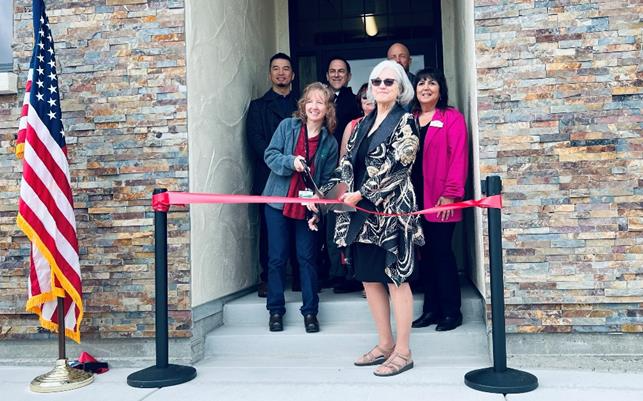
“ການລົງທຶນໃນພື້ນຖານໂຄງລ່າງສຸຂະພາບທາງດ້ານພຶດຕິກຳແມ່ນບາດກ້າວທີ່ສຳຄັນຕໍ່ການຮັບປະກັນວ່າຊາວຄາລິຟໍເນຍທຸກຄົນ - ບໍ່ວ່າພວກເຂົາຈະອາໄສຢູ່ໃສ - ສາມາດເຂົ້າເຖິງການດູແລທີ່ທັນເວລາ, ຍຸຕິທຳ ແລະ ມີຄຸນນະພາບ,” ຜູ້ອຳນວຍການ DHCS Michelle Baass ກ່າວ. "ພວກເຮົາມີຄວາມຍິນດີທີ່ໄດ້ສະໜັບສະໜູນເຂດດູແລສຸຂະພາບ Mark Twain ຍ້ອນວ່າມັນຂະຫຍາຍການບໍລິການທີ່ສຳຄັນເຊິ່ງຈະເສີມສ້າງສຸຂະພາບຂອງຊຸມຊົນ ແລະ ສະໜັບສະໜູນບຸກຄົນຕ່າງໆໃນເສັ້ນທາງສູ່ການຟື້ນຟູ." ການນຳເອົາການດູແລມາໃກ້ບ້ານຊ່ວຍປ້ອງກັນວິກິດການກ່ອນທີ່ມັນຈະຮຸນແຮງຂຶ້ນ ແລະ ເສີມສ້າງເຄືອຂ່າຍສະໜັບສະໜູນໃນທ້ອງຖິ່ນທີ່ຜູ້ຄົນເພິ່ງພາອາໄສ.”
ເຂດດູແລສຸຂະພາບ MARK TWAIN: ສູນວິກິດການ ແລະ ສະຫວັດດີການທີ່ໄດ້ຂະຫຍາຍອອກໄປຄາດວ່າຈະໃຫ້ບໍລິການແກ່ບຸກຄົນຈຳນວນ 3,760 ຄົນຕໍ່ປີ. ສູນດັ່ງກ່າວຈະໃຫ້ການປິ່ນປົວສຸຂະພາບທາງດ້ານພຶດຕິກຳແບບຄົນເຈັບນອກ, ລວມທັງການປິ່ນປົວ, ການຈັດການຢາ, ແລະ ການດູແລສຸຂະພາບຈິດຢ່າງຮີບດ່ວນ. ນອກຈາກນັ້ນ, ໂຄງການດັ່ງກ່າວຈະນຳໃຊ້ການຮ່ວມມືກັບອົງການຈັດຕັ້ງຊາວໜຸ່ມເພື່ອໃຫ້ບໍລິການແຊກແຊງແຕ່ຫົວທີທີ່ມຸ່ງໄປສູ່ການປ້ອງກັນການວ່າງງານ, ການບໍ່ມີທີ່ຢູ່ອາໄສ, ການໃຊ້ສານເສບຕິດ ແລະ ການກັກຂັງ.
“ຄົນເຈັບໃນເຂດ Calaveras ບໍ່ໄດ້ຮັບການບໍລິການທີ່ພຽງພໍ, ມັກຈະຖືກກັກຂັງ ຫຼື ຖືກຄຸມຂັງ, ແລະ ຖ້າພວກເຂົາຮຽນຈົບ, ມັກຈະມີສ່ວນກ່ຽວຂ້ອງກັບເຈົ້າໜ້າທີ່ຍຸຕິທຳ,” Randy Smart, ຊີອີໂອຂອງເຂດດູແລສຸຂະພາບ Mark Twain ກ່າວ. “ຊຸມຊົນຂອງພວກເຮົາຮັບຮູ້ວ່າຜົນໄດ້ຮັບເຫຼົ່ານີ້ແມ່ນສາມາດປ້ອງກັນ ແລະ ປິ່ນປົວໄດ້, ແຕ່ຕ້ອງການຊັບພະຍາກອນເພີ່ມເຕີມຢ່າງຮີບດ່ວນ.” ເຂດປົກຄອງຂອງພວກເຮົາມີຄວາມຕັ້ງໃຈ, ຄວາມເປັນຜູ້ນຳ, ແລະ ວິໄສທັດທີ່ຈະໃຫ້ຄຳໝັ້ນສັນຍາຕໍ່ສູນວິກິດການຄົນເຈັບນອກ ແລະ ສູນປ້ອງກັນ ເຊິ່ງຈະເປັນບາດກ້າວທີ່ສຳຄັນໃນການຕອບສະໜອງຄວາມຕ້ອງການດ້ານການດູແລສຸຂະພາບທາງດ້ານພຶດຕິກຳ.”
ເປັນຫຍັງສິ່ງນີ້ຈຶ່ງສຳຄັນ: BHCIP ແມ່ນສ່ວນໜຶ່ງຂອງຄຳໝັ້ນສັນຍາຢ່າງຕໍ່ເນື່ອງຂອງລັດ California ໃນການຂະຫຍາຍການບໍລິການສຸຂະພາບທາງດ້ານພຶດຕິກຳສຳລັບຊາວ California ທຸກຄົນ. DHCS ໄດ້ມອບເງິນຊ່ວຍເຫຼືອດ້ານການແຂ່ງຂັນ BHCIP ຈຳນວນ 1.7 ຕື້ໂດລາ. ນອກຈາກນັ້ນ, DHCS ຈະແຈກຢາຍເງິນທຶນພັນທະບັດ BHCIP ທີ່ແຂ່ງຂັນໄດ້ສູງເຖິງ 4.4 ຕື້ໂດລາ, ລວມທັງ 3.3 ຕື້ໂດລາສຳລັບທຶນຊ່ວຍເຫຼືອຮອບທີ 1: ກຽມພ້ອມເປີດຕົວ ເຊິ່ງເປັນສ່ວນໜຶ່ງຂອງ ການຫັນປ່ຽນສຸຂະພາບທາງດ້ານພຶດຕິກຳ, ເຊິ່ງເປັນວຽກງານຂອງ DHCS ໃນການຈັດຕັ້ງປະຕິບັດ ຂໍ້ສະເໜີທີ 1. ດ້ວຍການຜ່ານຮ່າງກົດໝາຍສະບັບທີ 1, ສະຖານທີ່ປິ່ນປົວສຸຂະພາບທາງດ້ານພຶດຕິກຳຈະຫຼາຍຂຶ້ນເລື້ອຍໆ
ຈະໄດ້ຮັບທຶນ ແລະ ກໍ່ສ້າງໃນປີ 2025 ແລະ 2026
ຜ່ານ BHCIP, DHCS ໄດ້ມອບທຶນໃຫ້ແກ່ໜ່ວຍງານທີ່ມີສິດໄດ້ຮັບເພື່ອສ້າງ, ຊື້ ແລະ ຂະຫຍາຍຊັບສິນ ແລະ ລົງທຶນໃນພື້ນຖານໂຄງລ່າງວິກິດການເຄື່ອນທີ່, ຊ່ວຍໃຫ້ຊຸມຊົນຕອບສະໜອງຄວາມຕ້ອງການທີ່ເພີ່ມຂຶ້ນ ແລະ ປິດຊ່ອງຫວ່າງການບໍລິການໃນອະດີດ. ການລົງທຶນເຫຼົ່ານີ້ແມ່ນມີຄວາມສໍາຄັນຫຼາຍໂດຍສະເພາະໃນຊຸມຊົນຊົນນະບົດ, ເຊິ່ງຮັບປະກັນວ່າປະຊາຊົນສາມາດເຂົ້າເຖິງການດູແລທີ່ຊ່ວຍຊີວິດໄດ້ທັນເວລາໂດຍບໍ່ຕ້ອງເດີນທາງໄກ.
ກ່ຽວກັບ BHCIP ຮອບ 5: ວິກິດການແລະສຸຂະພາບດ້ານພຶດຕິກໍາຢ່າງຕໍ່ເນື່ອງ: BHCIP ຮອບທີ 5: ບົດລາຍງານຢ່າງຕໍ່ເນື່ອງກ່ຽວກັບວິກິດການ ແລະ ພຶດຕິກຳ ໄດ້ຖືກພັດທະນາຂຶ້ນບາງສ່ວນຜ່ານການປະເມີນຄວາມຕ້ອງການທົ່ວລັດ ເຊິ່ງໄດ້ລະບຸຊ່ອງຫວ່າງທີ່ສຳຄັນໃນການບໍລິການວິກິດການທີ່ມີຢູ່. ການປະເມີນຜົນນີ້ສະແດງໃຫ້ເຫັນເຖິງຄວາມຕ້ອງການລະບົບການດູແລສຸກເສີນທີ່ດີກວ່າເພື່ອຫຼຸດຜ່ອນການໄປຫ້ອງສຸກເສີນ, ການເຂົ້າໂຮງໝໍ ແລະ ການຖືກຄຸມຂັງ. ລາງວັນທັງ 33 ລາງວັນ, ລວມທັງໝົດ 430 ລ້ານໂດລາ, ກຳລັງຖືກນຳໃຊ້ເພື່ອສ້າງ ແລະ ຂະຫຍາຍສະຖານທີ່ດູແລສຸກເສີນ ແລະ ສຸຂະພາບທາງດ້ານພຶດຕິກຳທົ່ວລັດ ແລະ ຈະໃຫ້ບໍລິການແກ່ຊາວຄາລິຟໍເນຍທຸກໄວ, ລວມທັງສະມາຊິກ Medi-Cal. ກະລຸນາເບິ່ງ ເວັບໄຊທ໌ BHCIP ສຳລັບຂໍ້ມູນເພີ່ມເຕີມກ່ຽວກັບຜູ້ໄດ້ຮັບທຶນ ແລະ ລາຍລະອຽດເພີ່ມເຕີມກ່ຽວກັບຮອບການສະໜອງທຶນ BHCIP ທັງໝົດ.
###
ຫ້ອງການສື່ສານ
(916) 440-7660
DHCSPress@dhcs.ca.gov
ໂຄງການຈະເສີມຂະຫຍາຍຄວາມອາດສາມາດໂດຍ 40 ຕຽງນອນ, ຮັບໃຊ້ເກືອບ 1,000 ເດັກນ້ອຍແລະບຸກຄົນຕໍ່ປີ
SACRAMENTO — ໃນວັນ 4 ເມສາ, 2025, ກະຊວງບໍລິການດູແລສຸຂະພາບ (DHCS) ແລະ Kedren ໄດ້ສະເຫຼີມສະຫຼອງການເປີດການກໍ່ສ້າງໂຮງໝໍ Kedren South-Psychiatric Acute Care Hospital & Children's Village ເພື່ອຮັບໃຊ້ຊຸມຊົນພາກໃຕ້ຂອງ Los Angeles. ໂຄງການຫັນປ່ຽນນີ້ຈະສະໜອງລະບົບການດູແລ ແລະ ການສະໜັບສະໜູນທີ່ສົມບູນແບບສຳລັບເດັກນ້ອຍ ແລະ ຊາວໜຸ່ມທີ່ປະສົບກັບສິ່ງທ້າທາຍດ້ານສຸຂະພາບຈິດທີ່ສຳຄັນ - ທັງໝົດຢູ່ໃນສະຖານທີ່ດຽວ. ມັນໄດ້ຮັບທຶນຈາກ ໂຄງການພື້ນຖານໂຄງລ່າງສຸຂະພາບທາງດ້ານພຶດຕິກຳ (BHCIP) ຮອບທີ 4 ຂອງ DHCS: ເດັກນ້ອຍ ແລະ ຊາວໜຸ່ມ ແລະ ຈະເປັນຮູບແບບ “ການດູແລບ້ານ” ແບບປະສົມປະສານທີ່ອອກແບບມາສຳລັບເດັກນ້ອຍ ແລະ ຄອບຄົວຂອງເຂົາເຈົ້າເພື່ອໃຫ້ໄດ້ຮັບການບໍລິການຂອງເຂົາເຈົ້າ.

DHCS ໄດ້ມອບເງິນໃຫ້ Kedren ຫຼາຍກວ່າ 57 ລ້ານໂດລາຜ່ານ BHCIP, ເຊິ່ງເປັນສ່ວນໜຶ່ງຂອງຄຳໝັ້ນສັນຍາຢ່າງຕໍ່ເນື່ອງຂອງລັດ California ໃນການຂະຫຍາຍການບໍລິການສຸຂະພາບທາງດ້ານພຶດຕິກຳສຳລັບຊາວ California ທຸກຄົນ. ດ້ວຍການຜ່ານຮ່າງກົດໝາຍສະບັບທີ 1, ສະຖານທີ່ປິ່ນປົວສຸຂະພາບທາງດ້ານພຶດຕິກຳຈະຫຼາຍຂຶ້ນເລື້ອຍໆ ເຊິ່ງຈະໄດ້ຮັບທຶນ ແລະ ກໍ່ສ້າງໃນປີ 2025 ແລະ 2026.
"ບ້ານເດັກ Kedren ເປັນຕົວແທນຂອງຊັບພະຍາກອນທີ່ສຳຄັນໃນການຮັບປະກັນສະຫວັດດີພາບ ແລະ ອະນາຄົດຂອງເດັກນ້ອຍທີ່ມີຄວາມສ່ຽງຫຼາຍທີ່ສຸດໃນລັດຂອງພວກເຮົາ." ໂດຍການໃຫ້ຄວາມສຳຄັນກັບການສະໜອງທຶນສຳລັບວິທະຍາເຂດນີ້, ລັດຄາລິຟໍເນຍໄດ້ເສີມສ້າງຄຳໝັ້ນສັນຍາຂອງຕົນໃນການເປັນຜູ້ນຳໃນການໃຫ້ການດູແລທີ່ມີຄຸນນະພາບສູງ ແລະ ມີຄວາມເຫັນອົກເຫັນໃຈ ເຊິ່ງສະໜັບສະໜູນສຸຂະພາບຈິດ ແລະ ຮ່າງກາຍຂອງເດັກທີ່ຂັດສົນ,” ຜູ້ອຳນວຍການ DHCS ທ່ານນາງ Michelle Baass ກ່າວ. "ວິທີການທີ່ສົມບູນແບບຂອງ Kedren ຕໍ່ການດູແລສຸຂະພາບຈິດ ແລະ ຮ່າງກາຍສອດຄ່ອງກັບວິໄສທັດຂອງພວກເຮົາເພື່ອອະນາຄົດທີ່ມີສຸຂະພາບແຂງແຮງ ແລະ ມີຄວາມຢືດຢຸ່ນຫຼາຍຂຶ້ນສຳລັບເດັກທຸກຄົນໃນລັດ California." ມັນເປັນການລົງທຶນບໍ່ພຽງແຕ່ໃນຊີວິດຂອງເຂົາເຈົ້າເທົ່ານັ້ນ, ແຕ່ຍັງເປັນການລົງທຶນໃນຄວາມເຂັ້ມແຂງ ແລະ ຄວາມຈະເລີນຮຸ່ງເຮືອງຂອງຊຸມຊົນຂອງພວກເຮົາ.”
ໂຮງໝໍດູແລສຸຂະພາບຈິດ Kedren South ແລະ ບ້ານເດັກ: ໂຄງການນີ້ໄດ້ຮັບລາງວັນຫຼາຍກວ່າ 57 ລ້ານໂດລາຜ່ານ BHCIP. ສະຖານທີ່ດັ່ງກ່າວຈະໃຫ້ການດູແລທີ່ປ່ຽນແປງຊີວິດສຳລັບເດັກນ້ອຍ ແລະ ຊາວໜຸ່ມທີ່ທຸກທໍລະມານຈາກພະຍາດທາງຈິດ, ການບາດເຈັບທາງຈິດໃຈ, ແລະ ສິ່ງທ້າທາຍດ້ານສຸຂະພາບທາງດ້ານພຶດຕິກຳອື່ນໆ. ສ່ວນທີ່ໄດ້ຮັບທຶນສະໜັບສະໜູນຈາກ BHCIP ຂອງວິທະຍາເຂດໃໝ່ຈະປະກອບດ້ວຍໂຮງໝໍຈິດວິທະຍາສ້ວຍແຫຼມທີ່ມີ 24 ຕຽງ (ຈະໃຫ້ບໍລິການຫຼາຍກວ່າ 520 ຄົນຕໍ່ປີ), ໂຄງການທີ່ພັກອາໄສສຳລັບເດັກໃນວິກິດການທີ່ມີ 8 ຕຽງ (ຈະໃຫ້ບໍລິການເກືອບ 300 ຄົນຕໍ່ປີ), ແລະ ສະຖານທີ່ດູແລສຸຂະພາບຈິດທີ່ມີອີກ 8 ຕຽງ (ຈະໃຫ້ບໍລິການເກືອບ 100 ຄົນຕໍ່ປີ). ນອກເໜືອໄປຈາກເງິນຊ່ວຍເຫຼືອ BHCIP ແລ້ວ, ສ່ວນໜຶ່ງຂອງວິທະຍາເຂດຈະມີອາຄານສອງຫຼັງ - ໄດ້ຮັບທຶນຈາກກອງທຶນກົດໝາຍວ່າດ້ວຍການບໍລິການສຸຂະພາບຈິດ - ເພື່ອລວມເອົາການບໍລິການຄົນເຈັບນອກຂອງເດັກ ແລະ ສະໜອງທີ່ຢູ່ອາໄສຊົ່ວຄາວສຳລັບເດັກທີ່ປະສົບກັບຄວາມຫຍຸ້ງຍາກທາງຈິດ ແລະ ຄອບຄົວຂອງເຂົາເຈົ້າເປັນເວລາສູງສຸດ 18 ເດືອນ.
“ເປັນເວລາເກືອບ 60 ປີແລ້ວທີ່ Kedren ໄດ້ມຸ່ງໝັ້ນທີ່ຈະລົບລ້າງຄວາມແຕກຕ່າງດ້ານສຸຂະພາບໃນພາກໃຕ້ຂອງ Los Angeles ໂດຍການຂະຫຍາຍການເຂົ້າເຖິງການດູແລ,” Gregory Polk ຜູ້ອຳນວຍການໃຫຍ່ຂອງ Kedren ກ່າວ. "ບ້ານເດັກນ້ອຍຈະເປັນແຫ່ງທຳອິດຂອງປະເທດ, ໂດຍຈະໃຫ້ການດູແລສຸຂະພາບຈິດຢ່າງຕໍ່ເນື່ອງສຳລັບເດັກນ້ອຍ ແລະ ຊາວໜຸ່ມໃນວິທະຍາເຂດດຽວ." ພວກເຮົາຫວັງວ່າຈະໄດ້ສະໜອງຊັບພະຍາກອນທີ່ຈຳເປັນ ແລະ ມີຄຸນຄ່າເຫຼົ່ານີ້ໃຫ້ແກ່ຊຸມຊົນຂອງພວກເຮົາ.”
Kedren will offer a myriad of evidence-based therapies, including individual, group, family, recreational, occupational, and play. Staff will tailor treatments for each child with a mix of individual psychotherapy, behavioral modification, family counseling, and psychotropic medications. Kedren will also provide specialized assessments, such as psychological testing and occupational therapy assessments.
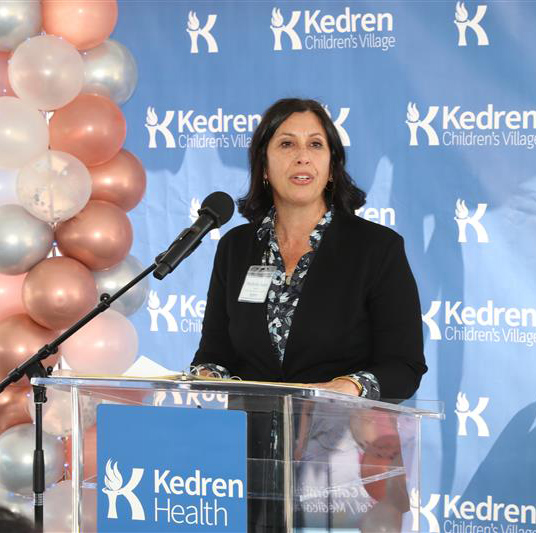
ທ່ານ Baass ກ່າວວ່າ “ສິ່ງທ້າທາຍທີ່ພວກເຮົາປະເຊີນຢູ່ໃນດ້ານສຸຂະພາບທາງດ້ານພຶດຕິກຳແມ່ນມີຄວາມສຳຄັນຫຼາຍ, ແຕ່ມື້ນີ້, ພວກເຮົາສະແດງໃຫ້ເຫັນເຖິງຄວາມມຸ່ງໝັ້ນຮ່ວມກັນຂອງພວກເຮົາໃນການສ້າງລະບົບການດູແລທີ່ເຂັ້ມແຂງ ແລະ ຄົບຖ້ວນ ເຊິ່ງຈະຊ່ວຍປັບປຸງຊີວິດໃຫ້ດີຂຶ້ນໃນອີກຫຼາຍປີຕໍ່ໜ້າ.”
"ຂໍຂອບໃຈ BHCIP, ຜູ້ໃຫ້ບໍລິການຊຸມຊົນທີ່ເຊື່ອຖືໄດ້ເຊັ່ນ Kedren ໃນທີ່ສຸດກໍຈະມີສິ່ງອຳນວຍຄວາມສະດວກ ແລະ ຊັບພະຍາກອນເພື່ອໃຫ້ບໍລິການທີ່ຈຳເປັນຕະຫຼອດການດູແລຢ່າງຕໍ່ເນື່ອງ, ຊ່ວຍໃຫ້ບຸກຄົນສາມາດໄດ້ຮັບການດູແລທີ່ຖືກຕ້ອງໃນເວລາທີ່ເໝາະສົມໃນສະພາບແວດລ້ອມທີ່ເໝາະສົມກັບຜູ້ໃຫ້ບໍລິການທີ່ເຂົາເຈົ້າໄວ້ວາງໃຈ."
ເປັນຫຍັງສິ່ງນີ້ຈຶ່ງສຳຄັນ: BHCIP ແມ່ນສ່ວນໜຶ່ງຂອງຄຳໝັ້ນສັນຍາຢ່າງຕໍ່ເນື່ອງຂອງລັດ California ໃນການຂະຫຍາຍການບໍລິການສຸຂະພາບທາງດ້ານພຶດຕິກຳສຳລັບຊາວ California ທຸກຄົນ. ຜ່ານ BHCIP, DHCS ໄດ້ມອບທຶນໃຫ້ແກ່ໜ່ວຍງານທີ່ມີສິດໄດ້ຮັບເພື່ອສ້າງ, ຊື້ ແລະ ຂະຫຍາຍຊັບສິນ ແລະ ລົງທຶນໃນພື້ນຖານໂຄງລ່າງວິກິດການເຄື່ອນທີ່ເພື່ອຂະຫຍາຍທາງເລືອກໃນການປິ່ນປົວສຸຂະພາບຈິດໃນຊຸມຊົນສຳລັບຜູ້ທີ່ມີຄວາມຕ້ອງການການປິ່ນປົວສຸຂະພາບຈິດຮ່ວມກັນ ແລະ ຄວາມຜິດປົກກະຕິການໃຊ້ສານເສບຕິດ. BHCIP ກຳລັງແກ້ໄຂຊ່ອງຫວ່າງທາງປະຫວັດສາດໃນລະບົບການດູແລສຸຂະພາບທາງດ້ານພຶດຕິກຳເພື່ອຕອບສະໜອງຄວາມຕ້ອງການທີ່ເພີ່ມຂຶ້ນສຳລັບການບໍລິການ ແລະ ການສະໜັບສະໜູນຕະຫຼອດຊີວິດຂອງຜູ້ທີ່ຕ້ອງການ.
DHCS ໄດ້ມອບເງິນຊ່ວຍເຫຼືອດ້ານການແຂ່ງຂັນ BHCIP ຈຳນວນ 1.7 ຕື້ໂດລາ. ນອກຈາກນັ້ນ, DHCS ຈະແຈກຢາຍເງິນທຶນສູງເຖິງ 4.4 ຕື້ໂດລາໃນພັນທະບັດ BHCIP ທີ່ແຂ່ງຂັນ, ລວມທັງ 3.3 ຕື້ໂດລາສຳລັບຮອບທີ 1: ທຶນຊ່ວຍເຫຼືອລ້າ Launch Ready ເປັນສ່ວນໜຶ່ງຂອງ ການຫັນປ່ຽນສຸຂະພາບທາງດ້ານພຶດຕິກຳ, ວຽກງານຂອງ DHCS ເພື່ອຈັດຕັ້ງປະຕິບັດ ຂໍ້ສະເໜີທີ 1.
ກ່ຽວກັບ BHCIP ຮອບທີ 4: ເດັກນ້ອຍ ແລະ ຊາວໜຸ່ມ:BHCIP ຮອບທີ 4, ສ່ວນໜຶ່ງຂອງ ໂຄງການສຸຂະພາບທາງດ້ານພຶດຕິກຳຂອງເດັກ ແລະ ຊາວໜຸ່ມ, ສຸມໃສ່ຊາວຄາລິຟໍເນຍທີ່ມີອາຍຸ 25 ປີ ແລະ ຕ່ຳກວ່າ, ລວມທັງແມ່ຍິງຖືພາ ແລະ ຫຼັງຄອດລູກ ແລະ ລູກຂອງເຂົາເຈົ້າ ແລະ ຊາວໜຸ່ມອາຍຸປ່ຽນຜ່ານອາຍຸ 18-25 ປີ, ພ້ອມກັບຄອບຄົວຂອງເຂົາເຈົ້າ. ລາງວັນທັງ 52 ລາງວັນມີມູນຄ່າລວມທັງໝົດ 480.5 ລ້ານໂດລາ ອະນຸຍາດໃຫ້ມີການກໍ່ສ້າງ ແລະ ການຂະຫຍາຍສະຖານທີ່ປິ່ນປົວຄົນເຈັບນອກ ແລະ ສະຖານທີ່ພັກອາໄສຫຼາຍປະເພດ, ລວມທັງໂຄງການພັກອາໄສສຳລັບເດັກໃນວິກິດການ, ສະຖານທີ່ພັກອາໄສສຳລັບຄົນພິການໃນໄລຍະກາງເກີດ, ສູນສຸຂະພາບຊຸມຊົນ/ສູນປ້ອງກັນຊາວໜຸ່ມ, ແລະ ການປິ່ນປົວຄົນເຈັບນອກສຳລັບຄົນພິການຈາກການໃຊ້ສານເສບຕິດ.
###
ຫ້ອງການສື່ສານ
(916) 440-7660
DHCSPress@dhcs.ca.gov
ລາງວັນຈະສະໜັບສະໜູນອົງການບໍລິການທາງການແພດສຸກເສີນໃນທ້ອງຖິ່ນໃນເຂດ Stanislaus ແລະ Ventura
SACRAMENTO — ກົມບໍລິການດ້ານສຸຂະພາບ (DHCS) ໄດ້ມອບເງິນຈຳນວນ 800,000 ໂດລາໃຫ້ແກ່ສອງອົງການບໍລິການທາງການແພດສຸກເສີນໃນທ້ອງຖິ່ນເພື່ອສົ່ງເສີມການເຂົ້າເຖິງການປິ່ນປົວພະຍາດການໃຊ້ opioid (OUD) ທີ່ໄດ້ຮັບການພິສູດທາງດ້ານຄລີນິກທີ່ມີອຸປະສັກຕ່ຳສຳລັບຄົນເຈັບໃນສະຖານທີ່ບໍລິການທາງການແພດສຸກເສີນ (EMS) ຜູ້ທີ່ມີຄວາມສ່ຽງທີ່ຈະໃຊ້ຢາເກີນຂະໜາດ ແລະ ມັກຈະບໍ່ສາມາດເຂົ້າເຖິງການບໍລິການໃນສະຖານທີ່ອື່ນໆ.
"ນີ້ແມ່ນວິທີການທີ່ມີນະວັດຕະກໍາ ແລະ ຊ່ວຍຊີວິດເພື່ອແກ້ໄຂວິກິດການຢາ opioid." ໂດຍການສະໜອງອຸປະກອນໃຫ້ແກ່ຜູ້ໃຫ້ບໍລິການທາງການແພດສຸກເສີນເພື່ອໃຫ້ການປິ່ນປົວໃນພາກສະໜາມ, ພວກເຮົາກຳລັງພົບກັບຄົນເຈັບໃນບ່ອນທີ່ເຂົາເຈົ້າຢູ່ ແລະ ເຊື່ອມຕໍ່ເຂົາເຈົ້າກັບການດູແລຢ່າງຕໍ່ເນື່ອງ. ໂຄງການນີ້ມີທ່າແຮງທີ່ຈະຫຼຸດຜ່ອນການເສຍຊີວິດທີ່ກ່ຽວຂ້ອງກັບຢາ opioid ແລະປັບປຸງຜົນໄດ້ຮັບດ້ານສຸຂະພາບໃນໄລຍະຍາວສຳລັບຄົນທີ່ມີຄວາມສ່ຽງຫຼາຍທີ່ສຸດໃນລັດ California,” ຜູ້ອຳນວຍການ DHCS Michelle Baass ກ່າວ.
ເງິນຊ່ວຍເຫຼືອ—ທີ່ມອບໃຫ້ແກ່ໂຄງການທົດລອງການໃຊ້ຢາ Buprenorphine ຂອງການບໍລິການທາງການແພດສຸກເສີນ (EMSBUP) ໃຫ້ແກ່ອົງການ EMS ເຂດ Stanislaus ແລະອົງການ EMS ເຂດ Ventura—ຈະຊ່ວຍໃຫ້ອົງການທັງສອງສາມາດແກ້ໄຂບັນຫາການໃຊ້ສານເສບຕິດເປັນສະພາບສຸກເສີນທີ່ສາມາດປິ່ນປົວໄດ້, ໂດຍການນຳໃຊ້ແພດກູ້ໄພເພື່ອກຳນົດ ແລະ ປິ່ນປົວຄົນເຈັບທີ່ຈະໄດ້ຮັບຜົນປະໂຫຍດຈາກຢາສຳລັບການປິ່ນປົວການຕິດຢາເສບຕິດ (MAT). MAT ແມ່ນການໃຊ້ຢາຮ່ວມກັບການໃຫ້ຄຳປຶກສາ ແລະ ການປິ່ນປົວດ້ວຍພຶດຕິກຳ, ເຊິ່ງມີປະສິດທິພາບໃນການປິ່ນປົວອາການ OUD ແລະ ຊ່ວຍໃຫ້ບາງຄົນຮັກສາການຟື້ນຕົວໄດ້.
ເປັນຫຍັງສິ່ງນີ້ຈຶ່ງສຳຄັນ: EMSBUP ໄດ້ບຸກເບີກວິທີການທີ່ທັນສະໄໝສຳລັບການສົ່ງ MAT ຜ່ານ EMS. ປະຊາກອນທີ່ຮັບໃຊ້ໂດຍ EMS ມີຄວາມສ່ຽງສູງຕໍ່ການເສຍຊີວິດຈາກການໃຊ້ຢາເກີນຂະໜາດ. ໃນ ການສຶກສາ ຄົນເຈັບ 12,000 ຄົນທີ່ໄດ້ຮັບຢາ naloxone ຈາກ EMS, 10 ເປີເຊັນໄດ້ເສຍຊີວິດພາຍໃນປີຕໍ່ມາ. ການສຶກສາ ອີກອັນໜຶ່ງພົບວ່າໜຶ່ງສ່ວນສາມຂອງຄົນເຈັບທັງໝົດທີ່ເສຍຊີວິດຈາກການໃຊ້ຢາເກີນຂະໜາດໂດຍບໍ່ໄດ້ຕັ້ງໃຈມີການຕິດຕໍ່ກັບ EMS ໃນປີກ່ອນການເສຍຊີວິດຂອງເຂົາເຈົ້າ. ດ້ວຍການຄາດຄະເນການໂທຫາ 911 26,000 ຄັ້ງສຳລັບການໃຊ້ຢາເກີນຂະໜາດໃນລັດຄາລິຟໍເນຍ, EMS ເປັນຈຸດແຊກແຊງທີ່ສຳຄັນ ແລະ ບໍ່ໄດ້ຖືກນຳໃຊ້ຢ່າງເຕັມທີ່ສຳລັບການຂະຫຍາຍການເຂົ້າເຖິງ MAT, ການຫຼຸດຜ່ອນອັນຕະລາຍ, ແລະ ການເຊື່ອມຕໍ່ຄົນເຈັບດ້ວຍການດູແລ.
ລາງວັນການຊ່ວຍເຫຼືອລ້າ: ໂຄງການນີ້ຈະຊ່ວຍຜູ້ໃຫ້ບໍລິການ EMS ໃນການປະສານງານກັບຜູ້ນຳພາເພື່ອສະໜອງການເຊື່ອມຕໍ່ກັບທາງເລືອກໃນການດູແລສຳລັບຄົນເຈັບ EMS ທີ່ມີ OUD ແລະ ໃຫ້ລະບົບສຳລັບຄົນເຈັບທີ່ເຊັນຊື່ອອກຈາກຄຳແນະນຳທາງການແພດເພື່ອເຂົ້າເຖິງທາງເລືອກໃນການປິ່ນປົວຄົນເຈັບນອກ. ໂຄງການດັ່ງກ່າວຈະດຳເນີນໄປຕັ້ງແຕ່ເດືອນເມສາ 1, 2025, ຈົນຮອດເດືອນມີນາ 31, 2027. ມັນຍັງຈະເກັບກຳຂໍ້ມູນທີ່ບໍ່ໄດ້ລະບຸຕົວຕົນສຳລັບການຄົ້ນຄວ້າ ແລະ ຕົວຊີ້ວັດການປະຕິບັດປະຈຳເດືອນເພື່ອປະເມີນປະສິດທິພາບຂອງຮູບແບບການປິ່ນປົວນີ້.
Additionally, resources will be provided to Local Emergency Medicine Service Agencies to support the initiation and sustainability of this treatment model, which includes a naloxone distribution program, EMS-initiated first dose of buprenorphine, and substance use navigation.
ການຊ່ວຍເຫຼືອລ້າສ້າງຄວາມແຕກຕ່າງ: ຜ່ານການຊ່ວຍເຫຼືອລ້າການຕອບສະໜອງຕໍ່ຢາ opioid ຂອງລັດ (SOR), EMSBUP ສ້າງຂຶ້ນບົນພື້ນຖານໂຄງການທີ່ໄດ້ຮັບທຶນຈາກ SOR ໃນເບື້ອງຕົ້ນໃນເຂດ Contra Costa ໃນປີ 2020 ເຊິ່ງມີພະນັກງານແພດ 260 ຄົນໄດ້ຮັບການຝຶກອົບຮົມໃຫ້ກວດຫາ ແລະ ປິ່ນປົວ OUD ຈາກລົດສຸກເສີນ, ມີຄົນເຈັບຫຼາຍກວ່າ 2,000 ຄົນໄດ້ຮັບການກວດຫາ OUD, 120 ຄົນໄດ້ຮັບຢາ buprenorphine ໃນພາກສະໜາມ, ແລະ 55 ຄົນໄດ້ເຊື່ອມຕໍ່ກັບ MAT ທີ່ກຳລັງດຳເນີນຢູ່. ຜົນໄດ້ຮັບຂອງວຽກງານນີ້ໄດ້ຊຸກຍູ້ໃຫ້ແຂວງອື່ນໆຮັບຮອງເອົາຮູບແບບດັ່ງກ່າວ. ມາຮອດປະຈຸບັນ, ຮູບແບບນີ້ໄດ້ຖືກຂະຫຍາຍໄປສູ່ 11 LEMSAs ເຊິ່ງກວມເອົາ 13 ເມືອງເພື່ອຝຶກອົບຮົມພະນັກງານແພດ 1,300 ຄົນ.
"ການໃຫ້ຢາ buprenorphine ໂດຍ EMS ໃຫ້ປະຊາກອນທີ່ມີຄວາມສ່ຽງສູງສາມາດເຂົ້າເຖິງຢາ buprenorphine ໄດ້ໃນເວລາທີ່ສຳຄັນ ແລະ ເໝາະສົມທີ່ສຸດທີ່ຈະໄດ້ຮັບຢາ buprenorphine - ຫຼັງຈາກກິນຢາເກີນຂະໜາດ, ເມື່ອຄົນເຈັບມີອາການຖອນຢາ ແລະ ອາດຈະມີແນວໂນ້ມທີ່ຈະຍອມຮັບການປິ່ນປົວຫຼາຍຂຶ້ນ." ຢາ buprenorphine ທີ່ໄດ້ຮັບຈາກ EMS ນຳເອົາການປິ່ນປົວມາສູ່ຄົນເຈັບ ທຽບກັບຄົນເຈັບທີ່ຕ້ອງຊອກຫາການປິ່ນປົວ, ເຊິ່ງມີທ່າແຮງທີ່ຈະຫຼຸດຜ່ອນການໃຊ້ຢາເກີນຂະໜາດທີ່ເຮັດໃຫ້ເສຍຊີວິດ, ຫຼຸດຜ່ອນອັດຕາການກໍ່ອາຊະຍາກຳ ແລະ ຊ່ວຍຊີວິດຄົນໄດ້. ດ້ວຍທີມງານທີ່ເໝາະສົມ, ຄົນເຈັບສາມາດເລີ່ມໃຊ້ຢາ buprenorphine ໃນພື້ນທີ່, ເຊື່ອມຕໍ່ກັບການບໍລິການສຸກເສີນ, ແລະ ເລີ່ມຮູ້ສຶກດີຂຶ້ນພາຍໃນສອງສາມຊົ່ວໂມງ. ແລະສືບຕໍ່ການປິ່ນປົວດ້ວຍຢາ buprenorphine ຜ່ານໂຄງການ MAT ຫຼັງຈາກອອກຈາກພະແນກສຸກເສີນ,” Phoebe Blaschak Oliveira, RN, PHN, BSN, ຜູ້ຈັດການໂຄງການພະຍາບານສາທາລະນະສຸກ, ສູນການແພດພາກພື້ນ Contra Costa ແລະ ຄລີນິກ Choosing Change ກ່າວ.
ພາບທີ່ໃຫຍ່ກວ່າ: ໃນປີ 2023, ຜູ້ວ່າການລັດ Newsom ໄດ້ເປີດຕົວແຜນແມ່ບົດຂອງລາວສຳລັບການແກ້ໄຂບັນຫາວິກິດການ Fentanyl ແລະ Opioid, ເຊິ່ງສະໜອງຂອບການເຮັດວຽກທີ່ສົມບູນແບບເພື່ອແກ້ໄຂວິກິດການ opioid ແລະ fentanyl, ລວມທັງຂັ້ນຕອນທີ່ຮຸກຮານເພື່ອສະໜັບສະໜູນຄວາມພະຍາຍາມປ້ອງກັນການໃຊ້ຢາເກີນขนาด, ເຮັດໃຫ້ອຸດສາຫະກໍາຢາ opioid ຮັບຜິດຊອບ, ປາບປາມການຄ້າຂາຍຢາເສບຕິດ, ແລະ ເພີ່ມທະວີຄວາມຮັບຮູ້ກ່ຽວກັບອັນຕະລາຍຂອງ opioid, ລວມທັງ fentanyl.
EMSBUP ໄດ້ຮັບທຶນຈາກອົງການບໍລິການສຸຂະພາບຈິດ ແລະ ການໃຊ້ສານເສບຕິດໃນທາງທີ່ຜິດ ແລະ ເປັນສ່ວນໜຶ່ງຂອງຄວາມພະຍາຍາມທີ່ກວ້າງຂວາງຂອງ DHCS ເພື່ອແກ້ໄຂບັນຫາການໃຊ້ສານເສບຕິດ, ເຊິ່ງເອີ້ນກັນວ່າ California DHCS Opioid Response, ເພື່ອເພີ່ມການເຂົ້າເຖິງ MAT, ຫຼຸດຜ່ອນຄວາມຕ້ອງການການປິ່ນປົວທີ່ບໍ່ໄດ້ຮັບການຕອບສະໜອງ, ແລະ ຫຼຸດຜ່ອນການເສຍຊີວິດທີ່ກ່ຽວຂ້ອງກັບການໃຊ້ຢາ opioid ເກີນຂະໜາດໂດຍຜ່ານການສະໜອງກິດຈະກຳການປ້ອງກັນ, ການປິ່ນປົວ, ແລະ ການຟື້ນຟູ. ການຕອບສະໜອງຕໍ່ຢາ Opioid ຂອງ DHCS ລັດຄາລິຟໍເນຍ ແມ່ນສຸມໃສ່ປະຊາກອນທີ່ມີການເຂົ້າເຖິງ MAT ທີ່ຈຳກັດ, ລວມທັງໄວໜຸ່ມ, ປະຊາຊົນໃນເຂດຊົນນະບົດ, ແລະ ຊຸມຊົນຊົນເຜົ່າພື້ນເມືອງອາເມລິກັນອິນເດຍ ແລະ ອາລາສກາ. ສຳລັບຂໍ້ມູນເພີ່ມເຕີມ, ກະລຸນາເຂົ້າເບິ່ງ ເວັບໄຊທ໌ DHCS.
DHCS ຍັງໄດ້ສ້າງ ໂຄງການແຈກຢາຍ Naloxone (NDP) ເພື່ອຕ້ານການເສຍຊີວິດທີ່ກ່ຽວຂ້ອງກັບການໃຊ້ຢາ opioid ເກີນຂະໜາດທົ່ວລັດ California. NDP ມີຈຸດປະສົງເພື່ອຫຼຸດຜ່ອນການເສຍຊີວິດຈາກການໃຊ້ຢາ opioid ເກີນຂະໜາດໂດຍຜ່ານການສະໜອງຢາ naloxone ໂດຍບໍ່ເສຍຄ່າ. ສຳລັບຂໍ້ມູນເພີ່ມເຕີມ, ເບິ່ງ ການຕອບສະໜອງຕໍ່ຢາ opioid ຂອງລັດ.
###
ຫ້ອງການສື່ສານ
(916) 440-7660
DHCSPress@dhcs.ca.gov
SACRAMENTO — ກົມບໍລິການດ້ານສຸຂະພາບ (DHCS), ພາຍໃຕ້ການຊີ້ນຳຂອງຜູ້ວ່າການລັດ Gavin Newsom, ໃນເດືອນນີ້ໄດ້ສະໝັກເຂົ້າສູນ Medicaid ແລະ ນະວັດຕະກຳ Medicaid (CMMI) ທີ່ສູນບໍລິການ Medicare ແລະ Medicaid (CMS) ເພື່ອເຂົ້າຮ່ວມໃນຮູບແບບການເຂົ້າເຖິງການປິ່ນປົວດ້ວຍຈຸລັງ ແລະ ພັນທຸກຳ (CGT) ທີ່ທັນສະໄໝ. ຖ້າໄດ້ຮັບການອະນຸມັດ, ໂຄງການຫຼາຍປີນີ້ຈະຂະຫຍາຍການເຂົ້າເຖິງການປິ່ນປົວດ້ວຍພັນທຸກໍາທີ່ຊ່ວຍຊີວິດຂອງສະມາຊິກ Medi-Cal ສໍາລັບພະຍາດເມັດເລືອດແດງຮູບວົງເດືອນ (SCD), ເຊິ່ງເປັນພະຍາດທາງພັນທຸກໍາທີ່ຮ້າຍແຮງທີ່ສົ່ງຜົນກະທົບຕໍ່ຄົນທີ່ມີເຊື້ອສາຍອາຟຣິກາຢ່າງບໍ່ສົມສ່ວນ.
“ໃບສະໝັກເຂົ້າຮ່ວມໃນຮູບແບບລັດຖະບານກາງນີ້ຂອງລັດ California ສະທ້ອນໃຫ້ເຫັນເຖິງຄວາມມຸ່ງໝັ້ນຂອງພວກເຮົາໃນການຂະຫຍາຍການເຂົ້າເຖິງການປິ່ນປົວແບບໃໝ່ສຳລັບສະມາຊິກ Medi-Cal ທີ່ເປັນພະຍາດເມັດເລືອດແດງຮູບວົງເດືອນ,” ທ່ານ Tyler Sadwith ຜູ້ອຳນວຍການ Medicaid ຂອງລັດ ກ່າວ. "ການປິ່ນປົວເຫຼົ່ານີ້ມີທ່າແຮງທີ່ຈະປ່ຽນແປງຊີວິດ, ແລະໂຄງການນີ້ຊ່ວຍຮັບປະກັນວ່າຄ່າໃຊ້ຈ່າຍບໍ່ແມ່ນອຸປະສັກສຳລັບຊາວຄາລິຟໍເນຍທີ່ຕ້ອງການພວກມັນຫຼາຍທີ່ສຸດ."
ເປັນຫຍັງເລື່ອງນີ້ຈຶ່ງສຳຄັນ: ຫຼາຍກວ່າ 50 ເປີເຊັນຂອງບຸກຄົນທີ່ເປັນພະຍາດ SCD ໄດ້ຮັບການຄຸ້ມຄອງໂດຍ Medicaid ໃນສະຫະລັດ. ໂດຍການເຂົ້າຮ່ວມໃນຮູບແບບການເຂົ້າເຖິງ CGT, ລັດຄາລິຟໍເນຍຈະ:
“ໂດຍການຂະຫຍາຍການເຂົ້າເຖິງການປິ່ນປົວແບບຫັນປ່ຽນເຫຼົ່ານີ້, ລັດຄາລິຟໍເນຍກຳລັງນຳພາວິທີການແກ້ໄຂຄວາມບໍ່ສະເໝີພາບດ້ານສຸຂະພາບ, ປັບປຸງອາຍຸຍືນ, ແລະຮັບປະກັນວ່າສະມາຊິກ Medi-Cal ທີ່ເປັນພະຍາດເມັດເລືອດແດງໄດ້ຮັບການດູແລທີ່ດີທີ່ສຸດເທົ່າທີ່ເປັນໄປໄດ້,” Sadwith ກ່າວ.
ກ່ຽວກັບຮູບແບບການເຂົ້າເຖິງ CGT: ການປິ່ນປົວດ້ວຍພັນທຸກໍາເປັນຕົວແທນຂອງວິທີການທີ່ທັນສະໄໝຕໍ່ SCD. ມັນດັດແປງຈຸລັງລຳຕົ້ນຂອງເລືອດຂອງຄົນເຈັບເພື່ອຊ່ວຍໃຫ້ຮ່າງກາຍຜະລິດເມັດເລືອດແດງທີ່ມີສຸຂະພາບດີ. ການປິ່ນປົວຄັ້ງດຽວນີ້ໄດ້ສະແດງໃຫ້ເຫັນວ່າສາມາດຫຼຸດຜ່ອນອາການເຈັບປວດຮຸນແຮງ ແລະ ມີທ່າແຮງທີ່ຈະປ້ອງກັນອາການແຊກຊ້ອນ ແລະ ປັບປຸງຄຸນນະພາບຊີວິດຂອງບຸກຄົນທີ່ເປັນພະຍາດ SCD.
ເຖິງຢ່າງໃດກໍ່ຕາມ, ການປິ່ນປົວເຫຼົ່ານີ້ມາພ້ອມກັບຄ່າໃຊ້ຈ່າຍທີ່ສູງຫຼາຍ, ເຮັດໃຫ້ການເຂົ້າເຖິງມີຄວາມຫຍຸ້ງຍາກສຳລັບຄົນເຈັບ ແລະ ໂຄງການ Medicaid, ລວມທັງ Medi-Cal. ຮູບແບບການເຂົ້າເຖິງ CGT ແກ້ໄຂບັນຫານີ້ໂດຍການໃຊ້ລະບົບການຄືນເງິນແບບເຈລະຈາທີ່ເຊື່ອມໂຍງການຈ່າຍເງິນສຳລັບການປິ່ນປົວເຫຼົ່ານີ້ກັບຜົນໄດ້ຮັບຂອງຄົນເຈັບ. ຖ້າການປິ່ນປົວບໍ່ຕອບສະໜອງການປັບປຸງສຸຂະພາບທີ່ຄາດໄວ້, ຜູ້ຜະລິດຢາຈະໃຫ້ສ່ວນຫຼຸດແກ່ໂຄງການ Medicaid, ຊ່ວຍຮັບປະກັນຄວາມຍືນຍົງທາງດ້ານການເງິນໃນຂະນະທີ່ຂະຫຍາຍການເຂົ້າເຖິງການດູແລ.
ໃນເບື້ອງຕົ້ນ, ຮູບແບບດັ່ງກ່າວຈະສຸມໃສ່ການປິ່ນປົວດ້ວຍພັນທຸກໍາສໍາລັບ SCD, ເຊິ່ງເປັນສະພາບທີ່ມີຜົນກະທົບຕໍ່ບຸກຄົນຫຼາຍກວ່າ 100,000 ຄົນທົ່ວປະເທດ, ລວມທັງສະມາຊິກໂຄງການປະກັນສຸຂະພາບເດັກ Medi-Cal/CHIP ຫຼາຍກວ່າ 8,000 ຄົນໃນລັດ California.
ຖ້າລັດ California ໄດ້ຮັບການອະນຸມັດ, ສະມາຊິກ Medi-Cal ທີ່ມີສິດໄດ້ຮັບຈະສາມາດເຂົ້າເຖິງການປິ່ນປົວດ້ວຍພັນທຸກໍາ, ການຄຸ້ມຄອງກໍລະນີ, ການຊ່ວຍເຫຼືອດ້ານການເດີນທາງ, ການສະໜັບສະໜູນສຸຂະພາບທາງດ້ານພຶດຕິກໍາ, ແລະ ການບໍລິການຮັກສາການຈະເລີນພັນ, ຍ້ອນວ່າຂະບວນການປິ່ນປົວກ່ຽວຂ້ອງກັບການປິ່ນປົວດ້ວຍທາງເຄມີ, ເຊິ່ງສາມາດສົ່ງຜົນກະທົບຕໍ່ການຈະເລີນພັນ. CMS ຄາດວ່າຈະທົດສອບຮູບແບບດັ່ງກ່າວໃນໄລຍະເວລາ 11 ປີ, ເລີ່ມຕົ້ນໃນວັນທີ 1 ມັງກອນ, 2025.
ພາບທີ່ໃຫຍ່ກວ່າ: ນອກເໜືອໄປຈາກການສະໝັກຂໍຮູບແບບການເຂົ້າເຖິງ CGT, ລັດຄາລິຟໍເນຍຍັງໄດ້ຮັບການຄັດເລືອກໃນຕົ້ນປີນີ້ສຳລັບ ຮູບແບບການຫັນປ່ຽນສຸຂະພາບແມ່ (TMaH), ເຊິ່ງມີຈຸດປະສົງເພື່ອປັບປຸງຜົນໄດ້ຮັບດ້ານສຸຂະພາບຂອງແມ່ ແລະ ຫຼຸດຜ່ອນຄ່າໃຊ້ຈ່າຍ, ແລະ ກຳລັງຫັນປ່ຽນ Medi-Cal ຜ່ານການຍົກເວັ້ນ California Advancing and Innovating Medi-Cal (CalAIM) , ເຊິ່ງສຸມໃສ່ການດູແລສຸຂະພາບທັງໝົດ, ການຄຸ້ມຄອງການດູແລ, ແລະ ການແກ້ໄຂບັນຫາສັງຄົມທີ່ຂັບເຄື່ອນສຸຂະພາບ—ເສີມສ້າງຄວາມພະຍາຍາມໃນການສ້າງລະບົບສຸຂະພາບທີ່ມີປະສິດທິພາບ ແລະ ຮອບດ້ານຫຼາຍຂຶ້ນ.
###
ຫ້ອງການສື່ສານ
(916) 440-7660
DHCSPress@dhcs.ca.gov