Trang web chính thức của Bang California
Dịch

SACRAMENTO — Sở Dịch vụ Chăm sóc Sức khỏe California (DHCS) vẫn cam kết bảo vệ quyền riêng tư và sức khỏe của tất cả các thành viên Medi-Cal. Các báo cáo gần đây và những diễn biến pháp lý đã làm dấy lên những lo ngại nghiêm trọng về cách các cơ quan liên bang sử dụng dữ liệu Medicaid, bao gồm cả thông tin cá nhân của hơn 14 triệu người dân California được bảo hiểm bởi chương trình Medi-Cal. Chúng tôi muốn chia sẻ những gì chúng tôi biết.
Vào tháng 12 29, 2025, một tòa án liên bang đã phán quyết rằng Trung tâm Dịch vụ Medicare & Medicaid (CMS) có thể chia sẻ thông tin hạn chế với Cơ quan Thực thi Nhập cư và Hải quan (ICE) chỉ cho các cá nhân không “cư trú hợp pháp” tại Hoa Kỳ. Tuy nhiên, một số điều không chắc chắn vẫn còn vì chính phủ liên bang chưa cung cấp cho California bất kỳ thông tin nào về cách họ có kế hoạch thực hiện lệnh của tòa án. Chúng tôi sẽ cập nhật trang này với nhiều thông tin hơn khi nó có sẵn.
Information that may be shared about people who are not “lawfully residing” in the United States includes citizenship or immigration status, address, phone number, date of birth, and Medicaid ID. CMS must exclude anyone who is “lawfully residing” in the United States. If data of individuals who are not lawfully residing in the United States cannot be separated from the data that is still protected (e.g., data of lawful permanent residents, U.S. citizen data, sensitive health records, etc.), CMS cannot share the data with ICE. These restrictions remain in place while the multistate lawsuit is ongoing.
Theo luật liên bang, DHCS được yêu cầu nộp báo cáo hàng tháng cho CMS thông qua Hệ thống thông tin thống kê Medicaid đã biến đổi (T-MSIS). Các báo cáo này bao gồm các chi tiết cơ bản về nhân khẩu học và tính đủ điều kiện, chẳng hạn như tên, địa chỉ, ngày sinh, Số An sinh Xã hội (nếu được cung cấp) hoặc ID Medicaid và tình trạng nhập cư, cho mỗi thành viên Medi-Cal. Mặc dù lệnh của tòa án cho phép CMS chia sẻ dữ liệu hạn chế trong các điều kiện cụ thể, DHCS vẫn cam kết bảo vệ quyền riêng tư của thành viên và đang theo dõi chặt chẽ sự phát triển.
Bằng việc chia sẻ dữ liệu phục vụ mục đích thực thi luật nhập cư, CMS đã phá vỡ cam kết kéo dài 60 năm về việc bảo vệ sức khỏe và phúc lợi của hàng triệu gia đình. Đừng nhầm lẫn: Đây là một hành vi vi phạm nghiêm trọng lòng tin của công chúng. Không ai nên bị buộc phải sống trong nỗi sợ hãi khi đi khám bác sĩ hoặc đến phòng cấp cứu.
Việc hủy bảo hiểm Medi-Cal hôm nay không xóa thông tin đã được gửi đến cơ quan quản lý nhập cư. Đối với các cá nhân quan tâm về cách chính phủ liên bang có thể sử dụng thông tin cá nhân của họ vì lý do nhập cư, vui lòng tham khảo ý kiến luật sư có trình độ hoặc tổ chức phi lợi nhuận trợ giúp pháp lý đủ điều kiện.
Chúng tôi cam kết minh bạch, quyền riêng tư và đảm bảo rằng tất cả người dân California, bất kể tình trạng nhập cư, đều cảm thấy an toàn khi tiếp cận dịch vụ chăm sóc mà họ cần. Chúng tôi sẽ tiếp tục tương tác với các đối tác cộng đồng, chia sẻ cập nhật và bảo vệ sức khỏe, hạnh phúc và quyền riêng tư của tất cả các thành viên Medi-Cal.
CẬP NHẬT NGÀY 2 THÁNG 1 NĂM 2026
###
Văn phòng Truyền thông
(916) 440-7660
DHCSPress@dhcs.ca.gov
Dự án sẽ phục vụ 7.665 cá nhân hàng năm
SACRAMENTO — As California continues to strengthen its behavioral health care system, the Department of Health Care Services (DHCS) and Safe Passages today celebrated the ribbon cutting of a new Community Wellness and Youth Prevention Wellness Center in Oakland. Funded by almost $9 million through the Behavioral Health Continuum Infrastructure Program (BHCIP) Round 4: Children and Youth, the center will offer community-derived models of mental health services to a projected 7,600 individuals annually in an outpatient setting.
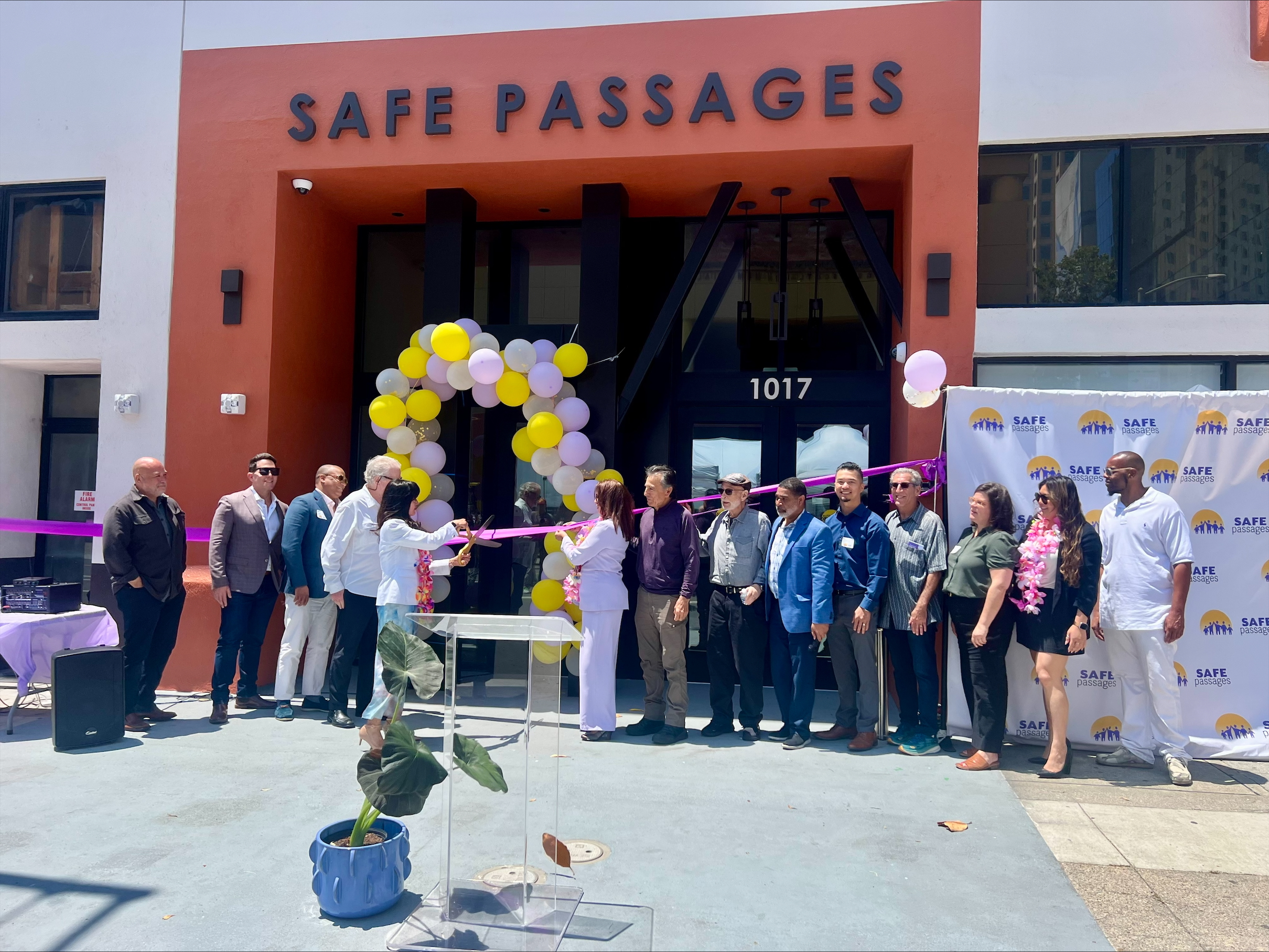
“Việc mở Trung tâm Phòng ngừa và Sức khỏe Cộng đồng An toàn Passages là một khoản đầu tư mạnh mẽ cho tương lai của trẻ em và thanh thiếu niên của chúng ta. Mọi trẻ em đều có quyền sử dụng các công cụ cần thiết để phát huy hết tiềm năng của mình, bất kể chủng tộc, tình trạng kinh tế xã hội hay khuyết tật”, Giám đốc DHCS Michelle Baass cho biết. “Chúng tôi đang hỗ trợ những nỗ lực hướng tới cộng đồng nhằm tạo ra không gian an toàn, chữa bệnh, nơi những người trẻ tuổi có thể tiếp cận sự chăm sóc, hỗ trợ và cơ hội mà họ cần để phát triển. Trung tâm này sẽ đóng vai trò là một trung tâm quan trọng để can thiệp và phòng ngừa sớm, giúp trẻ em và gia đình xây dựng khả năng phục hồi và hạnh phúc kéo dài suốt đời.
TRUNG TÂM PHÒNG NG@@ ỪA VÀ SỨC KHỎE CỘNG ĐỒNG AN TOÀN PASSAGE: Trung tâm sẽ cung cấp các dịch vụ sức khỏe tâm thần cho trẻ em và thanh thiếu niên ở Quận Alameda từ sơ sinh đến tuổi trưởng thành, tập trung vào các nhóm dân số có nguy cơ cao. Trung tâm mở rộng sẽ cung cấp các chương trình phát triển mầm non cung cấp các dịch vụ bà mẹ và giáo dục nuôi dạy con cái được thực hiện bởi các chuyên gia sức khỏe tâm thần thời thơ ấu, có nguồn gốc từ cộng đồng, dựa trên nghiên cứu và được chứng minh là thực hành tốt nhất. Các chương trình này bao gồm Chương trình Huấn luyện Cuộc sống, các chương trình sức khỏe tâm thần chu sinh và thời thơ ấu, liệu pháp tâm lý giữa cha mẹ và con cái, các chương trình mang thai và sau sinh, chương trình nuôi dạy con cái, chương trình phát triển thanh thiếu niên chuyển tiếp, tư vấn cá nhân và nhóm và các buổi khám phá nghề nghiệp.
Giám đốc điều hành của Safe Passages Josefina Al varado Mena cho biết: “Trong hơn 29 năm, Safe Passages đã cam kết phá vỡ vòng tròn nghèo đói trong cộng đồng của chúng tôi và hỗ trợ các gia đình và thanh niên tham gia vào việc phát triển các giải pháp và con đường của riêng chúng tôi. “Trung tâm chăm sóc sức khỏe này là một không gian tụ họp và nơi trú ẩn an toàn, nơi chúng ta có thể xây dựng cộng đồng, chia sẻ và cùng nhau phát triển.”
TẠI SAO ĐIỀU NÀY QUAN TRỌNG: Gần 1 trong 13 trẻ em và thanh thiếu niên California trải qua một rối loạn cảm xúc nghiêm trọng. Thông qua BHCIP, DHCS trao cho các thực thể đủ điều kiện tài trợ để xây dựng, mua lại và mở rộng bất động sản và đầu tư vào cơ sở hạ tầng khủng hoảng di động, giúp cộng đồng đáp ứng nhu cầu ngày càng tăng và thu hẹp khoảng cách dịch vụ lịch sử. Những khoản đầu tư này đặc biệt quan trọng ở các cộng đồng nông thôn, đảm bảo mọi người có thể tiếp cận dịch vụ chăm sóc kịp thời, cứu sống mà không cần phải di chuyển quãng đường dài.
BHCIP là một phần trong cam kết liên tục của California nhằm mở rộng các dịch vụ sức khỏe tâm thần cho tất cả người dân California. DHCS đã trao tặng 1,7 tỷ đô la Mỹ thông qua các khoản tài trợ cạnh tranh của chương trình BHCIP. Ngoài ra, DHCS đang phân bổ tới 4,4 tỷ đô la Mỹ từ nguồn vốn cạnh tranh của chương trình Bond BHCIP, bao gồm 3,3 tỷ đô la Mỹ cho Vòng 1: Các khoản tài trợ Sẵn sàng Khởi động như một phần của Chuyển đổi Sức khỏe Tâm thần, công việc của DHCS nhằm thực hiện Đề án 1. DHCS gần đây đã công bố Yêu cầu nộp đơn (RFA) cho Vòng 2 của chương trình Bond BHCIP Đề án 1: Nhu cầu Chưa Được Đáp Ứng. Các tổ chức đủ điều kiện có thể nộp đơn xin tài trợ để xây dựng, mua lại hoặc cải tạo các bất động sản nhằm mở rộng dịch vụ chăm sóc sức khỏe tâm thần cho các thành viên Medi-Cal và những người dân California khác có nhu cầu. DHCS sẽ trao hơn 800 triệu đô la Mỹ tiền tài trợ để hỗ trợ các cơ sở cộng đồng cung cấp dịch vụ chăm sóc sức khỏe tâm thần và điều trị rối loạn sử dụng chất gây nghiện.
VỀ BHCIP VÒNG 4: TRẺ EM VÀ THANH THIẾU NIÊN: BHCIP Vòng 4, một phần của Sáng kiến Sức khỏe Hành vi Trẻ em và Thanh niên, không chỉ tập trung vào trẻ em và thanh thiếu niên, mà tất cả người dân California từ 25 tuổi trở xuống, bao gồm phụ nữ mang thai và sau sinh và con cái của họ và thanh thiếu niên trong độ tuổi chuyển tiếp từ 16-25 tuổi, cùng với gia đình của họ. 52 giải thưởng với tổng trị giá 480,5 triệu đô la cho phép xây dựng mới và mở rộng nhiều loại cơ sở ngoại trú và nhà ở, bao gồm các chương trình dân cư khủng hoảng cho trẻ em, các cơ sở rối loạn sử dụng chất gây nghiện trong khu dân cư chu sinh, trung tâm phòng ngừa sức khỏe cộng đồng/thanh thiếu niên và điều trị ngoại trú cho chứng rối loạn sử dụng chất kích thích. Vui lòng xem trang web BHCIP để biết thêm thông tin về người nhận tài trợ và chi tiết bổ sung về tất cả các vòng tài trợ BHCIP.
###
Văn phòng Truyền thông
(916) 440-7660
DHCSPress@dhcs.ca.gov
SACRAMENTO — The California Department of Health Care Services (DHCS) today announced the availability of data showing that Medi-Cal Community Supports are successful and cost-effective. The data show that Community Supports are delivering on their promise to address Medi-Cal member needs—reducing avoidable emergency department visits, hospital stays, and long-term care use while showing strong early signs of cost savings. All 12 Community Supports studied are reducing costs, and of these, nine have already demonstrated cost-effectiveness within the initial study period. The remaining three are projected to reach that threshold over a longer study period, consistent with federal rules for evaluating cost-effectiveness.
“Community Supports represent a fundamental shift in how we deliver health care to Californians, enhancing quality of care for Medi-Cal members and strengthening the overall efficiency and equity of our health care system,” said DHCS Director Michelle Baass. “These findings confirm that these services are not only improving lives, but also reducing avoidable health care costs. By scaling these supports statewide, we’re making meaningful progress toward a person-centered Medi-Cal system that meets members where they are and prioritizes prevention, dignity, and value.”
California’s Community Supports were approved in the California Advancing and Innovating Medi-Cal (CalAIM) waivers and phased in by Medi-Cal managed care plans (MCP) beginning in 2022. CalAIM is the state’s initiative to transform Medi-Cal to improve care quality, reduce complexity, and advance equity through data-driven, whole-person care initiatives.
WHY THIS MATTERS: Medi-Cal currently offers 14 Community Supports. These services promote housing stability, ease transitions from institutional settings, support in-home care, provide healthy meals, and offer caregiver relief, helping members avoid costlier hospital or emergency care. The report analyzed 12 of these supports to assess their impact on health and cost outcomes. These 12 out of 14 Community Supports were studied because they are authorized under California’s 1915(b) CalAIM waiver, which California is required to report on each year to the federal government.
DHCS submitted its annual 2024 report to the federal Centers for Medicaid & Medicare Services. It analyzes the impact of 12 Community Supports on member health care, including a new cost-effectiveness analysis for calendar year 2023. Key highlights from the report include:
COST-EFFECTIVE ANALYSIS: Research showed that 9 of the 12 Community Supports studied are already demonstrably cost-effective, and three are likely to be proven so over time, consistent with federal rules. Members using these services typically saw net reductions in (or offsets of) applicable service costs. Examples include:
The cost-effectiveness analysis may be understated due to the short evaluation period, resulting in immediate costs being fully captured but not longer-term savings. DHCS acknowledges that broader initiatives, like Enhanced Care Management, may influence these results. Future evaluations may refine these methods as more data become available, and an independent evaluation will be conducted in line with waiver requirements.
IMPACT OF COMMUNITY SUPPORTS: The expansion of Community Supports has increased access in rural and underserved areas, with health plans such as Anthem Blue Cross, Health Net, and Partnership HealthPlan of California leading efforts to introduce new services in both urban and rural counties. These three plans are among the largest in the state and demonstrated significant expansion of Community Supports in 2024, both in terms of the number of new services elected and geographic spread, particularly in rural counties. As a result, Medi-Cal members in all 58 California counties now have access to a broad array of Community Supports.
WHAT’S NEXT: DHCS released an updated Community Supports Policy Guide that is aligned with the Enhanced Care Management and Community Supports Action Plan. On July 1, 2025, the new Transitional Rent benefit will be optional for MCPs to offer, and will become the first mandatory Community Support on January 1, 2026.
DHCS vẫn cam kết mở rộng và tăng cường Hỗ trợ cộng đồng để đáp ứng tốt hơn các nhu cầu xã hội liên quan đến sức khỏe của các thành viên Medi-Cal trên toàn tiểu bang. California đang phát huy những nỗ lực mang tính lịch sử của mình để giải quyết vấn đề chăm sóc toàn diện cho con người thông qua công tác phòng ngừa, phẩm giá và sự ổn định, đồng thời chú trọng đến lợi nhuận. Cách tiếp cận này đang tạo ra sự khác biệt, đặc biệt là trong việc giảm việc sử dụng dịch vụ chăm sóc sức khỏe không cần thiết và cải thiện trải nghiệm của các thành viên có nhiều nhu cầu sức khỏe phức tạp.
###
Văn phòng Truyền thông
(916) 440-7660
DHCSPress@dhcs.ca.gov
Dự án sẽ phục vụ 3.650 thanh thiếu niên nuôi dưỡng hàng năm
SACRAMENTO — On May 16, 2025, the Department of Health Care Services (DHCS) and Sycamores celebrated the groundbreaking of Sycamores’ Children’s Crisis Continuum Program, a new behavioral health facility in Altadena. This transformative project will target gaps in the crisis continuum for foster youth across Los Angeles County, with the aim of addressing crises early to avoid escalation in care. DHCS awarded Sycamores more than $2 million for the project through Behavioral Health Continuum Infrastructure Program (BHCIP), Round 5: Crisis and Behavioral Health Continuum.

BHCIP is a key component of Mental Health for All, California’s ongoing commitment to expand behavioral health services for all Californians. With the passage of Proposition 1, even more behavioral health treatment facilities will be funded and built in 2025 and 2026.
Just days earlier, on May 12, DHCS awarded $3.3 billion in competitive grant funding through the Bond BHCIP Round 1: Launch Ready awards. This historic investment is funding 124 projects across 42 counties to create or expand 214 behavioral health facilities across California. This investment will result in 5,077 new residential treatment beds and 21,882 new outpatient slots for mental health and substance use disorder treatment, bringing essential behavioral health services closer to the Californians who need them most, including those in the foster care system.
“We’re working to ensure foster youth with significant mental health needs are supported with the services they need,” said DHCS Director Michelle Baass. “Organizations like Sycamores are essential to transforming how we respond to urgent behavioral health challenges. By bringing compassionate, community-based care directly to children and youth in need, they exemplify a behavioral health system that meets people where they are with dignity, support, and hope.”
SYCAMORES’ CHILDREN’S CRISIS CONTINUUM PROGRAM: This project will target gaps in the crisis continuum specifically for foster youth by creating a psychiatric health facility with eight beds and a crisis stabilization unit with 10 slots, projected to serve 3,650 individuals annually in an outpatient setting. This project will help support youth living in the community who are experiencing a crisis to avoid the need for a higher level of care in more restrictive settings. The programs are designed to give youth and caregivers tools to manage their crisis, including skill-building, psychiatric monitoring, psychiatry, therapy, case management, and medication management.
“With the groundbreaking of Sycamores’ new children’s crisis programs, our organization will be in the unique position of meeting the urgent mental health needs of thousands of children and youth in crisis throughout Los Angeles County,” said Debra Manners, Sycamores’ President and CEO. “Considering Sycamores’ long-standing reputation for providing compassionate, life-changing care, we are honored to be able to expand our services with the opening of our programs.”
WHY THIS IS IMPORTANT: More than 1.2 million adults in California live with a serious mental illness, and 1 in 13 children has a serious emotional disturbance. Also, 82 percent of Californians experiencing homelessness reported having a serious mental health condition, and 1 in 10 Californians meet the criteria for a substance use disorder. Additionally, shortages of behavioral health treatment sites contribute to rising rates of homelessness and incarceration among people with mental health disorders.
Through BHCIP, DHCS awards eligible entities funding to construct, acquire, and expand properties and invest in mobile crisis infrastructure to further expand the range of community-based behavioral health treatment options for people with co-occurring mental health treatment needs and substance use disorders. BHCIP is addressing historic gaps in the behavioral health care system to meet the growing demand for services and supports throughout the lifespan of people in need. DHCS has awarded $1.7 billion in BHCIP competitive grants.
ABOUT BHCIP ROUND 5: CRISIS AND BEHAVIORAL HEALTH CONTINUUM: BHCIP Round 5: Crisis and Behavioral Health Continuum was developed, in part, through a statewide needs assessment that identified significant gaps in available crisis services. This assessment showed the need for a better system of crisis care to reduce emergency department visits, hospitalizations, and incarceration. The 33 awards, totaling $430 million, are being used to build and expand crisis care and behavioral health facilities statewide and will serve vulnerable Californians of all ages, including Medi-Cal members. Please see the BHCIP website for more information about grant recipients and additional details about all BHCIP funding rounds.
###
Văn phòng Truyền thông
(916) 440-7660
DHCSPress@dhcs.ca.gov
NHỮNG ĐIỀU BẠN CẦN BIẾT: Nhờ Đề án 1, nguồn kinh phí được cấp hôm nay ước tính sẽ tạo ra hơn 5.000 giường điều trị nội trú và hơn 21.800 suất điều trị ngoại trú cho sức khỏe tâm thần và sẽ tiếp nối các sáng kiến lớn khác về sức khỏe tâm thần tại California.
SACRAMENTO, CALIFORNIA – Governor Gavin Newsom announced $3.3 billion in grant funding today to create over 5,000 residential treatment beds and more than 21,800 outpatient treatment slots for behavioral health care services and will build upon other major behavioral health initiatives in California. Administered by the California Department of Health Care Services (DHCS), the Proposition 1 Bond Behavioral Health Continuum Infrastructure Program (BHCIP) Round 1: Launch Ready awards will significantly expand access to care for Californians experiencing mental health conditions and substance use disorders, including those experiencing homelessness.
Here is a list of today’s awardees.
“Californians demanded swift action to address our state’s behavioral health crisis when they voted for Prop 1 in March 2024. Today, we’re delivering our biggest win yet. These launch-ready projects will build and expand residential beds and treatment slots for those who need help. Whether it’s crisis stabilization, inpatient services, or long-term treatment, we’re ensuring that individuals can access the right care at the right time.” ~Governor Gavin Newsom
Khi được cấp đầy đủ, nguồn vốn từ trái phiếu theo Đề án 1 ước tính sẽ tạo ra 6.800 giường điều trị nội trú và 26.700 suất điều trị ngoại trú cho sức khỏe tâm thần, đồng thời góp phần xây dựng các sáng kiến lớn khác về sức khỏe tâm thần tại California.
Kim Johnson, Secretary of the California Health & Human Services Agency : “Today marks a critical milestone in our commitment to transforming California’s behavioral health system. Through these awards, we are investing in bold, community-driven solutions that expand access to care, promote equity, and meet people where they are. These projects are a reflection of our values and vision for a healthier, more compassionate California.”
Michelle Baass, DHCS Director: “This is a generational investment in California’s behavioral health future. We are not just building facilities. We are building hope, dignity, and pathways to healing for thousands of Californians. These investments will significantly enhance our state’s capacity to provide timely, effective care for individuals in their own communities.”
WHY THIS MATTERS: The Bond BHCIP Round 1 awards will help to create a comprehensive behavioral health system, ensuring that individuals can access the right care at the right time, whether it be for crisis stabilization, inpatient care, or long-term treatment. As part of the state’s goal to reduce mental health crises, increase the availability of services, and support community-based solutions, these investments are vital in ensuring the long-term sustainability and accessibility of behavioral health services.
Through BHCIP, DHCS has competitively awarded grants to construct, acquire, and expand properties and invest in mobile crisis infrastructure for behavioral health. Proposition 1, passed in March 2024, increases funding opportunities to expand BHCIP to serve even more Californians with mental health and substance use disorders through infrastructure development.
BIGGER PICTURE: California’s Mental Health for All initiative is modernizing the behavioral health delivery system to improve accountability, increase transparency, and expand the capacity of behavioral health care facilities. BHCIP supports the creation, renovation, and expansion of facilities that serve individuals with mental health and substance use disorder needs, with a focus on crisis care, residential treatment, and outpatient services. DHCS has already awarded $1.7 billion in BHCIP competitive grants.
There is a 7,000-plus behavioral health bed shortfall in California, contributing to unmet needs among people experiencing homelessness who have mental illness and/or substance use disorders. Bond BHCIP funding is estimated to create 6,800 residential treatment beds and 26,700 outpatient treatment slots for behavioral health and will build upon other major behavioral health initiatives in California. This investment will help address the behavioral health bed shortfall.
WHAT COMES NEXT: Today’s announcement represents the first of two Bond BHCIP funding rounds. The second round, Bond BHCIP Round 2: Unmet Needs, will provide over $800 million in competitive funding awards for behavioral health treatment facilities and is open to all entities. Interested entities are encouraged to apply after the Round 2 Request for Applications goes live as soon as later this month.
Ngoài ra, Bộ Phát triển Nhà ở và Cộng đồng (HCD) sẽ giám sát khoản kinh phí lên đến 2 tỷ đô la từ Đề án 1 để xây dựng nhà ở hỗ trợ lâu dài cho cựu chiến binh và những người khác vô gia cư hoặc có nguy cơ vô gia cư, đồng thời gặp các vấn đề về sức khỏe tâm thần hoặc rối loạn sử dụng chất gây nghiện.
LEARN MORE: For more information about Bond BHCIP Round 1: Launch Ready, please visit the BHCIP website. Additional guidance on Bond BHCIP Round 1: Launch Ready and Round 2: Unmet Needs is available here. Visit the Behavioral Health Transformation webpage for updates and resources, including recordings of regular public listening sessions.
Here is a list of today’s awardees.
###
Văn phòng Truyền thông
(916) 440-7660
DHCSPress@dhcs.ca.gov
Dự án sẽ phục vụ 3.760 cá nhân mỗi năm
SACRAMENTO — Trong bối cảnh California tiếp tục nỗ lực tăng cường hệ thống chăm sóc sức khỏe tâm thần, vào ngày 18 tháng 4, Sở Dịch vụ Chăm sóc Sức khỏe (DHCS) và Khu Y tế Mark Twain đã tổ chức lễ cắt băng khánh thành Trung tâm Khủng hoảng và Sức khỏe mới tại Quận Calaveras. Được tài trợ hơn 3,3 triệu đô la thông qua Chương trình Cơ sở hạ tầng Liên tục về Sức khỏe Tâm thần (BHCIP) Vòng 5: Liên tục về Khủng hoảng và Sức khỏe Tâm thần, trung tâm sẽ cung cấp dịch vụ chăm sóc sức khỏe tâm thần khẩn cấp, điều trị rối loạn sử dụng chất gây nghiện và can thiệp sớm để phục vụ 3.760 cư dân mỗi năm.
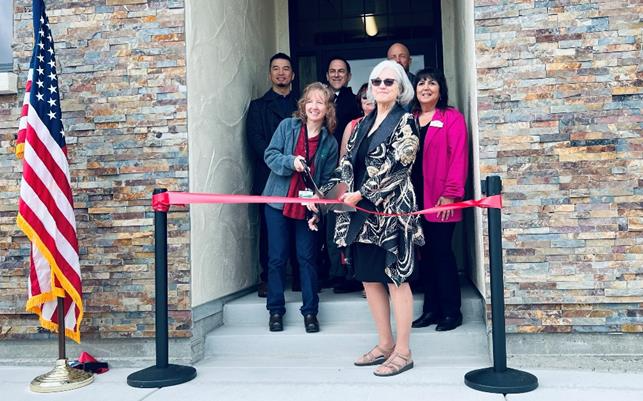
"Đầu tư vào cơ sở hạ tầng chăm sóc sức khỏe tâm thần là một bước quan trọng để đảm bảo rằng mọi người dân California - bất kể họ sống ở đâu - đều được tiếp cận với dịch vụ chăm sóc kịp thời, công bằng và chất lượng," Giám đốc DHCS Michelle Baass cho biết. “Chúng tôi rất vui mừng được hỗ trợ Khu Y tế Mark Twain trong việc mở rộng các dịch vụ thiết yếu nhằm tăng cường sức khỏe cộng đồng và hỗ trợ các cá nhân trên con đường phục hồi.” Đưa dịch vụ chăm sóc đến gần nhà hơn giúp ngăn ngừa khủng hoảng trước khi chúng leo thang và củng cố mạng lưới hỗ trợ địa phương mà người dân dựa vào.”
KHU Y TẾ MARK TWAIN: Trung tâm Khủng hoảng và Sức khỏe mở rộng dự kiến sẽ phục vụ 3.760 người mỗi năm. Trung tâm sẽ cung cấp dịch vụ điều trị sức khỏe tâm thần ngoại trú, bao gồm trị liệu, quản lý thuốc và chăm sóc khẩn cấp tâm thần. Ngoài ra, dự án sẽ tận dụng quan hệ đối tác với các tổ chức thanh niên để cung cấp các dịch vụ can thiệp sớm nhằm ngăn ngừa tình trạng thất nghiệp, vô gia cư, lạm dụng chất gây nghiện và giam giữ.
Ông Randy Smart, Giám đốc điều hành của Khu Y tế Mark Twain, cho biết: “Bệnh nhân ở Quận Calaveras thường không được chăm sóc đầy đủ, thường bị giam giữ hoặc bỏ tù, và nếu họ hoàn thành việc học, họ thường xuyên vướng vào vòng pháp luật”. “Cộng đồng chúng ta nhận thức rằng những hậu quả này có thể phòng ngừa và điều trị được, nhưng cần thêm nhiều nguồn lực hơn nữa.” Huyện chúng ta có ý chí, khả năng lãnh đạo và tầm nhìn để cam kết xây dựng một trung tâm điều trị khủng hoảng ngoại trú và trung tâm phòng ngừa, đây sẽ là một bước tiến quan trọng trong việc đáp ứng nhu cầu chăm sóc sức khỏe tâm thần.”
TẠI SAO ĐIỀU NÀY QUAN TRỌNG: BHCIP là một phần trong cam kết liên tục của California nhằm mở rộng các dịch vụ sức khỏe tâm thần cho tất cả người dân California. DHCS đã trao tặng 1,7 tỷ đô la Mỹ thông qua các khoản tài trợ cạnh tranh của chương trình BHCIP. Ngoài ra, DHCS sẽ phân bổ tối đa 4,4 tỷ đô la từ nguồn vốn cạnh tranh của chương trình Bond BHCIP, bao gồm 3,3 tỷ đô la cho Vòng 1: Các khoản tài trợ Sẵn sàng Khởi động như một phần của Chuyển đổi Sức khỏe Tâm thần, công việc của DHCS nhằm thực hiện Đề án 1. Với việc thông qua Đề án 1, sẽ có thêm nhiều cơ sở điều trị sức khỏe tâm thần được tài trợ và xây dựng trong năm 2025 và 2026.
Thông qua chương trình BHCIP, DHCS cấp kinh phí cho các tổ chức đủ điều kiện để xây dựng, mua lại và mở rộng các cơ sở vật chất cũng như đầu tư vào cơ sở hạ tầng ứng phó khẩn cấp lưu động, giúp cộng đồng đáp ứng nhu cầu ngày càng tăng và khắc phục những thiếu sót trong dịch vụ từ trước đến nay. Những khoản đầu tư này đặc biệt quan trọng ở các cộng đồng nông thôn, đảm bảo người dân có thể tiếp cận dịch vụ chăm sóc y tế kịp thời, cứu sống mà không cần phải đi quãng đường dài.
VỀ BHCIP VÒNG 5: KHỦNG HOẢNG VÀ SỨC KHỎE HÀNH VI LIÊN TỤC: Chương trình BHCIP Vòng 5: Chuỗi dịch vụ hỗ trợ khủng hoảng và sức khỏe tâm thần được phát triển một phần dựa trên đánh giá nhu cầu toàn tiểu bang, qua đó xác định được những thiếu sót đáng kể trong các dịch vụ hỗ trợ khủng hoảng hiện có. Đánh giá này cho thấy cần có một hệ thống chăm sóc khủng hoảng tốt hơn để giảm số lượt khám tại phòng cấp cứu, số ca nhập viện và số ca giam giữ. 33 giải thưởng này, với tổng trị giá 430 triệu đô la, đang được sử dụng để xây dựng và mở rộng các cơ sở chăm sóc khủng hoảng và sức khỏe tâm thần trên toàn tiểu bang, phục vụ người dân California ở mọi lứa tuổi, bao gồm cả các thành viên Medi-Cal. Vui lòng truy cập trang web của BHCIP để biết thêm thông tin về các đối tượng nhận tài trợ và chi tiết bổ sung về tất cả các vòng cấp vốn của BHCIP.
###
Văn phòng Truyền thông
(916) 440-7660
DHCSPress@dhcs.ca.gov
Dự án sẽ mở rộng năng lực thêm 40 giường, phục vụ gần 1.000 trẻ em và cá nhân hàng năm
SACRAMENTO — On April 4, 2025, the Department of Health Care Services (DHCS) and Kedren celebrated the groundbreaking of Kedren South-Psychiatric Acute Care Hospital & Children’s Village to serve the South Los Angeles community. This transformative project will provide a comprehensive system of care and support for children and youth experiencing significant mental health challenges—all in one location. It is funded by DHCS’ Behavioral Health Continuum Infrastructure Program (BHCIP) Round 4: Children and Youth and will serve as an integrated “Village Care” model designed for children and their families to receive their services.

DHCS awarded Kedren more than $57 million through BHCIP, which is part of California’s ongoing commitment to expand behavioral health services for all Californians. With the passage of Proposition 1, even more behavioral health treatment facilities will be funded and built in 2025 and 2026.
“Làng trẻ em Kedren là một nguồn lực quan trọng để đảm bảo phúc lợi và tương lai của những trẻ em dễ bị tổn thương nhất trong tiểu bang của chúng ta.” "Bằng việc ưu tiên cấp kinh phí cho khu học xá này, California đã khẳng định cam kết của mình trong việc dẫn đầu cung cấp dịch vụ chăm sóc chất lượng cao, đầy lòng nhân ái, hỗ trợ sức khỏe tinh thần và thể chất của trẻ em có hoàn cảnh khó khăn", Giám đốc DHCS Michelle Baass cho biết. “Cách tiếp cận toàn diện của Kedren đối với chăm sóc sức khỏe thể chất và tinh thần phù hợp với tầm nhìn của chúng tôi về một tương lai khỏe mạnh và bền vững hơn cho tất cả trẻ em ở California. Đây không chỉ là sự đầu tư vào cuộc sống của họ, mà còn là sự đầu tư vào sức mạnh và sự thịnh vượng của cộng đồng chúng ta.”
Bệnh viện tâm thần cấp tính Kedren South & Làng trẻ em: Dự án này đã được trao hơn 57 triệu đô la thông qua chương trình BHCIP. Cơ sở này sẽ cung cấp dịch vụ chăm sóc thay đổi cuộc sống cho trẻ em và thanh thiếu niên mắc các bệnh tâm thần, chấn thương tâm lý và các vấn đề sức khỏe hành vi khác. Phần dự án được tài trợ bởi BHCIP của khu phức hợp mới sẽ bao gồm một bệnh viện tâm thần cấp tính với 24 giường (phục vụ hơn 520 người mỗi năm), một chương trình nội trú dành cho trẻ em gặp khủng hoảng với 8 giường (phục vụ gần 300 trẻ em mỗi năm) và một cơ sở chăm sóc sức khỏe tâm thần với 8 giường khác (phục vụ gần 100 người mỗi năm). Ngoài khoản tài trợ từ BHCIP, một phần của khuôn viên sẽ có hai tòa nhà – được tài trợ bằng nguồn kinh phí từ Đạo luật Dịch vụ Sức khỏe Tâm thần – bao gồm các dịch vụ ngoại trú cho trẻ em và cung cấp nhà ở chuyển tiếp cho trẻ em gặp khó khăn về sức khỏe tâm thần và gia đình của các em trong tối đa 18 tháng.
“Trong gần 60 năm qua, Kedren luôn cam kết xóa bỏ sự bất bình đẳng về y tế ở Nam Los Angeles bằng cách mở rộng khả năng tiếp cận dịch vụ chăm sóc sức khỏe”, Giám đốc điều hành của Kedren, Gregory Polk, cho biết. “Làng Trẻ Em sẽ là mô hình đầu tiên thuộc loại này trên toàn quốc, cung cấp đầy đủ các dịch vụ chăm sóc sức khỏe tâm thần cho trẻ em và thanh thiếu niên trong cùng một khuôn viên.” Chúng tôi mong muốn cung cấp những nguồn lực cần thiết và quý giá này cho cộng đồng của chúng ta.”
Kedren will offer a myriad of evidence-based therapies, including individual, group, family, recreational, occupational, and play. Staff will tailor treatments for each child with a mix of individual psychotherapy, behavioral modification, family counseling, and psychotropic medications. Kedren will also provide specialized assessments, such as psychological testing and occupational therapy assessments.
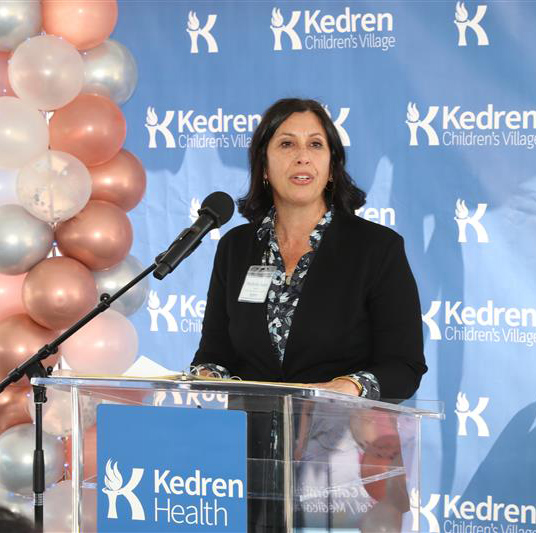
“The challenges we face in behavioral health are significant, but today, we demonstrate our collective commitment to building a strong, comprehensive system of care that will improve lives for years to come,” said Baass.
“Thanks to BHCIP, trusted community providers like Kedren will finally have the facilities and resources to provide essential services across the continuum of care, enabling individuals to receive the right care at the right time in the right setting with providers they trust.”
WHY THIS IS IMPORTANT: BHCIP is part of California’s ongoing commitment to expand behavioral health services for all Californians. Through BHCIP, DHCS awards eligible entities funding to construct, acquire, and expand properties and invest in mobile crisis infrastructure to further expand the range of community-based behavioral health treatment options for people with co-occurring mental health treatment needs and substance use disorders. BHCIP is addressing historic gaps in the behavioral health care system to meet the growing demand for services and supports throughout the lifespan of people in need.
DHCS has awarded $1.7 billion in BHCIP competitive grants. In addition, DHCS will distribute up to $4.4 billion in competitive Bond BHCIP funding, including $3.3 billion for Round 1: Launch Ready grants as part of Behavioral Health Transformation, DHCS’ work to implement Proposition 1.
ABOUT BHCIP ROUND 4: CHILDREN AND YOUTH:BHCIP Round 4, part of the Children and Youth Behavioral Health Initiative, focuses on Californians ages 25 and younger, including pregnant and postpartum women and their children and transition-age youth ages 18-25, along with their families. The 52 awards totaling $480.5 million allow for new construction and expansion of multiple outpatient and residential facility types, including children’s crisis residential programs, perinatal residential substance use disorder facilities, community wellness/youth prevention centers, and outpatient treatment for substance use disorder.
###
Văn phòng Truyền thông
(916) 440-7660
DHCSPress@dhcs.ca.gov
Giải thưởng sẽ hỗ trợ các cơ quan dịch vụ y tế khẩn cấp địa phương tại các quận Stanislaus và Ventura.
SACRAMENTO — The Department of Health Care Services (DHCS) awarded $800,000 to two Local Emergency Medical Service Agencies to foster low-barrier access to clinically proven opioid use disorder (OUD) treatment for patients in an emergency medical services (EMS) setting who are at risk of overdose and often do not have access to services in other settings.
“This is an innovative and lifesaving approach to address the opioid crisis. By equipping emergency medical service providers to render treatment in the field, we are meeting patients where they are and connecting them with ongoing care. This program has the potential to reduce opioid-related deaths and improve long-term health outcomes for some of California’s most vulnerable people,” said DHCS Director Michelle Baass.
The grants—awarded through the Emergency Medical Services Buprenorphine Use Pilot Program (EMSBUP) to the Stanislaus County EMS Agency and Ventura County EMS Agency—will enable these two agencies to address substance use disorder as a treatable emergency condition, utilizing paramedics to identify and treat patients who would benefit from medications for addiction treatment (MAT). MAT is the use of medications in combination with counseling and behavioral therapies, which is effective in treating OUDs and helping some people sustain recovery.
WHY THIS IS IMPORTANT: The EMSBUP has pioneered a cutting-edge approach for delivering MAT through EMS. The population served by EMS has a high risk of death from overdose. In a study of 12,000 patients who received naloxone from EMS, 10 percent died within the following year. Another study found that one-third of all patients who died from unintentional overdose had contact with EMS in the year preceding their death. With an estimated 26,000 911 calls for overdose in California, EMS is a critical and underutilized intervention point for expanding access to MAT, delivering harm reduction, and connecting patients with care.
GRANT AWARDS: This program will assist EMS providers in coordinating with navigators to provide linkages to care options for EMS patients with an OUD and provide a system for patients who sign out against medical advice to have access to outpatient treatment options. The project will run from April 1, 2025, through March 31, 2027. It will also collect de-identified data for research and monthly performance metrics to evaluate the effectiveness of this treatment model.
Additionally, resources will be provided to Local Emergency Medicine Service Agencies to support the initiation and sustainability of this treatment model, which includes a naloxone distribution program, EMS-initiated first dose of buprenorphine, and substance use navigation.
GRANTS MAKING A DIFFERENCE: Through State Opioid Response (SOR) grant funding, EMSBUP builds upon an initial SOR-funded project in Contra Costa County in 2020 in which 260 paramedics were trained to identify and treat OUD from an ambulance, more than 2,000 patients were screened for OUD, 120 received buprenorphine in the field, and 55 were connected to ongoing MAT. The results of this work encouraged other counties to adopt the model. To date, this model has been extended to 11 LEMSAs covering 13 counties to train 1,300 paramedics.
“Việc sử dụng buprenorphine bởi đội cấp cứu y tế (EMS) giúp nhóm đối tượng có nguy cơ cao tiếp cận được buprenorphine vào thời điểm quan trọng và lý tưởng – sau khi quá liều, khi bệnh nhân đang trong giai đoạn cai nghiện và có thể dễ chấp nhận điều trị hơn.” Việc sử dụng buprenorphine do nhân viên cấp cứu thực hiện giúp bệnh nhân được điều trị tận nơi, thay vì phải tự tìm kiếm sự điều trị, điều này có tiềm năng giảm thiểu các trường hợp tử vong do quá liều, giảm tỷ lệ tội phạm và cứu sống nhiều người. Với đội ngũ chuyên gia phù hợp, bệnh nhân có thể bắt đầu dùng buprenorphine ngay tại hiện trường, được kết nối với dịch vụ cấp cứu và bắt đầu cảm thấy tốt hơn trong vòng vài giờ. và tiếp tục điều trị bằng buprenorphine thông qua các chương trình MAT sau khi xuất viện từ khoa cấp cứu,” Phoebe Blaschak Oliveira, RN, PHN, BSN, Quản lý Chương trình Y tá Y tế Công cộng, Trung tâm Y tế Khu vực Contra Costa và Phòng khám Choosing Change cho biết.
TỔNG QUAN: Năm 2023, Thống đốc Newsom đã khởi động Kế hoạch tổng thể giải quyết khủng hoảng Fentanyl và Opioid, cung cấp một khuôn khổ toàn diện để giải quyết khủng hoảng opioid và fentanyl, bao gồm các bước quyết liệt để hỗ trợ các nỗ lực phòng ngừa quá liều, buộc ngành công nghiệp dược phẩm opioid phải chịu trách nhiệm, trấn áp buôn bán ma túy và nâng cao nhận thức về sự nguy hiểm của opioid, bao gồm cả fentanyl.
Chương trình EMSBUP được tài trợ bởi Cơ quan Quản lý Dịch vụ Sức khỏe Tâm thần và Lạm dụng Chất gây nghiện và là một phần trong nỗ lực rộng lớn hơn của DHCS nhằm giải quyết các rối loạn sử dụng chất gây nghiện, được gọi chung là Chương trình Ứng phó với Opioid của DHCS California, để tăng khả năng tiếp cận với liệu pháp hỗ trợ bằng thuốc (MAT), giảm nhu cầu điều trị chưa được đáp ứng và giảm số ca tử vong liên quan đến quá liều opioid thông qua việc cung cấp các hoạt động phòng ngừa, điều trị và phục hồi. Chương trình Ứng phó với Opioid của Sở Y tế và Dịch vụ Nhân sinh California (DHCS) tập trung vào các nhóm dân cư có hạn chế tiếp cận với liệu pháp hỗ trợ bằng thuốc (MAT), bao gồm thanh thiếu niên, người dân ở vùng nông thôn và các cộng đồng bộ lạc người Mỹ bản địa và người Alaska bản địa. Để biết thêm thông tin chi tiết, vui lòng truy cập trang web của DHCS.
DHCS also created the Naloxone Distribution Project (NDP) to combat opioid overdose-related deaths throughout California. The NDP aims to reduce opioid overdose deaths through the provision of free naloxone. For more information about the state’s opioid response, visit opioids.ca.gov.
###
Văn phòng Truyền thông
(916) 440-7660
DHCSPress@dhcs.ca.gov
SACRAMENTO — The Department of Health Care Services (DHCS), under the direction of Governor Gavin Newsom, this month applied to the Center for Medicaid and Medicaid Innovation (CMMI) at the Centers for Medicare & Medicaid Services (CMS) to participate in the groundbreaking Cell and Gene Therapy (CGT) Access Model. If approved, this multi-year initiative will expand Medi-Cal members’ access to lifesaving gene therapies for sickle cell disease (SCD), a severe genetic blood disorder that disproportionately affects people of African descent.
“California’s application to participate in this federal model reflects our commitment to expanding access to groundbreaking treatments for Medi-Cal members with sickle cell disease,” said State Medicaid Director Tyler Sadwith. “These therapies have the potential to transform lives, and this initiative helps ensure that cost is not a barrier for Californians who need them most.”
WHY THIS MATTERS: More than 50 percent of individuals with SCD are covered by Medicaid in the United States. By participating in the CGT Access Model, California will:
Sadwith nói: “Bằng cách mở rộng khả năng tiếp cận với các liệu pháp biến đổi này, California đang dẫn đầu trong việc giải quyết sự bất bình đẳng về sức khỏe, cải thiện tuổi thọ và đảm bảo rằng các thành viên Medi-Cal mắc bệnh hồng cầu hình liềm được chăm sóc tốt nhất có thể.
GIỚI THIỆU VỀ MÔ HÌNH TRUY CẬP CGT: Liệu pháp gen đại diện cho một cách tiếp cận đột phá đối với SCD. Nó sửa đổi các tế bào gốc tạo máu của chính bệnh nhân để giúp cơ thể sản xuất các tế bào hồng cầu khỏe mạnh. Điều trị một lần này đã được chứng minh là làm giảm các cơn đau dữ dội và có khả năng ngăn ngừa các biến chứng và cải thiện chất lượng cuộc sống cho những người bị SCD.
Tuy nhiên, những liệu pháp này có chi phí rất cao, khiến việc tiếp cận trở nên khó khăn đối với bệnh nhân và các chương trình Medicaid, bao gồm cả Medi-Cal. Mô hình CGT Access giải quyết thách thức này bằng cách sử dụng hệ thống hoàn trả được thương lượng, liên kết các khoản thanh toán cho các phương pháp điều trị này với kết quả điều trị của bệnh nhân. Nếu liệu pháp không mang lại những cải thiện sức khỏe như mong đợi, các nhà sản xuất thuốc sẽ hoàn trả tiền cho các chương trình Medicaid, giúp đảm bảo tính bền vững về tài chính đồng thời mở rộng khả năng tiếp cận dịch vụ chăm sóc sức khỏe.
Initially, the model will focus on gene therapies for SCD, a condition affecting more than 100,000 individuals nationwide, including more than 8,000 Medi-Cal/Children’s Health Insurance Program (CHIP) members in California.
If California is approved, eligible Medi-Cal members will have access to gene therapy treatment, case management, travel assistance, behavioral health support, and fertility preservation services, as the treatment process involves chemotherapy, which can impact fertility. CMS anticipates testing the model over an 11-year performance period, beginning on January 1, 2025.
BIGGER PICTURE: In addition to applying for the CGT Access Model, California was selected earlier this year for the Transforming Maternal Health (TMaH) Model, which aims to improve maternal health outcomes and reduce costs, and is transforming Medi-Cal through its California Advancing and Innovating Medi-Cal (CalAIM) waiver, which focuses on whole-person care, care management, and addressing social drivers of health—strengthening efforts to create a more inclusive and effective health system.
###
Văn phòng Truyền thông
(916) 440-7660
DHCSPress@dhcs.ca.gov
Các dự án dự kiến phục vụ gần 2.000 người mỗi năm
SACRAMENTO — The Department of Health Care Services (DHCS) and Mentis are expanding outpatient services for people with mental health needs in Napa County. Just eight months ago, DHCS and Mentis broke ground on the Napa Valley Youth Wellness Campus, supported by Behavioral Health Continuum Infrastructure Program funding totaling more than $4.7 million.
On March 5, DHCS and Mentis celebrated the ribbon cutting of the new outpatient community mental health clinic and community wellness/youth prevention center, which opened for services and includes 121 new treatment slots and will serve nearly 2,000 people annually.
“DHCS is committed to working with partners like Mentis to rapidly expand mental health and substance use disorder treatment services for California youth,” said DHCS Director Michelle Baass. “BHCIP continues to address historic gaps in the behavioral health care system to meet the growing demand for services and supports throughout the lifespan of people in need.”
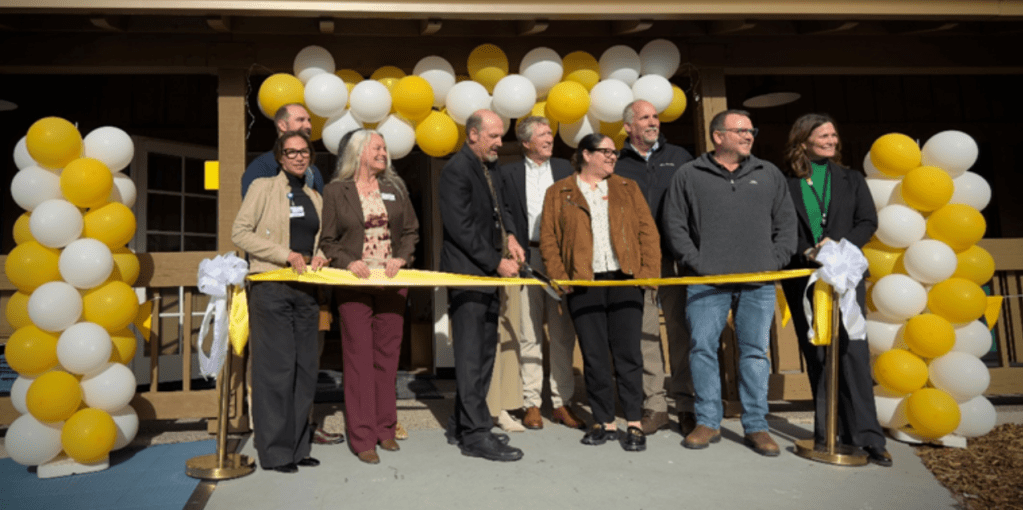
Lễ cắt băng khánh thành Dự án Khuôn viên chăm sóc sức khỏe thanh thiếu niên Napa Valley
NAPA VALLEY YOUTH WELLNESS CAMPUS: This project will serve the behavioral, mental, and emotional needs of children and youth in Napa Valley and their families. The project involves rehabilitating an existing private middle school campus building to incorporate a supportive art studio, community space, and therapy rooms. Services include children and youth wellness prevention activities, mental health treatment, group therapy and/or family activities, and individual therapy sessions. Programs are offered in English and Spanish and are free and accessible for all. Located within walking distance of three high schools, the campus’ continuum of care is intended to attract a diverse youth population, including youth of color and LGBTQIA+ and justice-involved youth.
“Our community clinic and youth wellness campus will provide much-needed support to youth who continue to struggle with life’s stresses,” said Mentis Executive Director Rob Weiss. “We are eager to expand our continuum of care to serve children and youth with a wide spectrum of needs, and we are grateful to DHCS for making this vision possible.”
WHY THIS IS IMPORTANT: BHCIP is part of California’s ongoing commitment to expand behavioral health services for all Californians. With the passage of Proposition 1, even more behavioral health treatment facilities will be funded and built in 2025 and 2026. Through BHCIP, DHCS awards eligible entities funding to construct, acquire, and expand properties and invest in mobile crisis infrastructure to further expand the range of community-based behavioral health treatment options for people with co-occurring mental health treatment needs and substance use disorders.
DHCS đã trao tặng 1,7 tỷ đô la Mỹ thông qua các khoản tài trợ cạnh tranh của chương trình BHCIP. Ngoài ra, DHCS sẽ phân bổ tối đa 4,4 tỷ đô la từ nguồn vốn cạnh tranh của chương trình Bond BHCIP, bao gồm 3,3 tỷ đô la cho Vòng 1: Các khoản tài trợ Sẵn sàng Khởi động như một phần của Chuyển đổi Sức khỏe Tâm thần, công việc của DHCS nhằm thực hiện Đề án 1. DHCS thường xuyên tổ chức các buổi lắng nghe ý kiến công chúng về nỗ lực này. Thông tin cập nhật và bản ghi âm các buổi họp có sẵn trên trang web.
VỀ VÒNG 4 CỦA CHƯƠNG TRÌNH BHCIP: TRẺ EM VÀ THANH THIẾU NIÊN:Vòng 4 của chương trình BHCIP tập trung vào người dân California từ 25 tuổi trở xuống, bao gồm phụ nữ mang thai và sau sinh cùng con cái và thanh thiếu niên từ 16-25 tuổi, cũng như gia đình của họ. Nhờ nguồn tài trợ từ Sáng kiến Sức khỏe Tâm thần Trẻ em và Thanh thiếu niên của California, 52 giải thưởng với tổng trị giá 480,5 triệu đô la đã cho phép xây dựng mới và mở rộng nhiều loại cơ sở điều trị ngoại trú và nội trú, bao gồm các chương trình nội trú khẩn cấp cho trẻ em, các cơ sở điều trị rối loạn sử dụng chất gây nghiện cho phụ nữ mang thai và sau sinh, các trung tâm chăm sóc sức khỏe cộng đồng/phòng ngừa cho thanh thiếu niên, và điều trị ngoại trú cho các rối loạn sử dụng chất gây nghiện. Vui lòng truy cập trang web của BHCIP để biết thêm thông tin về các đối tượng nhận tài trợ và chi tiết bổ sung về tất cả các vòng cấp vốn của BHCIP.
###
Văn phòng Truyền thông
(916) 440-7660
DHCSPress@dhcs.ca.gov