Trang web chính thức của Bang California
Dịch

Dịch vụ chăm sóc sức khỏe hành vi mở rộng tới 4.800 người mỗi năm
SACRAMENTO - Vào ngày 23 tháng 1, 2025, Bộ Dịch vụ Chăm sóc Sức khỏe (DHCS) và Dịch vụ Gia đình Trẻ em & Sierra Vista đã tổ chức lễ khai trương một cơ sở mới ở Hạt Stanislaus để thu hẹp khoảng cách trong điều trị rối loạn sử dụng chất kích thích và sức khỏe tâm thần (SUD). Trung tâm Phòng chống Thanh niên và Sức khỏe Cộng đồng sẽ cung cấp các dịch vụ sức khỏe hành vi quan trọng, bao gồm thực hành công lý phục hồi cho thanh thiếu niên, tư vấn sức khỏe tâm thần, dịch vụ mang thai và sau sinh, dịch vụ hỗ trợ gia đình và phụ huynh và các dịch vụ tích hợp khác.
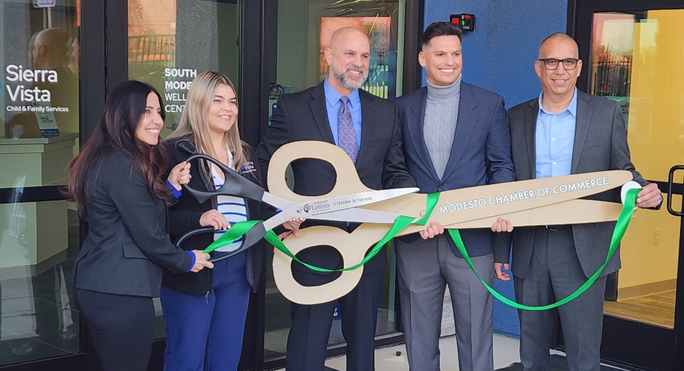
DHCS awarded Sierra Vista Child & Family Services more than $4.6 million through the Behavioral Health Continuum Infrastructure Program (BHCIP), which works to ensure comprehensive behavioral health care for California’s most vulnerable individuals. The facility is expected to serve 4,800 individuals annually. With approved Proposition 1 bonds, in 2025 and 2026, even more behavioral health treatment facilities will be funded and built.
Giám đốc DHCS Michelle Baass cho biết: “Trung tâm Chăm sóc Sức khỏe Cộng đồng và Phòng chống Thanh niên là một phần quan trọng trong nỗ lực của California nhằm mang lại dịch vụ chăm sóc sức khỏe toàn diện, chất lượng cao cho các cộng đồng nông thôn và các cộng đồng kém được phục vụ. “Việc mở trung tâm này là một yếu tố thay đổi cuộc chơi cho những người tìm kiếm các dịch vụ sức khỏe hành vi toàn diện và trang nghiêm ở Hạt Stanislaus.”
Andrew Timbie, Giám đốc điều hành của Sierra Vista Child & Family Services cho biết: “Nhiệm vụ của chúng tôi là củng cố gia đình và cộng đồng. “Chúng tôi tin rằng các sáng kiến chiến lược của chúng tôi để thể hiện sứ mệnh đó được thực hiện hiệu quả trong việc đầu tư và phát triển hơn nữa Trung tâm Phòng chống Thanh niên và Sức khỏe Cộng đồng của chúng tôi ở trung tâm Quận Stanislaus, một khu phố dễ bị tổn thương và gặp khó khăn.”
SIERRA VISTA CHILD & FAMILY SERVICES: Sierra Vista Child & Family Services offers a diverse array of services, including Enhanced Care Management, mentoring, short-term residential therapeutic programs for foster youth, and perinatal substance use disorder treatment programs.
Trung tâm Phòng chống Thanh niên và Sức khỏe Cộng đồng mới được xây dựng bằng cách sử dụng quỹ BHCIP để tạo ra sự thay đổi lâu dài trong cuộc sống của trẻ em, gia đình và toàn bộ cộng đồng Stanislaus. Trung tâm phục vụ trẻ em và thanh thiếu niên dưới 25 tuổi từ các nhóm dân cư ít được phục vụ, có nguy cơ, bao gồm những người có liên quan đến hệ thống tư pháp vị thành niên có tội hình sự thấp, cũng như các thành viên gia đình của họ. Các dịch vụ bao gồm đánh giá dựa trên sức mạnh, dịch vụ quản lý trường hợp toàn diện, liên kết với các nguồn lực cộng đồng địa phương, giáo dục gia đình và người chăm sóc và hỗ trợ hạnh phúc, sàng lọc sức khỏe tâm thần và các dịch vụ mang thai và sau sinh.
TẠI SAO BHCIP LẠI QUAN TRỌNG: Thông qua BHCIP, DHCS cấp kinh phí cho các tổ chức đủ điều kiện để xây dựng, mua lại và mở rộng các cơ sở vật chất cũng như đầu tư vào cơ sở hạ tầng ứng phó khủng hoảng lưu động nhằm mở rộng hơn nữa các lựa chọn điều trị sức khỏe tâm thần dựa trên cộng đồng cho những người mắc các rối loạn sức khỏe tâm thần và lạm dụng chất gây nghiện. BHCIP đang giải quyết những thiếu sót lâu đời trong hệ thống chăm sóc sức khỏe tâm thần để đáp ứng nhu cầu ngày càng tăng về dịch vụ và hỗ trợ trong suốt cuộc đời của những người cần giúp đỡ. Tổ chức Sierra Vista Child & Family Services đã nhận được tài trợ từ chương trình BHCIP vòng 4: Trẻ em và Thanh thiếu niên .
DHCS has awarded $1.7 billion in BHCIP competitive grants. In addition, DHCS will distribute up to $4.4 billion in competitive Bond BHCIP funding, including $3.3 billion for Round 1: Launch Ready grants as part of Behavioral Health Transformation, DHCS’ work to implement Proposition 1. DHCS holds regular public listening sessions on this effort. Updates and recordings of the sessions are available on the Behavioral Health Transformation webpage.
VỀ BHCIP VÒNG 4: TRẺ EM VÀ THANH THIẾU NIÊN:BHCIP Vòng 4 tập trung vào người dân California từ 25 tuổi trở xuống, bao gồm phụ nữ mang thai và sau sinh và con cái của họ và thanh thiếu niên trong độ tuổi chuyển tiếp từ 18-25 tuổi, cùng với gia đình của họ. Thông qua tài trợ được thực hiện bởi Sáng kiến Sức khỏe Hành vi Trẻ em và Thanh niên của California, 52 giải thưởng trị giá 480,5 triệu đô la đã cho phép xây dựng mới và mở rộng nhiều loại cơ sở ngoại trú và nhà ở, bao gồm các chương trình dân cư khủng hoảng cho trẻ em, cơ sở rối loạn sử dụng chất kích thích ở khu dân cư chu sinh, trung tâm phòng ngừa sức khỏe cộng đồng/thanh thiếu niên và điều trị ngoại trú cho các rối loạn sử dụng chất kích thích. Vui lòng xem trang web BHCIP để biết thêm thông tin về người nhận tài trợ và chi tiết bổ sung về tất cả các vòng tài trợ BHCIP.
###
Văn phòng Truyền thông
(916) 440-7660
DHCSPress@dhcs.ca.gov
Dự án bổ sung thêm mười sáu giường nghỉ ngơi cho những người đang chờ hoặc rời khỏi trung tâm điều trị nội trú
SACRAMENTO — On January 29, 2025, the Department of Health Care Services (DHCS) attended Placer County’s opening of a new 16-bed adult peer respite that provides a safe, supportive, and home-like environment for adults awaiting placement in residential treatment programs or exiting such programs to a lower level of care. The facility, dubbed “The Harbor,” will begin welcoming clients on February 3 through a referral-based system managed by Placer County’s substance use team.
DHCS awarded Placer County nearly $400,000 through the Behavioral Health Continuum Infrastructure Program (BHCIP), which is part of California’s ongoing commitment to expand behavioral health services for all Californians. With the passage of Proposition 1, even more behavioral health treatment facilities will be funded and built in 2025 and 2026.
“Too often, restrictive inpatient settings are the only option available to people experiencing a mental health crisis,” said DHCS Director Michelle Baass. “Community-based, trauma-informed, and resilience-focused centers like The Harbor have the potential to revolutionize California’s approach to behavioral health treatment and recovery.”
THE HARBOR: The new facility will include peer respite designed to complement the Placer County Health and Human Services Drug Medi-Cal Organized Delivery System (DMC-ODS) treatment continuum by providing a structured environment for people leaving residential placements or awaiting placement. Residents will engage in self-help recovery activities while potentially also participating in outpatient care.
Services provided include ongoing needs assessment across the behavioral health and physical health spectrums, case management, crisis management, trauma-informed individual and group therapy, peer-to-peer supportive services, linkage to cultural supports and services, and other necessary referral services for a safe and efficient discharge back into the community. These services are designed to provide less costly and less intrusive care than those offered in a hospital setting.
“The Harbor will offer a compassionate, supportive environment where individuals can regain their strength, heal, and reconnect with their sense of well-being,” said Placer County Behavioral Health Director Amy Ellis. “This facility is part of Placer County’s ongoing efforts to build and expand its behavioral health infrastructure to respond to people in need.”
WHY BHCIP IS IMPORTANT: Through BHCIP, DHCS awards eligible entities funding to construct, acquire, and expand properties and invest in mobile crisis infrastructure to further expand the range of community-based behavioral health treatment options for people with co-occurring mental health treatment needs and substance use disorders. BHCIP is addressing historic gaps in the behavioral health care system to meet the growing demand for services and supports throughout the lifespan of people in need.
DHCS has awarded $1.7 billion in BHCIP competitive grants. In addition, DHCS will distribute up to $4.4 billion in competitive Bond BHCIP funding, including $3.3 billion for Round 1: Launch Ready grants as part of Behavioral Health Transformation, DHCS’ work to implement Proposition 1. DHCS holds regular public listening sessions on this effort. Updates and recordings of the sessions are available on the Behavioral Health Transformation webpage.
ABOUT BHCIP ROUND 3: LAUNCH READY: BHCIP Round 3 supported preparation activities to plan for the acquisition and expansion of behavioral health infrastructure throughout the state. The 45 awarded facilities were funded a total of $518.5 million. BHCIP applicants were required to demonstrate service expansion for Medi-Cal members and have a valid planning process to ensure projects are ready for implementation.
###
Văn phòng Truyền thông
(916) 440-7660
DHCSPress@dhcs.ca.gov
SACRAMENTO - Bộ Dịch vụ Chăm sóc Sức khỏe (DHCS) đã trao 2.7 triệu đô la cho 15 liên minh địa phương thông qua Mạng lưới phòng ngừa quá liều California (COPN), một mạng lưới học tập được kính trọng trên toàn tiểu bang dành riêng để chống lại dịch quá liều. Khoản tài trợ này sẽ cung cấp hỗ trợ bền vững cho các liên minh ủng hộ sứ mệnh của COPN nhằm tăng cường kết nối trong cộng đồng và cung cấp khả năng tiếp cận kiến thức, đào tạo và nguồn lực để cải thiện thực tiễn và tạo ra sự thay đổi lâu dài.
Giám đốc DHC S Michelle Baass cho biết: “Theo truyền thống, việc điều trị rối loạn sử dụng opioid đã bị hạn chế với các kết nối hạn chế giữa các nhà cung cấp và các tổ chức khác, dẫn đến khoảng cách trong việc chăm sóc. “Khoản tài trợ này sẽ hỗ trợ những nỗ lực của COPN nhằm giúp phối hợp các liên minh, tổ chức và cá nhân làm việc đi đầu trong dịch bệnh quá liều ở California để ưu tiên các nhu cầu độc đáo, cục bộ và thực hiện các giải pháp đã được chứng minh để cứu sống người.”
TẠO SỰ KHÁC BIỆT: M ười lăm liên minh được trao giải sẽ sử dụng khoản tài trợ này từ tháng 1 1, 2025 và tháng 8 30, 2027, để thực hiện các chiến lược giải quyết phòng ngừa, điều trị và phục hồi quá liều. Những nỗ lực này bao gồm phân phối naloxone, mở rộng khả năng tiếp cận các nguồn lực cứu sống và giáo dục cộng đồng, tất cả đều nhằm mục đích giảm tử vong do quá liều và thúc đẩy sự phục hồi lâu dài trên toàn tiểu bang.
TẠI SAO ĐIỀU NÀY LẠI QUAN TRỌNG: Hơn 7.000 người California chết vì quá liều opioid vào năm 2022. Hơn 83.000 ca tử vong do quá liều liên quan đến opioid xảy ra mỗi năm trên toàn quốc, 90% trong số đó liên quan đến fentanyl.
TÁC ĐỘNG CỦA GRANT: “Nhờ nguồn tài trợ này, liên minh của chúng tôi sẽ tiếp tục cung cấp giáo dục và nhận thức cộng đồng để giảm sử dụng opioid và tăng cơ hội phòng ngừa quá liều,” Jenn Rhoads, Điều phối viên Liên minh của Liên minh An toàn Opioid ở San Luis Obispo cho biết. “Chúng tôi cũng sẽ cải thiện khả năng tiếp cận với các nhà cung cấp để tăng tính sẵn có của các dịch vụ điều trị và giảm tác hại trên toàn quận.”
Arthur Camargo, Điều phối viên Liên minh về Thuốc an toàn Solano cho biết: “Khoản tài trợ này sẽ củng cố các sáng kiến hiện tại của liên minh của chúng tôi và mở rộng nỗ lực của chúng tôi để tiếp cận nhiều dân số hơn. “Cụ thể, các quỹ này sẽ cho phép chúng tôi mở rộng các dịch vụ giảm tác hại, đào tạo và phân phối naloxone, và các sự kiện và đào tạo giáo dục cộng đồng. Khoản tài trợ cũng sẽ hỗ trợ các nỗ lực của liên minh chúng tôi để cập nhật và phổ biến các nguồn lực hướng đến những người kê đơn để kê đơn thuốc an toàn hơn đối với opioid và buprenorphine và sử dụng nguồn dữ liệu của chúng tôi để vận động cho việc sử dụng tối ưu các quỹ giải quyết opioid địa phương.”
By strengthening connections and providing vital resources, COPN’s network and training give coalitions the tools and support they need to tackle the overdose epidemic effectively.
BỨC TRANH LỚN HƠN: Dự án này được tài trợ bởi khoản tài trợ Phản ứng Opioid IV của Nhà nước do Cơ quan Quản lý Dịch vụ Sức khỏe Tâm thần và Lạm dụng Chất gây nghiện trao tặng. Dự án là một phần trong nỗ lực rộng lớn hơn của DHCS nhằm giải quyết các rối loạn sử dụng chất kích thích, được gọi chung là Dự án Phản ứng Opioid California, nhằm tăng khả năng tiếp cận MOUD, giảm nhu cầu điều trị chưa được đáp ứng và giảm tử vong liên quan đến quá liều opioid thông qua việc cung cấp các hoạt động phòng ngừa, điều trị và phục hồi. Để biết thêm thông tin, vui lòng truy cập trang web DHCS.
Tiểu bang đã ra mắt opioids.ca.gov, một công cụ một cửa dành cho người dân California tìm kiếm các nguồn lực để phòng ngừa và điều trị, cũng như thông tin về cách California đang làm việc để buộc Big Pharma và những kẻ buôn bán ma túy phải chịu trách nhiệm trong cuộc khủng hoảng này.
Các đơn vị đủ điều kiện có thể có được thuốc xịt mũi naloxone 4 mg không kê đơn (OTC) có nhãn hiệu CalRX miễn phí thông qua Dự án Phân phối Naloxone của DHCS. CalRX đang nghiên cứu một lựa chọn cho các cá nhân mua trực tiếp thuốc xịt mũi CalRX OTC naloxone.
###
Văn phòng Truyền thông
(916) 440-7660
DHCSPress@dhcs.ca.gov
SACRAMENTO - Bộ Dịch vụ Chăm sóc Sức khỏe (DHCS) đã trao gần 65.4 triệu đô la cho 91 tổ chức để củng cố Hệ thống Hub và Spoke California, một mô hình đã được chứng minh được thiết kế để tăng khả năng tiếp cận với các dịch vụ rối loạn sử dụng opioid (MOUD) trên toàn tiểu bang. Khoản tài trợ này sẽ tăng cường các dịch vụ phòng ngừa, điều trị và phục hồi trên toàn tiểu bang, thúc đẩy cuộc chiến chống lại cuộc khủng hoảng opioid và cứu sống.
Giám đốc DHCS Michelle Ba ass cho biết: “Vượt qua đại dịch opioid đòi hỏi mọi bộ phận trong hệ thống y tế công cộng của chúng ta phải làm việc cùng nhau để chữa bệnh. “Hệ thống Hub and Spoke củng cố mạng lưới các nhà cung cấp phòng ngừa, giảm tác hại, điều trị và phục hồi của California bằng cách cải thiện các dịch vụ và nguồn lực trong các cộng đồng trên toàn tiểu bang.”
The Hub and Spoke System consists of a network of Narcotic Treatment Programs (known as Hubs) licensed to dispense methadone and other MOUDs. These Hubs are connected to other MOUD prescribers (known as Spokes), which primarily provide various formulations of buprenorphine—a medication that reduces opioid cravings and withdrawal symptoms—and ongoing opioid use disorder (OUD) and substance use disorder (SUD) care and treatment.
TẠI SAO ĐIỀU NÀY LẠI QUAN TRỌNG: Hơn 7.000 người California chết vì quá liều opioid vào năm 2022. Hơn 83.000 ca tử vong do quá liều liên quan đến opioid xảy ra mỗi năm trên toàn quốc, hơn 90% trong số đó liên quan đến fentanyl. Hệ thống Hub and Spoke tăng khả năng tiếp cận các dịch vụ Điều trị Hỗ trợ Thuốc (MAT) trên toàn tiểu bang, đặc biệt là ở các quận có tỷ lệ quá liều cao nhất. Chương trình này được mô phỏng theo hệ thống Vermont Hub and Spoke, giúp tăng thành công khả năng tiếp cận MAT ở một bang nông thôn với ít cơ sở hạ tầng điều trị. Dự án đã tăng tính sẵn có của MAT cho bệnh nhân mắc OUD bằng cách tăng tổng số bác sĩ, trợ lý bác sĩ và y tá kê đơn buprenorphine.
Hệ thống Hub and Spoke tiếp tục cải thiện giáo dục, tiếp cận và điều trị cho bệnh nhân mắc SUD và OUD, đặc biệt tập trung vào việc phục vụ các nhóm dân cư dễ bị tổn thương và tăng các dịch vụ MOUD. Hệ thống được thiết kế để:
ĐIỀU NÀY CÓ NGHĨA LÀ: Chín mươi mốt tổ chức sẽ nhận được giải thưởng để cung cấp các dịch vụ MOUD để triển khai Hệ thống Hub và Spoke từ tháng 1 1, 2025, đến tháng 9 29, 2027. Người nhận tài trợ bao gồm Chương trình Điều trị Ma túy, Trung tâm Y tế đủ điều kiện của Liên bang, Phòng khám Y tế Nông thôn, phòng khám cộng đồng, các tổ chức phi lợi nhuận và các tổ chức Bộ lạc.
TÁC ĐỘNG CỦA GRANT: “Khoản tài trợ này cho phép Phòng khám Gia đình Venice cung cấp hỗ trợ cứu sinh cho những người bị SUD, bất kể tình trạng bảo hiểm của họ là gì,” Ariel Peterson, Giám đốc Quản lý Chương trình của Phòng khám Gia đình Venice cho biết. “Điều này bao gồm thuốc điều trị rối loạn sử dụng thuốc phiện, tư vấn, quản lý trường hợp và vận chuyển đến cai nghiện hoặc chăm sóc nội trú.”
Judith Surber, Giám đốc Chương trình MAT của Trung tâm Y tế K'ima: W cho biết: “Chúng tôi rất vinh dự nhận được khoản tài trợ này để hỗ trợ chương trình MAT của chúng tôi cho OUD, cho phép chúng tôi tiếp tục cung cấp các dịch vụ tiếp cận và y tế quan trọng cho bệnh nhân người Mỹ bản địa có nguy cơ cao. “Chương trình MAT vẫn là một phần không thể thiếu trong trung tâm y tế của chúng tôi và cộng đồng rộng lớn hơn mà chúng tôi phục vụ. Khoản tài trợ này sẽ giúp phát triển chương trình của chúng tôi, giảm kỳ thị và giảm tỷ lệ tử vong do quá liều opioid trong cộng đồng nông thôn, Bộ lạc của chúng tôi. Bằng cách thúc đẩy một môi trường phòng khám có cấu trúc, chúng tôi mong muốn trao quyền cho bệnh nhân xây dựng lại cuộc sống của họ và đóng góp với tư cách là thành viên hiệu quả của xã hội, hỗ trợ gia đình và cộng đồng của họ.”
“Với sự hỗ trợ tài trợ của Hub và Spoke System, các chương trình điều trị ngoại trú, nội trú và opioid của chúng tôi có thể cung cấp sự tiếp cận rộng rãi hơn cho cộng đồng về MOUD cứu mạng và cung cấp cho nhiều bệnh nhân không được bảo hiểm và thiếu bảo hiểm tiếp cận bình đẳng với MAT,”Andrea N ee, Giám đốc Đánh giá của Clare|Matrix cho biết. “Tài trợ của Hub and Spoke System là công cụ hỗ trợ các giám đốc y tế, nhân viên tư vấn và điều dưỡng của chúng tôi để có thể cung cấp phương pháp điều trị chất lượng cao nhất cho nhiều bệnh nhân mắc chứng OUD và rối loạn sử dụng chất kích thích hơn. Chúng tôi sẽ có thể nâng cao kiến thức và nhận thức về lợi ích và tác động của MAT và giảm bớt sự kỳ thị thông qua các dịch vụ giáo dục và tham gia toàn diện cho bệnh nhân.”
BỨC TRANH LỚN HƠN: Tiểu bang đã ra mắt opioids.ca.gov, một công cụ một cửa dành cho người dân California tìm kiếm các nguồn lực để phòng ngừa và điều trị cũng như thông tin về cách California đang làm việc để buộc Big Pharma và những kẻ buôn bán ma túy phải chịu trách nhiệm trong cuộc khủng hoảng này.
Hệ thống Hub and Spoke được tài trợ bởi khoản tài trợ IV của State Opioid Response, do Cơ quan Quản lý Dịch vụ Sức khỏe Tâm thần và Lạm dụng Chất gây nghiện trao tặng. Dự án này là một phần trong nỗ lực rộng lớn hơn của DHCS nhằm giải quyết SUD, được gọi chung là California Opioid Respon se, để tăng khả năng tiếp cận MOUD, giảm nhu cầu điều trị chưa được đáp ứng và giảm tử vong liên quan đến quá liều opioid thông qua các nỗ lực phòng ngừa, điều trị và phục hồi. Để biết thêm thông tin, vui lòng truy cập trang web Tổng quan về Phản ứng Opioid của California DHCS.
###
Văn phòng Truyền thông
(916) 440-7660
DHCSPress@dhcs.ca.gov
SACRAMENTO — In response to the Southern California wildfires, the Department of Health Care Services (DHCS) requested and received federal approval from the Biden-Harris administration of several dozen flexibilities to prevent disruptions in health care delivery so Medi-Cal members can continue to receive needed care. 1135 waivers allow the U.S. Department of Health and Human Services (HHS) to waive various administrative requirements to increase access to medical services during a time of national emergency. 1135 waiver approvals remain in effect throughout the duration of the public health emergency declared by former HHS Secretary Xavier Becerra, which is 90 days.
Giám đốc Medicaid của Bang Tyler Sadwith cho biết: “DHCS cam kết giúp người dân California tiếp cận sự chăm sóc mà họ cần trong cuộc khủng hoảng tàn khốc này và khi các cộng đồng bắt đầu nổi lên và phục hồi. “Các miễn trừ được cấp bởi các đối tác liên bang của chúng tôi sẽ cung cấp sự linh hoạt cần thiết cho các nhà cung cấp dịch vụ chăm sóc sức khỏe để giải quyết các nhu cầu trước mắt của các thành viên Medi-Cal. Cho dù đó là đảm bảo tiếp tục tiếp cận các dịch vụ phòng khám trong các môi trường thay thế, cung cấp linh hoạt được nhắm mục tiêu cho các dịch vụ tại nhà và cộng đồng hoặc hợp lý hóa việc đăng ký nhà cung cấp, các biện pháp này được thiết kế để loại bỏ các rào cản đối với việc chăm sóc và hỗ trợ cả bệnh nhân và nhà cung cấp dịch vụ tuyến đầu trong trường hợp khẩn cấp này và trong suốt quá trình phục hồi.
Key flexibilities include:
VỀ TÍNH LINH HOẠT: Theo khoảnmiễn trừ 1135, Trung tâm Dịch vụ Medicare & Medicaid (CMS) đang tạm thời nới lỏng một số yêu cầu nhất định của Chương trình Bảo hiểm Y tế Medicare, Medicaid và Trẻ em để giúp các nhà cung cấp dịch vụ chăm sóc sức khỏe và cơ sở ứng phó với trường hợp khẩn cấp hoặc thảm họa. Các phê duyệt Phụ lục K cung cấp các tính năng linh hoạt bổ sung dành riêng cho các chương trình dịch vụ tại nhà và cộng đồng. Những hành động này được thiết kế để giảm gánh nặng hành chính và cung cấp sự linh hoạt trong việc cung cấp dịch vụ chăm sóc sức khỏe trong thời gian quan trọng
NHẬN TRỢ GIÚP NGAY HÔM NAY: Người dân California có thể truy cập ca.gov/LAfires, một trung tâm thông tin và tài nguyên từ chính quyền tiểu bang, địa phương và liên bang.
Covered California gần đây đã công bố một thời gian ghi danh đặc biệt cho cư dân của các quận Los Angeles và Ventura. Thời gian ghi danh đặc biệt này sẽ kéo dài đến tháng 3 8, 2025. Tài nguyên có sẵn thông qua Quận Los Angeles và Bang California. Trong số 1,3 triệu người California không có bảo hiểm đủ điều kiện nhận trợ cấp thông qua Covered California hoặc đủ điều kiện để được bảo hiểm Medi-Cal, 356.000 cư trú ở Nam California.
California developed resources to help guide people through disasters and provide information about the different types of federal, state, and local services available in California:
Thông qua cổng thông tin BenefitsCal , người dân California có thể nhận và quản lý các quyền lợi trực tuyến. Điều này bao gồm trợ cấp thực phẩm (CalFresh, trước đây là tem phiếu thực phẩm), trợ cấp tiền mặt (CalWORKs, Trợ cấp chung, Chương trình trợ cấp tiền mặt cho người nhập cư) và bảo hiểm y tế giá cả phải chăng (Medi-Cal).
Individuals and business owners who sustained losses from the Southern California wildfires can apply for disaster assistance:
Nếu bạn sử dụng dịch vụ chuyển tiếp, chẳng hạn như dịch vụ chuyển tiếp video, dịch vụ điện thoại có phụ đề hoặc các dịch vụ khác, hãy cung cấp cho FEMA số cho dịch vụ đó.
Bối cảnh: Để đối phó với các vụ cháy rừng và Sắc lệnh Hành pháp và Tình trạng Khẩn cấp của Thống đốc Gavin Newsom ban hành vào tháng 7 20251,, DHCS đã nhanh chóng thực hiện các biện pháp linh hoạt hành chính quan trọng để bảo vệ các thành viên Medi-Cal ở các khu vực bị ảnh hưởng của tiểu bang.
DHCS quản lý Medi-Cal, phiên bản Medicaid của California, cung cấp bảo hiểm y tế cho gần 15 triệu người, bao gồm gần 4 triệu thành viên ở Quận Los Angeles và hơn 250.000 thành viên ở Quận Ventura. Nếu các thành viên Medi-Cal cần hỗ trợ, họ nên liên hệ với nhà cung cấp dịch vụ chăm sóc sức khỏe hoặc chương trình chăm sóc sức khỏe của họ.
###
Văn phòng Truyền thông
(916) 440-7660
DHCSPress@dhcs.ca.gov
SACRAMENTO — In response to the devastating Southern California wildfires and Governor Gavin Newsom’s proclaimed State of Emergency and Executive Order issued on January 7, 2025, the Department of Health Care Services (DHCS) swiftly implemented key administrative flexibilities to protect Medi-Cal members in affected regions of the state. These efforts include simplified Medi-Cal enrollment and renewal processes, waived requirements to access prescription medications and medical devices, and other flexibilities to ensure all Medi-Cal members have access to care during this emergency.
Help for Medi-Cal members in Los Angeles County and Ventura County includes:
DHCS understands recovering from these wildfires will be challenging and has developed an online resource to help answer Medi-Cal member questions about accessing services during this emergency.
Current flexibilities for Medi-Cal managed care plans and providers include:
Ngoài ra, DHCS đã gửi yêu cầu tới Trung tâm Dịch vụ Medicare & Medicaid Liên bang (CMS) để hỗ trợ những người dân California được bảo hiểm Medi-Cal bị ảnh hưởng bởi các vụ cháy rừng ở Nam California. Điều 1135 của Đạo luật An sinh Xã hội cung cấp sự linh hoạt trong các trường hợp khẩn cấp về sức khỏe cộng đồng quốc gia.
"Tại DHCS, các thành viên của chúng tôi là ưu tiên hàng đầu, và chúng tôi vô cùng thương cảm với các gia đình bị ảnh hưởng bởi các vụ cháy rừng ở Nam California", Giám đốc DHCS Michelle Baass cho biết. “Chúng tôi đang phối hợp chặt chẽ với CMS để nhanh chóng nhận được sự chấp thuận của liên bang về các biện pháp linh hoạt nhằm giúp các thành viên của tiểu bang và chương trình Medi-Cal đối phó với những thách thức do cháy rừng gây ra.” Chúng tôi sẽ tiếp tục ban hành hướng dẫn cho các nhà cung cấp dịch vụ để họ có thể nhanh chóng tận dụng những linh hoạt mới nhằm cung cấp dịch vụ chăm sóc sức khỏe chất lượng, công bằng cho các thành viên Medi-Cal ở Nam California.”
Significant additional flexibilities requested by DHCS include:
DHCS is dedicated to safeguarding the health and well-being of Medi-Cal members and communities suffering from the devastating effects of the Southern California wildfires. DHCS’ purpose extends beyond routine health care services, focusing on proactive planning, rapid response, and continuous support in the face of challenges like these wildfires.
Thông qua các nỗ lực phối hợp với các đối tác cấp tiểu bang, địa phương, liên bang và bộ lạc, DHCS đảm bảo rằng các dịch vụ chăm sóc sức khỏe quan trọng vẫn có thể tiếp cận được và kịp thời cho những cá nhân bị ảnh hưởng. DHCS tận dụng chuyên môn của các nhóm và tính linh hoạt của các quy định khẩn cấp để giải quyết các nhu cầu riêng biệt của cộng đồng Nam California, từ việc tạo điều kiện tiếp cận dịch vụ chăm sóc y tế và sức khỏe hành vi đến đảm bảo cung cấp thuốc men và thiết bị y tế bền bỉ.
BACKGROUND: On January 8, 2025, in response to the catastrophic wildfires in Southern California, President Joseph R. Biden, Jr. declared that a major disaster exists in the State of California in the areas affected by wildfires. On January 10, 2025, U.S. Department of Health & Human Services Secretary Xavier Becerra declared a public health emergency for California, granting CMS additional flexibility to address the health needs of impacted individuals. These measures were made possible through extensive preparedness planning and proactive emergency response protocols. These efforts underscore a strong state and federal partnership, ensuring uninterrupted care and services during this emergency.
DHCS administers Medi-Cal, California’s version of Medicaid, providing health coverage to nearly 15 million people, including nearly 4 million members in Los Angeles County and more than 250,000 members in Ventura County.
DHCS khuyến khích tất cả cư dân bị ảnh hưởng tuân theo lệnh sơ tán địa phương, theo dõi chất lượng không khí và đeo khẩu trang khi ra ngoài trời nếu cần. Nếu thành viên Medi-Cal cần hỗ trợ, họ nên liên hệ với nhà cung cấp dịch vụ chăm sóc sức khỏe hoặc chương trình bảo hiểm của mình.
THÔNG TIN THÊM: Các nguồn tài nguyên và thông tin cập nhật có sẵn tại các liên kết sau:
Nhận trợ giúp ngay hôm nay:
###
LIÊN HỆ:
Office of Communications
(916) 440-7660
www.dhcs.ca.gov
SACRAMENTO — The California Department of Health Care Services (DHCS) has been selected by the Centers for Medicare & Medicaid Services (CMS) to implement its Transforming Maternal Health (TMaH) Model, a 10-year Medicaid and Children’s Health Insurance Program (CHIP) delivery and payment model designed to improve maternal health outcomes and reduce health care expenditures through a whole-person approach to pregnancy, childbirth, and postpartum care. California is one of 15 states selected to participate in the TMaH Model.
The TMaH Model will implement evidence-informed interventions within a value-based payment (VBP) framework, reimbursing providers based on patient health outcomes and quality of care, rather than the volume of services provided. By focusing on improving maternal outcomes, reducing costs, and enhancing the quality of care, the model aims to reduce low-risk cesareans, lower severe maternal morbidity, and increase access to maternal providers, such as midwives, doulas, and birth centers, for Medi-Cal members.
This initiative will improve the state’s maternal care system, particularly for pregnant Medi-Cal members and their infants, who traditionally experience disparities in maternal health care access and outcomes. The TMaH Model will focus on areas with the greatest need for intervention and resources. DHCS will implement the TMaH Model in five Central Valley counties: Fresno, Kern, Kings, Madera, and Tulare.
“By targeting these high-need counties, we are taking a strategic step toward improving the health and well-being of pregnant people across California, particularly in areas experiencing the greatest maternal health disparities,” said DHCS Director Michelle Baass. “This model will allow us to test innovative approaches to maternal health care, ensuring that every pregnant Medi-Cal member, regardless of their background or circumstances, receives the care they need to have a healthy pregnancy and delivery. Participation in TMaH will advance DHCS’ ability to achieve its maternal health priorities and continue investing in the future of equitable birthing care.”
“TMaH offers a meaningful opportunity to reduce maternal health disparities by increasing access to doulas and midwives in our communities,” said Shantay R. Davies-Balch, President and Chief Executive Officer of Belonging, Love, Affinity, Community, & Kinship (BLACK) Wellness & Prosperity Center. “These professionals are vital advocates for families, providing personalized care and a holistic approach to both prenatal and postpartum support.”
“The CMS Transforming Maternal Health grant strengthens California’s leadership and innovation while taking a crucial step toward reducing health disparities and ensuring mothers in the Central Valley have access to equitable care,” said California Surgeon General Dr. Diana Ramos. “This initiative aligns with our shared commitment to reducing maternal mortality and morbidity, ensuring healthier futures for families across California.”
TẠI SAO ĐIỀU NÀY QUAN TRỌNG: Tỷ lệ tử vong mẹ ở những người tham gia chương trình Medi-Cal cao hơn so với những người có bảo hiểm thương mại. Các kết quả sức khỏe bà mẹ kém ảnh hưởng không cân xứng đến người da đen, người bản địa và người thuộc các nhóm sắc tộc thiểu số khác, đặc biệt là những người ở vùng Nam Thung lũng Trung tâm và Đông Bắc/Bắc Thung lũng Trung tâm của California.
DHCS will implement the TMaH Model in the five counties characterized by some of the highest pregnancy-related mortality rates in California, where C-sections and rates of prenatal and postpartum depression are higher than the statewide average. There is also a greater need for maternity care providers and health-related social services in these regions compared to others in California.
A STEP FORWARD IN HEALTH EQUITY: For pregnant people, particularly those in rural and underserved areas, this initiative represents a significant opportunity to access improved services that support their birthing plan. The TMaH Model is part of California’s broader commitment to addressing racial and ethnic disparities in maternal health and ensuring that all pregnant people, especially people in low-income communities, receive the support they need to safely navigate pregnancy and childbirth. TMaH is a key pillar in DHCS’ strategy to improve outcomes for pregnant and postpartum individuals.
“This is an important step forward in our ongoing efforts to address maternal health disparities in California,” said Palav Babaria, Chief Quality and Medical Officer and Deputy Director of DHCS’ Quality and Population Health Management. “By testing new models of care, California is leading the way in advancing health equity, particularly for communities that have been historically underserved or disadvantaged in accessing timely, effective maternal care.”
BACKGROUND: The TMaH Model will provide $17 million in funding over the program’s course. CMS will award this funding to DHCS in two phases: $8 million during the three-year pre-implementation period (2025-2027) and $9 million during the seven-year implementation period (2028-2035). DHCS will leverage this funding for technical assistance and infrastructure support that will be made available to providers and key implementation partners in the five counties to meet required milestones, including the rollout of a VBP model aimed at rewarding providers for delivering high-quality care.
The TMaH Model will provide valuable insights into the impact of value-based care models on maternal health. It will emphasize improving care coordination, enhancing provider training, and offering holistic support that accounts for social drivers of health, including housing, food security, and transportation.
BIGGER PICTURE: TMaH aligns with and will be complementary to DHCS’ Birthing Care Pathway, a comprehensive policy and care model roadmap to cover the journey of all pregnant and postpartum Medi-Cal members from conception through 12 months postpartum. The Birthing Care Pathway is being developed to be a strategic roadmap for state entities, managed care plans, counties, providers, social service entities, philanthropy, and other key partners in providing services to pregnant and postpartum Medi-Cal members. The roadmap will include a series of policy recommendations that aim to address the physical, behavioral, and health-related social needs of pregnant and postpartum members by improving access to providers, strengthening clinical care and care coordination across the care continuum, providing whole-person care, and modernizing how Medi-Cal pays for maternity care. Additionally, TMaH aligns with DHCS’ Bold Goals 50×2025 initiative, which was launched in 2022 as a focused campaign to improve the quality and equity of care in three focus areas outlined in DHCS’ Comprehensive Quality Strategy: children’s preventive care, behavioral health integration, and maternity care.
DHCS has already implemented several required TMaH Model elements and other initiatives that will contribute to the success of TMaH, such as adding doula, dyadic care, and community health worker benefits; extending Medi-Cal coverage from 60 days to 12 months postpartum; facilitating enrollment of children and newborns eligible for Medi-Cal through expanding the Children’s Presumptive Eligibility Program and establishing the Newborn Gateway; requiring perinatal screenings and assessments to address whole-person needs; implementing health-related social needs Community Supports services (e.g., housing supports, medically tailored meals); and launching a Birth Equity Population of Focus under the Enhanced Care Management benefit that offers high-touch care management to eligible pregnant and postpartum individuals.
###
Contact:
Office of Communications
(916) 440-7660
www.dhcs.ca.gov