加利福尼亚州官方网站
翻译

预计每年服务近 2,000 人的项目
萨克拉门托--医疗保健服务部(DHCS)和 Mentis 正在扩大纳帕县为有心理健康需求的人提供的门诊服务。就在八个月前,DHCS 和 Mentis 的纳帕谷青少年健康校园破土动工,行为健康连续性基础设施计划为此提供了总额超过 470 万美元的资金支持。
3月5日,DHCS和Mentis
庆祝了新的社区心理健康门诊诊所和社区健康/青少年预防中心的剪彩仪式。该中心正式投入运营,新增121
治疗名额,每年将为近2000人提供服务。“ DHCS致力于与Mentis等合作伙伴携手,迅速扩大California青少年心理健康和药物滥用障碍治疗服务,” DHCS主任Michelle Baass表示。 “BHCIP 将继续解决行为健康护理系统的历史遗留问题,以满足有需要的人们在其一生中对服务和支持的日益增长的需求。”
Napa谷青少年健康中心:该项目将满足Napa谷儿童和青少年及其家庭的行为、心理和情感需求。 该项目旨在改造一所现有的私立中学校园建筑,使其包含一个辅助艺术工作室、社区空间和治疗室。服务内容包括儿童和青少年健康预防活动、心理健康治疗、团体治疗和/或家庭活动以及个人治疗课程。Program以英语和西班牙语授课,免费向所有人开放。 该校区地理位置优越,步行
到达三所高中,其
的持续关怀服务旨在吸引多元化的青少年群体,包括有色人种青少年、LGBTQIA+青少年以及曾涉足司法系统的青少年。“我们的社区诊所和青少年健康中心将为那些持续与生活压力作斗争的青少年提供急需的支持,” Mentis 执行主任 Rob Weiss说。“我们渴望扩大我们的服务范围,为有各种需求的儿童和青少年提供服务,我们感谢DHCS使这一愿景成为可能。”
重要意义:BHCIP 是加州为所有加州人扩大行为健康服务的持续承诺的一部分。随着 1 号提案的通过,2025 年和 2026 年将有更多的行为健康治疗设施得到资助和建设。通过 BHCIP,DHCS 向符合条件的实体提供资金,用于建造、购置和扩建房产,并投资于移动危机基础设施,以进一步扩大基于社区的行为健康治疗选择范围,为同时患有精神健康治疗需求和药物使用障碍的患者提供治疗。
DHCS已发放17亿美元的BHCIP竞争性拨款。此外, DHCS将发放高达 44 亿美元的竞争性债券 BHCIP 资金,其中包括 33 亿美元用于第一轮“启动准备”拨款,作为行为健康转型计划的一部分,这是DHCS为落实第 1 号提案而开展的工作。DHCS DHCS Regular这项工作举行公众意见征询会。 会议的更新和录像可在网上查看。
关于 BHCIP 第 4 轮:儿童和青少年: BHCIP 第 4 轮的重点是 25 岁及以下的加州居民,包括怀孕和产后妇女及其 16 至 25 岁的子女和青少年,以及他们的家庭。在California儿童和青少年行为健康倡议的资助下,52项总计4.805亿美元的拨款用于新建和扩建多种类型的门诊和住院设施,包括儿童危机住院治疗Program 、围产期药物滥用障碍住院治疗设施、社区健康/青少年预防中心以及药物滥用障碍门诊治疗。 请访问BHCIP 网站,了解有关资助对象的更多信息以及所有 BHCIP 资助轮次的更多详细信息。
###
通讯办公室
(916) 440-7660
DHCSPress@dhcs.ca.gov
项目将包括 37 张新的急性精神病住院床位
Sacramento ——2月19 , 2025 , Department of Health Care Services (DHCS) )和盖特威医院及心理健康中心在Los Angeles县为盖特威青年扩建项目举行了奠基仪式。 该项目由DHCS的行为健康连续体基础设施Program (BHCIP) 第 4 轮资助,将重点关注患有严重情绪或行为问题、正在经历急性精神紧急情况的青少年。
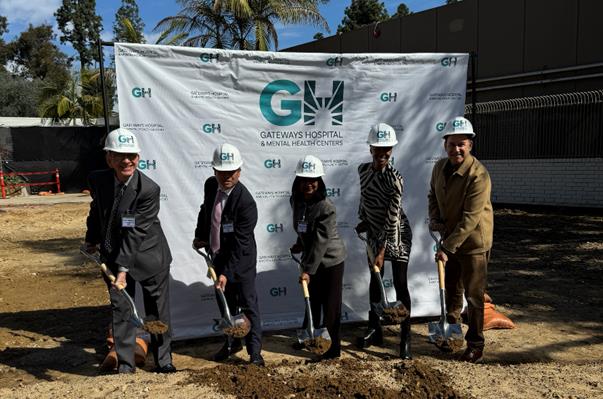
DHCS通过 BHCIP 向 Gateways 拨款超过 1900 万美元,这是California持续致力于为所有加州人扩大行为健康服务的一部分。 随着 1 号提案的通过,2025 年和 2026 年将有更多的行为健康治疗机构获得资金并建成。
“这一突破性进展是我们致力于为面临严重心理健康挑战的青少年提供专业护理方面迈出的重要一步,” DHCS 主任 Michelle Baass说。“通过扩大全面护理服务的覆盖范围,我们正在营造一个所有年轻人都能获得应有关爱和支持
从而茁壮成长
环境。”GATEWAYS 青年拓展项目:该项目服务的青年大多经历过创伤事件或童年逆境,或者正在接受儿童福利服务。Gateways 将在现有 55 张为成人和青少年服务的急性精神病医院的基础上,增加 37 张青少年住院床位。
“迫切需要为面临心理健康危机的青少年提供支持,” Gateways医院首席执行官Phil Wong博士说。“我们赞扬California优先考虑这些资金,通过扩大基础设施能力来关注青少年心理健康,从而扭转局面。 我们的团队很高兴能够启动扩建项目,以便开始为需要这些重要服务的青少年提供帮助。”
In addition to traditional health care, the expanded facility will allow youth to receive multiple therapeutic services and participate in activities designed to build autonomy and help them transition to outpatient services. These services will include individual and group therapies, such as cognitive-behavioral therapy, psychoanalytic therapy, mentalization-based therapy, eye movement desensitization and reprocessing, and biofeedback. Youth housed in the unit will receive multiple therapeutic services, including family therapy and medical counseling.
最后,患有神经性厌食症和神经性贪食症等饮食失调症的青少年,以及同时患有酒精和药物滥用障碍的青少年,将接受营养咨询,密切监测其身体健康,并接受药物管理。
为何这很重要:通过BHCIP计划,DHCS向符合条件的机构提供资金,用于建设、购置和扩建房产,以及投资移动危机干预基础设施,从而进一步扩大针对同时存在心理健康治疗需求和物质使用障碍人群的社区行为健康治疗选择范围。BHCIP 正致力于弥补行为健康护理体系中长期存在的缺口,以满足有需要人群在整个生命周期内日益增长的服务和支持需求。
DHCS 授予了 17 亿美元的 BHCIP 竞争性拨款。此外, DHCS将发放高达 44 亿美元的竞争性债券 BHCIP 资金,其中包括 33 亿美元用于第一轮“启动准备”拨款,作为行为健康转型计划的一部分,这是DHCS为落实第 1 号提案而开展的工作。DHCS DHCS Regular这项工作举行公众意见征询会。 会议 最新信息和录像可在“行为健康转型”网页 查看。
关于 BHCIP 第 4 轮:儿童和青少年: BHCIP 第 4 轮由California儿童和青少年行为健康计划提供资金,重点关注 25 岁及以下的加州居民,包括怀孕和产后妇女及其子女,以及 18 至 25 岁的过渡年龄青年及其家庭。 这 52 项拨款总额达 4.805 亿美元,用于新建和扩建多种类型的门诊和住院设施,包括儿童危机住院治疗Program 、围产期药物滥用障碍住院治疗设施、社区健康/青少年预防中心以及药物滥用障碍门诊治疗。 欲了解更多信息,请访问BHCIP网站。
###
通讯办公室
(916) 440-7660
DHCSPress@dhcs.ca.gov
新的危机管理中心预计每年将为 2,500 多人提供服务
Sacramento ——2月7 , 2025 , Department of Health Care Services (DHCS) )和CRI-Help宣布Los Angeles县物质使用障碍(SUD)危机管理中心:一个完全整合的行为健康园区项目盛大开幕。 该场所包括成人住院药物滥用治疗机构、强化门诊药物滥用治疗机构和戒酒中心。预计这些合并后的设施每年将为超过 2500 人提供服务。
SUD危机管理中心项目由DHCS行为健康连续体基础设施Program (BHCIP)第五轮资助。 DHCS通过 BHCIP 向 CRI-Help 拨款超过 2100 万美元,这是California持续致力于为所有加州人扩大行为健康服务的一部分。 随着 1 号提案的通过,2025 年和 2026 年将有更多的行为健康治疗机构获得资金并建成。
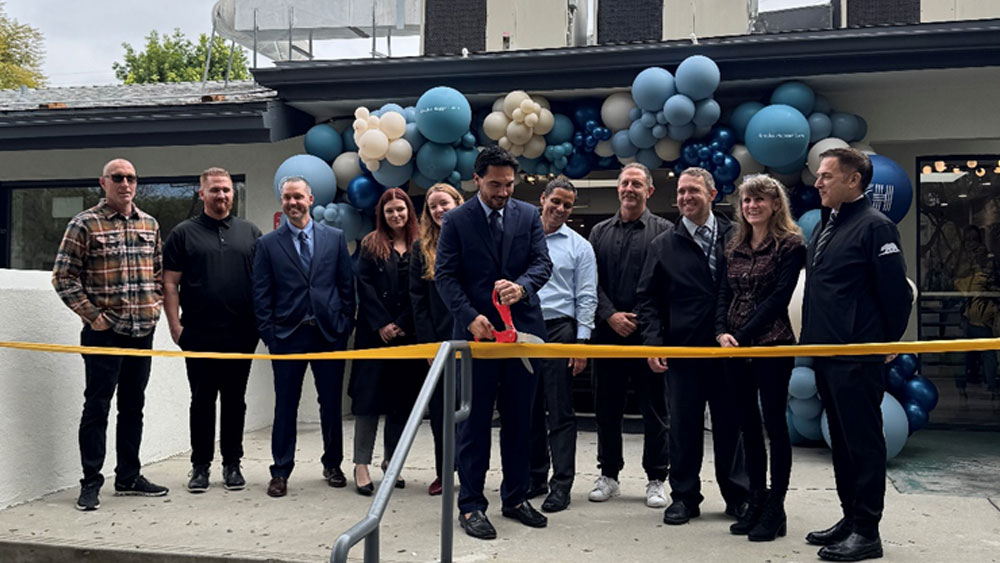
“像这样的机构是 SUD 危机管理中心的一部分,它们不仅处理危机,还处理寻求 SUD 帮助的人们的核心问题,以便他们能够持续康复,” DHCS 主任 Michelle Baass说。“DHCS很高兴与CRI-Help合作
使这个设施成为现实,并为社区带来高质量的行为健康护理。
CRI-HELP: CRI-Help 的 SUD 危机管理中心项目立即增加了Los Angeles市中心和东部地区低收入成年人获得门诊和住院危机服务的途径。 本项目包含三个Program :
这些机构将共同提供筛查、团体咨询、患者教育、家庭治疗小组、动机式访谈、康复服务,以及
其他级别护理机构
无缝衔接。“随着由 BHCIP 资助的戒酒中心的加入,该中心提供全面的康复服务,我们正在重新定义Los Angeles地区可及的、富有同情心的护理是什么样子,” CRI-Help 总裁兼首席执行官 Brandon Fernandez说。 “对于那些寻求人生第二次机会的人来说,这所校园是创新和包容的灯塔。”
为何这很重要:通过BHCIP计划,DHCS向符合条件的机构提供资金,用于建设、购置和扩建房产,以及投资移动危机干预基础设施,从而进一步扩大针对同时存在心理健康治疗需求和物质使用障碍(SUDs)人群的社区行为健康治疗选择范围。BHCIP 正致力于弥补行为健康护理体系中长期存在的缺口,以满足有需要人群在整个生命周期内日益增长的服务和支持需求。
DHCS已发放17亿美元的BHCIP竞争性拨款。此外, DHCS将发放高达 44 亿美元的竞争性债券 BHCIP 资金,其中包括 33 亿美元用于第一轮“启动准备”拨款,作为行为健康转型计划的一部分,这是DHCS为落实第 1 号提案而开展的工作。DHCS DHCS Regular这项工作举行公众意见征询会。 会议 最新信息和录像可在“行为健康转型”网页 查看。
关于 BHCIP 第 5 轮:危机和行为健康连续体: BHCIP 第 5 轮的制定,部分是通过全州范围的需求评估,该评估确定了现有危机服务方面的重大差距。这项评估表明,需要建立更好的危机护理系统,以减少急诊就诊次数、住院次数和监禁次数。这 33 项奖项,总额达 4.3 亿美元,将用于在全州范围内建设和扩建危机护理和行为健康设施,并将为包括 Medi-Cal 会员在内的所有年龄段的弱势加州人提供服务。
###
通讯办公室
(916) 440-7660
DHCSPress@dhcs.ca.gov
预计每年服务超过 900 人的项目
Sacramento —— Department of Health Care Services (DHCS) ) 正在Los Angeles县的两个地点扩大为患有药物滥用障碍和同时存在的精神健康需求的个人提供的住宿服务。
全人儿童心理健康和住房服务中心庆祝了新的社区健康中心盛大开幕(如下)。2月1日,该中心开始提供创伤知情、文化敏感的心理健康、家庭住房、家长提升和营养教育服务。该中心为洛杉矶东南部面临就医障碍的家庭提供支持,包括无家可归的青少年和家庭。
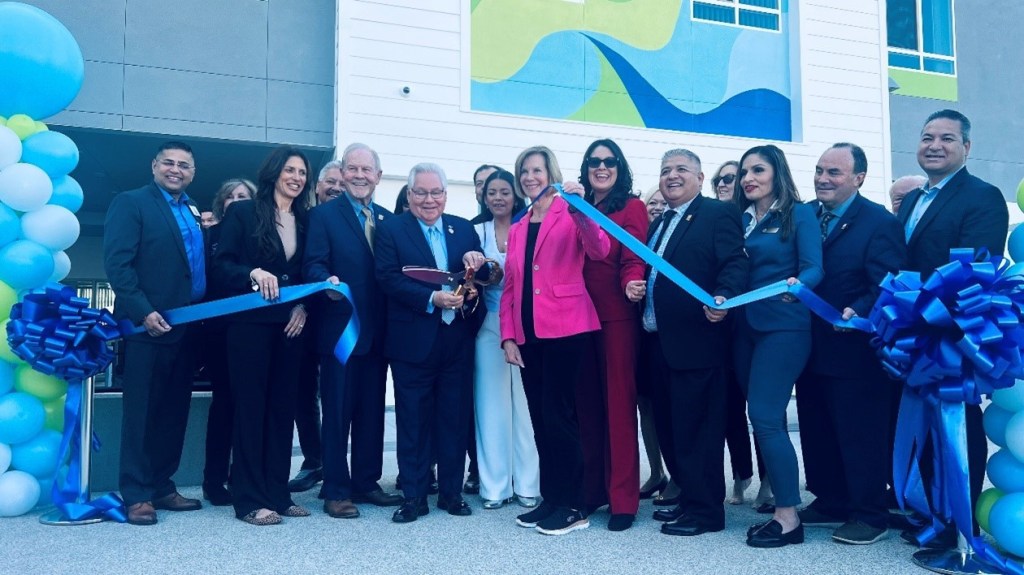
此外,圣安妮家庭服务中心举办了一项名为“STRTP FOR ONE”的新型短期住宿治疗Program (STRTP) 的奠基仪式(见下文),该计划每年为Los Angeles县的数千名年轻女性、儿童和家庭提供高质量的支持性住房Program 、幼儿教育、心理健康和家庭服务。
这两个项目均由DHCS的行为健康连续体基础设施Program (BHCIP) 第 5 轮资助。 DHCS通过 BHCIP 向 The Whole Child—Mental Health and Housing Services 拨款超过 600 万美元,向 St. Anne's Family Services 拨款超过 200 万美元,这是California持续致力于为所有加州人扩大行为健康服务的一部分。 随着 1 号提案的通过,2025 年和 2026 年将有更多的行为健康治疗机构获得资金并建成。
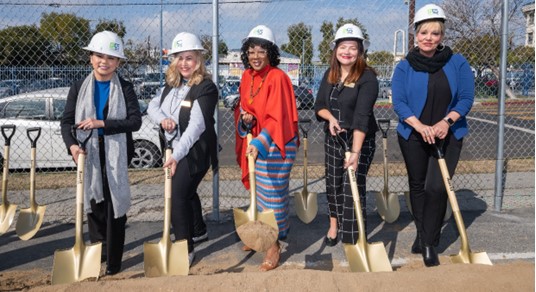
“扩大社区行为健康护理服务是DHCS的首要任务,” DHCS主任Michelle Baass说。“像这样的住宿设施是California为最需要帮助的个人和家庭提供高质量、以创伤为导向的护理的重要组成部分。”
全人关怀——心理健康和住房服务:为无家可归家庭和社区提供创伤疗愈和健康中心的项目,为Los Angeles地区无家可归的儿童、青少年和家庭提供创伤知情、文化敏感的服务。 除了门诊咨询服务外,该中心还支持职业培训、心理健康、住房指导、家长教育和营养教育。该中心提供全面的心理健康服务,包括个人、家庭和团体心理治疗、药物管理、心理测试、精神病服务、个案管理、危机干预服务、与学校相关的服务(为学生提供现场评估和治疗)、多学科评估团队和专门的寄养服务。循证实践包括创伤聚焦认知行为疗法、个体认知行为疗法、三重 P 积极育儿Program 、管理和收养实践、儿童父母心理治疗、美好童年计划、攻击替代疗法和人际心理治疗。
“作为儿童心理健康和福祉领域的区域领导者,我们深知童年创伤和痛苦会伴随孩子进入成年期,”全人儿童组织首席执行官康斯坦萨·帕琼说道。“然而,我们也知道,早期治疗可以产生巨大的积极影响,为儿童和青少年提供他们开始康复之旅所需的工具和应对技巧。这个由BHCIP资助建造的中心,将成为我们社区的希望灯塔。
STRTP FOR ONE:圣安妮家庭服务中心设计了 STRTP FOR ONE,设有一张床位,为 13-17 岁的年轻母亲提供高度个性化、全面的护理,这些年轻母亲由于复杂的心理或行为健康需求,面临多次安置、无家可归和监禁的风险。该Program配备了一支高度协调且具有创伤知情意识的临床专业人员团队,在家庭般的环境中提供以优势为基础、以客户为中心的干预措施。 该Program旨在为这些青少年提供应对复杂创伤的工具,培养独立生活技能,并在自然支持下发展实时育儿技能。
“我们很高兴能与DHCS合作,解决我们社区年轻家庭的重大心理健康需求,”圣安妮家庭服务中心总裁兼首席执行官Lorna Little(社会工作硕士)表示。“我们拥有独特的优势,能够为处于危机中的年轻女性提供专门服务——这些女性包括怀孕或育儿的女性,她们希望与家人团聚,并通过我们的Program学习如何稳定下来,从而成功过渡。”
为什么 BHCIP 很重要:通过 BHCIP,DHCS 为符合条件的实体提供资金,用于建造、收购和扩建房产以及投资移动危机基础设施,以进一步扩大针对同时存在心理健康治疗需求和物质使用障碍的人群的社区行为健康治疗选择范围。 BHCIP 正在解决行为健康护理系统中存在的历史性差距,以满足有需要的人一生中对服务和支持日益增长的需求。
DHCS has awarded $1.7 billion in BHCIP competitive grants. In addition, DHCS will distribute up to $4.4 billion in competitive Bond BHCIP funding, including $3.3 billion for Round 1: Launch Ready grants as part of Behavioral Health Transformation, DHCS’ work to implement Proposition 1. DHCS holds regular public listening sessions on this effort. Updates and recordings of the sessions are available on the Behavioral Health Transformation webpage.
关于 BHCIP 第 5 轮:危机与行为健康连续体: BHCIP 第 5 轮的制定,部分得益于全州范围内的需求评估,该评估发现现有危机服务存在重大缺口。这项评估表明,需要建立更好的危机护理系统,以减少急诊就诊次数、住院次数和监禁次数。这 33 项奖项,总额达 4.3 亿美元,将用于在全州范围内建设和扩建危机护理和行为健康设施,并将为包括 Medi-Cal 会员在内的所有年龄段的弱势加州人提供服务。
###
通讯办公室
(916) 440-7660
DHCSPress@dhcs.ca.gov
新路线图概述了为孕妇和产后 Medi-Cal 会员创建更公平、以患者为中心的系统的策略
Sacramento ——加州Department of Health Care Services (DHCS) ) 今天发布了《分娩护理路径报告》 ,这是一项旨在改善加州医疗补助计划Medi-Cal成员孕产妇护理的综合计划。 该路线图涵盖了所有 Medi-Cal 孕期和产后成员从受孕到产后 12 个月的整个过程,旨在使医疗保健变得可及、公平和以患者为中心。
“分娩护理路径代表着California在改善孕产妇健康方面迈出的关键一步,” DHCS主任 Michelle Baass说。 “通过以会员体验为中心,使政策与可操作的建议保持一致,并加强跨部门合作,我们旨在确保每位 Medi-Cal 会员都能获得安全、公平和全面的孕产妇保健服务。”
主要目标: 《分娩护理路径》报告详细介绍了加州医疗保健服务部 (DHCS) 已实施或正在实施的政策,以支持所有参加 Medi-Cal 的怀孕和产后成员。
,该报告还
了未来勘探的机会。分娩护理路径优先考虑:
生育护理路径将通过改革 Medi-Cal 的孕产政策来实现这些目标,从而创建以会员为中心的产前和产后护理方法,以满足会员的需求,并提供全人护理,除了医疗需求外,还解决行为健康和社会需求。DHCS将修订和更新现有的Medi-Cal政策,为会员提供更多类型的孕产妇服务提供者和支持,如导乐、社区卫生工作者等,并在全州范围内建立医疗保健与其他Program之间的关键联系,使会员更容易获得所需的全部服务。
此外, DHCS将满足怀孕/产后特殊人群的需求,包括与司法系统有牵连的人、有严重精神健康和药物滥用需求的人、LGBTQI+ 人群以及黑人、美国印第安人/ Alaska原住民和太平洋岛民。
DHCS将继续与州政府部门(包括California公共卫生部 ( CDPH ) 和California卫生局局长办公室 (OSG))、孕产妇护理和社会服务提供者、州和地方领导人、 Medi-Cal Managed Care计划 (MCP)、生育公平倡导者和其他合作伙伴合作,以实施报告中概述的生育护理路径政策。 继续与各种合作伙伴共同实施和进一步发展分娩护理路径,对于协调众多正在进行的孕产妇计划至关重要,这样才能避免这些计划各自为政。
“通过全面、以人为本的方法, California不仅提高了围产期健康,而且还为护理树立了一个大胆的新标准,为全州家庭带来了更好的结果,” California卫生局局长戴安娜·拉莫斯博士说。 “分娩护理路径是该州推进围产期健康工作的重要补充,它建立在目前正在进行的创新性合作工作之上。”
“在我整个职业生涯中,我一直服务于农村社区,我知道从受孕到产后一年内提供医疗服务一直是一个挑战,” California合作健康计划首席医疗官罗伯特·摩尔博士说。 “像DHCS生育护理路径这样的合作对于将多个合作伙伴和利益相关者聚集在一起寻找解决方案至关重要。”整个社区都必须参与到这个问题中来,才能取得持久的进展。
为什么这件事很重要:美国近八分之一的新生儿出生在California ,其中 40% 的新生儿由Medi-Cal覆盖。 虽然California目前是全美孕产妇死亡率最低的州,但Medi-Cal会员的孕产妇死亡率高于拥有商业保险的个人。
虽然《生育护理路径》制定了 Medi-Cal 中改变孕产妇护理的长期战略,但许多服务和支持已经向怀孕和产后成员开放。Medi-Cal会员可以通过其Health Plan和Provider Network获得全面的孕产妇护理,包括产前和产后就诊、导乐服务、行为健康护理和哺乳支持。 作为持续推进分娩护理路径实施工作的一部分,DHCS 将继续致力于改进和扩展这些服务。
关于生育护理路径:生育护理路径包括政策建议,旨在解决怀孕和产后成员的生理、行为和健康相关的社会需求。机遇包括改善获得医疗服务的机会、加强临床护理和护理协调、提供全人护理以及使 Medi-Cal 支付孕产妇护理的方式现代化。
分娩护理路径是California多年致力于改善孕产妇健康状况的一部分,孕产妇健康改革已经开始。 DHCS正在中央谷地的五个县( Kern 、 Fresno县、 Kings 、 Tulare和Madera )实施联邦十年“转变孕产妇健康(TMaH) 模式”。 TMaH 是一种服务提供和支付模式,旨在检验有效实施循证干预措施,并辅以基于价值的支付模式,能否改善孕产妇结局并降低加州医疗Program (
Medi-Cal
的支出。协作过程:生育护理路径体现了孕产妇和产后Medi-Cal会员、州合作伙伴以及一系列医疗保健和社会服务提供者、社区组织 (CBO) 和倡导者的协作努力,确保在California生育和孕产妇保健的未来中采取以社区知情的政策方法。 此外, California医疗保健基金会和戴维和露西尔·帕卡德基金会也提供了资金,以支持参与和报告撰写。 Medi-Cal 会员的关键见解凸显了关键需求,例如尊重生育意愿、获得种族相符且以文化为中心的护理、改善行为健康支持以及更好的护理协调。成员的经验直接影响了该路径的政策建议。欲了解更多信息,请 分娩护理路径网页
“了解了分娩护理途径后,我感到如释重负,也看到了希望,因为这意味着我可以照顾好自己和宝宝的健康,而不会增加额外的压力,”一位11个月大宝宝的母亲M. Thao说道。“每次我打电话寻求帮助以了解资源和注册该Program时, Medi-Cal都会给我明确的指导。 “我希望California的每一位准妈妈都能拥有那种知道自己会平安无事的感觉。”
更广泛的孕产妇健康愿景: DHCS 将与 MCP、提供者、社区组织和其他利益相关者合作,实施 TMaH 模式要素,这些要素与分娩护理路径相一致且互补。此外, DHCS正在与California孕产妇质量护理合作组织、 CDPH和 OSG 合作,制定一项孕产妇健康战略计划,目标是在 2025 年 9 月之前完成,以改善California各地的孕产妇健康状况。
###
通讯办公室
(916) 440-7660
DHCSPress@dhcs.ca.gov
行为健康服务每年扩大至 4,800 人
Sacramento ——1月23日, 2025日, Department of Health Care Services (DHCS) )和Sierra儿童与家庭Vista中心庆祝Stanislaus县一家新机构的开业,以弥补精神健康和药物滥用障碍(SUD)治疗方面的差距。 社区健康与青少年预防中心将提供重要的行为健康服务,包括青少年恢复性司法实践、心理健康咨询、孕产妇服务、家庭和父母支持服务以及其他综合服务。
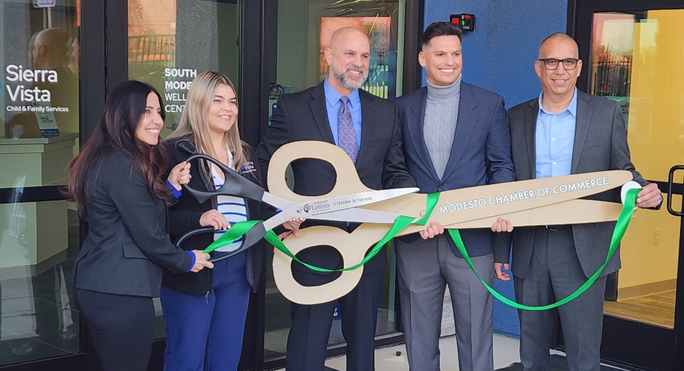
DHCS通过行为健康连续体基础设施Program (BHCIP) 向Sierra Vista儿童与家庭服务中心拨款超过 460 万美元,该计划旨在确保为California最弱势群体提供全面的行为健康护理。 该设施预计每年可为 4800 人提供服务。凭借已获批准的 1 号提案债券,在 2025 年和 2026 年,将有更多行为健康治疗设施获得资金并得以建设。
“社区健康和青少年预防中心是California为农村和欠发达社区提供高质量、整体医疗保健的重要举措之一,” DHCS主任 Michelle Baass说。 “该中心的开放对于Stanislaus县寻求有尊严且全面的心理健康服务的人们来说,意义非凡。”
“我们的使命是加强家庭和社区,” Sierra Vista与家庭服务中心首席执行官安德鲁·廷比说。 “我们相信,为实现这一使命而采取的战略举措,已有效地体现在我们位于Stanislaus县中心地带(一个脆弱且困难的社区)的社区健康和青少年预防中心的投资和进一步发展中。”
Sierra Vista儿童与家庭服务: Sierra Vista儿童与家庭服务提供多种服务,包括强化护理管理、指导、寄养青年短期住宿治疗Program和围产期物质使用障碍治疗Program 。
新的社区健康和青少年预防中心是利用 BHCIP 的资金建成的,目的是为儿童、家庭和整个斯坦尼斯劳斯社区的生活带来持久的变化。该中心的服务对象是 25 岁以下的儿童和青少年,他们来自服务不足的高危人群,包括少年司法系统中的低犯罪率人群及其家庭成员。服务包括基于优势的评估、全面的个案管理服务、与当地社区资源的联系、家庭和照顾者教育及福利支持、心理健康筛查以及孕期和产后服务。
BHCIP 的重要性:通过 BHCIP,DHCS 向符合条件的实体提供资金,用于建设、购置和扩建房产,并投资移动危机基础设施,以进一步扩大社区行为健康治疗方案的范围,为患有精神健康和药物滥用障碍的人们提供帮助。BHCIP 正在解决行为健康护理系统的历史遗留问题,以满足有需要的人们在其一生中对服务和支持的日益增长的需求。Sierra Vista 儿童与家庭服务中心获得了BHCIP 第 4 轮:儿童和青少年补助金。
DHCS has awarded $1.7 billion in BHCIP competitive grants. In addition, DHCS will distribute up to $4.4 billion in competitive Bond BHCIP funding, including $3.3 billion for Round 1: Launch Ready grants as part of Behavioral Health Transformation, DHCS’ work to implement Proposition 1. DHCS holds regular public listening sessions on this effort. Updates and recordings of the sessions are available on the Behavioral Health Transformation webpage.
关于 BHCIP 第四轮:儿童和青少年: BHCIP 第 4 轮重点关注 25 岁及以下的加州居民,包括孕妇和产后妇女及其子女,以及 18 至 25 岁的过渡年龄青年及其家庭。在California儿童和青少年行为健康倡议的资助下,52项总计4.805亿美元的拨款用于新建和扩建多种类型的门诊和住院设施,包括儿童危机住院治疗Program 、围产期药物滥用障碍住院治疗设施、社区健康/青少年预防中心以及药物滥用障碍门诊治疗。 请访问BHCIP 网站,了解有关资助对象的更多信息以及所有 BHCIP 资助轮次的更多详细信息。
###
通讯办公室
(916) 440-7660
DHCSPress@dhcs.ca.gov
项目为等待或即将离开住院治疗的病人增加了 16 张新的同伴暂息床位
Sacramento ——1月29日, 2025 , Department of Health Care Services (DHCS) ) 出席了Placer县一家新的16床成人同伴喘息中心的开幕式,该中心为等待安置到住院治疗Program或从该Program退出到较低级别护理的成年人提供安全、支持和家庭般的环境。 该机构名为“港湾”,将于 2 月 3 日开始通过Placer县药物滥用小组管理的转介系统接收客户。
DHCS通过行为健康连续体基础设施Program (BHCIP) 向Placer县拨款近 40 万美元,这是California持续致力于为所有加州人扩大行为健康服务的一部分。 随着 1 号提案的通过,2025 年和 2026 年将有更多的行为健康治疗机构获得资金并建成。
“对于经历精神健康危机的人来说,限制性强的住院环境往往是唯一的选择,” DHCS 主任米歇尔·巴斯说。“像The Harbor这样的以社区为基础、以创伤知情和以韧性为中心的中心,有可能彻底改变California在行为健康治疗和康复方面的做法。”
港湾:新设施将包括同伴喘息服务,旨在通过为离开寄宿机构或等待安置的人们提供结构化的环境,来补充Placer县卫生和公共服务药物Medi-Cal组织交付系统 (DMC-ODS) 的治疗连续性。 居民将参与自助康复活动,同时可能还会参与门诊治疗。
Services provided include ongoing needs assessment across the behavioral health and physical health spectrums, case management, crisis management, trauma-informed individual and group therapy, peer-to-peer supportive services, linkage to cultural supports and services, and other necessary referral services for a safe and efficient discharge back into the community. These services are designed to provide less costly and less intrusive care than those offered in a hospital setting.
“港湾将提供一个充满关爱和支持的环境,让人们能够重拾力量、疗愈身心,并重新获得幸福感,” Placer县行为健康主任艾米·埃利斯说道。 “该设施是Placer县持续努力建设和扩建其行为健康基础设施,以满足有需要的人们的需求的一部分。”
为什么 BHCIP 很重要:通过 BHCIP,DHCS 为符合条件的实体提供资金,用于建造、收购和扩建房产以及投资移动危机基础设施,以进一步扩大针对同时存在心理健康治疗需求和物质使用障碍的人群的社区行为健康治疗选择范围。 BHCIP 正在解决行为健康护理系统中存在的历史性差距,以满足有需要的人一生中对服务和支持日益增长的需求。
DHCS已发放17亿美元的BHCIP竞争性拨款。此外, DHCS将发放高达 44 亿美元的竞争性债券 BHCIP 资金,其中包括 33 亿美元用于第一轮“启动准备”拨款,作为行为健康转型计划的一部分,这是DHCS为落实第 1 号提案而开展的工作。DHCS DHCS Regular这项工作举行公众意见征询会。 会议 最新信息和录像可在“行为健康转型”网页 查看。
关于 BHCIP 第三轮:启动准备就绪: BHCIP 第三轮支持准备活动,以规划在全州范围内获取和扩展行为健康基础设施。45 个获批设施共获得 5.185 亿美元的资金。BHCIP 申请者必须证明其能够为 Medi-Cal 会员扩展服务,并拥有有效的规划流程,以确保项目做好实施准备。
###
通讯办公室
(916) 440-7660
DHCSPress@dhcs.ca.gov
——加州 ) 通过 过量用药预防网络 ( COPNSacramento Department of Health Care Services (DHCS)) 向 15 个地方联盟 拨款 270California 万美元。COPN 是一个备受尊敬的全州学习网络,致力于对抗过量用药流行。这项资金将为支持 COPN 使命的联盟提供持续支持,以加强社区内部的联系,并提供知识、培训和资源,从而改进做法并创造持久的改变。
“传统上,阿片类药物使用障碍的治疗是各自为政的,医疗服务提供者与其他组织之间的联系有限,导致护理方面出现差距,” DHCS 主任 Michelle Baass说。“这笔资金将支持 COPN 的工作,帮助协调在California过量用药危机最前线工作的联盟、组织和个人,优先考虑独特的、本地化的需求,并实施已被证明能够挽救生命的解决方案。”
做出改变: 15 个获奖联盟将在 1 月1 、 2025至 8 月30 、 2027期间利用这笔资金实施应对药物过量预防、治疗和康复的策略。这些努力包括分发纳洛酮、扩大获得救生资源的途径以及开展社区教育,所有这些努力都旨在减少过量用药死亡,并促进全州的长期康复。
重要性: 2022 年,超过 7000 名加州居民死于阿片类药物过量。全国每年有超过 83,000 人死于与阿片类药物相关的过量用药,其中 90% 的死亡与芬太尼有关。
拨款影响: “由于这笔资金,我们的联盟将继续提供社区教育和宣传,以减少阿片类药物的使用,并增加预防过量用药的机会,” San Luis Obispo阿片类药物安全联盟的联盟协调员詹恩·罗兹说。 “我们还将改善服务提供者的获取途径
以提高全县治疗和减害服务的可
性。”“这笔资金将加强我们联盟目前的各项举措,并扩大我们的工作范围,以惠及更多人群,” Drug Safe Solano 联盟协调员 Arthur Camargo说。“具体来说,这些资金将使我们能够扩大减害服务、纳洛酮培训和分发,以及社区教育活动和培训。该笔资金还将支持我们联盟更新和传播面向处方医生的资源,以更安全地开具阿片类药物和丁丙诺啡处方,并利用我们的数据资源倡导合理利用地方阿片类药物和解资金。
通过加强联系和提供重要资源,COPN 的网络和培训为联盟提供了有效应对药物过量流行病所需的工具和支持。
更宏观的视角:本项目由美国药物滥用和精神健康服务管理局颁发的州阿片类药物应对 IV 拨款资助。该项目是加州医疗保健服务DHCS为解决物质使用障碍问题而开展的更广泛努力的一部分,统称为“ California阿片类药物应对项目” ,旨在通过提供预防、治疗和康复活动,增加获得药物辅助治疗 (MOUD) 的机会,减少未满足的治疗需求,并减少与阿片类药物过量相关的死亡。 更多 ,请 网站DHCS 。
加州推出了opioids.ca.gov 网站,这是一个为加州居民提供预防和治疗资源的一站式工具,同时还提供有关California如何努力追究大型制药公司和毒品贩运者在这场危机中的责任的信息。
符合条件的实体可以通过 DHCS 的 纳洛酮分发项目 免费获得 CalRx 品牌的非处方 (OTC) 4 毫克纳洛酮鼻喷雾剂。CalRx 正在努力为个人提供直接购买 CalRx 非处方纳洛酮鼻喷雾剂的选择。
###
通讯办公室
(916) 440-7660
DHCSPress@dhcs.ca.gov
萨克拉门托--卫生保健服务部(DHCS)向 91 家机构拨款近 6540 万美元,用于加强加州枢纽和辐条系统(California Hub and Spoke System),该系统是一种行之有效的模式,旨在增加全州范围内阿片类药物使用障碍(MOUD)的药物治疗服务。这笔资金将在全州范围内加强预防、治疗和康复服务,推动抗击阿片类药物危机的斗争,挽救生命。
“要战胜阿片类药物危机,需要我们公共卫生系统的各个部门共同努力,共同努力实现治愈,” DHCS 主任米歇尔·巴斯说。“中心辐射式系统通过改善加州各地社区的服务和资源,加强了California预防、减少伤害、治疗和康复服务提供者的网络。”
The Hub and Spoke System consists of a network of Narcotic Treatment Programs (known as Hubs) licensed to dispense methadone and other MOUDs. These Hubs are connected to other MOUD prescribers (known as Spokes), which primarily provide various formulations of buprenorphine—a medication that reduces opioid cravings and withdrawal symptoms—and ongoing opioid use disorder (OUD) and substance use disorder (SUD) care and treatment.
重要性: 2022 年,超过 7000 名加州居民死于阿片类药物过量。全国每年有超过 83,000 人死于与阿片类药物相关的过量用药,其中 90% 以上与芬太尼有关。中心辐射式系统提高了全州(尤其是药物过量率最高的县)获得药物辅助治疗 (MAT) 服务的机会。该Program以Vermont中心辐射式系统为蓝本,该系统成功地提高了治疗基础设施匮乏的农村州获得药物辅助治疗的机会。 该项目通过增加开具丁丙诺啡处方的医生、医师助理和执业护士的总数
提高了阿片类
使用障碍(OUD)患者获得药物辅助治疗(MAT)的机会。中心辐射系统持续改进对药物滥用和阿片类药物使用障碍患者的教育、外展和治疗,尤其注重服务弱势群体和增加药物辅助治疗服务。该系统旨在:
这意味着: 91 个组织将获得奖励,以提供 MOUD 服务来实施中心辐射系统,时间为1年2025月 至29年2027月。 受助者包括麻醉品治疗计划、联邦合格医疗中心、乡村卫生诊所、社区诊所、非营利组织和部落实体。
拨款影响: “这笔资金使威尼斯家庭诊所能够为患有药物滥用障碍的人提供拯救生命的帮助,无论他们的保险状况如何,”威尼斯家庭诊所Program管理主任阿里尔·彼得森说。 “这包括阿片类药物使用障碍的药物治疗、咨询、个案管理以及前往戒毒所或住宿护理机构的交通服务。”
“我们很荣幸获得这笔拨款,用于支持我们的阿片类药物使用障碍 (OUD) 药物辅助治疗 (MAT) Program ,使我们能够继续为高危美洲原住民患者提供重要的外展和医疗服务,” K'ima:w 医疗中心的 MAT Program经理 Judith Surber说。 “MAT Program仍然是我们医疗中心和我们所服务的更广泛社区不可或缺的一部分。 这笔资金将有助于发展我们的Program ,减少歧视,并降低我们农村部落社区中阿片类药物过量致死的人数。 通过营造结构化的诊所环境,我们旨在帮助患者重建生活,成为社会中有生产力的成员,并为他们的家庭和社区做出贡献。
“有了中心辐射式系统的资金支持,我们的门诊、住院和阿片类药物治疗Program能够向社区提供更广泛的拯救生命的药物辅助治疗服务,并为更多没有保险和保险不足的患者提供平等获得药物辅助治疗的机会,” Clare|Matrix 的评估主任 Andrea Nee说。 “中心辐射式系统资金对于支持我们的医疗主任、咨询师和护理人员至关重要,使我们能够为更多患有阿片类药物使用障碍和兴奋剂使用障碍的患者提供最高质量的治疗。我们将能够通过全面的患者教育和参与服务,提高人们对药物辅助治疗益处和影响的认识和了解,并进一步减少歧视。”
更宏观的视角:加州推出了opioids.ca.gov 网站,这是一个为加州居民提供预防和治疗资源的一站式工具,同时还提供有关California如何努力追究大型制药公司和毒品贩运者在这场危机中的责任的信息。
中心辐射系统由州阿片类药物应对 IV 拨款资助,该拨款由药物滥用和精神健康服务管理局授予。该项目是加州医疗保健DHCS为解决药物滥用问题而开展的更广泛努力的一部分,统称为California阿片类药物应对计划” ,旨在通过预防、治疗和康复工作,增加获得药物辅助治疗的机会,减少未满足的治疗需求,并减少与阿片类药物过量相关的死亡。 如需了解更多信息,请访问California DHCS阿片类药物应对概述网站。
###
通讯办公室
(916) 440-7660
DHCSPress@dhcs.ca.gov
Sacramento ——为应对南California野火,加州Department of Health Care Services (DHCS) ) 向拜登-哈里斯政府请求并获得了联邦政府的批准,采取了数十项灵活措施,以防止医疗保健服务中断,以便Medi-Cal会员能够继续获得所需的护理。 1135 豁免允许美国卫生与公众服务部 (HHS) 在国家紧急状态期间豁免各种行政要求,以增加获得医疗服务的机会。1135 项豁免批准在前卫生与公众服务部部长泽维尔·贝塞拉宣布的公共卫生紧急状态期间(90 天)仍然有效。
“ DHCS致力于帮助加州民众在这场毁灭性的危机期间以及社区开始复苏之际获得所需的医疗保健,”州Medicaid主任泰勒·萨德维斯说。 “我们联邦合作伙伴授予的豁免将为医疗保健提供者提供必要的灵活性,以满足 Medi-Cal 成员的迫切需求。无论是确保在其他场所继续获得诊所服务,为居家和社区服务提供有针对性的灵活性,还是简化医护人员注册流程,这些措施旨在消除就医障碍,并在此次紧急情况下以及整个恢复过程中为患者和一线医护人员提供支持。
主要灵活性包括:
关于灵活性:根据 1135 豁免条款, Medicare和Medicaid服务中心 (CMS) 暂时放宽了某些Medicare 、 Medicaid和儿童健康保险Program要求,以帮助医疗保健提供者和机构应对紧急情况或灾难。 附录 K 批准为居家和社区服务Program提供了额外的灵活性。 这些措施旨在减轻行政负担,并在关键时期提供医疗保健的灵活性
立即获取帮助:加州居民可以访问CA.gov/LAfires ,这是一个汇集州、地方和联邦政府信息和资源的中心。
Covered California近日宣布, Los Angeles Ventura县的居民将迎来一个特殊的注册期。 本次特殊报名期将持续至3月8、2025日。可通过Los Angeles县和California州获得相关资源。 在加州有 130 万无保险居民,他们有资格通过Covered California获得补贴或有资格获得加州医疗补助计划Medi-Cal的保障,其中 35.6 万人居住在南California 。
California开发了相关资源,旨在帮助人们应对灾害,并提供有关California可提供的各种联邦、州和地方服务的信息:
加州居民可以通过BenefitsCal门户网站在线获取和管理福利。这包括食品援助(CalFresh,以前称为食品券)、现金援助(CalWORKs、一般援助、移民现金援助Program )和负担得起的医疗保险( Medi-Cal )。
在南California山火中遭受损失的个人和企业主可以申请灾害援助:
如果您使用中继服务,例如视频中继服务、带
电话服务或其他服务,
向 FEMA 提供该服务的号码。背景:为应对野火以及州长加文·纽森于 1 月7 、 2025宣布的紧急状态和行政命令,DHCS迅速实施了关键的行政灵活性措施,以保护该州受灾地区的 Medi-Cal 成员。
DHCS负责管理Medi-Cal California版的Medicaid ,为近 1500 万人提供医疗保障,其中包括Los Angeles县近 400 万会员Ventura县超过 25 万会员。 如果 Medi-Cal 会员需要帮助,他们应该联系他们的医疗保健提供者或计划。
###
通讯办公室
(916) 440-7660
DHCSPress@dhcs.ca.gov