
Quality Care Initiatives
بهبود نتایج سلامت برای اعضای Medi-Cal
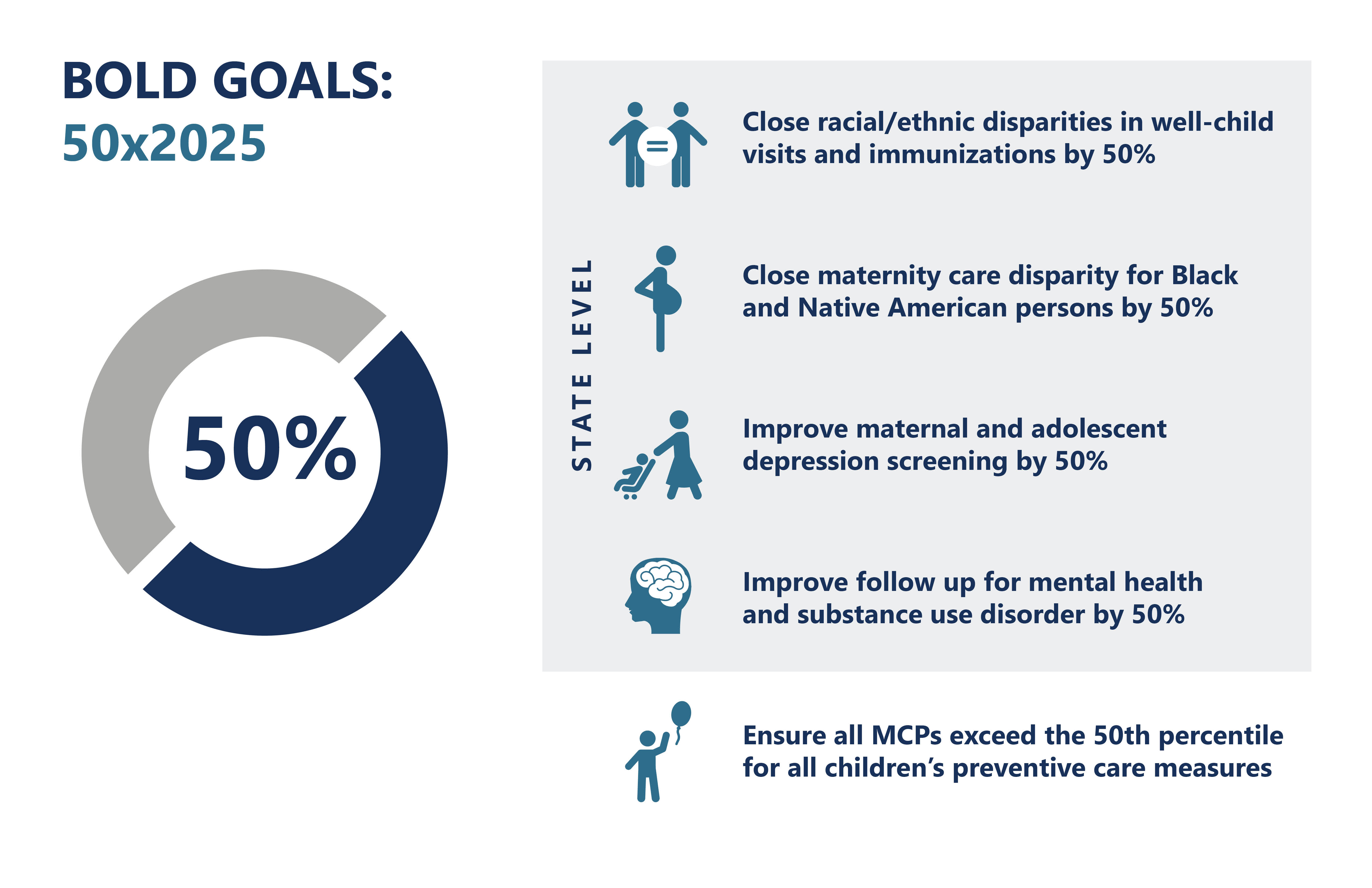
The California Department of Health Care Services (DHCS) is committed to achieving excellence in the quality and equity of care for Medi-Cal members. Through broader efforts focused on Medi-Cal Transformation, as well as through the ambitious 2022 Comprehensive Quality Strategy, DHCS outlined a Population Health Management approach grounded in high-quality primary care as well as the 50×2025 Bold Goals Initiative to improve health care outcomes for children’s preventive health, maternity care and birth equity, and behavioral health integration.
مرکز صداهای اعضا
اساس چشمانداز DHCS برای کیفیت و عدالت در سلامت، این باور است که اعضای Medi-Cal در مرکز طراحی سیاستها و برنامههای ما قرار دارند.
نقشه راه عدالت در سلامت: نقشه راه عدالت در سلامت، طرح DHCS را برای کاهش نابرابریهای سلامت با جمعآوری دادهها، شناسایی شکافهای مراقبتی و ایجاد مداخلات هدفمند برای گروههای پرخطر تشریح میکند. یک تور استماع در سطح ایالت، بازخورد اعضا را مستقیماً از جوامعی که نابرابریها را تجربه میکنند، جمعآوری کرد تا به شکلگیری این نقشه راه کمک کند، نقشه راهی که هدف آن ایجاد شفافیت و اعتماد بین اعضای متنوع است.
کمیته مشورتی اعضا در سال ۲۰۲۳ ، DHCS کمیته مشاوره اعضای Medi-Cal (MMAC) را راهاندازی کرد، یک انجمن اختصاصی برای اعضای Medi-Cal تا بازخورد مستقیمی را به مدیر و رهبری اجرایی DHCS ارائه دهند. این کمیته کاملاً از اعضای Medi-Cal و مراقبان خانواده تشکیل شده است و تضمین میکند که طیف متنوعی از دیدگاهها در آن حضور داشته باشند.
بهبود شفافیت و مسئولیت پذیری برای کیفیت
سنجش کیفیت در سلامت رفتاری: در حالی که DHCS مدتهاست که عملکرد کیفی طرحهای مراقبت مدیریتشده (MCP) Medi-Cal را پیگیری میکند، از سال 2022، DHCS همچنین یک مجموعه پاسخگویی سلامت رفتاری (BHAS) را برای سنجش نتایج کیفیت بالینی در طرحهای سلامت رفتاری شهرستان ایجاد کرده است.
شفافیت بهبود یافته: در طول سه سال گذشته، DHCS به میزان قابل توجهی میزان گزارش های عمومی در مورد نتایج کیفیت و برابری را در سراسر سیستم های تحویل و ابتکارات افزایش داده است تا شفافیت بهتری را ارائه دهد و شرکای خود را برای استفاده از داده ها برای ایجاد پیشرفت ها توانمند سازد. این شامل، اما محدود به موارد زیر نیست:
- داشبورد CalAIM
- گزارش فصلی مدیریت مراقبت پیشرفته/حمایت جامعه
- برگه اطلاعات مجموعه مسئولیت پذیری مراقبت مدیریت شده
- برگه اطلاعات مجموعه پاسخگویی سلامت رفتاری
تحریمها و پاسخگویی: شرکتهای چندملیتی که نتوانند استانداردهای کیفیت را رعایت کنند، ممکن است با طرحهای اقدام اصلاحی، جریمههای مالی یا حتی در موارد شدید با فسخ قرارداد مواجه شوند. تحریمها تضمین میکنند که برنامهها مراقبت باکیفیت را در اولویت قرار دهند و در صورت لزوم، ارائه خدمات را بهبود بخشند. در سه سال گذشته، DHCS سیاست خود را در مورد مجازاتهای کیفی برای MCPها و طرحهای سلامت رفتاری (BHP) تقویت کرده است. علاوه بر این، DHCS در سالهای 2022، 2023 و 2024 تحریمهای مالی را علیه MCPهایی که نتوانستند به هدف DHCS برای نتایج کیفی (50درصد ملی) دست یابند، اعمال کرد.
حمایت از بهبود کیفیت: DHCS در چندین تلاش برای بهبود کیفیت با MCPها همکاری کرد تا مراقبت از اعضای Medi-Cal را بهبود بخشد، از جمله:
- مشارکت در مراکز آموزشی و بازدید از کودکان خوب از طریق مراکز خدمات مدیکر و مدیکید (CMS).
- ایجاد همکاری های منطقه ای جدید برای همه MCP ها برای بحث در مورد موانع منطقه ای، نابرابری ها و شرکای بالقوه جامعه.
- میزبانی کنفرانس DHCS Quality & Health Equity در سال 2023 به عنوان انجمنی برای برنامه هایی برای اشتراک گذاری و شبکه استراتژی های موفق در بهبود کیفیت و برابری.
- راهاندازی دو طرح همکاری یادگیری جدید در سطح ایالت در سال ۲۰۲۴، یکی بر بهبود و گسترش خدمات پیشگیرانه کودکان و دیگری بر ادغام سلامت رفتاری و بهبود همکاری بین MCPها و طرحهای سلامت رفتاری شهرستان متمرکز بود.
انگیزه های مالی برای افزایش کیفیت و برابری
برنامهی عدم پرداخت هزینهی کیفیت و تشویقی: در سال ۲۰۲۴، DHCS برنامهی عدم پرداخت هزینهی کیفیت و تشویقی (QWI) را اجرا کرد. این برنامه با کسر 0.5٪ از پرداختهای سرانه، MCPها را تشویق میکند تا عملکرد خود را در معیارهای کیفی که با استراتژی جامع کیفیت DHCS و اهداف جسورانه همسو هستند، بهبود بخشند. این مبلغ را میتوان با دستیابی به اهداف عملکردی برای کیفیت، رضایت بیمار و کارایی، بازگرداند.
برنامه تشویقی تخصیص خودکار: این برنامه به MCP های با عملکرد بالاتر در برخی از شهرستانها (با بیش از یک MCP) با درصد بیشتری از اعضای جدید Medi-Cal (که به طور فعال MCP را انتخاب نمیکنند) پاداش میدهد. در سال ۲۰۲۴، DHCS این برنامهی طولانیمدتِ تخصیص خودکار را اصلاح کرد تا صرفاً بر عملکرد MCP در معیارهای کیفی منتخبِ همسو با استراتژی جامع کیفیت و اهداف جسورانهاش تمرکز کند.
هزینههای مراقبتهای اولیه و مدلهای پرداخت جایگزین: از سال ۲۰۲۴، همه MCPها موظفند به DHCS گزارش دهند که چه درصدی از هزینههای آنها صرف مراقبتهای اولیه میشود و چگونه از مدلهای پرداخت جایگزین با ارائهدهندگان برای ارتقای کیفیت و برابری استفاده میکنند. DHCS با شرکای کلیدی ایالتی، از جمله Covered California و CalPERS، همکاری کرد تا این الزامات قرارداد را در بین خریداران عمومی هماهنگ کند .
Equity and Practice Transformation Payments: In 2024, DHCS launched the Equity and Practice Transformation Payment Program, a $140 million investment in primary care practices to advance health equity and reduce disparities by working on upstream care models, improving quality of care, value-based payment models, and practice transformation.
سرمایه گذاری در جوامع
سرمایهگذاری مجدد انجمن MCP: از سال 2024، همه MCPهایی که سود میبرند ملزم به سرمایهگذاری مجدد 7.5 تا 15 درصد از آن سود در فعالیتهای سرمایهگذاری مجدد جامعه هستند که بر اساس نیازهای جامعه محلی مطلع و هدایت میشوند.
کالیفرنیا، مدی-کالِ در حال پیشرفت و نوآوری (CalAIM): CalAIM به دنبال بهبود مراقبت از اعضای Medi-Cal از طریق خدمات مدیریت مراقبت پیشرفته و پشتیبانی اجتماعی ، مانند مسیریابی مسکن، وعدههای غذایی متناسب با نیازهای پزشکی و مسکنهای بهبودی، به عنوان جایگزینهایی برای خدمات پزشکی سنتی است.
خدمات سلامت رفتاری: DHCS سرمایهگذاریها را برای گسترش سلامت از راه دور، ادغام سلامت رفتاری با مراقبتهای اولیه و حمایت از برنامه زیرساختی پیوستار سلامت رفتاری (BHCIP) به طور قابل توجهی افزایش داده است. برای ساخت مراکز درمانی جدید و مراکز اجتماعی.
- طرحهای BH-CONNECT و تحول سلامت رفتاری با ارائه خدمات هماهنگ اطلاعرسانی، ناوبری و تعامل به افراد نیازمند پشتیبانی سلامت رفتاری، دسترسی به مراقبت را افزایش میدهند.