ເວັບໄຊທ໌ທາງການຂອງ ລັດຄາລິຟໍເນຍ
ແປ

ໂຄງການຄາດວ່າຈະໃຫ້ບໍລິການເກືອບ 2,000 ຄົນຕໍ່ປີ
SACRAMENTO — ກົມບໍລິການດູແລສຸຂະພາບ (DHCS) ແລະ Mentis ກຳລັງຂະຫຍາຍການບໍລິການຄົນເຈັບນອກສຳລັບຜູ້ທີ່ມີຄວາມຕ້ອງການດ້ານສຸຂະພາບຈິດໃນເຂດ Napa County. ພຽງແຕ່ແປດເດືອນກ່ອນໜ້ານີ້, DHCS ແລະ Mentis ໄດ້ເລີ່ມກໍ່ສ້າງ ວິທະຍາເຂດສຸຂະພາບຊາວໜຸ່ມ Napa Valley, ໂດຍໄດ້ຮັບການສະໜັບສະໜູນຈາກເງິນທຶນຂອງ ໂຄງການ Behavioral Health Continuum Infrastructure Program ມູນຄ່າຫຼາຍກວ່າ 4.7 ລ້ານໂດລາ.
ໃນວັນທີ 5 ມີນາ, DHCS ແລະ Mentis ໄດ້ສະເຫຼີມສະຫຼອງການຕັດໂບຂອງຄລີນິກສຸຂະພາບຈິດຊຸມຊົນຄົນເຈັບນອກແຫ່ງໃໝ່ ແລະ ສູນສຸຂະພາບຊຸມຊົນ/ປ້ອງກັນຊາວໜຸ່ມ, ເຊິ່ງໄດ້ເປີດໃຫ້ບໍລິການ ແລະ ປະກອບມີ 121 ຊ່ອງປິ່ນປົວໃໝ່ ແລະ ຈະໃຫ້ບໍລິການເກືອບ 2,000 ຄົນຕໍ່ປີ.
“DHCS ມຸ່ງໝັ້ນທີ່ຈະເຮັດວຽກຮ່ວມກັບຄູ່ຮ່ວມງານເຊັ່ນ Mentis ເພື່ອຂະຫຍາຍການບໍລິການປິ່ນປົວສຸຂະພາບຈິດ ແລະ ການປິ່ນປົວຄວາມຜິດປົກກະຕິຈາກການໃຊ້ສານເສບຕິດຢ່າງໄວວາສຳລັບຊາວໜຸ່ມລັດ California,” ຜູ້ອຳນວຍການ DHCS ທ່ານນາງ Michelle Baass ກ່າວ. “BHCIP ສືບຕໍ່ແກ້ໄຂຊ່ອງຫວ່າງທາງປະຫວັດສາດໃນລະບົບການດູແລສຸຂະພາບທາງດ້ານພຶດຕິກຳເພື່ອຕອບສະໜອງຄວາມຕ້ອງການທີ່ເພີ່ມຂຶ້ນສຳລັບການບໍລິການ ແລະ ການສະໜັບສະໜູນຕະຫຼອດຊີວິດຂອງຜູ້ທີ່ຕ້ອງການ.”
ວິທະຍາເຂດສຸຂະພາບຊາວໜຸ່ມ NAPA VALLEY: ໂຄງການນີ້ຈະຮັບໃຊ້ຄວາມຕ້ອງການດ້ານພຶດຕິກຳ, ຈິດໃຈ ແລະ ອາລົມຂອງເດັກນ້ອຍ ແລະ ຊາວໜຸ່ມໃນ Napa Valley ແລະ ຄອບຄົວຂອງເຂົາເຈົ້າ. ໂຄງການດັ່ງກ່າວກ່ຽວຂ້ອງກັບການຟື້ນຟູອາຄານໂຮງຮຽນມັດທະຍົມຕອນຕົ້ນເອກະຊົນທີ່ມີຢູ່ແລ້ວ ເພື່ອລວມເອົາສະຕູດິໂອສິລະປະທີ່ສະໜັບສະໜູນ, ພື້ນທີ່ຊຸມຊົນ, ແລະ ຫ້ອງບຳບັດ. ການບໍລິການລວມມີກິດຈະກຳປ້ອງກັນສຸຂະພາບຂອງເດັກ ແລະ ຊາວໜຸ່ມ, ການປິ່ນປົວສຸຂະພາບຈິດ, ການປິ່ນປົວແບບກຸ່ມ ແລະ/ຫຼື ກິດຈະກຳຄອບຄົວ, ແລະ ການປິ່ນປົວດ້ວຍບຸກຄົນ. ໂຄງການຕ່າງໆແມ່ນສະເໜີເປັນພາສາອັງກິດ ແລະ ພາສາສະເປນ ແລະ ບໍ່ເສຍຄ່າ ແລະ ສາມາດເຂົ້າເຖິງໄດ້ສຳລັບທຸກຄົນ. ຕັ້ງຢູ່ໃນໄລຍະທີ່ສາມາດຍ່າງໄປຫາໂຮງຮຽນມັດທະຍົມຕອນປາຍສາມແຫ່ງໄດ້, ການດູແລຢ່າງຕໍ່ເນື່ອງຂອງວິທະຍາເຂດມີຈຸດປະສົງເພື່ອດຶງດູດປະຊາກອນໄວໜຸ່ມທີ່ຫຼາກຫຼາຍ, ລວມທັງໄວໜຸ່ມທີ່ມີສີຜິວ ແລະ LGBTQIA+ ແລະ ຊາວໜຸ່ມທີ່ກ່ຽວຂ້ອງກັບຄວາມຍຸຕິທຳ.
“ຄລີນິກຊຸມຊົນ ແລະ ວິທະຍາເຂດສຸຂະພາບຊາວໜຸ່ມຂອງພວກເຮົາຈະໃຫ້ການສະໜັບສະໜູນທີ່ຈຳເປັນຫຼາຍແກ່ຊາວໜຸ່ມຜູ້ທີ່ຍັງສືບຕໍ່ຕໍ່ສູ້ກັບຄວາມກົດດັນໃນຊີວິດ,” ທ່ານ Rob Weiss ຜູ້ອຳນວຍການບໍລິຫານຂອງ Mentis ກ່າວ. "ພວກເຮົາມີຄວາມກະຕືລືລົ້ນທີ່ຈະຂະຫຍາຍການດູແລຢ່າງຕໍ່ເນື່ອງຂອງພວກເຮົາເພື່ອຮັບໃຊ້ເດັກນ້ອຍ ແລະ ຊາວໜຸ່ມທີ່ມີຄວາມຕ້ອງການທີ່ຫຼາກຫຼາຍ, ແລະ ພວກເຮົາຮູ້ສຶກຂອບໃຈ DHCS ທີ່ເຮັດໃຫ້ວິໄສທັດນີ້ເປັນໄປໄດ້."
ເປັນຫຍັງສິ່ງນີ້ຈຶ່ງສຳຄັນ: BHCIP ແມ່ນສ່ວນໜຶ່ງຂອງຄຳໝັ້ນສັນຍາຢ່າງຕໍ່ເນື່ອງຂອງລັດ California ໃນການຂະຫຍາຍການບໍລິການສຸຂະພາບທາງດ້ານພຶດຕິກຳສຳລັບຊາວ California ທຸກຄົນ. ດ້ວຍການຜ່ານຮ່າງກົດໝາຍສະບັບທີ 1, ສະຖານທີ່ປິ່ນປົວສຸຂະພາບທາງດ້ານພຶດຕິກຳຈະຫຼາຍຂຶ້ນເລື້ອຍໆ ເຊິ່ງຈະໄດ້ຮັບທຶນ ແລະ ກໍ່ສ້າງໃນປີ 2025 ແລະ 2026. ຜ່ານ BHCIP, DHCS ໄດ້ມອບທຶນໃຫ້ແກ່ໜ່ວຍງານທີ່ມີສິດໄດ້ຮັບເພື່ອສ້າງ, ຊື້ ແລະ ຂະຫຍາຍຊັບສິນ ແລະ ລົງທຶນໃນພື້ນຖານໂຄງລ່າງວິກິດການເຄື່ອນທີ່ເພື່ອຂະຫຍາຍທາງເລືອກໃນການປິ່ນປົວສຸຂະພາບຈິດໃນຊຸມຊົນສຳລັບຜູ້ທີ່ມີຄວາມຕ້ອງການການປິ່ນປົວສຸຂະພາບຈິດຮ່ວມກັນ ແລະ ຄວາມຜິດປົກກະຕິການໃຊ້ສານເສບຕິດ.
DHCS ໄດ້ມອບເງິນຊ່ວຍເຫຼືອດ້ານການແຂ່ງຂັນ BHCIP ຈຳນວນ 1.7 ຕື້ໂດລາ. ນອກຈາກນັ້ນ, DHCS ຈະແຈກຢາຍເງິນທຶນສູງເຖິງ 4.4 ຕື້ໂດລາໃນກອງທຶນພັນທະບັດ BHCIP ທີ່ແຂ່ງຂັນ, ລວມທັງ 3.3 ຕື້ໂດລາສຳລັບທຶນຊ່ວຍເຫຼືອຮອບທີ 1: ກຽມພ້ອມເປີດຕົວ ເປັນສ່ວນໜຶ່ງຂອງ ການຫັນປ່ຽນສຸຂະພາບທາງດ້ານພຶດຕິກຳ, ວຽກງານຂອງ DHCS ເພື່ອຈັດຕັ້ງປະຕິບັດ ຂໍ້ສະເໜີທີ 1. DHCS ຈັດກອງປະຊຸມຮັບຟັງສາທາລະນະເປັນປະຈຳກ່ຽວກັບຄວາມພະຍາຍາມນີ້. ການອັບເດດ ແລະ ການບັນທຶກສຽງຂອງກອງປະຊຸມຕ່າງໆແມ່ນມີຢູ່ໃນ ອອນໄລນ໌.
ກ່ຽວກັບ BHCIP ຮອບທີ 4: ເດັກນ້ອຍ ແລະ ຊາວໜຸ່ມ:BHCIP ຮອບທີ 4 ແມ່ນສຸມໃສ່ຊາວຄາລິຟໍເນຍທີ່ມີອາຍຸ 25 ປີ ແລະ ຕ່ຳກວ່າ, ລວມທັງແມ່ຍິງຖືພາ ແລະ ຫຼັງຄອດລູກ ແລະ ເດັກນ້ອຍ ແລະ ຊາວໜຸ່ມອາຍຸ 16-25 ປີ, ພ້ອມກັບຄອບຄົວຂອງເຂົາເຈົ້າ. ຜ່ານການສະໜັບສະໜູນທຶນຈາກ ໂຄງການສຸຂະພາບພຶດຕິກຳເດັກ ແລະ ຊາວໜຸ່ມ ຂອງລັດ California, ລາງວັນທັງ 52 ລາງວັນທີ່ມີມູນຄ່າລວມທັງໝົດ 480.5 ລ້ານໂດລາ ໄດ້ອະນຸຍາດໃຫ້ມີການກໍ່ສ້າງ ແລະ ການຂະຫຍາຍສະຖານທີ່ປິ່ນປົວຄົນເຈັບນອກ ແລະ ສະຖານທີ່ພັກອາໄສຫຼາຍປະເພດ, ລວມທັງໂຄງການພັກອາໄສສຳລັບເດັກໃນວິກິດການ, ສະຖານທີ່ພັກອາໄສສຳລັບຄົນພິການໃນໄລຍະກາງເກີດ, ສູນສຸຂະພາບຊຸມຊົນ/ສູນປ້ອງກັນຊາວໜຸ່ມ, ແລະ ການປິ່ນປົວຄົນເຈັບນອກສຳລັບຄົນພິການໃນການໃຊ້ສານເສບຕິດ. ກະລຸນາເບິ່ງ ເວັບໄຊທ໌ BHCIP ສຳລັບຂໍ້ມູນເພີ່ມເຕີມກ່ຽວກັບຜູ້ໄດ້ຮັບທຶນ ແລະ ລາຍລະອຽດເພີ່ມເຕີມກ່ຽວກັບຮອບການສະໜອງທຶນ BHCIP ທັງໝົດ.
###
ຫ້ອງການສື່ສານ
(916) 440-7660
DHCSPress@dhcs.ca.gov
ໂຄງການຈະປະກອບມີ 37 ຕຽງຄົນເຈັບໃນໂຮງໝໍຈິດຕະສາດສ້ວຍແຫຼມໃໝ່
SACRAMENTO — ໃນວັນ 19 ກຸມພາ, 2025, ກົມບໍລິການດູແລສຸຂະພາບ (DHCS) ແລະ ໂຮງໝໍ ແລະ ສູນສຸຂະພາບຈິດ Gateways ໄດ້ເລີ່ມວາງພື້ນຖານໂຄງລ່າງໃນໂຄງການຂະຫຍາຍຊາວໜຸ່ມຂອງ Gateways ໃນເຂດ Los Angeles County. ໂຄງການດັ່ງກ່າວ, ເຊິ່ງໄດ້ຮັບທຶນສະໜັບສະໜູນຈາກຮອບທີ 4 ຂອງ ໂຄງການໂຄງສ້າງພື້ນຖານສຸຂະພາບທາງດ້ານພຶດຕິກຳຢ່າງຕໍ່ເນື່ອງ (BHCIP) ຂອງ DHCS, ຈະສຸມໃສ່ຊາວໜຸ່ມທີ່ມີບັນຫາທາງດ້ານອາລົມ ຫຼື ພຶດຕິກຳທີ່ຮ້າຍແຮງທີ່ປະສົບກັບພາວະສຸກເສີນທາງຈິດວິທະຍາສ້ວຍແຫຼມ.
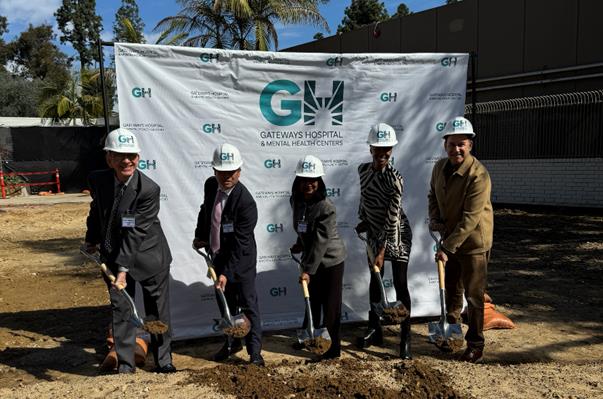
DHCS ໄດ້ມອບເງິນໃຫ້ Gateways ຫຼາຍກວ່າ 19 ລ້ານໂດລາຜ່ານ BHCIP, ເຊິ່ງເປັນສ່ວນໜຶ່ງຂອງຄຳໝັ້ນສັນຍາຢ່າງຕໍ່ເນື່ອງຂອງລັດ California ໃນການຂະຫຍາຍການບໍລິການສຸຂະພາບທາງດ້ານພຶດຕິກຳສຳລັບຊາວ California ທຸກຄົນ. ດ້ວຍການຜ່ານຮ່າງກົດໝາຍສະບັບທີ 1, ສະຖານທີ່ປິ່ນປົວສຸຂະພາບທາງດ້ານພຶດຕິກຳຈະຫຼາຍຂຶ້ນເລື້ອຍໆ ເຊິ່ງຈະໄດ້ຮັບທຶນ ແລະ ກໍ່ສ້າງໃນປີ 2025 ແລະ 2026.
“ການປະດິດສ້າງໃໝ່ນີ້ແມ່ນບາດກ້າວທີ່ສຳຄັນໃນຄຳໝັ້ນສັນຍາຂອງພວກເຮົາໃນການໃຫ້ການດູແລພິເສດແກ່ຊາວໜຸ່ມທີ່ປະເຊີນກັບສິ່ງທ້າທາຍດ້ານສຸຂະພາບຈິດຢ່າງຮ້າຍແຮງ,” ທ່ານ ນາງ Michelle Baass ຜູ້ອຳນວຍການ DHCS ກ່າວ. “ໂດຍການຂະຫຍາຍການເຂົ້າເຖິງການດູແລທີ່ຄົບຖ້ວນ, ພວກເຮົາກຳລັງສົ່ງເສີມສະພາບແວດລ້ອມທີ່ຊາວໜຸ່ມທຸກຄົນສາມາດໄດ້ຮັບການດູແລ ແລະ ການສະໜັບສະໜູນທີ່ພວກເຂົາສົມຄວນໄດ້ຮັບເພື່ອຄວາມຈະເລີນຮຸ່ງເຮືອງ.”
ໂຄງການຂະຫຍາຍຊາວໜຸ່ມ GATEWAYS: ຊາວໜຸ່ມສ່ວນໃຫຍ່ທີ່ຈະໄດ້ຮັບການບໍລິການຈາກໂຄງການໄດ້ປະສົບກັບເຫດການທີ່ເຈັບປວດ ຫຼື ປະສົບການໃນໄວເດັກທີ່ບໍ່ດີ ຫຼື ມີສ່ວນຮ່ວມກັບການບໍລິການສະຫວັດດີການເດັກ. ໂຮງໝໍ Gateways ກຳລັງເພີ່ມຕຽງນອນຄົນເຈັບໃນໂຮງໝໍ 37 ຕຽງສຳລັບໄວລຸ້ນ ເຂົ້າໃນໂຮງໝໍຈິດວິທະຍາສ້ວຍແຫຼມ 55 ຕຽງທີ່ມີຢູ່ແລ້ວ ເຊິ່ງໃຫ້ບໍລິການຜູ້ໃຫຍ່ ແລະ ໄວລຸ້ນ.
"ມີຄວາມຈໍາເປັນດ່ວນໃນການສະຫນອງການສະຫນັບສະຫນູນສໍາລັບເດັກຊາວຫນຸ່ມທີ່ກໍາລັງປະສົບວິກິດສຸຂະພາບຈິດ," ທ່ານ Dr. Phil Wong ຜູ້ອໍານວຍການໂຮງຫມໍ Gateways ກ່າວ. “ພວກເຮົາຂໍຊົມເຊີຍລັດຄາລິຟໍເນຍທີ່ໄດ້ໃຫ້ຄວາມສຳຄັນກັບເງິນທຶນເຫຼົ່ານີ້ເພື່ອສຸມໃສ່ສຸຂະພາບຈິດຂອງຊາວໜຸ່ມໂດຍການຂະຫຍາຍຄວາມສາມາດດ້ານພື້ນຖານໂຄງລ່າງເພື່ອຊ່ວຍປ່ຽນແປງສະຖານະການ.” ທີມງານຂອງພວກເຮົາມີຄວາມຍິນດີທີ່ຈະເລີ່ມຕົ້ນການຂະຫຍາຍຕົວຂອງພວກເຮົາ ເພື່ອໃຫ້ພວກເຮົາສາມາດເລີ່ມຕົ້ນໃຫ້ບໍລິການຊາວໜຸ່ມທີ່ຕ້ອງການການບໍລິການທີ່ສຳຄັນເຫຼົ່ານີ້.”
In addition to traditional health care, the expanded facility will allow youth to receive multiple therapeutic services and participate in activities designed to build autonomy and help them transition to outpatient services. These services will include individual and group therapies, such as cognitive-behavioral therapy, psychoanalytic therapy, mentalization-based therapy, eye movement desensitization and reprocessing, and biofeedback. Youth housed in the unit will receive multiple therapeutic services, including family therapy and medical counseling.
ສຸດທ້າຍ, ໄວໜຸ່ມທີ່ມີອາການຜິດປົກກະຕິດ້ານການກິນ ເຊັ່ນ: ອາການเบื่อອາຫານ (anorexia nervosa) ແລະ ອາການບູລີເມຍ (bulimia), ແລະ ໄວໜຸ່ມທີ່ມີອາການຜິດປົກກະຕິດ້ານການດື່ມເຫຼົ້າ ແລະ ຢາເສບຕິດຮ່ວມກັນຈະໄດ້ຮັບການໃຫ້ຄຳປຶກສາດ້ານໂພຊະນາການ, ໄດ້ຮັບການຕິດຕາມກວດກາສຸຂະພາບທາງຮ່າງກາຍຢ່າງໃກ້ຊິດ, ແລະ ໄດ້ຮັບການຄຸ້ມຄອງຢາ.
ເປັນຫຍັງສິ່ງນີ້ຈຶ່ງສຳຄັນ: ຜ່ານ BHCIP, DHCS ມອບທຶນໃຫ້ໜ່ວຍງານທີ່ມີສິດໄດ້ຮັບເພື່ອສ້າງ, ຊື້ ແລະ ຂະຫຍາຍຊັບສິນ ແລະ ລົງທຶນໃນພື້ນຖານໂຄງລ່າງວິກິດການເຄື່ອນທີ່ເພື່ອຂະຫຍາຍທາງເລືອກໃນການປິ່ນປົວສຸຂະພາບຈິດໃນຊຸມຊົນສຳລັບຜູ້ທີ່ມີຄວາມຕ້ອງການການປິ່ນປົວສຸຂະພາບຈິດຮ່ວມກັນ ແລະ ຄວາມຜິດປົກກະຕິການໃຊ້ສານເສບຕິດ. BHCIP ກຳລັງແກ້ໄຂຊ່ອງຫວ່າງທາງປະຫວັດສາດໃນລະບົບການດູແລສຸຂະພາບທາງດ້ານພຶດຕິກຳເພື່ອຕອບສະໜອງຄວາມຕ້ອງການທີ່ເພີ່ມຂຶ້ນສຳລັບການບໍລິການ ແລະ ການສະໜັບສະໜູນຕະຫຼອດຊີວິດຂອງຜູ້ທີ່ຕ້ອງການ.
DHCS ໄດ້ຮັບທຶນຊ່ວຍເຫຼືອດ້ານການແຂ່ງຂັນ BHCIP ຈຳນວນ 1.7 ຕື້ໂດລາ. ນອກຈາກນັ້ນ, DHCS ຈະແຈກຢາຍເງິນທຶນສູງເຖິງ 4.4 ຕື້ໂດລາໃນກອງທຶນພັນທະບັດ BHCIP ທີ່ແຂ່ງຂັນ, ລວມທັງ 3.3 ຕື້ໂດລາສຳລັບທຶນຊ່ວຍເຫຼືອຮອບທີ 1: ກຽມພ້ອມເປີດຕົວ ເປັນສ່ວນໜຶ່ງຂອງ ການຫັນປ່ຽນສຸຂະພາບທາງດ້ານພຶດຕິກຳ, ວຽກງານຂອງ DHCS ເພື່ອຈັດຕັ້ງປະຕິບັດ ຂໍ້ສະເໜີທີ 1. DHCS ຈັດກອງປະຊຸມຮັບຟັງສາທາລະນະເປັນປະຈຳກ່ຽວກັບຄວາມພະຍາຍາມນີ້. ການອັບເດດ ແລະ ການບັນທຶກສຽງຂອງກອງປະຊຸມຕ່າງໆແມ່ນມີຢູ່ໃນ ໜ້າເວັບການຫັນປ່ຽນສຸຂະພາບພຶດຕິກຳ.
ກ່ຽວກັບ BHCIP ຮອບທີ 4: ເດັກນ້ອຍ ແລະ ຊາວໜຸ່ມ: BHCIP ຮອບທີ 4, ຜ່ານການສະໜັບສະໜູນທຶນຈາກ ໂຄງການສຸຂະພາບພຶດຕິກຳເດັກ ແລະ ຊາວໜຸ່ມ ຂອງລັດ California, ແມ່ນສຸມໃສ່ຊາວ California ທີ່ມີອາຍຸ 25 ປີ ແລະ ຕ່ຳກວ່າ, ລວມທັງແມ່ຍິງຖືພາ ແລະ ຫຼັງຄອດລູກ ແລະ ລູກຂອງເຂົາເຈົ້າ ແລະ ຊາວໜຸ່ມໃນໄວປ່ຽນຜ່ານອາຍຸ 18-25 ປີ, ພ້ອມກັບຄອບຄົວຂອງເຂົາເຈົ້າ. ລາງວັນທັງ 52 ລາງວັນມີມູນຄ່າລວມທັງໝົດ 480.5 ລ້ານໂດລາ ອະນຸຍາດໃຫ້ມີການກໍ່ສ້າງ ແລະ ການຂະຫຍາຍສະຖານທີ່ປິ່ນປົວຄົນເຈັບນອກ ແລະ ສະຖານທີ່ພັກອາໄສຫຼາຍປະເພດ, ລວມທັງໂຄງການພັກອາໄສສຳລັບເດັກໃນວິກິດການ, ສະຖານທີ່ພັກອາໄສສຳລັບຄົນພິການໃນໄລຍະກາງເກີດ, ສູນສຸຂະພາບຊຸມຊົນ/ສູນປ້ອງກັນຊາວໜຸ່ມ, ແລະ ການປິ່ນປົວຄົນເຈັບນອກສຳລັບຄົນພິການຈາກການໃຊ້ສານເສບຕິດ. ສຳລັບຂໍ້ມູນເພີ່ມເຕີມ, ກະລຸນາເຂົ້າເບິ່ງ ເວັບໄຊທ໌ BHCIP.
###
ຫ້ອງການສື່ສານ
(916) 440-7660
DHCSPress@dhcs.ca.gov
ສູນການຄຸ້ມຄອງວິກິດການໃໝ່ຄາດວ່າຈະໃຫ້ບໍລິການຫຼາຍກວ່າ 2,500 ບຸກຄົນຕໍ່ປີ.
SACRAMENTO — ໃນວັນ 7 ກຸມພາ, 2025, ກະຊວງບໍລິການດູແລສຸຂະພາບ (DHCS) ແລະ CRI-Help ໄດ້ປະກາດການເປີດສູນການຄຸ້ມຄອງວິກິດການ Substance Use Disorder (SUD): ໂຄງການວິທະຍາເຂດສຸຂະພາບພຶດຕິກຳແບບປະສົມປະສານຢ່າງຄົບຖ້ວນໃນເຂດ Los Angeles County. ສະຖານທີ່ດັ່ງກ່າວປະກອບມີສະຖານທີ່ປິ່ນປົວ SUD ສຳລັບຜູ້ໃຫຍ່, ສະຖານທີ່ປິ່ນປົວ SUD ແບບເຂັ້ມຂຸ້ນສຳລັບຄົນເຈັບນອກ, ແລະ ສູນປິ່ນປົວຄົນທີ່ບໍ່ມີສະຕິ. ສະຖານທີ່ລວມກັນເຫຼົ່ານີ້ຄາດວ່າຈະຮັບໃຊ້ບຸກຄົນຫຼາຍກວ່າ 2,500 ຄົນຕໍ່ປີ.
ໂຄງການສູນການຄຸ້ມຄອງວິກິດການ SUD ໄດ້ຮັບທຶນຈາກຮອບທີ 5 ຂອງ ໂຄງການໂຄງສ້າງພື້ນຖານສຸຂະພາບທາງດ້ານພຶດຕິກຳຢ່າງຕໍ່ເນື່ອງ (BHCIP) ຂອງ DHCS. DHCS ໄດ້ມອບເງິນຊ່ວຍເຫຼືອ CRI-Help ຫຼາຍກວ່າ 21 ລ້ານໂດລາຜ່ານ BHCIP, ເຊິ່ງເປັນສ່ວນໜຶ່ງຂອງຄຳໝັ້ນສັນຍາຢ່າງຕໍ່ເນື່ອງຂອງລັດ California ໃນການຂະຫຍາຍການບໍລິການສຸຂະພາບທາງດ້ານພຶດຕິກຳສຳລັບຊາວ California ທຸກຄົນ. ດ້ວຍການຜ່ານຮ່າງກົດໝາຍສະບັບທີ 1, ສະຖານທີ່ປິ່ນປົວສຸຂະພາບທາງດ້ານພຶດຕິກຳຈະຫຼາຍຂຶ້ນເລື້ອຍໆ ເຊິ່ງຈະໄດ້ຮັບທຶນ ແລະ ກໍ່ສ້າງໃນປີ 2025 ແລະ 2026.
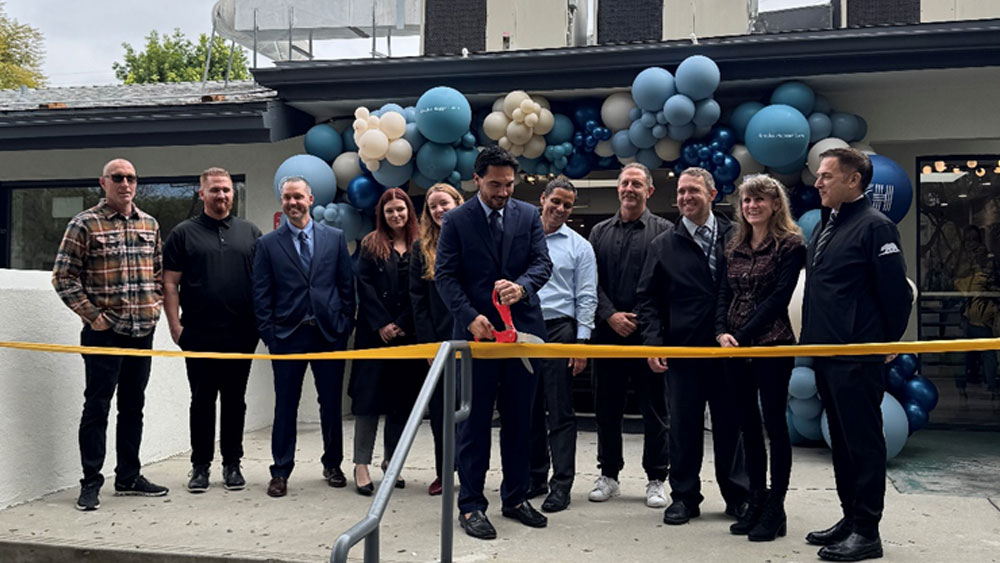
“ສະຖານທີ່ຕ່າງໆເຊັ່ນນີ້ ເຊິ່ງເປັນສ່ວນໜຶ່ງຂອງສູນການຄຸ້ມຄອງວິກິດການ SUD ບໍ່ພຽງແຕ່ປະຕິບັດຕໍ່ວິກິດການເທົ່ານັ້ນ, ແຕ່ຍັງແກ້ໄຂບັນຫາຫຼັກຂອງຜູ້ຄົນທີ່ຊອກຫາຄວາມຊ່ວຍເຫຼືອກ່ຽວກັບ SUD ຂອງເຂົາເຈົ້າ, ເພື່ອໃຫ້ພວກເຂົາສາມາດດຳເນີນການຟື້ນຟູຢ່າງຕໍ່ເນື່ອງໄດ້,” ຜູ້ອຳນວຍການ DHCS Michelle Baass ກ່າວ. “DHCS ມີຄວາມຍິນດີທີ່ໄດ້ຮ່ວມມືກັບ CRI-Help ເພື່ອເຮັດໃຫ້ສະຖານທີ່ແຫ່ງນີ້ກາຍເປັນຄວາມຈິງ ແລະ ເພື່ອນຳເອົາການດູແລສຸຂະພາບທາງດ້ານພຶດຕິກຳທີ່ມີຄຸນນະພາບສູງມາສູ່ຊຸມຊົນນີ້.”
CRI-HELP: ໂຄງການສູນການຄຸ້ມຄອງວິກິດການ SUD ຂອງ CRI-Help ຊ່ວຍເພີ່ມຄວາມພ້ອມຂອງການບໍລິການສຸກເສີນດ້ານຄົນເຈັບນອກ ແລະ ການບໍລິການສຸກເສີນດ້ານທີ່ຢູ່ອາໄສສຳລັບຜູ້ໃຫຍ່ທີ່ມີລາຍໄດ້ຕໍ່າໃນຕົວເມືອງ ແລະ ພາກຕາເວັນອອກຂອງ Los Angeles ໃນທັນທີ. ໂຄງການນີ້ປະກອບມີສາມໂຄງການຄື:
ສະຖານທີ່ເຫຼົ່ານີ້ຮ່ວມກັນຈະໃຫ້ບໍລິການກວດຄັດກອງ, ການໃຫ້ຄຳປຶກສາແບບກຸ່ມ, ການສຶກສາຄົນເຈັບ, ກອງປະຊຸມກຸ່ມການປິ່ນປົວດ້ວຍຄອບຄົວ, ການສຳພາດທີ່ກະຕຸ້ນ, ຄວາມພະຍາຍາມໃນການຟື້ນຟູ, ແລະ ການມອບໝາຍການດູແລໃນລະດັບອື່ນໆ.
“ດ້ວຍການເພີ່ມສູນປິ່ນປົວຄົນທີ່ບໍ່ມີສະຕິທີ່ໄດ້ຮັບທຶນຈາກ BHCIP ເຊິ່ງໃຫ້ບໍລິການຟື້ນຟູທີ່ສົມບູນແບບ, ພວກເຮົາກຳລັງກຳນົດຄວາມໝາຍໃໝ່ກ່ຽວກັບການດູແລທີ່ສາມາດເຂົ້າເຖິງໄດ້ ແລະ ມີຄວາມເຫັນອົກເຫັນໃຈໃນພື້ນທີ່ Los Angeles,” ປະທານ ແລະ ຊີອີໂອຂອງ CRI-Help ທ່ານ Brandon Fernandez ກ່າວ. "ວິທະຍາເຂດແຫ່ງນີ້ຢືນເປັນສັນຍາລັກຂອງນະວັດຕະກໍາ ແລະ ການມີສ່ວນຮ່ວມສໍາລັບຜູ້ທີ່ຊອກຫາໂອກາດຄັ້ງທີສອງໃນຊີວິດ."
ເປັນຫຍັງສິ່ງນີ້ຈຶ່ງສຳຄັນ: ຜ່ານ BHCIP, DHCS ມອບທຶນໃຫ້ແກ່ໜ່ວຍງານທີ່ມີສິດໄດ້ຮັບເພື່ອສ້າງ, ຊື້ ແລະ ຂະຫຍາຍຊັບສິນ ແລະ ລົງທຶນໃນພື້ນຖານໂຄງລ່າງວິກິດການເຄື່ອນທີ່ເພື່ອຂະຫຍາຍທາງເລືອກໃນການປິ່ນປົວສຸຂະພາບຈິດໃນຊຸມຊົນສຳລັບຜູ້ທີ່ມີຄວາມຕ້ອງການການປິ່ນປົວສຸຂະພາບຈິດ ແລະ ອາການຊຶມເສົ້າທີ່ເກີດຂຶ້ນຮ່ວມກັນ. BHCIP ກຳລັງແກ້ໄຂຊ່ອງຫວ່າງທາງປະຫວັດສາດໃນລະບົບການດູແລສຸຂະພາບທາງດ້ານພຶດຕິກຳເພື່ອຕອບສະໜອງຄວາມຕ້ອງການທີ່ເພີ່ມຂຶ້ນສຳລັບການບໍລິການ ແລະ ການສະໜັບສະໜູນຕະຫຼອດຊີວິດຂອງຜູ້ທີ່ຕ້ອງການ.
DHCS ໄດ້ມອບເງິນຊ່ວຍເຫຼືອດ້ານການແຂ່ງຂັນ BHCIP ຈຳນວນ 1.7 ຕື້ໂດລາ. ນອກຈາກນັ້ນ, DHCS ຈະແຈກຢາຍເງິນທຶນສູງເຖິງ 4.4 ຕື້ໂດລາໃນກອງທຶນພັນທະບັດ BHCIP ທີ່ແຂ່ງຂັນ, ລວມທັງ 3.3 ຕື້ໂດລາສຳລັບທຶນຊ່ວຍເຫຼືອຮອບທີ 1: ກຽມພ້ອມເປີດຕົວ ເປັນສ່ວນໜຶ່ງຂອງ ການຫັນປ່ຽນສຸຂະພາບທາງດ້ານພຶດຕິກຳ, ວຽກງານຂອງ DHCS ເພື່ອຈັດຕັ້ງປະຕິບັດ ຂໍ້ສະເໜີທີ 1. DHCS ຈັດກອງປະຊຸມຮັບຟັງສາທາລະນະເປັນປະຈຳກ່ຽວກັບຄວາມພະຍາຍາມນີ້. ການອັບເດດ ແລະ ການບັນທຶກສຽງຂອງກອງປະຊຸມຕ່າງໆແມ່ນມີຢູ່ໃນ ໜ້າເວັບການຫັນປ່ຽນສຸຂະພາບພຶດຕິກຳ.
ກ່ຽວກັບ BHCIP ຮອບທີ 5: ວິກິດການ ແລະ ສຸຂະພາບທາງດ້ານພຶດຕິກຳຢ່າງຕໍ່ເນື່ອງ: BHCIP ຮອບທີ 5 ໄດ້ຖືກພັດທະນາຂຶ້ນ, ສ່ວນໜຶ່ງ, ຜ່ານການປະເມີນຄວາມຕ້ອງການທົ່ວລັດ ເຊິ່ງໄດ້ລະບຸຊ່ອງຫວ່າງທີ່ສຳຄັນໃນການບໍລິການວິກິດການທີ່ມີຢູ່. ການປະເມີນຜົນນີ້ສະແດງໃຫ້ເຫັນເຖິງຄວາມຕ້ອງການລະບົບການດູແລໃນວິກິດການທີ່ດີກວ່າເພື່ອຫຼຸດຜ່ອນການໄປຫ້ອງສຸກເສີນ, ການເຂົ້າໂຮງໝໍ ແລະ ການຖືກຄຸມຂັງ. ລາງວັນທັງ 33 ລາງວັນ, ລວມທັງໝົດ 430 ລ້ານໂດລາ, ກຳລັງຖືກນຳໃຊ້ເພື່ອສ້າງ ແລະ ຂະຫຍາຍສະຖານທີ່ດູແລສຸກເສີນ ແລະ ສຸຂະພາບທາງດ້ານພຶດຕິກຳທົ່ວລັດ ແລະ ຈະໃຫ້ບໍລິການແກ່ຊາວຄາລິຟໍເນຍທີ່ມີຄວາມສ່ຽງທຸກໄວ, ລວມທັງສະມາຊິກ Medi-Cal.
###
ຫ້ອງການສື່ສານ
(916) 440-7660
DHCSPress@dhcs.ca.gov
ໂຄງການຄາດວ່າຈະໃຫ້ບໍລິການຫຼາຍກວ່າ 900 ບຸກຄົນຕໍ່ປີ
SACRAMENTO — ກົມບໍລິການດູແລສຸຂະພາບ (DHCS) ກຳລັງຂະຫຍາຍການບໍລິການທີ່ຢູ່ອາໄສສຳລັບບຸກຄົນທີ່ມີບັນຫາການໃຊ້ສານເສບຕິດ ແລະ ຄວາມຕ້ອງການດ້ານສຸຂະພາບຈິດທີ່ເກີດຂຶ້ນຮ່ວມກັນຢູ່ສອງສະຖານທີ່ໃນເຂດ Los Angeles County.
ອົງການບໍລິການສຸຂະພາບຈິດ ແລະ ທີ່ຢູ່ອາໄສຂອງເດັກທຸກຄົນໄດ້ສະເຫຼີມສະຫຼອງການເປີດສູນສຸຂະພາບຊຸມຊົນແຫ່ງໃໝ່ຢ່າງຍິ່ງໃຫຍ່ (ຂ້າງລຸ່ມນີ້). ໃນວັນທີ 1 ກຸມພາ, ສູນດັ່ງກ່າວໄດ້ເລີ່ມໃຫ້ບໍລິການດ້ານສຸຂະພາບຈິດ, ທີ່ຢູ່ອາໄສຄອບຄົວ, ການເສີມສ້າງພໍ່ແມ່, ແລະ ການສຶກສາດ້ານໂພຊະນາການທີ່ຮັບຮູ້ເຖິງຄວາມເຈັບປວດທາງຈິດໃຈ, ມີຄວາມອ່ອນໄຫວຕໍ່ວັດທະນະທຳ. ສູນດັ່ງກ່າວສະໜັບສະໜູນຄອບຄົວຕ່າງໆໃນພາກຕາເວັນອອກສຽງໃຕ້ຂອງ Los Angeles ຜູ້ທີ່ປະເຊີນກັບອຸປະສັກໃນການເຂົ້າເຖິງການດູແລ, ລວມທັງຊາວໜຸ່ມ ແລະ ຄອບຄົວທີ່ບໍ່ມີທີ່ຢູ່ອາໄສ.
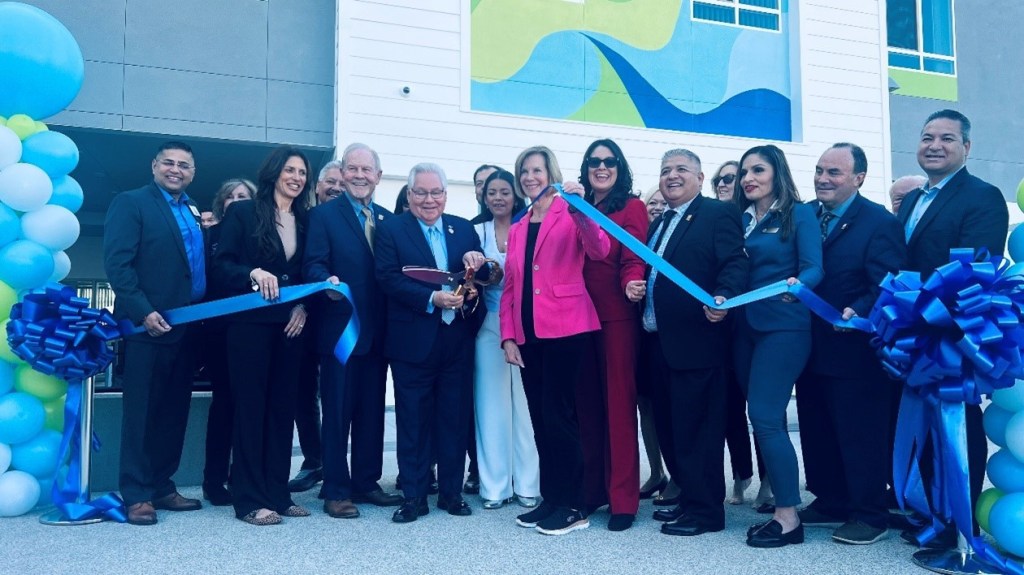
ນອກຈາກນີ້, ບໍລິການຄອບຄົວ St. Anne’s ໄດ້ເປັນເຈົ້າພາບຈັດງານເປີດຕົວໂຄງການປິ່ນປົວທີ່ຢູ່ອາໄສໄລຍະສັ້ນ (STRTP) ໃໝ່ (ຂ້າງລຸ່ມນີ້) ທີ່ເອີ້ນວ່າ STRTP FOR ONE, ເຊິ່ງໃຫ້ບໍລິການໂຄງການທີ່ຢູ່ອາໄສທີ່ມີຄຸນນະພາບສູງ, ການສຶກສາເດັກໃນໄວເດັກ, ສຸຂະພາບຈິດ, ແລະ ການບໍລິການຄອບຄົວແກ່ແມ່ຍິງໜຸ່ມ, ເດັກນ້ອຍ ແລະ ຄອບຄົວຫຼາຍພັນຄົນໃນເຂດ Los Angeles County.
ທັງສອງໂຄງການໄດ້ຮັບທຶນຈາກຮອບທີ 5 ຂອງ ໂຄງການໂຄງສ້າງພື້ນຖານສຸຂະພາບທາງດ້ານພຶດຕິກຳຢ່າງຕໍ່ເນື່ອງ (BHCIP) ຂອງ DHCS. DHCS ໄດ້ມອບເງິນຊ່ວຍເຫຼືອໃຫ້ແກ່ The Whole Child—Mental Health and Housing Services ຫຼາຍກວ່າ 6 ລ້ານໂດລາ ແລະ St. Anne’s Family Services ຫຼາຍກວ່າ 2 ລ້ານໂດລາ ຜ່ານ BHCIP, ເຊິ່ງເປັນສ່ວນໜຶ່ງຂອງຄຳໝັ້ນສັນຍາຢ່າງຕໍ່ເນື່ອງຂອງລັດ California ໃນການຂະຫຍາຍການບໍລິການສຸຂະພາບທາງດ້ານພຶດຕິກຳສຳລັບຊາວ California ທຸກຄົນ. ດ້ວຍການຜ່ານຮ່າງກົດໝາຍສະບັບທີ 1, ສະຖານທີ່ປິ່ນປົວສຸຂະພາບທາງດ້ານພຶດຕິກຳຈະຫຼາຍຂຶ້ນເລື້ອຍໆ ເຊິ່ງຈະໄດ້ຮັບທຶນ ແລະ ກໍ່ສ້າງໃນປີ 2025 ແລະ 2026.
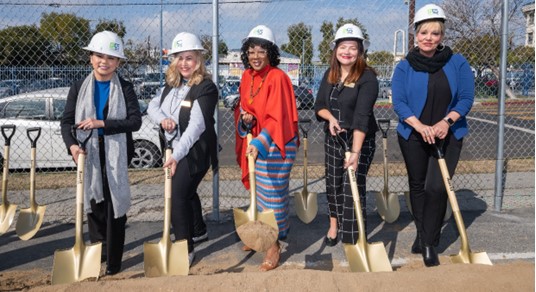
“ການຂະຫຍາຍການບໍລິການດູແລສຸຂະພາບທາງດ້ານພຶດຕິກຳໃນຊຸມຊົນແມ່ນບູລິມະສິດອັນດັບຕົ້ນໆສຳລັບ DHCS,” ຜູ້ອຳນວຍການ DHCS ທ່ານນາງ Michelle Baass ກ່າວ. "ສະຖານທີ່ພັກອາໄສເຊັ່ນນີ້ແມ່ນອົງປະກອບທີ່ສຳຄັນຂອງຄວາມພະຍາຍາມຂອງລັດຄາລິຟໍເນຍເພື່ອນຳເອົາການດູແລທີ່ມີຄຸນນະພາບສູງ ແລະ ຮູ້ກ່ຽວກັບການບາດເຈັບມາສູ່ບຸກຄົນ ແລະ ຄອບຄົວທີ່ຕ້ອງການມັນຫຼາຍທີ່ສຸດ."
ເດັກທຸກຄົນ - ການບໍລິການສຸຂະພາບຈິດ ແລະ ທີ່ຢູ່ອາໄສ: ໂຄງການສູນປິ່ນປົວ ແລະ ສະຫວັດດີການດ້ານການບາດເຈັບສຳລັບຄອບຄົວທີ່ບໍ່ມີທີ່ຢູ່ອາໄສ ແລະ ຊຸມຊົນໃຫ້ບໍລິການທີ່ຮັບຮູ້ເຖິງການບາດເຈັບ ແລະ ມີຄວາມອ່ອນໄຫວຕໍ່ວັດທະນະທຳແກ່ເດັກນ້ອຍ, ຊາວໜຸ່ມ ແລະ ຄອບຄົວທີ່ປະສົບກັບຄວາມບໍ່ມີທີ່ຢູ່ອາໄສໃນເຂດ Los Angeles. ນອກເໜືອໄປຈາກການບໍລິການໃຫ້ຄຳປຶກສານອກສະຖານທີ່ແລ້ວ, ສູນດັ່ງກ່າວຍັງສະໜັບສະໜູນດ້ານອາຊີບ, ສຸຂະພາບຈິດ, ການນຳທາງທີ່ຢູ່ອາໄສ, ການສຶກສາພໍ່ແມ່ ແລະ ໂພຊະນາການ. ຊຸດການບໍລິການດ້ານສຸຂະພາບຈິດທີ່ຄົບຖ້ວນສົມບູນຂອງສູນດັ່ງກ່າວປະກອບມີຈິດຕະບຳບັດແບບບຸກຄົນ, ຄອບຄົວ, ແລະກຸ່ມ, ການຄຸ້ມຄອງຢາ, ການກວດສຸຂະພາບຈິດ, ການບໍລິການດ້ານຈິດຕະວິທະຍາ, ການຄຸ້ມຄອງກໍລະນີ, ການບໍລິການແຊກແຊງວິກິດການ, ການບໍລິການທີ່ເຊື່ອມໂຍງກັບໂຮງຮຽນເພື່ອໃຫ້ການປະເມີນຜົນ ແລະ ການປິ່ນປົວແກ່ນັກຮຽນຢູ່ໃນສະຖານທີ່ໃນໂຮງຮຽນ, ທີມງານປະເມີນຜົນຫຼາຍສາຂາວິຊາ, ແລະ ການດູແລອຸປະຖຳພິເສດ. ການປະຕິບັດທີ່ອີງໃສ່ຫຼັກຖານປະກອບມີການປິ່ນປົວດ້ວຍພຶດຕິກຳທີ່ສຸມໃສ່ການບາດເຈັບທາງສະຕິປັນຍາ, ການປິ່ນປົວດ້ວຍພຶດຕິກຳທາງດ້ານສະຕິປັນຍາສ່ວນບຸກຄົນ, ໂຄງການລ້ຽງດູລູກແບບ Triple P-Positive, ການຄຸ້ມຄອງ ແລະ ການລ້ຽງດູລູກ, ການປິ່ນປົວດ້ວຍຈິດຕະບຳບັດສຳລັບພໍ່ແມ່ເດັກ, ປີທີ່ບໍ່ໜ້າເຊື່ອ, ການປິ່ນປົວດ້ວຍການທົດແທນການຮຸກຮານ, ແລະ ການປິ່ນປົວດ້ວຍຈິດຕະບຳບັດລະຫວ່າງບຸກຄົນ.
“ໃນຖານະຜູ້ນຳພາກພື້ນດ້ານສຸຂະພາບຈິດ ແລະ ສະຫວັດດີພາບຂອງເດັກ, ພວກເຮົາຮູ້ໂດຍກົງວ່າບາດແຜທາງຈິດໃຈ ແລະ ຄວາມເຈັບປວດໃນໄວເດັກສາມາດຕິດຕາມເດັກນ້ອຍເຂົ້າສູ່ໄວຜູ້ໃຫຍ່ໄດ້ແນວໃດ,” ທ່ານ Constanza Pachon ຜູ້ອຳນວຍການໃຫຍ່ຂອງ The Whole Child ກ່າວ. "ຢ່າງໃດກໍຕາມ, ພວກເຮົາຍັງຮູ້ອີກວ່າການປິ່ນປົວຕັ້ງແຕ່ຍັງນ້ອຍສາມາດສົ່ງຜົນກະທົບໃນທາງບວກຢ່າງຫຼວງຫຼາຍ, ໂດຍການໃຫ້ເຄື່ອງມື ແລະ ທັກສະການຮັບມືແກ່ເດັກນ້ອຍ ແລະ ໄວລຸ້ນ ເພື່ອເລີ່ມຕົ້ນການເດີນທາງການປິ່ນປົວຂອງເຂົາເຈົ້າ." ສູນແຫ່ງນີ້, ສ້າງຂຶ້ນດ້ວຍເງິນທຶນ BHCIP, ຈະເປັນສັນຍານແຫ່ງຄວາມຫວັງສຳລັບຊຸມຊົນຂອງພວກເຮົາ.”
STRTP FOR ONE: ບໍລິການຄອບຄົວ St Anne's ໄດ້ອອກແບບ STRTP FOR ONE ພ້ອມດ້ວຍຕຽງດຽວ ເຊິ່ງໃຫ້ການດູແລທີ່ສົມບູນແບບ ແລະ ເປັນສ່ວນບຸກຄົນສູງແກ່ແມ່ຍິງໜຸ່ມອາຍຸ 13-17 ປີ ຜູ້ທີ່ມີຄວາມສ່ຽງທີ່ຈະຕ້ອງໄດ້ຍ້າຍໄປຢູ່ຫຼາຍບ່ອນ, ບໍ່ມີທີ່ຢູ່ອາໄສ ແລະ ຖືກຄຸມຂັງຍ້ອນຄວາມຕ້ອງການດ້ານສຸຂະພາບຈິດ ຫຼື ພຶດຕິກຳທີ່ສັບສົນຂອງເຂົາເຈົ້າ. ໂຄງການດັ່ງກ່າວມີທີມງານຜູ້ຊ່ຽວຊານດ້ານການແພດທີ່ມີການປະສານງານສູງ ແລະ ມີຄວາມຮູ້ດ້ານບາດແຜເພື່ອໃຫ້ການແຊກແຊງທີ່ອີງໃສ່ຄວາມເຂັ້ມແຂງ ແລະ ເນັ້ນໃສ່ລູກຄ້າເປັນສູນກາງພາຍໃນສະພາບແວດລ້ອມທີ່ຄ້າຍຄືຢູ່ເຮືອນ. ໂຄງການດັ່ງກ່າວມີຈຸດປະສົງເພື່ອໃຫ້ເຍົາວະຊົນເຫຼົ່ານີ້ມີເຄື່ອງມືເພື່ອແກ້ໄຂຄວາມເຈັບປວດທີ່ສັບສົນຂອງເຂົາເຈົ້າ, ສົ່ງເສີມທັກສະການດຳລົງຊີວິດທີ່ເປັນເອກະລາດ, ແລະ ພັດທະນາທັກສະການເປັນພໍ່ແມ່ແບບທັນທີທັນໃດດ້ວຍການສະໜັບສະໜູນຈາກທຳມະຊາດ.
“ພວກເຮົາຮູ້ສຶກຕື່ນເຕັ້ນທີ່ໄດ້ຮ່ວມມືກັບ DHCS ເພື່ອແກ້ໄຂຄວາມຕ້ອງການດ້ານສຸຂະພາບຈິດທີ່ສຳຄັນຂອງຄອບຄົວໜຸ່ມໃນຊຸມຊົນຂອງພວກເຮົາ,” Lorna Little, MSW, ປະທານ ແລະ ຊີອີໂອຂອງ St. Anne's Family Services ກ່າວ. "ພວກເຮົາມີຕຳແໜ່ງທີ່ເປັນເອກະລັກສະເພາະໃນການໃຫ້ບໍລິການພິເສດແກ່ແມ່ຍິງໜຸ່ມທີ່ຢູ່ໃນວິກິດການ - ແມ່ຍິງທີ່ຖືພາ ຫຼື ກຳລັງລ້ຽງລູກ, ກຳລັງຊອກຫາການເຕົ້າໂຮມກັບສະມາຊິກໃນຄອບຄົວ, ແລະ ຮຽນຮູ້ທີ່ຈະມີຄວາມໝັ້ນຄົງພາຍໃນໂຄງການຂອງພວກເຮົາເພື່ອເຮັດໃຫ້ການຫັນປ່ຽນປະສົບຜົນສຳເລັດ."
ເປັນຫຍັງ BHCIP ຈຶ່ງມີຄວາມສຳຄັນ: ຜ່ານ BHCIP, DHCS ມອບລາງວັນໃຫ້ຫົວໜ່ວຍທີ່ມີສິດໄດ້ຮັບທຶນເພື່ອສ້າງ, ຊື້ມາ, ແລະ ຂະຫຍາຍຊັບສິນ ແລະ ລົງທຶນໃນໂຄງລ່າງພື້ນຖານວິກິດການໂທລະສັບມືຖື ເພື່ອຂະຫຍາຍທາງເລືອກການປິ່ນປົວທາງດ້ານພຶດຕິກຳໃນຊຸມຊົນສຳລັບຄົນທີ່ມີຄວາມຕ້ອງການການປິ່ນປົວສຸຂະພາບຈິດຮ່ວມກັນ ແລະ ຄວາມຜິດປົກກະຕິຂອງການໃຊ້ສານເສບຕິດ. BHCIP ກໍາລັງແກ້ໄຂຊ່ອງຫວ່າງປະຫວັດສາດໃນລະບົບການດູແລສຸຂະພາບທາງດ້ານພຶດຕິກໍາເພື່ອຕອບສະຫນອງຄວາມຕ້ອງການທີ່ເພີ່ມຂຶ້ນສໍາລັບການບໍລິການແລະການສະຫນັບສະຫນູນຕະຫຼອດຊີວິດຂອງຄົນທີ່ຕ້ອງການ.
DHCS has awarded $1.7 billion in BHCIP competitive grants. In addition, DHCS will distribute up to $4.4 billion in competitive Bond BHCIP funding, including $3.3 billion for Round 1: Launch Ready grants as part of Behavioral Health Transformation, DHCS’ work to implement Proposition 1. DHCS holds regular public listening sessions on this effort. Updates and recordings of the sessions are available on the Behavioral Health Transformation webpage.
ກ່ຽວກັບ BHCIP ຮອບ 5: ວິກິດການແລະສຸຂະພາບດ້ານພຶດຕິກໍາຢ່າງຕໍ່ເນື່ອງ: BHCIP ຮອບທີ 5 ໄດ້ຖືກພັດທະນາຂຶ້ນບາງສ່ວນຜ່ານການປະເມີນຄວາມຕ້ອງການທົ່ວລັດ ເຊິ່ງໄດ້ລະບຸຊ່ອງຫວ່າງທີ່ສຳຄັນໃນການບໍລິການສຸກເສີນທີ່ມີຢູ່. ການປະເມີນຜົນນີ້ສະແດງໃຫ້ເຫັນເຖິງຄວາມຕ້ອງການລະບົບການດູແລໃນວິກິດການທີ່ດີກວ່າເພື່ອຫຼຸດຜ່ອນການໄປຫ້ອງສຸກເສີນ, ການເຂົ້າໂຮງໝໍ ແລະ ການຖືກຄຸມຂັງ. ລາງວັນທັງ 33 ລາງວັນ, ລວມທັງໝົດ 430 ລ້ານໂດລາ, ກຳລັງຖືກນຳໃຊ້ເພື່ອສ້າງ ແລະ ຂະຫຍາຍສະຖານທີ່ດູແລສຸກເສີນ ແລະ ສຸຂະພາບທາງດ້ານພຶດຕິກຳທົ່ວລັດ ແລະ ຈະໃຫ້ບໍລິການແກ່ຊາວຄາລິຟໍເນຍທີ່ມີຄວາມສ່ຽງທຸກໄວ, ລວມທັງສະມາຊິກ Medi-Cal.
###
ຫ້ອງການສື່ສານ
(916) 440-7660
DHCSPress@dhcs.ca.gov
ແຜນທີ່ໃໝ່ໄດ້ວາງແຜນຍຸດທະສາດເພື່ອສ້າງລະບົບທີ່ມີຄວາມສະເໝີພາບແລະມີຄົນເຈັບເປັນສູນກາງຫຼາຍຂຶ້ນສຳລັບສະມາຊິກ Medi-Cal ທີ່ຖືພາແລະຫຼັງເກີດລູກ.
ຊານຄຣາເມນໂຕ – ກະຊວງບໍລິການດູແລສຸຂະພາບ (DHCS) ໄດ້ເຜີຍແຜ່ ບົດລາຍງານເສັ້ນທາງການດູແລການເກີດລູກ ໃນມື້ນີ້, ເຊິ່ງເປັນແຜນການທີ່ສົມບູນແບບເພື່ອປັບປຸງການດູແລການເກີດລູກສຳລັບສະມາຊິກ Medi-Cal. ແຜນທີ່ເສັ້ນທາງນີ້ກວມເອົາການເດີນທາງຂອງສະມາຊິກ Medi-Cal ຖືພາ ແລະ ຫຼັງຄອດທຸກຄົນຕັ້ງແຕ່ການຖືພາຈົນເຖິງ 12 ເດືອນຫຼັງຄອດ, ໂດຍມີຈຸດປະສົງເພື່ອເຮັດໃຫ້ການດູແລສາມາດເຂົ້າເຖິງໄດ້, ຍຸຕິທຳ ແລະ ເອົາໃຈໃສ່ຄົນເຈັບເປັນສູນກາງ.
“ເສັ້ນທາງການດູແລການເກີດລູກສະແດງເຖິງບາດກ້າວທີ່ສຳຄັນໃນຄຳໝັ້ນສັນຍາຂອງລັດ California ໃນການປັບປຸງສຸຂະພາບຂອງແມ່,” ຜູ້ອຳນວຍການ DHCS ທ່ານນາງ Michelle Baass ກ່າວ. "ໂດຍການເນັ້ນໃສ່ປະສົບການຂອງສະມາຊິກ, ການສອດຄ່ອງກັບນະໂຍບາຍກັບຄໍາແນະນໍາທີ່ສາມາດປະຕິບັດໄດ້, ແລະ ການເສີມສ້າງການຮ່ວມມືໃນທົ່ວຂະແໜງການຕ່າງໆ, ພວກເຮົາມີຈຸດປະສົງເພື່ອຮັບປະກັນວ່າສະມາຊິກ Medi-Cal ທຸກຄົນສາມາດເຂົ້າເຖິງການດູແລແມ່ແລະເດັກທີ່ປອດໄພ, ຍຸຕິທໍາ ແລະ ຄົບຖ້ວນ."
ຈຸດປະສົງຫຼັກ: ບົດລາຍງານເສັ້ນທາງການດູແລການເກີດລູກລະບຸລາຍລະອຽດກ່ຽວກັບນະໂຍບາຍທີ່ DHCS ໄດ້ຈັດຕັ້ງປະຕິບັດ ຫຼື ກຳລັງຢູ່ໃນຂະບວນການຈັດຕັ້ງປະຕິບັດເພື່ອສະໜັບສະໜູນສະມາຊິກຖືພາ ແລະ ຫຼັງຄອດທຸກຄົນທີ່ລົງທະບຽນໃນ Medi-Cal. ນອກຈາກນັ້ນ, ບົດລາຍງານຍັງໄດ້ລະ
ໂອກາດຕ່າງໆສຳລັບການສຳ
ໃນອະນາຄົດ.ເສັ້ນທາງການດູແລການເກີດລູກໃຫ້ຄວາມສຳຄັນກັບ:
ເສັ້ນທາງການດູແລການເກີດລູກຈະເຮັດວຽກເພື່ອບັນລຸຈຸດປະສົງເຫຼົ່ານີ້ໂດຍການຫັນປ່ຽນນະໂຍບາຍການເກີດລູກຂອງ Medi-Cal ເພື່ອສ້າງວິທີການທີ່ເນັ້ນສະມາຊິກເປັນສູນກາງໃນການດູແລກ່ອນເກີດ ແລະ ຫຼັງເກີດລູກທີ່ຕອບສະໜອງສະມາຊິກໃນບ່ອນທີ່ເຂົາເຈົ້າຢູ່ ແລະ ໃຫ້ການດູແລທີ່ຄົບຖ້ວນເຊິ່ງແກ້ໄຂຄວາມຕ້ອງການດ້ານສຸຂະພາບທາງດ້ານພຶດຕິກຳ ແລະ ສັງຄົມນອກເໜືອໄປຈາກຄວາມຕ້ອງການທາງການແພດ. DHCS ຈະປັບປຸງ ແລະ ປັບປຸງນະໂຍບາຍ Medi-Cal ທີ່ມີຢູ່ແລ້ວໃຫ້ທັນສະໄໝ ເພື່ອໃຫ້ສະມາຊິກມີທາງເລືອກທີ່ເພີ່ມຂຶ້ນຂອງຜູ້ໃຫ້ບໍລິການ ແລະ ການສະໜັບສະໜູນດ້ານການເກີດລູກ ເຊັ່ນ: doulas, ພະນັກງານສາທາລະນະສຸກຊຸມຊົນ, ແລະອື່ນໆ, ແລະ ສ້າງການເຊື່ອມໂຍງທີ່ສຳຄັນລະຫວ່າງການດູແລສຸຂະພາບ ແລະ ໂຄງການອື່ນໆໃນທົ່ວລັດ ເພື່ອເຮັດໃຫ້ສະມາຊິກໄດ້ຮັບການບໍລິການທີ່ຈຳເປັນຢ່າງຄົບຖ້ວນ.
ນອກຈາກນັ້ນ, DHCS ຈະແກ້ໄຂຄວາມຕ້ອງການຂອງປະຊາກອນພິເສດທີ່ຖືພາ/ຫຼັງຄອດລູກ, ລວມທັງຜູ້ທີ່ກ່ຽວຂ້ອງກັບລະບົບຍຸຕິທຳ, ບຸກຄົນທີ່ມີຄວາມຕ້ອງການດ້ານສຸຂະພາບຈິດ ແລະ ການໃຊ້ສານເສບຕິດຢ່າງຮຸນແຮງ, ບຸກຄົນ LGBTQI+, ແລະ ບຸກຄົນຜິວດຳ, ຊາວອາເມລິກັນອິນເດຍ/ຊາວອາລາສກາພື້ນເມືອງ, ແລະ ບຸກຄົນຊາວເກາະປາຊີຟິກ.
DHCS ຈະສືບຕໍ່ເຮັດວຽກຮ່ວມກັບພະແນກຕ່າງໆຂອງລັດ, ລວມທັງກະຊວງສາທາລະນະສຸກລັດຄາລິຟໍເນຍ (CDPH) ແລະ ຫ້ອງການຂອງແພດຜ່າຕັດລັດຄາລິຟໍເນຍ (OSG), ຜູ້ໃຫ້ບໍລິການດ້ານການດູແລແມ່ ແລະ ການບໍລິການສັງຄົມ, ຜູ້ນຳຂອງລັດ ແລະ ທ້ອງຖິ່ນ, ແຜນການດູແລທີ່ຄຸ້ມຄອງໂດຍ Medi-Cal (MCP), ຜູ້ສະໜັບສະໜູນຄວາມສະເໝີພາບໃນການເກີດລູກ, ແລະ ຄູ່ຮ່ວມງານອື່ນໆເພື່ອຈັດຕັ້ງປະຕິບັດນະໂຍບາຍເສັ້ນທາງການດູແລການເກີດລູກທີ່ໄດ້ລະບຸໄວ້ໃນບົດລາຍງານ. ການສືບຕໍ່ມີສ່ວນຮ່ວມກັບຄູ່ຮ່ວມງານທີ່ຫຼາກຫຼາຍເພື່ອຈັດຕັ້ງປະຕິບັດ ແລະ ພັດທະນາເສັ້ນທາງການດູແລການເກີດລູກຕື່ມອີກຈະມີຄວາມສຳຄັນຫຼາຍໃນການຈັດລຽງຂໍ້ລິເລີ່ມການເກີດລູກຫຼາຍຢ່າງທີ່ເກີດຂຶ້ນເພື່ອບໍ່ໃຫ້ພວກມັນຖືກແຍກອອກຈາກກັນ.
“ຜ່ານວິທີການທີ່ຄົບຖ້ວນ ແລະ ຮອບດ້ານ, ລັດຄາລິຟໍເນຍບໍ່ພຽງແຕ່ເສີມຂະຫຍາຍສຸຂະພາບໃນໄລຍະກາງຂອງການເກີດລູກເທົ່ານັ້ນ, ແຕ່ພວກເຮົາກຳລັງກຳນົດມາດຕະຖານໃໝ່ທີ່ກ້າຫານສຳລັບການດູແລທີ່ໃຫ້ຜົນໄດ້ຮັບທີ່ດີກວ່າສຳລັບຄອບຄົວທົ່ວລັດ,” ດຣ. ໄດອານາ ຣາໂມສ, ຫົວໜ້າແພດຜ່າຕັດລັດຄາລິຟໍເນຍ ກ່າວ. "ເສັ້ນທາງການດູແລການເກີດລູກເປັນການເພີ່ມເຕີມທີ່ສຳຄັນຕໍ່ຄວາມພະຍາຍາມຂອງລັດທີ່ສົ່ງເສີມສຸຂະພາບແມ່ແລະເດັກໃນໄລຍະເກີດ, ໂດຍອີງໃສ່ວຽກງານຮ່ວມມືທີ່ມີນະວັດຕະກໍາທີ່ກຳລັງດຳເນີນຢູ່ແລ້ວ."
“ໂດຍທີ່ໄດ້ຮັບໃຊ້ຊຸມຊົນຊົນນະບົດຕະຫຼອດອາຊີບຂອງຂ້ອຍ, ຂ້ອຍຮູ້ວ່າການໃຫ້ການເຂົ້າເຖິງການບໍລິການຕັ້ງແຕ່ການຖືພາຈົນເຖິງໜຶ່ງປີຫຼັງຄອດລູກແມ່ນເປັນສິ່ງທ້າທາຍສະເໝີມາ,” ດຣ. ໂຣເບີດ ມູຣ, ຫົວໜ້າເຈົ້າໜ້າທີ່ແພດທີ່ Partnership HealthPlan of California ກ່າວ. "ການຮ່ວມມືເຊັ່ນ: ເສັ້ນທາງການດູແລການເກີດລູກຂອງ DHCS ແມ່ນມີຄວາມສຳຄັນຫຼາຍໃນການນຳເອົາຄູ່ຮ່ວມງານ ແລະ ຜູ້ມີສ່ວນຮ່ວມຫຼາຍຄົນມາຮ່ວມກັນເພື່ອຊອກຫາວິທີແກ້ໄຂ." ຊຸມຊົນທັງໝົດຕ້ອງມີສ່ວນຮ່ວມໃນບັນຫານີ້ເພື່ອໃຫ້ມີຄວາມຄືບໜ້າຢ່າງຍືນຍົງ.”
ເປັນຫຍັງເລື່ອງນີ້ຈຶ່ງສຳຄັນ: ເກືອບ ໜຶ່ງໃນແປດຂອງການເກີດໃນສະຫະລັດເກີດຂຶ້ນໃນລັດຄາລິຟໍເນຍ, ແລະ 40 ເປີເຊັນຂອງການເກີດເຫຼົ່ານັ້ນແມ່ນໄດ້ຮັບການຄຸ້ມຄອງໂດຍ Medi-Cal. ໃນຂະນະທີ່ລັດ California ປະຈຸບັນມີອັດຕາການຕາຍຂອງແມ່ຕໍ່າສຸດໃນປະເທດ, ສະມາຊິກ Medi-Cal ມີອັດຕາການຕາຍຂອງແມ່ສູງກວ່າບຸກຄົນທີ່ມີປະກັນໄພການຄ້າ.
ໃນຂະນະທີ່ເສັ້ນທາງການດູແລການເກີດລູກໄດ້ວາງຍຸດທະສາດໄລຍະຍາວສຳລັບການຫັນປ່ຽນການດູແລການເກີດລູກໃນ Medi-Cal, ການບໍລິການ ແລະ ການສະໜັບສະໜູນຫຼາຍຢ່າງແມ່ນມີໃຫ້ສຳລັບສະມາຊິກທີ່ຖືພາ ແລະ ຫຼັງຄອດແລ້ວ. ສະມາຊິກ Medi-Cal ສາມາດເຂົ້າເຖິງການດູແລແມ່ແລະເດັກທີ່ສົມບູນແບບ, ລວມທັງການໄປພົບແພດກ່ອນຄອດ ແລະ ຫຼັງຄອດ, ການບໍລິການ doula, ການດູແລສຸຂະພາບທາງດ້ານພຶດຕິກຳ, ແລະ ການສະໜັບສະໜູນການໃຫ້ນົມລູກ, ຜ່ານແຜນສຸຂະພາບ ແລະ ເຄືອຂ່າຍຜູ້ໃຫ້ບໍລິການຂອງເຂົາເຈົ້າ. DHCS ຍັງຄົງມຸ່ງໝັ້ນທີ່ຈະປັບປຸງ ແລະ ຂະຫຍາຍການບໍລິການເຫຼົ່ານີ້ເປັນສ່ວນໜຶ່ງຂອງວຽກງານທີ່ກຳລັງດຳເນີນຢູ່ເພື່ອຈັດຕັ້ງປະຕິບັດເສັ້ນທາງການດູແລການເກີດລູກ.
ກ່ຽວກັບເສັ້ນທາງການດູແລການເກີດລູກ: ເສັ້ນທາງການດູແລການເກີດລູກປະກອບມີຄໍາແນະນໍາດ້ານນະໂຍບາຍທີ່ແກ້ໄຂຄວາມຕ້ອງການທາງດ້ານຮ່າງກາຍ, ພຶດຕິກໍາ, ແລະ ສຸຂະພາບທີ່ກ່ຽວຂ້ອງກັບສັງຄົມຂອງສະມາຊິກທີ່ຖືພາ ແລະ ຫຼັງຄອດ. ໂອກາດຕ່າງໆລວມມີການປັບປຸງການເຂົ້າເຖິງຜູ້ໃຫ້ບໍລິການ, ການເສີມສ້າງການດູແລທາງດ້ານຄລີນິກ ແລະ ການປະສານງານການດູແລ, ການໃຫ້ການດູແລສຸຂະພາບທັງໝົດ, ແລະ ການປັບປ່ຽນວິທີທີ່ Medi-Cal ຈ່າຍຄ່າດູແລແມ່ໃຫ້ທັນສະໄໝ.
ເສັ້ນທາງການດູແລການເກີດລູກແມ່ນສ່ວນໜຶ່ງຂອງຄຳໝັ້ນສັນຍາຫຼາຍປີເພື່ອຫັນປ່ຽນສຸຂະພາບຂອງແມ່ໃນລັດຄາລິຟໍເນຍ, ແລະ ການປະຕິຮູບສຸຂະພາບຂອງແມ່ກໍ່ກຳລັງດຳເນີນຢູ່ແລ້ວ. DHCS ກຳລັງຈັດຕັ້ງປະຕິບັດຮູບແບບ ການຫັນປ່ຽນສຸຂະພາບແມ່ (TMaH) ສິບປີຂອງລັດຖະບານກາງໃນຫ້າເຂດ Central Valley ຄື: Kern, Fresno, Kings, Tulare, ແລະ Madera. TMaH ແມ່ນຮູບແບບການຈັດສົ່ງ ແລະ ການຈ່າຍເງິນທີ່ຖືກອອກແບບມາເພື່ອທົດສອບວ່າການຈັດຕັ້ງປະຕິບັດການແຊກແຊງທີ່ມີຫຼັກຖານຢັ້ງຢືນຢ່າງມີປະສິດທິພາບ, ເຊິ່ງໄດ້ຮັບການສະໜັບສະໜູນຈາກຮູບແບບການຈ່າຍເງິນທີ່ອີງໃສ່ມູນຄ່າ, ສາມາດປັບປຸງຜົນໄດ້ຮັບຂອງແມ່ ແລະ ຫຼຸດຜ່ອນຄ່າໃຊ້ຈ່າຍຂອງໂຄງການ Medi-Cal ໄດ້ຫຼືບໍ່.
ຂະບວນການຮ່ວມມື: ເສັ້ນທາງການດູແລການເກີດລູກສະທ້ອນໃຫ້ເຫັນເຖິງຄວາມພະຍາຍາມຮ່ວມມືຂອງສະມາຊິກ Medi-Cal ທີ່ຖືພາ ແລະ ຫຼັງຄອດ, ຄູ່ຮ່ວມງານຂອງລັດ ແລະ ຜູ້ໃຫ້ບໍລິການດ້ານສຸຂະພາບ ແລະ ການບໍລິການສັງຄົມຫຼາກຫຼາຍ, ອົງການຈັດຕັ້ງຊຸມຊົນ (CBO), ແລະ ຜູ້ສະໜັບສະໜູນ, ຮັບປະກັນວິທີການນະໂຍບາຍທີ່ຊຸມຊົນຮັບຮູ້ເຖິງອະນາຄົດຂອງການເກີດລູກ ແລະ ການດູແລສຸຂະພາບຂອງແມ່ໃນລັດ California. ນອກຈາກນັ້ນ, ມູນນິທິການດູແລສຸຂະພາບຂອງລັດ California ແລະ ມູນນິທິ David & Lucile Packard ໄດ້ໃຫ້ທຶນເພື່ອສະໜັບສະໜູນການມີສ່ວນຮ່ວມ ແລະ ການພັດທະນາບົດລາຍງານ. ຄວາມເຂົ້າໃຈທີ່ສຳຄັນຈາກສະມາຊິກ Medi-Cal ໄດ້ເນັ້ນໃຫ້ເຫັນເຖິງຄວາມຕ້ອງການທີ່ສຳຄັນ, ເຊັ່ນ: ການເຄົາລົບຄວາມມັກໃນການເກີດລູກ, ການເຂົ້າເຖິງການດູແລທີ່ສອດຄ່ອງກັບເຊື້ອຊາດ ແລະ ເປັນສູນກາງວັດທະນະທຳ, ການສະໜັບສະໜູນສຸຂະພາບທາງດ້ານພຶດຕິກຳທີ່ດີຂຶ້ນ, ແລະ ການປະສານງານການດູແລທີ່ດີຂຶ້ນ. ປະສົບການຂອງສະມາຊິກໄດ້ກຳນົດທິດທາງໂດຍກົງຕໍ່ຄຳແນະນຳນະໂຍບາຍຂອງເສັ້ນທາງດັ່ງກ່າວ. ສຳລັບຂໍ້ມູນເພີ່ມເຕີມ, ກະລຸນາເຂົ້າເບິ່ງ ໜ້າເວັບ Birthing Care Pathway.
“ການຮຽນຮູ້ກ່ຽວກັບເສັ້ນທາງການດູແລການເກີດລູກເຮັດໃຫ້ຂ້ອຍຮູ້ສຶກໂລ່ງໃຈ ແລະ ມີຄວາມຫວັງ ເພາະມັນໝາຍຄວາມວ່າຂ້ອຍສາມາດດູແລສຸຂະພາບຂອງຂ້ອຍ ແລະ ລູກນ້ອຍໄດ້ໂດຍບໍ່ຕ້ອງເພີ່ມຄວາມກົດດັນເພີ່ມເຕີມ,” ນາງ M. Thao, ແມ່ຂອງລູກນ້ອຍອາຍຸ 11 ເດືອນ ກ່າວ. "ທຸກໆຄັ້ງທີ່ຂ້ອຍໂທຫາເພື່ອຂໍຄວາມຊ່ວຍເຫຼືອໃນການຊອກຫາຊັບພະຍາກອນ ແລະ ລົງທະບຽນເຂົ້າຮ່ວມໂຄງການ, ຂ້ອຍໄດ້ຮັບຄໍາແນະນໍາທີ່ຊັດເຈນຈາກ Medi-Cal." ຄວາມຮູ້ສຶກທີ່ຮູ້ວ່າເຈົ້າຈະບໍ່ເປັນຫຍັງນັ້ນແມ່ນສິ່ງທີ່ຂ້ອຍຫວັງວ່າພໍ່ແມ່ທີ່ເກີດລູກທຸກຄົນໃນລັດຄາລິຟໍເນຍສາມາດເພິ່ງພາໄດ້.”
ວິໄສທັດທີ່ກວ້າງຂວາງກວ່າສຳລັບສຸຂະພາບຂອງແມ່: DHCS ຈະເຮັດວຽກຮ່ວມກັບ MCPs, ຜູ້ໃຫ້ບໍລິການ, CBOs, ແລະ ຜູ້ມີສ່ວນຮ່ວມອື່ນໆເພື່ອຈັດຕັ້ງປະຕິບັດອົງປະກອບຂອງຮູບແບບ TMaH, ເຊິ່ງສອດຄ່ອງກັບ ແລະ ເສີມໃຫ້ກັບເສັ້ນທາງການດູແລການເກີດລູກ. ນອກຈາກນັ້ນ, DHCS ກຳລັງເຮັດວຽກຮ່ວມກັບອົງການຮ່ວມມືດ້ານຄຸນນະພາບການດູແລແມ່ຂອງລັດ California, CDPH, ແລະ OSG ເພື່ອພັດທະນາແຜນຍຸດທະສາດສຸຂະພາບແມ່ພາຍໃນເດືອນກັນຍາ 2025 ເພື່ອປັບປຸງສຸຂະພາບຂອງແມ່ທົ່ວລັດ California.
###
ຫ້ອງການສື່ສານ
(916) 440-7660
DHCSPress@dhcs.ca.gov
ການບໍລິການສຸຂະພາບພຶດຕິກໍາຂະຫຍາຍຕົວເປັນ 4,800 ປະຊາຊົນຕໍ່ປີ
SACRAMENTO — ໃນວັນ 23 ມັງກອນ, 2025, ກົມບໍລິການດູແລສຸຂະພາບ (DHCS) ແລະ ບໍລິການເດັກ ແລະ ຄອບຄົວ Sierra Vista ໄດ້ສະເຫຼີມສະຫຼອງການເປີດສະຖານທີ່ໃໝ່ໃນເຂດ Stanislaus ເພື່ອປິດຊ່ອງຫວ່າງໃນການປິ່ນປົວສຸຂະພາບຈິດ ແລະ ຄວາມຜິດປົກກະຕິຈາກການໃຊ້ສານເສບຕິດ (SUD). ສູນສຸຂະພາບຊຸມຊົນ ແລະ ປ້ອງກັນຊາວໜຸ່ມຈະໃຫ້ບໍລິການສຸຂະພາບທາງດ້ານພຶດຕິກຳທີ່ສຳຄັນ, ລວມທັງການປະຕິບັດການຟື້ນຟູຄວາມຍຸຕິທຳສຳລັບຊາວໜຸ່ມ, ການໃຫ້ຄຳປຶກສາດ້ານສຸຂະພາບຈິດ, ການບໍລິການຖືພາ ແລະ ຫຼັງຄອດລູກ, ການບໍລິການສະໜັບສະໜູນຄອບຄົວ ແລະ ພໍ່ແມ່, ແລະ ການບໍລິການປະສົມປະສານອື່ນໆ.
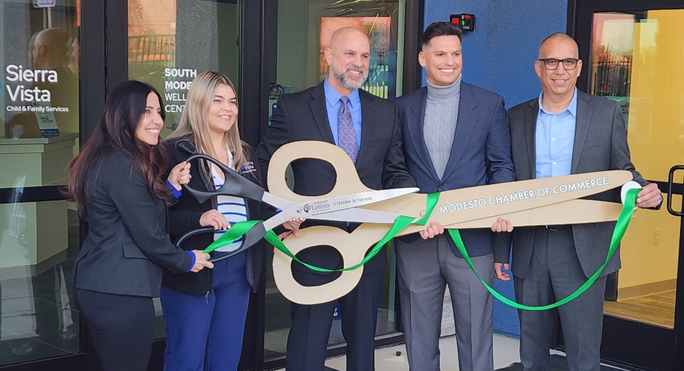
DHCS ໄດ້ມອບເງິນຊ່ວຍເຫຼືອໃຫ້ແກ່ Sierra Vista Child & Family Services ຫຼາຍກວ່າ 4.6 ລ້ານໂດລາຜ່ານ ໂຄງການໂຄງສ້າງພື້ນຖານດ້ານສຸຂະພາບທາງດ້ານພຶດຕິກຳ (BHCIP), ເຊິ່ງເຮັດວຽກເພື່ອຮັບປະກັນການດູແລສຸຂະພາບທາງດ້ານພຶດຕິກຳທີ່ສົມບູນແບບສຳລັບບຸກຄົນທີ່ມີຄວາມສ່ຽງຫຼາຍທີ່ສຸດຂອງລັດ California. ສະຖານທີ່ດັ່ງກ່າວຄາດວ່າຈະຮັບໃຊ້ປະຊາຊົນປະມານ 4,800 ຄົນຕໍ່ປີ. ດ້ວຍພັນທະບັດ Proposition 1 ທີ່ໄດ້ຮັບການອະນຸມັດ, ໃນປີ 2025 ແລະ 2026, ສະຖານທີ່ປິ່ນປົວສຸຂະພາບທາງດ້ານພຶດຕິກຳຈະຫຼາຍຂຶ້ນເລື້ອຍໆ .
“ສູນສຸຂະພາບຊຸມຊົນ ແລະ ປ້ອງກັນຊາວໜຸ່ມແມ່ນສ່ວນໜຶ່ງທີ່ສຳຄັນຂອງຄວາມພະຍາຍາມຂອງລັດ California ເພື່ອນຳເອົາການດູແລສຸຂະພາບແບບຮອບດ້ານທີ່ມີຄຸນນະພາບສູງມາສູ່ຊຸມຊົນຊົນນະບົດ ແລະ ຊຸມຊົນທີ່ຂາດການບໍລິການ,” ທ່ານນາງ Michelle Baass ຜູ້ອຳນວຍການ DHCS ກ່າວ. "ການເປີດສູນແຫ່ງນີ້ແມ່ນການປ່ຽນແປງເກມສຳລັບຜູ້ທີ່ຊອກຫາການບໍລິການສຸຂະພາບທາງດ້ານພຶດຕິກຳທີ່ມີກຽດ ແລະ ຮອບດ້ານໃນເຂດ Stanislaus."
“ມັນແມ່ນພາລະກິດຂອງພວກເຮົາທີ່ຈະເສີມສ້າງຄອບຄົວ ແລະ ຊຸມຊົນ,” ທ່ານ Andrew Timbie, ຫົວໜ້າບໍລິຫານຂອງ Sierra Vista Child & Family Services ກ່າວ. "ພວກເຮົາເຊື່ອວ່າການລິເລີ່ມຍຸດທະສາດຂອງພວກເຮົາເພື່ອຈັດຕັ້ງປະຕິບັດພາລະກິດດັ່ງກ່າວໄດ້ຖືກນຳໃຊ້ຢ່າງມີປະສິດທິພາບໃນການລົງທຶນ ແລະ ການພັດທະນາຕື່ມອີກຂອງສູນປ້ອງກັນສຸຂະພາບຊຸມຊົນ ແລະ ຊາວໜຸ່ມຂອງພວກເຮົາໃນໃຈກາງຂອງເຂດ Stanislaus, ບ້ານທີ່ມີຄວາມສ່ຽງ ແລະ ກຳລັງປະສົບກັບຄວາມຫຍຸ້ງຍາກ."
ບໍລິການເດັກ ແລະ ຄອບຄົວ SIERRA VISTA: ບໍລິການເດັກ ແລະ ຄອບຄົວ Sierra Vista ໃຫ້ບໍລິການທີ່ຫຼາກຫຼາຍ, ລວມທັງການຄຸ້ມຄອງການດູແລທີ່ດີຂຶ້ນ, ການໃຫ້ຄຳປຶກສາ, ໂຄງການປິ່ນປົວໄລຍະສັ້ນສຳລັບເຍົາວະຊົນອຸປະຖຳ, ແລະ ໂຄງການປິ່ນປົວຄວາມຜິດປົກກະຕິໃນການໃຊ້ສານເສບຕິດໃນໄລຍະຖືພາ.
ສູນສຸຂະພາບຊຸມຊົນ ແລະ ປ້ອງກັນຊາວໜຸ່ມແຫ່ງໃໝ່ໄດ້ຖືກສ້າງຂຶ້ນໂດຍໃຊ້ເງິນທຶນ BHCIP ເພື່ອສ້າງການປ່ຽນແປງທີ່ຍືນຍົງໃນຊີວິດຂອງເດັກນ້ອຍ, ຄອບຄົວ ແລະ ຊຸມຊົນ Stanislaus ທັງໝົດ. ສູນດັ່ງກ່າວໃຫ້ບໍລິການເດັກນ້ອຍ ແລະ ຊາວໜຸ່ມອາຍຸຕ່ຳກວ່າ 25 ປີ ຈາກກຸ່ມຄົນທີ່ມີຄວາມສ່ຽງ ແລະ ບໍ່ໄດ້ຮັບການບໍລິການທີ່ພຽງພໍ, ລວມທັງຜູ້ທີ່ມີສ່ວນຮ່ວມໃນລະບົບຍຸຕິທຳເດັກ ແລະ ເດັກທີ່ມີການກະທຳຜິດທາງອາຍາຕໍ່າ, ພ້ອມທັງສະມາຊິກໃນຄອບຄົວຂອງເຂົາເຈົ້າ. ການບໍລິການປະກອບມີການປະເມີນຜົນໂດຍອີງໃສ່ຄວາມເຂັ້ມແຂງ, ການບໍລິການຄຸ້ມຄອງກໍລະນີທີ່ສົມບູນແບບ, ການເຊື່ອມຕໍ່ກັບຊັບພະຍາກອນຊຸມຊົນທ້ອງຖິ່ນ, ການສຶກສາອົບຮົມ ແລະ ການສະໜັບສະໜູນສະຫວັດດີພາບຂອງຄອບຄົວ ແລະ ຜູ້ດູແລ, ການກວດສຸຂະພາບຈິດ, ແລະ ການບໍລິການແມ່ຍິງຖືພາ ແລະ ຫຼັງຄອດລູກ.
ເປັນຫຍັງ BHCIP ຈຶ່ງມີຄວາມສຳຄັນ: ຜ່ານ BHCIP, DHCS ມອບທຶນໃຫ້ໜ່ວຍງານທີ່ມີສິດໄດ້ຮັບເພື່ອສ້າງ, ຊື້ ແລະ ຂະຫຍາຍຊັບສິນ ແລະ ລົງທຶນໃນພື້ນຖານໂຄງລ່າງວິກິດການເຄື່ອນທີ່ເພື່ອຂະຫຍາຍທາງເລືອກໃນການປິ່ນປົວສຸຂະພາບຈິດໃນຊຸມຊົນສຳລັບຜູ້ທີ່ມີບັນຫາສຸຂະພາບຈິດ ແລະ ຄວາມຜິດປົກກະຕິການໃຊ້ສານເສບຕິດ. BHCIP ກຳລັງແກ້ໄຂຊ່ອງຫວ່າງທາງປະຫວັດສາດໃນລະບົບການດູແລສຸຂະພາບທາງດ້ານພຶດຕິກຳເພື່ອຕອບສະໜອງຄວາມຕ້ອງການທີ່ເພີ່ມຂຶ້ນສຳລັບການບໍລິການ ແລະ ການສະໜັບສະໜູນຕະຫຼອດຊີວິດຂອງຜູ້ທີ່ຕ້ອງການ. ບໍລິການເດັກ ແລະ ຄອບຄົວ Sierra Vista ໄດ້ຮັບທຶນຊ່ວຍເຫຼືອ BHCIP ຮອບທີ 4: ທຶນຊ່ວຍເຫຼືອເດັກ ແລະ ຊາວໜຸ່ມ .
DHCS has awarded $1.7 billion in BHCIP competitive grants. In addition, DHCS will distribute up to $4.4 billion in competitive Bond BHCIP funding, including $3.3 billion for Round 1: Launch Ready grants as part of Behavioral Health Transformation, DHCS’ work to implement Proposition 1. DHCS holds regular public listening sessions on this effort. Updates and recordings of the sessions are available on the Behavioral Health Transformation webpage.
ກ່ຽວກັບ BHCIP ຮອບ 4: ເດັກນ້ອຍແລະໄວຫນຸ່ມ: ຮອບທີ 4 ຂອງ BHCIP ແມ່ນສຸມໃສ່ຊາວຄາລິຟໍເນຍທີ່ມີອາຍຸ 25 ປີລົງມາ, ລວມທັງແມ່ຍິງຖືພາ ແລະ ຫຼັງຄອດລູກ ແລະ ລູກຂອງເຂົາເຈົ້າ ແລະ ຊາວໜຸ່ມໃນໄວປ່ຽນຜ່ານອາຍຸ 18-25 ປີ, ພ້ອມກັບຄອບຄົວຂອງເຂົາເຈົ້າ. ຜ່ານການສະໜັບສະໜູນທຶນຈາກ ໂຄງການສຸຂະພາບພຶດຕິກຳເດັກ ແລະ ຊາວໜຸ່ມ ຂອງລັດ California, ລາງວັນທັງ 52 ລາງວັນທີ່ມີມູນຄ່າລວມທັງໝົດ 480.5 ລ້ານໂດລາ ໄດ້ອະນຸຍາດໃຫ້ມີການກໍ່ສ້າງ ແລະ ການຂະຫຍາຍສະຖານທີ່ປິ່ນປົວຄົນເຈັບນອກ ແລະ ສະຖານທີ່ພັກອາໄສຫຼາຍປະເພດ, ລວມທັງໂຄງການພັກອາໄສສຳລັບເດັກໃນວິກິດການ, ສະຖານທີ່ພັກອາໄສສຳລັບຄົນພິການໃນໄລຍະກາງເກີດ, ສູນສຸຂະພາບຊຸມຊົນ/ສູນປ້ອງກັນຊາວໜຸ່ມ, ແລະ ການປິ່ນປົວຄົນເຈັບນອກສຳລັບຄົນພິການໃນການໃຊ້ສານເສບຕິດ. ກະລຸນາເບິ່ງ ເວັບໄຊທ໌ BHCIP ສຳລັບຂໍ້ມູນເພີ່ມເຕີມກ່ຽວກັບຜູ້ໄດ້ຮັບທຶນ ແລະ ລາຍລະອຽດເພີ່ມເຕີມກ່ຽວກັບຮອບການສະໜອງທຶນ BHCIP ທັງໝົດ.
###
ຫ້ອງການສື່ສານ
(916) 440-7660
DHCSPress@dhcs.ca.gov
ໂຄງການເພີ່ມຕຽງນອນ Respite ໃຫມ່ສິບຫົກຄົນໃຫ້ຜູ້ທີ່ລໍຖ້າຫຼືອອກຈາກການປິ່ນປົວທີ່ຢູ່ອາໄສ
SACRAMENTO — ໃນວັນ 29 ມັງກອນ, 2025, ກົມບໍລິການດູແລສຸຂະພາບ (DHCS) ໄດ້ເຂົ້າຮ່ວມພິທີເປີດສູນພັກຜ່ອນສຳລັບຜູ້ໃຫຍ່ແຫ່ງໃໝ່ 16 ຕຽງນອນຂອງເມືອງ Placer ເຊິ່ງສະໜອງສະພາບແວດລ້ອມທີ່ປອດໄພ, ໃຫ້ການສະໜັບສະໜູນ, ແລະ ຄືກັບຢູ່ເຮືອນ ສຳລັບຜູ້ໃຫຍ່ທີ່ລໍຖ້າການຈັດວາງໃນໂຄງການປິ່ນປົວທີ່ຢູ່ອາໄສ ຫຼື ອອກຈາກໂຄງການດັ່ງກ່າວໄປສູ່ລະດັບການດູແລທີ່ຕ່ຳກວ່າ. ສະຖານທີ່ດັ່ງກ່າວ, ມີຊື່ວ່າ "The Harbor," ຈະເລີ່ມຕ້ອນຮັບລູກຄ້າໃນວັນທີ 3 ກຸມພາ ຜ່ານລະບົບການສົ່ງຕໍ່ທີ່ຄຸ້ມຄອງໂດຍທີມງານໃຊ້ສານເສບຕິດຂອງເຂດ Placer County.
DHCS ໄດ້ມອບເງິນເກືອບ 400,000 ໂດລາໃຫ້ແກ່ເຂດ Placer County ຜ່ານ ໂຄງການໂຄງສ້າງພື້ນຖານດ້ານສຸຂະພາບທາງດ້ານພຶດຕິກຳ (BHCIP), ເຊິ່ງເປັນສ່ວນໜຶ່ງຂອງຄຳໝັ້ນສັນຍາຢ່າງຕໍ່ເນື່ອງຂອງລັດ California ໃນການຂະຫຍາຍການບໍລິການສຸຂະພາບທາງດ້ານພຶດຕິກຳສຳລັບຊາວ California ທຸກຄົນ. ດ້ວຍການຜ່ານຮ່າງກົດໝາຍສະບັບທີ 1, ສະຖານທີ່ປິ່ນປົວສຸຂະພາບທາງດ້ານພຶດຕິກຳຈະຫຼາຍຂຶ້ນເລື້ອຍໆ ເຊິ່ງຈະໄດ້ຮັບທຶນ ແລະ ກໍ່ສ້າງໃນປີ 2025 ແລະ 2026.
“ສ່ວນຫຼາຍແລ້ວ, ສະຖານທີ່ປິ່ນປົວຄົນເຈັບໃນໂຮງໝໍທີ່ມີຂໍ້ຈຳກັດແມ່ນທາງເລືອກດຽວທີ່ມີໃຫ້ສຳລັບຜູ້ທີ່ກຳລັງປະສົບກັບວິກິດການສຸຂະພາບຈິດ,” ຜູ້ອຳນວຍການ DHCS ທ່ານນາງ Michelle Baass ກ່າວ. "ສູນທີ່ອີງໃສ່ຊຸມຊົນ, ຮັບຮູ້ເຖິງບາດແຜທາງຈິດໃຈ, ແລະ ສຸມໃສ່ຄວາມຢືດຢຸ່ນ ເຊັ່ນ The Harbor ມີທ່າແຮງທີ່ຈະປະຕິວັດວິທີການປິ່ນປົວ ແລະ ຟື້ນຟູສຸຂະພາບທາງດ້ານພຶດຕິກຳຂອງລັດ California."
ທ່າເຮືອ: ສະຖານທີ່ໃໝ່ນີ້ຈະປະກອບມີການພັກຜ່ອນຮ່ວມກັນທີ່ຖືກອອກແບບມາເພື່ອເສີມລະບົບການຈັດສົ່ງທີ່ມີການຈັດຕັ້ງຂອງລະບົບການຈັດສົ່ງຢາ ແລະ ການແພດຂອງເມືອງ Placer County (DMC-ODS) ໂດຍການສະໜອງສະພາບແວດລ້ອມທີ່ມີໂຄງສ້າງສຳລັບຜູ້ທີ່ອອກຈາກບ່ອນຢູ່ອາໄສ ຫຼື ລໍຖ້າບ່ອນຢູ່ອາໄສ. ຜູ້ຢູ່ອາໄສຈະມີສ່ວນຮ່ວມໃນກິດຈະກຳຟື້ນຟູຕົນເອງ ພ້ອມທັງອາດຈະເຂົ້າຮ່ວມໃນການດູແລຄົນເຈັບນອກ.
Services provided include ongoing needs assessment across the behavioral health and physical health spectrums, case management, crisis management, trauma-informed individual and group therapy, peer-to-peer supportive services, linkage to cultural supports and services, and other necessary referral services for a safe and efficient discharge back into the community. These services are designed to provide less costly and less intrusive care than those offered in a hospital setting.
“ທ່າເຮືອຈະສະເໜີສະພາບແວດລ້ອມທີ່ມີຄວາມເຫັນອົກເຫັນໃຈ ແລະ ໃຫ້ການສະໜັບສະໜູນ ບ່ອນທີ່ບຸກຄົນສາມາດຟື້ນຟູຄວາມເຂັ້ມແຂງ, ປິ່ນປົວ ແລະ ເຊື່ອມຕໍ່ກັບຄວາມຮູ້ສຶກທີ່ດີຂອງເຂົາເຈົ້າຄືນໃໝ່,” ທ່ານນາງ Amy Ellis ຜູ້ອຳນວຍການດ້ານສຸຂະພາບພຶດຕິກຳຂອງເມືອງ Placer ກ່າວ. "ສະຖານທີ່ແຫ່ງນີ້ແມ່ນສ່ວນໜຶ່ງຂອງຄວາມພະຍາຍາມຢ່າງຕໍ່ເນື່ອງຂອງເຂດ Placer ເພື່ອສ້າງ ແລະ ຂະຫຍາຍພື້ນຖານໂຄງລ່າງສຸຂະພາບທາງດ້ານພຶດຕິກຳເພື່ອຕອບສະໜອງຕໍ່ຜູ້ທີ່ຕ້ອງການ."
ເປັນຫຍັງ BHCIP ຈຶ່ງມີຄວາມສຳຄັນ: ຜ່ານ BHCIP, DHCS ມອບລາງວັນໃຫ້ຫົວໜ່ວຍທີ່ມີສິດໄດ້ຮັບທຶນເພື່ອສ້າງ, ຊື້ມາ, ແລະ ຂະຫຍາຍຊັບສິນ ແລະ ລົງທຶນໃນໂຄງລ່າງພື້ນຖານວິກິດການໂທລະສັບມືຖື ເພື່ອຂະຫຍາຍທາງເລືອກການປິ່ນປົວທາງດ້ານພຶດຕິກຳໃນຊຸມຊົນສຳລັບຄົນທີ່ມີຄວາມຕ້ອງການການປິ່ນປົວສຸຂະພາບຈິດຮ່ວມກັນ ແລະ ຄວາມຜິດປົກກະຕິຂອງການໃຊ້ສານເສບຕິດ. BHCIP ກໍາລັງແກ້ໄຂຊ່ອງຫວ່າງປະຫວັດສາດໃນລະບົບການດູແລສຸຂະພາບທາງດ້ານພຶດຕິກໍາເພື່ອຕອບສະຫນອງຄວາມຕ້ອງການທີ່ເພີ່ມຂຶ້ນສໍາລັບການບໍລິການແລະການສະຫນັບສະຫນູນຕະຫຼອດຊີວິດຂອງຄົນທີ່ຕ້ອງການ.
DHCS ໄດ້ມອບເງິນຊ່ວຍເຫຼືອດ້ານການແຂ່ງຂັນ BHCIP ຈຳນວນ 1.7 ຕື້ໂດລາ. ນອກຈາກນັ້ນ, DHCS ຈະແຈກຢາຍເງິນທຶນສູງເຖິງ 4.4 ຕື້ໂດລາໃນກອງທຶນພັນທະບັດ BHCIP ທີ່ແຂ່ງຂັນ, ລວມທັງ 3.3 ຕື້ໂດລາສຳລັບທຶນຊ່ວຍເຫຼືອຮອບທີ 1: ກຽມພ້ອມເປີດຕົວ ເປັນສ່ວນໜຶ່ງຂອງ ການຫັນປ່ຽນສຸຂະພາບທາງດ້ານພຶດຕິກຳ, ວຽກງານຂອງ DHCS ເພື່ອຈັດຕັ້ງປະຕິບັດ ຂໍ້ສະເໜີທີ 1. DHCS ຈັດກອງປະຊຸມຮັບຟັງສາທາລະນະເປັນປະຈຳກ່ຽວກັບຄວາມພະຍາຍາມນີ້. ການອັບເດດ ແລະ ການບັນທຶກສຽງຂອງກອງປະຊຸມຕ່າງໆແມ່ນມີຢູ່ໃນ ໜ້າເວັບການຫັນປ່ຽນສຸຂະພາບພຶດຕິກຳ.
ກ່ຽວກັບ BHCIP ຮອບທີ 3: ຄວາມພ້ອມສຳລັບການເປີດຕົວ: BHCIP ຮອບທີ 3 ໄດ້ສະໜັບສະໜູນກິດຈະກຳການກະກຽມເພື່ອວາງແຜນການໄດ້ມາ ແລະ ການຂະຫຍາຍພື້ນຖານໂຄງລ່າງສຸຂະພາບທາງດ້ານພຶດຕິກຳທົ່ວລັດ. ສະຖານທີ່ທີ່ໄດ້ຮັບຮາງວັນ 45 ແຫ່ງໄດ້ຮັບທຶນທັງໝົດ 518.5 ລ້ານໂດລາ. ຜູ້ສະໝັກ BHCIP ຕ້ອງສະແດງໃຫ້ເຫັນເຖິງການຂະຫຍາຍການບໍລິການສຳລັບສະມາຊິກ Medi-Cal ແລະ ມີຂະບວນການວາງແຜນທີ່ຖືກຕ້ອງເພື່ອຮັບປະກັນວ່າໂຄງການຕ່າງໆມີຄວາມພ້ອມສຳລັບການຈັດຕັ້ງປະຕິບັດ.
###
ຫ້ອງການສື່ສານ
(916) 440-7660
DHCSPress@dhcs.ca.gov
SACRAMENTO — ກະຊວງບໍລິການດ້ານສຸຂະພາບ (DHCS) ໄດ້ມອບເງິນ 2.7 ລ້ານໂດລາໃຫ້ແກ່ 15 ກຸ່ມພັນທະມິດທ້ອງຖິ່ນ ຜ່ານເຄືອຂ່າຍປ້ອງກັນການໃຊ້ຢາເກີນຂະໜາດຂອງລັດ California (COPN), ເຊິ່ງເປັນເຄືອຂ່າຍການຮຽນຮູ້ທີ່ໄດ້ຮັບຄວາມນັບຖືທົ່ວລັດທີ່ອຸທິດຕົນເພື່ອຕໍ່ສູ້ກັບການລະບາດຂອງການໃຊ້ຢາເກີນຂະໜາດ. ທຶນນີ້ຈະໃຫ້ການສະໜັບສະໜູນຢ່າງຕໍ່ເນື່ອງສຳລັບກຸ່ມພັນທະມິດທີ່ສະໜັບສະໜູນພາລະກິດຂອງ COPN ເພື່ອເສີມສ້າງການເຊື່ອມຕໍ່ພາຍໃນຊຸມຊົນ ແລະ ໃຫ້ການເຂົ້າເຖິງຄວາມຮູ້, ການຝຶກອົບຮົມ ແລະ ຊັບພະຍາກອນເພື່ອປັບປຸງການປະຕິບັດ ແລະ ສ້າງການປ່ຽນແປງທີ່ຍືນຍົງ.
“ຕາມປະເພນີແລ້ວ, ການປິ່ນປົວຄວາມຜິດປົກກະຕິໃນການໃຊ້ຢາ opioid ໄດ້ຖືກແຍກອອກຈາກກັນດ້ວຍການເຊື່ອມຕໍ່ທີ່ຈຳກັດລະຫວ່າງຜູ້ໃຫ້ບໍລິການ ແລະ ອົງການຈັດຕັ້ງອື່ນໆ, ເຊິ່ງນຳໄປສູ່ຊ່ອງຫວ່າງໃນການດູແລ,” ຜູ້ອຳນວຍການ DHCS Michelle Baass ກ່າວ. "ທຶນນີ້ຈະສະໜັບສະໜູນຄວາມພະຍາຍາມຂອງ COPN ເພື່ອຊ່ວຍປະສານງານກຸ່ມພັນທະມິດ, ອົງການຈັດຕັ້ງ ແລະ ບຸກຄົນທີ່ເຮັດວຽກຢູ່ແຖວໜ້າຂອງການລະບາດຂອງການໃຊ້ຢາເກີນຂະໜາດຂອງລັດ California ເພື່ອໃຫ້ຄວາມສຳຄັນກັບຄວາມຕ້ອງການທີ່ເປັນເອກະລັກ ແລະ ທ້ອງຖິ່ນ ແລະ ຈັດຕັ້ງປະຕິບັດວິທີແກ້ໄຂທີ່ໄດ້ຮັບການພິສູດແລ້ວວ່າຊ່ວຍຊີວິດຄົນໄດ້."
ສ້າງຄວາມແຕກຕ່າງ: ກຸ່ມພັນທະມິດສິບຫ້າກຸ່ມທີ່ໄດ້ຮັບລາງວັນຈະນຳໃຊ້ທຶນນີ້ລະຫວ່າງເດືອນມັງກອນ 1, 2025, ແລະເດືອນສິງຫາ 30, 2027, ເພື່ອຈັດຕັ້ງປະຕິບັດຍຸດທະສາດທີ່ແກ້ໄຂບັນຫາການປ້ອງກັນ, ການປິ່ນປົວ ແລະ ການຟື້ນຟູຈາກການໃຊ້ຢາເກີນຂະໜາດ. ຄວາມພະຍາຍາມເຫຼົ່ານີ້ລວມມີການແຈກຢາຍຢາ naloxone, ການຂະຫຍາຍການເຂົ້າເຖິງຊັບພະຍາກອນຊ່ວຍຊີວິດ, ແລະ ການສຶກສາຊຸມຊົນ, ທັງໝົດນີ້ມີຈຸດປະສົງເພື່ອຫຼຸດຜ່ອນການເສຍຊີວິດຈາກການໃຊ້ຢາເກີນขนาด ແລະ ສົ່ງເສີມການຟື້ນຟູໄລຍະຍາວທົ່ວລັດ.
ເປັນຫຍັງສິ່ງນີ້ຈຶ່ງສຳຄັນ: ຊາວຄາລິຟໍເນຍຫຼາຍກວ່າ 7,000 ຄົນ ໄດ້ເສຍຊີວິດ ຈາກການໃຊ້ຢາ opioid ເກີນຂະໜາດໃນປີ 2022. ມີການເສຍຊີວິດຫຼາຍກວ່າ 83,000 ຄົນທີ່ຕິດພັນກັບການໃຊ້ຢາ opioid ເກີນຂະໜາດໃນແຕ່ລະປີໃນທົ່ວປະເທດ, ໃນນັ້ນ 90 ເປີເຊັນແມ່ນກ່ຽວຂ້ອງກັບ fentanyl.
ຜົນກະທົບຂອງການຊ່ວຍເຫຼືອລ້າ: “ດ້ວຍຜົນຂອງການສະໜອງທຶນນີ້, ກຸ່ມພັນທະມິດຂອງພວກເຮົາຈະສືບຕໍ່ໃຫ້ການສຶກສາ ແລະ ການສ້າງຈິດສຳນຶກໃນຊຸມຊົນເພື່ອຫຼຸດຜ່ອນການໃຊ້ opioid ແລະ ເພີ່ມໂອກາດໃນການປ້ອງກັນການໃຊ້ຢາເກີນຂະໜາດ,” Jenn Rhoads, ຜູ້ປະສານງານກຸ່ມພັນທະມິດສຳລັບກຸ່ມພັນທະມິດຄວາມປອດໄພ opioid San Luis Obispo ກ່າວ. “ພວກເຮົາຍັງຈະປັບປຸງການເຂົ້າເຖິງຜູ້ໃຫ້ບໍລິການເພື່ອເພີ່ມຄວາມພ້ອມຂອງການປິ່ນປົວ ແລະ ການບໍລິການຫຼຸດຜ່ອນອັນຕະລາຍໃນທົ່ວເຂດປົກຄອງ.”
“ທຶນສະໜັບສະໜູນນີ້ຈະເສີມສ້າງການລິເລີ່ມໃນປະຈຸບັນຂອງພັນທະມິດຂອງພວກເຮົາ ແລະ ຂະຫຍາຍຄວາມພະຍາຍາມຂອງພວກເຮົາໃຫ້ເຂົ້າເຖິງປະຊາກອນຫຼາຍຂຶ້ນ,” ທ່ານ Arthur Camargo, ຜູ້ປະສານງານພັນທະມິດເພື່ອຄວາມປອດໄພດ້ານຢາເສບຕິດ Solano ກ່າວ. "ໂດຍສະເພາະ, ເງິນທຶນເຫຼົ່ານີ້ຈະຊ່ວຍໃຫ້ພວກເຮົາສາມາດຂະຫຍາຍການບໍລິການຫຼຸດຜ່ອນອັນຕະລາຍ, ການຝຶກອົບຮົມ ແລະ ການແຈກຢາຍຢາ naloxone, ແລະ ກິດຈະກໍາ ແລະ ການຝຶກອົບຮົມດ້ານການສຶກສາຊຸມຊົນ." ທຶນດັ່ງກ່າວຍັງຈະສະໜັບສະໜູນຄວາມພະຍາຍາມຂອງພັນທະມິດຂອງພວກເຮົາໃນການອັບເດດ ແລະ ເຜີຍແຜ່ຊັບພະຍາກອນທີ່ມຸ້ງໄປຫາຜູ້ສັ່ງຢາເພື່ອການສັ່ງຢາ opioid ແລະ buprenorphine ທີ່ປອດໄພກວ່າ ແລະ ນຳໃຊ້ຊັບພະຍາກອນຂໍ້ມູນຂອງພວກເຮົາເພື່ອສະໜັບສະໜູນການນຳໃຊ້ເງິນທຶນການຊຳລະ opioid ໃນທ້ອງຖິ່ນໃຫ້ດີທີ່ສຸດ.”
ໂດຍການເສີມສ້າງການເຊື່ອມຕໍ່ ແລະ ການສະໜອງຊັບພະຍາກອນທີ່ສຳຄັນ, ເຄືອຂ່າຍ ແລະ ການຝຶກອົບຮົມຂອງ COPN ໃຫ້ເຄື່ອງມື ແລະ ການສະໜັບສະໜູນແກ່ພັນທະມິດທີ່ພວກເຂົາຕ້ອງການເພື່ອແກ້ໄຂການລະບາດຂອງການໃຊ້ຢາເກີນຂະໜາດຢ່າງມີປະສິດທິພາບ.
ຮູບພາບໃຫຍ່ກວ່າ: ໂຄງການນີ້ໄດ້ຮັບທຶນຈາກທຶນຊ່ວຍເຫຼືອລ້າການຕອບສະໜອງຕໍ່ຢາ Opioid IV ຂອງລັດ ທີ່ມອບໂດຍອົງການບໍລິການສຸຂະພາບຈິດ ແລະ ການໃຊ້ສານເສບຕິດ. ໂຄງການດັ່ງກ່າວແມ່ນສ່ວນໜຶ່ງຂອງຄວາມພະຍາຍາມທີ່ກວ້າງຂວາງຂອງ DHCS ເພື່ອແກ້ໄຂບັນຫາການໃຊ້ສານເສບຕິດ, ເຊິ່ງເອີ້ນກັນວ່າ ໂຄງການຕອບໂຕ້ຢາ opioid ຂອງຄາລິຟໍເນຍ, ເພື່ອເພີ່ມການເຂົ້າເຖິງ MOUD, ຫຼຸດຜ່ອນຄວາມຕ້ອງການການປິ່ນປົວທີ່ບໍ່ໄດ້ຮັບການຕອບສະໜອງ, ແລະຫຼຸດຜ່ອນການເສຍຊີວິດທີ່ກ່ຽວຂ້ອງກັບການໃຊ້ຢາ opioid ເກີນຂະໜາດໂດຍຜ່ານການສະໜອງກິດຈະກຳປ້ອງກັນ, ການປິ່ນປົວ, ແລະການຟື້ນຟູ. ສຳລັບຂໍ້ມູນເພີ່ມເຕີມ, ກະລຸນາເຂົ້າເບິ່ງ ເວັບໄຊທ໌ DHCS.
ລັດໄດ້ເປີດຕົວ opioids.ca.gov, ເຊິ່ງເປັນເຄື່ອງມືປະຕູດຽວສຳລັບຊາວຄາລິຟໍເນຍທີ່ຊອກຫາຊັບພະຍາກອນສຳລັບການປ້ອງກັນ ແລະ ການປິ່ນປົວ, ພ້ອມທັງຂໍ້ມູນກ່ຽວກັບວິທີການທີ່ລັດຄາລິຟໍເນຍກຳລັງເຮັດວຽກເພື່ອຮັບຜິດຊອບຕໍ່ບໍລິສັດຢາຂະໜາດໃຫຍ່ ແລະ ຜູ້ຄ້າຢາເສບຕິດໃນວິກິດການນີ້.
ໜ່ວຍງານທີ່ມີສິດໄດ້ຮັບອາດຈະສາມາດໄດ້ຮັບຢາສີດພົ່ນດັງ naloxone 4 ມກ ທີ່ຂາຍໂດຍບໍ່ຕ້ອງມີໃບສັ່ງແພດ (OTC) ຍີ່ຫໍ້ CalRxໂດຍບໍ່ເສຍຄ່າຜ່ານ ໂຄງການແຈກຢາຍ Naloxone ຂອງ DHCS. CalRx ກຳລັງເຮັດວຽກກ່ຽວກັບທາງເລືອກສຳລັບບຸກຄົນທີ່ຈະຊື້ຢາສີດພົ່ນດັງ CalRx OTC naloxone ໂດຍກົງ.
###
ຫ້ອງການສື່ສານ
(916) 440-7660
DHCSPress@dhcs.ca.gov
SACRAMENTO — ພະແນກບໍລິການການດູແລສຸຂະພາບ (DHCS) ໄດ້ມອບເງິນເກືອບ 65.4 ລ້ານໂດລາ ໃຫ້ແກ່ 91 ອົງການຈັດຕັ້ງເພື່ອສ້າງຄວາມເຂັ້ມແຂງໃຫ້ແກ່ California Hub and Spoke System, ເຊິ່ງເປັນຕົວແບບທີ່ໄດ້ຮັບການພິສູດແລ້ວທີ່ຖືກອອກແບບມາເພື່ອເພີ່ມການເຂົ້າເຖິງຢາສໍາລັບການບໍລິການທີ່ບໍ່ເປັນລະບຽບຂອງການໃຊ້ opioid (MOUD) ໃນທົ່ວປະເທດ. ທຶນນີ້ຈະເພີ່ມທະວີການປ້ອງກັນ, ປິ່ນປົວ, ແລະການບໍລິການຟື້ນຟູທົ່ວລັດ, ຊຸກຍູ້ການຕໍ່ສູ້ຕ້ານວິກິດການຢາຝິ່ນແລະຊ່ວຍຊີວິດຄົນ.
“ການເອົາຊະນະການລະບາດຂອງຢາ opioid ຮຽກຮ້ອງໃຫ້ທຸກພາກສ່ວນຂອງລະບົບສາທາລະນະສຸກຂອງພວກເຮົາເຮັດວຽກຮ່ວມກັນເພື່ອການປິ່ນປົວ,” ຜູ້ອຳນວຍການ DHCS Michelle Baass ກ່າວ. "ລະບົບ Hub and Spoke ເສີມສ້າງເຄືອຂ່າຍຜູ້ໃຫ້ບໍລິການປ້ອງກັນ, ຫຼຸດຜ່ອນອັນຕະລາຍ, ການປິ່ນປົວ ແລະ ການຟື້ນຟູຂອງລັດ California ໂດຍການປັບປຸງການບໍລິການ ແລະ ຊັບພະຍາກອນໃນຊຸມຊົນຕ່າງໆທົ່ວລັດ."
The Hub and Spoke System consists of a network of Narcotic Treatment Programs (known as Hubs) licensed to dispense methadone and other MOUDs. These Hubs are connected to other MOUD prescribers (known as Spokes), which primarily provide various formulations of buprenorphine—a medication that reduces opioid cravings and withdrawal symptoms—and ongoing opioid use disorder (OUD) and substance use disorder (SUD) care and treatment.
ເປັນຫຍັງສິ່ງນີ້ຈຶ່ງສຳຄັນ: ຊາວຄາລິຟໍເນຍຫຼາຍກວ່າ 7,000 ຄົນ ໄດ້ເສຍຊີວິດ ຈາກການໃຊ້ຢາ opioid ເກີນຂະໜາດໃນປີ 2022. ມີການເສຍຊີວິດຫຼາຍກວ່າ 83,000 ຄົນທີ່ຕິດພັນກັບການໃຊ້ຢາ opioid ເກີນຂະໜາດໃນແຕ່ລະປີໃນທົ່ວປະເທດ, ໃນນັ້ນຫຼາຍກວ່າ 90 ເປີເຊັນແມ່ນກ່ຽວຂ້ອງກັບຢາ fentanyl. ລະບົບ Hub and Spoke ເພີ່ມການເຂົ້າເຖິງການບໍລິການປິ່ນປົວດ້ວຍຢາ (MAT) ທົ່ວລັດ, ໂດຍສະເພາະໃນເຂດທີ່ມີອັດຕາການໃຊ້ຢາເກີນຂະໜາດສູງສຸດ. ໂຄງການນີ້ໄດ້ຖືກສ້າງແບບຢ່າງຕາມ ລະບົບ Vermont Hub and Spoke, ເຊິ່ງໄດ້ເພີ່ມການເຂົ້າເຖິງ MAT ໃນລັດຊົນນະບົດທີ່ມີພື້ນຖານໂຄງລ່າງການປິ່ນປົວໜ້ອຍ. ໂຄງການດັ່ງກ່າວໄດ້ເພີ່ມຄວາມພ້ອມຂອງ MAT ສຳລັບຄົນເຈັບທີ່ມີ OUD ໂດຍການເພີ່ມຈຳນວນແພດ, ຜູ້ຊ່ວຍແພດ ແລະ ພະຍາບານຜູ້ປະຕິບັດໜ້າທີ່ສັ່ງຢາ buprenorphine.
ລະບົບ Hub and Spoke ສືບຕໍ່ປັບປຸງການສຶກສາ, ການເຜີຍແຜ່ຂໍ້ມູນ ແລະ ການປິ່ນປົວສຳລັບຄົນເຈັບທີ່ມີ SUDs ແລະ OUDs, ໂດຍສຸມໃສ່ການຮັບໃຊ້ປະຊາກອນທີ່ມີຄວາມສ່ຽງ ແລະ ການເພີ່ມການບໍລິການ MOUD. ລະບົບດັ່ງກ່າວຖືກອອກແບບມາເພື່ອ:
ອັນນີ້ຫມາຍຄວາມວ່າແນວໃດ: Ninety-one ອົງການຈັດຕັ້ງຈະໄດ້ຮັບຮາງວັນເພື່ອໃຫ້ບໍລິການ MOUD ເພື່ອປະຕິບັດລະບົບ Hub ແລະ Spoke ຈາກເດືອນມັງກອນ 1, 2025, ຈົນຮອດເດືອນກັນຍາ 29, 2027. ຜູ້ໃຫ້ທຶນລວມມີໂຄງການປິ່ນປົວຢາເສບຕິດ, ສູນສຸຂະພາບທີ່ມີຄຸນວຸດທິຂອງລັດຖະບານກາງ, ຄລີນິກສຸຂະພາບຊົນນະບົດ, ຄລີນິກຊຸມຊົນ, ອົງການຈັດຕັ້ງທີ່ບໍ່ຫວັງຜົນກໍາໄລ, ແລະຫນ່ວຍງານຊົນເຜົ່າ.
ຜົນກະທົບຂອງການຊ່ວຍເຫຼືອລ້າ: “ທຶນນີ້ຊ່ວຍໃຫ້ Venice Family Clinic ສາມາດສະເໜີການຊ່ວຍເຫຼືອດ້ານການຊ່ວຍຊີວິດສຳລັບຜູ້ທີ່ເປັນ SUDs, ໂດຍບໍ່ຄຳນຶງເຖິງສະຖານະພາບການປະກັນໄພຂອງເຂົາເຈົ້າ,” Ariel Peterson, ຜູ້ອຳນວຍການຄຸ້ມຄອງໂຄງການສຳລັບ Venice Family Clinic ກ່າວ. "ອັນນີ້ລວມມີຢາສຳລັບຄວາມຜິດປົກກະຕິໃນການໃຊ້ຢາຝິ່ນ, ການໃຫ້ຄຳປຶກສາ, ການຄຸ້ມຄອງກໍລະນີ, ແລະ ການຂົນສົ່ງໄປຫາການຖອນສານພິດ ຫຼື ການດູແລທີ່ຢູ່ອາໄສ."
“ພວກເຮົາຮູ້ສຶກເປັນກຽດທີ່ໄດ້ຮັບທຶນຊ່ວຍເຫຼືອນີ້ເພື່ອສະໜັບສະໜູນໂຄງການ MAT ຂອງພວກເຮົາສຳລັບ OUD, ເຊິ່ງຊ່ວຍໃຫ້ພວກເຮົາສາມາດສືບຕໍ່ໃຫ້ບໍລິການດ້ານການເຜີຍແຜ່ ແລະ ການບໍລິການທາງການແພດທີ່ສຳຄັນແກ່ຄົນເຈັບພື້ນເມືອງອາເມລິກັນທີ່ມີຄວາມສ່ຽງສູງ,” Judith Surber, ຜູ້ຈັດການໂຄງການ MAT ສຳລັບສູນການແພດ K'ima:w ກ່າວ. "ໂຄງການ MAT ຍັງຄົງເປັນສ່ວນສໍາຄັນຂອງສູນການແພດຂອງພວກເຮົາ ແລະຊຸມຊົນກວ້າງຂວາງທີ່ພວກເຮົາບໍລິການ. ທຶນນີ້ຈະຊ່ວຍເພີ່ມພູນໂຄງການຂອງພວກເຮົາ, ລົດຄວາມອັດຕະລົມ, ແລະລົດອັດຕາການເສຍຊີວິດຈາກການເກີດການເກີນຂະຫນາດຢາອົບພິດໃນຊຸມຊົນຊົນເຜົ່າຂອງພວກເຮົາ. ໂດຍການສ້າງສະພາບຄລິນິກທີ່ມີລະບຽບ, ພວກເຮົາມີຈຸດປະສົງເພື່ອເປັນພະລັງງານໃຫ້ຜູ້ປ່ວຍສາມາດສ້າງຊີວິດໃຫມ່ແລະມີສ່ວນຮ່ວມເປັນສະມາຊິກທີ່ມີຜົນຜະລິດໃນສັງຄົມ, ສະຫນັບສະຫນູນຄອບຄົວແລະຊຸມຊົນຂອງພວກເຂົາ."
“ດ້ວຍການສະໜັບສະໜູນທຶນຂອງລະບົບ Hub and Spoke, ໂຄງການປິ່ນປົວຄົນເຈັບນອກ, ຄົນເຈັບທີ່ຢູ່ອາໄສ ແລະ ການປິ່ນປົວ opioid ຂອງພວກເຮົາສາມາດໃຫ້ການເຜີຍແຜ່ຢ່າງກວ້າງຂວາງຕໍ່ຊຸມຊົນກ່ຽວກັບ MOUD ທີ່ຊ່ວຍຊີວິດ ແລະ ໃຫ້ຄົນເຈັບທີ່ບໍ່ມີປະກັນໄພ ແລະ ຄົນເຈັບທີ່ມີປະກັນໄພບໍ່ພຽງພໍສາມາດເຂົ້າເຖິງ MAT ໄດ້ຢ່າງເທົ່າທຽມກັນ,” ທ່ານນາງ Andrea Nee, ຜູ້ອຳນວຍການປະເມີນຜົນຂອງ Clare|Matrix ກ່າວ. "ການສະໜອງທຶນຈາກລະບົບ Hub and Spoke ແມ່ນເຄື່ອງມືສຳຄັນໃນການສະໜັບສະໜູນຜູ້ອຳນວຍການດ້ານການແພດ, ພະນັກງານໃຫ້ຄຳປຶກສາ ແລະ ພະຍາບານຂອງພວກເຮົາ ໃຫ້ສາມາດສະເໜີການປິ່ນປົວທີ່ມີຄຸນນະພາບສູງສຸດໃຫ້ແກ່ຄົນເຈັບທີ່ມີ OUDs ແລະ ຄວາມຜິດປົກກະຕິໃນການໃຊ້ສານກະຕຸ້ນຫຼາຍຂຶ້ນ." ພວກເຮົາຈະສາມາດປັບປຸງຄວາມຮູ້ ແລະ ຄວາມຮັບຮູ້ກ່ຽວກັບຜົນປະໂຫຍດ ແລະ ຜົນກະທົບຂອງ MAT ແລະ ຫຼຸດຜ່ອນຄວາມອັບອາຍຕື່ມອີກໂດຍຜ່ານການສຶກສາອົບຮົມຄົນເຈັບ ແລະ ການບໍລິການມີສ່ວນຮ່ວມຢ່າງຄົບຖ້ວນ.”
ພາບລວມ: ລັດໄດ້ເລີ່ມຕົ້ນ opioids.ca.gov, ເຄື່ອງມືຄົບວົງຈອນສໍາລັບຄົນຄາລິຟໍເນຍທີ່ກໍາລັງຄົ້ນຫາແຫຼ່ງຊ່ວຍເຫຼືອໃນການປ້ອງກັນແລະການຮັກສາ ພ້ອມກັບຂໍ້ມູນກ່ຽວກັບວິທີທີ່ຄາລິຟໍເນຍກໍາລັງດໍາເນີນການເພື່ອຮັບຜິດຊອບບໍລິສັດຢາໃຫຍ່ແລະຜູ້ຄ້າຢາໃນວິກິດນີ້.
ລະບົບ Hub and Spoke ໄດ້ຮັບທຶນຈາກທຶນຊ່ວຍເຫຼືອລ້າ Opioid Response IV ຂອງລັດ, ເຊິ່ງມອບໂດຍອົງການບໍລິການສຸຂະພາບຈິດ ແລະ ການໃຊ້ສານເສບຕິດ. ໂຄງການນີ້ແມ່ນສ່ວນໜຶ່ງຂອງຄວາມພະຍາຍາມທີ່ກວ້າງຂວາງຂອງ DHCS ເພື່ອແກ້ໄຂບັນຫາ SUDs, ເຊິ່ງເອີ້ນກັນວ່າ California Opioid Response, ເພື່ອເພີ່ມການເຂົ້າເຖິງ MOUDs, ຫຼຸດຜ່ອນຄວາມຕ້ອງການການປິ່ນປົວທີ່ບໍ່ໄດ້ຮັບການຕອບສະໜອງ, ແລະຫຼຸດຜ່ອນການເສຍຊີວິດທີ່ກ່ຽວຂ້ອງກັບການໃຊ້ຢາ opioid ເກີນຂະໜາດຜ່ານຄວາມພະຍາຍາມປ້ອງກັນ, ການປິ່ນປົວ, ແລະການຟື້ນຟູ. ສຳລັບຂໍ້ມູນເພີ່ມເຕີມ, ກະລຸນາເຂົ້າເບິ່ງ ເວັບໄຊທ໌ພາບລວມການຕອບສະໜອງຕໍ່ຢາ Opioid ຂອງ DHCS ລັດຄາລິຟໍເນຍ.
###
ຫ້ອງການສື່ສານ
(916) 440-7660
DHCSPress@dhcs.ca.gov
SACRAMENTO — ເພື່ອຕອບສະໜອງຕໍ່ໄຟໄໝ້ປ່າໃນພາກໃຕ້ຂອງລັດ California, ກະຊວງບໍລິການດ້ານສຸຂະພາບ (DHCS) ໄດ້ຮ້ອງຂໍ ແລະ ໄດ້ຮັບການອະນຸມັດຈາກລັດຖະບານກາງຈາກລັດຖະບານ Biden-Harris ສຳລັບຄວາມຍືດຫຍຸ່ນຫຼາຍສິບຢ່າງເພື່ອປ້ອງກັນການລົບກວນໃນການໃຫ້ບໍລິການດ້ານສຸຂະພາບ ເພື່ອໃຫ້ສະມາຊິກ Medi-Cal ສາມາດສືບຕໍ່ໄດ້ຮັບການດູແລທີ່ຈຳເປັນ. ການຍົກເວັ້ນ 1135 ອະນຸຍາດໃຫ້ກະຊວງສາທາລະນະສຸກ ແລະ ບໍລິການມະນຸດ (HHS) ຂອງສະຫະລັດ ຍົກເວັ້ນຂໍ້ກຳນົດດ້ານການບໍລິຫານຕ່າງໆ ເພື່ອເພີ່ມການເຂົ້າເຖິງການບໍລິການທາງການແພດໃນຊ່ວງເວລາສຸກເສີນແຫ່ງຊາດ. ການອະນຸມັດການຍົກເວັ້ນ 1135 ຍັງຄົງມີຜົນບັງຄັບໃຊ້ຕະຫຼອດໄລຍະເວລາຂອງພາວະສຸກເສີນດ້ານສາທາລະນະສຸກທີ່ປະກາດໂດຍອະດີດເລຂາທິການ HHS Xavier Becerra, ເຊິ່ງມີໄລຍະເວລາ 90 ມື້.
“DHCS ມຸ່ງໝັ້ນທີ່ຈະຊ່ວຍເຫຼືອຊາວຄາລິຟໍເນຍໃຫ້ເຂົ້າເຖິງການດູແລທີ່ເຂົາເຈົ້າຕ້ອງການໃນຊ່ວງວິກິດການທີ່ຮ້າຍແຮງນີ້ ແລະ ໃນຂະນະທີ່ຊຸມຊົນເລີ່ມເກີດຂຶ້ນ ແລະ ຟື້ນຕົວ,” ທ່ານ Tyler Sadwith ຜູ້ອຳນວຍການ Medicaid ຂອງລັດ ກ່າວ. "ການຍົກເວັ້ນທີ່ອອກໂດຍຄູ່ຮ່ວມງານລັດຖະບານກາງຂອງພວກເຮົາຈະສະໜອງຄວາມຍືດຫຍຸ່ນທີ່ຈຳເປັນສຳລັບຜູ້ໃຫ້ບໍລິການດ້ານສຸຂະພາບເພື່ອແກ້ໄຂຄວາມຕ້ອງການອັນຮີບດ່ວນຂອງສະມາຊິກ Medi-Cal." ບໍ່ວ່າຈະເປັນການຮັບປະກັນການເຂົ້າເຖິງການບໍລິການທາງດ້ານຄລີນິກຢ່າງຕໍ່ເນື່ອງໃນສະຖານທີ່ທາງເລືອກອື່ນ, ການສະໜອງຄວາມຍືດຫຍຸ່ນເປົ້າໝາຍສຳລັບການບໍລິການຢູ່ເຮືອນ ແລະ ການບໍລິການໃນຊຸມຊົນ, ຫຼື ການປັບປຸງການລົງທະບຽນຂອງຜູ້ໃຫ້ບໍລິການ, ມາດຕະການເຫຼົ່ານີ້ແມ່ນຖືກອອກແບບມາເພື່ອລົບລ້າງອຸປະສັກຕໍ່ການດູແລ ແລະ ສະໜັບສະໜູນທັງຄົນເຈັບ ແລະ ຜູ້ໃຫ້ບໍລິການແຖວໜ້າໃນລະຫວ່າງເຫດສຸກເສີນນີ້ ແລະ ຕະຫຼອດຂະບວນການຟື້ນຟູ.”
ຄວາມຍືດຫຍຸ່ນທີ່ສຳຄັນລວມມີ:
ກ່ຽວກັບຄວາມຍືດຫຍຸ່ນ: ພາຍໃຕ້ການຍົກເວັ້ນ 1135, ສູນບໍລິການ Medicare ແລະ Medicaid (CMS) ກຳລັງຜ່ອນຄາຍຂໍ້ກຳນົດບາງຢ່າງຂອງໂຄງການປະກັນສຸຂະພາບ Medicare, Medicaid ແລະ ເດັກຊົ່ວຄາວເພື່ອຊ່ວຍໃຫ້ຜູ້ໃຫ້ບໍລິການດ້ານສຸຂະພາບ ແລະ ສະຖານທີ່ຕ່າງໆຕອບສະໜອງຕໍ່ເຫດສຸກເສີນ ຫຼື ໄພພິບັດ. ການອະນຸມັດຂອງພາກຜະນວກ K ໃຫ້ຄວາມຍືດຫຍຸ່ນເພີ່ມເຕີມສະເພາະສຳລັບໂຄງການບໍລິການທີ່ອີງໃສ່ເຮືອນ ແລະ ຊຸມຊົນ. ການກະທຳເຫຼົ່ານີ້ແມ່ນຖືກອອກແບບມາເພື່ອຫຼຸດຜ່ອນພາລະດ້ານການບໍລິຫານ ແລະ ໃຫ້ຄວາມຍືດຫຍຸ່ນໃນການໃຫ້ບໍລິການດ້ານສຸຂະພາບໃນຊ່ວງເວລາທີ່ສຳຄັນ
ຮັບຄວາມຊ່ວຍເຫຼືອມື້ນີ້: ຊາວຄາລິຟໍເນຍສາມາດເຂົ້າເບິ່ງ ເວັບໄຊທ໌ CA.gov/LAfires, ເຊິ່ງເປັນສູນກາງສຳລັບຂໍ້ມູນ ແລະ ຊັບພະຍາກອນຈາກລັດຖະບານຂັ້ນລັດ, ທ້ອງຖິ່ນ ແລະ ລັດຖະບານກາງ.
ບໍ່ດົນມານີ້ Covered California ໄດ້ປະກາດໄລຍະເວລາລົງທະບຽນພິເສດສຳລັບຜູ້ຢູ່ອາໄສໃນເຂດ Los Angeles ແລະ Ventura. ໄລຍະເວລາລົງທະບຽນພິເສດນີ້ຈະແກ່ຍາວໄປຈົນຮອດວັນທີ 8 ມີນາ, 2025. ຊັບພະຍາກອນແມ່ນມີໃຫ້ຜ່ານເຂດ Los Angeles ແລະ ລັດ California. ໃນຈຳນວນຊາວຄາລິຟໍເນຍທີ່ບໍ່ມີປະກັນໄພ 1.3 ລ້ານຄົນທີ່ມີສິດໄດ້ຮັບເງິນອຸດໜູນຜ່ານ Covered California ຫຼືມີສິດໄດ້ຮັບການຄຸ້ມຄອງ Medi-Cal, ມີ 356,000 ຄົນທີ່ອາໄສຢູ່ໃນພາກໃຕ້ຂອງລັດຄາລິຟໍເນຍ.
ລັດຄາລິຟໍເນຍໄດ້ພັດທະນາຊັບພະຍາກອນເພື່ອຊ່ວຍນຳພາປະຊາຊົນຜ່ານໄພພິບັດ ແລະ ໃຫ້ຂໍ້ມູນກ່ຽວກັບການບໍລິການລະດັບລັດຖະບານກາງ, ລັດ, ແລະ ທ້ອງຖິ່ນປະເພດຕ່າງໆທີ່ມີຢູ່ໃນລັດຄາລິຟໍເນຍ:
ຜ່ານປະຕູ BenefitsCal , ຊາວຄາລິຟໍເນຍສາມາດໄດ້ຮັບ ແລະ ຈັດການຜົນປະໂຫຍດທາງອອນລາຍໄດ້. ນີ້ລວມມີການຊ່ວຍເຫຼືອດ້ານອາຫານ (CalFresh, ເມື່ອກ່ອນເອີ້ນວ່າສະແຕມອາຫານ), ການຊ່ວຍເຫຼືອເງິນສົດ (CalWORKs, ການຊ່ວຍເຫຼືອທົ່ວໄປ, ໂຄງການຊ່ວຍເຫຼືອເງິນສົດສຳລັບຄົນອົບພະຍົບ), ແລະ ປະກັນສຸຂະພາບລາຄາບໍ່ແພງ (Medi-Cal).
ບຸກຄົນ ແລະ ເຈົ້າຂອງທຸລະກິດທີ່ໄດ້ຮັບຄວາມເສຍຫາຍຈາກໄຟໄໝ້ປ່າພາກໃຕ້ຂອງລັດຄາລິຟໍເນຍສາມາດສະໝັກຂໍຄວາມຊ່ວຍເຫຼືອຈາກໄພພິບັດໄດ້:
ຖ້າທ່ານໃຊ້ບໍລິການຖ່າຍທອດສັນຍານ, ເຊັ່ນ: ການບໍລິການຖ່າຍທອດວິດີໂອ, ການບໍລິການໂທລະສັບທີ່ມີຄຳບັນຍາຍ, ຫຼື ອື່ນໆ, ໃຫ້ບອກເບີໂທລະສັບສຳລັບການບໍລິການນັ້ນແກ່ FEMA.
ຄວາມເປັນມາ: ເພື່ອຕອບສະໜອງຕໍ່ໄຟໄໝ້ປ່າ ແລະ ຄຳສັ່ງ ສຸກເສີນ ແລະ ຄຳສັ່ງບໍລິຫານ ຂອງຜູ້ວ່າການລັດ Gavin Newsom ທີ່ອອກໃນວັນທີ 7 ມັງກອນ, 2025, DHCS ໄດ້ຈັດຕັ້ງປະຕິບັດຄວາມຍືດຫຍຸ່ນດ້ານການບໍລິຫານທີ່ສຳຄັນຢ່າງວ່ອງໄວ ເພື່ອປົກປ້ອງສະມາຊິກ Medi-Cal ໃນພາກພື້ນທີ່ໄດ້ຮັບຜົນກະທົບຂອງລັດ.
DHCS ຄຸ້ມຄອງ Medi-Cal, ເຊິ່ງເປັນ Medicaid ສະບັບຂອງລັດ California, ໂດຍໃຫ້ການຄຸ້ມຄອງສຸຂະພາບແກ່ປະຊາຊົນເກືອບ 15 ລ້ານຄົນ, ລວມທັງສະມາຊິກເກືອບ 4 ລ້ານຄົນໃນເຂດ Los Angeles ແລະ ສະມາຊິກຫຼາຍກວ່າ 250,000 ຄົນໃນເຂດ Ventura. ຖ້າສະມາຊິກ Medi-Cal ຕ້ອງການຄວາມຊ່ວຍເຫຼືອ, ເຂົາເຈົ້າຄວນຕິດຕໍ່ຜູ້ໃຫ້ບໍລິການດ້ານສຸຂະພາບ ຫຼື ແຜນການ ຂອງເຂົາເຈົ້າ.
###
ຫ້ອງການສື່ສານ
(916) 440-7660
DHCSPress@dhcs.ca.gov