Official website of the State of California
Перекласти

SACRAMENTO — The Department of Health Care Services (DHCS), under the direction of Governor Gavin Newsom, this month applied to the Center for Medicaid and Medicaid Innovation (CMMI) at the Centers for Medicare & Medicaid Services (CMS) to participate in the groundbreaking Cell and Gene Therapy (CGT) Access Model. If approved, this multi-year initiative will expand Medi-Cal members’ access to lifesaving gene therapies for sickle cell disease (SCD), a severe genetic blood disorder that disproportionately affects people of African descent.
“California’s application to participate in this federal model reflects our commitment to expanding access to groundbreaking treatments for Medi-Cal members with sickle cell disease,” said State Medicaid Director Tyler Sadwith. “These therapies have the potential to transform lives, and this initiative helps ensure that cost is not a barrier for Californians who need them most.”
WHY THIS MATTERS: More than 50 percent of individuals with SCD are covered by Medicaid in the United States. By participating in the CGT Access Model, California will:
“By expanding access to these transformative therapies, California is leading the way in addressing health inequities, improving life expectancy, and ensuring that Medi-Cal members with sickle cell disease receive the best possible care,” said Sadwith.
ABOUT THE CGT ACCESS MODEL: Gene therapy represents a groundbreaking approach to SCD. It modifies a patient’s own hematopoietic stem cells to help the body produce healthy red blood cells. This one-time treatment has been shown to reduce severe pain episodes and has the potential to prevent complications and improve the quality of life for individuals with SCD.
However, these therapies come with extraordinary costs, making access difficult for patients and Medicaid programs, including Medi-Cal. The CGT Access Model addresses this challenge by using a negotiated rebate system that ties payments for these treatments to patient outcomes. If the therapy does not meet expected health improvements, drug manufacturers will provide rebates to Medicaid programs, helping ensure financial sustainability while expanding access to care.
Initially, the model will focus on gene therapies for SCD, a condition affecting more than 100,000 individuals nationwide, including more than 8,000 Medi-Cal/Children’s Health Insurance Program (CHIP) members in California.
If California is approved, eligible Medi-Cal members will have access to gene therapy treatment, case management, travel assistance, behavioral health support, and fertility preservation services, as the treatment process involves chemotherapy, which can impact fertility. CMS anticipates testing the model over an 11-year performance period, beginning on January 1, 2025.
BIGGER PICTURE: In addition to applying for the CGT Access Model, California was selected earlier this year for the Transforming Maternal Health (TMaH) Model, which aims to improve maternal health outcomes and reduce costs, and is transforming Medi-Cal through its California Advancing and Innovating Medi-Cal (CalAIM) waiver, which focuses on whole-person care, care management, and addressing social drivers of health—strengthening efforts to create a more inclusive and effective health system.
###
Управління зв'язку
(916) 440-7660
DHCSPress@dhcs.ca.gov
Очікується, що проекти обслуговуватимуть майже 2000 людей на рік
SACRAMENTO — The Department of Health Care Services (DHCS) and Mentis are expanding outpatient services for people with mental health needs in Napa County. Just eight months ago, DHCS and Mentis broke ground on the Napa Valley Youth Wellness Campus, supported by Behavioral Health Continuum Infrastructure Program funding totaling more than $4.7 million.
On March 5, DHCS and Mentis celebrated the ribbon cutting of the new outpatient community mental health clinic and community wellness/youth prevention center, which opened for services and includes 121 new treatment slots and will serve nearly 2,000 people annually.
“DHCS is committed to working with partners like Mentis to rapidly expand mental health and substance use disorder treatment services for California youth,” said DHCS Director Michelle Baass. “BHCIP continues to address historic gaps in the behavioral health care system to meet the growing demand for services and supports throughout the lifespan of people in need.”
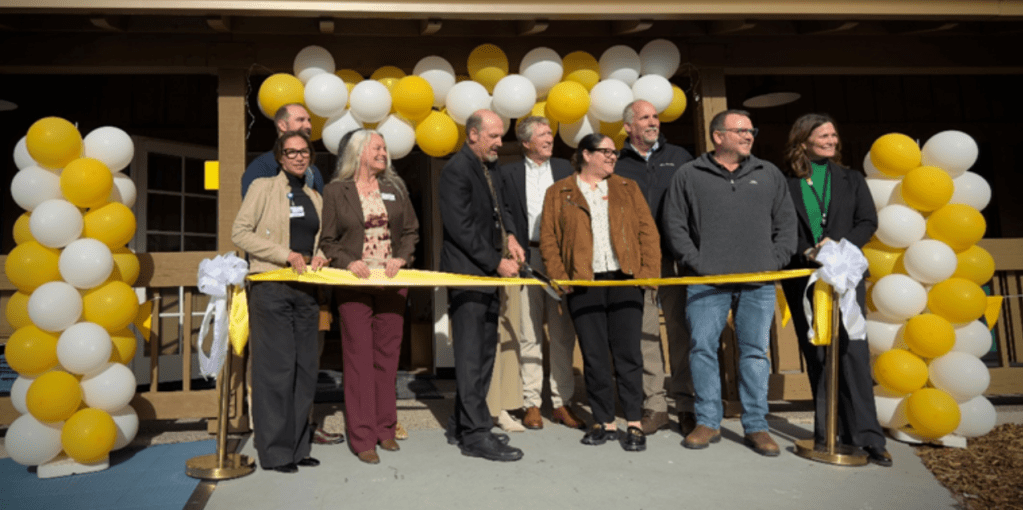
Перерізання стрічки для проекту молодіжного оздоровчого кампусу Напа-Веллі
NAPA VALLEY YOUTH WELLNESS CAMPUS: This project will serve the behavioral, mental, and emotional needs of children and youth in Napa Valley and their families. The project involves rehabilitating an existing private middle school campus building to incorporate a supportive art studio, community space, and therapy rooms. Services include children and youth wellness prevention activities, mental health treatment, group therapy and/or family activities, and individual therapy sessions. Programs are offered in English and Spanish and are free and accessible for all. Located within walking distance of three high schools, the campus’ continuum of care is intended to attract a diverse youth population, including youth of color and LGBTQIA+ and justice-involved youth.
“Our community clinic and youth wellness campus will provide much-needed support to youth who continue to struggle with life’s stresses,” said Mentis Executive Director Rob Weiss. “We are eager to expand our continuum of care to serve children and youth with a wide spectrum of needs, and we are grateful to DHCS for making this vision possible.”
WHY THIS IS IMPORTANT: BHCIP is part of California’s ongoing commitment to expand behavioral health services for all Californians. With the passage of Proposition 1, even more behavioral health treatment facilities will be funded and built in 2025 and 2026. Through BHCIP, DHCS awards eligible entities funding to construct, acquire, and expand properties and invest in mobile crisis infrastructure to further expand the range of community-based behavioral health treatment options for people with co-occurring mental health treatment needs and substance use disorders.
DHCS has awarded $1.7 billion in BHCIP competitive grants. In addition, DHCS will distribute up to $4.4 billion in competitive Bond BHCIP funding, including $3.3 billion for Round 1: Launch Ready grants as part of Behavioral Health Transformation, DHCS’ work to implement Proposition 1. DHCS holds regular public listening sessions on this effort. Updates and recordings of the sessions are available on the online.
ABOUT BHCIP ROUND 4: CHILDREN AND YOUTH:BHCIP Round 4 focused on Californians ages 25 and younger, including pregnant and postpartum women and their children and youth ages 16-25, along with their families. Through funding made possible by California’s Children and Youth Behavioral Health Initiative, the 52 awards totaling $480.5 million allowed for new construction and expansion of multiple outpatient and residential facility types, including children’s crisis residential programs, perinatal residential substance use disorder facilities, community wellness/youth prevention centers, and outpatient treatment for substance use disorders. Please see the BHCIP website for more information about grant recipients and additional details about all BHCIP funding rounds.
###
Управління зв'язку
(916) 440-7660
DHCSPress@dhcs.ca.gov
Проект включатиме 37 нових стаціонарних ліжок для гострих психіатричних лікарень
SACRAMENTO — On February 19, 2025, the Department of Health Care Services (DHCS) and Gateways Hospital and Mental Health Center broke ground on Gateways’ youth expansion project in Los Angeles County. The project, funded by Round 4 of DHCS’ Behavioral Health Continuum Infrastructure Program (BHCIP), will focus on youth with serious emotional or behavioral problems experiencing an acute psychiatric emergency.
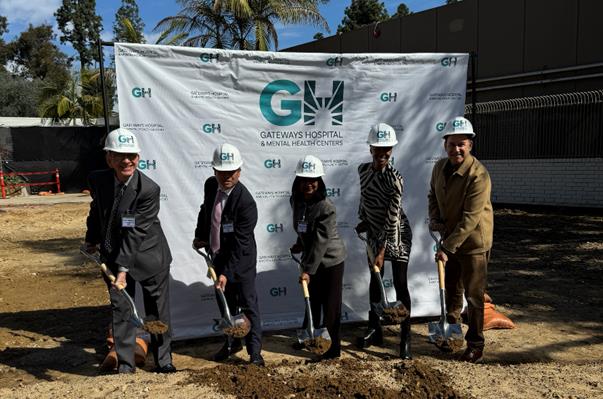
DHCS awarded Gateways more than $19 million through BHCIP, which is part of California’s ongoing commitment to expand behavioral health services for all Californians. With the passage of Proposition 1, even more behavioral health treatment facilities will be funded and built in 2025 and 2026.
“This groundbreaking is a significant step forward in our commitment to provide specialized care to youth facing acute mental health challenges,” said DHCS Director Michelle Baass. “By expanding access to comprehensive care, we are fostering an environment where all young people can receive the care and support they deserve to thrive.”
GATEWAYS YOUTH EXPANSION PROJECT: Most of the youth to be served by the project have experienced traumatic events or adverse childhood experiences or are involved with child welfare services. Gateways is adding 37 inpatient beds for adolescents to the acute psychiatric hospital’s existing 55 inpatient beds serving adults and adolescents.
“There is an urgent need to provide support for youth facing mental health crises,” said Gateways Hospital CEO Dr. Phil Wong. “We commend California for prioritizing these funds to focus on youth mental health by expanding infrastructure capacity to help shift the tide. Our team is pleased to break ground on our expansion so we can start serving youth in need of these vital services.”
In addition to traditional health care, the expanded facility will allow youth to receive multiple therapeutic services and participate in activities designed to build autonomy and help them transition to outpatient services. These services will include individual and group therapies, such as cognitive-behavioral therapy, psychoanalytic therapy, mentalization-based therapy, eye movement desensitization and reprocessing, and biofeedback. Youth housed in the unit will receive multiple therapeutic services, including family therapy and medical counseling.
Finally, youth presenting with eating disorders, such as anorexia nervosa and bulimia, and youth with co-occurring alcohol and drug disorders will receive nutritional counseling, have their physical health closely monitored, and receive medication management.
WHY THIS IS IMPORTANT: Through BHCIP, DHCS awards eligible entities funding to construct, acquire, and expand properties and invest in mobile crisis infrastructure to further expand the range of community-based behavioral health treatment options for people with co-occurring mental health treatment needs and substance use disorders. BHCIP is addressing historic gaps in the behavioral health care system to meet the growing demand for services and supports throughout the lifespan of people in need.
DHCS awarded $1.7 billion in BHCIP competitive grants. In addition, DHCS will distribute up to $4.4 billion in competitive Bond BHCIP funding, including $3.3 billion for Round 1: Launch Ready grants as part of Behavioral Health Transformation, DHCS’ work to implement Proposition 1. DHCS holds regular public listening sessions on this effort. Updates and recordings of the sessions are available on the Behavioral Health Transformation webpage.
ABOUT BHCIP ROUND 4: CHILDREN AND YOUTH: BHCIP Round 4, through funding made possible by California’s Children and Youth Behavioral Health Initiative, focuses on Californians ages 25 and younger, including pregnant and postpartum women and their children and transition-age youth ages 18-25, along with their families. The 52 awards totaling $480.5 million allow for new construction and expansion of multiple outpatient and residential facility types, including children’s crisis residential programs, perinatal residential substance use disorder facilities, community wellness/youth prevention centers, and outpatient treatment for substance use disorder. For more information, please visit the BHCIP website.
###
Управління зв'язку
(916) 440-7660
DHCSPress@dhcs.ca.gov
Очікується, що новий центр кризового менеджменту обслуговуватиме понад 2500 осіб на рік
SACRAMENTO — On February 7, 2025, the Department of Health Care Services (DHCS) and CRI-Help announced the grand opening of the Substance Use Disorder (SUD) Crisis Management Hub: A Fully Integrated Behavioral Health Campus project in Los Angeles County. The site includes an adult residential SUD treatment facility, an intensive outpatient treatment SUD facility, and a sobering center. These combined facilities are projected to serve more than 2,500 individuals annually.
The SUD Crisis Management Hub project was funded by Round 5 of DHCS’ Behavioral Health Continuum Infrastructure Program (BHCIP). DHCS awarded CRI-Help more than $21 million through BHCIP, which is part of California’s ongoing commitment to expand behavioral health services for all Californians. With the passage of Proposition 1, even more behavioral health treatment facilities will be funded and built in 2025 and 2026.
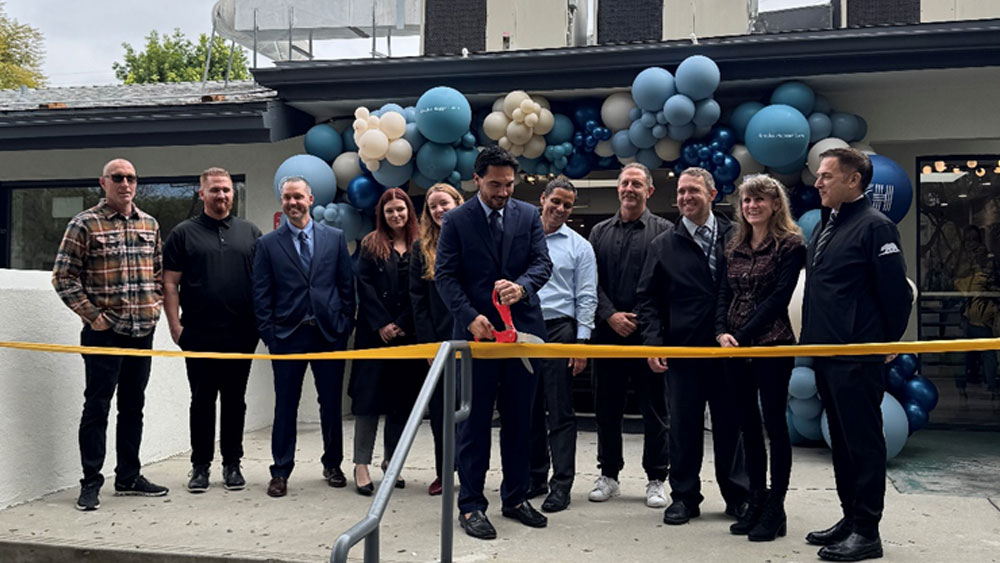
“Facilities like these that are part of the SUD Crisis Management Hub treat not only the crises, but also the core concerns of people seeking help with their SUDs, so they can pursue continuous recovery,” said DHCS Director Michelle Baass. “DHCS is pleased to partner with CRI-Help to make this facility a reality and to bring high-quality behavioral health care to this community.”
CRI-HELP: CRI-Help’s SUD Crisis Management Hub project immediately increases the availability of outpatient and residential crisis services for low-income adults in the downtown and east Los Angeles areas. This project includes three programs:
Together, these facilities will provide screenings, group counseling, patient education, family therapy group sessions, motivational interviewing, recovery efforts, and warm handoffs to other levels of care.
“With the addition of a sobering center funded by BHCIP that provides comprehensive recovery services, we are redefining what accessible, compassionate care looks like in the Los Angeles area,” said CRI-Help President and CEO Brandon Fernandez. “This campus stands as a beacon of innovation and inclusivity for people seeking a second chance in life.”
WHY THIS IS IMPORTANT: Through BHCIP, DHCS awards eligible entities funding to construct, acquire, and expand properties and invest in mobile crisis infrastructure to further expand the range of community-based behavioral health treatment options for people with co-occurring mental health treatment needs and SUDs. BHCIP is addressing historic gaps in the behavioral health care system to meet the growing demand for services and supports throughout the lifespan of people in need.
DHCS has awarded $1.7 billion in BHCIP competitive grants. In addition, DHCS will distribute up to $4.4 billion in competitive Bond BHCIP funding, including $3.3 billion for Round 1: Launch Ready grants as part of Behavioral Health Transformation, DHCS’ work to implement Proposition 1. DHCS holds regular public listening sessions on this effort. Updates and recordings of the sessions are available on the Behavioral Health Transformation webpage.
ABOUT BHCIP ROUND 5: CRISIS AND BEHAVIORAL HEALTH CONTINUUM: BHCIP Round 5 was developed, in part, through a statewide needs assessment that identified significant gaps in available crisis services. This assessment showed the need for a better crisis care system to reduce emergency department visits, hospitalizations, and incarceration. The 33 awards, totaling $430 million, are being used to build and expand crisis care and behavioral health facilities statewide and will serve vulnerable Californians of all ages, including Medi-Cal members.
###
Управління зв'язку
(916) 440-7660
DHCSPress@dhcs.ca.gov
Очікується, що проекти обслуговуватимуть понад 900 осіб на рік
SACRAMENTO — The Department of Health Care Services (DHCS) is expanding residential services for individuals with substance use disorders and co-occurring mental health needs at two locations in Los Angeles County.
The Whole Child—Mental Health and Housing Services celebrated the grand opening of a new community wellness center (below). On February 1, the center began providing trauma-informed, culturally sensitive mental health, family housing, parent enrichment, and nutrition education services. The center supports families in southeast Los Angeles who face barriers to accessing care, including youth and families experiencing homelessness.
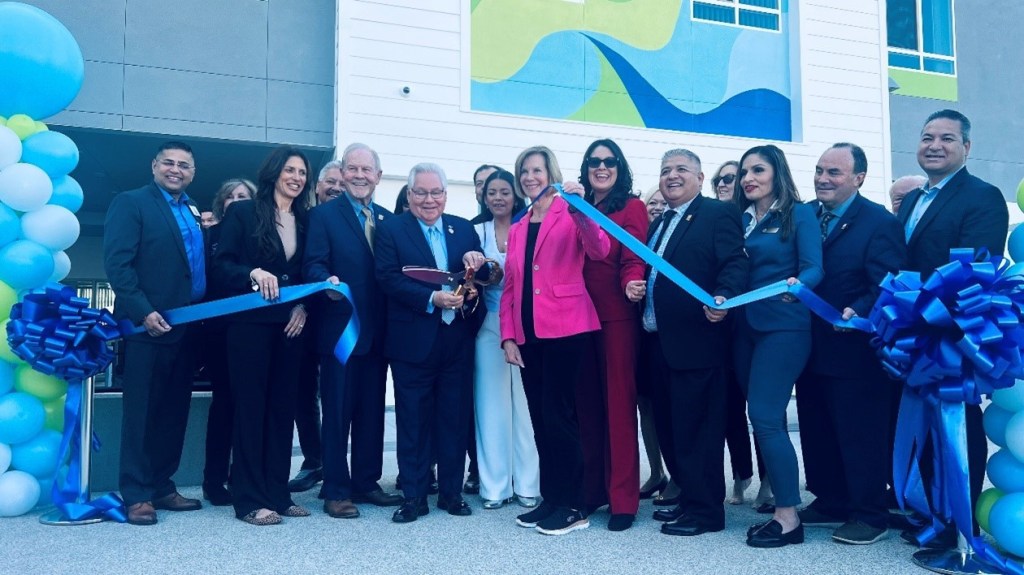
Also, St. Anne’s Family Services hosted a groundbreaking (below) for a new short-term residential therapeutic program (STRTP) called STRTP FOR ONE, which annually provides high-quality supportive housing programs, early childhood education, mental health, and family-based services to thousands of young women, children, and families in Los Angeles County.
Both projects were funded by Round 5 of DHCS’ Behavioral Health Continuum Infrastructure Program (BHCIP). DHCS awarded The Whole Child—Mental Health and Housing Services more than $6 million and St. Anne’s Family Services more than $2 million through BHCIP, which is part of California’s ongoing commitment to expand behavioral health services for all Californians. With the passage of Proposition 1, even more behavioral health treatment facilities will be funded and built in 2025 and 2026.

“Expanding community-based behavioral health care services is a top priority for DHCS,” said DHCS Director Michelle Baass. “Residential facilities like these are a vital component of California’s efforts to bring high-quality, trauma-informed care to individuals and families who need it most.”
THE WHOLE CHILD—MENTAL HEALTH AND HOUSING SERVICES: The Trauma Healing and Wellness Center for Homeless Families and the Community project provides trauma-informed, culturally sensitive services to children, youth, and families experiencing homelessness in the Los Angeles area. In addition to outpatient counseling services, the center supports vocational, mental health, housing navigation, parent, and nutrition education. The center’s comprehensive suite of mental health services includes individual, family, and group psychotherapy, medication management, psychological testing, psychiatric services, case management, crisis intervention services, school-linked services to provide assessment and therapy to students onsite in schools, multidisciplinary assessment teams, and specialized foster care. Evidence-based practices include trauma focused-cognitive behavioral therapy, individual cognitive behavioral therapy, a Triple P-Positive Parenting Program, managing and adopting practice, child parent psychotherapy, Incredible Years, aggression replacement therapy, and interpersonal psychotherapy.
“As a regional leader in children’s mental health and wellness, we know firsthand how childhood trauma and pain can follow children into adulthood,” said The Whole Child CEO Constanza Pachon. “However, we also know that treatment at an early age can have an enormously positive effect, providing children and teens with the tools and coping skills they need to begin their healing journey. This center, built with BHCIP funding, will be a beacon of hope for our community.”
STRTP FOR ONE: St Anne’s Family Services designed STRTP FOR ONE with one bed that offers highly individualized, comprehensive care to young mothers ages 13-17 who are at risk of multiple placements, homelessness, and incarceration due to their complex mental or behavioral health needs. The program is staffed by a team of highly coordinated and trauma-informed clinical professionals to provide strength-based, client-centered interventions within a home-like environment. The program aims to equip these youth with tools to address their complex trauma, foster independent living skills, and develop real-time parenting skills with natural support.
“We are thrilled to collaborate with DHCS to address the critical mental health needs of young families in our community,” said Lorna Little, MSW, President and CEO of St. Anne’s Family Services. “We are uniquely positioned to provide specialized services to young women in crisis—women who are pregnant or parenting, seeking to reunite with family members, and learning to stabilize within our programs to make a successful transition.”
WHY BHCIP IS IMPORTANT: Through BHCIP, DHCS awards eligible entities funding to construct, acquire, and expand properties and invest in mobile crisis infrastructure to further expand the range of community-based behavioral health treatment options for people with co-occurring mental health treatment needs and substance use disorders. BHCIP is addressing historic gaps in the behavioral health care system to meet the growing demand for services and supports throughout the lifespan of people in need.
DHCS has awarded $1.7 billion in BHCIP competitive grants. In addition, DHCS will distribute up to $4.4 billion in competitive Bond BHCIP funding, including $3.3 billion for Round 1: Launch Ready grants as part of Behavioral Health Transformation, DHCS’ work to implement Proposition 1. DHCS holds regular public listening sessions on this effort. Updates and recordings of the sessions are available on the Behavioral Health Transformation webpage.
ПРО BHCIP РАУНД 5: КРИЗА ТА ПОВЕДІНКОВЕ ЗДОРОВ’Я КОНТИНУУМ: BHCIP Round 5 was developed, in part, through a statewide needs assessment that identified significant gaps in available crisis services. This assessment showed the need for a better crisis care system to reduce emergency department visits, hospitalizations, and incarceration. The 33 awards, totaling $430 million, are being used to build and expand crisis care and behavioral health facilities statewide and will serve vulnerable Californians of all ages, including Medi-Cal members.
###
Управління зв'язку
(916) 440-7660
DHCSPress@dhcs.ca.gov
Нова дорожня карта окреслює стратегії для створення більш справедливої та орієнтованої на пацієнта системи для вагітних і пологів-учасників Medi-Cal
SACRAMENTO – The Department of Health Care Services (DHCS) today released the Birthing Care Pathway report, a comprehensive plan to improve maternity care for Medi-Cal members. This roadmap covers the journey of all pregnant and postpartum Medi-Cal members from conception through 12 months postpartum, aiming to make care accessible, equitable, and patient-centered.
“The Birthing Care Pathway represents a critical step forward in California’s commitment to improving maternal health,” said DHCS Director Michelle Baass. “By centering member experiences, aligning policies with actionable recommendations, and strengthening partnerships across sectors, we aim to ensure every Medi-Cal member has access to safe, equitable, and comprehensive maternity care.”
KEY OBJECTIVES: The Birthing Care Pathway report details policies DHCS has implemented or is in the process of implementing to support all pregnant and postpartum members enrolled in Medi-Cal. Additionally, the report identifies opportunities for future exploration.
The Birthing Care Pathway prioritizes:
The Birthing Care Pathway will work to achieve these objectives by transforming Medi-Cal’s maternity policy to create a member-centered approach to prenatal and postpartum care that meets members where they are and provides whole-person care that addresses behavioral health and social needs in addition to medical needs. DHCS will revise and modernize existing Medi-Cal policies to provide members with increased choice of types of maternity providers and supports, like doulas, community health workers, and others, and creating critical linkages between health care and other programs across the state to make it easier for members to get the full range of needed services.
Additionally, DHCS will address the needs of special populations who are pregnant/postpartum, including people involved with the justice system, individuals with severe mental health and substance use needs, LGBTQI+ individuals, and Black, American Indian/Alaska Native, and Pacific Islander individuals.
DHCS will continue working with state departments, including the California Department of Public Health (CDPH) and Office of the California Surgeon General (OSG), maternity care and social services providers, state and local leaders, Medi-Cal managed care plans (MCP), birth equity advocates, and other partners to implement the Birthing Care Pathway policies outlined in the report. Continuing to engage a diverse set of partners to implement and further develop the Birthing Care Pathway will be vital to align the numerous maternity initiatives occurring so they are not siloed.
“Through a comprehensive, whole-person approach, California is not just enhancing perinatal health, but we are setting a bold new standard for care that delivers better outcomes for families statewide,” said California Surgeon General Dr. Diana Ramos. “The Birthing Care Pathway is a vital addition to the state’s efforts that advance perinatal health, building on the innovative, collaborative work already underway.”
“Having served rural communities throughout my career, I know that providing access to services from conception through one year postpartum has always been a challenge,” said Dr. Robert Moore, Chief Medical Officer at Partnership HealthPlan of California. “Collaborations like the DHCS Birthing Care Pathway are vital in bringing together multiple partners and stakeholders to find solutions. The entire community must engage on this issue to make lasting progress.”
WHY THIS MATTERS: Nearly one in eight U.S. births occur in California, and 40 percent of those births are covered by Medi-Cal. While California currently has the lowest maternal mortality rate in the nation, Medi-Cal members have a higher rate of maternal mortality than individuals with commercial insurance.
While the Birthing Care Pathway lays out a long-term strategy for transforming maternity care in Medi-Cal, many services and supports are already available to pregnant and postpartum members. Medi-Cal members can access comprehensive maternity care, including prenatal and postpartum visits, doula services, behavioral health care, and lactation support, through their health plan and provider network. DHCS remains committed to improving and expanding these services as part of the ongoing work to implement the Birthing Care Pathway.
ABOUT THE BIRTHING CARE PATHWAY: The Birthing Care Pathway includes policy recommendations that address the physical, behavioral, and health-related social needs of pregnant and postpartum members. Opportunities include improving access to providers, strengthening clinical care and care coordination, providing whole-person care, and modernizing how Medi-Cal pays for maternity care.
The Birthing Care Pathway is part of a multi-year commitment to transforming maternal health in California, and maternal health reform is already underway. DHCS is implementing the federal ten-year Transforming Maternal Health (TMaH) Model in five Central Valley counties: Kern, Fresno, Kings, Tulare, and Madera. TMaH is a delivery and payment model designed to test whether effective implementation of evidence-informed interventions, sustained by a value-based payment model, can improve maternal outcomes and reduce Medi-Cal program expenditures.
COLLABORATIVE PROCESS: The Birthing Care Pathway reflects a collaborative effort of pregnant and postpartum Medi-Cal members, state partners and a range of health care and social services providers, community-based organizations (CBO), and advocates, ensuring a community-informed policy approach to the future of birthing and maternal health care in California. Additionally, the California Health Care Foundation and the David & Lucile Packard Foundation provided funding to support engagement and report development. Key insights from Medi-Cal members highlighted critical needs, such as respect for birth preferences, access to racially concordant and culturally centered care, improved behavioral health support, and better care coordination. Member experiences directly shaped the pathway’s policy recommendations. For more information, please visit the Birthing Care Pathway webpage.
“Learning about the Birthing Care Pathway gave me a sense of relief and hope because it meant I could take care of my and my baby’s health without adding additional stress,” said M. Thao, mother of an 11-month-old baby. “Every time I called for help to navigate resources and to sign up for the program, I received clear guidance from Medi-Cal. That feeling of knowing you’ll be OK is one I hope every birthing parent in California can count on.”
A BROADER VISION FOR MATERNAL HEALTH: DHCS will work with MCPs, providers, CBOs, and other stakeholders to implement TMaH Model elements, which are aligned with and complementary to the Birthing Care Pathway. Additionally, DHCS is working with the California Maternal Quality Care Collaborative, CDPH, and OSG to develop a Maternal Health Strategic Plan by September 2025 to improve maternal health throughout California.
###
Управління зв'язку
(916) 440-7660
DHCSPress@dhcs.ca.gov
Послуги поведінкового здоров'я розширюються до 4800 осіб на рік
SACRAMENTO — On January 23, 2025, the Department of Health Care Services (DHCS) and Sierra Vista Child & Family Services celebrated the opening of a new facility in Stanislaus County to close gaps in mental health and substance use disorder (SUD) treatment. The Community Wellness and Youth Prevention Center will provide vital behavioral health services, including restorative justice practices for youth, mental health counseling, pregnant and postpartum services, family and parent support services, and other integrated services.
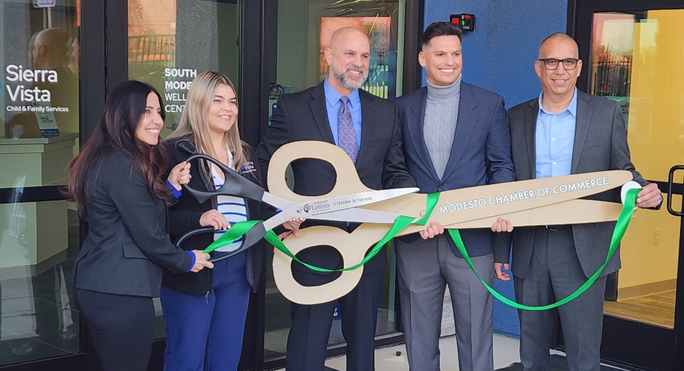
DHCS awarded Sierra Vista Child & Family Services more than $4.6 million through the Behavioral Health Continuum Infrastructure Program (BHCIP), which works to ensure comprehensive behavioral health care for California’s most vulnerable individuals. The facility is expected to serve 4,800 individuals annually. With approved Proposition 1 bonds, in 2025 and 2026, even more behavioral health treatment facilities will be funded and built.
“The Community Wellness and Youth Prevention Center is an important part of California’s efforts to bring high-quality, holistic health care to rural and underserved communities,” said DHCS Director Michelle Baass. “The opening of this center is a game-changer for people seeking dignified and holistic behavioral health services in Stanislaus County.”
“It is our mission to strengthen families and communities,” said Andrew Timbie, Chief Executive Officer for Sierra Vista Child & Family Services. “We believe our strategic initiatives to embody that mission are played out effectively in investment and further development of our Community Wellness and Youth Prevention Center in the heart of Stanislaus County, a vulnerable and struggling neighborhood.”
SIERRA VISTA CHILD & FAMILY SERVICES: Sierra Vista Child & Family Services offers a diverse array of services, including Enhanced Care Management, mentoring, short-term residential therapeutic programs for foster youth, and perinatal substance use disorder treatment programs.
The new Community Wellness and Youth Prevention Center was built using BHCIP funds to create lasting change in the lives of children, families, and the entire Stanislaus community. The center serves children and youth under age 25 from underserved, at-risk populations, including people who are involved in the juvenile justice system with low criminal offenses, as well as their family members. Services include strength-based assessments, comprehensive case management services, links to local community resources, family and caregiver education and well-being support, mental health screenings, and pregnant and postpartum services.
WHY BHCIP IS IMPORTANT: Through BHCIP, DHCS awards eligible entities funding to construct, acquire, and expand properties and invest in mobile crisis infrastructure to further expand the range of community-based behavioral health treatment options for people with mental health and substance use disorders. BHCIP is addressing historic gaps in the behavioral health care system to meet the growing demand for services and support throughout the lifespan of people in need. Sierra Vista Child & Family Services received BHCIP Round 4: Children and Youth grant funding.
DHCS has awarded $1.7 billion in BHCIP competitive grants. In addition, DHCS will distribute up to $4.4 billion in competitive Bond BHCIP funding, including $3.3 billion for Round 1: Launch Ready grants as part of Behavioral Health Transformation, DHCS’ work to implement Proposition 1. DHCS holds regular public listening sessions on this effort. Updates and recordings of the sessions are available on the Behavioral Health Transformation webpage.
ПРО BHCIP 4 ТУР: ДІТИ ТА МОЛОДЬ: BHCIP Round 4 focused on Californians ages 25 and younger, including pregnant and postpartum women and their children and transitional-age youth ages 18-25, along with their families. Through funding made possible by California’s Children and Youth Behavioral Health Initiative, the 52 awards totaling $480.5 million allowed for new construction and expansion of multiple outpatient and residential facility types, including children’s crisis residential programs, perinatal residential substance use disorder facilities, community wellness/youth prevention centers, and outpatient treatment for substance use disorders. Please see the BHCIP website for more information about grant recipients and additional details about all BHCIP funding rounds.
###
Управління зв'язку
(916) 440-7660
DHCSPress@dhcs.ca.gov
САКРАМЕНТО — Міністерство охорони здоров’я (DHCS) виділило 2,7 мільйона доларів 15 місцевим коаліціям через Каліфорнійську мережу запобігання передозуванню (COPN), шановану загальнодержавну навчальну мережу, що займається боротьбою з епідемією передозування. Це фінансування забезпечить сталу підтримку коаліцій, що підтримують місію COPN щодо зміцнення зв'язків у громадах та забезпечення доступу до знань, навчання та ресурсів для покращення практик та створення тривалих змін.
«Традиційно лікування розладів, пов’язаних із вживанням опіоїдів, проводилося ізольовано, зв’язки між постачальниками медичних послуг та іншими організаціями були обмеженими, що призводило до прогалин у догляді», – сказала директор DHCS Мішель Баасс. «Це фінансування підтримає зусилля COPN щодо координації коаліцій, організацій та окремих осіб, які працюють на передовій епідемії передозування в Каліфорнії, щоб визначити пріоритети унікальних, локалізованих потреб та впровадити перевірені рішення, які рятують життя».
ЗМІНИТИ СПРАВУ: П’ятнадцять коаліцій, що отримали нагороди, використовуватимуть це фінансування з січня 1 2025 до серпня 30 року 2027 для впровадження стратегій, спрямованих на профілактику, лікування та одужання від передозування. Ці зусилля включають розповсюдження налоксону, розширення доступу до життєво важливих ресурсів та освіту громад, і все це спрямовано на зменшення смертності від передозування та сприяння довгостроковому одужанню по всьому штату.
ЧОМУ ЦЕ ВАЖЛИВО: У 2022 році понад 7000 каліфорнійців померли від передозування опіоїдами. Щорічно по всій країні трапляється понад 83 000 смертей від передозування опіоїдами, 90 відсотків з яких пов'язані з фентанілом.
ВПЛИВ ГРАНТУ: «Завдяки цьому фінансуванню наша коаліція продовжуватиме надавати освіту та підвищення обізнаності громади для зменшення вживання опіоїдів та розширення можливостей для профілактики передозування», – сказала Дженн Роудс, координаторка коаліції з безпеки опіоїдів у Сан-Луїс-Обіспо. «Ми також покращимо доступ до постачальників послуг, щоб збільшити доступність лікування та послуг зі зменшення шкоди по всьому округу».
«Це фінансування зміцнить поточні ініціативи нашої коаліції та розширить наші зусилля, спрямовані на охоплення більшої кількості населення», – сказав Артур Камарго, координатор коаліції Drug Safe Solano. «Зокрема, ці кошти дозволять нам розширити послуги зі зменшення шкоди, навчання та розповсюдження налоксону, а також проведення заходів та тренінгів для громадської освіти». Фінансування також підтримає зусилля нашої коаліції щодо оновлення та поширення ресурсів, спрямованих на лікарів, що виписують рецепти, для безпечнішого призначення опіоїдів та бупренорфіну, а також використання наших даних для адвокації оптимального використання місцевих фондів врегулювання опіоїдних питань.
By strengthening connections and providing vital resources, COPN’s network and training give coalitions the tools and support they need to tackle the overdose epidemic effectively.
ШИРША КАРТИНА: Цей проєкт фінансується грантом Державної програми реагування на опіоїди IV, що надається Адміністрацією з питань зловживання психоактивними речовинами та психічного здоров’я. Цей проект є частиною ширших зусиль DHCS щодо вирішення проблеми розладів, пов’язаних із вживанням психоактивних речовин, відомих як Каліфорнійський проект реагування на опіоїди, спрямованих на розширення доступу до MOUD, зменшення незадоволених потреб у лікуванні та зменшення смертності, пов’язаної з передозуванням опіоїдами, шляхом забезпечення заходів з профілактики, лікування та одужання. Для отримання додаткової інформації відвідайте веб-сайт DHCS.
Штат запустив opioids.ca.gov – універсальний інструмент для каліфорнійців, які шукають ресурси для профілактики та лікування, а також інформацію про те, як Каліфорнія працює над притягненням до відповідальності великих фармацевтичних компаній та наркоторговців у цій кризі.
Організації, які відповідають вимогам, можуть безкоштовно отримати безрецептурний назальний спрей налоксону 4 мг під торговою маркою CalRxчерез проект розподілу налоксону DHCS. CalRx працює над варіантом для фізичних осіб купувати назальний спрей з налоксоном CalRx без рецепта безпосередньо.
###
Управління зв'язку
(916) 440-7660
DHCSPress@dhcs.ca.gov
САКРАМЕНТО — Міністерство охорони здоров’я (DHCS) виділило майже 65,4 мільйона доларів 91 організації для зміцнення Каліфорнійської системи Hub and Spoke, перевіреної моделі, розробленої для розширення доступу до ліків від розладів, пов’язаних із вживанням опіоїдів (MOUD), по всьому штату. Це фінансування покращить послуги з профілактики, лікування та одужання по всьому штату, сприяючи боротьбі з опіоїдною кризою та рятуючи життя.
«Подолання опіоїдної епідемії вимагає спільної роботи всіх частин нашої системи охорони здоров’я над одужанням», – сказала директор DHCS Мішель Баасс. «Система Hub and Spoke зміцнює мережу каліфорнійських постачальників послуг з профілактики, зменшення шкоди, лікування та відновлення, покращуючи послуги та ресурси в громадах по всьому штату».
The Hub and Spoke System consists of a network of Narcotic Treatment Programs (known as Hubs) licensed to dispense methadone and other MOUDs. These Hubs are connected to other MOUD prescribers (known as Spokes), which primarily provide various formulations of buprenorphine—a medication that reduces opioid cravings and withdrawal symptoms—and ongoing opioid use disorder (OUD) and substance use disorder (SUD) care and treatment.
ЧОМУ ЦЕ ВАЖЛИВО: У 2022 році понад 7000 каліфорнійців померли від передозування опіоїдами. Щорічно по всій країні трапляється понад 83 000 смертей від передозування опіоїдами, понад 90 відсотків з яких пов'язані з фентанілом. Система Hub and Spoke розширює доступ до послуг медикаментозного лікування (MAT) по всьому штату, особливо в округах з найвищими показниками передозування. Цю програму було розроблено за зразком системи Vermont Hub and Spoke, яка успішно розширила доступ до ЗПЛ у сільському штаті з обмеженою інфраструктурою лікування. Проєкт збільшив доступність матеріальної терапії (ЗПЛ) для пацієнтів з розладом обструктивного розладу організму (ОЗР) шляхом збільшення загальної кількості лікарів, асистентів лікарів та медсестер, які призначають бупренорфін.
Система Hub and Spoke продовжує покращувати освіту, інформаційно-просвітницьку роботу та лікування пацієнтів із ЗПР та ОПР, з особливим акцентом на обслуговуванні вразливих груп населення та розширенні послуг, пов’язаних із масовими розладами. Система розроблена для:
ЩО ЦЕ ОЗНАЧАЄ: Дев'яносто одна організація отримає нагороди за надання послуг MOUD для впровадження системи Hub and Spoke з січня 1, 2025, до вересня 29, 2027. Серед грантоотримувачів – програми лікування наркотичної залежності, федерально кваліфіковані медичні центри, сільські медичні клініки, громадські клініки, некомерційні організації та племінні утворення.
ВПЛИВ ГРАНТУ: «Це фінансування дозволяє Venice Family Clinic пропонувати життєво важливу підтримку людям із ЗПР, незалежно від їхнього страхового статусу», – сказала Аріель Петерсон, директор з управління програмами Venice Family Clinic. «Це включає ліки від розладу, пов’язаного з вживанням опіоїдів, консультування, ведення випадків та транспортування до детоксикації або стаціонарного догляду».
«Для нас велика честь отримати це грантове фінансування для підтримки нашої програми MAT для OUD, що дозволить нам продовжувати надавати критично важливі інформаційно-просвітницькі та медичні послуги пацієнтам корінних американців з групи високого ризику», – сказала Джудіт Сурбер, менеджер програми MAT медичного центру K'ima:w. «Програма MAT залишається невід’ємною частиною нашого медичного центру та ширшої спільноти, якій ми служимо». Це фінансування допоможе розширити нашу програму, зменшити стигму та знизити смертність від передозування опіоїдами в нашій сільській племінній громаді. Створюючи структуроване клінічне середовище, ми прагнемо надати пацієнтам можливість відновити своє життя та зробити свій внесок як продуктивні члени суспільства, підтримуючи свої сім’ї та громади».
«Завдяки фінансовій підтримці системи Hub and Spoke, наші амбулаторні, стаціонарні та опіоїдні програми лікування можуть забезпечити ширше охоплення громади щодо життєво важливих MOUD та забезпечити більшій кількості незастрахованих та недостатньо застрахованих пацієнтів рівний доступ до ЗПЛ», – сказала АндреаНі, директор з оцінки Clare|Matrix. «Фінансування системи Hub and Spoke є важливим для підтримки наших медичних директорів, консультантів та медсестер, щоб вони могли пропонувати найякісніше лікування ще більшій кількості пацієнтів з розладами, пов’язаними зі вживанням стимуляторів, та розладами, пов’язаними зі вживанням стимуляторів». Ми зможемо покращити знання та обізнаність про переваги та вплив ЗПЛ, а також ще більше зменшити стигму завдяки комплексним послугам з навчання та залучення пацієнтів».
ШИРША КАРТИНА: Штат запустив opioids.ca.gov – універсальний інструмент для каліфорнійців, які шукають ресурси для профілактики та лікування, а також інформацію про те, як Каліфорнія працює над тим, щоб притягнути до відповідальності великих фармацевтичних компаній та наркоторговців у цій кризі.
Система Hub and Spoke фінансується грантом штату на боротьбу з опіоїдами IV, що надається Адміністрацією з питань зловживання психоактивними речовинами та психічного здоров'я. Цей проєкт є частиною ширших зусиль DHCS щодо вирішення проблеми передозування опіоїдами, відомих як Каліфорнійська програма реагування на опіоїди, з метою розширення доступу до масових видів передозування опіоїдами, зменшення незадоволених потреб у лікуванні та зменшення смертності, пов’язаної з передозуванням опіоїдами, шляхом зусиль з профілактики, лікування та одужання. Для отримання додаткової інформації відвідайте веб-сайт «Огляд реагування на опіоїди» Каліфорнійського департаменту охорони здоров’я та соціальних служб Каліфорнії.
###
Управління зв'язку
(916) 440-7660
DHCSPress@dhcs.ca.gov
SACRAMENTO — In response to the Southern California wildfires, the Department of Health Care Services (DHCS) requested and received federal approval from the Biden-Harris administration of several dozen flexibilities to prevent disruptions in health care delivery so Medi-Cal members can continue to receive needed care. 1135 waivers allow the U.S. Department of Health and Human Services (HHS) to waive various administrative requirements to increase access to medical services during a time of national emergency. 1135 waiver approvals remain in effect throughout the duration of the public health emergency declared by former HHS Secretary Xavier Becerra, which is 90 days.
«DHCS прагне допомогти каліфорнійцям отримати доступ до необхідної їм медичної допомоги під час цієї руйнівної кризи та коли громади починають переживати та відновлюватися», – сказав директор державного Medicaid Тайлер Седвіт. «Звільнення, надані нашими федеральними партнерами, забезпечать необхідну гнучкість для медичних працівників для задоволення нагальних потреб учасників Medi-Cal». Чи то забезпечення постійного доступу до клінічних послуг в альтернативних умовах, надання цільової гнучкості для надання послуг вдома та в громаді, чи спрощення реєстрації постачальників послуг, ці заходи покликані усунути перешкоди для догляду та підтримки як пацієнтів, так і постачальників послуг першої лінії під час цієї надзвичайної ситуації та протягом усього процесу відновлення.
Key flexibilities include:
ПРО ГНУЧКІСТЬ: Відповідно до відмов 1135, Центри послуг Medicare та Medicaid (CMS) тимчасово послаблюють певні вимоги Medicare, Medicaid та Програми медичного страхування дітей, щоб допомогти медичним працівникам та закладам реагувати на надзвичайні ситуації або стихійні лиха. Додаток K надає додаткові можливості для програм надання послуг вдома та в громаді. Ці дії покликані зменшити адміністративне навантаження та забезпечити гнучкість у наданні медичної допомоги у критичний час
ОТРИМАЙТЕ ДОПОМОГУ СЬОГОДНІ: Каліфорнійці можуть відвідати CA.gov/LAfires, центр інформації та ресурсів від урядів штату, місцевих органів влади та федерального уряду.
Нещодавно Cloved California оголосила спеціальний період реєстрації для мешканців округів Лос-Анджелес та Вентура. Цей спеціальний період реєстрації триватиме до березня 8, 2025. Ресурси доступні через округ Лос-Анджелес та штат Каліфорнія. З 1,3 мільйона незастрахованих каліфорнійців, які мають право на субсидії через Covered California або мають право на покриття Medi-Cal, 356 000 проживають у Південній Каліфорнії.
California developed resources to help guide people through disasters and provide information about the different types of federal, state, and local services available in California:
Through the BenefitsCal portal, Californians can get and manage benefits online. This includes food assistance (CalFresh, formerly food stamps), cash aid (CalWORKs, General Assistance, Cash Assistance Program for Immigrants), and affordable health insurance (Medi-Cal).
Individuals and business owners who sustained losses from the Southern California wildfires can apply for disaster assistance:
Якщо ви користуєтеся послугою ретрансляції, такою як послуга відеоретрансляції, телефонна служба з субтитрами або інші, надайте FEMA номер цієї служби.
ПЕРЕДУМОВИ: У відповідь на лісові пожежі та оголошення губернатором Гевіном Ньюсомом надзвичайного стану та видання виконавчого розпорядження від 7 січня 2025, DHCS швидко запровадило ключові адміністративні гнучкі заходи для захисту учасників Medi-Cal у постраждалих регіонах штату.
DHCS адмініструє Medi-Cal, каліфорнійську версію Medicaid, забезпечуючи медичне страхування майже 15 мільйонів людей, включаючи майже 4 мільйони учасників в окрузі Лос-Анджелес та понад 250 000 учасників в окрузі Вентура. Якщо учасникам Medi-Cal потрібна допомога, їм слід звернутися до свого медичного працівника або плану.
###
Управління зв'язку
(916) 440-7660
DHCSPress@dhcs.ca.gov