ເວັບໄຊທ໌ທາງການຂອງ ລັດຄາລິຟໍເນຍ
ແປ

###
ຫ້ອງການສື່ສານ
(916) 440-7660
DHCSPress@dhcs.ca.gov
SACRAMENTO — ກົມບໍລິການດ້ານສຸຂະພາບຂອງລັດ California (DHCS) ໄດ້ເປີດເຜີຍການຈັດອັນດັບຄຸນນະພາບປີ 2024 ສຳລັບແຜນການດູແລທີ່ຄຸ້ມຄອງໂດຍ Medi-Cal (MCP) ແລະ ແຜນສຸຂະພາບທາງດ້ານພຶດຕິກຳຂອງເຂດ (BHP), ໂດຍເນັ້ນໃຫ້ເຫັນເຖິງການປັບປຸງທີ່ວັດແທກໄດ້ໃນຄຸນນະພາບການດູແລ, ການຕິດຕາມກວດກາທີ່ຂະຫຍາຍອອກໄປ, ແລະ ຄວາມມຸ່ງໝັ້ນທີ່ເລິກເຊິ່ງຕໍ່ຄວາມສະເໝີພາບດ້ານສຸຂະພາບໃນທົ່ວລະບົບການໃຫ້ບໍລິການ Medi-Cal ຂອງລັດ.
ນີ້ແມ່ນປີທີສີ່ຂອງການຈັດອັນດັບ MCP ແລະ ເປັນປີທີສາມສຳລັບ BHPs. ການຈັດອັນດັບແມ່ນອີງໃສ່ປະສິດທິພາບທຽບກັບ ມາດຕະການຊຸດຄວາມຮັບຜິດຊອບດ້ານການດູແລຄຸ້ມຄອງ ແລະ ຊຸດຄວາມຮັບຜິດຊອບດ້ານສຸຂະພາບທາງດ້ານພຶດຕິກຳ ສຳລັບການບໍລິການທີ່ສະໜອງໃຫ້ຕັ້ງແຕ່ເດືອນມັງກອນຫາເດືອນທັນວາ 2024. ມາດຕະການເຫຼົ່ານີ້ປະເມີນວ່າແຜນການຕ່າງໆໃຫ້ການດູແລທີ່ມີຄຸນນະພາບສູງ ແລະ ຍຸດຕິທຳໃນຂົງເຂດສຳຄັນໄດ້ດີປານໃດ ເຊັ່ນ: ການບໍລິການປ້ອງກັນ, ສຸຂະພາບທາງດ້ານພຶດຕິກຳ, ສຸຂະພາບຂອງແມ່ ແລະ ການຄຸ້ມຄອງພະຍາດຊຳເຮື້ອ. ພວກເຂົາຍັງແຈ້ງໃຫ້ DHCS ຊາບກ່ຽວກັບການຊີ້ນຳຂອງ DHCS ກ່ຽວກັບລະບົບການດູແລທີ່ມີການຄຸ້ມຄອງ ແລະ ລະບົບສຸຂະພາບທາງດ້ານພຶດຕິກຳຂອງເຂດ, ສະໜັບສະໜູນການດຳເນີນການບັງຄັບໃຊ້, ເຊັ່ນ: ການລົງໂທດທາງດ້ານການເງິນ ແລະ ແຜນການປະຕິບັດແກ້ໄຂ (CAP), ເມື່ອມາດຕະຖານການປະຕິບັດບໍ່ໄດ້ຮັບການຕອບສະໜອງ. ໃນບັນດາການຄົ້ນພົບທີ່ສຳຄັນ:
BHPs are being held accountable through CAPs, with 10 of 56 Mental Health Plans and 29 of 38 Drug Medi-Cal Organized Delivery System plans receiving CAPs based on performance calculated using Medi-Cal Connect, DHCS’ statewide data analytics platform.
“ຜົນໄດ້ຮັບເຫຼົ່ານີ້ສະທ້ອນໃຫ້ເຫັນເຖິງຄວາມມຸ່ງໝັ້ນຮ່ວມກັນຂອງພວກເຮົາໃນການພັດທະນາຄຸນນະພາບ ແລະ ຄວາມສະເໝີພາບໃນທົ່ວລະບົບການໃຫ້ບໍລິການ Medi-Cal,” ທ່ານ ນາງ Michelle Baass ຜູ້ອຳນວຍການ DHCS ກ່າວ. “ພວກເຮົາກຳລັງເຫັນຄວາມຄືບໜ້າທີ່ແທ້ຈິງໃນຂົງເຂດຕ່າງໆເຊັ່ນ: ການດູແລປ້ອງກັນເດັກ, ການບໍລິການດ້ານທັນຕະກຳ, ແລະ ປະສິດທິພາບດ້ານສຸຂະພາບທາງດ້ານພຶດຕິກຳ.” ພວກເຮົາຮູ້ວ່າຍັງມີວຽກອີກຫຼາຍຢ່າງທີ່ຕ້ອງເຮັດ, ແລະ ພວກເຮົາກຳລັງຮັບຜິດຊອບຕໍ່ຕົວເຮົາເອງ ແລະ ຄູ່ຮ່ວມງານຂອງພວກເຮົາໃນທຸກໆບາດກ້າວ.”
DHCS ກຳລັງຫັນປ່ຽນໄປສູ່ການຕິດຕາມກວດກາໂດຍອີງໃສ່ຜົນງານໂດຍເນັ້ນໜັກໃສ່ຄວາມສະເໝີພາບ ແລະ ຄວາມຄືບໜ້າໂດຍອີງໃສ່ຂໍ້ມູນ. ຕົວຢ່າງ, ໃນປີ 2025, ໂຄງການເຂົ້າເຖິງ, ການປະຕິຮູບ ແລະ ຜົນໄດ້ຮັບ ຂອງເຄືອຂ່າຍຈັດຕັ້ງຊຸມຊົນສຸຂະພາບພຶດຕິກຳ (BH-CONNECT ) ໄດ້ເລີ່ມສະເໜີການຈ່າຍເງິນໃຫ້ແກ່ BHPs ທີ່ສະແດງໃຫ້ເຫັນເຖິງຄວາມຄືບໜ້າກ່ຽວກັບມາດຕະການສຸຂະພາບພຶດຕິກຳທີ່ສຳຄັນ.
“ນີ້ບໍ່ພຽງແຕ່ກ່ຽວກັບຕົວເລກເທົ່ານັ້ນ; ມັນກ່ຽວກັບການສ້າງການປ່ຽນແປງທີ່ແທ້ຈິງ ແລະ ໃນທາງບວກໃນວິທີການໃຫ້ບໍລິການດູແລ,” ດຣ. Palav Babaria, ຫົວໜ້າເຈົ້າໜ້າທີ່ຄຸນນະພາບ ແລະ ການແພດ ແລະ ຮອງຜູ້ອຳນວຍການຝ່າຍຄຸນນະພາບ ແລະ ການຄຸ້ມຄອງສຸຂະພາບປະຊາກອນ ກ່າວ. "ພວກເຮົາກຳລັງເຮັດມັນຮ່ວມກັບຄູ່ຮ່ວມງານ MCP ແລະ BHP ຂອງພວກເຮົາ, ແລະ ຂ້າພະເຈົ້າມີຄວາມພູມໃຈຢ່າງບໍ່ໜ້າເຊື່ອຕໍ່ຄວາມຄືບໜ້າທີ່ພວກເຮົາໄດ້ເຮັດມາຮອດປະຈຸບັນ." ທຸກໆບາດກ້າວທີ່ພວກເຮົາປະຕິບັດແມ່ນກ່ຽວກັບການສ້າງລະບົບການໃຫ້ບໍລິການດ້ານສຸຂະພາບຂອງ Medi-Cal ທີ່ເໝາະສົມກັບສະມາຊິກທຸກຄົນ.”
ດຣ. ບາບາເຣຍ ກ່າວຕື່ມວ່າ “ໂດຍການນຳໃຊ້ຂໍ້ມູນ, ການຈັດລຽງແຮງຈູງໃຈ, ແລະ ການຮັບຟັງສຽງຂອງສະມາຊິກ Medi-Cal, ພວກເຮົາກຳລັງສ້າງລະບົບທີ່ບໍ່ພຽງແຕ່ວັດແທກຜົນງານເທົ່ານັ້ນ, ແຕ່ຍັງສະໜັບສະໜູນການຮຽນຮູ້ ແລະ ການປັບປຸງຢ່າງຕໍ່ເນື່ອງອີກດ້ວຍ. ເປົ້າໝາຍຂອງພວກເຮົາແມ່ນເພື່ອຮັບປະກັນວ່າຊາວຄາລິຟໍເນຍທຸກຄົນ, ບໍ່ວ່າຈະເປັນພູມສາດ ຫຼື ພື້ນຖານໃດກໍຕາມ, ສາມາດເຂົ້າເຖິງການດູແລທີ່ມີຄຸນນະພາບສູງ ແລະ ປະສານງານກັນໄດ້.”
ເອກະສານຂໍ້ເທັດຈິງທີ່ໄດ້ຮັບການອັບເດດ, ບົດລາຍງານການບັງຄັບໃຊ້ ແລະ ຈົດໝາຍອະນຸມັດແມ່ນມີຢູ່ໃນໜ້າ ການຕິດຕາມການດູແລທີ່ຄຸ້ມຄອງໂດຍ Medi-Cal .
###
ຫ້ອງການສື່ສານ
(916) 440-7660
DHCSPress@dhcs.ca.gov
SACRAMENTO — ກະຊວງບໍລິການດູແລສຸຂະພາບ (DHCS) ໄດ້ມອບ ເງິນຊ່ວຍເຫຼືອເກືອບ 47 ລ້ານໂດລາໃຫ້ແກ່ອົງການຈັດຕັ້ງຊຸມຊົນ ແລະ ຊົນເຜົ່າ 57 ແຫ່ງທົ່ວລັດ California ເພື່ອຊ່ວຍປ້ອງກັນການໃຊ້ສານເສບຕິດໃນບັນດາໄວໜຸ່ມໃນມື້ນີ້. ເງິນຊ່ວຍເຫຼືອ ເຫຼົ່ານີ້ສະໜັບສະໜູນໂຄງການຕ່າງໆທີ່ສຸມໃສ່ການໃຫ້ຄຳປຶກສາ, ການສະໜັບສະໜູນຈາກໝູ່ເພື່ອນ, ແລະ ການມີສ່ວນຮ່ວມຂອງພົນລະເມືອງສຳລັບຊາວໜຸ່ມໃນຊຸມຊົນທີ່ເຄີຍປະເຊີນກັບອຸປະສັກໃນການເຂົ້າເຖິງການບໍລິການເຫຼົ່ານີ້.
“ທຶນນີ້ສ້າງຄວາມເຂັ້ມແຂງໃຫ້ຊາວໜຸ່ມໃນການນຳພາການປ່ຽນແປງໃນຊຸມຊົນຂອງເຂົາເຈົ້າ,” ຜູ້ອຳນວຍການ DHCS ທ່ານນາງ Michelle Baass ກ່າວ. "ໂດຍການສະໜັບສະໜູນໂຄງການທີ່ຕອບສະໜອງຕໍ່ວັດທະນະທຳ ແລະ ນຳພາໂດຍເພື່ອນຮ່ວມງານ, ພວກເຮົາກຳລັງລົງທຶນໃນຄວາມຢືດຢຸ່ນ ແລະ ສະຫວັດດີພາບໃນໄລຍະຍາວຂອງໄວໜຸ່ມຂອງລັດຄາລິຟໍເນຍ."
ແຕ່ລະອົງກອນຈະໄດ້ຮັບເງິນທັງໝົດສູງເຖິງ 1 ລ້ານໂດລາໃນໄລຍະເວລາສາມປີ, ຕັ້ງແຕ່ເດືອນມັງກອນ 1, 2026, ຈົນຮອດເດືອນທັນວາ 31, 2028, ເພື່ອຈັດຕັ້ງປະຕິບັດ ໂຄງການ Elevate Youth California (EYC). EYC ຖືກອອກແບບມາເພື່ອຊ່ວຍຊາວໜຸ່ມອາຍຸ 12 ຫາ 26 ປີສ້າງທັກສະການເປັນຜູ້ນຳ, ເຊື່ອມຕໍ່ກັບຜູ້ໃຫ້ຄຳປຶກສາ, ແລະເຂົ້າເຖິງການບໍລິການສະໜັບສະໜູນທີ່ຕອບສະໜອງຕໍ່ວັດທະນະທຳ.
ເປັນຫຍັງເລື່ອງນີ້ຈຶ່ງສຳຄັນ ທຶນນີ້ແມ່ນສ່ວນໜຶ່ງຂອງຄວາມພະຍາຍາມທີ່ໃຫຍ່ກວ່າໂດຍ DHCS ເພື່ອເສີມສ້າງໂຄງການປ້ອງກັນບັນຫາການໃຊ້ສານເສບຕິດຂອງລັດ California . EYC ຊ່ວຍໃຫ້ອົງການຈັດຕັ້ງທີ່ຮັບໃຊ້ຊາວໜຸ່ມໃຊ້ວິທີການທີ່ອີງໃສ່ຫຼັກຖານ ແລະ ຂັບເຄື່ອນໂດຍຊຸມຊົນເພື່ອສະໜັບສະໜູນຊາວໜຸ່ມ. ໂຄງການທີ່ໄດ້ຮັບທຶນຈາກ EYC ແມ່ນສຸມໃສ່ການປິ່ນປົວ, ຮັບຮູ້ເຖິງບາດແຜທາງຈິດໃຈ, ແລະ ຕອບສະໜອງທາງດ້ານວັດທະນະທຳ ແລະ ພາສາ. EYC ໃຫ້ຄວາມສຳຄັນກັບການປ້ອງກັນການໃຊ້ສານເສບຕິດ ແລະ ຍຸດທະສາດສາທາລະນະສຸກທີ່ສ້າງຄວາມຢືດຢຸ່ນ.
ການລົງທຶນນີ້ຍັງສະໜັບສະໜູນ ຄຳສັ່ງບໍລິຫານ Path & Purpose ຂອງຜູ້ວ່າການລັດ Gavin Newsom, ເຊິ່ງຮຽກຮ້ອງໃຫ້ອົງການຂອງລັດສະໜັບສະໜູນຊາຍໜຸ່ມ ແລະ ເດັກຊາຍໃນການບໍລິການ ແລະ ການນຳພາ ແລະ ສະໜອງສາຍພົວພັນຜູ້ໃຫຍ່ທີ່ມີຄວາມໝາຍ ແລະ ເປັນຫ່ວງເປັນໄຍສຳລັບຊາວໜຸ່ມທີ່ອາໄສຢູ່ໃນຊຸມຊົນທີ່ມີຄວາມຕ້ອງການສູງສຸດ. ອົງການຈັດຕັ້ງທີ່ໄດ້ຮັບລາງວັນທັງໝົດຍິນດີຕ້ອນຮັບຊາຍໜຸ່ມ ແລະ ເດັກຊາຍ. ໃນຂະນະທີ່ EYC ຮຽກຮ້ອງໃຫ້ໂຄງການທີ່ໄດ້ຮັບທຶນສຸມໃສ່ຊຸມຊົນທີ່ຂາດແຄນການບໍລິການ, ແຕ່ເພດທຸກເພດສາມາດເຂົ້າຮ່ວມໄດ້. ບົດລາຍງານປະຈຳປີ 2024 ຂອງ DHCS ສະແດງໃຫ້ເຫັນວ່າ 37 ເປີເຊັນຂອງປະຊາກອນທີ່ຮັບໃຊ້ໂດຍໂຄງການ EYC ແມ່ນເດັກຊາຍ.
WHAT THEY ARE SAYING “ ການສະໜັບສະໜູນທຶນຂອງ Elevate Youth California ບໍ່ພຽງແຕ່ເປັນການສະໜັບສະໜູນເທົ່ານັ້ນ, ແຕ່ຍັງເປັນການຫັນປ່ຽນໃນການປະຕິບັດຂອງພວກເຮົາໃນຖານະເປັນໂຄງການ,” Ilien Tolteca, ຜູ້ປະສານງານຊາວໜຸ່ມສຳລັບໂຄງການຈັດຕັ້ງຊຸມຊົນ Mixteco Indigena ກ່າວ. "ທຶນສະໜັບສະໜູນນີ້ໄດ້ຊ່ວຍໃຫ້ພວກເຮົາສາມາດສ້າງ ແລະ ເສີມຂະຫຍາຍສະຖານທີ່ດາວທຽມຂອງພວກເຮົາໃນທົ່ວເມືອງຂອງພວກເຮົາ, ຮັບໃຊ້ ແລະ ສົ່ງເສີມຊຸມຊົນທີ່ມີຊາວໜຸ່ມພື້ນເມືອງ 60 ຫາ 100 ຄົນຈາກ Mixteco, Zapotec, ແລະ ຊຸມຊົນ Diasporic ອື່ນໆຈຳນວນຫຼາຍທົ່ວຊາຍຝັ່ງທະເລກາງ." ມັນໄດ້ເສີມສ້າງຄວາມເປັນຜູ້ນຳຊາວໜຸ່ມທີ່ເປັນເອກະລາດ, ຄວາມຮູ້ດ້ານວັດທະນະທຳ, ແລະ ການເຂົ້າເຖິງຊັບພະຍາກອນ/ເຄື່ອງມືການສຶກສາຊັ້ນສູງສຳລັບຊາວໜຸ່ມຂອງພວກເຮົາ.”
“ທຶນຊ່ວຍເຫຼືອ EYC ໄດ້ຊ່ວຍໃຫ້ພວກເຮົາສາມາດໃຫ້ບໍລິການປ້ອງກັນທີ່ສຳຄັນເພື່ອສົ່ງເສີມຊາວໜຸ່ມ, ຊາວໜຸ່ມທີ່ຢູ່ໃນການທົດລອງ, ແລະ ຄົນອື່ນໆໃນຊຸມຊົນຂອງພວກເຮົາ,” ທ່ານນາງ Antony Hughey, ຜູ້ອຳນວຍການບໍລິຫານຂອງມູນນິທິຊາວໜຸ່ມ, Inc.ກ່າວ. “ພວກເຮົາໄດ້ສ້າງສາຍພົວພັນໄລຍະຍາວກັບຊາວໜຸ່ມຈາກຊຸມຊົນຄົນຜິວດຳ ແລະ ຄົນຜິວສີນ້ຳຕານທີ່ບໍ່ໄດ້ຮັບການບໍລິການ ແລະ ໄດ້ພັດທະນາຜູ້ນຳເພື່ອນຮ່ວມງານທີ່ກຳລັງຂັບເຄື່ອນການປ່ຽນແປງ.”
ກ່ຽວກັບ EYC: ນັບຕັ້ງແຕ່ EYC ເປີດຕົວໃນປີ 2019, DHCS ໄດ້ມອບທຶນຫຼາຍກວ່າ 370 ລ້ານໂດລາຜ່ານ 517 ທຶນ. EYC ໄດ້ຮັບທຶນຈາກ Proposition 64, ເຊິ່ງໄດ້ຮັບການຮັບຮອງຈາກຜູ້ມີສິດເລືອກຕັ້ງໃນເດືອນພະຈິກ 2016, ເຊິ່ງໄດ້ຮັບຮອງການໃຊ້ກັນຊາທີ່ບໍ່ແມ່ນທາງການແພດຂອງຜູ້ໃຫຍ່ໃນລັດ California ແລະ ສ້າງລະບົບພາສີເພື່ອຄວບຄຸມການຂາຍກັນຊາ. ສ່ວນໜຶ່ງຂອງລາຍຮັບພາສີນັ້ນສະໜັບສະໜູນ EYC ຜ່ານ DHCS, ໂດຍສະໜອງທຶນໃຫ້ແກ່ໂຄງການປ້ອງກັນ ແລະ ຄວາມເປັນຜູ້ນຳທີ່ສຸມໃສ່ຊາວໜຸ່ມໃນທົ່ວລັດ. ເງິນຊ່ວຍເຫຼືອເຫຼົ່ານີ້ສະໜັບສະໜູນການພັດທະນາຊາວໜຸ່ມ, ການມີສ່ວນຮ່ວມຂອງພົນລະເມືອງ, ແລະ ການສະໜັບສະໜູນທີ່ນຳພາໂດຍເພື່ອນຮ່ວມງານໃນ 56 ຈາກ 58 ເຂດປົກຄອງຂອງລັດ California.
ເສັ້ນທາງ ແລະ ຈຸດປະສົງ: ໃນເດືອນກໍລະກົດ, ຜູ້ວ່າການລັດ Gavin Newsom ໄດ້ອອກ ຄຳສັ່ງບໍລິຫານ ເພື່ອແກ້ໄຂບັນຫາທີ່ເພີ່ມຂຶ້ນ - ການເພີ່ມຂຶ້ນທີ່ໜ້າຕົກໃຈຂອງການຂ້າຕົວຕາຍ ແລະ ການຕັດຂາດໃນບັນດາຊາຍໜຸ່ມ ແລະ ເດັກຊາຍຂອງລັດ California. ຄຳສັ່ງດັ່ງກ່າວຊີ້ນຳການຕອບສະໜອງທີ່ປະສານງານທົ່ວລັດເພື່ອປັບປຸງຜົນໄດ້ຮັບດ້ານສຸຂະພາບຈິດ, ຫຼຸດຜ່ອນການອັບອາຍ, ແລະຂະຫຍາຍການເຂົ້າເຖິງການສຶກສາ, ວຽກງານ, ແລະໂອກາດໃນການໃຫ້ຄຳປຶກສາທີ່ມີຄວາມໝາຍ. ຄຳສັ່ງບໍລິຫານເຕັມຮູບແບບສາມາດພົບໄດ້ ທີ່ນີ້. ຄຳສັ່ງຂອງຜູ້ບໍລິຫານຊ່ວຍແກ້ໄຂວິກິດການນີ້, ໂດຍຊີ້ນຳໃຫ້ອົງການຂອງລັດສ້າງຈຸດສຸມໃໝ່ກ່ຽວກັບບັນຫານີ້ ແລະ ພັດທະນາເສັ້ນທາງໃໝ່ເພື່ອຊ່ວຍເຊື່ອມຕໍ່ຜູ້ຊາຍ ແລະ ເດັກຊາຍຄືນໃໝ່ດ້ວຍການສະໜັບສະໜູນ, ການຊ່ວຍເຫຼືອ ແລະ ການຊ່ວຍເຫຼືອທີ່ພວກເຂົາຕ້ອງການ.
ເພື່ອເບິ່ງລາຍຊື່ຜູ້ໄດ້ຮັບທຶນຊ່ວຍເຫຼືອ EYC ຢ່າງເຕັມທີ່ ແລະ ຮຽນຮູ້ເພີ່ມເຕີມກ່ຽວກັບ EYC, ເຂົ້າເບິ່ງທີ່ www.elevateyouthca.org.
###
ຫ້ອງການສື່ສານ
(916) 440-7660
DHCSPress@dhcs.ca.gov
SACRAMENTO — ກະຊວງບໍລິການດູແລສຸຂະພາບຂອງລັດ California (DHCS) ໄດ້ປະກາດໃນມື້ນີ້ວ່າ ຈະມີເງິນລາງວັນຈຳນວນ 145.5 ລ້ານໂດລາ ໃຫ້ແກ່ 153 ອົງກອນໃນທົ່ວ 58 ເຂດປົກຄອງ ເພື່ອເສີມສ້າງການບໍລິການໃຫ້ແກ່ສະມາຊິກ Medi-Cal. ການຄຸ້ມຄອງການດູແລທີ່ດີຂຶ້ນ (ECM) ແລະ ການສະໜັບສະໜູນຊຸມຊົນ ແມ່ນອົງປະກອບຫຼັກຂອງ California Advancing and Innovating Medi-Cal (CalAIM), ການຫັນປ່ຽນຢ່າງກວ້າງຂວາງຂອງ DHCS ຂອງ Medi-Cal ເພື່ອສ້າງລະບົບສຸຂະພາບທີ່ມີການປະສານງານຫຼາຍຂຶ້ນ, ເປັນສູນກາງຂອງບຸກຄົນ, ແລະ ມີຄວາມສະເໝີພາບຫຼາຍຂຶ້ນ ເຊິ່ງເຮັດວຽກສຳລັບຊາວຄາລິຟໍເນຍທຸກຄົນ. ພວກເຂົາສະເໜີການບໍລິການທີ່ອີງໃສ່ຊຸມຊົນໂດຍສະເພາະ, ລວມທັງການປະສານງານການດູແລແບບຕົວຕໍ່ຕົວ, ການສະໜັບສະໜູນດ້ານທີ່ຢູ່ອາໄສ, ແລະຊັບພະຍາກອນທີ່ສຳຄັນອື່ນໆສຳລັບສະມາຊິກ Medi-Cal ທີ່ມີຄວາມຕ້ອງການທີ່ສັບສົນ. ລາງວັນດັ່ງກ່າວແມ່ນສ່ວນໜຶ່ງຂອງໂຄງການ Providing Access and Transforming Health (PATH) Capacity and Infrastructure, Transition, Expansion, and Development (CITED), ເຊິ່ງຊ່ວຍໃຫ້ຜູ້ໃຫ້ບໍລິການໃນທ້ອງຖິ່ນເພີ່ມພູນຄວາມສາມາດໃນການໃຫ້ການດູແລທີ່ຄົບຖ້ວນແກ່ບຸກຄົນ ແລະ ຊຸມຊົນ.
ເພື່ອສະໜັບສະໜູນການຂະຫຍາຍຕົວຂອງ ECM ແລະ ການສະໜັບສະໜູນຊຸມຊົນ, DHCS ໄດ້ມອບເງິນຫຼາຍກວ່າ 1.66 ຕື້ໂດລາໃຫ້ແກ່ອົງການຈັດຕັ້ງຫຼາຍກວ່າ 2,200 ແຫ່ງຜ່ານການລິເລີ່ມ PATH ຂອງຕົນ, ລວມທັງ CITED, ການວາງແຜນ ແລະ ການຈັດຕັ້ງປະຕິບັດຮ່ວມມື, ແລະ ຕະຫຼາດການຊ່ວຍເຫຼືອດ້ານວິຊາການ. ຄວາມພະຍາຍາມເຫຼົ່ານີ້ໄດ້ບັນລຸເຖິງຜູ້ລົງທະບຽນ ECM ຫຼາຍກວ່າ 373,000 ຄົນ, ໄດ້ໃຫ້ບໍລິການສະໜັບສະໜູນຊຸມຊົນຫຼາຍກວ່າໜຶ່ງລ້ານຄົນ, ແລະ ໄດ້ຂະຫຍາຍການເຂົ້າເຖິງຂອງເດັກນ້ອຍ ແລະ ຊາວໜຸ່ມຢ່າງຫຼວງຫຼາຍ, ໂດຍມີການເພີ່ມຂຶ້ນ 120 ເປີເຊັນເມື່ອທຽບກັບປີກ່ອນໃນຕົ້ນປີ 2025 ພຽງຢ່າງດຽວ.
“PATH CITED ເປັນຕົວແທນການລົງທຶນທີ່ສຳຄັນໃນອະນາຄົດຂອງ Medi-Cal ແລະ ສຸຂະພາບຂອງລັດ California,” ຜູ້ອຳນວຍການ DHCS Michelle Baass ກ່າວ. "ໂດຍການສ້າງຄວາມເຂັ້ມແຂງໃຫ້ແກ່ຜູ້ໃຫ້ບໍລິການທ້ອງຖິ່ນ, ເຊິ່ງຫຼາຍຄົນໃນນັ້ນໃຫ້ບໍລິການຊຸມຊົນທີ່ຂາດແຄນຊັບພະຍາກອນໃນອະດີດ, ພວກເຮົາກຳລັງເສີມສ້າງພື້ນຖານຂອງລະບົບການຈັດສົ່ງທີ່ມີຄວາມຍຸຕິທຳ ແລະ ເນັ້ນໃສ່ບຸກຄົນເປັນສູນກາງຫຼາຍຂຶ້ນ." ພວກເຮົາຮ່ວມກັນສ້າງການປ່ຽນແປງທີ່ຍືນຍົງເຊິ່ງເຊື່ອມຕໍ່ສະມາຊິກ Medi-Cal ກັບການດູແລ ແລະ ການສະໜັບສະໜູນທີ່ເຂົາເຈົ້າຕ້ອງການເພື່ອດຳລົງຊີວິດທີ່ມີສຸຂະພາບແຂງແຮງ ແລະ ມີຄວາມສຸກຫຼາຍຂຶ້ນ. ຂ້າພະເຈົ້າພູມໃຈໃນຄວາມຄືບໜ້າທີ່ພວກເຮົາໄດ້ເຮັດ ແລະ ການຮ່ວມມືທີ່ເຮັດໃຫ້ມັນເປັນໄປໄດ້.”
ຂໍ້ມູນຫຼ້າສຸດສະແດງໃຫ້ເຫັນວ່າການລົງທຶນແບບນີ້ສົ່ງຜົນໃຫ້ມີການປະຢັດໄລຍະຍາວສຳລັບໂຄງການ Medi-Cal ຂອງລັດ California. ການສະໜັບສະໜູນຈາກຊຸມຊົນໄດ້ຮັບການພິສູດແລ້ວວ່າມີປະສິດທິພາບດ້ານຄ່າໃຊ້ຈ່າຍ, ຫຼຸດຜ່ອນການໄປຫ້ອງສຸກເສີນທີ່ສາມາດຫຼີກລ່ຽງໄດ້, ການເຂົ້າໂຮງໝໍ, ແລະ ການໃຊ້ການດູແລໄລຍະຍາວ. ໂດຍການລົງທຶນໃນປັດຈຸບັນ, DHCS ກຳລັງຊ່ວຍຮັບປະກັນລະບົບການດູແລສຸຂະພາບທີ່ຍືນຍົງ, ມີປະສິດທິພາບ ແລະ ຍຸດຕິທຳຫຼາຍຂຶ້ນສຳລັບອະນາຄົດ.
ເບິ່ງວິດີໂອສັ້ນຂ້າງລຸ່ມນີ້ເພື່ອໄດ້ຍິນໂດຍກົງຈາກຜູ້ໄດ້ຮັບຮາງວັນທີ່ຜ່ານມາກ່ຽວກັບວິທີທີ່ແຫຼ່ງທຶນຂອງ PATH CITED ຊ່ວຍໃຫ້ພວກເຂົາຂະຫຍາຍການບໍລິການ, ຈ້າງພະນັກງານ, ແລະສ້າງຄວາມສໍາພັນທີ່ເຂັ້ມແຂງກັບຊຸມຊົນຂອງເຂົາເຈົ້າ.
ເປັນຫຍັງອັນນີ້ຈຶ່ງສຳຄັນ: ECM ແລະ Community Supports ສະເໜີໃຫ້ການບໍລິການທີ່ເໝາະສົມກັບຊຸມຊົນ, ລວມທັງການປະສານງານດ້ານການດູແລຄົນ, ການສະໜັບສະໜູນທີ່ຢູ່ອາໄສ ແລະ ຊັບພະຍາກອນອັນສຳຄັນອື່ນໆສຳລັບສະມາຊິກ Medi-Cal ທີ່ມີຄວາມຕ້ອງການທີ່ຊັບຊ້ອນ. PATH CITED ກໍາລັງຊ່ວຍໃຫ້ ECM ແລະຊຸມຊົນສະຫນັບສະຫນູນຜູ້ໃຫ້ບໍລິການຫັນປ່ຽນ, ຂະຫຍາຍ, ແລະພັດທະນາຄວາມສາມາດຂອງພວກເຂົາເພື່ອສະຫນອງການດູແລທ້ອງຖິ່ນ, ປະສານງານສໍາລັບຊຸມຊົນສະມາຊິກ. ຜູ້ທີ່ໄດ້ຮັບລາງວັນຈະໃຊ້ເງິນເພື່ອ:
ສິ່ງທີ່ເຂົາເຈົ້າກຳລັງເວົ້າ: “ECM ແລະ ການສະໜັບສະໜູນຊຸມຊົນກຳລັງປ່ຽນແປງວິທີທີ່ພວກເຮົາດູແລສະມາຊິກ Medi-Cal ທີ່ມີຄວາມຕ້ອງການທີ່ຫຼາກຫຼາຍ ແລະ ມັກຈະມີຄວາມເຂັ້ມຂຸ້ນສູງ,” Susan Philip, ຮອງຜູ້ອຳນວຍການລະບົບການຈັດສົ່ງການດູແລສຸຂະພາບຂອງ DHCS ກ່າວ. "ຄືກັນກັບໃນຮອບ PATH CITED ກ່ອນໜ້ານີ້, ພວກເຮົາກຳລັງລົງທຶນໃນພື້ນຖານໂຄງລ່າງ ແລະ ກຳລັງແຮງງານທີ່ເຮັດໃຫ້ການດູແລສຸຂະພາບແບບຮອບດ້ານເປັນໄປໄດ້, ຮັບປະກັນວ່າຜູ້ໃຫ້ບໍລິການມີເຄື່ອງມືທີ່ເຂົາເຈົ້າຕ້ອງການເພື່ອໃຫ້ການດູແລທີ່ທັນເວລາ, ມີຄວາມເຫັນອົກເຫັນໃຈ ແລະ ປະສານງານກັນ."
“ຂໍຂອບໃຈກັບການສະໜັບສະໜູນຂອງ PATH CITED, ສູນ Sanctuary Centers of Santa Barbara ໄດ້ປ່ຽນແນວຄວາມຄິດໃຫ້ກາຍເປັນຄລີນິກທີ່ຈະເລີນຮຸ່ງເຮືອງ ເຊິ່ງສືບຕໍ່ຂະຫຍາຍຂອບເຂດ ແລະ ຜົນກະທົບຂອງມັນ,” Stephanie R. Drake, PhD, ຊີອີໂອຊົ່ວຄາວຂອງສູນ Sanctuary Centers of Santa Barbara ກ່າວ. "ຄລີນິກສຸຂະພາບແບບປະສົມປະສານແມ່ນຕົວແບບສໍາລັບການດູແລແບບຮ່ວມມື, ເອົາໃຈໃສ່ຄົນເຈັບເປັນໃຈກາງ, ເຊື່ອມຕໍ່ຊ່ອງຫວ່າງທີ່ສໍາຄັນໃນການບໍລິການ ແລະ ຮັບປະກັນວ່າສະມາຊິກ Medi-Cal ໄດ້ຮັບການດູແລທີ່ທັນເວລາ, ມີຄຸນນະພາບສູງ, ແລະ ມີຄວາມເຫັນອົກເຫັນໃຈທີ່ພວກເຂົາສົມຄວນໄດ້ຮັບ."
“ພວກເຮົາບໍ່ມີພະນັກງານເພື່ອຕິດຕາມຄົນເມື່ອພວກເຂົາເຂົ້າພັກອາໄສແລ້ວ, ເຊິ່ງນຳໄປສູ່ຄວາມບໍ່ໝັ້ນຄົງຫຼາຍຂຶ້ນ,” Ronni Duncan, ຜູ້ຈັດການຄຸ້ມຄອງການດູແລທີ່ Adventist Health, ຜູ້ໄດ້ຮັບລາງວັນ CITED ຈາກຮອບກ່ອນໜ້ານີ້ກ່າວ. “ເງິນທຶນ PATH CITED ໄດ້ຊ່ວຍໃຫ້ພວກເຮົາສາມາດຂະຫຍາຍພະນັກງານ, ຕື່ມຊ່ອງຫວ່າງການບໍລິການ, ແລະ ໃຫ້ຜູ້ຈັດການກໍລະນີສຸມໃສ່ບົດບາດສະເພາະຂອງເຂົາເຈົ້າ.” ສິ່ງທີ່ສຳຄັນທີ່ສຸດ, ໂຄງການເຫຼົ່ານີ້ໄດ້ຊ່ວຍສ້າງຊຸມຊົນ ແລະ ໃຫ້ຄວາມຫວັງ ແລະ ການປິ່ນປົວແກ່ຜູ້ທີ່ອາດຈະບໍ່ສາມາດເຂົ້າເຖິງການຊ່ວຍເຫຼືອດ້ານການປິ່ນປົວທີ່ພວກເຮົາສະເໜີໃຫ້.”
"ຂໍຂອບໃຈກັບການສະໜັບສະໜູນທຶນຂອງ PATH CITED, ພວກເຮົາກຳລັງສ້າງທີມງານຜູ້ຈັດການກໍລະນີທີ່ມີຄວາມຊຳນານທີ່ເພີ່ມຂຶ້ນເພື່ອຕອບສະໜອງຄົນເຈັບຂອງພວກເຮົາໃນບ່ອນທີ່ພວກເຂົາຢູ່ - ໃນເຮືອນ, ຮ້ານກາເຟ, ແລະທົ່ວຊຸມຊົນຂອງພວກເຂົາເພື່ອສ້າງຄວາມໄວ້ວາງໃຈ ແລະ ປ່ຽນແປງການດູແລ," Jeniffer Zamora, ຜູ້ຈັດການໂຄງການສຸຂະພາບຊຸມຊົນ ທີ່ Peach Tree Health, ຜູ້ໄດ້ຮັບລາງວັນ CITED ຈາກຮອບກ່ອນໜ້ານີ້ກ່າວ.
“ໂດຍໄດ້ຮັບການສະໜັບສະໜູນຈາກທຶນສະໜັບສະໜູນຈາກ PATH CITED, ໂຄງການ ECM ຂອງໂຮງໝໍເດັກ Rady ໄດ້ຂະຫຍາຍອອກຈາກເຂດ San Diego ເພື່ອໃຫ້ບໍລິການເຂດ Riverside,” Russell Gagui, ຜູ້ຈັດການ ECM ທີ່ໂຮງໝໍເດັກ Rady, ຜູ້ໄດ້ຮັບລາງວັນ CITED ຮອບທີ 2 ກ່າວ. "ໃນຂະນະທີ່ພວກເຮົາເຕີບໃຫຍ່ຂຶ້ນ, ພວກເຮົາຍັງຄົງມຸ່ງໝັ້ນຕໍ່ຫຼັກການທີ່ເຮັດໃຫ້ ECM ສຳລັບເດັກເຮັດວຽກໄດ້ຄື: ການຈ້າງຈາກພາຍໃນຊຸມຊົນທີ່ພວກເຮົາຮັບໃຊ້, ການອອກແບບລະບົບທີ່ສະໜັບສະໜູນຄວາມຕ້ອງການຂອງຄອບຄົວໃນໂລກຕົວຈິງ, ແລະ ສຸມໃສ່ທຸກໆຄວາມພະຍາຍາມເພື່ອປັບປຸງຊີວິດຂອງເດັກທີ່ມີຄວາມຕ້ອງການທາງການແພດ ແລະ ສັງຄົມທີ່ສັບສົນ."
“ຜ່ານທຶນຊ່ວຍເຫຼືອ CITED, ພວກເຮົາສາມາດຂະຫຍາຍການເຂົ້າເຖິງການດູແລຟື້ນຟູ ແລະ ເສີມສ້າງການປະສານງານດ້ານການດູແລໂດຍການຈ້າງພະນັກງານເພີ່ມເຕີມ ພ້ອມທັງອັບເດດລະບົບຂໍ້ມູນພາຍໃນຂອງພວກເຮົາ, ເຊິ່ງຊ່ວຍໃຫ້ພວກເຮົາມີເວລາຫຼາຍຂຶ້ນໃນການສຸມໃສ່ຄວາມຕ້ອງການອັນຮີບດ່ວນຂອງລູກຄ້າຂອງພວກເຮົາ,” Tracy Wilson, ຜູ້ຮ່ວມກໍ່ຕັ້ງ ແລະ ຊີອີໂອຂອງ Rooted Life, ຜູ້ໄດ້ຮັບລາງວັນ CITED ຮອບທີ 3 ກ່າວ. “ທຶນຊ່ວຍເຫຼືອຈາກ CITED ມີບົດບາດສຳຄັນໃນການຊ່ວຍໃຫ້ພວກເຮົາສາມາດສ້າງໂຄງການທີ່ເຂັ້ມແຂງບ່ອນທີ່ພວກເຮົາສາມາດສຸມໃສ່ຄວາມໝັ້ນຄົງ ແລະ ການຟື້ນຕົວຂອງລູກຄ້າຂອງພວກເຮົາ.”
ພວກເຮົາມາຮອດຈຸດນີ້ໄດ້ແນວໃດ: PATH ແມ່ນໂຄງການຫ້າປີ, ມີມູນຄ່າ 1.85 ຕື້ໂດລາ ເຊິ່ງໄດ້ເປີດຕົວໃນປີ 2022, ໂດຍສະໜອງທຶນໃຫ້ແກ່ອົງການຈັດຕັ້ງໃນຊຸມຊົນ, ອົງການຂອງເຂດ, ໂຮງໝໍ, ຊົນເຜົ່າ ແລະ ຜູ້ໃຫ້ບໍລິການຊຸມຊົນອື່ນໆ ເພື່ອສະໜັບສະໜູນການຄຸ້ມຄອງ ແລະ ການໃຫ້ບໍລິການດ້ານສຸຂະພາບທີ່ດີຂຶ້ນຜ່ານລະບົບ Medi-Cal. ຜູ້ທີ່ໄດ້ຮັບລາງວັນ PATH CITED ມີຄວາມມຸ່ງໝັ້ນທີ່ຈະຮັບໃຊ້ປະຊາກອນທີ່ຂາດແຄນຊັບພະຍາກອນ ແລະ ບໍ່ໄດ້ຮັບການບໍລິການຕາມປະຫວັດສາດ.
ສິ່ງຕໍ່ໄປ: ຮອບທີ 4 ແມ່ນຮອບສຸດທ້າຍຂອງການລະດົມທຶນ PATH CITED. DHCS ຈະສືບຕໍ່ຮັບຟັງສະມາຊິກ ແລະ ຜູ້ໃຫ້ບໍລິການ Medi-Cal ເພື່ອປັບປຸງການໃຫ້ບໍລິການ, ເຮັດໃຫ້ການດູແລສາມາດເຂົ້າເຖິງໄດ້ງ່າຍຂຶ້ນ, ມີປະສິດທິພາບ ແລະ ຕອບສະໜອງຕໍ່ຊຸມຊົນທີ່ຫຼາກຫຼາຍຂອງລັດ California. ນີ້ຍັງລວມເຖິງການນໍາໃຊ້ກະແສວຽກ PATH ອື່ນໆເພື່ອຮັບຟັງຢ່າງຕັ້ງໃຈ ແລະ ໃຫ້ການຊ່ວຍເຫຼືອດ້ານວິຊາການ, ເຊັ່ນ: ຜ່ານຕະຫຼາດການຊ່ວຍເຫຼືອດ້ານວິຊາການ ແລະ ກອງປະຊຸມຈັດຕັ້ງປະຕິບັດການວາງແຜນຮ່ວມມືໃນພາກພື້ນ. ສຳລັບຂໍ້ມູນເພີ່ມເຕີມກ່ຽວກັບໂຄງການ PATH CITED, ເຂົ້າເບິ່ງ ເວັບໄຊທ໌ຂອງ PATH.
###
ຫ້ອງການສື່ສານ
(916) 440-7660
DHCSPress@dhcs.ca.gov
SACRAMENTO — ໂຮງຮຽນໃນລັດຄາລິຟໍເນຍໄດ້ເຮັດວຽກມາດົນແລ້ວເພື່ອຕອບສະໜອງຄວາມຕ້ອງການດ້ານສຸຂະພາບຈິດຂອງນັກຮຽນ, ແລະກົມບໍລິການດ້ານສຸຂະພາບ (DHCS) ກຳລັງສະໜັບສະໜູນຄວາມພະຍາຍາມເຫຼົ່ານີ້ຜ່ານໂຄງການສະໜອງທຶນແບບຍືນຍົງໃໝ່ທີ່ສະແດງໃຫ້ເຫັນຜົນໄດ້ຮັບທີ່ມີຄວາມຫວັງແລ້ວ.
ຜ່ານໂຄງການຕາຕະລາງຄ່າທໍານຽມສຸຂະພາບພຶດຕິກໍາເດັກແລະວັຍຮຸ່ນ (CYBHI), ອົງການການສຶກສາທ້ອງຖິ່ນ (LEA) ທີ່ປະກອບໄປດ້ວຍເຂດການສຶກສາສາທາລະນະ K-12 ຂອງຄາລິຟໍເນຍ, ໂຮງຮຽນຊາເຕີ, ສໍານັກງານການສຶກສາແຂວງ, ແລະສະຖາບັນການສຶກສາສາທາລະນະ (IHE) ລວມທັງວິທະຍາໄລຊຸມຊົນແລະມະຫາວິທະຍາໄລສາທາລະນະ, ສາມາດລົງທະບຽນເຂົ້າຮ່ວມໃນເສັ້ນທາງການຄືນເງິນສໍາລັບການກວດສຸຂະພາບຈິດແລະການໃຊ້ສາລະສິນ, ການຮັບການຮັກສາ, ແລະການຈັດການເຄື່ອງການ. ສິ່ງນີ້ສ້າງແຫຼ່ງທຶນທີ່ຍືນຍົງສຳລັບການດູແລໃນໂຮງຮຽນ. ໂຄງການຈ່າຍເງິນຫຼາຍຄົນທີ່ມີນະວັດຕະກໍານີ້ທໍາລາຍອຸປະສັກ ແລະ ໃຫ້ນັກຮຽນເປັນອັນດັບທໍາອິດ, ສ້າງປະສົບການທີ່ລຽບງ່າຍກວ່າເກົ່າສໍາລັບຊາວໜຸ່ມທີ່ຊອກຫາຄວາມຊ່ວຍເຫຼືອກ່ຽວກັບສຸຂະພາບຈິດ. ມີ LEA ແລະ IHE ຫຼາຍກວ່າ 500 ແຫ່ງໄດ້ລົງທະບຽນແລ້ວ ແລະ ກຳລັງເປີດຮັບສະໝັກຢ່າງຫ້າວຫັນ.
ເຖິງແມ່ນວ່າຍັງຢູ່ໃນຂັ້ນຕອນການຈັດຕັ້ງປະຕິບັດ, ຄວາມພະຍາຍາມຄັ້ງທໍາອິດໃນປະເທດນີ້ແມ່ນສະແດງໃຫ້ເຫັນຜົນໄດ້ຮັບໃນທາງບວກແລ້ວ: ໂຮງຮຽນແລະຄູ່ຮ່ວມງານຂອງພວກເຂົາໄດ້ຮັບເງິນທຶນໃຫມ່ຫຼາຍກວ່າ 1.8 ລ້ານໂດລາສໍາລັບການບໍລິການທີ່ສະຫນອງໃຫ້ນັກຮຽນຫຼາຍກວ່າ 5,000 ຄົນ. ມາຮອດວັນທີ 15 ເດືອນຕຸລາ, 55 LEAs ແລະ IHEs ໄດ້ສົ່ງຄໍາຮ້ອງທຸກຫຼາຍກວ່າ 26,000 ໂດຍຜ່ານໂຄງການ, ເຊິ່ງເປັນຕົວແທນຂອງ 32 ແຜນການດູແລທີ່ຄຸ້ມຄອງໂດຍ Medi-Cal ແລະຜູ້ປະກັນໄພອື່ນໆ, ລວມທັງແຜນການຄ້າ. ຜົນໄດ້ຮັບເຫຼົ່ານີ້ສະທ້ອນໃຫ້ເຫັນຄວາມຄືບຫນ້າທີ່ສໍາຄັນທີ່ບັນລຸໄດ້ໃນພຽງແຕ່ຫຼາຍກວ່າຫນຶ່ງປີນັບຕັ້ງແຕ່ຜູ້ເຂົ້າຮ່ວມທໍາອິດມີສິດໄດ້ຮັບໃບບິນຄ່າບໍລິການ.
“ໂຮງຮຽນມັກຈະເປັນສະຖານທີ່ທຳອິດທີ່ນັກຮຽນຫັນໄປຫາເພື່ອຂໍການສະໜັບສະໜູນ,” ຜູ້ອຳນວຍການ DHCS ທ່ານນາງ Michelle Baass ກ່າວ. "ຜ່ານໂຄງການຕາຕະລາງຄ່າທຳນຽມ CYBHI, ພວກເຮົາກຳລັງຊ່ວຍເຫຼືອໂຮງຮຽນຕອບສະໜອງຄວາມຕ້ອງການດັ່ງກ່າວໂດຍການຫຼຸດຜ່ອນຄວາມກົດດັນທາງດ້ານການເງິນ ແລະ ສ້າງພື້ນຖານທີ່ຍືນຍົງສຳລັບການບໍລິການສຸຂະພາບຈິດຂອງນັກຮຽນ, ດັ່ງນັ້ນນັກຮຽນທຸກຄົນຈຶ່ງສາມາດເຂົ້າເຖິງການດູແລໄດ້ທຸກເວລາ ແລະ ທຸກບ່ອນທີ່ເຂົາເຈົ້າຕ້ອງການ."
"ພວກເຮົາໂຊກດີພໍທີ່ຈະເປັນຄົນທຳອິດທີ່ສົ່ງບໍລິການສຳລັບການຮຽກເກັບເງິນໄດ້ສຳເລັດ, ແລະ ພວກເຮົາໄດ້ຮັບເຊັກໃບທຳອິດຂອງພວກເຮົາແທ້ໆ." ມັນມີລາຄາພຽງແຕ່ 77 ໂດລາເທົ່ານັ້ນ, ແຕ່ມັນເປັນຈຸດສຳຄັນອັນໃຫຍ່ຫຼວງ,” ທ່ານ Timothy Reid ຜູ້ອຳນວຍການຝ່າຍບໍລິການນັກຮຽນຂອງເຂດໂຮງຮຽນມັດທະຍົມຕອນປາຍ Nevada Joint Union ກ່າວ. ມາຮອດວັນທີ 3 ພະຈິກ, ເຂດດັ່ງກ່າວໄດ້ຮັບເງິນຄືນຫຼາຍກວ່າ 30,000 ໂດລາ. ນັບຕັ້ງແຕ່ການຮຽກຮ້ອງຄັ້ງທຳອິດໄດ້ຖືກສົ່ງໄປໃນເດືອນທັນວາ 2024, ການຊົດເຊີຍໂດຍສະເລ່ຍສຳລັບ LEA/IHE ແມ່ນເກືອບ $50,000, ແລະ LEA ຫຼາຍແຫ່ງກຳລັງໃກ້ຈະໄດ້ຮັບເງິນຊົດເຊີຍ $1 ລ້ານໂດລາຜ່ານໂຄງການ.
ຊັບພະຍາກອນ ແລະ ການໂຄສະນາສ້າງຈິດສຳນຶກໃໝ່: ເພື່ອສະໜັບສະໜູນການຈັດຕັ້ງປະຕິບັດໂຄງການ, DHCS ໄດ້ເປີດຕົວຂໍ້ມູນ ແລະ ຊັບພະຍາກອນໃໝ່ທີ່ເຊື່ອມຕໍ່ ກັບສາທາລະນະແລະ ຜູ້ໃຫ້ບໍລິການເພື່ອຊ່ວຍໃຫ້ໂຮງຮຽນ ແລະ ຄອບຄົວນຳທາງໂຄງການ:
ກ່ຽວກັບໂຄງການກຳນົດເວລາຄ່າທຳນຽມ CYBHI: ໂຄງການດັ່ງກ່າວຮຽກຮ້ອງໃຫ້ແຜນການດູແລທີ່ຄຸ້ມຄອງໂດຍ Medi-Cal, ຜູ້ໃຫ້ບໍລິການຄ່າທຳນຽມ Medi-Cal, ແຜນປະກັນສຸຂະພາບທາງການຄ້າ, ແລະ ບໍລິສັດປະກັນໄພຄວາມພິການຕ້ອງຈ່າຍຄືນໃຫ້ຜູ້ໃຫ້ບໍລິການທີ່ເຊື່ອມໂຍງກັບໂຮງຮຽນສຳລັບການບໍລິການສຸຂະພາບທາງດ້ານພຶດຕິກຳທີ່ໃຫ້ແກ່ນັກຮຽນທີ່ມີອາຍຸຕ່ຳກວ່າ 26 ປີ, ໂດຍບໍ່ມີຄ່າໃຊ້ຈ່າຍພາຍນອກສຳລັບຄອບຄົວ. ດ້ວຍເຫດນີ້, ປະຈຸບັນໂຮງຮຽນມີແຫຼ່ງທຶນທີ່ຍືນຍົງເພື່ອຈ້າງ, ຝຶກອົບຮົມ ແລະ ຮັກສາພະນັກງານ, ເຊິ່ງເຮັດໃຫ້ສາມາດເຂົ້າເຖິງການບໍລິການສຸຂະພາບທາງດ້ານພຶດຕິກຳໄດ້ຫຼາຍຂຶ້ນ.
ເປັນຫຍັງສິ່ງນີ້ຈຶ່ງສຳຄັນ: ຄວາມຕ້ອງການດ້ານຈິດໃຈຂອງໄວໜຸ່ມໄດ້ເພີ່ມຂຶ້ນຢ່າງຫຼວງຫຼາຍໃນທົດສະວັດທີ່ຜ່ານມາ. ລັດຄາລິຟໍເນຍຂາດອັດຕາສ່ວນທີ່ແນະນຳໃຫ້ນັກຈິດຕະວິທະຍາໂຮງຮຽນໜຶ່ງຄົນຕໍ່ນັກຮຽນ 500 ຄົນ, ສ່ວນໃຫຍ່ແມ່ນຍ້ອນອຸປະສັກດ້ານຄ່າໃຊ້ຈ່າຍ. ໂດຍການສ້າງກົນໄກການສະໜອງທຶນແບບຍືນຍົງສຳລັບການໃຫ້ບໍລິການເຫຼົ່ານີ້, ໂຄງການຕາຕະລາງຄ່າທຳນຽມ CYBHI ແກ້ໄຂຊ່ອງຫວ່າງນີ້ໂດຍການສະໜອງທຶນໃຫ້ແກ່ການບໍລິການໃນໂຮງຮຽນ, ໃຫ້ຄວາມສຳຄັນກັບການແຊກແຊງແຕ່ຫົວທີ, ແລະ ການຂະຫຍາຍໂອກາດໃຫ້ແກ່ກຳລັງແຮງງານດ້ານສຸຂະພາບທາງດ້ານພຶດຕິກຳເພື່ອຕອບສະໜອງຄວາມຕ້ອງການທີ່ເພີ່ມຂຶ້ນ. ການຄົ້ນຄວ້າ ໄດ້ສະແດງໃຫ້ເຫັນເຖິງຄວາມສຳພັນລະຫວ່າງນັກຮຽນທີ່ເຂົ້າເຖິງການບໍລິການຜ່ານສູນສຸຂະພາບໃນໂຮງຮຽນ ແລະ ການເຂົ້າຮຽນໃນໂຮງຮຽນໃນທາງບວກ, ໂດຍສະເພາະສຳລັບນັກຮຽນທີ່ມີການວິນິດໄສບັນຫາສຸຂະພາບຈິດ, ເຊິ່ງຊີ້ໃຫ້ເຫັນວ່າການສະໜັບສະໜູນດ້ານສຸຂະພາບຈິດທີ່ເພີ່ມຂຶ້ນຜ່ານໂຮງຮຽນອາດຈະຊ່ວຍປັບປຸງການເຂົ້າຮຽນໃນໂຮງຮຽນ.
ສິ່ງທີ່ເຂົາເຈົ້າກຳລັງເວົ້າ: “ພວກເຮົາໄດ້ຍິນຈາກນັກຮຽນໃນລັດຄາລິຟໍເນຍທົ່ວລັດກ່ຽວກັບຄວາມຕ້ອງການທີ່ຈະເພີ່ມການສະໜັບສະໜູນສຸຂະພາບທາງດ້ານພຶດຕິກຳບ່ອນທີ່ເຂົາເຈົ້າໃຊ້ເວລາຢູ່ໂຮງຮຽນ.” ໂຄງການຕາຕະລາງຄ່າທຳນຽມ CYBHI ກຳລັງຕອບຮັບສາຍ,” ຜູ້ອຳນວຍການ CYBHI ດຣ. ໂຊຮິລ ຊັດ ກ່າວ. "ຜ່ານການຮ່ວມມື ແລະ ການເຊື່ອມຕໍ່ທີ່ເລິກເຊິ່ງກວ່າລະຫວ່າງໂຮງຮຽນ ແລະ ແຜນການດ້ານສຸຂະພາບ, ພ້ອມກັບການສະໜອງທຶນທີ່ຍືນຍົງ, ໂຮງຮຽນສາມາດຕອບສະໜອງຄວາມຕ້ອງການດ້ານສຸຂະພາບທາງດ້ານພຶດຕິກຳຂອງນັກຮຽນທີ່ຕ້ອງການມັນຫຼາຍທີ່ສຸດ."
“ຮ່ວມກັນ, ພວກເຮົາໄດ້ມີຄວາມກ້າວໜ້າຢ່າງຫຼວງຫຼາຍໃນຄວາມພະຍາຍາມຂອງພວກເຮົາໃນການຫັນປ່ຽນການດູແລສຸຂະພາບທາງດ້ານພຶດຕິກຳໃນໂຮງຮຽນໃນລັດຄາລິຟໍເນຍ.” ຄວາມຄືບໜ້າຂອງພວກເຮົາມາຮອດປະຈຸບັນນີ້ແມ່ນຫຼັກຖານສະແດງເຖິງຄວາມມຸ່ງໝັ້ນ ແລະ ຄວາມພະຍາຍາມຮ່ວມມືຂອງເຂດການສຶກສາ, ແຜນການດູແລທີ່ມີການຄຸ້ມຄອງ ແລະ ຄູ່ຮ່ວມງານຊຸມຊົນຂອງພວກເຮົາ,” Autumn Boylan, ຮອງຜູ້ອຳນວຍການຫ້ອງການຄູ່ຮ່ວມມືຍຸດທະສາດຂອງ DHCS ກ່າວ. "ດ້ວຍພື້ນຖານທີ່ພວກເຮົາໄດ້ສ້າງຂຶ້ນ, ຂ້າພະເຈົ້າໝັ້ນໃຈວ່າພວກເຮົາຈະສືບຕໍ່ປະສົບຜົນສຳເລັດໃນການສ້າງຜົນກະທົບທີ່ຍືນຍົງຕໍ່ຊີວິດຂອງນັກຮຽນທົ່ວລັດ."
"ຜ່ານຕາຕະລາງຄ່າທຳນຽມ CYBHI, ເຂດໂຮງຮຽນຂອງພວກເຮົາສາມາດສືບຕໍ່ໃຫ້ບໍລິການສຸຂະພາບທາງດ້ານພຶດຕິກຳທີ່ຄົບຖ້ວນສົມບູນໃນໂຮງຮຽນ, ລວມທັງການປະເມີນຜົນ, ການໃຫ້ຄຳປຶກສາ, ການປ້ອງກັນ ແລະ ໂຄງການສຸຂະພາບ, ທັງໝົດນີ້ໂດຍບໍ່ມີຄ່າໃຊ້ຈ່າຍໃດໆຕໍ່ນັກຮຽນ ແລະ ຄອບຄົວ." ເງິນທຶນເຫຼົ່ານີ້ຈະຊ່ວຍຄ້ຳຊູ ແລະ ເສີມສ້າງໂຄງການທີ່ສຳຄັນທີ່ພວກເຮົາໄດ້ສ້າງຂຶ້ນເພື່ອບຳລຸງລ້ຽງສະຫວັດດີພາບທາງດ້ານຈິດໃຈ ແລະ ອາລົມຂອງນັກຮຽນຂອງພວກເຮົາ, ພ້ອມທັງຂະຫຍາຍການດູແລໄປສູ່ຄອບຄົວຂອງເຂົາເຈົ້າ ແລະ ຊຸມຊົນທີ່ກວ້າງຂວາງຂອງພວກເຮົາ,” ທ່ານ Jesus Chavarria, ຜູ້ອຳນວຍການໂຮງຮຽນປະຖົມ Anaheim ກ່າວ.
“ການມີສ່ວນຮ່ວມຂອງ CYBHI ຊ່ວຍໃຫ້ພວກເຮົາສາມາດຂະຫຍາຍການບໍລິການ ແລະ ການສະໜັບສະໜູນທີ່ພວກເຮົາສາມາດໃຫ້ໄດ້,” Matthew Zavala, ນັກບຳບັດດ້ານສຸຂະພາບຈິດຢູ່ໂຮງຮຽນມັດທະຍົມ Silver Springs ໃນ Grass Valley ກ່າວ. “ຕອນຂ້ອຍເລີ່ມເຮັດວຽກຢູ່ໂຮງຮຽນແຫ່ງນີ້, ໂຄງການສຸຂະພາບຈິດແມ່ນສຸມໃສ່ຂັ້ນພື້ນຖານຫຼາຍ. ດຽວນີ້, ມັນມີຄວາມໝັ້ນຄົງ ແລະ ປອດໄພຫຼາຍຂຶ້ນ. ມັນຮູ້ສຶກຄືກັບວ່າສຸຂະພາບຈິດແມ່ນສ່ວນໜຶ່ງຂອງລະບົບໂຮງຮຽນ. ໃນລະດັບນ້ອຍກວ່າ, ມັນເປັນສິ່ງທີ່ດີທີ່ໄດ້ເຫັນນັກຮຽນພົບສະຖານທີ່ທີ່ເຂົາເຈົ້າຮູ້ສຶກຍິນດີຕ້ອນຮັບ ແລະ ມີປະສົບການໃນໂຮງຮຽນໃນທາງບວກ. ການໄດ້ເຫັນທັງສອງສິ່ງເຫຼົ່ານັ້ນເກີດຂຶ້ນພ້ອມໆກັນແມ່ນສ່ວນໜຶ່ງທີ່ຄຸ້ມຄ່າຫຼາຍຂອງວຽກນີ້.”
ຮູບພາບທີ່ໃຫຍ່ກວ່າ: ຕາຕະລາງຄ່າທຳນຽມ CYBHI ແມ່ນສ່ວນໜຶ່ງຂອງຄວາມພະຍາຍາມທີ່ກວ້າງຂວາງຂອງລັດໃນການຫັນປ່ຽນການດູແລສຸຂະພາບຈິດຂອງຊາວໜຸ່ມໃຫ້ເປັນລະບົບທີ່ມີການປະສານງານ, ຍຸຕິທຳ ແລະ ສຸມໃສ່ການປ້ອງກັນ. ໂຄງການຕາຕະລາງຄ່າທຳນຽມ CYBHI ແມ່ນໂຄງການຫຼັກຂອງ CYBHI, ເປັນການລົງທຶນຫຼາຍກວ່າ 4 ຕື້ໂດລາເພື່ອຫັນປ່ຽນການບໍລິການສຸຂະພາບທາງດ້ານພຶດຕິກຳສຳລັບເດັກນ້ອຍ, ຊາວໜຸ່ມ ແລະ ຄອບຄົວ, ແລະ ມັນເປັນຈຸດໃຈກາງຂອງ ແຜນແມ່ບົດຂອງຜູ້ວ່າການລັດສຳລັບສຸຂະພາບຈິດຂອງເດັກ. ຮຽນຮູ້ເພີ່ມເຕີມກ່ຽວກັບ ໜ້າເວັບຕາຕະລາງຄ່າທຳນຽມ CYBHI.
###
ຫ້ອງການສື່ສານ
(916) 440-7660
DHCSPress@dhcs.ca.gov
SACRAMENTO — ໂດຍໄດ້ກ້າວໄປຂ້າງໜ້າຢ່າງໃຫຍ່ຫຼວງໃນການວາງນະໂຍບາຍທີ່ມີຄວາມຮອບດ້ານ, ກະຊວງບໍລິການດ້ານສຸຂະພາບ (DHCS) ໄດ້ເປີດຕົວ ສະພາສຽງ ແລະ ວິໄສທັດຂອງ Medi-Cal, ເຊິ່ງເປັນກຸ່ມທີ່ປຶກສາຄັ້ງທຳອິດທີ່ນຳເອົາສະມາຊິກ, ຜູ້ດູແລ, ຜູ້ໃຫ້ບໍລິການ, ອົງການຈັດຕັ້ງໃນຊຸມຊົນ, ກຸ່ມສະໜັບສະໜູນ ແລະ ຄູ່ຮ່ວມງານຂອງເຂດມາຮ່ວມກັນເພື່ອສ້າງອະນາຄົດຂອງນະໂຍບາຍ, ໂຄງການ ແລະ ການຈັດຕັ້ງປະຕິບັດຂອງ Medi-Cal. ໂດຍການຝັງປະສົບການຕົວຈິງເຂົ້າໃນຂະບວນການວາງນະໂຍບາຍໂດຍກົງ, ສະພາຮັບປະກັນວ່ານະໂຍບາຍ ແລະ ໂຄງການ Medi-Cal ແມ່ນອີງໃສ່ຄວາມຕ້ອງການທີ່ແທ້ຈິງຂອງປະຊາຊົນທີ່ພວກເຂົາຮັບໃຊ້ ແລະ ປັບປຸງຜ່ານການຮ່ວມມືກັບຜູ້ຊ່ຽວຊານດ້ານການດູແລສຸຂະພາບ ແລະ ຜູ້ນຳລະບົບ.
ສະພາ Voices and Vision ໄດ້ຈັດກອງປະຊຸມຄັ້ງປະຖົມມະລຶກຮ່ວມກັບ ຄະນະກຳມະການທີ່ປຶກສາສະມາຊິກ Medi-Cal ທີ່ຖືກສ້າງຕັ້ງຂຶ້ນເພື່ອເປີດຕົວໂຄງສ້າງການຮ່ວມມືໃໝ່ທີ່ລວມເອົາປະສົບການຕົວຈິງ ແລະ ຄວາມຊ່ຽວຊານຂອງລະບົບເຂົ້າກັນເພື່ອສ້າງນະໂຍບາຍ Medi-Cal.
“ສະພາສຽງ ແລະ ວິໄສທັດຂອງ Medi-Cal ເປັນເວທີທີ່ສຳຄັນສຳລັບການຮັບປະກັນວ່າສະມາຊິກ ແລະ ຄູ່ຮ່ວມງານຊຸມຊົນຂອງ Medi-Cal ຊ່ວຍສ້າງວິທີທີ່ພວກເຮົາໃຫ້ການດູແລ,” ທ່ານນາງ Michelle Baass ຜູ້ອຳນວຍການ DHCS ກ່າວ. “ພວກເຮົາມຸ່ງໝັ້ນທີ່ຈະເສີມສ້າງໂຄງການ Medi-Cal ຂອງພວກເຮົາໃຫ້ເຂັ້ມແຂງຂຶ້ນ ເພື່ອໃຫ້ມັນມີຄວາມຍຸຕິທຳ, ຕອບສະໜອງໄດ້ດີຂຶ້ນ, ແລະ ອີງໃສ່ສຽງຂອງປະຊາຊົນທີ່ພວກເຮົາຮັບໃຊ້.” ສະພານີ້ສະທ້ອນໃຫ້ເຫັນເຖິງຄວາມເຊື່ອຂອງພວກເຮົາວ່າການປ່ຽນແປງ ແລະ ນະວັດຕະກໍາທີ່ມີຄວາມໝາຍເລີ່ມຕົ້ນດ້ວຍການຮັບຟັງ ແລະ ການປະຕິບັດຕາມສິ່ງທີ່ຜູ້ຄົນບອກພວກເຮົາວ່າພວກເຂົາຕ້ອງການ.”
“Medi-Cal ໃຫ້ການດູແລພະຍາບານທີ່ເຮັດໃຫ້ລູກຊາຍຂອງຂ້ອຍມີສຸຂະພາບແຂງແຮງ ແລະ ປອດໄພຢູ່ເຮືອນກັບຄອບຄົວຂອງພວກເຮົາ,” Jenny McLelland, ພໍ່ແມ່ ແລະ ສະມາຊິກຂອງສະພາ Voices and Vision ກ່າວ. "ສະພາໃຫ້ໂອກາດຂ້ອຍແບ່ງປັນປະສົບການຂອງຂ້ອຍໃນຖານະຜູ້ດູແລ ແລະ ຮັບປະກັນວ່າຄອບຄົວຄືກັບຂ້ອຍມີສິດອອກສຽງໃນການເຮັດໃຫ້ Medi-Cal ດີຂຶ້ນສຳລັບຊາວຄາລິຟໍເນຍທຸກຄົນ."
ເປັນຫຍັງສິ່ງນີ້ຈຶ່ງສຳຄັນ: ສະພາ Voices and Vision ແລະ ຄະນະກຳມະການທີ່ປຶກສາສະມາຊິກ Medi-Cal ຊ່ວຍຮັບປະກັນວ່າສະມາຊິກ Medi-Cal ຍັງຄົງເປັນໃຈກາງຂອງການພັດທະນານະໂຍບາຍ ແລະ ການບໍລິຫານໂຄງການ. ສອງອົງການທີ່ປຶກສາເຫຼົ່ານີ້ເຮັດວຽກຮ່ວມກັນຢ່າງໃກ້ຊິດກັບຜູ້ນໍາ DHCS ແລະຜູ້ຊ່ຽວຊານດ້ານນະໂຍບາຍເພື່ອຮ່ວມກັນອອກແບບໂຄງການແລະວິທີແກ້ໄຂນະໂຍບາຍທີ່ມຸ່ງເນັ້ນຄວາມສະເໝີພາບເຊິ່ງສະທ້ອນເຖິງຄວາມຕ້ອງການທີ່ແທ້ຈິງຂອງສະມາຊິກ.
ໂດຍການມີສ່ວນຮ່ວມໂດຍກົງກັບສະມາຊິກ ແລະ ຜູ້ມີສ່ວນຮ່ວມ, DHCS ກຳລັງສ້າງພື້ນຖານໂຄງລ່າງເພື່ອປະຕິບັດຕາມສິ່ງທີ່ສຳຄັນທີ່ສຸດຕໍ່ປະຊາຊົນທີ່ມັນຮັບໃຊ້. ກອງປະຊຸມປະຈຳໄຕມາດແຕ່ລະຄັ້ງແມ່ນສຸມໃສ່ຄວາມເຂົ້າໃຈທີ່ແບ່ງປັນໂດຍສະມາຊິກ ແລະ ຜູ້ດູແລ. ການສົນທະນາເຫຼົ່ານີ້ຊ່ວຍໃຫ້ DHCS ແປຄໍາຄິດເຫັນໄປສູ່ການປັບປຸງທີ່ແທ້ຈິງ, ເສີມສ້າງວິທີທີ່ Medi-Cal ສະໜັບສະໜູນຊຸມຊົນຕ່າງໆໃນທົ່ວລັດ California.
ຄວາມເປັນມາ: ໃນປີ 2023, DHCS ໄດ້ສ້າງຕັ້ງຄະນະກຳມະການທີ່ປຶກສາສະມາຊິກ Medi-Cal, ເຊິ່ງເປັນໜຶ່ງໃນກຸ່ມທີ່ປຶກສາຢ່າງເປັນທາງການກຸ່ມທຳອິດໃນປະເທດທີ່ປະກອບດ້ວຍສະມາຊິກ Medi-Cal ແລະ ຜູ້ທີ່ສະໜັບສະໜູນພວກເຂົາທັງໝົດ, ເຊັ່ນ: ສະມາຊິກໃນຄອບຄົວ ແລະ ຜູ້ດູແລ. ໃນປີ 2024, ສູນບໍລິການ Medicare ແລະ Medicaid ຂອງລັດຖະບານກາງໄດ້ອອກ ກົດລະບຽບການຮັບປະກັນການເຂົ້າເຖິງການບໍລິການ Medicaid, ເຊິ່ງຮຽກຮ້ອງໃຫ້ທຸກລັດສ້າງອົງການທີ່ປຶກສາສອງແຫ່ງຄື: ສະພາທີ່ປຶກສາຜູ້ຮັບຜົນປະໂຫຍດປະກອບດ້ວຍສະມາຊິກແລະຜູ້ດູແລ, ແລະຄະນະກຳມະການທີ່ປຶກສາ Medicaid ເຊິ່ງປະກອບມີຜູ້ໃຫ້ບໍລິການແລະດຶງດູດສະມາຊິກຢ່າງໜ້ອຍ 25 ເປີເຊັນຈາກສະພາທີ່ປຶກສາຜູ້ຮັບຜົນປະໂຫຍດພາຍໃນເດືອນກໍລະກົດ 10, 2027.
To meet this requirement, California designated its existing Medi-Cal Member Advisory Committee as the state’s Beneficiary Advisory Council and created the Medi-Cal Voices and Vision Council as its Medicaid Advisory Committee. Together, these groups are designed to create a continuous feedback loop: The Medi-Cal Member Advisory Committee will meet first each quarter to surface themes and priorities from members and caregivers, which will then inform the Voices and Vision Council’s policy and operational discussions. Potential topics include access to care, service delivery, communication, and other issues that influence how Medi-Cal works for the people it serves.
ສິ່ງຕໍ່ໄປ: ກອງປະຊຸມສາທາລະນະຄັ້ງທຳອິດຂອງສະພາສຽງ ແລະ ວິໄສທັດຂອງ Medi-Cal ຈະຈັດຂຶ້ນໃນວັນ 18 ມີນາ, 2026. ຕາຕະລາງການປະຊຸມ, ວາລະການປະຊຸມ, ບົດບັນທຶກການປະຊຸມ ແລະ ລາຍຊື່ສະມາຊິກສຳລັບທັງສອງກຸ່ມຈະຖືກເປີດເຜີຍຕໍ່ສາທາລະນະ. ສຳລັບຂໍ້ມູນເພີ່ມເຕີມ, ລວມທັງວິທີການລົງທະບຽນສຳລັບກອງປະຊຸມສາທາລະນະຄັ້ງທຳອິດ, ກະລຸນາເຂົ້າເບິ່ງ ໜ້າເວັບຂອງສະພາ Voices and Vision Council.
ກ່ຽວກັບສະມາຊິກສະພາສຽງ ແລະ ວິໄສທັດ: ສະພາສຽງ ແລະ ວິໄສທັດປະກອບດ້ວຍສະມາຊິກ ແລະ ຜູ້ນຳ Medi-Cal 16 ຄົນຈາກທົ່ວລັດຄາລິຟໍເນຍ ຜູ້ທີ່ນຳເອົາປະສົບການຈາກກຸ່ມສະໜັບສະໜູນ, ອົງການຈັດຕັ້ງໃນຊຸມຊົນ, ສູນສຸຂະພາບ, ພະແນກສາທາລະນະສຸກ ແລະ ການບໍລິການສັງຄົມຂອງເຂດ, ແຜນການດູແລທີ່ມີການຄຸ້ມຄອງ, ແລະ ສະມາຄົມແຜນການສຸຂະພາບ.
###
ຫ້ອງການສື່ສານ
(916) 440-7660
DHCSPress@dhcs.ca.gov
ແຜນ Medi-Medi ແມ່ນແຜນສຸຂະພາບພິເສດສຳລັບຜູ້ທີ່ມີທັງ Medicare ແລະ Medi-Cal
SACRAMENTO — ໃນຂະນະທີ່ການລົງທະບຽນເປີດ Medicare ເລີ່ມຕົ້ນໃນວັນທີ 15 ຕຸລາ, ກະຊວງບໍລິການດູແລສຸຂະພາບ (DHCS) ກຳລັງຂະຫຍາຍການເຂົ້າເຖິງແຜນ Medi-Medi–ແຜນສຸຂະພາບປະສົມປະສານສຳລັບຜູ້ທີ່ມີທັງ Medicare ແລະ Medi-Cal–ໄປຍັງ 29 ເຂດປົກຄອງເພີ່ມເຕີມ. ການຂະຫຍາຍຕົວນີ້ເຮັດໃຫ້ຈຳນວນທັງໝົດເປັນ 41 ເຂດປົກຄອງທີ່ສະເໜີແຜນ Medi-Medi, ເຊິ່ງເກືອບຈະເພີ່ມຂຶ້ນສີ່ເທົ່າຂອງການເຂົ້າເຖິງແຜນການເຫຼົ່ານີ້. ນີ້ໝາຍຄວາມວ່າຊາວຄາລິຟໍເນຍຜູ້ທີ່ມີສິດໄດ້ຮັບທັງ Medicare ແລະ Medi-Cal ຈະມີທາງເລືອກທີ່ຈະລົງທະບຽນໃນແຜນ Medi-Medi ເພື່ອຮັບການສະໜັບສະໜູນເພີ່ມເຕີມເພື່ອຊ່ວຍຈັດການພະຍາດຊຳເຮື້ອ, ຄວາມພິການ, ຫຼືຄວາມຕ້ອງການດ້ານການດູແລໄລຍະຍາວ. ການລົງທະບຽນເລີ່ມແຕ່ວັນທີ 15 ຕຸລາ ຫາ ວັນທີ 7 ທັນວາ, ໂດຍມີການຄຸ້ມຄອງເລີ່ມຕົ້ນໃນວັນທີ 1 ມັງກອນ, 2026.
“ລັດຄາລິຟໍເນຍກຳລັງສ້າງຕໍ່ຈາກຄວາມສຳເລັດຂອງແຜນການ Medi-Medi ເຊິ່ງໄດ້ສ້າງຄວາມແຕກຕ່າງຢ່າງແທ້ຈິງໃນຊີວິດຂອງຜູ້ຄົນແລ້ວ,” ຜູ້ອຳນວຍການ DHCS Michelle Baass ກ່າວ. "ໂດຍການຂະຫຍາຍການເຂົ້າເຖິງແຜນການເຫຼົ່ານີ້, ພວກເຮົາກຳລັງຊ່ວຍເຫຼືອຊາວຄາລິຟໍເນຍທີ່ມີຄວາມຕ້ອງການດ້ານສຸຂະພາບທີ່ສັບສົນຫຼາຍຂຶ້ນໃຫ້ໄດ້ຮັບການດູແລທີ່ເຂົາເຈົ້າຕ້ອງການ - ງ່າຍຂຶ້ນ, ສະໝໍ່າສະເໝີຫຼາຍຂຶ້ນ, ແລະ ມີການສະໜັບສະໜູນຫຼາຍຂຶ້ນ." ນີ້ແມ່ນກ່ຽວກັບການເຮັດໃຫ້ການດູແລສຸຂະພາບດີຂຶ້ນສຳລັບຜູ້ທີ່ເພິ່ງພາອາໄສມັນຫຼາຍທີ່ສຸດ.”
ເຂດປົກຄອງໃໝ່ 29 ປະເທດຄື: Alameda, Alpine, Amador, Calaveras, Contra Costa, El Dorado, Imperial, Inyo, Kern, Marin, Mariposa, Merced, Mono, Monterey, Napa, Placer, San Benito, San Francisco, San Joaquin, San Luis Obispo, Santa Barbara, Santa Cruz, Staano, Solone Yolo, ແລະ Yuba.
29 ເມືອງນີ້ຈະເຂົ້າຮ່ວມ 12 ເມືອງທີ່ມີແຜນ Medi-Medi ໃນປະຈຸບັນຄື: Fresno, Kings, Los Angeles, Madera, Orange, Riverside, Sacramento, San Bernardino, San Diego, San Mateo, Santa Clara, ແລະ Tulare. ສຳລັບລາຍລະອຽດເພີ່ມເຕີມ, ເຂົ້າເບິ່ງໜ້າເວັບ ລາຍຊື່ແຜນ Medicare Medi-Cal , ແຜ່ນຂໍ້ມູນ ການເຂົ້າຮ່ວມແຜນ Medi-Medi , ແລະ ແຜ່ນຂໍ້ມູນການຂະຫຍາຍແຜນ Medi-Medi.
ເປັນຫຍັງສິ່ງນີ້ຈຶ່ງສຳຄັນ: ເປັນຄັ້ງທຳອິດ, ຊາວຄາລິຟໍເນຍທີ່ມີສິດໄດ້ຮັບທັງ Medicare ແລະ Medi-Cal ຈະສາມາດເຂົ້າເຖິງແຜນ Medi-Medi ໃນ 29 ເຂດປົກຄອງເພີ່ມເຕີມ. ສະມາຊິກທີ່ມີທັງ Medicare ແລະ Medi-Cal ມັກຈະປະເຊີນກັບບັນຫາສຸຂະພາບທີ່ຮ້າຍແຮງ, ຕ້ອງການຄວາມຊ່ວຍເຫຼືອກ່ຽວກັບກິດຈະກໍາປະຈໍາວັນ, ແລະ ຈັດການກັບອຸປະສັກຕ່າງໆເຊັ່ນ: ລາຍໄດ້ຕໍ່າ ຫຼື ການຂົນສົ່ງທີ່ຈໍາກັດ. ໂດຍປົກກະຕິແລ້ວເຂົາເຈົ້າອາໄສການບໍລິການຫຼາຍຢ່າງທີ່ແຕກຕ່າງກັນ, ແຕ່ຕ້ອງໃຊ້ສອງລະບົບແຍກຕ່າງຫາກເພື່ອໃຫ້ໄດ້ຮັບການດູແລ.
"ການຂະຫຍາຍນີ້ເປັນການເຮັດໃຫ້ການດູແລສຸຂະພາບເຮັດວຽກໄດ້ດີຂຶ້ນສໍາລັບຄົນທີ່ຕ້ອງການມັນຫຼາຍທີ່ສຸດ," ນາງ Lauren Solis, ຫົວຫນ້າສໍານັກງານ Medicare Innovation and Integration ຂອງ DHCS ໄດ້ກ່າວ.
ແຜນ Medi-Medi ລວມຜົນປະໂຫຍດຂອງ Medicare ແລະ Medi-Cal ເຂົ້າກັນເປັນແຜນດຽວ ແລະ ໃຫ້ການປະສານງານການດູແລພິເສດ ແລະ ການບໍລິການ Medi-Cal ແບບຮອບດ້ານ. ຮູບແບບນີ້ເຮັດໃຫ້ການດູແລງ່າຍຂຶ້ນດ້ວຍບັດດຽວ, ທີມງານດູແລດຽວ, ແລະ ການບໍລິການປະສົມປະສານໃນທົ່ວການແພດ, ສຸຂະພາບທາງດ້ານພຶດຕິກຳ, ແລະ ການບໍລິການ ແລະ ການສະໜັບສະໜູນໄລຍະຍາວ.
ປະຈຸບັນ, ມີປະມານ 330,000 ຄົນໄດ້ລົງທະບຽນໃນແຜນການເຫຼົ່ານີ້ໃນທົ່ວ 12 ເມືອງ. ດ້ວຍຜົນຂອງການຂະຫຍາຍຕົວນີ້, ຊາວຄາລິຟໍເນຍເພີ່ມເຕີມອີກ 461,000 ຄົນຈະມີທາງເລືອກທີ່ຈະລົງທະບຽນໃນແຜນ Medi-Medi. ໃນຂະນະດຽວກັນ, ເກືອບໜຶ່ງສ່ວນສີ່ຂອງສະມາຊິກ Medicare ໃນລັດຄາລິຟໍເນຍ - 1.7 ລ້ານຄົນ - ຍັງມີ Medi-Cal.
ກ່ຽວກັບແຜນການ MEDI-MEDI: ແຜນການ Medi-Medi ແມ່ນມີໃຫ້ສຳລັບບຸກຄົນຜູ້ທີ່ມີທັງ Medicare ພາກ A ແລະ B, ໄດ້ລົງທະບຽນໃນ Medi-Cal, ມີອາຍຸ 21 ປີຂຶ້ນໄປ, ແລະ ອາໄສຢູ່ໃນເຂດທີ່ເຂົ້າຮ່ວມ. ແຜນ Medi-Medi ປະສານງານການບໍລິການທັງໝົດໃນທົ່ວທັງ Medicare ແລະ Medi-Cal, ລວມທັງ:
ສະມາຊິກຍັງໄດ້ຮັບຜົນປະໂຫຍດຈາກ:
ສຳລັບຂໍ້ມູນເພີ່ມເຕີມ: ຊາວຄາລິຟໍເນຍທີ່ມີສິດໄດ້ຮັບສາມາດລົງທະບຽນໃນແຜນ Medi-Medi ໃນລະຫວ່າງການລົງທະບຽນເປີດຂອງ Medicare ແຕ່ວັນທີ 15 ຕຸລາ ຫາ ວັນທີ 7 ທັນວາ. ການຄຸ້ມຄອງຈະເລີ່ມຕົ້ນໃນວັນ 1 ມັງກອນ, 2026. ສຳລັບຂໍ້ມູນເພີ່ມເຕີມກ່ຽວກັບແຜນ Medi-Medi ແລະວິທີການລົງທະບຽນ, ເຂົ້າເບິ່ງໜ້າເວັບ ແຜນ Medi-Medi .
###
ຫ້ອງການສື່ສານ
(916) 440-7660
DHCSPress@dhcs.ca.gov
SACRAMENTO — ກະຊວງບໍລິການດ້ານສຸຂະພາບ (DHCS) ໄດ້ເປີດເຜີຍ ຂໍ້ມູນໃໝ່ ໃນມື້ນີ້ທີ່ສະແດງໃຫ້ເຫັນເຖິງການເຕີບໂຕຢ່າງຕໍ່ເນື່ອງ ແລະ ຜົນກະທົບຈາກ ການຄຸ້ມຄອງການດູແລທີ່ດີຂຶ້ນ (ECM) ແລະ ການສະໜັບສະໜູນຊຸມຊົນ ເຊິ່ງເປັນສ່ວນໜຶ່ງຂອງການຫັນປ່ຽນ Medi-Cal ຂອງລັດພາຍໃຕ້ California Advancing and Innovating Medi-Cal (CalAIM). ການບໍລິການເຫຼົ່ານີ້ຊ່ວຍໃຫ້ສະມາຊິກ Medi-Cal ມີສຸຂະພາບແຂງແຮງຂຶ້ນ ແລະ ຫຼີກລ່ຽງການບໍລິການດ້ານສຸຂະພາບອື່ນໆທີ່ມີລາຄາແພງກວ່າ ເຊັ່ນ ການໄປຫ້ອງສຸກເສີນ ແລະ ການຢູ່ໂຮງໝໍ.
ໃນສາມເດືອນທໍາອິດຂອງປີນີ້:
ທ່ານ Michelle Baass, ຜູ້ອໍານວຍການພະແນກບໍລິການການດູແລສຸຂະພາບກ່າວວ່າ "ນີ້ແມ່ນສິ່ງທີ່ການຫັນປ່ຽນ Medi-Cal ເບິ່ງຄືວ່າ. “ພວກເຮົາບໍ່ພຽງແຕ່ຂະຫຍາຍການບໍລິການເທົ່ານັ້ນ. ພວກເຮົາເຂົ້າເຖິງຄົນຫຼາຍກວ່າທີ່ເຄີຍ."
ECM ຊ່ວຍໃຫ້ຄົນທີ່ມີຄວາມຕ້ອງການດ້ານສຸຂະພາບ ແລະສັງຄົມທີ່ສັບສົນ, ລວມທັງການບໍ່ມີທີ່ຢູ່ອາໄສ, ພະຍາດຈິດຮ້າຍແຮງ, ຫຼືການໄປໂຮງໝໍເລື້ອຍໆ, ໄດ້ຮັບການດູແລທີ່ເຂົາເຈົ້າຕ້ອງການ, ບໍ່ວ່າເຂົາເຈົ້າຢູ່ໃສ. ຜູ້ຈັດການດູແລຜູ້ນໍາພາຊ່ວຍປະສານງານທຸກດ້ານຂອງການດູແລ, ຈາກການໄປຢ້ຽມຢາມທ່ານຫມໍແລະການບໍລິການດ້ານສຸຂະພາບຈິດຈົນເຖິງການສະຫນັບສະຫນູນທີ່ຢູ່ອາໄສແລະໂພຊະນາການ. ນັບຕັ້ງແຕ່ການເປີດຕົວໃນເດືອນມັງກອນ 2022, ECM ໄດ້ເຊື່ອມຕໍ່ສະມາຊິກຂອງ Medi-Cal ຫຼາຍກວ່າ 372,000 ຄົນໃຫ້ກັບການດູແລແບບສໍາຜັດສູງ, ເປັນຈຸດໃຈກາງຂອງບຸກຄົນ.
ການຊ່ວຍເຫຼືອຂອງຊຸມຊົນຍັງເຕີບໂຕຢ່າງໄວວາ. ການບໍລິການເຫຼົ່ານີ້ສະຫນອງທາງເລືອກທີ່ ມີປະສິດທິພາບດ້ານຄ່າໃຊ້ຈ່າຍ, ຊຸມຊົນເພື່ອການດູແລທາງການແພດແບບດັ້ງເດີມ, ການແກ້ໄຂທີ່ຢູ່ອາໄສ, ໂພຊະນາການ, ແລະຕົວຂັບເຄື່ອນດ້ານສຸຂະພາບອື່ນໆຂອງສັງຄົມ. ໃນຕົ້ນປີ 2025:
ທ່ານ Tyler Sadwith ຜູ້ອໍານວຍການລັດ Medicaid ກ່າວວ່າ "ທາງຫລັງຂອງທຸກໆຕົວເລກແມ່ນເລື່ອງຫນຶ່ງ: ພໍ່ແມ່ຜູ້ທີ່ພົບເຫັນທີ່ຢູ່ອາໄສທີ່ຫມັ້ນຄົງ, ໄວລຸ້ນທີ່ໄດ້ຮັບການດູແລສຸຂະພາບຈິດ, ຜູ້ອາວຸໂສທີ່ໄດ້ຮັບອາຫານທີ່ເຫມາະສົມກັບສະພາບຂອງເຂົາເຈົ້າ,". "ນີ້ແມ່ນວິທີທີ່ພວກເຮົາສ້າງຄາລິຟໍເນຍທີ່ມີສຸຂະພາບດີ."
WHY THIS IS IMPORTANT: The growth in ECM and Community Supports comes as California rolls out historic policies under the Behavioral Health Services Act (BHSA), aimed at reducing homelessness and expanding behavioral health care. ECM and Community Supports are proving to be vital tools to help people navigate housing, nutrition, and health systems with dignity and support. From ECM and Community Supports to Transitional Rent and permanent housing, California is building a continuum of care that supports people across every stage of their recovery journey.
ເພື່ອສະໜັບສະໜູນການຂະຫຍາຍຕົວນີ້, DHCS ໄດ້ມອບເງິນຫຼາຍກວ່າ 1.43 ຕື້ໂດລາຜ່ານໂຄງການ ໃຫ້ການເຂົ້າເຖິງ ແລະ ການປ່ຽນແປງສຸຂະພາບ (PATH), ລວມທັງການຫັນປ່ຽນຄວາມສາມາດ ແລະ ໂຄງສ້າງພື້ນຖານ, ການຂະຫຍາຍ ແລະ ການພັດທະນາ (CITED), ການວາງແຜນ ແລະ ການຈັດຕັ້ງປະຕິບັດຮ່ວມມື, ແລະ ຕະຫຼາດການຊ່ວຍເຫຼືອດ້ານວິຊາການ. ເງິນທຶນເຫຼົ່ານີ້ຊ່ວຍໃຫ້ອົງການຈັດຕັ້ງໃນຊຸມຊົນ, ຄລີນິກ ແລະ ອົງການທ້ອງຖິ່ນຂະຫຍາຍຄວາມສາມາດຂອງເຂົາເຈົ້າໃນການສະໜອງ ECM ແລະ ການສະໜັບສະໜູນຊຸມຊົນໂດຍການຈ້າງພະນັກງານ, ຍົກລະດັບລະບົບ ແລະ ປັບປຸງການປະສານງານການດູແລ. ຮອບສຸດທ້າຍຂອງການສະໜອງທຶນ CITED ໄດ້ສິ້ນສຸດລົງໃນເດືອນພຶດສະພາ 2025, ໂດຍຈະມີການປະກາດຜູ້ໄດ້ຮັບລາງວັນໃໝ່ໃນທ້າຍປີນີ້.
ສິ່ງຕໍ່ໄປ: DHCS ຈະສືບຕໍ່ຮັບຟັງສະມາຊິກ Medi-Cal ຜູ້ທີ່ໃຊ້ ECM ແລະ ການສະໜັບສະໜູນຊຸມຊົນ. ຄຳຕິຊົມຂອງສະມາຊິກ, ທີ່ເກັບກຳມາຜ່ານການສຳຫຼວດ, ກຸ່ມສົນທະນາ ແລະ ການເຜີຍແຜ່ຂໍ້ມູນອື່ນໆ, ຈະຊ່ວຍປັບປຸງວິທີການໃຫ້ບໍລິການເຫຼົ່ານີ້, ເຮັດໃຫ້ເຂົາເຈົ້າເຂົ້າເຖິງໄດ້ງ່າຍຂຶ້ນ, ມີປະສິດທິພາບຫຼາຍຂຶ້ນ, ແລະ ຕອບສະໜອງຕໍ່ວັດທະນະທຳ ແລະ ຊຸມຊົນທີ່ແຕກຕ່າງກັນຫຼາຍຂຶ້ນ.
###
ຫ້ອງການສື່ສານ
(916) 440-7660
DHCSPress@dhcs.ca.gov
ວິທະຍາເຂດຈະໃຫ້ບໍລິການ 72,000 ບຸກຄົນຕໍ່ປີ
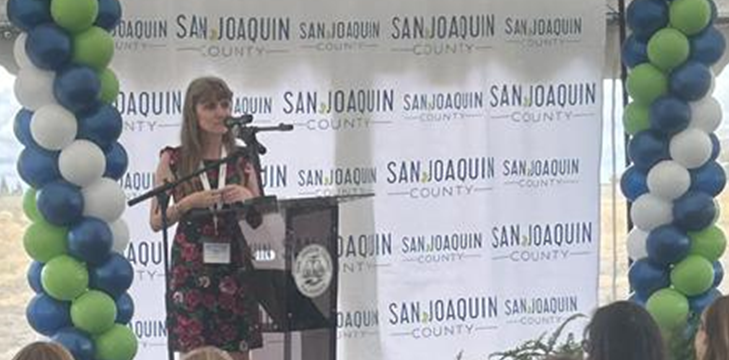
SACRAMENTO — ໃນວັນ 10 ກັນຍາ, 2025, ກົມບໍລິການດ້ານສຸຂະພາບ (DHCS) ແລະ ກົມບໍລິການສຸຂະພາບທາງດ້ານພຶດຕິກຳຂອງເຂດ San Joaquin ໄດ້ສະເຫຼີມສະຫຼອງການເປີດສະຖານທີ່ Be Well Camp, ເຊິ່ງເປັນສະຖານທີ່ໃໝ່ໃນ French Camp ເຊິ່ງຈະຂະຫຍາຍການເຂົ້າເຖິງການປິ່ນປົວສຸຂະພາບຈິດ ແລະ ການປິ່ນປົວຄວາມຜິດປົກກະຕິຈາກການໃຊ້ສານເສບຕິດໃນ Central Valley. ວິທະຍາເຂດດັ່ງກ່າວຈະປະກອບມີສະຖານທີ່ 10 ປະເພດ, ມີຕຽງປິ່ນປົວສຸຂະພາບທາງດ້ານພຶດຕິກຳ 116 ຕຽງ ແລະ ຊ່ອງຄົນເຈັບນອກ 1,205 ຊ່ອງ, ເຊິ່ງສາມາດເຮັດໃຫ້ສາມາດດູແລຄົນເຈັບໄດ້ຫຼາຍກວ່າ 72,000 ຄົນຕໍ່ປີ.
“ໂຄງການນີ້ເປັນຕົວແທນຂອງຕົວຢ່າງທີ່ມີປະສິດທິພາບຂອງຄວາມມຸ່ງໝັ້ນຂອງລັດ California ໃນການສ້າງລະບົບສຸຂະພາບທາງດ້ານພຶດຕິກຳທີ່ຕອບສະໜອງຜູ້ຄົນໃນບ່ອນທີ່ພວກເຂົາຢູ່,” ຜູ້ອຳນວຍການ DHCS ທ່ານນາງ Michelle Baass ກ່າວ. "ຜ່ານໂຄງການພື້ນຖານໂຄງລ່າງສຸຂະພາບທາງດ້ານພຶດຕິກຳຢ່າງຕໍ່ເນື່ອງ, ພວກເຮົາກຳລັງລົງທຶນໃນພື້ນຖານໂຄງລ່າງທ້ອງຖິ່ນ ແລະ ຊ່ວຍເຫຼືອຊຸມຊົນໃຫ້ຂະຫຍາຍການເຂົ້າເຖິງການດູແລ."
ໂຄງການຫັນປ່ຽນນີ້ໄດ້ຮັບການສະໜັບສະໜູນຫຼາຍກວ່າ 149 ລ້ານໂດລາຜ່ານ ໂຄງການພື້ນຖານໂຄງລ່າງສຸຂະພາບທາງດ້ານພຶດຕິກຳ (BHCIP), ລວມທັງ ຮອບທີ 5: ວິກິດການ ແລະ ສຸຂະພາບທາງດ້ານພຶດຕິກຳ ແລະ ພັນທະບັດ BHCIP ຮອບທີ 1: ຄວາມພ້ອມໃນການເປີດຕົວ (ລາງວັນແບບມີເງື່ອນໄຂທີ່ເປັນໄປໄດ້ໂດຍກົດໝາຍວ່າດ້ວຍພັນທະບັດພື້ນຖານໂຄງລ່າງສຸຂະພາບທາງດ້ານພຶດຕິກຳ), ເຊິ່ງເປັນສ່ວນໜຶ່ງຂອງການປະຕິຮູບທີ່ໄດ້ຮັບການອະນຸມັດຈາກຜູ້ມີສິດເລືອກຕັ້ງຂອງລັດ California ເພື່ອຂະຫຍາຍການດູແລສຸຂະພາບທາງດ້ານພຶດຕິກຳ ແລະ ທີ່ຢູ່ອາໄສ. ໂຄງການນີ້ແມ່ນໜຶ່ງໃນຫຼາຍໆໂຄງການໃນລັດຄາລິຟໍເນຍທີ່ຈະລວມເອົາຮອບ BHCIP ກ່ອນໜ້ານີ້ເຂົ້າກັບກອງທຶນພັນທະບັດເພື່ອສະໜັບສະໜູນທັງຄວາມຕ້ອງການໃນທັນທີ ແລະ ພື້ນຖານໂຄງລ່າງໄລຍະຍາວ.
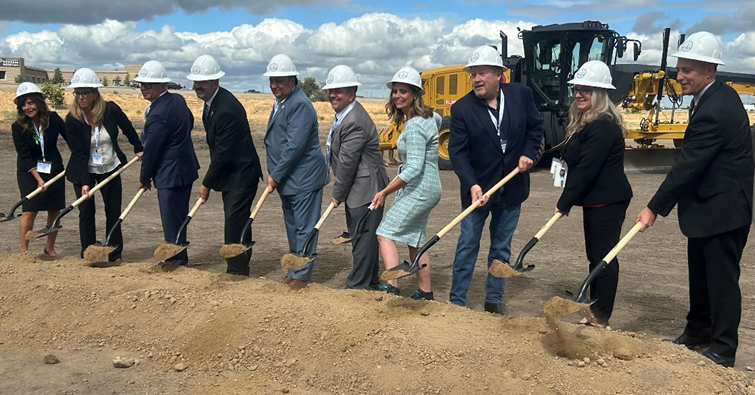
BHCIP ແມ່ນອົງປະກອບຫຼັກຂອງຄວາມມຸ່ງໝັ້ນຢ່າງຕໍ່ເນື່ອງຂອງ Mental Health for All, ລັດຄາລິຟໍເນຍ ເພື່ອສ້າງລະບົບສຸຂະພາບທາງດ້ານພຶດຕິກຳທີ່ເຂັ້ມແຂງ ແລະ ຍຸດຕິທຳຫຼາຍຂຶ້ນ. ດ້ວຍການຜ່ານຮ່າງກົດໝາຍສະບັບທີ 1, ສະຖານທີ່ປິ່ນປົວສຸຂະພາບທາງດ້ານພຶດຕິກຳຈະຫຼາຍຂຶ້ນເລື້ອຍໆ ເຊິ່ງຈະໄດ້ຮັບທຶນ ແລະ ກໍ່ສ້າງໃນປີ 2025 ແລະ 2026.
“ພວກເຮົາມີຄວາມຍິນດີທີ່ໄດ້ເຫັນກົດໝາຍວ່າດ້ວຍພັນທະບັດໂຄງສ້າງພື້ນຖານດ້ານສຸຂະພາບທາງດ້ານພຶດຕິກຳໃນການປະຕິບັດ,” ທ່ານ ນາງ Marlies Perez ຫົວໜ້າພະແນກບໍລິການຊຸມຊົນຂອງ DHCS ກ່າວ. "ເຂດ San Joaquin ກຳລັງສ້າງຮູບແບບທີ່ລວມເອົາການດູແລຫຼາຍລະດັບໄວ້ໃນບ່ອນດຽວ, ເຮັດໃຫ້ມັນງ່າຍຂຶ້ນສຳລັບຜູ້ຄົນທີ່ຈະໄດ້ຮັບການດູແລທີ່ເຂົາເຈົ້າຕ້ອງການເມື່ອເຂົາເຈົ້າຕ້ອງການ."
ການລົງທຶນໃນຄວາມສາມາດໃນການດູແລສຸຂະພາບທາງດ້ານພຶດຕິກຳ: ມີຜູ້ໃຫຍ່ຫຼາຍກວ່າ 1.2 ລ້ານຄົນໃນລັດຄາລິຟໍເນຍທີ່ອາໄສຢູ່ກັບພະຍາດທາງຈິດທີ່ຮ້າຍແຮງ, ແລະ 1 ໃນ 10 ຄົນຂອງປະຊາກອນມີຄຸນສົມບັດຕາມເງື່ອນໄຂສຳລັບຄວາມຜິດປົກກະຕິໃນການໃຊ້ສານເສບຕິດ. ນອກຈາກນັ້ນ, ການຂາດແຄນສະຖານທີ່ປິ່ນປົວສຸຂະພາບທາງດ້ານພຶດຕິກຳຍັງປະກອບສ່ວນເຮັດໃຫ້ອັດຕາການບໍ່ມີທີ່ຢູ່ອາໄສ ແລະ ການຖືກຄຸມຂັງເພີ່ມຂຶ້ນໃນບັນດາຜູ້ທີ່ມີຄວາມຜິດ
ກະຕິດ້ານສຸ
ພາບຈິດ.ເພື່ອແກ້ໄຂບັນຫານີ້, DHCS ໄດ້ເປີດຕົວ BHCIP ເພື່ອສະໜັບສະໜູນການກໍ່ສ້າງ, ການຊື້ກິດຈະການ ແລະ ການຂະຫຍາຍສະຖານທີ່ບໍລິການສຸຂະພາບທາງດ້ານພຶດຕິກຳ ແລະ ການບໍລິການສຸກເສີນແບບເຄື່ອນທີ່. ນັບຕັ້ງແຕ່ປີ 2021, ລັດໄດ້ມອບເງິນຫຼາຍກວ່າ 2.2 ຕື້ໂດລາຜ່ານ BHCIP ຮອບທີ 1–5, ລວມທັງ 430 ລ້ານໂດລາໃນຮອບທີ 5 ເພື່ອຂະຫຍາຍການດູແລໃນກໍລະນີວິກິດທົ່ວລັດ. ລັດຄາລິຟໍເນຍກຳລັງລົງທຶນຫຼາຍພັນລ້ານໂດລາຜ່ານ Bond BHCIP ເພື່ອສ້າງພື້ນຖານໂຄງລ່າງສຸຂະພາບທາງດ້ານພຶດຕິກຳ ແລະ ທີ່ຢູ່ອາໄສໃນໄລຍະຍາວ. ໃນເດືອນພຶດສະພາ 2025, DHCS ໄດ້ມອບເງິນຊ່ວຍເຫຼືອຢ່າງມີເງື່ອນໄຂເປັນຈຳນວນ 3.3 ຕື້ໂດລາຜ່ານ Bond BHCIP Round 1: Launch Ready ໃຫ້ແກ່ 121 ໂຄງການໃນ 42 ເຂດ, ສະໜັບສະໜູນຕຽງນອນຄົນເຈັບ 4,895 ຕຽງ ແລະ ຊ່ອງຄົນເຈັບນອກ 21,402 ຊ່ອງ.
ສິ່ງຕໍ່ໄປ: ໂຄງການ Be Well Campus ໄດ້ຮັບລາງວັນແບບມີເງື່ອນໄຂຜ່ານ Bond BHCIP ຮອບທີ 1: ຄວາມພ້ອມໃນການເປີດຕົວ, ແລະຂັ້ນຕອນຕໍ່ໄປແມ່ນການສຳເລັດການສະໜອງທຶນດັ່ງກ່າວ. ເຂດ San Joaquin ຈະເຮັດວຽກຮ່ວມກັບ DHCS ເພື່ອເຮັດສຳເລັດຂໍ້ຕົກລົງການສະໜອງທຶນຂອງໂຄງການ, ຢືນຢັນເງິນທຶນທີ່ກົງກັນ ແລະ ການເປັນເຈົ້າຂອງຊັບສິນ, ແລະ ສະຫຼຸບເອກະສານອື່ນໆທີ່ຕ້ອງການກ່ອນທີ່ການຕັດສິນຈະກາຍເປັນສຸດທ້າຍ.
ໃນຂະນະດຽວກັນ, DHCS ກຳລັງກະກຽມທີ່ຈະມອບເງິນຫຼາຍກວ່າ 800 ລ້ານໂດລາຜ່ານ Bond BHCIP ຮອບທີ 2: ຄວາມຕ້ອງການທີ່ບໍ່ໄດ້ຮັບການຕອບສະໜອງ. ຮອບນີ້ເປີດໃຫ້ຜູ້ສະໝັກທີ່ມີສິດໄດ້ຮັບທົ່ວລັດ, ໂດຍມີກຳນົດສົ່ງໃບສະໝັກໃນວັນທີ 28, 2025 ຕຸລາ, ແລະ ຄາດວ່າຈະມອບລາງວັນໃນລະດູໃບໄມ້ປົ່ງປີ 2026.
###
ຫ້ອງການສື່ສານ
(916) 440-7660
DHCSPress@dhcs.ca.gov
ການຊ່ວຍເຫຼືອລ້າຈະສ້າງຄູ່ຮ່ວມງານຂອງຊຸມຊົນແລະເພີ່ມການເຂົ້າເຖິງການປິ່ນປົວ
SACRAMENTO — ກະຊວງບໍລິການດູແລສຸຂະພາບ (DHCS) ໄດ້ມອບເງິນ 26 ລ້ານໂດລາໃຫ້ແກ່ຫຼາຍກວ່າ 70 ອົງການຈັດຕັ້ງເພື່ອຕໍ່ສູ້ກັບວິກິດການ opioid ໃນລັດ California. ເງິນຊ່ວຍເຫຼືອເຫຼົ່ານີ້ແມ່ນຖືກອອກແບບມາເພື່ອຂະຫຍາຍການເຂົ້າເຖິງການປິ່ນປົວ, ເສີມສ້າງການຮ່ວມມືໃນຊຸມຊົນ, ແລະ ຊ່ວຍຊີວິດຄົນ. ເງິນຊ່ວຍເຫຼືອເຫຼົ່ານີ້ແມ່ນສ່ວນໜຶ່ງທີ່ສຳຄັນຂອງຂໍ້ລິເລີ່ມການຕອບສະໜອງຕໍ່ຢາ opioid (SOR) ຂອງລັດ.
"ການແກ້ໄຂວິກິດການ opioid ຕ້ອງການວິທີການທີ່ສົມບູນແບບ, ມີຄວາມເຫັນອົກເຫັນໃຈ ແລະ ຂັບເຄື່ອນໂດຍຊຸມຊົນ." ນັ້ນແມ່ນເຫດຜົນທີ່ DHCS ມີຄວາມຍິນດີທີ່ໄດ້ຮ່ວມມືກັບຫຼາຍອົງການຈັດຕັ້ງເພື່ອສະເໜີການເຂົ້າເຖິງການດູແລທີ່ປ່ຽນແປງຊີວິດນີ້,” ຜູ້ອຳນວຍການ DHCS Michelle Baass ກ່າວ. "ພວກເຮົາຕ້ອງຂະຫຍາຍການເຂົ້າເຖິງການປິ່ນປົວ, ລົງທຶນໃນການປ້ອງກັນ, ແລະ ກຳຈັດຄວາມອັບອາຍທີ່ກ່ຽວຂ້ອງກັບການຕິດຢາເສບຕິດ." ຊີວິດກຳລັງຕົກຢູ່ໃນຄວາມສ່ຽງ, ແລະ ພວກເຮົາມຸ່ງໝັ້ນທີ່ຈະເຮັດທຸກສິ່ງທີ່ພວກເຮົາສາມາດເຮັດໄດ້ເພື່ອສະໜັບສະໜູນການຟື້ນຟູ.”
ການຫຼຸດຜ່ອນຄວາມຕ້ອງການທີ່ບໍ່ໄດ້ຮັບການຕອບສະໜອງ ແລະ ການໃຊ້ຢາເກີນຂະໜາດທີ່ກ່ຽວຂ້ອງກັບໂອປິອອຍໃນຊຸມຊົນຊົນເຜົ່າ: DHCS ໄດ້ມອບເງິນ 2.1 ລ້ານໂດລາໃຫ້ແກ່ 12 ອົງການຈັດຕັ້ງ ເພື່ອຈັດຕັ້ງປະຕິບັດໂຄງການ SOR IV Tribal Local Opioid Coalition (TLOC). TLOC ສະໜັບສະໜູນຊຸມຊົນຊົນເຜົ່າ ແລະ ຊຸມຊົນອິນເດຍໃນຕົວເມືອງໂດຍການເພີ່ມການເຂົ້າເຖິງການປິ່ນປົວ, ການໃຫ້ບໍລິການຟື້ນຟູທີ່ມີຮາກຖານທາງດ້ານວັດທະນະທໍາ, ແລະ ການຫຼຸດຜ່ອນການເສຍຊີວິດທີ່ກ່ຽວຂ້ອງກັບການໃຊ້ຢາເກີນขนาดໂດຍຜ່ານການປ້ອງກັນ ແລະ ການດູແລ. ໂຄງການດັ່ງກ່າວເສີມສ້າງຄວາມພະຍາຍາມໃນການຟື້ນຟູສຳລັບຄວາມຜິດປົກກະຕິດ້ານການໃຊ້ຢາ opioid ແລະ ການໃຊ້ຢາກະຕຸ້ນໂດຍການສ້າງການຮ່ວມມືລະຫວ່າງສະມາຊິກຊຸມຊົນ, ຜູ້ມີສ່ວນຮ່ວມ ແລະ ຜູ້ໃຫ້ບໍລິການ.
“DHCS ມີຄວາມຍິນດີທີ່ຈະສະໜັບສະໜູນຊຸມຊົນຊົນເຜົ່າດ້ວຍຊັບພະຍາກອນທີ່ສະທ້ອນເຖິງຄວາມຕ້ອງການ ແລະ ຈຸດແຂງທີ່ເປັນເອກະລັກຂອງເຂົາເຈົ້າ.” ໂຄງການ TLOC ເສີມສ້າງຄວາມເຂັ້ມແຂງໃຫ້ແກ່ການຮ່ວມມືໃນທ້ອງຖິ່ນໃນການຂະຫຍາຍການປິ່ນປົວ, ປ້ອງກັນການໃຊ້ສານເສບຕິດ, ແລະ ສົ່ງເສີມການປິ່ນປົວທີ່ມີພື້ນຖານທາງດ້ານວັດທະນະທໍາ,” ທ່ານ Baass ກ່າວ.
ການຂະຫຍາຍການເຂົ້າເຖິງຢາສຳລັບການປິ່ນປົວການຕິດຢາເສບຕິດ: DHCS ຍັງໄດ້ມອບເງິນເກືອບ 3 ລ້ານໂດລາໃຫ້ແກ່ ສີ່ໂຄງການປິ່ນປົວຢາເສບຕິດ (NTP) ທີ່ໄດ້ຮັບອະນຸຍາດຈາກ DHCS ເພື່ອສ້າງສະຖານທີ່ດາວທຽມ, ເອີ້ນວ່າໜ່ວຍງານຢາ, ເຊິ່ງໃຫ້ການເຂົ້າເຖິງການປິ່ນປົວການຕິດຢາເສບຕິດ. ໜ່ວຍບໍລິການຢາເຫຼົ່ານີ້ຈະໃຫ້ບໍລິການແກ່ຜູ້ທີ່ມີຄວາມຫຍຸ້ງຍາກໃນການເຂົ້າເຖິງການດູແລ, ລວມທັງປະຊາຊົນໃນເຂດຊົນນະບົດ, ຊຸມຊົນທີ່ກ່ຽວຂ້ອງກັບຄວາມຍຸຕິທຳ, ແລະ ຜູ້ທີ່ບໍ່ມີການຂົນສົ່ງທີ່ເຊື່ອຖືໄດ້, ແລະ ສະໜັບສະໜູນການເຊື່ອມໂຍງການດູແລ.
"ຊຸມຊົນທີ່ຕັ້ງຢູ່ໂດດດ່ຽວທາງພູມສາດມັກຈະປະເຊີນກັບສິ່ງທ້າທາຍທີ່ຮຸນແຮງຂຶ້ນໃນການເຂົ້າເຖິງການດູແລ, ລວມທັງອຸປະສັກດ້ານການຂົນສົ່ງ ແລະ ຄວາມບໍ່ສະເໝີພາບທາງລະບົບ." ການສ້າງຕັ້ງໜ່ວຍງານຢາແກ້ໄຂຊ່ອງຫວ່າງເຫຼົ່ານີ້ໂດຍການປັບປຸງການເຂົ້າເຖິງ, ເພີ່ມທະວີການຮັກສາ, ແລະ ສົ່ງເສີມຄວາມສະເໝີພາບດ້ານສຸຂະພາບໃນຂົງເຂດທີ່ຕ້ອງການຫຼາຍທີ່ສຸດ,” Sarah Khawaja-Laljiani, ຜູ້ອຳນວຍການອາວຸໂສຝ່າຍຊ່ວຍເຫຼືອລ້າ ແລະ ບໍລິການຄົນເຈັບຂອງສູນປິ່ນປົວ Pinnacle, ຜູ້ທີ່ໄດ້ຮັບທຶນເພື່ອຂະຫຍາຍການເຂົ້າເຖິງຢາປິ່ນປົວການຕິດຢາເສບຕິດ (MAT) ກ່າວ.
"ໂອກາດການສະໜອງທຶນນີ້ສອດຄ່ອງກັບຄຳໝັ້ນສັນຍາຂອງພວກເຮົາໃນການຂະຫຍາຍການເຂົ້າເຖິງການປິ່ນປົວທີ່ອີງໃສ່ຫຼັກຖານໃນຊຸມຊົນທີ່ຂາດແຄນການບໍລິການ, " Evelyn Sosa, ຮອງປະທານອາວຸໂສຂອງ BayMark Health Services ກ່າວ. "ການສະໜັບສະໜູນນີ້ຈະຊ່ວຍໃຫ້ພວກເຮົາພົບກັບຄົນເຈັບໃນບ່ອນທີ່ເຂົາເຈົ້າຢູ່, ກຳຈັດອຸປະສັກຕໍ່ການດູແລ ແລະ ປັບປຸງຜົນໄດ້ຮັບສຳລັບຜູ້ທີ່ມີຄວາມສ່ຽງຕໍ່ການໃຊ້ຢາເກີນຂະໜາດ."
ການຂະຫຍາຍການເຂົ້າເຖິງ MAT: ນອກຈາກນັ້ນ, DHCS ໄດ້ມອບເງິນຫຼາຍກວ່າ 21 ລ້ານໂດລາໃຫ້ແກ່ 59 ໂຄງການປິ່ນປົວຄວາມຜິດປົກກະຕິການໃຊ້ສານເສບຕິດທີ່ຢູ່ອາໄສທີ່ໄດ້ຮັບອະນຸຍາດຈາກ DHCS ເພື່ອເປີດຕົວ ຫຼື ຂະຫຍາຍການບໍລິການ MAT ໂດຍອີງໃສ່ຫຼັກຖານໃນສະຖານທີ່ໃຫ້ແກ່ບຸກຄົນທີ່ມີບັນຫາການໃຊ້ opioid.
“ໃນຂະນະທີ່ວິກິດການ opioid ແລະ fentanyl ສືບຕໍ່ທຳລາຍຊີວິດຂອງປະຊາຊົນໃນທົ່ວປະເທດ, ການຂະຫຍາຍການເຂົ້າເຖິງການບໍລິການ MAT ໃນໂຄງການທີ່ພັກອາໄສບໍ່ພຽງແຕ່ເປັນຄວາມຈຳເປັນທາງດ້ານການແພດເທົ່ານັ້ນ, ແຕ່ຍັງເປັນຄວາມຈຳເປັນທາງດ້ານສິນທຳອີກດ້ວຍ,” ດຣ. BJ Davis, ຜູ້ອຳນວຍການບໍລິຫານ, Gateway House for Women ແລະ Sacramento Recovery House for Men ກ່າວ. "ທຶນນີ້ຊ່ວຍໃຫ້ພວກເຮົາສາມາດພົບກັບຜູ້ຄົນໃນບ່ອນທີ່ພວກເຂົາຢູ່ດ້ວຍການດູແລທີ່ອີງໃສ່ຫຼັກຖານຢ່າງຕໍ່ເນື່ອງ."
“ລູກຄ້າຂອງພວກເຮົາຕ້ອງການການເຂົ້າເຖິງ MAT ຢ່າງທັນການເພື່ອຈັດການກັບຄວາມຢາກ ແລະ ເລີ່ມຕົ້ນການເດີນທາງໄປສູ່ການຟື້ນຟູ ແລະ ຄວາມໝັ້ນຄົງຂອງເຂົາເຈົ້າ,” Lindsey Purdie, MBA, ຜູ້ອຳນວຍການບໍລິຫານຂອງມູນນິທິ Crossroads ກ່າວ. "ຜ່ານການຮ່ວມມືຂອງພວກເຮົາກັບ DHCS, ພວກເຮົາໄດ້ຮັບໂອກາດທີ່ຈະຂະຫຍາຍການບໍລິການຂອງພວກເຮົາ ແລະ ຕອບສະໜອງຄວາມຕ້ອງການຂອງຜູ້ທີ່ພວກເຮົາສະໜັບສະໜູນໄດ້ດີຂຶ້ນ." ພວກເຮົາຮູ້ສຶກຂອບໃຈຢ່າງເລິກເຊິ່ງຕໍ່ການສະໜັບສະໜູນທຶນນີ້ ແລະ ການຮ່ວມມືຢ່າງຕໍ່ເນື່ອງ.”
ເປັນຫຍັງສິ່ງນີ້ຈຶ່ງສຳຄັນ: ໃນປີ 2023, ມີ ຜູ້ເສຍຊີວິດ ຈາກການໃຊ້ຢາເກີນຂະໜາດ 11,359 ຄົນ. ໃນນັ້ນ, 8,000 ຄົນແມ່ນກ່ຽວຂ້ອງກັບຢາ opioid, ໂດຍມີ 7,000 ຄົນແມ່ນກ່ຽວຂ້ອງກັບຢາ fentanyl ໂດຍສະເພາະ. ໃນຂະນະທີ່ຊາວຄາລິຟໍເນຍສ່ວນໃຫຍ່ມີຄຸນສົມບັດຕາມເງື່ອນໄຂສຳລັບຄວາມຜິດປົກກະຕິໃນການໃຊ້ສານເສບຕິດ, ແຕ່ມີພຽງແຕ່ສ່ວນໜ້ອຍເທົ່ານັ້ນທີ່ໄດ້ຮັບການປິ່ນປົວ, ເຊິ່ງມັກຈະເປັນຍ້ອນການເຂົ້າເຖິງການບໍລິການເຊັ່ນ MAT ແລະ naloxone ທີ່ຈຳກັດໃນເຂດຊົນນະບົດ.
ພາບທີ່ໃຫຍ່ກວ່າ: ເງິນຊ່ວຍເຫຼືອເຫຼົ່ານີ້ແມ່ນສ່ວນໜຶ່ງຂອງ ການຕອບສະໜອງຕໍ່ຢາ Opioid ຂອງ DHCS, ເຊິ່ງເປັນອົງປະກອບຫຼັກຂອງ ແຜນແມ່ບົດຂອງຜູ້ວ່າການລັດ Newsom ສຳລັບການແກ້ໄຂວິກິດການ Fentanyl ແລະ Opioid. ສຳລັບຂໍ້ມູນເພີ່ມເຕີມກ່ຽວກັບຢາ opioid ແລະວິທີທີ່ທ່ານສາມາດປົກປ້ອງຕົວທ່ານເອງ ແລະ ຄົນທີ່ຮັກ, ເຂົ້າໄປທີ່ Opioids.ca.gov, ຮ້ານຄ້າປະຕູດຽວສຳລັບຊາວຄາລິຟໍເນຍທີ່ຊອກຫາຊັບພະຍາກອນກ່ຽວກັບການປ້ອງກັນ ແລະ ການປິ່ນປົວ.
###
ຫ້ອງການສື່ສານ
(916) 440-7660
DHCSPress@dhcs.ca.gov